Notes
Every fragrance note in the database, with descriptions where available.
3531 of 3531 notes have an image or description.
A
- 🌿
Abdul Samad Al Qurashi
Abdul Samad Al Qurashi is a dark textured note that may suggest leather, smoke, tobacco, tar, ash, or warm dry materials. It gives fragrance depth, sensuality, and a more dramatic atmosphere. In perfumery, smoky and leathery notes are often used in bases, where they add strength and character without needing sweetness. It pairs well with oud, saffron, birch tar, amber, tobacco, rose, patchouli, vetiver, incense, and dry woods.
- 🌿
Abelmoschus
Abelmoschus is a specialty note used to give a fragrance a distinctive texture, mood, or material impression. Depending on interpretation, it may contribute freshness, warmth, sweetness, dryness, softness, or an abstract atmospheric effect. In perfumery, specialty notes are useful because they make a composition feel more specific and less generic. It can be paired with woods, musks, florals, resins, fruits, green notes, spices, or amber materials according to the intended style.
- 🌿
Abrialis lavender
Abrialis lavender is a floral note that gives a fragrance softness, radiance, and emotional warmth. Depending on the flower or accord, it may feel fresh, creamy, powdery, honeyed, green, indolic, or airy. In perfumery, floral notes often form the heart of a composition, adding body and a recognizable signature. It pairs well with citrus, white musk, rose, jasmine, sandalwood, amber, vanilla, iris, and delicate fruits.
- 🌿
Absinth
Absinth is a specialty note used to give a fragrance a distinctive texture, mood, or material impression. Depending on interpretation, it may contribute freshness, warmth, sweetness, dryness, softness, or an abstract atmospheric effect. In perfumery, specialty notes are valuable because they make a composition feel more specific and less generic. Absinth can be paired with woods, musks, florals, resins, fruits, green notes, spices, or amber materials according to the intended style.

Absinthe
Absinthe — the infamous spirit distilled from wormwood (Artemisia absinthium), green anise, and fennel — carries one of perfumery's most dramatically distinctive aromatic profiles. The bitter, intensely herbal bite of wormwood is softened by the sweet-anise warmth of its accompanying botanicals, creating a scent that is complex, slightly medicinal, and deeply evocative of nineteenth-century Parisian bohemian culture. It smells like the Belle Epoque: intoxicating, green, and mysterious. In perfumery, absinthe is used as a powerful character note that lends a darkly herbal, bitter-green, and anisic quality to compositions. It is rarely used in excess — a little goes a long way — but in the right concentration it adds a brooding depth and intellectual edge that few other materials can match. Perfumers pair it with dark woods, leather, tobacco, violet, and dark florals to build fragrances that feel shadowed, complex, and uncompromisingly distinctive. It also appears in lighter green chypres to add a bitter-herbal bite. Fragrenza's absinthe-inspired fragrances are crafted for those who embrace complexity and mystery in their scents — wearers who want something that challenges and intrigues rather than simply pleases. These compositions draw from some of perfumery's most celebrated herbal and aromatic masterpieces, faithfully reproduced at Fragrenza's accessible prices, because truly interesting fragrance should be available to all.
- 🌿
Absinthe wormwood
Absinthe wormwood is a woody note used to create structure, depth, and lasting warmth. Its scent may be dry, creamy, smoky, resinous, earthy, pencil-like, or polished depending on the wood or accord. In perfumery, woody notes often support the whole composition and help connect fresh openings with deeper bases. Absinthe wormwood pairs naturally with amber, musk, incense, leather, vetiver, patchouli, spices, citrus, and soft resins, making it useful in masculine, feminine, and unisex fragrances.
Acácia
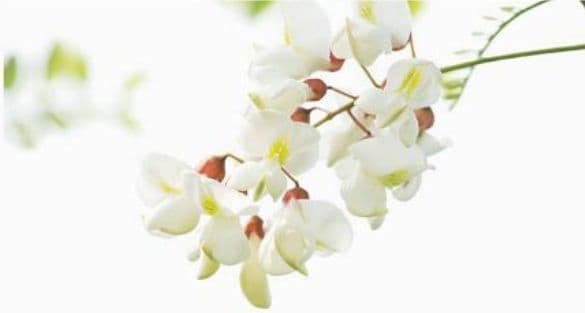
Acacia — particularly Acacia dealbata, the silver wattle — is one of the most cherished floral materials in perfumery, closely related to and often synonymous with mimosa. Native to southeastern Australia and naturalized across the Mediterranean, acacia bursts into brilliant yellow blossoms each late winter, filling the air with a honey-sweet, softly powdery fragrance that is at once voluptuous and delicate. It is one of nature's most generous and warmly welcoming scents. In perfumery, acacia and mimosa are among the classic powdery florals, used to add sweetness, softness, and a gentle luminosity to compositions. The honey-sweet, slightly almond-like quality of acacia blossoms blends naturally with iris, violet, heliotrope, and warm musks, creating that characteristic powdery-floral warmth found in some of the most beloved classical and contemporary fragrances. It can anchor a composition in comfort while keeping it unmistakably floral and alive. At Fragrenza, our acacia fragrances celebrate the golden sweetness of this beloved blossom — warm, enveloping, and endlessly wearable. Whether featured as a central note or woven into the heart of a complex floral, acacia brings a honeyed glow to any composition. Fragrenza captures this beauty in carefully crafted dupes of some of the world's most acclaimed powdery florals, offering that same warmth and quality at prices designed for everyday enjoyment.
- 🌿
Acacia honey
Acacia honey is a gourmand note that adds edible warmth, sweetness, and comfort. It may suggest cream, sugar, nuts, chocolate, coffee, honey, pastry, or toasted grains depending on the accord. In perfumery, gourmand notes make compositions feel cozy and sensual, but they work best when balanced with woods, musks, spices, citrus, or resins. It pairs well with vanilla, tonka bean, sandalwood, amber, caramel, cacao, coffee, and soft florals.
- 🌿
Acacia honey absolute
Acacia honey absolute is a gourmand note that adds edible warmth, sweetness, and comfort. It may suggest cream, sugar, nuts, chocolate, coffee, honey, pastry, or toasted grains depending on the accord. In perfumery, gourmand notes make compositions feel cozy and sensual, but they work best when balanced with woods, musks, spices, citrus, or resins. It pairs well with vanilla, tonka bean, sandalwood, amber, caramel, cacao, coffee, and soft florals.
- 🌿
Acacia wood
Acacia wood is a woody note used to create structure, depth, and lasting warmth. Its scent may be dry, creamy, smoky, resinous, earthy, pencil-like, or polished depending on the wood or accord. In perfumery, woody notes support the whole composition and connect fresh openings with deeper bases. It pairs naturally with amber, musk, incense, leather, vetiver, patchouli, spices, citrus, and soft resins.
- 🌿
Açaí
Açaí is a fruity note that adds juiciness, color, and natural sweetness. It may feel crisp and tart, ripe and velvety, tropical and creamy, or dark and jammy depending on the fruit profile. In perfumery, fruity notes brighten florals, soften musks, and add pleasure to gourmand or woody structures. It pairs well with rose, peony, jasmine, white musk, vanilla, woods, citrus, amber, and soft spices.
Acai berry
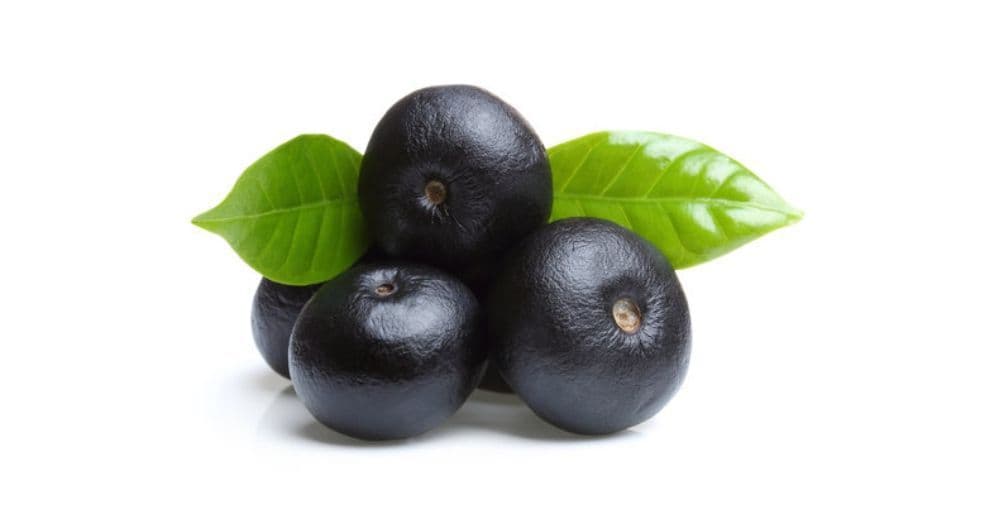
Acai berry, harvested from the acai palm (Euterpe oleracea) of the Amazon rainforest, has become one of the most recognized superfoods of the modern era. Its appearance — deep purple, almost black — hints at the complexity of its flavor and scent: earthy and slightly tart, with a dark berry richness and a subtle chocolatey depth that distinguishes it from conventional berries. It carries the dense, shadowed quality of the tropical forest floor where it grows. In perfumery, acai is used to add a dark, richly fruity note with depth and tropical earthiness. Unlike bright, tart berry notes, acai reads as more complex and mysterious — its purplish darkness lending a brooding quality to compositions. Perfumers use it in gourmand-fruity and dark oriental fragrances, pairing it with dark musks, woods, chocolate accords, and tropical florals to build compositions that feel lush, exotic, and full of Amazonian depth. Fragrenza's acai berry fragrances are for those drawn to the darker, richer side of tropical fruity scents. These compositions celebrate the deep, earthy complexity of the Amazon's most celebrated berry — translated into fine fragrance with the skill and quality that Fragrenza brings to every dupe in our collection, and made available at prices that welcome every fragrance lover into the fold.
- 🌿
Accia
Accia is a specialty note used to give a fragrance a distinctive texture, mood, or material impression. Depending on interpretation, it may contribute freshness, warmth, sweetness, dryness, softness, or an abstract atmospheric effect. In perfumery, specialty notes are valuable because they make a composition feel more specific and less generic. Accia can be paired with woods, musks, florals, resins, fruits, green notes, spices, or amber materials according to the intended style.
Acerola
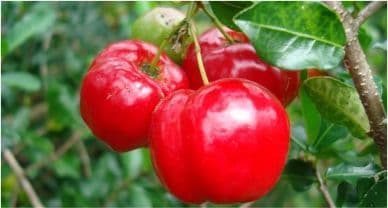
Acerola, the Barbados cherry or West Indian cherry, is a tropical fruit native to the Caribbean, Central America, and northern South America. Famous as one of the richest natural sources of vitamin C, acerola is equally remarkable for its scent: brightly tart and fruity, with a juicy cherry-berry character underscored by a vibrant citrus-like sharpness. It is vivid, energetic, and unmistakably tropical — sunshine and tartness in a single bite. In perfumery, acerola is used as a sparkling top note that brings an immediate burst of tart, berry-citrus freshness to a composition. It differs from sweeter berry notes like blackcurrant or raspberry in its pronounced tartness and tropical brightness — it wakes the nose up rather than seducing it. Perfumers pair it with passionfruit, mango, mandarin, and green tea to build vibrant, modern fruity-fresh compositions that feel energetic and contemporary. It is also used to add lift and brightness to floral and aquatic blends. At Fragrenza, our acerola-inspired fragrances are bold, vivid, and full of tropical energy. These are compositions for wearers who love bright, tart-fruity openers that cut through and make an impression from the first spray. Drawn from some of the most exciting modern fruity-fresh fragrances in the industry, Fragrenza's versions offer the same high-octane freshness at accessible prices built for everyday discovery.
- 🌿
Acerola cherry
Acerola cherry is a fruity note that adds juiciness, color, and natural sweetness. It may feel crisp and tart, ripe and velvety, tropical and creamy, or dark and jammy depending on the fruit profile. In perfumery, fruity notes brighten florals, soften musks, and add pleasure to gourmand or woody structures. It pairs well with rose, peony, jasmine, white musk, vanilla, woods, citrus, amber, and soft spices.
Acetylfuran
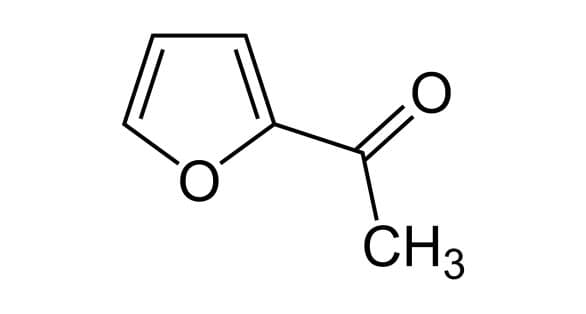
Acetylfuran is an aroma molecule associated with warm, sweet, caramelized, and slightly nutty facets. In perfumery, it can help build roasted, toasted, coffee-like, caramel, or gourmand effects, adding subtle warmth and cooked-sugar depth.
- 🌿
Acorn
Acorn is a specialty note used to give a fragrance a distinctive texture, mood, or material impression. Depending on interpretation, it may contribute freshness, warmth, sweetness, dryness, softness, or an abstract atmospheric effect. In perfumery, specialty notes are useful because they make a composition feel more specific and less generic. It can be paired with woods, musks, florals, resins, fruits, green notes, spices, or amber materials according to the intended style.
- 🌿
Adesmia boronioides
Adesmia boronioides is a specialty note used to give a fragrance a distinctive texture, mood, or material impression. Depending on interpretation, it may contribute freshness, warmth, sweetness, dryness, softness, or an abstract atmospheric effect. In perfumery, specialty notes are useful because they make a composition feel more specific and less generic. It can be paired with woods, musks, florals, resins, fruits, green notes, spices, or amber materials according to the intended style.
- 🌿
Adoxal
Adoxal is a specialty note used to give a fragrance a distinctive texture, mood, or material impression. Depending on interpretation, it may contribute freshness, warmth, sweetness, dryness, softness, or an abstract atmospheric effect. In perfumery, specialty notes are useful because they make a composition feel more specific and less generic. It can be paired with woods, musks, florals, resins, fruits, green notes, spices, or amber materials according to the intended style.
- 🌿
Aegean wallflower
Aegean wallflower is a floral note that gives a fragrance softness, radiance, and emotional warmth. Depending on the flower or accord, it may feel fresh, creamy, powdery, honeyed, green, indolic, or airy. In perfumery, floral notes often form the heart of a composition, adding body and a recognizable signature. It pairs well with citrus, white musk, rose, jasmine, sandalwood, amber, vanilla, iris, and delicate fruits.
- 🌿
Afghan neroli
Afghan neroli is a citrus note that adds sparkle, freshness, and immediate lift to a fragrance. Its profile can include juicy pulp, aromatic peel, green bitterness, soft floral nuances, or a sharp zesty brightness depending on the material. In perfumery, it is usually used in the opening, where it brings clarity and motion before blending into florals, woods, musks, or herbs. It pairs well with neroli, tea, lavender, white musk, light woods, aquatic notes, and aromatic herbs.
- 🌿
Afghan rose
Afghan rose is a floral note that gives a fragrance softness, radiance, and emotional warmth. Depending on the flower or accord, it may feel fresh, creamy, powdery, honeyed, green, indolic, or airy. In perfumery, floral notes often form the heart of a composition, adding body and a recognizable signature. It pairs well with citrus, white musk, rose, jasmine, sandalwood, amber, vanilla, iris, and delicate fruits.
- 🌿
African blue basil
African blue basil is a green or aromatic note that evokes leaves, herbs, stems, fresh air, or crushed vegetation. Its profile can be crisp, bitter, watery, camphoraceous, grassy, or slightly earthy depending on the material. In perfumery, green notes add realism and lift, keeping sweet, floral, or woody compositions from feeling too heavy. It pairs well with citrus, tea, fig, violet leaf, galbanum, tomato leaf, white musk, vetiver, lavender, and light woods.
- 🌿
African bluegrass
African bluegrass is a green or aromatic note that evokes leaves, herbs, stems, fresh air, or crushed vegetation. Its profile can be crisp, bitter, watery, camphoraceous, grassy, or slightly earthy depending on the material. In perfumery, green notes add realism and lift, keeping sweet, floral, or woody compositions from feeling too heavy. It pairs well with citrus, tea, fig, violet leaf, galbanum, tomato leaf, white musk, vetiver, lavender, and light woods.
- 🌿
African coffee absolute
African coffee absolute is a gourmand note that adds edible warmth, sweetness, and comfort. It may suggest cream, sugar, nuts, chocolate, coffee, honey, pastry, or toasted grains depending on the accord. In perfumery, gourmand notes make compositions feel cozy and sensual, but they work best when balanced with woods, musks, spices, citrus, or resins. It pairs well with vanilla, tonka bean, sandalwood, amber, caramel, cacao, coffee, and soft florals.
- 🌿
African Geranium
African Geranium is a floral note that adds softness, radiance, and emotional warmth to a composition. Depending on the flower or accord, it can feel fresh, creamy, powdery, honeyed, green, indolic, or airy. In perfumery, floral notes often form the heart of a fragrance, giving it body and a recognizable character. African Geranium pairs well with citrus, white musk, rose, jasmine, sandalwood, amber, vanilla, iris, and delicate fruits, making it useful in both classic bouquets and modern transparent florals.
- 🌿
African ginger CO2
African ginger CO2 is a spicy note that gives fragrance heat, texture, and aromatic energy. It can feel sweet, dry, peppery, resinous, herbal, smoky, or slightly medicinal depending on the material. In perfumery, spices create contrast, deepen the heart, and bridge fresh top notes with warm woody or amber bases. It pairs especially well with citrus, rose, tobacco, vanilla, oud, sandalwood, patchouli, leather, and balsamic resins.
- 🌿
African greenheart wood
African greenheart wood is a woody note used to create structure, depth, and lasting warmth. Its scent may be dry, creamy, smoky, resinous, earthy, pencil-like, or polished depending on the wood or accord. In perfumery, woody notes support the whole composition and connect fresh openings with deeper bases. It pairs naturally with amber, musk, incense, leather, vetiver, patchouli, spices, citrus, and soft resins.
- 🌿
African lemon
African lemon is a citrus note that adds sparkle, freshness, and immediate lift to a fragrance. Its profile can include juicy pulp, aromatic peel, green bitterness, soft floral nuances, or a sharp zesty brightness depending on the material. In perfumery, it is usually used in the opening, where it brings clarity and motion before blending into florals, woods, musks, or herbs. It pairs well with neroli, tea, lavender, white musk, light woods, aquatic notes, and aromatic herbs.
- 🌿
African marigold
African marigold is a specialty note used to give a fragrance a distinctive texture, mood, or material impression. Depending on interpretation, it may contribute freshness, warmth, sweetness, dryness, softness, or an abstract atmospheric effect. In perfumery, specialty notes are useful because they make a composition feel more specific and less generic. It can be paired with woods, musks, florals, resins, fruits, green notes, spices, or amber materials according to the intended style.
- 🌿
African neroli
African neroli is a citrus note that adds sparkle, freshness, and immediate lift to a fragrance. Its profile can include juicy pulp, aromatic peel, green bitterness, soft floral nuances, or a sharp zesty brightness depending on the material. In perfumery, it is usually used in the opening, where it brings clarity and motion before blending into florals, woods, musks, or herbs. It pairs well with neroli, tea, lavender, white musk, light woods, aquatic notes, and aromatic herbs.
- 🌿
African orange blossom
African orange blossom is a bright citrus note that brings sparkle, freshness, and immediate lift to a fragrance. Its profile may include juicy pulp, aromatic peel, green bitterness, soft floral facets, or a slightly sharp zest depending on the material. In perfumery, it is most often used in the opening, where it gives clarity and movement before blending into florals, woods, musks, or herbs. African orange blossom works especially well with neroli, tea, lavender, white musk, light woods, aquatic notes, and aromatic herbs.
- 🌿
African orange blossom absolute
African orange blossom absolute is a citrus note that adds sparkle, freshness, and immediate lift to a fragrance. Its profile can include juicy pulp, aromatic peel, green bitterness, soft floral nuances, or a sharp zesty brightness depending on the material. In perfumery, it is usually used in the opening, where it brings clarity and motion before blending into florals, woods, musks, or herbs. It pairs well with neroli, tea, lavender, white musk, light woods, aquatic notes, and aromatic herbs.
- 🌿
African Orange flower
African Orange flower is a bright citrus note that brings sparkle, freshness, and immediate lift to a fragrance. Its profile may include juicy pulp, aromatic peel, green bitterness, soft floral facets, or a slightly sharp zest depending on the material. In perfumery, it is most often used in the opening, where it gives clarity and movement before blending into florals, woods, musks, or herbs. African Orange flower works especially well with neroli, tea, lavender, white musk, light woods, aquatic notes, and aromatic herbs.
- 🌿
African orchid
African orchid is a floral note that gives a fragrance softness, radiance, and emotional warmth. Depending on the flower or accord, it may feel fresh, creamy, powdery, honeyed, green, indolic, or airy. In perfumery, floral notes often form the heart of a composition, adding body and a recognizable signature. It pairs well with citrus, white musk, rose, jasmine, sandalwood, amber, vanilla, iris, and delicate fruits.
- 🌿
African pot marigold
African pot marigold is a specialty note used to give a fragrance a distinctive texture, mood, or material impression. Depending on interpretation, it may contribute freshness, warmth, sweetness, dryness, softness, or an abstract atmospheric effect. In perfumery, specialty notes are useful because they make a composition feel more specific and less generic. It can be paired with woods, musks, florals, resins, fruits, green notes, spices, or amber materials according to the intended style.
- 🌿
African vanilla
African vanilla is a warm ambered or resinous note used to give fragrance depth, softness, and long-lasting richness. It can smell balsamic, sweet, smoky, vanillic, woody, powdery, or incense-like depending on the material. In perfumery, it rounds sharp edges and creates a smooth base that holds the composition together. It pairs well with woods, musks, spices, vanilla, tobacco, leather, florals, oud, and other resins.
- 🌿
African vetiver
African vetiver is a woody note used to create structure, depth, and lasting warmth. Its scent may be dry, creamy, smoky, resinous, earthy, pencil-like, or polished depending on the wood or accord. In perfumery, woody notes support the whole composition and connect fresh openings with deeper bases. It pairs naturally with amber, musk, incense, leather, vetiver, patchouli, spices, citrus, and soft resins.
- 🌿
African violet
African violet is a floral note that gives a fragrance softness, radiance, and emotional warmth. Depending on the flower or accord, it may feel fresh, creamy, powdery, honeyed, green, indolic, or airy. In perfumery, floral notes often form the heart of a composition, adding body and a recognizable signature. It pairs well with citrus, white musk, rose, jasmine, sandalwood, amber, vanilla, iris, and delicate fruits.
- 🌿
African ylang-ylang
African ylang-ylang is a floral note that gives a fragrance softness, radiance, and emotional warmth. Depending on the flower or accord, it may feel fresh, creamy, powdery, honeyed, green, indolic, or airy. In perfumery, floral notes often form the heart of a composition, adding body and a recognizable signature. It pairs well with citrus, white musk, rose, jasmine, sandalwood, amber, vanilla, iris, and delicate fruits.
- 🌿
Agarwood Oud
Agarwood, also known as oud, is a precious resinous wood note formed when Aquilaria trees develop aromatic dark resin. Its scent can be smoky, woody, leathery, balsamic, animalic, and deeply warm. In perfumery, oud gives power, longevity, and a luxurious Middle Eastern depth to compositions. It can be dark and intense or smooth and polished depending on the quality and blending. Oud pairs beautifully with rose, saffron, amber, incense, sandalwood, patchouli, leather, and musks.
Agave
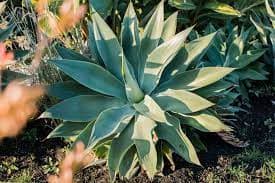
Agave — the bold, architectural succulent native to the arid regions of Mexico and the American Southwest — is a plant of contradictions: its spined, imposing form belies the nectar and spirit it yields, and its scent profile is similarly complex. The living plant has a green, slightly earthy, faintly tequila-like aroma — herbaceous and desert-dry, with a raw botanical edge that evokes hot sun on stony soil, dusty trails, and wide-open landscapes. In perfumery, the agave plant note is used to add a dry, green-herbal character with a distinctly arid, southwestern feel. It differs from agave nectar in being notably less sweet and more green and angular — almost rugged in quality. Perfumers use it to construct desert landscapes and dry green accords, pairing it with cactus, dry woods, leather, and mineral notes to build fragrances that feel expansive and sun-drenched. It is also used to lend a subtle tequila-like facet to spirited or fougere compositions. At Fragrenza, our agave-note fragrances channel the raw energy of desert landscapes — wide, sun-baked, and full of life against all odds. These are compositions for those who love scents with genuine character and a sense of place. Faithfully crafted from the world's finest fragrance inspirations, Fragrenza delivers this adventurous olfactory spirit at prices that open the door to everyone.
- 🌿
Agave blossom
Agave blossom is a floral note that gives a fragrance softness, radiance, and emotional warmth. Depending on the flower or accord, it may feel fresh, creamy, powdery, honeyed, green, indolic, or airy. In perfumery, floral notes often form the heart of a composition, adding body and a recognizable signature. It pairs well with citrus, white musk, rose, jasmine, sandalwood, amber, vanilla, iris, and delicate fruits.
Agave nectar
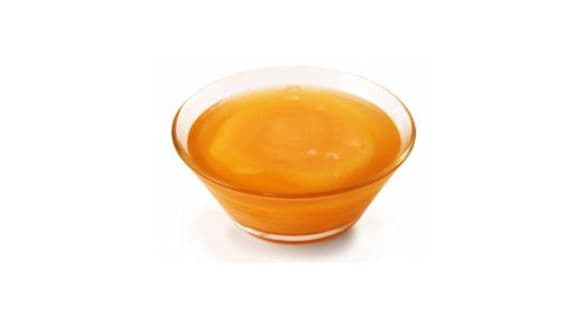
Agave nectar is harvested from the heart of the agave plant — the same succulent that gives us tequila — and has become increasingly prized both as a natural sweetener and as a fragrance inspiration. Its scent is clean and sweet, but with a depth that sets it apart from simple sugar: a faintly green, almost floral undertone lingers beneath the sweetness, along with a subtle earthiness that reminds you this nectar came from a desert plant, not a beehive or a cane field. In perfumery, agave nectar is used to add a light, clean sweetness with a naturalistic, slightly vegetal character. It works particularly well in fresh floral compositions and aquatic-gourmand blends where a touch of sweetness is needed without heaviness. Perfumers pair it with green tea, cucumber, white florals, and soft musks to create compositions that feel modern, clean, and gently indulgent — like a cool drink on a warm day. Fragrenza's agave nectar-inspired fragrances are crafted for those who appreciate sweetness done with restraint and sophistication. These compositions capture that unique balance of clean sweetness and green botanical freshness, drawing from beloved designer and niche originals and delivering their quality and character at Fragrenza's accessible, everyday prices.
- 🌿
Agave syrup
Agave syrup is a gourmand note that adds edible warmth, sweetness, and comfort. It may suggest cream, sugar, nuts, chocolate, coffee, honey, pastry, or toasted grains depending on the accord. In perfumery, gourmand notes make compositions feel cozy and sensual, but they work best when balanced with woods, musks, spices, citrus, or resins. It pairs well with vanilla, tonka bean, sandalwood, amber, caramel, cacao, coffee, and soft florals.
Aglaia
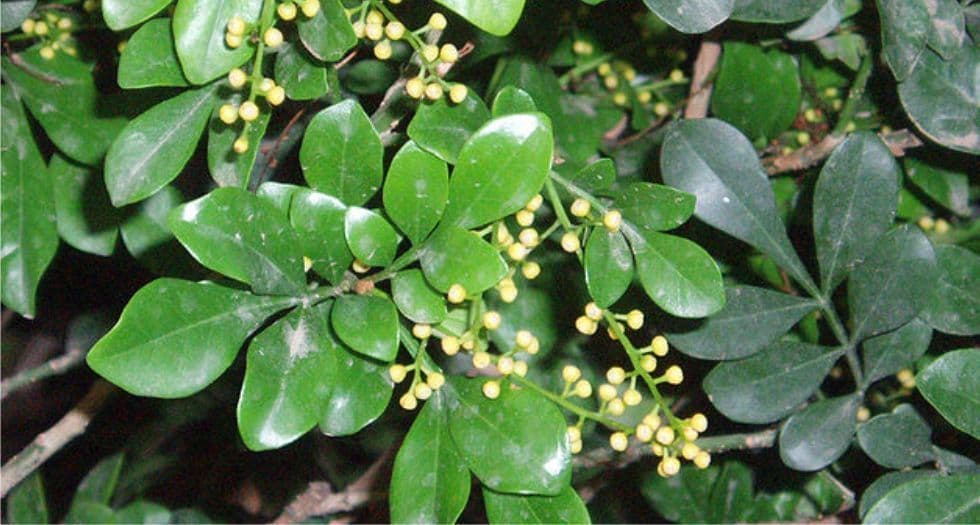
Aglaia odorata, the Chinese perfume plant or mock lime, is a small flowering shrub native to Southeast Asia, prized across the region for the intensely sweet, musky fragrance of its tiny yellow blossoms. Used for centuries in Southeast Asian perfumery traditions — tucked into clothing, floated in water, and woven into garlands — Aglaia carries a scent that is both delicate and persistent: sweet, softly floral, and with a warm musky undertone that clings beautifully to skin and fabric. In Western perfumery, Aglaia odorata is an exotic and relatively rare material, valued for the complexity it brings to floral accords. Its sweetness is restrained rather than loud, its musk subtle rather than heavy — creating a soft, skin-like warmth that gives compositions a natural sensuality. Perfumers use it in musky florals, white flower accords, and intimate skin-scent compositions, pairing it with jasmine sambac, tiare flower, and sandalwood for an unmistakably Southeast Asian olfactory palette. At Fragrenza, our Aglaia-inspired fragrances open a window onto the rich floral traditions of Southeast Asia — sweet, delicate, and quietly captivating. These are compositions for lovers of soft, musky florals that feel both exotic and effortlessly wearable. Fragrenza brings these rare olfactory experiences to you through beautifully crafted dupes, at prices that make discovering the world's finest fragrance traditions a joy rather than an indulgence.
- 🌿
Air accord
Air accord is a specialty note used to give a fragrance a distinctive texture, mood, or material impression. Depending on interpretation, it may contribute freshness, warmth, sweetness, dryness, softness, or an abstract atmospheric effect. In perfumery, specialty notes are valuable because they make a composition feel more specific and less generic. Air accord can be paired with woods, musks, florals, resins, fruits, green notes, spices, or amber materials according to the intended style.
Akigalawood
Akigalawood is a captivating proprietary ingredient developed by Givaudan, the world's largest fragrance house, through an innovative enzymatic process applied to patchouli. By treating patchouli with specific enzymes, Givaudan's scientists unlock new molecular facets within the raw material, producing a woody-spicy-rosy aroma compound that bears a family resemblance to both patchouli and agarwood (oud) while possessing an entirely original character. The name itself — blending "aki" (autumn in Japanese), "gala" (celebration), and "wood" — hints at its rich, festive warmth. In a fragrance, Akigalawood delivers a dry, faceted woodiness with distinct layers: an initial peppery spice, a mid-development that evokes the earthiness of dark woods and the smoky depth of oud, and a lingering base that carries a subtle rosy-woody elegance. It is remarkably complex for a single ingredient and possesses outstanding tenacity and sillage. Perfumers prize it for its ability to simultaneously add depth, warmth, and contemporary edge — it feels both ancient and modern, rooted in tradition yet distinctly of its time. Since its launch, Akigalawood has been adopted by some of the world's most prestigious fragrance houses as a signature material, appearing in critically acclaimed niche and designer compositions. Its combination of patchouli heritage and oud-adjacent complexity makes it ideal for luxury oriental and woody constructions. At Fragrenza, our inspired-by fragrances harness the captivating power of Akigalawood-based luxury perfumes, making those complex, celebrated compositions available at truly accessible prices.
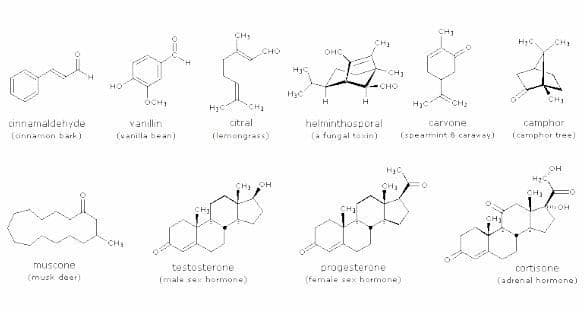
Aldehydes
Aldehydes occupy one of the most storied chapters in fragrance history. These organic compounds — found naturally in small quantities in many plant and animal materials — were first harnessed synthetically in perfumery in the early twentieth century, and their impact was seismic. Aliphatic aldehydes (particularly C-10 decyl aldehyde, C-11 undecylenic aldehyde, and C-12 lauryl aldehyde) were used at unprecedented concentrations to create the first truly modernist fragrance accords: soapy, waxy, metallic, and diffusive in ways that no natural ingredient could match. The result, most famously, was Chanel No. 5 in 1921. On the skin, aldehydes behave like a magnifying glass for a composition — they lift other notes, add a luminous soapy radiance, and create a silvery, almost fizzing presence that is unmistakable and utterly distinctive. Each chain length brings its own facet: citrus-fresh, waxy-soapy, fatty-rose, or clean-powdery. Perfumers use them to give classical florals their legendary diffusion and projection, to create that quintessentially glamorous sillage that fills a room without being heavy, and to add a particular mid-century sophistication that modern synthetics rarely replicate. The aldehyde family remains one of perfumery's most defining and debated ingredients — hated by some for its soapiness, adored by others for its unparalleled elegance. At Fragrenza, our inspired-by collection honours the great aldehychic perfume tradition, offering you beautifully crafted interpretations of the world's most celebrated aldehyde-forward fragrances at a fraction of the price of the originals.
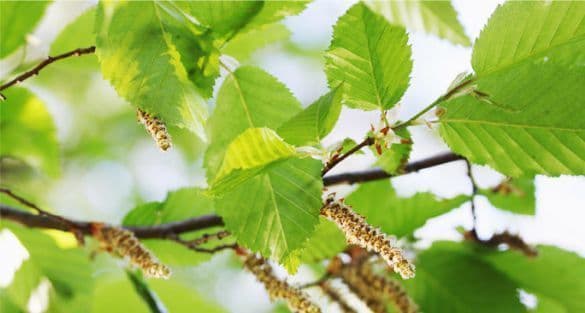
Alder
Alder, the genus Alnus, is a moisture-loving tree found throughout the temperate woodlands of Europe and North America, often growing along riverbanks, in boggy lowlands, and at the edges of streams. Its character is quietly distinctive — slightly earthy and moist, with a green, resinous quality from its catkins and bark, and a cool dampness that recalls the smell of a woodland after rain. It is the scent of living wood in a wet, wild place. In perfumery, alder contributes a cool, green-woody earthiness that differs from the dry warmth of cedarwood or the smoky depth of birch. It is used to add a naturalistic, slightly resinous wetness to woodland-inspired compositions — a sense of living forest rather than cut timber. Perfumers pair it with mosses, ferns, green herbs, and cool musks to build evocative nature-based accords that feel genuinely immersive. It is also used in aquatic-woody blends to tie the water element back to the land. Fragrenza's alder-accented fragrances are for those drawn to the quiet beauty of northern forests and cool, damp woodlands. These compositions capture the honest, unhurried scent of nature in its most undisturbed form, drawing from some of perfumery's finest green-woody and forest fragrance lineages — and delivering them at the accessible prices Fragrenza is known for.
- 🌿
Aldron®
Aldron® is a specialty note used to give a fragrance a distinctive texture, mood, or material impression. Depending on interpretation, it may contribute freshness, warmth, sweetness, dryness, softness, or an abstract atmospheric effect. In perfumery, specialty notes are useful because they make a composition feel more specific and less generic. It can be paired with woods, musks, florals, resins, fruits, green notes, spices, or amber materials according to the intended style.
- 🌿
Aleppo pine
Aleppo pine is a woody note used to create structure, depth, and lasting warmth. Its scent may be dry, creamy, smoky, resinous, earthy, pencil-like, or polished depending on the wood or accord. In perfumery, woody notes support the whole composition and connect fresh openings with deeper bases. It pairs naturally with amber, musk, incense, leather, vetiver, patchouli, spices, citrus, and soft resins.
- 🌿
Algae
Algae — marine algae and seaweed — are among the most ancient living organisms on Earth, forming the foundation of aquatic ecosystems across every ocean and coastline. Their olfactory character is one of the most evocative in nature: mineral and slightly salty, with a cool marine freshness and a subtle iodine depth that immediately conjures rocky shores, tidal pools, and the open sea. It is the smell of the ocean's edge at low tide — raw, clean, and elemental. In perfumery, algae extracts and marine accords based on algae are used to build authentic aquatic and oceanic compositions. Unlike purely synthetic marine notes, algae brings genuine mineral texture — a slightly salty, kelp-tinged quality that grounds aquatics in something tangible and natural. Perfumers use it alongside driftwood, sea salt, ozonic notes, and white musks to create fragrances that capture the full sensory experience of the sea rather than a cartoon approximation of it. At Fragrenza, our algae-note fragrances are crafted for lovers of genuine aquatic and coastal scents — people who want the real feeling of salt air and cool ocean spray rather than a sweetened approximation. These compositions draw from some of the finest marine fragrances in the industry, offering the same cool, mineral depth as their designer and niche inspirations at Fragrenza's signature accessible prices.
- 🌿
AliceBlue
AliceBlue is an aquatic note that evokes water, sea air, rain, mineral freshness, or clean transparent space. It can be salty, ozonic, marine, watery, airy, or slightly green depending on the accord. In perfumery, aquatic notes bring freshness, diffusion, and a modern easy-to-wear character. It pairs well with citrus, white musk, driftwood, lavender, sage, cucumber, marine notes, ambergris-style molecules, and pale woods.
- 🌿
Alligator juniper wood
Alligator juniper wood is a woody note used to create structure, depth, and lasting warmth. Its scent may be dry, creamy, smoky, resinous, earthy, pencil-like, or polished depending on the wood or accord. In perfumery, woody notes support the whole composition and connect fresh openings with deeper bases. It pairs naturally with amber, musk, incense, leather, vetiver, patchouli, spices, citrus, and soft resins.
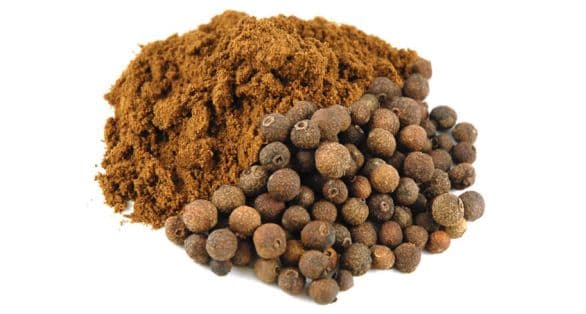
allspice
Allspice — the dried berry of Pimenta dioica — earns its name honestly: a single spice that tastes and smells like a blend of clove, cinnamon, and nutmeg together. Native to the Caribbean and Central America, it has been a cornerstone of Jamaican and broader Caribbean cuisine and culture for centuries, used in everything from jerk seasoning to holiday baking. Its aroma is warm, deeply spiced, and richly aromatic with a slight woodiness underneath. In perfumery, allspice is a powerhouse spice note that adds immediate warmth, depth, and sensuality to a composition. It is used in oriental and woody fragrances to create a spiced backbone — more complex and nuanced than single clove, more exotic than cinnamon alone. It blends naturally with dark rum, tobacco, sandalwood, leather, and warm amber bases, building compositions that feel both heritage-rich and boldly contemporary. It is also used in masculine and unisex fragrances to add a virile, spiced warmth. Fragrenza's allspice-driven fragrances are for those who love scents that radiate presence and warmth. These are bold, confident compositions drawn from the world's most celebrated spicy oriental fragrances — faithfully rendered dupes that bring the full richness of fine perfumery to your collection at prices that make wearing luxury an everyday pleasure.
- 🌿
Almond
Almond in perfumery is a note of remarkable warmth and intimacy, drawing on a family of chemical compounds — principally benzaldehyde, heliotropin (piperonal), and coumarin — to recreate the sweet, slightly bitter, and softly powdery character of both the nut itself and the flowering almond tree. Benzaldehyde provides the sharp, almost cherry-like facet of bitter almond; heliotropin adds a soft, powdery sweetness with subtle floral and vanilla nuances; coumarin contributes a hay-like warmth that rounds everything together. The result is a note that feels both familiar and luxurious. On the skin, an almond note unfolds with an immediate sweetness that is richer and more complex than simple sugar — there is a marzipan-like quality, a slight nuttiness, and a deep, comforting warmth that sits beautifully close to the body. It pairs naturally with tonka bean, vanilla, sandalwood, and iris in oriental and gourmand compositions, and appears equally at home as a soft backdrop in powdery florals and classic feminines. Its ability to make a fragrance feel safe, enveloping, and deeply pleasurable has kept it in continuous use throughout perfumery's history. From early twentieth-century powdery orientals to contemporary niche gourmands, almond has threaded its way through some of the most celebrated fragrances ever created. At Fragrenza, our inspired-by collection celebrates this beloved note in all its warm, marzipan-soft glory — bringing you the luxury almond-forward fragrances you love at prices that make them genuinely everyday accessible.
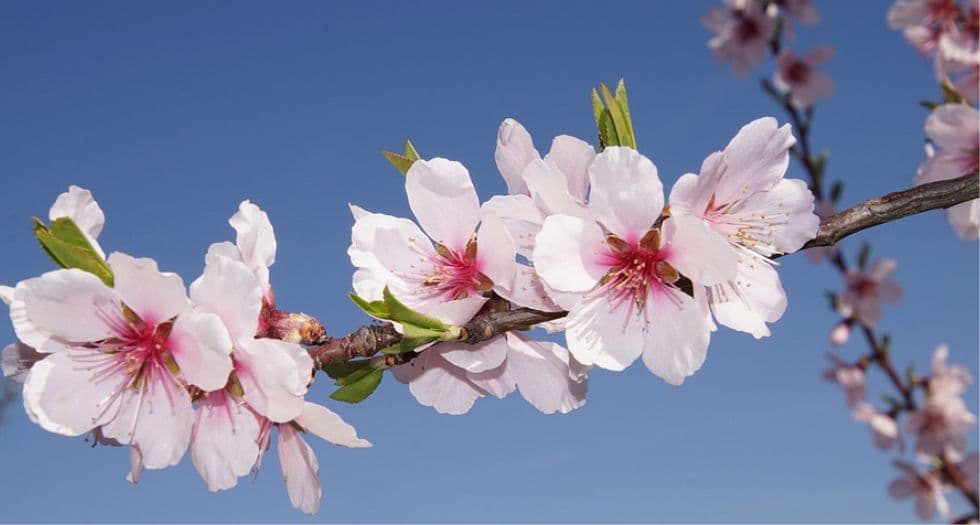
Almond Blossom
Almond blossom graces the almond tree each late winter and early spring, blanketing the branches in delicate pale-pink and white flowers before a single leaf appears. The scent of these blossoms is one of perfumery's most quietly enchanting — softly sweet with a gentle almond undertone, lightly powdery, and suffused with the clean, dewy freshness of the early season. It is neither cloying nor sharp, but perfectly balanced between floral delicacy and warm sweetness. In perfumery, almond blossom is valued for its ability to add a soft, slightly nutty-sweet floral dimension that complements a wide range of accords. It sits naturally alongside white florals like jasmine and neroli, while also harmonizing beautifully with heliotrope, marzipan-like tonka bean, and light musks. Perfumers use it to add a luminous, spring-fresh sweetness that feels distinctly natural — like standing in an orchard in February with the year's first warmth on your skin. At Fragrenza, our almond blossom collections celebrate this fleeting, tender beauty — translating the first bloom of the season into long-lasting, wearable fragrances. Drawing from some of perfumery's most beloved spring and floral compositions, these dupes offer the same delicate elegance as their designer and niche inspirations, made accessible so you can wear the scent of early spring every single day.
- 🌿
Almond leaf
Almond leaf is a green or aromatic note that evokes leaves, herbs, stems, fresh air, or crushed vegetation. Its profile can be crisp, bitter, watery, camphoraceous, grassy, or slightly earthy depending on the material. In perfumery, green notes add realism and lift, keeping sweet, floral, or woody compositions from feeling too heavy. It pairs well with citrus, tea, fig, violet leaf, galbanum, tomato leaf, white musk, vetiver, lavender, and light woods.
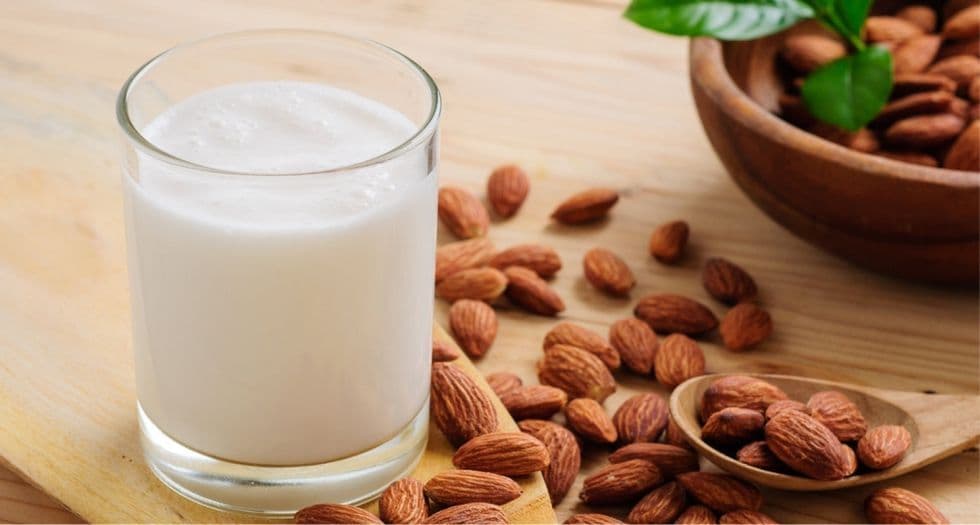
Almond milk
The almond tree, Prunus dulcis, has been cultivated across the Mediterranean and Middle East for thousands of years, its blossoms appearing in late winter as one of the first signs of the coming spring. The woody and foliar aspects of the tree carry a dry, slightly nutty character — the warm, orchard-tinged scent of sun-warmed bark, dusty branches, and the faint bitterness of dried almond husks. It is the scent of a Mediterranean grove in the dry season, unhurried and timeless. In perfumery, almond tree wood and leaf differ significantly from almond extract or almond blossom. The wood contributes a dry, slightly nutty warmth that reads as naturalistic and unsweet — closer to cedarwood in feel but with that distinctive almond DNA underneath. It is used to add depth and an orchard-like warmth to woody and oriental compositions, often pairing with benzoin, warm resins, and light florals to create inviting, sunlit accords. Fragrenza's almond tree fragrances explore this drier, woodier facet of the almond — sophisticated and subtly nutty rather than confectionery. These are refined, wearable compositions drawn from some of the world's most celebrated woody and oriental perfumes, faithfully reproduced at accessible prices so that every fragrance lover can experience the quiet beauty of a Mediterranean almond grove.
- 🌿
Almond Tree
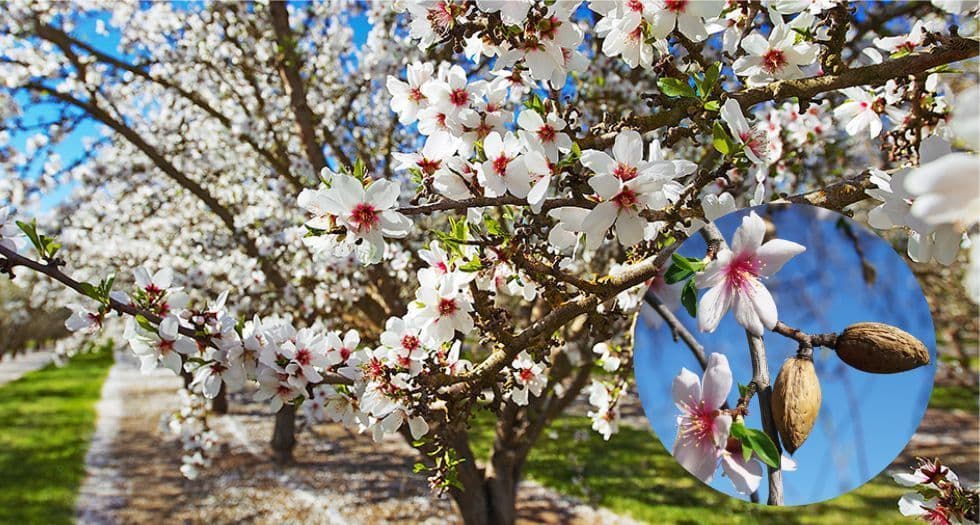
The almond tree, Prunus dulcis, has been cultivated across the Mediterranean and Middle East for thousands of years, its blossoms appearing in late winter as one of the first signs of the coming spring. The woody and foliar aspects of the tree carry a dry, slightly nutty character — the warm, orchard-tinged scent of sun-warmed bark, dusty branches, and the faint bitterness of dried almond husks. It is the scent of a Mediterranean grove in the dry season, unhurried and timeless. In perfumery, almond tree wood and leaf differ significantly from almond extract or almond blossom. The wood contributes a dry, slightly nutty warmth that reads as naturalistic and unsweet — closer to cedarwood in feel but with that distinctive almond DNA underneath. It is used to add depth and an orchard-like warmth to woody and oriental compositions, often pairing with benzoin, warm resins, and light florals to create inviting, sunlit accords. Fragrenza's almond tree fragrances explore this drier, woodier facet of the almond — sophisticated and subtly nutty rather than confectionery. These are refined, wearable compositions drawn from some of the world's most celebrated woody and oriental perfumes, faithfully reproduced at accessible prices so that every fragrance lover can experience the quiet beauty of a Mediterranean almond grove.
Almond Wood
Almond wood refers to the woody, dry, and subtly nutty facets of the almond tree rather than the sweet almond kernel itself. In perfumery, it can add a Mediterranean orchard warmth, with soft woody dryness, faint bitterness, and a gentle almond-like undertone. It works well with benzoin, vanilla, resins, soft florals, and warm woods.
- 🌿
Aloe
Aloe is a specialty note used to give a fragrance a distinctive texture, mood, or material impression. Depending on interpretation, it may contribute freshness, warmth, sweetness, dryness, softness, or an abstract atmospheric effect. In perfumery, specialty notes are useful because they make a composition feel more specific and less generic. It can be paired with woods, musks, florals, resins, fruits, green notes, spices, or amber materials according to the intended style.
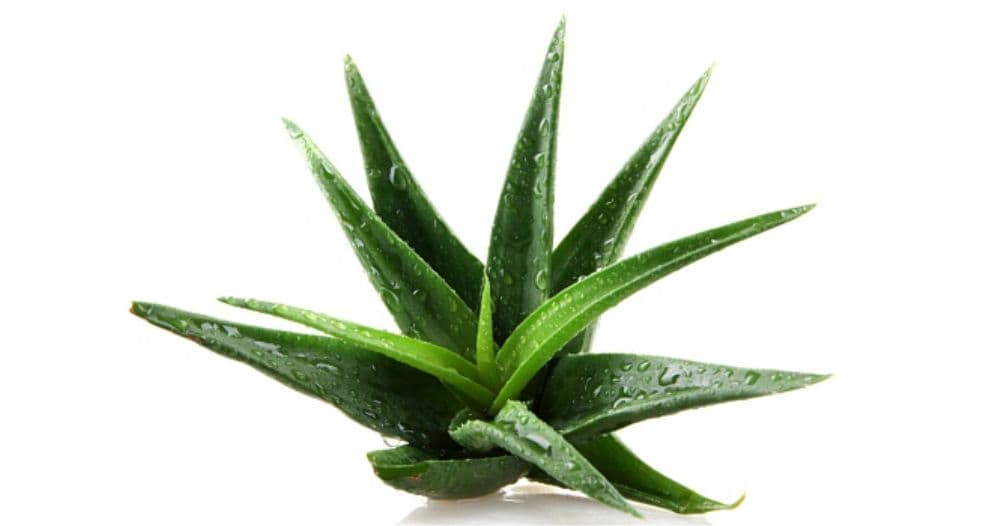
Aloe Vera
Aloe vera, native to the Arabian Peninsula and now cultivated across tropical and subtropical regions worldwide, is one of the most recognized plants in both wellness and cosmetics. Its thick, succulent leaves store a translucent gel that smells clean, faintly green, and refreshingly aqueous — like cool water with a subtle vegetal edge. The scent is immediately recognizable: fresh, slightly astringent, and deeply calming. In perfumery, aloe vera is used to impart a clean, cooling aquatic-green freshness that feels modern and hygienic without being sterile. It bridges the gap between watery aquatics and crisp greens, adding a soothing, spa-like quality that is widely appealing. Perfumers pair it with cucumber, white tea, light musks, and fresh citrus to build compositions that feel clean-skinned and effortlessly wearable — perfect for warm weather or casual everyday use. At Fragrenza, our aloe vera-forward fragrances are crafted for wearers who love clean, fresh, and calming scent profiles. These compositions capture the essence of cool botanical wellness — light enough for daily wear, distinctive enough to be remembered. As with all Fragrenza fragrances, they offer the quality of beloved designer and niche originals at prices that invite you to wear generously and without hesitation.
- 🌿
Alphonso mango
Alphonso mango is a fruity note that adds juiciness, color, and natural sweetness. It may feel crisp and tart, ripe and velvety, tropical and creamy, or dark and jammy depending on the fruit profile. In perfumery, fruity notes brighten florals, soften musks, and add pleasure to gourmand or woody structures. It pairs well with rose, peony, jasmine, white musk, vanilla, woods, citrus, amber, and soft spices.
- 🌿
Alpine cedar
Alpine cedar is a woody note used to create structure, depth, and lasting warmth. Its scent may be dry, creamy, smoky, resinous, earthy, pencil-like, or polished depending on the wood or accord. In perfumery, woody notes support the whole composition and connect fresh openings with deeper bases. It pairs naturally with amber, musk, incense, leather, vetiver, patchouli, spices, citrus, and soft resins.
- 🌿
Alpine cyclamen
Alpine cyclamen is a woody note used to create structure, depth, and lasting warmth. Its scent may be dry, creamy, smoky, resinous, earthy, pencil-like, or polished depending on the wood or accord. In perfumery, woody notes support the whole composition and connect fresh openings with deeper bases. It pairs naturally with amber, musk, incense, leather, vetiver, patchouli, spices, citrus, and soft resins.
- 🌿
Alpine hedge rose
Alpine hedge rose is a floral note that gives a fragrance softness, radiance, and emotional warmth. Depending on the flower or accord, it may feel fresh, creamy, powdery, honeyed, green, indolic, or airy. In perfumery, floral notes often form the heart of a composition, adding body and a recognizable signature. It pairs well with citrus, white musk, rose, jasmine, sandalwood, amber, vanilla, iris, and delicate fruits.
- 🌿
Alpine herbs
Alpine herbs is a woody note used to create structure, depth, and lasting warmth. Its scent may be dry, creamy, smoky, resinous, earthy, pencil-like, or polished depending on the wood or accord. In perfumery, woody notes support the whole composition and connect fresh openings with deeper bases. It pairs naturally with amber, musk, incense, leather, vetiver, patchouli, spices, citrus, and soft resins.
- 🌿
Alpine lily
Alpine lily is a floral note that gives a fragrance softness, radiance, and emotional warmth. Depending on the flower or accord, it may feel fresh, creamy, powdery, honeyed, green, indolic, or airy. In perfumery, floral notes often form the heart of a composition, adding body and a recognizable signature. It pairs well with citrus, white musk, rose, jasmine, sandalwood, amber, vanilla, iris, and delicate fruits.
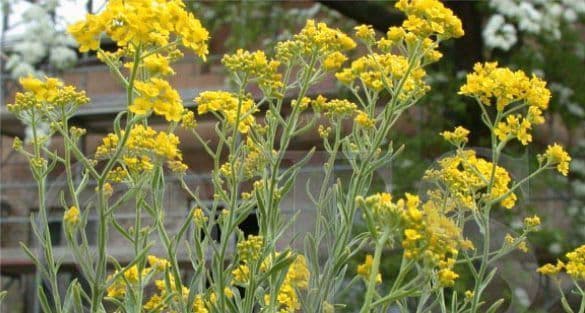
Alyssum
Alyssum, commonly known as sweet alyssum, is a delicate flowering plant native to the Mediterranean and southwestern Asia. Its tiny clustered blossoms emit a fragrance that has charmed gardeners for centuries — a gentle, honey-touched sweetness layered over clean, slightly powdery florals and a whisper of warm vanilla. The scent is soft rather than loud, intimate rather than theatrical, like a breeze drifting through a spring garden in full bloom. In perfumery, alyssum is used to impart a fresh, luminous sweetness that feels entirely natural. It bridges the gap between floral and gourmand without tipping into either excess — too delicate to feel sugary, yet too warm to feel purely green. Perfumers often incorporate it into spring and clean florals, pairing it with lily of the valley, white musk, and light citruses to create compositions that feel airy, wearable, and quietly radiant. Fragrenza's alyssum-inspired fragrances celebrate this understated elegance — the kind of scent that draws people in without demanding attention. Clean, honeyed, and effortlessly light, these blends channel the spirit of sweet alyssum into high-quality dupes of beloved designer and niche fragrances, making refined springtime softness accessible to every fragrance lover.
- 🌿
Amalfi bergamot
Amalfi bergamot is a citrus note that adds sparkle, freshness, and immediate lift to a fragrance. Its profile can include juicy pulp, aromatic peel, green bitterness, soft floral nuances, or a sharp zesty brightness depending on the material. In perfumery, it is usually used in the opening, where it brings clarity and motion before blending into florals, woods, musks, or herbs. It pairs well with neroli, tea, lavender, white musk, light woods, aquatic notes, and aromatic herbs.
- 🌿
Amalfi grape
Amalfi grape is a fruity note that adds juiciness, color, and natural sweetness. It may feel crisp and tart, ripe and velvety, tropical and creamy, or dark and jammy depending on the fruit profile. In perfumery, fruity notes brighten florals, soften musks, and add pleasure to gourmand or woody structures. It pairs well with rose, peony, jasmine, white musk, vanilla, woods, citrus, amber, and soft spices.
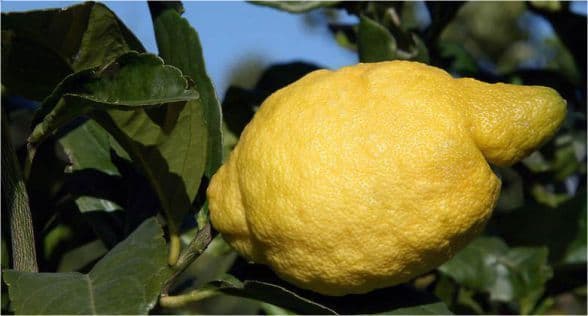
Amalfi Lemon
Amalfi Lemon is a bright citrus note with zesty peel, juicy freshness, and a clean sparkling lift. In perfumery, it brings energy and radiance to openings, pairing well with neroli, tea, herbs, musks, woods, aquatic notes, and light florals.
- 🌿
Amaranth wood
Amaranth wood is a woody note used to create structure, depth, and lasting warmth. Its scent may be dry, creamy, smoky, resinous, earthy, pencil-like, or polished depending on the wood or accord. In perfumery, woody notes support the whole composition and connect fresh openings with deeper bases. It pairs naturally with amber, musk, incense, leather, vetiver, patchouli, spices, citrus, and soft resins.
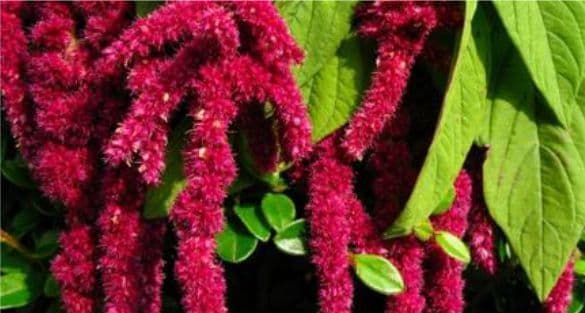
Amarantus
Amarantus, also known as amaranth, is a flowering plant family known for its ornamental blooms and grain-like seeds. As a fragrance note, it can be interpreted as a soft botanical accord with dry floral, grainy, green, and slightly earthy facets. It suits natural, powdery, herbal, and rustic floral compositions.
- 🌿
Amarena cherry
Amarena cherry is a fruity note that adds juiciness, color, and natural sweetness. It may feel crisp and tart, ripe and velvety, tropical and creamy, or dark and jammy depending on the fruit profile. In perfumery, fruity notes brighten florals, soften musks, and add pleasure to gourmand or woody structures. It pairs well with rose, peony, jasmine, white musk, vanilla, woods, citrus, amber, and soft spices.
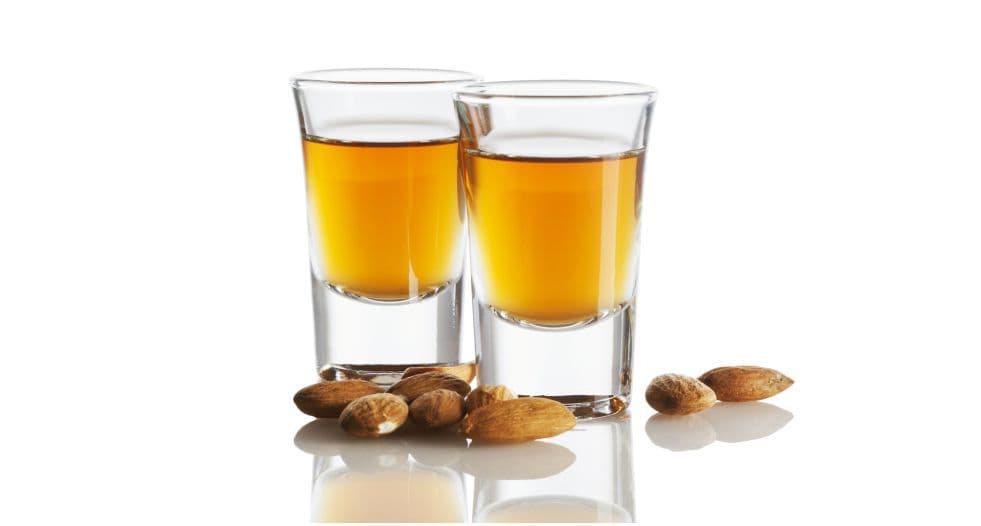
Amaretto
Amaretto is a sweet liqueur-inspired note centered on almond, cherry pit, vanilla, and soft boozy warmth. In perfumery, it creates a gourmand impression that is nutty, syrupy, slightly bitter, and sensual. It can make a composition feel cozy and indulgent while still retaining a sophisticated edge from its almond-like bitterness. Amaretto pairs beautifully with cherry, tonka bean, cacao, coffee, vanilla, amber, tobacco, and creamy woods, especially in evening gourmands and warm oriental fragrances.
- 🌿
Amaryllis
Amaryllis is a genus of bulbous flowering plants originally from South Africa, today grown worldwide as ornamental blooms beloved for their dramatic trumpet-shaped flowers in deep reds, pinks, and creamy whites. In perfumery, the Amaryllis note is a reconstruction — the living flowers offer relatively little extractable material — but skilled perfumers have developed accords that beautifully capture the flower's distinctive aromatic personality: lush, green-sweet, and gently spicy, with a soft apple-like facet and a light floral radiance. On skin, an Amaryllis accord opens with a fresh green sweetness, reminiscent of cut stems and dewy petals, before warming into its fuller floral heart. There is a subtle spicy undercurrent — faintly peppery or slightly anisic — that gives the note an elegant complexity, and a mild sweetness that keeps it soft and wearable rather than sharp. Perfumers use Amaryllis in spring and summer florals as a structural heart note, often pairing it with peony, rose, cyclamen, green leaves, and light musks to build compositions that feel both vivid and refined. Amaryllis has become a signature note in many prestigious floral fragrances, valued for its ability to convey both the grandeur and the freshness of the blooms that inspired it. It brings a sense of occasion — these are flowers associated with gifts, celebrations, and moments of beauty. At Fragrenza, our inspired-by collection brings you the finest Amaryllis-forward luxury fragrances, allowing you to wear those celebrated floral compositions every day without the premium price.
- 🌿
Amazon lily
Amazon lily is a floral note that gives a fragrance softness, radiance, and emotional warmth. Depending on the flower or accord, it may feel fresh, creamy, powdery, honeyed, green, indolic, or airy. In perfumery, floral notes often form the heart of a composition, adding body and a recognizable signature. It pairs well with citrus, white musk, rose, jasmine, sandalwood, amber, vanilla, iris, and delicate fruits.
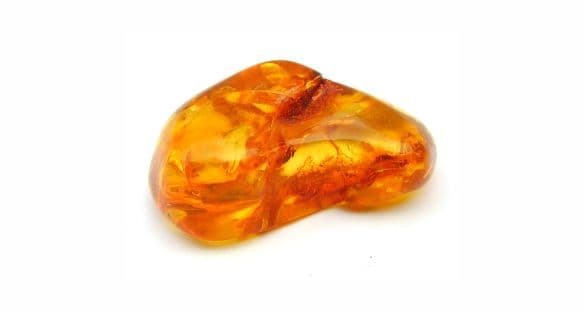
Amber
Amber is one of perfumery's most misunderstood terms — and one of its most beloved effects. True amber in fragrance has nothing to do with fossilised tree resin; instead, it refers to a warm, sweet, resinous accord built from a combination of ingredients including labdanum, benzoin, vanilla, and various synthetic musks. The result is a rich, honeyed warmth that forms the foundation of countless oriental and gourmand compositions, lending depth, sweetness, and an enveloping sensuality to everything it touches. The story of amber in perfumery is inseparable from ambergris — the extraordinary secretion produced by sperm whales that was once among the most prized substances in all of fragrance. Genuine ambergris possesses a complex, oceanic, slightly fecal-animalic warmth that transforms into extraordinary smoothness when properly aged and processed. Today, synthetic molecules such as ambrox and its variants have replaced natural ambergris, delivering the same warm, skin-merging radiance without ethical compromise. Together with labdanum's leathery, cistus-derived richness, benzoin's sweet balsamic warmth, and vanilla's soft creaminess, these materials combine to create what we recognise as the amber effect. Amber's versatility is extraordinary. As a base note it underpins floral orientals, dark chypres, and woody musks. As a dominant accord it creates the cosy, enveloping richness of classic amber perfumes that feel like cashmere and candlelight. It blends magnificently with oud, rose, sandalwood, and spices such as cardamom and cinnamon. At Fragrenza, our amber-forward inspired-by fragrances celebrate this extraordinary accord — capturing the depth, warmth, and opulence of the world's finest amber-driven luxury perfumes at an everyday price. Shop for amber? [Fragrenza](https://fragrenza.com/collections/amber-fragrances) curates a focused selection.
- 🌿
Amber Core
Amber Core is a warm ambered or resinous note used to give fragrance depth, softness, and long-lasting richness. It can smell balsamic, sweet, smoky, vanillic, woody, powdery, or incense-like depending on the material. In perfumery, it rounds sharp edges and creates a smooth base that holds the composition together. It pairs well with woods, musks, spices, vanilla, tobacco, leather, florals, oud, and other resins.
- 🌿
Amber notes
Amber notes is a warm ambered or resinous note used to give fragrance depth, softness, and long-lasting richness. It can smell balsamic, sweet, smoky, vanillic, woody, powdery, or incense-like depending on the material. In perfumery, it rounds sharp edges and creates a smooth base that holds the composition together. Amber notes pairs well with woods, musks, spices, vanilla, tobacco, leather, florals, oud, and other resins.
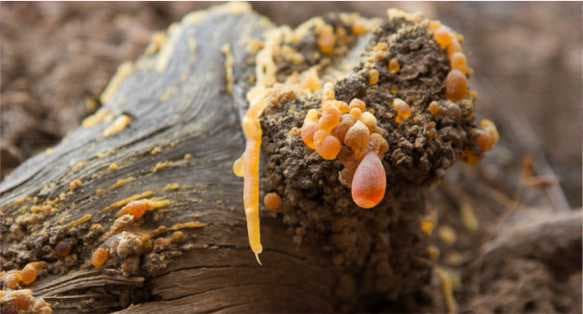
Amber wood
Amber wood is a textured base note with woody, dry, smooth, and sometimes leathery or resinous facets. In perfumery, it adds structure, depth, warmth, and longevity, pairing well with amber, musk, incense, rose, spices, citrus, and tobacco.
- 🌿
Amber woods
Amber woods is a woody note used to give fragrance structure, depth, and lasting warmth. Its profile may be dry, creamy, smoky, resinous, earthy, or polished depending on the source or accord. In perfumery, woody notes often form the backbone of a composition, supporting lighter citrus, floral, spicy, or aromatic materials. It pairs naturally with amber, musk, incense, leather, vetiver, patchouli, spices, and soft resins.
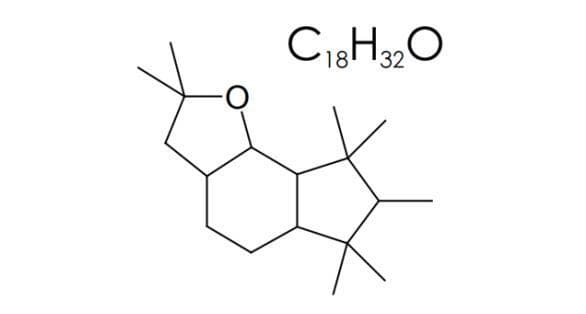
Amber Xtreme
Amber Xtreme is a powerful synthetic amber material that takes the beloved warmth and sweetness of amber to a heightened, intensified level — a bolder, more boosted version of the classic amber accord engineered for maximum impact and longevity. Designed for perfumers who want amber's characteristic enveloping warmth without restraint, Amber Xtreme delivers an amplified, almost architectural amber presence that anchors compositions with authority. It represents the maximalist wing of modern amber chemistry, offering exceptional radiance and projection. Olfactorily, Amber Xtreme is deeply warm, resinous, and sweetly balsamic — all the hallmarks of classic amber pushed to a more pronounced and persistent intensity. The sweetness is rich without being purely gourmand, the resinous depth is substantial without being heavy, and the overall effect is a warm amber presence that fills a room and clings to skin and fabric with remarkable tenacity. It lacks the subtlety of more refined amber materials but compensates with sheer, unapologetic warmth and presence. In perfumery, Amber Xtreme is deployed in bold oriental compositions, powerful amber-woody hybrids, and any fragrance where depth, longevity, and a strong amber signature are the goals. It works in concert with vanilla, dark musks, oud, and incense for maximum dramatic effect. At Fragrenza, Amber Xtreme contributes to fragrance dupes that match the intense, long-lasting amber presence of designer blockbusters — delivered at accessible prices without compromise on quality or character.
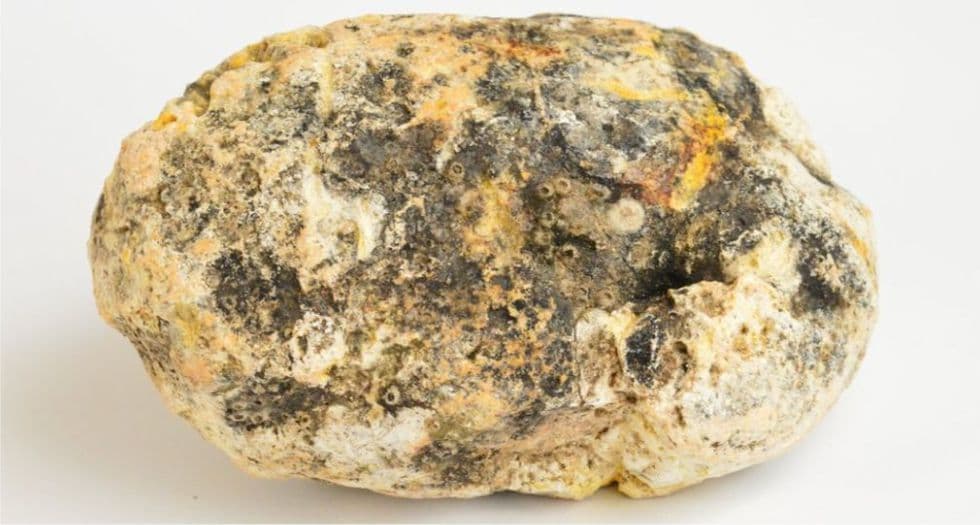
Ambergris
Ambergris is one of perfumery's most legendary, rare, and fascinating ingredients — a waxy substance produced in the digestive system of sperm whales and found floating on ocean surfaces or washed ashore, sometimes after decades at sea. Revered since antiquity in perfumery, medicine, and even cuisine, genuine ambergris carries a complex, irreplaceable character that has inspired centuries of reverence and imitation. While international trade of ambergris is heavily regulated or prohibited in many countries, its olfactory legacy endures through a rich family of synthetic alternatives designed to capture its essence. Olfactorily, natural ambergris is profoundly unique: dry and slightly salty, with a warm, marine depth, a subtle animalic skin-like warmth, and an almost indescribable radiance that makes fragrances literally glow on the skin. It is not sweet or obviously pleasant in isolation — its charm lies in how it transforms everything around it, enhancing and fixing other notes while contributing its own enigmatic warmth. This transformative, skin-warming quality is what perfumers mean when they describe ambergris as making a fragrance come alive. In perfumery, ambergris has historically been used as both a key accord and a fixative, anchoring volatile top notes and extending longevity. Its synthetic successors — including Ambroxan, Ambrocenide, and many others — aim to replicate this magic. At Fragrenza, our Ambergris collection celebrates this storied ingredient through fragrance dupes that evoke its legendary warmth and radiance, accessible to all at honest prices. Want to wear it? Explore [ambergris fragrances](https://fragrenza.com/collections/ambergris-fragrances).
- 🌿
Ambergris absolute
Ambergris absolute is a warm ambered or resinous note used to give fragrance depth, softness, and long-lasting richness. It can smell balsamic, sweet, smoky, vanillic, woody, powdery, or incense-like depending on the material. In perfumery, it rounds sharp edges and creates a smooth base that holds the composition together. It pairs well with woods, musks, spices, vanilla, tobacco, leather, florals, oud, and other resins.
- 🌿
Amberlyn®
Amberlyn® is a warm ambered or resinous note used to give fragrance depth, softness, and long-lasting richness. It can smell balsamic, sweet, smoky, vanillic, woody, powdery, or incense-like depending on the material. In perfumery, it rounds sharp edges and creates a smooth base that holds the composition together. It pairs well with woods, musks, spices, vanilla, tobacco, leather, florals, oud, and other resins.
- 🌿
Ambermax®
Ambermax® is a warm ambered or resinous note used to give fragrance depth, softness, and long-lasting richness. It can smell balsamic, sweet, smoky, vanillic, woody, powdery, or incense-like depending on the material. In perfumery, it rounds sharp edges and creates a smooth base that holds the composition together. Ambermax® pairs well with woods, musks, spices, vanilla, tobacco, leather, florals, oud, and other resins.
- 🌿
Ambertonic
Ambertonic is a proprietary amber complex developed by IFF (International Flavors and Fragrances) that represents the cutting edge of amber accord technology. Unlike traditional amber bases, which often rely on a fixed blend of labdanum, benzoin, and vanilla, Ambertonic is engineered for exceptional warmth, diffusiveness, and modern clarity — delivering the beloved enveloping quality of amber with a transparency and lift that keeps compositions from feeling heavy or dated. It reflects IFF's deep expertise in captive molecules and proprietary fragrance technology. Olfactorily, Ambertonic is warm and radiant, with the characteristic sweetness and depth of a great amber accord balanced by a notable airiness. It projects beautifully, filling a space with its warm presence while maintaining a clean, modern feel that avoids the heaviness sometimes associated with older amber-heavy orientals. The warmth is diffusive rather than dense — it envelops without smothering, making it wearable across a wide range of occasions and seasons while still delivering the emotional comfort that amber is celebrated for. In perfumery, Ambertonic is used as a powerful base-and-heart ingredient that imparts a luminous amber warmth and impressive sillage to compositions. Its diffusiveness makes it particularly effective in fragrances designed to project and last, from oriental blockbusters to cozy modern woody ambers. At Fragrenza, Ambertonic-enhanced fragrance dupes deliver the warm, radiant presence of luxury amber-forward originals — at an accessible price that makes them a daily-wear pleasure.
- 🌿
Amberwood
Amberwood is a modern woody-amber note that combines dry woodiness with warm amber radiance. It often feels powerful, smooth, slightly resinous, and long-lasting, giving perfumes a contemporary base with excellent diffusion. Unlike classic amber, amberwood is usually less sweet and more abstract, with a clean woody strength. It pairs well with ambroxan, musk, cedar, patchouli, saffron, leather, incense, and modern aromatic notes.
- 🌿
Ambramone™
Ambramone is a modern amber-style molecule that delivers a warm, woody, slightly powdery, ambergris-like effect with excellent diffusion and longevity. In perfumery, it acts as a clean, modern alternative to natural ambergris in amber, oriental, woody, and skin-musk compositions.
- 🌿
Ambranum
Ambranum is a specialty note used to give a fragrance a distinctive texture, mood, or material impression. Depending on interpretation, it may contribute freshness, warmth, sweetness, dryness, softness, or an abstract atmospheric effect. In perfumery, specialty notes are useful because they make a composition feel more specific and less generic. It can be paired with woods, musks, florals, resins, fruits, green notes, spices, or amber materials according to the intended style.
- 🌿
Ambrarome
Ambrarome is a synthetic fragrance material designed to evoke the legendary warmth and marine character of natural ambergris — one of perfumery's rarest and most storied ingredients. Created through advanced aroma chemistry, Ambrarome occupies a unique olfactory space: it shares the warm, slightly salty, and animalic-marine quality of ambergris while offering the consistency and accessibility of a synthetic material. It belongs to the family of ambergris-inspired synthetics that have transformed how perfumers work with this classic accord. Olfactorily, Ambrarome is warm and balsamic with a subtle marine-salty edge that recalls the organic warmth of ambergris without the sharp animalic intensity of some other ambergris replacements. It has a soft, enveloping quality — like sun-warmed skin at the edge of the sea, combining the dryness of skin-warmed amber with a clean, slightly oceanic depth. This balance between warmth and marine freshness makes it particularly distinctive and versatile, adding a quiet, radiant depth to any composition it inhabits. In perfumery, Ambrarome is used as a base note to impart ambergris warmth and marine depth to orientals, woody fragrances, and aquatics. Its compatibility across families makes it a useful bridge material. Paired with musks, woods, and warm spices, it creates the kind of languid, sun-soaked warmth that defines some of perfumery's most celebrated compositions. At Fragrenza, we use sophisticated materials like Ambrarome to craft fragrance dupes that capture the elusive ambergris warmth of luxury originals at accessible prices.
- 🌿
Ambrarome absolute
Ambrarome absolute is a specialty note used to give a fragrance a distinctive texture, mood, or material impression. Depending on interpretation, it may contribute freshness, warmth, sweetness, dryness, softness, or an abstract atmospheric effect. In perfumery, specialty notes are useful because they make a composition feel more specific and less generic. It can be paired with woods, musks, florals, resins, fruits, green notes, spices, or amber materials according to the intended style.
- 🌿
Ambre 83 accord
Ambre 83 accord is a specialty note used to give a fragrance a distinctive texture, mood, or material impression. Depending on interpretation, it may contribute freshness, warmth, sweetness, dryness, softness, or an abstract atmospheric effect. In perfumery, specialty notes are useful because they make a composition feel more specific and less generic. It can be paired with woods, musks, florals, resins, fruits, green notes, spices, or amber materials according to the intended style.
- 🌿
Ambre 84 accord
Ambre 84 accord is a specialty note used to give a fragrance a distinctive texture, mood, or material impression. Depending on interpretation, it may contribute freshness, warmth, sweetness, dryness, softness, or an abstract atmospheric effect. In perfumery, specialty notes are useful because they make a composition feel more specific and less generic. It can be paired with woods, musks, florals, resins, fruits, green notes, spices, or amber materials according to the intended style.
- 🌿
Ambreine
Ambreine is a specialty note used to give a fragrance a distinctive texture, mood, or material impression. Depending on interpretation, it may contribute freshness, warmth, sweetness, dryness, softness, or an abstract atmospheric effect. In perfumery, specialty notes are useful because they make a composition feel more specific and less generic. It can be paired with woods, musks, florals, resins, fruits, green notes, spices, or amber materials according to the intended style.
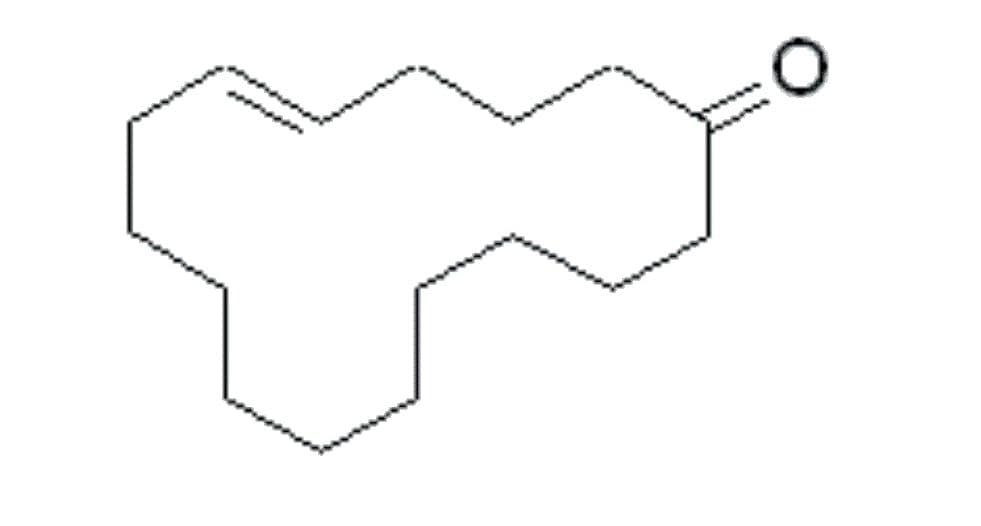
Ambretone
Ambretone is a synthetic musk molecule that represents the modern face of musk perfumery — clean, fruity-musky, and effortlessly contemporary. Developed as part of the ongoing evolution of synthetic musk chemistry, Ambretone offers perfumers a versatile tool that bridges the gap between the clean transparent musks of white-musk perfumery and the fruitier, more character-rich musks that have come to define early 21st-century fragrance aesthetics. It is a molecule that feels immediately of-the-moment while retaining a timeless musk warmth. Olfactorily, Ambretone is clean and musky with a notable fruity facet — a light, almost peach-like or slightly floral-fruity quality that gives it a pleasant freshness beyond the simple warmth of traditional musks. This fruity-clean duality makes it approachable and modern, sitting comfortably in the top-to-heart register rather than the purely base-note territory of heavier musks. It is transparent and skin-flattering, projecting softly without dominating a composition, and it blends seamlessly with a wide range of other materials. In perfumery, Ambretone is used across fresh, fruity, floral, and woody fragrance families as a modern musk that adds lightness, skin-warmth, and a contemporary fruity edge. It is particularly effective in casual, everyday fragrances where approachability and wearability are priorities. At Fragrenza, Ambretone-forward fragrance dupes deliver that clean, modern musk warmth found in popular designer fragrances — crafted to a high standard at an accessible everyday price.
- 🌿
Ambrette
Ambrette, derived from the seeds of Abelmoschus moschatus (Musk Mallow), is one of perfumery's most treasured natural musk materials — one of the few botanically derived ingredients that produces a genuinely musky, skin-close character without any animal origin. Native to India and tropical Asia, musk mallow seeds have been used in perfumery and medicine for centuries, and the essential oil or absolute extracted from them remains a sought-after ingredient in natural and luxury perfumery to this day. Olfactorily, Ambrette seed oil presents a softly musky character with a distinctly rosy, slightly wine-like quality that sets it apart from synthetic musks. It is warm and intimate rather than sharp or overpowering, with a botanical naturalness that gives compositions a deeply refined, skin-like quality. The faint rosy undertone adds a romantic softness, while its warmth provides an enveloping comfort that feels personal and close to the skin. It is both classic and timeless, evoking the tradition of natural perfumery at its most elegant. In perfumery, natural Ambrette is used as a precious base note in high-quality natural and luxury compositions, prized for its clean musk warmth, fixative properties, and its ability to add a rosy-intimate depth to florals, orientals, and chypres. At Fragrenza, we honor traditional natural materials like Ambrette in fragrance dupes that capture the intimate warmth of luxury natural-inspired perfumes at honest, accessible prices.
- 🌿
Ambrette Musk Mallow
Ambrette Musk Mallow is a soft textural note that creates warmth, smoothness, and a skin-like finish. It can feel clean, powdery, woody, velvety, slightly fruity, or fabric-like depending on the accord. In perfumery, these notes help bind the formula, soften stronger materials, and extend wear without dominating the fragrance. Ambrette Musk Mallow pairs well with florals, woods, citrus, amber, iris, fruits, suede, vanilla, and transparent modern musks.
- 🌿
Ambrette seed
Ambrette seed is a soft musky note used to create warmth, smoothness, and a skin-like dry-down. It can feel clean, powdery, woody, slightly fruity, or velvety depending on the accord. In perfumery, musky materials help bind a composition together, soften stronger notes, and extend wear without overwhelming the fragrance. They pair well with florals, woods, amber, citrus, fruits, iris, suede, and transparent modern molecules.
- 🌿
Ambrette seed absolute
Ambrette seed absolute is a soft textural note that creates warmth, smoothness, and a skin-like finish. It can feel clean, powdery, woody, velvety, slightly fruity, or fabric-like depending on the accord. In perfumery, these notes help bind the formula, soften stronger materials, and extend wear without dominating the fragrance. Ambrette seed absolute pairs well with florals, woods, citrus, amber, iris, fruits, suede, vanilla, and transparent modern musks.
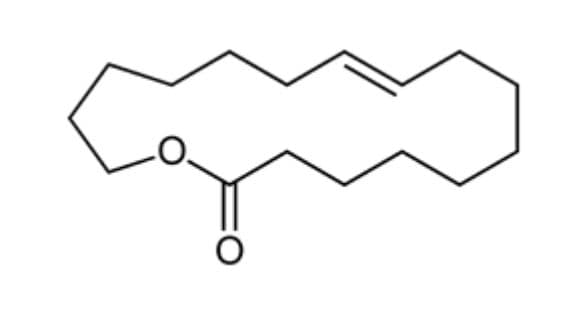
Ambrettolide
Ambrettolide is a macrocyclic musk molecule that has earned a distinguished place in fine perfumery for its clean, sophisticated, and remarkably skin-flattering character. Belonging to the family of macrocyclic musks — molecules with large ring structures that produce some of the most natural and refined musk profiles in modern perfumery — Ambrettolide was first synthesized as a way to replicate the natural musk character of ambrette seed without relying on animal-derived materials. It represents the elegant intersection of chemistry and nature. Olfactorily, Ambrettolide is clean and musky with a subtly metallic-woody undertone that gives it a distinctive character among musks. It lacks the powdery sweetness of white musks or the animalic depth of older nitromusks, instead occupying a more neutral, skin-adjacent space that feels modern and wearable. The faint metallic quality is not off-putting but rather adds a mineral clarity that makes Ambrettolide feel particularly clean and natural. It is a musk that enhances skin rather than masking it. In perfumery, Ambrettolide is used as a base note and sillage-enhancing ingredient, contributing a clean musk warmth and longevity to compositions across nearly every fragrance family. Its excellent substantivity on skin makes it particularly valuable in skin-scent and intimate fragrance applications. At Fragrenza, Ambrettolide helps create the clean, skin-close musk warmth found in premium originals — bottled into accessible fragrance dupes for everyday indulgence.
- 🌿
Ambrinol
Ambrinol is a specialty note used to give a fragrance a distinctive texture, mood, or material impression. Depending on interpretation, it may contribute freshness, warmth, sweetness, dryness, softness, or an abstract atmospheric effect. In perfumery, specialty notes are useful because they make a composition feel more specific and less generic. It can be paired with woods, musks, florals, resins, fruits, green notes, spices, or amber materials according to the intended style.
- 🌿
Ambrocenide®
Ambrocenide is a sophisticated aroma molecule developed by Givaudan, one of the world's leading fragrance houses, that has become a valued tool in the modern perfumer's palette. Designed to evoke the character of ambergris — one of perfumery's most legendary and historically prized materials — Ambrocenide achieves this with a dry, woody, and cleanly radiant profile that makes it highly versatile and broadly applicable. Its development represents the ongoing effort by fragrance chemists to capture the elusive, skin-close warmth of natural ambergris through cutting-edge synthesis. Olfactorily, Ambrocenide is dry and woody with an underlying ambergris-like warmth — clean rather than animalic, and quietly diffusive rather than assertively loud. It carries a mineral, almost driftwood-like quality alongside subtle amber warmth, sitting in a space between natural wood and sea-worn material. Its dryness distinguishes it from sweeter amber molecules, giving it an airy, modern character that reads as elegant and restrained. It enhances skin warmth and adds an almost imperceptible but deeply pleasing ambergris radiance. In perfumery, Ambrocenide is used as a base note and blending enhancer that imparts ambergris character, depth, and longevity to compositions across many families, from woody orientals to clean musks. It is particularly prized for its ability to make fragrances feel intimate and skin-close. At Fragrenza, Ambrocenide contributes to fragrance dupes that achieve the sophisticated warmth of premium originals, available at a price that welcomes all fragrance lovers.
- 🌿
Ambrofix
Ambrofix is a specialty note used to give a fragrance a distinctive texture, mood, or material impression. Depending on interpretation, it may contribute freshness, warmth, sweetness, dryness, softness, or an abstract atmospheric effect. In perfumery, specialty notes are valuable because they make a composition feel more specific and less generic. Ambrofix can be paired with woods, musks, florals, resins, fruits, green notes, spices, or amber materials according to the intended style.
- 🌿
Ambrosia
Ambrosia is a specialty note used to give a fragrance a distinctive texture, mood, or material impression. Depending on interpretation, it may contribute freshness, warmth, sweetness, dryness, softness, or an abstract atmospheric effect. In perfumery, specialty notes are useful because they make a composition feel more specific and less generic. It can be paired with woods, musks, florals, resins, fruits, green notes, spices, or amber materials according to the intended style.
- 🌿
Ambrostar
Ambrostar is a dark textured note that may suggest leather, smoke, tobacco, tar, ash, or warm dry materials. It gives fragrance depth, sensuality, and a more dramatic atmosphere. In perfumery, smoky and leathery notes are often used in bases, where they add strength and character without needing sweetness. It pairs well with oud, saffron, birch tar, amber, tobacco, rose, patchouli, vetiver, incense, and dry woods.
- 🌿
Ambrox
Ambrox is a warm note used to add sweetness, depth, and a smooth enveloping base to fragrances. It can lean balsamic, creamy, resinous, vanillic, or softly gourmand depending on the material. In perfumery, it helps round sharp edges, extend longevity, and give a composition comfort and sensuality. It pairs beautifully with woods, musks, spices, tobacco, florals, amber materials, and soft leather accords.
- 🌿
Ambroxan
Ambroxan, also known in some contexts as Cetalox or ambroxide, is a modern ambergris-style molecule used to create warmth, radiance, and long-lasting diffusion. It smells woody, ambery, mineral, slightly salty, and skin-like. In perfumery, it is valued as both a base note and a fixative, giving fragrances a smooth, modern, sensual trail.
- 🌿
American apple
American apple is a fruity note that adds juiciness, color, and natural sweetness. It may feel crisp and tart, ripe and velvety, tropical and creamy, or dark and jammy depending on the fruit profile. In perfumery, fruity notes brighten florals, soften musks, and add pleasure to gourmand or woody structures. It pairs well with rose, peony, jasmine, white musk, vanilla, woods, citrus, amber, and soft spices.
- 🌿
American basil
American basil is a green or aromatic note that evokes leaves, herbs, stems, fresh air, or crushed vegetation. Its profile can be crisp, bitter, watery, camphoraceous, grassy, or slightly earthy depending on the material. In perfumery, green notes add realism and lift, keeping sweet, floral, or woody compositions from feeling too heavy. It pairs well with citrus, tea, fig, violet leaf, galbanum, tomato leaf, white musk, vetiver, lavender, and light woods.
- 🌿
American cedar
American cedar is a woody note used to create structure, depth, and lasting warmth. Its scent may be dry, creamy, smoky, resinous, earthy, pencil-like, or polished depending on the wood or accord. In perfumery, woody notes support the whole composition and connect fresh openings with deeper bases. It pairs naturally with amber, musk, incense, leather, vetiver, patchouli, spices, citrus, and soft resins.
- 🌿
American freesia
American freesia is a floral note that gives a fragrance softness, radiance, and emotional warmth. Depending on the flower or accord, it may feel fresh, creamy, powdery, honeyed, green, indolic, or airy. In perfumery, floral notes often form the heart of a composition, adding body and a recognizable signature. It pairs well with citrus, white musk, rose, jasmine, sandalwood, amber, vanilla, iris, and delicate fruits.
- 🌿
American gaiac wood
American gaiac wood is a woody note used to create structure, depth, and lasting warmth. Its scent may be dry, creamy, smoky, resinous, earthy, pencil-like, or polished depending on the wood or accord. In perfumery, woody notes support the whole composition and connect fresh openings with deeper bases. It pairs naturally with amber, musk, incense, leather, vetiver, patchouli, spices, citrus, and soft resins.
- 🌿
American grapefruit
American grapefruit is a citrus note that adds sparkle, freshness, and immediate lift to a fragrance. Its profile can include juicy pulp, aromatic peel, green bitterness, soft floral nuances, or a sharp zesty brightness depending on the material. In perfumery, it is usually used in the opening, where it brings clarity and motion before blending into florals, woods, musks, or herbs. It pairs well with neroli, tea, lavender, white musk, light woods, aquatic notes, and aromatic herbs.
- 🌿
American lavender
American lavender is a floral note that gives a fragrance softness, radiance, and emotional warmth. Depending on the flower or accord, it may feel fresh, creamy, powdery, honeyed, green, indolic, or airy. In perfumery, floral notes often form the heart of a composition, adding body and a recognizable signature. It pairs well with citrus, white musk, rose, jasmine, sandalwood, amber, vanilla, iris, and delicate fruits.
- 🌿
American lemon
American lemon is a citrus note that adds sparkle, freshness, and immediate lift to a fragrance. Its profile can include juicy pulp, aromatic peel, green bitterness, soft floral nuances, or a sharp zesty brightness depending on the material. In perfumery, it is usually used in the opening, where it brings clarity and motion before blending into florals, woods, musks, or herbs. It pairs well with neroli, tea, lavender, white musk, light woods, aquatic notes, and aromatic herbs.
- 🌿
American lotus
American lotus is a floral note that gives a fragrance softness, radiance, and emotional warmth. Depending on the flower or accord, it may feel fresh, creamy, powdery, honeyed, green, indolic, or airy. In perfumery, floral notes often form the heart of a composition, adding body and a recognizable signature. It pairs well with citrus, white musk, rose, jasmine, sandalwood, amber, vanilla, iris, and delicate fruits.
- 🌿
American magnolia
American magnolia is a floral note that gives a fragrance softness, radiance, and emotional warmth. Depending on the flower or accord, it may feel fresh, creamy, powdery, honeyed, green, indolic, or airy. In perfumery, floral notes often form the heart of a composition, adding body and a recognizable signature. It pairs well with citrus, white musk, rose, jasmine, sandalwood, amber, vanilla, iris, and delicate fruits.
- 🌿
American muskwood
American muskwood is a woody note used to create structure, depth, and lasting warmth. Its scent may be dry, creamy, smoky, resinous, earthy, pencil-like, or polished depending on the wood or accord. In perfumery, woody notes support the whole composition and connect fresh openings with deeper bases. It pairs naturally with amber, musk, incense, leather, vetiver, patchouli, spices, citrus, and soft resins.
- 🌿
American orange
American orange is a citrus note that adds sparkle, freshness, and immediate lift to a fragrance. Its profile can include juicy pulp, aromatic peel, green bitterness, soft floral nuances, or a sharp zesty brightness depending on the material. In perfumery, it is usually used in the opening, where it brings clarity and motion before blending into florals, woods, musks, or herbs. It pairs well with neroli, tea, lavender, white musk, light woods, aquatic notes, and aromatic herbs.
- 🌿
American pink pepper
American pink pepper is a spicy note that gives fragrance heat, texture, and aromatic energy. It can feel sweet, dry, peppery, resinous, herbal, smoky, or slightly medicinal depending on the material. In perfumery, spices create contrast, deepen the heart, and bridge fresh top notes with warm woody or amber bases. It pairs especially well with citrus, rose, tobacco, vanilla, oud, sandalwood, patchouli, leather, and balsamic resins.
- 🌿
American plum
American plum is a fruity note that adds juiciness, color, and natural sweetness. It may feel crisp and tart, ripe and velvety, tropical and creamy, or dark and jammy depending on the fruit profile. In perfumery, fruity notes brighten florals, soften musks, and add pleasure to gourmand or woody structures. It pairs well with rose, peony, jasmine, white musk, vanilla, woods, citrus, amber, and soft spices.
- 🌿
American spearmint
American spearmint is a fruity note that adds juiciness, color, and natural sweetness. It may feel crisp and tart, ripe and velvety, tropical and creamy, or dark and jammy depending on the fruit profile. In perfumery, fruity notes brighten florals, soften musks, and add pleasure to gourmand or woody structures. It pairs well with rose, peony, jasmine, white musk, vanilla, woods, citrus, amber, and soft spices.
- 🌿
American tobacco
American tobacco is a dark textured note that may suggest leather, smoke, tobacco, tar, ash, or warm dry materials. It gives fragrance depth, sensuality, and a more dramatic atmosphere. In perfumery, smoky and leathery notes are often used in bases, where they add strength and character without needing sweetness. It pairs well with oud, saffron, birch tar, amber, tobacco, rose, patchouli, vetiver, incense, and dry woods.
- 🌿
American white cedar
American white cedar is a woody note used to create structure, depth, and lasting warmth. Its scent may be dry, creamy, smoky, resinous, earthy, pencil-like, or polished depending on the wood or accord. In perfumery, woody notes support the whole composition and connect fresh openings with deeper bases. It pairs naturally with amber, musk, incense, leather, vetiver, patchouli, spices, citrus, and soft resins.
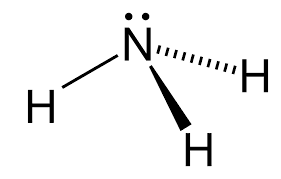
Ammonia
Ammonia is a sharp, pungent, eye-watering note that perfumers occasionally use to evoke smelling salts, hartshorn, industrial cleanliness, or a deliberately abrasive medicinal accord. Almost never used in literal form, it is suggested through aldehydic, sulphurous, or alkaline aroma materials that brush against ammonia's piercing volatility. In niche and avant-garde perfumery it can lend a startling, near-shocking opening — vivid, cold, almost metallic — before settling into a softer animalic-musky residue on the skin. It pairs unexpectedly well with leather, civet-style musks, urinous accords, white florals, and clean modern musks where contrast and tension are deliberately sought.
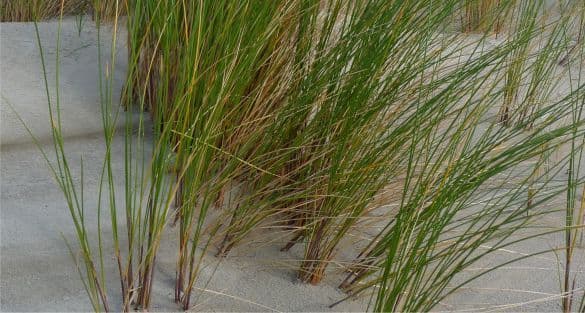
Ammophila
Ammophila, also known as beach grass or marram grass, is a coastal grass that grows along sandy dunes. In perfumery, it can be interpreted as a dry green coastal note with airy, sandy, salty, and herbal facets. It fits naturally in marine, dune, driftwood, vetiver, and clean outdoor compositions.
- 🌿
Amsonia
Amsonia is a specialty note used to give a fragrance a distinctive texture, mood, or material impression. Depending on interpretation, it may contribute freshness, warmth, sweetness, dryness, softness, or an abstract atmospheric effect. In perfumery, specialty notes are useful because they make a composition feel more specific and less generic. It can be paired with woods, musks, florals, resins, fruits, green notes, spices, or amber materials according to the intended style.
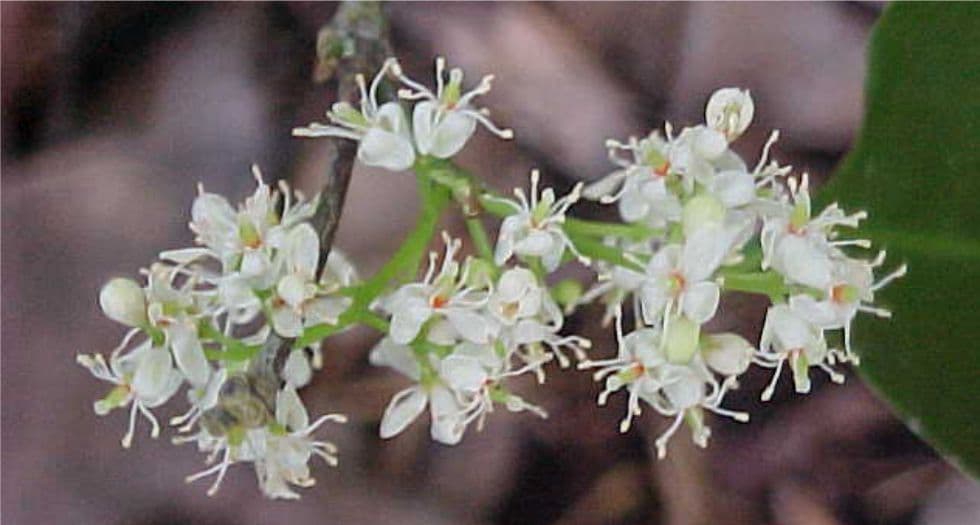
Amyris
Amyris — sometimes called West Indian Sandalwood or Torchwood — is derived from Amyris balsamifera, a flowering tree native to the Caribbean and Central America. The essential oil is obtained by steam distillation of the wood chips and is valued both as a sustainable, lower-cost alternative to true sandalwood and as a material with its own distinct aromatic merit. Rich in sesquiterpene alcohols, particularly valerianol, the oil has excellent fixative properties and contributes a warm, balsamic, softly woody character to any composition it enters. In the vial, Amyris is quietly compelling — a creamy, slightly resinous warmth that lacks the sharp creaminess of Mysore sandalwood but carries a gentle, enveloping softness all its own. There is a mildly smoky, almost vanilla-adjacent facet at its base, and a faint herbal-balsamic nuance at the top that distinguishes it from simpler synthetic woods. On skin, it blooms slowly, becoming warmer and more skin-like as it settles, making it an outstanding choice for both personal wear and as a fixative in layered compositions. Amyris has become an increasingly important material as sustainability concerns make true sandalwood ever more precious. Its fixative power and blending versatility make it a go-to base note in contemporary woody, oriental, and floral compositions. At Fragrenza, our inspired-by fragrances harness the warm, balsamic beauty of Amyris in luxury-inspired creations that showcase this underrated material at prices that make them truly everyday wearable.
- 🌿
Andalusian amber
Andalusian amber is a warm ambered or resinous note used to give fragrance depth, softness, and long-lasting richness. It can smell balsamic, sweet, smoky, vanillic, woody, powdery, or incense-like depending on the material. In perfumery, it rounds sharp edges and creates a smooth base that holds the composition together. It pairs well with woods, musks, spices, vanilla, tobacco, leather, florals, oud, and other resins.
- 🌿
Andalusian cedar
Andalusian cedar is a woody note used to create structure, depth, and lasting warmth. Its scent may be dry, creamy, smoky, resinous, earthy, pencil-like, or polished depending on the wood or accord. In perfumery, woody notes support the whole composition and connect fresh openings with deeper bases. It pairs naturally with amber, musk, incense, leather, vetiver, patchouli, spices, citrus, and soft resins.
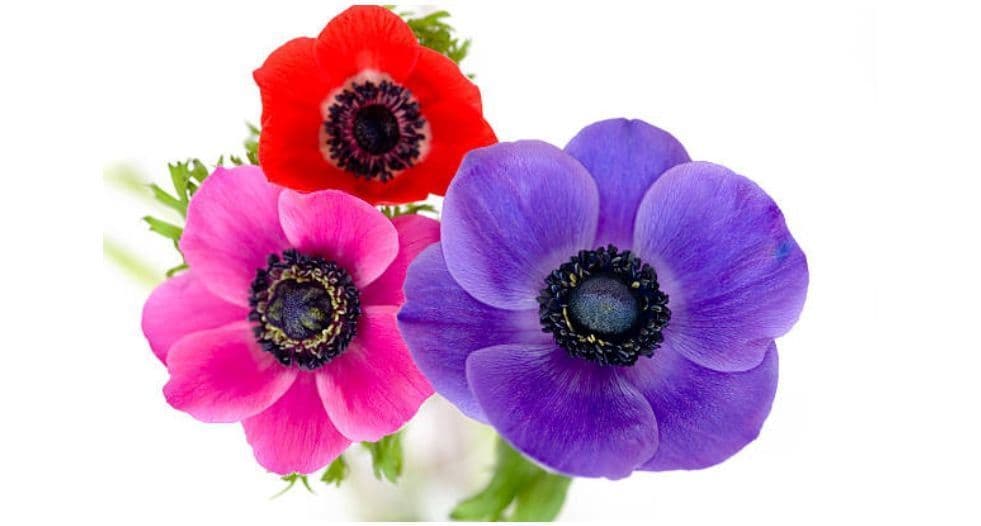
Anemone
Anemone is a genus of perennial flowering plants in the buttercup family (Ranunculaceae), found abundantly across Mediterranean coastlines, temperate woodlands, and alpine meadows throughout Europe and Asia. In perfumery, the anemone note captures the elusive quality of these delicate, papery-petalled blooms — a task that requires skilled reconstruction, as the flowers do not readily yield essential oils. The resulting accord tends to be lightly floral with a powdery, slightly pungent edge and a whisper of earthy green. The olfactory profile of anemone is subtle and interesting precisely because it resists easy categorisation. It is not the bold sweetness of a rose or the heady indolic richness of jasmine — instead, anemone offers a restrained, almost medicinal floral quality with a cool, slightly bitter undertone and a faint, powdery warmth. On the skin, it reads as a quiet, contemplative note, adding texture and naturalness to floral compositions without demanding attention. Perfumers appreciate it as a modifier that brings a sense of wildness and botanical authenticity to heart accords. Anemone has found a devoted following in green florals, botanical perfumes, and compositions inspired by specific landscapes or seasons. Its ability to evoke a genuine wildflower character — rather than a cultivated, hothouse bloom — gives it a unique narrative power. At Fragrenza, our inspired-by collection celebrates fragrances where anemone plays a key role, delivering that wild, quietly beautiful floral note in luxury-quality formulas at truly accessible prices.
- 🌿
Angel's trumpet
Datura is probably one of the most interesting herbs in our glossary of perfume notes. Researching Datura was quite a challenge, but the trip to the Mythological Garden was so interesting that I couldn't help but write a really long article and tell many fascinating stories I heard about it. topic. The purpose of this story is to help you understand many Datura themed scents in which this herb sometimes appears as an ingredient and very often as a whimsical concept around which the notes fit together.
- 🌿
Angelic
Angelic is a specialty note used to give a fragrance a distinctive texture, mood, or material impression. Depending on interpretation, it may contribute freshness, warmth, sweetness, dryness, softness, or an abstract atmospheric effect. In perfumery, specialty notes are valuable because they make a composition feel more specific and less generic. Angelic can be paired with woods, musks, florals, resins, fruits, green notes, spices, or amber materials according to the intended style.
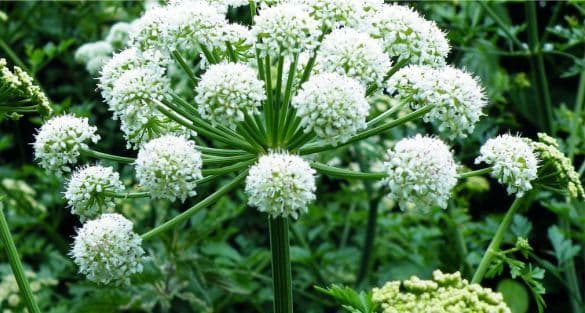
Angelica
Angelica is one of perfumery's most intriguing and underappreciated botanicals, derived from the roots and seeds of Angelica archangelica — a tall, architectural plant native to Northern and Central Europe. Revered in herbal medicine and culinary tradition alike, angelica has been used in perfumery since at least the Renaissance, lending a characteristic green, earthy, and slightly medicinal depth to compositions. Both the root and seed are used, producing subtly different olfactory profiles, though both share a distinctive mossy-green complexity. Olfactorily, Angelica is green, earthy, and herbaceous with an almost celery-like quality at its core. The root tends toward deeper, earthier, slightly musky-green tones, while the seed is lighter, more pepper-like, and subtly spicy. Underlying both is a unique quality that is simultaneously fresh and ancient — cool and medicinal, yet strangely comforting. This complexity makes Angelica a note that rewards attention; it does not announce itself loudly but instead adds a quiet, sophisticated greenness that enriches whatever surrounds it. In perfumery, Angelica appears in chypres, aromatic fougères, and green-woody compositions, often alongside orris, vetiver, and green notes to amplify its botanical depth. It has experienced a notable renaissance in artisan and niche perfumery as an alternative to more conventional green notes. At Fragrenza, we celebrate Angelica's distinctive character through refined fragrance dupes that capture the quiet sophistication of luxury green-herbal perfumes at an accessible price.
- 🌿
Angelica flower
Angelica flower is a floral note that gives a fragrance softness, radiance, and emotional warmth. Depending on the flower or accord, it may feel fresh, creamy, powdery, honeyed, green, indolic, or airy. In perfumery, floral notes often form the heart of a composition, adding body and a recognizable signature. It pairs well with citrus, white musk, rose, jasmine, sandalwood, amber, vanilla, iris, and delicate fruits.
- 🌿
Angelica root
Angelica root is an earthy or mineral note that adds realism, dryness, and atmospheric depth to a fragrance. It may suggest soil, roots, stone, dust, damp ground, mushrooms, or cool mineral surfaces depending on the accord. In perfumery, these notes are used to make compositions feel grounded, natural, or avant-garde. Angelica root pairs well with vetiver, moss, patchouli, dry woods, leather, incense, rain notes, musk, and dark florals.
- 🌿
Angelica seed
Angelica seed is a specialty note used to give a fragrance a distinctive texture, mood, or material impression. Depending on interpretation, it may contribute freshness, warmth, sweetness, dryness, softness, or an abstract atmospheric effect. In perfumery, specialty notes are valuable because they make a composition feel more specific and less generic. Angelica seed can be paired with woods, musks, florals, resins, fruits, green notes, spices, or amber materials according to the intended style.
- 🌿
Animal note
Animal note is a specialty note used to give a fragrance a distinctive texture, mood, or material impression. Depending on interpretation, it may contribute freshness, warmth, sweetness, dryness, softness, or an abstract atmospheric effect. In perfumery, specialty notes are valuable because they make a composition feel more specific and less generic. Animal note can be paired with woods, musks, florals, resins, fruits, green notes, spices, or amber materials according to the intended style.
- 🌿
Animalic musk
Animalic musk is a soft textural note that creates warmth, smoothness, and a skin-like finish. It can feel clean, powdery, woody, velvety, slightly fruity, or fabric-like depending on the accord. In perfumery, these notes help bind the formula, soften stronger materials, and extend wear without dominating the fragrance. Animalic musk pairs well with florals, woods, citrus, amber, iris, fruits, suede, vanilla, and transparent modern musks.
- 🌿
Animalic notes
Animal Notes refer to a family of raw, primal fragrance materials that have fascinated and challenged perfumers for centuries. Historically sourced from animals — civet from the civet cat, castoreum from the beaver, ambergris from the sperm whale, and musk from the musk deer — these notes carry an inherent warmth, sensuality, and skin-closeness that no purely botanical material can fully replicate. Today, most animal note usage in fine perfumery relies on synthetic or naturally sourced ethical alternatives that preserve the olfactory character without wildlife impact. Olfactorily, Animal Notes occupy the deepest, most intimate register of a fragrance. They are warm, animalic, and richly sensual — evoking warm skin, fur, and the primal intimacy of physical proximity. Civet contributes a sharp, feline muskiness; castoreum adds leather and smoky depth; musk offers a diffuse, skin-enhancing warmth. These notes are rarely used as standalone accords but rather as subtle undertones that add an almost indescribable aliveness to a composition, making it feel inhabited and deeply personal. In perfumery, Animal Notes serve as fixatives and sensual anchors, grounding the more volatile elements of a fragrance and extending its longevity on skin. They appear in orientals, leathers, chypres, and bold florals. At Fragrenza, our Animal Notes collection explores this bold, primal facet of perfumery through sophisticated fragrance dupes that channel the raw sensuality of iconic luxury originals at accessible prices.
- 🌿
Animalis
Animalis is a specialty note used to give a fragrance a distinctive texture, mood, or material impression. Depending on interpretation, it may contribute freshness, warmth, sweetness, dryness, softness, or an abstract atmospheric effect. In perfumery, specialty notes are useful because they make a composition feel more specific and less generic. It can be paired with woods, musks, florals, resins, fruits, green notes, spices, or amber materials according to the intended style.
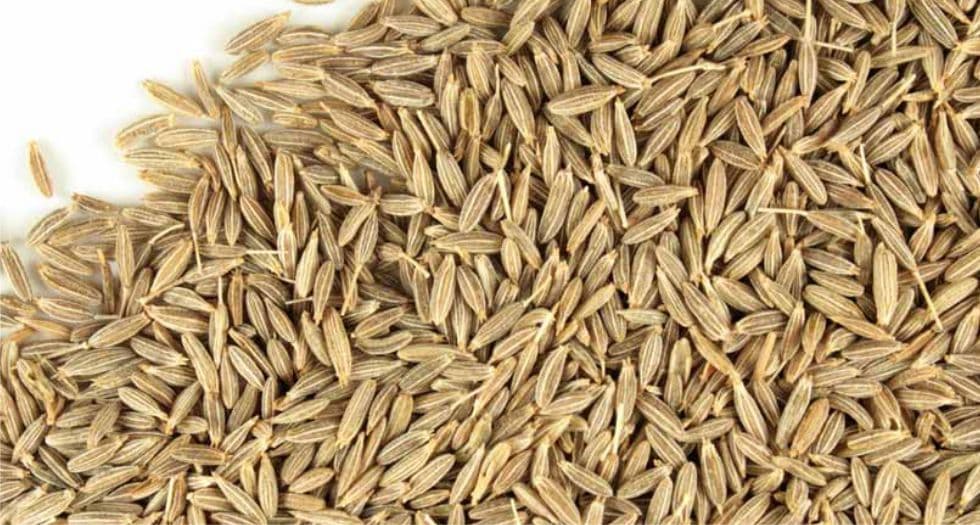
Anise
Anise is one of the oldest and most storied aromatic ingredients in perfumery, with roots stretching back thousands of years across Mediterranean, Middle Eastern, and Asian cultures. Derived from the seeds of Pimpinella anisum or from star anise (Illicium verum), anise delivers its characteristic sweet-licorice aroma through the compound anethole. This warm, sweetly spiced note has flavored everything from ancient liqueurs to sacred incense, making it one of the most culturally rich materials in the perfumer's palette. Olfactorily, Anise is defined by its distinctive sweet-licorice warmth — simultaneously spicy and sugary, with an enveloping, almost medicinal depth. It occupies an interesting middle ground: it is warming without being fiery, sweet without being cloying, and herbal without being green. In higher concentrations it can feel bold and assertive; used with restraint, it adds a quietly exotic, aromatic warmth that is immediately recognizable yet nuanced. It reads beautifully across oriental, aromatic, and even certain floral compositions. In perfumery, Anise has long been used in fougères, orientals, and aromatic compositions, frequently paired with lavender, tonka, amber, and spices to create complex, warming accords. It is a backbone note in many classic masculine and unisex fragrances. At Fragrenza, we harness the timeless allure of Anise in our fragrance dupes, delivering warm, aromatic complexity inspired by iconic luxury perfumes at an accessible everyday price.
- 🌿
Aniseed
Aniseed is a spicy note that adds warmth, texture, and aromatic movement to a fragrance. Depending on the material, it can feel sweet, dry, peppery, balsamic, herbal, or slightly medicinal. In perfumery, spicy notes create contrast and help connect bright openings with deeper woody, amber, or leathery bases. They pair especially well with citrus, rose, tobacco, vanilla, oud, sandalwood, patchouli, and resins.
- 🌿
Anjou pear
Anjou pear is a fruity note that gives fragrance juiciness, color, and natural sweetness. It can be crisp and tart, ripe and velvety, tropical and creamy, or dark and jammy depending on the fruit profile. In perfumery, fruity notes brighten florals, soften musks, and add pleasure to gourmand or woody structures. Anjou pear pairs well with rose, peony, jasmine, white musk, vanilla, woods, citrus, amber, and soft spices.
- 🌿
Anjou pear blossom
Anjou pear blossom is a floral note that gives a fragrance softness, radiance, and emotional warmth. Depending on the flower or accord, it may feel fresh, creamy, powdery, honeyed, green, indolic, or airy. In perfumery, floral notes often form the heart of a composition, adding body and a recognizable signature. It pairs well with citrus, white musk, rose, jasmine, sandalwood, amber, vanilla, iris, and delicate fruits.
- 🌿
Annual wormwood
Annual wormwood is a woody note used to create structure, depth, and lasting warmth. Its scent may be dry, creamy, smoky, resinous, earthy, pencil-like, or polished depending on the wood or accord. In perfumery, woody notes support the whole composition and connect fresh openings with deeper bases. It pairs naturally with amber, musk, incense, leather, vetiver, patchouli, spices, citrus, and soft resins.
- 🌿
Anya's Garden
Anya's Garden is a specialty note used to give a fragrance a distinctive texture, mood, or material impression. Depending on interpretation, it may contribute freshness, warmth, sweetness, dryness, softness, or an abstract atmospheric effect. In perfumery, specialty notes are useful because they make a composition feel more specific and less generic. It can be paired with woods, musks, florals, resins, fruits, green notes, spices, or amber materials according to the intended style.
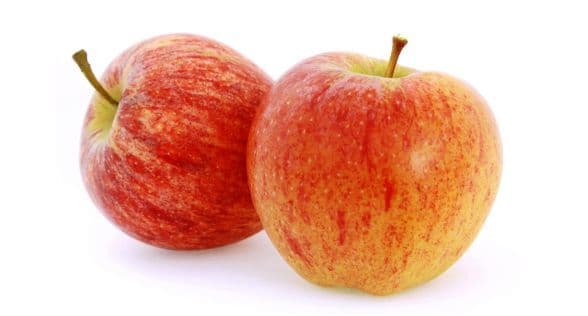
Apple
Apple is one of perfumery's most enduring and beloved fruit notes, evoking the clean, crisp sweetness of a freshly bitten apple in its purest, most classic form. As a fragrance note, it draws on a rich history in both natural perfumery — where apple-like qualities are extracted from ingredients such as quince, osmanthus, and certain rose varieties — and in modern synthetic accords that isolate and amplify the characteristic sweet-tart fruitiness of the apple fruit itself. Olfactorily, the Apple note is defined by its balance of sweetness and tartness: rosy and slightly green at the edges, with a fresh, juicy core. It occupies the top-to-heart register of a fragrance and projects a clean, instantly recognizable brightness. Unlike more exotic fruit notes, Apple carries an almost universal familiarity — approachable, cheerful, and consistently pleasing across demographics and occasions. It reads as both classic and contemporary depending on its surrounding composition. In perfumery, Apple has served as a foundational note in countless landmark fragrances, particularly within fruity florals and fresh chypres. It pairs naturally with rose, peach, peony, white musk, and cedar for a wide range of applications from light daytime wear to romantic evening scents. At Fragrenza, our Apple note collection showcases this versatile, timeless accord in beautifully constructed fragrance dupes that replicate the feel of premium originals at an accessible price. Find it featured prominently in [Fragrenza's apple edit](https://fragrenza.com/collections/apple-fragrances).
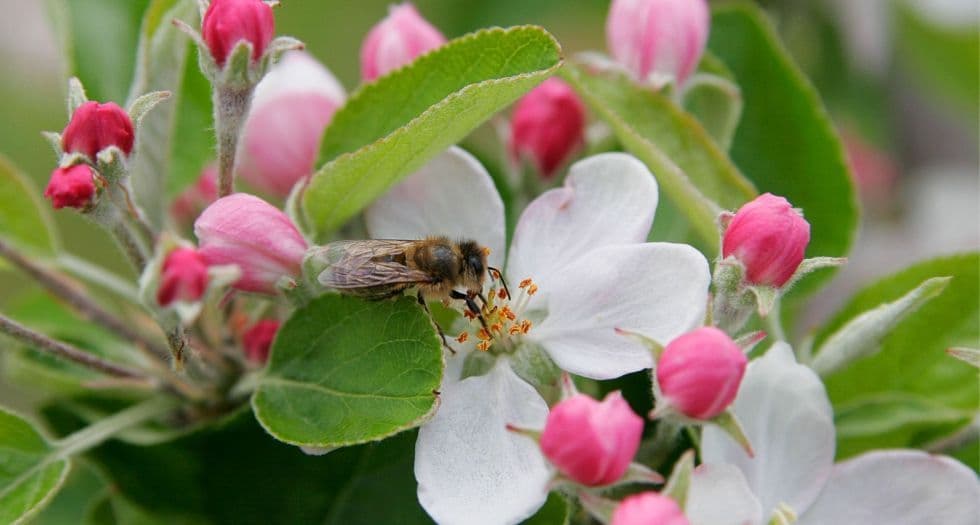
Apple blossom
Apple blossom is the note of pure spring optimism — a delicate, luminous floral that captures the brief, breathtaking moment when apple orchards burst into bloom. Unlike the ripe, juicy sweetness of apple fruit, apple blossom is softer and more nuanced: a cool, airy floral with a faint green freshness, a whisper of honey, and a clean, almost dewy transparency that feels like sunlight filtered through a canopy of pale petals. In perfumery, apple blossom is both a floral and a fruity note — bridging the gap between the crispness of fresh apple and the delicate softness of white flowers. Perfumers use synthetic molecules and carefully constructed accords to approximate this note, often combining light white floral materials with fresh green facets and a touch of soft fruitiness. The result is a note that feels effortlessly natural, evoking open countryside, spring gardens, and the gentle optimism of new beginnings. Apple blossom pairs beautifully with other fresh and floral materials: rose and peony for romantic femininity, lily of the valley for classic freshness, or clean musks and sandalwood for a modern, skin-close warmth. It is a note that excels in light, wearable day fragrances and luminous feminine compositions. At Fragrenza, our apple blossom inspired-by fragrances bring this cheerful, uplifting note to centre stage — offering compositions that echo the elegance and brightness of luxury spring florals at a price that welcomes you to wear them every day.
- 🌿
Apple brandy
Apple brandy is a fruity note that adds juiciness, color, and natural sweetness. It may feel crisp and tart, ripe and velvety, tropical and creamy, or dark and jammy depending on the fruit profile. In perfumery, fruity notes brighten florals, soften musks, and add pleasure to gourmand or woody structures. It pairs well with rose, peony, jasmine, white musk, vanilla, woods, citrus, amber, and soft spices.
- 🌿
Apple leaf
Apple leaf is a fruity note that adds juiciness, color, and natural sweetness. It may feel crisp and tart, ripe and velvety, tropical and creamy, or dark and jammy depending on the fruit profile. In perfumery, fruity notes brighten florals, soften musks, and add pleasure to gourmand or woody structures. It pairs well with rose, peony, jasmine, white musk, vanilla, woods, citrus, amber, and soft spices.
- 🌿
Apple mint
Apple Mint is a crisp, herbaceous fragrance note born from the pairing of two beloved naturals: the green-sweet freshness of apple and the cool, invigorating clarity of mint. This combination has deep roots in culinary and herbal traditions across Europe and the Middle East, and its translation into perfumery captures that same refreshing duality — fruity softness tempered by an aromatic chill. The note evokes dewy herb gardens and summer orchards in a single breath. Olfactorily, Apple Mint sits at the junction of fruity and aromatic-herbal. The apple character is soft and slightly green rather than candy-sweet, while the mint contributes a clean, cooling edge that is lighter and less assertive than peppermint. Together they create a note that feels simultaneously fresh and slightly succulent — bright without being sharp, green without being grassy. There is an inherent naturalness to the pairing that reads as effortless and modern. In perfumery, Apple Mint is often used to open compositions with a burst of cool, invigorating freshness, bridging the gap between aromatic fougères and fruity florals. It works particularly well with aquatics, light musks, and green tea accords. At Fragrenza, we celebrate this note across a selection of beautifully balanced fragrance dupes that bring the cool, orchard-fresh character of Apple Mint to life at an honest price point.
- 🌿
Apple pie
Apple pie is a fruity note that adds juiciness, color, and natural sweetness. It may feel crisp and tart, ripe and velvety, tropical and creamy, or dark and jammy depending on the fruit profile. In perfumery, fruity notes brighten florals, soften musks, and add pleasure to gourmand or woody structures. It pairs well with rose, peony, jasmine, white musk, vanilla, woods, citrus, amber, and soft spices.
- 🌿
Apple puree
Apple puree is a fruity note that adds juiciness, color, and natural sweetness. It may feel crisp and tart, ripe and velvety, tropical and creamy, or dark and jammy depending on the fruit profile. In perfumery, fruity notes brighten florals, soften musks, and add pleasure to gourmand or woody structures. It pairs well with rose, peony, jasmine, white musk, vanilla, woods, citrus, amber, and soft spices.
- 🌿
Apple skin
Apple skin is a fruity note that adds juiciness, color, and natural sweetness. It may feel crisp and tart, ripe and velvety, tropical and creamy, or dark and jammy depending on the fruit profile. In perfumery, fruity notes brighten florals, soften musks, and add pleasure to gourmand or woody structures. It pairs well with rose, peony, jasmine, white musk, vanilla, woods, citrus, amber, and soft spices.
- 🌿
Apple sorbet
Apple sorbet is a fruity note that adds juiciness, color, and natural sweetness. It may feel crisp and tart, ripe and velvety, tropical and creamy, or dark and jammy depending on the fruit profile. In perfumery, fruity notes brighten florals, soften musks, and add pleasure to gourmand or woody structures. It pairs well with rose, peony, jasmine, white musk, vanilla, woods, citrus, amber, and soft spices.
Apple tree
The apple tree — Malus domestica and its wild relatives — is one of the most culturally embedded trees in human civilization. From the mythological apple trees of Eden and the Norse Idunn's orchard of immortality, to Newton's orchard of revelation and the sprawling commercial orchards of Normandy and Washington State, apple trees have framed human history with their blossom-heavy springs and fruit-laden autumns. Their fragrance spans the full seasonal arc: delicate white-pink blossoms in spring, green-leafy growth through summer, and the crisp sweetness of ripe fruit in autumn. As a fragrance note, Apple Tree draws from this full spectrum — the fresh, green-floral lightness of apple blossom, the slightly woody-green quality of new leaves and young branches, and the crisp sweetness of fresh-picked fruit. The result is a note that feels natural, airy, and genuinely alive — less sweet than apple juice, more complex than apple blossom alone, with a green freshness that is quintessentially spring and a woody base that anchors it in the orchard. In perfumery, it lends a fresh, natural fruitiness ideal for green-floral and light chypre compositions. At Fragrenza, Apple Tree's orchard freshness appears across our bright, natural fragrances. Our high-quality dupes of fresh and green-floral perfumes capture the crispness of the apple orchard — bringing the pleasure of fine fragrance to everyone at prices that are as welcoming as a walk among the blossoms.
- 🌿
Apple whiskey
Apple whiskey is a fruity note that adds juiciness, color, and natural sweetness. It may feel crisp and tart, ripe and velvety, tropical and creamy, or dark and jammy depending on the fruit profile. In perfumery, fruity notes brighten florals, soften musks, and add pleasure to gourmand or woody structures. It pairs well with rose, peony, jasmine, white musk, vanilla, woods, citrus, amber, and soft spices.
Apricot
The apricot — Prunus armeniaca — traces its origins to the mountain valleys of Central Asia, where it has been cultivated for over 4,000 years. From the Silk Road trading routes that carried it westward to the sun-drenched orchards of Provence and California, the apricot has always been a fruit of warmth and abundance. Its scent is perhaps the most immediately sensuous of all the stone fruits: warm, velvety, slightly honeyed, with a ripe sweetness that is never cloying and a faint almond-like depth from its kernel. As a fragrance note, Apricot is one of the great workhorses of gourmand and floral-fruity perfumery. Its olfactory profile is warm and richly sweet — a velvety, sun-warmed fruitiness with a honeyed softness and a subtle lactonic (creamy-milky) undertone that gives it remarkable skin-closeness. Apricot adds warmth and sensuality to any composition it touches, softening florals, enriching orientals, and elevating simple fruit blends into something more complex and inviting. It is a note that smells, above all, like pleasure. Fragrenza embraces the warm, fruity luxury of Apricot across several of our most popular fragrance collections. Our high-quality dupes of fruity-floral and oriental perfumes deliver this golden warmth at prices that make wearing a truly beautiful fragrance an everyday indulgence.
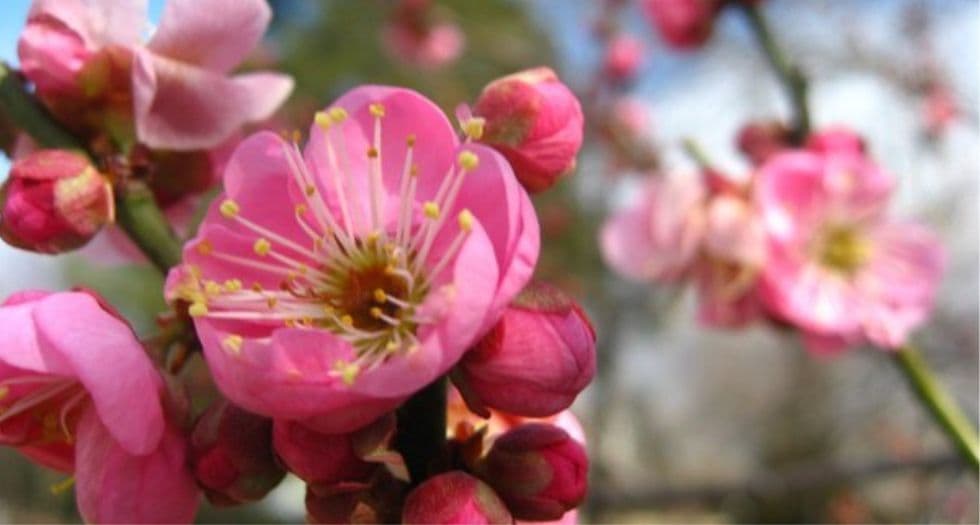
Apricot blossom
Apricot Blossom is the delicate floral counterpart to the rich, ripe warmth of the fruit it precedes. Each spring, apricot trees produce clouds of pale pink-white blossoms before a single leaf appears — a fleeting, exquisite spectacle that has been celebrated in Persian poetry, Chinese painting, and Japanese seasonal tradition for centuries. The fragrance of these blossoms is entirely different from the ripe fruit: softer, more transparent, slightly sweet-almond, with a cool floral freshness that speaks of early spring air rather than summer abundance. As a fragrance note, Apricot Blossom occupies a beautiful space between floral and fruity. Its olfactory character is delicate and slightly powdery — a light, sweet floral with a faint almond-marzipan nuance and a transparent freshness that distinguishes it from heavier white florals. It lacks the full fruity warmth of ripe apricot, instead offering an airy, luminous sweetness that works beautifully in spring florals, transparent chypres, and light oriental compositions. It pairs exquisitely with rose, peach blossom, violet, and soft musks. At Fragrenza, Apricot Blossom's delicate spring character appears in our lightest, most transparent floral offerings. Our dupes of refined floral fragrances capture this fleeting seasonal beauty at prices that invite you to wear them as generously as the trees wear their blossoms.
- 🌿
Apricot liqueur
Apricot liqueur is a fruity note that adds juiciness, color, and natural sweetness. It may feel crisp and tart, ripe and velvety, tropical and creamy, or dark and jammy depending on the fruit profile. In perfumery, fruity notes brighten florals, soften musks, and add pleasure to gourmand or woody structures. It pairs well with rose, peony, jasmine, white musk, vanilla, woods, citrus, amber, and soft spices.
- 🌿
Apricot nectar
Apricot nectar is a fruity note that gives fragrance juiciness, color, and natural sweetness. It can be crisp and tart, ripe and velvety, tropical and creamy, or dark and jammy depending on the fruit profile. In perfumery, fruity notes brighten florals, soften musks, and add pleasure to gourmand or woody structures. Apricot nectar pairs well with rose, peony, jasmine, white musk, vanilla, woods, citrus, amber, and soft spices.
- 🌿
Apricot preserves
Apricot preserves is a fruity note that adds juiciness, color, and natural sweetness. It may feel crisp and tart, ripe and velvety, tropical and creamy, or dark and jammy depending on the fruit profile. In perfumery, fruity notes brighten florals, soften musks, and add pleasure to gourmand or woody structures. It pairs well with rose, peony, jasmine, white musk, vanilla, woods, citrus, amber, and soft spices.
- 🌿
Apricot skin
Apricot skin is a fruity note that adds juiciness, color, and natural sweetness. It may feel crisp and tart, ripe and velvety, tropical and creamy, or dark and jammy depending on the fruit profile. In perfumery, fruity notes brighten florals, soften musks, and add pleasure to gourmand or woody structures. It pairs well with rose, peony, jasmine, white musk, vanilla, woods, citrus, amber, and soft spices.
apricots Peel
Apricot Peel is a specialty fragrance note with a distinctive character that can add texture, contrast, and originality to a composition. In perfumery, it is best used to create a specific mood or material impression, often alongside woods, musks, florals, resins, fruits, or green notes.
- 🌿
Aquaflora
Aquaflora is a specialty note used to give a fragrance a distinctive texture, mood, or material impression. Depending on interpretation, it may contribute freshness, warmth, sweetness, dryness, softness, or an abstract atmospheric effect. In perfumery, specialty notes are useful because they make a composition feel more specific and less generic. It can be paired with woods, musks, florals, resins, fruits, green notes, spices, or amber materials according to the intended style.
- 🌿
Aqual™
Aqual is a modern marine-aquatic aroma molecule that captures the sensation of clean ocean breeze and sun-warmed seaweed. It is bright, transparent, slightly mineral, and softly salty. In perfumery, it brings airy freshness and modernity to aquatic, sport, and unisex compositions.
- 🌿
Aquatic flowers
Aquatic flowers is a floral note that adds softness, radiance, and emotional warmth to a composition. Depending on the flower or accord, it can feel fresh, creamy, powdery, honeyed, green, indolic, or airy. In perfumery, floral notes often form the heart of a fragrance, giving it body and a recognizable character. Aquatic flowers pairs well with citrus, white musk, rose, jasmine, sandalwood, amber, vanilla, iris, and delicate fruits, making it useful in both classic bouquets and modern transparent florals.
- 🌿
Aquatic note
Aquatic note is an aquatic note that evokes water, sea air, rain, mineral freshness, or clean transparent space. It can be salty, ozonic, marine, watery, airy, or slightly green depending on the accord. In perfumery, aquatic notes bring freshness, diffusion, and a modern easy-to-wear character. It pairs well with citrus, white musk, driftwood, lavender, sage, cucumber, marine notes, ambergris-style molecules, and pale woods.
- 🌿
Aquatic notes
Aquatic notes is an aquatic note that evokes water, sea air, mineral freshness, or clean transparent space. It can be salty, ozonic, airy, watery, or slightly green depending on the accord. In perfumery, aquatic notes bring lightness and diffusion, helping a fragrance feel fresh, modern, and easy to wear. They pair well with citrus, marine notes, driftwood, white musk, cucumber, lavender, ambergris-style molecules, and pale woods.
- 🌿
Aquozone
Aquozone is a modern synthetic fragrance molecule developed to capture the olfactory sensation of clean, open water — the kind of freshness that exists at the surface of a still lake or in the charged air after rainfall. Unlike naturalistic water accords derived from botanical materials, Aquozone is a purely chemical creation, engineered with precision to deliver a consistent, linear freshness that sits at the cutting edge of contemporary perfumery's aquatic palette. As a fragrance note, Aquozone is transparent and expansive — a clean, slightly metallic freshness that evokes the cool surface of deep water rather than the saltiness of the ocean or the greenness of a riverbank. It has an almost technological purity, a hyper-clean quality that is unmistakably modern. In perfumery, Aquozone functions as a top and heart note, providing an airy, diffusive lift that makes surrounding materials feel fresher and more luminous. It is a signature building block of the contemporary aquatic and transparent fresh families. At Fragrenza, clean, modern freshness is a cornerstone of our collection. Aquozone's pure, water-like clarity appears in our most contemporary light fragrances — high-quality dupes of designer and niche aquatic scents that deliver premium freshness at prices accessible to all.
- 🌿
Arabian coffee absolute
Arabian coffee absolute is a gourmand note that adds edible warmth, sweetness, and comfort. It may suggest cream, sugar, nuts, chocolate, coffee, honey, pastry, or toasted grains depending on the accord. In perfumery, gourmand notes make compositions feel cozy and sensual, but they work best when balanced with woods, musks, spices, citrus, or resins. It pairs well with vanilla, tonka bean, sandalwood, amber, caramel, cacao, coffee, and soft florals.
- 🌿
Arabian myrrh
Arabian myrrh is a warm ambered or resinous note used to give fragrance depth, softness, and long-lasting richness. It can smell balsamic, sweet, smoky, vanillic, woody, powdery, or incense-like depending on the material. In perfumery, it rounds sharp edges and creates a smooth base that holds the composition together. It pairs well with woods, musks, spices, vanilla, tobacco, leather, florals, oud, and other resins.
- 🌿
Arabian oud
Arabian oud is a woody note used to create structure, depth, and lasting warmth. Its scent may be dry, creamy, smoky, resinous, earthy, pencil-like, or polished depending on the wood or accord. In perfumery, woody notes support the whole composition and connect fresh openings with deeper bases. It pairs naturally with amber, musk, incense, leather, vetiver, patchouli, spices, citrus, and soft resins.
- 🌿
Arabian rose
Arabian rose is a floral note that gives a fragrance softness, radiance, and emotional warmth. Depending on the flower or accord, it may feel fresh, creamy, powdery, honeyed, green, indolic, or airy. In perfumery, floral notes often form the heart of a composition, adding body and a recognizable signature. It pairs well with citrus, white musk, rose, jasmine, sandalwood, amber, vanilla, iris, and delicate fruits.
- 🌿
Arabica coffee
Arabica coffee is a gourmand note that adds edible warmth, sweetness, and comfort to a fragrance. It may suggest cream, sugar, nuts, chocolate, coffee, honey, pastry, or toasted grains depending on the accord. In perfumery, gourmand notes make compositions feel cozy and sensual, but they work best when balanced with woods, musks, spices, citrus, or resins. Arabica coffee pairs well with vanilla, tonka bean, sandalwood, amber, caramel, cacao, coffee, and soft florals.
- 🌿
Araucaria
Araucaria — the genus that includes the celebrated monkey puzzle tree (Araucaria araucana) and the Norfolk Island pine — is among the most ancient tree families on earth, with fossils dating back over 200 million years to the Jurassic period. Native to the Southern Hemisphere, from the Andes of Chile and Argentina to the islands of the South Pacific, Araucaria trees are living relics of an older world, their distinctive architectural forms having sheltered dinosaurs before they sheltered us. As a fragrance note, Araucaria captures the resinous, slightly camphoraceous character of these ancient conifers. Its olfactory profile is woody and resinous — a clean, slightly medicinal piney character with a faint camphor edge and an underlying earthiness that speaks of old-growth forests and wild, windswept Southern Hemisphere landscapes. Less familiar than northern conifers like fir or spruce, Araucaria adds an exotic, slightly austere woody depth to compositions, pairing well with resins, earthy notes, and cool woods. Fragrenza is drawn to the ancient, untouched quality of Araucaria in our resinous and woody fragrance collections. Our dupes of niche woody-resinous perfumes bring the grandeur of these primeval forests to you at prices that reflect our accessible approach to luxury fragrance.
- 🌿
Araucaria absolute
Araucaria absolute is a specialty note used to give a fragrance a distinctive texture, mood, or material impression. Depending on interpretation, it may contribute freshness, warmth, sweetness, dryness, softness, or an abstract atmospheric effect. In perfumery, specialty notes are useful because they make a composition feel more specific and less generic. It can be paired with woods, musks, florals, resins, fruits, green notes, spices, or amber materials according to the intended style.
- 🌿
Arborvitae
Arborvitae is a specialty note used to give a fragrance a distinctive texture, mood, or material impression. Depending on interpretation, it may contribute freshness, warmth, sweetness, dryness, softness, or an abstract atmospheric effect. In perfumery, specialty notes are useful because they make a composition feel more specific and less generic. It can be paired with woods, musks, florals, resins, fruits, green notes, spices, or amber materials according to the intended style.
Arbutus (Madrona, Bearberry tree
Arbutus — the strawberry tree, Arbutus unedo — is a remarkable evergreen native to the Mediterranean basin and the Atlantic coast of Europe, most famously associated with the wild landscapes of Ireland, Portugal, and the Italian macchia. In autumn, it produces clusters of small, round red fruits that ripen alongside the previous year's white flowers — a rare phenomenon where blossom and ripe fruit coexist on the same branches simultaneously, offering the nose two very different olfactory stories at once. As a fragrance note, Arbutus blends the sweet-tart character of its strawberry-like fruit with a subtle woody earthiness from its bark and branches. Its olfactory profile is warm and slightly jammy — a ripe, red berry sweetness with a slightly astringent, woody backbone that keeps it grounded. In perfumery, it adds a Mediterranean warmth and a natural, slightly rustic fruitiness to compositions, sitting comfortably between classical fruity-floral and chypre structures. It pairs well with cistus, woods, florals, and aromatic herbs. At Fragrenza, Arbutus's Mediterranean warmth and berry character appear in our fruit-forward and chypre-inspired fragrances. We offer high-quality dupes that bring the sun-soaked beauty of this ancient fruit tree to your collection at genuinely accessible prices.
- 🌿
Arbutus Madrona
Arbutus Madrona is a specialty note used to give a fragrance a distinctive texture, mood, or material impression. Depending on interpretation, it may contribute freshness, warmth, sweetness, dryness, softness, or an abstract atmospheric effect. In perfumery, specialty notes are useful because they make a composition feel more specific and less generic. It can be paired with woods, musks, florals, resins, fruits, green notes, spices, or amber materials according to the intended style.
- 🌿
Arctic poppy
Arctic poppy is a specialty note used to give a fragrance a distinctive texture, mood, or material impression. Depending on interpretation, it may contribute freshness, warmth, sweetness, dryness, softness, or an abstract atmospheric effect. In perfumery, specialty notes are useful because they make a composition feel more specific and less generic. It can be paired with woods, musks, florals, resins, fruits, green notes, spices, or amber materials according to the intended style.
- 🌿
Arctical™
Arctical is a Givaudan aroma molecule that delivers an icy-cold, mineral, slightly ozonic freshness reminiscent of polar air and frozen mountain water. In perfumery, it adds chill and brightness to aquatic, sport, fresh, and modern masculine compositions.
- 🌿
Argentinian gaiac wood
Argentinian gaiac wood is a woody note used to create structure, depth, and lasting warmth. Its scent may be dry, creamy, smoky, resinous, earthy, pencil-like, or polished depending on the wood or accord. In perfumery, woody notes support the whole composition and connect fresh openings with deeper bases. It pairs naturally with amber, musk, incense, leather, vetiver, patchouli, spices, citrus, and soft resins.
- 🌿
Argentinian lemon
Argentinian lemon is a citrus note that adds sparkle, freshness, and immediate lift to a fragrance. Its profile can include juicy pulp, aromatic peel, green bitterness, soft floral nuances, or a sharp zesty brightness depending on the material. In perfumery, it is usually used in the opening, where it brings clarity and motion before blending into florals, woods, musks, or herbs. It pairs well with neroli, tea, lavender, white musk, light woods, aquatic notes, and aromatic herbs.
- 🌿
Argentinian mandarin orange
Argentinian mandarin orange is a citrus note that adds sparkle, freshness, and immediate lift to a fragrance. Its profile can include juicy pulp, aromatic peel, green bitterness, soft floral nuances, or a sharp zesty brightness depending on the material. In perfumery, it is usually used in the opening, where it brings clarity and motion before blending into florals, woods, musks, or herbs. It pairs well with neroli, tea, lavender, white musk, light woods, aquatic notes, and aromatic herbs.
- 🌿
Argentinian maté
Argentinian maté is a green or aromatic note that evokes leaves, herbs, stems, fresh air, or crushed vegetation. Its profile can be crisp, bitter, watery, camphoraceous, grassy, or slightly earthy depending on the material. In perfumery, green notes add realism and lift, keeping sweet, floral, or woody compositions from feeling too heavy. It pairs well with citrus, tea, fig, violet leaf, galbanum, tomato leaf, white musk, vetiver, lavender, and light woods.
- 🌿
Armenian plum
Armenian plum is a fruity note that adds juiciness, color, and natural sweetness. It may feel crisp and tart, ripe and velvety, tropical and creamy, or dark and jammy depending on the fruit profile. In perfumery, fruity notes brighten florals, soften musks, and add pleasure to gourmand or woody structures. It pairs well with rose, peony, jasmine, white musk, vanilla, woods, citrus, amber, and soft spices.
- 🌿
Armenian woods
Armenian woods is a woody note used to create structure, depth, and lasting warmth. Its scent may be dry, creamy, smoky, resinous, earthy, pencil-like, or polished depending on the wood or accord. In perfumery, woody notes support the whole composition and connect fresh openings with deeper bases. It pairs naturally with amber, musk, incense, leather, vetiver, patchouli, spices, citrus, and soft resins.
Arnica
Arnica — Arnica montana — is a bright, daisy-like mountain flower native to the subalpine meadows of central Europe, found blooming at altitude from the Alps to the Carpathians. Long used in traditional herbal medicine for its warming, soothing properties, Arnica carries a gentle, slightly medicinal fragrance that is entirely in keeping with its healing reputation: warm golden petals, a faint herbaceous undertone, and the clean air of the high meadows it inhabits. As a fragrance note, Arnica occupies a soft, golden middle ground between floral and herbal. Its olfactory profile is warm and slightly honeyed, with a gentle herbal edge and a medicinal quality that adds complexity without harshness. It evokes the feeling of sun on wildflower meadows at altitude — fresh mountain air, warm yellow blossoms, a hint of alpine herbs. In perfumery, it serves as a warm, naturalistic floral that grounds compositions with a wholesome, outdoor quality distinct from cultivated garden flowers. At Fragrenza, Arnica's warm alpine character appears in our nature-inspired fragrances that celebrate the beauty of wild landscapes. Our high-quality dupes bring these fresh, natural accords to you at prices that reflect our belief that fine fragrance should be for everyone.
- 🌿
Arnica absolute
Arnica absolute is a specialty note used to give a fragrance a distinctive texture, mood, or material impression. Depending on interpretation, it may contribute freshness, warmth, sweetness, dryness, softness, or an abstract atmospheric effect. In perfumery, specialty notes are useful because they make a composition feel more specific and less generic. It can be paired with woods, musks, florals, resins, fruits, green notes, spices, or amber materials according to the intended style.
- 🌿
Aromatic
Aromatic fragrances are defined by the bold, invigorating presence of herbs and medicinal plants: lavender, rosemary, sage, basil, thyme, and their botanical relatives. This is the fragrance family most deeply rooted in the ancient history of perfumery and natural medicine, where plants were prized as much for their scent as for their healing properties. Fragrenza's Aromatic Fragrances collection celebrates this heritage through inspired-by compositions that channel the crisp, vital energy of the herb garden. The aromatic family is one of the most diverse in perfumery, serving as a foundation that can be built upon in countless directions. Aromatic notes pair brilliantly with fresh citrus (creating bright, invigorating colognes), with woody bases (lending an herbal depth to classic masculine compositions), with spices (creating complex and sophisticated blends), and with aquatic notes (evoking windswept coastlines and open air). At its core, however, the aromatic family is defined by that unmistakable herbal clarity and freshness. These fragrances are particularly beloved in men's perfumery, where they have contributed to some of the most iconic and enduring compositions in the designer canon. They project confidence, vitality, and a sense of natural freshness that reads as effortlessly masculine and outdoorsy. That said, aromatic fragrances are by no means exclusively masculine — many beautiful unisex and feminine compositions are built on herbal foundations. Fragrenza's aromatic-forward inspired-by fragrances are formulated to deliver that unmistakable herbal vibrancy with quality ingredients and lasting performance. If you're drawn to fragrances that smell genuinely fresh, natural, and alive — more like the world outside than a perfume counter — this is your collection. Explore and discover the breadth and beauty of the aromatic fragrance family.
- 🌿
Aromatic herbs
Aromatic herbs is a green or aromatic note that evokes leaves, herbs, stems, fresh air, or crushed vegetation. Its profile can be crisp, bitter, watery, camphoraceous, grassy, or slightly earthy depending on the material. In perfumery, green notes add realism and lift, keeping sweet, floral, or woody compositions from feeling too heavy. It pairs well with citrus, tea, fig, violet leaf, galbanum, tomato leaf, white musk, vetiver, lavender, and light woods.
- 🌿
Aromatic notes
Aromatic notes is a specialty note used to give a fragrance a distinctive texture, mood, or material impression. Depending on interpretation, it may contribute freshness, warmth, sweetness, dryness, softness, or an abstract atmospheric effect. In perfumery, specialty notes are valuable because they make a composition feel more specific and less generic. Aromatic notes can be paired with woods, musks, florals, resins, fruits, green notes, spices, or amber materials according to the intended style.
- 🌿
Aromatic Spices
Aromatic Spices is a spicy note that adds warmth, texture, and aromatic movement to a fragrance. Depending on the material, it can feel sweet, dry, peppery, balsamic, herbal, or slightly medicinal. In perfumery, spicy notes create contrast and help connect bright openings with deeper woody, amber, or leathery bases. They pair especially well with citrus, rose, tobacco, vanilla, oud, sandalwood, patchouli, and resins.
- 🌿
Artabotrys hexapetalus
Artabotrys hexapetalus is a floral note that gives a fragrance softness, radiance, and emotional warmth. Depending on the flower or accord, it may feel fresh, creamy, powdery, honeyed, green, indolic, or airy. In perfumery, floral notes often form the heart of a composition, adding body and a recognizable signature. It pairs well with citrus, white musk, rose, jasmine, sandalwood, amber, vanilla, iris, and delicate fruits.
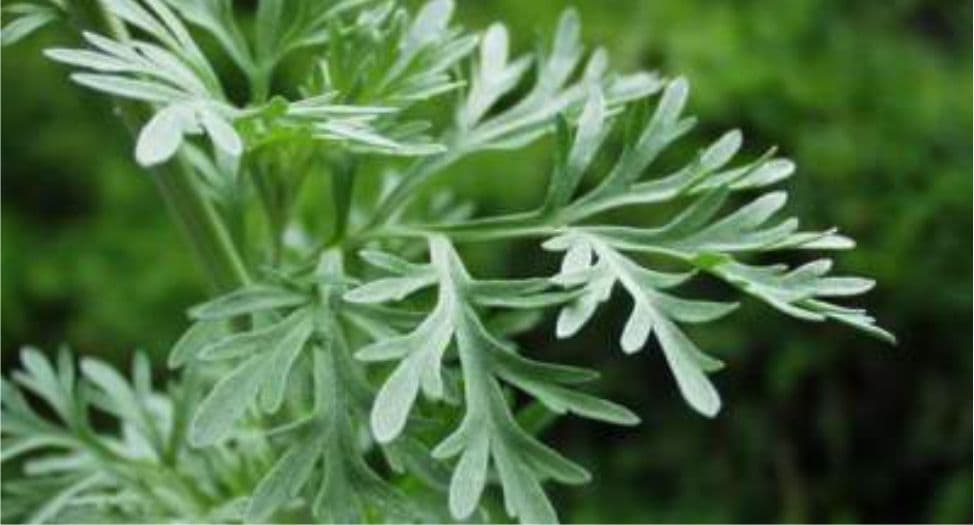
Artemisia
Artemisia — the vast genus of aromatic plants that includes wormwood, mugwort, sagebrush, and tarragon — has been intertwined with human culture for thousands of years. Named for the Greek goddess Artemis, these silvery-leaved herbs have served as medicine, insect repellent, culinary herb, and ritual plant across Europe, Asia, and the Americas. Their shared character is a distinctive aromatic bitterness — green, herbal, slightly camphoraceous — that is at once ancient and bracingly alive. As a fragrance note, Artemisia is a cornerstone of the aromatic-herbal family in perfumery, lending a distinctive silvery-green bitterness that cuts through sweetness and adds intellectual sharpness to compositions. Its olfactory profile is dry and aromatic — think bitter herbs, grey-green foliage, a hint of camphor — with a wild, almost medicinal edge that recalls ancient landscapes and apothecary traditions. It functions as a top and heart note, providing a fresh, resinous opening that softens beautifully into more complex middle notes. Fragrenza incorporates Artemisia's herbal sharpness into our aromatic and fougere-inspired fragrances. Our dupes of classic and contemporary aromatic scents capture this timeless herbal clarity at prices that make wearing a truly well-crafted aromatic fragrance an everyday pleasure.
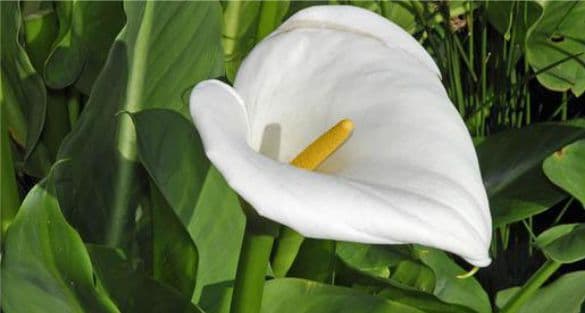
Arum Lily
The Arum Lily — more commonly known as the Calla Lily, Zantedeschia aethiopica — is native to the marshlands and streams of southern Africa, though it has become one of the world's most universally recognized flowers. Its sculptural white spathe and elegant, trumpet-like form have made it a symbol of purity, elegance, and refined beauty in cultures worldwide, from wedding ceremonies to fine art. Georgia O'Keeffe immortalized it in paint; perfumers have sought to immortalize it in scent. As a fragrance note, Arum Lily is a white floral of exceptional cleanliness and elegance. Its olfactory character is soft and waxy — a cool, creamy floral sweetness with a slight green stem quality and a pristine, almost powdery purity. Unlike the heady richness of tuberose or the voluptuous sweetness of gardenia, Arum Lily is restrained and architectural, adding a white, luminous clarity to floral compositions. It pairs beautifully with other white florals, musks, and clean woody notes. At Fragrenza, the Arum Lily's pristine elegance appears in our most refined white floral fragrances. We offer high-quality dupes of luxury florals that capture this sculpted, waxy beauty at prices that make elegant, everyday wear genuinely accessible.
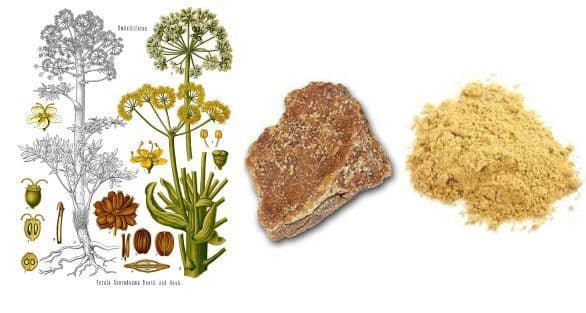
Asafoetida
Asafoetida — the dried resin of Ferula species native to Iran and Afghanistan — has one of the most polarizing raw aromas in the natural world. Known in India as 'hing' and used for millennia in Ayurvedic medicine and South Asian cooking, it smells intensely sulfurous and pungent in its raw state — yet transforms under heat or extreme dilution into something far more nuanced: earthy, truffle-like, deeply savory, and strangely compelling. As a fragrance note, Asafoetida is used with great restraint and skill by adventurous perfumers who understand its transformative potential. At trace concentrations, it lends an extraordinary depth and earthiness — akin to precious truffle or aged leather — that adds a visceral, almost primal richness to compositions. It operates as a hidden architect: invisible in isolation, yet lending a quality of profound depth and complexity to the whole that would be impossible to achieve otherwise. Fragrenza respects the craft and courage required to work with challenging materials like Asafoetida. Our collection of dupes covers niche fragrances where daring, complex base accords create truly unforgettable impressions — all available at Fragrenza's signature accessible prices.
Ash
Ash — the powdery mineral residue of combustion — is one of humanity's oldest olfactory companions. From sacred fire rituals across ancient civilizations to the hearths of medieval homes and the volcanic landscapes that shaped whole cultures, ash has always been present at the intersection of destruction and renewal. Its scent is the aftermath of fire: cold, grey, mineral, carrying the memory of warmth without its heat. As a fragrance note, Ash is an abstract, conceptual accord that occupies a unique space in perfumery. Its olfactory character is dry and mineral, slightly smoky yet distinctly cold — not the warmth of burning wood, but the cool, powdery quietness of what remains afterward. It adds a meditative, abstract quality to compositions, stripping away sweetness and warmth to reveal something elemental and introspective. In modern niche perfumery, Ash accords are prized for their ability to create a sense of stillness, solemnity, and poetic abstraction. At Fragrenza, we are drawn to the quiet power of abstract notes like Ash. Our range includes dupes of thoughtful niche fragrances where mineral and smoky-cold accords create genuinely moving olfactory experiences — made accessible at prices that invite daily contemplation.
- 🌿
Ashoka flower
The Ashoka tree — Saraca asoca — is one of the most sacred trees of the Indian subcontinent, revered in Hindu, Buddhist, and Jain traditions for millennia. Its name means 'without sorrow' in Sanskrit, and the tree lives up to its name with spectacular cascades of fragrant orange and red flowers that bloom in dense clusters, filling temple gardens and sacred groves with a warm, intoxicating sweetness that has inspired poets and perfumers alike. As a fragrance note, Ashoka Flower is a warm, rich floral with a character distinct from more familiar blooms. Its olfactory profile is honeyed and slightly spicy, with a golden warmth that evokes the heat of the Indian subcontinent — more amber-toned than the cool freshness of jasmine or the green crispness of lily. In perfumery, it adds an exotic, sun-warmed depth to floral compositions, sitting beautifully alongside sandalwood, incense, saffron, and other materials of the Indian olfactory tradition. Fragrenza celebrates the rich diversity of global floral traditions, including the sacred florals of South Asia where Ashoka Flower belongs. Our fragrances featuring warm, exotic florals offer an accessible journey into these extraordinary olfactory landscapes without the luxury price tag.
- 🌿
Asian lily
Asian lily is a floral note that gives a fragrance softness, radiance, and emotional warmth. Depending on the flower or accord, it may feel fresh, creamy, powdery, honeyed, green, indolic, or airy. In perfumery, floral notes often form the heart of a composition, adding body and a recognizable signature. It pairs well with citrus, white musk, rose, jasmine, sandalwood, amber, vanilla, iris, and delicate fruits.
- 🌿
Asian pigeonwings
Asian pigeonwings is a specialty note used to give a fragrance a distinctive texture, mood, or material impression. Depending on interpretation, it may contribute freshness, warmth, sweetness, dryness, softness, or an abstract atmospheric effect. In perfumery, specialty notes are useful because they make a composition feel more specific and less generic. It can be paired with woods, musks, florals, resins, fruits, green notes, spices, or amber materials according to the intended style.
- 🌿
Asian spearmint
Asian spearmint is a fruity note that adds juiciness, color, and natural sweetness. It may feel crisp and tart, ripe and velvety, tropical and creamy, or dark and jammy depending on the fruit profile. In perfumery, fruity notes brighten florals, soften musks, and add pleasure to gourmand or woody structures. It pairs well with rose, peony, jasmine, white musk, vanilla, woods, citrus, amber, and soft spices.
- 🌿
Asiatic jasmine
Asiatic jasmine is a floral note that gives a fragrance softness, radiance, and emotional warmth. Depending on the flower or accord, it may feel fresh, creamy, powdery, honeyed, green, indolic, or airy. In perfumery, floral notes often form the heart of a composition, adding body and a recognizable signature. It pairs well with citrus, white musk, rose, jasmine, sandalwood, amber, vanilla, iris, and delicate fruits.

asphalt
Hot asphalt is one of the most distinctly urban olfactory experiences — the sharp, mineral-petroleum smell of freshly laid road surface on a summer day, rising in heat waves from city streets and highways. This scent has deep industrial roots, born from the bitumen distillation processes of the 19th century that paved the modern world. It is the smell of infrastructure, of cities in motion, of summer heat meeting hard surfaces. As a fragrance note, Asphalt is a bold, avant-garde accord that sits firmly in the mineral and petroleum family. Its olfactory profile is distinctly urban: warm, tarry, slightly sulfurous, deeply mineral, with a dry, abstract quality that evokes sun-baked city surfaces. Used sparingly, Asphalt adds a striking, unconventional edge to fragrances — a sense of gritty urban realism that stands in deliberate contrast to traditional florals and woods. It has found a home in experimental niche perfumery where concrete and steel are as valid as roses and sandalwood. At Fragrenza, we celebrate the full spectrum of perfumery creativity, including the daring mineral-urban accords where Asphalt lives. Our dupes of edgy niche fragrances bring bold olfactory art to you at prices that make even the most adventurous scents accessible.
- 🌿
Assam oud
Assam oud is a woody note used to create structure, depth, and lasting warmth. Its scent may be dry, creamy, smoky, resinous, earthy, pencil-like, or polished depending on the wood or accord. In perfumery, woody notes often support the whole composition and help connect fresh openings with deeper bases. Assam oud pairs naturally with amber, musk, incense, leather, vetiver, patchouli, spices, citrus, and soft resins, making it useful in masculine, feminine, and unisex fragrances.
- 🌿
Assam tea
Assam tea is a green or aromatic note that evokes leaves, herbs, stems, fresh air, or crushed vegetation. Its profile can be crisp, bitter, watery, camphoraceous, grassy, or slightly earthy depending on the material. In perfumery, green notes add realism and lift, keeping sweet, floral, or woody compositions from feeling too heavy. It pairs well with citrus, tea, fig, violet leaf, galbanum, tomato leaf, white musk, vetiver, lavender, and light woods.
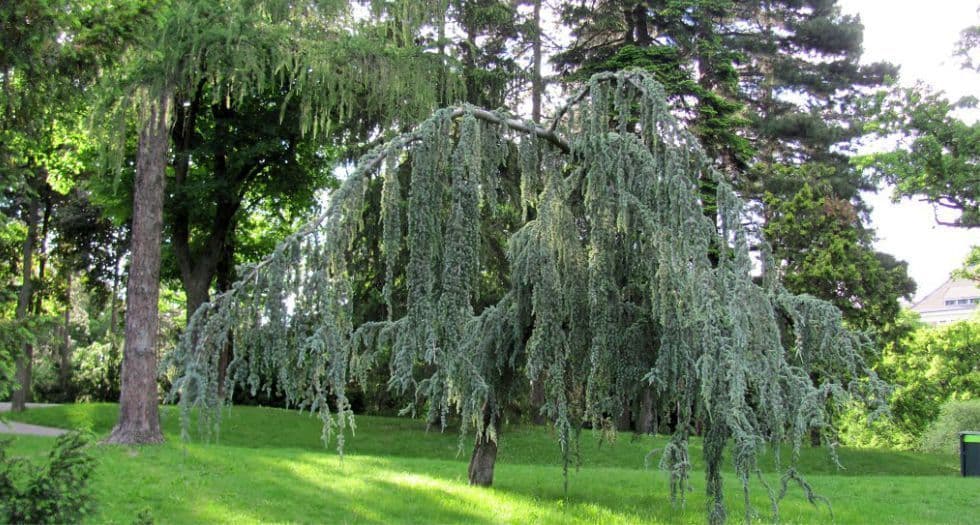
Atlas cedar
Atlas cedar — Cedrus atlantica — grows in the rugged mountain ranges of Morocco and Algeria, where it has been harvested for centuries for its beautifully aromatic wood. The essential oil derived from this majestic conifer is one of perfumery's most enduring and beloved base notes, prized for its dry, woody character with subtle resinous and balsamic facets. Unlike the creamy sweetness of Texas cedarwood or the camphoraceous notes of Virginia cedar, Atlas cedar has a distinctly mineral, almost cool quality — like fresh sawdust and pencil shavings warmed by North African sun. In perfumery, Atlas cedar functions primarily as a fixative and base note, lending structure, depth, and longevity to compositions. Its dry, slightly powdery character makes it exceptionally versatile — it grounds floral bouquets without overpowering them, adds earthy dimension to citrus-forward fragrances, and provides a sturdy backbone for oriental and chypre compositions. The smoky, resinous facets of Atlas cedar pair particularly well with labdanum, vetiver, and musks, creating that classic "woody" signature so beloved in luxury perfumery. The oil is obtained by steam distillation of the wood chips and sawdust, yielding a rich, viscous liquid that is itself a hallmark of quality. Atlas cedar is a central ingredient in countless iconic fragrances — its presence often signals a sophisticated, well-crafted composition. At Fragrenza, our Atlas cedar-inspired fragrances celebrate this magnificent Moroccan ingredient, delivering the dry, elegant woody character of these mountain conifers in formulas that are both refined and remarkably accessible.
- 🌿
Atlas cedar Orpur®
Atlas cedar Orpur® is a woody note used to create structure, depth, and lasting warmth. Its scent may be dry, creamy, smoky, resinous, earthy, pencil-like, or polished depending on the wood or accord. In perfumery, woody notes support the whole composition and connect fresh openings with deeper bases. It pairs naturally with amber, musk, incense, leather, vetiver, patchouli, spices, citrus, and soft resins.
- 🌿
Aurora accord
Aurora accord is a specialty note used to give a fragrance a distinctive texture, mood, or material impression. Depending on interpretation, it may contribute freshness, warmth, sweetness, dryness, softness, or an abstract atmospheric effect. In perfumery, specialty notes are useful because they make a composition feel more specific and less generic. It can be paired with woods, musks, florals, resins, fruits, green notes, spices, or amber materials according to the intended style.
- 🌿
Australian cedar
Australian cedar is a woody note used to create structure, depth, and lasting warmth. Its scent may be dry, creamy, smoky, resinous, earthy, pencil-like, or polished depending on the wood or accord. In perfumery, woody notes support the whole composition and connect fresh openings with deeper bases. It pairs naturally with amber, musk, incense, leather, vetiver, patchouli, spices, citrus, and soft resins.
- 🌿
Australian lavender
Australian lavender is a floral note that gives a fragrance softness, radiance, and emotional warmth. Depending on the flower or accord, it may feel fresh, creamy, powdery, honeyed, green, indolic, or airy. In perfumery, floral notes often form the heart of a composition, adding body and a recognizable signature. It pairs well with citrus, white musk, rose, jasmine, sandalwood, amber, vanilla, iris, and delicate fruits.
- 🌿
Australian lime
Australian lime is a citrus note that adds sparkle, freshness, and immediate lift to a fragrance. Its profile can include juicy pulp, aromatic peel, green bitterness, soft floral nuances, or a sharp zesty brightness depending on the material. In perfumery, it is usually used in the opening, where it brings clarity and motion before blending into florals, woods, musks, or herbs. It pairs well with neroli, tea, lavender, white musk, light woods, aquatic notes, and aromatic herbs.
- 🌿
Australian mandarin orange
Australian mandarin orange is a citrus note that adds sparkle, freshness, and immediate lift to a fragrance. Its profile can include juicy pulp, aromatic peel, green bitterness, soft floral nuances, or a sharp zesty brightness depending on the material. In perfumery, it is usually used in the opening, where it brings clarity and motion before blending into florals, woods, musks, or herbs. It pairs well with neroli, tea, lavender, white musk, light woods, aquatic notes, and aromatic herbs.
- 🌿
Australian oak moss
Australian oak moss is a woody note used to create structure, depth, and lasting warmth. Its scent may be dry, creamy, smoky, resinous, earthy, pencil-like, or polished depending on the wood or accord. In perfumery, woody notes support the whole composition and connect fresh openings with deeper bases. It pairs naturally with amber, musk, incense, leather, vetiver, patchouli, spices, citrus, and soft resins.
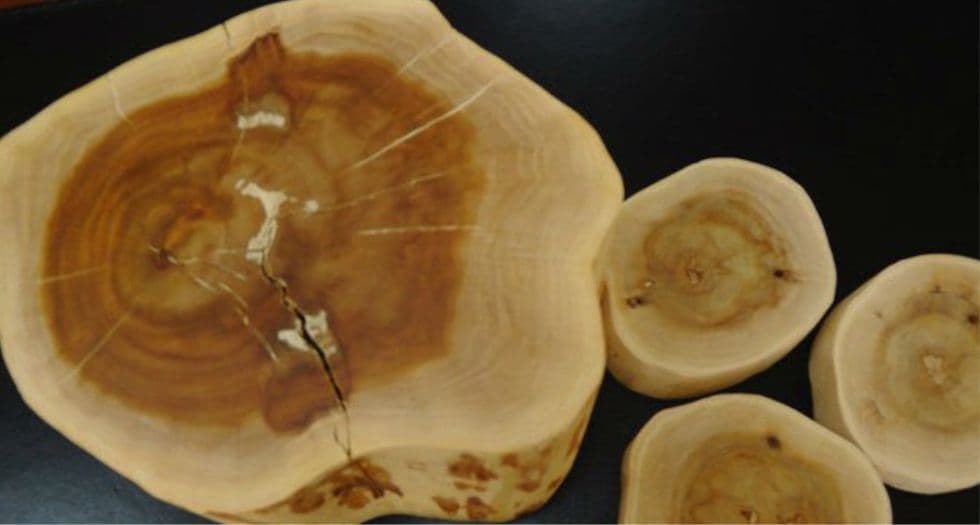
Australian Sandalwood
Australian Sandalwood is a textured base note with woody, dry, smooth, and sometimes leathery or resinous facets. In perfumery, it adds structure, depth, warmth, and longevity, pairing well with amber, musk, incense, rose, spices, citrus, and tobacco.
- 🌿
Australian sandalwood orpur®
Australian sandalwood orpur® is a woody note used to create structure, depth, and lasting warmth. Its scent may be dry, creamy, smoky, resinous, earthy, pencil-like, or polished depending on the wood or accord. In perfumery, woody notes support the whole composition and connect fresh openings with deeper bases. It pairs naturally with amber, musk, incense, leather, vetiver, patchouli, spices, citrus, and soft resins.
- 🌿
Australian white sandalwood
Australian white sandalwood is a woody note used to create structure, depth, and lasting warmth. Its scent may be dry, creamy, smoky, resinous, earthy, pencil-like, or polished depending on the wood or accord. In perfumery, woody notes support the whole composition and connect fresh openings with deeper bases. It pairs naturally with amber, musk, incense, leather, vetiver, patchouli, spices, citrus, and soft resins.
Avocado
The avocado — Persea americana — has its origins in south-central Mexico, where it has been cultivated for at least 5,000 years. Long prized by Mesoamerican civilizations for its uniquely rich, buttery flesh, the avocado is botanically a large berry and culinarily unlike almost any other fruit: low in sugar, high in fat, and possessed of a flavor that is simultaneously creamy, slightly green, and faintly tropical. As a fragrance note, Avocado translates this unusual sensory profile into the olfactory realm with surprising elegance. Its scent is soft and enveloping — creamy and slightly fatty, with a gentle green character and a faint tropical undercurrent. Unlike sharper green notes, Avocado is quiet and rounded, adding a smooth, velvety richness to compositions without dominating them. It works particularly well in green-floral and fresh-tropical blends, lending a natural, skin-close softness that feels modern and wearable. Fragrenza incorporates Avocado's lush, creamy character into fragrances that celebrate understated green luxury. These are soft, approachable scents with genuine depth — and our commitment to quality means you get the same richness as high-end niche perfumes at a fraction of the cost.
Azolla
Azolla, also known as water fern, is a tiny floating aquatic fern that grows rapidly on the surface of ponds, wetlands, and rice fields. In perfumery, it can be interpreted as a fresh green aquatic note with soft vegetal, mossy, watery, and slightly earthy facets.
- 🌿
Azuki-an
Azuki-an is a specialty note used to give a fragrance a distinctive texture, mood, or material impression. Depending on interpretation, it may contribute freshness, warmth, sweetness, dryness, softness, or an abstract atmospheric effect. In perfumery, specialty notes are useful because they make a composition feel more specific and less generic. It can be paired with woods, musks, florals, resins, fruits, green notes, spices, or amber materials according to the intended style.
B
- 🌿
Baby's breath
Baby's breath is a specialty note used to give a fragrance a distinctive texture, mood, or material impression. Depending on interpretation, it may contribute freshness, warmth, sweetness, dryness, softness, or an abstract atmospheric effect. In perfumery, specialty notes are useful because they make a composition feel more specific and less generic. It can be paired with woods, musks, florals, resins, fruits, green notes, spices, or amber materials according to the intended style.
bacon
Few aromas in human experience are as universally evocative as that of bacon — the sizzle of cured, smoked pork in a hot pan, releasing billowing smoke tinged with salt, rendered fat, and a faint sweetness from curing sugars. Bacon has its origins in ancient meat-preservation traditions spanning cultures from Europe to Asia, where salting and smoking transformed perishable pork into shelf-stable, intensely flavored provisions. As a fragrance note, Bacon is a daring, avant-garde accord used sparingly by adventurous perfumers. Its olfactory profile is distinctly savory: salty, smoky, slightly meaty, with a warm fatty character and just a whisper of sweetness beneath. When used in tiny concentrations, it can add a remarkable animalic realism and depth — a sense of warmth and lived-in humanity — to otherwise abstract or woody compositions. It is the olfactory equivalent of umami: a note that amplifies everything around it. At Fragrenza, we appreciate the boundary-pushing creativity of niche perfumery that dares to use notes like Bacon. Our collection includes dupes of daring niche fragrances where smoky-savory accords anchor bold, unforgettable compositions at prices that make experimentation accessible to all.
- 🌿
Bai Mudan tea
Bai Mudan tea is a green or aromatic note that evokes leaves, herbs, stems, fresh air, or crushed vegetation. Its profile can be crisp, bitter, watery, camphoraceous, grassy, or slightly earthy depending on the material. In perfumery, green notes add realism and lift, keeping sweet, floral, or woody compositions from feeling too heavy. It pairs well with citrus, tea, fig, violet leaf, galbanum, tomato leaf, white musk, vetiver, lavender, and light woods.
- 🌿
Bakhoor
Bakhoor is a specialty note used to give a fragrance a distinctive texture, mood, or material impression. Depending on interpretation, it may contribute freshness, warmth, sweetness, dryness, softness, or an abstract atmospheric effect. In perfumery, specialty notes are useful because they make a composition feel more specific and less generic. It can be paired with woods, musks, florals, resins, fruits, green notes, spices, or amber materials according to the intended style.
- 🌿
Bakul attar
Bakul attar is a dark textured note that may suggest leather, smoke, tobacco, tar, ash, or warm dry materials. It gives fragrance depth, sensuality, and a more dramatic atmosphere. In perfumery, smoky and leathery notes are often used in bases, where they add strength and character without needing sweetness. It pairs well with oud, saffron, birch tar, amber, tobacco, rose, patchouli, vetiver, incense, and dry woods.
- 🌿
Balkan cedar
Balkan cedar is a woody note used to create structure, depth, and lasting warmth. Its scent may be dry, creamy, smoky, resinous, earthy, pencil-like, or polished depending on the wood or accord. In perfumery, woody notes support the whole composition and connect fresh openings with deeper bases. It pairs naturally with amber, musk, incense, leather, vetiver, patchouli, spices, citrus, and soft resins.
- 🌿
Balkans juniper berry
Balkans juniper berry is a fruity note that adds juiciness, color, and natural sweetness. It may feel crisp and tart, ripe and velvety, tropical and creamy, or dark and jammy depending on the fruit profile. In perfumery, fruity notes brighten florals, soften musks, and add pleasure to gourmand or woody structures. It pairs well with rose, peony, jasmine, white musk, vanilla, woods, citrus, amber, and soft spices.
- 🌿
Balkans tobacco
Balkans tobacco is a dark textured note that may suggest leather, smoke, tobacco, tar, ash, or warm dry materials. It gives fragrance depth, sensuality, and a more dramatic atmosphere. In perfumery, smoky and leathery notes are often used in bases, where they add strength and character without needing sweetness. It pairs well with oud, saffron, birch tar, amber, tobacco, rose, patchouli, vetiver, incense, and dry woods.
- 🌿
Balkans tobacco absolute
Balkans tobacco absolute is a dark textured note that may suggest leather, smoke, tobacco, tar, ash, or warm dry materials. It gives fragrance depth, sensuality, and a more dramatic atmosphere. In perfumery, smoky and leathery notes are often used in bases, where they add strength and character without needing sweetness. It pairs well with oud, saffron, birch tar, amber, tobacco, rose, patchouli, vetiver, incense, and dry woods.
- 🌿
Balm
Balm is a specialty note used to give a fragrance a distinctive texture, mood, or material impression. Depending on interpretation, it may contribute freshness, warmth, sweetness, dryness, softness, or an abstract atmospheric effect. In perfumery, specialty notes are useful because they make a composition feel more specific and less generic. It can be paired with woods, musks, florals, resins, fruits, green notes, spices, or amber materials according to the intended style.
- 🌿
Balsam
Balsam is a warm ambered or resinous note used to give fragrance depth, softness, and long-lasting richness. It can smell balsamic, sweet, smoky, vanillic, woody, powdery, or incense-like depending on the material. In perfumery, it rounds sharp edges and creates a smooth base that holds the composition together. Balsam pairs well with woods, musks, spices, vanilla, tobacco, leather, florals, oud, and other resins.
- 🌿
Balsam Fir
Balsam Fir is a specialty perfume note used to add a distinctive texture, mood, or material impression to a composition. Depending on how it is interpreted, it may contribute freshness, warmth, sweetness, dryness, earthiness, or an abstract atmospheric effect. In perfumery, such notes are valuable because they create character and help a fragrance feel less generic. They can be paired with woods, musks, florals, resins, fruits, green notes, or spices according to the intended style.
- 🌿
Balsam fir absolute
Balsam fir absolute is a woody note used to create structure, depth, and lasting warmth. Its scent may be dry, creamy, smoky, resinous, earthy, pencil-like, or polished depending on the wood or accord. In perfumery, woody notes support the whole composition and connect fresh openings with deeper bases. It pairs naturally with amber, musk, incense, leather, vetiver, patchouli, spices, citrus, and soft resins.
- 🌿
Balsam fir resin
Balsam fir resin is a woody note used to create structure, depth, and lasting warmth. Its scent may be dry, creamy, smoky, resinous, earthy, pencil-like, or polished depending on the wood or accord. In perfumery, woody notes support the whole composition and connect fresh openings with deeper bases. It pairs naturally with amber, musk, incense, leather, vetiver, patchouli, spices, citrus, and soft resins.
- 🌿
Balsamic notes
Balsamic notes is a warm ambered or resinous note used to give fragrance depth, softness, and long-lasting richness. It can smell balsamic, sweet, smoky, vanillic, woody, powdery, or incense-like depending on the material. In perfumery, it rounds sharp edges and creates a smooth base that holds the composition together. Balsamic notes pairs well with woods, musks, spices, vanilla, tobacco, leather, florals, oud, and other resins.
balsamic vinegar
Balsamic Vinegar — specifically the celebrated Aceto Balsamico of Modena and Reggio Emilia in northern Italy — is one of the most complex and prestigious condiments in the world, and one of the most unexpected inspirations in contemporary perfumery. Produced from the slow reduction and barrel-ageing of Trebbiano grape must over years or even decades in a succession of wooden casks made from oak, chestnut, mulberry, and juniper, traditional aged balsamic vinegar develops extraordinary olfactory complexity: a deep, sweet-sour richness layered with fruit, wood, caramel, and a sharp, vinegary brightness. As a fragrance note, balsamic vinegar translates this artisanal Italian complexity into olfactory form with remarkable sophistication. The note opens with a sharp, vinegary tartness — acidic and attention-commanding — before revealing a deep, fruity sweetness reminiscent of dried figs, dark grapes, and caramelised sugar. The wood-barrel ageing contributes warm, tannic depth and a quiet smokiness, while the overall accord carries the umami-like richness of something truly aged and carefully crafted. It is a note that rewards patience and curiosity in equal measure. In niche and avant-garde perfumery, balsamic vinegar accords push the boundaries of what fragrance can evoke — creating compositions that are gastronomic, cultural, and artistically Italian in spirit. They pair memorably with leather, dark fruits, woody ambers, and smoky notes. Fragrenza's balsamic vinegar collection captures this unique Italian complexity in expertly crafted dupes of boundary-pushing luxury fragrances — because the most daring fragrances are always the most memorable.
- 🌿
Baltic amber
Baltic amber is a warm ambered or resinous note used to give fragrance depth, softness, and long-lasting richness. It can smell balsamic, sweet, smoky, vanillic, woody, powdery, or incense-like depending on the material. In perfumery, it rounds sharp edges and creates a smooth base that holds the composition together. It pairs well with woods, musks, spices, vanilla, tobacco, leather, florals, oud, and other resins.
bamboo
Bamboo — the towering grass of Asia's forests, gardens, and imagination — is one of the most evocative natural notes in contemporary perfumery. Comprising over 1,400 species across the Poaceae family, bamboo grows with extraordinary speed across tropical and subtropical Asia, from the misty mountain forests of China and Japan to the dense jungles of Southeast Asia and India. Deeply embedded in Asian cultural life — central to architecture, art, cuisine, and philosophy — bamboo carries a symbolic weight of resilience, elegance, and serene natural beauty that translates powerfully into fragrance. Olfactorily, bamboo in perfumery is a clean, fresh, and subtly woody note with a characteristic greenness that distinguishes it from heavier forest woods. It is lighter and airier than cedar or sandalwood — more transparent, with a slightly aquatic, dewy quality that evokes morning mist clinging to bamboo canes. The note reads as refined and minimalist, with a quiet freshness that feels meditative and uncluttered. It is simultaneously natural and sophisticated — the olfactory equivalent of a Japanese garden. In modern perfumery, bamboo is used to add clean green-woody freshness and Asian-inspired elegance to compositions. It pairs beautifully with white florals, green tea, soft musks, and light aquatic notes. Fragrenza's bamboo collection captures this serene, refined freshness in beautifully composed dupes of iconic luxury fragrances — clean, elegant, and wonderfully accessible.
- 🌿
Bamboo leaf
Bamboo leaf is a green or aromatic note that evokes leaves, herbs, stems, fresh air, or crushed vegetation. Its profile can be crisp, bitter, watery, camphoraceous, grassy, or slightly earthy depending on the material. In perfumery, green notes add realism and lift, keeping sweet, floral, or woody compositions from feeling too heavy. Bamboo leaf pairs well with citrus, tea, fig, violet leaf, galbanum, tomato leaf, white musk, vetiver, lavender, and light woods.
Bamboo leaves
Bamboo leaves is a green botanical note with leafy, fresh, vegetal, and natural facets. In perfumery, it adds garden realism and crisp freshness, pairing well with citrus, tea, florals, watery notes, fig, tomato leaf, vetiver, and clean musks.
- 🌿
Bamboo sap
Bamboo sap is a specialty note used to give a fragrance a distinctive texture, mood, or material impression. Depending on interpretation, it may contribute freshness, warmth, sweetness, dryness, softness, or an abstract atmospheric effect. In perfumery, specialty notes are useful because they make a composition feel more specific and less generic. It can be paired with woods, musks, florals, resins, fruits, green notes, spices, or amber materials according to the intended style.
- 🌿
Bamboo wood
Bamboo wood is a woody note used to create structure, depth, and lasting warmth. Its scent may be dry, creamy, smoky, resinous, earthy, pencil-like, or polished depending on the wood or accord. In perfumery, woody notes support the whole composition and connect fresh openings with deeper bases. It pairs naturally with amber, musk, incense, leather, vetiver, patchouli, spices, citrus, and soft resins.
Banana
Banana (Musa spp.) is one of the world's most widely consumed fruits, cultivated across tropical and subtropical regions from Southeast Asia — where it was first domesticated thousands of years ago — to Latin America, the Caribbean, and Africa. The banana's journey from jungle staple to global phenomenon mirrors the spread of tropical trade itself, and its distinctive scent is one of the most instantly recognisable in the natural world: lush, creamy, and exuberantly sweet. In perfumery, the banana note captures this tropical richness in olfactory form. Olfactorily, banana in perfumery presents as a warm, creamy-fruity note with an unmistakable tropical sweetness. Ripe banana has a smooth, almost custard-like richness — soft and enveloping rather than sharp or citric — with a gentle warmth that makes it inherently comforting and gourmand. The note bridges fruit and cream, with a tropical character that is both playful and indulgent. At its best, banana reads as lush and genuinely tropical rather than artificial or candy-like — a quality that the finest perfumers achieve through careful blending with complementary naturals. In contemporary perfumery, banana is used in gourmand, tropical, and fruity-floral compositions, often paired with vanilla, coconut, ylang-ylang, and soft musks for warm, summery, and enveloping fragrances. Fragrenza's banana collection celebrates this tropical, creamy indulgence in expertly crafted dupes of luxury fragrances — sun-soaked, joyful, and accessible to all.
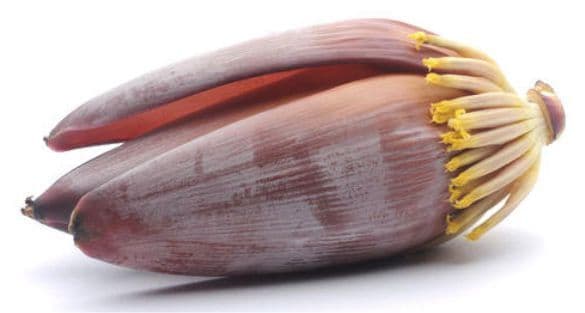
Banana Flower
Banana Flower is a floral note with fresh petals, soft sweetness, and a refined natural brightness. In perfumery, it can add elegance, color, and lift to floral bouquets, musks, fruity florals, powdery accords, and modern feminine compositions.
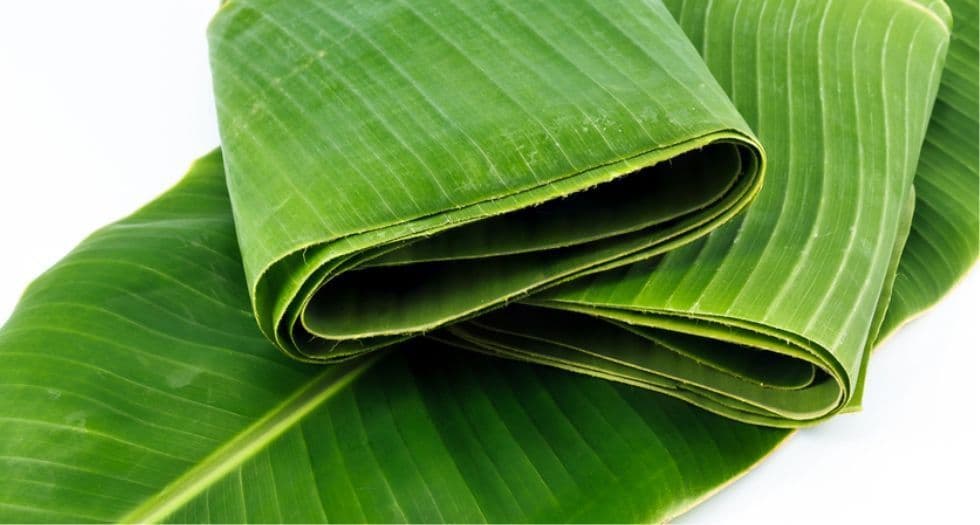
Banana Leaf
Banana Leaf is a fragrance note drawn not from the fruit but from the vast, glossy green leaves of the banana plant (Musa spp.) — one of the world's most cultivated tropical plants, grown across equatorial regions of Southeast Asia, South America, Africa, and the Pacific Islands. Banana leaves have been used for centuries across these cultures as natural packaging, cooking vessels, and ceremonial decoration, and their scent — fresh, waxy, and intensely green — is an integral part of tropical markets, kitchens, and landscapes. Olfactorily, banana leaf in perfumery is a distinctly green, fresh note with a slightly vegetal, waxy character that evokes the visual lushness of tropical vegetation. Unlike banana fruit, banana leaf does not read as sweet or fruity — it is crisper, greener, and more atmospheric, carrying the clean, almost squeaky freshness of newly unfurled tropical foliage. There is a faint hint of tropical humidity in its character, evoking rainforest canopies, warm breezes, and the verdant exuberance of equatorial nature. In contemporary perfumery, banana leaf is used to add tropical green freshness and naturalistic transparency to compositions. It pairs beautifully with aquatic and marine notes, tropical flowers like tiare and ylang-ylang, and soft woods. Fragrenza's banana leaf collection captures this lushly green, tropical-fresh note in carefully crafted dupes of luxury fragrances — bringing a touch of equatorial vibrancy to your fragrance wardrobe.
- 🌿
Bangladeshian oud
Bangladeshian oud is a woody note used to create structure, depth, and lasting warmth. Its scent may be dry, creamy, smoky, resinous, earthy, pencil-like, or polished depending on the wood or accord. In perfumery, woody notes support the whole composition and connect fresh openings with deeper bases. It pairs naturally with amber, musk, incense, leather, vetiver, patchouli, spices, citrus, and soft resins.
- 🌿
Banksia nectar
Banksia nectar is a dark textured note that may suggest leather, smoke, tobacco, tar, ash, or warm dry materials. It gives fragrance depth, sensuality, and a more dramatic atmosphere. In perfumery, smoky and leathery notes are often used in bases, where they add strength and character without needing sweetness. It pairs well with oud, saffron, birch tar, amber, tobacco, rose, patchouli, vetiver, incense, and dry woods.

Baobab
The Baobab tree (Adansonia spp.) is one of Africa's most iconic and spiritually significant plants — a vast, ancient tree whose swollen, water-storing trunk can reach extraordinary girth and whose lifespan may extend over a thousand years. Known as the 'Tree of Life' across sub-Saharan Africa and Madagascar, the baobab provides food, shelter, medicine, and water to both humans and wildlife in some of the continent's most arid landscapes. In perfumery, the baobab note evokes the arid, sun-baked grandeur of the African savannah — earthy, dry, and quietly magnificent. As a fragrance note, baobab is characterised by a dry, slightly woody earthiness with a warm, savannah-like quality that captures the atmosphere of its native landscape. It is not a sharp or resinous wood note, but rather something more dusty and expansive — the scent of mineral earth, dried grasses, and weathered bark under a hot African sun. A faint, understated sweetness (drawn perhaps from the baobab's own edible fruit) gives it warmth and approachability without making it overtly fruity or rich. In niche and artisan perfumery, baobab is used to conjure the arid, wild beauty of the African continent, often appearing alongside vetiver, dry amber, incense, and warm musks in compositions that celebrate geographic specificity. Fragrenza's baobab collection captures this ancient, savannah-warm note in expertly crafted dupes of luxury fragrances — earthy, expansive, and beautifully accessible.
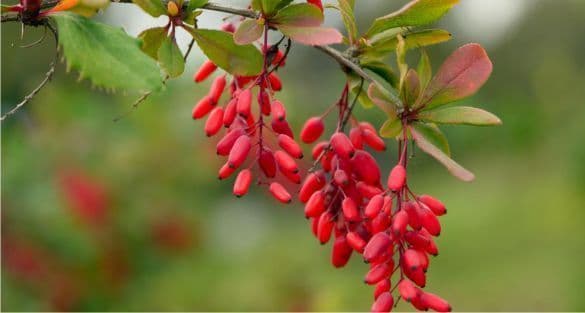
Barberry
Barberry (Berberis vulgaris) is a thorny deciduous shrub native to Europe, western Asia, and North Africa, celebrated since antiquity for its clusters of small, intensely red-purple berries and its medicinal properties. Used in traditional medicine across many cultures for its high berberine content, and in cuisine as a souring agent — it is a key ingredient in Persian rice dishes like zereshk polo — barberry is a plant of striking visual and olfactory presence. Its berries are one of nature's most vivid natural dyes, and their flavour and scent are equally intense: sharply tart, brightly astringent, with a jewel-like clarity. As a fragrance note, barberry presents as a sharp, vividly tart berry accord with an astringent, almost citric quality. It is less sweet than blackcurrant or raspberry, leaning instead toward a clean, bright sourness that feels genuinely naturalistic and unsentimental. There is a mineral, slightly metallic edge to its tartness that adds interest and modernity — a quality that distinguishes barberry from more conventionally appealing fruit notes and makes it especially useful in contemporary niche perfumery. In perfumery, barberry contributes a sharp, bracing berry character to compositions, often used to add contrast and brightness alongside richer floral, woody, or oriental notes. It pairs well with rose, oud, saffron, and warm musks. Fragrenza's barberry collection features this bold, vividly tart note in carefully crafted dupes of luxury fragrances — where the unexpected becomes the unforgettable.
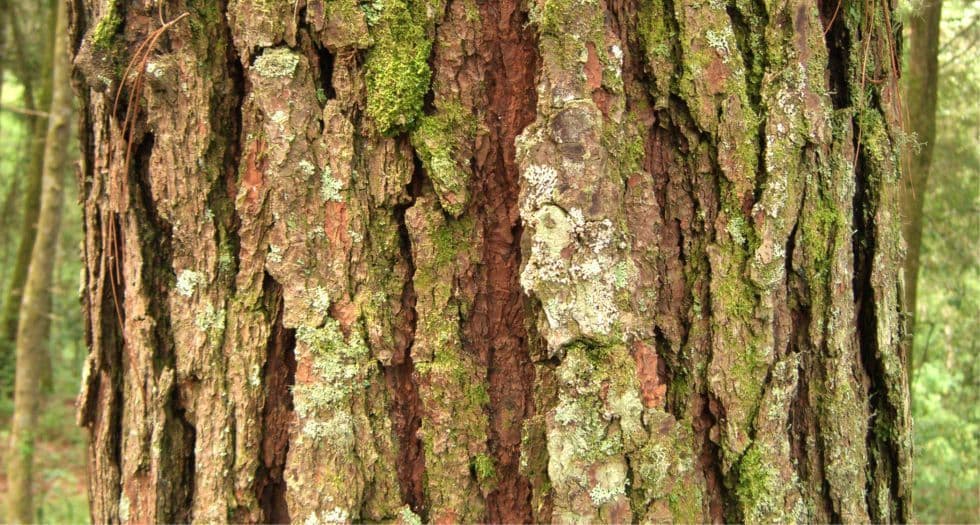
Bark
Bark, as a fragrance note, represents a rich and nuanced category of woody materials drawn from the outer layers of trees — a material that has been central to human culture since prehistory, used in medicine, construction, spice, and ritual. Whether referencing the cinnamon-like warmth of cassia bark, the dry astringency of oak bark, the resinous character of birch, or the generic 'forest bark' accord that evokes a walk through ancient woodland, bark notes in perfumery are anchored in a primal, earthbound beauty. Olfactorily, bark is a dry, woody note with distinctly tannic and slightly earthy facets. Unlike smooth, polished woods like sandalwood or cedar, bark carries a rougher, more textured quality — raw and natural, with a slight bitterness that grounds any composition and prevents sweetness from dominating. There is an outdoor, elemental character to bark: the scent of a forest after rain, of aged timber, of the living boundary between a tree's interior and the wider world. It reads as uncompromising and genuine. In perfumery, bark accords are used to add naturalistic woody depth and textured earthiness to compositions across many categories — from aromatic fougères and woody chypres to dark, resinous orientals. They pair beautifully with mosses, leather, vetiver, and smoky notes. Fragrenza's bark collection brings this elemental, forest-floored note to life in expertly crafted dupes of iconic woody luxury fragrances — grounded, authentic, and finely composed.
- 🌿
Barley
Barley is a cereal grain that becomes malt after germination and drying. As a fragrance note, it suggests warm grain, toasted cereal, soft sweetness, and a gentle malty richness. It is useful in gourmand, whisky, tobacco, leather, and cozy amber compositions.
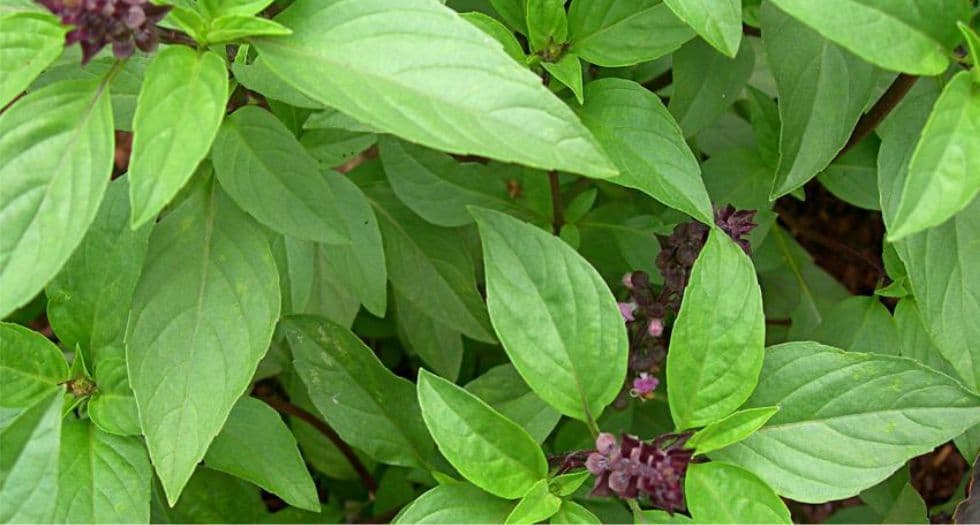
Basil
Basil (Ocimum basilicum) is one of the world's most universally loved culinary herbs, and in perfumery it translates into a note of vivid, aromatic freshness with a pleasingly complex character. Originally native to tropical regions of South Asia — India, in particular, holds the herb sacred in Hindu tradition as 'Tulsi' — basil was carried along ancient trade routes to Persia, Egypt, and eventually the Mediterranean, where it became a cornerstone of Italian and French cuisine. In fragrance, basil brings this heritage of warmth, sunshine, and herbaceous vitality. Olfactorily, basil is a lively, green-herbal note with a slightly spicy, anise-like facet that sets it apart from other culinary herbs. Its freshness is vibrant and uplifting — closer to a sharp green brightness than the soft warmth of lavender or thyme — with an underlying sweetness that gives it depth and approachability. The anise character varies by basil variety: sweet basil (the classic Italian cultivar) is softer and rounder, while Thai basil is more intensely anise-forward and peppery. Together, these qualities make basil one of the most dynamic herbal notes in the perfumer's toolkit. In perfumery, basil appears in aromatic fougères, fresh herbaceous compositions, and citrus-forward fragrances, often paired with lemon, bergamot, and soft musks. It is equally at home in bold masculine colognes and light unisex summer fragrances. Fragrenza's basil collection captures this sunny, green-spiced vitality in finely crafted dupes of celebrated luxury fragrances — fresh, confident, and beautifully priced.
- 🌿
Basil blossom
Basil blossom is a floral note that gives a fragrance softness, radiance, and emotional warmth. Depending on the flower or accord, it may feel fresh, creamy, powdery, honeyed, green, indolic, or airy. In perfumery, floral notes often form the heart of a composition, adding body and a recognizable signature. It pairs well with citrus, white musk, rose, jasmine, sandalwood, amber, vanilla, iris, and delicate fruits.
- 🌿
Basil Leaf
Basil Leaf is a green or aromatic note that evokes leaves, herbs, stems, fresh air, or crushed vegetation. Its profile can be crisp, bitter, watery, camphoraceous, grassy, or slightly earthy depending on the material. In perfumery, green notes add realism and lift, keeping sweet, floral, or woody compositions from feeling too heavy. It pairs well with citrus, tea, fig, violet leaf, galbanum, tomato leaf, white musk, vetiver, lavender, and light woods.
- 🌿
Basmati rice
Basmati rice is a specialty note used to give a fragrance a distinctive texture, mood, or material impression. Depending on interpretation, it may contribute freshness, warmth, sweetness, dryness, softness, or an abstract atmospheric effect. In perfumery, specialty notes are valuable because they make a composition feel more specific and less generic. Basmati rice can be paired with woods, musks, florals, resins, fruits, green notes, spices, or amber materials according to the intended style.
- 🌿
Bay laurel
Bay laurel is a green or aromatic note that evokes leaves, herbs, stems, fresh air, or crushed vegetation. Its profile can be crisp, bitter, watery, camphoraceous, grassy, or slightly earthy depending on the material. In perfumery, green notes add realism and lift, keeping sweet, floral, or woody compositions from feeling too heavy. It pairs well with citrus, tea, fig, violet leaf, galbanum, tomato leaf, white musk, vetiver, lavender, and light woods.
- 🌿
Bay Leaf
Bay leaf comes from the aromatic bay laurel tree and has a dry, herbal, green, and slightly spicy scent. In perfumery, it adds Mediterranean freshness, aromatic sharpness, and a refined herbal bitterness. It pairs well with citrus, woods, lavender, spices, and fougère structures.
- 🌿
Bay rum
Bay rum is a specialty note used to give a fragrance a distinctive texture, mood, or material impression. Depending on interpretation, it may contribute freshness, warmth, sweetness, dryness, softness, or an abstract atmospheric effect. In perfumery, specialty notes are valuable because they make a composition feel more specific and less generic. Bay rum can be paired with woods, musks, florals, resins, fruits, green notes, spices, or amber materials according to the intended style.
- 🌿
Bearberry Tree
Bearberry Tree is a fruity note that adds juiciness, color, and natural sweetness. It may feel crisp and tart, ripe and velvety, tropical and creamy, or dark and jammy depending on the fruit profile. In perfumery, fruity notes brighten florals, soften musks, and add pleasure to gourmand or woody structures. It pairs well with rose, peony, jasmine, white musk, vanilla, woods, citrus, amber, and soft spices.
- 🌿
Beauty of the night
Beauty of the night is a specialty note used to give a fragrance a distinctive texture, mood, or material impression. Depending on interpretation, it may contribute freshness, warmth, sweetness, dryness, softness, or an abstract atmospheric effect. In perfumery, specialty notes are useful because they make a composition feel more specific and less generic. It can be paired with woods, musks, florals, resins, fruits, green notes, spices, or amber materials according to the intended style.
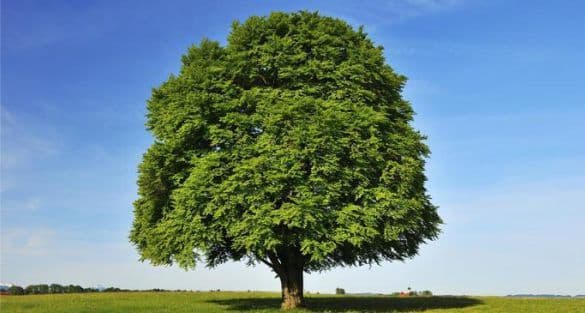
Beech
Beech (Fagus sylvatica) is one of Europe's most majestic and ecologically significant trees, forming vast, cathedral-like forests across temperate regions from the British Isles to the Caucasus. Known for its smooth silver-grey bark, its glossy, lime-green spring foliage, and the papery rustle of its autumn leaves, the beech tree has long been a symbol of endurance, wisdom, and the deep quiet of the northern forest. In perfumery, beech captures the atmospheric essence of these ancient woodland spaces — a note of serene, cool arboreal beauty. Olfactorily, beech as a fragrance note is characterised by a dry, slightly sweet-woody quality that is softer and less resinous than pine or cedar. It carries the clean crispness of cool forest air, with faint earthy facets evocative of fallen leaves and mossy forest floor. Unlike more assertive woods, beech is gentle and understated — a background wood note that provides texture and naturalness rather than dominance. It reads as refreshingly calm and grounded, with a Northern European forest sensibility. In perfumery, beech wood notes are used to construct transparent, naturalistic woody accords, often in combination with forest green notes, mosses, and cool musks. They are a favourite in masculine, fougère, and outdoor-inspired compositions. Fragrenza's beech collection brings this quiet forest note to life in carefully crafted dupes of iconic woody and aromatic luxury fragrances — clean, grounded, and beautifully accessible.
- 🌿
Beech wood
Beech wood is a woody note used to create structure, depth, and lasting warmth. Its scent may be dry, creamy, smoky, resinous, earthy, pencil-like, or polished depending on the wood or accord. In perfumery, woody notes support the whole composition and connect fresh openings with deeper bases. It pairs naturally with amber, musk, incense, leather, vetiver, patchouli, spices, citrus, and soft resins.
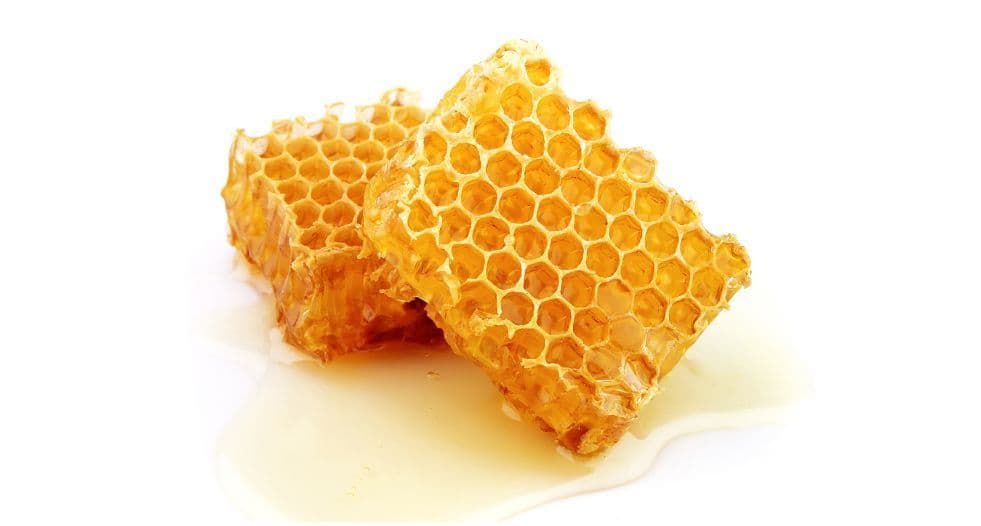
beeswax
Beeswax is one of perfumery's most ancient and evocative natural materials — a substance that has been integral to human culture for millennia, used in candles, cosmetics, medicines, and religious ritual long before its role in fragrance was formalised. Produced by honeybees (Apis mellifera and related species) to construct their honeycomb, beeswax possesses an inherent warmth and complexity that links it inextricably to the hive: to honey, to flowers, to the quiet hum of summer abundance. Olfactorily, beeswax in fragrance is a warm, soft, and slightly honeyed note with an appealing waxy character. It is rounder and less intensely sweet than honey itself — more textural, like the warm scent of a candle or the faint animalic warmth of skin. Its sweetness is understated and natural, carrying subtle floral facets that speak to the bees' botanical foraging. There is an intimacy and closeness to beeswax as a note — it feels skin-like, cosy, and deeply human, evoking warmth, candlelight, and quiet domesticity. In perfumery, beeswax absolute is used as a rich, naturally complex material that adds warmth, depth, and a soft animalic dimension to floral, oriental, and gourmand compositions. It bridges the gap between sweetness and sensuousness, pairing beautifully with honey, rose, iris, and warm musks. Fragrenza's beeswax collection features lovingly crafted dupes of iconic warm and honeyed luxury fragrances — enveloping and accessible in equal measure.
- 🌿
Beeswax absolute
Beeswax absolute is a specialty note used to give a fragrance a distinctive texture, mood, or material impression. Depending on interpretation, it may contribute freshness, warmth, sweetness, dryness, softness, or an abstract atmospheric effect. In perfumery, specialty notes are valuable because they make a composition feel more specific and less generic. Beeswax absolute can be paired with woods, musks, florals, resins, fruits, green notes, spices, or amber materials according to the intended style.
Beetroot
Beetroot (Beta vulgaris) is one of perfumery's most unexpected and intriguing vegetable notes — earthy, vivid, and deeply distinctive. Cultivated since antiquity across Europe and the Mediterranean for food, medicine, and natural dye, the beetroot is characterised by its intense crimson pigment and a flavour that is simultaneously sweet, earthy, and faintly mineral. In fragrance, the beetroot note captures this unusual multi-faceted identity, translating a culinary staple into something genuinely provocative and artistic. Olfactorily, beetroot in perfumery presents a compelling tension between sweetness and earthiness. It carries the dark, loamy richness of freshly dug soil alongside the candied, almost jammy sweetness of cooked beet, with a subtle iron-mineral edge that gives it a slightly metallic, blood-like quality. This combination is both grounding and surprising — an umami-like note that adds unique depth and modernity to a composition. It reads as bold and creative, suited to avant-garde and niche fragrance approaches. In contemporary perfumery, beetroot is favoured by experimental and niche perfumers seeking to push beyond conventional floral or woody structures. It pairs intriguingly with rose, violet, earthy notes like vetiver and patchouli, and rich dark musks. Fragrenza's beetroot collection showcases this daring note in expertly crafted dupes of boundary-pushing luxury fragrances — proving that the most unexpected ingredients often make the most memorable scents, at prices that invite exploration.
- 🌿
Begonia
Begonia is the fragrance note inspired by the flowering begonia plant, a genus of over 2,000 species originating primarily in tropical and subtropical climates across South America, Africa, and Asia. First classified in the 17th century, begonias have become one of the world's most popular ornamental plants, celebrated for their vivid blooms and distinctive succulent foliage. In perfumery, the begonia note captures the fresh, slightly tart character of both the flower and its waxy, moisture-rich leaves — a unique combination that distinguishes it from more conventional floral notes. Olfactorily, begonia presents as a delicate, fresh floral with an intriguing twist of tartness and green. Unlike the heady richness of rose or jasmine, begonia is light and almost watery in character, with a clean, slightly citric quality that keeps it airy and transparent. The green, slightly fleshy note of its leaves adds a naturalistic, botanical dimension — evoking the sensation of a cool, shaded garden rather than a grand floral bouquet. It is both feminine and unassuming, with a gentle, understated beauty. In modern perfumery, begonia is prized as a fresh green-floral note that brings naturalistic transparency to compositions. It pairs well with aquatic accords, light musks, soft citrus, and other delicate florals like lily of the valley and violet leaf. Fragrenza's begonia collection captures this gently tart floral charm in beautifully composed dupes of luxury fragrances — fresh, accessible, and quietly enchanting.
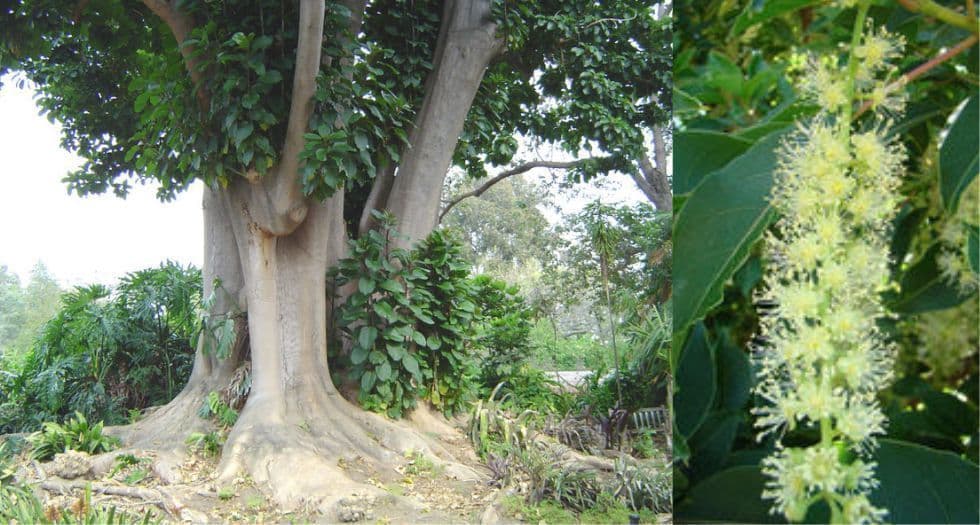
Belambra tree
The Belambra tree (Calophyllum inophyllum), also known as Tamanu or Alexandrian laurel, is a tropical broadleaf tree native to the coastlines of the Pacific Islands, Southeast Asia, and parts of East Africa. Revered in traditional Pacific Island cultures for its medicinal and cosmetic uses — particularly the rich, dark tamanu oil pressed from its seeds — the Belambra tree is a relatively recent and distinctive arrival in the world of artisan and niche perfumery. Its inclusion speaks to perfumery's growing interest in rare, geographically specific botanicals. As a fragrance note, Belambra is characterised by a gently resinous, woody warmth with a subtle sweetness. It evokes the atmosphere of tropical coastlines — sun-warmed timber, a whisper of salt air, and the faint balsamic richness of its seed oil. The note is not sharp or camphoraceous but rather smooth and slightly exotic, with a quiet depth that grounds compositions without overwhelming them. It occupies a space between soft woods and light resins, with an understated tropical character. In perfumery, Belambra is used to add an exotic, quietly resinous woody dimension to compositions, often pairing well with tropical florals, marine notes, and warm musks. It brings geographic specificity and an artisan sensibility to fragrances. Fragrenza's Belambra collection features carefully crafted dupes inspired by niche fragrances that celebrate this rare Pacific botanical — at prices that make discovery effortless.
- 🌿
Bell heather
Bell heather is a specialty note used to give a fragrance a distinctive texture, mood, or material impression. Depending on interpretation, it may contribute freshness, warmth, sweetness, dryness, softness, or an abstract atmospheric effect. In perfumery, specialty notes are useful because they make a composition feel more specific and less generic. It can be paired with woods, musks, florals, resins, fruits, green notes, spices, or amber materials according to the intended style.
- 🌿
Belladonna
Belladonna is a specialty note used to give a fragrance a distinctive texture, mood, or material impression. Depending on interpretation, it may contribute freshness, warmth, sweetness, dryness, softness, or an abstract atmospheric effect. In perfumery, specialty notes are useful because they make a composition feel more specific and less generic. It can be paired with woods, musks, florals, resins, fruits, green notes, spices, or amber materials according to the intended style.
- 🌿
Belle de nuit flower
Belle de nuit flower is a floral note that gives a fragrance softness, radiance, and emotional warmth. Depending on the flower or accord, it may feel fresh, creamy, powdery, honeyed, green, indolic, or airy. In perfumery, floral notes often form the heart of a composition, adding body and a recognizable signature. It pairs well with citrus, white musk, rose, jasmine, sandalwood, amber, vanilla, iris, and delicate fruits.
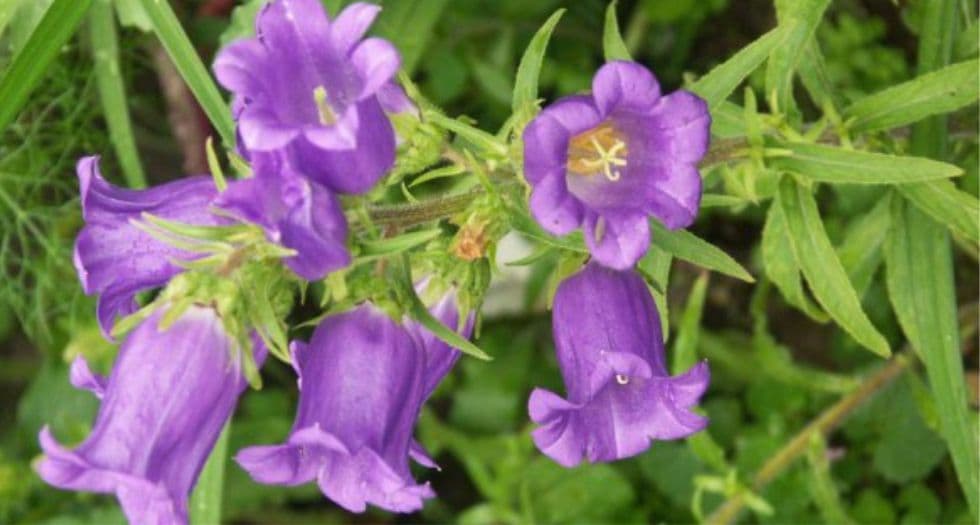
Bellflower
Bellflower refers to the fragrant impression of Campanula, a genus of delicate wildflowers found across European meadows, mountain slopes, and hedgerows. While the bellflower itself does not yield a commercially extracted natural oil — its scent is largely reconstructed by perfumers — the aromatic character it evokes is crisp, clean, and softly floral with a distinctive freshness that calls to mind dewy mornings in open countryside. There is a subtle green quality, and a hint of cool, watery airiness that sets it apart from warmer florals. On skin, a bellflower accord presents as an apple-fresh floral — lighter and crisper than rose or jasmine, with a translucency that suits spring and summer compositions perfectly. It carries a hint of cool green that ties it to its meadow origins without becoming overtly herbal. Perfumers use bellflower to open compositions with brightness and innocence, often pairing it with peony, lily of the valley, green tea, and light musks to create effortlessly wearable, uplifting fragrances. It is also used as a softening agent in more complex florals, tempering heavier notes with its breezy delicacy. The bellflower note occupies a special place in the fresh floral and aquatic categories, lending a sense of naturalistic beauty to fragrances that aspire to capture the outdoors. Its growing presence in prestige perfumery reflects a broader appetite for cleaner, botanical-inspired compositions. At Fragrenza, our inspired-by fragrances bring you the most beautiful bellflower-led luxury scents — meadow-fresh, elegantly crisp, and priced for everyday wear.
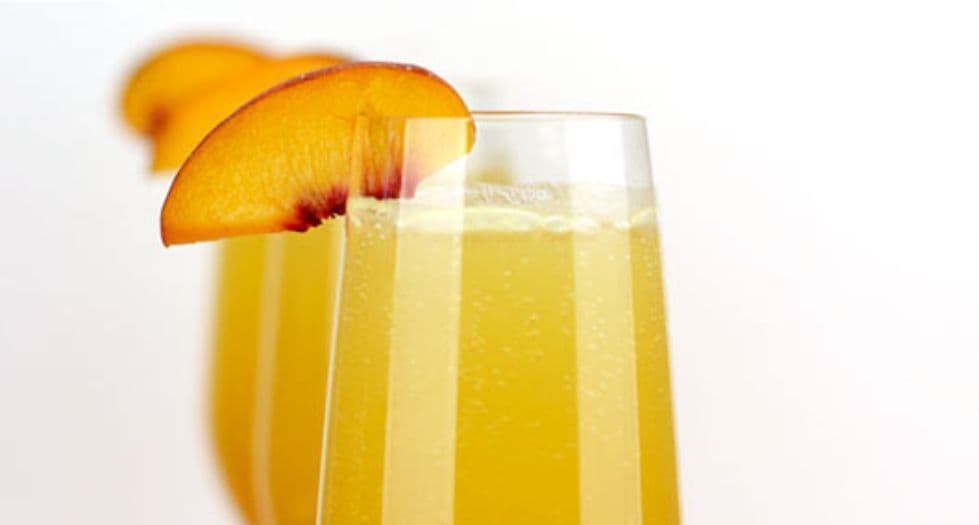
Bellini
Bellini is a fragrance note inspired by the iconic Italian cocktail invented at Harry's Bar in Venice in the 1940s — a sparkling, celebratory blend of white peach purée and Prosecco. As an olfactory accord, Bellini translates this effervescent sensory experience into scent: the juicy, sun-ripened sweetness of white peach, lifted by the airy, yeasty fizz of sparkling wine. It is a note that feels inherently festive, glamorous, and joyful — summer captured in a glass. The olfactory profile of Bellini is bright and fruity at its core, leading with the lush, velvety sweetness of fresh white peach before revealing the crisp, slightly floral effervescence of Prosecco. There is an appealing lightness to this accord — not overly rich or cloying, but fresh and sparkling, with a natural fruitiness that feels both playful and sophisticated. It reads as modern and approachable, with a femininity that is joyful rather than heavy. In contemporary perfumery, Bellini-style accords appear in fruity-floral and gourmand-fresh compositions, often paired with white florals like peony or magnolia, soft musks, and light woody bases. It is a note that suits warm-weather fragrances and celebratory occasions beautifully. Fragrenza's Bellini collection captures this sparkling, peachy elegance in luxury-quality dupes inspired by the most coveted designer and niche fragrances — bringing the spirit of a Venetian aperitivo to your everyday scent routine.
- 🌿
Bengali oud
Bengali oud is a woody note used to create structure, depth, and lasting warmth. Its scent may be dry, creamy, smoky, resinous, earthy, pencil-like, or polished depending on the wood or accord. In perfumery, woody notes support the whole composition and connect fresh openings with deeper bases. It pairs naturally with amber, musk, incense, leather, vetiver, patchouli, spices, citrus, and soft resins.
- 🌿
Bengali sandalwood
Bengali sandalwood is a woody note used to create structure, depth, and lasting warmth. Its scent may be dry, creamy, smoky, resinous, earthy, pencil-like, or polished depending on the wood or accord. In perfumery, woody notes often support the whole composition and help connect fresh openings with deeper bases. Bengali sandalwood pairs naturally with amber, musk, incense, leather, vetiver, patchouli, spices, citrus, and soft resins, making it useful in masculine, feminine, and unisex fragrances.
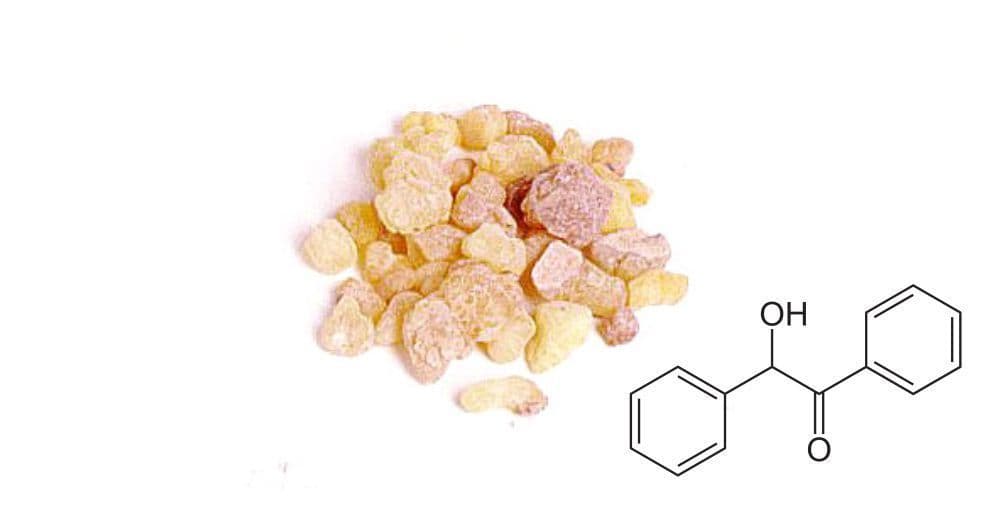
Benzoin
Benzoin is a resinous balsam obtained from the bark of Styrax trees, principally Styrax benzoin from Sumatra and Styrax tonkinensis from Siam (modern-day Thailand and Laos). Harvested by scoring the tree's bark and collecting the aromatic resin that weeps from the wounds, benzoin has been used in incense, medicine, and perfumery for centuries. It was among the earliest exotic ingredients to travel the ancient spice routes from Southeast Asia to Europe, where it became a prized component of religious incense and luxury perfumes alike. Olfactorily, benzoin is a deeply warm, sweet, and balsamic material with a distinct vanilla-like character — though richer and more resinous than synthetic vanilla alone. Siam benzoin tends to be sweeter and cleaner, with a pronounced vanillic quality, while Sumatran benzoin is earthier and more complex. Both share a soft, enveloping warmth that smooths and anchors a fragrance composition, adding depth and longevity to anything it touches. Its gentle sweetness reads as cosy and comforting — skin-like and intimate. In perfumery, benzoin serves as a beloved base note and fixative, rounding off sharp edges and lending a creamy, balsamic softness to oriental, gourmand, and woody compositions. It is a natural companion for vanilla, labdanum, oud, and amber. Fragrenza's benzoin collection brings this ancient, luxurious resin to life in meticulously crafted dupes of iconic warm and oriental fragrances — all at prices that make luxury accessible. Shop for benzoin? [Fragrenza](https://fragrenza.com/collections/benzoin-fragrances) curates a focused selection.
- 🌿
Benzoin absolute
Benzoin absolute is a warm ambered or resinous note used to give fragrance depth, softness, and long-lasting richness. It can smell balsamic, sweet, smoky, vanillic, woody, powdery, or incense-like depending on the material. In perfumery, it rounds sharp edges and creates a smooth base that holds the composition together. Benzoin absolute pairs well with woods, musks, spices, vanilla, tobacco, leather, florals, oud, and other resins.
- 🌿
Benzoin Siam
Benzoin Siam is a warm note used to add sweetness, depth, and a smooth enveloping base to fragrances. It can lean balsamic, creamy, resinous, vanillic, or softly gourmand depending on the material. In perfumery, it helps round sharp edges, extend longevity, and give a composition comfort and sensuality. It pairs beautifully with woods, musks, spices, tobacco, florals, amber materials, and soft leather accords.
- 🌿
Benzoin Siam absolute
Benzoin Siam absolute is a warm ambered or resinous note used to give fragrance depth, softness, and long-lasting richness. It can smell balsamic, sweet, smoky, vanillic, woody, powdery, or incense-like depending on the material. In perfumery, it rounds sharp edges and creates a smooth base that holds the composition together. It pairs well with woods, musks, spices, vanilla, tobacco, leather, florals, oud, and other resins.
- 🌿
Benzyl acetate
Benzyl acetate is a specialty note used to give a fragrance a distinctive texture, mood, or material impression. Depending on interpretation, it may contribute freshness, warmth, sweetness, dryness, softness, or an abstract atmospheric effect. In perfumery, specialty notes are useful because they make a composition feel more specific and less generic. It can be paired with woods, musks, florals, resins, fruits, green notes, spices, or amber materials according to the intended style.
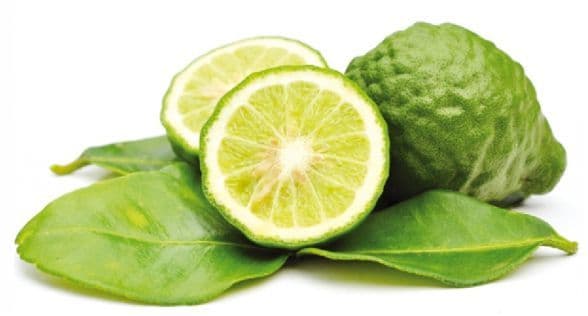
Bergamot
Bergamot (Citrus bergamia) is one of perfumery's most beloved and versatile citrus ingredients, grown almost exclusively along the sun-drenched Calabrian coastline of southern Italy. A hybrid believed to descend from the bitter orange and the lemon, the bergamot fruit is prized not for eating but for the extraordinarily refined essential oil cold-pressed from its rind. Its cultivation and harvest remain largely artisanal, contributing to its reputation as one of the most precious citrus ingredients in the world. Olfactorily, bergamot occupies a unique position: it is simultaneously citrusy and floral, bright yet refined. Its characteristic scent profile blends the zesty lift of lemon and orange with a delicate, slightly powdery floral facet — a combination that gives it the distinctive quality most recognisable as the defining aroma of Earl Grey tea. This dual nature makes it extraordinarily harmonious in fragrance compositions, softening the sharpness of other citruses while lending freshness and elegance to heavier floral or woody bases. Bergamot has been a cornerstone of perfumery since the earliest Eau de Colognes and continues to open some of the world's most celebrated fragrances. It blends effortlessly with neroli, jasmine, vetiver, and musks, functioning as both a luminous top note and a unifying thread through a composition. At Fragrenza, our bergamot-led collection showcases this extraordinary ingredient in finely crafted dupes of iconic luxury fragrances — bringing world-class scent within easy reach. Looking for it in a bottle? Browse [affordable bergamot scents](https://fragrenza.com/collections/bergamot-fragrances) on Fragrenza.
- 🌿
Bergamot absolute
Bergamot absolute is a citrus note that adds sparkle, freshness, and immediate lift to a fragrance. Its profile can include juicy pulp, aromatic peel, green bitterness, soft floral nuances, or a sharp zesty brightness depending on the material. In perfumery, it is usually used in the opening, where it brings clarity and motion before blending into florals, woods, musks, or herbs. It pairs well with neroli, tea, lavender, white musk, light woods, aquatic notes, and aromatic herbs.
- 🌿
Bergamot Blossom
Bergamot Blossom captures one of nature's most delicate olfactory experiences: the flowering of the bergamot tree (Citrus bergamia) in early spring along the Calabrian coast of Italy. While the fruit's peel is harvested for its famous essential oil, the blossoms tell a softer, more intimate story. Like all citrus flowers, bergamot blossoms share a structural kinship with neroli — the celebrated flower of the bitter orange — but carry their own uniquely honeyed, citrus-tinged sweetness. The olfactory profile of bergamot blossom is a study in delicacy: fresh and floral at its heart, with the characteristic citrus brightness of bergamot woven through a gauzy, slightly honeyed softness. Where bergamot peel is sharp and terpenic, the blossom is yielding and luminous — a white floral note with warmth and intimacy. It reads as refined and feminine without being heavy, making it a prized ingredient for spring and summer compositions, as well as light, airy skin-scent fragrances. In perfumery, bergamot blossom is often used to add a whisper of floral naturalness to citrus or floral accords, bridging the gap between zesty top notes and deeper white-floral hearts. It pairs beautifully with musks, soft woods, and other citrus blossoms. Fragrenza's bergamot blossom collection features expertly composed dupes inspired by high-end niche and designer fragrances — capturing this rare, honeyed floral note with precision and care, at an accessible price.
- 🌿
Bergamot leaf
Bergamot leaf is a bright citrus note that brings sparkle, freshness, and immediate lift to a fragrance. Its profile may include juicy pulp, aromatic peel, green bitterness, soft floral facets, or a slightly sharp zest depending on the material. In perfumery, it is most often used in the opening, where it gives clarity and movement before blending into florals, woods, musks, or herbs. Bergamot leaf works especially well with neroli, tea, lavender, white musk, light woods, aquatic notes, and aromatic herbs.
- 🌿
Bergamot zest
Bergamot zest is a bright citrus note that brings sparkle, freshness, and immediate lift to a fragrance. Its profile may include juicy pulp, aromatic peel, green bitterness, soft floral facets, or a slightly sharp zest depending on the material. In perfumery, it is most often used in the opening, where it gives clarity and movement before blending into florals, woods, musks, or herbs. Bergamot zest works especially well with neroli, tea, lavender, white musk, light woods, aquatic notes, and aromatic herbs.
- 🌿
Bergamotte blossom
Bergamotte blossom is a citrus note that adds sparkle, freshness, and immediate lift to a fragrance. Its profile can include juicy pulp, aromatic peel, green bitterness, soft floral nuances, or a sharp zesty brightness depending on the material. In perfumery, it is usually used in the opening, where it brings clarity and motion before blending into florals, woods, musks, or herbs. It pairs well with neroli, tea, lavender, white musk, light woods, aquatic notes, and aromatic herbs.
- 🌿
Berries
Berries is a fruity note that gives fragrance juiciness, color, and natural sweetness. It can be crisp and tart, ripe and velvety, tropical and creamy, or dark and jammy depending on the fruit profile. In perfumery, fruity notes brighten florals, soften musks, and add pleasure to gourmand or woody structures. Berries pairs well with rose, peony, jasmine, white musk, vanilla, woods, citrus, amber, and soft spices.
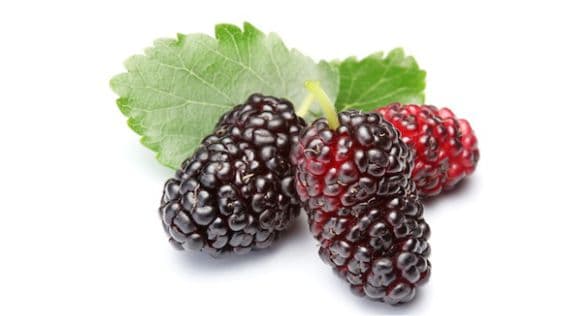
berry
Berry is a fruity note with juicy sweetness, tart brightness, and a colorful natural character. In perfumery, it adds vibrancy and approachability to fruity florals, musks, gourmands, chypres, summer scents, and playful modern compositions.
- 🌿
Berry blossom
Berry blossom is a floral note that gives a fragrance softness, radiance, and emotional warmth. Depending on the flower or accord, it may feel fresh, creamy, powdery, honeyed, green, indolic, or airy. In perfumery, floral notes often form the heart of a composition, adding body and a recognizable signature. It pairs well with citrus, white musk, rose, jasmine, sandalwood, amber, vanilla, iris, and delicate fruits.
- 🌿
Berry Fruits
Berry Fruits is a fruity note that adds juiciness, color, and natural sweetness. It may feel crisp and tart, ripe and velvety, tropical and creamy, or dark and jammy depending on the fruit profile. In perfumery, fruity notes brighten florals, soften musks, and add pleasure to gourmand or woody structures. It pairs well with rose, peony, jasmine, white musk, vanilla, woods, citrus, amber, and soft spices.
- 🌿
Berry mousse
Berry mousse is a fruity note that adds juiciness, color, and natural sweetness. It may feel crisp and tart, ripe and velvety, tropical and creamy, or dark and jammy depending on the fruit profile. In perfumery, fruity notes brighten florals, soften musks, and add pleasure to gourmand or woody structures. It pairs well with rose, peony, jasmine, white musk, vanilla, woods, citrus, amber, and soft spices.
- 🌿
Beta ionone
Beta ionone is a specialty note used to give a fragrance a distinctive texture, mood, or material impression. Depending on interpretation, it may contribute freshness, warmth, sweetness, dryness, softness, or an abstract atmospheric effect. In perfumery, specialty notes are useful because they make a composition feel more specific and less generic. It can be paired with woods, musks, florals, resins, fruits, green notes, spices, or amber materials according to the intended style.
- 🌿
Betahydrane™
Betahydrane is a modern white-musk aroma molecule from Givaudan with a clean, soft, slightly fruity-floral character. It diffuses gently and lasts long on skin and fabric. In perfumery, it serves as a smooth, modern musk base for floral, fruity, woody, and clean compositions.
- 🌿
Betel leaf
Betel leaf is a green or aromatic note that evokes leaves, herbs, stems, fresh air, or crushed vegetation. Its profile can be crisp, bitter, watery, camphoraceous, grassy, or slightly earthy depending on the material. In perfumery, green notes add realism and lift, keeping sweet, floral, or woody compositions from feeling too heavy. It pairs well with citrus, tea, fig, violet leaf, galbanum, tomato leaf, white musk, vetiver, lavender, and light woods.
- 🌿
Betel pepper
Betel pepper is a spicy note that gives fragrance heat, texture, and aromatic energy. It can feel sweet, dry, peppery, resinous, herbal, smoky, or slightly medicinal depending on the material. In perfumery, spices create contrast, deepen the heart, and bridge fresh top notes with warm woody or amber bases. It pairs especially well with citrus, rose, tobacco, vanilla, oud, sandalwood, patchouli, leather, and balsamic resins.
- 🌿
Bidens
Bidens is a specialty note used to give a fragrance a distinctive texture, mood, or material impression. Depending on interpretation, it may contribute freshness, warmth, sweetness, dryness, softness, or an abstract atmospheric effect. In perfumery, specialty notes are useful because they make a composition feel more specific and less generic. It can be paired with woods, musks, florals, resins, fruits, green notes, spices, or amber materials according to the intended style.
- 🌿
Big Strawberry
Big Strawberry is a fruity note that gives fragrance juiciness, color, and natural sweetness. It can be crisp and tart, ripe and velvety, tropical and creamy, or dark and jammy depending on the fruit profile. In perfumery, fruity notes brighten florals, soften musks, and add pleasure to gourmand or woody structures. Big Strawberry pairs well with rose, peony, jasmine, white musk, vanilla, woods, citrus, amber, and soft spices.
- 🌿
Bigaflower™
Bigaflower™ is a floral note that gives a fragrance softness, radiance, and emotional warmth. Depending on the flower or accord, it may feel fresh, creamy, powdery, honeyed, green, indolic, or airy. In perfumery, floral notes often form the heart of a composition, adding body and a recognizable signature. It pairs well with citrus, white musk, rose, jasmine, sandalwood, amber, vanilla, iris, and delicate fruits.
- 🌿
Bigarade
Bigarade, derived from the bitter orange tree (Citrus aurantium), is one of the most storied raw materials in the history of perfumery. Native to Southeast Asia and later cultivated throughout the Mediterranean — particularly in the Seville region of Spain and the Calabria region of Italy — the bigarade orange is prized not for its fruit, but for its peel. Unlike the sweeter varieties of orange, the bigarade peel yields an essential oil that is sharper, more terpenic, and far more complex, carrying a bright, almost astringent quality that lifts any composition it touches. In olfactory terms, bigarade is the quintessential Cologne citrus: bracing and clean at the top, with a dry, slightly bitter character that distinguishes it from its sweeter relatives. It opens with a sparkling, fizzy zestiness before revealing subtle floral and woody undertones. This complexity made it the backbone of the original Eau de Cologne formula, and it remains central to classic fougères, chypres, and aromatic compositions to this day. Its natural volatility gives it an energising, clarifying quality prized in masculine and unisex fragrances alike. In modern perfumery, bigarade is used both as a top-note brightener and as a bridge between citrus and floral or woody heart notes. Fragrenza's bigarade-forward collection captures this timeless ingredient at its finest — offering luxury-quality compositions inspired by iconic designer and niche fragrances, at a fraction of the price. Discover the crisp, terpenic elegance of bigarade through our expertly crafted dupes.
- 🌿
Bigarane™
Bigarane is a Givaudan citrus aldehyde with the bright, juicy character of bitter orange peel — fresher and more naturalistic than classical aldehydes, with a long-lasting citrus radiance. In perfumery, it adds sparkle to colognes, fresh, floral, and modern unisex compositions.

birch
Birch is a slender, elegant tree found across the northern hemisphere — from the silver birch (Betula pendula) of European forests to the paper birch (Betula papyrifera) of North American woodlands. For millennia, birch has held a special place in the cultures of northern peoples: its bark was used for writing, its sap for beverages, and birch tar — produced by slow pyrolysis of the bark — was one of humanity's first manufactured substances. In perfumery, birch contributes both a natural essential oil from the bark and the iconic birch tar absolute, each with distinct and celebrated aromatic properties. As a fragrance note, birch is complex and multifaceted — its bark yields the characteristic wintergreen-like, slightly medicinal, and clean woody character of birch essential oil, while birch tar adds a rich, smoky, leathery quality with a cold, slightly sweet depth. Together or separately, these aspects place birch firmly in the woody, leather, and aromatic fragrance families. It pairs magnificently with pine, vetiver, cedar, leather, castoreum, tobacco, violet, and smoky incense accords, lending compositions an unmistakably Nordic, wintry atmosphere. Its cool, clean smokiness has made it a defining ingredient in classic leather and chypre perfumery. Birch is one of perfumery's most storied and culturally resonant ingredients — inseparable from the great leather fragrances of the 20th century and the birch-forest compositions of contemporary niche perfumery. At Fragrenza, we draw on this iconic material in our collections, offering beautifully crafted fragrance dupes that capture the cold, smoky poetry of the birch forest at an accessible, everyday price.
- 🌿
Birch bark
Birch bark is a woody note used to create structure, depth, and lasting warmth. Its scent may be dry, creamy, smoky, resinous, earthy, pencil-like, or polished depending on the wood or accord. In perfumery, woody notes support the whole composition and connect fresh openings with deeper bases. It pairs naturally with amber, musk, incense, leather, vetiver, patchouli, spices, citrus, and soft resins.
- 🌿
Birch Leaf
Birch Leaf is a woody note used to create structure, depth, and lasting warmth. Its scent may be dry, creamy, smoky, resinous, earthy, pencil-like, or polished depending on the wood or accord. In perfumery, woody notes often support the whole composition and help connect fresh openings with deeper bases. Birch Leaf pairs naturally with amber, musk, incense, leather, vetiver, patchouli, spices, citrus, and soft resins, making it useful in masculine, feminine, and unisex fragrances.
- 🌿
Birch smoke
Birch smoke is a woody note used to create structure, depth, and lasting warmth. Its scent may be dry, creamy, smoky, resinous, earthy, pencil-like, or polished depending on the wood or accord. In perfumery, woody notes support the whole composition and connect fresh openings with deeper bases. It pairs naturally with amber, musk, incense, leather, vetiver, patchouli, spices, citrus, and soft resins.
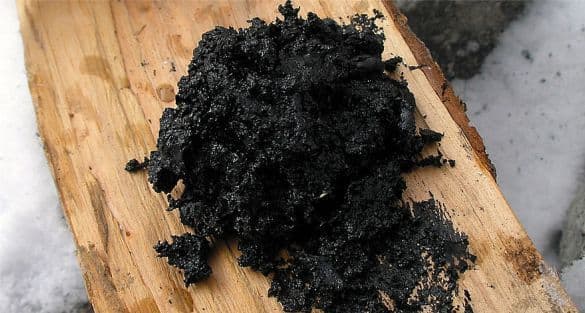
Birch Tar
Birch Tar is one of the most potent and historically rich materials in the perfumer's arsenal. Produced by the dry distillation of birch bark — primarily from Betula pendula and Betula pubescens — the resulting dark, viscous tar has been used for millennia as a preservative, waterproofing agent, and natural antiseptic. In perfumery, birch tar extract is used in carefully calibrated quantities to add its unmistakable character: a bold, smoky, leathery, and slightly medicinal note with overtones of creosote and pine. The aromatic profile of birch tar is striking and unapologetically assertive. At its core is a powerful smokiness, reminiscent of campfires and smouldering wood, layered with a dry leather note that conjures tanned hides and riding boots. There is also a phenolic edge — a hint of tar or rubber — that gives it the kind of rough, industrial beauty that is deeply compelling in niche perfumery. Used at low levels, it adds a haunting smokiness; at higher levels, it becomes the entire statement. Birch tar has been fundamental to the creation of classical leather fragrances, most notably Russian Leather accords, which combine it with birch, castoreum, and styrax to evoke the scent of fine Cossack leather. Its influence runs through everything from old-school masculine barbershop chypres to the boldest contemporary leather and smoke compositions. At Fragrenza, our inspired-by fragrances celebrate the raw, untamed beauty of birch tar-forward perfumes, making these bold, characterful scents accessible to all.
- 🌿
Birch wood
Birch wood is a woody note used to create structure, depth, and lasting warmth. Its scent may be dry, creamy, smoky, resinous, earthy, pencil-like, or polished depending on the wood or accord. In perfumery, woody notes often support the whole composition and help connect fresh openings with deeper bases. Birch wood pairs naturally with amber, musk, incense, leather, vetiver, patchouli, spices, citrus, and soft resins, making it useful in masculine, feminine, and unisex fragrances.

Biscuit
Biscuit is a warm, universally comforting gourmand note inspired by the irresistible aroma of freshly baked butter biscuits — a smell that has been part of human domestic life across cultures for centuries. Whether it evokes the shortbread of a Scottish kitchen, the sablé of a French patisserie, or the digestive of a British tea table, the biscuit note taps into deeply embedded olfactory memories of warmth, care, and home. In perfumery, the biscuit accord is built from combinations of heliotropin, vanilla, tonka bean, coumarin, and musk to recreate that golden, buttery, slightly sweet baked quality. As a fragrance note, biscuit is warm, soft, and sweetly doughy with a buttery vanilla richness and a gentle, toasty depth. It belongs firmly to the gourmand fragrance family, where it acts as both a heart and base note, lending a comforting, skin-like warmth to compositions. It pairs beautifully with vanilla, caramel, praline, sandalwood, tonka bean, white musk, and soft floral notes. Biscuit adds a sense of domesticity and cosiness that makes compositions feel immediately wearable and emotionally resonant — a fragrance equivalent of comfort food. The biscuit note has become a cornerstone of the modern gourmand fragrance genre, beloved for its nostalgic, universally appealing warmth. At Fragrenza, we celebrate this feel-good ingredient across our collections, crafting high-quality fragrance dupes that bring the comforting magic of freshly baked biscuits to your fragrance wardrobe at an accessible price.
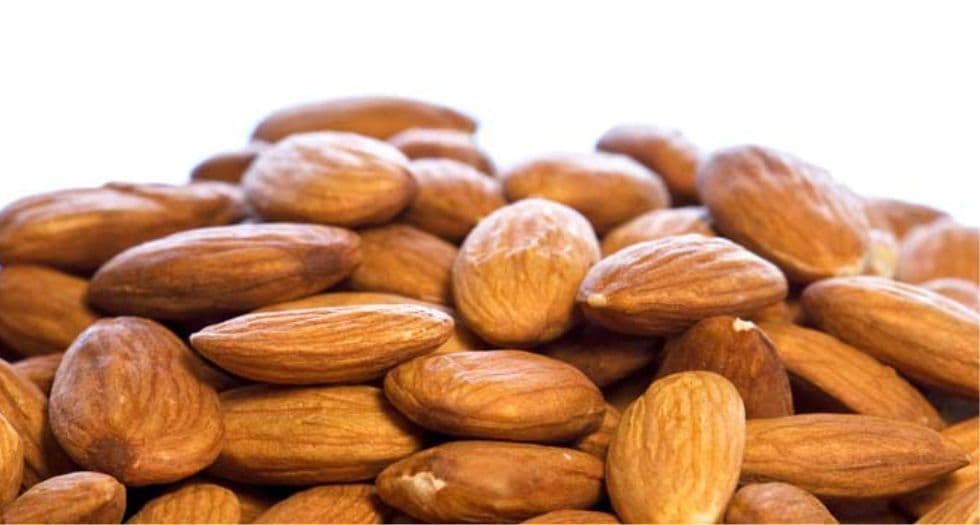
Bitter Almond
Bitter almond is one of perfumery's most beguiling ingredients — a note of duality and contrast that has fascinated perfumers for generations. Derived from the kernels of bitter almonds (Prunus amygdalus var. amara) and stone fruits such as apricots and cherries, the key aromatic compound is benzaldehyde — a molecule that carries an intensely sweet, almost confectionery character alongside a sharp, slightly medicinal edge. In its natural state, bitter almond oil also contains traces of hydrocyanic acid, which is removed during processing to create the safe, purified ingredient used in fragrance and food. In the finished fragrance, bitter almond reads as a complex accord of cherry, marzipan, toasted nuts, dried hay, and a faint sweetness reminiscent of heliotrope and tonka bean. The "bitter" aspect is subtle rather than harsh — it provides a slightly sharp counterpoint to the sweetness that prevents the note from becoming cloying, giving it the sophisticated balance of a fine patisserie rather than crude sugar. This complexity makes bitter almond particularly well suited to gourmet and oriental perfumery, where it adds a confectionery richness that is simultaneously comforting and intriguing. Bitter almond blends beautifully with vanilla, tonka, coffee, dark chocolate, rose, and warm musks — ingredients that amplify its gourmand facets — as well as with incense and resins, which give it a more spiritual, mysterious dimension. Browse Fragrenza's bitter almond collection to discover inspired-by fragrances that showcase this captivating note, delivering its marzipan warmth and subtle complexity at an accessible, everyday price.
- 🌿
Bitter notes
Bitter notes is a specialty note used to give a fragrance a distinctive texture, mood, or material impression. Depending on interpretation, it may contribute freshness, warmth, sweetness, dryness, softness, or an abstract atmospheric effect. In perfumery, specialty notes are useful because they make a composition feel more specific and less generic. It can be paired with woods, musks, florals, resins, fruits, green notes, spices, or amber materials according to the intended style.
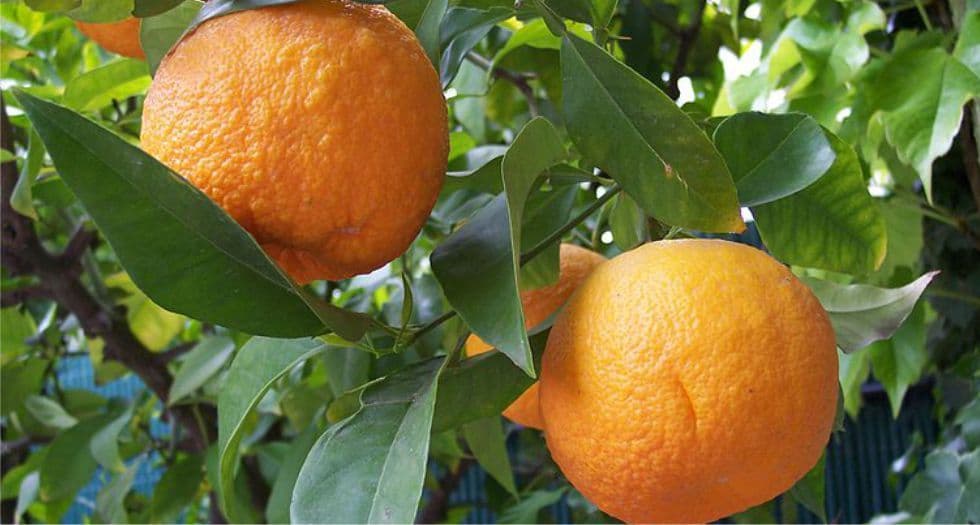
Bitter Orange
Bitter Orange, derived from Citrus aurantium, is one of the most historically significant citrus plants in perfumery, yielding three entirely distinct aromatic materials from different parts of the same tree: neroli (from the blossoms), petitgrain (from the leaves and twigs), and bitter orange essential oil (from the cold-pressed rind). The fruit itself — the Seville orange, immortalised in marmalade — has a sharper, more complex bitterness than sweet orange, and this quality translates into an oil of remarkable depth and character. Bitter Orange essential oil opens with a burst of citrus that is simultaneously bright and slightly bitter, carrying the characteristic dry, almost pithy quality of orange zest before revealing a subtle floral-green undercurrent and a faint spicy warmth from the terpenes within. It lacks the simple sweetness of sweet orange; in its place is a sophisticated, slightly bittersweet radiance that perfumers have treasured for centuries in colognes, chypres, and fresh aromatics. It is also a key component in the classic Eau de Cologne accord alongside bergamot, lemon, and neroli. The Bitter Orange family — including its neroli and petitgrain derivatives — continues to underpin some of the most elegant and enduring fragrances in the canon. From classical Cologne waters to contemporary niche interpretations, it lends a crisp, aristocratic citrus note that synthetic materials rarely replicate fully. At Fragrenza, our inspired-by collection showcases the finest bitter orange-led luxury fragrances, delivering that refined citrus complexity at genuinely democratic prices.
- 🌿
Bitter orange absolute
Bitter orange absolute is a citrus note that adds sparkle, freshness, and immediate lift to a fragrance. Its profile can include juicy pulp, aromatic peel, green bitterness, soft floral nuances, or a sharp zesty brightness depending on the material. In perfumery, it is usually used in the opening, where it brings clarity and motion before blending into florals, woods, musks, or herbs. It pairs well with neroli, tea, lavender, white musk, light woods, aquatic notes, and aromatic herbs.
- 🌿
Bitter orange blossom
Bitter orange blossom is a bright citrus note that brings sparkle, freshness, and immediate lift to a fragrance. Its profile may include juicy pulp, aromatic peel, green bitterness, soft floral facets, or a slightly sharp zest depending on the material. In perfumery, it is most often used in the opening, where it gives clarity and movement before blending into florals, woods, musks, or herbs. Bitter orange blossom works especially well with neroli, tea, lavender, white musk, light woods, aquatic notes, and aromatic herbs.
- 🌿
Bitter orange leaf
Bitter orange leaf is a citrus note that adds sparkle, freshness, and immediate lift to a fragrance. Its profile can include juicy pulp, aromatic peel, green bitterness, soft floral nuances, or a sharp zesty brightness depending on the material. In perfumery, it is usually used in the opening, where it brings clarity and motion before blending into florals, woods, musks, or herbs. It pairs well with neroli, tea, lavender, white musk, light woods, aquatic notes, and aromatic herbs.
- 🌿
Bitter orange Orpur®
Bitter orange Orpur® is a citrus note that adds sparkle, freshness, and immediate lift to a fragrance. Its profile can include juicy pulp, aromatic peel, green bitterness, soft floral nuances, or a sharp zesty brightness depending on the material. In perfumery, it is usually used in the opening, where it brings clarity and motion before blending into florals, woods, musks, or herbs. It pairs well with neroli, tea, lavender, white musk, light woods, aquatic notes, and aromatic herbs.
- 🌿
Bitter orange zest
Bitter orange zest is a citrus note that adds sparkle, freshness, and immediate lift to a fragrance. Its profile can include juicy pulp, aromatic peel, green bitterness, soft floral nuances, or a sharp zesty brightness depending on the material. In perfumery, it is usually used in the opening, where it brings clarity and motion before blending into florals, woods, musks, or herbs. It pairs well with neroli, tea, lavender, white musk, light woods, aquatic notes, and aromatic herbs.
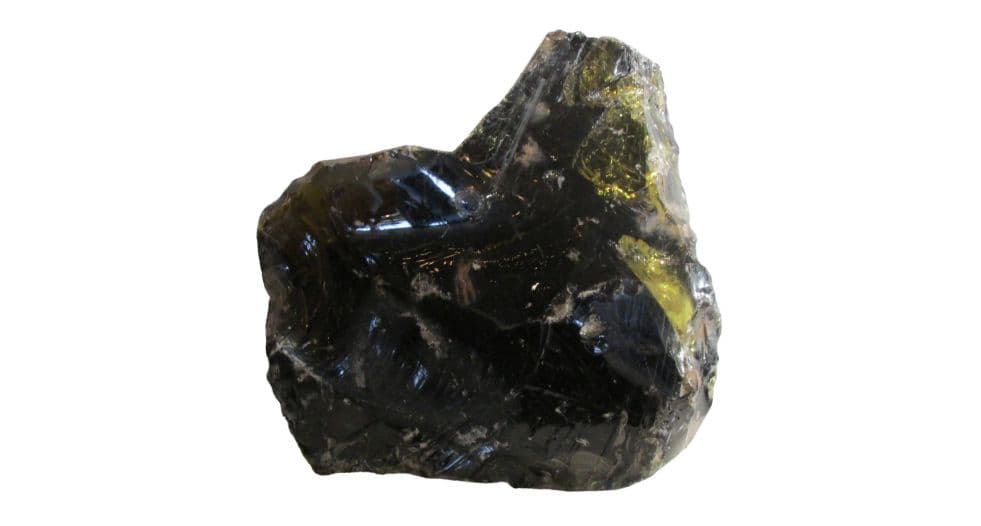
Black amber
Black Amber is a warm amber note with resinous, smooth, radiant, and long-lasting facets. In perfumery, it gives sensual depth and polish to woods, musks, florals, vanilla, incense, leather, and oriental compositions.
- 🌿
Black ambergris
Black ambergris is a darker, more animalic interpretation of ambergris — saltier, more smoky, with deeper marine-earthy undertones than the soft, sun-warmed gold variety. In perfumery, it brings a primal, magnetic depth to amber, oriental, and skin-musk compositions.
- 🌿
Black Baccara rose
Black Baccara rose is a near-black, velvety hybrid rose with an unusually deep, slightly smoky, and powdery profile. It feels mysterious and luxurious, less rosy-bright than red roses. In perfumery, it adds intrigue to chypre, oriental, gourmand, and floral compositions.
- 🌿
Black caraway
Black caraway, also known as nigella or black seed (Nigella sativa), is an ancient aromatic seed with a warm, peppery, slightly bitter, and oniony-spicy character. In perfumery, it adds an unusual, exotic, and earthy spice accent to oriental, woody, and naturalistic compositions.
- 🌿
Black caraway absolute
Black caraway absolute is the concentrated solvent extract of nigella seed — intensely warm, peppery, slightly bitter, with deeper resinous and oily facets than the seed itself. In perfumery, it adds exotic spice with strong fixative effect to oriental, woody, and naturalistic compositions.
- 🌿
Black cardamom
Black cardamom (Amomum subulatum) is the smoke-dried cousin of green cardamom. It smells warm, dry, smoky, slightly camphoraceous, and exotically spicy, with a deep resinous undertone. In perfumery, it adds drama and depth to oriental, leather, woody, and gourmand compositions.
- 🌿
Black cedar
Black cedar is a smokier, more charred interpretation of cedar wood — dry, resinous, slightly burnt, and intensely woody. It evokes campfire embers and aged dark wood. In perfumery, it brings smoky structure to woody, leather, oud, and incense compositions.
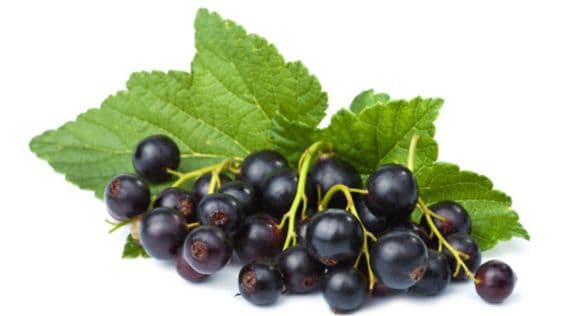
Black Cherry
Black cherry is one of perfumery's most seductive fruit notes — darker, deeper, and more complex than its bright red cousin. Wild black cherries carry an intensity that goes beyond simple sweetness: there is a slight tartness, an almost jammy richness, and beneath it all, a faint almondy depth from the stone that gives the note genuine sophistication. It is fruit at its most grown-up, lush and a little dangerous. In fragrance, black cherry has become a signature note of dark, opulent compositions — from gourmand orientals to smoky chypres and rich florals. It layers beautifully with dark resins like benzoin and labdanum, with iris and violet for a powdery depth, and with woods like sandalwood and vetiver for a grounded complexity. The note has a remarkable ability to sit on the skin like warm, ripe fruit — intimate and inviting without ever becoming saccharine. Black cherry speaks to those who want their fragrance to have character, depth, and a magnetic pull. At Fragrenza, our black cherry collection showcases exceptional dupes of the most celebrated dark fruit fragrances — rich, seductive, and accessible to all who crave something truly special.
- 🌿
Black chili
Black chili is a smoky, dried, intensely spicy chili variant — deeper and more roasted than fresh red chili, with leathery, sweet-hot, and slightly chocolaty undertones. In perfumery, it adds fiery exotic warmth to oriental, gourmand, leather, and tobacco compositions.
- 🌿
Black copal resin
Black copal resin is a dark, smoky, balsamic incense material from Mexican Bursera trees. It smells of warm church incense, dark amber, and dry resin. In perfumery, it adds ceremonial gravitas to incense, oriental, woody, and resinous compositions.
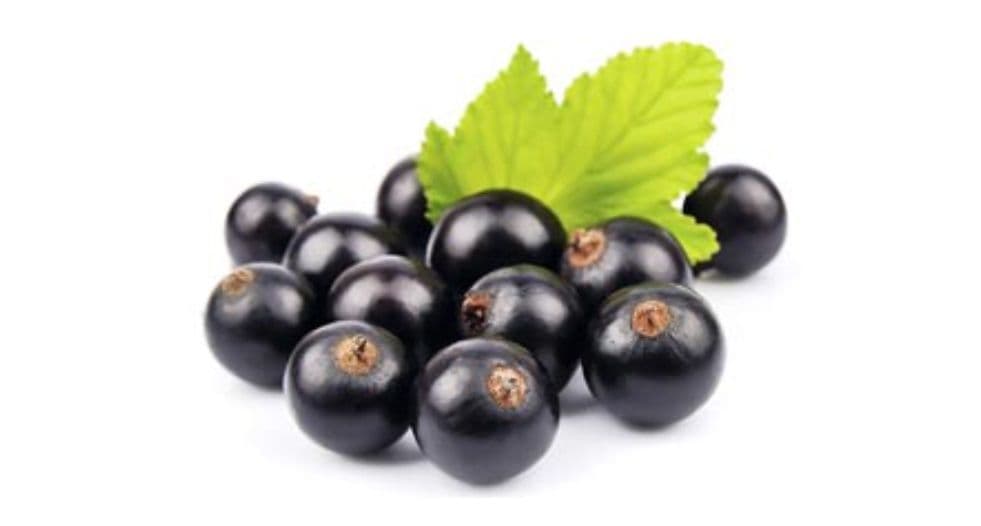
Black currant
Black Currant — known botanically as Ribes nigrum — is a small, intensely dark berry native to northern Europe and Asia, prized in perfumery for a character that is simultaneously vibrant and controversial. The fragrance of black currant comes primarily from two sources: the ripe fruit itself, which delivers a deep, jammy, and tangy sweetness; and the leaves and buds, which yield a sharper, more green and almost ammoniac note often described as catty or foxy. This distinctive dual personality is what makes the note so compelling to perfumers. In a finished fragrance, the black currant accord reads as richly fruity with a tart edge — like biting into a ripe berry that has been left in the sun, with an unexpected wild, slightly animal undercurrent that keeps it from being merely sweet. Perfumers use black currant to add a vivid, juicy burst to fruity florals, to inject tartness into berry-based compositions, or to lend a provocative, slightly feral quality to more complex oriental or chypre structures. The interplay between its sweet fruitiness and its more pungent facets gives it a tension that linear sweet notes cannot replicate. Black currant has become increasingly prominent in modern perfumery, lending its signature tartness to some of the most vibrant and talked-about launches of recent years. At Fragrenza, our inspired-by fragrances bring you the juicy, tangy intensity of luxury black currant compositions — all the depth and character, with none of the designer markup. Looking for it in a bottle? Browse [affordable black currant scents](https://fragrenza.com/collections/black-currant-fragrances) on Fragrenza.
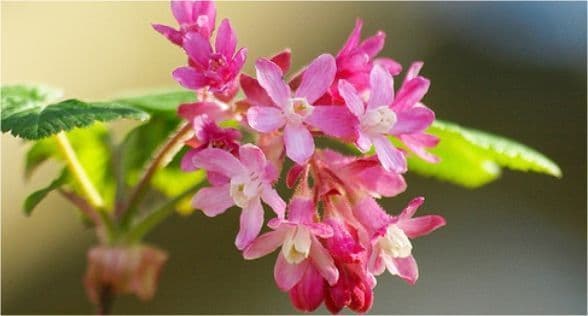
Black Currant Blossom
Black Currant Blossom is the gentler, more refined counterpart to the polarising black currant fruit and leaf notes. Where the berry bursts with tart, jammy intensity and the leaves carry a famously catty pungency, the blossom takes a softer path — offering a sweet, delicately fruity floral that captures the ephemeral beauty of the Ribes nigrum plant in its flowering phase. The aromatic character of the blossom is more transparent and airy, with a light fruitiness that hints at the berry to come without its rawer edges. On skin, Black Currant Blossom presents as a luminous, slightly sweet floral with subtle fruity and green facets. There is a softness and femininity to the note that pairs effortlessly with other florals — particularly rose, peony, and magnolia — as well as with sheer musks and white woods. Perfumers use it to bridge the gap between bright fruit accords and fuller floral hearts, providing continuity and elegance without dominating the composition. Its lack of the typical black currant buds' cattiness makes it far more versatile in delicate or romantic compositions. The black currant blossom note has found a devoted following in fresh florals, fruity feminines, and the booming neo-floral category. Its combination of sweetness, brightness, and lightness makes it universally appealing. At Fragrenza, our inspired-by fragrances capture the refined beauty of black currant blossom-forward luxury perfumes, offering that delicate floral-fruity elegance at a price that welcomes everyone.
- 🌿
Black dahlia
Black dahlia is a fantasy floral interpretation evoking dark, velvety dahlia varieties. It suggests deep petals, a slightly smoky-floral powder, and a sensual mystery rare among garden flowers. In perfumery, it suits dark feminine, gothic, and modern niche floral compositions.
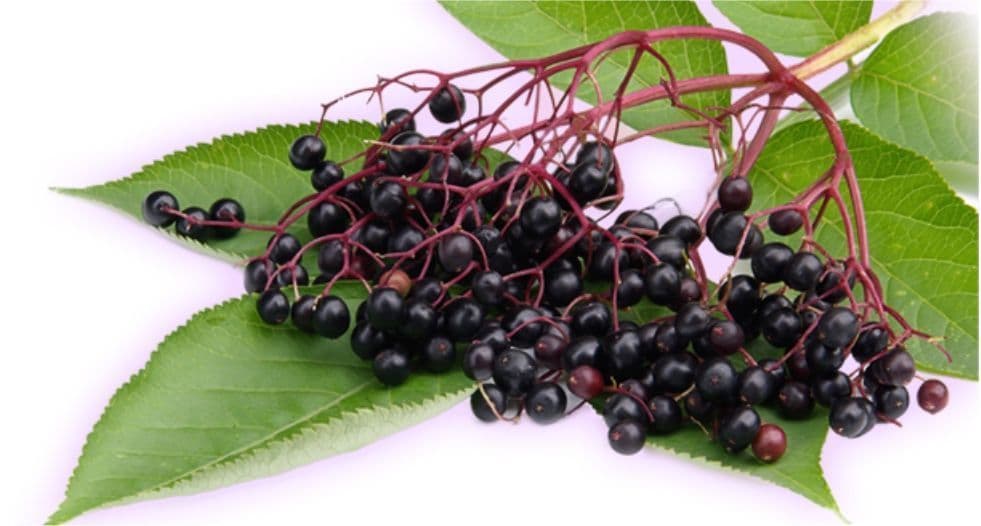
Black Elder
Black elder is a shrub known for its creamy white flowers and dark purple-black berries. In perfumery, it can suggest a dark fruity floral note with green, tart, berry-like, and lightly herbal facets. It works well with blackcurrant, violet, musk, honey, and soft woods.
- 🌿
black fig
Black fig is the dark, jammy interpretation of fig — sweeter and more concentrated than green fig, with leathery, milky, and slightly smoky facets. It evokes the soft pulp of fully ripe figs in late summer. In perfumery, it adds fruity-woody depth to oriental, gourmand, and Mediterranean compositions.
- 🌿
Black frankincense
Black frankincense is a darker, more resinous, smokier interpretation of frankincense — heavier on the burnt-resin and amber facets, less lemony and bright. In perfumery, it brings ceremonial depth and warmth to incense, oriental, leather, and oud compositions.
- 🌿
Black grape
Black grape is a deep, juicy, slightly wine-like fruit note with rich purple-skin tannins and a soft sweet pulp. It feels indulgent and modern. In perfumery, it pairs well with rose, oud, vanilla, and amber, adding a contemporary fruity opulence to oriental and gourmand compositions.
- 🌿
Black honey
Black honey is a darker, more caramelised honey variety — deeper, slightly smoky, and richly resinous, with hints of molasses and tobacco. In perfumery, it adds opulent gourmand warmth to oriental, amber, tobacco, and leather compositions.
- 🌿
Black iris
Black iris is a darker, earthier interpretation of iris — emphasizing the rooty, slightly mushroom-like, and powdery facets of the rhizome rather than the bright violet floral. In perfumery, it adds sophistication and mystery to chypre, woody, and modern niche compositions.
- 🌿
Black leather
Black leather is a darker, smokier interpretation of leather, evoking aged saddles, smoked hide, tar, and birch tar. In perfumery, it provides a deep animalic backbone and adds masculine richness to chypre, oriental, woody, and tobacco compositions, pairing well with oud, vetiver, patchouli, incense, and ambergris.
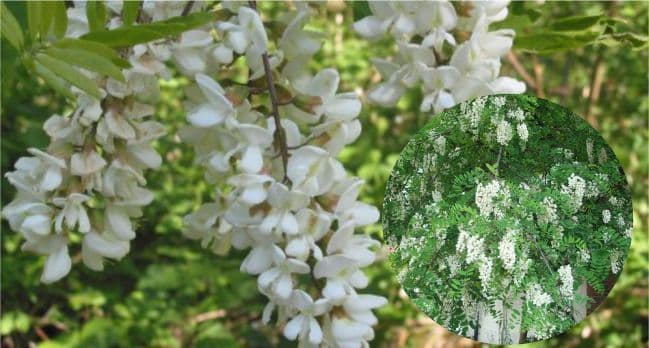
Black Locust
Black locust, known botanically as Robinia pseudoacacia, is a fast-growing deciduous tree native to the Appalachian Mountains of the eastern United States, now widely naturalised across Europe, Asia, and beyond. In late spring, the tree produces spectacular pendulous clusters of fragrant white flowers that are among the most intensely scented blossoms in the temperate forest. The flowers have been used to make flower wine and fritters, and their honey — produced by bees that feast on the nectar — is one of the most prized single-origin honeys in the world. In perfumery, black locust blossom is a rich, honeyed, white floral note with a beautiful orange blossom-like quality and a warm, slightly green, powdery softness. It belongs to the floral and oriental fragrance families, where its sweet, nectar-laden character brings a luminous warmth and genuine florality. It pairs beautifully with orange blossom, jasmine, iris, tonka bean, warm musk, light woods, and honey. Its sweetness is complex and natural-feeling rather than cloying, making it a versatile and deeply appealing heart note in both feminine and gender-neutral compositions. Black locust blossom is one of the hidden gems of natural perfumery — abundant in nature yet rarely celebrated by name, despite its extraordinary fragrance. At Fragrenza, we love highlighting ingredients like this in our collections, crafting high-quality fragrance dupes that celebrate the full richness of the botanical world at an accessible price.
- 🌿
Black lotus
Black lotus is a deep, smoky, slightly aquatic floral note that draws on dark-petaled water lily varieties. It feels mysterious, exotic, and slightly resinous, with hints of dark honey. In perfumery, it adds an Eastern, meditative quality to floral, oriental, and incense compositions.
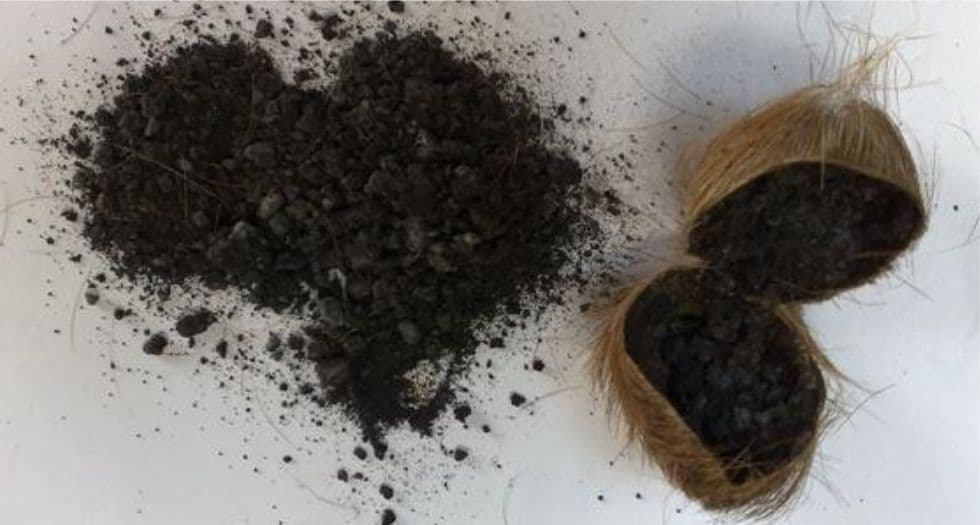
Black musk
Black musk is a dark, sensual interpretation of musk, usually built around warm synthetic musks, amber, woods, leather, and sometimes animalic nuances. It feels deeper and more mysterious than clean white musk, giving fragrances a shadowy, intimate, and long-lasting base.
- 🌿
Black olive
Black olive is a savoury, briny, slightly fermented note with deep oil, herb, and Mediterranean fruit facets. In perfumery, it brings unusual gourmand-savoury character to niche compositions, pairing well with rosemary, salt, woods, and skin musks.
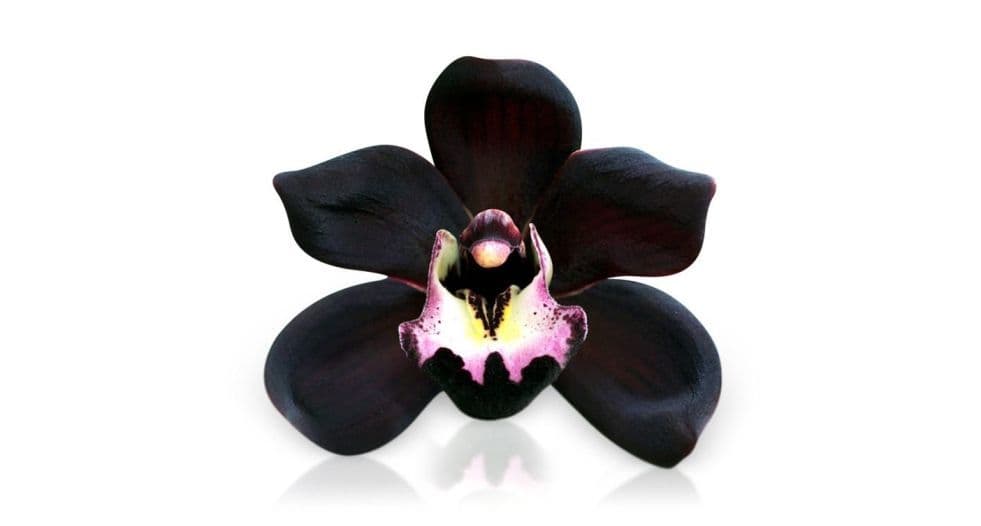
Black Orchid
Black Orchid is a floral note with fresh petals, soft sweetness, and a refined natural brightness. In perfumery, it can add elegance, color, and lift to floral bouquets, musks, fruity florals, powdery accords, and modern feminine compositions.
- 🌿
Black peony
Black peony is a fantasy floral interpretation evoking the deep, rare cultivar of peony — darker, slightly winey, and more powdery than the classic pale peony. In perfumery, it brings dramatic femininity and modern sophistication to floral, fruity-floral, and chypre compositions.
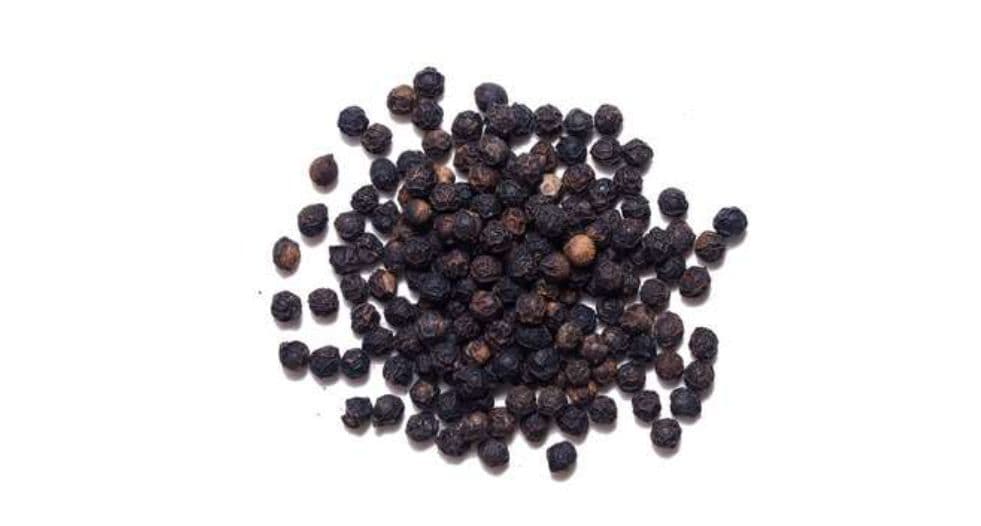
black pepper
Black pepper is one of perfumery's most prized spice notes — a crisp, dry, and invigorating ingredient that has been treasured by perfumers for centuries. Derived from the dried berries of Piper nigrum, black pepper in fragrance delivers a distinctive piquancy: sharp and slightly smoky at first encounter, with a warm, woody drydown that lingers on the skin. Unlike its culinary counterpart, the olfactory version of black pepper is refined and elegant, adding edge without aggression. In the top notes of a fragrance, black pepper functions as a dynamic, attention-grabbing opener. Its volatile compounds — chiefly caryophyllene and piperine-derived molecules — create an immediate freshness that reads as both spicy and clean. This makes it particularly effective in men's fragrances, where it pairs beautifully with citrus notes like bergamot and grapefruit to produce bracing, confident openings. As the scent evolves, black pepper transitions gracefully into the heart, where it harmonises with woody notes such as cedarwood, vetiver, and patchouli, adding textural interest and warmth. The versatility of black pepper means it appears across fragrance families, from fresh fougères and aromatic woods to incense-laden orientals and even some florals where a touch of spice adds unexpected intrigue. It is a hallmark note of numerous iconic masculine fragrances and plays a supporting role in many feminine compositions seeking boldness and sophistication. At Fragrenza, our black pepper-inspired fragrances harness this timeless spice note in carefully crafted formulas that deliver luxury-quality performance at accessible prices. Want to wear it? Explore [black pepper fragrances](https://fragrenza.com/collections/black-pepper-fragrances).
- 🌿
Black pepper absolute
Black pepper absolute is the concentrated extract of Piper nigrum, distilling the spice's dry, sparkling, woody-piney heat into a long-lasting fixative form. In perfumery, it brings vivid spice and architectural lift to masculine, woody, leather, and oriental compositions.
- 🌿
Black petunia
Black petunia is a fantasy floral note evoking the rare, near-black cultivar of garden petunia. It feels velvety, slightly grape-like, dark, and quietly intoxicating. In perfumery, it suits modern dark florals, gothic compositions, and niche feminine accords.
- 🌿
Black plum
Black plum is a deep, ripe stone-fruit note built around the sweet-tart richness of fully matured purple-black plums. It feels jammy, slightly winey, and softly skin-like, with subtle sour brightness. In perfumery, it adds opulent fruity depth to woody, oriental, gourmand, and chypre compositions, pairing well with rose, oud, tobacco, vanilla, and patchouli.
- 🌿
Black raspberry
Black raspberry is one of the most characterful berry notes in modern perfumery — a fruit that strikes a perfect balance between sweetness and tartness, with a depth and complexity that sets it apart from its more common red raspberry cousin. Native to North America, the black raspberry (Rubus occidentalis) has a distinctive flavour profile: intensely juicy and sweet at its core, with a pronounced tartness that prevents it from becoming cloying, and earthy, slightly floral undertones that add sophistication to its fruity character. In fragrance, this translates to a rich, multi-dimensional berry accord that feels both luscious and grounded. In the opening notes of a fragrance, black raspberry delivers a vivid, mouth-watering burst of dark fruit that is immediately engaging. Unlike lighter berry notes that can feel thin or synthetic, black raspberry has genuine body — it projects with confidence and creates a bold first impression. As the scent develops, the juicy facets soften and the deeper, slightly earthy qualities emerge, weaving through floral or woody heart notes with remarkable grace. This evolution makes black raspberry fragrances particularly compelling to wear, as they reward patience with greater complexity over time. Black raspberry is a favourite in contemporary feminine fragrances, where it adds a playful, sensual quality to floral bouquets and provides a fruity counterpoint to creamy or musky base notes. It also appears in gender-neutral and masculine compositions, where its tartness and depth prevent it from reading as overly sweet. At Fragrenza, our black raspberry-inspired fragrances capture this irresistible dark fruit in refined, long-lasting formulas — all at prices that make luxury accessible to everyone.

Black Rose
Black Rose is a floral note with fresh petals, soft sweetness, and a refined natural brightness. In perfumery, it can add elegance, color, and lift to floral bouquets, musks, fruity florals, powdery accords, and modern feminine compositions.
- 🌿
Black saffron
Black saffron is an intensified, smoky, leathery interpretation of saffron — drier, more medicinal, and more deeply spiced than the bright golden version. In perfumery, it adds dramatic warmth and depth to oud, oriental, leather, and rose-based compositions.
- 🌿
Black salt
Black salt (kala namak) is a sulfurous, mineral, slightly egg-like rock salt from South Asia. Used minimally in perfumery, it adds an unusual savory-mineral edge and a hint of skin-like warmth to niche, gourmand, and experimental compositions.
- 🌿
Black sandalwood
Black sandalwood is a richer, smokier, more concentrated interpretation of sandalwood — denser, with deeper resinous and creamy facets and a hint of charred wood. In perfumery, it forms a sophisticated base for woody, oriental, oud, and luxury compositions.
- 🌿
Black sesame
Black sesame is a roasted, nutty, toasted-seed note with a warm, slightly smoky, lightly sweet character. It evokes Asian desserts and stone-ground sesame paste. In perfumery, it adds an exotic gourmand depth to nutty, woody, and Eastern compositions.
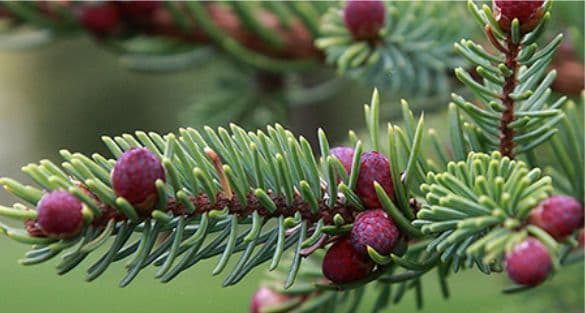
Black Spruce
Black spruce (Picea mariana) is a hardy conifer native to the boreal forests of northern North America, from Alaska and Canada down into the northeastern United States. It thrives in cold, often waterlogged habitats, forming the great northern forest belt that stretches across the continent. The tree's needles and young branches yield an essential oil through steam distillation that is both highly aromatic and deeply evocative of pristine, cold-climate wilderness — a hallmark of Canadian forest traditions and natural medicine. In perfumery, black spruce is a crisp, cold, and resinous note with a clean, slightly sweet character that balances the sharpness of a conifer against a softer, balsamic depth. It belongs to the woody, aromatic, and fougere fragrance families, where it contributes an invigorating freshness and genuine forest authenticity. It pairs magnificently with other conifers, cedarwood, labdanum, leather, musk, lavender, and cool herbal notes. Its fresh resinous quality makes it a versatile ingredient in masculine-leaning and gender-neutral fragrances as well as in cool, nature-inspired compositions of all styles. Black spruce is prized by perfumers for the purity and clarity of the Canadian boreal forest it so faithfully evokes. At Fragrenza, we celebrate this magnificent tree in our woodsy collections, and our expertly crafted fragrance dupes bring its cold, invigorating beauty to fragrance lovers at an accessible everyday price.
- 🌿
Black suede
Black suede is a darker, denser interpretation of suede — soft, warm, and powdery but with deeper leather facets and a hint of smoke. In perfumery, it gives elegant, refined warmth to modern leather, musk, oriental, and chypre compositions.
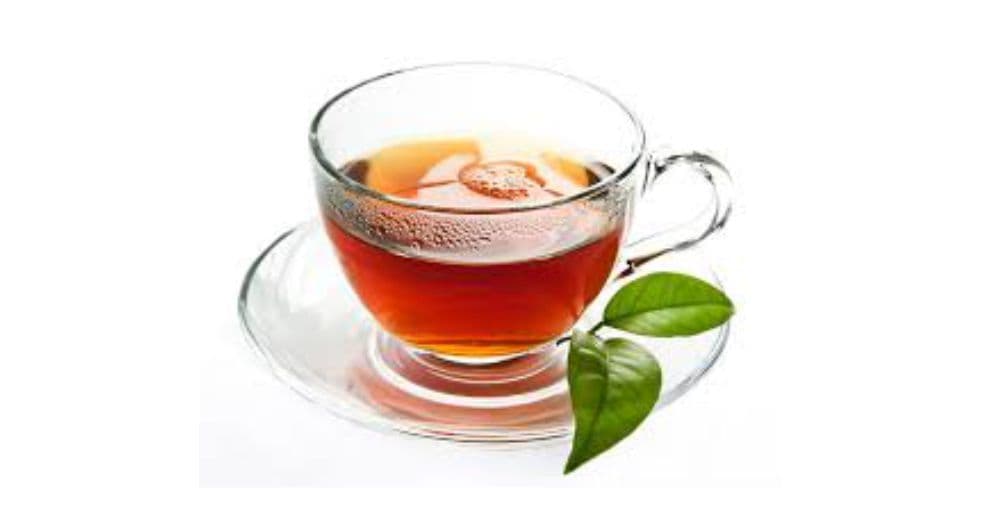
Black tea
Black Tea is an aromatic note with herbal or spicy facets that can feel fresh, warm, dry, or slightly sharp depending on dosage. In perfumery, it adds character and movement to woods, ambers, citrus, tea accords, fougères, leathers, and oriental compositions.
- 🌿
Black tea absolute
Black tea absolute is a concentrated, dark, slightly smoky extract of fermented tea leaves. It smells dry, malty, tannic, and faintly leathery, with a tobacco-like depth. In perfumery, it adds elegant warmth to chypre, leather, oriental, and gourmand compositions.
- 🌿
Black tea sorbet
Black tea sorbet is a chilled, sweet, slightly icy gourmand accord built around the cooling sensation of frozen tea dessert. It feels playful, modern, and refreshing. In perfumery, it suits fresh, summer, fruity, and modern unisex compositions.
- 🌿
Black tobacco
Black tobacco is a richer, drier, more cured interpretation of tobacco leaf — deeper, smokier, and more leathery than golden tobacco. In perfumery, it forms the backbone of masculine, oriental, leather, and gourmand fragrances, pairing well with rum, honey, hay, and dark woods.
- 🌿
Black truffle
Black truffle (Tuber melanosporum) is an earthy, savory, slightly funky fungal note with hints of musk, leather, and damp forest floor. In perfumery, it is used sparingly to add an unusual umami depth to niche, oriental, woody, and gourmand compositions.
- 🌿
Black tulip
Black tulip is a fantasy floral interpretation evoking the rare, deeply pigmented tulip variety. It suggests velvety petals with a slight peppery and powdery quality, less perfumed than rose or jasmine but darker and more mysterious. It suits modern, elegant, and slightly gothic floral compositions.
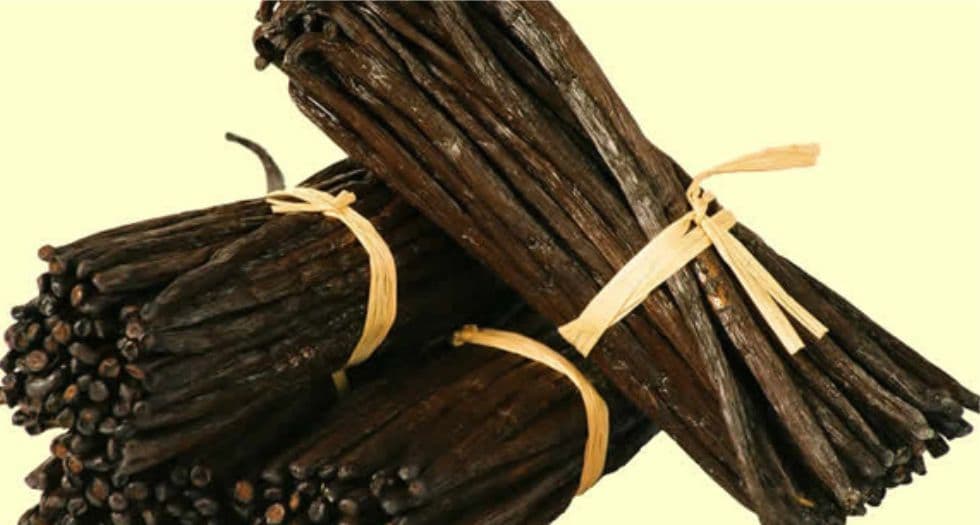
Black Vanilla
Black Vanilla is a sweet gourmand note with edible warmth, softness, and a comforting dessert-like character. In perfumery, it adds texture and indulgence, pairing well with vanilla, tonka bean, musk, amber, woods, fruit notes, and soft florals.
- 🌿
Black Vanilla Husk
Black vanilla husk is the smoky, dry, leathery side of vanilla — the cured pod itself rather than its sweet extract. It smells balsamic, slightly tobacco-like, and bittersweet, with a deep woody base. In perfumery, it gives sophisticated darkness to gourmand, amber, and tobacco compositions.
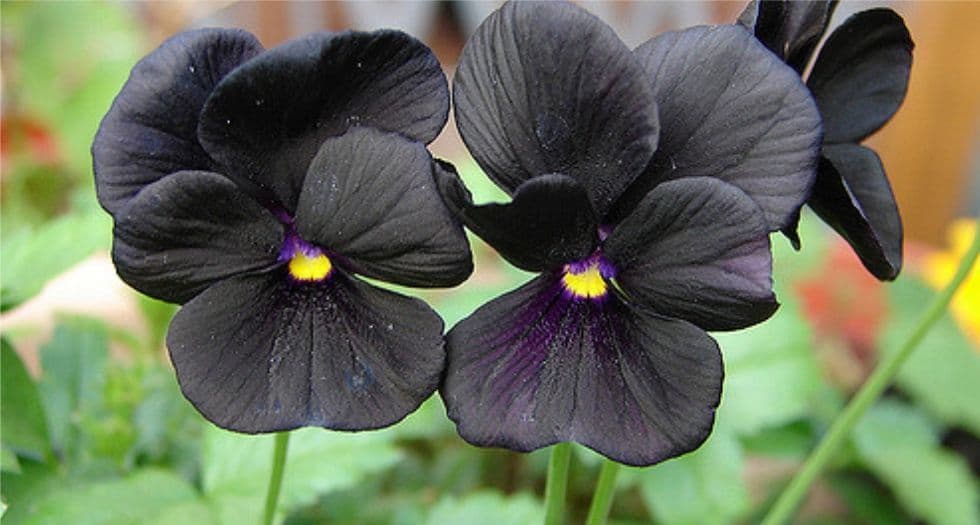
Black Violet
Black Violet is a floral note with fresh petals, soft sweetness, and a refined natural brightness. In perfumery, it can add elegance, color, and lift to floral bouquets, musks, fruity florals, powdery accords, and modern feminine compositions.
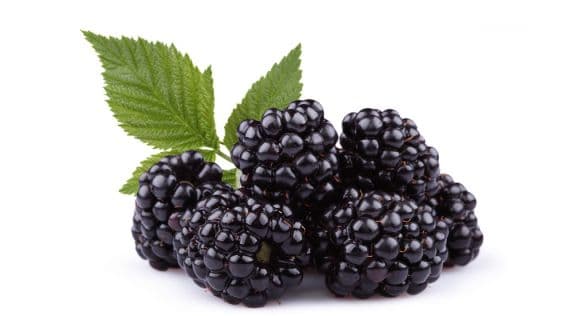
Blackberry
Blackberry is one of the most iconic fruits of the temperate hedgerow, a wild-growing member of the Rubus genus found abundantly across Europe, the Americas, and Asia. Picked in late summer and early autumn, the deep purple-black berries are beloved for their bold, sweet-tart flavour with a complex, slightly earthy depth. In perfumery, blackberry is an indispensable fruity note, recreated through skilled aromatic blending to capture the fruit's dark, juicy, multi-dimensional character. As a fragrance note, blackberry is richly fruity, sweet, and dark with a pleasant tartness that prevents it from becoming one-dimensionally sweet. It belongs to the fruity and fruity-floral fragrance families, and its rounded, dark character makes it one of the most versatile and universally appealing berry notes in perfumery. It pairs brilliantly with violet, rose, patchouli, musk, vanilla, plum, and dark woods, working equally well as a radiant top note or as a sweet-fruity heart. Blackberry brings an immediate, accessible warmth to compositions that makes them feel both contemporary and deeply comforting. Blackberry is a perennial favourite in perfumery, featuring prominently in countless best-selling fragrances across all market segments. At Fragrenza, this beloved note is a cornerstone of our fruity collections, and our carefully crafted fragrance dupes bring its timeless, dark-fruity charm to you at an exceptional price.
- 🌿
Blackberry blossom
Blackberry blossom is the delicate spring flower of the Rubus fruticosus bramble, appearing in late spring and early summer before the fruit develops. The five-petalled white to pale pink flowers carry a gentle, sweet fragrance quite distinct from the assertive juicy character of the berries that follow. Often overlooked in favour of the more celebrated fruit, the blossom has its own understated charm — a softly sweet, green-floral character with faint hints of the fruit to come. As a fragrance note, blackberry blossom is soft, delicate, and sweetly floral with a subtle green freshness and a whisper of the berry family's characteristic tartness. It belongs to the floral and green fragrance families, sitting midway between a white floral and a fruity-floral note. It pairs beautifully with lily of the valley, rose, light musks, green accords, peach blossom, and soft woody bases. Its quiet charm makes it an ideal heart note in fresh floral compositions — adding a natural, botanical sweetness without the density of heavier florals. Blackberry blossom is a delightful ingredient for perfumers seeking an authentic springtime character — the promise of summer sweetness still wrapped in cool, green freshness. At Fragrenza, we celebrate these quieter, botanical notes in our collections, crafting high-quality fragrance dupes that honour the full cycle of nature's most fragrant plants.
- 🌿
Blackberry leaf
Blackberry leaf is harvested from the wild Rubus fruticosus bramble, a thorny scrambling shrub native to Europe and western Asia, naturalised across temperate regions worldwide. Long valued in herbal medicine for its astringent, tannin-rich properties, the leaf carries a distinct aromatic character quite different from the fruit it shelters — green, slightly sharp, and fresh with a faintly vegetal, woody edge. In perfumery, blackberry leaf is typically recreated through a carefully constructed aromatic accord rather than direct extraction. As a fragrance note, blackberry leaf is green, slightly astringent, herbal, and fresh — one of the classic green accords in contemporary perfumery. It belongs to the green and chypre fragrance families, where it acts as a crisp, invigorating top or heart note. It pairs beautifully with blackcurrant bud, violet, galbanum, blackberry fruit, fresh woods, vetiver, and crisp white musks. Its sharp, green quality is frequently used to add authenticity and naturalism to berry-forward compositions, grounding sweeter fruit notes with an honest botanical edge. Blackberry leaf is a staple ingredient in perfumery for those seeking green, fresh, and genuinely nature-inspired compositions. At Fragrenza, we incorporate this authentic botanical note into our collections, using it to bring depth and credibility to our expertly crafted fragrance dupes — high-quality scent experiences at prices that make luxury accessible.
- 🌿
Blackcurrant
Blackcurrant is a vivid dark-fruit note with juicy, tart, green, and slightly animalic facets. It can smell like crushed berries, blackcurrant bud, leafy stems, and a deep purple sweetness that never feels flat. In perfumery, blackcurrant adds energy and sophistication to fruity florals, chypres, musks, and modern feminine compositions. It pairs especially well with rose, violet, peony, patchouli, vanilla, woods, citrus, and clean musk.
- 🌿
Blackcurrant absolute
Blackcurrant absolute is a fruity note that gives fragrance juiciness, color, and natural sweetness. It can be crisp and tart, ripe and velvety, tropical and creamy, or dark and jammy depending on the fruit profile. In perfumery, fruity notes brighten florals, soften musks, and add pleasure to gourmand or woody structures. Blackcurrant absolute pairs well with rose, peony, jasmine, white musk, vanilla, woods, citrus, amber, and soft spices.
- 🌿
Blackcurrant blossom
Blackcurrant blossom is a floral note that gives a fragrance softness, radiance, and emotional warmth. Depending on the flower or accord, it may feel fresh, creamy, powdery, honeyed, green, indolic, or airy. In perfumery, floral notes often form the heart of a composition, adding body and a recognizable signature. It pairs well with citrus, white musk, rose, jasmine, sandalwood, amber, vanilla, iris, and delicate fruits.
- 🌿
Blackcurrant bud
Blackcurrant bud is a fruity note that adds juiciness, color, and natural sweetness to a fragrance. It can feel bright and tart, ripe and velvety, tropical and creamy, or dark and jammy depending on the fruit profile. In perfumery, it is used to make florals more playful, musks more approachable, and gourmands more vivid. It pairs well with rose, peony, white musk, vanilla, woods, citrus, and soft amber.
- 🌿
Blackcurrant bud absolute
Blackcurrant bud absolute is a fruity note that gives fragrance juiciness, color, and natural sweetness. It can be crisp and tart, ripe and velvety, tropical and creamy, or dark and jammy depending on the fruit profile. In perfumery, fruity notes brighten florals, soften musks, and add pleasure to gourmand or woody structures. Blackcurrant bud absolute pairs well with rose, peony, jasmine, white musk, vanilla, woods, citrus, amber, and soft spices.
- 🌿
Blackcurrant leaf
Blackcurrant leaf is a fruity note that gives fragrance juiciness, color, and natural sweetness. It can be crisp and tart, ripe and velvety, tropical and creamy, or dark and jammy depending on the fruit profile. In perfumery, fruity notes brighten florals, soften musks, and add pleasure to gourmand or woody structures. Blackcurrant leaf pairs well with rose, peony, jasmine, white musk, vanilla, woods, citrus, amber, and soft spices.
- 🌿
Blackcurrant liqueur
Blackcurrant liqueur is a fruity note that adds juiciness, color, and natural sweetness. It may feel crisp and tart, ripe and velvety, tropical and creamy, or dark and jammy depending on the fruit profile. In perfumery, fruity notes brighten florals, soften musks, and add pleasure to gourmand or woody structures. It pairs well with rose, peony, jasmine, white musk, vanilla, woods, citrus, amber, and soft spices.
- 🌿
Blackcurrant nectar
Blackcurrant nectar is a fruity note that adds juiciness, color, and natural sweetness. It may feel crisp and tart, ripe and velvety, tropical and creamy, or dark and jammy depending on the fruit profile. In perfumery, fruity notes brighten florals, soften musks, and add pleasure to gourmand or woody structures. It pairs well with rose, peony, jasmine, white musk, vanilla, woods, citrus, amber, and soft spices.
- 🌿
Blackcurrant sorbet
Blackcurrant sorbet is a fruity note that adds juiciness, color, and natural sweetness. It may feel crisp and tart, ripe and velvety, tropical and creamy, or dark and jammy depending on the fruit profile. In perfumery, fruity notes brighten florals, soften musks, and add pleasure to gourmand or woody structures. It pairs well with rose, peony, jasmine, white musk, vanilla, woods, citrus, amber, and soft spices.
Blackcurrant Syrup
Blackcurrant Syrup is a specialty fragrance note with a distinctive character that can add texture, contrast, and originality to a composition. In perfumery, it is best used to create a specific mood or material impression, often alongside woods, musks, florals, resins, fruits, or green notes.
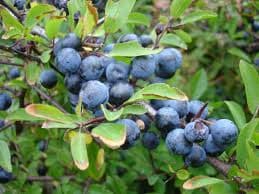
Blackthorn
Blackthorn, known botanically as Prunus spinosa, is a thorny wild shrub native to Europe, western Asia, and northwestern Africa, deeply embedded in the folklore and landscape of the British Isles and continental Europe. It is perhaps best known as the source of sloe berries — small, astringent blue-black fruits used to make the beloved sloe gin — as well as for its frothy white spring blossom that appears before the leaves, brightening hedgerows in late winter. The plant carries a complex, wild aromatic character that captures the essence of the untamed countryside. As a fragrance note, blackthorn is a wild, bitter-fruity, and slightly herbal accord with the dark, tannic character of sloe berries and the fresh, slightly almond-like quality of its blossom. It belongs to the fruity, green, and woody fragrance families, bringing an authentic sense of wild British hedgerow to compositions. It pairs well with green accords, blackcurrant, dry woods, violet, iris, and earthy base notes such as vetiver and oakmoss. It has a naturally chypre-like quality — bracingly fresh, a little austere, and deeply evocative of season and landscape. Blackthorn is an ingredient that speaks to place and memory — the ancient, windswept hedgerows of the European countryside. At Fragrenza, we celebrate these evocative, nature-rooted notes in our collections, making expertly crafted fragrance dupes that honour the complexity of the natural world at an accessible price.

Blackwood
Blackwood is a name used in perfumery to evoke the deep, resinous, and quietly mysterious quality of dark East Asian hardwoods, most commonly associated with species of Dalbergia — the genus that includes Indian rosewood and a number of Southeast Asian variants. The essential oils and absolutes derived from these woods contain a complex mixture of sesquiterpenes and phenolic compounds that produce an earthy, slightly smoky, and warmly woody aroma with a subtle floral-sweet undertone quite different from lighter Western woods. On the skin, Blackwood unfolds slowly and deliberately — opening with a dry, almost austere earthiness before revealing its deeper heart: a warm, resinous richness that feels ancient and grounding. There is a faintly leathery quality, and on some blends a whisper of floral sweetness that keeps the note from becoming oppressive. Blackwood is fundamentally a note about depth and presence; it does not seek attention but commands it nonetheless. In contemporary perfumery, dark woods like Blackwood have become central to the oud-adjacent movement, offering some of the richness and gravitas of agarwood without its intensity or prohibitive cost. They anchor oriental, amber, and incense compositions with quiet authority. At Fragrenza, our inspired-by collection celebrates the dark, earthy luxury of Blackwood fragrances — bringing you those deeply considered, complex woody compositions from prestigious houses at prices you can wear every day.
- 🌿
Blackwood mimosa
Blackwood mimosa is a floral note that gives a fragrance softness, radiance, and emotional warmth. Depending on the flower or accord, it may feel fresh, creamy, powdery, honeyed, green, indolic, or airy. In perfumery, floral notes often form the heart of a composition, adding body and a recognizable signature. It pairs well with citrus, white musk, rose, jasmine, sandalwood, amber, vanilla, iris, and delicate fruits.
- 🌿
Blond leather
Blond leather is a dark textured note that may suggest leather, smoke, tobacco, tar, ash, or warm dry materials. It gives fragrance depth, sensuality, and a more dramatic atmosphere. In perfumery, smoky and leathery notes are often used in bases, where they add strength and character without needing sweetness. It pairs well with oud, saffron, birch tar, amber, tobacco, rose, patchouli, vetiver, incense, and dry woods.
- 🌿
Blond suede
Blond suede is a soft textural note that creates warmth, smoothness, and a skin-like finish. It may feel clean, powdery, woody, velvety, slightly fruity, or fabric-like depending on the accord. In perfumery, these notes bind the formula, soften stronger materials, and extend wear without dominating the fragrance. It pairs well with florals, woods, citrus, amber, iris, fruits, suede, vanilla, and transparent musks.
- 🌿
Blond tobacco
Blond tobacco is a dark textured note that can suggest leather, smoke, tobacco, tar, or warm dry materials. It gives fragrance depth, sensuality, and a more dramatic atmosphere. In perfumery, smoky and leathery notes are often used in bases, where they add strength and character without needing sweetness. Blond tobacco pairs well with oud, saffron, birch tar, amber, tobacco, rose, patchouli, vetiver, incense, and dry woods.
- 🌿
Blond woods
Blond woods is a woody note used to give fragrance structure, depth, and lasting warmth. Its profile may be dry, creamy, smoky, resinous, earthy, or polished depending on the source or accord. In perfumery, woody notes often form the backbone of a composition, supporting lighter citrus, floral, spicy, or aromatic materials. It pairs naturally with amber, musk, incense, leather, vetiver, patchouli, spices, and soft resins.
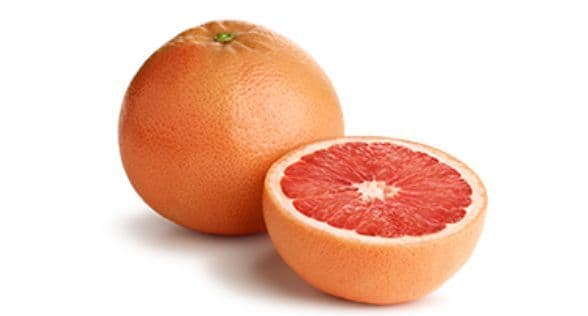
Blood Grapefruit
Blood Grapefruit is a bright citrus note with zesty peel, juicy freshness, and a clean sparkling lift. In perfumery, it brings energy and radiance to openings, pairing well with neroli, tea, herbs, musks, woods, aquatic notes, and light florals.
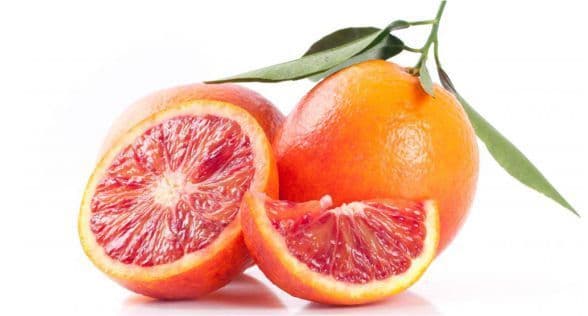
Blood Orange
Blood orange is a strikingly beautiful citrus fruit, a natural mutation of the sweet orange believed to have originated in Sicily and the Mediterranean basin as early as the 9th century. Its distinctive ruby-red flesh is the result of anthocyanin pigments that develop in cool nighttime temperatures during the growing season. The fruit's aroma is more complex and multifaceted than standard orange — richer, deeper, and threaded with dark berry notes reminiscent of raspberry and pomegranate alongside the classic bright citrus character. In perfumery, blood orange is a sophisticated and vibrant top note with a deep, ruby-red olfactory identity. It belongs to the citrus and fruity fragrance families, but its additional berry-like complexity gives it a richness that sets it apart from ordinary orange. It pairs exceptionally well with dark berry notes, rose, amber, vetiver, patchouli, and warm spices such as cardamom and black pepper, as well as with chypre and oriental bases where it adds an irresistible luminous vitality. It is a prized opener in fine fragrances for its ability to simultaneously feel fresh and complex. Blood orange has become one of perfumery's most beloved citrus ingredients for its depth, vibrancy, and unique dark-fruity character. At Fragrenza, this captivating note appears across several of our collections, letting you explore its rich, multifaceted beauty through our high-quality fragrance dupes at outstanding value.
- 🌿
Blossom nectar
Blossom nectar is a floral note that gives a fragrance softness, radiance, and emotional warmth. Depending on the flower or accord, it may feel fresh, creamy, powdery, honeyed, green, indolic, or airy. In perfumery, floral notes often form the heart of a composition, adding body and a recognizable signature. It pairs well with citrus, white musk, rose, jasmine, sandalwood, amber, vanilla, iris, and delicate fruits.
- 🌿
Blossoms
Blossoms is a floral note that adds softness, radiance, and emotional warmth to a composition. Depending on the flower or accord, it can feel fresh, creamy, powdery, honeyed, green, indolic, or airy. In perfumery, floral notes often form the heart of a fragrance, giving it body and a recognizable character. Blossoms pairs well with citrus, white musk, rose, jasmine, sandalwood, amber, vanilla, iris, and delicate fruits, making it useful in both classic bouquets and modern transparent florals.
- 🌿
Blue amber
Blue amber is a warm ambered or resinous note used to give fragrance depth, softness, and long-lasting richness. It can smell balsamic, sweet, smoky, vanillic, woody, powdery, or incense-like depending on the material. In perfumery, it rounds sharp edges and creates a smooth base that holds the composition together. It pairs well with woods, musks, spices, vanilla, tobacco, leather, florals, oud, and other resins.
- 🌿
Blue Atlas cedar
Blue Atlas cedar is a woody note used to create structure, depth, and lasting warmth. Its scent may be dry, creamy, smoky, resinous, earthy, pencil-like, or polished depending on the wood or accord. In perfumery, woody notes often support the whole composition and help connect fresh openings with deeper bases. Blue Atlas cedar pairs naturally with amber, musk, incense, leather, vetiver, patchouli, spices, citrus, and soft resins, making it useful in masculine, feminine, and unisex fragrances.
- 🌿
Blue blossoms
Blue blossoms is a floral note that gives a fragrance softness, radiance, and emotional warmth. Depending on the flower or accord, it may feel fresh, creamy, powdery, honeyed, green, indolic, or airy. In perfumery, floral notes often form the heart of a composition, adding body and a recognizable signature. It pairs well with citrus, white musk, rose, jasmine, sandalwood, amber, vanilla, iris, and delicate fruits.
- 🌿
Blue china aster
Blue china aster is a specialty note used to give a fragrance a distinctive texture, mood, or material impression. Depending on interpretation, it may contribute freshness, warmth, sweetness, dryness, softness, or an abstract atmospheric effect. In perfumery, specialty notes are useful because they make a composition feel more specific and less generic. It can be paired with woods, musks, florals, resins, fruits, green notes, spices, or amber materials according to the intended style.
- 🌿
Blue cyclamen
Blue cyclamen is a floral note that gives a fragrance softness, radiance, and emotional warmth. Depending on the flower or accord, it may feel fresh, creamy, powdery, honeyed, green, indolic, or airy. In perfumery, floral notes often form the heart of a composition, adding body and a recognizable signature. It pairs well with citrus, white musk, rose, jasmine, sandalwood, amber, vanilla, iris, and delicate fruits.
- 🌿
Blue cypress
Blue cypress is a woody note used to create structure, depth, and lasting warmth. Its scent may be dry, creamy, smoky, resinous, earthy, pencil-like, or polished depending on the wood or accord. In perfumery, woody notes support the whole composition and connect fresh openings with deeper bases. It pairs naturally with amber, musk, incense, leather, vetiver, patchouli, spices, citrus, and soft resins.
- 🌿
Blue freesia
Blue freesia is a floral note that gives a fragrance softness, radiance, and emotional warmth. Depending on the flower or accord, it may feel fresh, creamy, powdery, honeyed, green, indolic, or airy. In perfumery, floral notes often form the heart of a composition, adding body and a recognizable signature. It pairs well with citrus, white musk, rose, jasmine, sandalwood, amber, vanilla, iris, and delicate fruits.
- 🌿
Blue geranium
Blue geranium is a floral note that gives a fragrance softness, radiance, and emotional warmth. Depending on the flower or accord, it may feel fresh, creamy, powdery, honeyed, green, indolic, or airy. In perfumery, floral notes often form the heart of a composition, adding body and a recognizable signature. It pairs well with citrus, white musk, rose, jasmine, sandalwood, amber, vanilla, iris, and delicate fruits.
- 🌿
Blue gum eucalyptus
Blue gum eucalyptus is a specialty note used to give a fragrance a distinctive texture, mood, or material impression. Depending on interpretation, it may contribute freshness, warmth, sweetness, dryness, softness, or an abstract atmospheric effect. In perfumery, specialty notes are useful because they make a composition feel more specific and less generic. It can be paired with woods, musks, florals, resins, fruits, green notes, spices, or amber materials according to the intended style.
- 🌿
Blue hydrangea
Blue hydrangea is a specialty note used to give a fragrance a distinctive texture, mood, or material impression. Depending on interpretation, it may contribute freshness, warmth, sweetness, dryness, softness, or an abstract atmospheric effect. In perfumery, specialty notes are useful because they make a composition feel more specific and less generic. It can be paired with woods, musks, florals, resins, fruits, green notes, spices, or amber materials according to the intended style.
- 🌿
Blue iris
Blue iris is a floral note that gives a fragrance softness, radiance, and emotional warmth. Depending on the flower or accord, it may feel fresh, creamy, powdery, honeyed, green, indolic, or airy. In perfumery, floral notes often form the heart of a composition, adding body and a recognizable signature. It pairs well with citrus, white musk, rose, jasmine, sandalwood, amber, vanilla, iris, and delicate fruits.
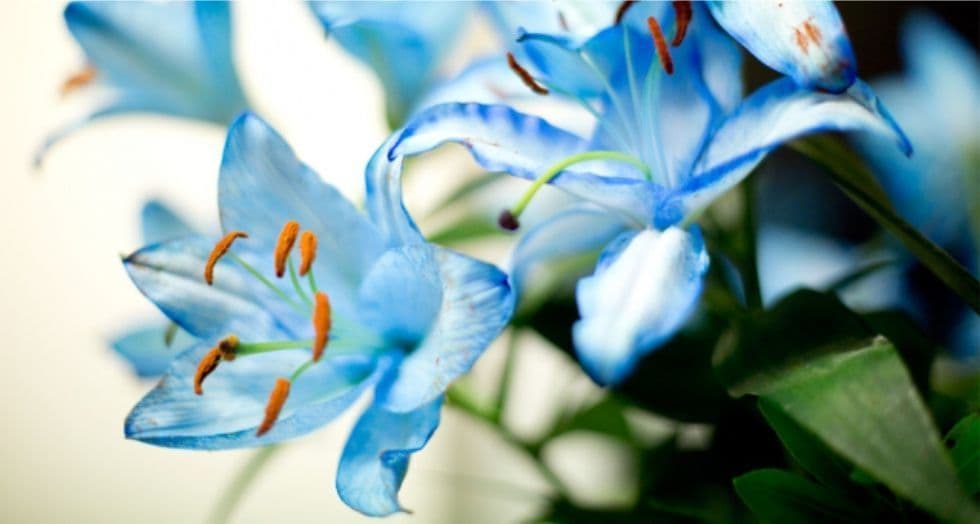
Blue lilies
Blue Lilies refers to agapanthus, the stunning African Lily native to the southern tip of Africa — South Africa and Lesotho — where it grows abundantly in grasslands and along rocky slopes. The name comes from the Greek words for love and flower, and the plant has been widely adopted as an ornamental in gardens worldwide, cherished for its tall stems bearing spherical clusters of tubular blue-purple flowers. Though agapanthus is not heavily scented in nature, its association with clean, open spaces and sweeping blue skies has inspired a delicate, refined floral note in perfumery. As a fragrance note, blue lilies presents as a clean, gently sweet, and softly aquatic floral with a cool, blue-hued quality that feels serene and luminous. It belongs to the floral and aquatic fragrance families, where it contributes an effortless elegance and quiet freshness. It pairs beautifully with white musks, lily of the valley, violet, iris, light woods, and crisp aquatic accords, adding a composed, almost architectural clarity to a composition without ever feeling heavy or overpowering. Blue lilies is a cherished note for perfumers crafting clean, sophisticated, and universally wearable fragrances that evoke open skies and natural beauty. At Fragrenza, we incorporate notes like blue lilies into our collections to bring serene, high-quality fragrance experiences to everyone, through our beautifully crafted dupes at accessible prices.
- 🌿
Blue lotus
Blue lotus is a specialty note used to give a fragrance a distinctive texture, mood, or material impression. Depending on interpretation, it may contribute freshness, warmth, sweetness, dryness, softness, or an abstract atmospheric effect. In perfumery, specialty notes are valuable because they make a composition feel more specific and less generic. Blue lotus can be paired with woods, musks, florals, resins, fruits, green notes, spices, or amber materials according to the intended style.
- 🌿
Blue lotus absolute
Blue lotus absolute is a floral note that gives a fragrance softness, radiance, and emotional warmth. Depending on the flower or accord, it may feel fresh, creamy, powdery, honeyed, green, indolic, or airy. In perfumery, floral notes often form the heart of a composition, adding body and a recognizable signature. It pairs well with citrus, white musk, rose, jasmine, sandalwood, amber, vanilla, iris, and delicate fruits.
- 🌿
Blue mint
Blue mint is a green or aromatic note that evokes leaves, herbs, stems, fresh air, or crushed vegetation. Its profile can be crisp, bitter, watery, camphoraceous, grassy, or slightly earthy depending on the material. In perfumery, green notes add realism and lift, keeping sweet, floral, or woody compositions from feeling too heavy. It pairs well with citrus, tea, fig, violet leaf, galbanum, tomato leaf, white musk, vetiver, lavender, and light woods.
- 🌿
Blue musk
Blue musk is a soft textural note that creates warmth, smoothness, and a skin-like finish. It may feel clean, powdery, woody, velvety, slightly fruity, or fabric-like depending on the accord. In perfumery, these notes bind the formula, soften stronger materials, and extend wear without dominating the fragrance. It pairs well with florals, woods, citrus, amber, iris, fruits, suede, vanilla, and transparent musks.
- 🌿
Blue orchid
Blue orchid is a floral note that gives a fragrance softness, radiance, and emotional warmth. Depending on the flower or accord, it may feel fresh, creamy, powdery, honeyed, green, indolic, or airy. In perfumery, floral notes often form the heart of a composition, adding body and a recognizable signature. It pairs well with citrus, white musk, rose, jasmine, sandalwood, amber, vanilla, iris, and delicate fruits.
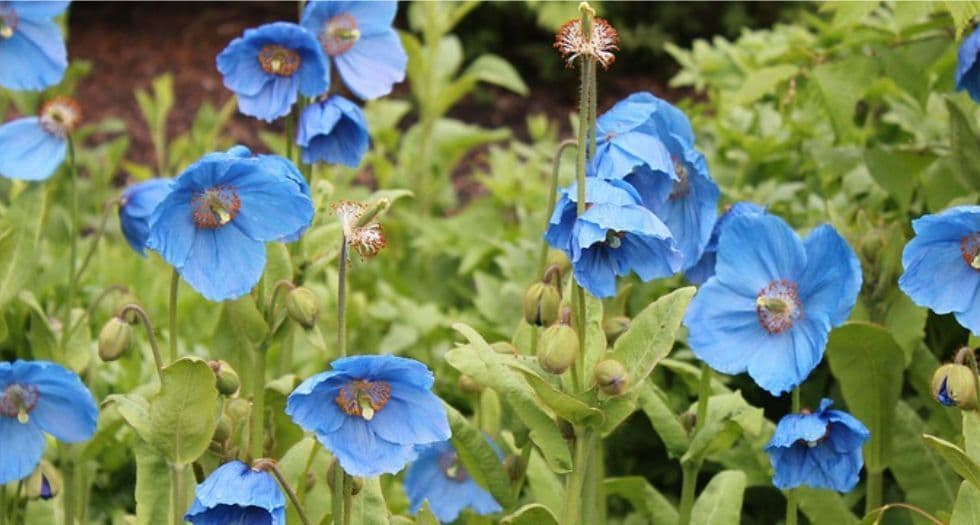
Blue Poppy
Blue Poppy refers to the spectacular Meconopsis genus, most famously the Himalayan blue poppy (Meconopsis betonicifolia), native to the alpine meadows of Tibet, Bhutan, Nepal, and the Yunnan province of China. Revered as one of the most striking flowering plants in the world, its translucent sky-blue petals have captivated explorers, botanists, and gardeners since Western botanists first encountered it in the late 19th century. The plant thrives at high altitudes in cool, moist conditions, contributing to its cool, delicate aromatic character. In perfumery, blue poppy is a refined, cool, and delicate floral note with subtle green and slightly powdery facets. It belongs to the floral and green fragrance families, evoking open Alpine skies and pristine mountain air. Its quiet, refined quality pairs beautifully with violet, iris, peony, white musk, light woods, and aquatic accords. Blue poppy is often used to give a sense of altitude and luminous clarity to a composition — a cool, almost ethereal floral note that adds elegance without heaviness. Blue poppy is prized by perfumers for its ability to evoke serene, elevated natural landscapes — rare, otherworldly, and quietly beautiful. At Fragrenza, we draw inspiration from extraordinary botanicals like this to craft our high-quality fragrance dupes, making the world's most evocative scent experiences accessible to everyone.
- 🌿
Blue rose
Blue rose is a floral note that gives a fragrance softness, radiance, and emotional warmth. Depending on the flower or accord, it may feel fresh, creamy, powdery, honeyed, green, indolic, or airy. In perfumery, floral notes often form the heart of a composition, adding body and a recognizable signature. It pairs well with citrus, white musk, rose, jasmine, sandalwood, amber, vanilla, iris, and delicate fruits.
- 🌿
Blue sequoia
Blue sequoia is a specialty note used to give a fragrance a distinctive texture, mood, or material impression. Depending on interpretation, it may contribute freshness, warmth, sweetness, dryness, softness, or an abstract atmospheric effect. In perfumery, specialty notes are useful because they make a composition feel more specific and less generic. It can be paired with woods, musks, florals, resins, fruits, green notes, spices, or amber materials according to the intended style.
- 🌿
Blue sky accord
Blue sky accord is a specialty note used to give a fragrance a distinctive texture, mood, or material impression. Depending on interpretation, it may contribute freshness, warmth, sweetness, dryness, softness, or an abstract atmospheric effect. In perfumery, specialty notes are useful because they make a composition feel more specific and less generic. It can be paired with woods, musks, florals, resins, fruits, green notes, spices, or amber materials according to the intended style.
- 🌿
Blue spruce
Blue spruce is a woody note used to create structure, depth, and lasting warmth. Its scent may be dry, creamy, smoky, resinous, earthy, pencil-like, or polished depending on the wood or accord. In perfumery, woody notes support the whole composition and connect fresh openings with deeper bases. It pairs naturally with amber, musk, incense, leather, vetiver, patchouli, spices, citrus, and soft resins.
- 🌿
Blue tansy
Blue tansy is a specialty note used to give a fragrance a distinctive texture, mood, or material impression. Depending on interpretation, it may contribute freshness, warmth, sweetness, dryness, softness, or an abstract atmospheric effect. In perfumery, specialty notes are useful because they make a composition feel more specific and less generic. It can be paired with woods, musks, florals, resins, fruits, green notes, spices, or amber materials according to the intended style.
- 🌿
Blue tea
Blue tea is a green or aromatic note that evokes leaves, herbs, stems, fresh air, or crushed vegetation. Its profile can be crisp, bitter, watery, camphoraceous, grassy, or slightly earthy depending on the material. In perfumery, green notes add realism and lift, keeping sweet, floral, or woody compositions from feeling too heavy. It pairs well with citrus, tea, fig, violet leaf, galbanum, tomato leaf, white musk, vetiver, lavender, and light woods.
- 🌿
Blue tulip
Blue tulip is a specialty note used to give a fragrance a distinctive texture, mood, or material impression. Depending on interpretation, it may contribute freshness, warmth, sweetness, dryness, softness, or an abstract atmospheric effect. In perfumery, specialty notes are useful because they make a composition feel more specific and less generic. It can be paired with woods, musks, florals, resins, fruits, green notes, spices, or amber materials according to the intended style.
- 🌿
Blue wattle
Blue wattle is a specialty note used to give a fragrance a distinctive texture, mood, or material impression. Depending on interpretation, it may contribute freshness, warmth, sweetness, dryness, softness, or an abstract atmospheric effect. In perfumery, specialty notes are useful because they make a composition feel more specific and less generic. It can be paired with woods, musks, florals, resins, fruits, green notes, spices, or amber materials according to the intended style.
- 🌿
Blue wisteria
Blue wisteria is a specialty note used to give a fragrance a distinctive texture, mood, or material impression. Depending on interpretation, it may contribute freshness, warmth, sweetness, dryness, softness, or an abstract atmospheric effect. In perfumery, specialty notes are useful because they make a composition feel more specific and less generic. It can be paired with woods, musks, florals, resins, fruits, green notes, spices, or amber materials according to the intended style.
- 🌿
Blue-green algae
Blue-green algae is a green or aromatic note that evokes leaves, herbs, stems, fresh air, or crushed vegetation. Its profile can be crisp, bitter, watery, camphoraceous, grassy, or slightly earthy depending on the material. In perfumery, green notes add realism and lift, keeping sweet, floral, or woody compositions from feeling too heavy. It pairs well with citrus, tea, fig, violet leaf, galbanum, tomato leaf, white musk, vetiver, lavender, and light woods.
- 🌿
Bluebell
Bluebell is a specialty note used to give a fragrance a distinctive texture, mood, or material impression. Depending on interpretation, it may contribute freshness, warmth, sweetness, dryness, softness, or an abstract atmospheric effect. In perfumery, specialty notes are valuable because they make a composition feel more specific and less generic. Bluebell can be paired with woods, musks, florals, resins, fruits, green notes, spices, or amber materials according to the intended style.
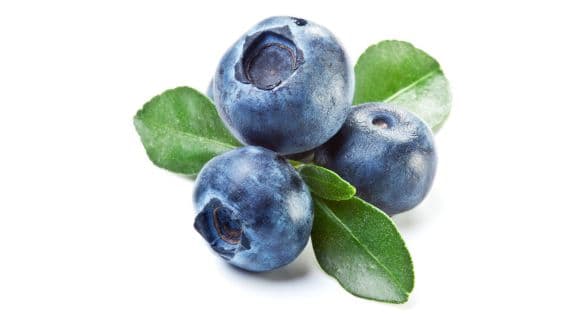
Blueberry
Blueberry is one of the most beloved fruits of the temperate world, native to North America and widely cultivated across Europe and Asia. The small, deep-blue Vaccinium berries are celebrated not only for their rich antioxidant content but also for their unmistakably sweet, jammy aroma with subtle earthy and slightly tart undertones. In perfumery, the blueberry note is typically recreated through skilful blending of aromatic molecules that faithfully capture the fruit's warm, inviting character. As a fragrance note, blueberry is sweet, rounded, and lusciously fruity with a gentle jammy depth and a faintly earthy undertone that keeps it from being one-dimensionally sweet. It belongs to the fruity and gourmand fragrance families, where it is prized for its approachable warmth and feel-good character. It pairs beautifully with vanilla, musk, patchouli, violet, rose, praline, and other dark or red berry notes. In the top or heart of a fragrance, blueberry brings an immediate sense of warmth and indulgence that makes compositions feel instantly wearable and inviting. Blueberry has become a cornerstone of the contemporary fruity-gourmand genre, beloved for its universally appealing, comforting sweetness. At Fragrenza, we celebrate this much-loved note across our collections, crafting high-quality fragrance dupes that bring its irresistible warmth to your everyday — at a price everyone can enjoy.
- 🌿
Bluegrass
Bluegrass is a green or aromatic note that evokes leaves, herbs, stems, fresh air, or crushed vegetation. Its profile can be crisp, bitter, watery, camphoraceous, grassy, or slightly earthy depending on the material. In perfumery, green notes add realism and lift, keeping sweet, floral, or woody compositions from feeling too heavy. Bluegrass pairs well with citrus, tea, fig, violet leaf, galbanum, tomato leaf, white musk, vetiver, lavender, and light woods.
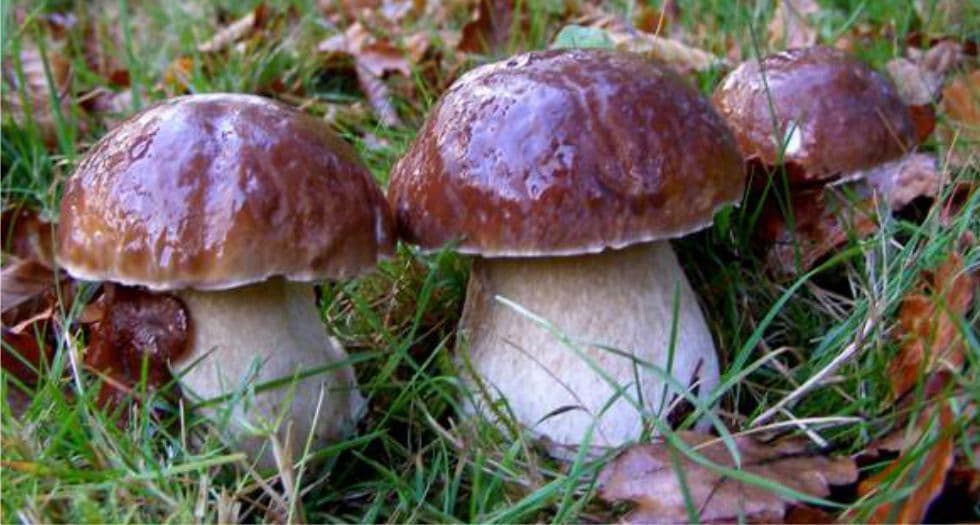
Boletus Edulis
Boletus edulis, also known as porcini mushroom, can be interpreted in perfumery as an earthy, forest-floor note. It suggests damp woods, dried mushroom, soil, moss, and savory umami warmth. It is best suited to niche, earthy, woody, mossy, and autumnal compositions.
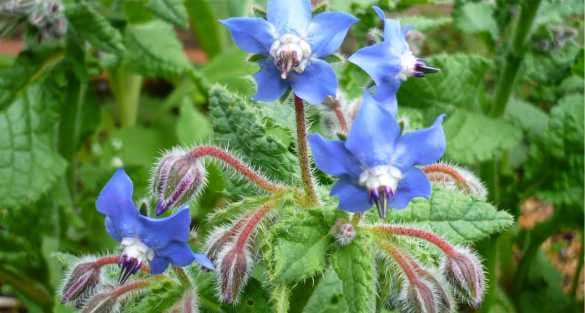
Borage
Borage, known botanically as Borago officinalis and commonly called starflower, is a hardy annual herb native to the Mediterranean region that has been cultivated for culinary and medicinal purposes since antiquity. Its vivid blue star-shaped flowers are among the most striking in the herb garden, and the plant carries a subtle, refreshing scent throughout its leaves and stems. Borage has long been associated with courage and cheerfulness in herbal tradition, and its seed oil is valued in cosmetics for its high gamma-linolenic acid content. In perfumery, borage is a fresh, green, and gently cucumber-like note with a delicate aquatic quality that feels clean and revitalising. It belongs to the green and aquatic fragrance families, where it adds a light, herbal brightness to compositions. It pairs beautifully with violet, cucumber, white musks, mint, green tea, iris, and light florals. Its understated character means it rarely takes centre stage, but it contributes an important layer of freshness and naturalism, lending authenticity to green and herbal accords. Borage is a subtle but charming ingredient favoured by perfumers who seek to capture the crisp, clean energy of an herb garden in early morning. At Fragrenza, we appreciate the quiet elegance of notes like borage, weaving them into our fragrance compositions to bring genuine botanical character to our high-quality, accessible dupes.
- 🌿
Borneo oud
Borneo oud is a woody note used to create structure, depth, and lasting warmth. Its scent may be dry, creamy, smoky, resinous, earthy, pencil-like, or polished depending on the wood or accord. In perfumery, woody notes often support the whole composition and help connect fresh openings with deeper bases. Borneo oud pairs naturally with amber, musk, incense, leather, vetiver, patchouli, spices, citrus, and soft resins, making it useful in masculine, feminine, and unisex fragrances.
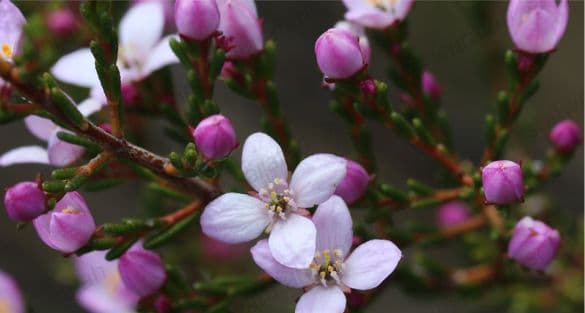
Boronia
Boronia is a small flowering shrub endemic to Australia, particularly prized for the Brown Boronia (Boronia megastigma) native to Western Australia. It produces intensely fragrant flowers that are among the most expensive natural perfumery materials in the world — boronia absolute is extracted from the delicate petals through solvent extraction, yielding a precious, complex aromatic oil. The plant blooms briefly in spring, and its harvest is labour-intensive, contributing to its rarity and value. In perfumery, boronia is an extraordinary note: intensely sweet, tropical, and floral with a rich, fruity dimension reminiscent of ripe passionfruit, rose, and sweet ionones. It belongs to the floral and fruity-floral families, and its unusual combination of sweetness and depth makes it a highly distinctive heart note. It blends beautifully with rose, violet, ylang-ylang, orris, sandalwood, and warm musks, adding an almost overwhelmingly lush richness that is uniquely its own. Even in tiny quantities, boronia transforms a composition. Boronia absolute is one of perfumery's most coveted natural materials, used in some of the world's most celebrated fine fragrances. At Fragrenza, we celebrate the magic of this rare Australian treasure in our collections, crafting high-quality fragrance dupes that capture its intoxicating beauty at an accessible price point.
- 🌿
Boronia absolute
Boronia absolute is a specialty note used to give a fragrance a distinctive texture, mood, or material impression. Depending on interpretation, it may contribute freshness, warmth, sweetness, dryness, softness, or an abstract atmospheric effect. In perfumery, specialty notes are useful because they make a composition feel more specific and less generic. It can be paired with woods, musks, florals, resins, fruits, green notes, spices, or amber materials according to the intended style.
- 🌿
Boronia ledifolia
Boronia ledifolia is a specialty note used to give a fragrance a distinctive texture, mood, or material impression. Depending on interpretation, it may contribute freshness, warmth, sweetness, dryness, softness, or an abstract atmospheric effect. In perfumery, specialty notes are useful because they make a composition feel more specific and less generic. It can be paired with woods, musks, florals, resins, fruits, green notes, spices, or amber materials according to the intended style.
- 🌿
Bosc pear
Bosc pear is a fruity note that adds juiciness, color, and natural sweetness. It may feel crisp and tart, ripe and velvety, tropical and creamy, or dark and jammy depending on the fruit profile. In perfumery, fruity notes brighten florals, soften musks, and add pleasure to gourmand or woody structures. It pairs well with rose, peony, jasmine, white musk, vanilla, woods, citrus, amber, and soft spices.
- 🌿
Bosnian oak moss
Bosnian oak moss is a woody note used to create structure, depth, and lasting warmth. Its scent may be dry, creamy, smoky, resinous, earthy, pencil-like, or polished depending on the wood or accord. In perfumery, woody notes support the whole composition and connect fresh openings with deeper bases. It pairs naturally with amber, musk, incense, leather, vetiver, patchouli, spices, citrus, and soft resins.
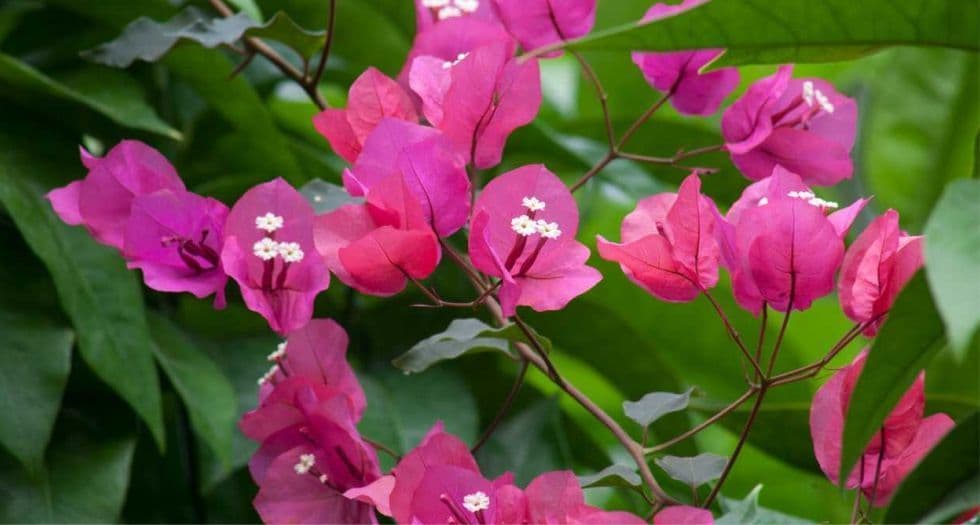
Bougainvillea
Bougainvillea is a spectacular flowering vine native to South America, particularly Brazil, that has become synonymous with the tropics worldwide. Named after the French explorer Louis Antoine de Bougainville, it is cultivated across the Mediterranean, South Asia, and the Caribbean for its vivid, papery bracts that cascade in shades of magenta, coral, and white. In perfumery, bougainvillea is a relatively rare and nuanced note — its actual flowers are small and inconspicuous, giving a delicate, green-floral character quite distinct from showier blooms. As a fragrance note, bougainvillea is bright, slightly sweet, and refreshingly green with a papery, tropical quality that evokes sun-drenched terraces and coastal gardens. It belongs to the floral and green fragrance families, and its lightness makes it an ideal top or heart note. It pairs beautifully with citrus, white musks, jasmine, neroli, green leaves, and light woody bases. Its understated sweetness gives it a breezy, summery character that is never heavy or cloying, making it perfect for light, airy compositions. Bougainvillea is favoured by perfumers seeking to capture the spirit of warm, sun-soaked climates. At Fragrenza, we include this vibrant note in our collections, offering beautifully crafted fragrance dupes that transport you to an exotic garden with every spray — all at an accessible price.
- 🌿
Bourbon cinnamon
Bourbon cinnamon is a spicy note that gives fragrance heat, texture, and aromatic energy. It can feel sweet, dry, peppery, resinous, herbal, smoky, or slightly medicinal depending on the material. In perfumery, spices create contrast, deepen the heart, and bridge fresh top notes with warm woody or amber bases. It pairs especially well with citrus, rose, tobacco, vanilla, oud, sandalwood, patchouli, leather, and balsamic resins.
- 🌿
Bourbon Geranium
Bourbon Geranium is a floral note that adds softness, radiance, and emotional warmth to a composition. Depending on the flower or accord, it can feel fresh, creamy, powdery, honeyed, green, indolic, or airy. In perfumery, floral notes often form the heart of a fragrance, giving it body and a recognizable character. Bourbon Geranium pairs well with citrus, white musk, rose, jasmine, sandalwood, amber, vanilla, iris, and delicate fruits, making it useful in both classic bouquets and modern transparent florals.
- 🌿
Bourbon pepper
Bourbon pepper is a spicy note that gives fragrance heat, texture, and aromatic energy. It can feel sweet, dry, peppery, resinous, herbal, smoky, or slightly medicinal depending on the material. In perfumery, spices create contrast, deepen the heart, and bridge fresh top notes with warm woody or amber bases. It pairs especially well with citrus, rose, tobacco, vanilla, oud, sandalwood, patchouli, leather, and balsamic resins.
- 🌿
Bourbon pepper Orpur®
Bourbon pepper Orpur® is a spicy note that gives fragrance heat, texture, and aromatic energy. It can feel sweet, dry, peppery, resinous, herbal, smoky, or slightly medicinal depending on the material. In perfumery, spices create contrast, deepen the heart, and bridge fresh top notes with warm woody or amber bases. It pairs especially well with citrus, rose, tobacco, vanilla, oud, sandalwood, patchouli, leather, and balsamic resins.
- 🌿
Bourbon rose
Bourbon rose is a floral note that gives a fragrance softness, radiance, and emotional warmth. Depending on the flower or accord, it may feel fresh, creamy, powdery, honeyed, green, indolic, or airy. In perfumery, floral notes often form the heart of a composition, adding body and a recognizable signature. It pairs well with citrus, white musk, rose, jasmine, sandalwood, amber, vanilla, iris, and delicate fruits.
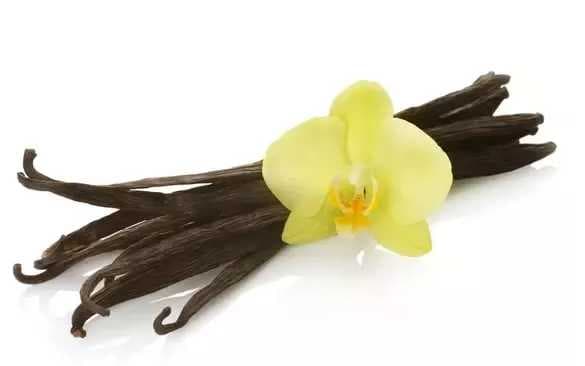
Bourbon Vanilla
Bourbon Vanilla is a sweet gourmand note with edible warmth, softness, and a comforting dessert-like character. In perfumery, it adds texture and indulgence, pairing well with vanilla, tonka bean, musk, amber, woods, fruit notes, and soft florals.
- 🌿
Bourbon vanilla absolute
Bourbon vanilla absolute is a warm ambered or resinous note used to give fragrance depth, softness, and long-lasting richness. It can smell balsamic, sweet, smoky, vanillic, woody, powdery, or incense-like depending on the material. In perfumery, it rounds sharp edges and creates a smooth base that holds the composition together. Bourbon vanilla absolute pairs well with woods, musks, spices, vanilla, tobacco, leather, florals, oud, and other resins.
- 🌿
Bourbon vanilla CO2
Bourbon vanilla CO2 is a warm ambered or resinous note used to give fragrance depth, softness, and long-lasting richness. It can smell balsamic, sweet, smoky, vanillic, woody, powdery, or incense-like depending on the material. In perfumery, it rounds sharp edges and creates a smooth base that holds the composition together. It pairs well with woods, musks, spices, vanilla, tobacco, leather, florals, oud, and other resins.
- 🌿
Bourbon vanilla Orpur®
Bourbon vanilla Orpur® is a warm ambered or resinous note used to give fragrance depth, softness, and long-lasting richness. It can smell balsamic, sweet, smoky, vanillic, woody, powdery, or incense-like depending on the material. In perfumery, it rounds sharp edges and creates a smooth base that holds the composition together. It pairs well with woods, musks, spices, vanilla, tobacco, leather, florals, oud, and other resins.

Bourbon Vetiver
Bourbon vetiver is a refined type of vetiver associated with warm tropical regions such as Réunion. It has an earthy, smoky, woody, dry, and slightly green profile, often smoother and more elegant than rougher vetiver styles. It is used as a sophisticated base note in woody, aromatic, chypre, and masculine fragrances.
- 🌿
Bourbon whiskey
Bourbon whiskey is a distinctly American spirit, born in the limestone-filtered waterways of Kentucky and aged in charred new American oak barrels. Its origins trace back to the late 18th century, and its production is governed by strict legal standards that define its character. The distillation and maturation process imparts a uniquely rich, complex aroma that has long inspired perfumers: a seductive blend of vanilla, caramel, toasted oak, and warm grain with hints of dried fruit and leather. In perfumery, bourbon whiskey is an evocative note that anchors compositions with warmth, depth, and a certain rugged sophistication. It belongs to the oriental, woody, and gourmand fragrance families, where its sweet-smoky, vanilla-tinged warmth creates an irresistible sense of comfort and indulgence. It pairs magnificently with tobacco, leather, vetiver, cedarwood, tonka bean, benzoin, and dark musks, as well as with sweeter notes like praline and dried fruits. It is frequently used in the base or heart of a fragrance to give lasting structure and character. The bourbon note has become a signature of bold, characterful fragrances that appeal to those who appreciate complexity and warmth. At Fragrenza, we celebrate this ingredient in our collections, crafting high-quality dupes that capture the richness of bourbon-inspired scents — making luxury perfumery accessible to all.
- 🌿
Bourbon whiskey barrel
Bourbon whiskey barrel is a specialty note used to give a fragrance a distinctive texture, mood, or material impression. Depending on interpretation, it may contribute freshness, warmth, sweetness, dryness, softness, or an abstract atmospheric effect. In perfumery, specialty notes are useful because they make a composition feel more specific and less generic. It can be paired with woods, musks, florals, resins, fruits, green notes, spices, or amber materials according to the intended style.
- 🌿
Boxwood
Boxwood is a woody note used to create structure, depth, and lasting warmth. Its scent may be dry, creamy, smoky, resinous, earthy, pencil-like, or polished depending on the wood or accord. In perfumery, woody notes support the whole composition and connect fresh openings with deeper bases. It pairs naturally with amber, musk, incense, leather, vetiver, patchouli, spices, citrus, and soft resins.
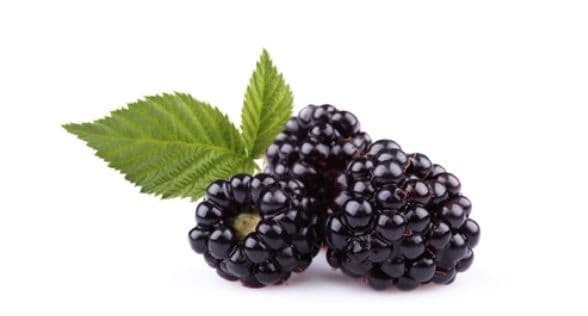
boysenberry
Boysenberry is a complex hybrid fruit developed in the 1920s by horticulturist Rudolph Boysen, believed to be a cross between raspberries, blackberries, loganberries, and dewberries. Native to the temperate regions of North America, it thrives in mild, coastal climates and is celebrated for its large, deeply coloured berries with an intense, layered flavour. In perfumery, boysenberry is captured through natural extraction or through the skilled blending of aromatic compounds that recreate its distinctive character. As a fragrance note, boysenberry is a deeply jammy, tart-sweet accord with rich dark berry depth and subtle winey complexity. It belongs to the fruity and fruity-floral fragrance families and is beloved for its ability to bring vivid, luscious colour to a composition. It pairs exceptionally well with blackcurrant, plum, violet, rose, patchouli, musk, and dark woods, and is often used in the top or heart of a fragrance to create an immediate sense of abundance and allure. Its tartness keeps it from becoming overly sweet, giving it a sophisticated edge. Boysenberry is a favourite in contemporary fruity-gourmand and fruity-floral perfumery for its depth and complexity. At Fragrenza, we harness this captivating note in our collections, offering beautifully crafted fragrance dupes that bring the dark, juicy magic of boysenberry to you at an exceptional price.
Bran
Bran, the outer layer of cereal grains such as wheat, oat, and rice, carries a humble yet distinctive aromatic identity rooted in the agricultural heartlands of the world. It has been part of human life for millennia, present in the kitchens, bakeries, and grain stores of ancient civilisations. In modern perfumery, bran note is recreated to evoke the cosy, unpretentious character of a working kitchen or a freshly milled grain house. As a fragrance note, bran is warm, dry, and cereal-like, with a soft earthiness that feels genuinely wholesome and grounding. It falls naturally within the gourmand and woody-aromatic families, where it plays a supporting yet distinctive role. Its dry, slightly dusty warmth complements notes like wheat, hay, vetiver, amber, soft musks, and warm spices, adding texture and a sense of rustic authenticity to a blend. It can also pair beautifully with light florals, where it acts as an earthy counterbalance. In niche and artisan perfumery, bran is used to evoke the simplicity and comfort of everyday life — a quiet antidote to more flamboyant ingredients. At Fragrenza, we include bran-forward compositions in our collection for those who appreciate understated, ingredient-led fragrances. Our expertly crafted dupes make these nuanced olfactory experiences available to everyone.
- 🌿
Bran absolute
Bran absolute is a specialty note used to give a fragrance a distinctive texture, mood, or material impression. Depending on interpretation, it may contribute freshness, warmth, sweetness, dryness, softness, or an abstract atmospheric effect. In perfumery, specialty notes are useful because they make a composition feel more specific and less generic. It can be paired with woods, musks, florals, resins, fruits, green notes, spices, or amber materials according to the intended style.

Brandy
Brandy is a distilled grape spirit with a warm, boozy, fruity, and lightly woody aroma. As a fragrance note, it suggests aged barrels, dried fruit, caramel warmth, and smooth alcoholic richness. It is often used in gourmand, amber, tobacco, leather, and oriental fragrances.
Brazil nut
Brazil nut originates from the towering Bertholletia excelsa trees of the Amazon basin, one of the most majestic trees in the South American rainforest. The nut itself has been harvested by indigenous communities for centuries, prized for its rich nutritional density and distinctly indulgent flavour. As a fragrance ingredient, it is sourced through cold-pressing or solvent extraction, capturing the essence of the nut's lush, fatty interior. In perfumery, Brazil nut unfolds as a warm, creamy, and deeply nourishing note with a subtly earthy, tropical character. It sits comfortably within the gourmand and oriental fragrance families, where it lends a velvety richness that feels both exotic and comforting. Its slightly sweet, buttery quality makes it an exceptional partner for vanilla, coconut, tonka bean, sandalwood, and tropical florals, adding substance and smoothness to the heart or base of a composition. Brazil nut is a prized ingredient for perfumers seeking to evoke warmth, abundance, and a sense of lush, sun-drenched tropics. At Fragrenza, we celebrate this ingredient in our collections, allowing you to experience its indulgent depth through our high-quality fragrance dupes — crafted to deliver a premium olfactory experience at an accessible price.
- 🌿
Brazilian almond
Brazilian almond is a gourmand note that adds edible warmth, sweetness, and comfort. It may suggest cream, sugar, nuts, chocolate, coffee, honey, pastry, or toasted grains depending on the accord. In perfumery, gourmand notes make compositions feel cozy and sensual, but they work best when balanced with woods, musks, spices, citrus, or resins. It pairs well with vanilla, tonka bean, sandalwood, amber, caramel, cacao, coffee, and soft florals.
- 🌿
Brazilian blood orange
Brazilian blood orange is a citrus note that adds sparkle, freshness, and immediate lift to a fragrance. Its profile can include juicy pulp, aromatic peel, green bitterness, soft floral nuances, or a sharp zesty brightness depending on the material. In perfumery, it is usually used in the opening, where it brings clarity and motion before blending into florals, woods, musks, or herbs. It pairs well with neroli, tea, lavender, white musk, light woods, aquatic notes, and aromatic herbs.
- 🌿
Brazilian coffee absolute
Brazilian coffee absolute is a gourmand note that adds edible warmth, sweetness, and comfort. It may suggest cream, sugar, nuts, chocolate, coffee, honey, pastry, or toasted grains depending on the accord. In perfumery, gourmand notes make compositions feel cozy and sensual, but they work best when balanced with woods, musks, spices, citrus, or resins. It pairs well with vanilla, tonka bean, sandalwood, amber, caramel, cacao, coffee, and soft florals.
- 🌿
Brazilian gaiac wood
Brazilian gaiac wood is a woody note used to create structure, depth, and lasting warmth. Its scent may be dry, creamy, smoky, resinous, earthy, pencil-like, or polished depending on the wood or accord. In perfumery, woody notes support the whole composition and connect fresh openings with deeper bases. It pairs naturally with amber, musk, incense, leather, vetiver, patchouli, spices, citrus, and soft resins.
- 🌿
Brazilian gardenia
Brazilian gardenia is a floral note that adds softness, radiance, and emotional warmth to a composition. Depending on the flower or accord, it can feel fresh, creamy, powdery, honeyed, green, indolic, or airy. In perfumery, floral notes often form the heart of a fragrance, giving it body and a recognizable character. Brazilian gardenia pairs well with citrus, white musk, rose, jasmine, sandalwood, amber, vanilla, iris, and delicate fruits, making it useful in both classic bouquets and modern transparent florals.
Brazilian Grape (Jabuticaba)
Brazilian Grape (Jabuticaba) is a fruity note with juicy sweetness, tart brightness, and a colorful natural character. In perfumery, it adds vibrancy and approachability to fruity florals, musks, gourmands, chypres, summer scents, and playful modern compositions.
- 🌿
Brazilian green mandarin orange
Brazilian green mandarin orange is a citrus note that adds sparkle, freshness, and immediate lift to a fragrance. Its profile can include juicy pulp, aromatic peel, green bitterness, soft floral nuances, or a sharp zesty brightness depending on the material. In perfumery, it is usually used in the opening, where it brings clarity and motion before blending into florals, woods, musks, or herbs. It pairs well with neroli, tea, lavender, white musk, light woods, aquatic notes, and aromatic herbs.
- 🌿
Brazilian guava
Brazilian guava is a fruity note that adds juiciness, color, and natural sweetness. It may feel crisp and tart, ripe and velvety, tropical and creamy, or dark and jammy depending on the fruit profile. In perfumery, fruity notes brighten florals, soften musks, and add pleasure to gourmand or woody structures. It pairs well with rose, peony, jasmine, white musk, vanilla, woods, citrus, amber, and soft spices.
- 🌿
Brazilian mandarin orange
Brazilian mandarin orange is a citrus note that adds sparkle, freshness, and immediate lift to a fragrance. Its profile can include juicy pulp, aromatic peel, green bitterness, soft floral nuances, or a sharp zesty brightness depending on the material. In perfumery, it is usually used in the opening, where it brings clarity and motion before blending into florals, woods, musks, or herbs. It pairs well with neroli, tea, lavender, white musk, light woods, aquatic notes, and aromatic herbs.
- 🌿
Brazilian mango
Brazilian mango is a fruity note that adds juiciness, color, and natural sweetness. It may feel crisp and tart, ripe and velvety, tropical and creamy, or dark and jammy depending on the fruit profile. In perfumery, fruity notes brighten florals, soften musks, and add pleasure to gourmand or woody structures. It pairs well with rose, peony, jasmine, white musk, vanilla, woods, citrus, amber, and soft spices.
- 🌿
Brazilian maté
Brazilian maté is a green or aromatic note that evokes leaves, herbs, stems, fresh air, or crushed vegetation. Its profile can be crisp, bitter, watery, camphoraceous, grassy, or slightly earthy depending on the material. In perfumery, green notes add realism and lift, keeping sweet, floral, or woody compositions from feeling too heavy. It pairs well with citrus, tea, fig, violet leaf, galbanum, tomato leaf, white musk, vetiver, lavender, and light woods.
- 🌿
Brazilian mint
Brazilian mint is a green or aromatic note that evokes leaves, herbs, stems, fresh air, or crushed vegetation. Its profile can be crisp, bitter, watery, camphoraceous, grassy, or slightly earthy depending on the material. In perfumery, green notes add realism and lift, keeping sweet, floral, or woody compositions from feeling too heavy. It pairs well with citrus, tea, fig, violet leaf, galbanum, tomato leaf, white musk, vetiver, lavender, and light woods.
- 🌿
Brazilian Orange
Brazilian Orange is a bright citrus note that brings sparkle, freshness, and immediate lift to a fragrance. Its profile may include juicy pulp, aromatic peel, green bitterness, soft floral facets, or a slightly sharp zest depending on the material. In perfumery, it is most often used in the opening, where it gives clarity and movement before blending into florals, woods, musks, or herbs. Brazilian Orange works especially well with neroli, tea, lavender, white musk, light woods, aquatic notes, and aromatic herbs.
- 🌿
Brazilian Redwood
Brazilian Redwood is a woody note used to create structure, depth, and lasting warmth. Its scent may be dry, creamy, smoky, resinous, earthy, pencil-like, or polished depending on the wood or accord. In perfumery, woody notes often support the whole composition and help connect fresh openings with deeper bases. Brazilian Redwood pairs naturally with amber, musk, incense, leather, vetiver, patchouli, spices, citrus, and soft resins, making it useful in masculine, feminine, and unisex fragrances.
Brazilian rosewood
Brazilian rosewood — Aniba rosaeodora, known in Brazil as pau-rosa — is a medium-sized tree native to the Amazon basin, whose heartwood yields one of the most beautiful and historically significant essential oils in perfumery: a warm, rosy-woody, slightly camphoraceous oil whose primary constituent is linalool, the same compound found in lavender, coriander, and many fine florals. For much of the twentieth century, rosewood oil was a foundational ingredient in countless classic perfumes, beloved for its extraordinary smoothness and versatility. The olfactory character of Brazilian rosewood is exceptionally refined — a soft, warm, slightly floral woodiness with a gentle rosy sweetness, a whisper of spice, and a mild, luminous camphor-like lift that gives it a clean, almost transparent quality. It is neither purely floral nor purely woody but something in between: a bridge material of rare elegance that enhances and harmonizes everything around it. Because of serious deforestation concerns, its use in modern perfumery is restricted and now largely replaced by sustainable linalool from other sources — though certified sustainable rosewood oil remains prized by those committed to responsible sourcing. At Fragrenza, Brazilian rosewood is honored for its extraordinary legacy and its quietly transformative role in so many great classic fragrances. Our Brazilian rosewood dupes celebrate this iconic ingredient's warm, rosy-woody grace with the care and quality it deserves — at accessible prices that bring a touch of Amazonian elegance within reach of every fragrance lover.
- 🌿
Brazilian tangerine
Brazilian tangerine is a citrus note that adds sparkle, freshness, and immediate lift to a fragrance. Its profile can include juicy pulp, aromatic peel, green bitterness, soft floral nuances, or a sharp zesty brightness depending on the material. In perfumery, it is usually used in the opening, where it brings clarity and motion before blending into florals, woods, musks, or herbs. It pairs well with neroli, tea, lavender, white musk, light woods, aquatic notes, and aromatic herbs.
- 🌿
Brazilian tonka bean
Brazilian tonka bean is a warm ambered or resinous note used to give fragrance depth, softness, and long-lasting richness. It can smell balsamic, sweet, smoky, vanillic, woody, powdery, or incense-like depending on the material. In perfumery, it rounds sharp edges and creates a smooth base that holds the composition together. Brazilian tonka bean pairs well with woods, musks, spices, vanilla, tobacco, leather, florals, oud, and other resins.
- 🌿
Brazilian tonka bean absolute
Brazilian tonka bean absolute is a warm ambered or resinous note used to give fragrance depth, softness, and long-lasting richness. It can smell balsamic, sweet, smoky, vanillic, woody, powdery, or incense-like depending on the material. In perfumery, it rounds sharp edges and creates a smooth base that holds the composition together. It pairs well with woods, musks, spices, vanilla, tobacco, leather, florals, oud, and other resins.
- 🌿
Brazilian vetiver
Brazilian vetiver is a woody note used to create structure, depth, and lasting warmth. Its scent may be dry, creamy, smoky, resinous, earthy, pencil-like, or polished depending on the wood or accord. In perfumery, woody notes often support the whole composition and help connect fresh openings with deeper bases. Brazilian vetiver pairs naturally with amber, musk, incense, leather, vetiver, patchouli, spices, citrus, and soft resins, making it useful in masculine, feminine, and unisex fragrances.
- 🌿
Bread
The scent of freshly baked bread is universally regarded as one of the most comforting, emotionally resonant aromas in the full spectrum of human experience. From the ancient wheat fields of the Fertile Crescent — where leavened bread was likely first discovered some six thousand years ago — to the artisan sourdough bakeries of contemporary cities, bread occupies a unique place in our sensory and emotional lives, representing warmth, nourishment, home, and the irreducible pleasure of the simplest things done well. As a fragrance note, bread is warm, yeasty, and floury — a deeply comforting impression of the Maillard reaction at work: the transformation of sugars and amino acids in heat that creates the golden crust and intoxicating aroma of a loaf just lifted from the oven. It has a soft, slightly sweet doughiness, a subtle grain warmth, and an enveloping quality that feels genuinely skin-close and intimate. In perfumery it blends beautifully with butter, vanilla, honey, soft woods, and warm musks to create the most deeply comforting category of gourmand fragrance — not the sweetness of candy, but the profound warmth of home. At Fragrenza, bread is one of the soul notes in our most-loved comfort fragrance dupes — warm, enveloping, and reassuring in equal measure. Explore our bread collection and find the ultimate cozy scent, crafted with care and available at a price that makes luxury comfort fragrance truly accessible.
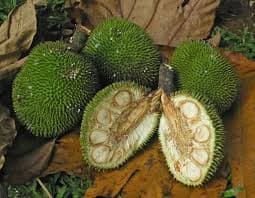
Breadnut
Breadnut — the common name for Brosimum alicastrum, also known as the Maya nut or ramon tree — is a large, long-lived tropical hardwood native to the lowland forests of the Caribbean, Central America, and northern South America. For the ancient Maya civilization, the breadnut tree was a sacred and essential food source; its starchy, protein-rich seeds were ground into flour and eaten during times of agricultural scarcity. The tree's towering canopy and buttressed roots made it a landmark of the rainforest, deeply woven into indigenous cosmology and land management. As a fragrance note, breadnut evokes the quiet, organic warmth of its tropical forest origin — a neutral, slightly woody-starchy quality with a faint tropical sweetness and a dry, clean earthiness. It is subtle and understated compared to more dramatic tropical notes, functioning as a grounding, naturalistic backdrop that lends a sense of humid tropical forest to compositions without drawing attention to itself. It works well alongside resins, woody bases, and tropical florals, contributing a discreet botanical authenticity that rewards attention. At Fragrenza, the breadnut note contributes to our broader celebration of the world's diverse botanical heritage — an understated tropical touch in select compositions that honors the ecological and cultural richness of the Central American rainforest. Browse our breadnut collection and experience this quiet, distinctive note in accessible fine fragrance.
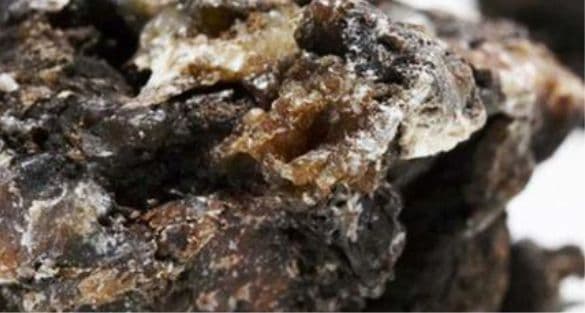
breu branco
Breu-branco — Portuguese for 'white resin' — is a sacred, aromatic resin harvested from trees of the genus Protium in the Amazon rainforest, principally Protium heptaphyllum. For millennia it has been burned as incense by Amazonian indigenous communities in spiritual ceremonies and healing rituals, its purifying, uplifting smoke considered a pathway to the divine. In recent years, breu-branco has been championed in the international fragrance world as a sustainable, ethically sourced alternative to endangered frankincense resins, attracting the attention of leading perfumers and niche houses alike. The olfactory profile of breu-branco is clean, luminous, and deeply meditative — a smooth white incense quality with a subtle, uplifting citrus-green facet and a dry, slightly woody base. It lacks the camphoraceous sharpness of some frankincense varieties, reading instead as purer and more transparent — closer to fine papier d'Arménie than to church incense. This clarity makes it an exceptionally versatile ingredient, functioning beautifully in transparent florals, clean woods, and contemporary spiritual-minimalist compositions, as well as in richer oriental blends where it adds luminosity without weight. At Fragrenza, breu-branco is prized for its meditative purity and its beautiful, sustainable provenance. It lends an Amazonian spiritual depth to select fragrance dupes that celebrate incense and natural resin traditions. Explore our breu-branco collection and discover this remarkable rainforest resin in accessible, high-quality fine fragrance.
- 🌿
Breuzinho
Breuzinho is a specialty note used to give a fragrance a distinctive texture, mood, or material impression. Depending on interpretation, it may contribute freshness, warmth, sweetness, dryness, softness, or an abstract atmospheric effect. In perfumery, specialty notes are useful because they make a composition feel more specific and less generic. It can be paired with woods, musks, florals, resins, fruits, green notes, spices, or amber materials according to the intended style.

Brioche
Brioche — the rich, egg-and-butter-enriched French bread with its distinctive golden crust and feather-soft crumb — is a cornerstone of the French viennoiserie tradition, with roots in the Normandy region where dairy and egg abundance made enriched doughs a natural development from at least the fifteenth century. Its name may derive from the Norman verb brier (to knead), and the bread has been beloved from royal tables to contemporary Parisian patisseries as the ultimate expression of comforting, indulgent baking. As a fragrance note, brioche is warm, eggy, and buttery — a rich, yeasty sweetness layered over a golden, caramelized pastry crust. Unlike simple bread notes, brioche has a specific density and richness to it: the depth of whole eggs, the luxury of cultured butter, the slight tang of a slow-fermented dough. In perfumery it contributes a profoundly comforting, skin-close warmth to gourmand and oriental compositions, functioning as a more nuanced alternative to simple vanilla or caramel — one with genuine culinary credibility and nostalgic emotional resonance. At Fragrenza, brioche is a key ingredient in some of our most beloved, warmly enveloping fragrance dupes — compositions that feel like a cozy morning in a French bakery. Explore our brioche collection and find the perfect comfort scent, crafted to the highest quality standards at a price anyone can enjoy.
- 🌿
Broad-leaved thyme
Broad-leaved thyme is a green or aromatic note that evokes leaves, herbs, stems, fresh air, or crushed vegetation. Its profile can be crisp, bitter, watery, camphoraceous, grassy, or slightly earthy depending on the material. In perfumery, green notes add realism and lift, keeping sweet, floral, or woody compositions from feeling too heavy. It pairs well with citrus, tea, fig, violet leaf, galbanum, tomato leaf, white musk, vetiver, lavender, and light woods.
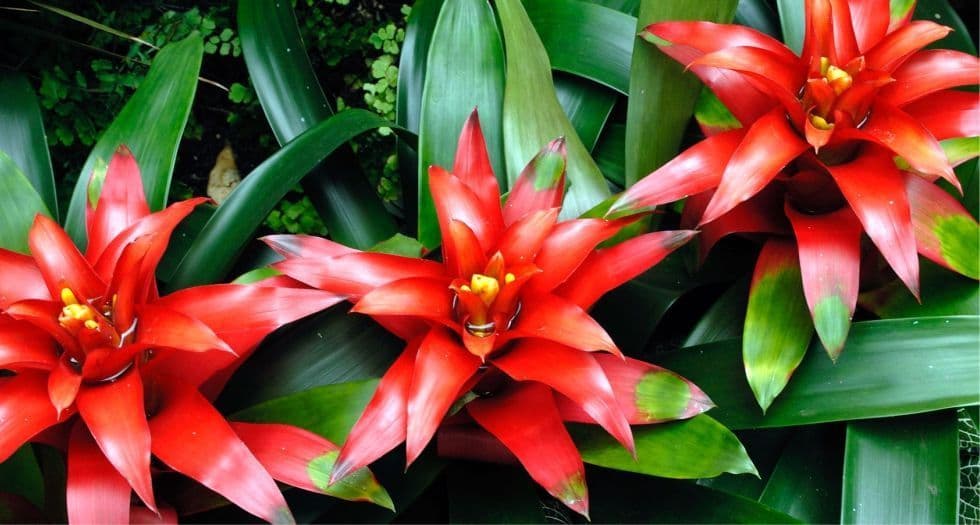
Bromelia
Bromelia belongs to the family Bromeliaceae — the same botanical family as the pineapple — a vast and diverse group of flowering plants native primarily to the tropical and subtropical Americas, from the rainforests of Brazil and Colombia to the arid highlands of the Andes and the coastal scrublands of Mexico. With over three thousand species ranging from the terrestrial Ananas comosus to the epiphytic Tillandsia air plants, bromeliads represent one of the New World's most extraordinary botanical achievements. As a fragrance note, bromelia captures the tropical, juicy-fresh quality associated with the pineapple subfamily — a bright, slightly tart fruitiness with a green, almost watery crispness that lifts compositions with a burst of sunshine and warmth. It is brighter and more citrus-adjacent than mango or papaya, with a clean, effervescent quality that makes it ideally suited to tropical aquatics, fruity florals, and modern unisex compositions. It pairs naturally with coconut, tiare, citrus, and light woods for quintessentially sun-drenched fragrance experiences. At Fragrenza, bromelia provides an authentic tropical brightness and energy to select dupe compositions inspired by some of the world's finest warm-weather fragrances. Browse our bromelia collection and bring a little of the tropical Americas into your fragrance wardrobe, with beautifully crafted dupes at genuinely accessible prices.
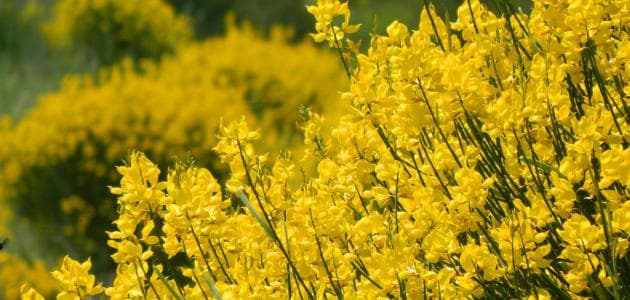
Broom
Lydia broom, known botanically as Genista lydia, is a low-growing shrub native to the rocky hillsides of the Eastern Mediterranean and the Balkans. Come spring, it erupts in vivid cascades of bright yellow flowers that fill the surrounding air with a light, honey-kissed floral scent. The fragrance of Lydia broom is warm and solar, with an almost sweetly vegetal greenness beneath the cheerful blooms — evoking sun-drenched Mediterranean landscapes in full bloom. In perfumery, broom-type notes (genet and related shrubs) have a long and storied history, appearing in classic French and Italian compositions as a bridge between golden florals and green herbaceous accords. Lydia broom specifically lends a bright, slightly honeyed yellow-floral quality that pairs beautifully with mimosa, violet, iris, and light grasses. Perfumers use it to add a sense of warmth and outdoor radiance, creating a feeling of being surrounded by wild, sun-warmed flowers. It is equally at home in feminine florals and elegant unisex compositions. Fragrenza's Lydia Broom collection brings this sunlit, Mediterranean-inspired floral note to a range of carefully crafted dupes. Each fragrance captures the cheerful, honey-green warmth of Lydia broom at a price point everyone can enjoy.
- 🌿
Broom absolute
Broom absolute is a specialty note used to give a fragrance a distinctive texture, mood, or material impression. Depending on interpretation, it may contribute freshness, warmth, sweetness, dryness, softness, or an abstract atmospheric effect. In perfumery, specialty notes are valuable because they make a composition feel more specific and less generic. Broom absolute can be paired with woods, musks, florals, resins, fruits, green notes, spices, or amber materials according to the intended style.
- 🌿
Brown algae
Brown algae is a specialty note used to give a fragrance a distinctive texture, mood, or material impression. Depending on interpretation, it may contribute freshness, warmth, sweetness, dryness, softness, or an abstract atmospheric effect. In perfumery, specialty notes are useful because they make a composition feel more specific and less generic. It can be paired with woods, musks, florals, resins, fruits, green notes, spices, or amber materials according to the intended style.
- 🌿
Brown ambergris
Brown ambergris is a warm ambered or resinous note used to give fragrance depth, softness, and long-lasting richness. It can smell balsamic, sweet, smoky, vanillic, woody, powdery, or incense-like depending on the material. In perfumery, it rounds sharp edges and creates a smooth base that holds the composition together. It pairs well with woods, musks, spices, vanilla, tobacco, leather, florals, oud, and other resins.
- 🌿
Brown musk
Brown musk is a soft textural note that creates warmth, smoothness, and a skin-like finish. It may feel clean, powdery, woody, velvety, slightly fruity, or fabric-like depending on the accord. In perfumery, these notes bind the formula, soften stronger materials, and extend wear without dominating the fragrance. It pairs well with florals, woods, citrus, amber, iris, fruits, suede, vanilla, and transparent musks.
- 🌿
Brown oakmoss
Brown oakmoss is a woody note used to create structure, depth, and lasting warmth. Its scent may be dry, creamy, smoky, resinous, earthy, pencil-like, or polished depending on the wood or accord. In perfumery, woody notes often support the whole composition and help connect fresh openings with deeper bases. Brown oakmoss pairs naturally with amber, musk, incense, leather, vetiver, patchouli, spices, citrus, and soft resins, making it useful in masculine, feminine, and unisex fragrances.
- 🌿
Brown oud
Brown oud is a woody note used to create structure, depth, and lasting warmth. Its scent may be dry, creamy, smoky, resinous, earthy, pencil-like, or polished depending on the wood or accord. In perfumery, woody notes support the whole composition and connect fresh openings with deeper bases. It pairs naturally with amber, musk, incense, leather, vetiver, patchouli, spices, citrus, and soft resins.

Brown Scotch Tape
Brown scotch tape is among the most intriguing and conceptually brave notes in contemporary niche perfumery — an abstract, materially inspired accord that evokes the distinctive waxy, slightly adhesive, plasticky smell of common pressure-sensitive tape. Its inclusion in fragrance reflects the broader movement, accelerated through the work of houses like Comme des Garçons and Etat Libre d'Orange, to translate the full sensory landscape of modern life — including its most mundane, industrial corners — into wearable art. As a fragrance note, brown scotch tape is fascinatingly abstract: a dry, waxy-plasticky impression with a faint resinous quality, a hint of something almost aldehydic or woody, and an oddly warm, nostalgic undertone that triggers olfactory memory in surprising ways — offices, old books, childhood craft projects. It is not conventionally beautiful in the classical sense, but in the hands of a skilled perfumer it functions as a remarkable abstract accord, lending an avant-garde, conceptual edge to compositions that seek to capture lived experience rather than idealized nature. At Fragrenza, the brown scotch tape note appears in our most daring, conceptually driven fragrance dupes — compositions for the fragrance enthusiast who has moved beyond the conventional and seeks something genuinely thought-provoking. Explore our brown scotch tape collection and experience perfumery as art, at a price that makes bold experimentation entirely risk-free.
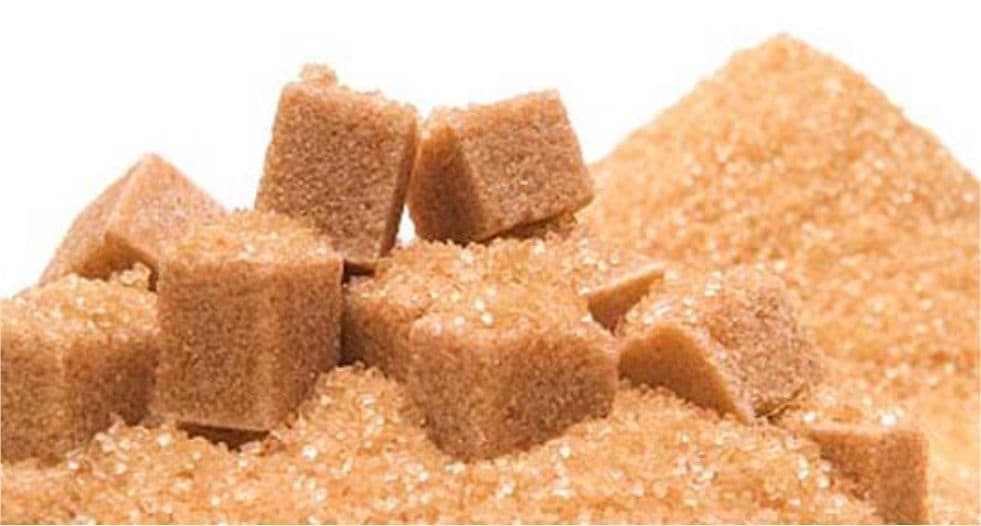
Brown sugar
Brown sugar — raw, unrefined, or partially refined cane sugar retaining its natural molasses coating — has been a staple of the global pantry since sugarcane cultivation spread outward from New Guinea some ten thousand years ago, eventually reaching India, the Arab world, and Europe via centuries of trade and colonial enterprise. Its warm, molasses-rich sweetness carries a depth and earthiness that white refined sugar entirely lacks, and it has long been associated with the richest and most indulgent flavors in the culinary canon: rum, toffee, gingerbread, dark caramel. As a fragrance note, brown sugar is warm, rounded, and deeply satisfying — a rich caramelized sweetness with a dark, almost fermented molasses depth that prevents it from reading as purely simple or saccharine. Unlike white-sugar or candy accords, it has genuine complexity: hints of rum, tobacco-like warmth, and a faintly sticky, dark richness that makes it deeply sensual. It blends beautifully with vanilla, tobacco, dark woods, amber, and spices, anchoring orientals and gourmands with a sense of slow-burning, deeply satisfying warmth. At Fragrenza, brown sugar is a cornerstone of our most indulgent oriental and gourmand fragrance dupes — compositions that wrap around you like warmth itself. Browse our brown sugar collection and discover how this ancient sweetness translates into captivating, accessible fine fragrance.
- 🌿
Bryony
Bryony is a specialty note used to give a fragrance a distinctive texture, mood, or material impression. Depending on interpretation, it may contribute freshness, warmth, sweetness, dryness, softness, or an abstract atmospheric effect. In perfumery, specialty notes are useful because they make a composition feel more specific and less generic. It can be paired with woods, musks, florals, resins, fruits, green notes, spices, or amber materials according to the intended style.

Bubble Gum
Bubble gum as a fragrance note draws its inspiration from the iconic sweet invented by Walter Diemer at the Fleer Corporation in 1928 — a fruit-flavored, chewy confection whose distinctive pink, fruity-sweet aroma became one of the most universally recognizable scents of twentieth-century childhood. The classic bubble gum smell is not a single natural ingredient but a carefully engineered blend of artificial fruit esters — typically strawberry, banana, and cherry — combined with a powdery vanilla sweetness and a slightly plasticky, synthetic warmth. In perfumery, the bubble gum note is unabashedly playful and nostalgic, designed to evoke carefree, youthful joy rather than sophisticated complexity. It reads as bright, sweet, and unmistakably candy-pink — a fruity-sugary impression with a soft powdery finish and a cheerful lightness that makes it enormously approachable. Paired with musks, florals, and creamy vanilla, it forms the backbone of playful feminine and youthful compositions; layered with cotton candy or berry notes, it pushes into full confectionery fantasy territory. At Fragrenza, bubble gum appears in some of our most fun and exuberantly wearable fragrance dupes — perfect for those who embrace fragrance as pure, unfiltered happiness. Browse our bubble gum collection and find the sweet, nostalgic fragrance that puts a smile on your face, at a price that feels just as good.
- 🌿
Bubinga wood
Bubinga wood is a woody note used to create structure, depth, and lasting warmth. Its scent may be dry, creamy, smoky, resinous, earthy, pencil-like, or polished depending on the wood or accord. In perfumery, woody notes support the whole composition and connect fresh openings with deeper bases. It pairs naturally with amber, musk, incense, leather, vetiver, patchouli, spices, citrus, and soft resins.
- 🌿
Buchu
Buchu is a specialty note used to give a fragrance a distinctive texture, mood, or material impression. Depending on interpretation, it may contribute freshness, warmth, sweetness, dryness, softness, or an abstract atmospheric effect. In perfumery, specialty notes are valuable because they make a composition feel more specific and less generic. Buchu can be paired with woods, musks, florals, resins, fruits, green notes, spices, or amber materials according to the intended style.
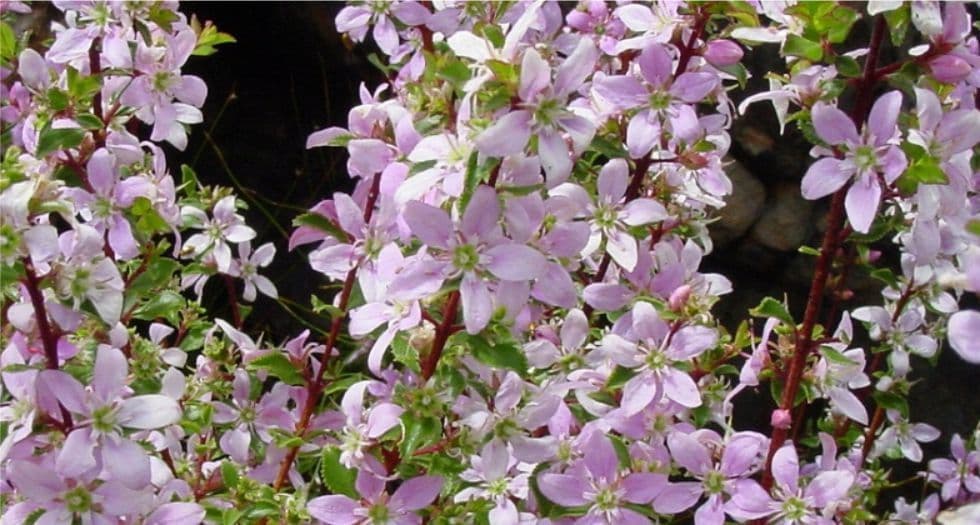
Buchu or Agathosma
Buchu — derived from the aromatic shrubs of the genus Agathosma, principally A. betulina and A. crenulata — is a plant native exclusively to the Western Cape of South Africa, where it grows in the fynbos biome amid some of the world's richest concentrations of endemic plant life. Revered by the indigenous Khoikhoi people for its medicinal properties long before European contact, buchu was one of South Africa's first botanical exports to Europe, reaching Dutch and British pharmacopeias by the eighteenth century. The fragrance profile of buchu is startlingly distinctive and immediately recognizable: a sharp, intensely blackcurrant-like top note — stemming from the compound diosphenol — layered over a complex green herbal heart with medicinal, minty, and slightly fruity undertones. It bears a striking resemblance to blackcurrant bud absolute and is frequently used as a cost-effective, naturalistic alternative in perfumery. At higher concentrations it can read as almost catty or resinous; in skilled hands, it delivers an electrifying, juicy cassis quality that elevates fruity chypres and green compositions. At Fragrenza, buchu is a prized ingredient in our blackcurrant-forward and green fragrance dupes, lending a genuinely naturalistic South African character to compositions that demand the real thing. Explore our buchu collection and experience this remarkable fynbos herb in beautifully crafted fine fragrance at accessible prices.
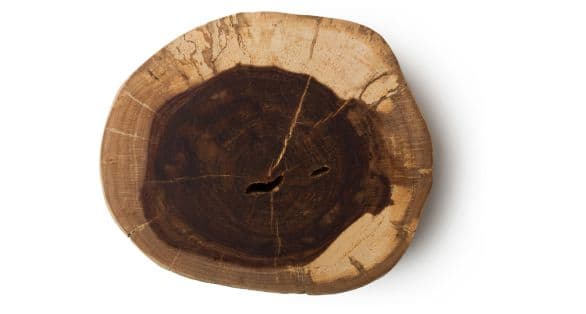
Buddha Wood
Buddha Wood — also known as Desert Rosewood — is derived from Eremophila mitchellii, a small native Australian shrub that grows across the arid interior of Queensland and New South Wales. The essential oil is extracted by steam distillation of the heartwood, yielding a material that is deeply earthy, richly smoky, and unlike almost any other wood in the perfumer's palette. It contains unique sesquiterpene ketones, including eremophilone, which are responsible for its distinctive aromatic character. On first encounter, Buddha Wood is striking in its earthiness — there is a dry, almost dusty quality that conjures red desert soil baking under a wide Australian sky. Beneath that, layers of warm leather, quiet smoke, and a subtle, resinous sweetness emerge. It bears no resemblance to the polished, creamy woods common in Western perfumery; instead, it carries a raw, elemental quality that makes it particularly valued in niche and artisanal compositions seeking authenticity and a sense of place. In the blending room, Buddha Wood functions as a powerful base note, anchoring compositions with its tenacious, earthy presence. It works beautifully alongside oud, incense, labdanum, and dark florals. Its increasing use by prestigious perfume houses reflects a broader appreciation for indigenous materials. At Fragrenza, our inspired-by fragrances honour the rugged beauty of this remarkable note, bringing you the earthy luxury of Buddha Wood-forward compositions at genuinely accessible prices.
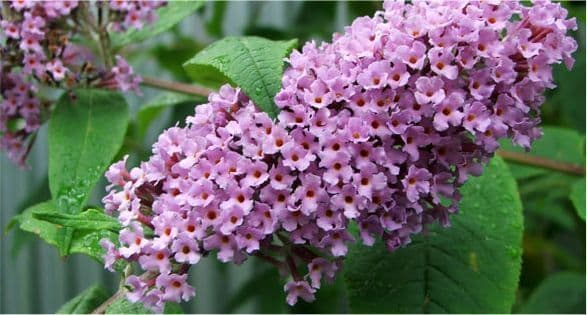
Buddleia
Buddleia — the butterfly bush, Buddleja davidii — is a fast-growing deciduous shrub native to the Sichuan and Hubei provinces of central China, introduced to Europe and North America in the late nineteenth century by plant hunter Augustine Henry and later popularized by French missionary Père David, after whom the species is named. Its long, arching panicles of tiny lilac, purple, or white flowers are famously irresistible to butterflies, bumblebees, and moths, making it one of the most beloved summer garden shrubs despite its invasive tendencies in the wild. In perfumery, buddleia is a warm, gently sweet floral with a faint honey-like richness and a softly purple, powdery quality. It is less sharp than lilac and less lush than wisteria, occupying a pleasant middle ground: an approachable, summery floral with a light, almost solar warmth to it. The note evokes long, lazy afternoons in an overgrown cottage garden, the air thick with the drowsy sweetness of flowers in full bloom. It pairs naturally with honey, soft musks, rose, heliotrope, and luminous, sunlit florals of all kinds. At Fragrenza, buddleia contributes its warm, summery floral sweetness to a range of beautiful feminine and unisex fragrance dupes inspired by the finest garden perfumes. Browse our buddleia collection and discover the gentle, irresistible charm of this beloved summer flower in accessible, high-quality fragrance.
- 🌿
Buffalo grass accord
Buffalo grass accord is a green or aromatic note that evokes leaves, herbs, stems, fresh air, or crushed vegetation. Its profile can be crisp, bitter, watery, camphoraceous, grassy, or slightly earthy depending on the material. In perfumery, green notes add realism and lift, keeping sweet, floral, or woody compositions from feeling too heavy. It pairs well with citrus, tea, fig, violet leaf, galbanum, tomato leaf, white musk, vetiver, lavender, and light woods.
- 🌿
Bulgarian black pine
Bulgarian black pine (Pinus heldreichii) is a resinous mountain conifer from the Balkans with a darker, deeper, more balsamic profile than common pine. In perfumery, it adds woodland gravitas to aromatic, fougère, woody, and incense compositions.
- 🌿
Bulgarian damask rose
Bulgarian damask rose is a floral note that adds softness, radiance, and emotional warmth to a composition. Depending on the flower or accord, it can feel fresh, creamy, powdery, honeyed, green, indolic, or airy. In perfumery, floral notes often form the heart of a fragrance, giving it body and a recognizable character. Bulgarian damask rose pairs well with citrus, white musk, rose, jasmine, sandalwood, amber, vanilla, iris, and delicate fruits, making it useful in both classic bouquets and modern transparent florals.
- 🌿
Bulgarian damask rose absolute
Bulgarian damask rose absolute is a floral note that gives a fragrance softness, radiance, and emotional warmth. Depending on the flower or accord, it may feel fresh, creamy, powdery, honeyed, green, indolic, or airy. In perfumery, floral notes often form the heart of a composition, adding body and a recognizable signature. It pairs well with citrus, white musk, rose, jasmine, sandalwood, amber, vanilla, iris, and delicate fruits.
- 🌿
Bulgarian lavender
Bulgarian lavender is a floral note that adds softness, radiance, and emotional warmth to a composition. Depending on the flower or accord, it can feel fresh, creamy, powdery, honeyed, green, indolic, or airy. In perfumery, floral notes often form the heart of a fragrance, giving it body and a recognizable character. Bulgarian lavender pairs well with citrus, white musk, rose, jasmine, sandalwood, amber, vanilla, iris, and delicate fruits, making it useful in both classic bouquets and modern transparent florals.
- 🌿
Bulgarian lavender absolute
Bulgarian lavender absolute is a floral note that gives a fragrance softness, radiance, and emotional warmth. Depending on the flower or accord, it may feel fresh, creamy, powdery, honeyed, green, indolic, or airy. In perfumery, floral notes often form the heart of a composition, adding body and a recognizable signature. It pairs well with citrus, white musk, rose, jasmine, sandalwood, amber, vanilla, iris, and delicate fruits.
- 🌿
Bulgarian pine
Bulgarian pine is a woody note used to create structure, depth, and lasting warmth. Its scent may be dry, creamy, smoky, resinous, earthy, pencil-like, or polished depending on the wood or accord. In perfumery, woody notes support the whole composition and connect fresh openings with deeper bases. It pairs naturally with amber, musk, incense, leather, vetiver, patchouli, spices, citrus, and soft resins.
- 🌿
Bulgarian Rosa alba
Bulgarian Rosa alba is a specialty note used to give a fragrance a distinctive texture, mood, or material impression. Depending on interpretation, it may contribute freshness, warmth, sweetness, dryness, softness, or an abstract atmospheric effect. In perfumery, specialty notes are useful because they make a composition feel more specific and less generic. It can be paired with woods, musks, florals, resins, fruits, green notes, spices, or amber materials according to the intended style.
- 🌿
Bulgarian Rose
Bulgarian rose (Rosa damascena) grown in the famous Rose Valley of Bulgaria — the Kazanlak region — is widely regarded as the finest rose absolute in the world. The specific combination of climate, soil, and centuries of cultivated expertise in this Balkan valley produces petals of extraordinary aromatic richness that no other rose-growing region has been able to fully replicate. Harvested by hand in the early morning hours of late May and early June, when the petals hold the maximum concentration of their precious essential oil, Bulgarian rose is one of the most labour-intensive and costly ingredients in all of natural perfumery. The olfactory character of Bulgarian rose is incomparably rich and complex: deep, honeyed, and velvety, with layers of fruity warmth, a slightly spicy edge, and a luminous, almost transparent floral core that distinguishes it from the more ripe and waxy character of Turkish rose or the lighter, greener quality of Moroccan varieties. It is the rose that perfumers turn to when they want the very best — the note that anchors some of the world's greatest fine fragrances. It blends magnificently with oud, patchouli, sandalwood, saffron, and rich musks, as well as in lighter floral and chypre constructions. Fragrenza's Bulgarian rose collection celebrates this legendary ingredient through a curated range of fragrance dupes that capture its depth and brilliance. Experience the world's finest rose note at a price that makes it truly accessible.
- 🌿
Bulgarian rose absolute
Bulgarian rose absolute is a floral note that adds softness, radiance, and emotional warmth to a composition. Depending on the flower or accord, it can feel fresh, creamy, powdery, honeyed, green, indolic, or airy. In perfumery, floral notes often form the heart of a fragrance, giving it body and a recognizable character. Bulgarian rose absolute pairs well with citrus, white musk, rose, jasmine, sandalwood, amber, vanilla, iris, and delicate fruits, making it useful in both classic bouquets and modern transparent florals.
- 🌿
Bulgarian rose Orpur®
Bulgarian rose Orpur® is a floral note that gives a fragrance softness, radiance, and emotional warmth. Depending on the flower or accord, it may feel fresh, creamy, powdery, honeyed, green, indolic, or airy. In perfumery, floral notes often form the heart of a composition, adding body and a recognizable signature. It pairs well with citrus, white musk, rose, jasmine, sandalwood, amber, vanilla, iris, and delicate fruits.
- 🌿
Bulgarian rose otto
Bulgarian rose otto is a floral note that adds softness, radiance, and emotional warmth to a composition. Depending on the flower or accord, it can feel fresh, creamy, powdery, honeyed, green, indolic, or airy. In perfumery, floral notes often form the heart of a fragrance, giving it body and a recognizable character. Bulgarian rose otto pairs well with citrus, white musk, rose, jasmine, sandalwood, amber, vanilla, iris, and delicate fruits, making it useful in both classic bouquets and modern transparent florals.
- 🌿
Bulgarian rose water
Bulgarian rose water is a floral note that gives a fragrance softness, radiance, and emotional warmth. Depending on the flower or accord, it may feel fresh, creamy, powdery, honeyed, green, indolic, or airy. In perfumery, floral notes often form the heart of a composition, adding body and a recognizable signature. It pairs well with citrus, white musk, rose, jasmine, sandalwood, amber, vanilla, iris, and delicate fruits.
- 🌿
Bulgarian tobacco
Bulgarian tobacco is a dark textured note that may suggest leather, smoke, tobacco, tar, ash, or warm dry materials. It gives fragrance depth, sensuality, and a more dramatic atmosphere. In perfumery, smoky and leathery notes are often used in bases, where they add strength and character without needing sweetness. It pairs well with oud, saffron, birch tar, amber, tobacco, rose, patchouli, vetiver, incense, and dry woods.
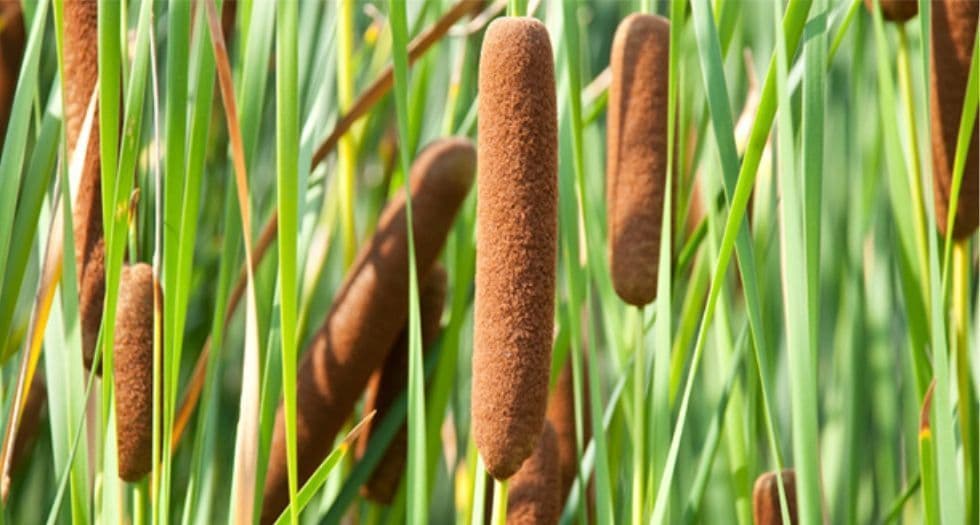
Bulrush
Bulrush — the common name for plants of the genera Typha and Schoenoplectus — is among the most recognizable of all wetland plants, its distinctive brown, sausage-like seed heads towering above still ponds, marshes, and lake margins across every temperate continent. These ancient plants have clothed and fed human communities for millennia: their pollen was eaten as flour by Neolithic peoples, their leaves woven into mats and baskets, their fluffy seed fibers used for insulation and bedding. They are an elemental symbol of still water and slow time. As a fragrance note, bulrush evokes the quiet, contemplative atmosphere of its native habitat — a fresh, slightly green aquatic quality with a subtle earthy reedness and the faint, powdery warmth of the dry seed head. It is softer and more restrained than the sharper green aquatics, carrying a calm, almost meditative character that feels genuinely naturalistic. Bulrush pairs beautifully with violet, vetiver, woody musks, and clean water notes, contributing an anchoring, grounded quality that gives aquatic compositions genuine depth and botanical credibility. At Fragrenza, the bulrush note brings a calm, nature-rooted freshness to select aquatic and green fragrance dupes — perfect for those who love understated, water-inspired scents with real botanical soul. Explore our bulrush collection and find beautifully crafted, accessible fine fragrance inspired by the world's still waters.
- 🌿
Burgundy
Burgundy is a specialty note used to give a fragrance a distinctive texture, mood, or material impression. Depending on interpretation, it may contribute freshness, warmth, sweetness, dryness, softness, or an abstract atmospheric effect. In perfumery, specialty notes are useful because they make a composition feel more specific and less generic. It can be paired with woods, musks, florals, resins, fruits, green notes, spices, or amber materials according to the intended style.
- 🌿
Burley tobacco
Burley tobacco is a dark textured note that may suggest leather, smoke, tobacco, tar, ash, or warm dry materials. It gives fragrance depth, sensuality, and a more dramatic atmosphere. In perfumery, smoky and leathery notes are often used in bases, where they add strength and character without needing sweetness. It pairs well with oud, saffron, birch tar, amber, tobacco, rose, patchouli, vetiver, incense, and dry woods.
- 🌿
Burmese oud
Burmese oud is a woody note used to create structure, depth, and lasting warmth. Its scent may be dry, creamy, smoky, resinous, earthy, pencil-like, or polished depending on the wood or accord. In perfumery, woody notes often support the whole composition and help connect fresh openings with deeper bases. Burmese oud pairs naturally with amber, musk, incense, leather, vetiver, patchouli, spices, citrus, and soft resins, making it useful in masculine, feminine, and unisex fragrances.
- 🌿
Burnet rose
Burnet rose is a floral note that gives a fragrance softness, radiance, and emotional warmth. Depending on the flower or accord, it may feel fresh, creamy, powdery, honeyed, green, indolic, or airy. In perfumery, floral notes often form the heart of a composition, adding body and a recognizable signature. It pairs well with citrus, white musk, rose, jasmine, sandalwood, amber, vanilla, iris, and delicate fruits.
- 🌿
Burning wood
Burning wood is a woody note used to create structure, depth, and lasting warmth. Its scent may be dry, creamy, smoky, resinous, earthy, pencil-like, or polished depending on the wood or accord. In perfumery, woody notes support the whole composition and connect fresh openings with deeper bases. It pairs naturally with amber, musk, incense, leather, vetiver, patchouli, spices, citrus, and soft resins.
- 🌿
Burnt rubber
Burnt rubber is a dark textured note that may suggest leather, smoke, tobacco, tar, ash, or warm dry materials. It gives fragrance depth, sensuality, and a more dramatic atmosphere. In perfumery, smoky and leathery notes are often used in bases, where they add strength and character without needing sweetness. It pairs well with oud, saffron, birch tar, amber, tobacco, rose, patchouli, vetiver, incense, and dry woods.
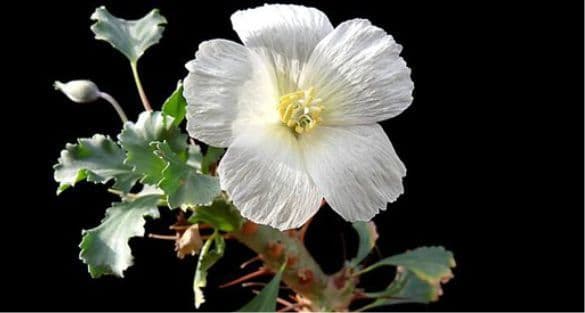
Bushman Candle
Bushman Candle is the evocative common name for Adenandra, a genus of small, resinous flowering shrubs endemic to the fynbos biome of South Africa's Western Cape. These compact, heath-like plants produce tiny white or pink flowers with a waxy, aromatic quality, and were historically used by indigenous peoples and early Dutch settlers — the Boers — as crude candles, their high resin content allowing the dried stems to burn with a slow, steady flame. This practical, poetic heritage is embedded in their name. In perfumery, the bushman candle accord captures the aromatic, slightly medicinal-herbal character of the living shrub — a dry, resinous warmth with subtle green and floral facets that recall the clean, sun-warmed air of the South African fynbos. It shares distant kinship with helichrysum and restio notes but carries its own distinctly waxy, slightly camphoraceous identity. It works beautifully in botanical, herbal, and natural-style fragrances, adding an exotic South African dimension to compositions seeking originality beyond the familiar European or tropical material palette. At Fragrenza, bushman candle represents our commitment to sourcing inspiration from the full breadth of the world's botanical richness. Its rare, fynbos-inflected character lends authenticity and distinction to select fragrance dupes. Browse our bushman candle collection and experience the wild, aromatic landscapes of South Africa in accessible, high-quality fragrance.
- 🌿
Bushman's candle
Bushman's candle is a specialty note used to give a fragrance a distinctive texture, mood, or material impression. Depending on interpretation, it may contribute freshness, warmth, sweetness, dryness, softness, or an abstract atmospheric effect. In perfumery, specialty notes are useful because they make a composition feel more specific and less generic. It can be paired with woods, musks, florals, resins, fruits, green notes, spices, or amber materials according to the intended style.
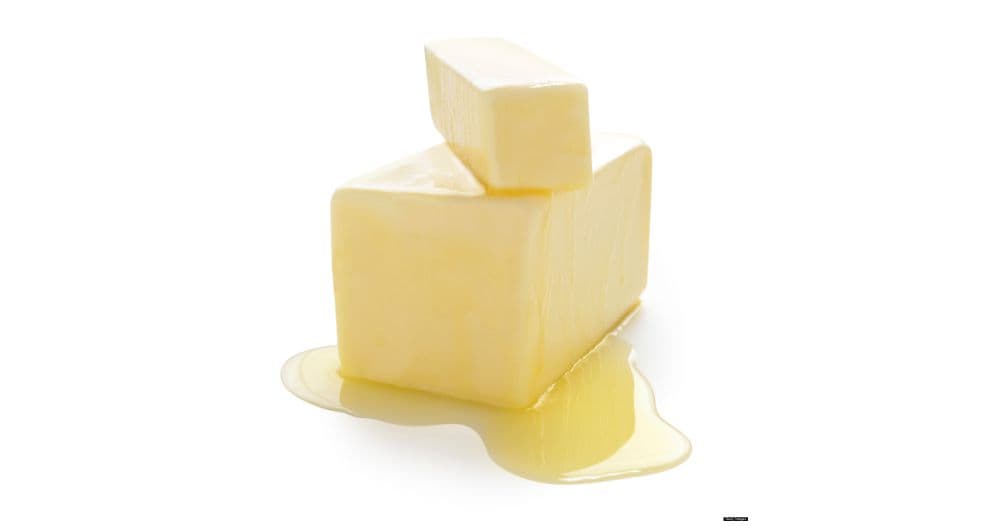
Butter
Butter has been a foundational element of human gastronomy for thousands of years, made by churning cream to separate the rich, golden fat — a process practiced since at least 8000 BCE across the pastoral cultures of the Middle East and Central Asia. In the realm of fragrance, butter emerged as a daring and deeply evocative note in the late twentieth century, when perfumers began exploring the vast and complex territory of gourmand and edible accords, seeking to replicate the full spectrum of the kitchen in the bottle. As a fragrance ingredient, butter is rich, warm, and unmistakably fatty — a lush creaminess underpinned by a faint lactone sweetness and a gentle, almost savory depth. It reads as deeply comforting and skin-close, evoking warm bread, croissants just out of the oven, or the luxurious warmth of a beurre blanc. In perfumery it blends seamlessly with vanilla and tonka, adding a rounded dairy richness to sweet gourmands, or contrasts provocatively with clean musks and floral notes for a more avant-garde, skin-like effect. It can also anchor earthy and woody compositions with an unexpected, voluptuous softness. At Fragrenza, butter is one of the secret ingredients that makes our gourmand dupes feel truly sumptuous and skin-like — warm, enveloping, and irresistibly wearable. Browse our butter collection to explore the indulgent, creamy side of fine fragrance at a price that won't break the bank.
- 🌿
Butter CO2
Butter CO2 is a gourmand note that adds edible warmth, sweetness, and comfort. It may suggest cream, sugar, nuts, chocolate, coffee, honey, pastry, or toasted grains depending on the accord. In perfumery, gourmand notes make compositions feel cozy and sensual, but they work best when balanced with woods, musks, spices, citrus, or resins. It pairs well with vanilla, tonka bean, sandalwood, amber, caramel, cacao, coffee, and soft florals.
- 🌿
Buttercream
Buttercream is a gourmand note that adds edible warmth, sweetness, and comfort. It may suggest cream, sugar, nuts, chocolate, coffee, honey, pastry, or toasted grains depending on the accord. In perfumery, gourmand notes make compositions feel cozy and sensual, but they work best when balanced with woods, musks, spices, citrus, or resins. It pairs well with vanilla, tonka bean, sandalwood, amber, caramel, cacao, coffee, and soft florals.
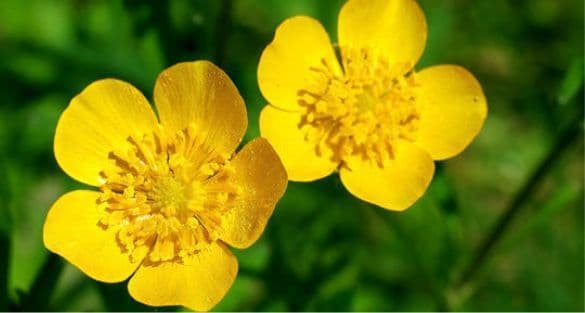
Buttercup
Buttercup — the cheerful yellow wildflower of the genus Ranunculus — is a beloved fixture of temperate meadows and hedgerows across Europe and North America. Despite its humble, almost childlike associations (who hasn't held one under a chin to test a love of butter?), the buttercup flower carries a complex, distinctive scent that perfumers have mined for its peculiarly appealing character. The name itself is evocative: it suggests warmth, golden sunlight, and the breezy, carefree openness of an English meadow in early summer. As a fragrance note, buttercup is fresh and green-yellow with a slightly sharp, almost astringent edge that prevents it from reading as purely sweet. There is a faint photorealistic quality to it — the crisp, slightly watery green of freshly crushed stems combined with the delicate yellow-floral luminosity of the petals. It sits beautifully in fresh floral and green compositions, lending a natural, sun-dappled quality, and works alongside grasses, clover, and light musks to evoke the full sensory experience of a wildflower meadow on a warm spring morning. At Fragrenza, the buttercup note brings a bright, airy dimension to our green and floral fragrance dupes — perfect for those who love light, natural-feeling scents that capture the outdoors at its most joyful. Explore our buttercup collection and find your ideal spring fragrance at an accessible price.
- 🌿
Butterfly bush
Butterfly bush is a gourmand note that adds edible warmth, sweetness, and comfort. It may suggest cream, sugar, nuts, chocolate, coffee, honey, pastry, or toasted grains depending on the accord. In perfumery, gourmand notes make compositions feel cozy and sensual, but they work best when balanced with woods, musks, spices, citrus, or resins. It pairs well with vanilla, tonka bean, sandalwood, amber, caramel, cacao, coffee, and soft florals.
- 🌿
Butterfly orchid
Butterfly orchid is a floral note that gives a fragrance softness, radiance, and emotional warmth. Depending on the flower or accord, it may feel fresh, creamy, powdery, honeyed, green, indolic, or airy. In perfumery, floral notes often form the heart of a composition, adding body and a recognizable signature. It pairs well with citrus, white musk, rose, jasmine, sandalwood, amber, vanilla, iris, and delicate fruits.
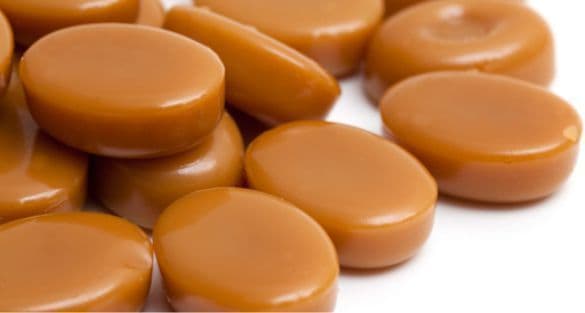
Butterscotch
Butterscotch is a beloved confectionery note rooted in the tradition of British hard candy making, originally created by combining brown sugar, butter, and cream into a rich, amber-hued toffee. Its origins trace to early Victorian England, and the name itself — combining butter and the dialectal Scots word for sugar — evokes the cozy, artisanal sweetness of old-fashioned candy shops and country kitchens. In the modern fragrance world, butterscotch has become a defining component of the gourmand genre. As a fragrance ingredient, butterscotch is warm, round, and deeply comforting — a luscious blend of caramelized sugar, creamy dairy fat, and a faint vanilla undertone. It shares DNA with caramel but is distinctly richer and more buttery, with a golden, almost toffee-like warmth that reads as utterly cozy rather than sharp or saccharine. It blends beautifully with vanilla, amber, sandalwood, and soft musks, anchoring gourmand compositions with a sense of indulgent, edible warmth that has been beloved in fragrance ever since the genre's explosion in the 1990s. At Fragrenza, butterscotch is central to some of our most irresistible gourmand dupe offerings — sweet, warm, and utterly enveloping compositions inspired by celebrated confectionery-forward fragrances. Browse our butterscotch collection and treat yourself to luxurious sweetness without the luxury price tag.
- 🌿
Buttery note
Buttery note is a gourmand note that adds edible warmth, sweetness, and comfort. It may suggest cream, sugar, nuts, chocolate, coffee, honey, pastry, or toasted grains depending on the accord. In perfumery, gourmand notes make compositions feel cozy and sensual, but they work best when balanced with woods, musks, spices, citrus, or resins. It pairs well with vanilla, tonka bean, sandalwood, amber, caramel, cacao, coffee, and soft florals.
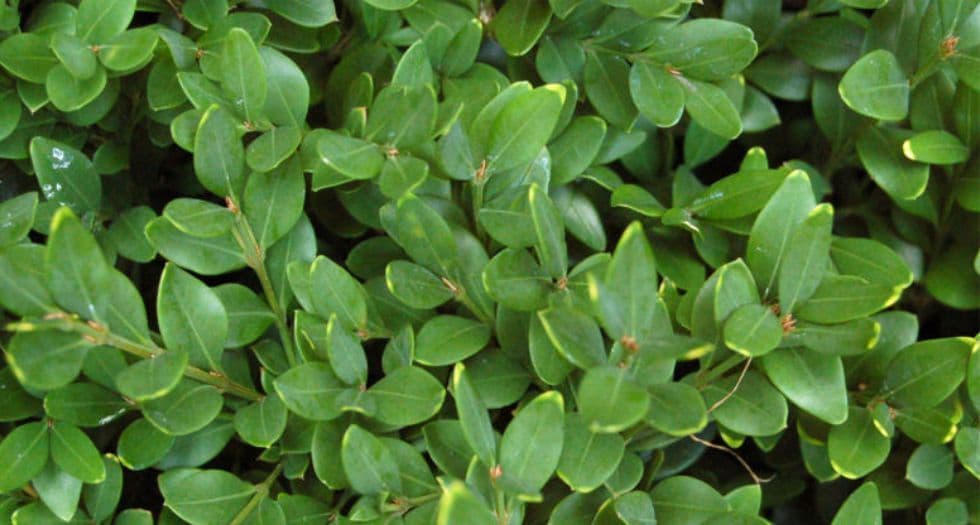
Buxus
Buxus — commonly known as boxwood — is a dense, slow-growing evergreen shrub of the family Buxaceae, cultivated across Europe, Asia, and North Africa for centuries as the quintessential topiary and garden hedging plant. Its distinctive, pungent green scent has been a backdrop to formal gardens from Versailles to the great estates of England, and it carries with it an unmistakable sense of place: manicured, classical, and deeply botanical. In perfumery, the buxus note is sharp, animalic-green, and arrestingly distinctive. The freshly cut or rain-wet leaves release a complex volatile profile that combines a hard, bitter greenness with an almost foxy, musk-like undertone — a combination that perfumers describe as challenging yet utterly unique. It is rarely used in isolation but instead functions as an accent that gives a naturalistic, garden-like dimension to green chypres, aromatic fougères, and contemporary botanical compositions. Its animalic edge adds an earthy tension that prevents surrounding florals and greens from reading as too clean or sanitized. At Fragrenza, the buxus note appears in dupes of fragrances that celebrate the wild, imperfect beauty of the natural world. Its uncompromising green-animalic character gives compositions a compelling sense of authenticity and depth. Explore our buxus collection and discover this singular, garden-fresh note in high-quality dupes at accessible prices.
C
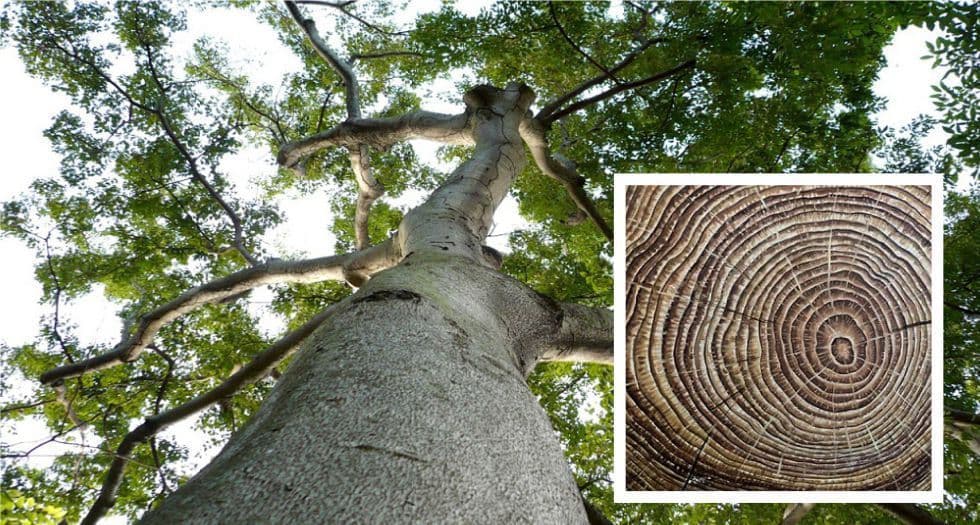
Cabreuva
Cabreuva is a warm, soft woody essential oil derived from the heartwood of Myrocarpus fastigiatus, a tall timber tree native to the subtropical forests of Brazil, Argentina, and Paraguay. Long prized by local craftsmen for its beautiful, dense wood, cabreuva has also been appreciated in perfumery for generations, finding its way into European fine fragrance as early as the mid-twentieth century as a gentle, natural woody base note. The olfactory character of cabreuva oil is subtle and refined — a smooth, faintly rosy woodiness with a soft, slightly sweet warmth. It bears a delicate floral undertone reminiscent of rose or rhodinol, which distinguishes it from drier, more austere woods like cedarwood or vetiver. This makes cabreuva a particularly elegant building block in soft floral-woody constructions, oriental bases, and feminine or unisex compositions where a gentle woody foundation is desired without heaviness or sharpness. At Fragrenza, cabreuva is valued for the quiet sophistication it brings to the base of delicate wood and floral fragrance dupes. Its understated, faintly rosy warmth perfectly complements materials like sandalwood, rose, and soft musks, contributing to seamless, skin-close accords. Browse our cabreuva collection and experience this graceful South American wood note as part of beautifully crafted, accessible fine fragrance.
- 🌿
Cacao
The cacao pod note in perfumery is inspired not by the finished chocolate product but by the raw, unprocessed exterior of the Theobroma cacao fruit — the large, ribbed pod that houses the seeds destined for fermentation and eventual transformation into cocoa. Originating in the tropical rainforests of Mesoamerica, cacao has been cultivated for millennia and holds deep significance in Mayan and Aztec cultures, where it was considered a gift from the gods. As a fragrance ingredient, the cacao pod accord occupies a fascinating territory between the culinary and the natural. It is earthier and more restrained than the sweet, roasted warmth of cocoa absolute — a raw, slightly fermented darkness with subtle woody tones and a warm, humid quality that calls to mind the damp earth of a tropical plantation. It lacks the sugary richness of finished chocolate, reading instead as a grounded, atmospheric note that adds depth and complexity without becoming overtly gourmand. At Fragrenza, the cacao pod note is used to bring an intriguing, shadowy earthiness to select fragrance dupes — grounding sweeter compositions or adding a botanical dimension to woody and oriental blends. Explore our cacao pod collection and discover the raw, elemental side of one of the world's most beloved natural materials at an accessible price point.
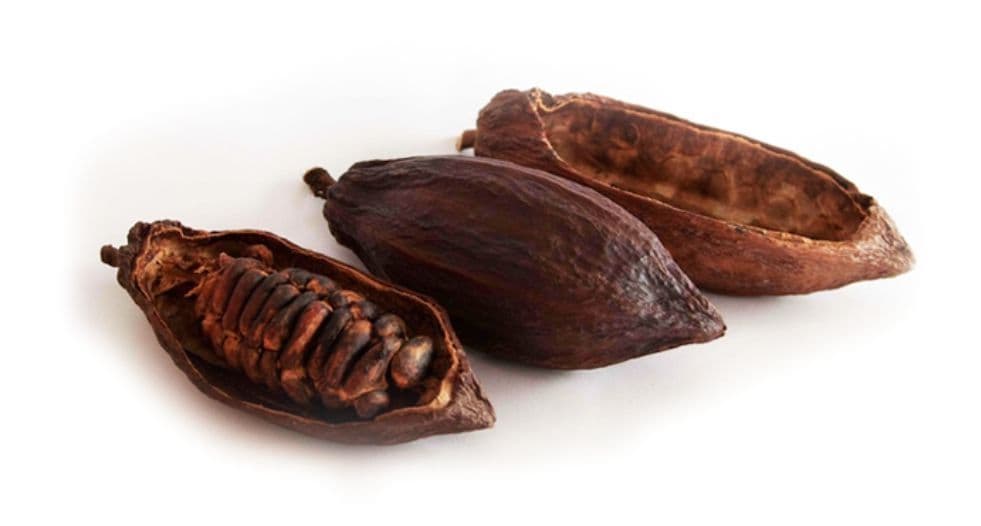
Cacao Pod
The cacao pod note in perfumery is inspired not by the finished chocolate product but by the raw, unprocessed exterior of the Theobroma cacao fruit — the large, ribbed pod that houses the seeds destined for fermentation and eventual transformation into cocoa. Originating in the tropical rainforests of Mesoamerica, cacao has been cultivated for millennia and holds deep significance in Mayan and Aztec cultures, where it was considered a gift from the gods. As a fragrance ingredient, the cacao pod accord occupies a fascinating territory between the culinary and the natural. It is earthier and more restrained than the sweet, roasted warmth of cocoa absolute — a raw, slightly fermented darkness with subtle woody tones and a warm, humid quality that calls to mind the damp earth of a tropical plantation. It lacks the sugary richness of finished chocolate, reading instead as a grounded, atmospheric note that adds depth and complexity without becoming overtly gourmand. At Fragrenza, the cacao pod note is used to bring an intriguing, shadowy earthiness to select fragrance dupes — grounding sweeter compositions or adding a botanical dimension to woody and oriental blends. Explore our cacao pod collection and discover the raw, elemental side of one of the world's most beloved natural materials at an accessible price point.
- 🌿
Cachaça
Cachaça is a specialty note used to give a fragrance a distinctive texture, mood, or material impression. Depending on interpretation, it may contribute freshness, warmth, sweetness, dryness, softness, or an abstract atmospheric effect. In perfumery, specialty notes are useful because they make a composition feel more specific and less generic. It can be paired with woods, musks, florals, resins, fruits, green notes, spices, or amber materials according to the intended style.
- 🌿
Cachalox
Cachalox is a specialty note used to give a fragrance a distinctive texture, mood, or material impression. Depending on interpretation, it may contribute freshness, warmth, sweetness, dryness, softness, or an abstract atmospheric effect. In perfumery, specialty notes are useful because they make a composition feel more specific and less generic. It can be paired with woods, musks, florals, resins, fruits, green notes, spices, or amber materials according to the intended style.
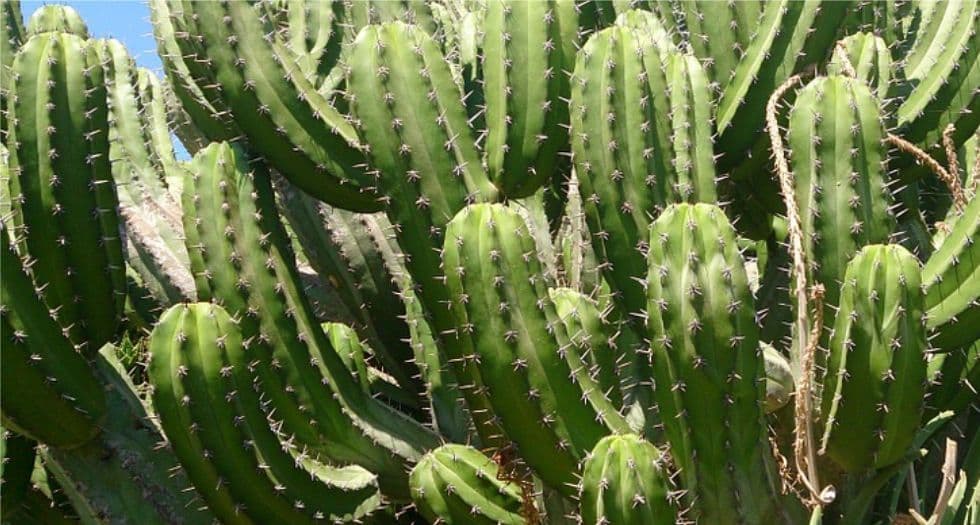
cactus
The cactus note in perfumery evokes the stark, sun-bleached landscapes of the Sonoran and Chihuahuan deserts, drawing inspiration from the succulent flora — principally prickly pear (Opuntia) and various columnar cacti — that define arid ecosystems across the Americas. While cactus cannot be traditionally steam-distilled in the manner of floral or woody materials, perfumers and flavor chemists have developed synthetic and extraction-based interpretations that beautifully capture the essence of this iconic desert plant. As a fragrance note, cactus reads as clean and distinctly modern — a dry, slightly green freshness with a watery, almost mineral quality. It lacks the sweetness of typical green notes; instead it conjures the crisp, dewy morning air of the desert, the faint astringency of fresh-cut succulent flesh, and a pleasant earthy dryness that evokes sunbaked soil. It pairs naturally with ozonic and aquatic materials, as well as with warm, dusty musks and mineral ambers for a full desert-landscape effect. Fragrenza uses the cactus note to bring a contemporary, outdoorsy freshness to its dupe lineup, channeling acclaimed desert-inspired fragrances with striking fidelity. If you love clean, dry, effortlessly cool scents that feel both modern and completely natural, explore our cactus collection.
- 🌿
Cactus blossom
Cactus blossom is a floral note that gives a fragrance softness, radiance, and emotional warmth. Depending on the flower or accord, it may feel fresh, creamy, powdery, honeyed, green, indolic, or airy. In perfumery, floral notes often form the heart of a composition, adding body and a recognizable signature. It pairs well with citrus, white musk, rose, jasmine, sandalwood, amber, vanilla, iris, and delicate fruits.
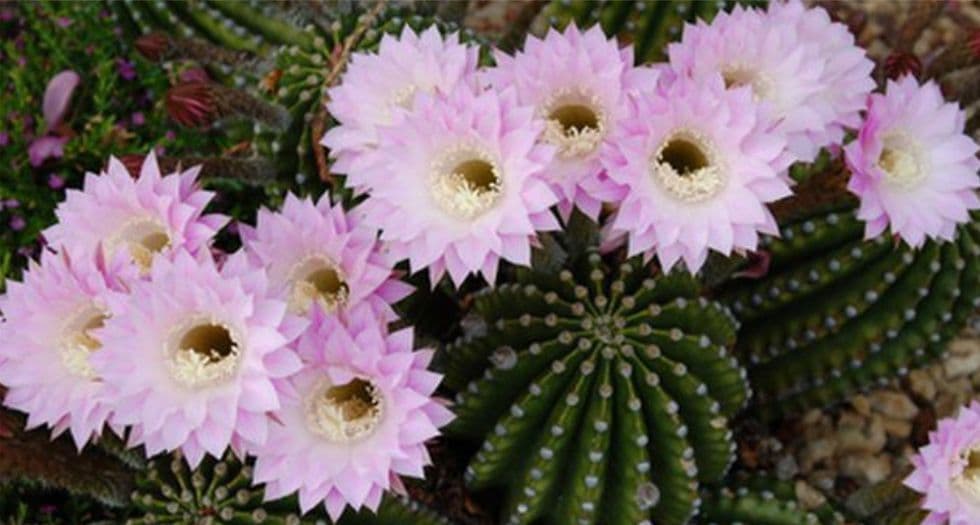
Cactus Flower
Cactus Flower is a floral note with fresh petals, soft sweetness, and a refined natural brightness. In perfumery, it can add elegance, color, and lift to floral bouquets, musks, fruity florals, powdery accords, and modern feminine compositions.
- 🌿
Cactus juice
Cactus juice is an aquatic note that evokes water, sea air, rain, mineral freshness, or clean transparent space. It can be salty, ozonic, marine, watery, airy, or slightly green depending on the accord. In perfumery, aquatic notes bring freshness, diffusion, and a modern easy-to-wear character. It pairs well with citrus, white musk, driftwood, lavender, sage, cucumber, marine notes, ambergris-style molecules, and pale woods.
- 🌿
Cactus water
Cactus water is an aquatic note that evokes water, sea air, rain, mineral freshness, or clean transparent space. It can be salty, ozonic, marine, watery, airy, or slightly green depending on the accord. In perfumery, aquatic notes bring freshness, diffusion, and a modern easy-to-wear character. It pairs well with citrus, white musk, driftwood, lavender, sage, cucumber, marine notes, ambergris-style molecules, and pale woods.
- 🌿
Cade
Cade oil is a dark, viscous essential oil steam-distilled from the wood and branches of Juniperus oxycedrus, the prickly juniper native to the Mediterranean basin. Its production dates back centuries in traditional medicine and folk practices across southern Europe and North Africa, where it was applied for its powerful antiseptic and skin-healing properties. The slow, smoldering distillation of juniper wood yields a rich, resinous oil unlike almost any other material in the perfumer's palette. In fragrance, cade oil is immediately striking — a dense, smoky, tar-like character underpinned by leathery phenolic depth and a woody, almost medicinal dryness. It calls to mind birch tar and creosote, yet carries an organic warmth and a subtle resinous sweetness that prevents it from reading as purely industrial. Used sparingly, it lends incredible authenticity to leather accords, smoky chypres, and rugged masculine compositions, while larger concentrations create bold, statement-making oud-adjacent effects. At Fragrenza, we embrace cade oil's raw, uncompromising intensity as a bridge between the ancient and the contemporary — pairing it with woods, musks, and resins to craft dupes of iconic smoky and leathery fragrances. Discover our cade-forward collection and experience this powerfully elemental note at an accessible price.
- 🌿
Cade juniper
Cade juniper is a specialty note used to give a fragrance a distinctive texture, mood, or material impression. Depending on interpretation, it may contribute freshness, warmth, sweetness, dryness, softness, or an abstract atmospheric effect. In perfumery, specialty notes are useful because they make a composition feel more specific and less generic. It can be paired with woods, musks, florals, resins, fruits, green notes, spices, or amber materials according to the intended style.
- 🌿
Cade juniper wood
Cade juniper wood is a woody note used to create structure, depth, and lasting warmth. Its scent may be dry, creamy, smoky, resinous, earthy, pencil-like, or polished depending on the wood or accord. In perfumery, woody notes often support the whole composition and help connect fresh openings with deeper bases. Cade juniper wood pairs naturally with amber, musk, incense, leather, vetiver, patchouli, spices, citrus, and soft resins, making it useful in masculine, feminine, and unisex fragrances.

Caipirinha
The Caipirinha is Brazil's national cocktail — a vibrant blend of cachaça (Brazil's distinctive sugarcane spirit), freshly muddled lime, and sugar, shaken with ice into a bracingly refreshing drink that captures the energy and warmth of Brazilian culture. With roots in early 20th-century São Paulo, the Caipirinha's simple formula belies its complexity: the sharp brightness of fresh lime juice and zest, the raw green herbaceousness of good cachaça, and the sweetness of sugar syrup together create a drink that is simultaneously invigorating and festive. Its translation into fragrance belongs to the spirited world of cocktail-inspired perfumery. As a fragrance note, the Caipirinha accord is lively, green, and refreshingly tart: the dominant lime is real and zesty rather than candied, with both the sharp juice and the aromatic bitterness of the peel present. Beneath it, the vegetal-herbal warmth of cachaça — with its sugarcane earthiness and faint funk — adds an adult complexity that distinguishes this from a simple citrus note. A subtle sweetness rounds the accord without softening its essential brightness and spirit. In perfumery, Caipirinha-inspired accords bring a tropical, spirited freshness to summer colognes, unisex compositions, and adventurous aromatic blends that celebrate the vitality of Brazil. The note pairs beautifully with aromatic herbs, white musks, and light woods. Fragrenza captures this vivid, sun-drenched spirit in our fresh and tropical collections, crafting expertly inspired compositions that bring the best of luxury fragrance to accessible price points — for every occasion worth celebrating.
- 🌿
Calabrian bergamot
Calabrian bergamot is a bright citrus note valued for its clean sparkle, juicy freshness, and elegant peel-like bitterness. In perfumery, it is often used in the opening of a composition to create lift, clarity, and immediate radiance. Depending on the material, it can feel zesty, floral, green, sweet, or slightly bitter, making it more complex than simple lemony freshness. It pairs beautifully with neroli, tea, aromatic herbs, white musk, light woods, florals, and aquatic notes.
- 🌿
Calabrian green mandarin orange
Calabrian green mandarin orange is a citrus note that adds sparkle, freshness, and immediate lift to a fragrance. Its profile can include juicy pulp, aromatic peel, green bitterness, soft floral nuances, or a sharp zesty brightness depending on the material. In perfumery, it is usually used in the opening, where it brings clarity and motion before blending into florals, woods, musks, or herbs. It pairs well with neroli, tea, lavender, white musk, light woods, aquatic notes, and aromatic herbs.
- 🌿
Calabrian Jasminum grandiflorum
Calabrian Jasminum grandiflorum is a specialty note used to give a fragrance a distinctive texture, mood, or material impression. Depending on interpretation, it may contribute freshness, warmth, sweetness, dryness, softness, or an abstract atmospheric effect. In perfumery, specialty notes are useful because they make a composition feel more specific and less generic. It can be paired with woods, musks, florals, resins, fruits, green notes, spices, or amber materials according to the intended style.
- 🌿
Calabrian lemon
Calabrian lemon is a bright citrus note that brings sparkle, freshness, and immediate lift to a fragrance. Its profile may include juicy pulp, aromatic peel, green bitterness, soft floral facets, or a slightly sharp zest depending on the material. In perfumery, it is most often used in the opening, where it gives clarity and movement before blending into florals, woods, musks, or herbs. Calabrian lemon works especially well with neroli, tea, lavender, white musk, light woods, aquatic notes, and aromatic herbs.
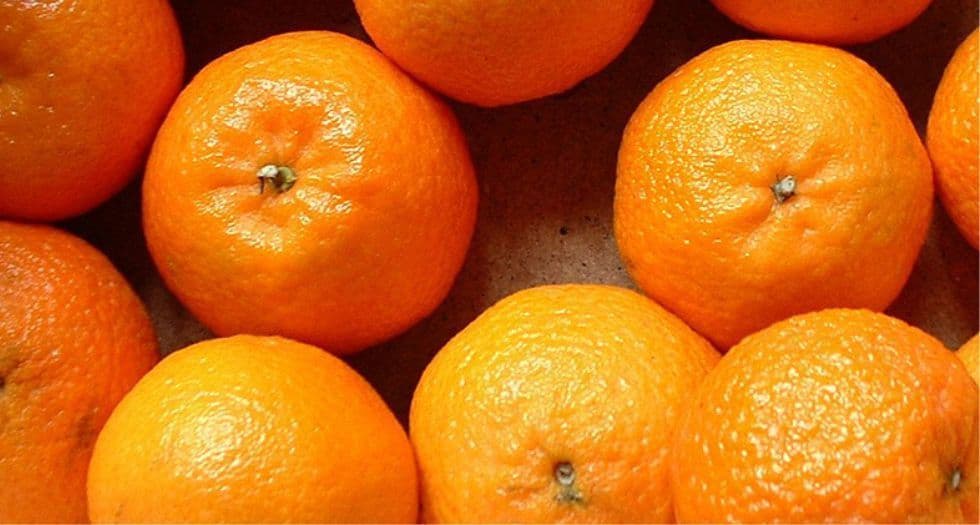
Calabrian mandarin
Calabrian Mandarin is a bright citrus note with zesty peel, juicy freshness, and a clean sparkling lift. In perfumery, it brings energy and radiance to openings, pairing well with neroli, tea, herbs, musks, woods, aquatic notes, and light florals.
- 🌿
Calabrian mandarin orange
Calabrian mandarin orange is a bright citrus note that brings sparkle, freshness, and immediate lift to a fragrance. Its profile may include juicy pulp, aromatic peel, green bitterness, soft floral facets, or a slightly sharp zest depending on the material. In perfumery, it is most often used in the opening, where it gives clarity and movement before blending into florals, woods, musks, or herbs. Calabrian mandarin orange works especially well with neroli, tea, lavender, white musk, light woods, aquatic notes, and aromatic herbs.
- 🌿
Calabrian neroli
Calabrian neroli is a citrus note that adds sparkle, freshness, and immediate lift to a fragrance. Its profile can include juicy pulp, aromatic peel, green bitterness, soft floral nuances, or a sharp zesty brightness depending on the material. In perfumery, it is usually used in the opening, where it brings clarity and motion before blending into florals, woods, musks, or herbs. It pairs well with neroli, tea, lavender, white musk, light woods, aquatic notes, and aromatic herbs.
- 🌿
Calabrian white bergamot
Calabrian white bergamot is a citrus note that adds sparkle, freshness, and immediate lift to a fragrance. Its profile can include juicy pulp, aromatic peel, green bitterness, soft floral nuances, or a sharp zesty brightness depending on the material. In perfumery, it is usually used in the opening, where it brings clarity and motion before blending into florals, woods, musks, or herbs. It pairs well with neroli, tea, lavender, white musk, light woods, aquatic notes, and aromatic herbs.
- 🌿
Calamondin
Calamondin is a specialty note used to give a fragrance a distinctive texture, mood, or material impression. Depending on interpretation, it may contribute freshness, warmth, sweetness, dryness, softness, or an abstract atmospheric effect. In perfumery, specialty notes are useful because they make a composition feel more specific and less generic. It can be paired with woods, musks, florals, resins, fruits, green notes, spices, or amber materials according to the intended style.
- 🌿
Calamondin peel
Calamondin peel is a specialty note used to give a fragrance a distinctive texture, mood, or material impression. Depending on interpretation, it may contribute freshness, warmth, sweetness, dryness, softness, or an abstract atmospheric effect. In perfumery, specialty notes are useful because they make a composition feel more specific and less generic. It can be paired with woods, musks, florals, resins, fruits, green notes, spices, or amber materials according to the intended style.
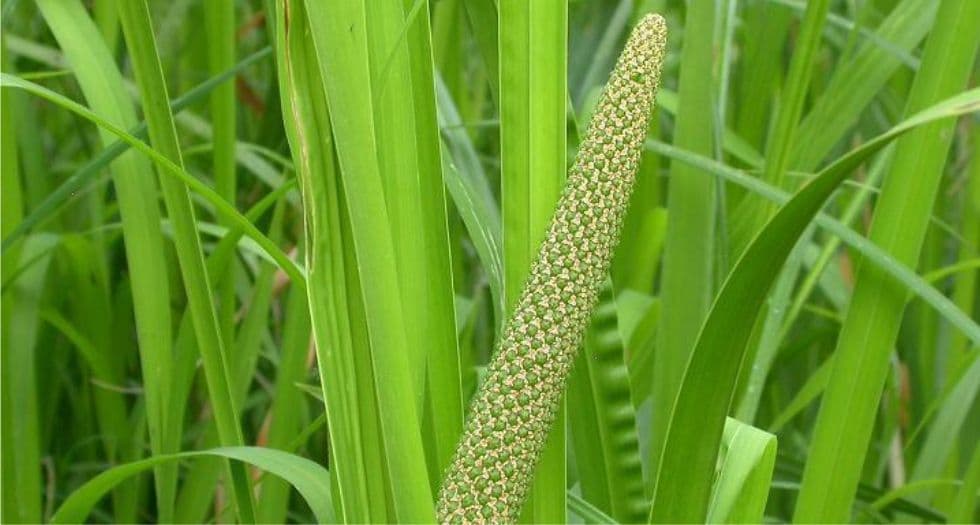
Calamus
Calamus — derived from the rhizome of sweet flag (Acorus calamus) — is one of perfumery's oldest aromatic materials, with a documented history stretching back over four thousand years. It is mentioned in the Hebrew Bible, in ancient Egyptian papyri, and in the writings of Greek physicians as a prized aromatic and medicinal substance. The plant grows along waterways across Europe, Asia, and North America, its sword-like leaves and rhizomatous roots harvested for their powerfully fragrant essential oil. Its role in ancient incense formulations and sacred rites gave calamus an almost mythological status in the history of aromatics. The olfactory character of calamus is warm, spicy, and herbal with a fascinating complexity: there is a dry, woody rootiness at its core, surrounded by a warm spiciness reminiscent of cinnamon and cardamom, a faint camphoraceous lift, and an earthy, slightly animalic depth that speaks to its ancient origins. It is simultaneously primitive and refined — rugged enough to feel genuinely natural, complex enough to reward careful attention. In perfumery, calamus appears most often in chypres, orientals, fougères, and artisan compositions where its spicy-herbal depth provides backbone and character. It anchors aromatic-woody blends and adds a historical gravitas to compositions drawing on ancient perfume traditions. At Fragrenza, we honor the deep roots of aromatic history in our collections, crafting compositions that connect the ancient lineage of perfumery to the present day — at accessible prices for every explorer.
- 🌿
California Orange
California Orange is a citrus note that adds sparkle, freshness, and immediate lift to a fragrance. Its profile can include juicy pulp, aromatic peel, green bitterness, soft floral nuances, or a sharp zesty brightness depending on the material. In perfumery, it is usually used in the opening, where it brings clarity and motion before blending into florals, woods, musks, or herbs. It pairs well with neroli, tea, lavender, white musk, light woods, aquatic notes, and aromatic herbs.
- 🌿
Californian juniper
Californian juniper is a specialty note used to give a fragrance a distinctive texture, mood, or material impression. Depending on interpretation, it may contribute freshness, warmth, sweetness, dryness, softness, or an abstract atmospheric effect. In perfumery, specialty notes are useful because they make a composition feel more specific and less generic. It can be paired with woods, musks, florals, resins, fruits, green notes, spices, or amber materials according to the intended style.
- 🌿
Californian lemon
Californian lemon is a citrus note that adds sparkle, freshness, and immediate lift to a fragrance. Its profile can include juicy pulp, aromatic peel, green bitterness, soft floral nuances, or a sharp zesty brightness depending on the material. In perfumery, it is usually used in the opening, where it brings clarity and motion before blending into florals, woods, musks, or herbs. It pairs well with neroli, tea, lavender, white musk, light woods, aquatic notes, and aromatic herbs.
- 🌿
Californian lilac
Californian lilac is a specialty note used to give a fragrance a distinctive texture, mood, or material impression. Depending on interpretation, it may contribute freshness, warmth, sweetness, dryness, softness, or an abstract atmospheric effect. In perfumery, specialty notes are useful because they make a composition feel more specific and less generic. It can be paired with woods, musks, florals, resins, fruits, green notes, spices, or amber materials according to the intended style.
- 🌿
Californian orange
Californian orange is a citrus note that adds sparkle, freshness, and immediate lift to a fragrance. Its profile can include juicy pulp, aromatic peel, green bitterness, soft floral nuances, or a sharp zesty brightness depending on the material. In perfumery, it is usually used in the opening, where it brings clarity and motion before blending into florals, woods, musks, or herbs. It pairs well with neroli, tea, lavender, white musk, light woods, aquatic notes, and aromatic herbs.
- 🌿
Californian pepper
Californian pepper is a spicy note that gives fragrance heat, texture, and aromatic energy. It can feel sweet, dry, peppery, resinous, herbal, smoky, or slightly medicinal depending on the material. In perfumery, spices create contrast, deepen the heart, and bridge fresh top notes with warm woody or amber bases. It pairs especially well with citrus, rose, tobacco, vanilla, oud, sandalwood, patchouli, leather, and balsamic resins.
- 🌿
Californian sage
Californian sage is a green or aromatic note that evokes leaves, herbs, stems, fresh air, or crushed vegetation. Its profile can be crisp, bitter, watery, camphoraceous, grassy, or slightly earthy depending on the material. In perfumery, green notes add realism and lift, keeping sweet, floral, or woody compositions from feeling too heavy. It pairs well with citrus, tea, fig, violet leaf, galbanum, tomato leaf, white musk, vetiver, lavender, and light woods.
- 🌿
Californian sequoia
Californian sequoia is a specialty note used to give a fragrance a distinctive texture, mood, or material impression. Depending on interpretation, it may contribute freshness, warmth, sweetness, dryness, softness, or an abstract atmospheric effect. In perfumery, specialty notes are useful because they make a composition feel more specific and less generic. It can be paired with woods, musks, florals, resins, fruits, green notes, spices, or amber materials according to the intended style.
Calisson
Calisson is a traditional French confection from Provence, made with candied fruit and ground almonds, usually finished with a thin layer of icing. In perfumery, it creates a soft gourmand impression of almond, marzipan, candied melon, orange peel, sugar, and powdery sweetness.
- 🌿
Calla
Calla is a specialty note used to give a fragrance a distinctive texture, mood, or material impression. Depending on interpretation, it may contribute freshness, warmth, sweetness, dryness, softness, or an abstract atmospheric effect. In perfumery, specialty notes are valuable because they make a composition feel more specific and less generic. Calla can be paired with woods, musks, florals, resins, fruits, green notes, spices, or amber materials according to the intended style.
- 🌿
Callitris columellaris
Callitris columellaris is a specialty note used to give a fragrance a distinctive texture, mood, or material impression. Depending on interpretation, it may contribute freshness, warmth, sweetness, dryness, softness, or an abstract atmospheric effect. In perfumery, specialty notes are useful because they make a composition feel more specific and less generic. It can be paired with woods, musks, florals, resins, fruits, green notes, spices, or amber materials according to the intended style.
- 🌿
Calochortus
Calochortus is a specialty note used to give a fragrance a distinctive texture, mood, or material impression. Depending on interpretation, it may contribute freshness, warmth, sweetness, dryness, softness, or an abstract atmospheric effect. In perfumery, specialty notes are useful because they make a composition feel more specific and less generic. It can be paired with woods, musks, florals, resins, fruits, green notes, spices, or amber materials according to the intended style.
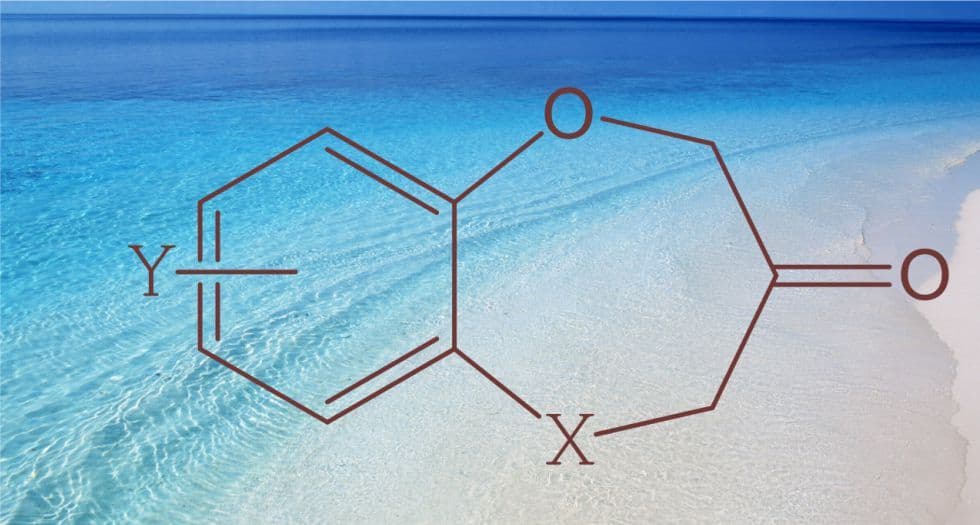
Calone
Calone is a synthetic aroma molecule — formally known as 7-methyl-2H-1,5-benzodioxepin-3(4H)-one — that revolutionized modern perfumery when it was developed by Pfizer in the 1960s and brought to widespread use in fragrance creation during the 1980s and 1990s. Its discovery unlocked an entirely new olfactory territory: the sensation of the open sea, cool oceanic air, and the crisp freshness of water on skin. Calone's arrival transformed fragrance trends, making possible a whole new family of aquatic, ozonic fragrances that came to define an era. The olfactory character of calone is strikingly oceanic and fresh: a cool, clean, watery-melon aroma with a faintly metallic, ozonic quality that immediately evokes sea breezes, coastal air, and the sensation of swimming in clear water. It is bright, diffusive, and slightly green — like watermelon rind combined with the smell of a breaking wave. Even at low concentrations, calone radiates powerfully, projecting freshness across a room before settling closer to skin. In perfumery, calone is the cornerstone of the aquatic and marine fragrance family — most famously deployed in landmark fragrances of the early 1990s that changed the direction of modern scent. It pairs perfectly with citrus, aquatic musks, light woods, and soft florals. At Fragrenza, we capture the clean, invigorating spirit of calone-driven aquatics in our fresh collections, offering expertly inspired versions of this beloved fragrance category at truly accessible prices.
- 🌿
Calumba
Calumba is a specialty note used to give a fragrance a distinctive texture, mood, or material impression. Depending on interpretation, it may contribute freshness, warmth, sweetness, dryness, softness, or an abstract atmospheric effect. In perfumery, specialty notes are useful because they make a composition feel more specific and less generic. It can be paired with woods, musks, florals, resins, fruits, green notes, spices, or amber materials according to the intended style.
Calycanthus
Calycanthus, commonly known as sweetshrub or Carolina allspice, is a flowering shrub native to the forests and stream banks of eastern North America, where Calycanthus floridus has been part of the woodland landscape since long before European settlement. Indigenous peoples and early American settlers were well aware of the plant's unusual, spicy-sweet fragrance — one of the most characterful scents produced by any North American native plant. The shrub produces striking burgundy-red flowers whose petals, bark, and wood all carry this distinctive aromatic signature. The olfactory profile of calycanthus is a warm, fruity-floral with pleasantly spicy undertones that set it apart from conventional florals. The scent suggests ripe melon, strawberry, and magnolia with a background warmth of clove and cinnamon — an earthy-sweet complexity that gives the note a distinctive American woodland character. There is something rooted and organic about calycanthus that distinguishes it from cultivated garden flowers; it smells wild and genuine. In perfumery, calycanthus offers a fresh perspective on the fruity-floral category, bringing a spiced warmth and North American botanical identity that is both unusual and appealing. It works beautifully with fruit notes, soft woods, and musks to create compositions that feel grounded and authentic. Fragrenza celebrates unique botanical notes like calycanthus in our nature-inspired collections, crafting compositions that honor the world's lesser-known floral treasures at prices that make luxury fragrance genuinely inclusive.
- 🌿
Calypso orchid
Calypso orchid is a floral note that gives a fragrance softness, radiance, and emotional warmth. Depending on the flower or accord, it may feel fresh, creamy, powdery, honeyed, green, indolic, or airy. In perfumery, floral notes often form the heart of a composition, adding body and a recognizable signature. It pairs well with citrus, white musk, rose, jasmine, sandalwood, amber, vanilla, iris, and delicate fruits.
- 🌿
Calypsone®
Calypsone is a captivating aromatic molecule developed by IFF (International Flavors and Fragrances), belonging to the family of synthetic fragrance ingredients created to provide effects impossible to achieve with naturals alone. Like many modern fragrance molecules, calypsone was developed through systematic olfactory research, representing the ongoing collaboration between chemistry and artistry that defines contemporary fine perfumery. Its creation opened new possibilities for perfumers seeking to evoke specific emotional experiences rather than simply replicating natural sources. The olfactory character of calypsone is warmly fruity and subtly rosy, with a peachy softness that feels both familiar and gently exotic. It has a smooth, slightly watery fruitiness — reminiscent of ripe peach or nectarine with a light rose petal undertone — that is approachable, modern, and naturally skin-flattering. Its warmth and gentle sweetness give it a radiant, almost solar quality that makes it particularly appealing in skin-close, intimate fragrance contexts. In perfumery, calypsone is used to add a soft fruity-rosy warmth that bridges floral and fruity fragrance families with seamless grace. It enhances rose soliflores with peach-like depth, brightens musks with a fruity luminosity, and gives modern floral compositions an extra dimension of warmth. At Fragrenza, we draw on the full palette of both natural and synthetic ingredients — including innovative molecules like calypsone — to craft inspiring, high-quality compositions at prices accessible to every fragrance lover.
- 🌿
Cambodian oud
Cambodian oud comes from Aquilaria cambodiana and closely related species found in the ancient forests of Cambodia — a country whose deep spiritual and cultural ties to agarwood are woven into centuries of royal and religious tradition. Oud, produced when aquilaria trees become infected with a specific fungal pathogen and produce a dark, resinous heartwood in defense, is one of the world's most precious and complex aromatic materials. Cambodian agarwood has long been regarded among the finest in the world, traded along ancient incense routes from Southeast Asia to the courts of Arabia, China, and Persia. The olfactory character of Cambodian oud is extraordinarily rich and layered: darker and more complex than lighter Thai or Assam varieties, it carries a deep, almost balsamic sweetness beneath its animalic warmth and resinous earthiness. There are facets of dried fruit, old leather, forest floor, and a woody-incense smoke that evolves on skin over hours. It is one of the most compelling and long-lasting fragrance materials in existence, capable of transforming any composition it enters. In fine perfumery — particularly in niche, Middle Eastern, and artisan traditions — Cambodian oud is the gold standard: intense, complex, and deeply personal. Fragrenza brings this extraordinary material to the heart of our oud-inspired collections, offering compositions that reflect the depth and artistry of the world's finest oud perfumes, made accessible at prices that honor the spirit of sharing great fragrance.
- 🌿
Cambodian patchouli
Cambodian patchouli is a woody note used to create structure, depth, and lasting warmth. Its scent may be dry, creamy, smoky, resinous, earthy, pencil-like, or polished depending on the wood or accord. In perfumery, woody notes support the whole composition and connect fresh openings with deeper bases. It pairs naturally with amber, musk, incense, leather, vetiver, patchouli, spices, citrus, and soft resins.
- 🌿
Camelia
Camelia is a specialty note used to give a fragrance a distinctive texture, mood, or material impression. Depending on interpretation, it may contribute freshness, warmth, sweetness, dryness, softness, or an abstract atmospheric effect. In perfumery, specialty notes are valuable because they make a composition feel more specific and less generic. Camelia can be paired with woods, musks, florals, resins, fruits, green notes, spices, or amber materials according to the intended style.
camellia
Camellia (Camellia japonica) is one of East Asia's most revered flowering plants, cultivated in China and Japan for over a thousand years as a symbol of grace, longevity, and refined beauty. The camellia has long held a special place in Japanese culture — referenced in literature, painted on ceramics, and celebrated in the tea ceremony, where its cousin Camellia sinensis provides the leaves for green tea. In perfumery, the camellia flower occupies an intriguing position: visually magnificent but subtly scented, it requires careful reconstruction to fully realize in fragrance form. The olfactory profile of camellia in perfumery is delicate, clean, and quietly feminine: a soft white floral with a barely-there sweetness and a clean, slightly green freshness that makes it feel luminous rather than heavy. Unlike the full-throated opulence of jasmine or tuberose, camellia is understated and graceful — a sheer, powdery whisper of a flower that suggests elegance rather than announcing it. There is a faint leafy quality that grounds the floral note and keeps it crisp. In fine perfumery, camellia is prized precisely for its restraint — used to add clean floral radiance without tipping a composition toward heaviness. It lifts lighter florals, adds a feminine grace note to chypres and musks, and creates the sensation of a perfectly balanced, understated luxury. Fragrenza celebrates this quiet elegance in floral collections inspired by the most refined expressions of international perfumery, offered at prices that make true refinement attainable.
- 🌿
Camomile
Camomile is a floral note that brings softness, radiance, and natural elegance to a fragrance. Its character can range from fresh and airy to creamy, sensual, honeyed, or slightly green, depending on how the accord is built. In perfumery, it is often used in the heart of a composition to add body and emotional warmth. It pairs well with white musks, citrus, rose, jasmine, sandalwood, amber, vanilla, and delicate fruits.
- 🌿
Camomile absolute
Camomile absolute is a specialty note used to give a fragrance a distinctive texture, mood, or material impression. Depending on interpretation, it may contribute freshness, warmth, sweetness, dryness, softness, or an abstract atmospheric effect. In perfumery, specialty notes are useful because they make a composition feel more specific and less generic. It can be paired with woods, musks, florals, resins, fruits, green notes, spices, or amber materials according to the intended style.

Campari
Campari, the iconic bitter Italian aperitivo, was created in 1860 by Gaspare Campari in Novara, Italy, and has since become one of the world's most recognizable spirits. Its distinctive recipe — a closely guarded secret — blends bitter herbs, aromatic plants, fruit, and alcohol into a vivid crimson liqueur that sits at the heart of the Negroni, the Spritz, and countless other classic cocktails. The spirit's complex aromatic identity, oscillating between bitter citrus, herbal intensity, and a sweet-dark depth, makes it a fascinatingly rich source of inspiration for perfumery. As a fragrance note, Campari delivers a sophisticated bittersweet complexity: bright bitter-citrus upfront — reminiscent of blood orange and grapefruit pith — with a herbal, almost medicinal heart drawn from quinine and aromatic botanicals, and a faintly sweet, slightly alcoholic warmth underneath. It is the kind of note that appeals to those who find conventional sweetness too easy, preferring something that demands a second breath. In perfumery, Campari-inspired accords bring aperitivo-hour sophistication to modern unisex and masculine fragrances, adding bitter-aromatic complexity that feels adult and assured. It pairs brilliantly with citrus, juniper, black pepper, and warm woody notes. At Fragrenza, we celebrate this grown-up, spirited elegance in compositions inspired by the boldest expressions of niche and designer perfumery, crafted to deliver quality without the high street price.
- 🌿
Campfire
Campfire is a woody note used to create structure, depth, and lasting warmth. Its scent may be dry, creamy, smoky, resinous, earthy, pencil-like, or polished depending on the wood or accord. In perfumery, woody notes support the whole composition and connect fresh openings with deeper bases. It pairs naturally with amber, musk, incense, leather, vetiver, patchouli, spices, citrus, and soft resins.
Camphor
Camphor is derived from the wood of the camphor laurel (Cinnamomum camphora), a large evergreen tree native to East Asia — particularly China, Taiwan, and Japan — though it has been cultivated widely across tropical and subtropical regions. For millennia, camphor crystals have been used in traditional medicine, religious rituals, and as a natural insect repellent across Asian and European cultures. Its translation into perfumery brings a bracing, crystalline quality that is both challenging and deeply compelling to skilled perfumers. The scent of camphor is unmistakable: sharp, cold, and medicinal with a penetrating clarity that seems to sharpen the air around it. There is a mentholated cleanness to camphor that feels simultaneously cooling and slightly numbing, with a dry, slightly woody undertone beneath its bright, diffusive top. Despite its medical associations in everyday life, camphor in perfumery reads as strikingly clean, clear, and invigorating — a note that wakes up a composition and demands attention. Perfumers use camphor to add sharp freshness and crystalline clarity to fougères, aromatic aquatics, and sophisticated masculine compositions. Even in small amounts, it provides significant lift and diffusion. At Fragrenza, we appreciate the bold intelligence that camphor brings to fragrance, and we incorporate this distinctive note in carefully constructed compositions inspired by the world's most cerebral perfume houses, offered at prices that make them accessible to all.
- 🌿
Camphor tree
Camphor tree is a specialty note used to give a fragrance a distinctive texture, mood, or material impression. Depending on interpretation, it may contribute freshness, warmth, sweetness, dryness, softness, or an abstract atmospheric effect. In perfumery, specialty notes are valuable because they make a composition feel more specific and less generic. Camphor tree can be paired with woods, musks, florals, resins, fruits, green notes, spices, or amber materials according to the intended style.
- 🌿
Camphor wood
Camphor wood is a woody note used to create structure, depth, and lasting warmth. Its scent may be dry, creamy, smoky, resinous, earthy, pencil-like, or polished depending on the wood or accord. In perfumery, woody notes support the whole composition and connect fresh openings with deeper bases. It pairs naturally with amber, musk, incense, leather, vetiver, patchouli, spices, citrus, and soft resins.
- 🌿
Canadian cedar
Canadian cedar is a woody note used to create structure, depth, and lasting warmth. Its scent may be dry, creamy, smoky, resinous, earthy, pencil-like, or polished depending on the wood or accord. In perfumery, woody notes support the whole composition and connect fresh openings with deeper bases. It pairs naturally with amber, musk, incense, leather, vetiver, patchouli, spices, citrus, and soft resins.
- 🌿
Canadian fir balsam
Canadian fir balsam is a woody note used to create structure, depth, and lasting warmth. Its scent may be dry, creamy, smoky, resinous, earthy, pencil-like, or polished depending on the wood or accord. In perfumery, woody notes support the whole composition and connect fresh openings with deeper bases. It pairs naturally with amber, musk, incense, leather, vetiver, patchouli, spices, citrus, and soft resins.
- 🌿
Canadian fir balsam absolute
Canadian fir balsam absolute is a woody note used to create structure, depth, and lasting warmth. Its scent may be dry, creamy, smoky, resinous, earthy, pencil-like, or polished depending on the wood or accord. In perfumery, woody notes support the whole composition and connect fresh openings with deeper bases. It pairs naturally with amber, musk, incense, leather, vetiver, patchouli, spices, citrus, and soft resins.
- 🌿
Canadian hemlock
Canadian hemlock is a specialty note used to give a fragrance a distinctive texture, mood, or material impression. Depending on interpretation, it may contribute freshness, warmth, sweetness, dryness, softness, or an abstract atmospheric effect. In perfumery, specialty notes are useful because they make a composition feel more specific and less generic. It can be paired with woods, musks, florals, resins, fruits, green notes, spices, or amber materials according to the intended style.
- 🌿
Canadian horseweed
Canadian horseweed is a specialty note used to give a fragrance a distinctive texture, mood, or material impression. Depending on interpretation, it may contribute freshness, warmth, sweetness, dryness, softness, or an abstract atmospheric effect. In perfumery, specialty notes are useful because they make a composition feel more specific and less generic. It can be paired with woods, musks, florals, resins, fruits, green notes, spices, or amber materials according to the intended style.
- 🌿
Canadian pine
Canadian pine is a woody note used to create structure, depth, and lasting warmth. Its scent may be dry, creamy, smoky, resinous, earthy, pencil-like, or polished depending on the wood or accord. In perfumery, woody notes support the whole composition and connect fresh openings with deeper bases. It pairs naturally with amber, musk, incense, leather, vetiver, patchouli, spices, citrus, and soft resins.
- 🌿
Canadian rosewood
Canadian rosewood is a floral note that gives a fragrance softness, radiance, and emotional warmth. Depending on the flower or accord, it may feel fresh, creamy, powdery, honeyed, green, indolic, or airy. In perfumery, floral notes often form the heart of a composition, adding body and a recognizable signature. It pairs well with citrus, white musk, rose, jasmine, sandalwood, amber, vanilla, iris, and delicate fruits.
- 🌿
Canary Islands juniper
Canary Islands juniper is a specialty note used to give a fragrance a distinctive texture, mood, or material impression. Depending on interpretation, it may contribute freshness, warmth, sweetness, dryness, softness, or an abstract atmospheric effect. In perfumery, specialty notes are valuable because they make a composition feel more specific and less generic. Canary Islands juniper can be paired with woods, musks, florals, resins, fruits, green notes, spices, or amber materials according to the intended style.
Candied Almond
Candied Almond is a sweet gourmand note with edible warmth, softness, and a comforting dessert-like character. In perfumery, it adds texture and indulgence, pairing well with vanilla, tonka bean, musk, amber, woods, fruit notes, and soft florals.
- 🌿
Candied apple
Candied apple is a fruity note that gives fragrance juiciness, color, and natural sweetness. It can be crisp and tart, ripe and velvety, tropical and creamy, or dark and jammy depending on the fruit profile. In perfumery, fruity notes brighten florals, soften musks, and add pleasure to gourmand or woody structures. Candied apple pairs well with rose, peony, jasmine, white musk, vanilla, woods, citrus, amber, and soft spices.
- 🌿
Candied bergamot
Candied bergamot is a citrus note that adds sparkle, freshness, and immediate lift to a fragrance. Its profile can include juicy pulp, aromatic peel, green bitterness, soft floral nuances, or a sharp zesty brightness depending on the material. In perfumery, it is usually used in the opening, where it brings clarity and motion before blending into florals, woods, musks, or herbs. It pairs well with neroli, tea, lavender, white musk, light woods, aquatic notes, and aromatic herbs.
Candied Fruits
Candied fruits as a fragrance accord evokes the rich tradition of fruit preservation in sugar — a craft practiced from the courts of medieval Persia and Renaissance Europe to the colorful confiseries of Provence and Sicily today. The art of candying — slowly infusing fruits with successive concentrations of sugar syrup until they become jewel-like, intensely flavored confections — transforms fleeting seasonal fruits into something lasting and deeply sensory. This tradition has been a natural source of inspiration for the gourmand wing of modern perfumery. As a fragrance note, candied fruits presents a vibrant, luminous sweetness with an appealing complexity drawn from its multi-fruit character. The accord typically evokes a medley of sugared stone fruits, berries, and citrus peel, each contributing its own facet — tart cherry, sweet apricot, jammy fig, bright orange — unified by the warm, crystalline sweetness of sugar syrup. The result is joyful, exuberant, and richly layered without being heavy. In perfumery, candied fruits notes bring an effervescent, celebratory quality to fruity florals, gourmand compositions, and playful summer fragrances. The note works beautifully alongside musk, patchouli, light woods, and floral hearts to create compositions that feel both edible and wearable. Fragrenza captures the delicious spirit of this accord in our gourmand-inspired collections, crafting fragrance experiences that reflect the best of luxury perfumery — made available at prices that celebrate every day.
Candied Ginger
Candied ginger captures the transformation of one of the world's most ancient spices through the alchemy of sugar. Ginger (Zingiber officinale) has been cultivated and traded across South and Southeast Asia for over five thousand years, prized in both culinary and medicinal traditions from Ayurveda to Chinese medicine. The process of sugaring ginger — slowing its sharp, fiery bite with sweetness — creates a confection with a unique character that sits tantalizingly between the warming spice world and the sweeter world of gourmand perfumery. The scent of candied ginger is warm, zingy, and irresistibly appealing: the familiar spicy warmth of fresh ginger is present, but softened and sweetened to reveal a rounder, more approachable personality. A faint tropical fruitiness — ginger's own inherent quality — mingles with the caramelized sweetness of the sugar coating, creating a note that is simultaneously energizing and comforting. It is one of perfumery's most successful marriages of spice and sweetness. Perfumers use candied ginger to add vibrant, spiced warmth to gourmand fragrances, oriental compositions, and spicy floral blends where its unique character bridges different fragrance families with ease. It pairs beautifully with cardamom, cinnamon, vanilla, citrus, and woody musks. At Fragrenza, we celebrate this zesty, warm note in inspired collections that bring luxury-quality spiced gourmand fragrances to everyone at accessible price points.
- 🌿
Candied lemon
Candied lemon is a citrus note that adds sparkle, freshness, and immediate lift to a fragrance. Its profile can include juicy pulp, aromatic peel, green bitterness, soft floral nuances, or a sharp zesty brightness depending on the material. In perfumery, it is usually used in the opening, where it brings clarity and motion before blending into florals, woods, musks, or herbs. It pairs well with neroli, tea, lavender, white musk, light woods, aquatic notes, and aromatic herbs.
- 🌿
Candied mandarin orange
Candied mandarin orange is a citrus note that adds sparkle, freshness, and immediate lift to a fragrance. Its profile can include juicy pulp, aromatic peel, green bitterness, soft floral nuances, or a sharp zesty brightness depending on the material. In perfumery, it is usually used in the opening, where it brings clarity and motion before blending into florals, woods, musks, or herbs. It pairs well with neroli, tea, lavender, white musk, light woods, aquatic notes, and aromatic herbs.
- 🌿
Candied orange
Candied orange traces its roots to the ancient Mediterranean practice of preserving citrus peel in sugar syrup — a technique developed by Arab confectioners and later adopted enthusiastically by European kitchens in the medieval period. From Venetian sweetmeat traditions to the modern pâtisserie, candied orange peel has remained a beloved confection and baking ingredient for centuries. Its distinctive scent, where the bright bitterness of orange zest is transformed and sweetened by sugar, has made it an irresistible inspiration for fragrance. The olfactory profile of candied orange is intensely sweet yet grounded in the genuine character of the fruit. Unlike fresh orange, it carries the concentrated, slightly jammy depth of slow-candied peel, where natural orange oils mingle with caramelized sugar to create something richer and more complex. A warm, slightly waxy quality and a bitter-citrus edge beneath all the sweetness prevent it from becoming one-dimensional — this is orange made opulent, not merely sweet. In perfumery, candied orange appears prominently in gourmand compositions, oriental blends, and festive seasonal fragrances where its celebratory sweetness is a perfect fit. It pairs wonderfully with chocolate, spices, warm amber, and dark woods. Fragrenza brings this vibrant, confection-inspired note to life in carefully composed collections that draw on the best of luxury gourmand perfumery, offering genuine quality at prices that don't require a special occasion.
- 🌿
Candied orange peel
Candied orange peel is a citrus note that adds sparkle, freshness, and immediate lift to a fragrance. Its profile can include juicy pulp, aromatic peel, green bitterness, soft floral nuances, or a sharp zesty brightness depending on the material. In perfumery, it is usually used in the opening, where it brings clarity and motion before blending into florals, woods, musks, or herbs. It pairs well with neroli, tea, lavender, white musk, light woods, aquatic notes, and aromatic herbs.
- 🌿
Candied violet
Candied violet is a floral note that gives a fragrance softness, radiance, and emotional warmth. Depending on the flower or accord, it may feel fresh, creamy, powdery, honeyed, green, indolic, or airy. In perfumery, floral notes often form the heart of a composition, adding body and a recognizable signature. It pairs well with citrus, white musk, rose, jasmine, sandalwood, amber, vanilla, iris, and delicate fruits.
- 🌿
Candle wax
Candle wax is a specialty note used to give a fragrance a distinctive texture, mood, or material impression. Depending on interpretation, it may contribute freshness, warmth, sweetness, dryness, softness, or an abstract atmospheric effect. In perfumery, specialty notes are useful because they make a composition feel more specific and less generic. It can be paired with woods, musks, florals, resins, fruits, green notes, spices, or amber materials according to the intended style.
- 🌿
Candy
Candy is a gourmand note that adds edible warmth, sweetness, and comfort. It may suggest cream, sugar, nuts, chocolate, coffee, honey, pastry, or toasted grains depending on the accord. In perfumery, gourmand notes make compositions feel cozy and sensual, but they work best when balanced with woods, musks, spices, citrus, or resins. It pairs well with vanilla, tonka bean, sandalwood, amber, caramel, cacao, coffee, and soft florals.
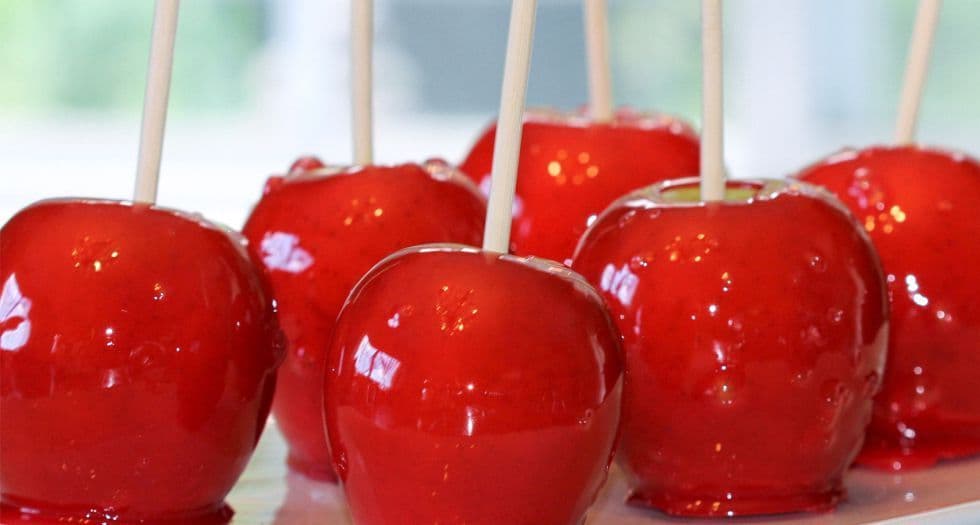
Candy Apple
Candy Apple is a sweet gourmand note with edible warmth, softness, and a comforting dessert-like character. In perfumery, it adds texture and indulgence, pairing well with vanilla, tonka bean, musk, amber, woods, fruit notes, and soft florals.
- 🌿
Candy cane sorrel
Candy cane sorrel is a gourmand note that adds edible warmth, sweetness, and comfort. It may suggest cream, sugar, nuts, chocolate, coffee, honey, pastry, or toasted grains depending on the accord. In perfumery, gourmand notes make compositions feel cozy and sensual, but they work best when balanced with woods, musks, spices, citrus, or resins. It pairs well with vanilla, tonka bean, sandalwood, amber, caramel, cacao, coffee, and soft florals.
- 🌿
Cane sugar
Cane sugar is a gourmand note that adds edible warmth, sweetness, and comfort to a fragrance. It may suggest cream, sugar, nuts, chocolate, coffee, honey, pastry, or toasted grains depending on the accord. In perfumery, gourmand notes make compositions feel cozy and sensual, but they work best when balanced with woods, musks, spices, citrus, or resins. Cane sugar pairs well with vanilla, tonka bean, sandalwood, amber, caramel, cacao, coffee, and soft florals.

Cannabis
Cannabis as a fragrance note captures the distinctive aromatic character of Cannabis sativa — not its psychoactive compounds, but the rich tapestry of terpenes that make the plant so olfactorily compelling. Hemp and cannabis have been cultivated across Central and East Asia for thousands of years, with their fibrous stalks, seeds, and aromatic leaves woven into human history long before modern controversy. The plant's unique scent profile has increasingly attracted perfumers seeking something genuinely unconventional and expressive. The olfactory character of cannabis in perfumery is green, earthy, and powerfully herbal, with a musky depth that feels simultaneously wild and organic. The dominant terpenes — myrcene, caryophyllene, limonene — contribute a complex mosaic of earthy warmth, citrus tang, and spicy woodiness beneath an overarching green freshness. The overall effect is not harsh but rather deeply natural: like walking through a sun-warmed field of wild herbs, earthy and alive. In modern perfumery, cannabis has moved from provocateur to established note, appearing in numerous niche and mainstream fragrances for its raw naturalness and undeniable character. It pairs beautifully with resins, musks, woods, and green notes to create compositions that feel grounded and authentic. Fragrenza embraces this bold botanical in select collections that celebrate nature's less conventional offerings — crafted to inspire, at prices that welcome everyone.
- 🌿
Cannabispirol
Cannabispirol is a specialty note used to give a fragrance a distinctive texture, mood, or material impression. Depending on interpretation, it may contribute freshness, warmth, sweetness, dryness, softness, or an abstract atmospheric effect. In perfumery, specialty notes are useful because they make a composition feel more specific and less generic. It can be paired with woods, musks, florals, resins, fruits, green notes, spices, or amber materials according to the intended style.
- 🌿
Cannellier Leaf
Cannellier Leaf is a green or aromatic note that evokes leaves, herbs, stems, fresh air, or crushed vegetation. Its profile can be crisp, bitter, watery, camphoraceous, grassy, or slightly earthy depending on the material. In perfumery, green notes add realism and lift, keeping sweet, floral, or woody compositions from feeling too heavy. It pairs well with citrus, tea, fig, violet leaf, galbanum, tomato leaf, white musk, vetiver, lavender, and light woods.
- 🌿
Cannonball tree blossom
Cannonball tree blossom is a floral note that gives a fragrance softness, radiance, and emotional warmth. Depending on the flower or accord, it may feel fresh, creamy, powdery, honeyed, green, indolic, or airy. In perfumery, floral notes often form the heart of a composition, adding body and a recognizable signature. It pairs well with citrus, white musk, rose, jasmine, sandalwood, amber, vanilla, iris, and delicate fruits.
- 🌿
Cantaloupe
Cantaloupe is a specialty note used to give a fragrance a distinctive texture, mood, or material impression. Depending on interpretation, it may contribute freshness, warmth, sweetness, dryness, softness, or an abstract atmospheric effect. In perfumery, specialty notes are valuable because they make a composition feel more specific and less generic. Cantaloupe can be paired with woods, musks, florals, resins, fruits, green notes, spices, or amber materials according to the intended style.
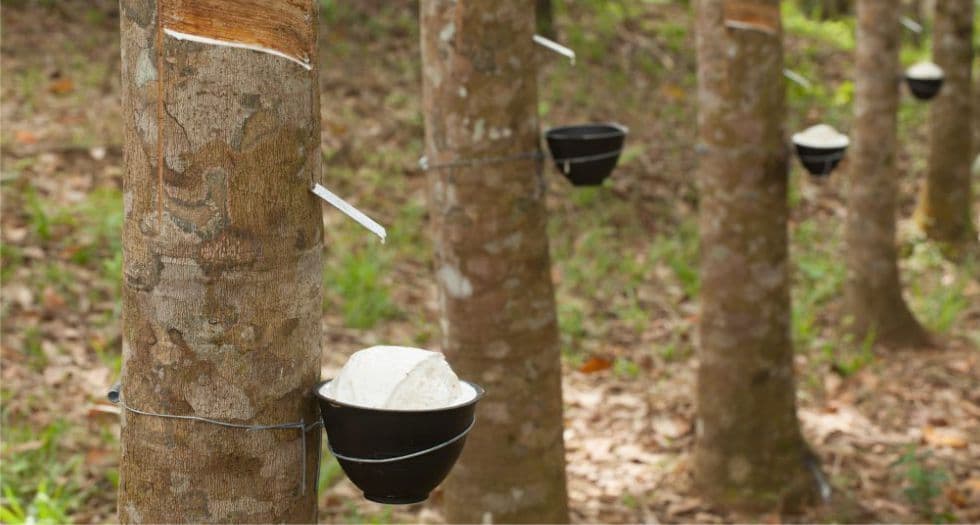
caoutchouc
Caoutchouc — the French word for natural rubber — is derived from the latex sap of Hevea brasiliensis, the rubber tree native to the Amazon basin of South America. For centuries, indigenous peoples of Amazonia used this natural material for waterproofing and tool-making before European explorers introduced it to the wider world in the 18th century. In perfumery, caoutchouc represents a daring departure from traditional botanical ingredients, embracing the raw, industrial-organic character of processed natural rubber. The scent of caoutchouc is unmistakably distinctive: warm, slightly smoky, and faintly earthy with an almost latex-like smoothness that sits in a fascinating space between the natural and the man-made. It carries a rubbery warmth that is simultaneously off-putting and deeply compelling — a leathery, slightly gasoline-tinged quality that references the material world in a way few other fragrance notes can. Its character is unapologetically bold and industrial, yet grounded in an organic earthiness. Perfumers who reach for caoutchouc are often crafting avant-garde or conceptual works — unusual leather accords, automotive-inspired compositions, or boundary-pushing unisex fragrances that challenge conventional ideas of beauty in scent. It layers powerfully with birch tar, vetiver, labdanum, and smoky notes. At Fragrenza, we celebrate bold, unconventional notes like caoutchouc in our more adventurous collections, offering daring compositions inspired by niche perfumery's most provocative works.
- 🌿
Cape gooseberry
Cape gooseberry is a fruity note that adds juiciness, color, and natural sweetness. It may feel crisp and tart, ripe and velvety, tropical and creamy, or dark and jammy depending on the fruit profile. In perfumery, fruity notes brighten florals, soften musks, and add pleasure to gourmand or woody structures. It pairs well with rose, peony, jasmine, white musk, vanilla, woods, citrus, amber, and soft spices.
- 🌿
Cape snow bush
Cape snow bush is an aquatic note that evokes water, sea air, rain, mineral freshness, or clean transparent space. It can be salty, ozonic, marine, watery, airy, or slightly green depending on the accord. In perfumery, aquatic notes bring freshness, diffusion, and a modern easy-to-wear character. It pairs well with citrus, white musk, driftwood, lavender, sage, cucumber, marine notes, ambergris-style molecules, and pale woods.
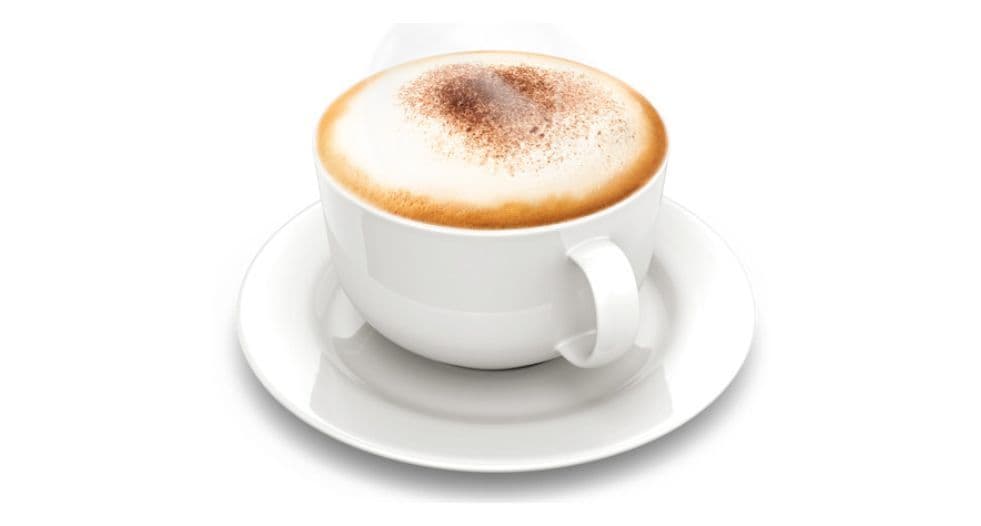
Cappuccino
Cappuccino as a fragrance note draws its inspiration from one of Italy's most beloved coffee rituals — the perfect morning blend of richly extracted espresso, velvety steamed milk, and airy foam that has defined café culture from Milan to the world. The origins of the cappuccino trace to early 20th-century Italian espresso bars, where the drink was named for its resemblance to the brown habits of Capuchin friars. Its translation into perfumery was inevitable, representing the gourmand movement's embrace of warm, comforting, café-inspired scents. The olfactory profile of cappuccino in fragrance is lush and indulgent: a deep, roasted coffee core softened by creamy lactonic warmth and the gentle sweetness of frothed milk. Unlike a purely bitter coffee note, cappuccino carries an inherent creaminess that makes it wearable, approachable, and skin-close. Hints of caramel and cocoa often accompany it, deepening the sensory experience into something close to dessert-like pleasure without being overtly sweet. In perfumery, cappuccino notes anchor gourmand compositions that celebrate warmth and comfort — popular in autumn and winter fragrances, cozy skin scents, and bold oriental blends. It pairs magnificently with vanilla, benzoin, tonka bean, and sandalwood. At Fragrenza, we capture the rich warmth of this beloved note in inspired collections that offer the quality of luxury gourmand perfumery at genuinely accessible prices.
- 🌿
Cappucino
Cappucino is a specialty note used to give a fragrance a distinctive texture, mood, or material impression. Depending on interpretation, it may contribute freshness, warmth, sweetness, dryness, softness, or an abstract atmospheric effect. In perfumery, specialty notes are useful because they make a composition feel more specific and less generic. It can be paired with woods, musks, florals, resins, fruits, green notes, spices, or amber materials according to the intended style.
- 🌿
Carambola (Star Fruit)
Carambola, more commonly known as star fruit, originates from the tropical regions of Southeast Asia, particularly Sri Lanka, Indonesia, and Malaysia, where Averrhoa carambola trees thrive in warm, humid climates. Prized as much for its striking five-pointed cross-section as for its flavor, the star fruit has been cultivated and traded across tropical Asia for centuries before spreading to the Caribbean, Latin America, and beyond. In perfumery, it represents a newer wave of exotic fruit notes inspired by global botanical exploration. As a fragrance note, carambola is crisp, waxy, and distinctly tropical — mildly sweet with a gentle tartness that keeps it from veering into candy territory. The scent is clean and slightly aqueous, reminiscent of a cool slice of the ripe fruit: refreshing, a little translucent, with an almost luminous quality on the skin. Its restrained sweetness and watery clarity make it particularly appealing in modern, fresh-style compositions. Perfumers use carambola to introduce an exotic, tropical freshness without the heavy sweetness of mango or pineapple. It works beautifully in summer-ready colognes, airy aquatics, and light florientals where its crisp nature provides lift and brightness. At Fragrenza, our carambola-featured collections celebrate the beauty of tropical fruit notes in expertly inspired compositions that deliver luxury fragrance quality at prices that welcome everyone.
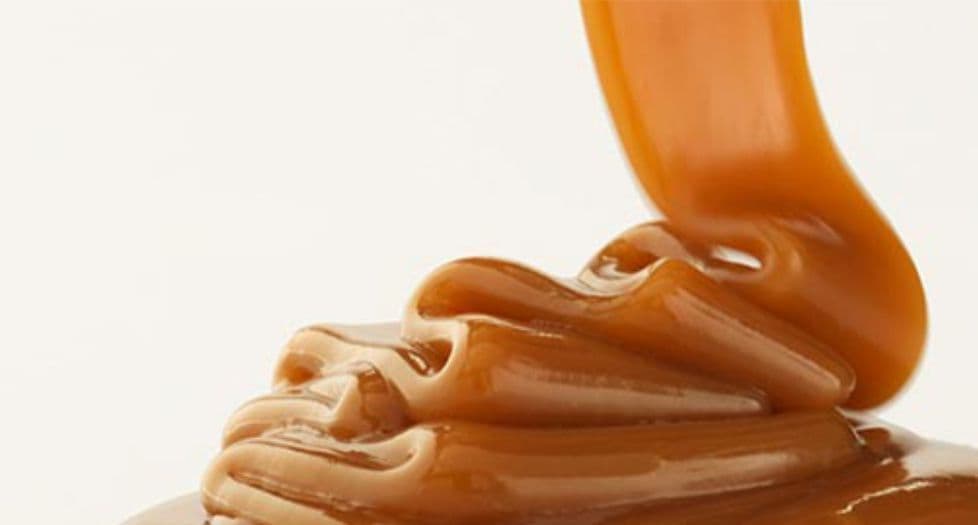
Caramel
Caramel in perfumery is the embodiment of warmth and indulgence — a note that transforms a fragrance into an edible fantasy. Unlike a single aroma chemical, the caramel effect is typically achieved through a combination of ingredients: ethyl maltol (a synthetic compound with a sweet, cotton-candy-like character), furaneol (strawberry-caramel), benzyl acetate, and occasionally vanilla or tonka bean. Together, these materials recreate the golden-brown sweetness that occurs when sugar is heated to its toffee point. On skin, a well-crafted caramel note is rich without being cloying — buttery and slightly smoky at its edges, deeply sweet at its heart. Perfumers use it as both a standalone gourmand signature and as a modifier that softens and sweetens drier base materials like vetiver, tobacco, or leather. When combined with salted musks or woods, it creates the irresistible contrast of salted caramel. Layered with florals, it lends a confectionery twist to otherwise classic arrangements. The gourmand genre, of which caramel is a defining pillar, emerged prominently in the 1990s and has never fallen from favour. From beloved designer releases to cult niche offerings, caramel-anchored fragrances consistently rank among the most universally wearable and crowd-pleasing. At Fragrenza, our inspired-by collection brings you the finest caramel-led luxury fragrances reimagined at prices that make indulgence an everyday pleasure.
- 🌿
Caramel popcorn
Caramel popcorn is a gourmand note that adds edible warmth, sweetness, and comfort. It may suggest cream, sugar, nuts, chocolate, coffee, honey, pastry, or toasted grains depending on the accord. In perfumery, gourmand notes make compositions feel cozy and sensual, but they work best when balanced with woods, musks, spices, citrus, or resins. It pairs well with vanilla, tonka bean, sandalwood, amber, caramel, cacao, coffee, and soft florals.
- 🌿
Caramel syrup
Caramel syrup is a gourmand note that adds edible warmth, sweetness, and comfort. It may suggest cream, sugar, nuts, chocolate, coffee, honey, pastry, or toasted grains depending on the accord. In perfumery, gourmand notes make compositions feel cozy and sensual, but they work best when balanced with woods, musks, spices, citrus, or resins. It pairs well with vanilla, tonka bean, sandalwood, amber, caramel, cacao, coffee, and soft florals.
- 🌿
Caramelised almond
Caramelised almond is a gourmand note that adds edible warmth, sweetness, and comfort. It may suggest cream, sugar, nuts, chocolate, coffee, honey, pastry, or toasted grains depending on the accord. In perfumery, gourmand notes make compositions feel cozy and sensual, but they work best when balanced with woods, musks, spices, citrus, or resins. It pairs well with vanilla, tonka bean, sandalwood, amber, caramel, cacao, coffee, and soft florals.
- 🌿
Caramelised fig
Caramelised fig is a fruity note that adds juiciness, color, and natural sweetness. It may feel crisp and tart, ripe and velvety, tropical and creamy, or dark and jammy depending on the fruit profile. In perfumery, fruity notes brighten florals, soften musks, and add pleasure to gourmand or woody structures. It pairs well with rose, peony, jasmine, white musk, vanilla, woods, citrus, amber, and soft spices.
- 🌿
Caramelised hazelnut
Caramelised hazelnut is a gourmand note that adds edible warmth, sweetness, and comfort. It may suggest cream, sugar, nuts, chocolate, coffee, honey, pastry, or toasted grains depending on the accord. In perfumery, gourmand notes make compositions feel cozy and sensual, but they work best when balanced with woods, musks, spices, citrus, or resins. It pairs well with vanilla, tonka bean, sandalwood, amber, caramel, cacao, coffee, and soft florals.
- 🌿
Caramelised peach
Caramelised peach is a fruity note that adds juiciness, color, and natural sweetness. It may feel crisp and tart, ripe and velvety, tropical and creamy, or dark and jammy depending on the fruit profile. In perfumery, fruity notes brighten florals, soften musks, and add pleasure to gourmand or woody structures. It pairs well with rose, peony, jasmine, white musk, vanilla, woods, citrus, amber, and soft spices.
- 🌿
Caramelised pear
Caramelised pear is a fruity note that adds juiciness, color, and natural sweetness. It may feel crisp and tart, ripe and velvety, tropical and creamy, or dark and jammy depending on the fruit profile. In perfumery, fruity notes brighten florals, soften musks, and add pleasure to gourmand or woody structures. It pairs well with rose, peony, jasmine, white musk, vanilla, woods, citrus, amber, and soft spices.
- 🌿
Caramelised plum
Caramelised plum is a fruity note that adds juiciness, color, and natural sweetness. It may feel crisp and tart, ripe and velvety, tropical and creamy, or dark and jammy depending on the fruit profile. In perfumery, fruity notes brighten florals, soften musks, and add pleasure to gourmand or woody structures. It pairs well with rose, peony, jasmine, white musk, vanilla, woods, citrus, amber, and soft spices.
- 🌿
Caramelised walnut
Caramelised walnut is a gourmand note that adds edible warmth, sweetness, and comfort. It may suggest cream, sugar, nuts, chocolate, coffee, honey, pastry, or toasted grains depending on the accord. In perfumery, gourmand notes make compositions feel cozy and sensual, but they work best when balanced with woods, musks, spices, citrus, or resins. It pairs well with vanilla, tonka bean, sandalwood, amber, caramel, cacao, coffee, and soft florals.
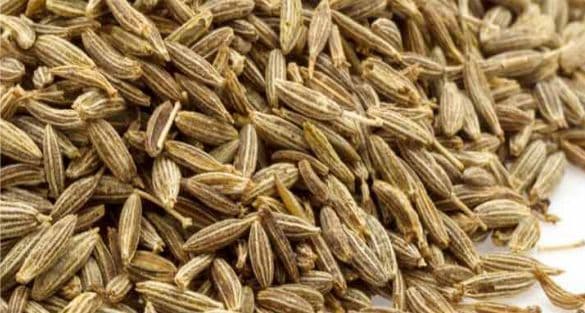
Caraway
Caraway seed (Carum carvi) has been cultivated across Europe and Western Asia for thousands of years, appearing in ancient Egyptian tombs and medieval European kitchens alike. As a fragrance note, it carries the culinary and cultural weight of its long history — particularly in Scandinavian and Central European traditions where caraway flavors everything from rye bread to aquavit. Its translation into fine perfumery brings an unexpected and sophisticated edge to aromatic compositions. The olfactory character of caraway is sharp, anise-like, and faintly earthy with a distinct dry bitterness that sets it apart from sweeter spice notes. It has a cool, almost medicinal clarity that shares kinship with dill and fennel, yet remains unmistakably its own. This distinctive quality makes it a challenging but rewarding ingredient — used sparingly, it adds a Nordic crispness and intellectual complexity that elevates rather than overwhelms a fragrance. In perfumery, caraway most often appears in fougères, aromatic spice blends, and avant-garde masculine compositions where its dry, slightly bitter edge provides structural backbone. It anchors herbal accords and cuts through sweetness with precision. Fragrenza features caraway in our most adventurous aromatic collections, drawing inspiration from celebrated niche and designer fragrances to offer genuinely complex, distinctive compositions at accessible prices.
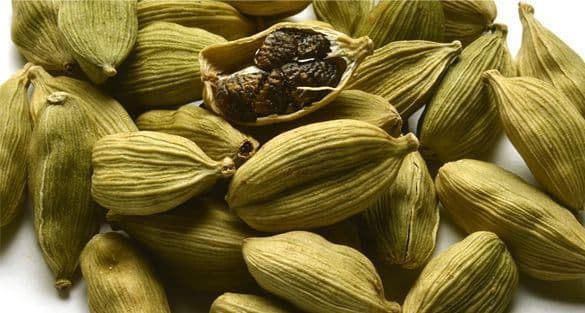
Cardamom
Cardamom is one of the world's most ancient and prized spices, cultivated primarily in the lush hills of southern India, Guatemala, and Sri Lanka. Botanically known as Elettaria cardamomum, it is a member of the ginger family (Zingiberaceae), and its essential oil is steam-distilled from the dried seeds nestled within its papery green pods. The resulting aromatic compound is a complex interplay of terpenes — chiefly 1,8-cineole and terpinyl acetate — that gives cardamom its instantly recognisable character. In perfumery, cardamom reads as warmly spiced yet paradoxically fresh: there is an almost cooling, eucalyptus-like quality beneath the sweetness, alongside hints of camphor, citrus zest, and mild floral undertones. This duality makes it extraordinarily versatile. As a top-to-heart note, it bridges the gap between vibrant citrus openings and deeper resinous bases, lending a sophisticated spice trail that feels simultaneously exotic and approachable. It pairs especially well with rose, oud, leather, tobacco, and woods. Cardamom has been a cornerstone of Middle Eastern and Indian fragrance traditions for centuries, and its influence in Western perfumery has surged in recent decades. From opulent orientals to modern spicy-fresh fougeres, it adds gravitas and intrigue. At Fragrenza, our inspired-by fragrances capture the very best cardamom-forward compositions from the luxury world, offering you that rich, spiced sophistication without the designer price tag. Find it featured prominently in [Fragrenza's cardamom edit](https://fragrenza.com/collections/cardamom-fragrances).
- 🌿
Cardamom absolute
Cardamom absolute is a spicy note that gives fragrance heat, texture, and aromatic energy. It can feel sweet, dry, peppery, resinous, herbal, smoky, or slightly medicinal depending on the material. In perfumery, spices create contrast, deepen the heart, and bridge fresh top notes with warm woody or amber bases. It pairs especially well with citrus, rose, tobacco, vanilla, oud, sandalwood, patchouli, leather, and balsamic resins.
- 🌿
Cardamom CO2
Cardamom CO2 is a spicy note that gives fragrance heat, texture, and aromatic energy. It can feel sweet, dry, peppery, resinous, herbal, smoky, or slightly medicinal depending on the material. In perfumery, spices create contrast, deepen the heart, and bridge fresh top notes with warm woody or amber bases. It pairs especially well with citrus, rose, tobacco, vanilla, oud, sandalwood, patchouli, leather, and balsamic resins.
- 🌿
Cardamon
Cardamon is a specialty note used to give a fragrance a distinctive texture, mood, or material impression. Depending on interpretation, it may contribute freshness, warmth, sweetness, dryness, softness, or an abstract atmospheric effect. In perfumery, specialty notes are useful because they make a composition feel more specific and less generic. It can be paired with woods, musks, florals, resins, fruits, green notes, spices, or amber materials according to the intended style.
- 🌿
Cardinal flower
Cardinal flower is a floral note that gives a fragrance softness, radiance, and emotional warmth. Depending on the flower or accord, it may feel fresh, creamy, powdery, honeyed, green, indolic, or airy. In perfumery, floral notes often form the heart of a composition, adding body and a recognizable signature. It pairs well with citrus, white musk, rose, jasmine, sandalwood, amber, vanilla, iris, and delicate fruits.
- 🌿
Caribbean bergamot
Caribbean bergamot is a citrus note that adds sparkle, freshness, and immediate lift to a fragrance. Its profile can include juicy pulp, aromatic peel, green bitterness, soft floral nuances, or a sharp zesty brightness depending on the material. In perfumery, it is usually used in the opening, where it brings clarity and motion before blending into florals, woods, musks, or herbs. It pairs well with neroli, tea, lavender, white musk, light woods, aquatic notes, and aromatic herbs.
- 🌿
Caribbean gaiac wood
Caribbean gaiac wood is a woody note used to create structure, depth, and lasting warmth. Its scent may be dry, creamy, smoky, resinous, earthy, pencil-like, or polished depending on the wood or accord. In perfumery, woody notes support the whole composition and connect fresh openings with deeper bases. It pairs naturally with amber, musk, incense, leather, vetiver, patchouli, spices, citrus, and soft resins.
- 🌿
Caribbean lime
Caribbean lime is a citrus note that adds sparkle, freshness, and immediate lift to a fragrance. Its profile can include juicy pulp, aromatic peel, green bitterness, soft floral nuances, or a sharp zesty brightness depending on the material. In perfumery, it is usually used in the opening, where it brings clarity and motion before blending into florals, woods, musks, or herbs. It pairs well with neroli, tea, lavender, white musk, light woods, aquatic notes, and aromatic herbs.
- 🌿
Caribbean rum
Caribbean rum is a specialty note used to give a fragrance a distinctive texture, mood, or material impression. Depending on interpretation, it may contribute freshness, warmth, sweetness, dryness, softness, or an abstract atmospheric effect. In perfumery, specialty notes are useful because they make a composition feel more specific and less generic. It can be paired with woods, musks, florals, resins, fruits, green notes, spices, or amber materials according to the intended style.
- 🌿
Caribbean tonka bean
Caribbean tonka bean is a warm ambered or resinous note used to give fragrance depth, softness, and long-lasting richness. It can smell balsamic, sweet, smoky, vanillic, woody, powdery, or incense-like depending on the material. In perfumery, it rounds sharp edges and creates a smooth base that holds the composition together. It pairs well with woods, musks, spices, vanilla, tobacco, leather, florals, oud, and other resins.
- 🌿
Caribbean woods
Caribbean woods is a woody note used to create structure, depth, and lasting warmth. Its scent may be dry, creamy, smoky, resinous, earthy, pencil-like, or polished depending on the wood or accord. In perfumery, woody notes support the whole composition and connect fresh openings with deeper bases. It pairs naturally with amber, musk, incense, leather, vetiver, patchouli, spices, citrus, and soft resins.
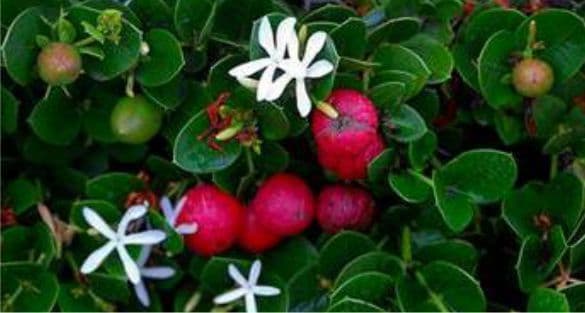
Carissa
Carissa, derived from the Natal plum (Carissa macrocarpa), is a fruit-bearing shrub native to coastal South Africa that has long attracted attention for both its edible berries and its fragrant blossoms. In perfumery, the note captures the essence of the ripe fruit — a sweet, slightly jammy character with soft floral undertones that evoke sun-warmed tropical gardens. Its discovery as a fragrance ingredient reflects the broader perfumer's tradition of sourcing inspiration from the world's most exotic botanicals. The scent of carissa is a delicate interplay of sweet fruitiness and gentle florality. The ripe Natal plum yields a scent reminiscent of strawberry and raspberry with a slightly creamy, tropical richness — less tart than many red-fruit notes, more lush and rounded. A subtle floral whisper, echoing the white blooms of the plant itself, adds a clean, airy dimension that keeps the composition from feeling overly heavy or gourmand. Perfumers reach for carissa when building warm-weather, skin-close fragrances with a naturally seductive quality. It pairs beautifully with musks, sandalwood, and light florals, and can add a tropical pulse to compositions that might otherwise feel familiar. At Fragrenza, we celebrate this captivating note in carefully crafted blends inspired by iconic luxury fragrances, bringing their artistry to everyday wear without the premium price tag.
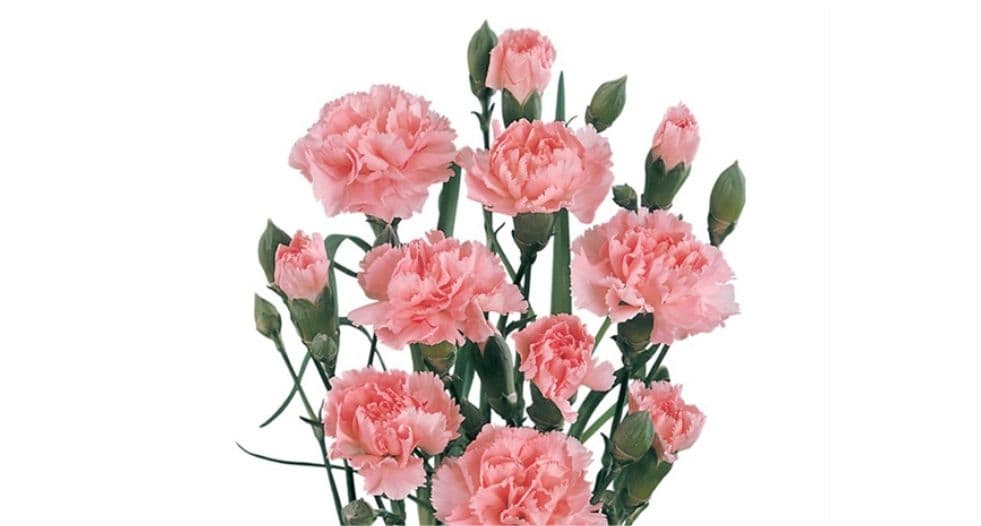
Carnation
Carnation has been a beloved note in perfumery for centuries, originating from the dried flower buds of Dianthus caryophyllus, native to the Mediterranean. Its rich history in European gardens and cut-flower traditions made it a natural fit for classic fragrance compositions long before synthetic alternatives were developed. The dried petals and stems yield a distinctive aromatic character that perfumers have treasured since the Renaissance era. The olfactory profile of carnation is warm, spicy, and deeply romantic. Its signature clove-like sharpness — owing to the presence of eugenol — is tempered by a soft, powdery sweetness and a lush floral heart. This duality makes it one of perfumery's most versatile building blocks: it can anchor a chypre with dignified gravity, amplify a floral bouquet with spicy depth, or add vintage warmth to oriental compositions. Hints of nutmeg and a subtle green undertone round out its complexity. In modern and classic perfumery alike, carnation appears in legendary formulas and contemporary niche releases, prized for its ability to evoke nostalgia without feeling dated. At Fragrenza, our carnation-forward fragrances capture this timeless warmth and spiced sweetness, offering luxury-quality compositions inspired by the world's finest perfumes — at prices that make them genuinely accessible.
- 🌿
Carnation absolute
Carnation absolute is a specialty note used to give a fragrance a distinctive texture, mood, or material impression. Depending on interpretation, it may contribute freshness, warmth, sweetness, dryness, softness, or an abstract atmospheric effect. In perfumery, specialty notes are valuable because they make a composition feel more specific and less generic. Carnation absolute can be paired with woods, musks, florals, resins, fruits, green notes, spices, or amber materials according to the intended style.
- 🌿
Carnation leaf
Carnation leaf is a floral note that gives a fragrance softness, radiance, and emotional warmth. Depending on the flower or accord, it may feel fresh, creamy, powdery, honeyed, green, indolic, or airy. In perfumery, floral notes often form the heart of a composition, adding body and a recognizable signature. It pairs well with citrus, white musk, rose, jasmine, sandalwood, amber, vanilla, iris, and delicate fruits.
- 🌿
Carnation seed
Carnation seed is a floral note that gives a fragrance softness, radiance, and emotional warmth. Depending on the flower or accord, it may feel fresh, creamy, powdery, honeyed, green, indolic, or airy. In perfumery, floral notes often form the heart of a composition, adding body and a recognizable signature. It pairs well with citrus, white musk, rose, jasmine, sandalwood, amber, vanilla, iris, and delicate fruits.
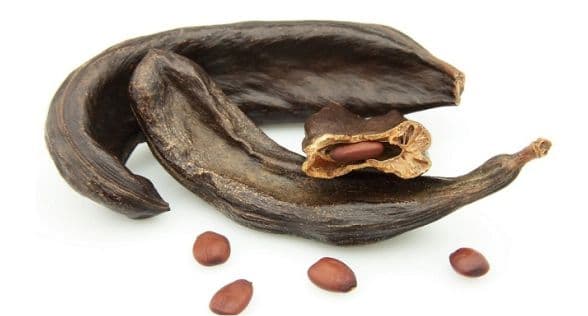
Carob
Carob is a sweet gourmand note with edible warmth, softness, and a comforting dessert-like character. In perfumery, it adds texture and indulgence, pairing well with vanilla, tonka bean, musk, amber, woods, fruit notes, and soft florals.
- 🌿
Carolina jasmine
Carolina jasmine is a floral note that gives a fragrance softness, radiance, and emotional warmth. Depending on the flower or accord, it may feel fresh, creamy, powdery, honeyed, green, indolic, or airy. In perfumery, floral notes often form the heart of a composition, adding body and a recognizable signature. It pairs well with citrus, white musk, rose, jasmine, sandalwood, amber, vanilla, iris, and delicate fruits.
- 🌿
Carolina mosquitofern
Carolina mosquitofern is a specialty note used to give a fragrance a distinctive texture, mood, or material impression. Depending on interpretation, it may contribute freshness, warmth, sweetness, dryness, softness, or an abstract atmospheric effect. In perfumery, specialty notes are useful because they make a composition feel more specific and less generic. It can be paired with woods, musks, florals, resins, fruits, green notes, spices, or amber materials according to the intended style.
- 🌿
Carrot
Carrot seeds come from Daucus carota, the wild carrot or Queen Anne's lace — a biennial plant widespread across Europe, Asia, and North America, and the ancestor of the cultivated carrot. The essential oil steam-distilled from carrot seeds is a world away from the fresh vegetable: warm, dry, slightly earthy, and deeply terpenoid, with a rich, almost wine-like or orris-adjacent quality that gives it a sophistication rarely expected from something so botanically humble. Its main aromatic component, carotol, is responsible for its distinctive warm, woody-spicy character. In perfumery, carrot seed is used to add warmth, depth, and a distinctive dry, rooty earthiness that works particularly well in woody, earthy, and oriental compositions. It pairs beautifully with vetiver, patchouli, iris, cedarwood, and warm spices. Unlike the fresh vegetable note, carrot seed reads as dignified and complex — a favourite of niche perfumers who value its ability to ground bright or floral ingredients with a rich, almost archaic botanical character. It has featured in a number of celebrated niche perfumes as a defining heart or base note. The carrot seeds collection at Fragrenza celebrates the quiet sophistication of this underrated essential oil. Explore our inspired dupes where carrot seed's warm, terpenoid depth takes the spotlight — all crafted to high quality standards and offered at Fragrenza's signature accessible prices.
- 🌿
Carrot leaf
Carrot leaf is a green or aromatic note that evokes leaves, herbs, stems, fresh air, or crushed vegetation. Its profile can be crisp, bitter, watery, camphoraceous, grassy, or slightly earthy depending on the material. In perfumery, green notes add realism and lift, keeping sweet, floral, or woody compositions from feeling too heavy. It pairs well with citrus, tea, fig, violet leaf, galbanum, tomato leaf, white musk, vetiver, lavender, and light woods.
- 🌿
Carrot seed
Carrot seed is an orris-style root note associated with powder, violet, iris, and cool earthy elegance. It is one of perfumery’s most refined textures, bringing a dry, velvety, almost cosmetic softness to a fragrance. In composition, it adds sophistication, smoothness, and depth without relying on sweetness. It pairs beautifully with violet, rose, carrot seed, suede, musk, sandalwood, woods, aldehydes, and soft amber.
- 🌿
Carrot seed absolute
Carrot seed absolute is a specialty note used to give a fragrance a distinctive texture, mood, or material impression. Depending on interpretation, it may contribute freshness, warmth, sweetness, dryness, softness, or an abstract atmospheric effect. In perfumery, specialty notes are useful because they make a composition feel more specific and less generic. It can be paired with woods, musks, florals, resins, fruits, green notes, spices, or amber materials according to the intended style.
- 🌿
Carrot seed Orpur®
Carrot seed Orpur® is a specialty note used to give a fragrance a distinctive texture, mood, or material impression. Depending on interpretation, it may contribute freshness, warmth, sweetness, dryness, softness, or an abstract atmospheric effect. In perfumery, specialty notes are useful because they make a composition feel more specific and less generic. It can be paired with woods, musks, florals, resins, fruits, green notes, spices, or amber materials according to the intended style.
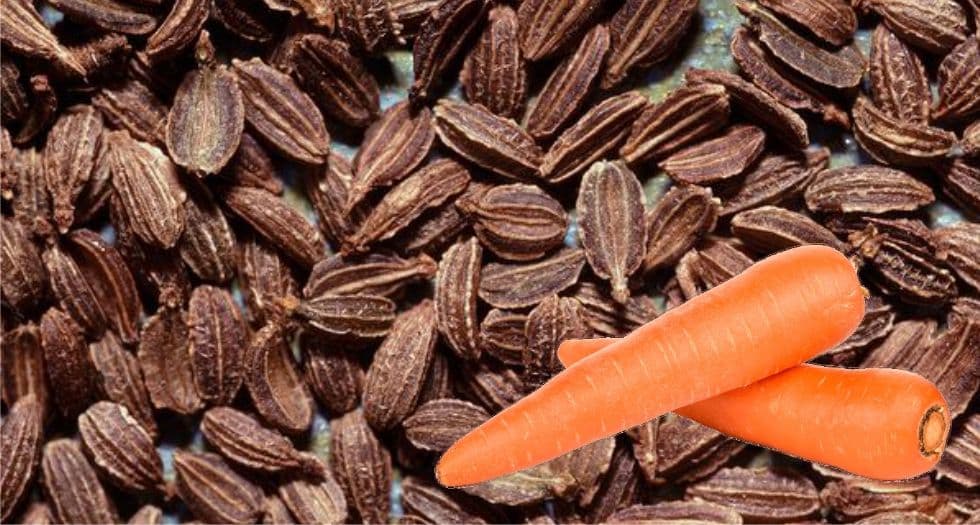
Carrot Seeds
Carrot seed is an earthy, dry, and subtly sweet note distilled from the seeds of wild carrot. It has a distinctive rooty character with powdery, woody, iris-like, and slightly spicy facets. In perfumery, it is used to add natural depth and a refined vegetal dryness, especially in iris, woody, chypre, and botanical compositions. Carrot seed can make a fragrance feel more textured and grounded without becoming heavy. It pairs well with orris, violet, cedar, vetiver, angelica, musk, and soft spices.
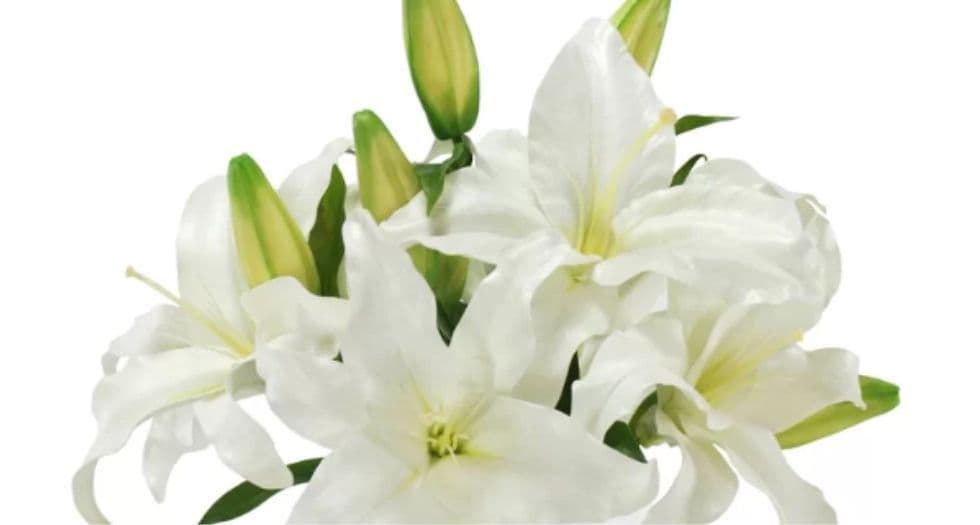
Casablanca Lily
Casablanca Lily is a floral note with fresh petals, soft sweetness, and a refined natural brightness. In perfumery, it can add elegance, color, and lift to floral bouquets, musks, fruity florals, powdery accords, and modern feminine compositions.
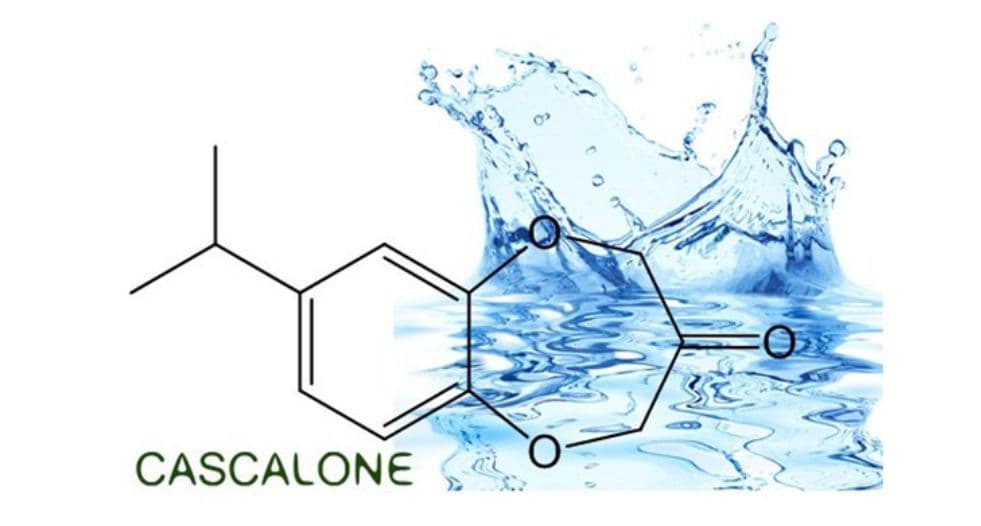
Cascalone
Cascalone is a proprietary aroma molecule developed by Givaudan, one of the world's leading fragrance and flavour houses. Structurally related to macrocyclic musks, it delivers a unique sensory profile that sits at the intersection of soft musk, subtle marine freshness, and dry, clean woodiness. First introduced in the late twentieth century, it has since become a prized ingredient among perfumers seeking to create transparent, skin-enhancing compositions with exceptional radiance and natural feel. In perfumery, Cascalone is valued for its versatility and its ability to elevate surrounding materials while contributing its own clean, slightly marine dryness. Unlike heavier macrocyclic musks that can feel dense or soapy, Cascalone is light and diffusive, with an almost watery quality that reads as effortlessly modern. It functions beautifully in aquatic fragrances, light florals, and minimalist woody compositions, where its ability to mimic the clean warmth of skin makes it an ideal base and fixative ingredient. Fragrenza's Cascalone collection features inspired dupes that highlight this sophisticated Givaudan molecule in all its clean, musky luminosity. Whether used as a transparent base or a defining skin note, Cascalone's quiet brilliance comes through in our quality compositions — available at everyday prices that put niche-inspired elegance within reach.
- 🌿
Cascarilla
Cascarilla is the aromatic bark of Croton eluteria, a small shrub native to the Bahamas and Caribbean islands, where it has been harvested and traded since the seventeenth century. Historically used as a bittering agent in Campari and other aperitifs, as a tobacco flavourant, and in traditional medicine, cascarilla's dried bark produces an essential oil with a fascinatingly complex aromatic profile: warm, dry, and slightly bitter-spicy, with a distinctive rum-like sweetness and a soft woody resinousness underneath. In perfumery, cascarilla bark is a relatively rare but highly valued note, prized for its ability to add an aromatic bitterness and a warm, boozy spice that differs from more common bark materials like cinnamon or clove. Its rum-like character makes it a natural pairing with tobacco, leather, vetiver, and dark resins in compositions designed to evoke Caribbean heritage, colonial spice trade, or simply the intoxicating atmosphere of a rum distillery. It also appears in citrus-forward aromatic fragrances where it adds unexpected depth. The cascarilla collection at Fragrenza brings this rare Caribbean bark into focus through our inspired dupes. Discover fragrances that harness its warm, spicy, rum-kissed character — crafted with quality and precision, and offered at the accessible prices Fragrenza is known for.
- 🌿
Cascarille
Cascarille is a specialty note used to give a fragrance a distinctive texture, mood, or material impression. Depending on interpretation, it may contribute freshness, warmth, sweetness, dryness, softness, or an abstract atmospheric effect. In perfumery, specialty notes are useful because they make a composition feel more specific and less generic. It can be paired with woods, musks, florals, resins, fruits, green notes, spices, or amber materials according to the intended style.
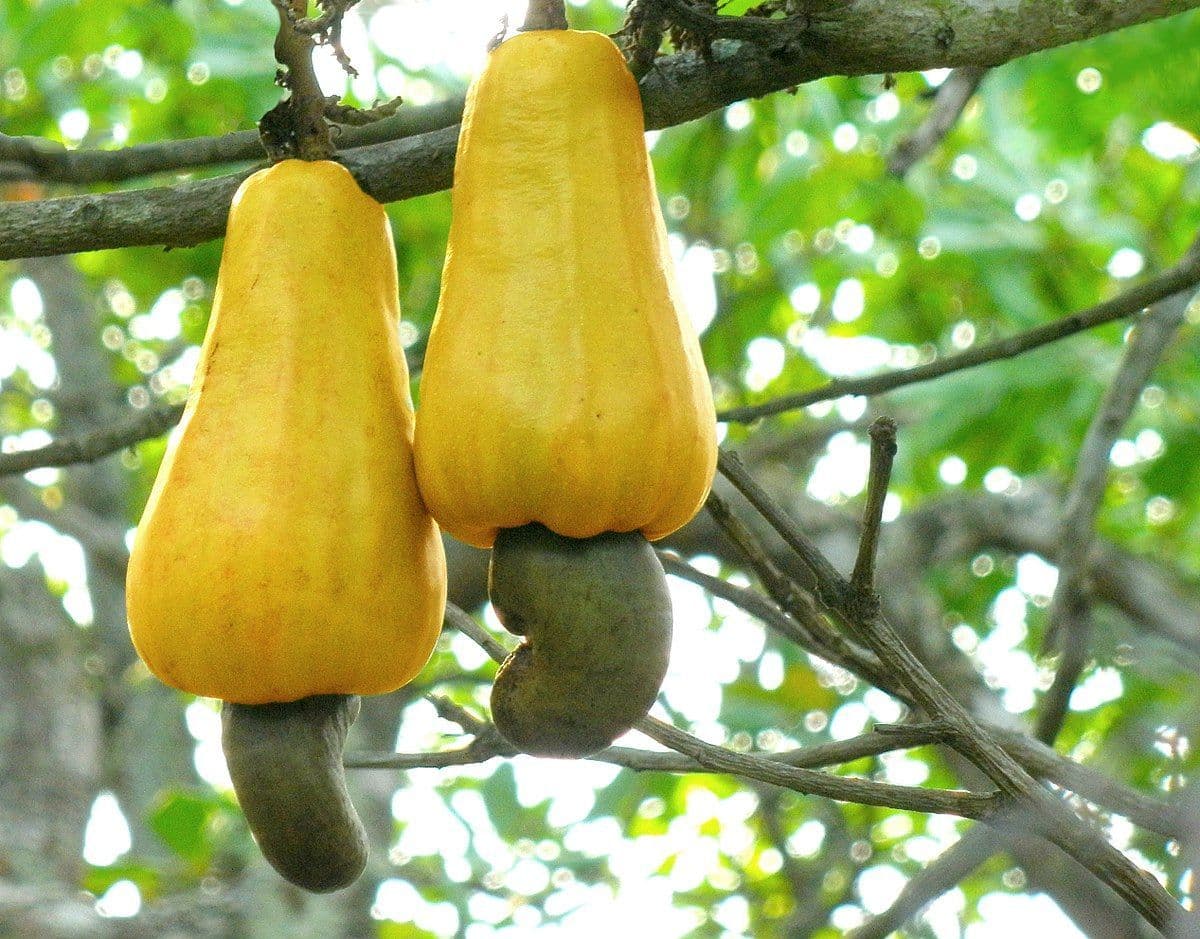
Cashew
Cashew is a creamy nutty gourmand note with soft sweetness, mild roast, and a smooth tropical warmth. Compared with almond, it is less bitter and more buttery, giving fragrances a rounded edible softness without becoming too heavy. In perfumery, cashew can enrich vanilla, coconut, sandalwood, caramel, tonka bean, musks, and tropical fruits. It is useful in warm gourmands and creamy woods where a gentle nutty texture is needed.
- 🌿
Cashew milk
Cashew milk is a gourmand note that adds edible warmth, sweetness, and comfort. It may suggest cream, sugar, nuts, chocolate, coffee, honey, pastry, or toasted grains depending on the accord. In perfumery, gourmand notes make compositions feel cozy and sensual, but they work best when balanced with woods, musks, spices, citrus, or resins. It pairs well with vanilla, tonka bean, sandalwood, amber, caramel, cacao, coffee, and soft florals.
- 🌿
Cashew nut
Cashew nut is a gourmand note that adds edible warmth, sweetness, and comfort. It may suggest cream, sugar, nuts, chocolate, coffee, honey, pastry, or toasted grains depending on the accord. In perfumery, gourmand notes make compositions feel cozy and sensual, but they work best when balanced with woods, musks, spices, citrus, or resins. It pairs well with vanilla, tonka bean, sandalwood, amber, caramel, cacao, coffee, and soft florals.
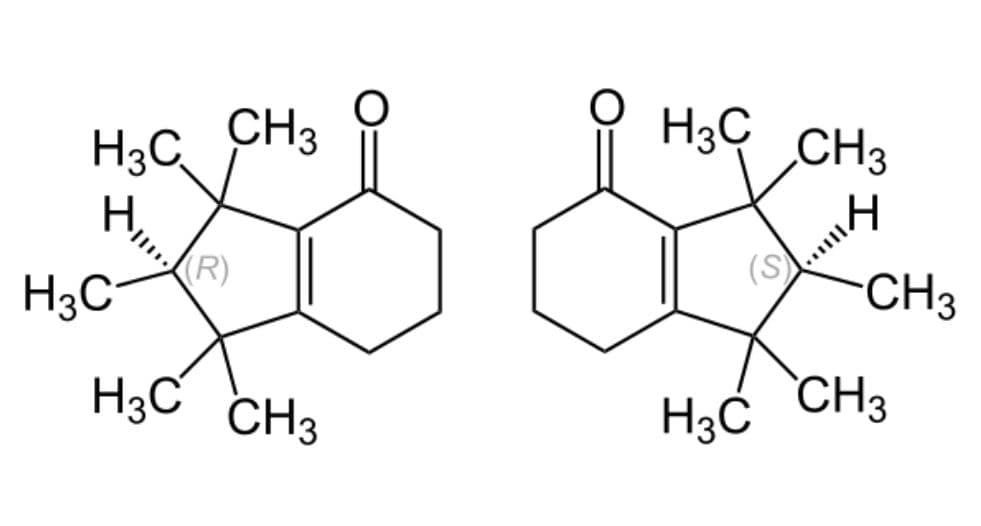
Cashmeran
Cashmeran is a remarkable synthetic aroma chemical created by IFF (International Flavors and Fragrances) that has quietly revolutionised the way perfumers create warmth and sensuality. Technically classified as a polycyclic musk with woody-oriental characteristics, it straddles multiple facets at once: part musk, part cashmere, part spice, part wood. This multi-dimensional quality makes it one of the most sought-after materials in contemporary perfumery. On the skin, Cashmeran opens with a subtle spicy-woody facet before settling into its signature warmth — soft, rounded, and profoundly skin-like. It evokes the tactile sensation of a cashmere wrap rather than any specific natural material, which is precisely its genius. Perfumers use it to add diffusive warmth to oriental bases, to give musks a more textured personality, and to smooth the transitions between a fragrance's structural layers. It blends beautifully with florals, resins, and woods without overshadowing them. From cult niche houses to iconic designer releases, Cashmeran appears in some of the world's most beloved fragrances. Its combination of sillage and intimacy — projecting gently while remaining close to the body — makes it ideal for modern signature scents. At Fragrenza, our inspired-by collection showcases fragrances that highlight Cashmeran's distinctive cocooning warmth, crafted to deliver that same luxurious feel at an accessible price.
- 🌿
Cashmere
Cashmere is a soft musky note used to create warmth, smoothness, and a skin-like dry-down. It can feel clean, powdery, woody, slightly fruity, or velvety depending on the accord. In perfumery, musky materials help bind a composition together, soften stronger notes, and extend wear without overwhelming the fragrance. They pair well with florals, woods, amber, citrus, fruits, iris, suede, and transparent modern molecules.
- 🌿
Cashmere moss
Cashmere moss is a woody note used to create structure, depth, and lasting warmth. Its scent may be dry, creamy, smoky, resinous, earthy, pencil-like, or polished depending on the wood or accord. In perfumery, woody notes support the whole composition and connect fresh openings with deeper bases. It pairs naturally with amber, musk, incense, leather, vetiver, patchouli, spices, citrus, and soft resins.

cashmere musk
Cashmere musk is a soft, clean, velvety musk accord inspired by the warmth and texture of cashmere fabric. It is smooth, comforting, skin-like, and slightly powdery rather than animalic. In perfumery, it gives fragrances a cozy and intimate dry-down.
- 🌿
Cashmere wood
Cashmere wood is a modern woody-musky accord known for its smooth, warm, and velvety texture. It suggests soft woods, clean musk, ambered warmth, and the tactile comfort of cashmere fabric. In perfumery, it is used to give compositions a cozy dry-down and a polished contemporary base. Cashmere wood pairs well with vanilla, amber, sandalwood, florals, musks, fruits, and transparent woods, making fragrances feel intimate and easy to wear.
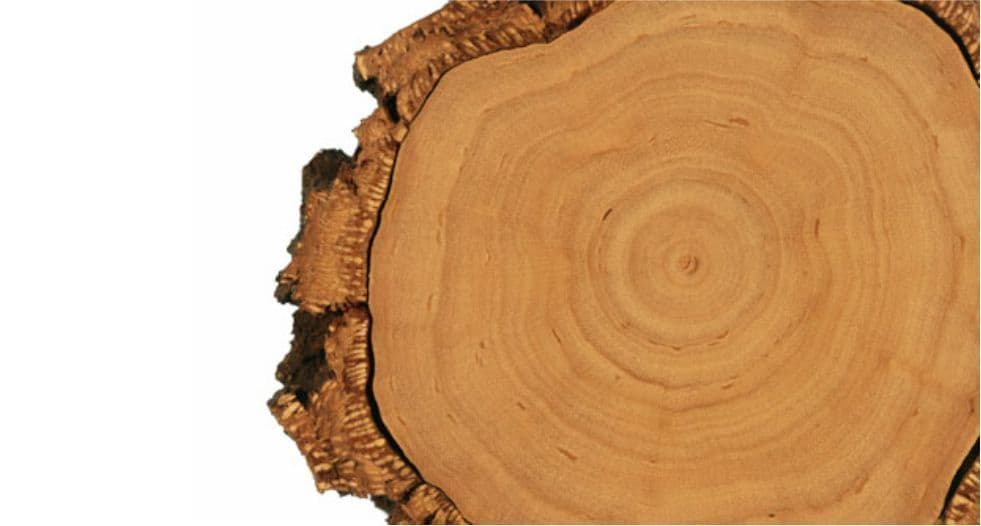
Cashmir wood
Cashmir Wood is a captivating synthetic fragrance material celebrated for its ability to conjure the feeling of soft, warm cashmere fabric rendered in woody form. Developed as a versatile alternative to natural musks and woods, it belongs to the broader family of polycyclic musks and woody ambers, sitting alongside compounds like Cashmeran in the perfumer's palette. Its molecular structure generates a smooth, enveloping warmth that reads as simultaneously textile and arboreal. In the bottle and on the skin, Cashmir Wood reveals a rich, velvety character — think sandalwood's creamy softness fused with the quiet intimacy of warm skin. It carries a subtle sweetness without venturing into gourmand territory, making it exceptionally wearable across seasons. Perfumers prize it as a base note that anchors compositions, lending depth and staying power while softening sharper top and heart notes into something luxuriously seamless. Its versatility has made Cashmir Wood a staple in modern oriental, woody, and skin-scent compositions, appearing in everything from cozy ambers to sleek minimalist musks. At Fragrenza, we harness the allure of this note in our inspired-by versions of popular luxury fragrances built around warm, woody cashmir accords — giving you that unmistakable softness at a fraction of the designer price.
- 🌿
Cashmirwood
Cashmirwood is a woody note used to create structure, depth, and lasting warmth. Its scent may be dry, creamy, smoky, resinous, earthy, pencil-like, or polished depending on the wood or accord. In perfumery, woody notes support the whole composition and connect fresh openings with deeper bases. It pairs naturally with amber, musk, incense, leather, vetiver, patchouli, spices, citrus, and soft resins.
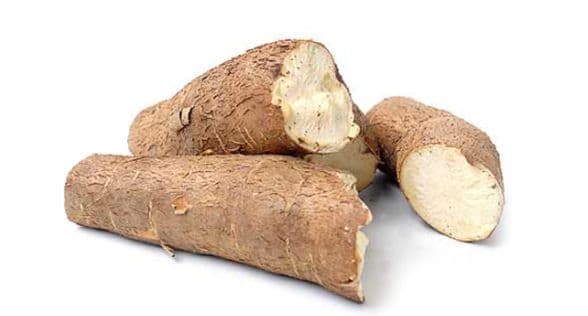
Cassava
Cassava is a tropical root crop with a starchy, earthy character. As a fragrance concept, it can be interpreted as a soft rooty note with dry starch, warm earth, and subtle vegetal facets. It belongs more to experimental gourmand, root, and naturalistic compositions than classical perfumery.
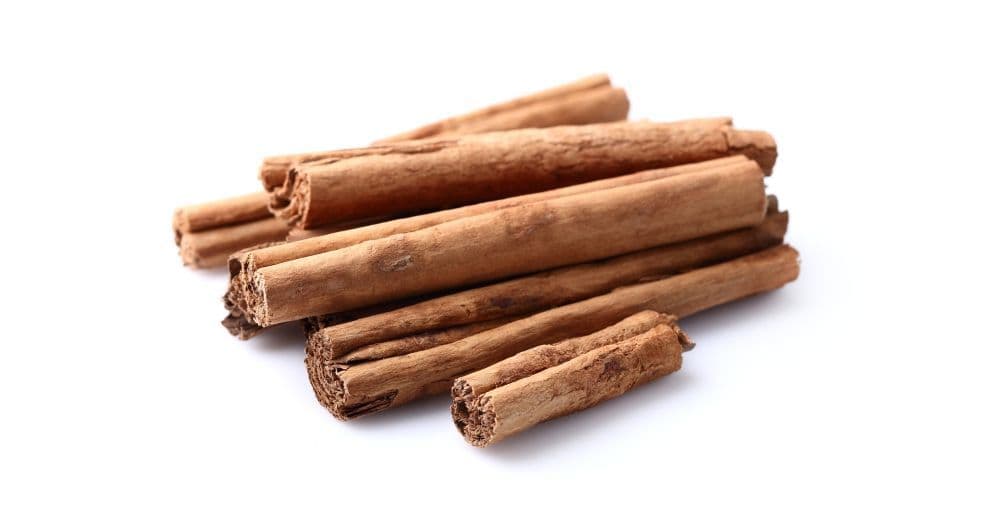
Cassia
Cassia (Cinnamomum cassia), often called Chinese cinnamon or Vietnamese cinnamon, is one of the world's oldest traded spices, with records of its use in China dating back over four thousand years. Closely related to Ceylon cinnamon but distinct in character, cassia is warmer, bolder, and sweeter, with a more straightforward spice profile that lacks the nuanced complexity of its Sri Lankan counterpart. Its essential oil — extracted from the bark, leaves, and buds — is rich in cinnamaldehyde, which gives cassia its characteristic sweet-spicy warmth. In perfumery, cassia is a foundational oriental spice note that adds immediate warmth, sweetness, and a sense of comforting familiarity to compositions. Unlike the more refined Ceylon cinnamon, cassia's directness makes it particularly effective in robust, warm fragrances — spicy orientals, gourmands, winter woods, and amber accords. It blends beautifully with clove, vanilla, benzoin, oud, and rose, and has appeared as a defining note in many celebrated classic and contemporary perfumes across both mainstream and niche sectors. The cassia collection at Fragrenza brings the timeless warmth of this ancient spice to our curated range of inspired dupes. Whether you love the cosy embrace of an oriental or the spiced heart of a woody floral, our quality fragrances let you experience cassia's golden warmth at a price that makes daily indulgence effortless.
- 🌿
Cassia absolute
Cassia absolute is a specialty note used to give a fragrance a distinctive texture, mood, or material impression. Depending on interpretation, it may contribute freshness, warmth, sweetness, dryness, softness, or an abstract atmospheric effect. In perfumery, specialty notes are useful because they make a composition feel more specific and less generic. It can be paired with woods, musks, florals, resins, fruits, green notes, spices, or amber materials according to the intended style.
- 🌿
Cassia bark
Cassia bark is a woody note used to create structure, depth, and lasting warmth. Its scent may be dry, creamy, smoky, resinous, earthy, pencil-like, or polished depending on the wood or accord. In perfumery, woody notes support the whole composition and connect fresh openings with deeper bases. It pairs naturally with amber, musk, incense, leather, vetiver, patchouli, spices, citrus, and soft resins.
- 🌿
Cassie
Cassie is a specialty note used to give a fragrance a distinctive texture, mood, or material impression. Depending on interpretation, it may contribute freshness, warmth, sweetness, dryness, softness, or an abstract atmospheric effect. In perfumery, specialty notes are valuable because they make a composition feel more specific and less generic. Cassie can be paired with woods, musks, florals, resins, fruits, green notes, spices, or amber materials according to the intended style.
- 🌿
Cassis
Currant leaf and bud — particularly the blackcurrant bud absolute derived from Ribes nigrum — is one of perfumery's most striking and polarising green materials. Harvested in the early spring before the buds open, the raw absolute of blackcurrant bud has been prized since the mid-20th century for its fierce, catty, almost animalic sharpness, which in skilled hands transforms into one of the most vibrant and distinctive natural notes in a perfumer's palette. The scent of currant leaf and bud is intensely sharp and green, with a provocative catty edge that comes from the sulphurous compounds present in the raw material. This challenging quality is precisely what makes it so compelling in composition — it brings electricity and raw life force to a fragrance, cutting through sweetness and softness with unmistakable character. When used with restraint, the note reads as intensely fresh, green, and invigorating, evoking the sharp bite of a torn leaf in a spring garden. Currant bud is a cornerstone ingredient in some of the world's most iconic chypres and floral fragrances, where it adds lift and sharpness to rose, iris, and oakmoss compositions. It also works beautifully in contemporary fresh blends. At Fragrenza, our currant leaf and bud collection celebrates this electrifying green note in expertly balanced dupes of celebrated fragrances at prices that make true quality accessible.
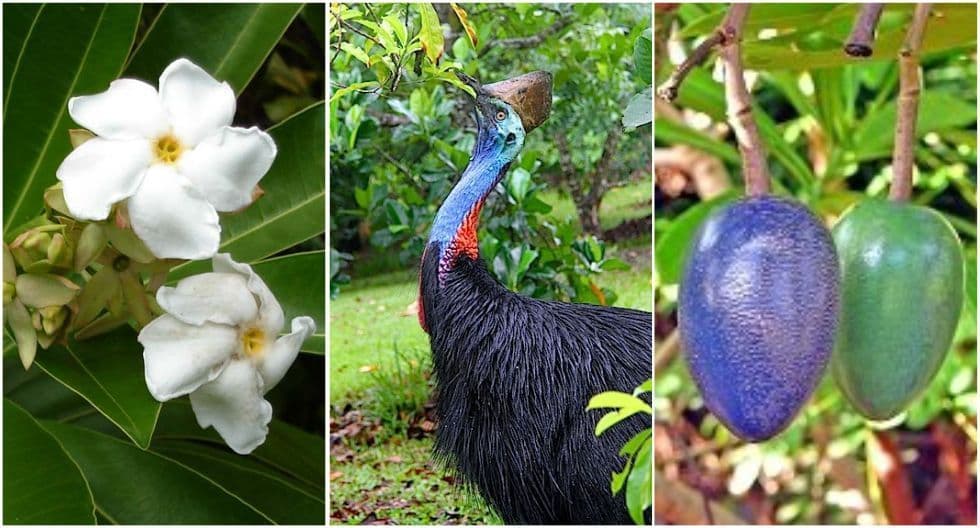
Cassowary fruit
Cassowary fruit is a tropical plum-like fruit associated with the cassowary bird, which helps spread the tree's seeds in nature. As a fragrance idea, it can be interpreted as an unusual green-fruity tropical note with plum-like, tart, watery, and slightly exotic facets. It would suit adventurous fruity, rainforest, green tropical, and niche-style compositions.
- 🌿
Cassumunar ginger
Cassumunar ginger is a spicy note that gives fragrance heat, texture, and aromatic energy. It can feel sweet, dry, peppery, resinous, herbal, smoky, or slightly medicinal depending on the material. In perfumery, spices create contrast, deepen the heart, and bridge fresh top notes with warm woody or amber bases. It pairs especially well with citrus, rose, tobacco, vanilla, oud, sandalwood, patchouli, leather, and balsamic resins.
- 🌿
Castanea sativa
Castanea sativa is a specialty note used to give a fragrance a distinctive texture, mood, or material impression. Depending on interpretation, it may contribute freshness, warmth, sweetness, dryness, softness, or an abstract atmospheric effect. In perfumery, specialty notes are useful because they make a composition feel more specific and less generic. It can be paired with woods, musks, florals, resins, fruits, green notes, spices, or amber materials according to the intended style.

castoreum
Castoreum is one of perfumery's oldest and most storied animal-derived ingredients, obtained from the scent glands of the Eurasian and North American beaver. Used in fragrance for centuries — and historically in traditional medicine and as a food flavouring — castoreum has a rich, complex aromatic profile: leathery, animalic, slightly sweet, and warmly resinous, with a birch-tar undertone that gives it an unmistakable smoky depth. Today it is largely replaced by synthetic recreations and certain natural materials that approximate its character. In perfumery, castoreum has traditionally served as a deeply animalic base note that adds warmth, sensuality, and a lived-in intimacy to leathery, oriental, and chypre compositions. Its character is simultaneously wild and tender — raw enough to suggest the animal kingdom, smooth enough to read as luxuriously skin-like. It has appeared in many of the twentieth century's most iconic fragrances, lending them the kind of carnal richness that modern clean-beauty trends have moved away from but connoisseurs continue to treasure. The castoreum collection at Fragrenza is dedicated to lovers of historic and animalic perfumery. Our inspired dupes honour this legendary ingredient's legacy, offering compositions that channel its leathery, sensuous depth — beautifully crafted at prices that make classic animalic luxury genuinely accessible.
- 🌿
Castoreum absolute
Castoreum absolute is a specialty note used to give a fragrance a distinctive texture, mood, or material impression. Depending on interpretation, it may contribute freshness, warmth, sweetness, dryness, softness, or an abstract atmospheric effect. In perfumery, specialty notes are useful because they make a composition feel more specific and less generic. It can be paired with woods, musks, florals, resins, fruits, green notes, spices, or amber materials according to the intended style.
- 🌿
Catnip
Catnip is a specialty note used to give a fragrance a distinctive texture, mood, or material impression. Depending on interpretation, it may contribute freshness, warmth, sweetness, dryness, softness, or an abstract atmospheric effect. In perfumery, specialty notes are useful because they make a composition feel more specific and less generic. It can be paired with woods, musks, florals, resins, fruits, green notes, spices, or amber materials according to the intended style.
- 🌿
Cattleya orchid
Cattleya orchid is a floral note that gives a fragrance softness, radiance, and emotional warmth. Depending on the flower or accord, it may feel fresh, creamy, powdery, honeyed, green, indolic, or airy. In perfumery, floral notes often form the heart of a composition, adding body and a recognizable signature. It pairs well with citrus, white musk, rose, jasmine, sandalwood, amber, vanilla, iris, and delicate fruits.
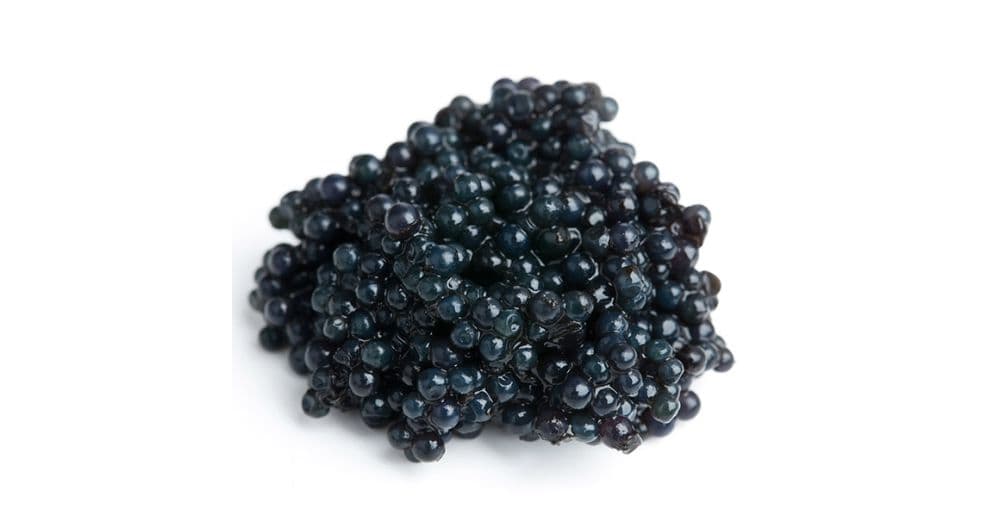
Caviar
Caviar — the salt-cured roe of sturgeon and related fish — occupies a unique position as one of the world's most exclusive gastronomic luxuries. Its aromatic signature is as distinctive as its flavour: briny and cold-oceanic, with a subtle fatty richness and a clean mineral quality that speaks of deep, cold waters. As a fragrance note, caviar translates the sensory memory of this delicacy into olfactory terms, creating compositions that feel simultaneously luxurious, cool, and boldly unconventional. In perfumery, the caviar note is constructed using combinations of marine and ozonic aroma chemicals alongside fatty, slightly fishy molecules that evoke the experience of the ingredient without literally reproducing it. The result is a cold, aquatic accord with a restrained richness — never heavy or unpleasant, but unmistakably evocative of salt water and refined indulgence. It pairs naturally with metallic, mineral, and clean woody notes, and appears in fragrances that aspire to an icy, sophisticated luxury aesthetic. Fragrenza's caviar collection brings this rare and daring note to fragrance lovers who appreciate the unconventional. Our inspired dupes celebrate caviar's icy, briny glamour in meticulously crafted compositions — offering the cool luxury of this extraordinary note at an accessible price point that needs no special occasion to justify.
- 🌿
Cayenne pepper
Cayenne pepper is a spicy note that gives fragrance heat, texture, and aromatic energy. It can feel sweet, dry, peppery, resinous, herbal, smoky, or slightly medicinal depending on the material. In perfumery, spices create contrast, deepen the heart, and bridge fresh top notes with warm woody or amber bases. It pairs especially well with citrus, rose, tobacco, vanilla, oud, sandalwood, patchouli, leather, and balsamic resins.
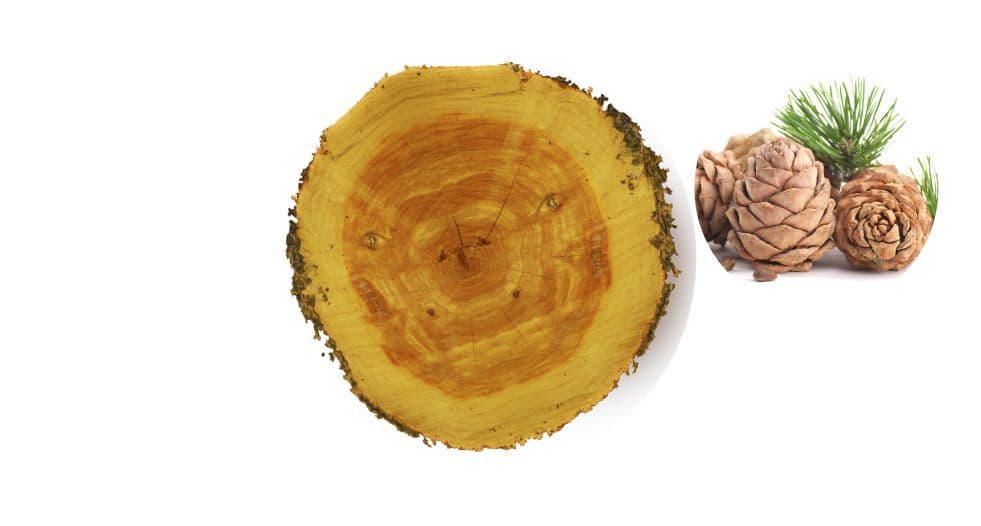
cedar
Cedar is one of the most enduring and widely used materials in perfumery — a woody backbone that has anchored fragrances for millennia. Several distinct species carry the cedar name, each with its own olfactory character. Atlas Cedar (Cedrus atlantica), native to the Atlas Mountains of Morocco and Algeria, yields a rich, creamy wood with a distinctly smoky, balsamic warmth. Virginian Cedar (Juniperus virginiana), sometimes called Eastern Red Cedar, offers a drier, pencil-shaving quality that is sharper and more aromatic. Lebanese Cedar (Cedrus libani), perhaps the most historically famous, carries a dry, slightly resinous nobility that has been treasured since antiquity. In perfumery, cedar's key aroma molecules — particularly the sesquiterpenes alpha- and beta-himachalene derived from Atlas Cedar — provide a smooth, dry, almost milky woodiness that blends seamlessly with virtually every other fragrance family. Cedar stabilises volatile top notes, softens harsh resins, and adds structure and longevity to a composition. It is as comfortable in a fresh fougère as it is in an opulent oriental, and its versatility has made it a cornerstone of masculine, unisex, and feminine fragrances alike. Whether as a dominant note in a cedar soliflore, a warm structural base in a chypre, or a subtle dry-down element in a fresh aquatic, cedar brings an incomparable sense of quiet strength and refinement. At Fragrenza, our cedar-forward inspired-by fragrances celebrate this timeless material, drawing on the finest synthetic cedar molecules to recreate the depth and character of the world's most celebrated woody perfumes — at a fraction of the cost. Shop for cedar? [Fragrenza](https://fragrenza.com/collections/cedar-fragrances) curates a focused selection.
- 🌿
Cedar bark
Cedar bark is a woody note used to create structure, depth, and lasting warmth. Its scent may be dry, creamy, smoky, resinous, earthy, pencil-like, or polished depending on the wood or accord. In perfumery, woody notes support the whole composition and connect fresh openings with deeper bases. It pairs naturally with amber, musk, incense, leather, vetiver, patchouli, spices, citrus, and soft resins.
- 🌿
Cedar leaf
Cedar leaf is a woody note used to create structure, depth, and lasting warmth. Its scent may be dry, creamy, smoky, resinous, earthy, pencil-like, or polished depending on the wood or accord. In perfumery, woody notes often support the whole composition and help connect fresh openings with deeper bases. Cedar leaf pairs naturally with amber, musk, incense, leather, vetiver, patchouli, spices, citrus, and soft resins, making it useful in masculine, feminine, and unisex fragrances.
- 🌿
Cedar needle
Cedar needle is a woody note used to create structure, depth, and lasting warmth. Its scent may be dry, creamy, smoky, resinous, earthy, pencil-like, or polished depending on the wood or accord. In perfumery, woody notes support the whole composition and connect fresh openings with deeper bases. It pairs naturally with amber, musk, incense, leather, vetiver, patchouli, spices, citrus, and soft resins.
- 🌿
Cedar Needles
Cedar Needles is a woody note used to create structure, depth, and lasting warmth. Its scent may be dry, creamy, smoky, resinous, earthy, pencil-like, or polished depending on the wood or accord. In perfumery, woody notes support the whole composition and connect fresh openings with deeper bases. It pairs naturally with amber, musk, incense, leather, vetiver, patchouli, spices, citrus, and soft resins.
- 🌿
Cedar-apple rust
Cedar-apple rust is a woody note used to create structure, depth, and lasting warmth. Its scent may be dry, creamy, smoky, resinous, earthy, pencil-like, or polished depending on the wood or accord. In perfumery, woody notes support the whole composition and connect fresh openings with deeper bases. It pairs naturally with amber, musk, incense, leather, vetiver, patchouli, spices, citrus, and soft resins.
- 🌿
Cedarwood
Cedarwood is one of the most widely used and universally loved ingredients in all of perfumery — a versatile, reliable, and deeply appealing woody note that has anchored fragrances for centuries. The term covers several distinct species: Virginia cedarwood (Juniperus virginiana), Texas cedarwood, and Atlas cedar, each with its own character. But what unites them all is a clean, dry, woody quality that is instantly recognisable and endlessly adaptable. Virginia cedarwood in particular has a fresh, pencil-shaving character — bright and slightly balsamic, with a faint camphorous crispness that keeps it from feeling heavy. In perfumery, cedarwood performs multiple vital roles. As a top and middle note, it contributes freshness and that characteristic woody clarity — clean, direct, and confidence-inspiring. In the base, cedarwood functions as a crucial fixative, slowing the evaporation of more volatile ingredients and extending a fragrance's longevity on skin. Its natural affinity with musks makes it particularly effective in the base layer of masculine and unisex fragrances, where it creates a warm, clean woody foundation that reads as both sophisticated and approachable. The versatility of cedarwood means it appears in virtually every fragrance family: in fresh aquatics and fougères it adds woody structure; in orientals it provides a clean counterpoint to heavier resins and spices; in florals it grounds delicate petals with earthy depth; and in chypres it forms part of the classic mossy-woody accord. Few ingredients are as reliably beautiful or as widely loved. At Fragrenza, our cedarwood-inspired fragrances showcase this magnificent wood in all its forms, offering quality-crafted compositions at prices that make luxury fragrance genuinely accessible. Want to wear it? Explore [cedarwood fragrances](https://fragrenza.com/collections/cedarwood-fragrances).
- 🌿
Cedarwood Orpur®
Cedarwood Orpur® is a woody note used to create structure, depth, and lasting warmth. Its scent may be dry, creamy, smoky, resinous, earthy, pencil-like, or polished depending on the wood or accord. In perfumery, woody notes support the whole composition and connect fresh openings with deeper bases. It pairs naturally with amber, musk, incense, leather, vetiver, patchouli, spices, citrus, and soft resins.
- 🌿
Cedramber
Cedramber is a warm ambered or resinous note used to give fragrance depth, softness, and long-lasting richness. It can smell balsamic, sweet, smoky, vanillic, woody, powdery, or incense-like depending on the material. In perfumery, it rounds sharp edges and creates a smooth base that holds the composition together. It pairs well with woods, musks, spices, vanilla, tobacco, leather, florals, oud, and other resins.
Celery
Celery seeds are the tiny dried fruits of the Apium graveolens plant, a biennial herb cultivated across Europe, Western Asia, and parts of North America. Their culinary role in pickling, spice blends, and slow-cooked dishes belies a rich and surprisingly complex aromatic character. The essential oil extracted from celery seeds is warm, herbal, and slightly spicy — dominated by limonene and phthalides — with an earthy, anise-like undertone that gives it a distinctive botanical authority quite different from the fresh celery plant itself. In perfumery, celery seed is used to add a warm, dry herbaceous quality to compositions. Unlike fresh celery's watery greenness, the seed note is more concentrated and resinous, with a slightly medicinal sharpness that blends well with spices like cumin and caraway, and contrasts beautifully with cool aquatics, clean musks, and even certain woody or leathery accords. Perfumers deploy it when seeking a sophisticated, savoury herbaceousness that evokes the scent of an apothecary or a well-stocked spice cabinet. Fragrenza's celery seeds collection explores the intriguing intersection of kitchen botany and fine fragrance. Our inspired dupes featuring this warm, complex note offer a genuinely distinctive olfactory experience — crafted to a high standard and priced to make niche-inspired discovery accessible to all.
- 🌿
Celery seed
Celosia, commonly called cockscomb for the distinctive velvety, brain-like shape of its flower heads, is a vibrant annual plant cultivated across tropical Asia, Africa, and the Americas. Its blooms — which range from deep crimson and magenta to rich gold and orange — have long been used in ornamental gardens, cultural celebrations, and traditional herbal practices. Despite its striking visual presence, celosia's fragrance is surprisingly understated: softly sweet, velvety, and warmly floral with a subtle powdery quality that gives it an elegant restraint. In perfumery, the celosia note functions as a gentle red floral — not as heady or narcotic as tuberose, nor as sharp as carnation, but quietly lush and textured. Its velvety character makes it a natural companion to soft musks, rose, iris, and warm woods, contributing a gentle sweetness and an almost tactile softness to compositions. It appears in fragrances that favour romanticism and intimacy over projection and boldness, lending a contemplative, garden-in-late-afternoon quality. The celosia collection at Fragrenza celebrates this beautifully understated floral note. Our inspired dupes invite you to explore compositions where celosia's quiet charm takes centre stage — carefully crafted to high standards and offered at prices that make fragrance discovery an everyday pleasure.
Centella Asiatica
Centella asiatica, also known as gotu kola, is a small herb that grows in wet areas across Asia and is used in food, skincare, and traditional medicine. In perfumery, it can suggest a fresh green, herbal, watery, and slightly medicinal note. It works beautifully in spa-like, clean, botanical, aquatic-green, and wellness-inspired fragrances.
Cepes
Cepes, the French name for the celebrated porcini mushroom (Boletus edulis), is a wildly evocative fragrance note drawn from the world of earthy, forest-floor naturalism. Prized in European gastronomy for their rich umami depth and complex, almost meaty flavour, cep mushrooms carry an equally compelling aromatic identity — deep, earthy, damp-woody, and faintly animalic, like a forest after rain. For perfumers, this note opens a rich seam of olfactory storytelling rooted in wilderness and seasonal change. As a fragrance note, cepes contributes an unmistakably organic earthiness that is simultaneously sophisticated and primal. Its natural chemical components — including compounds shared with oak moss and certain earthy musks — mean it blends beautifully with chypre structures, vetiver, patchouli, labdanum, and oakmoss. It adds a foraging, naturalistic dimension to compositions, evoking misty autumn woods and the richness of decomposing leaves. Used sparingly, it provides an intriguing dark counterpoint to floral, citrus, or woody accords. The cepes collection at Fragrenza is for lovers of the deep, earthy, and unexpected. Our inspired dupes celebrating this mushroom note bring the richness of the forest floor into beautifully crafted fragrances — offering niche-level olfactory adventure at everyday prices.
- 🌿
Cestrum
Cestrum is a specialty note used to give a fragrance a distinctive texture, mood, or material impression. Depending on interpretation, it may contribute freshness, warmth, sweetness, dryness, softness, or an abstract atmospheric effect. In perfumery, specialty notes are useful because they make a composition feel more specific and less generic. It can be paired with woods, musks, florals, resins, fruits, green notes, spices, or amber materials according to the intended style.
- 🌿
Cetalox®
Cetalox is a patented aroma molecule developed by Firmenich, chemically known as dihydroambroxide, and stands as one of the most influential synthetic materials in modern perfumery. First synthesised as part of the broader quest to recreate the olfactory character of ambergris — the rare and costly marine-origin fixative historically derived from sperm whales — Cetalox succeeds in capturing ambergris's most prized qualities: a dry, woody warmth, a seamlessly diffusive softness, and a faintly oceanic, skin-like radiance that seems to merge effortlessly with the wearer. In perfumery, Cetalox is valued above all for its exceptional diffusiveness and longevity. Even at low concentrations it projects a clean, woody-oriental luminosity that lifts and extends surrounding materials, giving compositions a polished, almost ethereal sillage. It works harmoniously across virtually every fragrance family — florals, woods, aquatics, and orientals — functioning as a fixative, a skin enhancer, and a softening agent simultaneously. Its dry, slightly mineral character makes it especially effective in masculine and unisex fragrances. Fragrenza's Cetalox collection showcases fragrances that feature this transformative molecule prominently. Inspired by celebrated designer and niche originals, our dupes offer the same luminous, ambergris-like radiance at a price that makes everyday luxury truly achievable.
- 🌿
Ceylon Cinnamon
Ceylon Cinnamon is a spicy note that adds heat, texture, and aromatic energy to a fragrance. It may feel sweet, dry, peppery, resinous, herbal, smoky, or slightly medicinal depending on the material. In perfumery, spices create contrast, deepen the heart, and help bridge fresh top notes with warm woody or amber bases. Ceylon Cinnamon pairs especially well with citrus, rose, tobacco, vanilla, oud, sandalwood, patchouli, leather, and balsamic resins.
- 🌿
Ceylon cinnamon leaf
Ceylon cinnamon leaf is a spicy note that gives fragrance heat, texture, and aromatic energy. It can feel sweet, dry, peppery, resinous, herbal, smoky, or slightly medicinal depending on the material. In perfumery, spices create contrast, deepen the heart, and bridge fresh top notes with warm woody or amber bases. It pairs especially well with citrus, rose, tobacco, vanilla, oud, sandalwood, patchouli, leather, and balsamic resins.
- 🌿
Ceylon tea
Ceylon tea is a green or aromatic note that evokes leaves, herbs, stems, fresh air, or crushed vegetation. Its profile can be crisp, bitter, watery, camphoraceous, grassy, or slightly earthy depending on the material. In perfumery, green notes add realism and lift, keeping sweet, floral, or woody compositions from feeling too heavy. Ceylon tea pairs well with citrus, tea, fig, violet leaf, galbanum, tomato leaf, white musk, vetiver, lavender, and light woods.
- 🌿
Ceylonese sandalwood
Ceylonese sandalwood is a woody note used to create structure, depth, and lasting warmth. Its scent may be dry, creamy, smoky, resinous, earthy, pencil-like, or polished depending on the wood or accord. In perfumery, woody notes often support the whole composition and help connect fresh openings with deeper bases. Ceylonese sandalwood pairs naturally with amber, musk, incense, leather, vetiver, patchouli, spices, citrus, and soft resins, making it useful in masculine, feminine, and unisex fragrances.
Chamomile
Chamomile — derived primarily from Matricaria chamomilla (German chamomile) and Chamaemelum nobile (Roman chamomile) — has been one of humanity's most cherished medicinal and aromatic herbs since ancient Egypt. Prized across Greek, Roman, and medieval European traditions for its calming, soothing properties, chamomile remains one of the world's most widely consumed herbal teas and a beloved note in both natural and fine synthetic perfumery. The scent of chamomile is distinctive and layered: there is a warm, apple-like sweetness at its core, softened by gentle herbal and slightly medicinal facets and rounded with a quiet, honeyed depth. German chamomile contains the deep blue compound azulene — responsible for its vivid azure colour — and lends a richer, more complex bitterness to compositions. Roman chamomile is lighter, more apple-fruity, and more immediately gentle. Together, these varieties offer perfumers a nuanced herbal-sweet note with remarkable warmth and approachability. Chamomile works beautifully in floral, herbal, and oriental compositions, blending harmoniously with lavender, honey, neroli, soft musks, and warm woods. It is a calming, skin-friendly note that anchors soothing, intimate fragrance constructions. At Fragrenza, our chamomile-inspired collections celebrate this timeless botanical note in beautifully composed dupes of luxury herbal and floral fragrances — crafted to the highest quality standards and available at genuinely accessible prices.
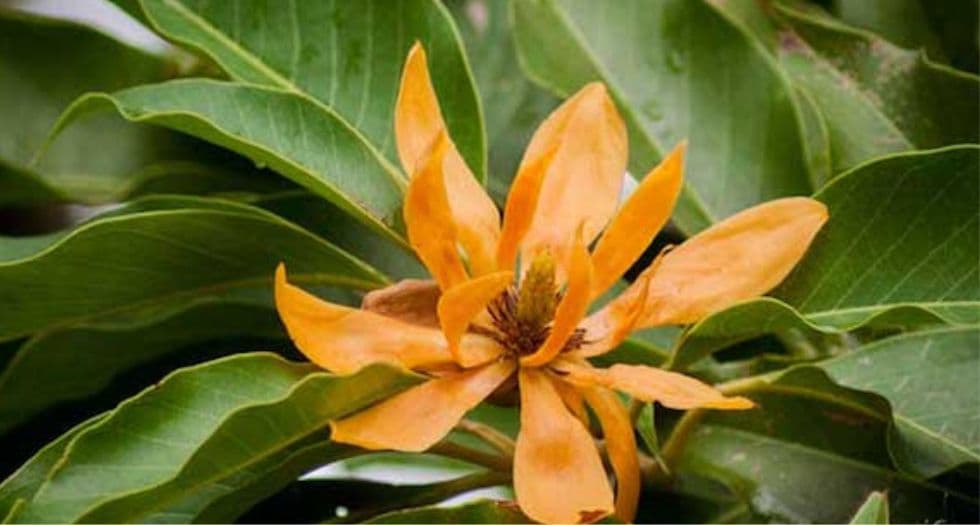
Champaca
Champaca, derived from Michelia champaca — a flowering tree revered across South and Southeast Asia — is one of perfumery's most exquisite and complex raw materials. Worshipped in Hindu and Buddhist traditions, the tree's small orange or white blooms are used in religious offerings and woven into garlands throughout India, Thailand, and Indonesia. The absolute extracted from champaca flowers is extraordinarily rich: simultaneously fruity, floral, spicy, and tea-like, with a velvety warmth that sets it apart from any European floral. As a fragrance note, champaca sits within the magnolia family but carries a depth and sumptuousness that magnolia itself rarely achieves. Its profile blends notes of apricot, orange blossom, tea, ylang-ylang, and a soft woody spice that gives it an unmistakable Asian sensibility. In perfumery, it functions beautifully as a heart note, imparting voluptuous richness to florientals, woody florals, and luxury skin scents. It has become a signature note in several celebrated niche perfumes. The champaca collection at Fragrenza celebrates this magnificent floral with inspired dupes that honour its complexity and allure. Explore the velvety, fruity-floral world of champaca through our high-quality fragrances — crafted to bring this rare and precious note within reach.
- 🌿
Champaca absolute
Champaca absolute is a specialty note used to give a fragrance a distinctive texture, mood, or material impression. Depending on interpretation, it may contribute freshness, warmth, sweetness, dryness, softness, or an abstract atmospheric effect. In perfumery, specialty notes are valuable because they make a composition feel more specific and less generic. Champaca absolute can be paired with woods, musks, florals, resins, fruits, green notes, spices, or amber materials according to the intended style.
- 🌿
Champaca flower
Champaca flower is a floral note that adds softness, radiance, and emotional warmth to a composition. Depending on the flower or accord, it can feel fresh, creamy, powdery, honeyed, green, indolic, or airy. In perfumery, floral notes often form the heart of a fragrance, giving it body and a recognizable character. Champaca flower pairs well with citrus, white musk, rose, jasmine, sandalwood, amber, vanilla, iris, and delicate fruits, making it useful in both classic bouquets and modern transparent florals.
- 🌿
Champaca leaf
Champaca leaf is a green or aromatic note that evokes leaves, herbs, stems, fresh air, or crushed vegetation. Its profile can be crisp, bitter, watery, camphoraceous, grassy, or slightly earthy depending on the material. In perfumery, green notes add realism and lift, keeping sweet, floral, or woody compositions from feeling too heavy. It pairs well with citrus, tea, fig, violet leaf, galbanum, tomato leaf, white musk, vetiver, lavender, and light woods.
- 🌿
Champaca leaf CO2
Champaca leaf CO2 is a green or aromatic note that evokes leaves, herbs, stems, fresh air, or crushed vegetation. Its profile can be crisp, bitter, watery, camphoraceous, grassy, or slightly earthy depending on the material. In perfumery, green notes add realism and lift, keeping sweet, floral, or woody compositions from feeling too heavy. It pairs well with citrus, tea, fig, violet leaf, galbanum, tomato leaf, white musk, vetiver, lavender, and light woods.

champagne
Champagne, the iconic sparkling wine of France's Champagne region, has long been synonymous with celebration, luxury, and effervescent joy. Made primarily from Chardonnay, Pinot Noir, and Pinot Meunier grapes through a meticulous second fermentation process, the drink produces its distinctive fine bubbles along with a complex aromatic signature — crisp citrus, toasted brioche, green apple, almond, and a bracing mineral freshness that lingers on the palate. In perfumery, the champagne note captures this festive effervescence rather than simply mimicking the liquid itself. Perfumers use a combination of citrus accords — often bergamot, lemon, and grapefruit — alongside subtle yeasty or bready facets and a light floral brightness to recreate the sensation of a just-poured glass. The result is a sparkling, buoyant opening that adds immediate vivacity and a sense of occasion to a fragrance. It pairs beautifully with rose, white musks, and fresh woods in celebratory compositions. Fragrenza's champagne collection honours the joy and sophistication associated with this beloved note. Whether you're seeking a fragrance for a special occasion or simply love that signature effervescent sparkle, our dupes inspired by luxury originals deliver the experience at an accessible price — no occasion required.
- 🌿
Champagne truffle
Champagne truffle is an earthy or mineral note that adds realism, dryness, and atmospheric depth. It may suggest soil, roots, stone, dust, damp ground, mushrooms, clay, or cool mineral surfaces depending on the accord. In perfumery, these notes make compositions feel grounded, natural, or avant-garde. It pairs well with vetiver, moss, patchouli, dry woods, leather, incense, rain notes, musk, and dark florals.
- 🌿
Chanterelle
Chanterelle is a specialty note used to give a fragrance a distinctive texture, mood, or material impression. Depending on interpretation, it may contribute freshness, warmth, sweetness, dryness, softness, or an abstract atmospheric effect. In perfumery, specialty notes are useful because they make a composition feel more specific and less generic. It can be paired with woods, musks, florals, resins, fruits, green notes, spices, or amber materials according to the intended style.
- 🌿
Charcoal
Charcoal is a specialty note used to give a fragrance a distinctive texture, mood, or material impression. Depending on interpretation, it may contribute freshness, warmth, sweetness, dryness, softness, or an abstract atmospheric effect. In perfumery, specialty notes are useful because they make a composition feel more specific and less generic. It can be paired with woods, musks, florals, resins, fruits, green notes, spices, or amber materials according to the intended style.
- 🌿
Charred fennel
Charred fennel is a spicy note that gives fragrance heat, texture, and aromatic energy. It can feel sweet, dry, peppery, resinous, herbal, smoky, or slightly medicinal depending on the material. In perfumery, spices create contrast, deepen the heart, and bridge fresh top notes with warm woody or amber bases. It pairs especially well with citrus, rose, tobacco, vanilla, oud, sandalwood, patchouli, leather, and balsamic resins.
- 🌿
Charred wood
Charred wood is a woody note used to create structure, depth, and lasting warmth. Its scent may be dry, creamy, smoky, resinous, earthy, pencil-like, or polished depending on the wood or accord. In perfumery, woody notes often support the whole composition and help connect fresh openings with deeper bases. Charred wood pairs naturally with amber, musk, incense, leather, vetiver, patchouli, spices, citrus, and soft resins, making it useful in masculine, feminine, and unisex fragrances.
Cheese
Cheese as a fragrance note occupies a bold and provocative corner of avant-garde perfumery. Derived from the olfactory character of aged and fermented dairy — think sharp parmesan, pungent blue cheese, or funky washed-rind varieties — the note sits at the intersection of the appetising and the transgressive. Its inclusion in fine fragrance is a deliberate artistic statement, challenging conventional notions of what a perfume should smell like and who it should attract. Chemically, the cheese effect in fragrance is produced by short-chain fatty acids, particularly butyric and isovaleric acids, which occur naturally in both aged dairy and certain human skin secretions. When used with restraint, these molecules add an animalic richness, a sense of lived-in warmth, and an unexpected depth that synthetic florals and clean musks simply cannot replicate. The note appears in some of perfumery's most daring compositions, often alongside leathers, musks, earthy materials, and fermented accords. Fragrenza's cheese collection is curated for the fearlessly curious fragrance lover. If you've been captivated by a bold niche or designer perfume featuring this unconventional note and want to explore it at an accessible price, our expertly crafted dupes offer an ideal entry point into the avant-garde.
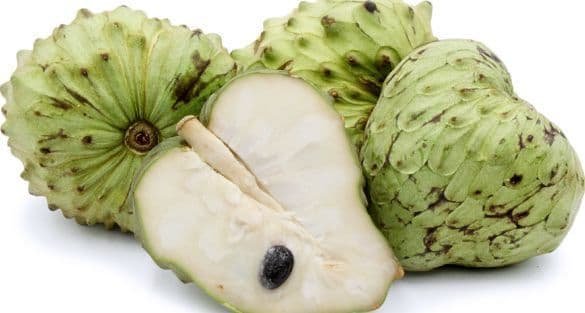
cherimoya
Cherimoya — sometimes called the custard apple — is a subtropical fruit native to the Andean valleys of South America. Mark Twain once described it as "the most delicious fruit known to men," and its lush, creamy flesh lives up to the praise. The fruit's flavour is a natural confluence of vanilla, ripe pear, banana, and a whisper of coconut, making it one of the most complex and voluptuous raw materials available to perfumers working with tropical accords. In perfumery, cherimoya is used to build rich, indulgent fruity-creamy compositions that feel simultaneously exotic and familiar. Its natural sweetness anchors gourmand arrangements, while its tropical facets lift and enliven floral or woody bases. The note pairs particularly well with vanilla, white flowers, sandalwood, and other lush tropical fruits, creating a sensuous warmth that evokes sun-drenched gardens and languid afternoons. Fragrenza's cherimoya collection brings this rare and captivating note to the forefront of accessible luxury. Our fragrances, inspired by coveted designer and niche originals, let you explore the sumptuous world of cherimoya without the premium price tag. Discover creamy, tropical sophistication crafted with quality and care.
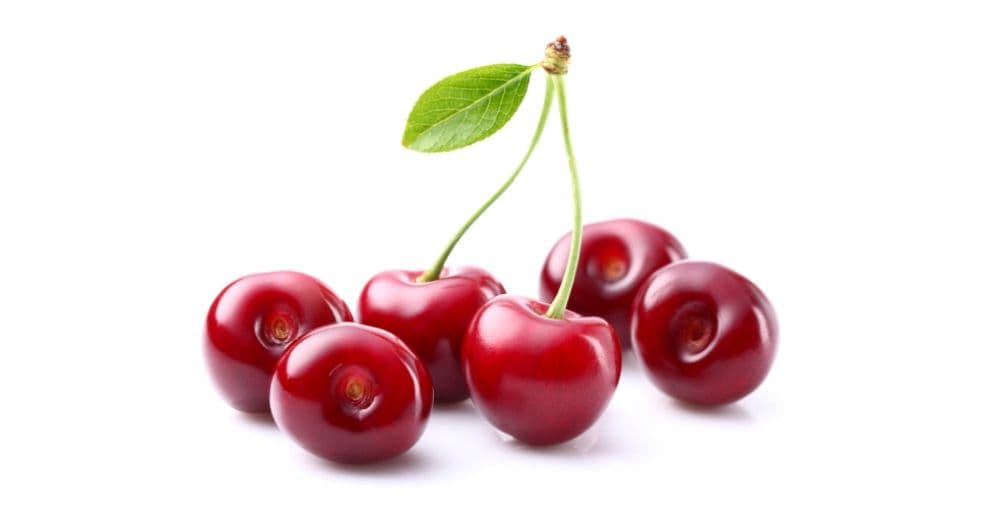
Cherry
Cherry is one of the most universally adored fruit notes in perfumery, capturing the luscious, sweet-dark richness of ripe stone cherries in their full summer splendour. The note draws on both the bright, juicy sweetness of sweet cherries (Prunus avium) and the deeper, more complex tartness of dark or black cherries, with a characteristic stone-fruit warmth that comes from benzaldehyde and other natural aroma compounds found in the fruit and its kernel. It is simultaneously playful and seductive, fresh and deeply indulgent. In perfumery, cherry occupies a prized position in the fruity-floral and gourmand fragrance families. Its sweet, slightly dark juiciness pairs magnificently with rose, jasmine, and violet in romantic floral-fruity compositions, while its deeper, almost winey character blends beautifully with patchouli, vanilla, benzoin, and dark musks in more intensely sensual oriental structures. Cherry also interacts wonderfully with almond and tonka notes, amplifying their shared benzaldehyde quality in rich, confectionery-like accords that feel luxuriously indulgent without being cloying when handled with skill. At Fragrenza, cherry is one of our most popular and celebrated notes, central to a range of fragrance dupes that recreate the sweet, sensual, fruit-forward heart of some of the most iconic and best-loved designer fragrances. Explore our Cherry collection to discover compositions where this irresistible stone fruit note takes the spotlight, crafted to exceptional quality at the accessible prices that make Fragrenza the smart choice for fragrance lovers everywhere.
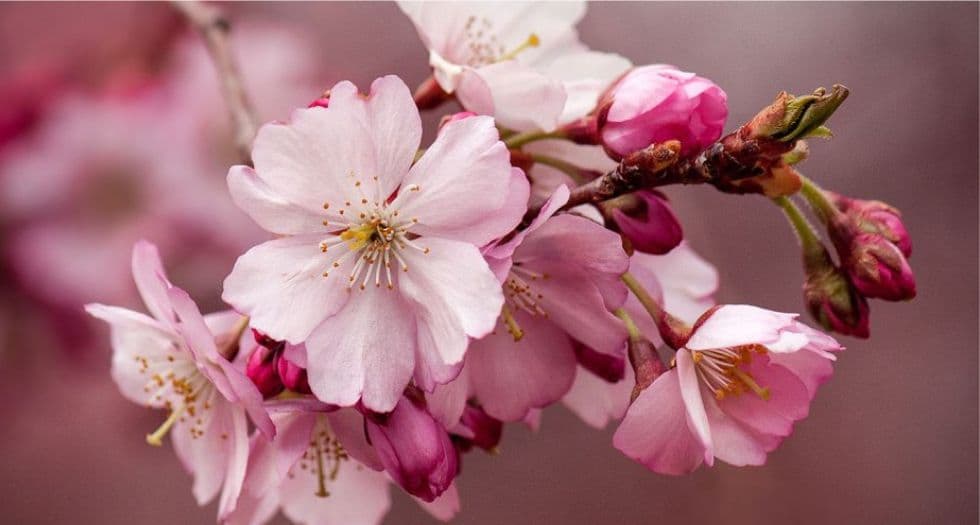
Cherry blossom
Cherry blossom, known in Japan as sakura, is one of the most culturally revered natural phenomena in the world. The delicate pink and white flowers of the Prunus serrulata tree bloom for only a fleeting week or two each spring, making them a powerful symbol of transience, beauty, and renewal across East Asian cultures. Perfumers have long sought to capture this ephemeral quality in fragrance, drawing on the soft, powdery petals to evoke the gentle warmth of a spring morning. As a fragrance note, cherry blossom is soft-sweet and subtly floral, carrying a faint almond-like quality that distinguishes it from heavier florals such as rose or jasmine. It blends seamlessly with other spring notes — fresh greens, light musks, sheer woods, and delicate fruits — lending compositions an airy, romantic character. Its translucency makes it a favourite in feminine and unisex fragrances alike, where it softens bold accords or anchors an ethereal heart. At Fragrenza, our cherry blossom collection celebrates the timeless allure of sakura in fragrances inspired by the world's finest perfumes. Whether you're drawn to the note for its quiet sweetness or its poetic cultural resonance, you'll find beautifully crafted dupes here at a fraction of the designer price.
- 🌿
Cherry blossom nectar
Cherry blossom nectar is a floral note that gives a fragrance softness, radiance, and emotional warmth. Depending on the flower or accord, it may feel fresh, creamy, powdery, honeyed, green, indolic, or airy. In perfumery, floral notes often form the heart of a composition, adding body and a recognizable signature. It pairs well with citrus, white musk, rose, jasmine, sandalwood, amber, vanilla, iris, and delicate fruits.
- 🌿
Cherry flower
Cherry flower is a floral note that gives a fragrance softness, radiance, and emotional warmth. Depending on the flower or accord, it may feel fresh, creamy, powdery, honeyed, green, indolic, or airy. In perfumery, floral notes often form the heart of a composition, adding body and a recognizable signature. It pairs well with citrus, white musk, rose, jasmine, sandalwood, amber, vanilla, iris, and delicate fruits.
- 🌿
Cherry leaf
Cherry leaf, harvested from Prunus species before and during the growing season, presents a fascinatingly different facet of the cherry tree compared to its wood or fruit. The leaf is green and fresh-cut, with a crisp, slightly watery botanical character and a distinctive underlying almond-cherry quality derived from coumarin-related compounds present in the cellular tissue. It carries a cool, almost aquatic greenness alongside that recognisable soft-sweet cherry-almond note, creating an elegant duality between natural freshness and subtle sweetness. In perfumery, cherry leaf is prized as a naturalistic green modifier that adds a botanical freshness with a uniquely cherry-almond signature. It works beautifully in chypre structures where its fresh green quality complements mossy or earthy base notes, and equally well in green-floral compositions where it adds a crisp, slightly sweet freshness to more conventional green materials. The almond facet in cherry leaf also makes it a natural companion to iris, violet, heliotrope, and other powdery or almond-faceted ingredients, where it adds green vitality without introducing jarringly sharp or harsh elements. At Fragrenza, cherry leaf adds its cool, fresh-almond character to fragrance dupes where authentic green refinement is essential to capturing the spirit of a beloved original. Browse our Cherry Leaf collection to discover compositions where this elegant, nature-inspired note is given room to breathe, all crafted at the accessible price point that defines Fragrenza.
- 🌿
Cherry liqueur
Cherry liqueur is a rich and indulgent fragrance note that sits at the intersection of the gourmand and oriental fragrance families. Unlike bright, fresh cherry notes that evoke fruit bowls and summer gardens, cherry liqueur in perfumery is darker and more complex — the deep, boozy sweetness of amarena cherries steeped in brandy or kirsch, with the almond-skin bitterness of cherry pits and the warming roundness of aged spirit. It is a note that feels grown-up, sophisticated, and deliciously decadent. The popularity of cherry liqueur as a fragrance note surged dramatically following the release of Tom Ford Lost Cherry, which introduced millions of fragrance wearers to the category and demonstrated how beautifully the note could be used in a luxury context. The pairing of dark cherry with almond, tonka bean, and smoky woods creates a scent that is simultaneously edible and elegant — like a fine cherry dessert served in a candlelit restaurant. This combination of gourmand indulgence and sophisticated warmth is what makes cherry liqueur fragrances so universally appealing. Cherry liqueur fragrances pair beautifully with vanilla, tonka bean, sandalwood, and dark musks in the base, creating compositions with exceptional depth and sillage. The note also works brilliantly alongside rose for a romantic, boozy floral effect. Browse Fragrenza's cherry liqueur collection to discover inspired-by fragrances that capture this addictive dark sweetness — delivering the same rich, boozy cherry character at an accessible price.
- 🌿
Cherry wood
Cherry wood is a woody note used to create structure, depth, and lasting warmth. Its scent may be dry, creamy, smoky, resinous, earthy, pencil-like, or polished depending on the wood or accord. In perfumery, woody notes support the whole composition and connect fresh openings with deeper bases. It pairs naturally with amber, musk, incense, leather, vetiver, patchouli, spices, citrus, and soft resins.
- 🌿
Chess flower
Chess flower is a floral note that gives a fragrance softness, radiance, and emotional warmth. Depending on the flower or accord, it may feel fresh, creamy, powdery, honeyed, green, indolic, or airy. In perfumery, floral notes often form the heart of a composition, adding body and a recognizable signature. It pairs well with citrus, white musk, rose, jasmine, sandalwood, amber, vanilla, iris, and delicate fruits.
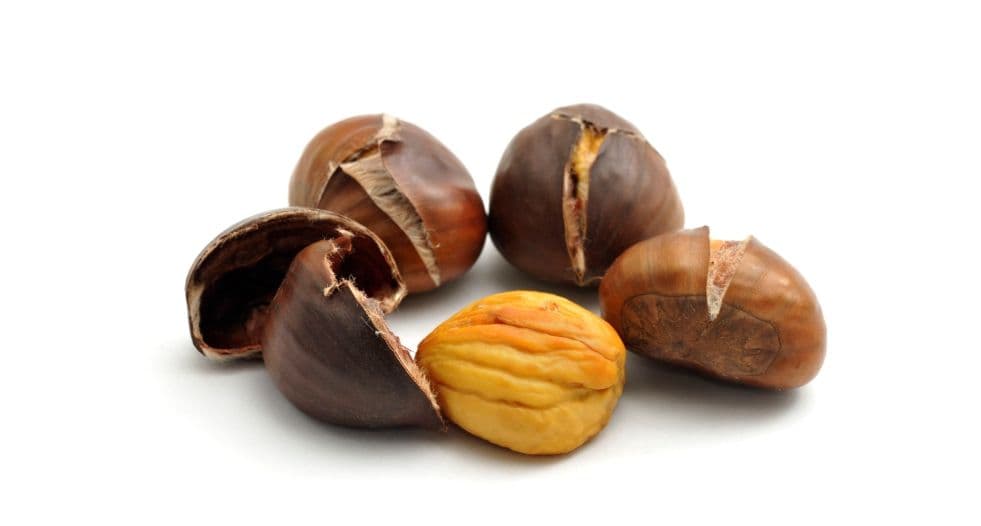
Chestnut
The chestnut, particularly the sweet chestnut (Castanea sativa) native to Southern Europe and widely cultivated across Asia and the Americas, is one of the most evocative scents of autumn. Roasted over open fires at street markets from Paris to Rome, the warm, slightly sweet, and earthy aroma of hot chestnuts is deeply nostalgic and comforting. As a fragrance note it captures this roasted quality: nutty-sweet, softly caramelised, and gently smoky, with a dry warmth that feels both gourmand and woody, grounded rather than sugary. In perfumery, chestnut belongs to the gourmand-autumnal family of notes that has become increasingly celebrated in modern fragrance. Its warm, roasted nuttiness pairs beautifully with spices like cinnamon and cardamom, with dark earthy woods such as vetiver and oakwood, with smoky or leather accords, and with oriental sweet base notes that amplify its comforting warmth. Chestnut adds seasonal depth and a sense of cosy, natural sweetness to compositions, particularly in fragrances designed to evoke autumn forests, open fires, and the golden warmth of a harvest season. At Fragrenza, the warm, roasted sweetness of chestnut features in several of our autumnal and gourmand fragrance dupes, helping us recreate the nostalgic, comforting depth of some of the most beloved seasonal designer scents. Browse our Chestnut collection to find fragrances that carry this beautifully warm autumnal quality, all at the honest prices that make Fragrenza special.
- 🌿
Chestnut cream
Chestnut cream is a gourmand note that adds edible warmth, sweetness, and comfort. It may suggest cream, sugar, nuts, chocolate, coffee, honey, pastry, or toasted grains depending on the accord. In perfumery, gourmand notes make compositions feel cozy and sensual, but they work best when balanced with woods, musks, spices, citrus, or resins. It pairs well with vanilla, tonka bean, sandalwood, amber, caramel, cacao, coffee, and soft florals.
- 🌿
Chestnut purée
Chestnut purée is a gourmand note that adds edible warmth, sweetness, and comfort. It may suggest cream, sugar, nuts, chocolate, coffee, honey, pastry, or toasted grains depending on the accord. In perfumery, gourmand notes make compositions feel cozy and sensual, but they work best when balanced with woods, musks, spices, citrus, or resins. It pairs well with vanilla, tonka bean, sandalwood, amber, caramel, cacao, coffee, and soft florals.
- 🌿
Chestnut wood
Chestnut wood is a woody note used to create structure, depth, and lasting warmth. Its scent may be dry, creamy, smoky, resinous, earthy, pencil-like, or polished depending on the wood or accord. In perfumery, woody notes support the whole composition and connect fresh openings with deeper bases. It pairs naturally with amber, musk, incense, leather, vetiver, patchouli, spices, citrus, and soft resins.
- 🌿
Chewing gum
Chewing gum is a specialty note used to give a fragrance a distinctive texture, mood, or material impression. Depending on interpretation, it may contribute freshness, warmth, sweetness, dryness, softness, or an abstract atmospheric effect. In perfumery, specialty notes are useful because they make a composition feel more specific and less generic. It can be paired with woods, musks, florals, resins, fruits, green notes, spices, or amber materials according to the intended style.
- 🌿
Chilean cedar
Chilean cedar is a woody note used to create structure, depth, and lasting warmth. Its scent may be dry, creamy, smoky, resinous, earthy, pencil-like, or polished depending on the wood or accord. In perfumery, woody notes support the whole composition and connect fresh openings with deeper bases. It pairs naturally with amber, musk, incense, leather, vetiver, patchouli, spices, citrus, and soft resins.
- 🌿
Chili
Chili is a spicy note that adds heat, texture, and aromatic energy to a fragrance. It may feel sweet, dry, peppery, resinous, herbal, smoky, or slightly medicinal depending on the material. In perfumery, spices create contrast, deepen the heart, and help bridge fresh top notes with warm woody or amber bases. Chili pairs especially well with citrus, rose, tobacco, vanilla, oud, sandalwood, patchouli, leather, and balsamic resins.
Chili pepper
Chili pepper is an aromatic note with herbal or spicy facets that can feel fresh, warm, dry, or slightly sharp depending on dosage. In perfumery, it adds character and movement to woods, ambers, citrus, tea accords, fougères, leathers, and oriental compositions.
- 🌿
chilli pepper
chilli pepper is a spicy note that adds heat, texture, and aromatic energy to a fragrance. It may feel sweet, dry, peppery, resinous, herbal, smoky, or slightly medicinal depending on the material. In perfumery, spices create contrast, deepen the heart, and help bridge fresh top notes with warm woody or amber bases. chilli pepper pairs especially well with citrus, rose, tobacco, vanilla, oud, sandalwood, patchouli, leather, and balsamic resins.
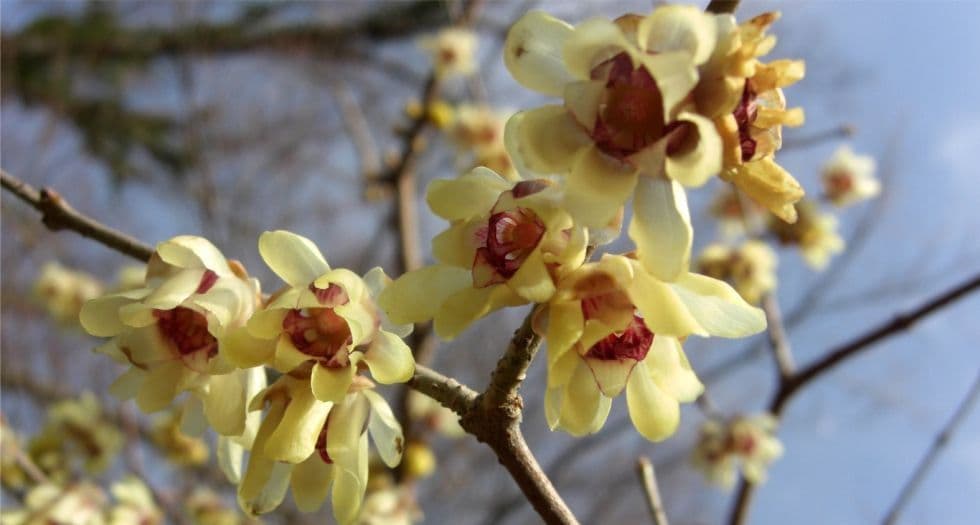
Chimonanthus or Wintersweet
Chimonanthus praecox, known as wintersweet or Japanese allspice, is a remarkable deciduous shrub native to China that produces its small, waxy flowers during the depths of winter, often blooming through frost and snow. Its blossoms carry one of nature's most intensely sweet and spicy aromas: a rich, clove-honeyed sweetness with a warm, almost narcotic quality that belies the harshness of the season in which it flowers. The scent has been celebrated in Chinese poetry and art for centuries, associated with resilience, purity, and the promise of spring. In perfumery, chimonanthus is an exotic and relatively rare floral note that occupies a unique position between sweet spice and opulent bloom. Its warm, clove-edged honey quality pairs naturally with other rich winter florals such as osmanthus and narcissus, with sweet oriental bases of vanilla and benzoin, and with warm spices and balsamic resins. Its intensity means it is used with care, but a well-judged chimonanthus note can give a fragrance extraordinary character: simultaneously floral, spicy, sweet, and deeply evocative of cold winter air. At Fragrenza, the intensely sweet-spicy allure of chimonanthus inspires some of our most luxurious and distinctive winter-inspired fragrance dupes. Browse our Chimonanthus collection to discover compositions where this extraordinary winter blossom lends its unique warmth and complexity, crafted to the quality standard our customers love at prices that remain accessible year-round.
- 🌿
Chinese black tea
Chinese black tea (such as Keemun or Lapsang Souchong styles) is an aromatic, sometimes smoky, malty, and refined fermented tea. In perfumery, it adds elegant, Eastern-inflected tea character to chypre, leather, oriental, and gourmand compositions.
- 🌿
Chinese cassia
Chinese cassia is a specialty note used to give a fragrance a distinctive texture, mood, or material impression. Depending on interpretation, it may contribute freshness, warmth, sweetness, dryness, softness, or an abstract atmospheric effect. In perfumery, specialty notes are useful because they make a composition feel more specific and less generic. It can be paired with woods, musks, florals, resins, fruits, green notes, spices, or amber materials according to the intended style.
- 🌿
Chinese Cedar
Chinese Cedar is a woody note used to create structure, depth, and lasting warmth. Its scent may be dry, creamy, smoky, resinous, earthy, pencil-like, or polished depending on the wood or accord. In perfumery, woody notes support the whole composition and connect fresh openings with deeper bases. It pairs naturally with amber, musk, incense, leather, vetiver, patchouli, spices, citrus, and soft resins.
- 🌿
Chinese eucalyptus
Chinese eucalyptus is a specialty note used to give a fragrance a distinctive texture, mood, or material impression. Depending on interpretation, it may contribute freshness, warmth, sweetness, dryness, softness, or an abstract atmospheric effect. In perfumery, specialty notes are useful because they make a composition feel more specific and less generic. It can be paired with woods, musks, florals, resins, fruits, green notes, spices, or amber materials according to the intended style.
- 🌿
Chinese geranium
Chinese geranium is a floral note that adds softness, radiance, and emotional warmth to a composition. Depending on the flower or accord, it can feel fresh, creamy, powdery, honeyed, green, indolic, or airy. In perfumery, floral notes often form the heart of a fragrance, giving it body and a recognizable character. Chinese geranium pairs well with citrus, white musk, rose, jasmine, sandalwood, amber, vanilla, iris, and delicate fruits, making it useful in both classic bouquets and modern transparent florals.
- 🌿
Chinese ginger
Chinese ginger is a spicy note that gives fragrance heat, texture, and aromatic energy. It can feel sweet, dry, peppery, resinous, herbal, smoky, or slightly medicinal depending on the material. In perfumery, spices create contrast, deepen the heart, and bridge fresh top notes with warm woody or amber bases. It pairs especially well with citrus, rose, tobacco, vanilla, oud, sandalwood, patchouli, leather, and balsamic resins.
- 🌿
Chinese grapefruit
Chinese grapefruit is a citrus note that adds sparkle, freshness, and immediate lift to a fragrance. Its profile can include juicy pulp, aromatic peel, green bitterness, soft floral nuances, or a sharp zesty brightness depending on the material. In perfumery, it is usually used in the opening, where it brings clarity and motion before blending into florals, woods, musks, or herbs. It pairs well with neroli, tea, lavender, white musk, light woods, aquatic notes, and aromatic herbs.
- 🌿
Chinese green tea
Chinese green tea is a green or aromatic note that evokes leaves, herbs, stems, fresh air, or crushed vegetation. Its profile can be crisp, bitter, watery, camphoraceous, grassy, or slightly earthy depending on the material. In perfumery, green notes add realism and lift, keeping sweet, floral, or woody compositions from feeling too heavy. It pairs well with citrus, tea, fig, violet leaf, galbanum, tomato leaf, white musk, vetiver, lavender, and light woods.
- 🌿
Chinese incense
Chinese incense is a warm ambered or resinous note used to give fragrance depth, softness, and long-lasting richness. It can smell balsamic, sweet, smoky, vanillic, woody, powdery, or incense-like depending on the material. In perfumery, it rounds sharp edges and creates a smooth base that holds the composition together. It pairs well with woods, musks, spices, vanilla, tobacco, leather, florals, oud, and other resins.
- 🌿
Chinese Jasmine
Chinese Jasmine is a floral note that gives a fragrance softness, radiance, and emotional warmth. Depending on the flower or accord, it may feel fresh, creamy, powdery, honeyed, green, indolic, or airy. In perfumery, floral notes often form the heart of a composition, adding body and a recognizable signature. It pairs well with citrus, white musk, rose, jasmine, sandalwood, amber, vanilla, iris, and delicate fruits.
- 🌿
Chinese jasmine absolute
Chinese jasmine absolute is a floral note that gives a fragrance softness, radiance, and emotional warmth. Depending on the flower or accord, it may feel fresh, creamy, powdery, honeyed, green, indolic, or airy. In perfumery, floral notes often form the heart of a composition, adding body and a recognizable signature. It pairs well with citrus, white musk, rose, jasmine, sandalwood, amber, vanilla, iris, and delicate fruits.
- 🌿
Chinese jasmine sambac absolute
Chinese jasmine sambac absolute is a floral note that gives a fragrance softness, radiance, and emotional warmth. Depending on the flower or accord, it may feel fresh, creamy, powdery, honeyed, green, indolic, or airy. In perfumery, floral notes often form the heart of a composition, adding body and a recognizable signature. It pairs well with citrus, white musk, rose, jasmine, sandalwood, amber, vanilla, iris, and delicate fruits.
- 🌿
Chinese litsea cubeba
Chinese litsea cubeba is an aquatic note that evokes water, sea air, rain, mineral freshness, or clean transparent space. It can be salty, ozonic, marine, watery, airy, or slightly green depending on the accord. In perfumery, aquatic notes bring freshness, diffusion, and a modern easy-to-wear character. It pairs well with citrus, white musk, driftwood, lavender, sage, cucumber, marine notes, ambergris-style molecules, and pale woods.
- 🌿
Chinese loosestrife
Chinese loosestrife is a specialty note used to give a fragrance a distinctive texture, mood, or material impression. Depending on interpretation, it may contribute freshness, warmth, sweetness, dryness, softness, or an abstract atmospheric effect. In perfumery, specialty notes are useful because they make a composition feel more specific and less generic. It can be paired with woods, musks, florals, resins, fruits, green notes, spices, or amber materials according to the intended style.
- 🌿
Chinese lychee
Chinese lychee is a fruity note that adds juiciness, color, and natural sweetness. It may feel crisp and tart, ripe and velvety, tropical and creamy, or dark and jammy depending on the fruit profile. In perfumery, fruity notes brighten florals, soften musks, and add pleasure to gourmand or woody structures. It pairs well with rose, peony, jasmine, white musk, vanilla, woods, citrus, amber, and soft spices.
- 🌿
Chinese magnolia
Chinese magnolia is a floral note that adds softness, radiance, and emotional warmth to a composition. Depending on the flower or accord, it can feel fresh, creamy, powdery, honeyed, green, indolic, or airy. In perfumery, floral notes often form the heart of a fragrance, giving it body and a recognizable character. Chinese magnolia pairs well with citrus, white musk, rose, jasmine, sandalwood, amber, vanilla, iris, and delicate fruits, making it useful in both classic bouquets and modern transparent florals.
- 🌿
Chinese mandarin orange
Chinese mandarin orange is a citrus note that adds sparkle, freshness, and immediate lift to a fragrance. Its profile can include juicy pulp, aromatic peel, green bitterness, soft floral nuances, or a sharp zesty brightness depending on the material. In perfumery, it is usually used in the opening, where it brings clarity and motion before blending into florals, woods, musks, or herbs. It pairs well with neroli, tea, lavender, white musk, light woods, aquatic notes, and aromatic herbs.
- 🌿
Chinese myrrh
Chinese myrrh is a warm ambered or resinous note used to give fragrance depth, softness, and long-lasting richness. It can smell balsamic, sweet, smoky, vanillic, woody, powdery, or incense-like depending on the material. In perfumery, it rounds sharp edges and creates a smooth base that holds the composition together. It pairs well with woods, musks, spices, vanilla, tobacco, leather, florals, oud, and other resins.
- 🌿
Chinese orange
Chinese orange is a citrus note that adds sparkle, freshness, and immediate lift to a fragrance. Its profile can include juicy pulp, aromatic peel, green bitterness, soft floral nuances, or a sharp zesty brightness depending on the material. In perfumery, it is usually used in the opening, where it brings clarity and motion before blending into florals, woods, musks, or herbs. It pairs well with neroli, tea, lavender, white musk, light woods, aquatic notes, and aromatic herbs.
- 🌿
Chinese Osmanthus
Chinese Osmanthus is a floral note that adds softness, radiance, and emotional warmth to a composition. Depending on the flower or accord, it can feel fresh, creamy, powdery, honeyed, green, indolic, or airy. In perfumery, floral notes often form the heart of a fragrance, giving it body and a recognizable character. Chinese Osmanthus pairs well with citrus, white musk, rose, jasmine, sandalwood, amber, vanilla, iris, and delicate fruits, making it useful in both classic bouquets and modern transparent florals.
- 🌿
Chinese osmanthus absolute
Chinese osmanthus absolute is a floral note that gives a fragrance softness, radiance, and emotional warmth. Depending on the flower or accord, it may feel fresh, creamy, powdery, honeyed, green, indolic, or airy. In perfumery, floral notes often form the heart of a composition, adding body and a recognizable signature. It pairs well with citrus, white musk, rose, jasmine, sandalwood, amber, vanilla, iris, and delicate fruits.
- 🌿
Chinese oud
Chinese oud is a woody note used to create structure, depth, and lasting warmth. Its scent may be dry, creamy, smoky, resinous, earthy, pencil-like, or polished depending on the wood or accord. In perfumery, woody notes support the whole composition and connect fresh openings with deeper bases. It pairs naturally with amber, musk, incense, leather, vetiver, patchouli, spices, citrus, and soft resins.
- 🌿
Chinese patchouli
Chinese patchouli is a woody note used to create structure, depth, and lasting warmth. Its scent may be dry, creamy, smoky, resinous, earthy, pencil-like, or polished depending on the wood or accord. In perfumery, woody notes support the whole composition and connect fresh openings with deeper bases. It pairs naturally with amber, musk, incense, leather, vetiver, patchouli, spices, citrus, and soft resins.
- 🌿
Chinese peony
Chinese peony is a floral note that gives a fragrance softness, radiance, and emotional warmth. Depending on the flower or accord, it may feel fresh, creamy, powdery, honeyed, green, indolic, or airy. In perfumery, floral notes often form the heart of a composition, adding body and a recognizable signature. It pairs well with citrus, white musk, rose, jasmine, sandalwood, amber, vanilla, iris, and delicate fruits.
- 🌿
Chinese plum wine
Chinese plum wine is a fruity note that adds juiciness, color, and natural sweetness. It may feel crisp and tart, ripe and velvety, tropical and creamy, or dark and jammy depending on the fruit profile. In perfumery, fruity notes brighten florals, soften musks, and add pleasure to gourmand or woody structures. It pairs well with rose, peony, jasmine, white musk, vanilla, woods, citrus, amber, and soft spices.
- 🌿
Chinese rose
Chinese rose is a floral note that gives a fragrance softness, radiance, and emotional warmth. Depending on the flower or accord, it may feel fresh, creamy, powdery, honeyed, green, indolic, or airy. In perfumery, floral notes often form the heart of a composition, adding body and a recognizable signature. It pairs well with citrus, white musk, rose, jasmine, sandalwood, amber, vanilla, iris, and delicate fruits.
- 🌿
Chinese tea
Chinese tea is a green or aromatic note that evokes leaves, herbs, stems, fresh air, or crushed vegetation. Its profile can be crisp, bitter, watery, camphoraceous, grassy, or slightly earthy depending on the material. In perfumery, green notes add realism and lift, keeping sweet, floral, or woody compositions from feeling too heavy. It pairs well with citrus, tea, fig, violet leaf, galbanum, tomato leaf, white musk, vetiver, lavender, and light woods.
- 🌿
Chinese toon
Chinese toon is a specialty note used to give a fragrance a distinctive texture, mood, or material impression. Depending on interpretation, it may contribute freshness, warmth, sweetness, dryness, softness, or an abstract atmospheric effect. In perfumery, specialty notes are useful because they make a composition feel more specific and less generic. It can be paired with woods, musks, florals, resins, fruits, green notes, spices, or amber materials according to the intended style.
- 🌿
Chinese white mulberry
Chinese white mulberry is a fruity note that adds juiciness, color, and natural sweetness. It may feel crisp and tart, ripe and velvety, tropical and creamy, or dark and jammy depending on the fruit profile. In perfumery, fruity notes brighten florals, soften musks, and add pleasure to gourmand or woody structures. It pairs well with rose, peony, jasmine, white musk, vanilla, woods, citrus, amber, and soft spices.
- 🌿
Chinese white rose
Chinese white rose is a floral note that gives a fragrance softness, radiance, and emotional warmth. Depending on the flower or accord, it may feel fresh, creamy, powdery, honeyed, green, indolic, or airy. In perfumery, floral notes often form the heart of a composition, adding body and a recognizable signature. It pairs well with citrus, white musk, rose, jasmine, sandalwood, amber, vanilla, iris, and delicate fruits.
Chinotto
Chinotto (Citrus myrtifolia) is a small, intensely bitter citrus fruit native to Italy, most famous for lending its distinctive flavour to the beloved Italian soft drink and the complex liqueurs and amari of Italian aperitivo culture. Its peel oil is characterised by a sharp, bitter-citrus profile with herbaceous and slightly floral undertones, darker and more complex than sweet orange or bergamot, with a bitter marmalade quality that gives it a distinctly adult, sophisticated character entirely its own in the citrus family. In perfumery, chinotto offers a fascinatingly complex citrus note that goes well beyond conventional brightness. Its bitter, amaro-like quality adds a sharp, characterful edge to compositions, pairing particularly well with aromatic herbs, cool spices like cardamom and ginger, and dark oriental or resinous bases where its bitterness reads as luxuriously complex rather than harsh. Perfumers working in sophisticated masculine, Italian-inspired, or avant-garde structures use chinotto to add a genuine sense of character and a refined, almost gastronomic edge to their creations. At Fragrenza, chinotto's bitter, characterful citrus personality features in our most sophisticated and complex fragrance dupes, helping us capture the refined Italian spirit of certain designer originals. Browse our Chinotto collection to discover fragrances with this compelling sharp-bitter citrus at their heart, crafted to the highest quality standards and priced to be accessible to all.
- 🌿
Chinotto blossom
Chinotto blossom refers to the delicate flowers of the chinotto tree (Citrus myrtifolia), offering an olfactory experience that stands in beautiful contrast to the sharp bitterness of its fruit. The blossom presents a fresh, softly sweet, and gently honeyed floral character with orange-blossom-like warmth and a light, luminous quality that is both elegant and approachable. Like all citrus blossoms, it shares olfactory kinship with neroli and petitgrain while maintaining its own subtly distinctive identity, slightly less opulent than neroli but equally refined. In perfumery, chinotto blossom functions as a delicate floral heart note that bridges the gap between fresh citrus top notes and warmer, creamier floral or musky base materials. Its soft honeyed sweetness works beautifully alongside classic white florals such as jasmine and tuberose, as well as with clean musks, light woods, and milky or powdery base notes. It brings a graceful, airy quality to compositions, adding floral depth without heaviness and a gentle luminosity that makes it especially valued in modern feminine and unisex fragrances. At Fragrenza, chinotto blossom contributes its quietly elegant, honeyed freshness to fragrance dupes where a refined citrus-floral heart is essential. Explore our Chinotto Blossom collection to find scents where this graceful, little-known flower shines, recreated with the quality and care that Fragrenza puts into every composition at our signature accessible price point.
chive
Chive (Allium schoenoprasum) is the most delicate member of the allium family, beloved in kitchens from Europe to East Asia for its mild, fresh onion-like flavour and vibrant green character. As a fragrance note it is provocative and unconventional: green, slightly pungent, and unmistakably vegetal, bringing a raw naturalness to compositions that is entirely its own. The aromatic compounds in chive include organosulfur molecules related to those in garlic and onion, but in far lighter, more nuanced concentrations that read as fresh and herbal rather than harsh. In perfumery, chive is an avant-garde ingredient used with restraint to introduce a truly green, slightly sharp vegetal quality that most conventional floral or herbal materials cannot replicate. It sits within the broader family of vegetable and edible-green notes that have found favour in niche and conceptual perfumery, alongside notes like tomato leaf, carrot, and cucumber. Chive pairs best with bright citrus materials, other fresh herbs such as tarragon and basil, and clean musks or aquatic notes, where its fresh pungency reads as interesting and lively rather than overwhelming. At Fragrenza, we appreciate the creative boldness of notes like chive that push fragrance in unexpected directions. Our Chive collection highlights compositions where this fresh, green-vegetal note plays its distinctive part, recreating the creative intent of adventurous designer and niche originals at the honest prices Fragrenza is known for.
- 🌿
Chives
Chives is a specialty note used to give a fragrance a distinctive texture, mood, or material impression. Depending on interpretation, it may contribute freshness, warmth, sweetness, dryness, softness, or an abstract atmospheric effect. In perfumery, specialty notes are useful because they make a composition feel more specific and less generic. It can be paired with woods, musks, florals, resins, fruits, green notes, spices, or amber materials according to the intended style.
- 🌿
Chliean cherry
Chliean cherry is a fruity note that adds juiciness, color, and natural sweetness. It may feel crisp and tart, ripe and velvety, tropical and creamy, or dark and jammy depending on the fruit profile. In perfumery, fruity notes brighten florals, soften musks, and add pleasure to gourmand or woody structures. It pairs well with rose, peony, jasmine, white musk, vanilla, woods, citrus, amber, and soft spices.
- 🌿
Chlorine
Chlorine is a specialty note used to give a fragrance a distinctive texture, mood, or material impression. Depending on interpretation, it may contribute freshness, warmth, sweetness, dryness, softness, or an abstract atmospheric effect. In perfumery, specialty notes are useful because they make a composition feel more specific and less generic. It can be paired with woods, musks, florals, resins, fruits, green notes, spices, or amber materials according to the intended style.

chocolate
Dark chocolate — derived from cacao beans (Theobroma cacao) native to the tropical forests of Central and South America — is one of the most universally beloved flavours on earth, and its aromatic complexity has long fascinated perfumers. The cacao tree's name literally translates to "food of the gods," and dark chocolate's sophisticated bittersweet character justifies such reverence. The higher the cacao content, the more the fragrance leans away from milk-sweet confectionery and towards a rich, roasted, slightly smoky depth that is simultaneously indulgent and intellectually complex. In perfumery, dark chocolate accords are a cornerstone of the gourmand family, but they resist the simple sweetness of lesser gourmand notes through their inherent bitterness. The olfactory profile combines the roasted, slightly smoky quality of cacao nibs with a deep, earthy richness and a bittersweet finish that lingers with remarkable tenacity. Perfumers frequently blend dark chocolate with coffee, tobacco, vetiver, patchouli, or warm spices to build compositions of real depth and substance — fragrances that reward close attention with layer upon layer of complexity. Dark chocolate notes bring sophisticated, adult depth to gourmand perfumery, elevating sweet compositions into something genuinely complex and memorable. At Fragrenza, our dark chocolate collection offers premium fragrance dupes inspired by the world's most celebrated scents, delivering this rich, indulgent note at an accessible price for every gourmand lover.
Chocolate Flower
The Chocolate Flower (Berlandiera lyrata), a small daisy-like wildflower native to the grasslands and prairies of North America and Mexico, is one of nature's most extraordinary olfactory surprises. Unlike most flowers named for resemblance to food, the Chocolate Flower genuinely emits a warm, cocoa-like scent, particularly in the morning hours when its aroma is strongest. The petals and disc florets release volatile compounds that authentically recall dark chocolate and warm cocoa, making it a true botanical curiosity and an inspiration for fragrance creators seeking genuine natural gourmand notes. In perfumery, the chocolate flower represents the intersection of floral and gourmand in its purest form. Its warm-cocoa character pairs beautifully with rich floral notes such as rose and jasmine, with sweet spices like vanilla and tonka, and with darker woody or resinous bases. It brings a naturally sweet, slightly earthy warmth to compositions without the cloying, confectionery quality that synthetic chocolate accords can sometimes carry, making it a prized inspiration for elegant gourmand-oriental fragrances that feel simultaneously indulgent and wearable. At Fragrenza, the warm-cocoa character of the chocolate flower inspires some of our most indulgent and distinctive fragrance dupes, capturing the luscious, naturally sweet depth of gourmand designer originals. Explore our Chocolate Flower collection to discover these beautifully rich compositions, all crafted to deliver a truly luxurious sensory experience at prices everyone can enjoy.
- 🌿
Chocolate fudge
Chocolate fudge is a gourmand note that adds edible warmth, sweetness, and comfort. It may suggest cream, sugar, nuts, chocolate, coffee, honey, pastry, or toasted grains depending on the accord. In perfumery, gourmand notes make compositions feel cozy and sensual, but they work best when balanced with woods, musks, spices, citrus, or resins. It pairs well with vanilla, tonka bean, sandalwood, amber, caramel, cacao, coffee, and soft florals.
- 🌿
Chocolate truffle
Chocolate truffle is a gourmand note that adds edible warmth, sweetness, and comfort. It may suggest cream, sugar, nuts, chocolate, coffee, honey, pastry, or toasted grains depending on the accord. In perfumery, gourmand notes make compositions feel cozy and sensual, but they work best when balanced with woods, musks, spices, citrus, or resins. It pairs well with vanilla, tonka bean, sandalwood, amber, caramel, cacao, coffee, and soft florals.
Choya Loban
Choya Loban is an exquisite Indian specialty ingredient derived from the pyrolysis of loban, the Indian term for frankincense-type resins including benzoin and similar balsamic materials. Produced using the traditional burning and distillation techniques of Indian artisanal perfumery, it shares heritage with other revered Choya ingredients while offering its own distinctive profile: warm and resinous, balsamic and slightly smoky, with a beautiful citrus-lemon facet that lifts its deep base and adds surprising freshness to its richly complex character. In perfumery, Choya Loban functions as both a character note and a powerful fixative. Its resinous warmth anchors oriental, incense, and balsamic compositions, while its citrusy brightness prevents it from feeling heavy or one-dimensional. It pairs naturally with frankincense and benzoin, with dark woods and amber, and with the broader family of balsamic and resinous ingredients that form the backbone of Middle Eastern and Indian inspired perfumery. The citrus facet also allows it to bridge surprisingly well into fresher, more contemporary structures where an unusual resinous twist is desired. At Fragrenza, we incorporate Choya Loban in fragrance dupes that call for authentic incense-resinous depth with natural complexity. Browse our Choya Loban collection to find compositions where this beautifully layered Indian ingredient brings its warm, luminous resinous quality to the fore, crafted to the quality standards our customers trust at genuinely accessible prices.
- 🌿
Choya Nakh
Choya Nakh is a celebrated specialty ingredient from India, produced by the same family of artisanal pyrolysis techniques that gave rise to Choya Ral. Created through the slow burning of natural organic materials, Choya Nakh has long been a cornerstone of Indian attars and traditional incense preparations. Its profile is warm, balsamic, and deeply sweet, with a rich oriental quality that recalls benzoin, labdanum, and aged woods, but with a uniquely earthy, incense-kissed character that speaks to centuries of Indian perfumery tradition. In contemporary perfumery, Choya Nakh is prized as a versatile base note and fixative that adds extraordinary warmth and tenacity to a composition. It blends seamlessly with other balsamic and resinous materials, with ouds and smoky woods, with musks, and with sweeter oriental ingredients like vanilla and tonka. Its naturally complex profile means a small amount can add significant depth and radiance to a fragrance, making it both an ingredient of artisanal heritage and genuine practical value for the modern perfumer working in oriental and incense-inspired structures. At Fragrenza, Choya Nakh contributes its magnificent warm sweetness and balsamic depth to several of our more intensely oriental and incense-inspired fragrance dupes. Explore our Choya Nakh collection to discover fragrances enriched by this treasured Indian specialty ingredient, all offered at the accessible prices that define the Fragrenza philosophy.
- 🌿
Choya Ral
Choya Ral is a remarkable and highly specialised perfumery ingredient created through the controlled pyrolysis of seashells, a process developed and perfected by Indian master perfume house Ramakrishnan. The shells are carefully burned at specific temperatures to release a complex matrix of aromatic compounds, yielding an oil with a deeply distinctive character: simultaneously oceanic and smoky, with marine, slightly phenolic, and tar-like facets that are unlike almost anything else in the perfumer's palette. It is a rare example of an artisanal ingredient born from fire and sea. In perfumery, Choya Ral occupies a singular niche as an ingredient of extraordinary depth and complexity. Its smoky-marine quality makes it a powerful character note in leather, oudh, and marine compositions, where it adds an ancient, almost primordial quality. Used in small amounts, it can transform a composition by adding unexpected depth and darkness without adding conventional smoke or leather materials. It pairs intriguingly with marine cords, with resinous and tarry notes, and with animalic musks, creating fragrances of real narrative power. At Fragrenza, we appreciate and utilise unique specialty ingredients like Choya Ral in our more adventurous fragrance dupes, where they contribute the rare textures that make certain designer and niche originals so compelling. Browse our Choya Ral collection to discover the fascinatingly smoky, oceanic side of our range, crafted with quality and precision at accessible prices.
- 🌿
Christmas rose
Christmas rose is a floral note that gives a fragrance softness, radiance, and emotional warmth. Depending on the flower or accord, it may feel fresh, creamy, powdery, honeyed, green, indolic, or airy. In perfumery, floral notes often form the heart of a composition, adding body and a recognizable signature. It pairs well with citrus, white musk, rose, jasmine, sandalwood, amber, vanilla, iris, and delicate fruits.
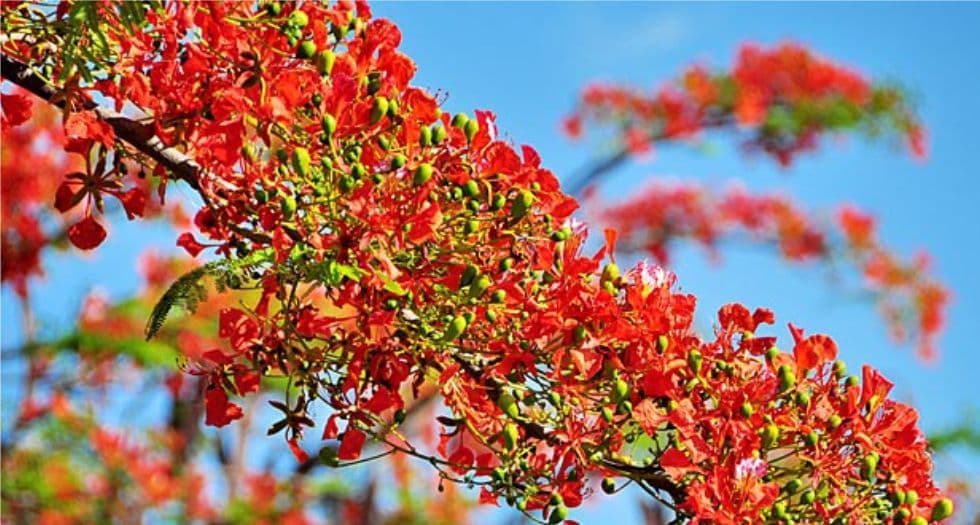
Christmas Tree or Flame Tree
The Christmas Tree accord, also evoking the Flame Tree family of conifers, captures the wonderfully fresh, resinous, and festive scent of fir and pine in full winter splendour. Drawing primarily from Abies and Pinus species, the olfactory profile combines crisp, needle-sharp freshness with soft resinous warmth, a hint of citrus-like brightness from the terpene-rich oils, and an underlying balsamic sweetness from the natural resins. This is the scent of a freshly cut fir tree brought indoors, at once invigorating and deeply comforting. In perfumery, conifer accords based on fir and pine are essential building blocks in fresh, aromatic, and woody compositions. They add an outdoorsy, naturalistic quality valued in masculine and unisex fragrances, and are particularly prominent in winter and festive releases that aim to evoke the cold, clean air of a forest or the warmth of a decorated home. Fir balsam and pine needle oil pair well with citrus top notes, cool spices like cardamom and juniper, and warm woody bases of cedarwood and vetiver, creating compositions of real seasonal magic. At Fragrenza, we bring the spirit of the season to our fragrance dupes through authentic conifer-inspired accords that capture the crisp, resinous majesty of the forest. Explore our Christmas Tree collection to find scents that carry this festive, wonderfully fresh quality, delivered at the accessible prices that make Fragrenza a favourite for fragrance lovers.
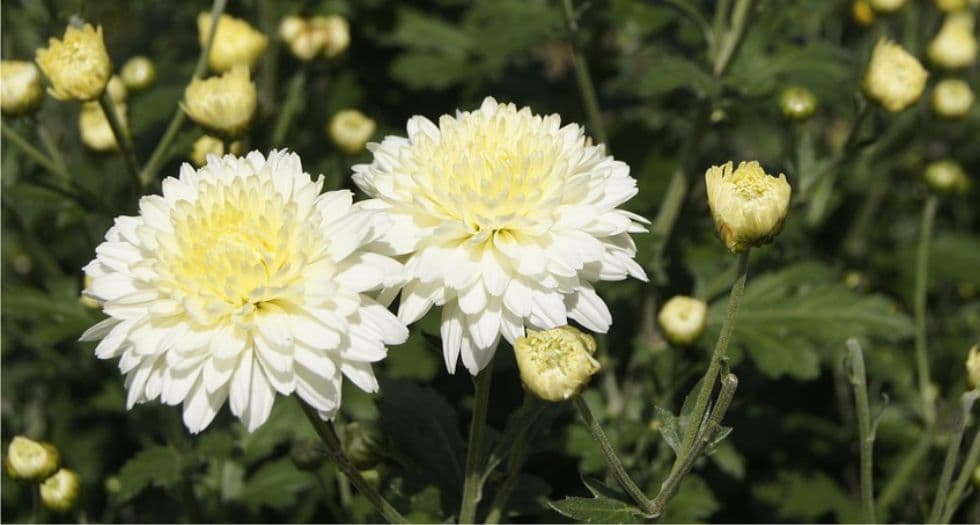
Chrysanthemum
Chrysanthemum has a long and revered history in East Asian culture, where it has been cultivated in China for over 3,000 years as a symbol of longevity, joy, and the autumn season. Used in traditional Chinese medicine, tea, and art, the chrysanthemum flower carries a fresh, gently herbal-floral aroma with clean green nuances and a faint, pleasant bitterness. The scent is lighter and more restrained than many ornamental flowers, making it a subtle and elegant choice for fragrance rather than an overtly sweet or heady floral. In perfumery, chrysanthemum occupies a refreshing space at the intersection of the floral and green families. Its softly herbal, slightly damp-petal quality harmonises well with other green notes such as violet leaf, galbanum, and cut grass, while its delicate floral side blends naturally with clean musks, light woods, and aquatic accords. It is often used to add an understated freshness and an almost dewy, autumnal character to compositions, bringing the cool, crisp beauty of a flower garden in September to the fragrance palette. At Fragrenza, chrysanthemum contributes its quietly refined floral-green character to several of our fragrance dupes, adding a sophisticated freshness that helps us capture the spirit of elegant designer originals. Browse our Chrysanthemum collection to explore scents where this graceful East Asian flower plays a meaningful role, all crafted to deliver exceptional quality at prices accessible to everyone.
- 🌿
Chrysanthemum absolute
Chrysanthemum absolute is a specialty note used to give a fragrance a distinctive texture, mood, or material impression. Depending on interpretation, it may contribute freshness, warmth, sweetness, dryness, softness, or an abstract atmospheric effect. In perfumery, specialty notes are useful because they make a composition feel more specific and less generic. It can be paired with woods, musks, florals, resins, fruits, green notes, spices, or amber materials according to the intended style.
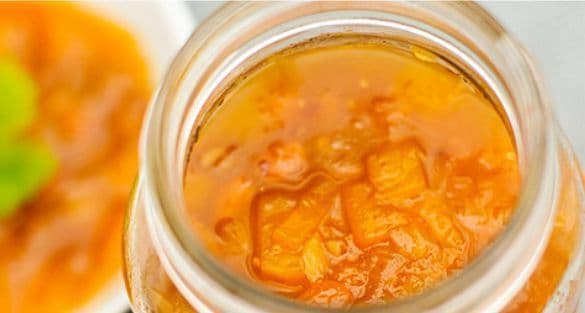
Chutney
Chutney as a fragrance note draws inspiration from the rich, complex condiments of South Asian and British-Indian culinary tradition: thick, slow-cooked preserves built from fruit, vinegar, sugar, and a medley of warm spices such as ginger, cumin, mustard seed, and chilli. The olfactory interpretation captures the tangy-sweet, fruity-acidic top with a backdrop of warm, rounded spice, creating something simultaneously appetising and unexpected in a fragrance context. It belongs to the broader culinary and gourmand movement in modern perfumery, where food-derived notes have become celebrated artistic choices. In perfumery, a chutney accord blends fruity-acidic materials with warm spice notes to create a multi-dimensional, slightly edgy sweetness. It works beautifully alongside stone fruit notes like plum and apricot, with darker spices such as clove and pepper, and with oriental, resinous bases that temper its tangy edge. Chutney adds an unexpected gourmand twist to oriental and fruity-oriental compositions, giving them a savoury-sweet complexity that feels both familiar and adventurous. It is an ingredient that rewards those who love fragrance with personality and depth. At Fragrenza, we love leaning into the bolder, more creative notes that define some of the most exciting designer and niche fragrances. Our Chutney collection showcases compositions where this tangy, spiced gourmand quality is part of what makes the scent so memorable, all available at the accessible prices Fragrenza is known for.
- 🌿
Chypre
Chypre fragrances represent one of perfumery's most storied and sophisticated traditions. Born from the iconic 1917 creation by François Coty, the chypre family is defined by a masterful accord of bergamot at the top, a rich floral or resinous heart, and a base of oakmoss, labdanum, and earthy musks. The result is a scent that feels simultaneously fresh and deeply rooted — airy yet ancient. The hallmark of a chypre is its tension between light and dark. Crisp citrus brightness opens the fragrance before giving way to warm, woody-mossy depths. Labdanum lends an almost animalic warmth, while oakmoss provides that signature earthy, forest-floor richness that no other fragrance family can replicate. This interplay creates a sense of mystery and complexity that has captivated fragrance lovers for over a century. Chypre fragrances are beloved for their versatility and staying power. They tend to appeal to those who appreciate classic sophistication — people who favor quality craftsmanship over passing trends. Ideal for cooler weather, formal occasions, and evenings out, chypres have long been associated with confidence, poise, and timeless style. At Fragrenza, we believe that extraordinary fragrance shouldn't require an extraordinary budget. Our chypre-inspired collection captures the depth, elegance, and complexity of the world's finest chypre perfumes — using premium ingredients that deliver genuine luxury at a fraction of the designer price. Explore the collection and discover your signature scent.
- 🌿
Chypre Accord
Chypre Accord is a specialty note used to give a fragrance a distinctive texture, mood, or material impression. Depending on interpretation, it may contribute freshness, warmth, sweetness, dryness, softness, or an abstract atmospheric effect. In perfumery, specialty notes are valuable because they make a composition feel more specific and less generic. Chypre Accord can be paired with woods, musks, florals, resins, fruits, green notes, spices, or amber materials according to the intended style.
- 🌿
Cigar
Cigar is a specialty note used to give a fragrance a distinctive texture, mood, or material impression. Depending on interpretation, it may contribute freshness, warmth, sweetness, dryness, softness, or an abstract atmospheric effect. In perfumery, specialty notes are useful because they make a composition feel more specific and less generic. It can be paired with woods, musks, florals, resins, fruits, green notes, spices, or amber materials according to the intended style.
- 🌿
Cigar-box cedar
Cigar-box cedar is a woody note used to create structure, depth, and lasting warmth. Its scent may be dry, creamy, smoky, resinous, earthy, pencil-like, or polished depending on the wood or accord. In perfumery, woody notes support the whole composition and connect fresh openings with deeper bases. It pairs naturally with amber, musk, incense, leather, vetiver, patchouli, spices, citrus, and soft resins.
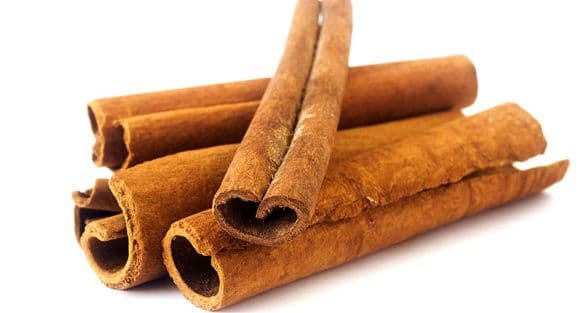
cinnamon
Cinnamon is one of the most beloved spices in the world, harvested from the inner bark of Cinnamomum verum and related species cultivated across Sri Lanka, India, and Southeast Asia. Its warm, sweet-spicy aroma has enchanted humans for thousands of years, featuring in ancient trade routes, culinary traditions, religious rituals, and early perfumery. The essential oil extracted from cinnamon bark is rich in cinnamaldehyde, the compound responsible for its characteristic sweetness, warmth, and depth, with a distinctly rich, almost syrupy quality that distinguishes it from the greener, sharper cinnamon leaf. In perfumery, cinnamon is a cornerstone of oriental and gourmand fragrance families. Its sweet, enveloping warmth pairs naturally with vanilla, tonka bean, clove, amber, and sandalwood, anchoring some of the world's most beloved fragrance structures. Cinnamon can function as a heart note or a base-note modifier, adding both spicy brightness and smooth warmth depending on concentration and context. It is equally at home in festive, cosy compositions and in sophisticated oriental masterpieces that carry centuries of perfumery tradition. At Fragrenza, cinnamon is a beloved ingredient woven through many of our oriental and spicy fragrance dupes, helping us recreate the comforting, luxurious warmth of iconic designer scents. Explore our Cinnamon collection to find fragrances where this timeless spice note is given full expression, all at prices that make premium fragrance genuinely affordable. Shop for cinnamon? [Fragrenza](https://fragrenza.com/collections/cinnamon-fragrances) curates a focused selection.
- 🌿
Cinnamon absolute
Cinnamon absolute is a spicy note that gives fragrance heat, texture, and aromatic energy. It can feel sweet, dry, peppery, resinous, herbal, smoky, or slightly medicinal depending on the material. In perfumery, spices create contrast, deepen the heart, and bridge fresh top notes with warm woody or amber bases. It pairs especially well with citrus, rose, tobacco, vanilla, oud, sandalwood, patchouli, leather, and balsamic resins.
- 🌿
Cinnamon Essential™
Cinnamon Essential™ is a spicy note that gives fragrance heat, texture, and aromatic energy. It can feel sweet, dry, peppery, resinous, herbal, smoky, or slightly medicinal depending on the material. In perfumery, spices create contrast, deepen the heart, and bridge fresh top notes with warm woody or amber bases. It pairs especially well with citrus, rose, tobacco, vanilla, oud, sandalwood, patchouli, leather, and balsamic resins.
- 🌿
Cinnamon Leaf
Cinnamon leaf oil is steam-distilled from the leaves and twigs of Cinnamomum verum, the true cinnamon tree native to Sri Lanka. Distinct from the sweeter, warmer bark oil, cinnamon leaf presents a spicier, greener, more phenolic character with prominent clove-like facets due to its high eugenol content. This gives it a sharper, more medicinal edge that balances beautifully with its underlying warmth, making it a fascinatingly complex and somewhat underappreciated spice note in the perfumer's palette. In perfumery, cinnamon leaf adds a bright, green-spicy dimension that differs significantly from the rounded, sweet richness of bark cinnamon. It introduces an almost herbal pungency that blends well with clove, cardamom, ginger, and other spices, while also pairing surprisingly well with citrus top notes, woody bases, and deep florals. It is a favourite in oriental and spicy-aromatic compositions where freshness and complexity are desired alongside warmth, and can add a subtle medicinal or incense-like edge to resinous structures. At Fragrenza, we use cinnamon leaf as a nuanced spice element in our fragrance dupes, capturing the green, clove-edged warmth that distinguishes the finest spicy orientals and aromatic blends. Browse our Cinnamon Leaf collection to discover fragrances where this fascinating ingredient lends its distinctive character, crafted to luxury standards at accessible prices.
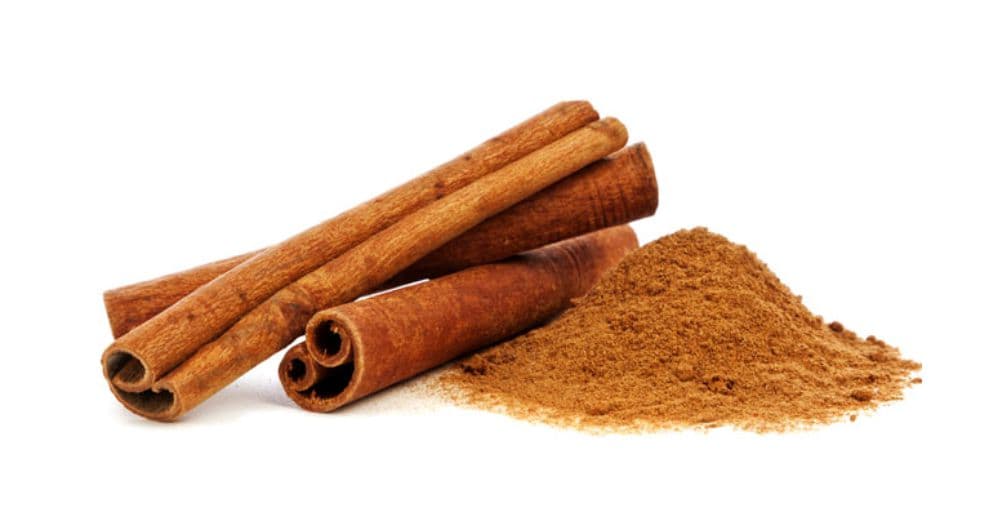
Cinnamon powder
Cinnamon powder is an aromatic note with herbal or spicy facets that can feel fresh, warm, dry, or slightly sharp depending on dosage. In perfumery, it adds character and movement to woods, ambers, citrus, tea accords, fougères, leathers, and oriental compositions.
- 🌿
Cistus
Cistus incanus, also known as pink rock rose, is a wild-growing shrub native to the rocky hillsides and garrigue landscapes of the Mediterranean. It is closely related to Cistus ladanifer, the source of labdanum resin, and shares many of its warm, resinous qualities. The plant's leaves and stems yield an essential oil and CO2 extract with a rich, herbal-resinous character layered with honeyed sweetness, a faint earthiness, and gentle labdanum-like warmth. Traditional communities around the Mediterranean have used it for centuries in folk medicine, incense, and as a culinary herb. In perfumery, cistus incanus is prized as a naturalistic bridge between green herbal notes and warm, oriental resins. Its profile blends seamlessly with labdanum, benzoin, and other balsamic materials, making it a valuable component in oriental and chypre-style compositions. It also adds an interesting wild, sun-baked Mediterranean character to woody or mossy structures, evoking the scent of dry hillsides warmed by the summer sun. Perfumers use it both as a supporting modifier and as a distinctive mid-note capable of adding genuine naturalistic complexity. At Fragrenza, cistus incanus contributes its warm, Mediterranean soul to several of our fragrance dupes, helping us faithfully recreate the textured depth of inspiring designer and niche originals. Explore our Cistus Incanus collection to find scents that carry this beautifully complex botanical note, all available at prices accessible to every fragrance lover.
- 🌿
Cistus absolute
Cistus absolute is a specialty note used to give a fragrance a distinctive texture, mood, or material impression. Depending on interpretation, it may contribute freshness, warmth, sweetness, dryness, softness, or an abstract atmospheric effect. In perfumery, specialty notes are valuable because they make a composition feel more specific and less generic. Cistus absolute can be paired with woods, musks, florals, resins, fruits, green notes, spices, or amber materials according to the intended style.
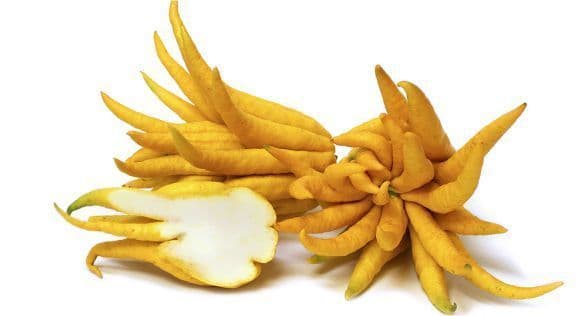
Citron
Citron (Citrus medica) is one of the oldest cultivated citrus fruits in the world, believed to have originated in the foothills of the Himalayas and documented in ancient Persian, Jewish, and Greek culture. Unlike the tartness of lemon or the pungency of lime, citron presents a notably fresh, clean aroma with a softer peel character that is less acidic, carrying delicate floral nuances alongside its gently luminous citrus brightness. The thick, aromatic rind is the source of its essential oil, cold-pressed or steam-distilled to capture its distinctive character. In perfumery, citron occupies a refined niche within the broader citrus palette. Its cleaner, more restrained quality makes it especially valuable in compositions where a sophisticated citrus presence is desired without an overtly sharp or tangy edge. It adds a luminous, softly green-floral freshness to top notes, harmonising particularly well with neroli, petitgrain, light musks, and delicate white florals. Citron also appears frequently in modern fresh-aromatic and aquatic structures, where it contributes a polished, almost spa-like clarity. At Fragrenza, citron lends its refined brightness to several of our carefully crafted fragrance dupes, helping us recreate the luminous top notes that define some of the world's most admired designer scents. Explore our Citron collection to discover fragrances where this ancient, elegant citrus note shines, all at prices that make luxury fragrance genuinely accessible.
- 🌿
Citron blossom
Citron blossom is a citrus note that adds sparkle, freshness, and immediate lift to a fragrance. Its profile can include juicy pulp, aromatic peel, green bitterness, soft floral nuances, or a sharp zesty brightness depending on the material. In perfumery, it is usually used in the opening, where it brings clarity and motion before blending into florals, woods, musks, or herbs. It pairs well with neroli, tea, lavender, white musk, light woods, aquatic notes, and aromatic herbs.
- 🌿
Citron zest
Citron zest is a citrus note that adds sparkle, freshness, and immediate lift to a fragrance. Its profile can include juicy pulp, aromatic peel, green bitterness, soft floral nuances, or a sharp zesty brightness depending on the material. In perfumery, it is usually used in the opening, where it brings clarity and motion before blending into florals, woods, musks, or herbs. It pairs well with neroli, tea, lavender, white musk, light woods, aquatic notes, and aromatic herbs.
- 🌿
Citrus
Citrus fragrances are among the most universally loved in perfumery — and for good reason. Clean, energising, and instantly uplifting, they capture the spirit of freshness in its purest form. Built around the bright, sparkling notes of bergamot, lemon, grapefruit, orange, and mandarin, citrus scents have an immediacy and clarity that no other fragrance family can match. A great citrus fragrance is deceptively simple. The art lies in the quality of the materials and the skill with which they are blended. The best examples balance sharp, zesty top notes with softer, slightly sweeter mid-layer citruses and dry down into clean musky or lightly woody bases that keep the freshness alive for hours. The result is a scent that feels light without being insubstantial, and clean without being clinical. Citrus fragrances are the go-to choice for warm weather, casual daywear, and active lifestyles. They're also beloved in professional settings for their clean, unobtrusive presence. Equally at home on men and women, they are one of the most versatile scent families — easy to wear, easy to love, and always appropriate. A well-chosen citrus fragrance is the olfactory equivalent of a crisp white shirt. At Fragrenza, our citrus collection takes inspiration from some of the world's most celebrated fresh fragrances — from sun-drenched Mediterranean splashes to refined, layered citrus constructions that last all day. We deliver that same sparkling vitality using premium fragrance ingredients, at a fraction of what designer bottles command. Explore the collection and find your perfect bright, clean signature.
- 🌿
Citrus and Floral Notes
Citrus and Floral Notes is a citrus note that adds sparkle, freshness, and immediate lift to a fragrance. Its profile can include juicy pulp, aromatic peel, green bitterness, soft floral nuances, or a sharp zesty brightness depending on the material. In perfumery, it is usually used in the opening, where it brings clarity and motion before blending into florals, woods, musks, or herbs. It pairs well with neroli, tea, lavender, white musk, light woods, aquatic notes, and aromatic herbs.
- 🌿
Citrus blossom
Citrus blossom is a citrus note that adds sparkle, freshness, and immediate lift to a fragrance. Its profile can include juicy pulp, aromatic peel, green bitterness, soft floral nuances, or a sharp zesty brightness depending on the material. In perfumery, it is usually used in the opening, where it brings clarity and motion before blending into florals, woods, musks, or herbs. It pairs well with neroli, tea, lavender, white musk, light woods, aquatic notes, and aromatic herbs.
- 🌿
Citrus fruits
Citrus fruits is a bright citrus note valued for its clean sparkle, juicy freshness, and elegant peel-like bitterness. In perfumery, it is often used in the opening of a composition to create lift, clarity, and immediate radiance. Depending on the material, it can feel zesty, floral, green, sweet, or slightly bitter, making it more complex than simple lemony freshness. It pairs beautifully with neroli, tea, aromatic herbs, white musk, light woods, florals, and aquatic notes.
- 🌿
Citrus macroptera
Citrus macroptera is a citrus note that adds sparkle, freshness, and immediate lift to a fragrance. Its profile can include juicy pulp, aromatic peel, green bitterness, soft floral nuances, or a sharp zesty brightness depending on the material. In perfumery, it is usually used in the opening, where it brings clarity and motion before blending into florals, woods, musks, or herbs. It pairs well with neroli, tea, lavender, white musk, light woods, aquatic notes, and aromatic herbs.
- 🌿
Citrus notes
Citrus notes are bright, volatile materials built around fruits such as bergamot, lemon, orange, mandarin, grapefruit, lime, and yuzu. They bring freshness, sparkle, and energy to the opening of a fragrance. Some are sweet and juicy, while others are bitter, green, or floral. In perfumery, citrus notes lift heavier materials and make a composition feel clean, optimistic, and immediate. They pair well with herbs, tea, musks, florals, woods, and aquatic notes.
- 🌿
Citrus tree wood
Citrus tree wood is a citrus note that adds sparkle, freshness, and immediate lift to a fragrance. Its profile can include juicy pulp, aromatic peel, green bitterness, soft floral nuances, or a sharp zesty brightness depending on the material. In perfumery, it is usually used in the opening, where it brings clarity and motion before blending into florals, woods, musks, or herbs. It pairs well with neroli, tea, lavender, white musk, light woods, aquatic notes, and aromatic herbs.
- 🌿
Citrus zest
Citrus zest is a bright citrus note that brings sparkle, freshness, and immediate lift to a fragrance. Its profile may include juicy pulp, aromatic peel, green bitterness, soft floral facets, or a slightly sharp zest depending on the material. In perfumery, it is most often used in the opening, where it gives clarity and movement before blending into florals, woods, musks, or herbs. Citrus zest works especially well with neroli, tea, lavender, white musk, light woods, aquatic notes, and aromatic herbs.
Citruses
The citrus family encompasses some of the most universally loved notes in perfumery: bergamot, lemon, lime, orange, grapefruit, mandarin, and their many relatives, all united by their bright, zesty, and uplifting character. Derived predominantly from cold-pressed peel oils, citruses have been foundational to fragrance for centuries, forming the backbone of the classic Eau de Cologne tradition that dates back to 18th-century Germany. Their appeal lies in an immediate freshness that feels clean, energising, and universally wearable. In perfumery, citrus notes almost always lead as top notes, providing the vital first impression of a fragrance before drying down to reveal the heart and base. A skilfully balanced citrus accord can amplify that bright opening, making it feel richer and more complex than any single ingredient alone. Citruses pair effortlessly with aromatic herbs like lavender and rosemary, with aquatic or green notes, with soft florals, and even with warm woody or oriental bases where they add a sparkling counterpoint to deeper, heavier materials. At Fragrenza, citrus-led compositions form the heart of our freshest and most wearable fragrance dupes. Our Citruses collection gathers every scent in our range where this luminous family takes centre stage, perfect for those who love clean, vibrant, and effortlessly elegant fragrances at genuinely accessible prices.

Civet
Civet is one of perfumery's oldest and most storied ingredients, historically derived from the secretion of the African civet cat (Viverra civetta). Used for millennia in Egyptian, Arabic, and European perfumery, it was prized for its extraordinary ability to amplify and fix other fragrance materials, adding unmistakable warmth and sensual depth. Today the civet note in fine fragrance is achieved almost exclusively through synthetic musks and animalic aroma chemicals, making it both ethical and consistent while preserving its characteristic intensity. The olfactory profile of civet is complex and polarising: at full concentration it reads as animalic, slightly fecal-sweet, and intensely musky. When blended and diffused at low levels, however, it transforms into something deeply skin-like, warm, and seductive. It functions primarily as a base note and fixative, anchoring compositions and significantly extending their longevity and sillage. Civet blends beautifully with florals, orientals, leather accords, and heavy resins, adding an almost carnal undertone that gives classic Chypre and Oriental structures their notorious tenacity. At Fragrenza, we harness synthetic civet-type materials to reproduce the depth and sensuality of iconic designer and niche fragrances, ensuring our dupes remain cruelty-free without compromising on character. Browse our Civet collection to explore fragrances where this legendary base note plays a starring role, all crafted to deliver luxury-level performance at accessible prices.
- 🌿
Civet absolute
Civet absolute is a specialty note used to give a fragrance a distinctive texture, mood, or material impression. Depending on interpretation, it may contribute freshness, warmth, sweetness, dryness, softness, or an abstract atmospheric effect. In perfumery, specialty notes are useful because they make a composition feel more specific and less generic. It can be paired with woods, musks, florals, resins, fruits, green notes, spices, or amber materials according to the intended style.
- 🌿
Civetta
Civetta is a specialty note used to give a fragrance a distinctive texture, mood, or material impression. Depending on interpretation, it may contribute freshness, warmth, sweetness, dryness, softness, or an abstract atmospheric effect. In perfumery, specialty notes are useful because they make a composition feel more specific and less generic. It can be paired with woods, musks, florals, resins, fruits, green notes, spices, or amber materials according to the intended style.
- 🌿
Civettone
Civettone is a specialty note used to give a fragrance a distinctive texture, mood, or material impression. Depending on interpretation, it may contribute freshness, warmth, sweetness, dryness, softness, or an abstract atmospheric effect. In perfumery, specialty notes are useful because they make a composition feel more specific and less generic. It can be paired with woods, musks, florals, resins, fruits, green notes, spices, or amber materials according to the intended style.
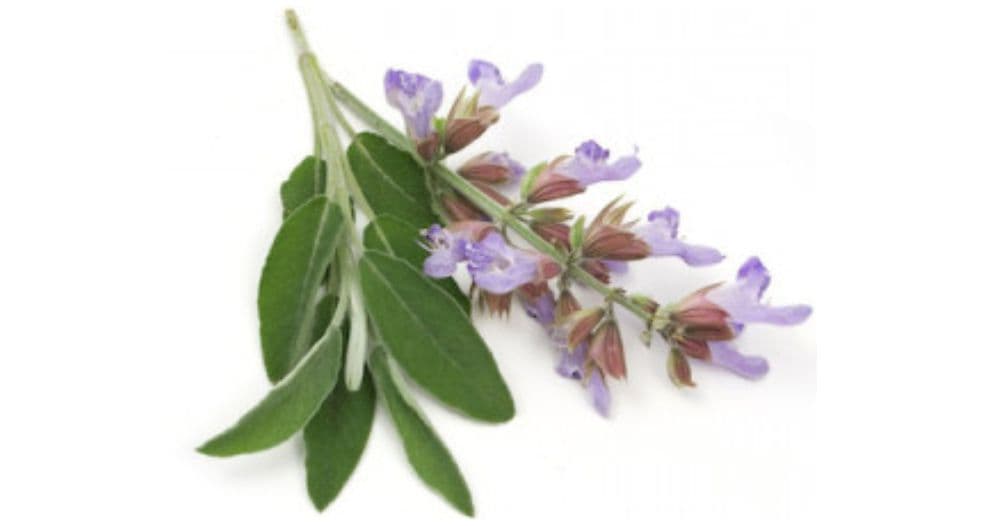
Clary Sage
Clary sage (Salvia sclarea) is a perennial herb native to the Mediterranean basin and parts of Central Asia, prized for centuries in herbal medicine and culinary traditions. Its essential oil, steam-distilled from the flowering tops and leaves, carries a distinctly herbal, slightly earthy character with sweet-grassy undertones and a warm, balsamic depth. The dominant aroma compound linalyl acetate lends it a softly floral edge that sets it apart from common garden sage. In perfumery, clary sage occupies a versatile middle-ground. It bridges green herbal accords and warm florals, making it invaluable in chypres, fougeres, and aromatic compositions. It softens sharper green or citrus top notes and adds complexity to lavender-forward structures, while harmonising beautifully with woody and oriental bases such as cedarwood, vetiver, and labdanum. Perfumers prize it as both a heart-note contributor and a blending agent that adds transparency without overshadowing other ingredients. At Fragrenza, clary sage appears across several of our designer-inspired fragrance dupes, lending an authentic herbal elegance to compositions that echo beloved luxury scents. Explore our Clary Sage collection to discover how this underrated botanical elevates every accord it touches, delivering exceptional quality at a fraction of what you would expect from niche or designer houses.
- 🌿
Clary sage absolute
Clary sage absolute is a green or aromatic note that evokes leaves, herbs, stems, fresh air, or crushed vegetation. Its profile can be crisp, bitter, watery, camphoraceous, grassy, or slightly earthy depending on the material. In perfumery, green notes add realism and lift, keeping sweet, floral, or woody compositions from feeling too heavy. Clary sage absolute pairs well with citrus, tea, fig, violet leaf, galbanum, tomato leaf, white musk, vetiver, lavender, and light woods.

Clay
Clay — in its many forms, from kaolin and bentonite to potter's earth — is one of the oldest natural materials on earth, formed by the weathering of rock over geological timescales and found across every continent. Used by humans for pottery, construction, cosmetics, and healing for tens of thousands of years, clay carries a primal, elemental familiarity — the smell of the earth at its most fundamental and tactile. As a fragrance note, clay is dry, mineral, and softly powdery — evoking the chalky, dusty character of dried kaolin or the slightly damp earthiness of freshly worked potter's clay. Unlike the sharper, darker notes of wet stone or coal, clay is gentle and soft — mineral without coldness, earthy without heaviness. It has a fine, powdery texture in its olfactory character that bridges the mineral and cosmetic families, recalling face powder, ancient pottery, and dry riverbeds. It pairs naturally with iris, vetiver, violet, dry woods, and clean musks in compositions of quiet, elemental refinement. Clay note is prized in niche perfumery for its ability to ground compositions in primal materiality while maintaining a refined, wearable elegance. It is a note of contemplative stillness — ancient, tactile, and quietly beautiful. Fragrenza's clay note collections bring this soft mineral depth to our expertly crafted fragrance lineup, capturing the earthy, powdery refinement of premium originals at accessible prices that make high-quality, nature-inspired perfumery available to every fragrance enthusiast.
- 🌿
Clean
Clean is a specialty note used to give a fragrance a distinctive texture, mood, or material impression. Depending on interpretation, it may contribute freshness, warmth, sweetness, dryness, softness, or an abstract atmospheric effect. In perfumery, specialty notes are useful because they make a composition feel more specific and less generic. It can be paired with woods, musks, florals, resins, fruits, green notes, spices, or amber materials according to the intended style.
Clearwood
Clearwood is a proprietary woody aromatic molecule developed by Symrise, one of the world's leading fragrance and flavour companies. Launched in the early 2010s, it was designed as a sustainable, high-performance woody ingredient — offering the warmth and smoothness of cedarwood with a cleaner, more modern character that integrates seamlessly into contemporary fragrance compositions. As a fragrance note, Clearwood is clean, warm, and cedar-like — with a smooth, slightly creamy woodiness that lacks the rough edges of natural cedar or the sharpness of some synthetic woods. Its profile is understated and refined: a dry, warm woody warmth that reads as natural and elegant, with excellent tenacity and a skin-like quality that makes it supremely wearable. It functions both as a standalone woody note and as a blender and fixative, enhancing and prolonging other woody, musky, and amber accords. It pairs naturally with musks, vetiver, sandalwood, ambers, and light florals. Clearwood has been rapidly adopted by perfumers worldwide for its exceptional versatility, naturalistic quality, and sustainability profile. It represents the best of modern aroma chemistry: precise, beautiful, and responsibly produced. At Fragrenza, our Clearwood note collections showcase the smooth, modern woody elegance this molecule delivers — offering high-quality, contemporary fragrance dupes at prices that make sophisticated woody perfumery accessible to all.
- 🌿
Clematis
Clematis is a genus of climbing vines belonging to the buttercup family, found across temperate regions of Europe, Asia, and North America. Known in gardens for their spectacular, often star-shaped flowers in shades of purple, white, and pink, clematis vines climb walls and trellises with effortless grace. Their scent — most notable in species such as Clematis montana and Clematis armandii — is delicate, clean, and somewhat surprising for such showy flowers. As a fragrance note, clematis is soft, fresh, and slightly almond-floral — carrying a gentle, clean sweetness with a nuanced green thread from the vine and leaves, and a faint powdery-almond facet reminiscent of heliotrope but lighter and more airy. It is a note of climbing garden beauty — neither as assertive as jasmine nor as heavy as tuberose, but elegant and fresh with a botanical naturalism that feels genuinely garden-picked. Clematis pairs well with violet, green notes, light musks, white florals, and fresh aquatics in compositions seeking refined, feminine lightness. Clematis is a favourite among perfumers crafting elegant garden florals and fresh, luminous compositions that evoke spring and the outdoors. Its delicate character means it often works best as a supporting floral, adding freshness and botanical nuance. Fragrenza's clematis note collections celebrate this beautiful climbing vine, offering carefully crafted interpretations of garden-fresh originals at prices that make premium floral fragrance genuinely accessible.
Clementine
The clementine — a seedless hybrid of the mandarin orange and the sweet orange, first cultivated in Algeria at the turn of the 20th century — is one of the world's most beloved citrus fruits. Named after Father Clément Rodier, the French missionary credited with its discovery, the clementine is prized for its intense sweetness, easy-peel skin, and the particularly clean, bright aromatic quality of its peel oil, which has made it a natural favourite in perfumery. As a fragrance note, clementine is brighter and sweeter than orange, with a clean citrus clarity that lacks the slight bitterness of grapefruit or the more complex, jam-like quality of blood orange. It is fresh and sparkling with a gently floral undertone — the kind of citrus note that feels instinctively clean and immediately cheerful. The note is also notably kind in longevity terms among citruses, its sweetness helping it cling slightly longer than the more volatile lemon or bergamot. Clementine pairs effortlessly with white florals, light musks, marine accords, and clean woody bases in fresh daytime fragrances. It also works beautifully with spices and warm ambers in brighter oriental blends. At Fragrenza, our clementine collections bottle this clean, sparkling freshness in high-quality dupes of beloved luxury citrus fragrances, making everyday brightness genuinely accessible.
- 🌿
Clementine blossom
Clementine blossom is a floral note that gives a fragrance softness, radiance, and emotional warmth. Depending on the flower or accord, it may feel fresh, creamy, powdery, honeyed, green, indolic, or airy. In perfumery, floral notes often form the heart of a composition, adding body and a recognizable signature. It pairs well with citrus, white musk, rose, jasmine, sandalwood, amber, vanilla, iris, and delicate fruits.
- 🌿
Clementine petitgrain
Clementine petitgrain is a citrus note that adds sparkle, freshness, and immediate lift to a fragrance. Its profile can include juicy pulp, aromatic peel, green bitterness, soft floral nuances, or a sharp zesty brightness depending on the material. In perfumery, it is usually used in the opening, where it brings clarity and motion before blending into florals, woods, musks, or herbs. It pairs well with neroli, tea, lavender, white musk, light woods, aquatic notes, and aromatic herbs.
- 🌿
Cleopatra mandarin orange
Cleopatra mandarin orange is a citrus note that adds sparkle, freshness, and immediate lift to a fragrance. Its profile can include juicy pulp, aromatic peel, green bitterness, soft floral nuances, or a sharp zesty brightness depending on the material. In perfumery, it is usually used in the opening, where it brings clarity and motion before blending into florals, woods, musks, or herbs. It pairs well with neroli, tea, lavender, white musk, light woods, aquatic notes, and aromatic herbs.
- 🌿
Clintonia udensis
Clintonia udensis is a specialty note used to give a fragrance a distinctive texture, mood, or material impression. Depending on interpretation, it may contribute freshness, warmth, sweetness, dryness, softness, or an abstract atmospheric effect. In perfumery, specialty notes are useful because they make a composition feel more specific and less generic. It can be paired with woods, musks, florals, resins, fruits, green notes, spices, or amber materials according to the intended style.
Cloudberry
Cloudberry (Rubus chamaemorus) is a rare and intensely seasonal golden-amber berry native to the subarctic and alpine regions of Scandinavia, northern Russia, Alaska, and Canada. Growing low to the ground across boggy tundra and fell landscapes, cloudberries are harvested in brief late-summer windows and are considered a culinary treasure across Nordic cultures — their scarcity making them all the more prized. As a fragrance note, cloudberry is one of the more distinctive and characterful of the Nordic berry accords. Its olfactory profile is a beautiful tension between honey-like sweetness and bright tartness — carrying a warm, almost jammy richness balanced by a fresh, acidic fruitiness that prevents it from becoming cloying. There are delicate floral undertones from the berry's white blossom, and a faint earthiness that speaks to its wild, tundra origins. It blends beautifully with other Nordic and forest notes — birch, arctic musk, violet, and light woods — as well as with honey and soft florals. Cloudberry is favoured in Nordic-inspired, nature-centric, and fresh fruity-floral compositions seeking genuine originality and a sense of place. Its rarity and distinctive character make it a signature note for perfumers drawn to the unspoiled landscapes of the subarctic. Fragrenza's cloudberry note collections bring this precious Nordic fruit to life in beautifully crafted, accessible fragrance dupes — capturing the wild, honeyed-tart poetry of the north at prices that welcome every fragrance lover.
- 🌿
Clove
Clove is a powerful spice note obtained from the dried flower buds of the clove tree. It smells warm, spicy, sweet, medicinal, and slightly woody, with a rich eugenol character. In perfumery, it adds heat and depth to orientals, ambers, tobacco scents, spicy florals, and classic masculine fragrances. Looking for it in a bottle? Browse [affordable clove scents](https://fragrenza.com/collections/clove-fragrances) on Fragrenza.
- 🌿
Clove absolute
Clove absolute is a spicy note that gives fragrance heat, texture, and aromatic energy. It can feel sweet, dry, peppery, resinous, herbal, smoky, or slightly medicinal depending on the material. In perfumery, spices create contrast, deepen the heart, and bridge fresh top notes with warm woody or amber bases. It pairs especially well with citrus, rose, tobacco, vanilla, oud, sandalwood, patchouli, leather, and balsamic resins.
Clove Leaf
Clove leaf comes from the same tree as clove bud (Syzygium aromaticum), but the leaf essential oil is a distinctly different aromatic material — less prized commercially, yet with its own compelling character. While clove bud oil is rich, sweet, and full-bodied with high eugenol content, clove leaf oil is greener, sharper, and more austere, carrying the spice's signature warmth but with a fresh, slightly woody-green edge and less of the sweetness that defines the bud. As a fragrance note, clove leaf is spicy yet airy — warm without the density of clove bud. Its olfactory profile features the recognizable eugenol warmth of the clove family, but expressed through a crisper, more botanical lens: green, slightly camphoraceous, and fresh in a way that makes it easier to wear in lighter, fresher compositions without overwhelming them. It blends well with citrus top notes, aromatic herbs, light woods, and fresh florals, bridging the gap between the spice family and the green-aromatic family with elegance. Perfumers turn to clove leaf when they want the warm character of the clove family in a less dominant, more versatile form — adding spice and depth to fresh or aromatic compositions without the heaviness of the bud. At Fragrenza, our clove leaf note collections bring this nuanced, greener dimension of the clove family to our lineup of expertly crafted fragrance dupes — offering the warmth of spice in a lighter, more wearable form at prices that make quality perfumery accessible to everyone.
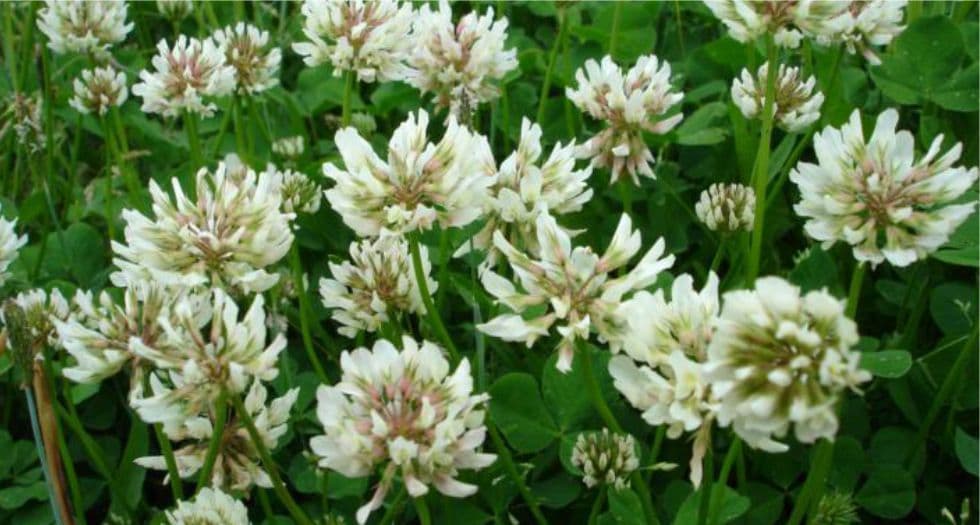
Clover
Clover — most commonly red clover (Trifolium pratense) and white clover (Trifolium repens) — is a familiar meadow plant found across temperate regions of Europe, Asia, and the Americas. A symbol of luck and pastoral abundance, clover's small, rounded flower heads carry a gentle, unpretentious sweetness that has made them beloved by bees and perfumers alike. As a fragrance note, clover is soft, sweet, and gently herbal — evoking a sun-warmed meadow rather than a hothouse. Its olfactory profile carries a delicate floral sweetness, a touch of honey-like warmth, a faintly green, hay-like quality from the leaves and stems, and a clean, airy freshness that feels genuinely outdoors. It is a note of understated pastoral charm rather than statement-making florals. Clover blends naturally with other meadow notes — grass, hay, violet, chamomile — as well as with light musks, soft woods, and coumarin-based elements. In perfumery, clover is used to create a sense of natural simplicity, open space, and effortless freshness — a welcome antidote to heavier or more complex accords. It features in fresh green, aromatic, and fougere compositions seeking genuine naturalistic character. Fragrenza's clover note collections celebrate this gentle meadow elegance, offering expert interpretations of fresh, nature-inspired originals at accessible prices that invite everyone to experience the simple pleasure of fine fragrance.
- 🌿
Clover blossom
Clover blossom is a floral note that gives a fragrance softness, radiance, and emotional warmth. Depending on the flower or accord, it may feel fresh, creamy, powdery, honeyed, green, indolic, or airy. In perfumery, floral notes often form the heart of a composition, adding body and a recognizable signature. It pairs well with citrus, white musk, rose, jasmine, sandalwood, amber, vanilla, iris, and delicate fruits.
- 🌿
Clover honey
Clover honey is a spicy note that gives fragrance heat, texture, and aromatic energy. It can feel sweet, dry, peppery, resinous, herbal, smoky, or slightly medicinal depending on the material. In perfumery, spices create contrast, deepen the heart, and bridge fresh top notes with warm woody or amber bases. It pairs especially well with citrus, rose, tobacco, vanilla, oud, sandalwood, patchouli, leather, and balsamic resins.
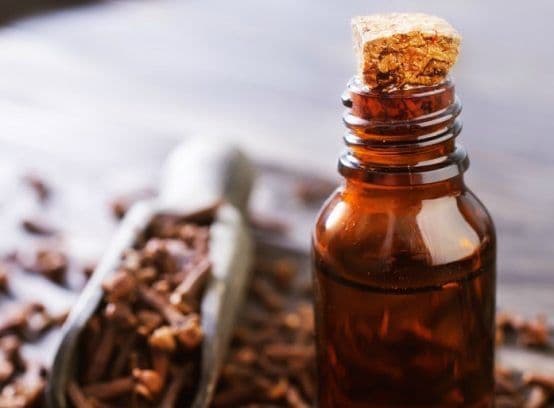
CO 2 extracts
CO2 extracts are aromatic materials obtained through carbon dioxide extraction, a modern method that can capture delicate natural scent profiles with great detail. Compared with some traditional extracts, CO2 extracts often smell richer, fresher, and closer to the original plant material. In perfumery, they are valued for natural realism, depth, and complexity.
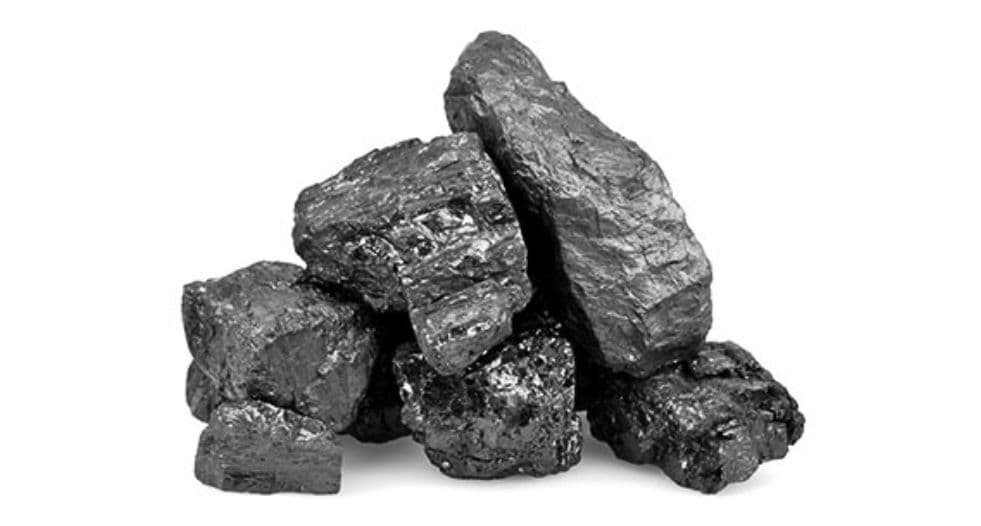
coal
Coal — fossilized plant matter compressed over millions of years into dense, carbon-rich mineral deposits — powered the Industrial Revolution and shaped the modern world. Its aromatic character is tied to the experience of burning, mining, and industry: a mineral, ashy, slightly acrid quality that carries both the memory of geological time and the raw energy of combustion. As a fragrance note, coal is a dry, smoky, and mineral accord that sits at the intersection of stone and fire. Its olfactory profile is cool and mineral at rest, turning warm and ashy with a suggestion of soft smoke when activated by body heat. Unlike the sharp phenolic character of coal tar, the coal note itself is softer — more abstract, like a cold hearthstone or the dusty mineral silence of a mine shaft. It pairs effectively with smoky woods, vetiver, incense, grey musks, and industrial-inspired accords such as concrete or metal to build compositions of austere, elemental depth. Coal note is prized in conceptual and niche perfumery for its ability to introduce industrial weight and geological timescale into a fragrance — grounding compositions in deep, primal materiality. It is a note of quiet power and contemplative darkness. Fragrenza's coal note collections bring this raw, elemental character to our range of high-quality fragrance dupes, offering fragrance lovers who appreciate the unconventional a chance to explore deep, mineral-dark compositions at truly accessible prices.
- 🌿
Coca leaf
Coca leaf is a green or aromatic note that evokes leaves, herbs, stems, fresh air, or crushed vegetation. Its profile can be crisp, bitter, watery, camphoraceous, grassy, or slightly earthy depending on the material. In perfumery, green notes add realism and lift, keeping sweet, floral, or woody compositions from feeling too heavy. It pairs well with citrus, tea, fig, violet leaf, galbanum, tomato leaf, white musk, vetiver, lavender, and light woods.

Coca-Cola
Coca-Cola, invented in Atlanta in 1886 by pharmacist John Pemberton, is arguably the world's most recognized flavour experience — a proprietary blend of caramelized sugar, citrus oils, vanilla, phosphoric acid, and a secret spice formula that has shaped global taste culture for nearly 140 years. Its instantly familiar aroma carries an entire world of nostalgia and shared experience. As a fragrance note, the cola accord is one of perfumery's most delightfully playful and evocative constructs. Its olfactory profile is effervescent and caramelized — leading with a bright, citrusy top note of orange and lemon, deepening into a warm caramel-vanilla core, with subtle spice notes of cinnamon and clove and a phosphoric, almost slightly metallic fizz that mimics the sensation of carbonation. It carries an irresistible retro-nostalgic quality, evoking diners, summers, and childhood. It pairs brilliantly with vanilla, cherry, caramel, and light musks. Cola note has found a devoted following in the gourmand and playful fragrance categories, bringing an irreverent, joyful energy that more classical notes cannot match. It is boldly modern and unashamedly fun. Fragrenza's Coca-Cola note collections embrace that spirit fully — capturing the nostalgic sweetness and effervescent warmth of cola-inspired originals with the quality and craftsmanship our customers expect, at a price that keeps premium fragrance fun and accessible.
- 🌿
Cocacola
Cocacola is a specialty note used to give a fragrance a distinctive texture, mood, or material impression. Depending on interpretation, it may contribute freshness, warmth, sweetness, dryness, softness, or an abstract atmospheric effect. In perfumery, specialty notes are valuable because they make a composition feel more specific and less generic. Cocacola can be paired with woods, musks, florals, resins, fruits, green notes, spices, or amber materials according to the intended style.
- 🌿
Cocaine
The coca plant (Erythroxylum coca), native to the Andean highlands of South America, has been cultivated and used by indigenous peoples for thousands of years as a stimulant and cultural sacrament. The leaf itself — prior to any chemical processing — has a distinctive raw aromatic character that is botanical, green, and subtly complex, quite unlike any manufactured product derived from it. As a fragrance note, cocaine — or coca leaf — is a deliberately abstract and provocative accord used in avant-garde and niche perfumery to evoke a sharp, slightly medicinal, green-botanical impression. Its olfactory profile is crisp and anesthetic-edged, carrying a cool, camphoraceous greenness alongside a faint metallic quality and a dry, slightly bitter herbal note. In the right hands, it contributes a sense of transgression, edge, and urban nocturnal atmosphere. It pairs with leather, smoke, dark woods, and synthetic musks in compositions designed to provoke as much as to please. Coca leaf note occupies a unique conceptual space in contemporary perfumery — used to signal counter-cultural sophistication and artistic boundary-pushing. It is rarely a dominant note, instead lending fragrances an illicit edge and sharp, complex intrigue. Fragrenza's cocaine note collections bring this avant-garde olfactory concept to discerning fragrance enthusiasts, delivering bold, challenging interpretations at prices that make experimental niche perfumery genuinely accessible.
- 🌿
Cocktail
Cocktail is a specialty note used to give a fragrance a distinctive texture, mood, or material impression. Depending on interpretation, it may contribute freshness, warmth, sweetness, dryness, softness, or an abstract atmospheric effect. In perfumery, specialty notes are useful because they make a composition feel more specific and less generic. It can be paired with woods, musks, florals, resins, fruits, green notes, spices, or amber materials according to the intended style.
- 🌿
Coco de mer
The Coco de Mer (Lodoicea maldivica) is the world's largest seed-bearing plant, endemic to just two islands in the Seychelles — Praslin and Curieuse. Its extraordinary double-lobed coconut, which can weigh up to 25 kilograms, has fascinated sailors and botanists for centuries, earning an almost mythological status as an oceanic curiosity and symbol of exotic abundance. As a fragrance note, Coco de Mer evokes the Seychelles' lush, sensual tropicality. Its olfactory profile is richer, more complex, and more exotic than standard coconut — creamier and deeper, with a subtle floral sweetness, a tropical fruit undercurrent, and a warm, almost animalic sensuality that reflects its island origins. The note carries a prestige and rarity that standard coconut accords cannot match. It blends beautifully with ylang-ylang, tiare, vanilla, warm resins, and amber in compositions of luxurious tropical opulence. Coco de Mer is the choice of perfumers seeking to elevate a simple tropical accord into something genuinely rare and sensual — an island paradise distilled into scent. It is at home in luxurious, travel-inspired, and exotic oriental compositions. At Fragrenza, our Coco de Mer note fragrances capture the extraordinary richness of this legendary botanical, bringing that rare Seychellois tropical depth to our lineup of expertly crafted, accessible fragrance dupes.
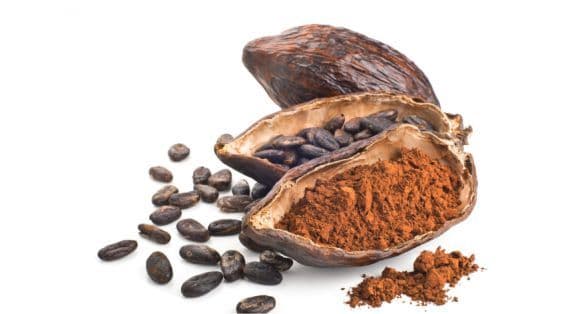
Cocoa
Cocoa — raw cacao — originates from the seeds of Theobroma cacao, the chocolate tree native to the tropical rainforests of Mesoamerica. Cultivated for over 3,000 years, cacao held sacred status among the Maya and Aztec civilizations before transforming global food culture after its introduction to Europe in the 16th century. Its raw, unroasted character is darker and more complex than finished chocolate. As a fragrance note, cocoa is the deep, bittersweet foundation of the gourmand family. Its olfactory profile is rich, warm, and roasted — carrying the complex bitterness of dark chocolate alongside a creamy, slightly earthy depth and a subtle fermented quality that roots it firmly in nature. Unlike sweet milk chocolate accords, raw cocoa has genuine gravitas and darkness. It blends magnificently with vanilla, patchouli, tonka, benzoin, vetiver, and labdanum in oriental and gourmand compositions, adding warmth and edible depth without cloying sweetness. Cocoa has become one of the foundational notes of contemporary niche gourmand perfumery, capable of creating fragrances of extraordinary richness and complexity. It anchors some of the world's most celebrated and bestselling compositions. At Fragrenza, our cocoa note collections honour that depth and indulgence — delivering expert interpretations of the finest cocoa-centred originals at prices that make genuinely luxurious fragrance an everyday pleasure.
- 🌿
Cocoa absolute
Cocoa absolute is a gourmand note that adds edible warmth, sweetness, and comfort to a fragrance. It may suggest cream, sugar, nuts, chocolate, coffee, honey, pastry, or toasted grains depending on the accord. In perfumery, gourmand notes make compositions feel cozy and sensual, but they work best when balanced with woods, musks, spices, citrus, or resins. Cocoa absolute pairs well with vanilla, tonka bean, sandalwood, amber, caramel, cacao, coffee, and soft florals.
- 🌿
Cocoa bean
Cocoa bean is a gourmand note that adds edible warmth, sweetness, and comfort to a fragrance. It may suggest cream, sugar, nuts, chocolate, coffee, honey, pastry, or toasted grains depending on the accord. In perfumery, gourmand notes make compositions feel cozy and sensual, but they work best when balanced with woods, musks, spices, citrus, or resins. Cocoa bean pairs well with vanilla, tonka bean, sandalwood, amber, caramel, cacao, coffee, and soft florals.
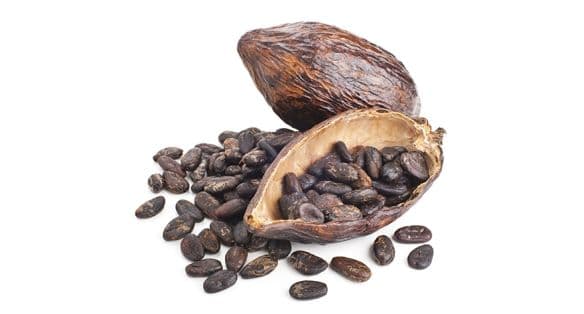
Cocoa beans
Cocoa beans is a sweet gourmand note with edible warmth, softness, and a comforting dessert-like character. In perfumery, it adds texture and indulgence, pairing well with vanilla, tonka bean, musk, amber, woods, fruit notes, and soft florals.
- 🌿
Cocoa blossom
Cocoa blossom is a floral note that gives a fragrance softness, radiance, and emotional warmth. Depending on the flower or accord, it may feel fresh, creamy, powdery, honeyed, green, indolic, or airy. In perfumery, floral notes often form the heart of a composition, adding body and a recognizable signature. It pairs well with citrus, white musk, rose, jasmine, sandalwood, amber, vanilla, iris, and delicate fruits.
- 🌿
Cocoa butter
Cocoa butter is a gourmand note that adds edible warmth, sweetness, and comfort. It may suggest cream, sugar, nuts, chocolate, coffee, honey, pastry, or toasted grains depending on the accord. In perfumery, gourmand notes make compositions feel cozy and sensual, but they work best when balanced with woods, musks, spices, citrus, or resins. It pairs well with vanilla, tonka bean, sandalwood, amber, caramel, cacao, coffee, and soft florals.
- 🌿
Cocoa leaf
Cocoa leaf is a green or aromatic note that evokes leaves, herbs, stems, fresh air, or crushed vegetation. Its profile can be crisp, bitter, watery, camphoraceous, grassy, or slightly earthy depending on the material. In perfumery, green notes add realism and lift, keeping sweet, floral, or woody compositions from feeling too heavy. Cocoa leaf pairs well with citrus, tea, fig, violet leaf, galbanum, tomato leaf, white musk, vetiver, lavender, and light woods.
- 🌿
Cocoa powder
Cocoa powder is a gourmand note that adds edible warmth, sweetness, and comfort. It may suggest cream, sugar, nuts, chocolate, coffee, honey, pastry, or toasted grains depending on the accord. In perfumery, gourmand notes make compositions feel cozy and sensual, but they work best when balanced with woods, musks, spices, citrus, or resins. It pairs well with vanilla, tonka bean, sandalwood, amber, caramel, cacao, coffee, and soft florals.
- 🌿
Cocoa wood
Cocoa wood is a woody note used to create structure, depth, and lasting warmth. Its scent may be dry, creamy, smoky, resinous, earthy, pencil-like, or polished depending on the wood or accord. In perfumery, woody notes support the whole composition and connect fresh openings with deeper bases. It pairs naturally with amber, musk, incense, leather, vetiver, patchouli, spices, citrus, and soft resins.

Cocobolo
Cocobolo (Dalbergia retusa) is a dense, richly coloured hardwood native to the dry Pacific coastal forests of Central America, prized by craftsmen and luthiers for its extraordinary beauty and durability. Its heartwood ranges from deep orange to rich red-brown with dramatic dark streaking, and when freshly cut it releases a characteristic aromatic signature — warm, slightly spicy, and unmistakably woody. As a fragrance note, cocobolo occupies a distinctive niche within the woody family. Its olfactory profile is warm and dry, carrying a gentle spiciness reminiscent of rosewood and sandalwood, with a faintly floral-rosy undertone and the smooth, settled warmth of exotic hardwood. Unlike sharper tropical woods, cocobolo is refined and understated — rich without heaviness. It pairs well with other warm woods, light spices such as cardamom and pink pepper, leather, and soft musks in compositions that aim for sophisticated, artisanal warmth. In niche perfumery, cocobolo is valued for the same qualities that make it prized in fine woodworking: rare beauty, warm depth, and distinctive character. It signals craftsmanship and provenance. Fragrenza's cocobolo note offerings bring this rare Central American warmth to our collection of high-quality fragrance dupes, capturing the exotic, artisanal character of niche woody originals at prices that bring fine perfumery within reach of every enthusiast.
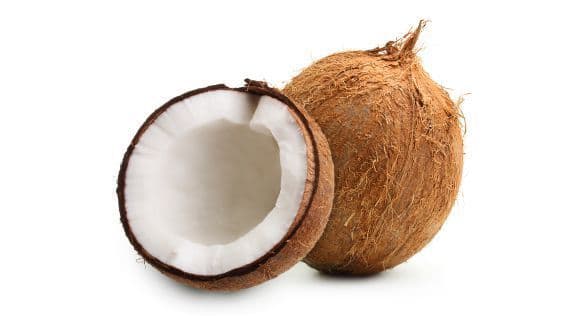
Coconut
The coconut palm — Cocos nucifera — is one of the most iconic and versatile trees on earth, cultivated across tropical coastlines for thousands of years. From its oil and water to its flesh and shell, virtually every part of the coconut has found use in food, cosmetics, and culture. Its fragrance profile is equally universal: warm, creamy, and evocatively tropical. As a perfumery note, coconut is one of the most widely used and adaptable accords in the industry. Its olfactory character is rich, creamy, and sweet — carrying the fatty warmth of dried coconut flesh, often with a light, suntan-lotion-like warmth and a faintly nutty background. In perfumery, coconut is achieved through coumarin, gamma-nonalactone, and heliotropin-based accords, giving it a smooth, lactonic quality. It blends seamlessly with tiare, ylang-ylang, vanilla, musk, sandalwood, and tropical florals, making it a foundation note for beach, summer, and gourmand compositions alike. Coconut's versatility spans everything from fresh tropical colognes to deep, creamy oriental fragrances and indulgent gourmands. Its broad appeal and instant recognizability make it one of perfumery's most enduring note families. Fragrenza's coconut note collections capture this warm tropical essence with richness and precision, delivering high-quality interpretations of beloved originals at prices that make premium fragrance an everyday pleasure.
- 🌿
Coconut blossom
Coconut blossom is a floral note that adds softness, radiance, and emotional warmth to a composition. Depending on the flower or accord, it can feel fresh, creamy, powdery, honeyed, green, indolic, or airy. In perfumery, floral notes often form the heart of a fragrance, giving it body and a recognizable character. Coconut blossom pairs well with citrus, white musk, rose, jasmine, sandalwood, amber, vanilla, iris, and delicate fruits, making it useful in both classic bouquets and modern transparent florals.
- 🌿
Coconut CO2
Coconut CO2 is a fruity note that gives fragrance juiciness, color, and natural sweetness. It can be crisp and tart, ripe and velvety, tropical and creamy, or dark and jammy depending on the fruit profile. In perfumery, fruity notes brighten florals, soften musks, and add pleasure to gourmand or woody structures. Coconut CO2 pairs well with rose, peony, jasmine, white musk, vanilla, woods, citrus, amber, and soft spices.
Coconut Cream
Coconut Cream is a sweet gourmand note with edible warmth, softness, and a comforting dessert-like character. In perfumery, it adds texture and indulgence, pairing well with vanilla, tonka bean, musk, amber, woods, fruit notes, and soft florals.
coconut milk
Coconut Milk is a sweet gourmand note with edible warmth, softness, and a comforting dessert-like character. In perfumery, it adds texture and indulgence, pairing well with vanilla, tonka bean, musk, amber, woods, fruit notes, and soft florals.
Coconut nectar
Coconut nectar is a sweet gourmand note with edible warmth, softness, and a comforting dessert-like character. In perfumery, it adds texture and indulgence, pairing well with vanilla, tonka bean, musk, amber, woods, fruit notes, and soft florals.
Coconut Oil
Coconut Oil is a sweet gourmand note with edible warmth, softness, and a comforting dessert-like character. In perfumery, it adds texture and indulgence, pairing well with vanilla, tonka bean, musk, amber, woods, fruit notes, and soft florals.
- 🌿
Coconut orchid
Coconut orchid is a floral note that gives a fragrance softness, radiance, and emotional warmth. Depending on the flower or accord, it may feel fresh, creamy, powdery, honeyed, green, indolic, or airy. In perfumery, floral notes often form the heart of a composition, adding body and a recognizable signature. It pairs well with citrus, white musk, rose, jasmine, sandalwood, amber, vanilla, iris, and delicate fruits.
- 🌿
Coconut palm
Coconut palm is a fruity note that adds juiciness, color, and natural sweetness. It may feel crisp and tart, ripe and velvety, tropical and creamy, or dark and jammy depending on the fruit profile. In perfumery, fruity notes brighten florals, soften musks, and add pleasure to gourmand or woody structures. It pairs well with rose, peony, jasmine, white musk, vanilla, woods, citrus, amber, and soft spices.
- 🌿
Coconut palmwood
Coconut palmwood is a woody note used to create structure, depth, and lasting warmth. Its scent may be dry, creamy, smoky, resinous, earthy, pencil-like, or polished depending on the wood or accord. In perfumery, woody notes often support the whole composition and help connect fresh openings with deeper bases. Coconut palmwood pairs naturally with amber, musk, incense, leather, vetiver, patchouli, spices, citrus, and soft resins, making it useful in masculine, feminine, and unisex fragrances.
Coconut Pie
Coconut pie — or coconut custard tart — is a confection rooted in the tropical baking traditions of the Caribbean, Pacific Islands, and Southeast Asia, where coconut's rich, fatty sweetness has long been a cornerstone of dessert culture. The combination of toasted coconut, buttery pastry, and warm egg custard creates an irresistibly warm, bakery-fresh comfort. As a fragrance note, coconut pie sits firmly in the indulgent gourmand category. Its olfactory profile is warm, sweet, and multi-layered — a combination of creamy coconut, rich vanilla custard, butter pastry, and the faintest caramel-toasted edge from lightly browned coconut. It is fuller and more complex than a simple coconut note, gaining depth from its baked and custard dimensions. It blends magnificently with vanilla, tonka bean, caramel, warm woods, and skin musks to create fragrances of enveloping comfort and edible sensuality. Coconut pie is a favorite anchor in the gourmand segment of niche and commercial perfumery, beloved for its ability to evoke warmth, nostalgia, and intimate coziness. It is the fragrance equivalent of a warm kitchen and a fresh-baked treat. At Fragrenza, our coconut pie note collections deliver that rich, irresistible sweetness with the quality and complexity found in premium gourmand originals — at prices that let you indulge every day without compromise.
- 🌿
Coconut shell
Coconut shell is a fruity note that adds juiciness, color, and natural sweetness. It may feel crisp and tart, ripe and velvety, tropical and creamy, or dark and jammy depending on the fruit profile. In perfumery, fruity notes brighten florals, soften musks, and add pleasure to gourmand or woody structures. It pairs well with rose, peony, jasmine, white musk, vanilla, woods, citrus, amber, and soft spices.
- 🌿
Coconut water
Coconut water — the clear, hydrating liquid found inside young green coconuts — has deep roots in tropical cultures across Southeast Asia, the Caribbean, and South America, where it has been consumed for centuries as a natural refresher. Unlike the rich, fatty coconut associated with sunscreen and dessert, coconut water is light, clean, and subtly sweet — the very essence of tropical freshness. As a fragrance note, coconut water is one of the more nuanced and restrained tropical accords. Its olfactory profile is translucent and aquatic-adjacent, carrying a light, barely-sweet coconut character without the creamy richness of coconut milk or the heavy tropical density of coconut absolute. It is slightly green, slightly citrusy, and unmistakably clean — evoking a fresh-cut coconut at the beach rather than a dessert bowl. It pairs naturally with sea spray, aquatics, green bamboo, light musks, and tropical florals. Perfumers reach for coconut water when they want a tropical touch that breathes rather than saturates — a way to suggest sun and warmth without heaviness. It is particularly effective in fresh, sporty, and summery compositions seeking a modern, hydrating quality. Fragrenza's coconut water note fragrances capture that pure, breezy tropical clarity, delivering beautifully crafted interpretations of sought-after originals at prices that keep premium freshness within everyday reach.
coffee
Coffee is one of the most universally beloved aromatic substances on earth, with a history stretching from the ancient coffeehouses of Yemen and Ethiopia to the global café culture of today. The roasted coffee bean — transformed by heat from a green, grassy seed into a complex, dark-roasted marvel — has shaped cultures, economies, and daily rituals across centuries. In perfumery, the coffee note is one of the most recognizable and emotionally resonant accords available. Its olfactory profile is rich, dark, and enveloping — carrying layers of roasted bitterness, caramel sweetness, a faint smokiness, and an earthy depth that grounds compositions with immediate warmth. It pairs exquisitely with vanilla, tobacco, chocolate, leather, and dark woods in oriental and gourmand frameworks, while more adventurous pairings with rose, oud, or incense yield deeply sophisticated results. Coffee note has become a major force in contemporary niche perfumery, appearing at the heart of some of the industry's most celebrated compositions. It carries an undeniable comfort and familiarity while remaining capable of enormous complexity when handled with skill. At Fragrenza, our coffee note fragrances deliver that rich, indulgent depth — capturing the very best of designer and niche coffee-centred originals at prices that make premium fragrance a daily pleasure rather than a rare treat.
- 🌿
Coffee absolute
Coffee absolute is a gourmand note that adds edible warmth, sweetness, and comfort to a fragrance. It may suggest cream, sugar, nuts, chocolate, coffee, honey, pastry, or toasted grains depending on the accord. In perfumery, gourmand notes make compositions feel cozy and sensual, but they work best when balanced with woods, musks, spices, citrus, or resins. Coffee absolute pairs well with vanilla, tonka bean, sandalwood, amber, caramel, cacao, coffee, and soft florals.
- 🌿
Coffee absolute CO2
Coffee absolute CO2 is a gourmand note that adds edible warmth, sweetness, and comfort. It may suggest cream, sugar, nuts, chocolate, coffee, honey, pastry, or toasted grains depending on the accord. In perfumery, gourmand notes make compositions feel cozy and sensual, but they work best when balanced with woods, musks, spices, citrus, or resins. It pairs well with vanilla, tonka bean, sandalwood, amber, caramel, cacao, coffee, and soft florals.
- 🌿
Coffee bean
Coffee bean is a gourmand note that adds edible warmth, sweetness, and comfort to a fragrance. It may suggest cream, sugar, nuts, chocolate, coffee, honey, pastry, or toasted grains depending on the accord. In perfumery, gourmand notes make compositions feel cozy and sensual, but they work best when balanced with woods, musks, spices, citrus, or resins. Coffee bean pairs well with vanilla, tonka bean, sandalwood, amber, caramel, cacao, coffee, and soft florals.
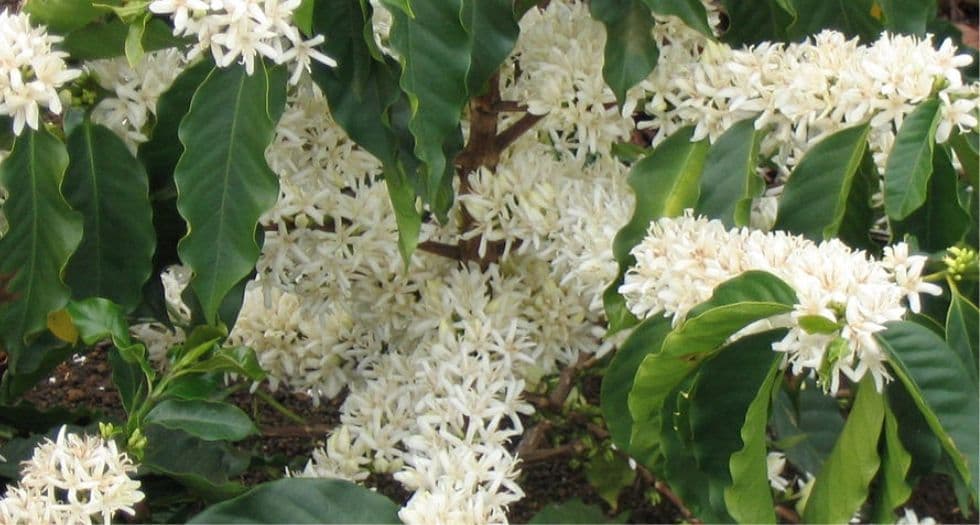
Coffee blossom
The coffee blossom is one of nature's more quietly surprising olfactory gifts. The Coffea arabica plant produces small, star-shaped white flowers that emerge in clusters along its branches, filling coffee plantations with a brief but intensely beautiful fragrance — often described as reminiscent of jasmine, orange blossom, and fresh lily, with a faintly sweet, milky undertone. As a perfumery note, coffee blossom is delicate, clean, and luminous — a world apart from the dark roast of the bean. Its olfactory profile is softly floral with a subtle, almost aqueous sweetness, a touch of citrus brightness, and a milky-creamy thread that ties it back, ever so gently, to its botanical origin. It blends beautifully with white florals such as jasmine, tuberose, and muguet, as well as with soft musks, light woods, and clean aquatic elements — making it a favorite in fresh floral and skin-scent compositions. Coffee blossom is prized for its rarity and unexpected elegance, offering perfumers a way to reference coffee's world without resorting to the roasted note. It adds a botanically authentic, feminine, and airy dimension to fragrance. Fragrenza's coffee blossom collections celebrate this underappreciated floral gem, offering beautifully crafted dupes of complex, blossom-forward originals at a price that makes refined, nature-inspired perfumery accessible to everyone.
- 🌿
Coffee CO2
Coffee CO2 is a gourmand note that adds edible warmth, sweetness, and comfort. It may suggest cream, sugar, nuts, chocolate, coffee, honey, pastry, or toasted grains depending on the accord. In perfumery, gourmand notes make compositions feel cozy and sensual, but they work best when balanced with woods, musks, spices, citrus, or resins. It pairs well with vanilla, tonka bean, sandalwood, amber, caramel, cacao, coffee, and soft florals.
- 🌿
Coffee liqueur
Coffee liqueur is a gourmand note that adds edible warmth, sweetness, and comfort. It may suggest cream, sugar, nuts, chocolate, coffee, honey, pastry, or toasted grains depending on the accord. In perfumery, gourmand notes make compositions feel cozy and sensual, but they work best when balanced with woods, musks, spices, citrus, or resins. It pairs well with vanilla, tonka bean, sandalwood, amber, caramel, cacao, coffee, and soft florals.

cognac
Cognac — the celebrated French brandy produced exclusively in the Charente region — carries centuries of craftsmanship in its amber depths. Distilled from white wine grapes and aged in Limousin oak barrels, cognac develops a complex, layered character that has long captivated perfumers seeking warmth, sophistication, and a sense of Continental elegance. As a fragrance note, cognac translates into a warm, fruity-alcoholic accord with rich dried fruit undertones — ripe plum, apricot, and raisin — underpinned by subtle oak, vanilla, and a faintly vinous spice. It carries an intoxicating, boozy warmth without being sharp or astringent. In perfumery, cognac note is used to add depth, sensuality, and a masculine sophistication, often appearing in oriental, chypre, and leather compositions alongside tobacco, oud, amber, and dried woods. The note has enjoyed renewed popularity in niche perfumery as houses explore vinous and boozy accords with greater complexity and character. It lends fragrances a distinguished, after-dinner intimacy — the sense of a fine drink by firelight. At Fragrenza, our cognac-note collections capture this luxurious French warmth with precision and depth, delivering high-quality interpretations of beloved designer and niche originals at prices that make true olfactory sophistication accessible to all.
- 🌿
Cola
Cola is a specialty note used to give a fragrance a distinctive texture, mood, or material impression. Depending on interpretation, it may contribute freshness, warmth, sweetness, dryness, softness, or an abstract atmospheric effect. In perfumery, specialty notes are valuable because they make a composition feel more specific and less generic. Cola can be paired with woods, musks, florals, resins, fruits, green notes, spices, or amber materials according to the intended style.
- 🌿
Colombian naranjilla
Colombian naranjilla is a specialty note used to give a fragrance a distinctive texture, mood, or material impression. Depending on interpretation, it may contribute freshness, warmth, sweetness, dryness, softness, or an abstract atmospheric effect. In perfumery, specialty notes are useful because they make a composition feel more specific and less generic. It can be paired with woods, musks, florals, resins, fruits, green notes, spices, or amber materials according to the intended style.
- 🌿
Colombian tolu balm
Colombian tolu balm is a warm ambered or resinous note used to give fragrance depth, softness, and long-lasting richness. It can smell balsamic, sweet, smoky, vanillic, woody, powdery, or incense-like depending on the material. In perfumery, it rounds sharp edges and creates a smooth base that holds the composition together. It pairs well with woods, musks, spices, vanilla, tobacco, leather, florals, oud, and other resins.
- 🌿
Colophony
Colophony is a specialty note used to give a fragrance a distinctive texture, mood, or material impression. Depending on interpretation, it may contribute freshness, warmth, sweetness, dryness, softness, or an abstract atmospheric effect. In perfumery, specialty notes are useful because they make a composition feel more specific and less generic. It can be paired with woods, musks, florals, resins, fruits, green notes, spices, or amber materials according to the intended style.
- 🌿
Columbian Coffee
Columbian Coffee is a gourmand note that adds edible warmth, sweetness, and comfort. It may suggest cream, sugar, nuts, chocolate, coffee, honey, pastry, or toasted grains depending on the accord. In perfumery, gourmand notes make compositions feel cozy and sensual, but they work best when balanced with woods, musks, spices, citrus, or resins. It pairs well with vanilla, tonka bean, sandalwood, amber, caramel, cacao, coffee, and soft florals.
- 🌿
Common hollyhock
Common hollyhock is a specialty note used to give a fragrance a distinctive texture, mood, or material impression. Depending on interpretation, it may contribute freshness, warmth, sweetness, dryness, softness, or an abstract atmospheric effect. In perfumery, specialty notes are useful because they make a composition feel more specific and less generic. It can be paired with woods, musks, florals, resins, fruits, green notes, spices, or amber materials according to the intended style.
- 🌿
Common marshmallow
Common marshmallow is a specialty note used to give a fragrance a distinctive texture, mood, or material impression. Depending on interpretation, it may contribute freshness, warmth, sweetness, dryness, softness, or an abstract atmospheric effect. In perfumery, specialty notes are useful because they make a composition feel more specific and less generic. It can be paired with woods, musks, florals, resins, fruits, green notes, spices, or amber materials according to the intended style.
- 🌿
Common marshmallow absolute
Common marshmallow absolute is a specialty note used to give a fragrance a distinctive texture, mood, or material impression. Depending on interpretation, it may contribute freshness, warmth, sweetness, dryness, softness, or an abstract atmospheric effect. In perfumery, specialty notes are useful because they make a composition feel more specific and less generic. It can be paired with woods, musks, florals, resins, fruits, green notes, spices, or amber materials according to the intended style.
- 🌿
Common morning glory
Common morning glory is a specialty note used to give a fragrance a distinctive texture, mood, or material impression. Depending on interpretation, it may contribute freshness, warmth, sweetness, dryness, softness, or an abstract atmospheric effect. In perfumery, specialty notes are useful because they make a composition feel more specific and less generic. It can be paired with woods, musks, florals, resins, fruits, green notes, spices, or amber materials according to the intended style.
- 🌿
Common Saint John's wort
Common Saint John's wort is a specialty note used to give a fragrance a distinctive texture, mood, or material impression. Depending on interpretation, it may contribute freshness, warmth, sweetness, dryness, softness, or an abstract atmospheric effect. In perfumery, specialty notes are useful because they make a composition feel more specific and less generic. It can be paired with woods, musks, florals, resins, fruits, green notes, spices, or amber materials according to the intended style.
- 🌿
Comorian vanilla
Comorian vanilla is a warm ambered or resinous note used to give fragrance depth, softness, and long-lasting richness. It can smell balsamic, sweet, smoky, vanillic, woody, powdery, or incense-like depending on the material. In perfumery, it rounds sharp edges and creates a smooth base that holds the composition together. It pairs well with woods, musks, spices, vanilla, tobacco, leather, florals, oud, and other resins.
- 🌿
Comorian ylang-ylang
Comorian ylang-ylang is a floral note that adds softness, radiance, and emotional warmth to a composition. Depending on the flower or accord, it can feel fresh, creamy, powdery, honeyed, green, indolic, or airy. In perfumery, floral notes often form the heart of a fragrance, giving it body and a recognizable character. Comorian ylang-ylang pairs well with citrus, white musk, rose, jasmine, sandalwood, amber, vanilla, iris, and delicate fruits, making it useful in both classic bouquets and modern transparent florals.

Concrete
Concrete as a fragrance note is an abstract olfactory concept inspired by the raw materiality of freshly poured or wet cement — a distinctly urban, architectural accord. Unlike traditional botanical or animalic notes, it is a constructed abstraction, evoking cold mineral surfaces, dusty dry powder, and the quiet industrial stillness of a construction site or empty building. The olfactory profile of concrete is cool, grey, and mineral-dominant. It possesses a dry, slightly chalky quality reminiscent of kaolin or stone dust, sometimes edged with a faint dampness — like a basement after rain. In perfumery it is used to evoke architecture, urban space, and modernity. It pairs naturally with other mineral accords such as wet stone, petrichor, and metal, as well as with smoky woods, vetiver, or clean musks to produce compositions of stark, sophisticated stillness. Concrete is particularly prized in avant-garde and niche perfumery for pushing fragrance beyond the floral-woody comfort zone into purely conceptual territory. It challenges the wearer to reconsider what a scent can evoke — replacing beauty with atmosphere. Fragrenza's concrete note offerings bring this cerebral, architectural edge to perfume lovers who seek something truly unconventional, with the same quality found in high-end niche houses at a price that doesn't require compromise.
- 🌿
Conifer resin
Conifer resin is a warm ambered or resinous note used to give fragrance depth, softness, and long-lasting richness. It can smell balsamic, sweet, smoky, vanillic, woody, powdery, or incense-like depending on the material. In perfumery, it rounds sharp edges and creates a smooth base that holds the composition together. It pairs well with woods, musks, spices, vanilla, tobacco, leather, florals, oud, and other resins.
- 🌿
Coniferous woods
Coniferous woods is a woody note used to create structure, depth, and lasting warmth. Its scent may be dry, creamy, smoky, resinous, earthy, pencil-like, or polished depending on the wood or accord. In perfumery, woody notes often support the whole composition and help connect fresh openings with deeper bases. Coniferous woods pairs naturally with amber, musk, incense, leather, vetiver, patchouli, spices, citrus, and soft resins, making it useful in masculine, feminine, and unisex fragrances.
- 🌿
Conobea scoparioides
Conobea scoparioides is a specialty note used to give a fragrance a distinctive texture, mood, or material impression. Depending on interpretation, it may contribute freshness, warmth, sweetness, dryness, softness, or an abstract atmospheric effect. In perfumery, specialty notes are useful because they make a composition feel more specific and less generic. It can be paired with woods, musks, florals, resins, fruits, green notes, spices, or amber materials according to the intended style.

Cookie
The cookie note — inspired by the warm, golden-brown perfection of a freshly baked biscuit straight from the oven — is one of perfumery's most universally beloved and emotionally resonant gourmand accords. The scent of baking cookies is one of humanity's most powerful olfactory triggers of comfort, warmth, and home: buttery, sweet, vanilla-rich, with that unmistakable toasted edge of caramelised dough. As a fragrance note, cookie is warm, buttery, and sweet with a deep vanilla heart and a slightly caramelised, almost doughy quality that makes it feel genuinely edible. It is softer and more intimate than pure sugar accords — rounder, warmer, and more complex, with nuances of almond, oat, and brown sugar layered beneath the primary sweetness. In perfumery, cookie accords are central to the gourmand fragrance genre, used to create warm, intimate, skin-hugging compositions that evoke comfort and sensuality simultaneously. They pair beautifully with tonka bean, benzoin, caramel, and warm musks. At Fragrenza, our cookie-inspired dupe fragrances bring this most comforting of gourmand notes to life at accessible prices inspired by the world's finest sweet perfumes.
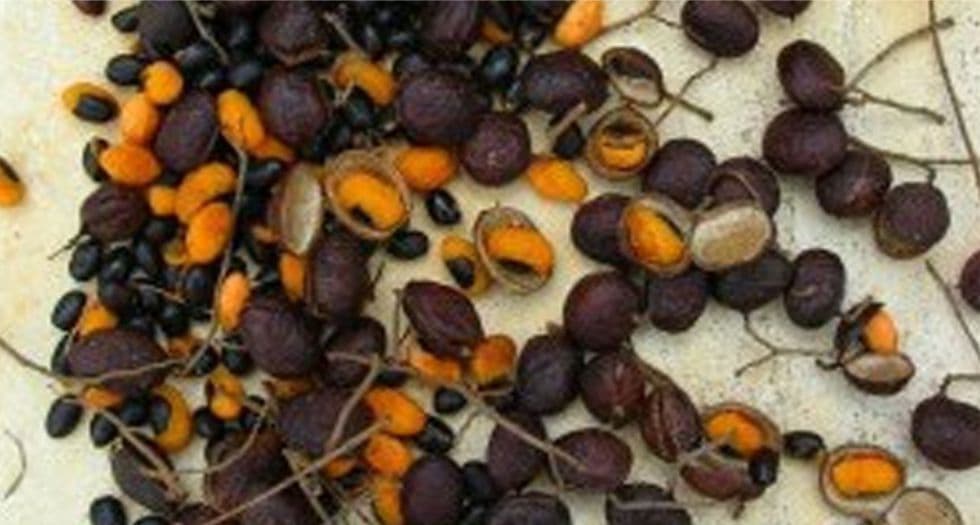
Copahu Balm
Copahu balm, also known as copaiba or copaiba balsam, is a resinous material obtained from South American Copaifera trees. It has a warm, balsamic, woody, slightly spicy, and softly sweet aroma, with a smooth resinous depth that can feel both natural and comforting. In perfumery, it is used to add warmth, softness, fixation, and balsamic richness to amber, woody, oriental, leather, and incense fragrances.
- 🌿
Copaiva balsam absolute
Copaiva balsam absolute is a warm ambered or resinous note used to give fragrance depth, softness, and long-lasting richness. It can smell balsamic, sweet, smoky, vanillic, woody, powdery, or incense-like depending on the material. In perfumery, it rounds sharp edges and creates a smooth base that holds the composition together. It pairs well with woods, musks, spices, vanilla, tobacco, leather, florals, oud, and other resins.
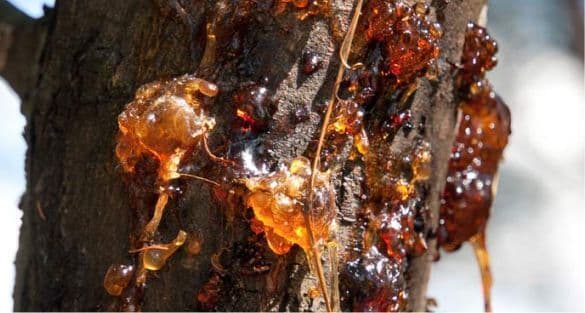
Copal
Copal is a natural tree resin harvested from various species of trees across Mexico, Central America, and parts of Africa, used for thousands of years in indigenous Mesoamerican ritual, ceremony, and medicine. Burned as sacred incense by the Aztec and Maya civilisations, copal carries deep spiritual and cultural significance, its aromatic smoke believed to purify spaces and carry prayers skyward. The scent of copal is luminous and complex: primarily sweet and resinous with a bright, almost citrus-pine freshness that distinguishes it from heavier resins like frankincense or benzoin. There is a clean, slightly woody character beneath its sweetness, and when burned, copal releases a white smoke with a transcendent aromatic quality — uplifting yet grounding, ancient yet immediate. In perfumery, copal is used to add natural resinous sweetness and incense depth to oriental, woody, and spiritual-inspired compositions, where it bridges the gap between citrus brightness and deep resinous warmth. It pairs beautifully with frankincense, citrus, woods, and vanilla. At Fragrenza, our copal-inspired fragrances honour this sacred resin's ancient heritage in dupe compositions of the world's finest perfumes.
- 🌿
Copal resin
Copal resin is a warm ambered or resinous note used to give fragrance depth, softness, and long-lasting richness. It can smell balsamic, sweet, smoky, vanillic, woody, powdery, or incense-like depending on the material. In perfumery, it rounds sharp edges and creates a smooth base that holds the composition together. Copal resin pairs well with woods, musks, spices, vanilla, tobacco, leather, florals, oud, and other resins.
- 🌿
Coral
Coral is a specialty note used to give a fragrance a distinctive texture, mood, or material impression. Depending on interpretation, it may contribute freshness, warmth, sweetness, dryness, softness, or an abstract atmospheric effect. In perfumery, specialty notes are useful because they make a composition feel more specific and less generic. It can be paired with woods, musks, florals, resins, fruits, green notes, spices, or amber materials according to the intended style.
- 🌿
Coral hibiscus
Coral hibiscus is a specialty note used to give a fragrance a distinctive texture, mood, or material impression. Depending on interpretation, it may contribute freshness, warmth, sweetness, dryness, softness, or an abstract atmospheric effect. In perfumery, specialty notes are useful because they make a composition feel more specific and less generic. It can be paired with woods, musks, florals, resins, fruits, green notes, spices, or amber materials according to the intended style.

Coral Reef
The coral reef — one of the ocean's most breathtaking ecosystems, teeming with life beneath crystalline tropical waters — has inspired one of modern perfumery's most evocative aquatic accords. Though not a classical botanical ingredient, the coral reef accord captures the sensory impression of the sea at its most alive: the salty mineral freshness of warm ocean water, the clean depth of the open sea. As a fragrance note, coral reef is unmistakably marine in character: salty, slightly mineral, and aquatic, with a brightness that suggests sunlit water and a depth that evokes the cool, shadowed world beneath the surface. It is fresher and more complex than simple ozonic sea accords, carrying within it a sense of living, breathing ecosystem rather than just open water. In perfumery, coral reef accords anchor the aquatic and marine fragrance family — a genre that rose to prominence in the 1990s and continues to evolve. They pair beautifully with sea salt, ambergris, driftwood, and light musks. At Fragrenza, our coral reef-inspired fragrances capture the expansive, clean beauty of the ocean in accessible, high-quality dupe compositions inspired by the world's finest aquatic perfumes.
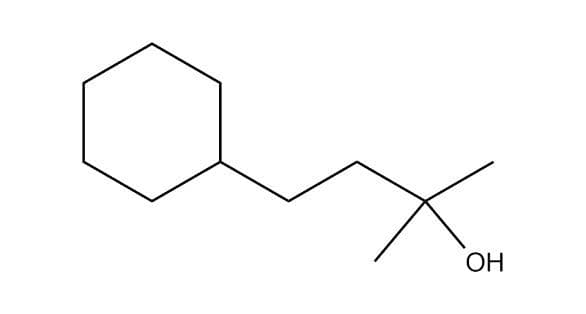
Coranol
Coranol is a synthetic fragrance ingredient — a member of the lily-of-the-valley accord family — used by perfumers to create fresh, clean, and gently floral effects with a subtly ozonic, green character. Like many modern synthetic molecules, coranol was developed to offer perfumers a precise, consistent, and sustainable alternative to naturals that are difficult to obtain or environmentally sensitive to harvest. As a fragrance note, coranol is fresh and green with a soft floral-ozonic quality that sits somewhere between a dewy white flower and a cool breeze. It is transparent and clean rather than heavy or lush, making it ideal for compositions that need lift and brightness without adding density. Its green facet gives it a slightly botanical character reminiscent of freshly cut stems and spring foliage. In perfumery, coranol is used as a top and heart note modifier in fresh florals, aquatics, and contemporary clean fragrances where its bright, airy character helps open compositions with immediacy and appeal. It pairs well with citrus, green notes, and clean white musks. At Fragrenza, we use precision synthetics like coranol to craft high-quality dupe fragrances that faithfully capture the freshness and spirit of iconic fine perfumes.
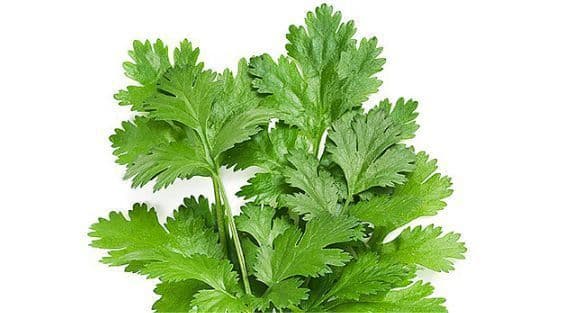
Coriander
Coriander — the seed of Coriandrum sativum, one of humanity's oldest cultivated herbs — has been used in cooking, medicine, and perfumery for thousands of years across cultures from ancient Egypt to medieval Europe and throughout South Asia. Distilled from its dried seeds, coriander essential oil is one of perfumery's most versatile and beloved spice-herbal ingredients. The scent of coriander seed in fragrance is warm and spicy with a distinctive citrus-green freshness that sets it apart from most other spices. There is an almost floral facet hiding within its warmth — a roundness and brightness that makes it simultaneously herbal, spicy, and fresh. It reads as sophisticated and energetic in equal measure, never simply hot or aggressive. In perfumery, coriander is a workhorse note: used extensively in masculine fougères, oriental compositions, and fresh spicy colognes where it adds complexity and movement to the heart. It blends beautifully with citrus, lavender, rose, and woody base notes. At Fragrenza, coriander features prominently in dupe fragrances inspired by some of the world's most celebrated spicy and aromatic perfumes, delivered at accessible prices. Shop for coriander? [Fragrenza](https://fragrenza.com/collections/coriander-fragrances) curates a focused selection.
- 🌿
Coriander Leaf
Coriander Leaf is a spicy note that gives fragrance heat, texture, and aromatic energy. It can feel sweet, dry, peppery, resinous, herbal, smoky, or slightly medicinal depending on the material. In perfumery, spices create contrast, deepen the heart, and bridge fresh top notes with warm woody or amber bases. It pairs especially well with citrus, rose, tobacco, vanilla, oud, sandalwood, patchouli, leather, and balsamic resins.
- 🌿
Coriander seed
Coriander seed is a spicy note that adds heat, texture, and aromatic energy to a fragrance. It may feel sweet, dry, peppery, resinous, herbal, smoky, or slightly medicinal depending on the material. In perfumery, spices create contrast, deepen the heart, and help bridge fresh top notes with warm woody or amber bases. Coriander seed pairs especially well with citrus, rose, tobacco, vanilla, oud, sandalwood, patchouli, leather, and balsamic resins.
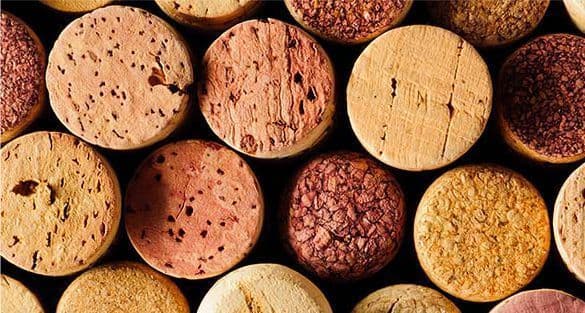
Cork
Cork — the spongy, water-resistant bark harvested from the cork oak tree (Quercus suber) native to the western Mediterranean, particularly Portugal and Spain — is one of the most distinctive and evocative natural materials in the world. Centuries of association with wine and aged spirits have imbued cork with a deeply romantic, sensory identity: the scent of a pulled wine bottle, a cellar floor, a rare bottle finally opened. As a fragrance note, cork is woody, slightly earthy, and cool — with a dry mineral-bark character that is simultaneously organic and austere. It carries subtle nuances of forest floor and aged wood alongside a faint, almost waxy minerality that gives it quiet elegance. It is not a loud note, but rather a textural one — adding depth, complexity, and an unmistakable sense of place to the compositions it inhabits. In perfumery, cork is used in woody, chypre, and terroir-inspired compositions where a sense of natural material and earthy authenticity is desired. It pairs beautifully with leather, oakmoss, dry woods, and light resins. At Fragrenza, our cork-featured fragrances bring the quiet sophistication of this remarkable natural material to life in high-quality dupe perfumes inspired by the world's finest houses.
- 🌿
Corn mint
Corn mint is a green or aromatic note that evokes leaves, herbs, stems, fresh air, or crushed vegetation. Its profile can be crisp, bitter, watery, camphoraceous, grassy, or slightly earthy depending on the material. In perfumery, green notes add realism and lift, keeping sweet, floral, or woody compositions from feeling too heavy. Corn mint pairs well with citrus, tea, fig, violet leaf, galbanum, tomato leaf, white musk, vetiver, lavender, and light woods.
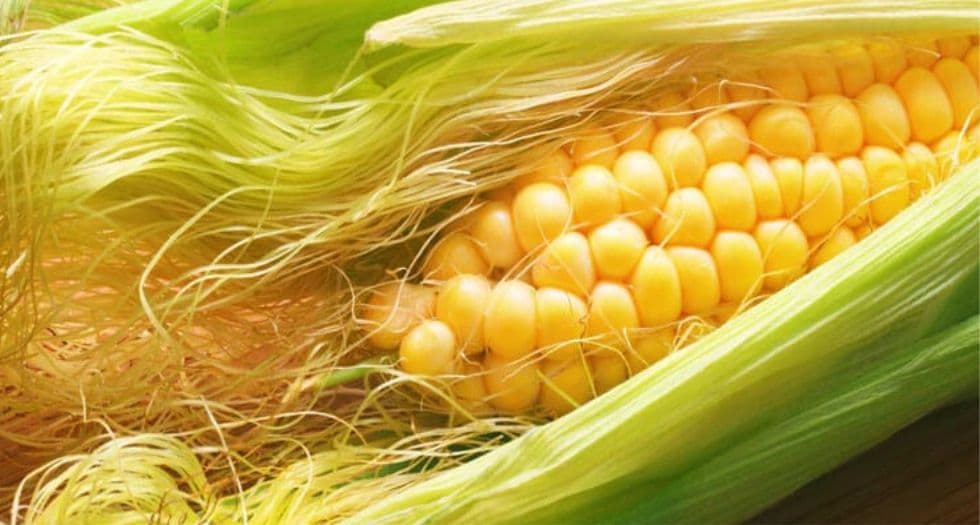
Corn Silk
Corn silk — the fine, thread-like strands that emerge from the top of an ear of corn — is one of the most unusual and surprisingly evocative raw inspirations in the world of fragrance. While not a classical perfumery ingredient, corn silk has inspired accords that capture something genuinely rare: the delicate, fresh sweetness of summer in its most wholesome, agricultural form. As a fragrance note, corn silk is sweet, slightly grassy, and vegetal — closer to the gentle, milky freshness of young corn than to any sweeter confectionery interpretation. It has a soft, almost transparent quality, like sunlit farmland in early summer: understated and natural, with a clean greenness that keeps its sweetness honest and grounded in the earth. In perfumery, corn silk accords add a distinctive, unconventional freshness to green, solar, and natural-leaning compositions, offering something genuinely different from standard floral or citrus fresh notes. It blends beautifully with hay, vetiver, and light woods. At Fragrenza, we embrace unexpected notes like corn silk in dupe fragrances that honour the creativity and originality of the world's most innovative perfumes.
- 🌿
Cornflower
Cornflower is a floral note that gives a fragrance softness, radiance, and emotional warmth. Depending on the flower or accord, it may feel fresh, creamy, powdery, honeyed, green, indolic, or airy. In perfumery, floral notes often form the heart of a composition, adding body and a recognizable signature. It pairs well with citrus, white musk, rose, jasmine, sandalwood, amber, vanilla, iris, and delicate fruits.
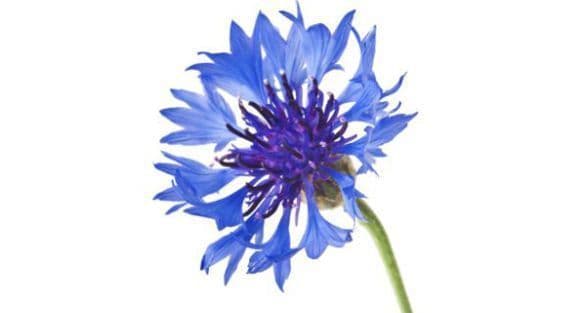
Cornflower, Sultan seeds
The cornflower, botanically known as Centaurea cyanus and sometimes called bachelor's button, is a delicate wildflower native to the fields and meadows of Europe and the Mediterranean. Known for its vivid blue petals — a colour so distinctive it lent its name to a shade — the cornflower carries a gentle, barely-there fragrance that perfumers interpret as one of nature's most understated floral notes. As a fragrance note, cornflower is delicate and nuanced: faintly sweet, slightly clover-like, with a soft blue-green freshness that evokes sunny meadows and warm summer breezes. It is one of the quieter floral notes — more impression than statement — lending compositions an effortless, natural lightness without competing with stronger florals or bold base notes. In perfumery, cornflower is prized for adding an airy, fresh-floral grace note to bouquets and green compositions. It pairs exquisitely with iris, violet, and light musks in delicate feminine blends. At Fragrenza, our cornflower-inspired fragrances celebrate this quietly beautiful note as part of our mission to make high-quality dupe perfumes inspired by the world's finest scents accessible to all.
- 🌿
Corsican clementine
Corsican clementine is a specialty note used to give a fragrance a distinctive texture, mood, or material impression. Depending on interpretation, it may contribute freshness, warmth, sweetness, dryness, softness, or an abstract atmospheric effect. In perfumery, specialty notes are useful because they make a composition feel more specific and less generic. It can be paired with woods, musks, florals, resins, fruits, green notes, spices, or amber materials according to the intended style.
- 🌿
Corsican cypress
Corsican cypress is a woody note used to create structure, depth, and lasting warmth. Its scent may be dry, creamy, smoky, resinous, earthy, pencil-like, or polished depending on the wood or accord. In perfumery, woody notes support the whole composition and connect fresh openings with deeper bases. It pairs naturally with amber, musk, incense, leather, vetiver, patchouli, spices, citrus, and soft resins.
- 🌿
Corsican immortelle
Corsican immortelle is a specialty note used to give a fragrance a distinctive texture, mood, or material impression. Depending on interpretation, it may contribute freshness, warmth, sweetness, dryness, softness, or an abstract atmospheric effect. In perfumery, specialty notes are useful because they make a composition feel more specific and less generic. It can be paired with woods, musks, florals, resins, fruits, green notes, spices, or amber materials according to the intended style.
- 🌿
Cosmofruit®
Cosmofruit® is a fruity note that adds juiciness, color, and natural sweetness. It may feel crisp and tart, ripe and velvety, tropical and creamy, or dark and jammy depending on the fruit profile. In perfumery, fruity notes brighten florals, soften musks, and add pleasure to gourmand or woody structures. It pairs well with rose, peony, jasmine, white musk, vanilla, woods, citrus, amber, and soft spices.
- 🌿
Cosmone
Cosmone is a high-performance synthetic musk molecule developed by fragrance house Firmenich, belonging to the family of macrocyclic musks that have transformed modern perfumery. Unlike some older synthetic musks, cosmone is celebrated for its exceptional smoothness, naturalness, and skin-like warmth — qualities that have made it a favourite tool among the world's most accomplished perfumers. The scent of cosmone is clean, smooth, and woody-musky with an almost velvety texture on skin. It sits closer to the skin than many musks, creating a soft intimate sillage rather than projecting loudly, which gives compositions a subtle, enveloping warmth that reads as deeply personal and modern. Its woody facet distinguishes it from purely floral or powdery synthetic musks. In perfumery, cosmone is used as a foundational base note and fixative in a vast range of modern compositions — from fresh fougères and aquatics to oriental florals and niche woody perfumes. Its versatility and natural character make it indispensable. At Fragrenza, we leverage cosmone and similar high-quality musk molecules to create dupe fragrances with genuine longevity and depth at accessible prices.
- 🌿
Costmary
Costmary is a specialty note used to give a fragrance a distinctive texture, mood, or material impression. Depending on interpretation, it may contribute freshness, warmth, sweetness, dryness, softness, or an abstract atmospheric effect. In perfumery, specialty notes are useful because they make a composition feel more specific and less generic. It can be paired with woods, musks, florals, resins, fruits, green notes, spices, or amber materials according to the intended style.
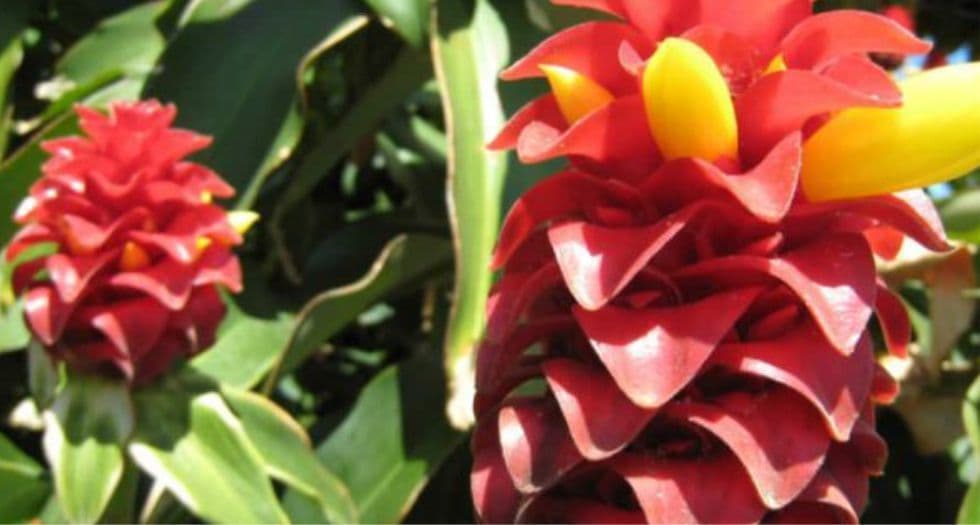
Costus
Costus root, derived from the Saussurea costus plant native to the Himalayan highlands of India, Pakistan, and Kashmir, is one of perfumery's most ancient and intriguing raw materials. Used for millennia in Ayurvedic medicine, Indian religious ceremonies, and classical oriental perfumery, costus carries a profound sense of history and ritual in every drop of its complex, animalic essence. The scent of costus root is unlike almost anything else in the perfumer's palette: deeply earthy and slightly animalic, with a woody-musky character that some describe as resembling the smell of clean human skin, orris root, and warm forest soil simultaneously. It is challenging, intense, and utterly unique — a note that divides opinion but is irreplaceable once it finds the right composition. In perfumery, costus root has historically been used as a powerful fixative and depth-giver in oriental, woody, and animalic compositions, where it anchors other notes with remarkable tenacity while adding sensuous, almost primal warmth. Although now largely replaced by synthetics due to sustainability concerns, its legacy endures. Fragrenza's costus-inspired creations honour this extraordinary ingredient's rich heritage.
- 🌿
Costus root
Costus root is an earthy or mineral note that adds realism, dryness, and atmospheric depth. It may suggest soil, roots, stone, dust, damp ground, mushrooms, clay, or cool mineral surfaces depending on the accord. In perfumery, these notes make compositions feel grounded, natural, or avant-garde. It pairs well with vetiver, moss, patchouli, dry woods, leather, incense, rain notes, musk, and dark florals.
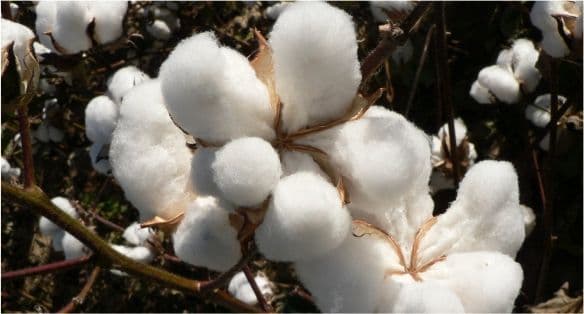
cotton
Cotton is a specialty fragrance note with a distinctive character that can add texture, contrast, and originality to a composition. In perfumery, it is best used to create a specific mood or material impression, often alongside woods, musks, florals, resins, fruits, or green notes.
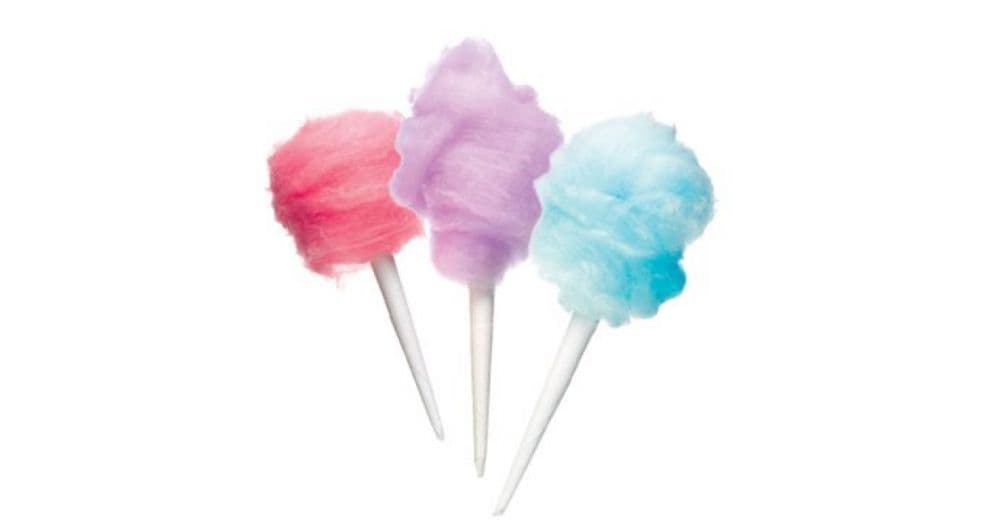
Cotton Candy
Cotton candy — spun sugar — was invented in the late 19th century and became an iconic fairground treat that has delighted generations around the world with its whimsical, almost weightless sweetness. The scent of cotton candy in perfumery is not merely sweet — it is sweet in a specific, airy, and nostalgic way that immediately evokes childhood wonder, celebration, and the particular magic of a warm summer fair. As a fragrance note, cotton candy is intensely sweet but with a unique lightness that distinguishes it from heavier gourmand notes like caramel or praline. It reads as fluffy and airborne — all sugar and no substance, like sweetness itself made vaporous. Ethyl maltol and other aroma molecules are often used to recreate this effect, capturing the distinctive burned-sugar-and-spun-air quality that makes cotton candy so immediately recognisable and universally pleasing. Cotton candy is a quintessential gourmand note, pairing naturally with vanilla, marshmallow, violet, raspberry, and fruity accords in playful, sweet compositions. It brings an irresistible youthfulness and fun to everything it touches. At Fragrenza, our cotton candy collection embraces the unapologetic joy of gourmand perfumery, offering beautifully crafted sweet fragrance dupes inspired by the most beloved candy-scented designs — at prices as cheerful as the note itself.
- 🌿
Cotton fabric
Cotton fabric is a soft textural note that creates warmth, smoothness, and a skin-like finish. It may feel clean, powdery, woody, velvety, slightly fruity, or fabric-like depending on the accord. In perfumery, these notes bind the formula, soften stronger materials, and extend wear without dominating the fragrance. It pairs well with florals, woods, citrus, amber, iris, fruits, suede, vanilla, and transparent musks.

Cotton Flower
The cotton flower — the delicate white blossom of the Gossypium plant before it develops into the familiar cotton boll — has become one of modern perfumery's defining clean and airy notes. Blooming in warm agricultural landscapes across the American South, Egypt, and India, cotton flowers carry a soft, almost imperceptible fragrance that perfumers have translated into one of the most beloved "fresh laundry" accords. As a fragrance note, cotton flower is soft, clean, and slightly milky-floral, with an almost powdery delicacy that suggests freshness rather than bold bloom. It is one of the most versatile and universally appealing notes in modern perfumery — neither sweetly feminine nor sharply green, but balanced in a way that suits virtually any composition that seeks a serene, clean character. Cotton flower accords appear in fresh florals, clean musks, aquatic compositions, and everyday wear fragrances where approachability and comfort are paramount. It blends beautifully with white musks, sheer woods, and light florals like lily of the valley. At Fragrenza, our cotton flower-inspired fragrances offer this clean, timeless elegance in high-quality dupe formulas at accessible prices.
- 🌿
Cottonwood
Cottonwood is a woody note used to create structure, depth, and lasting warmth. Its scent may be dry, creamy, smoky, resinous, earthy, pencil-like, or polished depending on the wood or accord. In perfumery, woody notes support the whole composition and connect fresh openings with deeper bases. It pairs naturally with amber, musk, incense, leather, vetiver, patchouli, spices, citrus, and soft resins.

Cottonwood (Poplar
Cottonwood, also known as black poplar or Populus nigra, is a towering deciduous tree native to riparian landscapes across North America, Europe, and Asia. Its buds and bark yield one of the most distinctive natural aromatic materials in perfumery: a rich, balsamic-sweet resinous essence that perfumers have prized for centuries under the name "poplar buds" or "black poplar absolute." The scent of cottonwood is a beautiful paradox — simultaneously fresh and resinous, green and balsamic, light and deep. Opening with crisp green and slightly earthy tones, it settles into a warm, sweet-woody balsam with a mild resinous character that is never heavy or medicinal. It carries with it the sense of a riverbank in early spring, buds just opening in cool, clean air. In perfumery, cottonwood and poplar bud notes are used to add natural, complex sweetness to woody, green, and chypre compositions, lending an outdoorsy botanical depth that synthetic materials rarely match. At Fragrenza, we channel this quietly magnificent note into carefully crafted dupe fragrances that honour the complexity of the world's finest perfumes.
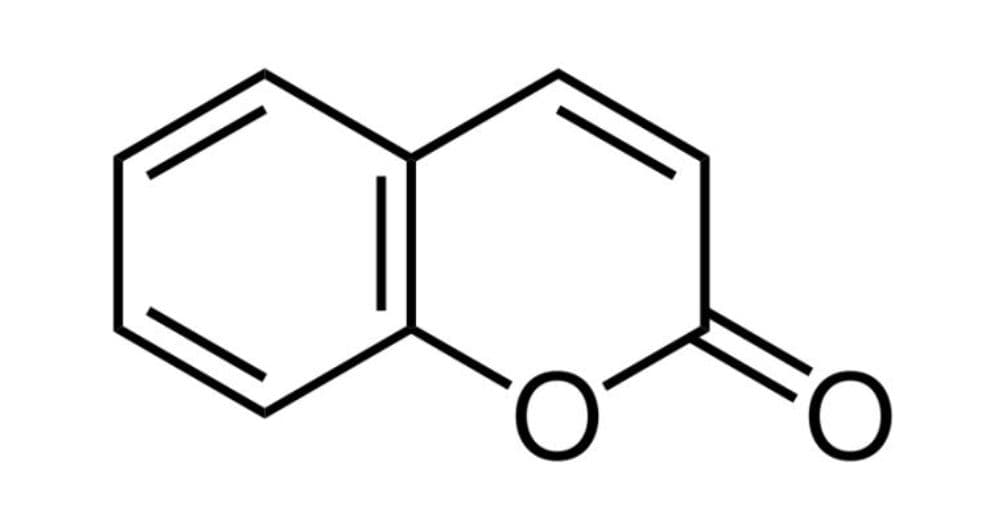
Coumarin
Coumarin is one of the most historically significant and widely used aroma molecules in fine perfumery, first isolated from the tonka bean in 1820 and synthesised in the laboratory by William Henry Perkin in 1868 — one of the first successful syntheses of a natural aroma compound. Its landmark use in Houbigant's Fougère Royale (1882) effectively defined the fougère fragrance family that remains a cornerstone of masculine perfumery to this day. The scent of coumarin is warm, sweet, and unmistakably powdery, evoking freshly cut hay, sweet vanilla, and a hint of almond. It has a mellow, rounded character without the sharpness of synthetic musks or the heaviness of some resins, lending a soft, enveloping warmth to any composition. In high concentrations it reads as distinctly hay-like and almost medicinal; in lower doses it acts as a beautiful fixative and sweetener, extending the life and depth of surrounding notes. Coumarin is the cornerstone of the fougère family and an essential ingredient in oriental, amber, and powdery fragrance constructions. It pairs naturally with lavender, oakmoss, tonka bean, and benzyl benzoate. At Fragrenza, our coumarin-forward collections honour this foundational ingredient's profound role in perfume history, delivering exceptional quality fougère and oriental dupes at prices that welcome everyone into the world of luxury fragrance.
- 🌿
Cowberry
Cowberry is a fruity note that adds juiciness, color, and natural sweetness. It may feel crisp and tart, ripe and velvety, tropical and creamy, or dark and jammy depending on the fruit profile. In perfumery, fruity notes brighten florals, soften musks, and add pleasure to gourmand or woody structures. It pairs well with rose, peony, jasmine, white musk, vanilla, woods, citrus, amber, and soft spices.
- 🌿
Cox orange apple
Cox orange apple is a citrus note that adds sparkle, freshness, and immediate lift to a fragrance. Its profile can include juicy pulp, aromatic peel, green bitterness, soft floral nuances, or a sharp zesty brightness depending on the material. In perfumery, it is usually used in the opening, where it brings clarity and motion before blending into florals, woods, musks, or herbs. It pairs well with neroli, tea, lavender, white musk, light woods, aquatic notes, and aromatic herbs.
- 🌿
Crab apple blossom
Crab apple blossom is a floral note that gives a fragrance softness, radiance, and emotional warmth. Depending on the flower or accord, it may feel fresh, creamy, powdery, honeyed, green, indolic, or airy. In perfumery, floral notes often form the heart of a composition, adding body and a recognizable signature. It pairs well with citrus, white musk, rose, jasmine, sandalwood, amber, vanilla, iris, and delicate fruits.
- 🌿
Cranberry
The cranberry — a small, tart, deep-red berry native to the bogs and wetlands of North America — has carved out a distinctive niche in fragrance as one of the most vivid and energetic fruit notes available to perfumers. Unlike sweeter berries, cranberry brings a sharp, almost acidic character that cuts through compositions with bracing freshness. As a fragrance note, cranberry is tart and bright with a slightly earthy, phenolic undertone that grounds its sharpness in something more complex and natural. Its colour and energy lend compositions a festive, autumnal feel — it is as evocative of crisp November air and holiday warmth as it is of summer freshness. The note transitions beautifully between seasons. In perfumery, cranberry is used to add vivid fruit contrast to floral, oriental, and aquatic blends, or to anchor bright citrus-fruit compositions with deeper berry resonance. It pairs especially well with cinnamon, amber, and woody base notes for warm seasonal creations. Fragrenza uses this evocative berry note in quality dupe fragrances inspired by iconic fine perfumes at accessible prices.
Cream
Cream as a fragrance note draws on the rich, voluptuous character of fresh dairy cream — one of nature's most universally comforting aromas, found in cuisines and culinary traditions across every inhabited continent. In perfumery, the cream note is achieved through a combination of lactonic aroma molecules — particularly gamma-decalactone and related compounds — that recreate the smooth, slightly sweet, enveloping richness of fresh cream without ever feeling literally edible. The scent of cream in fragrance is soft, rich, and gently sweet, with a round, milky smoothness that feels almost tactile — like cashmere in olfactory form. It carries a subtle warmth and depth that prevents it from reading as cold or bland, instead offering the kind of enveloping comfort associated with warm skin, soft fabrics, and intimate spaces. The note can range from delicately milky to almost buttery depending on concentration and composition. Cream is a masterful blending note, smoothing and binding other ingredients while adding luxurious softness. It pairs beautifully with vanilla, sandalwood, musks, iris, and rose in rich, skin-close compositions, and can amplify the warmth of amber and woody base notes. At Fragrenza, our cream-centred collections harness this enveloping, sensuous note to craft indulgent dupes of the world's most beloved soft-luxury fragrances at genuinely accessible price points.
- 🌿
Cream soda
Cream soda — the beloved effervescent drink built on sweet vanilla cream and sparkling fizz — translates into fragrance as one of the most playful and joyful gourmand accords in modern perfumery. The note evokes childhood nostalgia and carefree warmth, conjuring the sensation of sweet bubbles and creamy vanilla on a warm afternoon. In olfactory terms, cream soda is sweet, airy, and effervescent: a smooth vanilla-cream base lifted by a sparkling, almost candied fizz effect that perfumers recreate using aldehydes, soft musks, and lactonic accords. The result is lighter and more buoyant than straight vanilla or custard — sweet but never heavy, indulgent but always fresh. Cream soda accords find their home in playful gourmand fragrances, fruity-sweet compositions, and candy-forward scent families. They blend naturally with fruit notes, heliotrope, tonka, and white musks. At Fragrenza, our cream soda-inspired scents bring this effervescent, fun-loving accord to life in premium quality dupe fragrances that make fine perfumery accessible to everyone.
- 🌿
Creamy notes
Creamy notes is a gourmand note that adds edible warmth, sweetness, and comfort to a fragrance. It may suggest cream, sugar, nuts, chocolate, coffee, honey, pastry, or toasted grains depending on the accord. In perfumery, gourmand notes make compositions feel cozy and sensual, but they work best when balanced with woods, musks, spices, citrus, or resins. Creamy notes pairs well with vanilla, tonka bean, sandalwood, amber, caramel, cacao, coffee, and soft florals.
creme brulee
Crème brûlée — the classic French dessert of silky vanilla custard beneath a crackling caramelized sugar crust — has lent its irresistible warmth to one of perfumery's most beloved gourmand accords. The note captures something universally comforting: the scent of sweet cream, rich egg custard, and the intoxicating burnt-sugar aroma of a perfectly torched caramel top. As a fragrance note, crème brûlée is warm, creamy, and deeply sweet, with a caramelized edge that prevents it from becoming purely sugary. It sits at the heart of the gourmand fragrance family, evoking warmth, indulgence, and nostalgia. The note layers beautifully with vanilla, tonka bean, benzoin, and soft musks to create skin-close, enveloping compositions. Crème brûlée notes surged in popularity following the gourmand revolution of the 1990s and remain a cornerstone of modern sweet fragrance design. At Fragrenza, we celebrate this deliciously indulgent note with high-quality dupe fragrances inspired by the world's most coveted gourmand perfumes — warmth and sweetness made accessible.
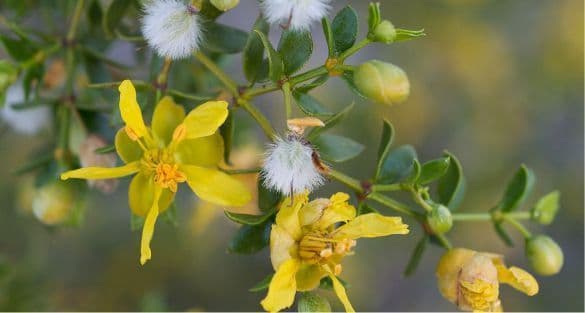
Creosote Bush
The creosote bush — Larrea tridentata — is one of the most ancient and resilient plants on earth, native to the Chihuahuan, Sonoran, and Mojave deserts of the American Southwest and northern Mexico. Some individual specimens are believed to be among the oldest living organisms on the planet, with clonal rings dating back over ten thousand years. Its distinctive resinous, rain-washed scent is the defining aroma of the desert Southwest — for many, it is the smell of rain itself. As a fragrance note, creosote bush is warm, medicinal, and deeply resinous, with a dry, dusty quality evocative of desert varnish and sun-baked earth. There is a wild, slightly phenolic character to the note — complex, austere, and intensely evocative of wide open spaces and geological time. When the desert receives rain, it is the creosote that releases the iconic petrichor scent of the Southwest, making this note simultaneously earthy and freshly washed. Creosote pairs powerfully with other desert and dry materials — dusty iris, smoky woods, mineral accords, labdanum, and arid musks — in bold, landscape-inspired compositions. It is a note for adventurous niche fragrance lovers. At Fragrenza, our creosote bush collection offers a gateway to this extraordinary ingredient in quality dupes of boundary-pushing desert fragrances at accessible prices.
- 🌿
Crete labdanum
Crete labdanum is a warm ambered or resinous note used to give fragrance depth, softness, and long-lasting richness. It can smell balsamic, sweet, smoky, vanillic, woody, powdery, or incense-like depending on the material. In perfumery, it rounds sharp edges and creates a smooth base that holds the composition together. It pairs well with woods, musks, spices, vanilla, tobacco, leather, florals, oud, and other resins.
- 🌿
Crinum lily
The crinum lily is a genus of large, tropical and subtropical flowering plants prized across Asia, Africa, and the Americas for their dramatic blooms and heady fragrance. Flourishing in warm, humid climates, crinum produces flowers of exceptional sweetness — a lush, tropical-floral character that has made it a treasured note in high-end perfumery. The scent of crinum lily is rich and enveloping: predominantly sweet and floral with a soft almond undertone and a waxy, almost narcotic quality reminiscent of other white florals like tuberose and gardenia. Its tropical warmth distinguishes it from cooler white flowers, lending compositions an exotic, sensuous depth that lingers beautifully on skin. In perfumery, crinum is used to add creamy floral opulence to tropical soliflores, oriental florals, and white floral bouquets. Its natural sweetness blends harmoniously with vanilla, sandalwood, and heliotrope. Fragrenza's crinum-inspired collections bring this lush tropical flower to life in thoughtfully crafted dupes of iconic fine fragrances, accessible to all.
- 🌿
Cripps Pink apple
Cripps Pink apple is a fruity note that adds juiciness, color, and natural sweetness. It may feel crisp and tart, ripe and velvety, tropical and creamy, or dark and jammy depending on the fruit profile. In perfumery, fruity notes brighten florals, soften musks, and add pleasure to gourmand or woody structures. It pairs well with rose, peony, jasmine, white musk, vanilla, woods, citrus, amber, and soft spices.
- 🌿
Cristalfizz®
Cristalfizz® is a specialty note used to give a fragrance a distinctive texture, mood, or material impression. Depending on interpretation, it may contribute freshness, warmth, sweetness, dryness, softness, or an abstract atmospheric effect. In perfumery, specialty notes are useful because they make a composition feel more specific and less generic. It can be paired with woods, musks, florals, resins, fruits, green notes, spices, or amber materials according to the intended style.
- 🌿
Croatian coriander seed
Croatian coriander seed is a spicy note that gives fragrance heat, texture, and aromatic energy. It can feel sweet, dry, peppery, resinous, herbal, smoky, or slightly medicinal depending on the material. In perfumery, spices create contrast, deepen the heart, and bridge fresh top notes with warm woody or amber bases. It pairs especially well with citrus, rose, tobacco, vanilla, oud, sandalwood, patchouli, leather, and balsamic resins.
- 🌿
Crocus
Crocus is a specialty note used to give a fragrance a distinctive texture, mood, or material impression. Depending on interpretation, it may contribute freshness, warmth, sweetness, dryness, softness, or an abstract atmospheric effect. In perfumery, specialty notes are useful because they make a composition feel more specific and less generic. It can be paired with woods, musks, florals, resins, fruits, green notes, spices, or amber materials according to the intended style.

Croissant
The croissant is France's most iconic viennoiserie — a masterpiece of laminated dough, crafted through a painstaking process of layering butter and pastry dozens of times to achieve the characteristic flaky, honeycomb interior and deeply golden, shattering crust. Originating in Vienna and refined to perfection in the Parisian boulangeries of the 19th century, the croissant produces one of the most universally beloved baking aromas in existence: warm, rich butter, caramelised crust, and the yeasty sweetness of freshly baked bread combined in an irresistible aromatic embrace that transforms a simple pastry into a transcendent sensory experience. In perfumery, croissant-inspired accords belong to the artisanal wing of the gourmand family — distinguished from simpler sweet notes by their emphasis on the warm, slightly yeasty character of freshly baked dough and the rich, nutty warmth of browned butter. The olfactory profile layers coumarin, heliotrope, ethyl maltol, and warm bread molecules to evoke that distinctive boulangerie warmth without veering into pure confectionery territory. There is a comforting, almost architectural quality to well-crafted baked-goods accords — the kind of fragrance that feels like home, like slow mornings and good coffee and the very best version of an ordinary day. Croissant notes bring warmth, comfort, and buttery baked luxury to contemporary gourmand perfumery. At Fragrenza, our croissant collection offers premium fragrance dupes inspired by the world's most indulgent luxury scents, capturing the magic of the French boulangerie at an accessible price — because everyone deserves a little joie de vivre.
- 🌿
Cryptomeria
Cryptomeria is a specialty note used to give a fragrance a distinctive texture, mood, or material impression. Depending on interpretation, it may contribute freshness, warmth, sweetness, dryness, softness, or an abstract atmospheric effect. In perfumery, specialty notes are useful because they make a composition feel more specific and less generic. It can be paired with woods, musks, florals, resins, fruits, green notes, spices, or amber materials according to the intended style.
- 🌿
Crystal accord
Crystal accord is a specialty note used to give a fragrance a distinctive texture, mood, or material impression. Depending on interpretation, it may contribute freshness, warmth, sweetness, dryness, softness, or an abstract atmospheric effect. In perfumery, specialty notes are useful because they make a composition feel more specific and less generic. It can be paired with woods, musks, florals, resins, fruits, green notes, spices, or amber materials according to the intended style.
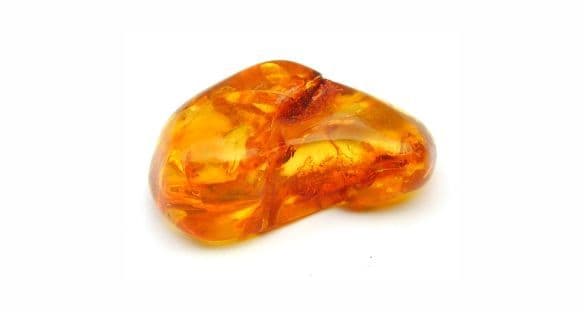
Crystal Amber
Crystal Amber is a warm amber note with resinous, smooth, radiant, and long-lasting facets. In perfumery, it gives sensual depth and polish to woods, musks, florals, vanilla, incense, leather, and oriental compositions.
- 🌿
Crystal musk
Crystal musk is a soft textural note that creates warmth, smoothness, and a skin-like finish. It can feel clean, powdery, woody, velvety, slightly fruity, or fabric-like depending on the accord. In perfumery, these notes help bind the formula, soften stronger materials, and extend wear without dominating the fragrance. Crystal musk pairs well with florals, woods, citrus, amber, iris, fruits, suede, vanilla, and transparent modern musks.
- 🌿
Crystallised moss
Crystallised moss is a woody note used to create structure, depth, and lasting warmth. Its scent may be dry, creamy, smoky, resinous, earthy, pencil-like, or polished depending on the wood or accord. In perfumery, woody notes often support the whole composition and help connect fresh openings with deeper bases. Crystallised moss pairs naturally with amber, musk, incense, leather, vetiver, patchouli, spices, citrus, and soft resins, making it useful in masculine, feminine, and unisex fragrances.
- 🌿
Cuban cedar
Cuban cedar is a woody note used to create structure, depth, and lasting warmth. Its scent may be dry, creamy, smoky, resinous, earthy, pencil-like, or polished depending on the wood or accord. In perfumery, woody notes support the whole composition and connect fresh openings with deeper bases. It pairs naturally with amber, musk, incense, leather, vetiver, patchouli, spices, citrus, and soft resins.
- 🌿
Cuban rum
Cuban rum is a specialty note used to give a fragrance a distinctive texture, mood, or material impression. Depending on interpretation, it may contribute freshness, warmth, sweetness, dryness, softness, or an abstract atmospheric effect. In perfumery, specialty notes are useful because they make a composition feel more specific and less generic. It can be paired with woods, musks, florals, resins, fruits, green notes, spices, or amber materials according to the intended style.
- 🌿
Cuban tobacco
Cuban tobacco is a dark textured note that may suggest leather, smoke, tobacco, tar, ash, or warm dry materials. It gives fragrance depth, sensuality, and a more dramatic atmosphere. In perfumery, smoky and leathery notes are often used in bases, where they add strength and character without needing sweetness. It pairs well with oud, saffron, birch tar, amber, tobacco, rose, patchouli, vetiver, incense, and dry woods.
- 🌿
Cuban tolu balm
Cuban tolu balm is a warm ambered or resinous note used to give fragrance depth, softness, and long-lasting richness. It can smell balsamic, sweet, smoky, vanillic, woody, powdery, or incense-like depending on the material. In perfumery, it rounds sharp edges and creates a smooth base that holds the composition together. It pairs well with woods, musks, spices, vanilla, tobacco, leather, florals, oud, and other resins.
- 🌿
Cubeb
Cubeb is a specialty note used to give a fragrance a distinctive texture, mood, or material impression. Depending on interpretation, it may contribute freshness, warmth, sweetness, dryness, softness, or an abstract atmospheric effect. In perfumery, specialty notes are useful because they make a composition feel more specific and less generic. It can be paired with woods, musks, florals, resins, fruits, green notes, spices, or amber materials according to the intended style.
Cucumber
Cucumber — Cucumis sativus — is one of the world's oldest cultivated vegetables, originating in South Asia at least three thousand years ago and now grown in virtually every temperate and tropical region on earth. Its clean, cool, watery aroma has made it a sought-after note in both the spa and fragrance industries, where it is prized for its remarkable ability to convey freshness, hydration, and cool tranquility. The scent of cucumber is unmistakably cool and clean, with a delicate, watery greenness that is simultaneously fresh and calming. It carries a very light, slightly vegetal sweetness and an almost mineral transparency — the olfactory equivalent of splashing cool water on your face on a warm day. The note is understated by nature, rarely taking centre stage but contributing an invaluable sense of clean, dewy freshness to any composition it inhabits. Cucumber is a favourite in aquatic, green, and light floral compositions, pairing beautifully with violet leaf, melon, white musks, and clean woody notes. It is also a natural complement to gin, watermelon, and fresh citrus accords. Fragrenza's cucumber-inspired collections harness this refreshing, clean note in beautifully composed fragrance dupes that deliver the clarity and coolness of luxury summer scents at everyday prices.
- 🌿
Cucumber blossom
Cucumber blossom is a floral note that gives a fragrance softness, radiance, and emotional warmth. Depending on the flower or accord, it may feel fresh, creamy, powdery, honeyed, green, indolic, or airy. In perfumery, floral notes often form the heart of a composition, adding body and a recognizable signature. It pairs well with citrus, white musk, rose, jasmine, sandalwood, amber, vanilla, iris, and delicate fruits.
- 🌿
Cucumber water
Cucumber water is an aquatic note that evokes water, sea air, rain, mineral freshness, or clean transparent space. It can be salty, ozonic, marine, watery, airy, or slightly green depending on the accord. In perfumery, aquatic notes bring freshness, diffusion, and a modern easy-to-wear character. It pairs well with citrus, white musk, driftwood, lavender, sage, cucumber, marine notes, ambergris-style molecules, and pale woods.
Cumin
Cumin (Cuminum cyminum) is one of the oldest and most widely used spices in human history, with evidence of cultivation dating back over 4,000 years to ancient Egypt and the Middle East. The seeds of this small flowering herb carry an aromatic intensity that has made them indispensable to cuisines across North Africa, the Middle East, India, and Latin America. In their raw, ground form, cumin seeds release a warm, earthy, slightly musky warmth that is simultaneously familiar and deeply exotic — one of the world's truly foundational aromatic materials. In perfumery, cumin is one of the most polarising and fascinating ingredients available: its warm, spicy-earthy character carries a distinctly animalic, skin-like facet that has earned it both devoted admirers and equally passionate detractors. This animalic quality — derived from naturally occurring cuminaldehyde — gives cumin-forward fragrances an intimate, human warmth that feels genuinely close to the body, blurring the boundary between fragrance and skin. Perfumers use cumin to add raw sensuality and exotic spice to oriental, animalic, and woody compositions, often pairing it with amber, leather, rose, and oud for complex, deeply warming results. Cumin's bold, animalic-spicy character has made it a defining note in oriental, Middle Eastern, and sensual niche perfumery. At Fragrenza, our cumin collection presents premium fragrance dupes inspired by the world's most daring luxury scents, exploring this remarkable spice at an accessible price for the open-minded fragrance lover.

cupcake
The cupcake — a single-serving cake crowned with a generous swirl of frosting — emerged as a distinct confectionery tradition in 19th-century America and has since become one of the world's most beloved sweet treats. The perfect cupcake delivers a symphony of aromas: the warm, eggy richness of freshly baked sponge, the sweet vanilla-butter fragrance of the cake itself, and the decadent, almost perfume-like sweetness of buttercream frosting, often elevated with notes of vanilla extract, almond, or lemon. This multi-layered aromatic experience has made the cupcake an enduringly popular inspiration for gourmand perfumery. In perfumery, cupcake accords are quintessential sweet gourmands — warm, vanillic, and buttery-cake in character, with a confectionery sweetness that is unapologetically indulgent. The olfactory profile layers vanilla, heliotrope, soft musks, and creamy benzoin over a warm baked accord that evokes a freshly opened bakery. Frosting facets are achieved through crystalline musk molecules and ethyl maltol, which lend that distinctive icing-sugar sweetness. Perfumers often add almond, caramel, or citrus accents to prevent the composition from becoming one-dimensional, building sweet complexity that rewards wearing throughout the day. Cupcake notes are a joyful celebration of sweet, vanillic indulgence within the gourmand fragrance family. At Fragrenza, our cupcake collection delivers high-quality fragrance dupes inspired by beloved luxury scents, bringing this irresistibly sweet confectionery accord to you at an accessible price.

Curacao
Curaçao takes its name from the small Dutch Caribbean island of the same name, where a unique variety of bitter orange — the Citrus aurantium currassuviensis — grows with a characteristically aromatic, intensely fragrant peel. The liqueur made from this dried peel has been produced since the 17th century, and its distinctive sweet-bitter citrus character, brightened by tropical warmth and gentle spice, has become a beloved note in contemporary perfumery. As a fragrance note, Curaçao reads as a sophisticated citrus accord: sweet-bitter orange with an underlying tropical warmth, a hint of exotic spice, and an almost candied quality that distinguishes it from the sharper, crisper profiles of bergamot or grapefruit. It bridges the gap between fresh citrus and indulgent gourmand, with the breezy, sun-drenched warmth of the Caribbean running through its heart. The note is playful yet refined, exotic yet immediately familiar. Curaçao pairs naturally with citrus, tropical fruits, rum, vanilla, and warm musks, making it a natural ingredient in beach-inspired, tropical, and modern fruity-oriental compositions. It also adds an interesting twist to classic citrus colognes. At Fragrenza, our Curaçao-inspired fragrances capture this sun-kissed, spirited character in expertly crafted dupes of luxury scents at genuinely affordable prices.
- 🌿
Curcuma leaf
Curcuma leaf is a green or aromatic note that evokes leaves, herbs, stems, fresh air, or crushed vegetation. Its profile can be crisp, bitter, watery, camphoraceous, grassy, or slightly earthy depending on the material. In perfumery, green notes add realism and lift, keeping sweet, floral, or woody compositions from feeling too heavy. It pairs well with citrus, tea, fig, violet leaf, galbanum, tomato leaf, white musk, vetiver, lavender, and light woods.
- 🌿
Curly mint
Curly mint is a green or aromatic note that evokes leaves, herbs, stems, fresh air, or crushed vegetation. Its profile can be crisp, bitter, watery, camphoraceous, grassy, or slightly earthy depending on the material. In perfumery, green notes add realism and lift, keeping sweet, floral, or woody compositions from feeling too heavy. It pairs well with citrus, tea, fig, violet leaf, galbanum, tomato leaf, white musk, vetiver, lavender, and light woods.
- 🌿
Currant
Currant is a fruity note that adds juiciness, color, and natural sweetness to a fragrance. It can feel bright and tart, ripe and velvety, tropical and creamy, or dark and jammy depending on the fruit profile. In perfumery, it is used to make florals more playful, musks more approachable, and gourmands more vivid. It pairs well with rose, peony, white musk, vanilla, woods, citrus, and soft amber.
- 🌿
Currant blossom
Currant blossom is a floral note that gives a fragrance softness, radiance, and emotional warmth. Depending on the flower or accord, it may feel fresh, creamy, powdery, honeyed, green, indolic, or airy. In perfumery, floral notes often form the heart of a composition, adding body and a recognizable signature. It pairs well with citrus, white musk, rose, jasmine, sandalwood, amber, vanilla, iris, and delicate fruits.
- 🌿
Currant bud
Currant bud is a fruity note that adds juiciness, color, and natural sweetness. It may feel crisp and tart, ripe and velvety, tropical and creamy, or dark and jammy depending on the fruit profile. In perfumery, fruity notes brighten florals, soften musks, and add pleasure to gourmand or woody structures. It pairs well with rose, peony, jasmine, white musk, vanilla, woods, citrus, amber, and soft spices.
- 🌿
Currant buds
Currant buds is a fruity note that gives fragrance juiciness, color, and natural sweetness. It can be crisp and tart, ripe and velvety, tropical and creamy, or dark and jammy depending on the fruit profile. In perfumery, fruity notes brighten florals, soften musks, and add pleasure to gourmand or woody structures. Currant buds pairs well with rose, peony, jasmine, white musk, vanilla, woods, citrus, amber, and soft spices.
- 🌿
Currant leaf
Currant leaf is a fruity note that adds juiciness, color, and natural sweetness. It may feel crisp and tart, ripe and velvety, tropical and creamy, or dark and jammy depending on the fruit profile. In perfumery, fruity notes brighten florals, soften musks, and add pleasure to gourmand or woody structures. It pairs well with rose, peony, jasmine, white musk, vanilla, woods, citrus, amber, and soft spices.
Currant leaf and bud (Cassis)
Currant leaf and bud, also known as cassis, is one of perfumery's most distinctive green-fruity notes. It has a sharp blackcurrant aroma with leafy, tart, green, fruity, and sometimes slightly animalic facets. It gives fragrances vivid natural brightness and works well in fruity florals, chypres, green perfumes, and niche compositions.
Curry Tree
The curry leaf tree — Murraya koenigii — is a tropical plant native to the Indian subcontinent, where its aromatic leaves have been a staple of South and Southeast Asian cooking for thousands of years. Distinct from curry powder itself, the curry leaf carries its own complex, warm aromatic profile that has attracted growing attention from avant-garde perfumers seeking bold, unexpected ingredients rooted in global culinary traditions. As a fragrance note, curry tree is warm, richly spiced, and slightly medicinal, with a distinctive character that sets it immediately apart from more familiar perfumery spices. There are green, almost citrusy facets alongside the dominant warm-spiced quality, and a subtle, savoury depth that gives compositions genuine edge and originality. It is a note that challenges conventional expectations of what a perfume can smell like — intriguing, provocative, and unforgettable. Curry tree pairs adventurously with earthy notes like vetiver, patchouli, and oud, as well as warm resins and dark musks in bold oriental constructions. It can also be used with restraint in spicy-green compositions to add a touch of the unexpected. At Fragrenza, our curry tree-inspired fragrances embrace this daring ingredient, offering confident, boundary-pushing dupes of niche and designer creations at prices that reward curiosity.
Custard
Custard is one of the most comforting and universally cherished of all culinary creations — a silky, warm blend of egg yolks, cream, sugar, and vanilla that has graced the tables of European households for centuries. From the classic French crème anglaise to the beloved British pouring custard, this humble preparation carries an extraordinary aromatic richness: the warm, slightly eggy sweetness of vanilla custard has an immediately evocative, deeply comforting quality that triggers powerful associations of warmth, home, and contentment. In perfumery, custard-inspired accords belong firmly in the gourmand family, distinguished from simple vanilla notes by their additional creamy, slightly eggy warmth and a cooked richness that vanilla alone cannot achieve. The olfactory profile combines warm vanilla with heliotrope, benzyl acetate, and creamy lactonic molecules to recreate that distinctive nursery sweetness — enveloping, soft, and utterly addictive. Perfumers often layer custard accords with tonka bean, sandalwood, soft musks, and almond to create deeply comforting compositions that wrap the wearer in a warm, sweetly edible embrace. Custard notes bring warmth, sweetness, and creamy indulgence to gourmand and soft oriental fragrance families. At Fragrenza, our custard collection features quality fragrance dupes inspired by the world's most indulgent luxury scents, delivering this beloved comfort note at an accessible price for every gourmand aficionado.
- 🌿
Cyanide
Cyanide is a specialty note used to give a fragrance a distinctive texture, mood, or material impression. Depending on interpretation, it may contribute freshness, warmth, sweetness, dryness, softness, or an abstract atmospheric effect. In perfumery, specialty notes are useful because they make a composition feel more specific and less generic. It can be paired with woods, musks, florals, resins, fruits, green notes, spices, or amber materials according to the intended style.
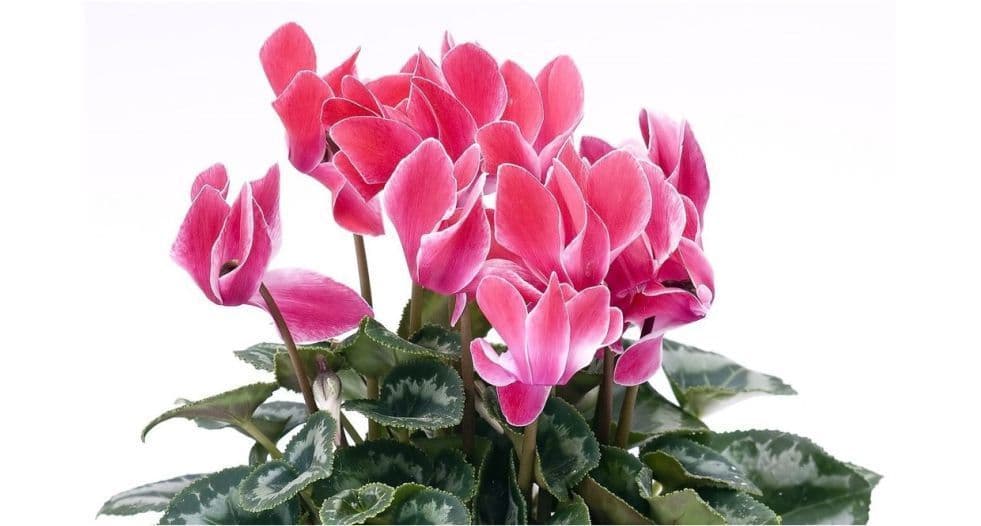
Cyclamen
Cyclamen is a genus of delicate flowering plants native to Europe, the Mediterranean basin, and western Asia, beloved in gardens and homes for their nodding, butterfly-like blossoms in shades of white, pink, lilac, and deep crimson. The plants bloom in autumn and winter — a feat of quiet defiance against the season — and their elegant reflexed petals carry a gentle, airy fragrance that has inspired generations of gardeners and perfumers alike. Wild cyclamen species growing in Mediterranean woodland floors have a particularly refined, understated scent quite different from the somewhat scentless commercial varieties. In perfumery, cyclamen accords are cool, fresh, and lightly dewy-floral, occupying a clean aromatic space between floral and aquatic. The scent suggests freshly opened petals in cool morning air — there is a slight powderiness, a quiet sweetness, and an almost transparent quality that makes cyclamen notes feel effortlessly clean and modern. Perfumers use cyclamen alongside iris, violet, rose, white musks, and aquatic notes to build compositions of understated elegance — fragrances that feel genuinely fresh rather than synthetic, with a botanical delicacy that wears close to the skin. Cyclamen's cool, transparent freshness has made it a valued ingredient in contemporary clean florals, aquatic compositions, and skin scents. At Fragrenza, our cyclamen collection presents premium fragrance dupes inspired by celebrated luxury perfumes, offering this quietly beautiful floral note at an accessible price for all who appreciate botanical elegance.
- 🌿
Cymbidium goeringii
Cymbidium goeringii is a specialty note used to give a fragrance a distinctive texture, mood, or material impression. Depending on interpretation, it may contribute freshness, warmth, sweetness, dryness, softness, or an abstract atmospheric effect. In perfumery, specialty notes are useful because they make a composition feel more specific and less generic. It can be paired with woods, musks, florals, resins, fruits, green notes, spices, or amber materials according to the intended style.
- 🌿
Cyperus
Cyperus is a specialty note used to give a fragrance a distinctive texture, mood, or material impression. Depending on interpretation, it may contribute freshness, warmth, sweetness, dryness, softness, or an abstract atmospheric effect. In perfumery, specialty notes are useful because they make a composition feel more specific and less generic. It can be paired with woods, musks, florals, resins, fruits, green notes, spices, or amber materials according to the intended style.
Cyperus scariosus
Cyperus scariosus — sometimes called nut grass or nagarmusta — is a species of sedge closely related to the more widely known nagarmotha (Cyperus scariosus is in fact one of several plants grouped under the cypriol/nagarmotha umbrella in traditional Indian commerce). Native to the Indian subcontinent, it has been used in Ayurvedic medicine and traditional Indian perfumery for centuries, its roots yielding an essential oil prized for its grounding, woody, and subtly smoky properties. The plant's aromatic heritage connects it to some of the oldest fragrance traditions in the world. The olfactory profile of Cyperus scariosus oil is earthy and woody with a dry, slightly smoky quality that draws comparisons to vetiver — though it tends to be less green and more arid than its more famous relative. There is a rootsy, almost peaty character, a hint of incense, and a persistent drydown that anchors compositions with quiet authority. Like nagarmotha, it reads differently depending on its blending partners — lending a smoky vetiver-like earthiness in one context and a dry, woody incense quality in another, making it a highly adaptable base material. Cyperus scariosus and its cypriol relatives have become defining materials in modern Middle Eastern, niche, and contemporary woody fragrance compositions. At Fragrenza, our Cyperus scariosus collection offers high-quality fragrance dupes inspired by the world's finest luxury scents, delivering this earthy, smoky depth at a price accessible to every fragrance enthusiast.
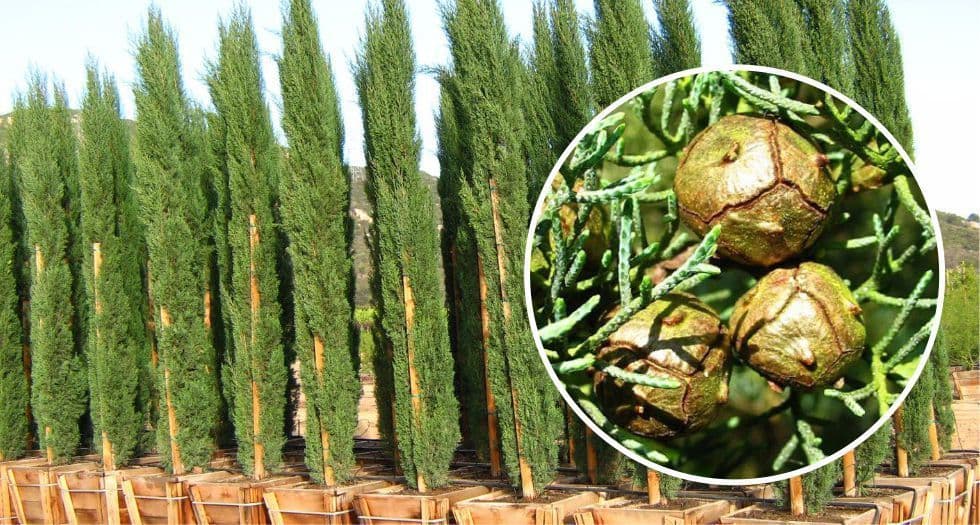
Cypress
The Mediterranean cypress (Cupressus sempervirens) is one of the most iconic trees of southern Europe — a slender, dark-green column that has defined the landscapes of Tuscany, Provence, and the Levant for millennia. Sacred in ancient civilisations as a symbol of mourning and eternal life, the cypress has featured in the gardens of Greek temples, Roman villas, and Islamic cemeteries alike. Its distinctive silhouette and clean, resinous fragrance have made it inseparable from the cultural and aromatic identity of the Mediterranean world. In perfumery, cypress contributes a dry, clean, slightly smoky coniferous character that is distinctly masculine and Mediterranean in spirit. The essential oil, distilled from the tree's twigs and needles, carries a brisk, camphoraceous freshness overlaid on a resinous, woody drydown with subtle hints of juniper and dry earth. Unlike the sweetness of pine or the richness of cedarwood, cypress reads lean, austere, and sophisticated — a note that conjures sunlit hillsides, warm stone walls, and the dry heat of a Mediterranean afternoon. Perfumers prize it for adding structure, freshness, and an assured, classic confidence to compositions. Cypress notes are a cornerstone of classic chypre, fresh aromatic, and woody fragrance families. At Fragrenza, our cypress collection showcases premium fragrance dupes inspired by iconic luxury perfumes, bringing this timeless Mediterranean note to you at an accessible price.
- 🌿
Cypress absolute
Cypress absolute is a woody note used to create structure, depth, and lasting warmth. Its scent may be dry, creamy, smoky, resinous, earthy, pencil-like, or polished depending on the wood or accord. In perfumery, woody notes support the whole composition and connect fresh openings with deeper bases. It pairs naturally with amber, musk, incense, leather, vetiver, patchouli, spices, citrus, and soft resins.
- 🌿
Cypress leaf
Cypress leaf is a woody note used to create structure, depth, and lasting warmth. Its scent may be dry, creamy, smoky, resinous, earthy, pencil-like, or polished depending on the wood or accord. In perfumery, woody notes support the whole composition and connect fresh openings with deeper bases. It pairs naturally with amber, musk, incense, leather, vetiver, patchouli, spices, citrus, and soft resins.
- 🌿
Cypress wood
Cypress wood is a woody note used to create structure, depth, and lasting warmth. Its scent may be dry, creamy, smoky, resinous, earthy, pencil-like, or polished depending on the wood or accord. In perfumery, woody notes support the whole composition and connect fresh openings with deeper bases. It pairs naturally with amber, musk, incense, leather, vetiver, patchouli, spices, citrus, and soft resins.
- 🌿
Cypriol
Cypriol is a woody note used to give fragrance structure, depth, and lasting warmth. Its profile may be dry, creamy, smoky, resinous, earthy, or polished depending on the source or accord. In perfumery, woody notes often form the backbone of a composition, supporting lighter citrus, floral, spicy, or aromatic materials. It pairs naturally with amber, musk, incense, leather, vetiver, patchouli, spices, and soft resins.
Cypriol Oil or Nagarmotha
Cypriol oil, also known as nagarmotha, is an earthy aromatic oil obtained from the roots of Cyperus scariosus. It has a dry woody, smoky, rooty, leathery, and slightly spicy character. In perfumery, it adds depth to oud, leather, incense, patchouli, vetiver, and oriental compositions.
- 🌿
Cypriote mandora
Cypriote mandora is a specialty note used to give a fragrance a distinctive texture, mood, or material impression. Depending on interpretation, it may contribute freshness, warmth, sweetness, dryness, softness, or an abstract atmospheric effect. In perfumery, specialty notes are useful because they make a composition feel more specific and less generic. It can be paired with woods, musks, florals, resins, fruits, green notes, spices, or amber materials according to the intended style.
D
- 🌿
Daddy's beard
Daddy's beard is a specialty note used to give a fragrance a distinctive texture, mood, or material impression. Depending on interpretation, it may contribute freshness, warmth, sweetness, dryness, softness, or an abstract atmospheric effect. In perfumery, specialty notes are useful because they make a composition feel more specific and less generic. It can be paired with woods, musks, florals, resins, fruits, green notes, spices, or amber materials according to the intended style.
- 🌿
Daffodil
Daffodil is a specialty note used to give a fragrance a distinctive texture, mood, or material impression. Depending on interpretation, it may contribute freshness, warmth, sweetness, dryness, softness, or an abstract atmospheric effect. In perfumery, specialty notes are useful because they make a composition feel more specific and less generic. It can be paired with woods, musks, florals, resins, fruits, green notes, spices, or amber materials according to the intended style.
Dahlia
Dahlia (Dahlia spp.) is a genus of flowering plants native to Mexico and Central America, where it grows in the cool, high-altitude meadows and hillsides of the Sierra Madre. The national flower of Mexico, dahlia was cultivated by the Aztecs for both ceremonial and culinary purposes long before Spanish explorers brought it to Europe in the late 16th century. Today, dahlias are among the most diverse and spectacular garden flowers in existence, with thousands of cultivars producing blossoms of every conceivable size, form, and colour from late summer into autumn. Despite their visual magnificence, dahlias are one of perfumery's more challenging flowers — they produce relatively little aromatic material, and their true scent is subtle and complex. The olfactory character of dahlia is gently sweet and warmly floral, with a mildly spicy, slightly peppery facet and a warm green stem quality that grounds the bloom in its natural garden context. Perfumers construct dahlia accords using a blend of soft florals, light spice molecules, and green notes to recreate this understated elegance, producing compositions that feel autumnal, warm, and quietly sophisticated. Dahlia notes bring a warm, subtly spiced garden elegance to floral and autumnal fragrance compositions. At Fragrenza, our dahlia collection features premium fragrance dupes inspired by the world's finest perfumes, offering this beautiful, nuanced floral note at an accessible price for every flower lover.
daisy
The daisy — Bellis perennis and its many relatives across the Asteraceae family — is among the most universally recognised flowers in the world, adorning meadows, lawns, and verges across temperate regions from Europe to the Americas. Simple, cheerful, and symbolically associated with innocence, purity, and youthful joy, the daisy has a scent as unassuming and charming as its appearance, making it a delightful discovery in fine perfumery. The fragrance of daisy is fresh, lightly floral, and gently sweet, with a clean green undertone that gives it an outdoor, sun-warmed quality. It lacks the intensity of rose or jasmine, instead offering a natural, almost translucent lightness — the olfactory equivalent of a wildflower picked from a field rather than cut from a florist. There is a subtle hint of pollen and warm earth in the base that adds just enough grounding to keep the note from floating away entirely. Daisy blends beautifully with freesia, peony, violet, and other soft florals, contributing clean brightness and an informal, approachable elegance. It works well in fresh, spring-inspired compositions and light floral musks. At Fragrenza, our daisy collection captures this easy, natural charm in gorgeous quality fragrance dupes — the perfect expression of carefree luxury at accessible prices.
- 🌿
Daisy tree
Daisy tree is a specialty note used to give a fragrance a distinctive texture, mood, or material impression. Depending on interpretation, it may contribute freshness, warmth, sweetness, dryness, softness, or an abstract atmospheric effect. In perfumery, specialty notes are useful because they make a composition feel more specific and less generic. It can be paired with woods, musks, florals, resins, fruits, green notes, spices, or amber materials according to the intended style.
- 🌿
Damascus plum
Damascus plum is a fruity note that adds juiciness, color, and natural sweetness. It may feel crisp and tart, ripe and velvety, tropical and creamy, or dark and jammy depending on the fruit profile. In perfumery, fruity notes brighten florals, soften musks, and add pleasure to gourmand or woody structures. It pairs well with rose, peony, jasmine, white musk, vanilla, woods, citrus, amber, and soft spices.
Damask Rose
The Damask rose — Rosa damascena — is one of the oldest and most revered flowers in the history of perfumery, a bloom whose fragrant legacy stretches back thousands of years to ancient Persia, where it was first cultivated in the fertile valleys around the city of Damascus. Today, the most prized Damask roses grow in Bulgaria's famed Rose Valley and in the fields of Isparta, Turkey, where they are harvested by hand in the early hours of each May morning before the heat of day can diminish their fragrance. The oil extracted from these flowers — one of the most expensive natural perfume materials in the world — captures a scent of extraordinary richness and complexity. The olfactory profile of Damask rose is far more nuanced than a simple floral impression. At its heart lies a deep, opulent rosy sweetness, but surrounding this core is a constellation of complementary facets: a honey-like warmth, a spicy pinkness from natural geraniol and eugenol, fresh green nuances from leaf alcohol, and a faint fruitiness that can evoke raspberries or lychee. This complexity is why Damask rose has remained the queen of floral fragrance ingredients for so many centuries — it rewards attention with ever-greater depth. In perfumery, Damask rose appears in an extraordinary range of compositions. It is the heart of classic French florals and chypres, the soul of Persian attars, and a pivotal ingredient in countless oriental and woody rose fragrances. It pairs magnificently with oud for Middle Eastern richness, with patchouli for earthy depth, and with fresh bergamot for sparkling elegance. At Fragrenza, our Damask rose-inspired fragrances pay homage to this timeless floral masterpiece, offering its opulent character in quality-crafted compositions at accessible prices.
- 🌿
Damask rose absolute
Damask rose absolute is a floral note that adds softness, radiance, and emotional warmth to a composition. Depending on the flower or accord, it can feel fresh, creamy, powdery, honeyed, green, indolic, or airy. In perfumery, floral notes often form the heart of a fragrance, giving it body and a recognizable character. Damask rose absolute pairs well with citrus, white musk, rose, jasmine, sandalwood, amber, vanilla, iris, and delicate fruits, making it useful in both classic bouquets and modern transparent florals.
- 🌿
Damask rose water
Damask rose water is a floral note that gives a fragrance softness, radiance, and emotional warmth. Depending on the flower or accord, it may feel fresh, creamy, powdery, honeyed, green, indolic, or airy. In perfumery, floral notes often form the heart of a composition, adding body and a recognizable signature. It pairs well with citrus, white musk, rose, jasmine, sandalwood, amber, vanilla, iris, and delicate fruits.
- 🌿
Damiana
Damiana is a specialty note used to give a fragrance a distinctive texture, mood, or material impression. Depending on interpretation, it may contribute freshness, warmth, sweetness, dryness, softness, or an abstract atmospheric effect. In perfumery, specialty notes are useful because they make a composition feel more specific and less generic. It can be paired with woods, musks, florals, resins, fruits, green notes, spices, or amber materials according to the intended style.
- 🌿
Damson plum
Damson plum is a fruity note that adds juiciness, color, and natural sweetness. It may feel crisp and tart, ripe and velvety, tropical and creamy, or dark and jammy depending on the fruit profile. In perfumery, fruity notes brighten florals, soften musks, and add pleasure to gourmand or woody structures. It pairs well with rose, peony, jasmine, white musk, vanilla, woods, citrus, amber, and soft spices.
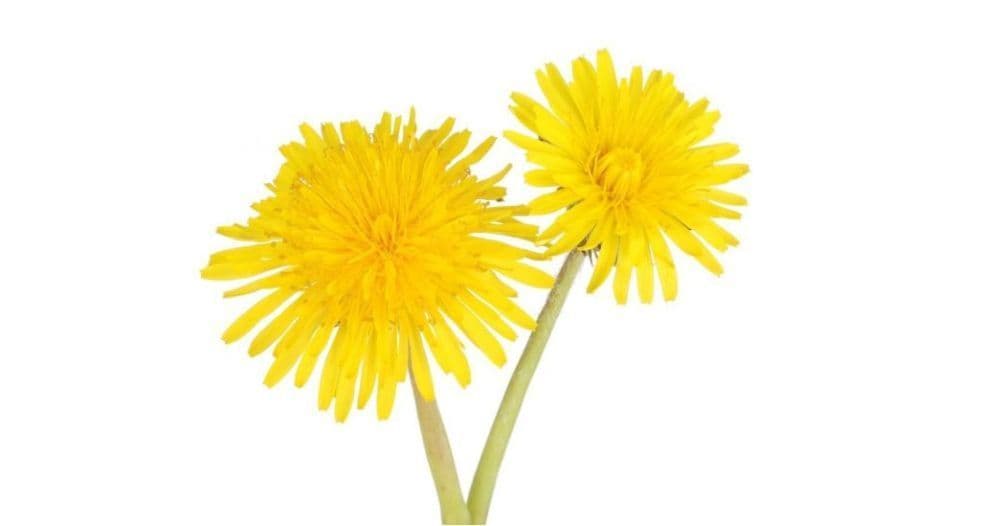
Dandelion
The dandelion — Taraxacum officinale — is one of the most familiar wildflowers in the world, colonising meadows, roadsides, and lawns across the Northern Hemisphere with cheerful defiance. Though often dismissed as a weed, the dandelion has a rich history of culinary, medicinal, and symbolic use, and its bright yellow flower carries a surprisingly complex and evocative aromatic profile that perfumers have explored with growing interest. As a fragrance note, dandelion occupies an interesting space between floral and green, with a fresh, honey-like sweetness underpinned by a mild, characteristic bitterness reminiscent of the plant's milky stem. It has an open, meadow-fresh quality — sunny and unpretentious — that conjures images of bare feet in spring grass, white seeds drifting on the wind, and the particular golden light of a May afternoon. Dandelion pairs naturally with other meadow florals like daisy, chamomile, and clover, and blends harmoniously with green notes, light musks, and citrus. It is a note well suited to fresh, natural, and unisex constructions that aim for an honest, outdoorsy quality. Fragrenza's dandelion-inspired fragrances celebrate this overlooked beauty, crafting high-quality dupes that bring a sense of wild, open-air freedom to luxury perfumery at everyday prices.
- 🌿
Dandelion leaf
Dandelion leaf is a green or aromatic note that evokes leaves, herbs, stems, fresh air, or crushed vegetation. Its profile can be crisp, bitter, watery, camphoraceous, grassy, or slightly earthy depending on the material. In perfumery, green notes add realism and lift, keeping sweet, floral, or woody compositions from feeling too heavy. It pairs well with citrus, tea, fig, violet leaf, galbanum, tomato leaf, white musk, vetiver, lavender, and light woods.
- 🌿
Danish pear
Danish pear is a fruity note that adds juiciness, color, and natural sweetness. It may feel crisp and tart, ripe and velvety, tropical and creamy, or dark and jammy depending on the fruit profile. In perfumery, fruity notes brighten florals, soften musks, and add pleasure to gourmand or woody structures. It pairs well with rose, peony, jasmine, white musk, vanilla, woods, citrus, amber, and soft spices.
- 🌿
Danish red berries
Danish red berries is a fruity note that adds juiciness, color, and natural sweetness. It may feel crisp and tart, ripe and velvety, tropical and creamy, or dark and jammy depending on the fruit profile. In perfumery, fruity notes brighten florals, soften musks, and add pleasure to gourmand or woody structures. It pairs well with rose, peony, jasmine, white musk, vanilla, woods, citrus, amber, and soft spices.
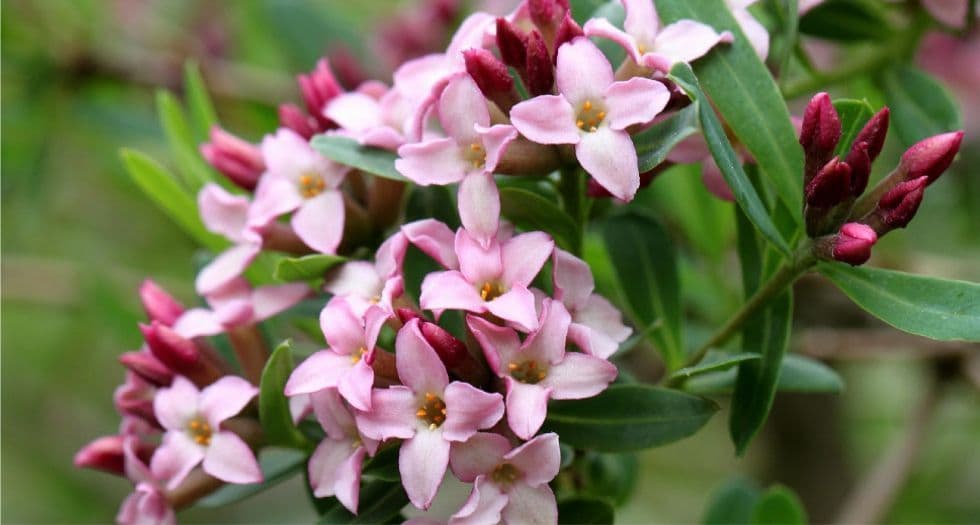
Daphne
Daphne is a genus of ornamental shrubs native to Europe and Asia, long cultivated in gardens for their remarkable winter and early spring blooms. Despite producing clusters of small, seemingly unassuming flowers, daphne is famous for generating a fragrance of extraordinary intensity — a single flowering shrub can perfume an entire garden, filling the cold air with a richness that seems almost impossible given the flowers' modest size. Daphne odora and Daphne bholua are among the most prized species, their sweet, complex fragrance making them among the most sought-after plants in the temperate garden. The olfactory character of daphne is intensely sweet and white-floral, with a compelling spicy facet — reminiscent of clove or carnation — that prevents the sweetness from becoming one-dimensional. There is also a subtle waxy, slightly powdery quality and a honeyed richness that deepens in cold weather, as though the plant concentrates its fragrance to cut through winter air. Perfumers working with daphne-inspired accords capture this layered sweetness-spice dynamic, often building around it with rose, jasmine, soft musks, and gentle ambers to frame the note's natural vivacity. Daphne's intense, sweet-spicy character makes it a captivating choice for white floral, floral-oriental, and winter garden compositions. At Fragrenza, our daphne collection showcases high-quality fragrance dupes inspired by luxury perfumery's finest, bringing this intoxicating floral note to you at an accessible price.
- 🌿
Daphne odora
Daphne odora is a specialty note used to give a fragrance a distinctive texture, mood, or material impression. Depending on interpretation, it may contribute freshness, warmth, sweetness, dryness, softness, or an abstract atmospheric effect. In perfumery, specialty notes are useful because they make a composition feel more specific and less generic. It can be paired with woods, musks, florals, resins, fruits, green notes, spices, or amber materials according to the intended style.
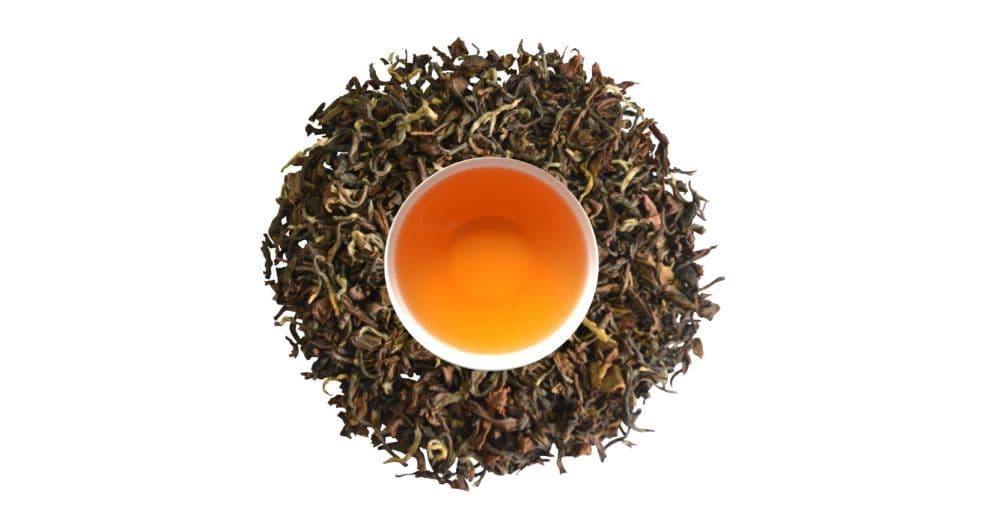
Darjeeling tea
Darjeeling tea is a delicate Indian tea known for its floral, fresh, lightly fruity, and refined aromatic profile. In perfumery, it adds an elegant tea-like transparency with soft tannic dryness and airy freshness. It pairs beautifully with bergamot, jasmine, iris, musk, fig, and soft woods.
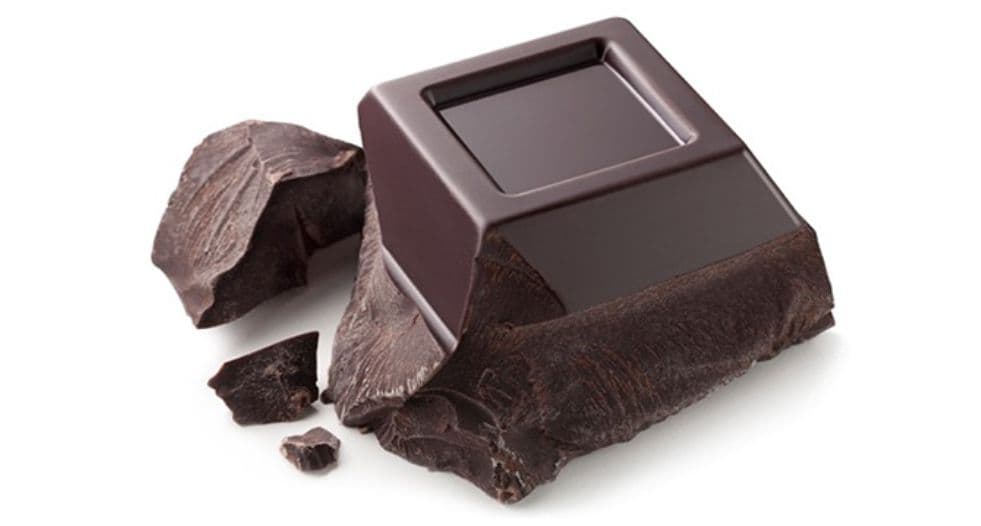
Dark chocolate
Dark chocolate — derived from cacao beans (Theobroma cacao) native to the tropical forests of Central and South America — is one of the most universally beloved flavours on earth, and its aromatic complexity has long fascinated perfumers. The cacao tree's name literally translates to "food of the gods," and dark chocolate's sophisticated bittersweet character justifies such reverence. The higher the cacao content, the more the fragrance leans away from milk-sweet confectionery and towards a rich, roasted, slightly smoky depth that is simultaneously indulgent and intellectually complex. In perfumery, dark chocolate accords are a cornerstone of the gourmand family, but they resist the simple sweetness of lesser gourmand notes through their inherent bitterness. The olfactory profile combines the roasted, slightly smoky quality of cacao nibs with a deep, earthy richness and a bittersweet finish that lingers with remarkable tenacity. Perfumers frequently blend dark chocolate with coffee, tobacco, vetiver, patchouli, or warm spices to build compositions of real depth and substance — fragrances that reward close attention with layer upon layer of complexity. Dark chocolate notes bring sophisticated, adult depth to gourmand perfumery, elevating sweet compositions into something genuinely complex and memorable. At Fragrenza, our dark chocolate collection offers premium fragrance dupes inspired by the world's most celebrated scents, delivering this rich, indulgent note at an accessible price for every gourmand lover.
- 🌿
Dark Purple
Dark Purple is a specialty note used to give a fragrance a distinctive texture, mood, or material impression. Depending on interpretation, it may contribute freshness, warmth, sweetness, dryness, softness, or an abstract atmospheric effect. In perfumery, specialty notes are useful because they make a composition feel more specific and less generic. It can be paired with woods, musks, florals, resins, fruits, green notes, spices, or amber materials according to the intended style.
- 🌿
Dark woods
Dark woods is a woody note used to create structure, depth, and lasting warmth. Its scent may be dry, creamy, smoky, resinous, earthy, pencil-like, or polished depending on the wood or accord. In perfumery, woody notes often support the whole composition and help connect fresh openings with deeper bases. Dark woods pairs naturally with amber, musk, incense, leather, vetiver, patchouli, spices, citrus, and soft resins, making it useful in masculine, feminine, and unisex fragrances.
- 🌿
dark woodsy notes
dark woodsy notes is a woody note used to create structure, depth, and lasting warmth. Its scent may be dry, creamy, smoky, resinous, earthy, pencil-like, or polished depending on the wood or accord. In perfumery, woody notes often support the whole composition and help connect fresh openings with deeper bases. dark woodsy notes pairs naturally with amber, musk, incense, leather, vetiver, patchouli, spices, citrus, and soft resins, making it useful in masculine, feminine, and unisex fragrances.
- 🌿
Date
Date is a specialty note used to give a fragrance a distinctive texture, mood, or material impression. Depending on interpretation, it may contribute freshness, warmth, sweetness, dryness, softness, or an abstract atmospheric effect. In perfumery, specialty notes are valuable because they make a composition feel more specific and less generic. Date can be paired with woods, musks, florals, resins, fruits, green notes, spices, or amber materials according to the intended style.
- 🌿
Date palm
Date palm is a fruity note that adds juiciness, color, and natural sweetness. It may feel crisp and tart, ripe and velvety, tropical and creamy, or dark and jammy depending on the fruit profile. In perfumery, fruity notes brighten florals, soften musks, and add pleasure to gourmand or woody structures. It pairs well with rose, peony, jasmine, white musk, vanilla, woods, citrus, amber, and soft spices.
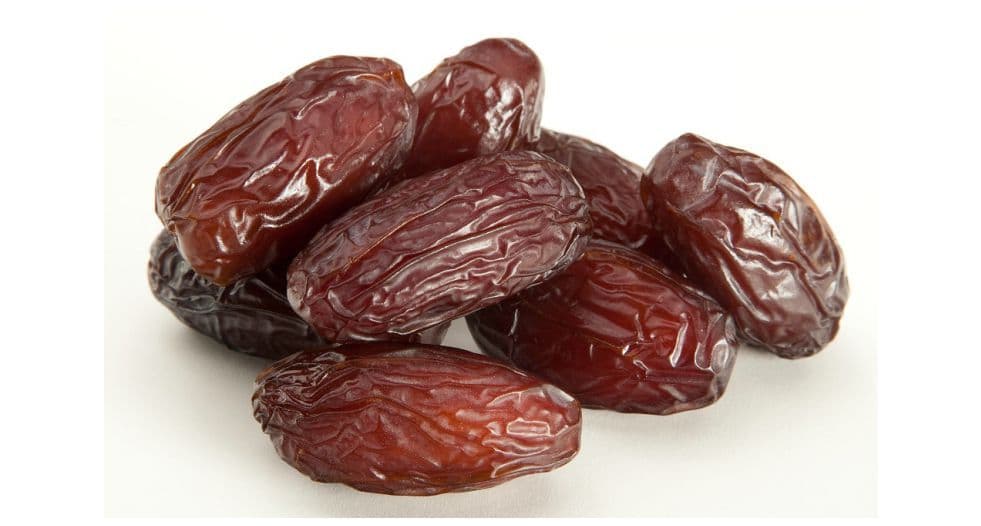
Dates
Dates — the fruit of the date palm (Phoenix dactylifera) — have been cultivated for at least 6,000 years across the Middle East and North Africa, where they remain a symbol of hospitality, sustenance, and celebration. Among the world's most ancient cultivated fruits, dates are prized for their extraordinary sweetness and dense, caramel-honeyed richness. The Medjool variety, often called the king of dates, exemplifies the note's aromatic potential: intensely sweet, deeply warm, with layers of caramel, brown sugar, and a subtle floral undertone that reflects the palm's exotic botanical heritage. In perfumery, date accords occupy a luxurious space within the oriental and gourmand families. The olfactory profile centres on a warm, honeyed sweetness with distinct caramel and dried-fruit nuances, often accompanied by a gentle woody-resinous drydown that reflects the date palm itself. Perfumers frequently blend dates with amber, oud, rose, and warm spices such as saffron and cinnamon to build the opulent, enveloping oriental compositions for which Middle Eastern perfumery is celebrated. The note bridges the gourmand and oriental worlds with rare elegance. Date notes lend richness, sweetness, and cultural depth to oriental, amber, and gourmand fragrances alike. At Fragrenza, our dates collection delivers exceptional fragrance dupes inspired by the world's most admired luxury scents, capturing this timeless Middle Eastern treasure at a price point accessible to all.
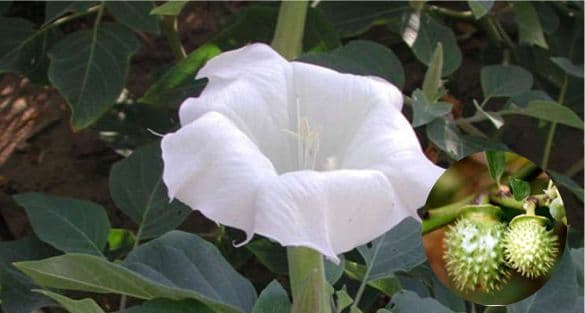
Datura
Datura — known as angel's trumpet or moonflower — is a genus of flowering plants with an air of mystery and intoxication that has captivated cultures across the Americas, Asia, and Europe for millennia. Blooming most intensely at dusk and through the night, datura's large, trumpet-shaped flowers release a heady, narcotic fragrance into the darkness, attracting night-flying pollinators with a sillage that can be detected from remarkable distances. Every part of the plant is powerfully toxic, which only deepens the dangerous allure that surrounds it in folklore and imagination. In perfumery, datura accords capture the intensely white-floral, slightly narcotic character of these night-blooming blossoms. The scent is rich, creamy, and enveloping, with a heady quality that borders on overwhelming — a lush combination of white petals, warm green stems, subtle earthiness, and an almost medicinal depth that hints at the plant's darker nature. Perfumers balance this intensity with clean musks, soft woods, or luminous aldehydes to create compositions that are sensual and captivating without losing control of their considerable power. Datura notes are prized in white floral, nocturnal, and gothic-inspired perfumery, lending depth, drama, and an irresistible sense of forbidden beauty. At Fragrenza, our datura collection presents premium fragrance dupes inspired by iconic luxury perfumes, allowing you to explore this intoxicating note at an accessible price.
- 🌿
Davana
Davana (Artemisia pallens) is a small flowering herb cultivated primarily in the southern states of India, particularly in Karnataka and Tamil Nadu, where it has been used in religious ceremonies and garlands for centuries. A member of the artemisia family — relatives of wormwood and tarragon — davana stands apart from its siblings through an extraordinary aromatic character that is intensely fruity, warm, and distinctly woody all at once. The dried herb is offered at Hindu temples, and its essential oil has been prized in Indian traditional culture long before Western perfumery discovered its remarkable qualities. What makes davana uniquely fascinating in perfumery is its documented ability to interact with skin chemistry in highly individual ways — the same davana fragrance can smell noticeably different on different wearers. The core accord is intensely fruity and slightly vinous, often evoking dried fruits, plum, and apricot layered over a warm, resinous, slightly woody base with herbal undertones. This chameleon-like quality makes davana one of the most personal and intimate notes in the perfumer's palette, creating a bespoke effect that feels as though the fragrance was made for you alone. Davana's exotic fruitiness and skin-interactive character have made it a treasured material in oriental, fruity-woody, and niche perfumery. At Fragrenza, our davana collection brings you high-quality fragrance dupes inspired by the world's finest scents, celebrating this remarkable Indian herb at accessible prices.
- 🌿
Davana absolute
Davana absolute is a specialty note used to give a fragrance a distinctive texture, mood, or material impression. Depending on interpretation, it may contribute freshness, warmth, sweetness, dryness, softness, or an abstract atmospheric effect. In perfumery, specialty notes are useful because they make a composition feel more specific and less generic. It can be paired with woods, musks, florals, resins, fruits, green notes, spices, or amber materials according to the intended style.
- 🌿
Davana Orpur®
Davana Orpur® is a specialty note used to give a fragrance a distinctive texture, mood, or material impression. Depending on interpretation, it may contribute freshness, warmth, sweetness, dryness, softness, or an abstract atmospheric effect. In perfumery, specialty notes are useful because they make a composition feel more specific and less generic. It can be paired with woods, musks, florals, resins, fruits, green notes, spices, or amber materials according to the intended style.
- 🌿
Deer musk
Deer musk is a soft textural note that creates warmth, smoothness, and a skin-like finish. It can feel clean, powdery, woody, velvety, slightly fruity, or fabric-like depending on the accord. In perfumery, these notes help bind the formula, soften stronger materials, and extend wear without dominating the fragrance. Deer musk pairs well with florals, woods, citrus, amber, iris, fruits, suede, vanilla, and transparent modern musks.
- 🌿
Deer musk absolute
Deer musk absolute is a soft textural note that creates warmth, smoothness, and a skin-like finish. It may feel clean, powdery, woody, velvety, slightly fruity, or fabric-like depending on the accord. In perfumery, these notes bind the formula, soften stronger materials, and extend wear without dominating the fragrance. It pairs well with florals, woods, citrus, amber, iris, fruits, suede, vanilla, and transparent musks.
- 🌿
Deertongue
Deertongue is a specialty note used to give a fragrance a distinctive texture, mood, or material impression. Depending on interpretation, it may contribute freshness, warmth, sweetness, dryness, softness, or an abstract atmospheric effect. In perfumery, specialty notes are useful because they make a composition feel more specific and less generic. It can be paired with woods, musks, florals, resins, fruits, green notes, spices, or amber materials according to the intended style.
- 🌿
Delphinium
Delphinium is a specialty note used to give a fragrance a distinctive texture, mood, or material impression. Depending on interpretation, it may contribute freshness, warmth, sweetness, dryness, softness, or an abstract atmospheric effect. In perfumery, specialty notes are useful because they make a composition feel more specific and less generic. It can be paired with woods, musks, florals, resins, fruits, green notes, spices, or amber materials according to the intended style.
- 🌿
Desert rose
Desert rose — known botanically as Adenium obesum — is a striking succulent native to the arid landscapes of sub-Saharan Africa and the Arabian Peninsula. Despite its harsh habitat, this resilient plant produces spectacularly beautiful blooms in vivid shades of pink, red, and white, flourishing against a backdrop of scorched earth and intense sunlight. The name "desert rose" evokes both the contradiction and the romance of life blooming in extreme conditions, and this spirit translates powerfully into fragrance. In perfumery, desert rose accords are warm, sweet-floral compositions with a gentle powdery softness that distinguishes them from more assertive rose varieties. The scent profile blends lush, honeyed floral sweetness with a subtle dry earthiness that speaks of sun-baked soil and warm breezes. Hints of musk and light woods often round out the base, anchoring the composition with a warmth reminiscent of desert evenings when the temperature softens and the air carries lingering traces of blooms. This balance of sweetness, powder, and warmth gives desert rose fragrances a sensual, enveloping quality. Desert rose notes are prized in Middle Eastern and niche Western perfumery alike, lending opulence and warmth to floral and oriental compositions. At Fragrenza, our desert rose collection brings together exceptional fragrance dupes inspired by iconic luxury scents, all crafted with quality ingredients and offered at prices that make fine fragrance accessible to everyone.
- 🌿
Desert sage
Desert sage is a green or aromatic note that evokes leaves, herbs, stems, fresh air, or crushed vegetation. Its profile can be crisp, bitter, watery, camphoraceous, grassy, or slightly earthy depending on the material. In perfumery, green notes add realism and lift, keeping sweet, floral, or woody compositions from feeling too heavy. It pairs well with citrus, tea, fig, violet leaf, galbanum, tomato leaf, white musk, vetiver, lavender, and light woods.
Dew Drop
Dew drop accords capture one of nature's most fleeting and evocative sensory experiences: the cool, crystalline freshness of morning moisture resting on leaves, petals, and grass. This aromatic concept draws inspiration from the quiet hours just after dawn, when the air carries a mineral clarity and gentle dampness that feels both alive and ephemeral. It is a fragrance note that transcends any single botanical source, instead distilling the very feeling of a world refreshed by night. In olfactory terms, dew drop accords are characterised by their fresh, cool transparency with a subtle aqueous and mineral quality. They sit at the intersection of green notes, soft white florals, and clean ozonic elements, producing compositions that feel light, airy, and effortlessly clean. Perfumers often use synthetic molecules such as Calone or dewey aldehydes alongside natural hedione to replicate that elusive damp-floral-mineral signature. The result is a note that opens fragrances with luminous brightness and lends a sense of naturalness and calm to any composition. Dew drop notes are beloved in contemporary perfumery for their versatility — equally at home in fresh eau de colognes, sheer florals, and skin-scent minimalist blends. At Fragrenza, our dew drop collection showcases premium-quality fragrances inspired by the world's finest scents, bringing that dewy morning freshness to you at an accessible price point.
Dewberry
The dewberry (Rubus caesius and related species) is a wild relative of the blackberry that grows low along hedgerows, sandy soils, and coastal margins across Europe and North America. Smaller and more delicate than its cultivated cousins, it ripens in late summer with a bloom-dusted blue-black sheen and a flavour that is distinctly sweeter and more fragrant than the blackberry — softer, less astringent, with a floral quality that has always made it prized by those who discover it growing wild in the right corner of the right field. As a fragrance note, dewberry offers a sweet-tart, softly berry character with a gentle floral undertone and a slightly earthy wildness that grounds its sweetness in nature rather than artifice. It is less intense than blackcurrant and less opulent than black cherry, sitting in a wonderfully delicate middle space that is fruity, clean, and effortlessly charming. Perfumers use dewberry to add a luminous, berry-bright freshness to feminine florals and light fruity compositions, often pairing it with violet, musk, green leaves, and soft woods to evoke sun-dappled hedgerows and wild summer afternoons. Fragrenza's dewberry collection brings together fragrances that capture this wild, sweet-tart berry magic. Each is a carefully crafted dupe of a beloved original, delivering the same natural, gently fruity charm at a price that makes everyday indulgence easy. For those who love their fragrance bright, sweet, and touched by something that still feels truly wild.
- 🌿
Dianthus superbus
Dianthus superbus is a specialty note used to give a fragrance a distinctive texture, mood, or material impression. Depending on interpretation, it may contribute freshness, warmth, sweetness, dryness, softness, or an abstract atmospheric effect. In perfumery, specialty notes are useful because they make a composition feel more specific and less generic. It can be paired with woods, musks, florals, resins, fruits, green notes, spices, or amber materials according to the intended style.
- 🌿
Digitalis
Digitalis is a specialty note used to give a fragrance a distinctive texture, mood, or material impression. Depending on interpretation, it may contribute freshness, warmth, sweetness, dryness, softness, or an abstract atmospheric effect. In perfumery, specialty notes are useful because they make a composition feel more specific and less generic. It can be paired with woods, musks, florals, resins, fruits, green notes, spices, or amber materials according to the intended style.
- 🌿
Dihydro beta ionone
Dihydro beta ionone is a specialty note used to give a fragrance a distinctive texture, mood, or material impression. Depending on interpretation, it may contribute freshness, warmth, sweetness, dryness, softness, or an abstract atmospheric effect. In perfumery, specialty notes are useful because they make a composition feel more specific and less generic. It can be paired with woods, musks, florals, resins, fruits, green notes, spices, or amber materials according to the intended style.
- 🌿
Dihydromyrcenol
Dihydromyrcenol is a synthetic fragrance molecule first developed in the mid-twentieth century and now one of the most widely used ingredients in modern perfumery. It belongs to the class of fresh-citrus-ozonic synthetics that transformed the fragrance industry from the 1980s onward, enabling a new generation of clean, laundry-bright scents that resonated powerfully with contemporary tastes. Despite its technical origins, it has become one of the most recognisable smells in everyday life — the scent of clean clothes, fresh air, and a certain effortless modernity. In fragrance, dihydromyrcenol contributes a clean, ozonic-citrus character with a metallic-fresh brightness and an unmistakable laundry quality. It reads simultaneously of lime peel, clean cotton, open air, and something faintly oceanic. Perfumers use it at the heart of aquatic, fougère, and fresh masculine compositions — it is a cornerstone molecule in countless bestselling fragrances — to deliver an immediate, crowd-pleasing freshness that projects confidently and reads as impeccably clean. It pairs naturally with lavender, citrus, aromatic herbs, and soft musks. Fragrenza's dihydromyrcenol collection brings together fragrances built around this iconic freshness. As precise dupes of celebrated originals, they deliver the same confident, laundry-clean brightness at a fraction of the designer price. For those who want to smell undeniably fresh — the kind of clean that people notice and remember — this collection delivers exactly that, every single time.
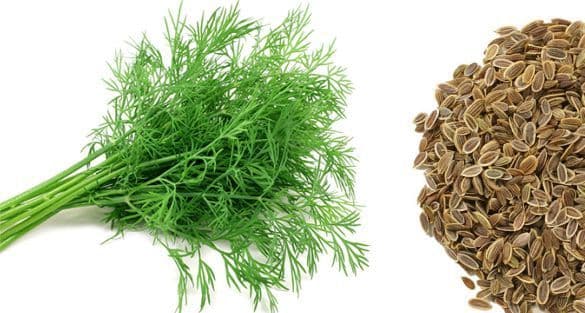
dill
Dill (Anethum graveolens) is one of the oldest cultivated herbs in human history, native to the Mediterranean and western Asia and found in Egyptian medical papyri dating back over five thousand years. Both the feathery leaves and the aromatic seeds are used in cooking and medicine across cultures from Scandinavia to India, each carrying the herb's signature scent: a fresh, anise-like greenness with a warm, slightly sweet, herbal undertone that is instantly familiar yet endlessly versatile. In perfumery, dill brings a fresh anise-green quality that sits between the sharpness of tarragon, the sweetness of fennel, and the clean greenness of parsley. It is an herbal note with genuine presence — not merely a supporting green but a distinct olfactory character that can anchor as well as brighten a composition. Perfumers use dill in aromatic, fougère, and green compositions to add an unexpected freshness and a slightly culinary dimension, pairing it with citrus, cucumber, aquatic accords, and light woods for clean, interesting, contemporary results. Fragrenza's dill collection features fragrances where this distinctive herbal note adds its fresh, anise-green character. As quality dupes of recognised originals, they bring the same bright, slightly culinary freshness to your wardrobe at an everyday price. These are scents for those who love fragrance with genuine character — a little wild, a little green, and completely alive.
- 🌿
Dirt
Dirt is a specialty note used to give a fragrance a distinctive texture, mood, or material impression. Depending on interpretation, it may contribute freshness, warmth, sweetness, dryness, softness, or an abstract atmospheric effect. In perfumery, specialty notes are useful because they make a composition feel more specific and less generic. It can be paired with woods, musks, florals, resins, fruits, green notes, spices, or amber materials according to the intended style.
- 🌿
Dodecanal
Dodecanal — also known as Aldehyde C-12 Lauric — is a synthetic aromatic molecule that belongs to the celebrated aldehyde family first brought to widespread attention by Chanel No. 5 in 1921. Unlike naturally derived materials, dodecanal is produced through chemical synthesis and belongs to a class of molecules that perfumers have described as smelling of things that have no direct equivalent in nature: waxy, abstract, slightly citrusy, metallic, and somehow reminiscent of expensive vintage fabric. It is one of the most intellectually fascinating ingredients in all of modern perfumery. In fragrance, dodecanal contributes a waxy, citrus-floral quality with a clean, abstract character that lifts compositions into an almost architectural register. It is the note that makes certain classic fragrances feel as though they exist in a rarefied space — not quite floral, not quite citrus, but something elevated and timeless. Perfumers use it to add vintage glamour, classical structure, and a distinctive soapy-clean luminosity to floral, chypre, and abstract oriental compositions. It is indelibly associated with the golden age of perfumery. Fragrenza's dodecanal collection brings together fragrances where this iconic aldehyde plays a defining role — dupes of the great classics and their modern heirs, offered at a price that makes wearing a touch of history completely accessible. These are scents for those who believe fragrance is an art form, and who want to wear that art every day.
- 🌿
Dog rose
Dog rose is a floral note that adds softness, radiance, and emotional warmth to a composition. Depending on the flower or accord, it can feel fresh, creamy, powdery, honeyed, green, indolic, or airy. In perfumery, floral notes often form the heart of a fragrance, giving it body and a recognizable character. Dog rose pairs well with citrus, white musk, rose, jasmine, sandalwood, amber, vanilla, iris, and delicate fruits, making it useful in both classic bouquets and modern transparent florals.
- 🌿
Dogwood blossom
Dogwood blossom is a floral note that gives a fragrance softness, radiance, and emotional warmth. Depending on the flower or accord, it may feel fresh, creamy, powdery, honeyed, green, indolic, or airy. In perfumery, floral notes often form the heart of a composition, adding body and a recognizable signature. It pairs well with citrus, white musk, rose, jasmine, sandalwood, amber, vanilla, iris, and delicate fruits.
- 🌿
Dominican amyris
Dominican amyris is a specialty note used to give a fragrance a distinctive texture, mood, or material impression. Depending on interpretation, it may contribute freshness, warmth, sweetness, dryness, softness, or an abstract atmospheric effect. In perfumery, specialty notes are useful because they make a composition feel more specific and less generic. It can be paired with woods, musks, florals, resins, fruits, green notes, spices, or amber materials according to the intended style.
- 🌿
Dominican vetiver Orpur®
Dominican vetiver Orpur® is a woody note used to create structure, depth, and lasting warmth. Its scent may be dry, creamy, smoky, resinous, earthy, pencil-like, or polished depending on the wood or accord. In perfumery, woody notes support the whole composition and connect fresh openings with deeper bases. It pairs naturally with amber, musk, incense, leather, vetiver, patchouli, spices, citrus, and soft resins.
- 🌿
Dominican wild orange
Dominican wild orange is a citrus note that adds sparkle, freshness, and immediate lift to a fragrance. Its profile can include juicy pulp, aromatic peel, green bitterness, soft floral nuances, or a sharp zesty brightness depending on the material. In perfumery, it is usually used in the opening, where it brings clarity and motion before blending into florals, woods, musks, or herbs. It pairs well with neroli, tea, lavender, white musk, light woods, aquatic notes, and aromatic herbs.
- 🌿
Dossinia orchid
Dossinia orchid is a floral note that gives a fragrance softness, radiance, and emotional warmth. Depending on the flower or accord, it may feel fresh, creamy, powdery, honeyed, green, indolic, or airy. In perfumery, floral notes often form the heart of a composition, adding body and a recognizable signature. It pairs well with citrus, white musk, rose, jasmine, sandalwood, amber, vanilla, iris, and delicate fruits.
- 🌿
Douglas fir
Douglas fir is a specialty note used to give a fragrance a distinctive texture, mood, or material impression. Depending on interpretation, it may contribute freshness, warmth, sweetness, dryness, softness, or an abstract atmospheric effect. In perfumery, specialty notes are valuable because they make a composition feel more specific and less generic. Douglas fir can be paired with woods, musks, florals, resins, fruits, green notes, spices, or amber materials according to the intended style.
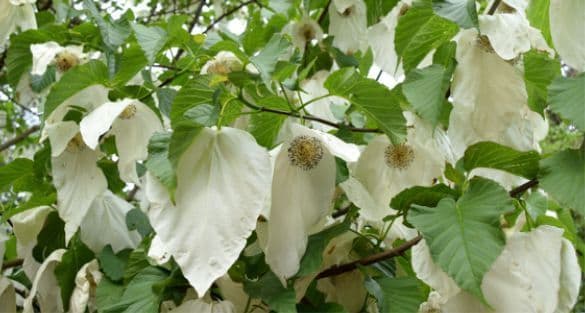
Dove tree
The dove tree (Davidia involucrata) is one of the most celebrated botanical discoveries of the nineteenth century — a Chinese native that so enchanted Western plant hunters that it sparked a famous expedition to bring it back to Europe. Named for the large, pure white bracts that flutter around its flowers like handkerchiefs or, as some say, like roosting white doves, it blooms in late spring with a quiet, almost ceremonial beauty. Its common names — dove tree, ghost tree, handkerchief tree — each capture something of its singular, dreamlike presence. As a fragrance note, dove tree translates into a delicate, clean-fresh floral quality — white, airy, and softly luminous with a slight powdery undertone. It is not a bold or assertive flower; it suggests space, light, and purity rather than declaring itself loudly. Perfumers use it to add an ethereal white floral dimension to compositions, often pairing it with white musks, magnolia, lily, and clean woods to create fragrances with an almost meditative serenity — scents that feel as though they belong in dappled spring light. Fragrenza's dove tree collection features fragrances that share this rare flower's quiet, luminous grace. As faithful dupes of distinguished originals, they bring the same clean-fresh floral beauty to your daily wardrobe at a price that makes every day feel worth celebrating. For those who believe the most beautiful things in nature — and in fragrance — are often the most understated.
- 🌿
Dracaena
Dracaena is a specialty note used to give a fragrance a distinctive texture, mood, or material impression. Depending on interpretation, it may contribute freshness, warmth, sweetness, dryness, softness, or an abstract atmospheric effect. In perfumery, specialty notes are useful because they make a composition feel more specific and less generic. It can be paired with woods, musks, florals, resins, fruits, green notes, spices, or amber materials according to the intended style.
- 🌿
Dragée
Dragée is a gourmand note that adds edible warmth, sweetness, and comfort. It may suggest cream, sugar, nuts, chocolate, coffee, honey, pastry, or toasted grains depending on the accord. In perfumery, gourmand notes make compositions feel cozy and sensual, but they work best when balanced with woods, musks, spices, citrus, or resins. It pairs well with vanilla, tonka bean, sandalwood, amber, caramel, cacao, coffee, and soft florals.
- 🌿
Drawing ink
Drawing ink is a specialty note used to give a fragrance a distinctive texture, mood, or material impression. Depending on interpretation, it may contribute freshness, warmth, sweetness, dryness, softness, or an abstract atmospheric effect. In perfumery, specialty notes are valuable because they make a composition feel more specific and less generic. Drawing ink can be paired with woods, musks, florals, resins, fruits, green notes, spices, or amber materials according to the intended style.
- 🌿
Dried apricot
The dried apricot is one of the most beloved of all preserved fruits — a small, intensely flavoured jewel that concentrates the sunny sweetness of fresh apricot into something far richer and more complex. Originating in China and Central Asia, apricots have been dried for millennia along the Silk Road, prized for their longevity, portability, and extraordinary flavour. The drying process removes moisture while intensifying the natural sugars and developing a honeyed, slightly tangy depth that fresh apricot only hints at. As a fragrance note, dried apricot brings a warm, concentrated sweetness with a distinctive sweet-tart edge — sunnier and more transparent than peach, less sharply acidic than berry. It has a honeyed, almost floral quality that blends the fruit and the gourmand worlds effortlessly. Perfumers use dried apricot to add luminous warmth to fruity orientals and amber compositions, pairing it with vanilla, benzoin, soft woods, saffron, and warm musks for fragrances that feel like sun-soaked afternoon indulgences. Fragrenza's dried apricot collection features fragrances that showcase this golden, honeyed-fruit note. Each is a quality dupe of a celebrated original, bringing the same warm, sweet-tart richness to your wardrobe at a fraction of the original price. These are scents for those who love their sweetness with a little sunlight in it — warm, glowing, and irresistibly wearable.
- 🌿
Dried cherry
Dried cherry is a fruity note that adds juiciness, color, and natural sweetness. It may feel crisp and tart, ripe and velvety, tropical and creamy, or dark and jammy depending on the fruit profile. In perfumery, fruity notes brighten florals, soften musks, and add pleasure to gourmand or woody structures. It pairs well with rose, peony, jasmine, white musk, vanilla, woods, citrus, amber, and soft spices.
- 🌿
Dried fig
Dried fig is a fruity note that adds juiciness, color, and natural sweetness. It may feel crisp and tart, ripe and velvety, tropical and creamy, or dark and jammy depending on the fruit profile. In perfumery, fruity notes brighten florals, soften musks, and add pleasure to gourmand or woody structures. It pairs well with rose, peony, jasmine, white musk, vanilla, woods, citrus, amber, and soft spices.
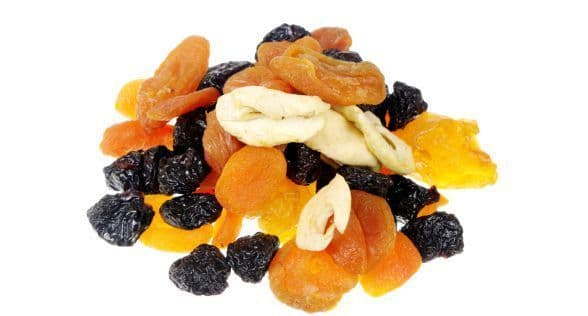
Dried Fruits
Dried fruits — raisins, dates, figs, prunes, candied peel — represent nature's own slow concentration of sweetness and flavour. Through drying, the water content is removed while sugars intensify and new flavour compounds develop through gentle oxidation and the slow Maillard reactions of ageing. The result is something far more complex than fresh fruit: deeper, more resinous, tinged with a honeyed richness and a warmth that the bright, watery original never possessed. In perfumery, dried fruit notes contribute a concentrated sweetness that reads as sophisticated rather than childlike. They occupy a rich middle ground between the fresh-fruity and the oriental, adding depth, body, and a sense of ripe abundance to compositions. Raisin brings a wine-dark vinous note; fig offers its milky-resinous warmth; date adds caramel depth. Perfumers weave dried fruit accords through oriental, amber, and woody fragrances, pairing them with spices, oud, rose, and warm musks to build scents of opulent, sun-drenched richness. Fragrenza's dried fruits collection gathers fragrances that revel in this concentrated, warm-sweet character. As quality dupes of acclaimed originals, they deliver the same sense of ripe indulgence at an everyday price. These are scents for those drawn to the deep, the rich, and the abundantly satisfying — fragrances that feel like a handful of figs warmed by an afternoon sun.
- 🌿
Dried kelp
Dried kelp is a specialty note used to give a fragrance a distinctive texture, mood, or material impression. Depending on interpretation, it may contribute freshness, warmth, sweetness, dryness, softness, or an abstract atmospheric effect. In perfumery, specialty notes are useful because they make a composition feel more specific and less generic. It can be paired with woods, musks, florals, resins, fruits, green notes, spices, or amber materials according to the intended style.
- 🌿
Dried lime
Dried lime is a citrus note that adds sparkle, freshness, and immediate lift to a fragrance. Its profile can include juicy pulp, aromatic peel, green bitterness, soft floral nuances, or a sharp zesty brightness depending on the material. In perfumery, it is usually used in the opening, where it brings clarity and motion before blending into florals, woods, musks, or herbs. It pairs well with neroli, tea, lavender, white musk, light woods, aquatic notes, and aromatic herbs.
- 🌿
Dried Plum
Dried Plum is a fruity note that adds juiciness, color, and natural sweetness. It may feel crisp and tart, ripe and velvety, tropical and creamy, or dark and jammy depending on the fruit profile. In perfumery, fruity notes brighten florals, soften musks, and add pleasure to gourmand or woody structures. It pairs well with rose, peony, jasmine, white musk, vanilla, woods, citrus, amber, and soft spices.
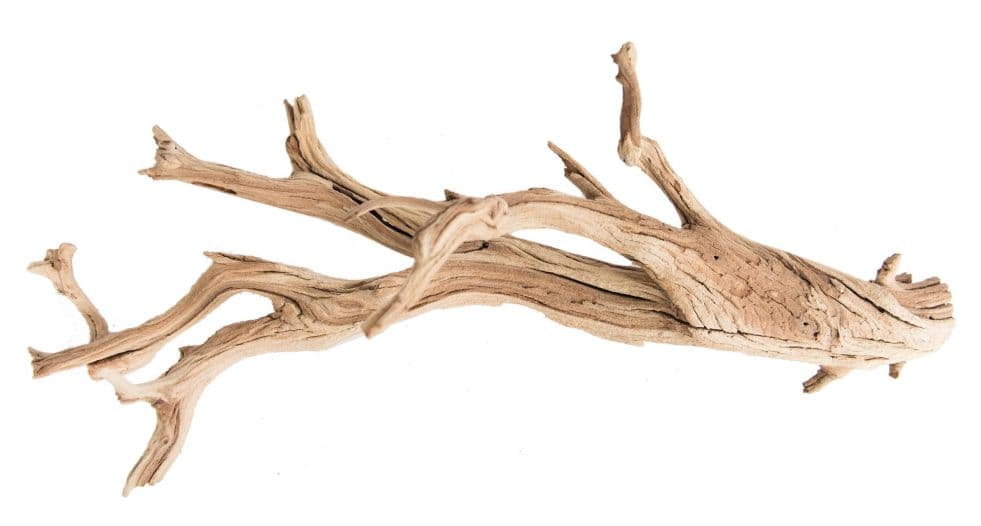
Driftwood
Driftwood carries the memory of a long journey — timber that has been bleached by salt water, dried by wind, and worn smooth by time before arriving on a shore far from its origins. Found on beaches across the world, from the Pacific Northwest to the Mediterranean coast, driftwood has a distinctive quality: the volatile compounds have largely been spent, leaving something stripped-back, silvery, and tinged with the ghost of the sea. It is a material defined as much by what has been removed as by what remains. In fragrance, driftwood contributes a dry, slightly salty, weathered woody quality that is unlike any freshly cut timber. It lacks the creaminess of sandalwood or the sharpness of pine; instead it offers a lean, bleached dryness with a faint marine undertone. Perfumers reach for driftwood (and its synthetic interpretations) when they want to evoke coastal landscapes, open horizons, and the beautiful emptiness of a shoreline in autumn. It pairs naturally with sea salt, ambergris, grey musks, vetiver, and cool amber. Fragrenza's driftwood collection gathers fragrances that capture this coastal, salt-bleached character. Each is a carefully produced dupe of an acclaimed original, letting you carry that open-sea feeling every day without the designer price tag. These scents suit those who are drawn to the edge of things — the shoreline, the horizon, the elegant simplicity of a tide-smoothed shore.
- 🌿
Dry woods
Dry woods is a woody note used to give fragrance structure, depth, and lasting warmth. Its profile may be dry, creamy, smoky, resinous, earthy, or polished depending on the source or accord. In perfumery, woody notes often form the backbone of a composition, supporting lighter citrus, floral, spicy, or aromatic materials. It pairs naturally with amber, musk, incense, leather, vetiver, patchouli, spices, and soft resins.
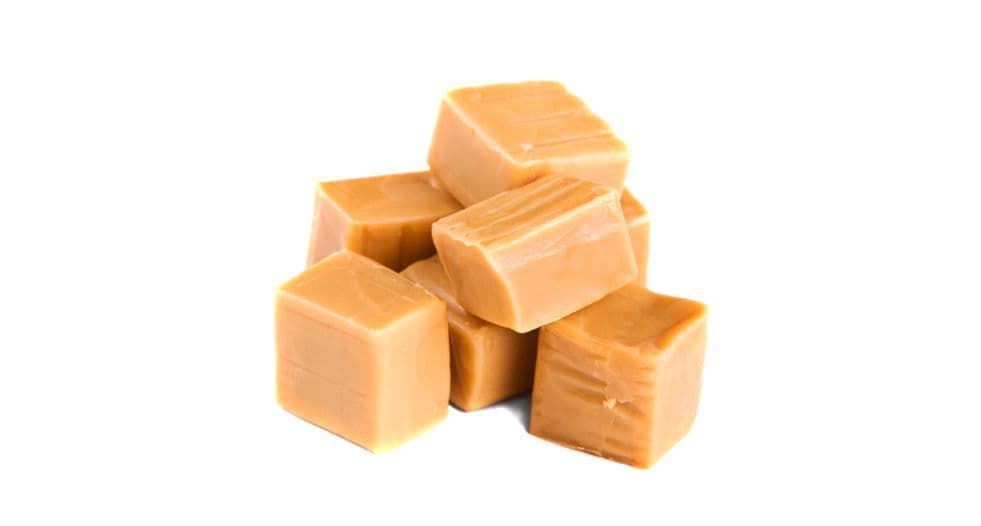
Dulce de leche
Dulce de leche — Spanish and Portuguese for "sweet of milk" — is a confection made by slowly heating sweetened milk until it caramelises into a thick, golden-brown spread of extraordinary richness. A culinary icon across Latin America and widely beloved around the world, it sits at the intersection of caramel and toffee, cream and coffee, warmth and nostalgia. The Maillard reaction and caramelisation of sugars produce a complexity that pure sugar candy never achieves — there is depth here, a butterscotch warmth that lingers. In perfumery, dulce de leche is a cornerstone of the gourmand genre: warm, caramel-sweet, creamy, and deeply comforting. It reads as edible without being cloying when handled well, bringing a sense of indulgence and intimacy to skin. Perfumers pair it with vanilla, coumarin, tonka bean, salted caramel, milk, and warm musks to build fragrances that feel like a sweet embrace. The note has a particular gift for making wearers smell irresistibly warm and approachable. Fragrenza's dulce de leche collection gathers the most indulgent, caramel-forward fragrances in our range — each a faithful dupe of a celebrated gourmand original. Wear them when you want to smell like comfort itself: golden, creamy, and sweet in the most sophisticated way possible. At Fragrenza's accessible prices, there is every reason to keep one close at all times.
- 🌿
Dune grass
Dune grass is a green or aromatic note that evokes leaves, herbs, stems, fresh air, or crushed vegetation. Its profile can be crisp, bitter, watery, camphoraceous, grassy, or slightly earthy depending on the material. In perfumery, green notes add realism and lift, keeping sweet, floral, or woody compositions from feeling too heavy. It pairs well with citrus, tea, fig, violet leaf, galbanum, tomato leaf, white musk, vetiver, lavender, and light woods.
- 🌿
Duranta
Duranta is a specialty note used to give a fragrance a distinctive texture, mood, or material impression. Depending on interpretation, it may contribute freshness, warmth, sweetness, dryness, softness, or an abstract atmospheric effect. In perfumery, specialty notes are useful because they make a composition feel more specific and less generic. It can be paired with woods, musks, florals, resins, fruits, green notes, spices, or amber materials according to the intended style.
- 🌿
Durian fruit absolute
Durian fruit absolute is a fruity note that adds juiciness, color, and natural sweetness. It may feel crisp and tart, ripe and velvety, tropical and creamy, or dark and jammy depending on the fruit profile. In perfumery, fruity notes brighten florals, soften musks, and add pleasure to gourmand or woody structures. It pairs well with rose, peony, jasmine, white musk, vanilla, woods, citrus, amber, and soft spices.
- 🌿
Durmast oak
Durmast oak is a woody note used to create structure, depth, and lasting warmth. Its scent may be dry, creamy, smoky, resinous, earthy, pencil-like, or polished depending on the wood or accord. In perfumery, woody notes support the whole composition and connect fresh openings with deeper bases. It pairs naturally with amber, musk, incense, leather, vetiver, patchouli, spices, citrus, and soft resins.
- 🌿
Dust
Dust is an earthy or mineral note that adds realism, dryness, and atmospheric depth. It may suggest soil, roots, stone, dust, damp ground, mushrooms, clay, or cool mineral surfaces depending on the accord. In perfumery, these notes make compositions feel grounded, natural, or avant-garde. It pairs well with vetiver, moss, patchouli, dry woods, leather, incense, rain notes, musk, and dark florals.
- 🌿
Dwarf elder
Dwarf elder is a specialty note used to give a fragrance a distinctive texture, mood, or material impression. Depending on interpretation, it may contribute freshness, warmth, sweetness, dryness, softness, or an abstract atmospheric effect. In perfumery, specialty notes are useful because they make a composition feel more specific and less generic. It can be paired with woods, musks, florals, resins, fruits, green notes, spices, or amber materials according to the intended style.
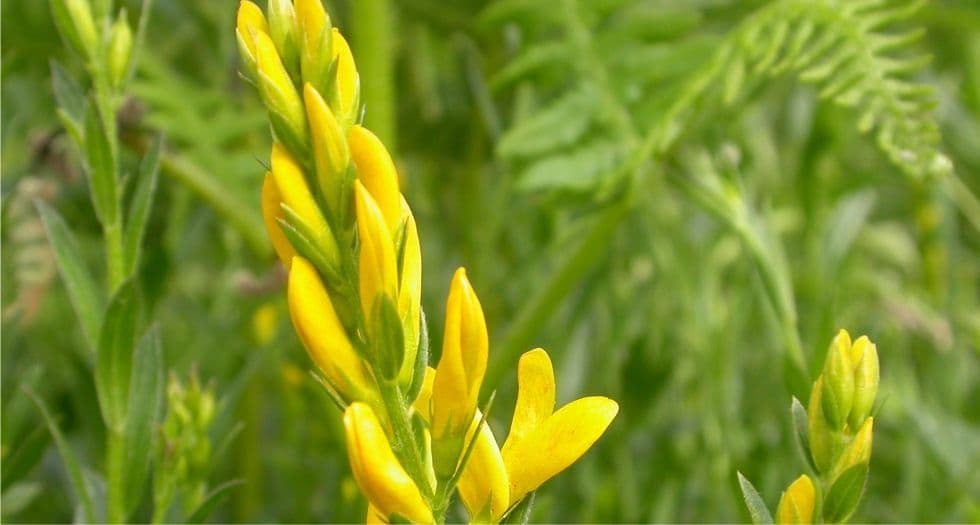
Dyer's Greenweed
Dyer's greenweed (Genista tinctoria) is a low-growing shrub native to Europe and western Asia, long valued for producing a clear yellow dye used in the textile trades of the Middle Ages. Its slender branches are lined with bright yellow pea-flowers that bloom in early summer, filling hedgerows and downland with a cheerful colour. Botanically related to broom and gorse, it shares some of their assertive, slightly resinous character alongside its distinctive herbal-floral personality. As a fragrance note, dyer's greenweed introduces a herbal-yellow floral quality that is simultaneously warm and slightly bitter — somewhere between gorse blossom, green hay, and the powdery sweetness of mimosa. It has a wild, undomesticated feel; this is not a note that has been tamed into a florist's arrangement but one that still smells of open fields and pollen-dusted air. Perfumers use it to add an unusual, countryside herbal dimension to compositions, often pairing it with honey, beeswax, soft woods, and green hay accords to evoke a pastoral, sun-baked landscape. Fragrenza's dyer's greenweed collection celebrates this overlooked botanical gem. Each fragrance is a high-quality dupe of a notable original, bringing the same herbal-floral character to your collection at an accessible price. These are scents for those who love their florals with a little wildness — a little pollen, a little sunshine, a little of the untamed countryside.
- 🌿
Dynamone
Dynamone is a specialty note used to give a fragrance a distinctive texture, mood, or material impression. Depending on interpretation, it may contribute freshness, warmth, sweetness, dryness, softness, or an abstract atmospheric effect. In perfumery, specialty notes are useful because they make a composition feel more specific and less generic. It can be paired with woods, musks, florals, resins, fruits, green notes, spices, or amber materials according to the intended style.
E
- 🌿
Earl Grey Tea
Earl Grey tea is black tea scented with bergamot oil, giving it a distinctive citrus-tea profile. In perfumery, it offers a refined blend of dry tea, bright bergamot, gentle bitterness, and aromatic freshness. It works well in elegant colognes, tea florals, musky compositions, and modern unisex fragrances.

Earth tincture (Soil tincture)
Earth tincture (Soil tincture) is a specialty fragrance note with a distinctive character that can add texture, contrast, and originality to a composition. In perfumery, it is best used to create a specific mood or material impression, often alongside woods, musks, florals, resins, fruits, or green notes.
- 🌿
Earthy Notes
The earthy note in perfumery draws its inspiration from the living smell of soil — the complex, mineral-rich foundation beneath every forest, field, and garden. This character is generated largely by geosmin, an organic compound produced by soil bacteria that humans can detect at extraordinarily low concentrations. It is one of the most universally recognised natural scents, evoking turned earth, root vegetables pulled fresh from the ground, and the particular richness of a forest floor after rainfall. In fragrance, earthy accords ground compositions with a sense of depth and natural authenticity. They speak of dark, damp soil and old roots, of truffle and mushroom, of the slow decomposition that feeds new life. Rather than being unpleasant, a well-crafted earthy note is deeply comforting — primal and grounding in the most literal sense. Perfumers use earthy accords to add gravitas and contrast to woods, spices, resins, and mossy greens, preventing compositions from floating away into abstraction. They are particularly effective in chypre, fougère, and forest-themed fragrances. Fragrenza's earthy notes collection brings together fragrances that honour this raw, rooted character. As quality dupes of respected originals, they deliver that same connection to the natural world — the smell of the earth itself — at an everyday price. These are scents for those who find beauty not in the refined and polished, but in the honest, dark, and deeply alive.
- 🌿
East indian patchouli
East indian patchouli is a woody note used to create structure, depth, and lasting warmth. Its scent may be dry, creamy, smoky, resinous, earthy, pencil-like, or polished depending on the wood or accord. In perfumery, woody notes often support the whole composition and help connect fresh openings with deeper bases. East indian patchouli pairs naturally with amber, musk, incense, leather, vetiver, patchouli, spices, citrus, and soft resins, making it useful in masculine, feminine, and unisex fragrances.
- 🌿
Easter lily
Easter lily is a floral note that gives a fragrance softness, radiance, and emotional warmth. Depending on the flower or accord, it may feel fresh, creamy, powdery, honeyed, green, indolic, or airy. In perfumery, floral notes often form the heart of a composition, adding body and a recognizable signature. It pairs well with citrus, white musk, rose, jasmine, sandalwood, amber, vanilla, iris, and delicate fruits.
- 🌿
Eastern arborvitae
Eastern arborvitae is a specialty note used to give a fragrance a distinctive texture, mood, or material impression. Depending on interpretation, it may contribute freshness, warmth, sweetness, dryness, softness, or an abstract atmospheric effect. In perfumery, specialty notes are useful because they make a composition feel more specific and less generic. It can be paired with woods, musks, florals, resins, fruits, green notes, spices, or amber materials according to the intended style.
- 🌿
Eau de Cologne mint
Eau de Cologne mint is a fresh, traditional cologne-style mint accord — bright, crisp, slightly citrusy, and aromatic. In perfumery, it gives a classic European freshness, especially in citrus colognes, fougères, and clean modern unisex compositions.
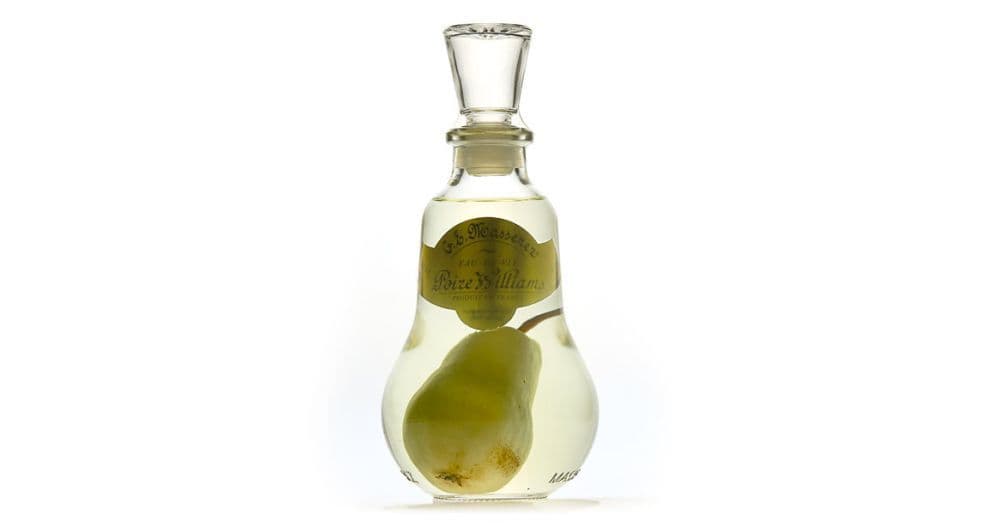
Eau de vie
Eau de vie — French for "water of life" — is a clear, colourless fruit brandy distilled from fermented fruit mash, producing a spirit of crystalline purity that captures the very essence of the fruit it comes from. From Alsatian poire williams to Swiss kirsch to plum slivovitz, eau de vie traditions stretch across France, Switzerland, Germany, and beyond. Unlike aged spirits, it is never placed in oak; its character comes entirely from the raw fruit and the art of distillation. As a fragrance note, eau de vie contributes a clean, fruity-alcoholic quality that is simultaneously fresh and slightly sweet, with a spirited brightness that energises any composition it enters. It reads as sophisticated rather than boozy — a lifting accord that conjures a crystal glass, a still morning, a moment of pure clarity. Perfumers use it to add transparency and liveliness to fruity or aromatic fragrances, preventing sweetness from becoming cloying and giving compositions an elegant, almost effervescent quality. Fragrenza's eau de vie collection features fragrances where this luminous fruit-spirit character takes centre stage. Each scent is a precise dupe of a celebrated original, offering the same sparkling, clean-fruity sophistication at a fraction of the price. For those who appreciate fragrance that feels as though it was poured rather than sprayed — effortless, pure, and undeniably refined — this is your collection.
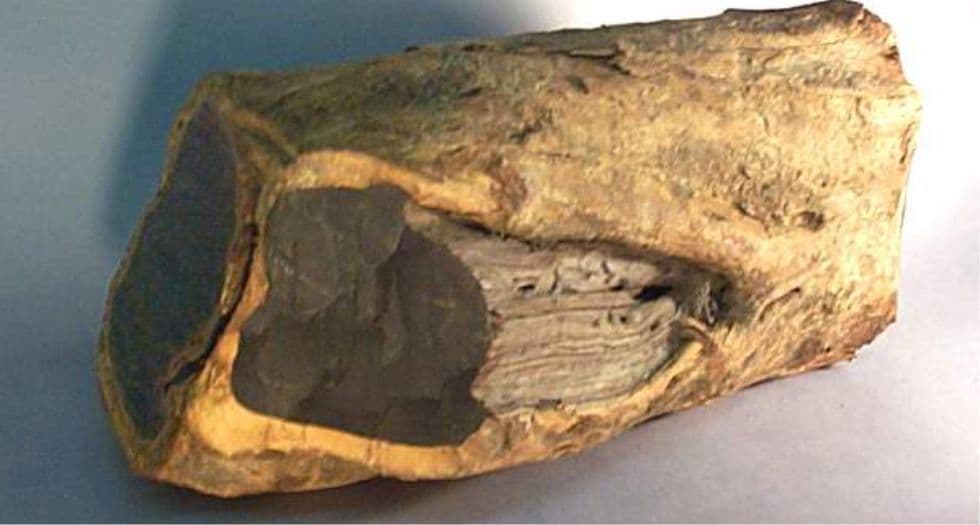
Ebony
Ebony is a dense, dark, luxurious wood known for its deep black color and polished appearance. As a fragrance note, it suggests a dark woody profile that is smooth, dry, elegant, and slightly smoky. It can add mystery, polish, and depth to woody, leather, amber, and oriental perfumes.
- 🌿
ebony tree
Ebony is one of the most prized and rare timbers in the world, harvested from slow-growing tropical trees of the genus Diospyros native to southern India, Sri Lanka, and parts of Africa. Its wood is extraordinarily dense — so heavy it sinks in water — with a flawless black grain that has been treasured for millennia in fine craftsmanship, musical instruments, and decorative arts. In perfumery, ebony captures the austere beauty of this remarkable material. As a fragrance note, ebony tree presents a dry, cool, and slightly resinous woodiness quite unlike the warmer, creamier sandalwoods or the sharp, pencil-like quality of cedar. It is dark and dense, with a refined mineral coolness and a faintly smoky depth that evokes the polished surface of a fine ebony cabinet. There is an almost architectural quality to the note — precise, structured, and effortlessly elegant in its restraint. Ebony works beautifully as a base note in woody, chypre, and oriental compositions, lending gravitas and depth without the sweetness of oud or the earthiness of patchouli. It pairs well with vetiver, incense, leather, and dark resins. At Fragrenza, our ebony tree collection showcases this rare and sophisticated note in expertly blended dupes of premium woody fragrances, making luxury accessible to all.
- 🌿
Ebony Wood
Ebony is among the world's most ancient and revered luxury materials, sourced from dense tropical hardwoods — primarily Diospyros species native to Africa, India, and Southeast Asia. The wood is legendary for its near-black heartwood, extraordinary density, and fine grain, prized in furniture, musical instruments, and ornamental carving for millennia. Its scent is as distinctive as its appearance: deep, dry, and slightly sweet, with a smoky-dark quality that carries the weight and gravitas of old-growth tropical forest. In perfumery, ebony wood contributes a dense, dry warmth that is markedly different from more familiar woods like cedar or sandalwood. Its darkness is not sharp or resinous but smooth and close-grained — a woody depth that feels almost architectural in its solidity. Ebony pairs beautifully with dark resins, oud, vetiver, leather, and deep florals, anchoring compositions with a quiet intensity that does not demand attention but refuses to be ignored. It is a base note of rare character, lending fragrances a sense of heritage and permanence that lighter woods cannot achieve. At Fragrenza, our ebony wood collection brings the rich, dark beauty of this exceptional material to life in dupes of some of the world's most sophisticated woody fragrances. These are scents of depth, gravity, and understated luxury — dense, warm, and enduringly beautiful — offered at the accessible prices that are the foundation of Fragrenza's philosophy.
- 🌿
Ecuadorian ambrette seed
Ecuadorian ambrette seed is a soft textural note that creates warmth, smoothness, and a skin-like finish. It may feel clean, powdery, woody, velvety, slightly fruity, or fabric-like depending on the accord. In perfumery, these notes bind the formula, soften stronger materials, and extend wear without dominating the fragrance. It pairs well with florals, woods, citrus, amber, iris, fruits, suede, vanilla, and transparent musks.
- 🌿
Ecuadorian Palo Santo
Ecuadorian Palo Santo is a woody note used to create structure, depth, and lasting warmth. Its scent may be dry, creamy, smoky, resinous, earthy, pencil-like, or polished depending on the wood or accord. In perfumery, woody notes support the whole composition and connect fresh openings with deeper bases. It pairs naturally with amber, musk, incense, leather, vetiver, patchouli, spices, citrus, and soft resins.
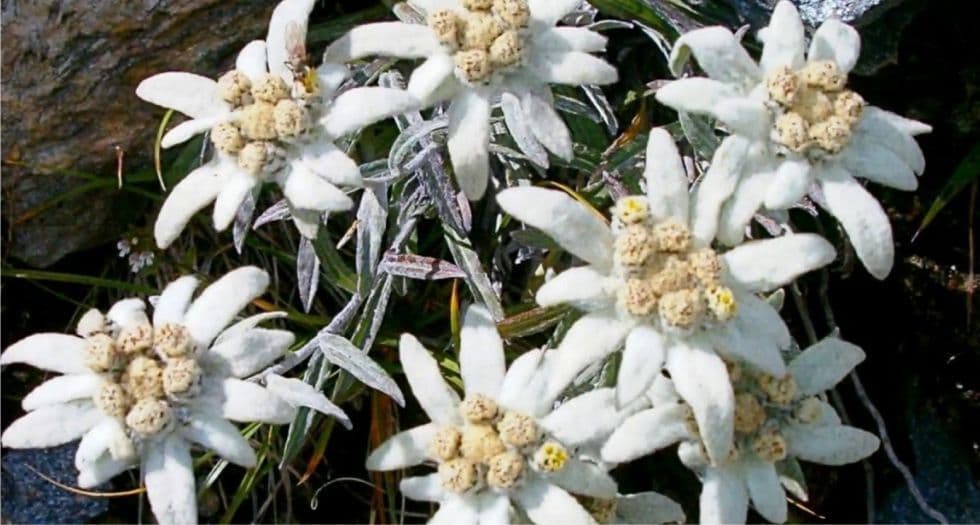
Edelweiss
Edelweiss (Leontopodium alpinum) is perhaps the most iconic of all Alpine flowers — a small, star-shaped bloom clothed in soft white woolly fibres that protect it from the cold and ultraviolet intensity of high-altitude environments. Found clinging to limestone cliffs and rocky meadows across the European Alps, it has long been a symbol of purity, resilience, and mountain romance. Its rarity and inaccessibility have only deepened its mystique over centuries of folklore and song. In fragrance, edelweiss is clean and softly honeyed, with a subtle powdery character and an unmistakable mountain-fresh quality. It is not a bold or assertive note — it speaks quietly of thin clear air, melting snow, and sun-warmed stone. Perfumers use it to add an ethereal lightness to compositions, often anchoring it alongside green accords, white musks, gentle woods, and mineral notes to evoke the sensation of standing at elevation with the whole sky above you. It is a note of serene, uncomplicated beauty. Fragrenza's edelweiss collection brings together fragrances that capture this rare Alpine spirit. Each offering is a high-quality dupe of a distinguished original, allowing you to wear that clean, elevated freshness every day without restraint. Understated, honest, and quietly beautiful — much like the flower itself — these scents are perfect for those who find their ideal fragrance in simplicity and clarity.
- 🌿
Eglantine rose
Eglantine — also known as sweet briar rose (Rosa rubiginosa) — is one of the oldest and most romantic of wild roses, native to Europe and western Asia. Unlike cultivated garden varieties, it grows freely in hedgerows and meadow edges, its small pink blooms appearing in late spring before giving way to bright red hips. What makes it truly distinctive is the scent of its foliage: crushed sweet briar leaves carry a fresh, apple-like fragrance unlike almost anything else in nature. In perfumery, eglantine offers a delicate, distinctly green-rosy character — part crisp apple, part cool petal, part damp morning air. It has none of the heaviness of classic rose absolutes; instead it is translucent, slightly watery, and effortlessly fresh. Perfumers prize it for adding a natural, unadorned quality to floral compositions — a sense of roses growing in an actual garden rather than distilled into abstraction. It harmonises beautifully with green tea, violet leaf, white musk, light woods, and other delicate florals. Fragrenza's eglantine rose collection features fragrances that capture this fresh, apple-kissed wildflower spirit. As faithful dupes of prestigious originals, these scents deliver the same airy, green-floral poetry at an accessible price point. If you are drawn to roses that feel alive and unforced — luminous rather than opulent — this collection was made for you.
- 🌿
Eglantine rose leaf
Eglantine rose leaf is a floral note that gives a fragrance softness, radiance, and emotional warmth. Depending on the flower or accord, it may feel fresh, creamy, powdery, honeyed, green, indolic, or airy. In perfumery, floral notes often form the heart of a composition, adding body and a recognizable signature. It pairs well with citrus, white musk, rose, jasmine, sandalwood, amber, vanilla, iris, and delicate fruits.
- 🌿
Egyptian aniseed
Egyptian aniseed is a spicy note that gives fragrance heat, texture, and aromatic energy. It can feel sweet, dry, peppery, resinous, herbal, smoky, or slightly medicinal depending on the material. In perfumery, spices create contrast, deepen the heart, and bridge fresh top notes with warm woody or amber bases. It pairs especially well with citrus, rose, tobacco, vanilla, oud, sandalwood, patchouli, leather, and balsamic resins.
- 🌿
Egyptian balsam
Egyptian balsam is a warm ambered or resinous note used to give fragrance depth, softness, and long-lasting richness. It can smell balsamic, sweet, smoky, vanillic, woody, powdery, or incense-like depending on the material. In perfumery, it rounds sharp edges and creates a smooth base that holds the composition together. It pairs well with woods, musks, spices, vanilla, tobacco, leather, florals, oud, and other resins.
- 🌿
Egyptian basil
Egyptian basil is a green or aromatic note that evokes leaves, herbs, stems, fresh air, or crushed vegetation. Its profile can be crisp, bitter, watery, camphoraceous, grassy, or slightly earthy depending on the material. In perfumery, green notes add realism and lift, keeping sweet, floral, or woody compositions from feeling too heavy. It pairs well with citrus, tea, fig, violet leaf, galbanum, tomato leaf, white musk, vetiver, lavender, and light woods.
- 🌿
Egyptian bitter orange
Egyptian bitter orange is a citrus note that adds sparkle, freshness, and immediate lift to a fragrance. Its profile can include juicy pulp, aromatic peel, green bitterness, soft floral nuances, or a sharp zesty brightness depending on the material. In perfumery, it is usually used in the opening, where it brings clarity and motion before blending into florals, woods, musks, or herbs. It pairs well with neroli, tea, lavender, white musk, light woods, aquatic notes, and aromatic herbs.
- 🌿
Egyptian calamus
Egyptian calamus is a specialty note used to give a fragrance a distinctive texture, mood, or material impression. Depending on interpretation, it may contribute freshness, warmth, sweetness, dryness, softness, or an abstract atmospheric effect. In perfumery, specialty notes are useful because they make a composition feel more specific and less generic. It can be paired with woods, musks, florals, resins, fruits, green notes, spices, or amber materials according to the intended style.
- 🌿
Egyptian cumin
Egyptian cumin is a spicy note that gives fragrance heat, texture, and aromatic energy. It can feel sweet, dry, peppery, resinous, herbal, smoky, or slightly medicinal depending on the material. In perfumery, spices create contrast, deepen the heart, and bridge fresh top notes with warm woody or amber bases. It pairs especially well with citrus, rose, tobacco, vanilla, oud, sandalwood, patchouli, leather, and balsamic resins.
- 🌿
Egyptian geranium
Egyptian geranium is a floral note that brings softness, radiance, and natural elegance to a fragrance. Its character can range from fresh and airy to creamy, sensual, honeyed, or slightly green, depending on how the accord is built. In perfumery, it is often used in the heart of a composition to add body and emotional warmth. It pairs well with white musks, citrus, rose, jasmine, sandalwood, amber, vanilla, and delicate fruits.
- 🌿
Egyptian geranium leaf
Egyptian geranium leaf is a floral note that gives a fragrance softness, radiance, and emotional warmth. Depending on the flower or accord, it may feel fresh, creamy, powdery, honeyed, green, indolic, or airy. In perfumery, floral notes often form the heart of a composition, adding body and a recognizable signature. It pairs well with citrus, white musk, rose, jasmine, sandalwood, amber, vanilla, iris, and delicate fruits.
- 🌿
Egyptian geranium Orpur®
Egyptian geranium Orpur® is a floral note that gives a fragrance softness, radiance, and emotional warmth. Depending on the flower or accord, it may feel fresh, creamy, powdery, honeyed, green, indolic, or airy. In perfumery, floral notes often form the heart of a composition, adding body and a recognizable signature. It pairs well with citrus, white musk, rose, jasmine, sandalwood, amber, vanilla, iris, and delicate fruits.
- 🌿
Egyptian iris
Egyptian iris is a floral note that gives a fragrance softness, radiance, and emotional warmth. Depending on the flower or accord, it may feel fresh, creamy, powdery, honeyed, green, indolic, or airy. In perfumery, floral notes often form the heart of a composition, adding body and a recognizable signature. It pairs well with citrus, white musk, rose, jasmine, sandalwood, amber, vanilla, iris, and delicate fruits.
- 🌿
Egyptian Jasmine
Egyptian Jasmine is a floral note that brings softness, radiance, and natural elegance to a fragrance. Its character can range from fresh and airy to creamy, sensual, honeyed, or slightly green, depending on how the accord is built. In perfumery, it is often used in the heart of a composition to add body and emotional warmth. It pairs well with white musks, citrus, rose, jasmine, sandalwood, amber, vanilla, and delicate fruits.
- 🌿
Egyptian jasmine absolute
Egyptian jasmine absolute is a floral note that adds softness, radiance, and emotional warmth to a composition. Depending on the flower or accord, it can feel fresh, creamy, powdery, honeyed, green, indolic, or airy. In perfumery, floral notes often form the heart of a fragrance, giving it body and a recognizable character. Egyptian jasmine absolute pairs well with citrus, white musk, rose, jasmine, sandalwood, amber, vanilla, iris, and delicate fruits, making it useful in both classic bouquets and modern transparent florals.
- 🌿
Egyptian jasmine sambac
Egyptian jasmine sambac is a floral note that gives a fragrance softness, radiance, and emotional warmth. Depending on the flower or accord, it may feel fresh, creamy, powdery, honeyed, green, indolic, or airy. In perfumery, floral notes often form the heart of a composition, adding body and a recognizable signature. It pairs well with citrus, white musk, rose, jasmine, sandalwood, amber, vanilla, iris, and delicate fruits.
- 🌿
Egyptian jasminum grandiflorum
Egyptian jasminum grandiflorum is a specialty note used to give a fragrance a distinctive texture, mood, or material impression. Depending on interpretation, it may contribute freshness, warmth, sweetness, dryness, softness, or an abstract atmospheric effect. In perfumery, specialty notes are useful because they make a composition feel more specific and less generic. It can be paired with woods, musks, florals, resins, fruits, green notes, spices, or amber materials according to the intended style.
- 🌿
Egyptian jasminum grandiflorum absolute
Egyptian jasminum grandiflorum absolute is a specialty note used to give a fragrance a distinctive texture, mood, or material impression. Depending on interpretation, it may contribute freshness, warmth, sweetness, dryness, softness, or an abstract atmospheric effect. In perfumery, specialty notes are useful because they make a composition feel more specific and less generic. It can be paired with woods, musks, florals, resins, fruits, green notes, spices, or amber materials according to the intended style.
- 🌿
Egyptian marigold
Egyptian marigold is a specialty note used to give a fragrance a distinctive texture, mood, or material impression. Depending on interpretation, it may contribute freshness, warmth, sweetness, dryness, softness, or an abstract atmospheric effect. In perfumery, specialty notes are useful because they make a composition feel more specific and less generic. It can be paired with woods, musks, florals, resins, fruits, green notes, spices, or amber materials according to the intended style.
- 🌿
Egyptian mimosa
Egyptian mimosa is a floral note that gives a fragrance softness, radiance, and emotional warmth. Depending on the flower or accord, it may feel fresh, creamy, powdery, honeyed, green, indolic, or airy. In perfumery, floral notes often form the heart of a composition, adding body and a recognizable signature. It pairs well with citrus, white musk, rose, jasmine, sandalwood, amber, vanilla, iris, and delicate fruits.
- 🌿
Egyptian musk
Egyptian musk is a soft textural note that creates warmth, smoothness, and a skin-like finish. It may feel clean, powdery, woody, velvety, slightly fruity, or fabric-like depending on the accord. In perfumery, these notes bind the formula, soften stronger materials, and extend wear without dominating the fragrance. It pairs well with florals, woods, citrus, amber, iris, fruits, suede, vanilla, and transparent musks.
- 🌿
Egyptian myrrh
Egyptian myrrh is a warm ambered or resinous note used to give fragrance depth, softness, and long-lasting richness. It can smell balsamic, sweet, smoky, vanillic, woody, powdery, or incense-like depending on the material. In perfumery, it rounds sharp edges and creates a smooth base that holds the composition together. It pairs well with woods, musks, spices, vanilla, tobacco, leather, florals, oud, and other resins.
- 🌿
Egyptian neroli
Egyptian neroli is a citrus note that adds sparkle, freshness, and immediate lift to a fragrance. Its profile can include juicy pulp, aromatic peel, green bitterness, soft floral nuances, or a sharp zesty brightness depending on the material. In perfumery, it is usually used in the opening, where it brings clarity and motion before blending into florals, woods, musks, or herbs. It pairs well with neroli, tea, lavender, white musk, light woods, aquatic notes, and aromatic herbs.
- 🌿
Egyptian orange
Egyptian orange is a citrus note that adds sparkle, freshness, and immediate lift to a fragrance. Its profile can include juicy pulp, aromatic peel, green bitterness, soft floral nuances, or a sharp zesty brightness depending on the material. In perfumery, it is usually used in the opening, where it brings clarity and motion before blending into florals, woods, musks, or herbs. It pairs well with neroli, tea, lavender, white musk, light woods, aquatic notes, and aromatic herbs.
- 🌿
Egyptian orange blossom
Egyptian orange blossom is a citrus note that adds sparkle, freshness, and immediate lift to a fragrance. Its profile can include juicy pulp, aromatic peel, green bitterness, soft floral nuances, or a sharp zesty brightness depending on the material. In perfumery, it is usually used in the opening, where it brings clarity and motion before blending into florals, woods, musks, or herbs. It pairs well with neroli, tea, lavender, white musk, light woods, aquatic notes, and aromatic herbs.
- 🌿
Egyptian oud
Egyptian oud is a woody note used to create structure, depth, and lasting warmth. Its scent may be dry, creamy, smoky, resinous, earthy, pencil-like, or polished depending on the wood or accord. In perfumery, woody notes support the whole composition and connect fresh openings with deeper bases. It pairs naturally with amber, musk, incense, leather, vetiver, patchouli, spices, citrus, and soft resins.
- 🌿
Egyptian pelargonium
Egyptian pelargonium is a specialty note used to give a fragrance a distinctive texture, mood, or material impression. Depending on interpretation, it may contribute freshness, warmth, sweetness, dryness, softness, or an abstract atmospheric effect. In perfumery, specialty notes are useful because they make a composition feel more specific and less generic. It can be paired with woods, musks, florals, resins, fruits, green notes, spices, or amber materials according to the intended style.
- 🌿
Egyptian rose absolute
Egyptian rose absolute is a floral note that gives a fragrance softness, radiance, and emotional warmth. Depending on the flower or accord, it may feel fresh, creamy, powdery, honeyed, green, indolic, or airy. In perfumery, floral notes often form the heart of a composition, adding body and a recognizable signature. It pairs well with citrus, white musk, rose, jasmine, sandalwood, amber, vanilla, iris, and delicate fruits.
- 🌿
Egyptian sandalwood
Egyptian sandalwood is a woody note used to create structure, depth, and lasting warmth. Its scent may be dry, creamy, smoky, resinous, earthy, pencil-like, or polished depending on the wood or accord. In perfumery, woody notes support the whole composition and connect fresh openings with deeper bases. It pairs naturally with amber, musk, incense, leather, vetiver, patchouli, spices, citrus, and soft resins.
- 🌿
Egyptian Vetiver
Egyptian Vetiver is a woody note used to create structure, depth, and lasting warmth. Its scent may be dry, creamy, smoky, resinous, earthy, pencil-like, or polished depending on the wood or accord. In perfumery, woody notes support the whole composition and connect fresh openings with deeper bases. It pairs naturally with amber, musk, incense, leather, vetiver, patchouli, spices, citrus, and soft resins.
- 🌿
Egyptian violet
Egyptian violet is a floral note that gives a fragrance softness, radiance, and emotional warmth. Depending on the flower or accord, it may feel fresh, creamy, powdery, honeyed, green, indolic, or airy. In perfumery, floral notes often form the heart of a composition, adding body and a recognizable signature. It pairs well with citrus, white musk, rose, jasmine, sandalwood, amber, vanilla, iris, and delicate fruits.
- 🌿
Egyptian violet leaf
Egyptian violet leaf is a floral note that gives a fragrance softness, radiance, and emotional warmth. Depending on the flower or accord, it may feel fresh, creamy, powdery, honeyed, green, indolic, or airy. In perfumery, floral notes often form the heart of a composition, adding body and a recognizable signature. It pairs well with citrus, white musk, rose, jasmine, sandalwood, amber, vanilla, iris, and delicate fruits.
- 🌿
Egyptian violet leaf absolute
Egyptian violet leaf absolute is a floral note that gives a fragrance softness, radiance, and emotional warmth. Depending on the flower or accord, it may feel fresh, creamy, powdery, honeyed, green, indolic, or airy. In perfumery, floral notes often form the heart of a composition, adding body and a recognizable signature. It pairs well with citrus, white musk, rose, jasmine, sandalwood, amber, vanilla, iris, and delicate fruits.
- 🌿
Egyptian white lotus
Egyptian white lotus is a floral note that gives a fragrance softness, radiance, and emotional warmth. Depending on the flower or accord, it may feel fresh, creamy, powdery, honeyed, green, indolic, or airy. In perfumery, floral notes often form the heart of a composition, adding body and a recognizable signature. It pairs well with citrus, white musk, rose, jasmine, sandalwood, amber, vanilla, iris, and delicate fruits.
- 🌿
El Salvadorian ambrette seed
El Salvadorian ambrette seed is a soft textural note that creates warmth, smoothness, and a skin-like finish. It may feel clean, powdery, woody, velvety, slightly fruity, or fabric-like depending on the accord. In perfumery, these notes bind the formula, soften stronger materials, and extend wear without dominating the fragrance. It pairs well with florals, woods, citrus, amber, iris, fruits, suede, vanilla, and transparent musks.
- 🌿
Elder
Elder is a specialty note used to give a fragrance a distinctive texture, mood, or material impression. Depending on interpretation, it may contribute freshness, warmth, sweetness, dryness, softness, or an abstract atmospheric effect. In perfumery, specialty notes are useful because they make a composition feel more specific and less generic. It can be paired with woods, musks, florals, resins, fruits, green notes, spices, or amber materials according to the intended style.
- 🌿
Elderberry
Elderberry comes from the dark, jewel-like clusters of the elder tree (Sambucus nigra), ripening in late summer after the blossom has faded. Across Europe, elderberries have been transformed into cordials, wines, preserves, and tonics for generations — a deeply seasonal ingredient that speaks of harvest, abundance, and the turning of the year. Their scent is rooted, berry-dark, and rich in a way that the flower never quite manages. As a fragrance note, elderberry introduces a tart-sweet, almost vinous quality — darker and more grounded than its floral counterpart. There is an earthy undercurrent beneath the berry sweetness, a slight wildness that keeps it from reading as purely gourmand. Perfumers use elderberry to add depth and character to fruity compositions, giving them a sense of place — a woodland clearing, a brambled lane — rather than the abstracted sweetness of a candy bowl. It layers well with violet, blackcurrant, fig, and smoky woods. Fragrenza's elderberry collection gathers fragrances that lean into this dark, earthy-berry character. These are dupes of acclaimed designer and niche originals, translated faithfully so you can experience the same moody, fruit-forward sophistication without compromise. Rich enough to wear through the cooler months yet interesting enough to reach for year-round, elderberry scents reward those who love their fragrance with a little depth and a touch of the wild.
- 🌿
Elderflower
Elderflower is harvested from the creamy white blossoms of the elder tree (Sambucus nigra), which flourishes across Europe and western Asia. For centuries, these delicate clusters have been gathered in early summer, prized for their fleeting, intoxicating scent that signals the warmest season's arrival. The blossom has long held a place in folk tradition, culinary craft, and natural apothecary — a gentle note that carries the memory of sun-warmed hedgerows and meadow afternoons. In fragrance, elderflower occupies a luminous space between floral and fruity. Its olfactory signature is light and airy, threaded with the sweetness of muscat grape, soft honey, and a faintly green, almost herbal freshness. It never overwhelms — instead it lifts compositions with a translucent, almost watercolour quality. Perfumers reach for elderflower when they want to evoke spring air, clean skin, or that ineffable sense of something just-bloomed. It pairs beautifully with white musks, citrus, soft rose, and sheer aquatics. Fragrenza's elderflower collection brings together fragrances where this sun-kissed blossom plays a starring or supporting role. Each scent is a carefully crafted dupe of a prestigious original, delivering the same luminous, honey-floral character at a price that makes everyday wear effortless. Whether you seek something dewy and fresh for morning or softly sweet for an afternoon out, these elderflower-led scents offer understated elegance that never goes unnoticed.
- 🌿
Elderflower absolute
Elderflower absolute is a floral note that gives a fragrance softness, radiance, and emotional warmth. Depending on the flower or accord, it may feel fresh, creamy, powdery, honeyed, green, indolic, or airy. In perfumery, floral notes often form the heart of a composition, adding body and a recognizable signature. It pairs well with citrus, white musk, rose, jasmine, sandalwood, amber, vanilla, iris, and delicate fruits.
- 🌿
Elderflower CO2
Elderflower CO2 is a floral note that gives a fragrance softness, radiance, and emotional warmth. Depending on the flower or accord, it may feel fresh, creamy, powdery, honeyed, green, indolic, or airy. In perfumery, floral notes often form the heart of a composition, adding body and a recognizable signature. It pairs well with citrus, white musk, rose, jasmine, sandalwood, amber, vanilla, iris, and delicate fruits.
- 🌿
Elderflower sorbet
Elderflower sorbet is a floral note that gives a fragrance softness, radiance, and emotional warmth. Depending on the flower or accord, it may feel fresh, creamy, powdery, honeyed, green, indolic, or airy. In perfumery, floral notes often form the heart of a composition, adding body and a recognizable signature. It pairs well with citrus, white musk, rose, jasmine, sandalwood, amber, vanilla, iris, and delicate fruits.
- 🌿
Elderflower syrup
Elderflower syrup is a floral note that gives a fragrance softness, radiance, and emotional warmth. Depending on the flower or accord, it may feel fresh, creamy, powdery, honeyed, green, indolic, or airy. In perfumery, floral notes often form the heart of a composition, adding body and a recognizable signature. It pairs well with citrus, white musk, rose, jasmine, sandalwood, amber, vanilla, iris, and delicate fruits.
- 🌿
Electro-statical accord
Electro-statical accord is a specialty note used to give a fragrance a distinctive texture, mood, or material impression. Depending on interpretation, it may contribute freshness, warmth, sweetness, dryness, softness, or an abstract atmospheric effect. In perfumery, specialty notes are useful because they make a composition feel more specific and less generic. It can be paired with woods, musks, florals, resins, fruits, green notes, spices, or amber materials according to the intended style.
- 🌿
Elemi
Elemi is a pale, aromatic resin harvested from the Canarium luzonicum tree, native to the Philippine archipelago. One of the oldest traded resins in the world, elemi was used in ancient Egyptian embalming preparations and later became a prized commodity in European medicine and varnish-making. Its scent is immediately captivating: a bright, citrus-fresh openness over a pine-lemony heart, with a warm, slightly spicy incense-like depth that gives it a remarkable complexity — simultaneously luminous and grounding, ancient and fresh. In perfumery, elemi is one of the most versatile resins in the palette. Its citrus-fresh facet — reminiscent of lemon and fennel with a piney brightness — gives it a clarity and lift unusual in resins, most of which tend toward darkness and warmth. This makes elemi exceptional as a resin that can perform in the top and middle of a composition as well as the base, lending freshness and complexity in equal measure. Elemi pairs beautifully with other resins like frankincense and myrrh, with citrus notes, with conifer woods, and with clean musks — making it a natural bridge between the fresh and oriental families. Fragrenza's elemi collection celebrates this extraordinary Philippine resin in dupes of fragrances that honor its remarkable dual nature — at once citrus-fresh and incense-warm, ancient and alive. These are scents of genuine complexity and beauty, crafted with precision and offered at the accessible prices that make Fragrenza the destination for quality fragrance dupes without compromise.
- 🌿
Elemi absolute
Elemi absolute is a specialty note used to give a fragrance a distinctive texture, mood, or material impression. Depending on interpretation, it may contribute freshness, warmth, sweetness, dryness, softness, or an abstract atmospheric effect. In perfumery, specialty notes are useful because they make a composition feel more specific and less generic. It can be paired with woods, musks, florals, resins, fruits, green notes, spices, or amber materials according to the intended style.
- 🌿
Embers
Embers is a specialty note used to give a fragrance a distinctive texture, mood, or material impression. Depending on interpretation, it may contribute freshness, warmth, sweetness, dryness, softness, or an abstract atmospheric effect. In perfumery, specialty notes are useful because they make a composition feel more specific and less generic. It can be paired with woods, musks, florals, resins, fruits, green notes, spices, or amber materials according to the intended style.
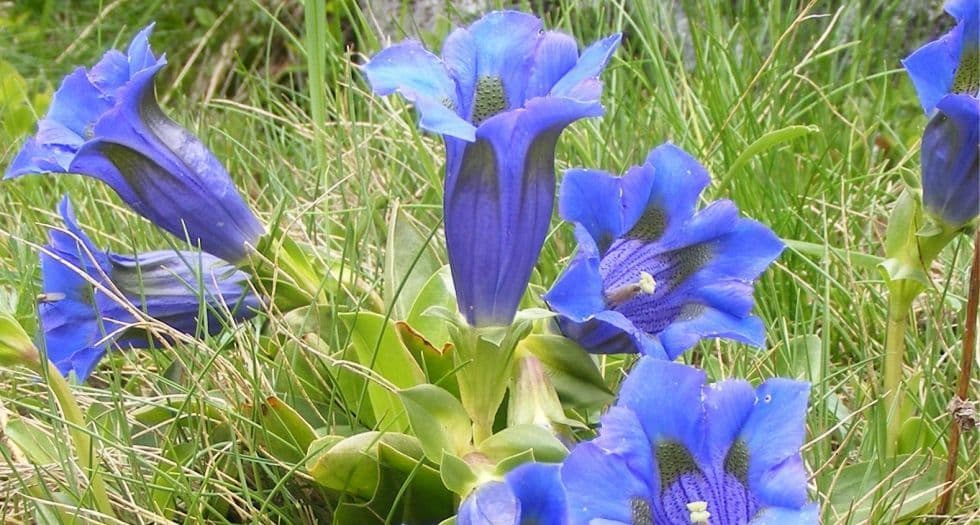
Encian
Encian, or gentian (Gentiana lutea and related species), is one of the great alpine plants of European botanical tradition — its vivid blue flowers and deep, bitter roots deeply embedded in the folklore and pharmacopoeia of mountain communities for centuries. Gentian root, in particular, carries a fascinating aromatic character: intensely bitter and earthy, with a dry resinous quality and a faint sweetness that emerges in aged extracts and tinctures. It is the scent of high-altitude wilderness — austere, complex, and deeply individual. In perfumery, gentian contributes a bitter-earthy complexity that is rare and highly prized. Its alpine bitterness adds a precision and austerity to compositions that prevents sweetness from becoming cloying, and gives woody or resinous fragrances a striking, bracing edge. Gentian root extract pairs beautifully with violet, iris, woody musks, vetiver, and dark resins, lending an austere herbal depth that speaks of mountain air and ancient earth. It is a note for those who appreciate the intellectual pleasure of bitterness in fragrance — a reminder that the most complex pleasures often contain a note of resistance. At Fragrenza, our encian collection showcases the remarkable bitter-earthy beauty of gentian in dupes of fragrances that prize complexity, alpine character, and olfactory depth. These are sophisticated, challenging, and deeply rewarding scents — the fragrance equivalent of a rare botanical liqueur — offered at the accessible prices that define Fragrenza's commitment to fine fragrance for all.
- 🌿
English clove
English clove is a spicy note that gives fragrance heat, texture, and aromatic energy. It can feel sweet, dry, peppery, resinous, herbal, smoky, or slightly medicinal depending on the material. In perfumery, spices create contrast, deepen the heart, and bridge fresh top notes with warm woody or amber bases. It pairs especially well with citrus, rose, tobacco, vanilla, oud, sandalwood, patchouli, leather, and balsamic resins.
- 🌿
English garden rose
English garden rose is a floral note that gives a fragrance softness, radiance, and emotional warmth. Depending on the flower or accord, it may feel fresh, creamy, powdery, honeyed, green, indolic, or airy. In perfumery, floral notes often form the heart of a composition, adding body and a recognizable signature. It pairs well with citrus, white musk, rose, jasmine, sandalwood, amber, vanilla, iris, and delicate fruits.
- 🌿
English oak
English oak is a woody note used to create structure, depth, and lasting warmth. Its scent may be dry, creamy, smoky, resinous, earthy, pencil-like, or polished depending on the wood or accord. In perfumery, woody notes support the whole composition and connect fresh openings with deeper bases. It pairs naturally with amber, musk, incense, leather, vetiver, patchouli, spices, citrus, and soft resins.
- 🌿
English plum
English plum is a fruity note that adds juiciness, color, and natural sweetness. It may feel crisp and tart, ripe and velvety, tropical and creamy, or dark and jammy depending on the fruit profile. In perfumery, fruity notes brighten florals, soften musks, and add pleasure to gourmand or woody structures. It pairs well with rose, peony, jasmine, white musk, vanilla, woods, citrus, amber, and soft spices.
- 🌿
English Rose
English Rose is a floral note that adds softness, radiance, and emotional warmth to a composition. Depending on the flower or accord, it can feel fresh, creamy, powdery, honeyed, green, indolic, or airy. In perfumery, floral notes often form the heart of a fragrance, giving it body and a recognizable character. English Rose pairs well with citrus, white musk, rose, jasmine, sandalwood, amber, vanilla, iris, and delicate fruits, making it useful in both classic bouquets and modern transparent florals.
- 🌿
Espresso
Espresso is a specialty note used to give a fragrance a distinctive texture, mood, or material impression. Depending on interpretation, it may contribute freshness, warmth, sweetness, dryness, softness, or an abstract atmospheric effect. In perfumery, specialty notes are useful because they make a composition feel more specific and less generic. It can be paired with woods, musks, florals, resins, fruits, green notes, spices, or amber materials according to the intended style.
- 🌿
Ether
Ether is a specialty note used to give a fragrance a distinctive texture, mood, or material impression. Depending on interpretation, it may contribute freshness, warmth, sweetness, dryness, softness, or an abstract atmospheric effect. In perfumery, specialty notes are useful because they make a composition feel more specific and less generic. It can be paired with woods, musks, florals, resins, fruits, green notes, spices, or amber materials according to the intended style.
- 🌿
Ethiopian civet
Ethiopian civet is a specialty note used to give a fragrance a distinctive texture, mood, or material impression. Depending on interpretation, it may contribute freshness, warmth, sweetness, dryness, softness, or an abstract atmospheric effect. In perfumery, specialty notes are useful because they make a composition feel more specific and less generic. It can be paired with woods, musks, florals, resins, fruits, green notes, spices, or amber materials according to the intended style.
- 🌿
Ethiopian frankincense
Ethiopian frankincense is a warm ambered or resinous note used to give fragrance depth, softness, and long-lasting richness. It can smell balsamic, sweet, smoky, vanillic, woody, powdery, or incense-like depending on the material. In perfumery, it rounds sharp edges and creates a smooth base that holds the composition together. Ethiopian frankincense pairs well with woods, musks, spices, vanilla, tobacco, leather, florals, oud, and other resins.
- 🌿
Ethiopian myrrh
Ethiopian myrrh is a warm ambered or resinous note used to give fragrance depth, softness, and long-lasting richness. It can smell balsamic, sweet, smoky, vanillic, woody, powdery, or incense-like depending on the material. In perfumery, it rounds sharp edges and creates a smooth base that holds the composition together. It pairs well with woods, musks, spices, vanilla, tobacco, leather, florals, oud, and other resins.
- 🌿
Ethyl benzoate
Ethyl benzoate is a specialty note used to give a fragrance a distinctive texture, mood, or material impression. Depending on interpretation, it may contribute freshness, warmth, sweetness, dryness, softness, or an abstract atmospheric effect. In perfumery, specialty notes are useful because they make a composition feel more specific and less generic. It can be paired with woods, musks, florals, resins, fruits, green notes, spices, or amber materials according to the intended style.
- 🌿
Ethyl maltol
Ethyl maltol is a synthetic aroma molecule — a lab-created compound closely related to maltol, a naturally occurring substance found in larch bark, pine needles, and roasted malt. First synthesised in the mid-20th century, ethyl maltol is one of the most potent and widely used sweet aroma chemicals in the fragrance and food industries, prized for its ability to amplify and enhance sweetness in any composition it touches. The scent of ethyl maltol is unmistakably sweet, warm, and candy-like — reminiscent of cotton candy, caramelised sugar, and spun sugar at a fairground. It is airy rather than heavy, with a softness that distinguishes it from the denser sweetness of vanilla or benzyl benzoate. At higher concentrations it reads as a pure sweet treat note; at lower doses it functions as a powerful fixative and sweetness enhancer, lifting and prolonging the sweetness of other notes around it. Ethyl maltol is a cornerstone of gourmand perfumery and an essential ingredient in many of the world's most popular sweet fragrances. It blends seamlessly with vanilla, tonka bean, caramel, praline, and fruity notes. Fragrenza's ethyl maltol collection celebrates this beloved molecule's role in modern perfumery, offering exquisite sweet gourmand dupes of iconic designer fragrances at prices that make indulgence effortless.
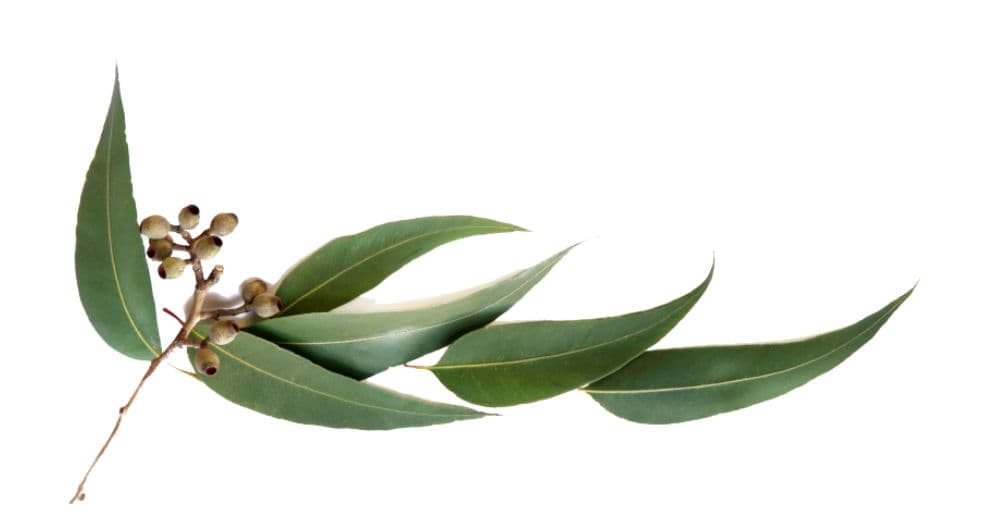
Eucalyptus
Eucalyptus (Eucalyptus globulus and related species) is one of the most globally recognized aromatic plants, native to Australia but now cultivated across the Mediterranean, South America, and beyond. The essential oil distilled from its distinctive leaves is dominated by 1,8-cineole, a molecule that delivers eucalyptus's characteristic camphoraceous, clean, and slightly medicinal freshness with remarkable intensity. It is a scent of clarity and vitality — brisk, penetrating, and invigorating in a way that is almost instantly recognizable worldwide. In perfumery, eucalyptus contributes a sharp, medicinal freshness that cuts through other notes with cool precision. Its camphor-forward character makes it particularly effective in clean, fresh, and aromatic compositions, where it adds a bracing, almost mentholated clarity. Eucalyptus pairs beautifully with lavender, rosemary, citrus, mint, conifer notes, and clean musks — the building blocks of classic fresh-aromatic perfumery. More adventurously, it can be used to add an unexpected cool contrast to warmer oriental or woody compositions, creating an intriguing tension between warmth and clarity. At Fragrenza, our eucalyptus collection brings the crisp vitality of this remarkable Australian botanical to life in dupes of fresh, aromatic fragrances that celebrate its clean, invigorating character. These are scents of freshness and clarity — bracing, clean, and energizing — crafted with care and offered at the prices that make Fragrenza the home of quality fragrance for everyone.
- 🌿
Eucalyptus absolute
Eucalyptus absolute is a specialty note used to give a fragrance a distinctive texture, mood, or material impression. Depending on interpretation, it may contribute freshness, warmth, sweetness, dryness, softness, or an abstract atmospheric effect. In perfumery, specialty notes are useful because they make a composition feel more specific and less generic. It can be paired with woods, musks, florals, resins, fruits, green notes, spices, or amber materials according to the intended style.
- 🌿
Eucalyptus acorn
Eucalyptus acorn is a specialty note used to give a fragrance a distinctive texture, mood, or material impression. Depending on interpretation, it may contribute freshness, warmth, sweetness, dryness, softness, or an abstract atmospheric effect. In perfumery, specialty notes are useful because they make a composition feel more specific and less generic. It can be paired with woods, musks, florals, resins, fruits, green notes, spices, or amber materials according to the intended style.
- 🌿
Eucalyptus smithii
Eucalyptus smithii is a specialty note used to give a fragrance a distinctive texture, mood, or material impression. Depending on interpretation, it may contribute freshness, warmth, sweetness, dryness, softness, or an abstract atmospheric effect. In perfumery, specialty notes are useful because they make a composition feel more specific and less generic. It can be paired with woods, musks, florals, resins, fruits, green notes, spices, or amber materials according to the intended style.
- 🌿
European black pine
European black pine (Pinus nigra) is a dark, resinous conifer with a smokier, drier profile than common pines. It smells of warm bark, evergreen needles, and aged resin. In perfumery, it adds woodland depth to aromatic, fougère, woody, and incense compositions.
- 🌿
European larch
European larch is a specialty note used to give a fragrance a distinctive texture, mood, or material impression. Depending on interpretation, it may contribute freshness, warmth, sweetness, dryness, softness, or an abstract atmospheric effect. In perfumery, specialty notes are useful because they make a composition feel more specific and less generic. It can be paired with woods, musks, florals, resins, fruits, green notes, spices, or amber materials according to the intended style.
- 🌿
European white water lily
European white water lily is a floral note that gives a fragrance softness, radiance, and emotional warmth. Depending on the flower or accord, it may feel fresh, creamy, powdery, honeyed, green, indolic, or airy. In perfumery, floral notes often form the heart of a composition, adding body and a recognizable signature. It pairs well with citrus, white musk, rose, jasmine, sandalwood, amber, vanilla, iris, and delicate fruits.
- 🌿
Evaporated milk
Evaporated milk is a gourmand note that adds edible warmth, sweetness, and comfort. It may suggest cream, sugar, nuts, chocolate, coffee, honey, pastry, or toasted grains depending on the accord. In perfumery, gourmand notes make compositions feel cozy and sensual, but they work best when balanced with woods, musks, spices, citrus, or resins. It pairs well with vanilla, tonka bean, sandalwood, amber, caramel, cacao, coffee, and soft florals.
- 🌿
Evergreens
Evergreens is a green or aromatic note that evokes leaves, herbs, stems, fresh air, or crushed vegetation. Its profile can be crisp, bitter, watery, camphoraceous, grassy, or slightly earthy depending on the material. In perfumery, green notes add realism and lift, keeping sweet, floral, or woody compositions from feeling too heavy. It pairs well with citrus, tea, fig, violet leaf, galbanum, tomato leaf, white musk, vetiver, lavender, and light woods.
- 🌿
Everlasting flower
Everlasting flower is a floral note that adds softness, radiance, and emotional warmth to a composition. Depending on the flower or accord, it can feel fresh, creamy, powdery, honeyed, green, indolic, or airy. In perfumery, floral notes often form the heart of a fragrance, giving it body and a recognizable character. Everlasting flower pairs well with citrus, white musk, rose, jasmine, sandalwood, amber, vanilla, iris, and delicate fruits, making it useful in both classic bouquets and modern transparent florals.
- 🌿
Everlasting flower absolute
Everlasting flower absolute is a floral note that gives a fragrance softness, radiance, and emotional warmth. Depending on the flower or accord, it may feel fresh, creamy, powdery, honeyed, green, indolic, or airy. In perfumery, floral notes often form the heart of a composition, adding body and a recognizable signature. It pairs well with citrus, white musk, rose, jasmine, sandalwood, amber, vanilla, iris, and delicate fruits.
- 🌿
Evernyl
Evernyl is a synthetic aromatic molecule derived from oakmoss (Evernia prunastri), the lichen that forms the backbone of the chypre family — one of perfumery's most storied and beloved fragrance archetypes. As regulatory restrictions have limited the use of natural oakmoss due to sensitization concerns, evernyl has become an indispensable tool for perfumers seeking to recreate oakmoss's complex, earthy-mossy character while meeting modern safety standards. It carries the essential DNA of its natural source: deep, green, slightly animalic, and unmistakably of the forest floor. In fragrance composition, evernyl contributes the foundational mossy-earthy quality that defines classic chypres and fougères. Its slightly damp, soil-like character evokes wet bark, forest undergrowth, and the particular cool darkness of an ancient woodland. Evernyl pairs naturally with bergamot, labdanum, patchouli, civet-like musks, and oakwood accords — the building blocks of the great chypre tradition. It anchors compositions with a deeply naturalistic earthiness, giving fragrances a sense of place and gravitas that more synthetic ingredients cannot replicate. At Fragrenza, our evernyl collection pays homage to the great chypre tradition in dupes of some of the most celebrated mossy-earthy fragrances ever created. These are fragrances of depth, complexity, and classic elegance — rooted in the forest, polished by craft, and offered at the accessible prices that define Fragrenza's vision of fine fragrance for all.
- 🌿
Evodia
Evodia is a specialty note used to give a fragrance a distinctive texture, mood, or material impression. Depending on interpretation, it may contribute freshness, warmth, sweetness, dryness, softness, or an abstract atmospheric effect. In perfumery, specialty notes are useful because they make a composition feel more specific and less generic. It can be paired with woods, musks, florals, resins, fruits, green notes, spices, or amber materials according to the intended style.
- 🌿
Exaltone®
Exaltone® is a specialty note used to give a fragrance a distinctive texture, mood, or material impression. Depending on interpretation, it may contribute freshness, warmth, sweetness, dryness, softness, or an abstract atmospheric effect. In perfumery, specialty notes are useful because they make a composition feel more specific and less generic. It can be paired with woods, musks, florals, resins, fruits, green notes, spices, or amber materials according to the intended style.
- 🌿
Exotic blossoms
Exotic blossoms is a floral note that gives a fragrance softness, radiance, and emotional warmth. Depending on the flower or accord, it may feel fresh, creamy, powdery, honeyed, green, indolic, or airy. In perfumery, floral notes often form the heart of a composition, adding body and a recognizable signature. It pairs well with citrus, white musk, rose, jasmine, sandalwood, amber, vanilla, iris, and delicate fruits.
- 🌿
Exotic citrus fruits
Exotic citrus fruits is a citrus note that adds sparkle, freshness, and immediate lift to a fragrance. Its profile can include juicy pulp, aromatic peel, green bitterness, soft floral nuances, or a sharp zesty brightness depending on the material. In perfumery, it is usually used in the opening, where it brings clarity and motion before blending into florals, woods, musks, or herbs. It pairs well with neroli, tea, lavender, white musk, light woods, aquatic notes, and aromatic herbs.
- 🌿
Exotic floral notes
Exotic floral notes is a specialty note used to give a fragrance a distinctive texture, mood, or material impression. Depending on interpretation, it may contribute freshness, warmth, sweetness, dryness, softness, or an abstract atmospheric effect. In perfumery, specialty notes are valuable because they make a composition feel more specific and less generic. Exotic floral notes can be paired with woods, musks, florals, resins, fruits, green notes, spices, or amber materials according to the intended style.
- 🌿
Exotic fruits
Exotic fruits is a fruity note that gives fragrance juiciness, color, and natural sweetness. It can be crisp and tart, ripe and velvety, tropical and creamy, or dark and jammy depending on the fruit profile. In perfumery, fruity notes brighten florals, soften musks, and add pleasure to gourmand or woody structures. Exotic fruits pairs well with rose, peony, jasmine, white musk, vanilla, woods, citrus, amber, and soft spices.
- 🌿
Exotic notes
Exotic notes is a specialty note used to give a fragrance a distinctive texture, mood, or material impression. Depending on interpretation, it may contribute freshness, warmth, sweetness, dryness, softness, or an abstract atmospheric effect. In perfumery, specialty notes are useful because they make a composition feel more specific and less generic. It can be paired with woods, musks, florals, resins, fruits, green notes, spices, or amber materials according to the intended style.
- 🌿
Exotic Spices
Exotic Spices is a spicy note that gives fragrance heat, texture, and aromatic energy. It can feel sweet, dry, peppery, resinous, herbal, smoky, or slightly medicinal depending on the material. In perfumery, spices create contrast, deepen the heart, and bridge fresh top notes with warm woody or amber bases. It pairs especially well with citrus, rose, tobacco, vanilla, oud, sandalwood, patchouli, leather, and balsamic resins.
- 🌿
Exotic Woods
Exotic Woods is a woody note used to create structure, depth, and lasting warmth. Its scent may be dry, creamy, smoky, resinous, earthy, pencil-like, or polished depending on the wood or accord. In perfumery, woody notes often support the whole composition and help connect fresh openings with deeper bases. Exotic Woods pairs naturally with amber, musk, incense, leather, vetiver, patchouli, spices, citrus, and soft resins, making it useful in masculine, feminine, and unisex fragrances.
- 🌿
Eyelet
Eyelet is a specialty note used to give a fragrance a distinctive texture, mood, or material impression. Depending on interpretation, it may contribute freshness, warmth, sweetness, dryness, softness, or an abstract atmospheric effect. In perfumery, specialty notes are valuable because they make a composition feel more specific and less generic. Eyelet can be paired with woods, musks, florals, resins, fruits, green notes, spices, or amber materials according to the intended style.
F
- 🌿
False sandalwood
False sandalwood is a woody note used to create structure, depth, and lasting warmth. Its scent may be dry, creamy, smoky, resinous, earthy, pencil-like, or polished depending on the wood or accord. In perfumery, woody notes support the whole composition and connect fresh openings with deeper bases. It pairs naturally with amber, musk, incense, leather, vetiver, patchouli, spices, citrus, and soft resins.
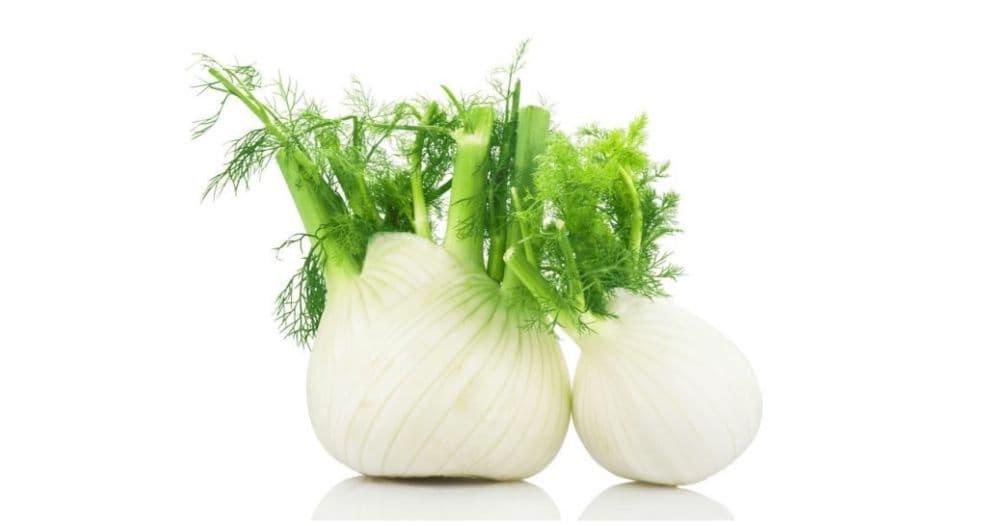
Fennel
Fennel (Foeniculum vulgare) is one of the oldest cultivated herbs in the world, its feathery fronds and aromatic seeds prized across Mediterranean civilizations for millennia. The scent of fennel is unmistakable: a sweet, anise-like freshness with herbal complexity and a slightly medicinal edge that gives it both warmth and a certain cool clarity. Whether from the seed or the bulb, fennel's anethole-rich aroma straddles the line between culinary comfort and botanical sharpness with effortless elegance. In perfumery, fennel contributes a lively herbal-aromatic quality that has been used to enliven everything from fresh fougères to complex oriental compositions. Its sweet anise facet gives it an approachable warmth, while its green herbal character ensures it never becomes cloying. Fennel pairs naturally with citrus notes, lavender, earthy herbs like basil or tarragon, woody drydowns, and clean musks. In masculine fragrances it adds a Mediterranean freshness; in oriental blends it adds a spiced herbal brightness that cuts through heavier base notes with precision and vitality. At Fragrenza, our fennel collection brings this classic Mediterranean herb to life in dupes of fragrances that celebrate its herbal vibrancy and aromatic character. From sun-warmed Provençal hillsides to your skin, these expertly crafted scents capture the full beauty of fennel's complex aromatic profile — fresh, warm, and endlessly appealing — at prices that make fine fragrance available to everyone.
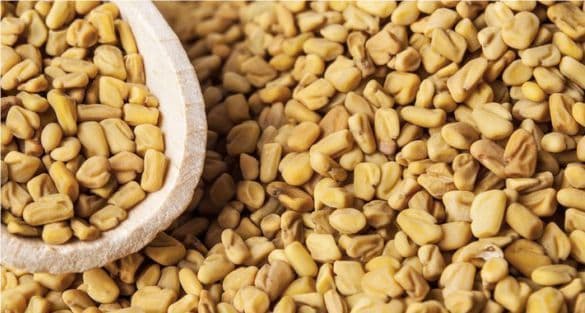
fenugreek
Fenugreek (Trigonella foenum-graecum) is an ancient spice with roots in the cuisines and healing traditions of India, the Middle East, and the Mediterranean. Its seeds carry a deeply distinctive aroma — warm, slightly bitter, and unmistakably maple-like, with a rich, almost caramelized sweetness underpinned by an earthy, slightly medicinal depth. The compound responsible for fenugreek's characteristic scent, sotolone, is the same molecule that gives maple syrup its warmth, and is also found in lovage, aged spirits, and certain types of curry. In perfumery, fenugreek contributes a complex warm-spicy quality that sits at the intersection of the gourmand and oriental families. Its maple-like sweetness adds an indulgent richness without tipping into pure dessert territory, while its bitter-earthy undertone keeps compositions grounded and sophisticated. Fenugreek pairs beautifully with vanilla, amber, woody notes, other warm spices like cardamom and cumin, and animalic musks. It is particularly effective in skin-like and sensuous compositions, where its warmth creates an intimate, almost edible quality that is deeply alluring. Fragrenza's fenugreek collection showcases this remarkable spice in dupes of some of the world's most warmly seductive fragrances. Each scent harnesses fenugreek's complex sweetness and earthy depth to create compositions of real character and intimacy — rich, warm, and deeply wearable, at prices that reflect Fragrenza's commitment to accessible luxury.
- 🌿
Fenugreek absolute
Fenugreek absolute is a specialty note used to give a fragrance a distinctive texture, mood, or material impression. Depending on interpretation, it may contribute freshness, warmth, sweetness, dryness, softness, or an abstract atmospheric effect. In perfumery, specialty notes are useful because they make a composition feel more specific and less generic. It can be paired with woods, musks, florals, resins, fruits, green notes, spices, or amber materials according to the intended style.
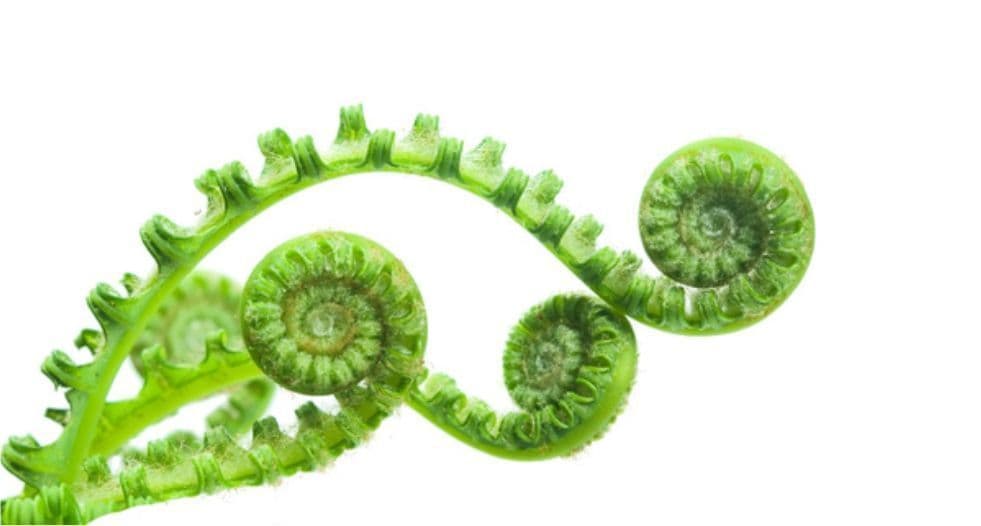
Fern
Fern as a fragrance note does not represent any single botanical species but rather an abstract accord — an evocation of the cool, damp woodland floor where ferns have grown undisturbed for hundreds of millions of years. The concept of fern in perfumery is inseparable from the classic fougère accord, first formalised in Houbigant's landmark 1882 creation and now one of the most enduring fragrance families in history. The scent character of fern is green, earthy, and slightly mossy, with a cool, shadowy depth that carries undertones of oak, damp earth, and fresh air. It is not a literal botanical note but rather an impressionistic interpretation of the woodland environment — clean but not sharp, natural but refined. The accord typically combines lavender, oakmoss, coumarin, and geranium to conjure this distinctive effect, resulting in a scent that feels simultaneously timeless and deeply masculine. Fern is a fundamental pillar of the fougère fragrance family and pairs naturally with lavender, bergamot, vetiver, oakmoss, and woody ambers. It is a cornerstone note in classic masculine fragrances but has also found a place in unisex and green-forward compositions. At Fragrenza, our fern-driven collections honour this foundational perfumery tradition in exceptional quality dupes at genuinely accessible prices.
- 🌿
Fig
The fig fruit — the ripe, yielding harvest of Ficus carica — has been consumed and celebrated across the Mediterranean world since ancient times. Sweet, yielding, and sun-warmed, ripe fig carries a sensuality that has made it a powerful symbol of abundance and pleasure throughout history. As a fragrance note, it captures a different, warmer dimension of the fig plant compared to its leafy, green counterpart. Ripe fig as a scent note is warm, sweet, and gently musky, with a jammy softness underscored by a subtle earthy depth. It is less sharp and green than fig leaf or fig tree, instead offering the intimate warmth of a fruit just pulled from the branch in late summer. There is a gentle creaminess to the note alongside its sweetness — a lactonic, almost honeyed quality that makes it feel tender and comforting. In perfumery, fig note blends harmoniously with tonka bean, sandalwood, amber, and warm musks for rich oriental constructions, and equally well with solar or aquatic notes for Mediterranean-inspired compositions. It is equally wearable in unisex and feminine fragrances. Fragrenza's fig collections showcase this warm, sensuous note in beautifully crafted dupes of iconic fig-centred perfumes, making luxury accessible without compromise on quality.
- 🌿
Fig blossom
Fig blossom is a floral note that gives a fragrance softness, radiance, and emotional warmth. Depending on the flower or accord, it may feel fresh, creamy, powdery, honeyed, green, indolic, or airy. In perfumery, floral notes often form the heart of a composition, adding body and a recognizable signature. It pairs well with citrus, white musk, rose, jasmine, sandalwood, amber, vanilla, iris, and delicate fruits.
- 🌿
Fig jam
Fig jam is a fruity note that adds juiciness, color, and natural sweetness. It may feel crisp and tart, ripe and velvety, tropical and creamy, or dark and jammy depending on the fruit profile. In perfumery, fruity notes brighten florals, soften musks, and add pleasure to gourmand or woody structures. It pairs well with rose, peony, jasmine, white musk, vanilla, woods, citrus, amber, and soft spices.
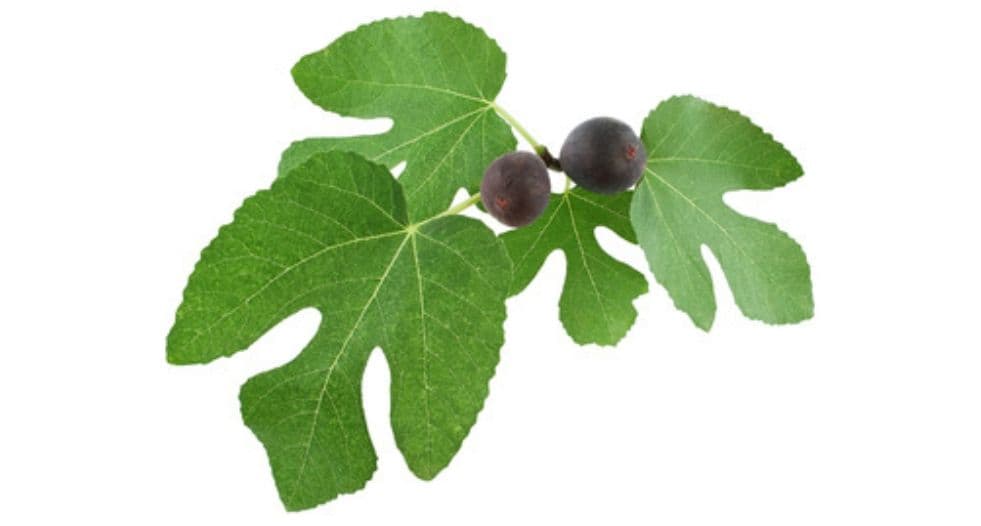
Fig leaf
Fig leaf — distinct from the fig fruit — is one of perfumery's most beloved and recognizable green notes. The large, lobed leaves of the common fig tree (Ficus carica) carry a scent that is intensely green and slightly milky, with a faintly sappy bitterness that perfectly evokes the sun-warmed groves of the Mediterranean. When a fig leaf is bruised or torn, it releases a vivid rush of chlorophyll-green, creamy latex, and a whisper of the fruit to come — a scent that is simultaneously wild and cultivated, familiar and exotic. In fragrance, fig leaf is one of the signature notes of Mediterranean-inspired perfumery. It adds a vivid, living-plant greenness that is more dimensional than simple grass or cut stems, grounded as it is by the milky, slightly bitter quality of the latex sap. Fig leaf pairs beautifully with woody bases — cedar, sandalwood, driftwood — as well as with earthy vetiver, fresh citrus, and clean musks. It is equally at home in both fresh summer fragrances and in more complex, ambiguous compositions where its sappy richness adds unexpected depth. Many iconic fragrances have been built around or defined by this extraordinary note. At Fragrenza, our fig leaf collection gathers dupes of some of the most celebrated fig-driven fragrances in modern perfumery. Each scent captures the essence of the Mediterranean grove — green, sappy, luminous, and timeless — in carefully crafted compositions that honor their inspirations, at prices that make the experience widely accessible.
- 🌿
Fig milk
Fig milk is a fruity note that gives fragrance juiciness, color, and natural sweetness. It can be crisp and tart, ripe and velvety, tropical and creamy, or dark and jammy depending on the fruit profile. In perfumery, fruity notes brighten florals, soften musks, and add pleasure to gourmand or woody structures. Fig milk pairs well with rose, peony, jasmine, white musk, vanilla, woods, citrus, amber, and soft spices.
- 🌿
Fig nectar
Fig nectar is a fruity note that adds juiciness, color, and natural sweetness. It may feel crisp and tart, ripe and velvety, tropical and creamy, or dark and jammy depending on the fruit profile. In perfumery, fruity notes brighten florals, soften musks, and add pleasure to gourmand or woody structures. It pairs well with rose, peony, jasmine, white musk, vanilla, woods, citrus, amber, and soft spices.
- 🌿
Fig tea
Fig tea is a fruity note that adds juiciness, color, and natural sweetness. It may feel crisp and tart, ripe and velvety, tropical and creamy, or dark and jammy depending on the fruit profile. In perfumery, fruity notes brighten florals, soften musks, and add pleasure to gourmand or woody structures. It pairs well with rose, peony, jasmine, white musk, vanilla, woods, citrus, amber, and soft spices.
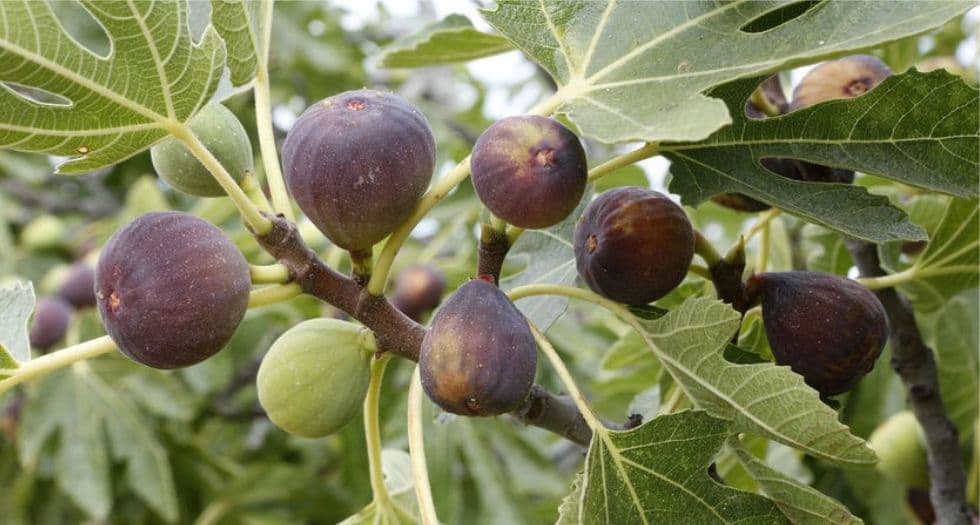
Fig tree
The fig tree — Ficus carica — is one of the oldest cultivated plants in human history, native to the Middle East and western Asia and grown throughout the Mediterranean for at least eleven thousand years. Revered in ancient Egypt, Greece, and Rome, the fig tree carries layers of cultural and mythological significance, and its aromatic profile — drawn from the wood, sap, and leaves rather than the fruit — offers one of perfumery's most distinctive and evocative green notes. As a fragrance note, fig tree is milky, sappy, and deeply green, with an almost latex-like quality that comes from the tree's characteristic white sap. The note smells simultaneously of sun-warmed bark, crushed green leaves, and the cool, slightly bitter shadow of dense Mediterranean foliage. There is a natural, raw vitality to it — earthy but luminous, pastoral but sophisticated. It is a scent that transports the wearer to a sun-drenched southern garden. Fig tree is a cornerstone of the green-woody fragrance family and pairs beautifully with vetiver, cedarwood, citrus, and white musks. It works equally well in unisex and feminine constructions, lending depth and naturalness to everything it touches. At Fragrenza, our fig tree compositions bring this iconic Mediterranean note to life in premium-quality dupes inspired by the world's most acclaimed fig fragrances.
- 🌿
Fig tree bark
Fig tree bark is a woody note used to create structure, depth, and lasting warmth. Its scent may be dry, creamy, smoky, resinous, earthy, pencil-like, or polished depending on the wood or accord. In perfumery, woody notes support the whole composition and connect fresh openings with deeper bases. It pairs naturally with amber, musk, incense, leather, vetiver, patchouli, spices, citrus, and soft resins.
- 🌿
Fig tree sap
Fig tree sap is a fruity note that adds juiciness, color, and natural sweetness. It may feel crisp and tart, ripe and velvety, tropical and creamy, or dark and jammy depending on the fruit profile. In perfumery, fruity notes brighten florals, soften musks, and add pleasure to gourmand or woody structures. It pairs well with rose, peony, jasmine, white musk, vanilla, woods, citrus, amber, and soft spices.
- 🌿
Fig wood
Fig wood is a woody note used to create structure, depth, and lasting warmth. Its scent may be dry, creamy, smoky, resinous, earthy, pencil-like, or polished depending on the wood or accord. In perfumery, woody notes support the whole composition and connect fresh openings with deeper bases. It pairs naturally with amber, musk, incense, leather, vetiver, patchouli, spices, citrus, and soft resins.
- 🌿
Figolide™
Figolide™ is a fruity note that adds juiciness, color, and natural sweetness. It may feel crisp and tart, ripe and velvety, tropical and creamy, or dark and jammy depending on the fruit profile. In perfumery, fruity notes brighten florals, soften musks, and add pleasure to gourmand or woody structures. It pairs well with rose, peony, jasmine, white musk, vanilla, woods, citrus, amber, and soft spices.
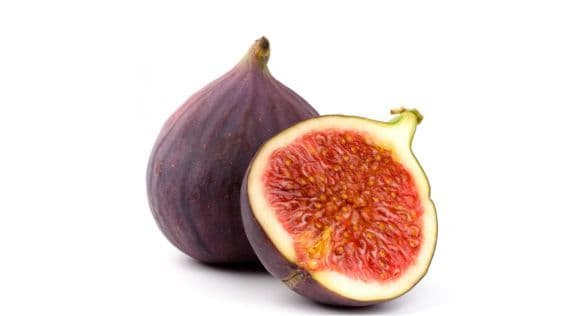
Figs
Fig is a fruity note with juicy sweetness, tart brightness, and a colorful natural character. In perfumery, it adds vibrancy and approachability to fruity florals, musks, gourmands, chypres, summer scents, and playful modern compositions.
- 🌿
Film strip
Film strip is a specialty note used to give a fragrance a distinctive texture, mood, or material impression. Depending on interpretation, it may contribute freshness, warmth, sweetness, dryness, softness, or an abstract atmospheric effect. In perfumery, specialty notes are useful because they make a composition feel more specific and less generic. It can be paired with woods, musks, florals, resins, fruits, green notes, spices, or amber materials according to the intended style.
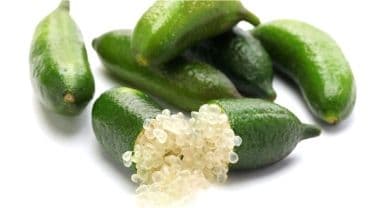
Finger Lime
Finger lime (Microcitrus australasica), often called Australian caviar lime, is one of the most extraordinary citrus fruits in the world. Native to the subtropical rainforests of Queensland and New South Wales, this remarkable fruit contains tiny, bead-like vesicles that burst with an intensely tart, aromatic juice — a citrus sensation so concentrated and vivid it has become a prized ingredient in haute cuisine and, increasingly, in fine fragrance. Its scent is bracingly fresh, intensely zesty, and more complex than conventional citrus, with a slightly floral-tart quality that is entirely its own. In perfumery, finger lime contributes an intense, sparkingly alive citrus note that goes beyond the familiar brightness of lemon or bergamot. Its concentrated, almost effervescent character gives fragrances an electric freshness — a sensation of citrus pearls bursting on the skin with vivid immediacy. Finger lime pairs naturally with other Australian botanicals, crisp green notes, white florals, and light musks, adding a uniquely vibrant and modern character to compositions. It is particularly prized in contemporary fresh fragrances that seek a more unusual, sophisticated take on the classic citrus opening. Fragrenza's finger lime collection celebrates this exceptional Australian ingredient in dupes of cutting-edge fresh fragrances that showcase its remarkable intensity. From the rainforests of eastern Australia to your skin, these scents deliver something genuinely special — vivid, precise, and memorable — at prices that make fine fragrance available to everyone.
- 🌿
Finnish rose
Finnish rose is a floral note that gives a fragrance softness, radiance, and emotional warmth. Depending on the flower or accord, it may feel fresh, creamy, powdery, honeyed, green, indolic, or airy. In perfumery, floral notes often form the heart of a composition, adding body and a recognizable signature. It pairs well with citrus, white musk, rose, jasmine, sandalwood, amber, vanilla, iris, and delicate fruits.

Fir
Fir, and particularly the silver fir (Abies alba), is one of the great classical sources of coniferous fragrance in perfumery. Native to the mountainous forests of central and southern Europe, the silver fir produces a clean, fresh-resinous scent that perfectly embodies the essence of a winter forest. Its needle-like foliage releases a crisp, slightly citrusy aroma — green and invigorating, with an underlying warmth from the resin that gives it both brightness and depth. The scent of fir is the scent of cold air and evergreen life. In fragrance composition, fir contributes a clean coniferous freshness that is sharper and more austere than pine, with a crystalline clarity that evokes snow-dusted forests and cool mountain air. It is widely used in masculine and unisex fragrances, aquatic compositions, and holiday-inspired scents, where it provides a natural, grounding freshness. Fir balsam — the resinous extract from the tree's bark blisters — adds a warmer, softer counterpoint to the needle's crispness, rounding out compositions with a gentle woody sweetness. Together, the two facets of fir create a complete portrait of the forest in winter. Fragrenza's fir collection brings the invigorating beauty of the conifer forest to life in dupes of some of the world's most beloved fresh and woody fragrances. Each scent captures fir's clean, crisp character with precision and care, offering a true forest experience at a price accessible to every fragrance lover.
- 🌿
Fir absolute
Fir absolute is a woody note used to create structure, depth, and lasting warmth. Its scent may be dry, creamy, smoky, resinous, earthy, pencil-like, or polished depending on the wood or accord. In perfumery, woody notes support the whole composition and connect fresh openings with deeper bases. It pairs naturally with amber, musk, incense, leather, vetiver, patchouli, spices, citrus, and soft resins.
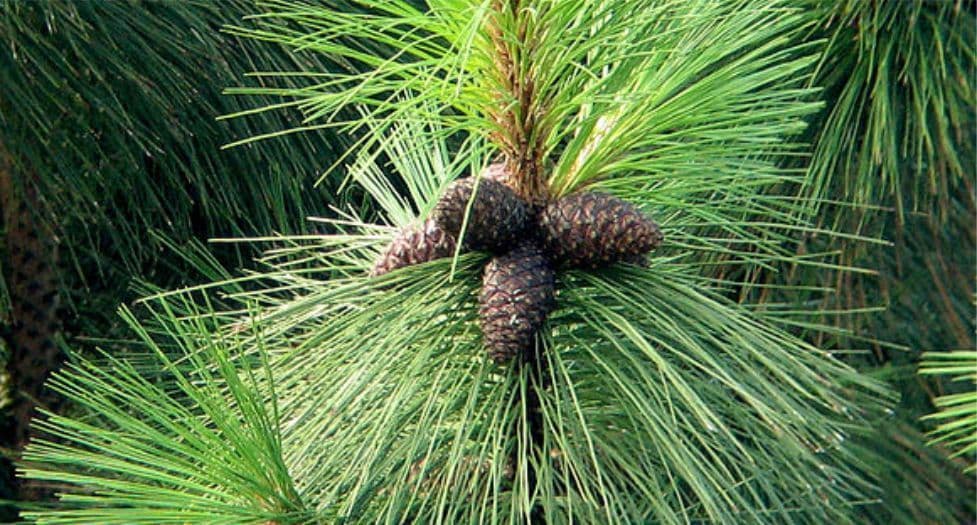
Fir Balsam
Fir balsam is one of perfumery's most evocative natural ingredients — a note that transports you instantly to a deep, silent forest in the heart of winter. Derived from the Abies genus of conifer trees, fir balsam captures the essence of pine needles, resinous bark, and the clean, cold air of a snow-dusted woodland. Its olfactory profile is both fresh and comforting: a camphorous, slightly mentholated green opening that softens into a warm, resinous heart with a faintly sweet, almost honey-like balsamic quality. In perfumery, fir balsam serves multiple functions depending on how it is used. As a top and heart note, it delivers that unmistakable coniferous freshness — bright, clean, and invigorating, like breathing deeply in a pine forest. This makes it a natural partner for citrus notes, particularly bergamot and lemon, as well as other forest materials like cedarwood, juniper berry, and labdanum. In the base, fir balsam's resinous qualities add warmth and depth, anchoring lighter notes and extending a fragrance's sillage and longevity. The note appears across a wide range of fragrance families: in fresh aromatic colognes and fougères it adds a bracing outdoor character; in woody orientals it contributes resinous depth; in chypres it reinforces the earthy, mossy foundation. Fir balsam is also strongly associated with winter and holiday fragrances — its festive, comforting character makes it a seasonal favourite. At Fragrenza, our fir balsam-inspired fragrances bottle this forest magic, delivering the crisp, resinous beauty of ancient conifers at prices everyone can enjoy.
- 🌿
Fir balsam absolute
Fir balsam absolute is a warm ambered or resinous note used to give fragrance depth, softness, and long-lasting richness. It can smell balsamic, sweet, smoky, vanillic, woody, powdery, or incense-like depending on the material. In perfumery, it rounds sharp edges and creates a smooth base that holds the composition together. Fir balsam absolute pairs well with woods, musks, spices, vanilla, tobacco, leather, florals, oud, and other resins.
- 🌿
Fir needle
Fir needle is a specialty note used to give a fragrance a distinctive texture, mood, or material impression. Depending on interpretation, it may contribute freshness, warmth, sweetness, dryness, softness, or an abstract atmospheric effect. In perfumery, specialty notes are valuable because they make a composition feel more specific and less generic. Fir needle can be paired with woods, musks, florals, resins, fruits, green notes, spices, or amber materials according to the intended style.
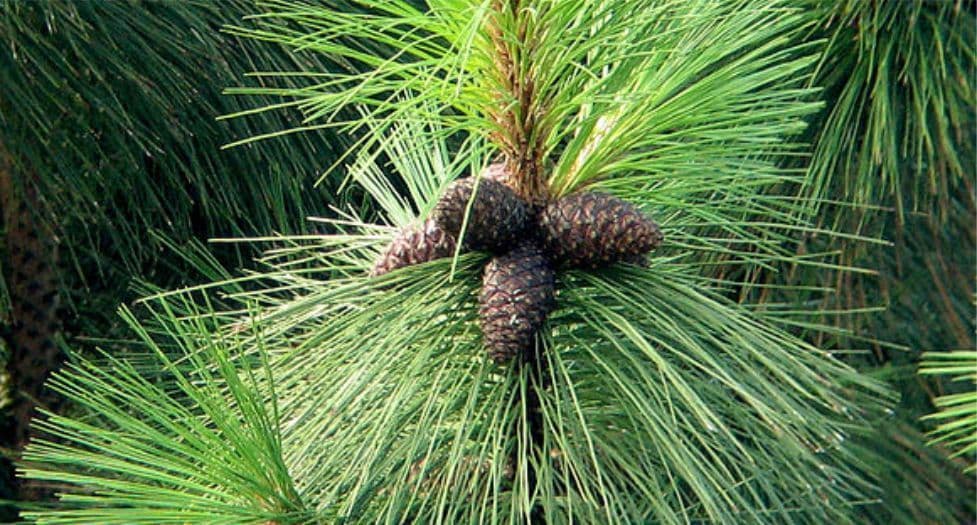
Fir Resin
Fir resin is a balsamic material from fir trees with a fresh coniferous aroma and green, resinous, woody, and lightly sweet facets. It evokes evergreen forests, cool mountain air, and natural balsamic warmth. In perfumery, it adds forest freshness and resinous depth.
- 🌿
Fire
Fire is one of perfumery's most elemental and evocative abstract concepts — an attempt to capture not a natural ingredient but a primal sensory experience that has shaped human consciousness since the dawn of civilization. The fire accord in fragrance draws on the full olfactory drama of combustion: the acrid bite of smoke, the dry warmth of glowing embers, the slightly charred sweetness of burning wood, and the atmospheric quality of heat itself rising through cool night air. It is at once ancient and modern, instinctive and sophisticated. In fragrance composition, fire accords are built from a palette of smoky, phenolic, and woody materials — birch tar, guaiac wood, incense, charred woods, and carefully selected aromatic molecules that evoke the sensation of fire without literal ash. The result is a rich, warm, and deeply atmospheric note that adds drama and depth to any composition it inhabits. Fire notes pair powerfully with leather, oud, dark resins, and animalic elements, creating fragrances of intense character and longevity. They can also be used more subtly, as a smoldering background presence beneath lighter accords. At Fragrenza, our fire-themed collection brings together dupes of some of the most bold and atmospheric smoky fragrances in the world. Whether you crave the dramatic intensity of a roaring bonfire or the intimate warmth of dying embers, these expertly crafted scents deliver the full power of the fire note at prices that welcome every fragrance enthusiast.
- 🌿
Fire lily
The fire lily, known botanically as Cyrtanthus, is a genus of striking flowering bulbs native to southern Africa, particularly South Africa. These vivid blooms — typically tubular, in shades of red, orange, and yellow — thrive in the aftermath of veld fires, earning them their evocative common name. Their scent is warm and gently spiced, with a soft sweetness that carries an underlying tropical richness, reminiscent of sun-warmed petals with a faint peppery depth beneath the floral surface. In perfumery, fire lily contributes a warm-floral character that bridges exotic tropical flowers and softly spiced oriental accords. Its combination of sweetness and gentle heat makes it particularly effective in compositions that seek to evoke warmth, passion, and the drama of the African landscape. Fire lily pairs beautifully with other warm florals, amber, vanilla, soft spices, and earthy woods — lending a sensuous, glowing quality to the heart of a fragrance. It brings both vibrancy and intimacy, making it a compelling choice for rich, complex perfume compositions. Fragrenza's fire lily collection celebrates the beauty and warmth of this remarkable southern African bloom in dupes of fragrances that capture its distinctive character. Each scent delivers a rich, evocative experience — warm, floral, and gently exotic — at the accessible prices Fragrenza is known for.
- 🌿
Firebird
Firebird is a woody note used to create structure, depth, and lasting warmth. Its scent may be dry, creamy, smoky, resinous, earthy, pencil-like, or polished depending on the wood or accord. In perfumery, woody notes support the whole composition and connect fresh openings with deeper bases. It pairs naturally with amber, musk, incense, leather, vetiver, patchouli, spices, citrus, and soft resins.
- 🌿
Fireweed
Fireweed is a woody note used to create structure, depth, and lasting warmth. Its scent may be dry, creamy, smoky, resinous, earthy, pencil-like, or polished depending on the wood or accord. In perfumery, woody notes support the whole composition and connect fresh openings with deeper bases. It pairs naturally with amber, musk, incense, leather, vetiver, patchouli, spices, citrus, and soft resins.
- 🌿
Firewood
Firewood is a woody note used to create structure, depth, and lasting warmth. Its scent may be dry, creamy, smoky, resinous, earthy, pencil-like, or polished depending on the wood or accord. In perfumery, woody notes support the whole composition and connect fresh openings with deeper bases. It pairs naturally with amber, musk, incense, leather, vetiver, patchouli, spices, citrus, and soft resins.
- 🌿
Firsantol®
Firsantol® is a woody note used to create structure, depth, and lasting warmth. Its scent may be dry, creamy, smoky, resinous, earthy, pencil-like, or polished depending on the wood or accord. In perfumery, woody notes support the whole composition and connect fresh openings with deeper bases. It pairs naturally with amber, musk, incense, leather, vetiver, patchouli, spices, citrus, and soft resins.

Fish
The fish note in perfumery occupies a fascinating and deliberately challenging corner of the olfactory spectrum. Rooted in the briny, oceanic world of the sea, it draws on the aquatic-animalic dimension of marine life — the salt-tinged air of a harbor, the clean rawness of the deep ocean, and the subtle fatty-mineral quality of fresh seafood. Far from being unpleasant in skilled hands, the fish note contributes an intensely realistic marine quality that transports the wearer to coastal landscapes with remarkable immediacy. In fragrance, the fish note is used sparingly and skillfully, most often in highly conceptual or avant-garde compositions that seek to explore the full sensory range of the ocean. It adds depth and authenticity to aquatic accords, distinguishing them from the more synthetic ozone and sea-breeze notes common in mainstream marine fragrances. When balanced with iodine, sea salt, driftwood, and clean musks, a well-handled fish note can evoke rockpools at low tide, ocean spray on weathered stone, or the clean vitality of the open sea. It is a note for the bold and curious. At Fragrenza, our fish-note collection presents dupes of some of the most daring and conceptually rich marine fragrances available, crafted for those who want their perfume to tell a vivid, immersive story. These are not ordinary aquatics — they are full sensory experiences, offered at prices that make adventurous perfumery accessible to all.
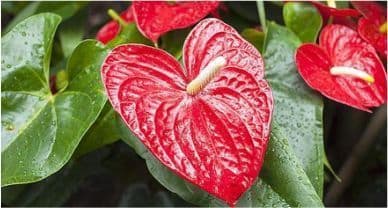
Flamingo flower (Anthurium
The flamingo flower, or anthurium, is a striking tropical plant native to the rainforests of Central and South America. With its glossy, waxy spathes in shades of red, pink, and white, the anthurium is as visually dramatic as the note it inspires in perfumery. Its scent is subtle and sophisticated — a faintly waxy, green-sweet aroma that carries the lush humidity of a tropical greenhouse, with a clean, slightly floral quality that is neither overwhelmingly sweet nor sharply green. In fragrance composition, anthurium contributes a unique tropical-waxy character that bridges floral and green accords. Its slightly succulent, velvety quality adds a sense of exotic richness without the heavy opulence of more dominant tropical flowers like ylang-ylang or frangipani. Perfumers use anthurium to add a fresh, living-plant quality to compositions — the sensation of a real flower rather than an extracted essence. It pairs beautifully with white floral notes, soft woods, light musks, and aquatic elements, adding a modern, botanical dimension that feels both lush and clean. Fragrenza's flamingo flower collection draws on this beautifully unusual note to offer dupes of fragrances that celebrate tropical elegance and botanical sophistication. Each scent captures the spirit of the anthurium's quiet exoticism, delivering a refined, greenhouse-fresh experience at a price that brings luxury within reach for every fragrance lover.
Flax
Flax, the slender flowering plant Linum usitatissimum, has been cultivated by humans for thousands of years — prized for its linen fibers and nourishing seeds long before it ever found its way into a perfumer's palette. The plant's delicate blue flowers carry a softly green, faintly sweet, and slightly aqueous scent that is more suggestion than statement, evoking sun-dappled fields and the clean simplicity of natural fibers. The scent of flax is gentle and understated, with a linen-fresh quality that has made it a favorite in clean and minimalist fragrance compositions. In perfumery, flax contributes a green-floral freshness that sits comfortably between the brightness of a cut stem and the crisp dryness of laundered cloth. It pairs naturally with light musks, iris, aldehydes, and soft woods, lending an airy, uncluttered elegance to compositions. Flax is particularly prized in fragrances aiming for a sense of purity and simplicity — scents that evoke clean skin, cool morning air, or the texture of fine linen against the body. Its linen-like dryness makes it a subtle but sophisticated choice in both feminine and gender-neutral perfumery. At Fragrenza, our flax collection captures this quietly refined note in expertly crafted dupes of fragrances that celebrate clean, green-floral elegance. These are scents of effortless simplicity — fresh, natural, and beautifully composed, brought to you at a fraction of the price of their high-end inspirations.
- 🌿
Flax blossom
Flax blossom is a floral note that gives a fragrance softness, radiance, and emotional warmth. Depending on the flower or accord, it may feel fresh, creamy, powdery, honeyed, green, indolic, or airy. In perfumery, floral notes often form the heart of a composition, adding body and a recognizable signature. It pairs well with citrus, white musk, rose, jasmine, sandalwood, amber, vanilla, iris, and delicate fruits.
- 🌿
Fleur de sel
Fleur de sel is a specialty note used to give a fragrance a distinctive texture, mood, or material impression. Depending on interpretation, it may contribute freshness, warmth, sweetness, dryness, softness, or an abstract atmospheric effect. In perfumery, specialty notes are valuable because they make a composition feel more specific and less generic. Fleur de sel can be paired with woods, musks, florals, resins, fruits, green notes, spices, or amber materials according to the intended style.
flint
Flint is one of perfumery's most intriguing abstract notes — an attempt to capture the cold, almost electric scent of struck stone. The olfactory impression of flint is inherently mineral: sharp, clean, and slightly metallic, evoking the moment a steel blade meets a hard silica rock and releases a fleeting shower of sparks. Though flint itself has no persistent aroma, perfumers have long been fascinated by the concept of mineral coldness, and modern chemistry has made it possible to approximate that elusive, almost atmospheric sensation. In fragrance composition, flint-inspired notes contribute a distinctive sparkling minerality that sets them apart from warmer, more familiar ingredients. Often created through carefully selected aromatic molecules that evoke wet stone, cold air, and metallic brightness, flint accords add an avant-garde, almost sculptural quality to a perfume. They are frequently found in aquatic and ozonic compositions, lending a sense of dramatic contrast — cool and hard against soft musks or warm woods. Flint notes can also create a fascinating tension with floral or gourmand elements, grounding sweetness with an unexpected austerity. Fragrenza's flint-forward collection showcases this bold, conceptual ingredient in dupes inspired by some of the most architecturally daring fragrances in modern perfumery. These are scents for those who appreciate the unconventional — sharp, intelligent, and utterly memorable, offered at an accessible price that makes the avant-garde available to all.
- 🌿
Flintstone
Flintstone is an earthy or mineral note that adds realism, dryness, and atmospheric depth. It may suggest soil, roots, stone, dust, damp ground, mushrooms, clay, or cool mineral surfaces depending on the accord. In perfumery, these notes make compositions feel grounded, natural, or avant-garde. It pairs well with vetiver, moss, patchouli, dry woods, leather, incense, rain notes, musk, and dark florals.
- 🌿
Floral
Floral fragrances are the heartbeat of perfumery. From the earliest days of scent-making to the modern era of haute parfumerie, flowers have been the backbone of countless iconic compositions. Rose, jasmine, lily of the valley, peony, gardenia, iris, violet — the floral palette is vast, nuanced, and endlessly captivating. Fragrenza's Floral Fragrances collection brings together the most beautiful bloom-centered inspirations in our lineup. The floral family encompasses an extraordinary range of moods and personalities. A soliflore built around a single rose can be classically romantic and deeply feminine. A white floral composition anchored by tuberose or gardenia can be heady, almost intoxicating. A soft iris or violet scent may feel powdery, delicate, and utterly elegant. Whatever your relationship with flowers, there is a floral fragrance that speaks your language. Floral perfumes are among the most universally beloved and gifted fragrances in the world — and for good reason. They evoke gardens at peak bloom, warm summer evenings, wedding bouquets, and the simple joy of a fresh-cut flower. They suit every skin type, adapt to every season, and carry an inherent sense of beauty and femininity that transcends trends. Fragrenza's floral collection draws inspiration from some of the most celebrated floral perfumes from designer and niche houses worldwide. Each inspired-by alternative captures the essential character of its muse — the specific blooms, the texture, the mood — using quality ingredients and expert blending. Discover your perfect floral signature at a price that makes wearing it every day an easy decision.

Floral notes
Floral notes form the very heart of perfumery, representing the most celebrated and diverse family in the fragrance world. Drawn from the blossoms of roses, jasmine, ylang-ylang, tuberose, lily of the valley, peony, and countless other flowers, floral accords have been cherished across cultures and centuries as symbols of beauty, romance, and femininity. From the sun-drenched rose fields of Grasse to the jasmine gardens of India, the raw materials behind floral perfumery are as varied as the blooms themselves. In fine fragrance, floral notes serve as the classic heart chord — the aromatic center that gives a perfume its identity and emotional resonance. They can be soliflore, spotlighting a single bloom with botanical accuracy, or composed into rich, multi-petal bouquets that evoke an entire garden in full bloom. Floral accords range from the dewy freshness of white flowers to the lush, heady depth of tropical blossoms, from the clean simplicity of a spring daisy to the intoxicating complexity of a jasmine absolute. They blend seamlessly with citrus top notes, oriental bases, and woody dry-downs, making them endlessly versatile. Fragrenza's floral collection celebrates this extraordinary breadth, offering carefully crafted dupes of iconic floral fragrances from the world's top houses. Each scent faithfully captures the spirit of its inspiration, allowing you to explore the full spectrum of floral perfumery — from delicate and airy to opulent and intoxicating — without compromise on quality or price.
- 🌿
Floralozone
Floralozone is an aquatic note that evokes water, sea air, rain, mineral freshness, or clean transparent space. It can be salty, ozonic, marine, watery, airy, or slightly green depending on the accord. In perfumery, aquatic notes bring freshness, diffusion, and a modern easy-to-wear character. It pairs well with citrus, white musk, driftwood, lavender, sage, cucumber, marine notes, ambergris-style molecules, and pale woods.
- 🌿
Florentine iris
Florentine iris is a floral note that adds softness, radiance, and emotional warmth to a composition. Depending on the flower or accord, it can feel fresh, creamy, powdery, honeyed, green, indolic, or airy. In perfumery, floral notes often form the heart of a fragrance, giving it body and a recognizable character. Florentine iris pairs well with citrus, white musk, rose, jasmine, sandalwood, amber, vanilla, iris, and delicate fruits, making it useful in both classic bouquets and modern transparent florals.
- 🌿
Florentine iris absolute
Florentine iris absolute is a floral note that gives a fragrance softness, radiance, and emotional warmth. Depending on the flower or accord, it may feel fresh, creamy, powdery, honeyed, green, indolic, or airy. In perfumery, floral notes often form the heart of a composition, adding body and a recognizable signature. It pairs well with citrus, white musk, rose, jasmine, sandalwood, amber, vanilla, iris, and delicate fruits.
- 🌿
Flores patchouli
Flores patchouli is a woody note used to create structure, depth, and lasting warmth. Its scent may be dry, creamy, smoky, resinous, earthy, pencil-like, or polished depending on the wood or accord. In perfumery, woody notes support the whole composition and connect fresh openings with deeper bases. It pairs naturally with amber, musk, incense, leather, vetiver, patchouli, spices, citrus, and soft resins.
- 🌿
Florida clementine
Florida clementine is a specialty note used to give a fragrance a distinctive texture, mood, or material impression. Depending on interpretation, it may contribute freshness, warmth, sweetness, dryness, softness, or an abstract atmospheric effect. In perfumery, specialty notes are useful because they make a composition feel more specific and less generic. It can be paired with woods, musks, florals, resins, fruits, green notes, spices, or amber materials according to the intended style.
- 🌿
Florida grapefruit
Florida grapefruit is a citrus note that adds sparkle, freshness, and immediate lift to a fragrance. Its profile can include juicy pulp, aromatic peel, green bitterness, soft floral nuances, or a sharp zesty brightness depending on the material. In perfumery, it is usually used in the opening, where it brings clarity and motion before blending into florals, woods, musks, or herbs. It pairs well with neroli, tea, lavender, white musk, light woods, aquatic notes, and aromatic herbs.
- 🌿
Florida orange
Florida orange is a citrus note that adds sparkle, freshness, and immediate lift to a fragrance. Its profile can include juicy pulp, aromatic peel, green bitterness, soft floral nuances, or a sharp zesty brightness depending on the material. In perfumery, it is usually used in the opening, where it brings clarity and motion before blending into florals, woods, musks, or herbs. It pairs well with neroli, tea, lavender, white musk, light woods, aquatic notes, and aromatic herbs.
Flower (Notes)
Floral Notes is a specialty fragrance note with a distinctive character that can add texture, contrast, and originality to a composition. In perfumery, it is best used to create a specific mood or material impression, often alongside woods, musks, florals, resins, fruits, or green notes.
- 🌿
Flowering rush
Flowering rush is a floral note that gives a fragrance softness, radiance, and emotional warmth. Depending on the flower or accord, it may feel fresh, creamy, powdery, honeyed, green, indolic, or airy. In perfumery, floral notes often form the heart of a composition, adding body and a recognizable signature. It pairs well with citrus, white musk, rose, jasmine, sandalwood, amber, vanilla, iris, and delicate fruits.
- 🌿
Flowers
Flowers is a floral note that adds softness, radiance, and emotional warmth to a composition. Depending on the flower or accord, it can feel fresh, creamy, powdery, honeyed, green, indolic, or airy. In perfumery, floral notes often form the heart of a fragrance, giving it body and a recognizable character. Flowers pairs well with citrus, white musk, rose, jasmine, sandalwood, amber, vanilla, iris, and delicate fruits, making it useful in both classic bouquets and modern transparent florals.
- 🌿
Forest accord
Forest accord is a specialty note used to give a fragrance a distinctive texture, mood, or material impression. Depending on interpretation, it may contribute freshness, warmth, sweetness, dryness, softness, or an abstract atmospheric effect. In perfumery, specialty notes are valuable because they make a composition feel more specific and less generic. Forest accord can be paired with woods, musks, florals, resins, fruits, green notes, spices, or amber materials according to the intended style.
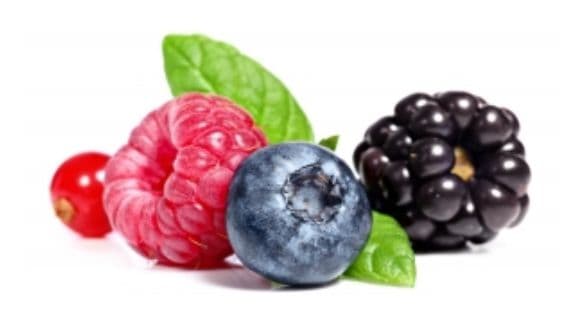
Forest Fruits
Forest fruits are a mixed berry accord inspired by wild berries gathered from woodland edges, such as raspberry, blackberry, blueberry, currant, and cranberry. The effect is juicy, tart, dark, and slightly green, with more depth than a simple red-fruit note. In perfumery, forest fruits add natural sweetness and color while keeping a fresh, outdoor character. They pair well with rose, violet, patchouli, musk, vanilla, cedar, tea, and soft spices in fruity florals, chypres, and gourmands.
- 🌿
Forest lichen
Forest lichen is a specialty note used to give a fragrance a distinctive texture, mood, or material impression. Depending on interpretation, it may contribute freshness, warmth, sweetness, dryness, softness, or an abstract atmospheric effect. In perfumery, specialty notes are useful because they make a composition feel more specific and less generic. It can be paired with woods, musks, florals, resins, fruits, green notes, spices, or amber materials according to the intended style.
- 🌿
Forest raspberry
Forest raspberry is a fruity note that adds juiciness, color, and natural sweetness. It may feel crisp and tart, ripe and velvety, tropical and creamy, or dark and jammy depending on the fruit profile. In perfumery, fruity notes brighten florals, soften musks, and add pleasure to gourmand or woody structures. It pairs well with rose, peony, jasmine, white musk, vanilla, woods, citrus, amber, and soft spices.
- 🌿
Forest soil
Forest soil is an earthy or mineral note that adds realism, dryness, and atmospheric depth. It may suggest soil, roots, stone, dust, damp ground, mushrooms, clay, or cool mineral surfaces depending on the accord. In perfumery, these notes make compositions feel grounded, natural, or avant-garde. It pairs well with vetiver, moss, patchouli, dry woods, leather, incense, rain notes, musk, and dark florals.
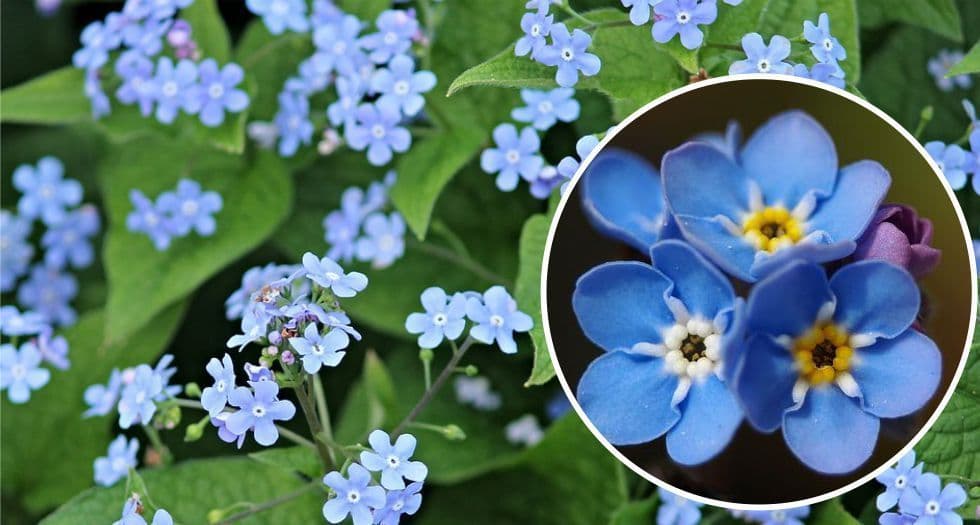
Forget me not
Forget-me-not — Myosotis, meaning mouse-ear in Greek — is a small but iconic wildflower found across meadows, riverbanks, and woodlands throughout Europe, Asia, and the Americas. Its tiny sky-blue blossoms have long carried symbolic weight in the language of flowers, representing remembrance and enduring affection, and its delicate, understated scent has quietly found its place in fine perfumery. As a fragrance note, forget-me-not is subtle and refined: cool and slightly dewy, with a gentle honey-green character that feels both natural and ethereal. There is a soft, almost watery transparency to the note that evokes early morning mist over a wildflower meadow, with a hint of mellow sweetness that keeps it from feeling purely green. It is one of perfumery's quieter discoveries — easy to miss but impossible to forget once encountered. Forget-me-not blends beautifully with violet, iris, muguet, and other delicate florals, adding a soft, diffusive quality to bouquet compositions. It also complements light musks and clean woods in contemporary, skin-close blends. At Fragrenza, our forget-me-not collections celebrate this rare and tender note in thoughtfully composed fragrance dupes that bring a touch of poetic softness to luxury perfumery at accessible prices.
- 🌿
Fossilised amber
Fossilised amber is a warm ambered or resinous note used to give fragrance depth, softness, and long-lasting richness. It can smell balsamic, sweet, smoky, vanillic, woody, powdery, or incense-like depending on the material. In perfumery, it rounds sharp edges and creates a smooth base that holds the composition together. Fossilised amber pairs well with woods, musks, spices, vanilla, tobacco, leather, florals, oud, and other resins.
- 🌿
Fougère notes
Fougère notes is a specialty note used to give a fragrance a distinctive texture, mood, or material impression. Depending on interpretation, it may contribute freshness, warmth, sweetness, dryness, softness, or an abstract atmospheric effect. In perfumery, specialty notes are useful because they make a composition feel more specific and less generic. It can be paired with woods, musks, florals, resins, fruits, green notes, spices, or amber materials according to the intended style.
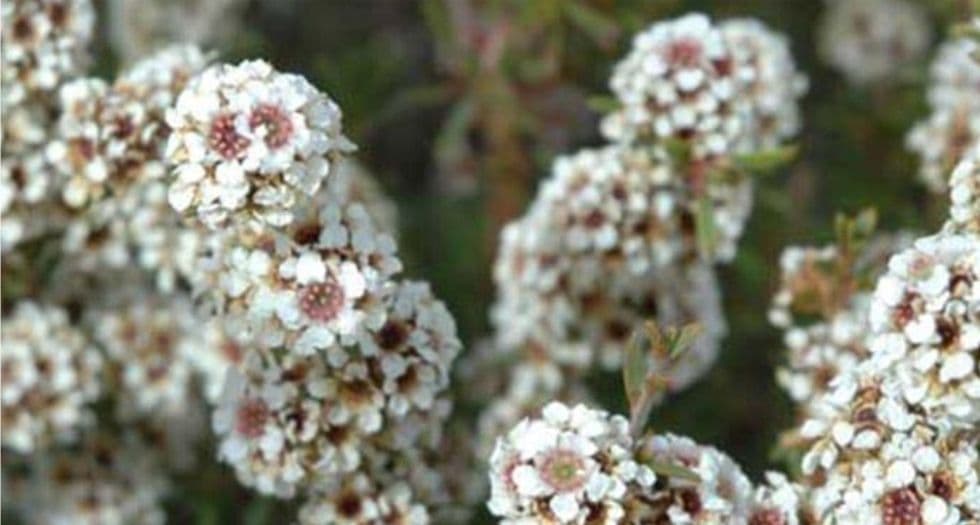
Fragonia
Fragonia — derived from Agonis fragrans, a flowering shrub in the myrtle family native to southwestern Western Australia — is one of the most distinctive and scientifically fascinating aromatics to emerge from Australia in recent decades. Discovered and developed by the Australian company Paperbark Co. in the early 2000s, fragonia essential oil has a uniquely balanced and complex scent profile: fresh tea-tree-like medicinal clarity, bright lemony-citrus top notes, and a delicate floral warmth — all three elements in an almost perfect chemical equilibrium. In perfumery, fragonia is still a relatively rare and niche ingredient, prized for its unusual versatility and its distinctly antipodean freshness. It occupies a fascinating space between medicinal eucalyptus, clean citrus, and gentle floral — challenging to categorize in conventional fragrance family terms, which is precisely what makes it so intriguing. Perfumers use fragonia to add a fresh, botanical complexity to contemporary compositions, particularly those inspired by the clean landscapes of Australia or seeking an alternative to conventional tea tree or eucalyptus notes. Fragrenza's Fragonia collection celebrates this uniquely Australian aromatic in fine fragrance form — rare, fresh, and genuinely original. Discover the botanical wonders of Western Australia in premium-quality dupes at accessible prices.
- 🌿
Fran
Fran is a specialty note used to give a fragrance a distinctive texture, mood, or material impression. Depending on interpretation, it may contribute freshness, warmth, sweetness, dryness, softness, or an abstract atmospheric effect. In perfumery, specialty notes are useful because they make a composition feel more specific and less generic. It can be paired with woods, musks, florals, resins, fruits, green notes, spices, or amber materials according to the intended style.
- 🌿
Frangipani absolute
Frangipani absolute is a specialty note used to give a fragrance a distinctive texture, mood, or material impression. Depending on interpretation, it may contribute freshness, warmth, sweetness, dryness, softness, or an abstract atmospheric effect. In perfumery, specialty notes are useful because they make a composition feel more specific and less generic. It can be paired with woods, musks, florals, resins, fruits, green notes, spices, or amber materials according to the intended style.
- 🌿
Frangipani water
Frangipani water is an aquatic note that evokes water, sea air, rain, mineral freshness, or clean transparent space. It can be salty, ozonic, marine, watery, airy, or slightly green depending on the accord. In perfumery, aquatic notes bring freshness, diffusion, and a modern easy-to-wear character. It pairs well with citrus, white musk, driftwood, lavender, sage, cucumber, marine notes, ambergris-style molecules, and pale woods.
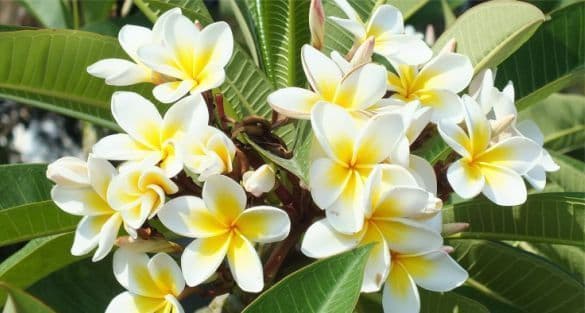
Frangipani فتنة
Frangipani — the plumeria flower — is one of the most iconic tropical fragrances in the world, native to the Caribbean and Central America but now synonymous with the tropics of Southeast Asia, Hawaii, and the Pacific Islands, where it is woven into leis, offered at temples, and planted beside every resort pool. The flower's scent is unforgettable: intensely sweet, rich, and creamy with a sunlit tropical warmth, combining jasmine-like floral sweetness with coconut, vanilla, and a slightly fruity-exotic depth that captures the very essence of a tropical paradise. In perfumery, frangipani is one of the great tropical floral notes and cannot be conventionally steam-distilled — the scent must be captured through solvent extraction or reconstructed synthetically. Perfumers use jasmine facets, creamy lactones, sweet vanillic bases, and tropical fruit nuances to build a convincing frangipani accord. It is a cornerstone of tropical and holiday fragrances, adding warmth, sweetness, and an unmistakable sense of sun-soaked leisure. Frangipani pairs beautifully with coconut, ylang ylang, sandalwood, and tiare flower. Fragrenza's Frangipani collection brings the iconic beauty of plumeria blossoms to a curated range of fine fragrance dupes. Sweet, tropical, and deeply evocative of paradise — experience one of perfumery's most beloved notes at accessible prices.
- 🌿
Frankincense
Olibanum, more commonly known as frankincense, is one of the world's oldest and most revered aromatic resins. Harvested from the Boswellia tree — native to the arid regions of Somalia, Oman, Ethiopia, and India — olibanum has been burned in temples, churches, and sacred spaces for thousands of years. Its very name carries the weight of ancient ritual, trade routes, and spiritual devotion. In fragrance, olibanum delivers a uniquely complex olfactory profile: clean and slightly citrusy on the top, before settling into a warm, resinous heart that is simultaneously woody, balsamic, and softly smoky. There is a dry, almost mineral quality to great frankincense — a transparency that lifts the spirit while grounding the senses. Depending on origin and distillation method, it can read as sharp and camphorous or as smooth and creamy, making it one of perfumery's most versatile building blocks. Olibanum has long anchored the oriental and woody fragrance families, lending depth and longevity to countless classics. It pairs beautifully with resins like labdanum and benzoin, florals like rose and jasmine, and citrus top notes that echo its own brightness. At Fragrenza, our olibanum-forward collections capture the sacred elegance of this ancient resin — offering premium-quality fragrance experiences inspired by the world's finest designer and niche perfumes, at prices that make luxury accessible. Looking for it in a bottle? Browse [affordable frankincense scents](https://fragrenza.com/collections/frankincense-fragrances) on Fragrenza.
- 🌿
Frankincense absolute
Frankincense absolute is a warm ambered or resinous note used to give fragrance depth, softness, and long-lasting richness. It can smell balsamic, sweet, smoky, vanillic, woody, powdery, or incense-like depending on the material. In perfumery, it rounds sharp edges and creates a smooth base that holds the composition together. Frankincense absolute pairs well with woods, musks, spices, vanilla, tobacco, leather, florals, oud, and other resins.
- 🌿
Frankincense CO2
Frankincense CO2 is a warm ambered or resinous note used to give fragrance depth, softness, and long-lasting richness. It can smell balsamic, sweet, smoky, vanillic, woody, powdery, or incense-like depending on the material. In perfumery, it rounds sharp edges and creates a smooth base that holds the composition together. It pairs well with woods, musks, spices, vanilla, tobacco, leather, florals, oud, and other resins.
- 🌿
Frankincense CO2 absolute
Frankincense CO2 absolute is a warm ambered or resinous note used to give fragrance depth, softness, and long-lasting richness. It can smell balsamic, sweet, smoky, vanillic, woody, powdery, or incense-like depending on the material. In perfumery, it rounds sharp edges and creates a smooth base that holds the composition together. Frankincense CO2 absolute pairs well with woods, musks, spices, vanilla, tobacco, leather, florals, oud, and other resins.
- 🌿
Frankincense oil
Frankincense oil is a warm ambered or resinous note used to give fragrance depth, softness, and long-lasting richness. It can smell balsamic, sweet, smoky, vanillic, woody, powdery, or incense-like depending on the material. In perfumery, it rounds sharp edges and creates a smooth base that holds the composition together. It pairs well with woods, musks, spices, vanilla, tobacco, leather, florals, oud, and other resins.
- 🌿
Frankincense resin
Frankincense resin is a warm ambered or resinous note used to give fragrance depth, softness, and long-lasting richness. It can smell balsamic, sweet, smoky, vanillic, woody, powdery, or incense-like depending on the material. In perfumery, it rounds sharp edges and creates a smooth base that holds the composition together. Frankincense resin pairs well with woods, musks, spices, vanilla, tobacco, leather, florals, oud, and other resins.
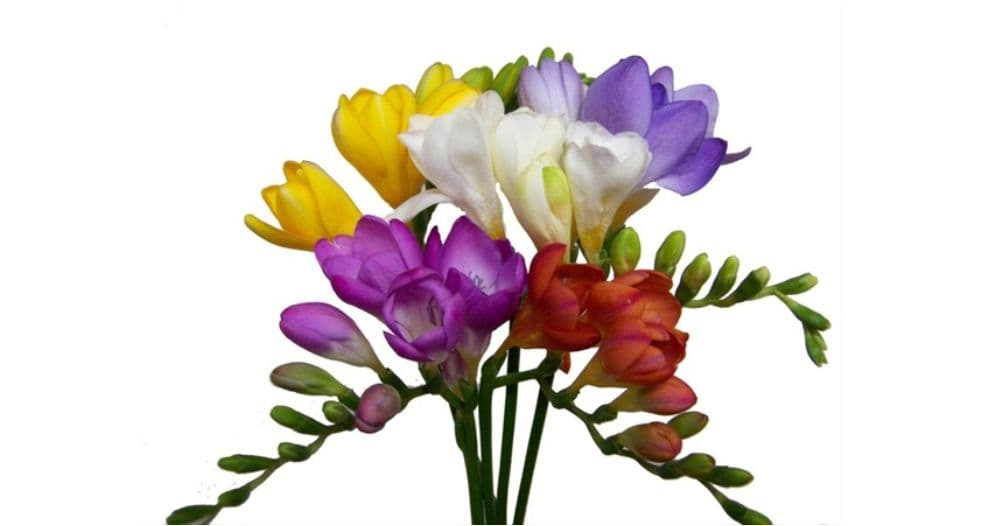
Freesia
Freesia is a genus of flowering plants native to the Cape Province of South Africa, introduced to European horticulture in the 19th century and rapidly beloved for its delicate, elegantly shaped blooms and clean, uplifting scent. Named after the German physician Friedrich Heinrich Theodor Freese, it has become one of the most widely grown cut flowers in the world and a celebrated note in modern perfumery. The scent of freesia is clean, fresh, and lightly floral with a gentle citrus-like brightness that distinguishes it from heavier white florals. It carries a springlike airiness — neither too sweet nor too green — with a soft, powdery undertone that gives it warmth without weight. This combination of freshness and softness makes freesia one of the most universally appealing floral notes, suitable for a wide range of wearers and occasions. In fragrance blending, freesia is a graceful team player, enhancing the clarity of rose, peony, and muguet compositions while adding brightness to musk, woods, and clean aquatic accords. It is a staple of light, wearable floral blends and modern fresh-feminine perfumes. Fragrenza's freesia-led collections capture this clean spring character in beautifully crafted dupes of your favourite luxury florals, offered at prices that invite everyday indulgence. Looking for it in a bottle? Browse [affordable freesia scents](https://fragrenza.com/collections/freesia-fragrances) on Fragrenza.
- 🌿
Freesia leaf
Freesia leaf is a floral note that gives a fragrance softness, radiance, and emotional warmth. Depending on the flower or accord, it may feel fresh, creamy, powdery, honeyed, green, indolic, or airy. In perfumery, floral notes often form the heart of a composition, adding body and a recognizable signature. It pairs well with citrus, white musk, rose, jasmine, sandalwood, amber, vanilla, iris, and delicate fruits.
- 🌿
French absinthe
French absinthe is a specialty note used to give a fragrance a distinctive texture, mood, or material impression. Depending on interpretation, it may contribute freshness, warmth, sweetness, dryness, softness, or an abstract atmospheric effect. In perfumery, specialty notes are useful because they make a composition feel more specific and less generic. It can be paired with woods, musks, florals, resins, fruits, green notes, spices, or amber materials according to the intended style.
- 🌿
French apple
French apple is a fruity note that adds juiciness, color, and natural sweetness. It may feel crisp and tart, ripe and velvety, tropical and creamy, or dark and jammy depending on the fruit profile. In perfumery, fruity notes brighten florals, soften musks, and add pleasure to gourmand or woody structures. It pairs well with rose, peony, jasmine, white musk, vanilla, woods, citrus, amber, and soft spices.
- 🌿
French beeswax
French beeswax is a specialty note used to give a fragrance a distinctive texture, mood, or material impression. Depending on interpretation, it may contribute freshness, warmth, sweetness, dryness, softness, or an abstract atmospheric effect. In perfumery, specialty notes are valuable because they make a composition feel more specific and less generic. French beeswax can be paired with woods, musks, florals, resins, fruits, green notes, spices, or amber materials according to the intended style.
- 🌿
French blackcurrant
French blackcurrant is a fruity note that adds juiciness, color, and natural sweetness. It may feel crisp and tart, ripe and velvety, tropical and creamy, or dark and jammy depending on the fruit profile. In perfumery, fruity notes brighten florals, soften musks, and add pleasure to gourmand or woody structures. It pairs well with rose, peony, jasmine, white musk, vanilla, woods, citrus, amber, and soft spices.
- 🌿
French blackcurrant absolute
French blackcurrant absolute is a fruity note that adds juiciness, color, and natural sweetness. It may feel crisp and tart, ripe and velvety, tropical and creamy, or dark and jammy depending on the fruit profile. In perfumery, fruity notes brighten florals, soften musks, and add pleasure to gourmand or woody structures. It pairs well with rose, peony, jasmine, white musk, vanilla, woods, citrus, amber, and soft spices.
- 🌿
French blackcurrant bud
French blackcurrant bud is a fruity note that adds juiciness, color, and natural sweetness. It may feel crisp and tart, ripe and velvety, tropical and creamy, or dark and jammy depending on the fruit profile. In perfumery, fruity notes brighten florals, soften musks, and add pleasure to gourmand or woody structures. It pairs well with rose, peony, jasmine, white musk, vanilla, woods, citrus, amber, and soft spices.
- 🌿
French blackcurrant bud absolute
French blackcurrant bud absolute is a fruity note that adds juiciness, color, and natural sweetness. It may feel crisp and tart, ripe and velvety, tropical and creamy, or dark and jammy depending on the fruit profile. In perfumery, fruity notes brighten florals, soften musks, and add pleasure to gourmand or woody structures. It pairs well with rose, peony, jasmine, white musk, vanilla, woods, citrus, amber, and soft spices.
- 🌿
French camomile
French camomile is a specialty note used to give a fragrance a distinctive texture, mood, or material impression. Depending on interpretation, it may contribute freshness, warmth, sweetness, dryness, softness, or an abstract atmospheric effect. In perfumery, specialty notes are useful because they make a composition feel more specific and less generic. It can be paired with woods, musks, florals, resins, fruits, green notes, spices, or amber materials according to the intended style.
- 🌿
French caraway
French caraway is a specialty note used to give a fragrance a distinctive texture, mood, or material impression. Depending on interpretation, it may contribute freshness, warmth, sweetness, dryness, softness, or an abstract atmospheric effect. In perfumery, specialty notes are useful because they make a composition feel more specific and less generic. It can be paired with woods, musks, florals, resins, fruits, green notes, spices, or amber materials according to the intended style.
- 🌿
French carrot seed
French carrot seed is a specialty note used to give a fragrance a distinctive texture, mood, or material impression. Depending on interpretation, it may contribute freshness, warmth, sweetness, dryness, softness, or an abstract atmospheric effect. In perfumery, specialty notes are useful because they make a composition feel more specific and less generic. It can be paired with woods, musks, florals, resins, fruits, green notes, spices, or amber materials according to the intended style.
- 🌿
French cedar
French cedar is a woody note used to create structure, depth, and lasting warmth. Its scent may be dry, creamy, smoky, resinous, earthy, pencil-like, or polished depending on the wood or accord. In perfumery, woody notes support the whole composition and connect fresh openings with deeper bases. It pairs naturally with amber, musk, incense, leather, vetiver, patchouli, spices, citrus, and soft resins.
- 🌿
French clary sage
French clary sage is a green or aromatic note that evokes leaves, herbs, stems, fresh air, or crushed vegetation. Its profile can be crisp, bitter, watery, camphoraceous, grassy, or slightly earthy depending on the material. In perfumery, green notes add realism and lift, keeping sweet, floral, or woody compositions from feeling too heavy. French clary sage pairs well with citrus, tea, fig, violet leaf, galbanum, tomato leaf, white musk, vetiver, lavender, and light woods.
- 🌿
French clary sage absolute
French clary sage absolute is a green or aromatic note that evokes leaves, herbs, stems, fresh air, or crushed vegetation. Its profile can be crisp, bitter, watery, camphoraceous, grassy, or slightly earthy depending on the material. In perfumery, green notes add realism and lift, keeping sweet, floral, or woody compositions from feeling too heavy. It pairs well with citrus, tea, fig, violet leaf, galbanum, tomato leaf, white musk, vetiver, lavender, and light woods.
- 🌿
French coriander
French coriander is a spicy note that gives fragrance heat, texture, and aromatic energy. It can feel sweet, dry, peppery, resinous, herbal, smoky, or slightly medicinal depending on the material. In perfumery, spices create contrast, deepen the heart, and bridge fresh top notes with warm woody or amber bases. It pairs especially well with citrus, rose, tobacco, vanilla, oud, sandalwood, patchouli, leather, and balsamic resins.
- 🌿
French cypress
French cypress is a woody note used to create structure, depth, and lasting warmth. Its scent may be dry, creamy, smoky, resinous, earthy, pencil-like, or polished depending on the wood or accord. In perfumery, woody notes support the whole composition and connect fresh openings with deeper bases. It pairs naturally with amber, musk, incense, leather, vetiver, patchouli, spices, citrus, and soft resins.
- 🌿
French cypress Orpur®
French cypress Orpur® is a woody note used to create structure, depth, and lasting warmth. Its scent may be dry, creamy, smoky, resinous, earthy, pencil-like, or polished depending on the wood or accord. In perfumery, woody notes support the whole composition and connect fresh openings with deeper bases. It pairs naturally with amber, musk, incense, leather, vetiver, patchouli, spices, citrus, and soft resins.
- 🌿
French gentian
French gentian is a specialty note used to give a fragrance a distinctive texture, mood, or material impression. Depending on interpretation, it may contribute freshness, warmth, sweetness, dryness, softness, or an abstract atmospheric effect. In perfumery, specialty notes are useful because they make a composition feel more specific and less generic. It can be paired with woods, musks, florals, resins, fruits, green notes, spices, or amber materials according to the intended style.
- 🌿
French geranium
French geranium is a floral note that gives a fragrance softness, radiance, and emotional warmth. Depending on the flower or accord, it may feel fresh, creamy, powdery, honeyed, green, indolic, or airy. In perfumery, floral notes often form the heart of a composition, adding body and a recognizable signature. It pairs well with citrus, white musk, rose, jasmine, sandalwood, amber, vanilla, iris, and delicate fruits.
- 🌿
French Guayan passion flower
French Guayan passion flower is a floral note that gives a fragrance softness, radiance, and emotional warmth. Depending on the flower or accord, it may feel fresh, creamy, powdery, honeyed, green, indolic, or airy. In perfumery, floral notes often form the heart of a composition, adding body and a recognizable signature. It pairs well with citrus, white musk, rose, jasmine, sandalwood, amber, vanilla, iris, and delicate fruits.
- 🌿
French hay
French hay is a green or aromatic note that evokes leaves, herbs, stems, fresh air, or crushed vegetation. Its profile can be crisp, bitter, watery, camphoraceous, grassy, or slightly earthy depending on the material. In perfumery, green notes add realism and lift, keeping sweet, floral, or woody compositions from feeling too heavy. It pairs well with citrus, tea, fig, violet leaf, galbanum, tomato leaf, white musk, vetiver, lavender, and light woods.
- 🌿
French hyssop
French hyssop is a specialty note used to give a fragrance a distinctive texture, mood, or material impression. Depending on interpretation, it may contribute freshness, warmth, sweetness, dryness, softness, or an abstract atmospheric effect. In perfumery, specialty notes are useful because they make a composition feel more specific and less generic. It can be paired with woods, musks, florals, resins, fruits, green notes, spices, or amber materials according to the intended style.
- 🌿
French iris
French iris is a floral note that gives a fragrance softness, radiance, and emotional warmth. Depending on the flower or accord, it may feel fresh, creamy, powdery, honeyed, green, indolic, or airy. In perfumery, floral notes often form the heart of a composition, adding body and a recognizable signature. It pairs well with citrus, white musk, rose, jasmine, sandalwood, amber, vanilla, iris, and delicate fruits.
- 🌿
French iris absolute
French iris absolute is a floral note that gives a fragrance softness, radiance, and emotional warmth. Depending on the flower or accord, it may feel fresh, creamy, powdery, honeyed, green, indolic, or airy. In perfumery, floral notes often form the heart of a composition, adding body and a recognizable signature. It pairs well with citrus, white musk, rose, jasmine, sandalwood, amber, vanilla, iris, and delicate fruits.
- 🌿
French jasmine
French jasmine is a floral note that gives a fragrance softness, radiance, and emotional warmth. Depending on the flower or accord, it may feel fresh, creamy, powdery, honeyed, green, indolic, or airy. In perfumery, floral notes often form the heart of a composition, adding body and a recognizable signature. It pairs well with citrus, white musk, rose, jasmine, sandalwood, amber, vanilla, iris, and delicate fruits.
- 🌿
French juniper
French juniper is a specialty note used to give a fragrance a distinctive texture, mood, or material impression. Depending on interpretation, it may contribute freshness, warmth, sweetness, dryness, softness, or an abstract atmospheric effect. In perfumery, specialty notes are useful because they make a composition feel more specific and less generic. It can be paired with woods, musks, florals, resins, fruits, green notes, spices, or amber materials according to the intended style.
- 🌿
French labdanum
French labdanum is a warm ambered or resinous note used to give fragrance depth, softness, and long-lasting richness. It can smell balsamic, sweet, smoky, vanillic, woody, powdery, or incense-like depending on the material. In perfumery, it rounds sharp edges and creates a smooth base that holds the composition together. It pairs well with woods, musks, spices, vanilla, tobacco, leather, florals, oud, and other resins.
- 🌿
French Lace rose
French Lace rose is a floral note that gives a fragrance softness, radiance, and emotional warmth. Depending on the flower or accord, it may feel fresh, creamy, powdery, honeyed, green, indolic, or airy. In perfumery, floral notes often form the heart of a composition, adding body and a recognizable signature. It pairs well with citrus, white musk, rose, jasmine, sandalwood, amber, vanilla, iris, and delicate fruits.
- 🌿
French lavender
French lavender is a floral note that brings softness, radiance, and natural elegance to a fragrance. Its character can range from fresh and airy to creamy, sensual, honeyed, or slightly green, depending on how the accord is built. In perfumery, it is often used in the heart of a composition to add body and emotional warmth. It pairs well with white musks, citrus, rose, jasmine, sandalwood, amber, vanilla, and delicate fruits.
- 🌿
French lavender absolute
French lavender absolute is a floral note that gives a fragrance softness, radiance, and emotional warmth. Depending on the flower or accord, it may feel fresh, creamy, powdery, honeyed, green, indolic, or airy. In perfumery, floral notes often form the heart of a composition, adding body and a recognizable signature. It pairs well with citrus, white musk, rose, jasmine, sandalwood, amber, vanilla, iris, and delicate fruits.
- 🌿
French lavender Orpur®
French lavender Orpur® is a floral note that gives a fragrance softness, radiance, and emotional warmth. Depending on the flower or accord, it may feel fresh, creamy, powdery, honeyed, green, indolic, or airy. In perfumery, floral notes often form the heart of a composition, adding body and a recognizable signature. It pairs well with citrus, white musk, rose, jasmine, sandalwood, amber, vanilla, iris, and delicate fruits.
- 🌿
French leather
French leather is a dark textured note that may suggest leather, smoke, tobacco, tar, ash, or warm dry materials. It gives fragrance depth, sensuality, and a more dramatic atmosphere. In perfumery, smoky and leathery notes are often used in bases, where they add strength and character without needing sweetness. It pairs well with oud, saffron, birch tar, amber, tobacco, rose, patchouli, vetiver, incense, and dry woods.
- 🌿
French lemon
French lemon is a citrus note that adds sparkle, freshness, and immediate lift to a fragrance. Its profile can include juicy pulp, aromatic peel, green bitterness, soft floral nuances, or a sharp zesty brightness depending on the material. In perfumery, it is usually used in the opening, where it brings clarity and motion before blending into florals, woods, musks, or herbs. It pairs well with neroli, tea, lavender, white musk, light woods, aquatic notes, and aromatic herbs.
- 🌿
French lily
French lily is a floral note that gives a fragrance softness, radiance, and emotional warmth. Depending on the flower or accord, it may feel fresh, creamy, powdery, honeyed, green, indolic, or airy. In perfumery, floral notes often form the heart of a composition, adding body and a recognizable signature. It pairs well with citrus, white musk, rose, jasmine, sandalwood, amber, vanilla, iris, and delicate fruits.
- 🌿
French lily-of-the-valley
French lily-of-the-valley is a floral note that gives a fragrance softness, radiance, and emotional warmth. Depending on the flower or accord, it may feel fresh, creamy, powdery, honeyed, green, indolic, or airy. In perfumery, floral notes often form the heart of a composition, adding body and a recognizable signature. It pairs well with citrus, white musk, rose, jasmine, sandalwood, amber, vanilla, iris, and delicate fruits.
- 🌿
French magnolia
French magnolia is a floral note that gives a fragrance softness, radiance, and emotional warmth. Depending on the flower or accord, it may feel fresh, creamy, powdery, honeyed, green, indolic, or airy. In perfumery, floral notes often form the heart of a composition, adding body and a recognizable signature. It pairs well with citrus, white musk, rose, jasmine, sandalwood, amber, vanilla, iris, and delicate fruits.
- 🌿
French maté absolute
French maté absolute is a green or aromatic note that evokes leaves, herbs, stems, fresh air, or crushed vegetation. Its profile can be crisp, bitter, watery, camphoraceous, grassy, or slightly earthy depending on the material. In perfumery, green notes add realism and lift, keeping sweet, floral, or woody compositions from feeling too heavy. It pairs well with citrus, tea, fig, violet leaf, galbanum, tomato leaf, white musk, vetiver, lavender, and light woods.
- 🌿
French mimosa absolute
French mimosa absolute is a floral note that gives a fragrance softness, radiance, and emotional warmth. Depending on the flower or accord, it may feel fresh, creamy, powdery, honeyed, green, indolic, or airy. In perfumery, floral notes often form the heart of a composition, adding body and a recognizable signature. It pairs well with citrus, white musk, rose, jasmine, sandalwood, amber, vanilla, iris, and delicate fruits.
- 🌿
French mint
French mint is a green or aromatic note that evokes leaves, herbs, stems, fresh air, or crushed vegetation. Its profile can be crisp, bitter, watery, camphoraceous, grassy, or slightly earthy depending on the material. In perfumery, green notes add realism and lift, keeping sweet, floral, or woody compositions from feeling too heavy. It pairs well with citrus, tea, fig, violet leaf, galbanum, tomato leaf, white musk, vetiver, lavender, and light woods.
- 🌿
French mugwort
French mugwort is a specialty note used to give a fragrance a distinctive texture, mood, or material impression. Depending on interpretation, it may contribute freshness, warmth, sweetness, dryness, softness, or an abstract atmospheric effect. In perfumery, specialty notes are useful because they make a composition feel more specific and less generic. It can be paired with woods, musks, florals, resins, fruits, green notes, spices, or amber materials according to the intended style.
- 🌿
French Narcissus
French Narcissus is a floral note that gives a fragrance softness, radiance, and emotional warmth. Depending on the flower or accord, it may feel fresh, creamy, powdery, honeyed, green, indolic, or airy. In perfumery, floral notes often form the heart of a composition, adding body and a recognizable signature. It pairs well with citrus, white musk, rose, jasmine, sandalwood, amber, vanilla, iris, and delicate fruits.
- 🌿
French narcissus absolute
French narcissus absolute is a floral note that adds softness, radiance, and emotional warmth to a composition. Depending on the flower or accord, it can feel fresh, creamy, powdery, honeyed, green, indolic, or airy. In perfumery, floral notes often form the heart of a fragrance, giving it body and a recognizable character. French narcissus absolute pairs well with citrus, white musk, rose, jasmine, sandalwood, amber, vanilla, iris, and delicate fruits, making it useful in both classic bouquets and modern transparent florals.
- 🌿
French neroli
French neroli is a citrus note that adds sparkle, freshness, and immediate lift to a fragrance. Its profile can include juicy pulp, aromatic peel, green bitterness, soft floral nuances, or a sharp zesty brightness depending on the material. In perfumery, it is usually used in the opening, where it brings clarity and motion before blending into florals, woods, musks, or herbs. It pairs well with neroli, tea, lavender, white musk, light woods, aquatic notes, and aromatic herbs.
- 🌿
French oak
French oak is a woody note used to create structure, depth, and lasting warmth. Its scent may be dry, creamy, smoky, resinous, earthy, pencil-like, or polished depending on the wood or accord. In perfumery, woody notes support the whole composition and connect fresh openings with deeper bases. It pairs naturally with amber, musk, incense, leather, vetiver, patchouli, spices, citrus, and soft resins.
- 🌿
French oakmoss
French oakmoss is a woody note used to create structure, depth, and lasting warmth. Its scent may be dry, creamy, smoky, resinous, earthy, pencil-like, or polished depending on the wood or accord. In perfumery, woody notes support the whole composition and connect fresh openings with deeper bases. It pairs naturally with amber, musk, incense, leather, vetiver, patchouli, spices, citrus, and soft resins.
- 🌿
French oakwood
French oakwood is a woody note used to create structure, depth, and lasting warmth. Its scent may be dry, creamy, smoky, resinous, earthy, pencil-like, or polished depending on the wood or accord. In perfumery, woody notes support the whole composition and connect fresh openings with deeper bases. It pairs naturally with amber, musk, incense, leather, vetiver, patchouli, spices, citrus, and soft resins.
- 🌿
French orange blossom absolute
French orange blossom absolute is a citrus note that adds sparkle, freshness, and immediate lift to a fragrance. Its profile can include juicy pulp, aromatic peel, green bitterness, soft floral nuances, or a sharp zesty brightness depending on the material. In perfumery, it is usually used in the opening, where it brings clarity and motion before blending into florals, woods, musks, or herbs. It pairs well with neroli, tea, lavender, white musk, light woods, aquatic notes, and aromatic herbs.

French pastries
Frosted berries occupy a unique and exhilarating space in the fragrance world — the intersection of ripe, sweet berry richness and the bracing, mineral freshness of ice and frost. The accord evokes a very specific sensory experience: wild strawberries, raspberries, or blackberries encountered on a cold winter morning, their natural sweetness concentrated and sharpened by the cold, their surfaces dusted with a crystalline frost that adds a clean, almost mentholated freshness to every breath. In perfumery, frosted berry accords are constructed by layering red and dark fruit notes — raspberry, blackberry, redcurrant, cranberry — with cooling materials such as mint, icy violet facets, transparent aquatic molecules, or cool musks that replicate the sensation of cold. The interplay between the warm sweetness of ripe fruit and the clean chill of frost creates a vivid, contrast-rich accord that feels both refreshing and indulgent simultaneously. Frosted berry compositions are popular across both feminine and unisex fragrance categories, projecting brightly and warmly to a clean, sweet-musk base. Fragrenza's Frosted Berries collection brings this crisp, sweet-cold berry experience to life in fine fragrance dupes. Bright, fresh, and deliciously fruity — the best of berry season captured in winter air, at accessible prices.
- 🌿
French peach
French peach is a fruity note that adds juiciness, color, and natural sweetness. It may feel crisp and tart, ripe and velvety, tropical and creamy, or dark and jammy depending on the fruit profile. In perfumery, fruity notes brighten florals, soften musks, and add pleasure to gourmand or woody structures. It pairs well with rose, peony, jasmine, white musk, vanilla, woods, citrus, amber, and soft spices.
- 🌿
French peony
French peony is a floral note that gives a fragrance softness, radiance, and emotional warmth. Depending on the flower or accord, it may feel fresh, creamy, powdery, honeyed, green, indolic, or airy. In perfumery, floral notes often form the heart of a composition, adding body and a recognizable signature. It pairs well with citrus, white musk, rose, jasmine, sandalwood, amber, vanilla, iris, and delicate fruits.
- 🌿
French pine
French pine is a woody note used to create structure, depth, and lasting warmth. Its scent may be dry, creamy, smoky, resinous, earthy, pencil-like, or polished depending on the wood or accord. In perfumery, woody notes support the whole composition and connect fresh openings with deeper bases. It pairs naturally with amber, musk, incense, leather, vetiver, patchouli, spices, citrus, and soft resins.
- 🌿
French Rose
French Rose is a floral note that adds softness, radiance, and emotional warmth to a composition. Depending on the flower or accord, it can feel fresh, creamy, powdery, honeyed, green, indolic, or airy. In perfumery, floral notes often form the heart of a fragrance, giving it body and a recognizable character. French Rose pairs well with citrus, white musk, rose, jasmine, sandalwood, amber, vanilla, iris, and delicate fruits, making it useful in both classic bouquets and modern transparent florals.
- 🌿
French rose water
French rose water is a floral note that gives a fragrance softness, radiance, and emotional warmth. Depending on the flower or accord, it may feel fresh, creamy, powdery, honeyed, green, indolic, or airy. In perfumery, floral notes often form the heart of a composition, adding body and a recognizable signature. It pairs well with citrus, white musk, rose, jasmine, sandalwood, amber, vanilla, iris, and delicate fruits.
- 🌿
French sage
French sage is a green or aromatic note that evokes leaves, herbs, stems, fresh air, or crushed vegetation. Its profile can be crisp, bitter, watery, camphoraceous, grassy, or slightly earthy depending on the material. In perfumery, green notes add realism and lift, keeping sweet, floral, or woody compositions from feeling too heavy. It pairs well with citrus, tea, fig, violet leaf, galbanum, tomato leaf, white musk, vetiver, lavender, and light woods.
- 🌿
French soap
French soap is a specialty note used to give a fragrance a distinctive texture, mood, or material impression. Depending on interpretation, it may contribute freshness, warmth, sweetness, dryness, softness, or an abstract atmospheric effect. In perfumery, specialty notes are useful because they make a composition feel more specific and less generic. It can be paired with woods, musks, florals, resins, fruits, green notes, spices, or amber materials according to the intended style.
- 🌿
French tarragon
French tarragon is a dark textured note that may suggest leather, smoke, tobacco, tar, ash, or warm dry materials. It gives fragrance depth, sensuality, and a more dramatic atmosphere. In perfumery, smoky and leathery notes are often used in bases, where they add strength and character without needing sweetness. It pairs well with oud, saffron, birch tar, amber, tobacco, rose, patchouli, vetiver, incense, and dry woods.
- 🌿
French tonka bean
French tonka bean is a warm ambered or resinous note used to give fragrance depth, softness, and long-lasting richness. It can smell balsamic, sweet, smoky, vanillic, woody, powdery, or incense-like depending on the material. In perfumery, it rounds sharp edges and creates a smooth base that holds the composition together. It pairs well with woods, musks, spices, vanilla, tobacco, leather, florals, oud, and other resins.
- 🌿
French tuberose
French tuberose is a floral note that gives a fragrance softness, radiance, and emotional warmth. Depending on the flower or accord, it may feel fresh, creamy, powdery, honeyed, green, indolic, or airy. In perfumery, floral notes often form the heart of a composition, adding body and a recognizable signature. It pairs well with citrus, white musk, rose, jasmine, sandalwood, amber, vanilla, iris, and delicate fruits.
- 🌿
French vanilla
French vanilla is a warm ambered or resinous note used to give fragrance depth, softness, and long-lasting richness. It can smell balsamic, sweet, smoky, vanillic, woody, powdery, or incense-like depending on the material. In perfumery, it rounds sharp edges and creates a smooth base that holds the composition together. French vanilla pairs well with woods, musks, spices, vanilla, tobacco, leather, florals, oud, and other resins.
- 🌿
French Violet
French Violet is a floral note that adds softness, radiance, and emotional warmth to a composition. Depending on the flower or accord, it can feel fresh, creamy, powdery, honeyed, green, indolic, or airy. In perfumery, floral notes often form the heart of a fragrance, giving it body and a recognizable character. French Violet pairs well with citrus, white musk, rose, jasmine, sandalwood, amber, vanilla, iris, and delicate fruits, making it useful in both classic bouquets and modern transparent florals.
- 🌿
French violet leaf
French violet leaf is a floral note that gives a fragrance softness, radiance, and emotional warmth. Depending on the flower or accord, it may feel fresh, creamy, powdery, honeyed, green, indolic, or airy. In perfumery, floral notes often form the heart of a composition, adding body and a recognizable signature. It pairs well with citrus, white musk, rose, jasmine, sandalwood, amber, vanilla, iris, and delicate fruits.
- 🌿
French ylang-ylang
French ylang-ylang is a floral note that gives a fragrance softness, radiance, and emotional warmth. Depending on the flower or accord, it may feel fresh, creamy, powdery, honeyed, green, indolic, or airy. In perfumery, floral notes often form the heart of a composition, adding body and a recognizable signature. It pairs well with citrus, white musk, rose, jasmine, sandalwood, amber, vanilla, iris, and delicate fruits.
- 🌿
Fresh Impact
Fresh Impact is a specialty note used to give a fragrance a distinctive texture, mood, or material impression. Depending on interpretation, it may contribute freshness, warmth, sweetness, dryness, softness, or an abstract atmospheric effect. In perfumery, specialty notes are useful because they make a composition feel more specific and less generic. It can be paired with woods, musks, florals, resins, fruits, green notes, spices, or amber materials according to the intended style.
- 🌿
Fresh laundry
Fresh laundry is a specialty note used to give a fragrance a distinctive texture, mood, or material impression. Depending on interpretation, it may contribute freshness, warmth, sweetness, dryness, softness, or an abstract atmospheric effect. In perfumery, specialty notes are useful because they make a composition feel more specific and less generic. It can be paired with woods, musks, florals, resins, fruits, green notes, spices, or amber materials according to the intended style.
- 🌿
Fresh notes
Fresh notes is a specialty note used to give a fragrance a distinctive texture, mood, or material impression. Depending on interpretation, it may contribute freshness, warmth, sweetness, dryness, softness, or an abstract atmospheric effect. In perfumery, specialty notes are valuable because they make a composition feel more specific and less generic. Fresh notes can be paired with woods, musks, florals, resins, fruits, green notes, spices, or amber materials according to the intended style.
- 🌿
Fried dough
Fried dough is a specialty note used to give a fragrance a distinctive texture, mood, or material impression. Depending on interpretation, it may contribute freshness, warmth, sweetness, dryness, softness, or an abstract atmospheric effect. In perfumery, specialty notes are useful because they make a composition feel more specific and less generic. It can be paired with woods, musks, florals, resins, fruits, green notes, spices, or amber materials according to the intended style.
- 🌿
Fringed pink
Fringed pink is a specialty note used to give a fragrance a distinctive texture, mood, or material impression. Depending on interpretation, it may contribute freshness, warmth, sweetness, dryness, softness, or an abstract atmospheric effect. In perfumery, specialty notes are useful because they make a composition feel more specific and less generic. It can be paired with woods, musks, florals, resins, fruits, green notes, spices, or amber materials according to the intended style.

Frosting Glacé
Fruit salad as a fragrance concept is the olfactory equivalent of a bowl piled high with every ripe, colorful fruit at once — a joyful, multi-layered sweetness that layers tropical notes like mango, pineapple, and passion fruit alongside familiar favorites like strawberry, watermelon, orange, and kiwi. It is the most exuberantly playful end of the fruity fragrance family: deliberately abundant, bright, and sweet-tart, evoking the carefree sweetness of summer and the uninhibited pleasure of dessert without restraint. In perfumery, fruit salad accords are a showcase for the synthetic aroma chemist's craft — constructing convincing multi-fruit impressions through precise blending of specific esters, lactones, and natural-identical molecules. The challenge is balance: too much of any single fruit and the accord tips into cliché; perfectly layered, the result is a shimmering, multi-dimensional sweetness that evolves dynamically on skin. Fruit salad fragrances are typically light in structure, projecting cheerfully and warming to a soft, sweet musk dry-down. Fragrenza's Fruit Salad collection is a celebration of pure, uninhibited sweetness — fine fragrance dupes for those who love their scents bright, playful, and deliciously multi-fruited. Fun, wearable, and totally irresistible at genuinely accessible prices.
- 🌿
Fruit basket
Fruit basket is a fruity note that gives fragrance juiciness, color, and natural sweetness. It can be crisp and tart, ripe and velvety, tropical and creamy, or dark and jammy depending on the fruit profile. In perfumery, fruity notes brighten florals, soften musks, and add pleasure to gourmand or woody structures. Fruit basket pairs well with rose, peony, jasmine, white musk, vanilla, woods, citrus, amber, and soft spices.
- 🌿
Fruit drop
Fruit drop is a fruity note that adds juiciness, color, and natural sweetness. It may feel crisp and tart, ripe and velvety, tropical and creamy, or dark and jammy depending on the fruit profile. In perfumery, fruity notes brighten florals, soften musks, and add pleasure to gourmand or woody structures. It pairs well with rose, peony, jasmine, white musk, vanilla, woods, citrus, amber, and soft spices.
- 🌿
Fruit sorbet
Fruit sorbet is a fruity note that adds juiciness, color, and natural sweetness. It may feel crisp and tart, ripe and velvety, tropical and creamy, or dark and jammy depending on the fruit profile. In perfumery, fruity notes brighten florals, soften musks, and add pleasure to gourmand or woody structures. It pairs well with rose, peony, jasmine, white musk, vanilla, woods, citrus, amber, and soft spices.
- 🌿
Fruit tobacco
Fruit tobacco is a fruity note that adds juiciness, color, and natural sweetness. It may feel crisp and tart, ripe and velvety, tropical and creamy, or dark and jammy depending on the fruit profile. In perfumery, fruity notes brighten florals, soften musks, and add pleasure to gourmand or woody structures. It pairs well with rose, peony, jasmine, white musk, vanilla, woods, citrus, amber, and soft spices.
- 🌿
Fruits
Fruits is a fruity note that gives fragrance juiciness, color, and natural sweetness. It can be crisp and tart, ripe and velvety, tropical and creamy, or dark and jammy depending on the fruit profile. In perfumery, fruity notes brighten florals, soften musks, and add pleasure to gourmand or woody structures. Fruits pairs well with rose, peony, jasmine, white musk, vanilla, woods, citrus, amber, and soft spices.
- 🌿
Fruity Note
Fruity Note is a fruity note that gives fragrance juiciness, color, and natural sweetness. It can be crisp and tart, ripe and velvety, tropical and creamy, or dark and jammy depending on the fruit profile. In perfumery, fruity notes brighten florals, soften musks, and add pleasure to gourmand or woody structures. Fruity Note pairs well with rose, peony, jasmine, white musk, vanilla, woods, citrus, amber, and soft spices.
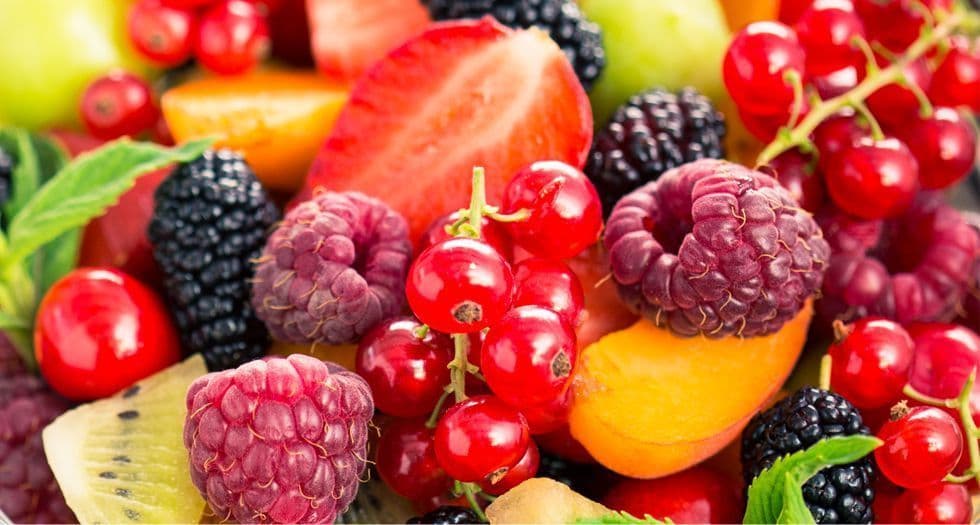
Fruity Notes
Fruity notes are a broad fragrance family built around the aromas of fruits other than citrus, including peach, pear, apple, berries, mango, guava, plum, and tropical fruits. In perfumery, they usually add sweetness, juiciness, brightness, and a playful sense of freshness. Depending on the fruit, they can feel crisp and clean, ripe and sensual, tart and energetic, or soft and gourmand. Fruity notes are especially common in fresh, floral, gourmand, and summer fragrances, where they make a scent feel approachable, colorful, and easy to wear.
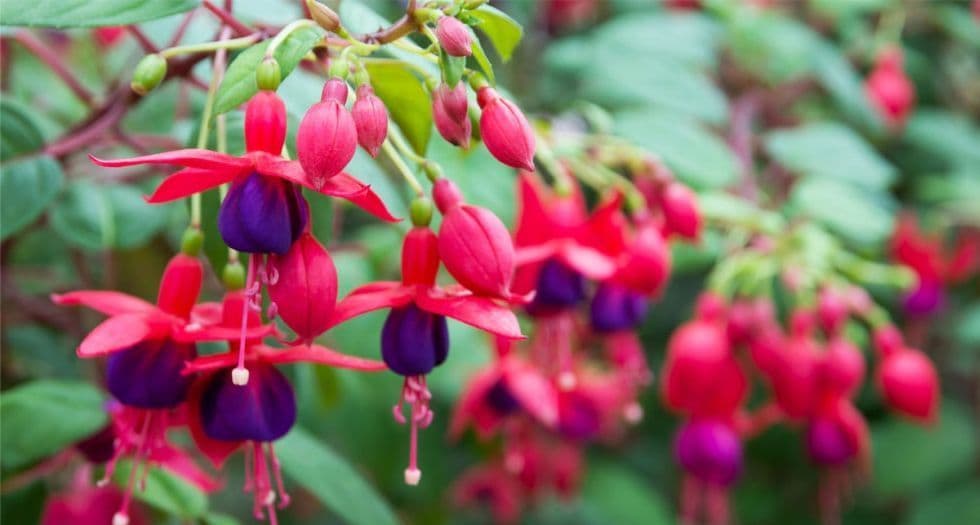
Fuchsia
Fuchsia — the flowering shrub of the genus Fuchsia, named after 16th-century German botanist Leonhart Fuchs — is native to Central and South America, with additional species found in New Zealand and Tahiti. Its distinctive pendant blossoms, in vivid combinations of pink, purple, and red, are among the most visually striking in the plant world. In scent, fuchsia offers a bright, slightly tart-sweet, fresh floral quality — more vivid and sparkling than rose, with a slightly fruity-tart edge reminiscent of red berries and a clean, dewy freshness. In perfumery, fuchsia is primarily a reconstructed accord rather than a commercially extracted essential oil, as the flowers are not produced in sufficient volume for large-scale distillation. Perfumers create fuchsia notes by blending fresh floral materials — violet, peony, and rose facets — with fruity-tart elements like red currant and raspberry, and brightening the whole with watery, slightly ozonic freshness. The resulting fuchsia accord is vivid, energetic, and unapologetically feminine — a bold floral that feels modern, youthful, and full of life. Fragrenza's Fuchsia collection captures this bright, berry-tinged floral energy in fine fragrance dupes for those who love vivid, contemporary femininity. Bold, sparkling, and utterly wearable — discover fuchsia in premium interpretations at accessible prices.
- 🌿
Fucus absolute
Fucus absolute is a specialty note used to give a fragrance a distinctive texture, mood, or material impression. Depending on interpretation, it may contribute freshness, warmth, sweetness, dryness, softness, or an abstract atmospheric effect. In perfumery, specialty notes are valuable because they make a composition feel more specific and less generic. Fucus absolute can be paired with woods, musks, florals, resins, fruits, green notes, spices, or amber materials according to the intended style.
- 🌿
Fudge
Fudge is a specialty note used to give a fragrance a distinctive texture, mood, or material impression. Depending on interpretation, it may contribute freshness, warmth, sweetness, dryness, softness, or an abstract atmospheric effect. In perfumery, specialty notes are useful because they make a composition feel more specific and less generic. It can be paired with woods, musks, florals, resins, fruits, green notes, spices, or amber materials according to the intended style.
- 🌿
Fuel
Fuel is a specialty note used to give a fragrance a distinctive texture, mood, or material impression. Depending on interpretation, it may contribute freshness, warmth, sweetness, dryness, softness, or an abstract atmospheric effect. In perfumery, specialty notes are useful because they make a composition feel more specific and less generic. It can be paired with woods, musks, florals, resins, fruits, green notes, spices, or amber materials according to the intended style.
- 🌿
Fuji apple
Fuji apple is a fruity note that adds juiciness, color, and natural sweetness. It may feel crisp and tart, ripe and velvety, tropical and creamy, or dark and jammy depending on the fruit profile. In perfumery, fruity notes brighten florals, soften musks, and add pleasure to gourmand or woody structures. It pairs well with rose, peony, jasmine, white musk, vanilla, woods, citrus, amber, and soft spices.
- 🌿
Fujian Cypress
Fujian Cypress is a specialty note used to give a fragrance a distinctive texture, mood, or material impression. Depending on interpretation, it may contribute freshness, warmth, sweetness, dryness, softness, or an abstract atmospheric effect. In perfumery, specialty notes are valuable because they make a composition feel more specific and less generic. Fujian Cypress can be paired with woods, musks, florals, resins, fruits, green notes, spices, or amber materials according to the intended style.
- 🌿
Fur
Fur is a specialty note used to give a fragrance a distinctive texture, mood, or material impression. Depending on interpretation, it may contribute freshness, warmth, sweetness, dryness, softness, or an abstract atmospheric effect. In perfumery, specialty notes are useful because they make a composition feel more specific and less generic. It can be paired with woods, musks, florals, resins, fruits, green notes, spices, or amber materials according to the intended style.
- 🌿
Furze
Furze is a soft textural note that creates warmth, smoothness, and a skin-like finish. It may feel clean, powdery, woody, velvety, slightly fruity, or fabric-like depending on the accord. In perfumery, these notes bind the formula, soften stronger materials, and extend wear without dominating the fragrance. It pairs well with florals, woods, citrus, amber, iris, fruits, suede, vanilla, and transparent musks.
G
- 🌿
Gaiac wood
Gaiac wood — spelled variously as guaiac or guaiacwood — is one of perfumery's most fascinating and distinctive woody materials, derived from the heartwood of the Bulnesia sarmientoi tree native to the Gran Chaco region of South America. The tree produces one of the densest hardwoods in the world, and its essential oil is equally concentrated in character: a uniquely complex woody note with a slightly sweet, creamy quality balanced by a subtle smokiness and an unexpected tarmac-like, rubbery facet that gives it genuine distinctiveness. This combination of sweet wood, smoke, and exotic earthiness makes gaiac wood immediately recognisable to those who know it. In perfumery, gaiac wood occupies a compelling middle ground between clean woods and smoky, incense-inflected materials. Its sweetness prevents it from feeling harsh or overly raw, while its smoky and tarry facets add depth and character that plain cedarwood cannot provide. This makes it particularly effective in oriental and woody fragrance families, where it adds textural interest and an exotic, slightly mysterious quality. It pairs beautifully with rose, oud, amber, and musks for rich, Eastern-influenced compositions, and with vetiver and patchouli for deeper, earthier woody blends. Gaiac wood is also valued as a sustainable alternative to some endangered tropical woods, as conscientious suppliers now harvest it responsibly. Its unusual, multi-faceted character makes it a favourite among niche and luxury perfumers seeking to move beyond conventional woody notes. At Fragrenza, our gaiac wood-inspired fragrances celebrate this remarkable South American material, delivering its unique sweet-smoky-exotic character in quality-crafted compositions available at genuinely accessible prices.
- 🌿
Gaiac wood absolute
Gaiac wood absolute is a woody note used to create structure, depth, and lasting warmth. Its scent may be dry, creamy, smoky, resinous, earthy, pencil-like, or polished depending on the wood or accord. In perfumery, woody notes support the whole composition and connect fresh openings with deeper bases. It pairs naturally with amber, musk, incense, leather, vetiver, patchouli, spices, citrus, and soft resins.
- 🌿
Gaiacwood bark
Gaiacwood bark is a woody note used to create structure, depth, and lasting warmth. Its scent may be dry, creamy, smoky, resinous, earthy, pencil-like, or polished depending on the wood or accord. In perfumery, woody notes support the whole composition and connect fresh openings with deeper bases. It pairs naturally with amber, musk, incense, leather, vetiver, patchouli, spices, citrus, and soft resins.
- 🌿
Gala apple
Gala apple is a fruity note that adds juiciness, color, and natural sweetness. It may feel crisp and tart, ripe and velvety, tropical and creamy, or dark and jammy depending on the fruit profile. In perfumery, fruity notes brighten florals, soften musks, and add pleasure to gourmand or woody structures. It pairs well with rose, peony, jasmine, white musk, vanilla, woods, citrus, amber, and soft spices.
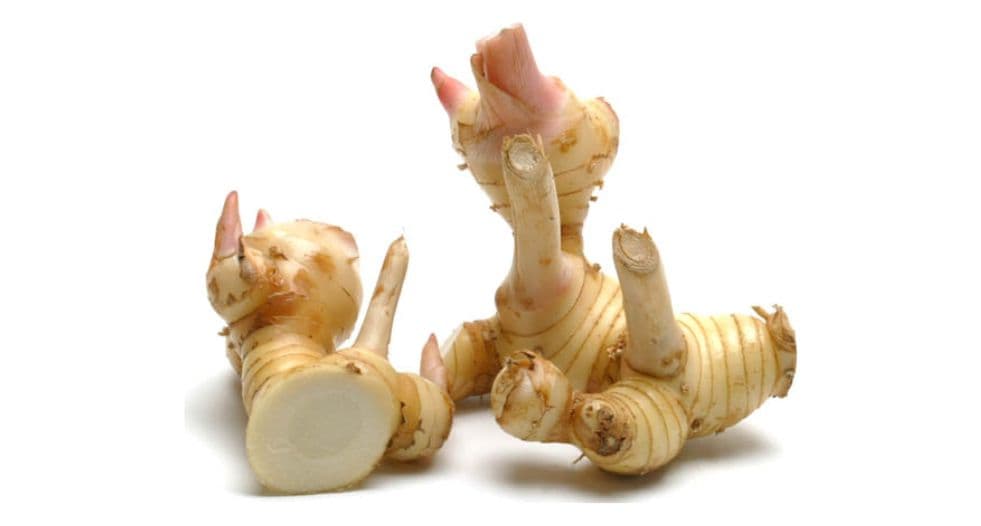
Galanga
Galaxolide is one of the most influential synthetic musk molecules in the history of modern perfumery, developed by IFF (International Flavors & Fragrances) and introduced in the 1960s. Technically a polycyclic musk, Galaxolide has an immediately recognizable scent: clean, smooth, and softly powdery-sweet with a warm, skin-like musky depth. It is the definition of the modern "clean" musk — the invisible, comforting warmth that lingers on skin and fabric long after a fragrance's top notes have faded. In perfumery, Galaxolide is ubiquitous — it underpins an enormous proportion of commercial fragrances across every category, from fresh aquatics and white florals to orientals and woody masculines. Its value lies in its fixative power, its skin-like warmth, and its ability to seamlessly amplify other notes while providing its own softly sweet musk signature. Galaxolide-forward fragrances are the ultimate in wearable, approachable comfort — clean without being cold, soft without being bland, and persistently intimate on warm skin. Fragrenza's Galaxolide collection showcases fragrances where this iconic musk molecule takes center stage — compositions built around softness, skin-warmth, and that universally loved clean-musk glow. Discover the defining scent of modern cleanliness in fine fragrance dupes at accessible prices.
- 🌿
Galangal
Galangal is a specialty note used to give a fragrance a distinctive texture, mood, or material impression. Depending on interpretation, it may contribute freshness, warmth, sweetness, dryness, softness, or an abstract atmospheric effect. In perfumery, specialty notes are valuable because they make a composition feel more specific and less generic. Galangal can be paired with woods, musks, florals, resins, fruits, green notes, spices, or amber materials according to the intended style.
- 🌿
Galaxolid
Galaxolid is a specialty note used to give a fragrance a distinctive texture, mood, or material impression. Depending on interpretation, it may contribute freshness, warmth, sweetness, dryness, softness, or an abstract atmospheric effect. In perfumery, specialty notes are useful because they make a composition feel more specific and less generic. It can be paired with woods, musks, florals, resins, fruits, green notes, spices, or amber materials according to the intended style.
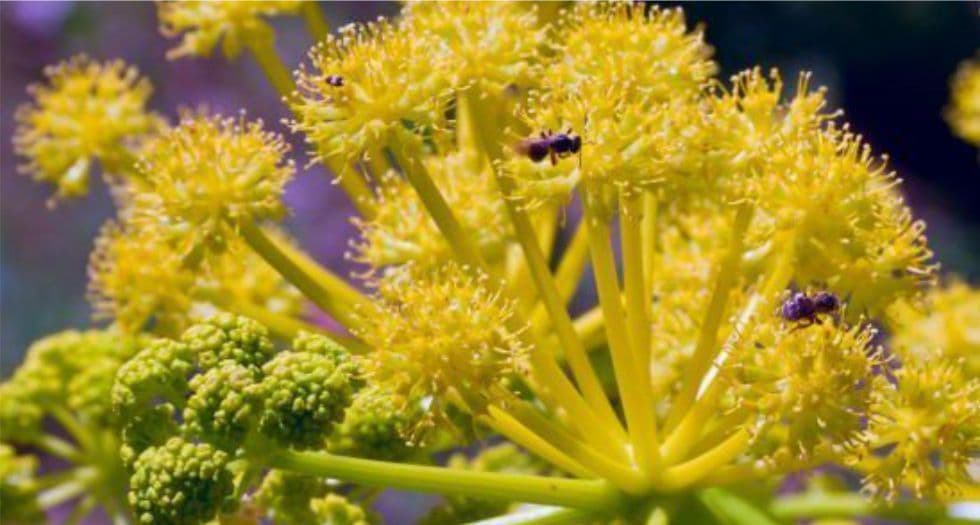
Galbanum
Galbanum is a powerful green resin note obtained from plants of the Ferula family. Its scent is intensely green, sharp, bitter, resinous, and slightly earthy, with a cut-stem freshness that can feel almost electric. In perfumery, galbanum is prized for giving structure and natural realism to green florals, chypres, fougères, and woody compositions. It adds lift at the opening, but also a dry resinous depth that helps a fragrance feel sophisticated and alive. It pairs beautifully with hyacinth, iris, rose, oakmoss, vetiver, citrus, and dark woods.
- 🌿
Gallic rose
Gallic rose is a floral note that adds softness, radiance, and emotional warmth to a composition. Depending on the flower or accord, it can feel fresh, creamy, powdery, honeyed, green, indolic, or airy. In perfumery, floral notes often form the heart of a fragrance, giving it body and a recognizable character. Gallic rose pairs well with citrus, white musk, rose, jasmine, sandalwood, amber, vanilla, iris, and delicate fruits, making it useful in both classic bouquets and modern transparent florals.
- 🌿
Gallic rose absolute
Gallic rose absolute is a floral note that gives a fragrance softness, radiance, and emotional warmth. Depending on the flower or accord, it may feel fresh, creamy, powdery, honeyed, green, indolic, or airy. In perfumery, floral notes often form the heart of a composition, adding body and a recognizable signature. It pairs well with citrus, white musk, rose, jasmine, sandalwood, amber, vanilla, iris, and delicate fruits.
- 🌿
Gallic rose otto
Gallic rose otto is a floral note that gives a fragrance softness, radiance, and emotional warmth. Depending on the flower or accord, it may feel fresh, creamy, powdery, honeyed, green, indolic, or airy. In perfumery, floral notes often form the heart of a composition, adding body and a recognizable signature. It pairs well with citrus, white musk, rose, jasmine, sandalwood, amber, vanilla, iris, and delicate fruits.
- 🌿
Gandhi root
Gandhi root is an earthy or mineral note that adds realism, dryness, and atmospheric depth. It may suggest soil, roots, stone, dust, damp ground, mushrooms, clay, or cool mineral surfaces depending on the accord. In perfumery, these notes make compositions feel grounded, natural, or avant-garde. It pairs well with vetiver, moss, patchouli, dry woods, leather, incense, rain notes, musk, and dark florals.
- 🌿
Garden rose
Garden rose is a floral note that gives a fragrance softness, radiance, and emotional warmth. Depending on the flower or accord, it may feel fresh, creamy, powdery, honeyed, green, indolic, or airy. In perfumery, floral notes often form the heart of a composition, adding body and a recognizable signature. It pairs well with citrus, white musk, rose, jasmine, sandalwood, amber, vanilla, iris, and delicate fruits.
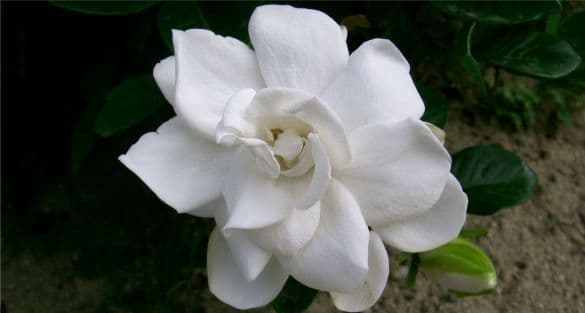
Gardenia
Gardenia — Gardenia jasminoides — is native to the tropical and subtropical regions of Asia, particularly southern China, Japan, and Vietnam, where it has been cultivated for over a thousand years for its spectacular ivory blooms and profoundly intoxicating fragrance. The gardenia flower's scent is among the most complex in the floral world: intensely sweet and creamy, with narcotic depth, a coconut-like richness, and green, almost lactonic facets that evolve dramatically as the flower ages. One of the great challenges — and allures — of gardenia in perfumery is that the flower does not yield a true essential oil through traditional extraction; its aroma must be reconstructed entirely from synthetic and natural materials. Perfumers build gardenia accords using jasmine absolutes, tuberose, ylang ylang, and creamy lactonic notes alongside green jasmine facets and white musks. The result, when done well, is a lush, narcotic white floral of extraordinary richness. Gardenia anchors countless classic and contemporary fragrances from the feminine white floral tradition. Fragrenza's Gardenia collection presents this iconic white floral in a curated range of fine fragrance dupes — creamy, intoxicating, and timelessly elegant. Experience the narcotic beauty of gardenia in premium-quality interpretations at truly accessible prices. Shop for gardenia? [Fragrenza](https://fragrenza.com/collections/gardenia-fragrances) curates a focused selection.
- 🌿
Gardenia absolute
Gardenia absolute is a floral note that gives a fragrance softness, radiance, and emotional warmth. Depending on the flower or accord, it may feel fresh, creamy, powdery, honeyed, green, indolic, or airy. In perfumery, floral notes often form the heart of a composition, adding body and a recognizable signature. It pairs well with citrus, white musk, rose, jasmine, sandalwood, amber, vanilla, iris, and delicate fruits.
- 🌿
Gardenia leaf
Gardenia leaf is a floral note that gives a fragrance softness, radiance, and emotional warmth. Depending on the flower or accord, it may feel fresh, creamy, powdery, honeyed, green, indolic, or airy. In perfumery, floral notes often form the heart of a composition, adding body and a recognizable signature. It pairs well with citrus, white musk, rose, jasmine, sandalwood, amber, vanilla, iris, and delicate fruits.

Genet
Genipapo — the fruit of Genipa americana — is a tropical tree native to the Amazon basin and the broader Caribbean and Central American region, where it has been used by indigenous peoples for centuries as a body paint, a dye, and a fermented beverage. The ripe fruit has a complex, unusual scent: earthy and slightly musty at first, with a sweet tropical undercurrent and a fermented, almost wine-like depth that makes it unlike any more familiar fruit note. In perfumery, genipapo is an exotic and relatively rare ingredient that appears primarily in niche and Brazilian-inspired fragrances seeking an authentic tropical earthiness. Its profile is not sweetly pretty in the conventional sense — it has a raw, organic quality that evokes the humid forest floor as much as ripe fruit. Perfumers use it to add an unusual, naturalistic tropical dimension that sets a composition apart from typical fruity-floral or tropical-sweet constructs. It pairs well with dark woods, earthy vetiver, and fermented notes like labdanum or saffron. Fragrenza's Genipapo collection brings this rare Amazonian ingredient to the forefront in a curated set of fine fragrance dupes. For those who want something genuinely different — a tropical note with depth, history, and raw beauty — these accessible interpretations are a discovery waiting to happen.
- 🌿
Gentian
Gentian is a specialty note used to give a fragrance a distinctive texture, mood, or material impression. Depending on interpretation, it may contribute freshness, warmth, sweetness, dryness, softness, or an abstract atmospheric effect. In perfumery, specialty notes are useful because they make a composition feel more specific and less generic. It can be paired with woods, musks, florals, resins, fruits, green notes, spices, or amber materials according to the intended style.
- 🌿
Gentian absolute
Gentian absolute is a specialty note used to give a fragrance a distinctive texture, mood, or material impression. Depending on interpretation, it may contribute freshness, warmth, sweetness, dryness, softness, or an abstract atmospheric effect. In perfumery, specialty notes are useful because they make a composition feel more specific and less generic. It can be paired with woods, musks, florals, resins, fruits, green notes, spices, or amber materials according to the intended style.
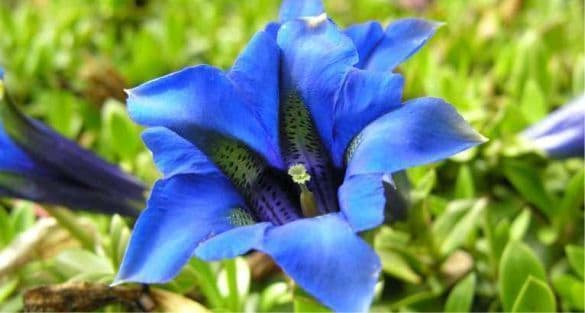
Gentiana
Gentian is a specialty fragrance note with a distinctive character that can add texture, contrast, and originality to a composition. In perfumery, it is best used to create a specific mood or material impression, often alongside woods, musks, florals, resins, fruits, or green notes.
- 🌿
Georgian cedar
Georgian cedar is a woody note used to create structure, depth, and lasting warmth. Its scent may be dry, creamy, smoky, resinous, earthy, pencil-like, or polished depending on the wood or accord. In perfumery, woody notes support the whole composition and connect fresh openings with deeper bases. It pairs naturally with amber, musk, incense, leather, vetiver, patchouli, spices, citrus, and soft resins.
- 🌿
Georgian rose
Georgian rose is a floral note that gives a fragrance softness, radiance, and emotional warmth. Depending on the flower or accord, it may feel fresh, creamy, powdery, honeyed, green, indolic, or airy. In perfumery, floral notes often form the heart of a composition, adding body and a recognizable signature. It pairs well with citrus, white musk, rose, jasmine, sandalwood, amber, vanilla, iris, and delicate fruits.
- 🌿
Georgywood®
Georgywood® is a woody note used to create structure, depth, and lasting warmth. Its scent may be dry, creamy, smoky, resinous, earthy, pencil-like, or polished depending on the wood or accord. In perfumery, woody notes support the whole composition and connect fresh openings with deeper bases. It pairs naturally with amber, musk, incense, leather, vetiver, patchouli, spices, citrus, and soft resins.
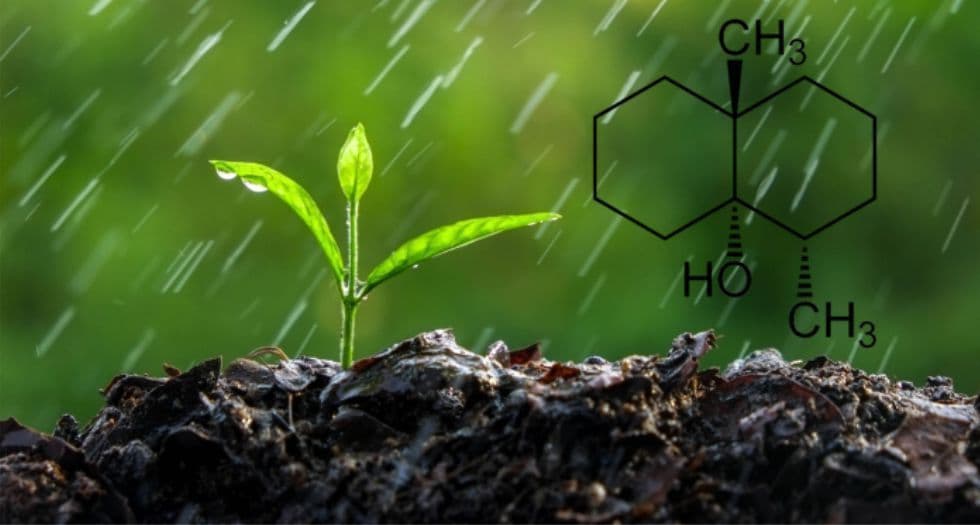
Geosmin
Geosmin is an organic compound known for its unmistakable earthy smell, especially the scent that rises from soil after rain. It is one of the key contributors to petrichor, the familiar aroma of wet earth, damp ground, beetroot, and freshly disturbed soil. In perfumery, geosmin can be used in very small amounts to create realistic earthy, mineral, rainy, and soil-like effects. It works well in nature-inspired, green, woody, mossy, rooty, and experimental compositions where a true damp-earth impression is needed.
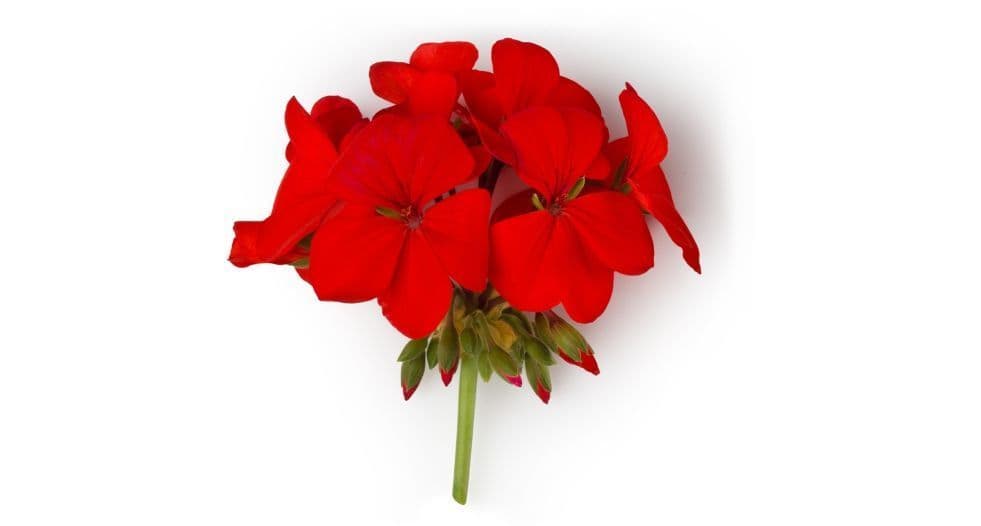
Geranium
Geranium in perfumery refers primarily to Pelargonium graveolens and its relatives — a genus native to South Africa and the Cape region, cultivated widely in Réunion, Egypt, Morocco, and China for the distillation of geranium essential oil. Despite the name, these plants are botanically pelargoniums rather than true geraniums. The oil they yield is among the most versatile in the perfumer's palette: a rosy-green, slightly minty, fresh-floral scent with natural sweetness and a clean, herbaceous sparkle. In fragrance, geranium is celebrated as a bridge note — it softens the sharpness of citrus, adds green life to rose accords, and tempers the heaviness of oriental bases. Its primary aromatic components, geraniol and citronellol, overlap significantly with rose oil, making it a classic and affordable substitute or complement. Geranium appears across a vast range of fragrance families: fougères, chypres, fresh aquatics, and classic florals all benefit from its balancing, slightly rosy-green presence. It is also used in masculine compositions to add clean, slightly herbal freshness. Fragrenza's Geranium collection showcases this endlessly useful note in fine fragrance interpretations spanning classic florals, green chypres, and fresh contemporaries. Discover the rosy-clean elegance of geranium in premium-quality dupes at accessible prices. Want to wear it? Explore [geranium fragrances](https://fragrenza.com/collections/geranium-fragrances).
- 🌿
Geranium absolute
Geranium absolute is a floral note that adds softness, radiance, and emotional warmth to a composition. Depending on the flower or accord, it can feel fresh, creamy, powdery, honeyed, green, indolic, or airy. In perfumery, floral notes often form the heart of a fragrance, giving it body and a recognizable character. Geranium absolute pairs well with citrus, white musk, rose, jasmine, sandalwood, amber, vanilla, iris, and delicate fruits, making it useful in both classic bouquets and modern transparent florals.
- 🌿
Geranium leaf
Geranium leaf is a floral note that adds softness, radiance, and emotional warmth to a composition. Depending on the flower or accord, it can feel fresh, creamy, powdery, honeyed, green, indolic, or airy. In perfumery, floral notes often form the heart of a fragrance, giving it body and a recognizable character. Geranium leaf pairs well with citrus, white musk, rose, jasmine, sandalwood, amber, vanilla, iris, and delicate fruits, making it useful in both classic bouquets and modern transparent florals.
- 🌿
Geranium Orpur®
Geranium Orpur® is a floral note that gives a fragrance softness, radiance, and emotional warmth. Depending on the flower or accord, it may feel fresh, creamy, powdery, honeyed, green, indolic, or airy. In perfumery, floral notes often form the heart of a composition, adding body and a recognizable signature. It pairs well with citrus, white musk, rose, jasmine, sandalwood, amber, vanilla, iris, and delicate fruits.
Gerbera
Gerbera is a colorful ornamental flower from the daisy family. Since it is not a major natural perfumery material, its scent is usually interpreted as a soft fresh floral accord with green, airy, slightly pollen-like facets. It works best in cheerful, clean, spring-like floral compositions.
- 🌿
Gin
Gin is a botanical spirit flavored primarily with juniper berries. As a fragrance note, it smells crisp, aromatic, dry, and slightly resinous, with facets of juniper, citrus peel, herbs, and cool alcohol. It adds a refined cocktail-like freshness to aromatic, citrus, woody, and unisex scents.
- 🌿
Gin tonic
Gin tonic is a specialty note used to give a fragrance a distinctive texture, mood, or material impression. Depending on interpretation, it may contribute freshness, warmth, sweetness, dryness, softness, or an abstract atmospheric effect. In perfumery, specialty notes are valuable because they make a composition feel more specific and less generic. Gin tonic can be paired with woods, musks, florals, resins, fruits, green notes, spices, or amber materials according to the intended style.
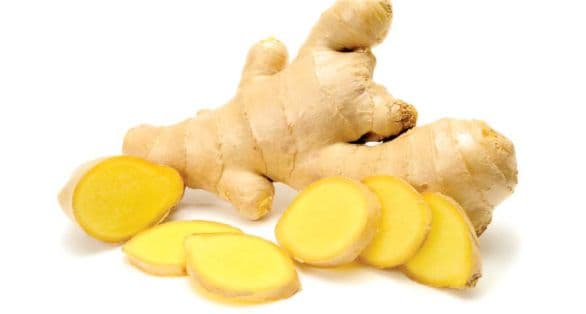
Ginger
Ginger root has been one of humanity's most treasured spices for over five thousand years, originating in the tropical rainforests of Southeast Asia before spreading along ancient trade routes to India, the Middle East, and eventually Europe. The rhizome of Zingiber officinale has shaped cuisines, medicines, and aromatic traditions across countless cultures, and its place in modern perfumery is equally well-established. In fragrance, ginger delivers a distinctive warm-spicy, zingy character with a bright, almost citrusy freshness on the opening that evolves into a deeper, more earthy and resinous warmth. It can read as simultaneously cooling and heating — a paradox that makes it endlessly fascinating. Depending on the concentration used, it can sharpen a composition with invigorating brightness or ground it with rooty, balsamic depth. Ginger is an extraordinarily versatile note, pairing naturally with citrus, cardamom, pepper, vetiver, and woody accords in spicy orientals and aromatic fougères. It is equally effective in fresh aquatic blends and warm amber compositions. Fragrenza's ginger-forward collections draw on this timeless spice note to create bold, dynamic fragrances inspired by the world's finest perfume houses — at prices that make them easy to wear every day. Want to wear it? Explore [ginger fragrances](https://fragrenza.com/collections/ginger-fragrances).
- 🌿
Ginger absolute
Ginger absolute is a spicy note that gives fragrance heat, texture, and aromatic energy. It can feel sweet, dry, peppery, resinous, herbal, smoky, or slightly medicinal depending on the material. In perfumery, spices create contrast, deepen the heart, and bridge fresh top notes with warm woody or amber bases. It pairs especially well with citrus, rose, tobacco, vanilla, oud, sandalwood, patchouli, leather, and balsamic resins.
- 🌿
Ginger biscuit
Ginger biscuit is a spicy note that gives fragrance heat, texture, and aromatic energy. It can feel sweet, dry, peppery, resinous, herbal, smoky, or slightly medicinal depending on the material. In perfumery, spices create contrast, deepen the heart, and bridge fresh top notes with warm woody or amber bases. It pairs especially well with citrus, rose, tobacco, vanilla, oud, sandalwood, patchouli, leather, and balsamic resins.
- 🌿
Ginger CO2
Ginger CO2 is a spicy note that gives fragrance heat, texture, and aromatic energy. It can feel sweet, dry, peppery, resinous, herbal, smoky, or slightly medicinal depending on the material. In perfumery, spices create contrast, deepen the heart, and bridge fresh top notes with warm woody or amber bases. It pairs especially well with citrus, rose, tobacco, vanilla, oud, sandalwood, patchouli, leather, and balsamic resins.
Ginger flower
Ginger flower captures the floral side of the ginger plant rather than only the spicy rhizome. It suggests a fresh, slightly spicy, exotic floral note with warm, citrusy, and tropical nuances. It pairs well with white florals, citrus, cardamom, woods, and clean musks.
- 🌿
Ginger lily
Ginger lily is a floral note that gives a fragrance softness, radiance, and emotional warmth. Depending on the flower or accord, it may feel fresh, creamy, powdery, honeyed, green, indolic, or airy. In perfumery, floral notes often form the heart of a composition, adding body and a recognizable signature. It pairs well with citrus, white musk, rose, jasmine, sandalwood, amber, vanilla, iris, and delicate fruits.
- 🌿
Ginger syrup
Ginger syrup is a spicy note that gives fragrance heat, texture, and aromatic energy. It can feel sweet, dry, peppery, resinous, herbal, smoky, or slightly medicinal depending on the material. In perfumery, spices create contrast, deepen the heart, and bridge fresh top notes with warm woody or amber bases. It pairs especially well with citrus, rose, tobacco, vanilla, oud, sandalwood, patchouli, leather, and balsamic resins.

Gingerbread
Gingerbread is one of the most beloved aromatic traditions in the world, tracing its roots to medieval Europe where spiced breads and biscuits were prized for both their flavor and their warming, preservative spices. The scent of gingerbread is a symphony of the spice rack — ground ginger's peppery heat, cinnamon's sweet bark, clove's dark intensity, and nutmeg's earthy warmth — all fused with the golden, caramelized sweetness of baked dough and brown sugar. In perfumery, gingerbread accords are cornerstones of the gourmand family. Perfumers recreate this comforting profile using a blend of spice notes — gingerol-derived ginger, eugenol-rich clove, and coumarin-laced cinnamon — layered over warm base notes like benzoin, vanilla, and tonka bean. The result is an enveloping, edible warmth that evokes hearth-side comfort and festive nostalgia. Gingerbread fragrances often sit beautifully alongside caramel, praline, and toasted wood in the dry-down. At Fragrenza, our Gingerbread collection captures this irresistible spiced-sweetness in a range of fine fragrance dupes, delivering bakery-warm, cinnamon-kissed depth at an accessible price. Whether you're drawn to the pure spice of a gingerbread heart or the lush sweetness of a gourmand composition, you'll find your match here.
- 🌿
Ginjō sake
Ginjō sake is a specialty note used to give a fragrance a distinctive texture, mood, or material impression. Depending on interpretation, it may contribute freshness, warmth, sweetness, dryness, softness, or an abstract atmospheric effect. In perfumery, specialty notes are useful because they make a composition feel more specific and less generic. It can be paired with woods, musks, florals, resins, fruits, green notes, spices, or amber materials according to the intended style.
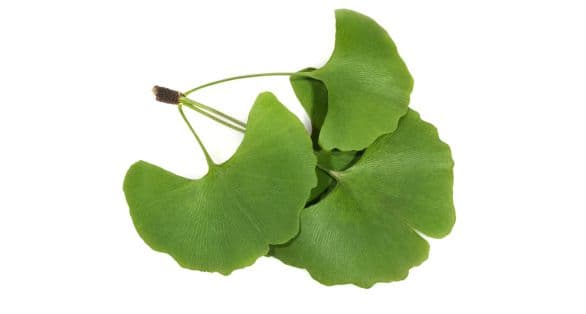
ginkgo
Ginkgo biloba is one of the most ancient trees on Earth — a living fossil with no close relatives, having survived virtually unchanged for over 270 million years. Native to China, where it has been cultivated in temple gardens for centuries, the ginkgo's distinctive fan-shaped leaves have become a global symbol of resilience, longevity, and the quiet endurance of nature. The tree is now found in cities worldwide, its remarkable tolerance for pollution and stress making it a beloved urban landmark. The leaves carry a subtle, distinctive scent: fresh and slightly citrus-green, clean and faintly mineral, with an almost prehistoric simplicity. In perfumery, ginkgo leaf contributes a delicate, watery-green freshness with a light citrus quality and a faint, clean bitterness that gives it an intellectual, meditative character. It is never loud or assertive — rather, it functions as a quiet, clarifying element that brings transparency and depth to compositions. It pairs naturally with green tea, cedar, iris, and white musks, and it appears frequently in contemporary clean, minimalist fragrances that seek to convey stillness, longevity, and natural wisdom. At Fragrenza, our ginkgo collection brings together dupe interpretations of fragrances that celebrate this extraordinary ancient tree. These are scents for those who appreciate quiet complexity and the beauty of endurance — crafted to high standards and offered at prices that make refined perfumery accessible to all.
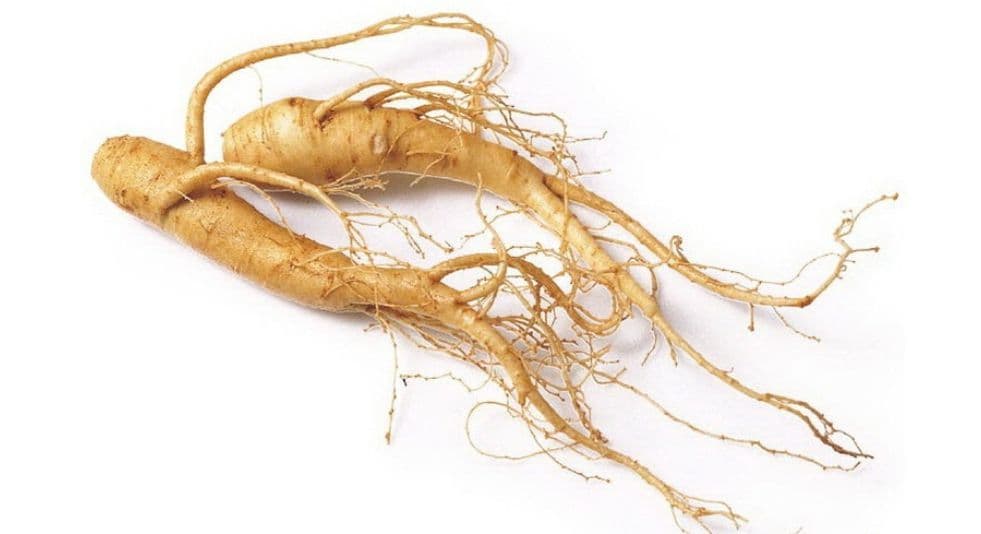
Ginseng
Ginseng root (Panax ginseng) is one of the most culturally significant botanical ingredients in the world — a cornerstone of traditional Korean and Chinese medicine for over five thousand years, and a symbol of vitality, longevity, and natural wisdom. The slow-growing root, which can take a decade to reach maturity in the wild, has a complex, layered scent: earthy and slightly bitter, with a warm, woody depth and a faint sweetness that becomes more apparent as it dries. It is both ancient and entirely contemporary in its appeal, bridging heritage and modernity with ease. In perfumery, ginseng contributes a dry, earthy warmth with herbaceous and slightly bitter facets that provide excellent grounding in a composition. It does not behave as a conventional spice or wood, but occupies its own territory — rooty and medicinal in the best sense, evoking the apothecary cabinet and the mountain forest simultaneously. It pairs beautifully with cedarwood, vetiver, dark musks, and mineral or incense accords, lending compositions an authoritative, contemplative character that appeals particularly in niche and artisanal perfumery. At Fragrenza, our ginseng collection celebrates this ancient root through dupe interpretations of fragrances that use its earthy, warm complexity to memorable effect. Discover the depth and heritage of ginseng-inspired perfumery at accessible prices, without any compromise on quality.
- 🌿
Givescone®
Givescone® is a specialty note used to give a fragrance a distinctive texture, mood, or material impression. Depending on interpretation, it may contribute freshness, warmth, sweetness, dryness, softness, or an abstract atmospheric effect. In perfumery, specialty notes are useful because they make a composition feel more specific and less generic. It can be paired with woods, musks, florals, resins, fruits, green notes, spices, or amber materials according to the intended style.
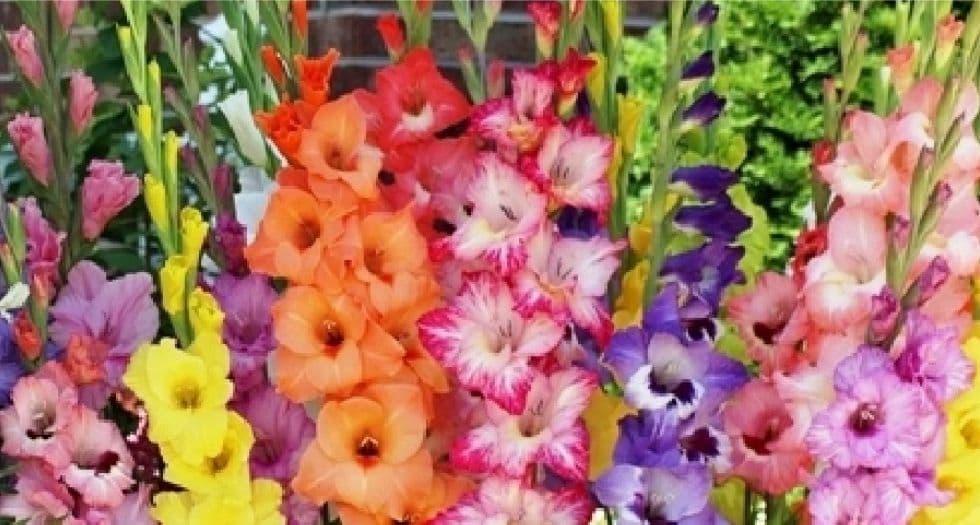
Gladiolus
Gladiolus — the sword lily — takes its name from the Latin word for sword, a reference to the tall, blade-like shape of its leaves. Native to Mediterranean Europe and tropical Africa, the gladiolus has been cultivated as an ornamental flower since antiquity and is cherished in both gardens and perfumery for its graceful, quietly luminous presence. As a fragrance note, gladiolus is soft, delicate, and gently sweet, with a clean green-floral quality that evokes freshly cut stems in cool water. It lacks the intensity of heady florals like tuberose or gardenia, instead offering a refined, airy sweetness with subtle green and slightly watery facets. This understated elegance makes it a note of rare sophistication — present without being loud, beautiful without demanding attention. Gladiolus works harmoniously alongside other soft florals such as peony, muguet, and freesia, contributing a natural, garden-fresh transparency to compositions. It also pairs well with light musks and clean woody notes for contemporary, wearable blends. At Fragrenza, our gladiolus-inspired fragrances celebrate this quiet floral beauty, delivering the feel of luxury perfumery at prices that suit everyday wear and special occasions alike.
- 🌿
Globalide®
Globalide® is a specialty note used to give a fragrance a distinctive texture, mood, or material impression. Depending on interpretation, it may contribute freshness, warmth, sweetness, dryness, softness, or an abstract atmospheric effect. In perfumery, specialty notes are useful because they make a composition feel more specific and less generic. It can be paired with woods, musks, florals, resins, fruits, green notes, spices, or amber materials according to the intended style.
- 🌿
Glycyrrhiza glabra
Glycyrrhiza glabra is a specialty note used to give a fragrance a distinctive texture, mood, or material impression. Depending on interpretation, it may contribute freshness, warmth, sweetness, dryness, softness, or an abstract atmospheric effect. In perfumery, specialty notes are valuable because they make a composition feel more specific and less generic. Glycyrrhiza glabra can be paired with woods, musks, florals, resins, fruits, green notes, spices, or amber materials according to the intended style.
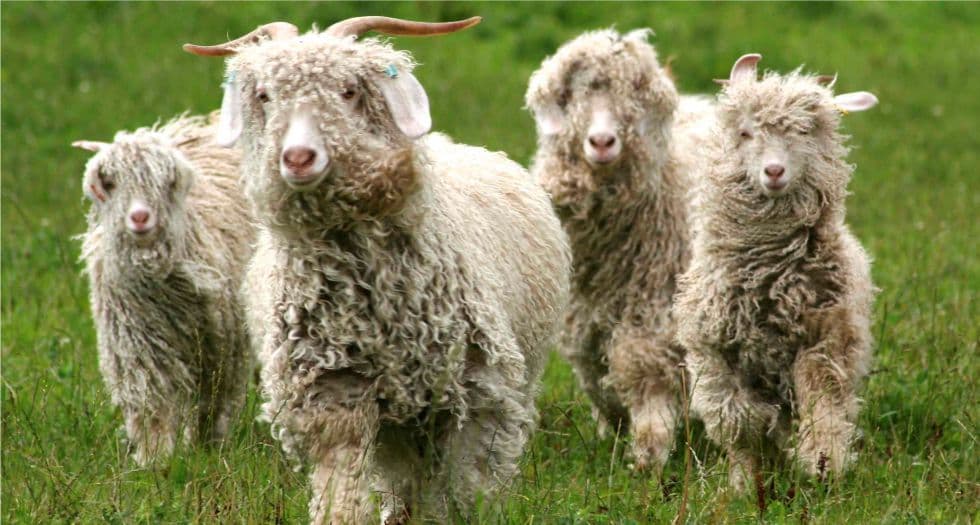
Goat hair (tincture
Goat Hair Tincture is a specialty fragrance note with a distinctive character that can add texture, contrast, and originality to a composition. In perfumery, it is best used to create a specific mood or material impression, often alongside woods, musks, florals, resins, fruits, or green notes.
- 🌿
Goat's hair
Goat's hair is a specialty note used to give a fragrance a distinctive texture, mood, or material impression. Depending on interpretation, it may contribute freshness, warmth, sweetness, dryness, softness, or an abstract atmospheric effect. In perfumery, specialty notes are useful because they make a composition feel more specific and less generic. It can be paired with woods, musks, florals, resins, fruits, green notes, spices, or amber materials according to the intended style.
- 🌿
Goji
Goji is a specialty note used to give a fragrance a distinctive texture, mood, or material impression. Depending on interpretation, it may contribute freshness, warmth, sweetness, dryness, softness, or an abstract atmospheric effect. In perfumery, specialty notes are useful because they make a composition feel more specific and less generic. It can be paired with woods, musks, florals, resins, fruits, green notes, spices, or amber materials according to the intended style.
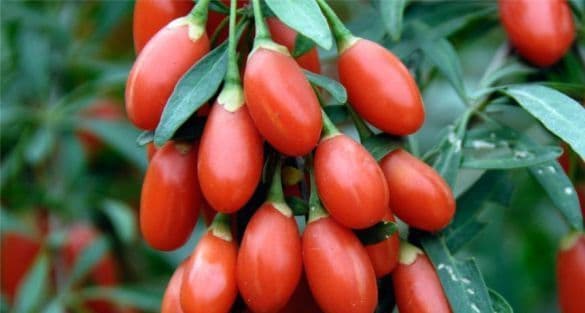
Goji Berries
Goji berries, known in Chinese as wolfberries (Lycium barbarum), have been cultivated in China for over two thousand years and hold a central place in traditional Chinese medicine, where they are prized for their nutritional density and association with longevity. The dried berry has a distinctive flavour — sweet and tart simultaneously, with a faint earthy, almost floral depth — that has made it one of the defining tastes of East Asian herbal cuisine. In the contemporary wellness movement, goji has become globally recognised, bringing its exotic, slightly mysterious character to new audiences worldwide. In fragrance, goji berry contributes a sweet-tart exoticism that sits between conventional red berries and the more complex territory of dried fruits and herbal notes. Its slightly earthy, warm undertone prevents it from being simply sweet, lending it a depth and personality that more familiar berry notes often lack. It appears in modern fruity florals and oriental compositions, where it adds a distinctive East Asian character and a warm, slightly incense-adjacent drydown. It pairs naturally with rose, oud, amber, and light spices. At Fragrenza, our goji berries collection offers dupe interpretations of fragrances that feature this captivating, exotic berry as a key olfactory ingredient. Explore the sweet-tart warmth of goji-inspired perfumery at accessible prices — because exceptional fragrance should be within everyone's reach.
- 🌿
Goji berry
Goji berry is a fruity note that gives fragrance juiciness, color, and natural sweetness. It can be crisp and tart, ripe and velvety, tropical and creamy, or dark and jammy depending on the fruit profile. In perfumery, fruity notes brighten florals, soften musks, and add pleasure to gourmand or woody structures. Goji berry pairs well with rose, peony, jasmine, white musk, vanilla, woods, citrus, amber, and soft spices.
- 🌿
Gold orchid
Gold orchid is a floral note that gives a fragrance softness, radiance, and emotional warmth. Depending on the flower or accord, it may feel fresh, creamy, powdery, honeyed, green, indolic, or airy. In perfumery, floral notes often form the heart of a composition, adding body and a recognizable signature. It pairs well with citrus, white musk, rose, jasmine, sandalwood, amber, vanilla, iris, and delicate fruits.
- 🌿
Goldcurrant
Goldcurrant is a fruity note that adds juiciness, color, and natural sweetness. It may feel crisp and tart, ripe and velvety, tropical and creamy, or dark and jammy depending on the fruit profile. In perfumery, fruity notes brighten florals, soften musks, and add pleasure to gourmand or woody structures. It pairs well with rose, peony, jasmine, white musk, vanilla, woods, citrus, amber, and soft spices.
- 🌿
Golden chain
Golden chain is a specialty note used to give a fragrance a distinctive texture, mood, or material impression. Depending on interpretation, it may contribute freshness, warmth, sweetness, dryness, softness, or an abstract atmospheric effect. In perfumery, specialty notes are useful because they make a composition feel more specific and less generic. It can be paired with woods, musks, florals, resins, fruits, green notes, spices, or amber materials according to the intended style.
- 🌿
Golden Orange apple
Golden Orange apple is a citrus note that adds sparkle, freshness, and immediate lift to a fragrance. Its profile can include juicy pulp, aromatic peel, green bitterness, soft floral nuances, or a sharp zesty brightness depending on the material. In perfumery, it is usually used in the opening, where it brings clarity and motion before blending into florals, woods, musks, or herbs. It pairs well with neroli, tea, lavender, white musk, light woods, aquatic notes, and aromatic herbs.
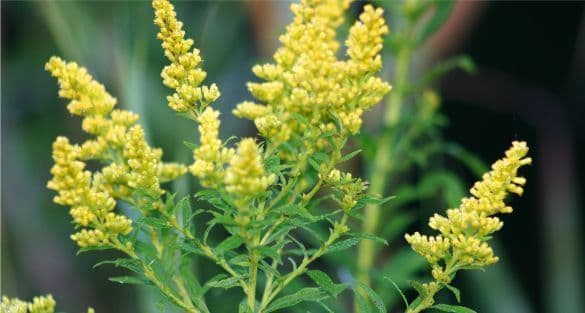
Goldenrod
Goldenrod (Solidago) is a genus of flowering plants in the daisy family, native to North America and naturalised across Europe and Asia. With its tall, arching stems topped by dense plumes of bright yellow flowers, goldenrod is among the most visually striking of meadow plants — and its fragrance is equally characterful. The scent of goldenrod is hay-like and warm, with a slightly spicy, almost anise-tinged sweetness that evokes the height of summer and the particular quality of light on long August afternoons. In perfumery, goldenrod contributes a warm, slightly herbal sweetness with distinct hay and coumarin-adjacent facets that make it a natural companion for materials like tonka bean, heliotrope, chamomile, and dried grasses. It bridges the world of wildflower and meadow accords, lending compositions an honest, sun-warmed naturalism. It is used in both feminine and masculine contexts, most often appearing in aromatic fougères, warm florals, and countryside-inspired compositions where its golden, bees-and-honey warmth adds depth and a sense of seasonal abundance. At Fragrenza, our goldenrod collection celebrates this warm, honeyed wildflower through dupe interpretations of fragrances that make the most of its hay-sweet character. Discover meadow-inspired perfumery at its most evocative — crafted with care and offered at prices that make fine fragrance a daily pleasure.
- 🌿
Goldenwood®
Goldenwood® is a woody note used to create structure, depth, and lasting warmth. Its scent may be dry, creamy, smoky, resinous, earthy, pencil-like, or polished depending on the wood or accord. In perfumery, woody notes support the whole composition and connect fresh openings with deeper bases. It pairs naturally with amber, musk, incense, leather, vetiver, patchouli, spices, citrus, and soft resins.
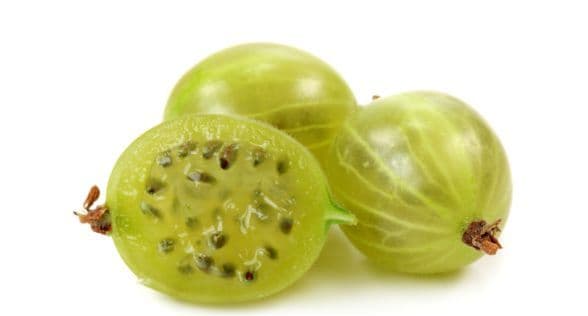
Gooseberry
Gooseberry is one of northern Europe's most distinctive and characterful fruits — small, ribbed, and varying from palest green to deep purple depending on variety. Native to Europe and western Asia, it has been cultivated in British and Scandinavian gardens for centuries, prized for its sharp, intensely tart flavour that softens to a more honeyed sweetness when fully ripe. The gooseberry's combination of bright acidity, berry warmth, and a faint earthy, almost hawthorn-like quality makes it a compelling and underused inspiration for perfumers seeking genuinely unusual fruity notes. In fragrance, gooseberry delivers a tart, vivid fruitiness that is notably different from the sweetness of red berries or the tropical roundness of mango and peach. Its sourness gives it clarity and precision — it cuts through compositions, adding brightness and a playful sharpness. Ripe gooseberry notes lean into a juicy, slightly floral sweetness, while greener interpretations emphasise the tart, almost citrus-like acidity. It works well in fresh fruity florals, light aquatics, and contemporary unisex compositions, often paired with blackcurrant bud, elderflower, or grass. At Fragrenza, our gooseberry collection offers dupe interpretations of fragrances that embrace this bright, distinctive British berry note. Discover fresh, vibrant, beautifully crafted scents that celebrate one of perfumery's most underrated fruity characters — at prices everyone can enjoy.
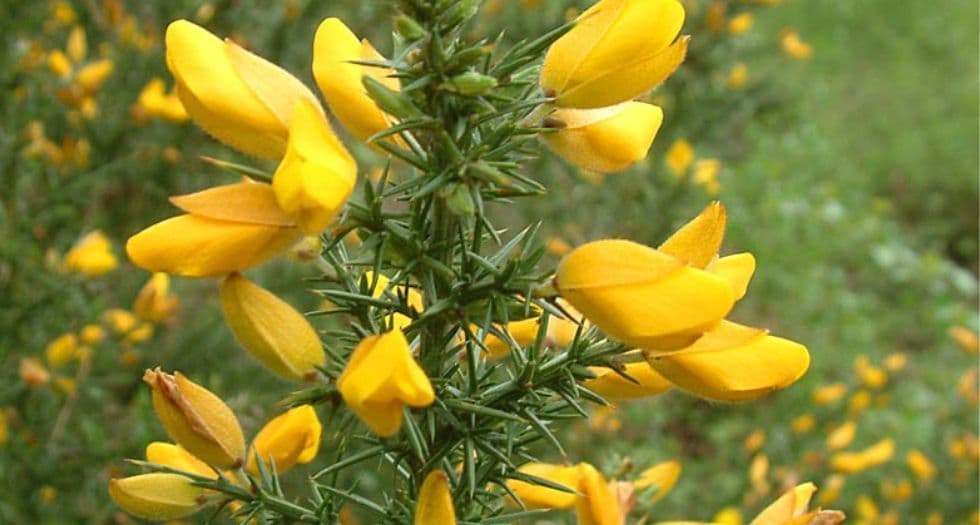
Gorse
Gorse, also known as furze or whin (Ulex europaeus), is a spiny, evergreen shrub native to western Europe, where it carpets heathlands, cliffs, and hillsides in vivid yellow throughout much of the year. Its flowers are famously fragrant — a warm, sweet, almost tropical scent of coconut, almond, and vanilla that seems startlingly exotic against the wild Atlantic landscapes where gorse most typically grows. The old country saying holds that when gorse is not in bloom, kissing is out of season — a testament to just how rarely this plant is without flowers. In perfumery, gorse is a treasured ingredient for its unusual combination of coconut-almond creaminess and bright, sunny floral warmth. It sits at a fascinating intersection of tropical and wildflower registers, adding a distinctive sweetness that differs entirely from conventional vanilla or coconut notes — it is airier and more natural, anchored by the slightly sharp, almost anise-like quality of the flower. Gorse pairs beautifully with hay, heliotrope, tonka bean, and coastal ozonic notes, creating compositions that feel simultaneously wild and indulgent. At Fragrenza, our gorse collection brings together dupe interpretations of fragrances that capture the extraordinary warmth and sweetness of this remarkable wildflower. Experience the landscape of the British and Irish coast in scent form — at prices that make beautiful perfumery genuinely accessible.
- 🌿
Gorse leaves
Gorse leaves is a green or aromatic note that evokes leaves, herbs, stems, fresh air, or crushed vegetation. Its profile can be crisp, bitter, watery, camphoraceous, grassy, or slightly earthy depending on the material. In perfumery, green notes add realism and lift, keeping sweet, floral, or woody compositions from feeling too heavy. It pairs well with citrus, tea, fig, violet leaf, galbanum, tomato leaf, white musk, vetiver, lavender, and light woods.
- 🌿
Gourmand notes
Gourmand notes is a specialty note used to give a fragrance a distinctive texture, mood, or material impression. Depending on interpretation, it may contribute freshness, warmth, sweetness, dryness, softness, or an abstract atmospheric effect. In perfumery, specialty notes are valuable because they make a composition feel more specific and less generic. Gourmand notes can be paired with woods, musks, florals, resins, fruits, green notes, spices, or amber materials according to the intended style.
- 🌿
Grace
Grace is a specialty note used to give a fragrance a distinctive texture, mood, or material impression. Depending on interpretation, it may contribute freshness, warmth, sweetness, dryness, softness, or an abstract atmospheric effect. In perfumery, specialty notes are useful because they make a composition feel more specific and less generic. It can be paired with woods, musks, florals, resins, fruits, green notes, spices, or amber materials according to the intended style.
- 🌿
Grain
Grain is an aquatic note that evokes water, sea air, rain, mineral freshness, or clean transparent space. It can be salty, ozonic, marine, watery, airy, or slightly green depending on the accord. In perfumery, aquatic notes bring freshness, diffusion, and a modern easy-to-wear character. It pairs well with citrus, white musk, driftwood, lavender, sage, cucumber, marine notes, ambergris-style molecules, and pale woods.
- 🌿
Granite
Granite is a specialty note used to give a fragrance a distinctive texture, mood, or material impression. Depending on interpretation, it may contribute freshness, warmth, sweetness, dryness, softness, or an abstract atmospheric effect. In perfumery, specialty notes are useful because they make a composition feel more specific and less generic. It can be paired with woods, musks, florals, resins, fruits, green notes, spices, or amber materials according to the intended style.
- 🌿
Granny Smith apple
Granny Smith apple is a fruity note that adds juiciness, color, and natural sweetness to a fragrance. It can feel bright and tart, ripe and velvety, tropical and creamy, or dark and jammy depending on the fruit profile. In perfumery, it is used to make florals more playful, musks more approachable, and gourmands more vivid. It pairs well with rose, peony, white musk, vanilla, woods, citrus, and soft amber.
- 🌿
Grape
Grape is a fruity note that gives fragrance juiciness, color, and natural sweetness. It can be crisp and tart, ripe and velvety, tropical and creamy, or dark and jammy depending on the fruit profile. In perfumery, fruity notes brighten florals, soften musks, and add pleasure to gourmand or woody structures. Grape pairs well with rose, peony, jasmine, white musk, vanilla, woods, citrus, amber, and soft spices.
- 🌿
Grape blossom
Grape blossom is a floral note that gives a fragrance softness, radiance, and emotional warmth. Depending on the flower or accord, it may feel fresh, creamy, powdery, honeyed, green, indolic, or airy. In perfumery, floral notes often form the heart of a composition, adding body and a recognizable signature. It pairs well with citrus, white musk, rose, jasmine, sandalwood, amber, vanilla, iris, and delicate fruits.
- 🌿
Grape leaf
Grape leaf is a fruity note that gives fragrance juiciness, color, and natural sweetness. It can be crisp and tart, ripe and velvety, tropical and creamy, or dark and jammy depending on the fruit profile. In perfumery, fruity notes brighten florals, soften musks, and add pleasure to gourmand or woody structures. Grape leaf pairs well with rose, peony, jasmine, white musk, vanilla, woods, citrus, amber, and soft spices.
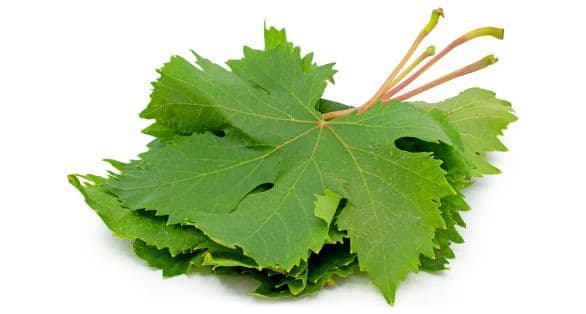
Grape leaves
Grape leaves have been part of Mediterranean culture since antiquity — used in cooking across Greece, Turkey, and the Levant to wrap rice and herbs, their tannic, slightly bitter freshness is as familiar to the region as olive oil or lemon. The leaves of Vitis vinifera carry a distinctive scent all their own: green and slightly astringent, with a fresh, sappy quality reminiscent of the vineyard in summer, and a faint mineral undertone that speaks to the rocky soils in which the vine thrives. This combination of vivid greenness and tannic depth has made grape leaf an increasingly valued note in contemporary perfumery. In fragrance, grape leaf contributes a Mediterranean freshness — dry and green, slightly tannic, with an almost sunbaked quality when blended with warm florals or woody notes. It is more structured and less sweet than fruit notes, functioning as an elegant, natural green accord that communicates place and season with great clarity. It pairs beautifully with fig, violet leaf, vetiver, and citrus, and it brings a distinctly southern European character to compositions that use it well. At Fragrenza, our grape leaves collection offers thoughtfully curated dupe interpretations of fragrances that celebrate this evocative, sun-soaked Mediterranean ingredient. Discover the dry, verdant beauty of the vineyard in scent — at accessible prices that bring fine perfumery within everyone's reach.
- 🌿
Grape skin
Grape skin is a fruity note that adds juiciness, color, and natural sweetness. It may feel crisp and tart, ripe and velvety, tropical and creamy, or dark and jammy depending on the fruit profile. In perfumery, fruity notes brighten florals, soften musks, and add pleasure to gourmand or woody structures. It pairs well with rose, peony, jasmine, white musk, vanilla, woods, citrus, amber, and soft spices.
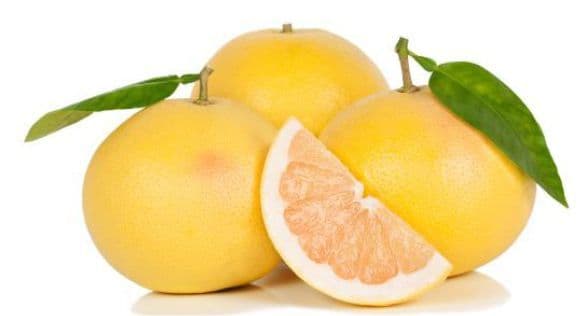
grapefruit
Grapefruit — encompassing both the blushing pink and the sharper yellow varieties — is among the most beloved citrus notes in modern perfumery. A relatively recent arrival in the botanical world, the grapefruit emerged as a natural hybrid in Barbados in the 18th century and quickly spread across tropical and subtropical regions worldwide. Its energetic, zesty aroma has since become a cornerstone of fresh and aquatic fragrance families. The scent of grapefruit is bright, juicy, and invigorating, with a characteristic slight bitterness underpinning the initial burst of fresh citrus. Pink grapefruit leans sweeter and more floral, while yellow grapefruit is sharper, crisper, and more tart. Together, they contribute a clean, uplifting energy that instantly revitalises the senses, paired with a subtle pithy depth that prevents the note from feeling one-dimensional. In perfumery, grapefruit is prized for its ability to open compositions with immediate freshness and lift. It blends seamlessly with green tea, mint, aquatic accords, and lighter musks, and is equally effective brightening woody or aromatic bases. Fragrenza's grapefruit-led collections showcase this crisp, energising character in high-quality fragrance dupes that make luxury citrus scents accessible every day. Shop for grapefruit? [Fragrenza](https://fragrenza.com/collections/grapefruit-fragrances) curates a focused selection.
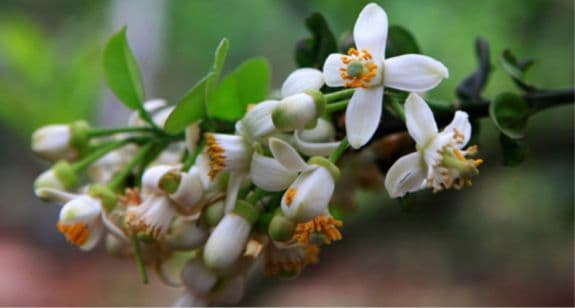
Grapefruit Blossom
Grapefruit blossom comes from the flower of Citrus paradisi — the pomelo hybrid that gave rise to the grapefruit, a relatively recent citrus cultivar first documented in Barbados in the eighteenth century. Like all citrus blossoms, the grapefruit flower carries the genetic memory of its parent fruit in its scent, but translates that quality into something far more delicate and nuanced: light, honeyed, softly citrus-floral, with a clean freshness quite unlike the sharp zest of the fruit itself. It represents the sweeter, more intimate side of a fruit we typically associate with brightness and bite. In perfumery, grapefruit blossom contributes a luminous, honeyed floral quality with a crisp citrus undertone that keeps it fresh and airy. It sits between the warmth of orange blossom and the sharpness of grapefruit zest, occupying a graceful middle register that is at once romantic and invigorating. It pairs beautifully with jasmine, neroli, white musk, and light woods, often used to open a composition with a sunlit, optimistic warmth that feels both feminine and universally appealing. At Fragrenza, our grapefruit blossom collection offers dupe interpretations of fragrances that celebrate this luminous, honeyed floral note. Discover light, beautifully crafted scents that capture the best of citrus perfumery — at prices that make quality accessible every day.
- 🌿
Grapefruit zest
Grapefruit zest is a bright citrus note that brings sparkle, freshness, and immediate lift to a fragrance. Its profile may include juicy pulp, aromatic peel, green bitterness, soft floral facets, or a slightly sharp zest depending on the material. In perfumery, it is most often used in the opening, where it gives clarity and movement before blending into florals, woods, musks, or herbs. Grapefruit zest works especially well with neroli, tea, lavender, white musk, light woods, aquatic notes, and aromatic herbs.
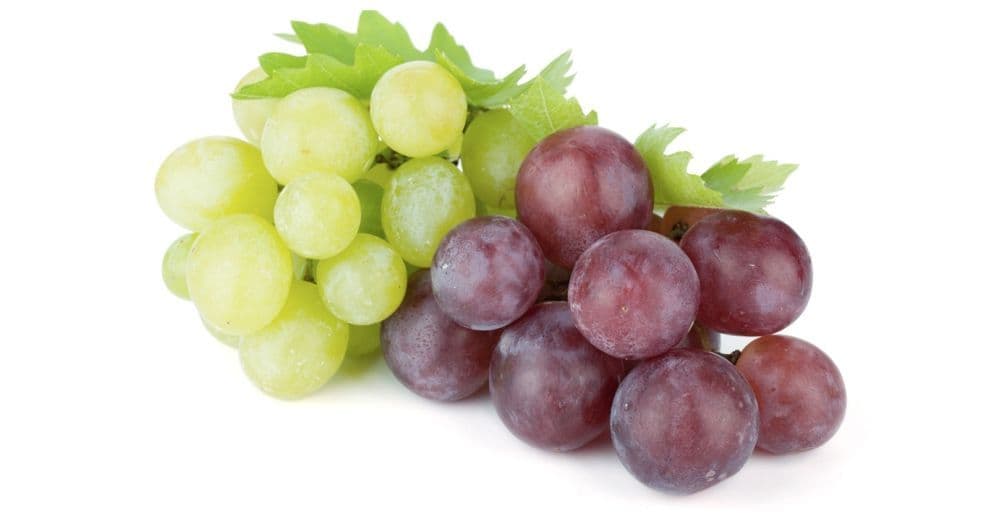
Grapes
Grapes have been cultivated by human civilisation for at least eight thousand years, originating in the South Caucasus and spreading rapidly across the Mediterranean world, where they became foundational to culture, religion, and daily life. The grape vine, Vitis vinifera, produces fruit of extraordinary diversity — from small, tart varieties used for wine to large, perfumed table grapes prized for their sweetness. The aroma of fresh grapes is a complex blend of fruity esters, subtle floral notes, and a distinctive winey fermentation character that has long been a source of fascination. In perfumery, grape contributes a sweet, juicy fruitiness with an underlying winey, almost boozy richness that distinguishes it from cleaner berry or citrus notes. It has a slightly fermented warmth that becomes especially interesting when paired with woody or earthy base notes. Light Muscat or concord grape accords tend toward the floral and sweet, while darker grape notes lean into the more complex, vinous register. Grape notes appear in fruity florals, gourmands, and even some orientals, adding a convivial, generous character. At Fragrenza, our grape collection brings together beautifully crafted dupe versions of fragrances where this beloved, joyful note plays a starring role. Whether sweet and playful or rich and vinous, explore the full range of grape-inspired perfumery at prices that invite genuine exploration.
- 🌿
Grapevine
Grapevine is a fruity note that adds juiciness, color, and natural sweetness. It may feel crisp and tart, ripe and velvety, tropical and creamy, or dark and jammy depending on the fruit profile. In perfumery, fruity notes brighten florals, soften musks, and add pleasure to gourmand or woody structures. It pairs well with rose, peony, jasmine, white musk, vanilla, woods, citrus, amber, and soft spices.
- 🌿
Grappa
Grappa is a specialty note used to give a fragrance a distinctive texture, mood, or material impression. Depending on interpretation, it may contribute freshness, warmth, sweetness, dryness, softness, or an abstract atmospheric effect. In perfumery, specialty notes are useful because they make a composition feel more specific and less generic. It can be paired with woods, musks, florals, resins, fruits, green notes, spices, or amber materials according to the intended style.
Grass
Grass is a green botanical note with leafy, fresh, vegetal, and natural facets. In perfumery, it adds garden realism and crisp freshness, pairing well with citrus, tea, florals, watery notes, fig, tomato leaf, vetiver, and clean musks.
- 🌿
Grasse jasmine
Grasse jasmine is a floral note that adds softness, radiance, and emotional warmth to a composition. Depending on the flower or accord, it can feel fresh, creamy, powdery, honeyed, green, indolic, or airy. In perfumery, floral notes often form the heart of a fragrance, giving it body and a recognizable character. Grasse jasmine pairs well with citrus, white musk, rose, jasmine, sandalwood, amber, vanilla, iris, and delicate fruits, making it useful in both classic bouquets and modern transparent florals.
- 🌿
Grasse jasmine absolute
Grasse jasmine absolute is a floral note that gives a fragrance softness, radiance, and emotional warmth. Depending on the flower or accord, it may feel fresh, creamy, powdery, honeyed, green, indolic, or airy. In perfumery, floral notes often form the heart of a composition, adding body and a recognizable signature. It pairs well with citrus, white musk, rose, jasmine, sandalwood, amber, vanilla, iris, and delicate fruits.
- 🌿
Grasse lily absolute
Grasse lily absolute is a floral note that gives a fragrance softness, radiance, and emotional warmth. Depending on the flower or accord, it may feel fresh, creamy, powdery, honeyed, green, indolic, or airy. In perfumery, floral notes often form the heart of a composition, adding body and a recognizable signature. It pairs well with citrus, white musk, rose, jasmine, sandalwood, amber, vanilla, iris, and delicate fruits.
- 🌿
Grasse Rose
Grasse Rose is a floral note that adds softness, radiance, and emotional warmth to a composition. Depending on the flower or accord, it can feel fresh, creamy, powdery, honeyed, green, indolic, or airy. In perfumery, floral notes often form the heart of a fragrance, giving it body and a recognizable character. Grasse Rose pairs well with citrus, white musk, rose, jasmine, sandalwood, amber, vanilla, iris, and delicate fruits, making it useful in both classic bouquets and modern transparent florals.
- 🌿
Grasse rose absolute
Grasse rose absolute is a floral note that gives a fragrance softness, radiance, and emotional warmth. Depending on the flower or accord, it may feel fresh, creamy, powdery, honeyed, green, indolic, or airy. In perfumery, floral notes often form the heart of a composition, adding body and a recognizable signature. It pairs well with citrus, white musk, rose, jasmine, sandalwood, amber, vanilla, iris, and delicate fruits.
- 🌿
Grasse tuberose
Grasse tuberose is a floral note that gives a fragrance softness, radiance, and emotional warmth. Depending on the flower or accord, it may feel fresh, creamy, powdery, honeyed, green, indolic, or airy. In perfumery, floral notes often form the heart of a composition, adding body and a recognizable signature. It pairs well with citrus, white musk, rose, jasmine, sandalwood, amber, vanilla, iris, and delicate fruits.
- 🌿
Gray sagewort
Gray sagewort is a green or aromatic note that evokes leaves, herbs, stems, fresh air, or crushed vegetation. Its profile can be crisp, bitter, watery, camphoraceous, grassy, or slightly earthy depending on the material. In perfumery, green notes add realism and lift, keeping sweet, floral, or woody compositions from feeling too heavy. It pairs well with citrus, tea, fig, violet leaf, galbanum, tomato leaf, white musk, vetiver, lavender, and light woods.
- 🌿
Greater stitchwort
Greater stitchwort is a specialty note used to give a fragrance a distinctive texture, mood, or material impression. Depending on interpretation, it may contribute freshness, warmth, sweetness, dryness, softness, or an abstract atmospheric effect. In perfumery, specialty notes are useful because they make a composition feel more specific and less generic. It can be paired with woods, musks, florals, resins, fruits, green notes, spices, or amber materials according to the intended style.
- 🌿
Greek cistus
Greek cistus is a specialty note used to give a fragrance a distinctive texture, mood, or material impression. Depending on interpretation, it may contribute freshness, warmth, sweetness, dryness, softness, or an abstract atmospheric effect. In perfumery, specialty notes are useful because they make a composition feel more specific and less generic. It can be paired with woods, musks, florals, resins, fruits, green notes, spices, or amber materials according to the intended style.
- 🌿
Greek fig
Greek fig is a fruity note that adds juiciness, color, and natural sweetness. It may feel crisp and tart, ripe and velvety, tropical and creamy, or dark and jammy depending on the fruit profile. In perfumery, fruity notes brighten florals, soften musks, and add pleasure to gourmand or woody structures. It pairs well with rose, peony, jasmine, white musk, vanilla, woods, citrus, amber, and soft spices.
- 🌿
Greek mandarin orange
Greek mandarin orange is a citrus note that adds sparkle, freshness, and immediate lift to a fragrance. Its profile can include juicy pulp, aromatic peel, green bitterness, soft floral nuances, or a sharp zesty brightness depending on the material. In perfumery, it is usually used in the opening, where it brings clarity and motion before blending into florals, woods, musks, or herbs. It pairs well with neroli, tea, lavender, white musk, light woods, aquatic notes, and aromatic herbs.
- 🌿
Greek mastic
Greek mastic is a specialty note used to give a fragrance a distinctive texture, mood, or material impression. Depending on interpretation, it may contribute freshness, warmth, sweetness, dryness, softness, or an abstract atmospheric effect. In perfumery, specialty notes are useful because they make a composition feel more specific and less generic. It can be paired with woods, musks, florals, resins, fruits, green notes, spices, or amber materials according to the intended style.
- 🌿
Greek sage
Greek sage is a green or aromatic note that evokes leaves, herbs, stems, fresh air, or crushed vegetation. Its profile can be crisp, bitter, watery, camphoraceous, grassy, or slightly earthy depending on the material. In perfumery, green notes add realism and lift, keeping sweet, floral, or woody compositions from feeling too heavy. It pairs well with citrus, tea, fig, violet leaf, galbanum, tomato leaf, white musk, vetiver, lavender, and light woods.
- 🌿
Green Almond
Green Almond is a green or aromatic note that evokes leaves, herbs, stems, fresh air, or crushed vegetation. Its profile can be crisp, bitter, watery, camphoraceous, grassy, or slightly earthy depending on the material. In perfumery, green notes add realism and lift, keeping sweet, floral, or woody compositions from feeling too heavy. Green Almond pairs well with citrus, tea, fig, violet leaf, galbanum, tomato leaf, white musk, vetiver, lavender, and light woods.
- 🌿
Green anise
Green anise is a spicy note that gives fragrance heat, texture, and aromatic energy. It can feel sweet, dry, peppery, resinous, herbal, smoky, or slightly medicinal depending on the material. In perfumery, spices create contrast, deepen the heart, and bridge fresh top notes with warm woody or amber bases. It pairs especially well with citrus, rose, tobacco, vanilla, oud, sandalwood, patchouli, leather, and balsamic resins.
green apple
Green Apple is a fruity note with juicy sweetness, tart brightness, and a colorful natural character. In perfumery, it adds vibrancy and approachability to fruity florals, musks, gourmands, chypres, summer scents, and playful modern compositions.
- 🌿
Green apple sorbet
Green apple sorbet is a fruity note that adds juiciness, color, and natural sweetness. It may feel crisp and tart, ripe and velvety, tropical and creamy, or dark and jammy depending on the fruit profile. In perfumery, fruity notes brighten florals, soften musks, and add pleasure to gourmand or woody structures. It pairs well with rose, peony, jasmine, white musk, vanilla, woods, citrus, amber, and soft spices.
- 🌿
Green bourbon vanilla
Green bourbon vanilla is a warm ambered or resinous note used to give fragrance depth, softness, and long-lasting richness. It can smell balsamic, sweet, smoky, vanillic, woody, powdery, or incense-like depending on the material. In perfumery, it rounds sharp edges and creates a smooth base that holds the composition together. It pairs well with woods, musks, spices, vanilla, tobacco, leather, florals, oud, and other resins.
- 🌿
Green cardamom
Green cardamom is a spicy note that adds heat, texture, and aromatic energy to a fragrance. It may feel sweet, dry, peppery, resinous, herbal, smoky, or slightly medicinal depending on the material. In perfumery, spices create contrast, deepen the heart, and help bridge fresh top notes with warm woody or amber bases. Green cardamom pairs especially well with citrus, rose, tobacco, vanilla, oud, sandalwood, patchouli, leather, and balsamic resins.
- 🌿
Green citrus zest
Green citrus zest is a citrus note that adds sparkle, freshness, and immediate lift to a fragrance. Its profile can include juicy pulp, aromatic peel, green bitterness, soft floral nuances, or a sharp zesty brightness depending on the material. In perfumery, it is usually used in the opening, where it brings clarity and motion before blending into florals, woods, musks, or herbs. It pairs well with neroli, tea, lavender, white musk, light woods, aquatic notes, and aromatic herbs.
- 🌿
Green coconut
Green coconut is a fruity note that adds juiciness, color, and natural sweetness. It may feel crisp and tart, ripe and velvety, tropical and creamy, or dark and jammy depending on the fruit profile. In perfumery, fruity notes brighten florals, soften musks, and add pleasure to gourmand or woody structures. It pairs well with rose, peony, jasmine, white musk, vanilla, woods, citrus, amber, and soft spices.
- 🌿
Green cognac
Green cognac is a green or aromatic note that evokes leaves, herbs, stems, fresh air, or crushed vegetation. Its profile can be crisp, bitter, watery, camphoraceous, grassy, or slightly earthy depending on the material. In perfumery, green notes add realism and lift, keeping sweet, floral, or woody compositions from feeling too heavy. It pairs well with citrus, tea, fig, violet leaf, galbanum, tomato leaf, white musk, vetiver, lavender, and light woods.
- 🌿
Green fig
Green fig is a fruity note that gives fragrance juiciness, color, and natural sweetness. It can be crisp and tart, ripe and velvety, tropical and creamy, or dark and jammy depending on the fruit profile. In perfumery, fruity notes brighten florals, soften musks, and add pleasure to gourmand or woody structures. Green fig pairs well with rose, peony, jasmine, white musk, vanilla, woods, citrus, amber, and soft spices.
- 🌿
Green flowers
Green flowers is a floral note that gives a fragrance softness, radiance, and emotional warmth. Depending on the flower or accord, it may feel fresh, creamy, powdery, honeyed, green, indolic, or airy. In perfumery, floral notes often form the heart of a composition, adding body and a recognizable signature. It pairs well with citrus, white musk, rose, jasmine, sandalwood, amber, vanilla, iris, and delicate fruits.
- 🌿
Green freesia
Green freesia is a floral note that gives a fragrance softness, radiance, and emotional warmth. Depending on the flower or accord, it may feel fresh, creamy, powdery, honeyed, green, indolic, or airy. In perfumery, floral notes often form the heart of a composition, adding body and a recognizable signature. It pairs well with citrus, white musk, rose, jasmine, sandalwood, amber, vanilla, iris, and delicate fruits.
- 🌿
Green fruits
Green fruits is a fruity note that adds juiciness, color, and natural sweetness. It may feel crisp and tart, ripe and velvety, tropical and creamy, or dark and jammy depending on the fruit profile. In perfumery, fruity notes brighten florals, soften musks, and add pleasure to gourmand or woody structures. It pairs well with rose, peony, jasmine, white musk, vanilla, woods, citrus, amber, and soft spices.
- 🌿
Green geranium
Green geranium is a floral note that gives a fragrance softness, radiance, and emotional warmth. Depending on the flower or accord, it may feel fresh, creamy, powdery, honeyed, green, indolic, or airy. In perfumery, floral notes often form the heart of a composition, adding body and a recognizable signature. It pairs well with citrus, white musk, rose, jasmine, sandalwood, amber, vanilla, iris, and delicate fruits.
- 🌿
Green grape
Green grape is a fruity note that adds juiciness, color, and natural sweetness. It may feel crisp and tart, ripe and velvety, tropical and creamy, or dark and jammy depending on the fruit profile. In perfumery, fruity notes brighten florals, soften musks, and add pleasure to gourmand or woody structures. It pairs well with rose, peony, jasmine, white musk, vanilla, woods, citrus, amber, and soft spices.
- 🌿
Green grapefruit
Green grapefruit is a citrus note that adds sparkle, freshness, and immediate lift to a fragrance. Its profile can include juicy pulp, aromatic peel, green bitterness, soft floral nuances, or a sharp zesty brightness depending on the material. In perfumery, it is usually used in the opening, where it brings clarity and motion before blending into florals, woods, musks, or herbs. It pairs well with neroli, tea, lavender, white musk, light woods, aquatic notes, and aromatic herbs.
- 🌿
Green Grass
Green Grass is a green or aromatic note that evokes leaves, herbs, stems, fresh air, or crushed vegetation. Its profile can be crisp, bitter, watery, camphoraceous, grassy, or slightly earthy depending on the material. In perfumery, green notes add realism and lift, keeping sweet, floral, or woody compositions from feeling too heavy. It pairs well with citrus, tea, fig, violet leaf, galbanum, tomato leaf, white musk, vetiver, lavender, and light woods.
- 🌿
Green guava
Green guava is a fruity note that adds juiciness, color, and natural sweetness. It may feel crisp and tart, ripe and velvety, tropical and creamy, or dark and jammy depending on the fruit profile. In perfumery, fruity notes brighten florals, soften musks, and add pleasure to gourmand or woody structures. It pairs well with rose, peony, jasmine, white musk, vanilla, woods, citrus, amber, and soft spices.
- 🌿
Green hay
Green hay is a green or aromatic note that evokes leaves, herbs, stems, fresh air, or crushed vegetation. Its profile can be crisp, bitter, watery, camphoraceous, grassy, or slightly earthy depending on the material. In perfumery, green notes add realism and lift, keeping sweet, floral, or woody compositions from feeling too heavy. It pairs well with citrus, tea, fig, violet leaf, galbanum, tomato leaf, white musk, vetiver, lavender, and light woods.
- 🌿
Green hazelnut
Green hazelnut is a green or aromatic note that evokes leaves, herbs, stems, fresh air, or crushed vegetation. Its profile can be crisp, bitter, watery, camphoraceous, grassy, or slightly earthy depending on the material. In perfumery, green notes add realism and lift, keeping sweet, floral, or woody compositions from feeling too heavy. It pairs well with citrus, tea, fig, violet leaf, galbanum, tomato leaf, white musk, vetiver, lavender, and light woods.
- 🌿
Green hyacinth
Green hyacinth is a floral note that gives a fragrance softness, radiance, and emotional warmth. Depending on the flower or accord, it may feel fresh, creamy, powdery, honeyed, green, indolic, or airy. In perfumery, floral notes often form the heart of a composition, adding body and a recognizable signature. It pairs well with citrus, white musk, rose, jasmine, sandalwood, amber, vanilla, iris, and delicate fruits.
- 🌿
Green iris
Green iris is a floral note that gives a fragrance softness, radiance, and emotional warmth. Depending on the flower or accord, it may feel fresh, creamy, powdery, honeyed, green, indolic, or airy. In perfumery, floral notes often form the heart of a composition, adding body and a recognizable signature. It pairs well with citrus, white musk, rose, jasmine, sandalwood, amber, vanilla, iris, and delicate fruits.
- 🌿
Green jasmine
Green jasmine is a floral note that gives a fragrance softness, radiance, and emotional warmth. Depending on the flower or accord, it may feel fresh, creamy, powdery, honeyed, green, indolic, or airy. In perfumery, floral notes often form the heart of a composition, adding body and a recognizable signature. It pairs well with citrus, white musk, rose, jasmine, sandalwood, amber, vanilla, iris, and delicate fruits.
- 🌿
Green Leaves
Green Leaves is a green note that evokes leaves, stems, herbs, garden air, or crushed vegetation. Its character can be crisp, bitter, watery, aromatic, or slightly earthy depending on the source. In perfumery, green notes add realism and freshness, preventing sweet or floral compositions from becoming too heavy. They pair well with citrus, tea, fig, violet leaf, galbanum, tomato leaf, white musk, vetiver, and light woods.
- 🌿
Green lemon
Green lemon is a citrus note that adds sparkle, freshness, and immediate lift to a fragrance. Its profile can include juicy pulp, aromatic peel, green bitterness, soft floral nuances, or a sharp zesty brightness depending on the material. In perfumery, it is usually used in the opening, where it brings clarity and motion before blending into florals, woods, musks, or herbs. It pairs well with neroli, tea, lavender, white musk, light woods, aquatic notes, and aromatic herbs.
- 🌿
Green lilac
Green lilac is a green or aromatic note that evokes leaves, herbs, stems, fresh air, or crushed vegetation. Its profile can be crisp, bitter, watery, camphoraceous, grassy, or slightly earthy depending on the material. In perfumery, green notes add realism and lift, keeping sweet, floral, or woody compositions from feeling too heavy. It pairs well with citrus, tea, fig, violet leaf, galbanum, tomato leaf, white musk, vetiver, lavender, and light woods.
Green lily
Green Lily is a floral note with fresh petals, soft sweetness, and a refined natural brightness. In perfumery, it can add elegance, color, and lift to floral bouquets, musks, fruity florals, powdery accords, and modern feminine compositions.
Green Lotus
Green Lotus is a floral note with fresh petals, soft sweetness, and a refined natural brightness. In perfumery, it can add elegance, color, and lift to floral bouquets, musks, fruity florals, powdery accords, and modern feminine compositions.
Green Mandarin
Green Mandarin is a bright citrus note with zesty peel, juicy freshness, and a clean sparkling lift. In perfumery, it brings energy and radiance to openings, pairing well with neroli, tea, herbs, musks, woods, aquatic notes, and light florals.
- 🌿
Green mandarin orange
Green mandarin orange is a bright citrus note valued for its clean sparkle, juicy freshness, and elegant peel-like bitterness. In perfumery, it is often used in the opening of a composition to create lift, clarity, and immediate radiance. Depending on the material, it can feel zesty, floral, green, sweet, or slightly bitter, making it more complex than simple lemony freshness. It pairs beautifully with neroli, tea, aromatic herbs, white musk, light woods, florals, and aquatic notes.
- 🌿
Green mandarin orange zest
Green mandarin orange zest is a citrus note that adds sparkle, freshness, and immediate lift to a fragrance. Its profile can include juicy pulp, aromatic peel, green bitterness, soft floral nuances, or a sharp zesty brightness depending on the material. In perfumery, it is usually used in the opening, where it brings clarity and motion before blending into florals, woods, musks, or herbs. It pairs well with neroli, tea, lavender, white musk, light woods, aquatic notes, and aromatic herbs.
- 🌿
Green mango
Green mango is a fruity note that adds juiciness, color, and natural sweetness. It may feel crisp and tart, ripe and velvety, tropical and creamy, or dark and jammy depending on the fruit profile. In perfumery, fruity notes brighten florals, soften musks, and add pleasure to gourmand or woody structures. It pairs well with rose, peony, jasmine, white musk, vanilla, woods, citrus, amber, and soft spices.
- 🌿
Green musk
Green musk is a soft textural note that creates warmth, smoothness, and a skin-like finish. It may feel clean, powdery, woody, velvety, slightly fruity, or fabric-like depending on the accord. In perfumery, these notes bind the formula, soften stronger materials, and extend wear without dominating the fragrance. It pairs well with florals, woods, citrus, amber, iris, fruits, suede, vanilla, and transparent musks.
- 🌿
Green narcissus
Green narcissus is a floral note that gives a fragrance softness, radiance, and emotional warmth. Depending on the flower or accord, it may feel fresh, creamy, powdery, honeyed, green, indolic, or airy. In perfumery, floral notes often form the heart of a composition, adding body and a recognizable signature. It pairs well with citrus, white musk, rose, jasmine, sandalwood, amber, vanilla, iris, and delicate fruits.
- 🌿
Green Nashi pear
Green Nashi pear is a fruity note that adds juiciness, color, and natural sweetness. It may feel crisp and tart, ripe and velvety, tropical and creamy, or dark and jammy depending on the fruit profile. In perfumery, fruity notes brighten florals, soften musks, and add pleasure to gourmand or woody structures. It pairs well with rose, peony, jasmine, white musk, vanilla, woods, citrus, amber, and soft spices.
- 🌿
Green note
Green note is a green note that evokes leaves, stems, herbs, garden air, or crushed vegetation. Its character can be crisp, bitter, watery, aromatic, or slightly earthy depending on the source. In perfumery, green notes add realism and freshness, preventing sweet or floral compositions from becoming too heavy. They pair well with citrus, tea, fig, violet leaf, galbanum, tomato leaf, white musk, vetiver, and light woods.
Green notes
Green notes as a fragrance family encompass a broad palette of olfactory ideas united by their evocation of living plant material — cut grass, bruised leaves, crushed stems, dewy hedgerows. This accord emerged prominently in twentieth-century perfumery with the development of synthetic molecules capable of capturing the vivid freshness of nature in ways that natural extracts alone could not. Galbanum, violet leaf, and aldehydes helped define the classic green fragrance aesthetic, which became synonymous with a certain kind of crisp, confident modernity. In perfumery, green notes function as an olfactory shorthand for the outdoors — immediate, invigorating, and clean. They can be sharp and almost bitter (galbanum, tomato leaf) or soft and dewy (violet leaf, green tea), but always communicate an impression of vitality and freshness. They are indispensable in chypres, where they bridge the citrus top and the mossy base, and they add a natural counterpoint to sweet florals and warm orientals. Contemporary perfumers use them to bring compositions down to earth and add a photorealistic sense of nature. At Fragrenza, our Green Notes collection brings together dupe interpretations of fragrances where this essential olfactory family plays a defining role. Whether you are drawn to sharp herbaceous openings or soft leafy heart notes, our collection offers beautifully crafted options at accessible everyday prices. Shop for green notes? [Fragrenza](https://fragrenza.com/collections/green-notes-fragrances) curates a focused selection.
- 🌿
Green olive
Green olive is a green or aromatic note that evokes leaves, herbs, stems, fresh air, or crushed vegetation. Its profile can be crisp, bitter, watery, camphoraceous, grassy, or slightly earthy depending on the material. In perfumery, green notes add realism and lift, keeping sweet, floral, or woody compositions from feeling too heavy. It pairs well with citrus, tea, fig, violet leaf, galbanum, tomato leaf, white musk, vetiver, lavender, and light woods.
- 🌿
Green orange
Green orange is a citrus note that adds sparkle, freshness, and immediate lift to a fragrance. Its profile can include juicy pulp, aromatic peel, green bitterness, soft floral nuances, or a sharp zesty brightness depending on the material. In perfumery, it is usually used in the opening, where it brings clarity and motion before blending into florals, woods, musks, or herbs. It pairs well with neroli, tea, lavender, white musk, light woods, aquatic notes, and aromatic herbs.
- 🌿
Green papaya
Green papaya is a fruity note that adds juiciness, color, and natural sweetness. It may feel crisp and tart, ripe and velvety, tropical and creamy, or dark and jammy depending on the fruit profile. In perfumery, fruity notes brighten florals, soften musks, and add pleasure to gourmand or woody structures. It pairs well with rose, peony, jasmine, white musk, vanilla, woods, citrus, amber, and soft spices.
- 🌿
Green peach
Green peach is a fruity note that adds juiciness, color, and natural sweetness. It may feel crisp and tart, ripe and velvety, tropical and creamy, or dark and jammy depending on the fruit profile. In perfumery, fruity notes brighten florals, soften musks, and add pleasure to gourmand or woody structures. It pairs well with rose, peony, jasmine, white musk, vanilla, woods, citrus, amber, and soft spices.
- 🌿
Green pear
Green pear is a fruity note that gives fragrance juiciness, color, and natural sweetness. It can be crisp and tart, ripe and velvety, tropical and creamy, or dark and jammy depending on the fruit profile. In perfumery, fruity notes brighten florals, soften musks, and add pleasure to gourmand or woody structures. Green pear pairs well with rose, peony, jasmine, white musk, vanilla, woods, citrus, amber, and soft spices.
green pepper
Green pepper — the unripe berry of Piper nigrum — offers a very different olfactory experience from its better-known black pepper sibling. Harvested before fully ripening and either freeze-dried or pickled in brine, green peppercorns retain a fresh, bright pungency that is lighter and more herbaceous than the dry heat of black pepper. Native to South India, the pepper vine has shaped global trade and culture for millennia, and its various forms continue to influence the culinary and fragrance worlds in equally significant ways. In perfumery, green pepper contributes a lively, crisp spiciness with a faintly grassy, almost piney facet that makes it ideal for fresh, contemporary compositions. It lacks the deep earthy warmth of black pepper, sitting instead in a more citrus-adjacent register — vibrant and clean, with enough bite to add personality without overwhelming. It is frequently used in masculine and unisex fragrances, particularly in aromatic fougères and aquatics, where its freshness complements cedar, vetiver, and citrus top notes. Green pepper fragrances appeal to those who appreciate brightness and precision in their scent profile — a well-placed sharpness that feels energising rather than heavy. At Fragrenza, our green pepper collection offers high-quality dupe interpretations of fragrances built around this vivid, invigorating note, at prices that keep great perfumery within reach.
- 🌿
Green pineapple
Green pineapple is a woody note used to create structure, depth, and lasting warmth. Its scent may be dry, creamy, smoky, resinous, earthy, pencil-like, or polished depending on the wood or accord. In perfumery, woody notes support the whole composition and connect fresh openings with deeper bases. It pairs naturally with amber, musk, incense, leather, vetiver, patchouli, spices, citrus, and soft resins.
- 🌿
Green rhubarb
Green rhubarb is a fruity note that adds juiciness, color, and natural sweetness. It may feel crisp and tart, ripe and velvety, tropical and creamy, or dark and jammy depending on the fruit profile. In perfumery, fruity notes brighten florals, soften musks, and add pleasure to gourmand or woody structures. It pairs well with rose, peony, jasmine, white musk, vanilla, woods, citrus, amber, and soft spices.
- 🌿
Green rose
Green rose is a floral note that adds softness, radiance, and emotional warmth to a composition. Depending on the flower or accord, it can feel fresh, creamy, powdery, honeyed, green, indolic, or airy. In perfumery, floral notes often form the heart of a fragrance, giving it body and a recognizable character. Green rose pairs well with citrus, white musk, rose, jasmine, sandalwood, amber, vanilla, iris, and delicate fruits, making it useful in both classic bouquets and modern transparent florals.
- 🌿
Green shiikuwasha
Green shiikuwasha is a green or aromatic note that evokes leaves, herbs, stems, fresh air, or crushed vegetation. Its profile can be crisp, bitter, watery, camphoraceous, grassy, or slightly earthy depending on the material. In perfumery, green notes add realism and lift, keeping sweet, floral, or woody compositions from feeling too heavy. It pairs well with citrus, tea, fig, violet leaf, galbanum, tomato leaf, white musk, vetiver, lavender, and light woods.
- 🌿
Green stems
Green stems is a green or aromatic note that evokes leaves, herbs, stems, fresh air, or crushed vegetation. Its profile can be crisp, bitter, watery, camphoraceous, grassy, or slightly earthy depending on the material. In perfumery, green notes add realism and lift, keeping sweet, floral, or woody compositions from feeling too heavy. It pairs well with citrus, tea, fig, violet leaf, galbanum, tomato leaf, white musk, vetiver, lavender, and light woods.
- 🌿
Green strawberry
Green strawberry is a fruity note that adds juiciness, color, and natural sweetness. It may feel crisp and tart, ripe and velvety, tropical and creamy, or dark and jammy depending on the fruit profile. In perfumery, fruity notes brighten florals, soften musks, and add pleasure to gourmand or woody structures. It pairs well with rose, peony, jasmine, white musk, vanilla, woods, citrus, amber, and soft spices.
Green tea
Green tea is a fresh, delicate tea note with grassy, leafy, slightly bitter, and gently aromatic facets. In perfumery, it brings clarity, calmness, and transparent freshness. It works beautifully with citrus, jasmine, mint, fig, white musk, bamboo, and aquatic notes.
- 🌿
Green tea absolute
Green tea absolute is a green or aromatic note that evokes leaves, herbs, stems, fresh air, or crushed vegetation. Its profile can be crisp, bitter, watery, camphoraceous, grassy, or slightly earthy depending on the material. In perfumery, green notes add realism and lift, keeping sweet, floral, or woody compositions from feeling too heavy. It pairs well with citrus, tea, fig, violet leaf, galbanum, tomato leaf, white musk, vetiver, lavender, and light woods.
- 🌿
Green tomato
Green tomato is a green or aromatic note that evokes leaves, herbs, stems, fresh air, or crushed vegetation. Its profile can be crisp, bitter, watery, camphoraceous, grassy, or slightly earthy depending on the material. In perfumery, green notes add realism and lift, keeping sweet, floral, or woody compositions from feeling too heavy. It pairs well with citrus, tea, fig, violet leaf, galbanum, tomato leaf, white musk, vetiver, lavender, and light woods.
- 🌿
Green vanilla
Green vanilla is a warm ambered or resinous note used to give fragrance depth, softness, and long-lasting richness. It can smell balsamic, sweet, smoky, vanillic, woody, powdery, or incense-like depending on the material. In perfumery, it rounds sharp edges and creates a smooth base that holds the composition together. It pairs well with woods, musks, spices, vanilla, tobacco, leather, florals, oud, and other resins.
- 🌿
Green violet
Green violet is a floral note that adds softness, radiance, and emotional warmth to a composition. Depending on the flower or accord, it can feel fresh, creamy, powdery, honeyed, green, indolic, or airy. In perfumery, floral notes often form the heart of a fragrance, giving it body and a recognizable character. Green violet pairs well with citrus, white musk, rose, jasmine, sandalwood, amber, vanilla, iris, and delicate fruits, making it useful in both classic bouquets and modern transparent florals.
- 🌿
Green wheat
Green wheat is a green or aromatic note that evokes leaves, herbs, stems, fresh air, or crushed vegetation. Its profile can be crisp, bitter, watery, camphoraceous, grassy, or slightly earthy depending on the material. In perfumery, green notes add realism and lift, keeping sweet, floral, or woody compositions from feeling too heavy. It pairs well with citrus, tea, fig, violet leaf, galbanum, tomato leaf, white musk, vetiver, lavender, and light woods.
- 🌿
Green yuzu
Green yuzu is a citrus note that adds sparkle, freshness, and immediate lift to a fragrance. Its profile can include juicy pulp, aromatic peel, green bitterness, soft floral nuances, or a sharp zesty brightness depending on the material. In perfumery, it is usually used in the opening, where it brings clarity and motion before blending into florals, woods, musks, or herbs. It pairs well with neroli, tea, lavender, white musk, light woods, aquatic notes, and aromatic herbs.
- 🌿
Greengage plum
Greengage plum is a fruity note that adds juiciness, color, and natural sweetness. It may feel crisp and tart, ripe and velvety, tropical and creamy, or dark and jammy depending on the fruit profile. In perfumery, fruity notes brighten florals, soften musks, and add pleasure to gourmand or woody structures. It pairs well with rose, peony, jasmine, white musk, vanilla, woods, citrus, amber, and soft spices.
- 🌿
Greenwood
Greenwood is a woody note used to create structure, depth, and lasting warmth. Its scent may be dry, creamy, smoky, resinous, earthy, pencil-like, or polished depending on the wood or accord. In perfumery, woody notes often support the whole composition and help connect fresh openings with deeper bases. Greenwood pairs naturally with amber, musk, incense, leather, vetiver, patchouli, spices, citrus, and soft resins, making it useful in masculine, feminine, and unisex fragrances.
- 🌿
Grenada nutmeg
Grenada nutmeg is a spicy note that gives fragrance heat, texture, and aromatic energy. It can feel sweet, dry, peppery, resinous, herbal, smoky, or slightly medicinal depending on the material. In perfumery, spices create contrast, deepen the heart, and bridge fresh top notes with warm woody or amber bases. It pairs especially well with citrus, rose, tobacco, vanilla, oud, sandalwood, patchouli, leather, and balsamic resins.
- 🌿
Grenade
Grenade is a specialty note used to give a fragrance a distinctive texture, mood, or material impression. Depending on interpretation, it may contribute freshness, warmth, sweetness, dryness, softness, or an abstract atmospheric effect. In perfumery, specialty notes are valuable because they make a composition feel more specific and less generic. Grenade can be paired with woods, musks, florals, resins, fruits, green notes, spices, or amber materials according to the intended style.
grenadine
Grenadine takes its name and inspiration from the pomegranate — the jewel-like fruit revered across the ancient world from Persia to the Mediterranean. The word itself derives from the French grenade, meaning pomegranate, and the syrup has been a staple of both culinary and fragrance traditions for generations, celebrated for its vivid ruby colour and complex sweet-tart character. As a fragrance note, grenadine is a luscious, syrupy interpretation of ripe pomegranate: sweet and tangy, with a deep fruity richness reminiscent of pomegranate cordial and red berry compote. It carries a sparkling juiciness alongside a warm, slightly jammy base, creating a profile that feels both refreshing and indulgently rich. The note reads as distinctly modern — vibrant and gourmand, yet elegant enough for sophisticated compositions. Grenadine is a natural partner for rose, raspberry, and other red fruits, and adds a glamorous depth to oriental and fruity-floral blends. It also works beautifully alongside musks and vanilla for sweeter, warmer constructions. At Fragrenza, we use grenadine to craft irresistible fruity-sweet fragrances inspired by the world's most coveted designer scents — all available at accessible prices without sacrificing quality.
- 🌿
Grey musk
Grey musk is a soft textural note that creates warmth, smoothness, and a skin-like finish. It may feel clean, powdery, woody, velvety, slightly fruity, or fabric-like depending on the accord. In perfumery, these notes bind the formula, soften stronger materials, and extend wear without dominating the fragrance. It pairs well with florals, woods, citrus, amber, iris, fruits, suede, vanilla, and transparent musks.
- 🌿
Grey woods
Grey woods is a woody note used to create structure, depth, and lasting warmth. Its scent may be dry, creamy, smoky, resinous, earthy, pencil-like, or polished depending on the wood or accord. In perfumery, woody notes support the whole composition and connect fresh openings with deeper bases. It pairs naturally with amber, musk, incense, leather, vetiver, patchouli, spices, citrus, and soft resins.
- 🌿
Griotte syrup
Griotte cherries, the French name for morello or sour cherries, have a heritage deeply woven into European culinary and cultural tradition. Grown across France, Germany, and Eastern Europe, these small, dark-skinned cherries are celebrated for their intensely rich flavour — darker, more complex, and considerably more tart than sweet eating cherries. In perfumery, griotte is one of the most evocative and beloved fruity notes, evoking the opulence of dark fruit liqueurs and indulgent desserts. As a fragrance note, griotte cherry delivers a deep, jammy richness layered with a bright tartness that prevents it from becoming cloying. It sits beautifully in oriental and gourmand compositions, where it can play off warm spices, dark woods, and vanilla to create something genuinely luxurious. It also appears in chypre and floral contexts, where its vibrancy adds a luscious counterpoint to greener or more austere elements. The slightly boozy, almost cherry-kirsch facet that griotte can develop makes it particularly memorable and sophisticated. At Fragrenza, our griotte cherry collection brings together the finest dupe interpretations of fragrances where this note plays a starring or supporting role. Experience the depth and richness of dark cherry perfumery at prices that make indulgence an everyday possibility.
Gromwell
Gromwell, belonging to the genus Lithospermum, is a wildflower found across Europe, Asia, and North America, prized historically for its vivid purple dye and use in folk remedies. Its name derives from the Old French for gravel or stone, reflecting the rocky, dry habitats it tends to favour. In the world of perfumery, gromwell offers something rare: a genuinely earthy, herbal character rooted in the natural world, evoking sun-warmed meadows and ancient hedgerows. The olfactory profile of gromwell is quietly complex — earthy and herbal at its core, with a slightly resinous undertone that adds depth and longevity. It does not shout for attention the way citrus or floral notes do, but instead provides a grounding, almost medicinal warmth that anchors compositions beautifully. It blends well with forest notes, mossy accords, and cool vetiver, lending an artisanal, botanical quality to any fragrance it inhabits. Fragrances built around gromwell appeal to those who appreciate the understated beauty of wild, untamed landscapes captured in scent. At Fragrenza, we celebrate this kind of quiet sophistication — our gromwell-inspired dupe collection brings these complex, nature-forward profiles to your collection with the quality and integrity you deserve, at accessible everyday prices.
Ground Cherry
Ground cherry, known botanically as Physalis, is a small, papery-husked fruit native to Central and South America, though it now grows across warm regions worldwide. Despite sharing a name with the common cherry, it belongs to the nightshade family and is more closely related to the tomatillo. Its unusual combination of sweet, tart, and faintly tomato-like qualities makes it one of the more intriguing natural inspirations available to perfumers seeking something genuinely distinctive. In fragrance, ground cherry contributes a juicy, sweet-tart fruitiness layered with a subtle green, almost tomato-leaf quality that sets it apart from conventional berry or citrus notes. It occupies a rare middle ground between fruit and vegetable — bright and playful without being overtly sweet, with a faint earthy undertone that keeps compositions grounded. It pairs beautifully with green florals, tropical fruits, and light musks, adding an element of surprise and personality to both casual and sophisticated blends. Fragrences featuring a ground cherry note appeal to those drawn to unconventional, nature-inspired profiles that feel fresh and unexpected. At Fragrenza, our collection of ground cherry-inspired dupes captures this distinctive character with precision and quality, offering you access to rare and complex olfactory experiences at a fraction of the price of designer originals.
- 🌿
Guaiacol
Guaiacol is a naturally occurring phenolic compound found in wood smoke, roasted coffee, tobacco, and various plant resins — the molecule responsible for much of the characteristic smoky, medicinal depth associated with smoked foods, Scotch whisky, and certain types of wood tar. First isolated in the early nineteenth century from guaiacum resin, guaiacol has since become a key building block in perfumery's smoky-woody palette, used to create and reinforce smoky, leathery, and phenolic accords with precision and depth. In fragrance, it is both a character and a conscience — the element that tells you something is real and uncompromising. The olfactory profile of guaiacol in perfumery is sharp, smoky, and distinctly medicinal — a dry, phenolic depth that carries associations of tar, smoked wood, iodine, and the slight harshness of raw smoke before it softens into warmth. In careful dosage, it adds authenticity and edge to smoky leather fragrances, campfire accords, whisky-inspired compositions, and dark, resinous orientals. Its character is challenging when isolated but transformative in the right context — the element that elevates a pleasant woody fragrance into something memorable and lived-in. Guaiacol is widely used in leather fragrances, smoky ouds, campfire compositions, and any perfumery seeking genuine phenolic complexity. At Fragrenza, our Guaiacol collection celebrates this uncompromising molecule — offering bold, smoky, deeply characterful fragrances for those who like their scents to make a statement, at prices that make courage in perfumery accessible.
Guarana
Guarana (Paullinia cupana) is a climbing plant native to the Amazon basin, particularly the Brazilian state of Amazonas, where it has been cultivated and revered by indigenous peoples for centuries. Its small, bright red berries contain seeds with one of the highest natural concentrations of caffeine found anywhere in the plant kingdom — approximately twice that of coffee. Associated with energy, vitality, and the rich biodiversity of the Amazon rainforest, guarana has become one of Brazil's most distinctive botanical exports, featuring in beverages, supplements, and increasingly in the world of fine fragrance. In perfumery, guarana offers a uniquely stimulating olfactory character. Its aromatic profile is slightly bitter and earthy — reminiscent of roasted seeds and dark, slightly tannic vegetation — with a faint sweetness and an underlying green, humid quality that evokes its Amazonian origins. There is an energetic sharpness to guarana in fragrance: a dry, almost astringent edge that distinguishes it from softer nut or coffee accords. It carries a sense of the raw, vital energy of the rainforest, making it a compelling note for compositions seeking authenticity and exotic depth. Guarana appears in aromatic, woody, and nature-inspired fragrances seeking to convey energy and tropical authenticity, as well as in coffee-adjacent compositions and Brazilian-inspired perfumery. At Fragrenza, our Guarana collection taps into the vibrant energy of the Amazon — crafting fragrances that are as bold and distinctive as the extraordinary plant at their heart, at prices accessible to all.
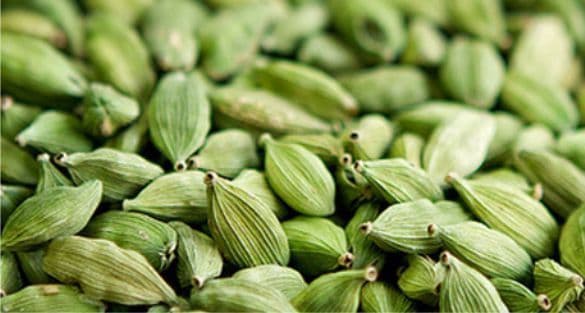
Guatemala Cardamom
Guatemala Cardamom is an aromatic note with herbal or spicy facets that can feel fresh, warm, dry, or slightly sharp depending on dosage. In perfumery, it adds character and movement to woods, ambers, citrus, tea accords, fougères, leathers, and oriental compositions.
- 🌿
Guatemala patchouly
Guatemala patchouly is a specialty note used to give a fragrance a distinctive texture, mood, or material impression. Depending on interpretation, it may contribute freshness, warmth, sweetness, dryness, softness, or an abstract atmospheric effect. In perfumery, specialty notes are useful because they make a composition feel more specific and less generic. It can be paired with woods, musks, florals, resins, fruits, green notes, spices, or amber materials according to the intended style.
- 🌿
Guatemalan Cardamom
Guatemalan Cardamom is a spicy note that gives fragrance heat, texture, and aromatic energy. It can feel sweet, dry, peppery, resinous, herbal, smoky, or slightly medicinal depending on the material. In perfumery, spices create contrast, deepen the heart, and bridge fresh top notes with warm woody or amber bases. It pairs especially well with citrus, rose, tobacco, vanilla, oud, sandalwood, patchouli, leather, and balsamic resins.
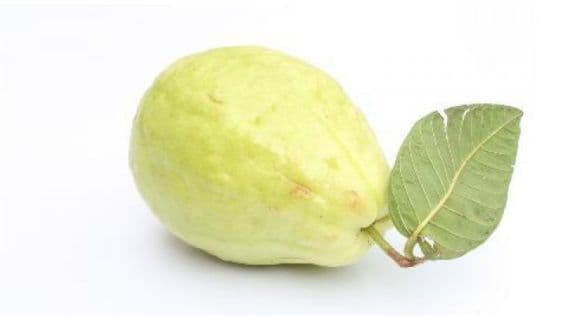
Guava
Guava (Psidium guajava) is a tropical fruit native to Central America and the Caribbean, now cultivated and beloved across the tropical and subtropical world from India and Southeast Asia to Brazil and West Africa. With its distinctive pink flesh, edible seeds, and thin yellow-green skin, guava is one of the most characterful of all tropical fruits — its aroma intensely sweet, slightly musky, and unmistakably tropical, with a fruity richness that carries both a sun-warmed freshness and an almost floral roundness. It is a fruit that announces its presence from across a room. In perfumery, guava provides one of the most appealing and versatile tropical fruit notes available. Its olfactory character is lush and sweet-musky, with a warm fruitiness that differs from the sharp brightness of mango or the tartness of passionfruit. There is a softly rounded, almost creamy quality to guava — a slight pinkness to its sweetness — that makes it accessible and deeply appealing. Guava blends beautifully with other tropical fruits, coconut, jasmine, white musks, and warm woods, contributing a sense of joyful, sun-drenched abundance to any composition. Guava is a popular element in fresh fruity florals, tropical summer fragrances, and bright contemporary compositions seeking warmth and sensory joy. At Fragrenza, our Guava collection brings this irresistible tropical character to life — offering vibrant, high-quality fruit-forward fragrances at the accessible prices that define the Fragrenza promise.
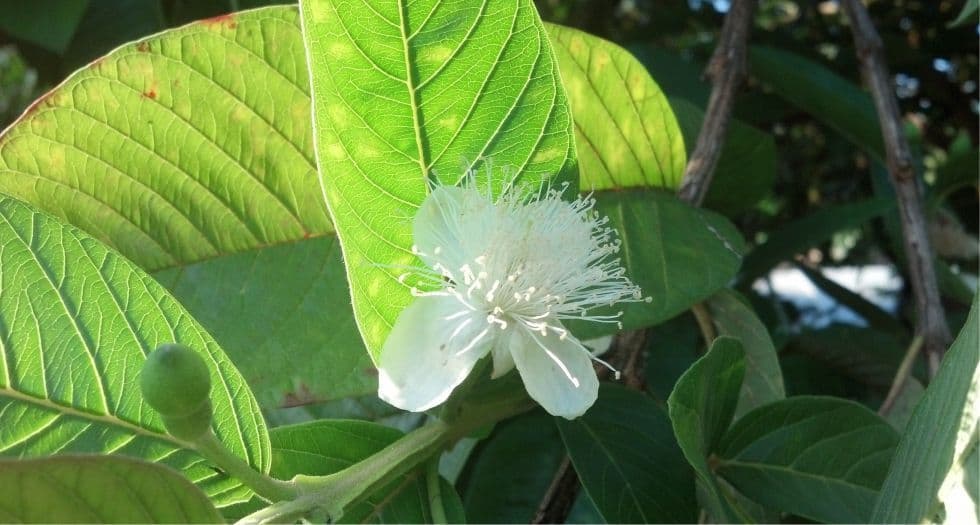
Guava blossom
Guava blossom refers to the flowers of the guava tree (Psidium guajava), which appear as small, delicate white blooms with tufts of fine stamens — modest in appearance but possessed of a quietly beautiful fragrance. The guava flower's scent is softer and more nuanced than the fruit itself: a gentle, slightly sweet tropical floral with a clean green freshness and the faintest suggestion of the lush fruit to come. In the humid warmth of a guava grove in full bloom, the air carries a honeyed, quietly tropical sweetness that is distinct from any other tropical flower. In perfumery, guava blossom adds a delicate tropical floral quality that differs meaningfully from the lush, musky richness of the fruit. Its character is lighter, greener, and more translucent — a soft white floral with a tropical heart that bridges the gap between the freshness of green florals and the warmth of exotic fruit accords. This transparency makes it a versatile ingredient: it can add a subtle tropical suggestion to clean white floral compositions without overwhelming them, or serve as a fresh floral lift in fruit-forward fragrances. It pairs beautifully with jasmine, neroli, light musks, and transparent tropical accords. Guava blossom is found in contemporary tropical florals, clean white flower compositions, and any fragrance seeking an authentic, delicate connection to tropical botanicals. At Fragrenza, our Guava Blossom collection celebrates this overlooked floral gem — offering refined, tropical-fresh fragrances of genuine quality at prices that make discovering new notes a simple pleasure.
- 🌿
Guava leaf
Guava leaf is a fruity note that adds juiciness, color, and natural sweetness. It may feel crisp and tart, ripe and velvety, tropical and creamy, or dark and jammy depending on the fruit profile. In perfumery, fruity notes brighten florals, soften musks, and add pleasure to gourmand or woody structures. It pairs well with rose, peony, jasmine, white musk, vanilla, woods, citrus, amber, and soft spices.
- 🌿
Guinea orange
Guinea orange is a citrus note that adds sparkle, freshness, and immediate lift to a fragrance. Its profile can include juicy pulp, aromatic peel, green bitterness, soft floral nuances, or a sharp zesty brightness depending on the material. In perfumery, it is usually used in the opening, where it brings clarity and motion before blending into florals, woods, musks, or herbs. It pairs well with neroli, tea, lavender, white musk, light woods, aquatic notes, and aromatic herbs.
- 🌿
Gum ammoniac
Gum ammoniac is a specialty note used to give a fragrance a distinctive texture, mood, or material impression. Depending on interpretation, it may contribute freshness, warmth, sweetness, dryness, softness, or an abstract atmospheric effect. In perfumery, specialty notes are useful because they make a composition feel more specific and less generic. It can be paired with woods, musks, florals, resins, fruits, green notes, spices, or amber materials according to the intended style.
- 🌿
Gun powder
Gun powder is a specialty note used to give a fragrance a distinctive texture, mood, or material impression. Depending on interpretation, it may contribute freshness, warmth, sweetness, dryness, softness, or an abstract atmospheric effect. In perfumery, specialty notes are valuable because they make a composition feel more specific and less generic. Gun powder can be paired with woods, musks, florals, resins, fruits, green notes, spices, or amber materials according to the intended style.

gunpowder
Gunpowder — the ancient mixture of potassium nitrate, charcoal, and sulphur — carries one of the most distinctive and provocative scents in the world of abstract perfumery. Associated with centuries of human history from fireworks and battlefield smoke to the sharp crack of a starting pistol, gunpowder's acrid, metallic-sulphurous aroma is simultaneously alarming and compelling. In the hands of a skilled perfumer, this unconventional material becomes the foundation of some of the most striking and memorable avant-garde fragrances — a raw, unsettling edge that cuts through sweetness and comfort to reveal something entirely different. In perfumery, a gunpowder accord is built on sulphurous, metallic, and ashy elements that create a sharp, dry, slightly dangerous olfactory signature. It is simultaneously cold and acrid — the smell of burnt metal, discharged fireworks, and a slight minerality that reads as almost geological. There is an honesty and starkness to it that makes it a powerful tool for perfumers seeking contrast: dropped into a floral or woody composition, it creates a tension between beauty and something harder-edged. It appears in leather fragrances, smoky ouds, and avant-garde abstract creations. Gunpowder accords are found in the most daring corners of niche and artistic perfumery, where the boundaries between comfort and provocation are deliberately blurred. At Fragrenza, our Gunpowder collection is for the bold fragrance lover who seeks something genuinely different — offering striking, unconventional compositions at the accessible prices that define our philosophy.
- 🌿
Gurjan
Gurjan is a specialty note used to give a fragrance a distinctive texture, mood, or material impression. Depending on interpretation, it may contribute freshness, warmth, sweetness, dryness, softness, or an abstract atmospheric effect. In perfumery, specialty notes are useful because they make a composition feel more specific and less generic. It can be paired with woods, musks, florals, resins, fruits, green notes, spices, or amber materials according to the intended style.
- 🌿
Gurjan balsam
Gurjan balsam is a warm ambered or resinous note used to give fragrance depth, softness, and long-lasting richness. It can smell balsamic, sweet, smoky, vanillic, woody, powdery, or incense-like depending on the material. In perfumery, it rounds sharp edges and creates a smooth base that holds the composition together. Gurjan balsam pairs well with woods, musks, spices, vanilla, tobacco, leather, florals, oud, and other resins.
- 🌿
Gurjum balsam
Gurjum balsam is a warm ambered or resinous note used to give fragrance depth, softness, and long-lasting richness. It can smell balsamic, sweet, smoky, vanillic, woody, powdery, or incense-like depending on the material. In perfumery, it rounds sharp edges and creates a smooth base that holds the composition together. Gurjum balsam pairs well with woods, musks, spices, vanilla, tobacco, leather, florals, oud, and other resins.
- 🌿
Gurjum balsam absolute
Gurjum balsam absolute is a warm ambered or resinous note used to give fragrance depth, softness, and long-lasting richness. It can smell balsamic, sweet, smoky, vanillic, woody, powdery, or incense-like depending on the material. In perfumery, it rounds sharp edges and creates a smooth base that holds the composition together. It pairs well with woods, musks, spices, vanilla, tobacco, leather, florals, oud, and other resins.
- 🌿
Gurjum wood
Gurjum wood is a woody note used to create structure, depth, and lasting warmth. Its scent may be dry, creamy, smoky, resinous, earthy, pencil-like, or polished depending on the wood or accord. In perfumery, woody notes support the whole composition and connect fresh openings with deeper bases. It pairs naturally with amber, musk, incense, leather, vetiver, patchouli, spices, citrus, and soft resins.
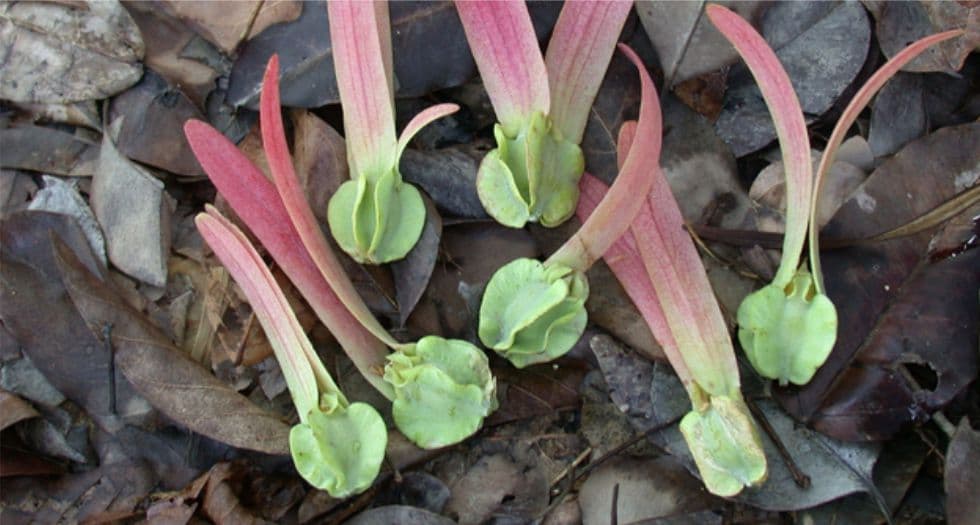
Gurjun balsam
Gurjun balsam is a natural resin obtained from trees of the Dipterocarpus genus, towering hardwoods native to the tropical rainforests of South and Southeast Asia — from India and Sri Lanka to Thailand, Indonesia, and the Philippines. Tapped from incisions made in the bark, gurjun balsam has a long history of use in traditional medicine, woodworking, and aromatic applications across the region. Its warm, balsamic character with woody and slightly smoky facets has made it a valued ingredient in both Eastern fragrance traditions and the Western perfumery canon. In perfumery, gurjun balsam occupies a distinctive position in the base note register. Its olfactory character is warm and woody, with a soft balsamic depth that is less sweet than copaiba or tolu balsam and more gently resinous — carrying a subtle earthy smokiness that grounds and anchors a composition without heaviness. It lends a sense of ancient, tropical forest warmth to fragrances: dense canopy, dark resin-stained bark, the slow heat of equatorial afternoons. It pairs well with patchouli, vetiver, oud, sandalwood, benzoin, and oriental spice accords. Gurjun balsam is prized in oriental fragrances, woody-resinous compositions, and incense-inspired perfumery, where its quiet depth provides an authentic, naturalistic base. At Fragrenza, our Gurjun Balsam collection draws on the rich aromatic heritage of Southeast Asian forests — offering deep, balsamic fragrances of genuine complexity and quality at prices that make the exotic accessible.
H
- 🌿
Habanolide®
Habanolide® is a specialty note used to give a fragrance a distinctive texture, mood, or material impression. Depending on interpretation, it may contribute freshness, warmth, sweetness, dryness, softness, or an abstract atmospheric effect. In perfumery, specialty notes are useful because they make a composition feel more specific and less generic. It can be paired with woods, musks, florals, resins, fruits, green notes, spices, or amber materials according to the intended style.
- 🌿
Haitian amyris
Haitian amyris is a specialty note used to give a fragrance a distinctive texture, mood, or material impression. Depending on interpretation, it may contribute freshness, warmth, sweetness, dryness, softness, or an abstract atmospheric effect. In perfumery, specialty notes are useful because they make a composition feel more specific and less generic. It can be paired with woods, musks, florals, resins, fruits, green notes, spices, or amber materials according to the intended style.
- 🌿
Haitian sandalwood
Haitian sandalwood is a woody note used to create structure, depth, and lasting warmth. Its scent may be dry, creamy, smoky, resinous, earthy, pencil-like, or polished depending on the wood or accord. In perfumery, woody notes support the whole composition and connect fresh openings with deeper bases. It pairs naturally with amber, musk, incense, leather, vetiver, patchouli, spices, citrus, and soft resins.
- 🌿
Haitian vanilla
Haitian vanilla is a warm ambered or resinous note used to give fragrance depth, softness, and long-lasting richness. It can smell balsamic, sweet, smoky, vanillic, woody, powdery, or incense-like depending on the material. In perfumery, it rounds sharp edges and creates a smooth base that holds the composition together. It pairs well with woods, musks, spices, vanilla, tobacco, leather, florals, oud, and other resins.
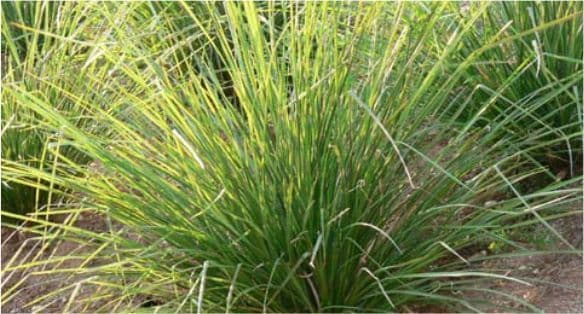
Haitian Vetiver
Haitian vetiver is one of the most prized forms of vetiver, known for its smooth, earthy, woody, smoky, and slightly green profile. It is often cleaner and more refined than darker vetiver types. In perfumery, it gives elegance, dryness, longevity, and natural depth to woody and masculine compositions.
- 🌿
Haitian vetiver Orpur®
Haitian vetiver Orpur® is a woody note used to create structure, depth, and lasting warmth. Its scent may be dry, creamy, smoky, resinous, earthy, pencil-like, or polished depending on the wood or accord. In perfumery, woody notes support the whole composition and connect fresh openings with deeper bases. It pairs naturally with amber, musk, incense, leather, vetiver, patchouli, spices, citrus, and soft resins.
- 🌿
Hamanasu or Japanese Rose
Hamanasu or Japanese Rose is a floral note that gives a fragrance softness, radiance, and emotional warmth. Depending on the flower or accord, it may feel fresh, creamy, powdery, honeyed, green, indolic, or airy. In perfumery, floral notes often form the heart of a composition, adding body and a recognizable signature. It pairs well with citrus, white musk, rose, jasmine, sandalwood, amber, vanilla, iris, and delicate fruits.
- 🌿
Hard cider
Hard cider is a specialty note used to give a fragrance a distinctive texture, mood, or material impression. Depending on interpretation, it may contribute freshness, warmth, sweetness, dryness, softness, or an abstract atmospheric effect. In perfumery, specialty notes are useful because they make a composition feel more specific and less generic. It can be paired with woods, musks, florals, resins, fruits, green notes, spices, or amber materials according to the intended style.
- 🌿
Hashish
Hashish is a dark textured note that may suggest leather, smoke, tobacco, tar, ash, or warm dry materials. It gives fragrance depth, sensuality, and a more dramatic atmosphere. In perfumery, smoky and leathery notes are often used in bases, where they add strength and character without needing sweetness. It pairs well with oud, saffron, birch tar, amber, tobacco, rose, patchouli, vetiver, incense, and dry woods.
- 🌿
Hatkora lemon
Hatkora is a large, thick-skinned citrus fruit (Citrus macroptera) native to the hilly regions of Northeast India, Bangladesh, and parts of Southeast Asia. Deeply embedded in the culinary and cultural traditions of the regions where it grows, hatkora is used in pickles, chutneys, and local cuisines — its peel prized for its intense, aromatic qualities and its juice valued for its sharp, complex acidity. Unlike the familiar citrus fruits of Mediterranean origin, hatkora carries an unusual character: its peel is intensely aromatic, combining bold citrus brightness with a spicy, almost resinous depth that is wholly its own. In perfumery, hatkora offers an exceptionally distinctive citrus profile that stands apart from bergamot, lemon, or lime. Its aromatic character is intensely citrusy but layered with an underlying warmth — part green, part spice, with an intriguing exotic edge that speaks of tropical hillsides and rich, biodiverse landscapes. This complexity makes it far more interesting to work with than straightforward citrus materials, allowing perfumers to use it as both a vibrant top note and a nuanced mid-note contributor, where its spicy-citrus warmth bridges the gap between fresh and oriental elements. Hatkora is an emerging note in niche and artisan perfumery, celebrated by those who seek citrus experiences beyond the conventional. At Fragrenza, our Hatkora Lemon collection brings this rare and captivating ingredient to a wider audience — offering bold, unconventional citrus-spice fragrances of genuine quality at the accessible prices Fragrenza is known for.
- 🌿
Haus of Gloi
Haus of Gloi is a specialty note used to give a fragrance a distinctive texture, mood, or material impression. Depending on interpretation, it may contribute freshness, warmth, sweetness, dryness, softness, or an abstract atmospheric effect. In perfumery, specialty notes are useful because they make a composition feel more specific and less generic. It can be paired with woods, musks, florals, resins, fruits, green notes, spices, or amber materials according to the intended style.
- 🌿
Havana tobacco
Havana tobacco is a dark textured note that may suggest leather, smoke, tobacco, tar, ash, or warm dry materials. It gives fragrance depth, sensuality, and a more dramatic atmosphere. In perfumery, smoky and leathery notes are often used in bases, where they add strength and character without needing sweetness. It pairs well with oud, saffron, birch tar, amber, tobacco, rose, patchouli, vetiver, incense, and dry woods.
- 🌿
Hawaiian green mango
Hawaiian green mango is a fruity note that adds juiciness, color, and natural sweetness. It may feel crisp and tart, ripe and velvety, tropical and creamy, or dark and jammy depending on the fruit profile. In perfumery, fruity notes brighten florals, soften musks, and add pleasure to gourmand or woody structures. It pairs well with rose, peony, jasmine, white musk, vanilla, woods, citrus, amber, and soft spices.
- 🌿
Hawaiian jasmine
Hawaiian jasmine is a floral note that gives a fragrance softness, radiance, and emotional warmth. Depending on the flower or accord, it may feel fresh, creamy, powdery, honeyed, green, indolic, or airy. In perfumery, floral notes often form the heart of a composition, adding body and a recognizable signature. It pairs well with citrus, white musk, rose, jasmine, sandalwood, amber, vanilla, iris, and delicate fruits.
- 🌿
Hawaiian pomelo
Hawaiian pomelo is a citrus note that adds sparkle, freshness, and immediate lift to a fragrance. Its profile can include juicy pulp, aromatic peel, green bitterness, soft floral nuances, or a sharp zesty brightness depending on the material. In perfumery, it is usually used in the opening, where it brings clarity and motion before blending into florals, woods, musks, or herbs. It pairs well with neroli, tea, lavender, white musk, light woods, aquatic notes, and aromatic herbs.
- 🌿
Hawaiian sandalwood
Hawaiian sandalwood is a woody note used to create structure, depth, and lasting warmth. Its scent may be dry, creamy, smoky, resinous, earthy, pencil-like, or polished depending on the wood or accord. In perfumery, woody notes support the whole composition and connect fresh openings with deeper bases. It pairs naturally with amber, musk, incense, leather, vetiver, patchouli, spices, citrus, and soft resins.
- 🌿
Hawaiian vetiver
Hawaiian vetiver is a woody note used to create structure, depth, and lasting warmth. Its scent may be dry, creamy, smoky, resinous, earthy, pencil-like, or polished depending on the wood or accord. In perfumery, woody notes support the whole composition and connect fresh openings with deeper bases. It pairs naturally with amber, musk, incense, leather, vetiver, patchouli, spices, citrus, and soft resins.
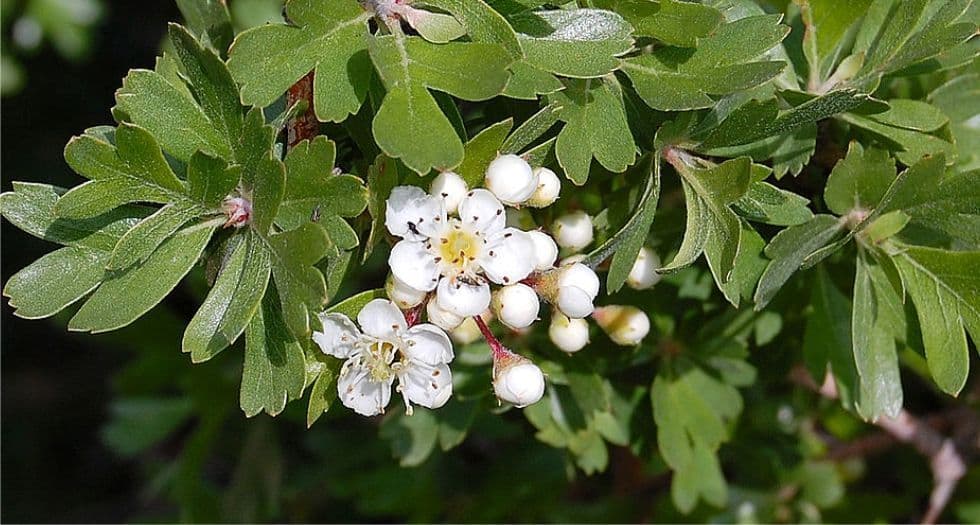
Hawthorn
Hawthorn (Crataegus monogyna), known in Britain as may blossom or simply the may tree, is a hedgerow and woodland plant steeped in centuries of folklore. Each spring, its branches erupt with dense clusters of white or pale pink flowers whose scent — sweet, slightly almondy, with a complex, almost animalic undertone — announces the season's fullest flowering moment. In Celtic tradition hawthorn was considered sacred and protective; in perfumery it is considered one of the most intriguing and beautiful of the early summer blossoms, with an aromatic character that rewards careful exploration. The olfactory profile of hawthorn is nuanced and layered: its sweetness is fresh and spring-like, reminiscent of clean white flowers, while an almond-like bitterness adds depth and a hint of complexity. There is also a subtle green, almost woody freshness from the stems and foliage that grounds the floral warmth and keeps it from becoming overly saccharine. Natural hawthorn absolute carries a light animalic quality — a whisper of intimacy beneath the bloom — that many perfumers find irresistible as a complexity-building element. It blends well with lily of the valley, rose, violet, green notes, and soft woody bases. Hawthorn appears in fresh spring florals, light chypres, and elegant white floral constructions, lending an authentic seasonal spirit that few other notes can match. At Fragrenza, our hawthorn collections celebrate this beloved spring blossom — capturing its complex, tender beauty in high-quality fragrances at prices that make the season's finest scents accessible year-round.
- 🌿
Hawthorn honey
Hawthorn honey is a gourmand note that adds edible warmth, sweetness, and comfort. It may suggest cream, sugar, nuts, chocolate, coffee, honey, pastry, or toasted grains depending on the accord. In perfumery, gourmand notes make compositions feel cozy and sensual, but they work best when balanced with woods, musks, spices, citrus, or resins. It pairs well with vanilla, tonka bean, sandalwood, amber, caramel, cacao, coffee, and soft florals.

Hay
Hay is one of perfumery's most evocative and historically significant natural materials — dried grasses and meadow plants whose characteristic warm, sweet-golden scent has been treasured since the earliest days of the art form. The key aromatic compound responsible for the iconic hay accord is coumarin, first isolated in 1820 from the tonka bean and now produced synthetically, though natural hay absolute also plays a role in fine fragrance. Coumarin's bittersweet, vanillic warmth has made hay an enduring favourite, evoking sun-drenched meadows, summer barns, and the honest simplicity of rural life. In perfumery, hay contributes a warm, sunbaked sweetness layered over dry grass — a golden, slightly dusty character with vanilla-like depth and a subtle herbal edge. It sits at the intersection of the natural and the gourmand, neither fully floral nor fully sweet, but radiating an easy, sun-warmed comfort that feels timelessly appealing. Hay accords range from crisp and grassy to softly powdery and honeyed, offering great compositional flexibility. They work particularly well alongside lavender, tobacco, woods, musks, and warm spices. Hay has been a foundational element in fougères since Houbigant's landmark Fougère Royale (1882), and remains a beloved note in aromatic, oriental, and gourmand-adjacent compositions. At Fragrenza, our hay collection channels the timeless warmth of a sunlit meadow — offering beautifully crafted, golden-scented fragrances at accessible prices for every admirer of this quintessential perfumery classic.
- 🌿
Hay absolute
Hay absolute is a specialty note used to give a fragrance a distinctive texture, mood, or material impression. Depending on interpretation, it may contribute freshness, warmth, sweetness, dryness, softness, or an abstract atmospheric effect. In perfumery, specialty notes are valuable because they make a composition feel more specific and less generic. Hay absolute can be paired with woods, musks, florals, resins, fruits, green notes, spices, or amber materials according to the intended style.
- 🌿
Hazel
Hazel is a specialty note used to give a fragrance a distinctive texture, mood, or material impression. Depending on interpretation, it may contribute freshness, warmth, sweetness, dryness, softness, or an abstract atmospheric effect. In perfumery, specialty notes are useful because they make a composition feel more specific and less generic. It can be paired with woods, musks, florals, resins, fruits, green notes, spices, or amber materials according to the intended style.
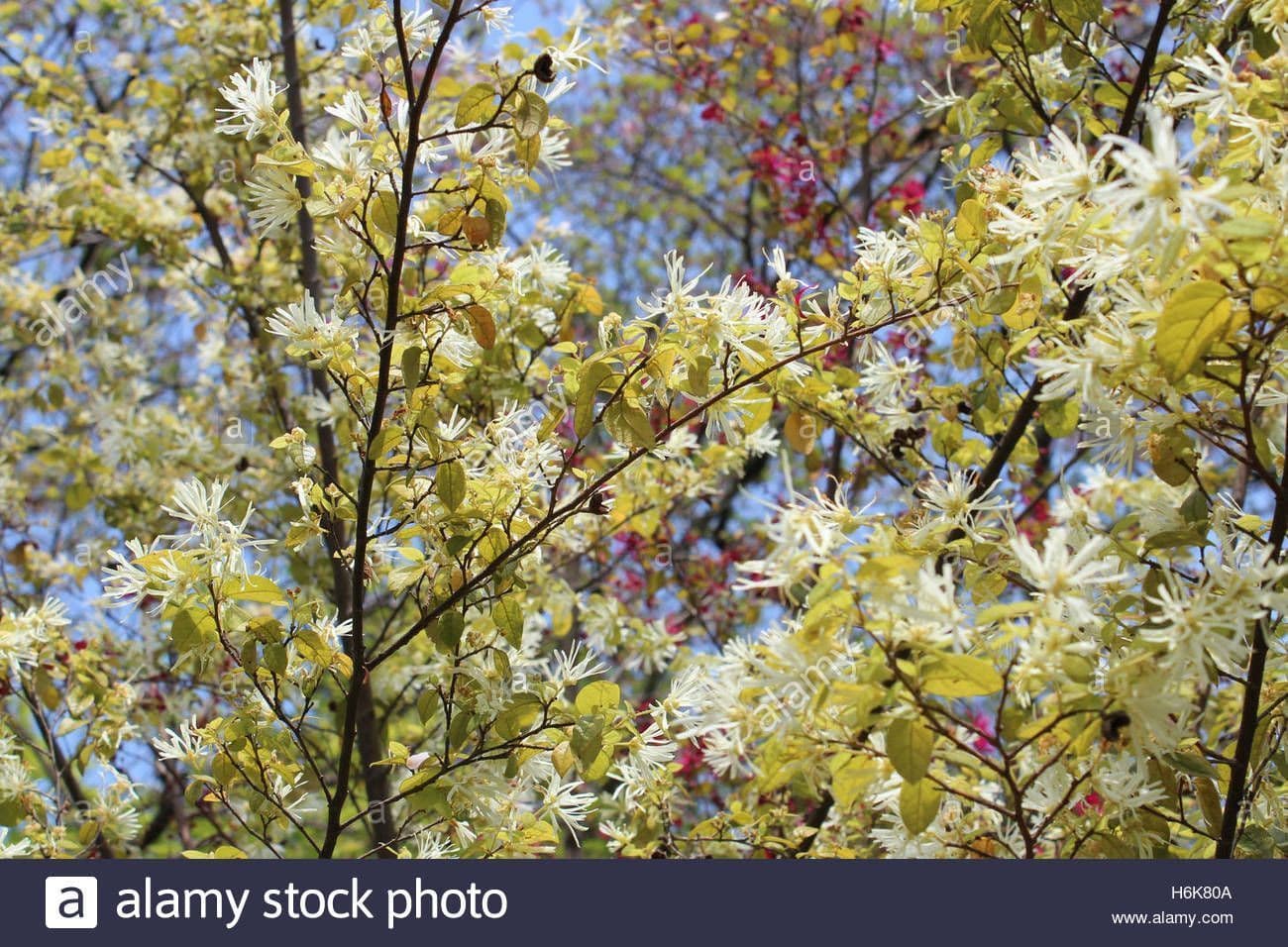
Hazel Bloosom
Hazel Blossom is a floral note with fresh petals, soft sweetness, and a refined natural brightness. In perfumery, it can add elegance, color, and lift to floral bouquets, musks, fruity florals, powdery accords, and modern feminine compositions.
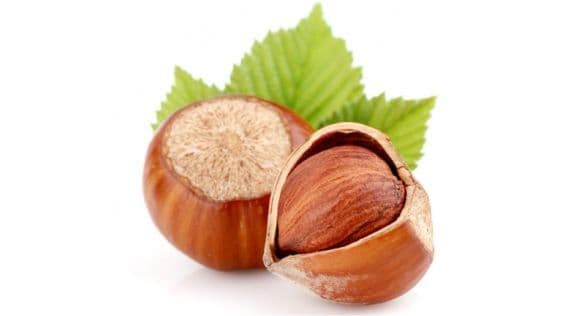
Hazelnut
The hazelnut (Corylus avellana) has been a prized food source across Europe and western Asia since prehistoric times, its rich, oil-dense kernel harvested from the elegant hazel shrub that lines hedgerows, woodland edges, and traditional orchards. Revered for its warm, gently sweet flavour, hazelnut became one of the great staples of European confectionery and cuisine — a comforting, grounded note that carries associations of autumn harvests, artisan patisseries, and fireside warmth. Its characteristic toasty nuttiness is the hallmark of pralines, gianduja chocolates, and countless beloved sweet treats. In perfumery, hazelnut translates into a warm, soft gourmand note that is never harsh or cloying. Its character is gently toasty and sweetly nutty, with a natural oiliness that lends depth and a certain roundness to compositions. Unlike sharper nut accords, hazelnut reads as approachable and comforting — an invitation rather than a statement. It blends harmoniously with vanilla, caramel, chocolate, woods, coffee, and soft amber, anchoring gourmand fragrances with an air of cosy, artisan-crafted warmth. Hazelnut is a cornerstone of gourmand perfumery, appearing in praline-rich oriental blends, autumnal woody-sweet compositions, and dessert-inspired scents of every kind. Its timeless warmth continues to captivate new generations of fragrance lovers. At Fragrenza, our hazelnut collections distil the cosy pleasure of this beloved nut into exceptional-quality fragrances — available at prices that mean luxury scent doesn't have to be a rare indulgence.

Hazelnut cocoa spread
Hazelnut cocoa spread is one of the world's most universally adored confections — a silky, indulgent blend of roasted hazelnuts and fine cocoa that has captured the hearts of food lovers across generations. Born in the post-war ingenuity of Italian confectioner Pietro Ferrero, this iconic spread transformed pantry staples into something approaching luxury. Its aroma is immediately recognisable and deeply comforting: the warm, toasty richness of roasted hazelnut merging with smooth, slightly bittersweet cocoa, underscored by a creamy sweetness that feels like an embrace. In perfumery, the hazelnut cocoa spread accord is one of the most beloved and evocative in the gourmand family. It captures that precise sensory memory of opening a jar and inhaling the rich, nutty-chocolatey warmth that follows. The scent profile balances roasted nuttiness with smooth chocolate depth, lifted by a creamy sweetness that prevents it from becoming heavy or one-dimensional. This is gourmand perfumery at its most joyful — playful, indulgent, and universally appealing. It pairs beautifully with vanilla, caramel, praline, malt, and soft musks. This accord appears in some of the most celebrated and best-loved gourmand fragrances of the modern era, offering instant comfort and sensory pleasure in equal measure. At Fragrenza, our Hazelnut Cocoa Spread collection celebrates this irresistible combination — crafting indulgent, high-quality gourmand fragrances that capture every nuance of this beloved treat, offered at a price that makes the luxury of fine perfume a daily pleasure.
- 🌿
Hazelnut cream
Hazelnut cream is a gourmand note that adds edible warmth, sweetness, and comfort to a fragrance. It may suggest cream, sugar, nuts, chocolate, coffee, honey, pastry, or toasted grains depending on the accord. In perfumery, gourmand notes make compositions feel cozy and sensual, but they work best when balanced with woods, musks, spices, citrus, or resins. Hazelnut cream pairs well with vanilla, tonka bean, sandalwood, amber, caramel, cacao, coffee, and soft florals.
- 🌿
Hazelnut leaf
Hazelnut leaf is a green or aromatic note that evokes leaves, herbs, stems, fresh air, or crushed vegetation. Its profile can be crisp, bitter, watery, camphoraceous, grassy, or slightly earthy depending on the material. In perfumery, green notes add realism and lift, keeping sweet, floral, or woody compositions from feeling too heavy. It pairs well with citrus, tea, fig, violet leaf, galbanum, tomato leaf, white musk, vetiver, lavender, and light woods.
- 🌿
Hazelnut milk
Hazelnut milk is a gourmand note that adds edible warmth, sweetness, and comfort. It may suggest cream, sugar, nuts, chocolate, coffee, honey, pastry, or toasted grains depending on the accord. In perfumery, gourmand notes make compositions feel cozy and sensual, but they work best when balanced with woods, musks, spices, citrus, or resins. It pairs well with vanilla, tonka bean, sandalwood, amber, caramel, cacao, coffee, and soft florals.
- 🌿
Hazelnut wood
Hazelnut wood is a woody note used to create structure, depth, and lasting warmth. Its scent may be dry, creamy, smoky, resinous, earthy, pencil-like, or polished depending on the wood or accord. In perfumery, woody notes support the whole composition and connect fresh openings with deeper bases. It pairs naturally with amber, musk, incense, leather, vetiver, patchouli, spices, citrus, and soft resins.
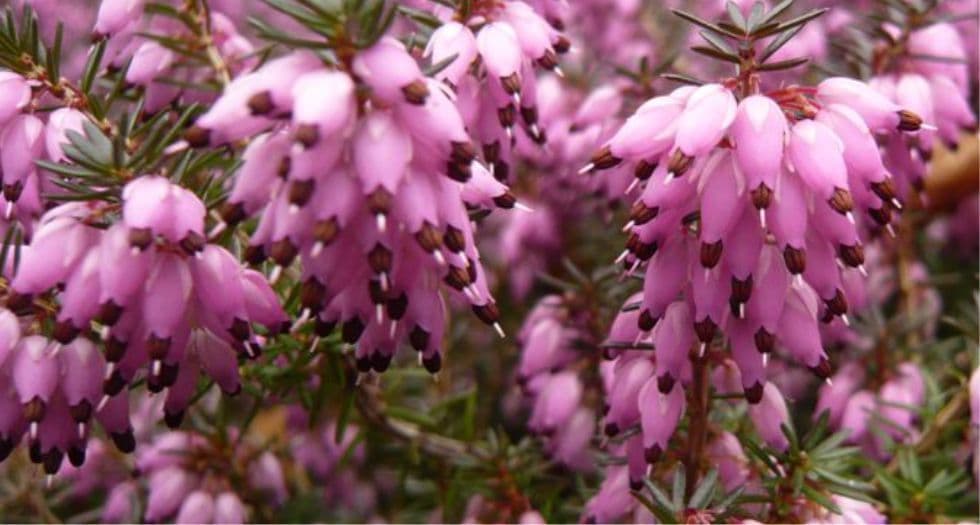
Heather
Heather (Calluna vulgaris) is the iconic flowering plant of the Scottish and Scandinavian moorlands, clothing vast stretches of hillside in hues of purple and pink each late summer. A symbol of good luck in Scottish tradition and a beloved fixture of northern European landscapes, heather has been used for centuries in teas, ales, honey production, and herbal remedies. Its small, bell-shaped flowers carry a distinctive fragrance — honeylike and softly herbal, with an earthy sweetness shaped by the windswept, peat-rich terrain in which it thrives. In perfumery, heather evokes the romance of wide open moorlands: its scent profile is gently honeyed and herbal, with a slightly sweet floral character underpinned by dry, earthy, almost smoky undertones reminiscent of peat and wild grass. It is a quintessentially natural, outdoors-inspired note — neither exuberant nor retiring, but quietly atmospheric. Heather blends beautifully with honey, woods, aromatic herbs, leather accords, and soft musks, lending an authentic northern European rusticity to compositions. Heather is a favourite in fougères, aromatic chypres, and nature-inspired collections seeking to evoke the spirit of untamed landscapes. It also appears in more romantic floral constructions, where its honeylike warmth adds depth and character. At Fragrenza, our heather collections channel this wild, moorland beauty — delivering scents steeped in the character of northern meadows at a price that brings fine fragrance within everyone's reach.
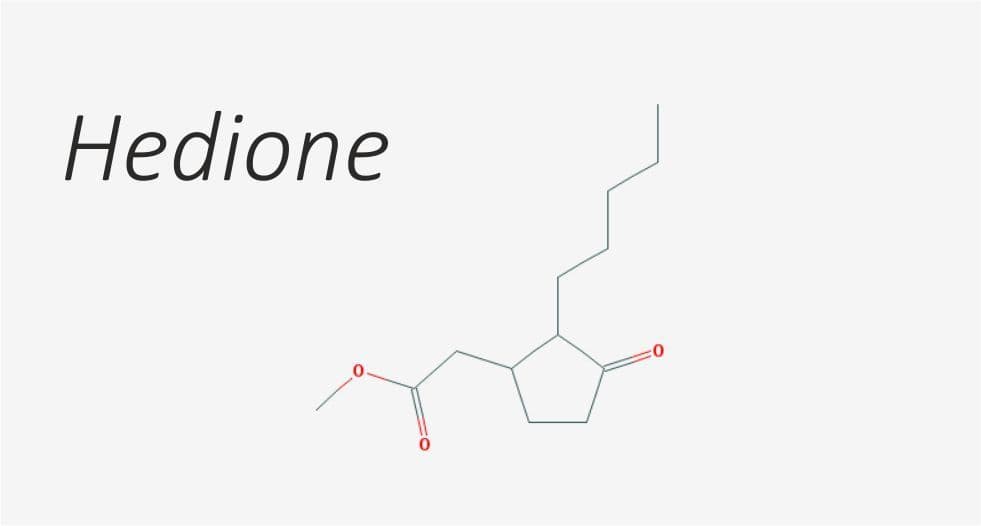
Hedione
Hedione — the trade name for methyl dihydrojasmonate — is one of the most celebrated and widely used aroma molecules in the history of modern perfumery. Developed by Firmenich chemist Edouard Demole in the 1960s, it was famously deployed by Edmond Roudnitska in Eau Sauvage (1966), a landmark fragrance that transformed the industry's understanding of freshness. Hedione is derived from jasmine but possesses a lightness and diffusiveness far beyond the natural flower, creating an almost ethereal jasmine-watery character with a joyful, luminous quality. The olfactory profile of Hedione is both familiar and elusive: softly jasmine in character, yet watery, clean, and extraordinarily radiant. It possesses a unique ability to lift other fragrance ingredients, amplifying their brightness and extending their diffusion — a property perfumers describe as its remarkable diffusiveness. Scientific research has also suggested that Hedione may interact with human pheromone receptors, giving it an almost subliminal sensory appeal. It is fresh, transparent, and endlessly versatile. Hedione appears in thousands of commercial and niche fragrances, from crisp aquatics and elegant florals to fresh fougères and refined orientals. Its ability to modernise and brighten any composition has made it indispensable to contemporary perfumers. At Fragrenza, our Hedione-centred collections celebrate this revolutionary molecule — offering the luminous freshness it's famous for in beautifully balanced, high-quality dupes at accessible prices.
- 🌿
Hedychium
Hedychium is a specialty note used to give a fragrance a distinctive texture, mood, or material impression. Depending on interpretation, it may contribute freshness, warmth, sweetness, dryness, softness, or an abstract atmospheric effect. In perfumery, specialty notes are useful because they make a composition feel more specific and less generic. It can be paired with woods, musks, florals, resins, fruits, green notes, spices, or amber materials according to the intended style.
- 🌿
Helional
Helional is a specialty note used to give a fragrance a distinctive texture, mood, or material impression. Depending on interpretation, it may contribute freshness, warmth, sweetness, dryness, softness, or an abstract atmospheric effect. In perfumery, specialty notes are useful because they make a composition feel more specific and less generic. It can be paired with woods, musks, florals, resins, fruits, green notes, spices, or amber materials according to the intended style.
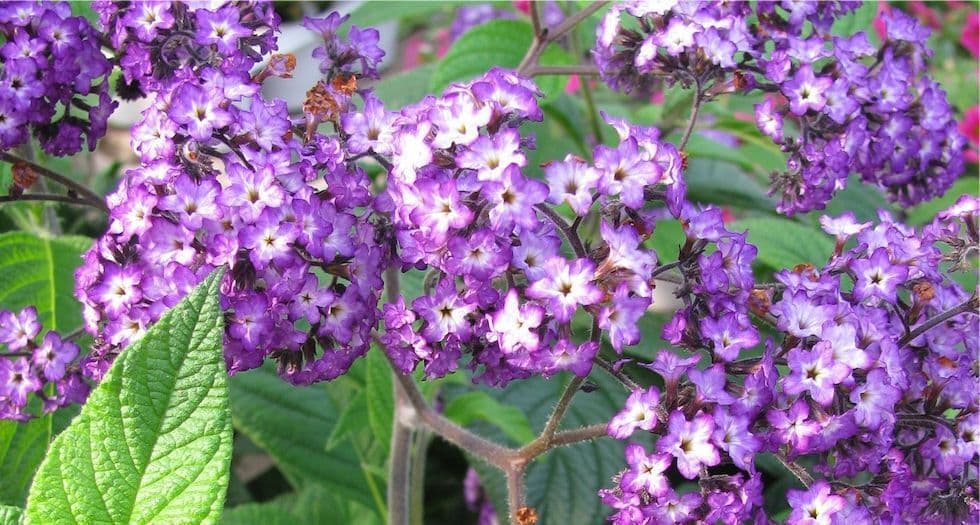
Heliotrope
Heliotrope is a genus of flowering plants whose blossoms have enchanted gardeners and perfumers alike for centuries. Native to Peru and widely cultivated across Europe since the eighteenth century, heliotrope earned its name from the Greek words for sun and turning — its flowers were once believed to follow the sun across the sky. With small, delicate blooms in shades of pale violet and white, the plant carries one of perfumery's most romantically distinctive aromas: a warm, powdery blend of almond, vanilla, and fresh floral sweetness that feels simultaneously nostalgic and timeless. In fragrance, heliotrope is celebrated for its uniquely soft, enveloping character. Its powdery-almond warmth is never sharp or aggressive; instead, it diffuses gently, conjuring images of sunlit afternoon gardens, lace-trimmed vanity tables, and the quiet luxury of an earlier era. Heliotropin (piperonal), the key aromatic compound associated with heliotrope's scent, is one of perfumery's most beloved building blocks, offering a creamy sweetness that bridges floral and gourmand territories with extraordinary elegance. Heliotrope is a cornerstone of powdery florals, oriental bouquets, and retro-inspired compositions, as well as modern reinterpretations that balance its vintage warmth with fresh or woody counterpoints. At Fragrenza, our heliotrope collections honour this beloved classic — delivering its tender, romantic warmth in beautifully crafted fragrances at prices designed to make this timeless note accessible to every lover of fine perfume. Looking for it in a bottle? Browse [affordable heliotrope scents](https://fragrenza.com/collections/heliotrope-fragrances) on Fragrenza.
- 🌿
Heliotrope absolute
Heliotrope absolute is a floral note that gives a fragrance softness, radiance, and emotional warmth. Depending on the flower or accord, it may feel fresh, creamy, powdery, honeyed, green, indolic, or airy. In perfumery, floral notes often form the heart of a composition, adding body and a recognizable signature. It pairs well with citrus, white musk, rose, jasmine, sandalwood, amber, vanilla, iris, and delicate fruits.
- 🌿
Heliotropin
Heliotropin is a specialty note used to give a fragrance a distinctive texture, mood, or material impression. Depending on interpretation, it may contribute freshness, warmth, sweetness, dryness, softness, or an abstract atmospheric effect. In perfumery, specialty notes are valuable because they make a composition feel more specific and less generic. Heliotropin can be paired with woods, musks, florals, resins, fruits, green notes, spices, or amber materials according to the intended style.
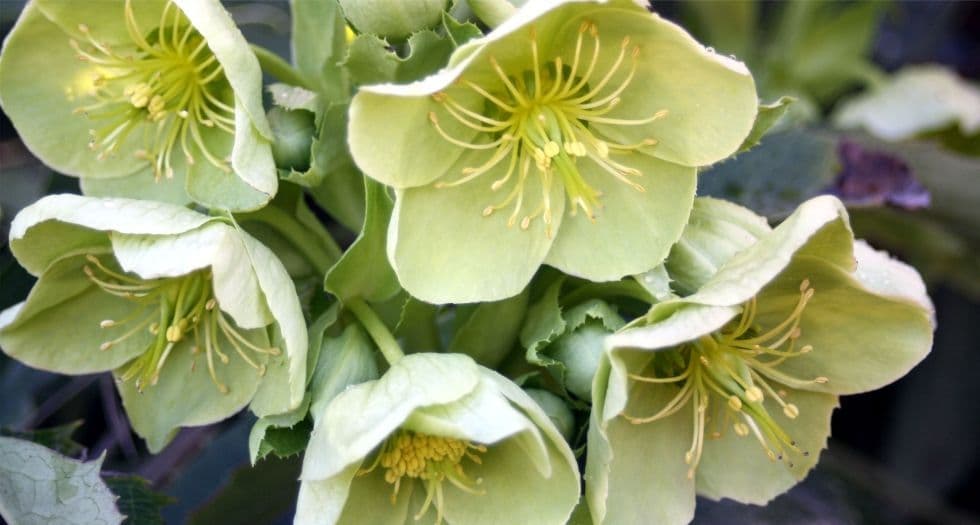
Hellabore Flower
Hellebore, popularly known as the Lenten rose, is a genus of perennial flowering plants that blooms remarkably in the depths of winter — a rare and striking presence when most gardens lie dormant. Native to the mountainous regions of Europe and western Asia, hellebore has long carried an air of mystery and resilience. Its nodding flowers, ranging from pure white to deep burgundy, appear amid glossy dark foliage, and the plant has featured in folklore and herbal tradition for centuries as a symbol of quiet fortitude and beauty in adversity. In perfumery, hellebore contributes a cool, nuanced floral note that is at once restrained and deeply atmospheric. Unlike warmer blossoms such as rose or jasmine, it reads with a distinctly chilled, slightly green quality — evoking a frost-touched morning garden or the damp stone of a winter glasshouse. There is a subtle bitterness to its character, a hint of cold earth and damp foliage that grounds its floral sweetness and prevents it from becoming cloying. It suits compositions that aim for quiet elegance rather than exuberance. Hellebore is particularly sought after in green-floral, chypre, and winter-themed fragrances, lending a literary, melancholic beauty that resonates with perfumers and wearers drawn to the unconventional. At Fragrenza, our hellebore collections capture this rare wintry grace — inviting you to explore its cool, enigmatic character through carefully crafted scent profiles offered at a price that makes luxury accessible.
- 🌿
Helvetolide®
Helvetolide is a synthetic musk molecule celebrated in modern perfumery for its exceptionally soft, skin-close character. Developed in the late twentieth century, it belongs to the macrocyclic musk family and is prized for its ability to create a seamless second-skin warmth — the kind of subtle, intimate sillage that feels like a natural extension of the wearer rather than something applied. Its fruity-musky profile is clean and contemporary, aligning beautifully with the minimalist, skin-scent aesthetic that has come to define much of modern niche and mainstream perfumery. The olfactory profile of Helvetolide is gentle and enveloping: lightly fruity with a soft, almost imperceptible sweetness, it underpins the character of a fragrance without demanding attention. Unlike the louder white musks of earlier decades, it reads as transparent and refined. Its diffusiveness is low but persistent — it clings quietly to skin and fabric, creating an intimate warmth that lasts. Perfumers prize it as a base and fixative, using it to smooth rough edges in a composition and lend a modern, sensual finish. Helvetolide appears across a broad range of fragrance families — from luminous florals to sleek woody-aquatics and sensual gourmands — wherever a soft, contemporary musk finish is desired. At Fragrenza, our Helvetolide-forward scents celebrate this understated sophistication, offering luxurious musk-centred fragrances that feel as effortless as a second skin, without the luxury price tag.
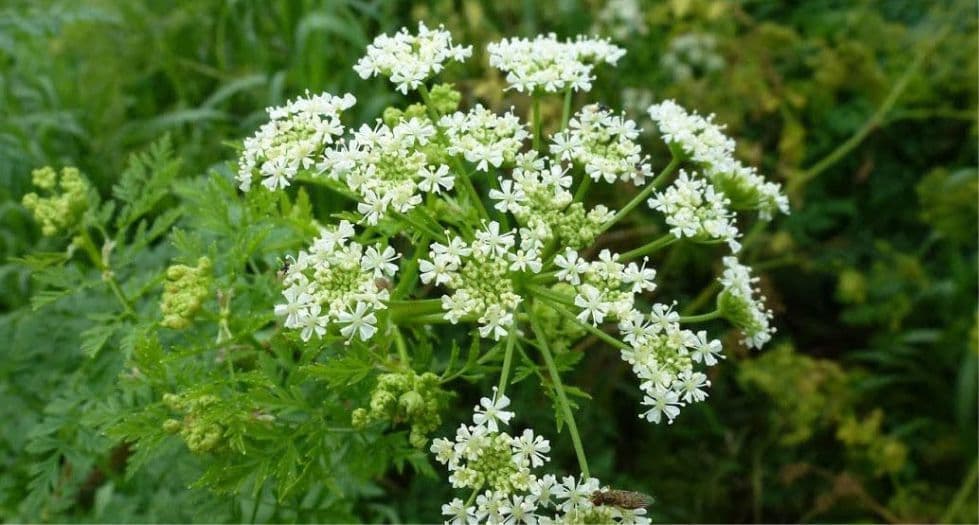
Hemlock
Hemlock is a towering conifer native to the forests of North America and eastern Asia, prized for its graceful, feathery branches and clean woodland presence. Unlike the unrelated toxic plant that shares its name, hemlock tree (genus Tsuga) is entirely benign — a beloved fixture of misty Pacific Northwest and Appalachian forests. Its bark, needles, and resinous sap have long been used in woodcraft and traditional medicine, and today it contributes a distinctive voice to the language of fine fragrance. In perfumery, hemlock conjures the deep green heart of a conifer forest. Its olfactory character is fresh and resinous — a crisp, slightly sharp coolness underscored by green, sap-like depth. Unlike the warmer sweetness of cedar or the boldness of pine, hemlock reads as airy and luminous, evoking shafts of light filtering through a forest canopy. It pairs beautifully with other woods, mosses, earthy musks, and bright citrus top notes to anchor outdoor and fougère compositions. Hemlock is a favoured ingredient in aromatic, chypre, and fresh-woody fragrances, lending an authentic naturalness that synthetic forest accords often struggle to replicate. At Fragrenza, our hemlock-forward collections draw on this rich conifer heritage to deliver high-quality, forest-inspired scents at an accessible price — perfect for lovers of the great outdoors who want to carry a little of that wild green world with them wherever they go.
- 🌿
Hemlock fir
Hemlock fir (Tsuga canadensis) is an evergreen conifer with a softer, sweeter, and more balsamic profile than spruce or pine. It smells of crushed needles, sap, and cool forest air. In perfumery, it adds gentle woodland freshness to aromatic, fougère, and winter compositions.
- 🌿
Hemp
Hemp is a specialty note used to give a fragrance a distinctive texture, mood, or material impression. Depending on interpretation, it may contribute freshness, warmth, sweetness, dryness, softness, or an abstract atmospheric effect. In perfumery, specialty notes are valuable because they make a composition feel more specific and less generic. Hemp can be paired with woods, musks, florals, resins, fruits, green notes, spices, or amber materials according to the intended style.
- 🌿
Hemp flower
Hemp flower is a floral note that gives a fragrance softness, radiance, and emotional warmth. Depending on the flower or accord, it may feel fresh, creamy, powdery, honeyed, green, indolic, or airy. In perfumery, floral notes often form the heart of a composition, adding body and a recognizable signature. It pairs well with citrus, white musk, rose, jasmine, sandalwood, amber, vanilla, iris, and delicate fruits.
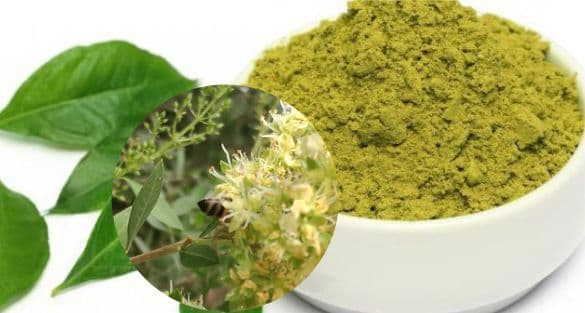
Henna
Henna (Lawsonia inermis) is a flowering shrub native to North Africa, the Middle East, and South Asia, cultivated for thousands of years for its leaves — which yield the reddish-brown dye used in body art, hair coloring, and textile dyeing across cultures from Morocco to India. But henna is also an aromatic plant: its small, white or pale pink flowers carry a warm, delicate fragrance, and the leaves and bark have their own dry, earthy, botanical character that has made henna an ingredient of deep significance in traditional perfumery. In fragrance, henna leaf presents a warm, dry, slightly green earthiness — dusty and botanical rather than sharp, with a faint sweet undertone from the dried plant material. The flower, when captured, adds a soft honeyed warmth. Together they create a note that is quietly complex and deeply rooted in tradition — not showy, but honest and grounding. Henna accords often evoke the warm climates and ancient practices where the plant has thrived for millennia. Henna is a distinctive specialty note in Middle Eastern, South Asian, and natural perfumery, where it adds authentic cultural depth and earthy warmth to compositions. It blends beautifully with rose, sandalwood, oud, and earthy musks. Fragrenza's Henna collection honors this ancient botanical with premium dupes of the world's most evocative henna-forward fragrances — traditional depth, modern accessibility.
- 🌿
Henna blossom
Henna blossom is a floral note that gives a fragrance softness, radiance, and emotional warmth. Depending on the flower or accord, it may feel fresh, creamy, powdery, honeyed, green, indolic, or airy. In perfumery, floral notes often form the heart of a composition, adding body and a recognizable signature. It pairs well with citrus, white musk, rose, jasmine, sandalwood, amber, vanilla, iris, and delicate fruits.
- 🌿
Herbaceous note
Herbaceous note is a green or aromatic note that evokes leaves, herbs, stems, fresh air, or crushed vegetation. Its profile can be crisp, bitter, watery, camphoraceous, grassy, or slightly earthy depending on the material. In perfumery, green notes add realism and lift, keeping sweet, floral, or woody compositions from feeling too heavy. It pairs well with citrus, tea, fig, violet leaf, galbanum, tomato leaf, white musk, vetiver, lavender, and light woods.
- 🌿
Herbaceous notes
Herbaceous notes is a green or aromatic note that evokes leaves, herbs, stems, fresh air, or crushed vegetation. Its profile can be crisp, bitter, watery, camphoraceous, grassy, or slightly earthy depending on the material. In perfumery, green notes add realism and lift, keeping sweet, floral, or woody compositions from feeling too heavy. Herbaceous notes pairs well with citrus, tea, fig, violet leaf, galbanum, tomato leaf, white musk, vetiver, lavender, and light woods.

Herbal notes
Herbal Notes is an aromatic note with herbal or spicy facets that can feel fresh, warm, dry, or slightly sharp depending on dosage. In perfumery, it adds character and movement to woods, ambers, citrus, tea accords, fougères, leathers, and oriental compositions.
- 🌿
Herbarom®
Herbarom® is a green or aromatic note that evokes leaves, herbs, stems, fresh air, or crushed vegetation. Its profile can be crisp, bitter, watery, camphoraceous, grassy, or slightly earthy depending on the material. In perfumery, green notes add realism and lift, keeping sweet, floral, or woody compositions from feeling too heavy. It pairs well with citrus, tea, fig, violet leaf, galbanum, tomato leaf, white musk, vetiver, lavender, and light woods.
- 🌿
Herbs
Herbs is a green or aromatic note that evokes leaves, herbs, stems, fresh air, or crushed vegetation. Its profile can be crisp, bitter, watery, camphoraceous, grassy, or slightly earthy depending on the material. In perfumery, green notes add realism and lift, keeping sweet, floral, or woody compositions from feeling too heavy. Herbs pairs well with citrus, tea, fig, violet leaf, galbanum, tomato leaf, white musk, vetiver, lavender, and light woods.
- 🌿
Heroin
Heroin is a specialty note used to give a fragrance a distinctive texture, mood, or material impression. Depending on interpretation, it may contribute freshness, warmth, sweetness, dryness, softness, or an abstract atmospheric effect. In perfumery, specialty notes are useful because they make a composition feel more specific and less generic. It can be paired with woods, musks, florals, resins, fruits, green notes, spices, or amber materials according to the intended style.
- 🌿
Hiacynth
Hiacynth is a specialty note used to give a fragrance a distinctive texture, mood, or material impression. Depending on interpretation, it may contribute freshness, warmth, sweetness, dryness, softness, or an abstract atmospheric effect. In perfumery, specialty notes are valuable because they make a composition feel more specific and less generic. Hiacynth can be paired with woods, musks, florals, resins, fruits, green notes, spices, or amber materials according to the intended style.
- 🌿
Hiba cedar
Hiba cedar is a woody note used to create structure, depth, and lasting warmth. Its scent may be dry, creamy, smoky, resinous, earthy, pencil-like, or polished depending on the wood or accord. In perfumery, woody notes support the whole composition and connect fresh openings with deeper bases. It pairs naturally with amber, musk, incense, leather, vetiver, patchouli, spices, citrus, and soft resins.
- 🌿
Hiba wood
Hiba wood is a woody note used to create structure, depth, and lasting warmth. Its scent may be dry, creamy, smoky, resinous, earthy, pencil-like, or polished depending on the wood or accord. In perfumery, woody notes support the whole composition and connect fresh openings with deeper bases. It pairs naturally with amber, musk, incense, leather, vetiver, patchouli, spices, citrus, and soft resins.
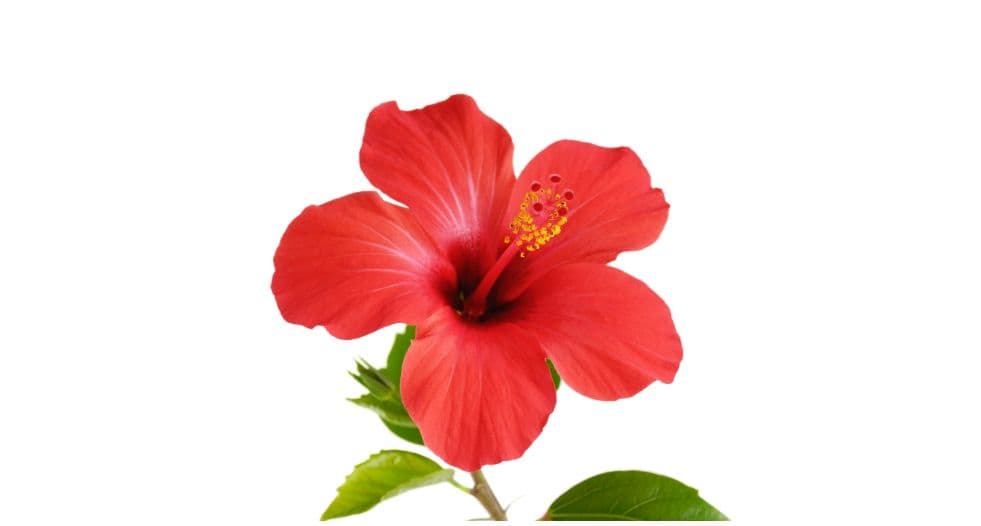
Hibiscus
Hibiscus (Hibiscus rosa-sinensis, H. sabdariffa, and related species) is a genus of flowering plants native to warm tropical and subtropical regions across the globe — from the Caribbean to West Africa to Southeast Asia. Celebrated for its bold, trumpet-shaped blossoms and its tart, ruby-red calyces used in teas and cuisine worldwide, hibiscus brings a distinctive tropical character to perfumery that is simultaneously fruity, floral, and refreshingly tart. As a fragrance note, hibiscus is vibrant and multi-faceted: the flower itself contributes a soft, watery floral sweetness, while the fruit and calyx bring a tart, cranberry-like acidity that makes it one of the more distinctive tropical notes in the perfumer's palette. Together they create a bright, summer-fresh character — juicy and slightly sharp, with a natural warmth from the tropical climate it evokes. Hibiscus sits somewhere between a red fruit accord and a delicate floral. Hibiscus is a popular note in fruity florals, tropical aquatics, and contemporary fresh compositions, where its tartness adds a sparkling, refreshing contrast to sweeter or creamier elements. It blends well with mango, passion fruit, pink pepper, and clean musks. Fragrenza's Hibiscus collection presents vibrant, tart-tropical dupes of the world's most sun-drenched fragrances — bright, bold, and beautifully affordable.
- 🌿
Hibiscus absolute
Hibiscus absolute is a specialty note used to give a fragrance a distinctive texture, mood, or material impression. Depending on interpretation, it may contribute freshness, warmth, sweetness, dryness, softness, or an abstract atmospheric effect. In perfumery, specialty notes are useful because they make a composition feel more specific and less generic. It can be paired with woods, musks, florals, resins, fruits, green notes, spices, or amber materials according to the intended style.
- 🌿
Hibiscus seed
Hibiscus seed is a specialty note used to give a fragrance a distinctive texture, mood, or material impression. Depending on interpretation, it may contribute freshness, warmth, sweetness, dryness, softness, or an abstract atmospheric effect. In perfumery, specialty notes are valuable because they make a composition feel more specific and less generic. Hibiscus seed can be paired with woods, musks, florals, resins, fruits, green notes, spices, or amber materials according to the intended style.
- 🌿
Himalaya cedar
Himalaya cedar is a woody note used to create structure, depth, and lasting warmth. Its scent may be dry, creamy, smoky, resinous, earthy, pencil-like, or polished depending on the wood or accord. In perfumery, woody notes often support the whole composition and help connect fresh openings with deeper bases. Himalaya cedar pairs naturally with amber, musk, incense, leather, vetiver, patchouli, spices, citrus, and soft resins, making it useful in masculine, feminine, and unisex fragrances.
- 🌿
Himalayan amber
Himalayan amber is a warm ambered or resinous note used to give fragrance depth, softness, and long-lasting richness. It can smell balsamic, sweet, smoky, vanillic, woody, powdery, or incense-like depending on the material. In perfumery, it rounds sharp edges and creates a smooth base that holds the composition together. It pairs well with woods, musks, spices, vanilla, tobacco, leather, florals, oud, and other resins.
- 🌿
Himalayan deer musk
Himalayan deer musk is a soft textural note that creates warmth, smoothness, and a skin-like finish. It may feel clean, powdery, woody, velvety, slightly fruity, or fabric-like depending on the accord. In perfumery, these notes bind the formula, soften stronger materials, and extend wear without dominating the fragrance. It pairs well with florals, woods, citrus, amber, iris, fruits, suede, vanilla, and transparent musks.
- 🌿
Himalayan juniper
Himalayan juniper is a specialty note used to give a fragrance a distinctive texture, mood, or material impression. Depending on interpretation, it may contribute freshness, warmth, sweetness, dryness, softness, or an abstract atmospheric effect. In perfumery, specialty notes are useful because they make a composition feel more specific and less generic. It can be paired with woods, musks, florals, resins, fruits, green notes, spices, or amber materials according to the intended style.
- 🌿
Himalayan orchid
Himalayan orchid is a floral note that gives a fragrance softness, radiance, and emotional warmth. Depending on the flower or accord, it may feel fresh, creamy, powdery, honeyed, green, indolic, or airy. In perfumery, floral notes often form the heart of a composition, adding body and a recognizable signature. It pairs well with citrus, white musk, rose, jasmine, sandalwood, amber, vanilla, iris, and delicate fruits.
- 🌿
Himalayan osmanthus
Himalayan osmanthus is a floral note that gives a fragrance softness, radiance, and emotional warmth. Depending on the flower or accord, it may feel fresh, creamy, powdery, honeyed, green, indolic, or airy. In perfumery, floral notes often form the heart of a composition, adding body and a recognizable signature. It pairs well with citrus, white musk, rose, jasmine, sandalwood, amber, vanilla, iris, and delicate fruits.
- 🌿
Himalayan Poppy
Himalayan Poppy is a specialty note used to give a fragrance a distinctive texture, mood, or material impression. Depending on interpretation, it may contribute freshness, warmth, sweetness, dryness, softness, or an abstract atmospheric effect. In perfumery, specialty notes are useful because they make a composition feel more specific and less generic. It can be paired with woods, musks, florals, resins, fruits, green notes, spices, or amber materials according to the intended style.
- 🌿
Himalayan rose
Himalayan rose is a floral note that adds softness, radiance, and emotional warmth to a composition. Depending on the flower or accord, it can feel fresh, creamy, powdery, honeyed, green, indolic, or airy. In perfumery, floral notes often form the heart of a fragrance, giving it body and a recognizable character. Himalayan rose pairs well with citrus, white musk, rose, jasmine, sandalwood, amber, vanilla, iris, and delicate fruits, making it useful in both classic bouquets and modern transparent florals.
- 🌿
Himalayan whorlflower
Himalayan whorlflower is a floral note that gives a fragrance softness, radiance, and emotional warmth. Depending on the flower or accord, it may feel fresh, creamy, powdery, honeyed, green, indolic, or airy. In perfumery, floral notes often form the heart of a composition, adding body and a recognizable signature. It pairs well with citrus, white musk, rose, jasmine, sandalwood, amber, vanilla, iris, and delicate fruits.
- 🌿
Hinoki cypress
Hinoki cypress is a specialty note used to give a fragrance a distinctive texture, mood, or material impression. Depending on interpretation, it may contribute freshness, warmth, sweetness, dryness, softness, or an abstract atmospheric effect. In perfumery, specialty notes are valuable because they make a composition feel more specific and less generic. Hinoki cypress can be paired with woods, musks, florals, resins, fruits, green notes, spices, or amber materials according to the intended style.
- 🌿
Hinoki needle
Hinoki needle is a specialty note used to give a fragrance a distinctive texture, mood, or material impression. Depending on interpretation, it may contribute freshness, warmth, sweetness, dryness, softness, or an abstract atmospheric effect. In perfumery, specialty notes are useful because they make a composition feel more specific and less generic. It can be paired with woods, musks, florals, resins, fruits, green notes, spices, or amber materials according to the intended style.
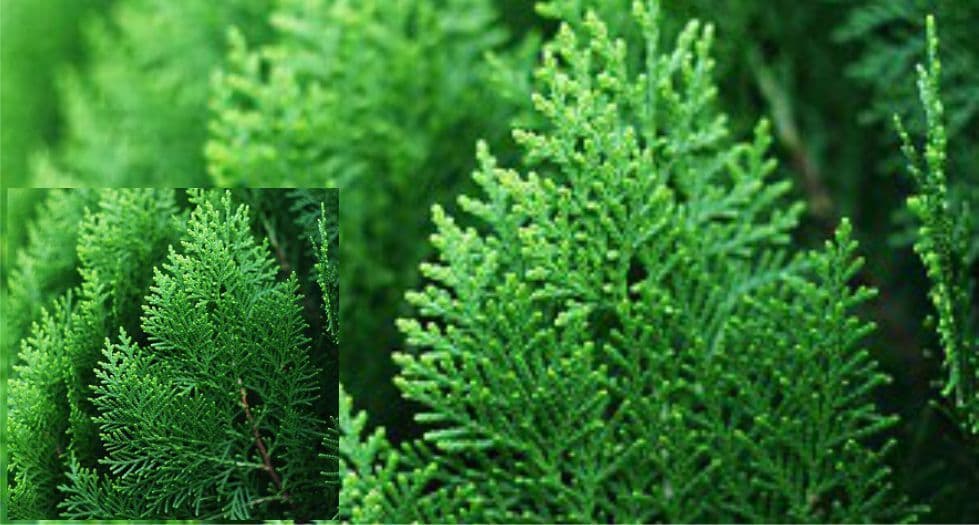
Hinoki Wood
Hinoki (Chamaecyparis obtusa) is the Japanese cypress — a majestic conifer revered in Japan for thousands of years as one of the country's most sacred and valuable trees. Used in the construction of Shinto shrines, imperial palaces, and traditional bathhouses (ofuro), hinoki wood carries deep cultural significance in Japanese tradition. Its essential oil, steam-distilled from the wood and leaves, is among the most prized in all of Japanese aromatherapy and perfumery. The scent of hinoki is extraordinary in its clean, meditative character: dry and slightly lemony at the top, with a smooth, creamy conifer heart and a warm, resinous, almost rice-like base. It is distinctly different from Western conifers — where pine and spruce can be sharp or resinous, hinoki is refined and contemplative, evoking the cool interior of a Japanese cypress bath, mist rising over a Zen garden, or the stillness of an ancient forest. Hinoki is one of the most sought-after woods in niche and Japanese perfumery, celebrated for its ability to add serene, minimalist elegance to woody, aquatic, and meditative compositions. It pairs beautifully with green tea, yuzu, vetiver, and cedarwood. Fragrenza's Hinoki Wood collection brings the meditative beauty of Japanese cypress to your fragrance collection — serene luxury dupes at accessible prices.
- 🌿
Hog plum
Hog plum is a fruity note that adds juiciness, color, and natural sweetness. It may feel crisp and tart, ripe and velvety, tropical and creamy, or dark and jammy depending on the fruit profile. In perfumery, fruity notes brighten florals, soften musks, and add pleasure to gourmand or woody structures. It pairs well with rose, peony, jasmine, white musk, vanilla, woods, citrus, amber, and soft spices.
- 🌿
Hōjicha
Hōjicha is a specialty note used to give a fragrance a distinctive texture, mood, or material impression. Depending on interpretation, it may contribute freshness, warmth, sweetness, dryness, softness, or an abstract atmospheric effect. In perfumery, specialty notes are useful because they make a composition feel more specific and less generic. It can be paired with woods, musks, florals, resins, fruits, green notes, spices, or amber materials according to the intended style.
- 🌿
Hokkaidō lavender
Hokkaidō lavender is a floral note that gives a fragrance softness, radiance, and emotional warmth. Depending on the flower or accord, it may feel fresh, creamy, powdery, honeyed, green, indolic, or airy. In perfumery, floral notes often form the heart of a composition, adding body and a recognizable signature. It pairs well with citrus, white musk, rose, jasmine, sandalwood, amber, vanilla, iris, and delicate fruits.
- 🌿
Holly berry
Holly berry is a fruity note that adds juiciness, color, and natural sweetness. It may feel crisp and tart, ripe and velvety, tropical and creamy, or dark and jammy depending on the fruit profile. In perfumery, fruity notes brighten florals, soften musks, and add pleasure to gourmand or woody structures. It pairs well with rose, peony, jasmine, white musk, vanilla, woods, citrus, amber, and soft spices.
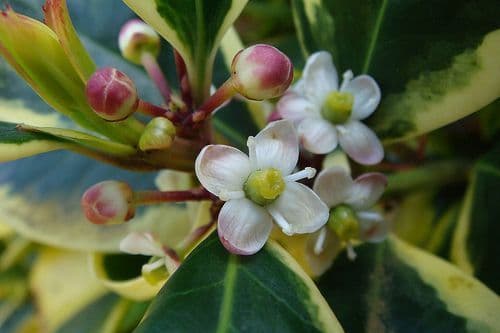
Holly Flower
Holly (Ilex aquifolium and related species) is an evergreen shrub or tree renowned worldwide for its glossy, spiny leaves and vivid red berries — iconic symbols of winter and festivity across European and North American traditions. Less well known are its small, white, four-petaled flowers, which bloom in late spring and carry a quietly pleasant, clean scent that has attracted increasing interest from botanical perfumers seeking unusual seasonal notes. The scent of holly flower is subtle and cool: a clean, slightly green-floral quality with a faint sweetness and a whisper of crisp, wintry botanical freshness. It is not a heady or dominant floral — rather, it is understated and elegant, evoking the frost-edged forests and shadowy winter gardens where the holly tree thrives. Some interpretations highlight its green, waxy aspects; others draw out a delicate white floral softness. Holly flower is a niche and distinctive note, particularly prized in winter botanical, festive, and cool green floral compositions. It pairs naturally with fir needle, oakmoss, snow accord, and clean white musks. Fragrenza's Holly Flower collection brings together premium dupes of the world's finest winter-botanical fragrances — crisp, seasonal elegance crafted for year-round pleasure and accessible pricing.
- 🌿
Holly leaf
Holly leaf is a green or aromatic note that evokes leaves, herbs, stems, fresh air, or crushed vegetation. Its profile can be crisp, bitter, watery, camphoraceous, grassy, or slightly earthy depending on the material. In perfumery, green notes add realism and lift, keeping sweet, floral, or woody compositions from feeling too heavy. It pairs well with citrus, tea, fig, violet leaf, galbanum, tomato leaf, white musk, vetiver, lavender, and light woods.
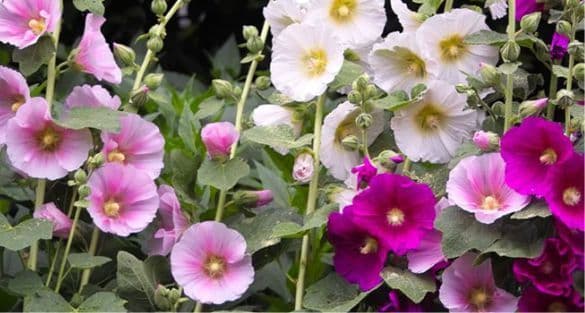
Hollyhock
Hollyhock (Alcea rosea) is a tall, statuesque flowering plant with roots in southwestern China and the Middle East, cultivated in European gardens since at least the 15th century. Its bold, papery blossoms in shades of pink, purple, red, and white are a hallmark of the traditional cottage garden, and their scent — soft, powdery, and faintly sweet — carries the romantic nostalgia of a slower, more botanical world. As a fragrance note, hollyhock is gentle and refined: a soft, powdery floral with a slightly sweet, almost iris-like quality and a faint green undertone from its large, velvety leaves. It shares the clean, retro elegance of violet and iris without their sharpness, offering instead a warm, slightly dusty sweetness reminiscent of vintage perfume bottles and sun-faded garden walls. It is a note of quiet beauty rather than bold statement. Hollyhock appears most naturally in vintage-style florals, powdery feminines, and garden bouquet compositions, where it adds historical depth and soft romance. It blends beautifully with violet, iris, rose, and soft musks. Fragrenza's Hollyhock collection features carefully crafted dupes of the most elegant powdery-floral fragrances, honoring the timeless beauty of the garden — at a price that welcomes everyone.
- 🌿
Holy basil
Holy basil is a green or aromatic note that evokes leaves, herbs, stems, fresh air, or crushed vegetation. Its profile can be crisp, bitter, watery, camphoraceous, grassy, or slightly earthy depending on the material. In perfumery, green notes add realism and lift, keeping sweet, floral, or woody compositions from feeling too heavy. It pairs well with citrus, tea, fig, violet leaf, galbanum, tomato leaf, white musk, vetiver, lavender, and light woods.
- 🌿
Honduras styrax
Honduras styrax is a warm ambered or resinous note used to give fragrance depth, softness, and long-lasting richness. It can smell balsamic, sweet, smoky, vanillic, woody, powdery, or incense-like depending on the material. In perfumery, it rounds sharp edges and creates a smooth base that holds the composition together. It pairs well with woods, musks, spices, vanilla, tobacco, leather, florals, oud, and other resins.
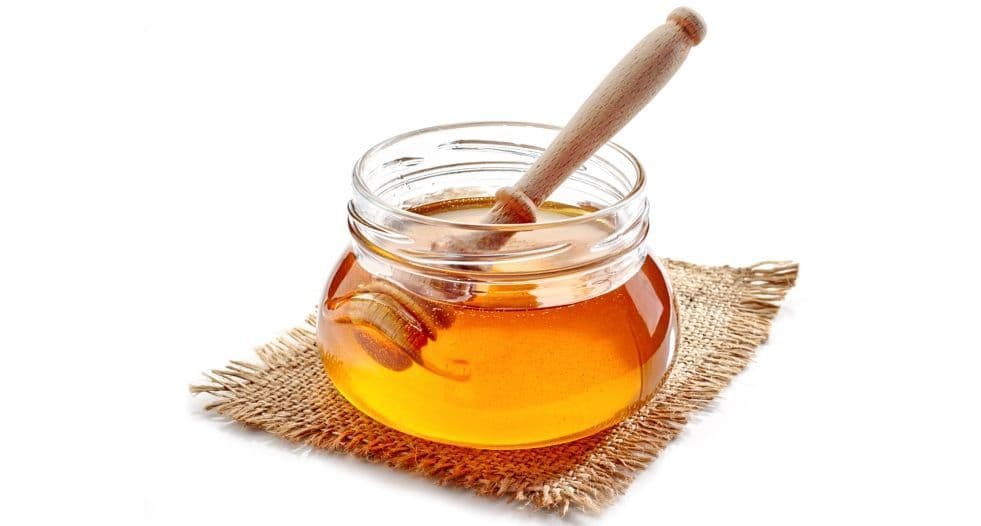
Honey
Honey is one of perfumery's oldest and most beloved ingredients — a golden substance produced by honeybees from the nectar of flowers, used in fragrance in the form of natural honey absolute, beeswax absolute, and a range of synthetic molecules that replicate its warm, sweet complexity. Across cultures and millennia, honey has symbolized abundance, sweetness, and sensuality, and its role in classical and modern perfumery is both foundational and enduring. The scent of honey in fragrance is rich, warm, and multi-dimensional: a golden sweetness with a distinctive floral-animalic undertone — faintly fermented, slightly waxy, and deeply sensual at close range. Natural honey absolute adds a complexity that mere sweetness cannot replicate, with facets of beeswax, pollen, warm fruit, and a subtle barnyard intimacy that gives it an almost skin-like quality. At low doses, it enhances; at higher concentrations, it becomes the scent itself. Honey is a cornerstone ingredient in oriental, amber, chypre, and floral perfumery, where it adds warmth, sensuality, and depth to nearly any composition. It pairs extraordinarily well with rose, oud, incense, vanilla, and leather. Fragrenza's Honey collection presents exceptional dupes of the world's most celebrated honey-forward fragrances — golden warmth and timeless luxury, crafted to be worn by everyone.
- 🌿
Honey pomelo
Honey pomelo is a bright citrus note valued for its clean sparkle, juicy freshness, and elegant peel-like bitterness. In perfumery, it is often used in the opening of a composition to create lift, clarity, and immediate radiance. Depending on the material, it can feel zesty, floral, green, sweet, or slightly bitter, making it more complex than simple lemony freshness. It pairs beautifully with neroli, tea, aromatic herbs, white musk, light woods, florals, and aquatic notes.
- 🌿
Honeybush
Honeybush is a gourmand note that adds edible warmth, sweetness, and comfort. It may suggest cream, sugar, nuts, chocolate, coffee, honey, pastry, or toasted grains depending on the accord. In perfumery, gourmand notes make compositions feel cozy and sensual, but they work best when balanced with woods, musks, spices, citrus, or resins. It pairs well with vanilla, tonka bean, sandalwood, amber, caramel, cacao, coffee, and soft florals.
- 🌿
Honeybush CO2
Honeybush CO2 is a gourmand note that adds edible warmth, sweetness, and comfort. It may suggest cream, sugar, nuts, chocolate, coffee, honey, pastry, or toasted grains depending on the accord. In perfumery, gourmand notes make compositions feel cozy and sensual, but they work best when balanced with woods, musks, spices, citrus, or resins. It pairs well with vanilla, tonka bean, sandalwood, amber, caramel, cacao, coffee, and soft florals.
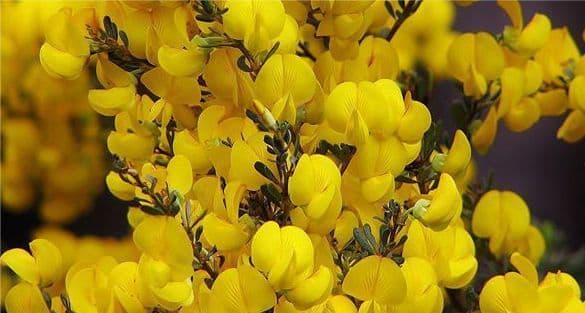
Honeybush or Cyclopia
Honeybush (Cyclopia species) is a flowering shrub endemic to the Cape Floristic Region of South Africa, where it grows among the remarkable fynbos vegetation of the Western and Eastern Cape. Closely related to rooibos, it has been enjoyed as a herbal tea by the indigenous Khoi people for centuries and takes its name from the sweet, honey-like fragrance of its bright yellow flowers. In recent years, honeybush extract and absolute have found their way into the hands of forward-thinking perfumers. The scent of honeybush is warm, sweet, and gently complex: a smooth honey-caramel character with soft floral undertones, a faint earthiness, and a mellow, slightly woody base. It is sweeter and more floral than rooibos, with a naturally smooth roundness that makes it immediately appealing. Dried and brewed, the note takes on a warmth reminiscent of sweet hay, dried blossoms, and golden syrup. Honeybush is a distinctive, specialty note in artisanal and niche perfumery, particularly valued in African botanical compositions and warm, herbal-sweet gourmands. It pairs beautifully with vanilla, osmanthus, rooibos, and soft florals. Fragrenza's Honeybush collection brings the warmth of the South African fynbos to your skin — premium dupes crafted with care and priced for accessibility.
- 🌿
Honeycomb
Honeycomb — the geometric wax structure built by honeybees to house their honey and larvae — is one of perfumery's most evocative natural inspirations. The scent of freshly broken comb is a remarkable blend of warm beeswax, golden honey, faint floral pollen, and the woody sweetness of propolis. Beeswax absolute, extracted from the comb itself, has been used in high-quality perfumery for generations to add warmth, depth, and an almost edible richness. In fragrance, honeycomb accords are warm, golden, and deeply sensual: the waxy, slightly fatty character of beeswax grounds a luminous honey sweetness, while faint traces of flowers and wood add complexity. There is something ancient and comforting about the note — it evokes sunlit apiaries, amber-colored light filtering through glass jars, and the quiet industry of the hive. It reads as natural, sophisticated, and rich without being cloying. Honeycomb and beeswax notes are prized in oriental, amber, chypre, and artisanal natural perfumery, where their warmth and complexity add a golden luminosity to any composition. They pair magnificently with rose, iris, benzoin, and incense. Fragrenza's Honeycomb collection gathers dupes of the world's most sumptuous honey-wax fragrances — golden-warm luxury crafted to be worn every day.
Honeydew Blossom
Honeydew blossom captures the delicate, fleeting scent of the melon flower — the pale, star-shaped bloom that precedes the fruit on the Cucumis melo vine. Native to South Asia and the Middle East, the honeydew melon has been cultivated for millennia, and while perfumers most often work with melon fruit accords, the blossom itself offers something more subtle and refined: a watery-sweet floral with an almost transparent freshness. As a fragrance note, honeydew blossom is light, clean, and gently sweet — evocative of cucumber water, fresh white flowers, and the cool interior of a just-sliced melon. It has an aquatic, slightly dewy quality that reads as effortlessly modern and fresh. Unlike heavier florals, it never overwhelms; instead, it floats as a top or heart note, adding a whisper of summery sweetness to any composition it inhabits. Honeydew blossom is a favorite in light aquatic, fresh floral, and summer fragrance blends, pairing beautifully with white tea, soft musks, water lily, and green accords. It is quintessentially clean and contemporary. Fragrenza's Honeydew Blossom collection showcases premium dupes of the freshest and most elegant light-floral fragrances on the market — bright, wearable, and always refined.
- 🌿
Honeydew melon
Honeydew melon is a fruity note that gives fragrance juiciness, color, and natural sweetness. It can be crisp and tart, ripe and velvety, tropical and creamy, or dark and jammy depending on the fruit profile. In perfumery, fruity notes brighten florals, soften musks, and add pleasure to gourmand or woody structures. Honeydew melon pairs well with rose, peony, jasmine, white musk, vanilla, woods, citrus, amber, and soft spices.
- 🌿
Honeyed tobacco
Honeyed tobacco is one of perfumery's most seductive and complex accords — a pairing of two ingredients that, together, create something richer and more compelling than either achieves alone. Tobacco in fragrance is not the harsh, acrid smell of a lit cigarette; it is the deeply aromatic quality of aged, cured tobacco leaf — warm, slightly sweet, faintly herbaceous, and redolent of old leather and dried hay. When honey is added, the sweetness amplifies the tobacco's natural sugars while softening its rougher edges, creating an accord of extraordinary warmth and depth. The honeyed tobacco character often carries additional facets: whiskey-like richness from the fermentation of the tobacco, caramel and toffee warmth from the honey, dried hay and chamomile from the herbal side of the leaf, and a faint smoky sweetness that lingers in the dry-down. This complexity makes honeyed tobacco an exceptionally versatile perfumery tool — it can anchor an oriental composition, add warmth to a floral, or stand as the centerpiece of a gourmand-adjacent creation. Fragrances built around the honeyed tobacco accord tend to be warm-weather or autumn-winter favourites — rich enough to feel special, yet wearable enough for everyday use. They perform beautifully on skin, developing and deepening throughout the day as the base notes emerge. Explore Fragrenza's honeyed tobacco collection to discover inspired-by fragrances that showcase this irresistible warm, sweet accord — delivering luxurious depth at an everyday price.
Honeysuckle
Honeysuckle (Lonicera species) is a climbing vine whose tubular flowers are among the most intoxicatingly sweet in the floral world. Native to the Northern Hemisphere — with particular abundance across Europe, Asia, and North America — honeysuckle has been a symbol of summer abundance and sensory pleasure for centuries. Its blossoms are typically white or pale yellow, fading to gold as they age, and release their richest fragrance at dusk. The scent of honeysuckle is sweet, heady, and multi-dimensional: a generous honey-floral character with creamy, almost nectarous depth and a faint green, fresh quality from the vine's leaves. It is more complex than simple sweetness — there is an almost animalic warmth to it at close range, and a sheer, airy quality that carries on the breeze. Its natural duality makes it equally at home in light florals and deeper oriental compositions. Honeysuckle is a classic and versatile perfumery note, beloved in both mainstream and niche fragrances for its romantic, evocative sweetness. It blends exquisitely with jasmine, rose, white musks, and woody bases. Fragrenza's Honeysuckle collection brings the world's finest honeysuckle-forward fragrances within everyday reach — luxury dupes crafted with the quality and care the note deserves.
- 🌿
Honeysuckle absolute
Honeysuckle absolute is a gourmand note that adds edible warmth, sweetness, and comfort. It may suggest cream, sugar, nuts, chocolate, coffee, honey, pastry, or toasted grains depending on the accord. In perfumery, gourmand notes make compositions feel cozy and sensual, but they work best when balanced with woods, musks, spices, citrus, or resins. It pairs well with vanilla, tonka bean, sandalwood, amber, caramel, cacao, coffee, and soft florals.
- 🌿
Honeysuckle nectar
Honeysuckle nectar is a gourmand note that adds edible warmth, sweetness, and comfort. It may suggest cream, sugar, nuts, chocolate, coffee, honey, pastry, or toasted grains depending on the accord. In perfumery, gourmand notes make compositions feel cozy and sensual, but they work best when balanced with woods, musks, spices, citrus, or resins. It pairs well with vanilla, tonka bean, sandalwood, amber, caramel, cacao, coffee, and soft florals.
- 🌿
Hooded violet
Hooded violet is a floral note that gives a fragrance softness, radiance, and emotional warmth. Depending on the flower or accord, it may feel fresh, creamy, powdery, honeyed, green, indolic, or airy. In perfumery, floral notes often form the heart of a composition, adding body and a recognizable signature. It pairs well with citrus, white musk, rose, jasmine, sandalwood, amber, vanilla, iris, and delicate fruits.
- 🌿
Hop blossom
Hop blossom is a floral note that gives a fragrance softness, radiance, and emotional warmth. Depending on the flower or accord, it may feel fresh, creamy, powdery, honeyed, green, indolic, or airy. In perfumery, floral notes often form the heart of a composition, adding body and a recognizable signature. It pairs well with citrus, white musk, rose, jasmine, sandalwood, amber, vanilla, iris, and delicate fruits.
- 🌿
Horsehair
Horsehair is a specialty note used to give a fragrance a distinctive texture, mood, or material impression. Depending on interpretation, it may contribute freshness, warmth, sweetness, dryness, softness, or an abstract atmospheric effect. In perfumery, specialty notes are useful because they make a composition feel more specific and less generic. It can be paired with woods, musks, florals, resins, fruits, green notes, spices, or amber materials according to the intended style.
Hortensia
Hydrangea (Hydrangea macrophylla and related species) is a flowering shrub native to Asia and the Americas, celebrated in gardens worldwide for its spectacular globe-shaped flower clusters. Though hydrangea does not yield a commercially extractable essential oil in significant quantities, its delicate scent — present on warm summer days — has been carefully reconstructed by perfumers to become a cherished floral accord in modern perfumery. The scent of hydrangea is soft and understated: a clean, slightly powdery floral with a faint green freshness and a whisper of sweet, watery coolness. It lacks the heady intensity of jasmine or rose, offering instead a gentle, airy elegance — like standing beside a garden border in early morning. Some interpretations highlight its soft pink or blue-tinged quality with subtle violet or aquatic facets. In perfumery, hydrangea is beloved for its ability to add delicate femininity and lightness to floral bouquets, aquatic compositions, and fresh summer fragrances. It blends beautifully with peony, rose, clean musks, and light woods. Fragrenza's Hydrangea collection brings together premium dupes of the finest soft-floral scents in the world, crafted to exacting quality standards and priced for everyday indulgence.
- 🌿
Hot milk
Hot milk is a gourmand note that adds edible warmth, sweetness, and comfort to a fragrance. It may suggest cream, sugar, nuts, chocolate, coffee, honey, pastry, or toasted grains depending on the accord. In perfumery, gourmand notes make compositions feel cozy and sensual, but they work best when balanced with woods, musks, spices, citrus, or resins. Hot milk pairs well with vanilla, tonka bean, sandalwood, amber, caramel, cacao, coffee, and soft florals.
- 🌿
Hot sand
Hot sand is an earthy or mineral note that adds realism, dryness, and atmospheric depth. It may suggest soil, roots, stone, dust, damp ground, mushrooms, clay, or cool mineral surfaces depending on the accord. In perfumery, these notes make compositions feel grounded, natural, or avant-garde. It pairs well with vetiver, moss, patchouli, dry woods, leather, incense, rain notes, musk, and dark florals.
- 🌿
Hoya
Hoya is a specialty note used to give a fragrance a distinctive texture, mood, or material impression. Depending on interpretation, it may contribute freshness, warmth, sweetness, dryness, softness, or an abstract atmospheric effect. In perfumery, specialty notes are useful because they make a composition feel more specific and less generic. It can be paired with woods, musks, florals, resins, fruits, green notes, spices, or amber materials according to the intended style.
Hoya carnosa (wax plant)
Hoya carnosa, commonly known as the wax plant or porcelain flower, is a tropical climbing vine native to East Asia and Australia. Beloved as a houseplant for its clusters of star-shaped, waxy flowers, it is lesser known for its remarkable fragrance — a scent of extraordinary sweetness and richness that fills a room at night when the blooms are most fragrant. Perfumers have long been captivated by its rare, heady character. The scent of Hoya carnosa is intensely sweet with a honeyed, almost vanilla-like quality layered over a soft, creamy floral base. Some describe facets of coconut, beeswax, and ripe stone fruit beneath the sweetness, giving it a lush, tropical warmth. Unlike more common florals, it has a waxy, almost candied quality that makes it instantly recognizable — rich without being sharp, sweet without being sugary. Hoya carnosa is a niche and distinctive note most often found in artisanal and collector-level floral compositions, where its unusual sweetness adds an exotic, memorable character. It pairs beautifully with vanilla, sandalwood, and tropical musks. Fragrenza's Hoya carnosa collection presents high-quality dupes of the world's most intriguing wax flower fragrances, bringing botanical rarity to everyday luxury.
- 🌿
Hungarian laurel
Hungarian laurel is a green or aromatic note that evokes leaves, herbs, stems, fresh air, or crushed vegetation. Its profile can be crisp, bitter, watery, camphoraceous, grassy, or slightly earthy depending on the material. In perfumery, green notes add realism and lift, keeping sweet, floral, or woody compositions from feeling too heavy. It pairs well with citrus, tea, fig, violet leaf, galbanum, tomato leaf, white musk, vetiver, lavender, and light woods.
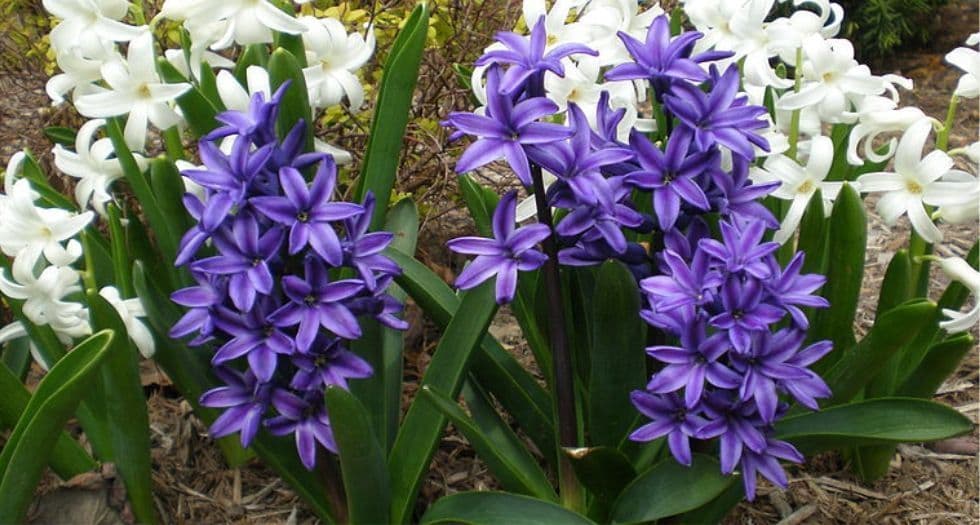
Hyacinth
Hyacinth is one of spring's most recognisable floral signatures, cultivated for centuries across the Mediterranean and Middle East before becoming a favourite of European gardens. Named after the Greek mythological figure Hyakinthos, it has been prized in perfumery since the Renaissance for its ability to evoke the fresh, cool air of a garden in full bloom. The scent of hyacinth is intensely sweet and green, with a slightly spicy, almost narcotic depth that sets it apart from softer florals. It opens with a burst of dewy, fresh-cut greenness before blooming into a rich, powdery floral heart with faint traces of violet and lily. This layered character — simultaneously innocent and intoxicating — makes it one of perfumery's most versatile spring notes. In fragrance composition, hyacinth lends brightness and lift to floral bouquets, bringing a crisp, natural quality that complements rose, iris, and muguet. It is equally at home in chypres, light florals, and contemporary fresh compositions. At Fragrenza, our hyacinth-forward creations capture this distinctive green-sweet vibrancy at a fraction of designer prices, giving you access to luxury-quality spring florals without compromise.
- 🌿
Hyacinth leaf
Hyacinth leaf is a green or aromatic note that evokes leaves, herbs, stems, fresh air, or crushed vegetation. Its profile can be crisp, bitter, watery, camphoraceous, grassy, or slightly earthy depending on the material. In perfumery, green notes add realism and lift, keeping sweet, floral, or woody compositions from feeling too heavy. Hyacinth leaf pairs well with citrus, tea, fig, violet leaf, galbanum, tomato leaf, white musk, vetiver, lavender, and light woods.
- 🌿
Hydrocarboresine
Hydrocarboresine is a warm ambered or resinous note used to give fragrance depth, softness, and long-lasting richness. It can smell balsamic, sweet, smoky, vanillic, woody, powdery, or incense-like depending on the material. In perfumery, it rounds sharp edges and creates a smooth base that holds the composition together. It pairs well with woods, musks, spices, vanilla, tobacco, leather, florals, oud, and other resins.
- 🌿
Hyraceum
Hyraceum — also known as African Stone — is one of perfumery's most unusual and storied animalic ingredients. It is the fossilized or aged urine and dung deposit of the rock hyrax (Procavia capensis), a small mammal native to sub-Saharan Africa and the Middle East. Formed over centuries in rocky crevices, hyraceum has been used in traditional African medicine and, more recently, has found a devoted following among niche perfumers seeking authentic animalic depth. The scent of hyraceum is intensely complex: simultaneously animalic and intimate, it evokes tobacco, aged leather, dark earth, and a faint sweetness reminiscent of castoreum or civet — but with a distinctly mineral, fossil-like quality that sets it apart. At low concentrations it adds extraordinary richness and warmth; at higher doses, it becomes visceral and challenging. It is an ingredient that commands attention and rewards the adventurous nose. Hyraceum is a prized tool in the animalic and niche perfumery world, used to add raw, primal depth to chypres, orientals, leathers, and tobacco-forward compositions. It is sustainably collected without harm to hyrax populations, making it an ethical alternative to other animal musks. Fragrenza's Hyraceum collection showcases premium dupes of the world's boldest animalic fragrances — rare character at an approachable price.
- 🌿
Hyraceum absolute
Hyraceum absolute is a specialty note used to give a fragrance a distinctive texture, mood, or material impression. Depending on interpretation, it may contribute freshness, warmth, sweetness, dryness, softness, or an abstract atmospheric effect. In perfumery, specialty notes are useful because they make a composition feel more specific and less generic. It can be paired with woods, musks, florals, resins, fruits, green notes, spices, or amber materials according to the intended style.

Hyrax
Hyrax refers to the animal source associated with hyraceum, also known as African stone. In perfumery, hyraceum has a strong animalic, leathery, tobacco-like, earthy, and mineral profile. It is used in very small amounts to add primal depth and sensual complexity to leather, chypre, tobacco, and oriental fragrances.
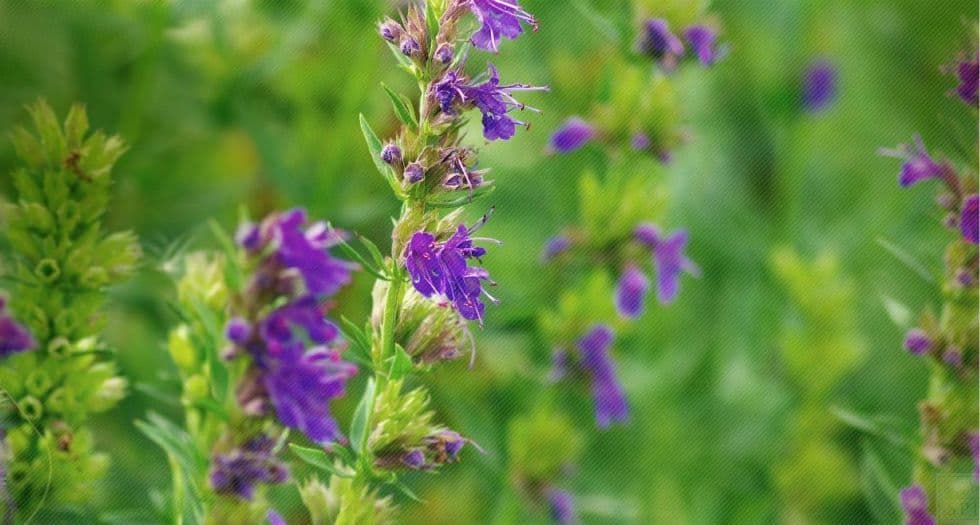
Hyssop
Hyssop (Hyssopus officinalis) is a compact, flowering herb native to southern Europe and the Mediterranean basin, where it has been cultivated for thousands of years. Prized in ancient medicine, ritual practice, and culinary arts alike, it yields an essential oil via steam distillation of its flowering tops — an oil with a complex, multi-faceted character long admired by perfumers and herbalists. In fragrance, hyssop presents an intriguing aromatic profile: sharp and slightly camphoraceous at first, it reveals a bitter-sweet, minty-herbal heart with faint floral undertones and a warm, piney dry-down. Its complexity places it somewhere between lavender, sage, and thyme — aromatic, clean, and slightly medicinal with a rustic, sun-baked character that evokes the wild hillsides of Provence. Hyssop is a specialist note in niche and artisanal perfumery, valued for its ability to add authentic herbal depth and green bitterness to fougères, chypres, and Mediterranean aromatic compositions. It pairs beautifully with lavender, rosemary, and earthy musks. Explore Fragrenza's Hyssop collection to find exceptional dupes of the world's finest hyssop-forward fragrances, delivered with expert quality at accessible prices.
I
- 🌿
Ice
The ice accord is a triumph of modern perfumery — a synthetic creation designed to translate the sensation of cold, clean glacial air into olfactory form. Inspired by frozen tundras, snow-covered peaks, and the biting freshness of a winter morning, it has no single botanical source but is instead composed of airy aldehydes, cool musks, and crisp ozonic molecules. Olfactorily, ice accords deliver a sharp, almost metallic clarity — a bright, breathable freshness that immediately evokes subzero temperatures and open skies. Subtle aquatic and ozonic facets give the accord depth without heaviness, while clean white musks anchor it to the skin. The result is a sensation more than a scent: the feeling of cold air filling the lungs on a clear winter day. Ice accords are indispensable in contemporary fresh, aquatic, and winter fragrances, providing contrast and lift when paired with warmer notes like woods, amber, or florals. They define a whole subgenre of cool, invigorating masculine and unisex perfumes. Browse Fragrenza's Ice collection to discover premium dupes of the world's most celebrated icy scents, all expertly crafted and affordably priced.
- 🌿
Ice accord
Ice accord is a specialty note used to give a fragrance a distinctive texture, mood, or material impression. Depending on interpretation, it may contribute freshness, warmth, sweetness, dryness, softness, or an abstract atmospheric effect. In perfumery, specialty notes are valuable because they make a composition feel more specific and less generic. Ice accord can be paired with woods, musks, florals, resins, fruits, green notes, spices, or amber materials according to the intended style.

Ice cream
Ice cream as a fragrance note is a delicious intersection of the gourmand and cold-accord worlds — evoking the creamy richness of dairy, the sweetness of sugar, and the subtle chill of a frozen dessert. While not a harvested botanical, ice cream accords are painstakingly crafted from lactonic musks, vanilla absolute, and cooling molecules to recreate that universally beloved sensory experience. In perfumery, ice cream notes are unmistakably rich and comforting: smooth vanilla and milky lactones form the creamy base, while cool accords add the sensation of temperature. Depending on the flavor the perfumer is evoking — strawberry, pistachio, chocolate, or plain — additional fruity, nutty, or resinous notes layer in to complete the illusion. The overall effect is warm-cool, sweet, and deeply indulgent. The ice cream accord has become a staple of the modern gourmand genre, finding a home in everything from playful skin scents to bold statement perfumes. It is particularly beloved in unisex and feminine compositions where comfort and sweetness take center stage. Fragrenza's Ice Cream collection offers high-quality dupes of the world's finest ice cream-inspired fragrances, bringing luxury within reach for every gourmand lover.
- 🌿
Iced coffee
Iced coffee is an aquatic note that evokes water, sea air, rain, mineral freshness, or clean transparent space. It can be salty, ozonic, marine, watery, airy, or slightly green depending on the accord. In perfumery, aquatic notes bring freshness, diffusion, and a modern easy-to-wear character. It pairs well with citrus, white musk, driftwood, lavender, sage, cucumber, marine notes, ambergris-style molecules, and pale woods.

Iced tea
Iced tea as a fragrance note suggests chilled black or green tea with a watery, lightly sweet, refreshing character. It can include citrus, peach, lemon, mint, or soft sugar facets depending on the interpretation. It is ideal for fresh, casual, summer, tea-based, and clean unisex compositions.
- 🌿
Immortal
Immortal is a specialty note used to give a fragrance a distinctive texture, mood, or material impression. Depending on interpretation, it may contribute freshness, warmth, sweetness, dryness, softness, or an abstract atmospheric effect. In perfumery, specialty notes are valuable because they make a composition feel more specific and less generic. Immortal can be paired with woods, musks, florals, resins, fruits, green notes, spices, or amber materials according to the intended style.
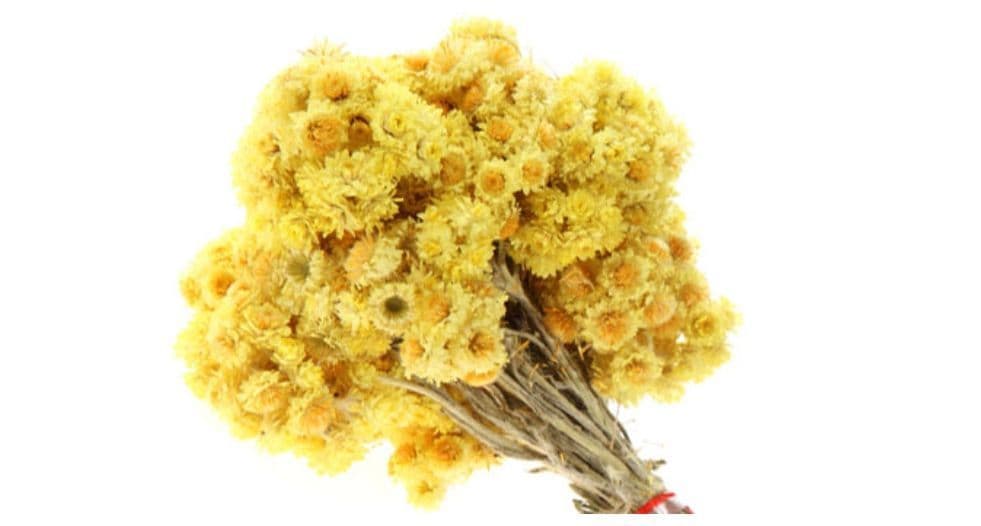
immortelle
Immortelle — derived from Helichrysum italicum, a sun-loving flowering herb native to the rocky, sun-baked landscapes of the Mediterranean coast, Corsica, Sardinia, and the Balkans — takes its name from the French word for everlasting, a reference to the flowers that retain their colour and shape long after drying. Also known as the curry plant or everlasting flower, helichrysum produces an essential oil of quite extraordinary and immediately distinctive character — a scent unlike virtually any other botanical material in the perfumer's palette. The olfactory profile of immortelle is one of the most complex and immediately recognisable in all of perfumery: a warm, golden, slightly caramelised sweetness with strong impressions of honey, hay, and maple syrup, alongside a distinctive and surprising facet that is persistently compared to freshly ground coffee and curry spice — particularly fenugreek or cumin. This unusual combination of sweet-gourmand and savoury-herbal qualities is what makes immortelle so beloved and so uniquely compelling. Beneath the warm sweetness lies a dry, slightly dusty hay and straw quality, and sometimes a subtle green herbaceous note from the plant itself. In perfumery, immortelle is a transformative ingredient used in oriental, gourmand, and Mediterranean-inspired compositions. It is the defining note of entire families of Provencal and Corsican-inspired fragrances and pairs magnificently with lavender, rosemary, vanilla, labdanum, and warm woody bases. At Fragrenza, our immortelle collections celebrate dupe interpretations of fragrances built around this remarkable, beloved note — offering the golden warmth and complexity of helichrysum at an accessible price that honours the truly timeless beauty of this Mediterranean treasure.
- 🌿
Immortelle absolute
Immortelle absolute is a specialty note used to give a fragrance a distinctive texture, mood, or material impression. Depending on interpretation, it may contribute freshness, warmth, sweetness, dryness, softness, or an abstract atmospheric effect. In perfumery, specialty notes are valuable because they make a composition feel more specific and less generic. Immortelle absolute can be paired with woods, musks, florals, resins, fruits, green notes, spices, or amber materials according to the intended style.
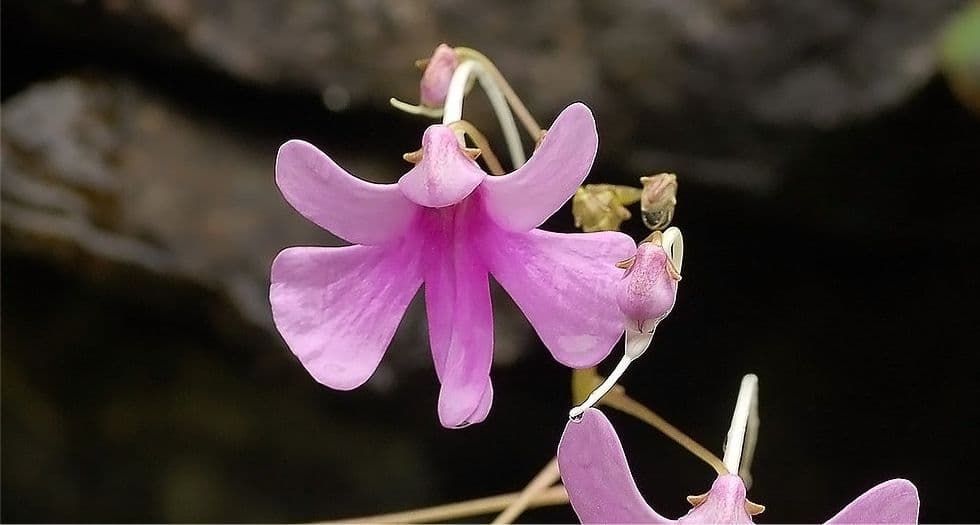
Impatiens
Impatiens — the genus encompassing the beloved Busy Lizzie and its many relatives — is among the most widely grown flowering plants in the world, beloved for its prolific blooms and cheerful colours across gardens, window boxes, and balconies from spring through autumn. While impatiens flowers are not typically harvested for commercial perfumery the way rose or jasmine are, they possess a delicate, gentle fragrance that has inspired perfumers to recreate their soft, unpretentious character as a note suggesting simple floral happiness and the unassuming beauty of everyday garden flowers. As a fragrance note, impatiens is light, clean, and quietly sweet — a delicate floral with a faint green quality from the lush, succulent stems and leaves, a gentle wateriness, and a soft, slightly transparent sweetness that never overwhelms. It sits comfortably in the family of light sheer florals — closer to lily of the valley or sweet pea than to the opulent richness of jasmine or tuberose. The overall impression is fresh, natural, and unpretentious: a scent that evokes sunlit garden beds and warm summer afternoons with modest, charming simplicity. In perfumery, impatiens notes appear in fresh floral, green floral, and spring-inspired compositions, adding a light, cheerful naturalness that serves as a gentle bridge between greens and sweeter florals. It pairs well with lily of the valley, white musk, soft woods, and green tea. At Fragrenza, our impatiens collections feature dupe interpretations of light, fresh floral fragrances that carry this gentle, garden-fresh spirit — offering delicate, wearable beauty at a price that celebrates the everyday joy of flowers.
incense
Incense is one of the oldest and most universally revered aromatic substances in human history, woven into the spiritual and cultural fabric of virtually every major civilisation on earth. From the frankincense of ancient Egypt and the temple censers of medieval Christianity to the agar wood smoke of Japanese koh ceremonies and the copal offerings of the Aztec, burning aromatic resins, woods, and herbs to produce fragrant smoke has been an act of worship, purification, and connection to the sacred across millennia and continents. As a perfumery note, incense carries all of this weight of meaning. The olfactory profile of incense in fragrance is defined by its smoky, resinous, and spiritual character: a dry, slightly bitter smokiness layered over warm, balsamic sweetness from resins like frankincense, benzoin, and labdanum, with woody depth from oud or sandalwood, and occasionally a cool, slightly medicinal edge from materials like elemi or palo santo. The overall impression is meditative and transcendent — a scent that quiets the mind and elevates the senses. It can be austere and cool or warmly enveloping, depending on the specific materials used. In contemporary perfumery, incense is a cornerstone of the oriental, woody, and spiritual fragrance families — appearing in everything from minimalist Japanese-inspired scents to opulent Middle Eastern compositions. It pairs magnificently with rose, leather, myrrh, oud, and cool musks. At Fragrenza, our incense collections feature premium dupe interpretations of the finest incense-driven fragrances available — inviting a moment of meditative luxury in every spray, at a price accessible to everyone.
- 🌿
Incense material
Incense material is a warm ambered or resinous note used to give fragrance depth, softness, and long-lasting richness. It can smell balsamic, sweet, smoky, vanillic, woody, powdery, or incense-like depending on the material. In perfumery, it rounds sharp edges and creates a smooth base that holds the composition together. Incense material pairs well with woods, musks, spices, vanilla, tobacco, leather, florals, oud, and other resins.
- 🌿
Indian amber
Indian amber is a warm ambered or resinous note used to give fragrance depth, softness, and long-lasting richness. It can smell balsamic, sweet, smoky, vanillic, woody, powdery, or incense-like depending on the material. In perfumery, it rounds sharp edges and creates a smooth base that holds the composition together. It pairs well with woods, musks, spices, vanilla, tobacco, leather, florals, oud, and other resins.
- 🌿
Indian ambergris
Indian ambergris is a warm ambered or resinous note used to give fragrance depth, softness, and long-lasting richness. It can smell balsamic, sweet, smoky, vanillic, woody, powdery, or incense-like depending on the material. In perfumery, it rounds sharp edges and creates a smooth base that holds the composition together. Indian ambergris pairs well with woods, musks, spices, vanilla, tobacco, leather, florals, oud, and other resins.
- 🌿
Indian ambrette seed
Indian ambrette seed is a soft textural note that creates warmth, smoothness, and a skin-like finish. It may feel clean, powdery, woody, velvety, slightly fruity, or fabric-like depending on the accord. In perfumery, these notes bind the formula, soften stronger materials, and extend wear without dominating the fragrance. It pairs well with florals, woods, citrus, amber, iris, fruits, suede, vanilla, and transparent musks.
- 🌿
Indian amyris
Indian amyris is a specialty note used to give a fragrance a distinctive texture, mood, or material impression. Depending on interpretation, it may contribute freshness, warmth, sweetness, dryness, softness, or an abstract atmospheric effect. In perfumery, specialty notes are useful because they make a composition feel more specific and less generic. It can be paired with woods, musks, florals, resins, fruits, green notes, spices, or amber materials according to the intended style.
- 🌿
Indian bay leaf
Indian bay leaf is a green or aromatic note that evokes leaves, herbs, stems, fresh air, or crushed vegetation. Its profile can be crisp, bitter, watery, camphoraceous, grassy, or slightly earthy depending on the material. In perfumery, green notes add realism and lift, keeping sweet, floral, or woody compositions from feeling too heavy. It pairs well with citrus, tea, fig, violet leaf, galbanum, tomato leaf, white musk, vetiver, lavender, and light woods.
- 🌿
Indian benzoin
Indian benzoin is a warm ambered or resinous note used to give fragrance depth, softness, and long-lasting richness. It can smell balsamic, sweet, smoky, vanillic, woody, powdery, or incense-like depending on the material. In perfumery, it rounds sharp edges and creates a smooth base that holds the composition together. It pairs well with woods, musks, spices, vanilla, tobacco, leather, florals, oud, and other resins.
- 🌿
Indian betel leaf
Indian betel leaf is a green or aromatic note that evokes leaves, herbs, stems, fresh air, or crushed vegetation. Its profile can be crisp, bitter, watery, camphoraceous, grassy, or slightly earthy depending on the material. In perfumery, green notes add realism and lift, keeping sweet, floral, or woody compositions from feeling too heavy. It pairs well with citrus, tea, fig, violet leaf, galbanum, tomato leaf, white musk, vetiver, lavender, and light woods.
- 🌿
Indian black pepper
Indian black pepper is the dry, sharp, aromatic spice (Piper nigrum) at its most classic — woody, slightly piney, and assertively spicy with subtle citrus lift. It adds energy and architecture to fragrances and is a staple in masculine and oriental compositions, pairing with cardamom, cedar, leather, vetiver, and rose.
- 🌿
Indian broom absolute
Indian broom absolute is a specialty note used to give a fragrance a distinctive texture, mood, or material impression. Depending on interpretation, it may contribute freshness, warmth, sweetness, dryness, softness, or an abstract atmospheric effect. In perfumery, specialty notes are useful because they make a composition feel more specific and less generic. It can be paired with woods, musks, florals, resins, fruits, green notes, spices, or amber materials according to the intended style.
- 🌿
Indian calamus
Indian calamus is a specialty note used to give a fragrance a distinctive texture, mood, or material impression. Depending on interpretation, it may contribute freshness, warmth, sweetness, dryness, softness, or an abstract atmospheric effect. In perfumery, specialty notes are useful because they make a composition feel more specific and less generic. It can be paired with woods, musks, florals, resins, fruits, green notes, spices, or amber materials according to the intended style.
- 🌿
Indian cardamom
Indian cardamom is a spicy note that adds heat, texture, and aromatic energy to a fragrance. It may feel sweet, dry, peppery, resinous, herbal, smoky, or slightly medicinal depending on the material. In perfumery, spices create contrast, deepen the heart, and help bridge fresh top notes with warm woody or amber bases. Indian cardamom pairs especially well with citrus, rose, tobacco, vanilla, oud, sandalwood, patchouli, leather, and balsamic resins.
- 🌿
Indian cardamom Orpur®
Indian cardamom Orpur® is a spicy note that gives fragrance heat, texture, and aromatic energy. It can feel sweet, dry, peppery, resinous, herbal, smoky, or slightly medicinal depending on the material. In perfumery, spices create contrast, deepen the heart, and bridge fresh top notes with warm woody or amber bases. It pairs especially well with citrus, rose, tobacco, vanilla, oud, sandalwood, patchouli, leather, and balsamic resins.
- 🌿
Indian cedar
Indian cedar is a woody note used to create structure, depth, and lasting warmth. Its scent may be dry, creamy, smoky, resinous, earthy, pencil-like, or polished depending on the wood or accord. In perfumery, woody notes support the whole composition and connect fresh openings with deeper bases. It pairs naturally with amber, musk, incense, leather, vetiver, patchouli, spices, citrus, and soft resins.
- 🌿
Indian cedar leaf
Indian cedar leaf is a woody note used to create structure, depth, and lasting warmth. Its scent may be dry, creamy, smoky, resinous, earthy, pencil-like, or polished depending on the wood or accord. In perfumery, woody notes support the whole composition and connect fresh openings with deeper bases. It pairs naturally with amber, musk, incense, leather, vetiver, patchouli, spices, citrus, and soft resins.
- 🌿
Indian cedarwood
Indian cedarwood is a woody note used to create structure, depth, and lasting warmth. Its scent may be dry, creamy, smoky, resinous, earthy, pencil-like, or polished depending on the wood or accord. In perfumery, woody notes support the whole composition and connect fresh openings with deeper bases. It pairs naturally with amber, musk, incense, leather, vetiver, patchouli, spices, citrus, and soft resins.
- 🌿
Indian cedrat
Indian cedrat is a specialty note used to give a fragrance a distinctive texture, mood, or material impression. Depending on interpretation, it may contribute freshness, warmth, sweetness, dryness, softness, or an abstract atmospheric effect. In perfumery, specialty notes are useful because they make a composition feel more specific and less generic. It can be paired with woods, musks, florals, resins, fruits, green notes, spices, or amber materials according to the intended style.
- 🌿
Indian civet absolute
Indian civet absolute is a specialty note used to give a fragrance a distinctive texture, mood, or material impression. Depending on interpretation, it may contribute freshness, warmth, sweetness, dryness, softness, or an abstract atmospheric effect. In perfumery, specialty notes are useful because they make a composition feel more specific and less generic. It can be paired with woods, musks, florals, resins, fruits, green notes, spices, or amber materials according to the intended style.
- 🌿
Indian coco-grass
Indian coco-grass is a green or aromatic note that evokes leaves, herbs, stems, fresh air, or crushed vegetation. Its profile can be crisp, bitter, watery, camphoraceous, grassy, or slightly earthy depending on the material. In perfumery, green notes add realism and lift, keeping sweet, floral, or woody compositions from feeling too heavy. It pairs well with citrus, tea, fig, violet leaf, galbanum, tomato leaf, white musk, vetiver, lavender, and light woods.
- 🌿
Indian cypriol
Indian cypriol is a woody note used to create structure, depth, and lasting warmth. Its scent may be dry, creamy, smoky, resinous, earthy, pencil-like, or polished depending on the wood or accord. In perfumery, woody notes support the whole composition and connect fresh openings with deeper bases. It pairs naturally with amber, musk, incense, leather, vetiver, patchouli, spices, citrus, and soft resins.
- 🌿
Indian frankincense
Indian frankincense is a warm ambered or resinous note used to give fragrance depth, softness, and long-lasting richness. It can smell balsamic, sweet, smoky, vanillic, woody, powdery, or incense-like depending on the material. In perfumery, it rounds sharp edges and creates a smooth base that holds the composition together. It pairs well with woods, musks, spices, vanilla, tobacco, leather, florals, oud, and other resins.
- 🌿
Indian galbanum
Indian galbanum is a specialty note used to give a fragrance a distinctive texture, mood, or material impression. Depending on interpretation, it may contribute freshness, warmth, sweetness, dryness, softness, or an abstract atmospheric effect. In perfumery, specialty notes are useful because they make a composition feel more specific and less generic. It can be paired with woods, musks, florals, resins, fruits, green notes, spices, or amber materials according to the intended style.
- 🌿
Indian ginger
Indian ginger is a spicy note that gives fragrance heat, texture, and aromatic energy. It can feel sweet, dry, peppery, resinous, herbal, smoky, or slightly medicinal depending on the material. In perfumery, spices create contrast, deepen the heart, and bridge fresh top notes with warm woody or amber bases. It pairs especially well with citrus, rose, tobacco, vanilla, oud, sandalwood, patchouli, leather, and balsamic resins.
- 🌿
Indian ginger Orpur®
Indian ginger Orpur® is a spicy note that gives fragrance heat, texture, and aromatic energy. It can feel sweet, dry, peppery, resinous, herbal, smoky, or slightly medicinal depending on the material. In perfumery, spices create contrast, deepen the heart, and bridge fresh top notes with warm woody or amber bases. It pairs especially well with citrus, rose, tobacco, vanilla, oud, sandalwood, patchouli, leather, and balsamic resins.
- 🌿
Indian Jasmine
Indian Jasmine is a floral note that adds softness, radiance, and emotional warmth to a composition. Depending on the flower or accord, it can feel fresh, creamy, powdery, honeyed, green, indolic, or airy. In perfumery, floral notes often form the heart of a fragrance, giving it body and a recognizable character. Indian Jasmine pairs well with citrus, white musk, rose, jasmine, sandalwood, amber, vanilla, iris, and delicate fruits, making it useful in both classic bouquets and modern transparent florals.
- 🌿
Indian jasmine sambac
Indian jasmine sambac is a floral note that adds softness, radiance, and emotional warmth to a composition. Depending on the flower or accord, it can feel fresh, creamy, powdery, honeyed, green, indolic, or airy. In perfumery, floral notes often form the heart of a fragrance, giving it body and a recognizable character. Indian jasmine sambac pairs well with citrus, white musk, rose, jasmine, sandalwood, amber, vanilla, iris, and delicate fruits, making it useful in both classic bouquets and modern transparent florals.
- 🌿
Indian jasmine sambac absolute
Indian jasmine sambac absolute is a floral note that adds softness, radiance, and emotional warmth to a composition. Depending on the flower or accord, it can feel fresh, creamy, powdery, honeyed, green, indolic, or airy. In perfumery, floral notes often form the heart of a fragrance, giving it body and a recognizable character. Indian jasmine sambac absolute pairs well with citrus, white musk, rose, jasmine, sandalwood, amber, vanilla, iris, and delicate fruits, making it useful in both classic bouquets and modern transparent florals.
- 🌿
Indian jasminum grandiflorum
Indian jasminum grandiflorum is a specialty note used to give a fragrance a distinctive texture, mood, or material impression. Depending on interpretation, it may contribute freshness, warmth, sweetness, dryness, softness, or an abstract atmospheric effect. In perfumery, specialty notes are useful because they make a composition feel more specific and less generic. It can be paired with woods, musks, florals, resins, fruits, green notes, spices, or amber materials according to the intended style.
- 🌿
Indian jasminum grandiflorum absolute
Indian jasminum grandiflorum absolute is a specialty note used to give a fragrance a distinctive texture, mood, or material impression. Depending on interpretation, it may contribute freshness, warmth, sweetness, dryness, softness, or an abstract atmospheric effect. In perfumery, specialty notes are useful because they make a composition feel more specific and less generic. It can be paired with woods, musks, florals, resins, fruits, green notes, spices, or amber materials according to the intended style.
- 🌿
Indian lemon
Indian lemon is a citrus note that adds sparkle, freshness, and immediate lift to a fragrance. Its profile can include juicy pulp, aromatic peel, green bitterness, soft floral nuances, or a sharp zesty brightness depending on the material. In perfumery, it is usually used in the opening, where it brings clarity and motion before blending into florals, woods, musks, or herbs. It pairs well with neroli, tea, lavender, white musk, light woods, aquatic notes, and aromatic herbs.
- 🌿
Indian lemon grass
Indian lemon grass is a citrus note that adds sparkle, freshness, and immediate lift to a fragrance. Its profile can include juicy pulp, aromatic peel, green bitterness, soft floral nuances, or a sharp zesty brightness depending on the material. In perfumery, it is usually used in the opening, where it brings clarity and motion before blending into florals, woods, musks, or herbs. It pairs well with neroli, tea, lavender, white musk, light woods, aquatic notes, and aromatic herbs.
- 🌿
Indian Litsea cubeba
Indian Litsea cubeba is an aquatic note that evokes water, sea air, rain, mineral freshness, or clean transparent space. It can be salty, ozonic, marine, watery, airy, or slightly green depending on the accord. In perfumery, aquatic notes bring freshness, diffusion, and a modern easy-to-wear character. It pairs well with citrus, white musk, driftwood, lavender, sage, cucumber, marine notes, ambergris-style molecules, and pale woods.
- 🌿
Indian lotus
Indian lotus is a floral note that gives a fragrance softness, radiance, and emotional warmth. Depending on the flower or accord, it may feel fresh, creamy, powdery, honeyed, green, indolic, or airy. In perfumery, floral notes often form the heart of a composition, adding body and a recognizable signature. It pairs well with citrus, white musk, rose, jasmine, sandalwood, amber, vanilla, iris, and delicate fruits.
- 🌿
Indian mandarin orange
Indian mandarin orange is a citrus note that adds sparkle, freshness, and immediate lift to a fragrance. Its profile can include juicy pulp, aromatic peel, green bitterness, soft floral nuances, or a sharp zesty brightness depending on the material. In perfumery, it is usually used in the opening, where it brings clarity and motion before blending into florals, woods, musks, or herbs. It pairs well with neroli, tea, lavender, white musk, light woods, aquatic notes, and aromatic herbs.
- 🌿
Indian Mimosa
Indian Mimosa is a floral note that gives a fragrance softness, radiance, and emotional warmth. Depending on the flower or accord, it may feel fresh, creamy, powdery, honeyed, green, indolic, or airy. In perfumery, floral notes often form the heart of a composition, adding body and a recognizable signature. It pairs well with citrus, white musk, rose, jasmine, sandalwood, amber, vanilla, iris, and delicate fruits.
- 🌿
Indian mimosa absolute
Indian mimosa absolute is a floral note that gives a fragrance softness, radiance, and emotional warmth. Depending on the flower or accord, it may feel fresh, creamy, powdery, honeyed, green, indolic, or airy. In perfumery, floral notes often form the heart of a composition, adding body and a recognizable signature. It pairs well with citrus, white musk, rose, jasmine, sandalwood, amber, vanilla, iris, and delicate fruits.
- 🌿
Indian musc
Indian musc is a specialty note used to give a fragrance a distinctive texture, mood, or material impression. Depending on interpretation, it may contribute freshness, warmth, sweetness, dryness, softness, or an abstract atmospheric effect. In perfumery, specialty notes are useful because they make a composition feel more specific and less generic. It can be paired with woods, musks, florals, resins, fruits, green notes, spices, or amber materials according to the intended style.
- 🌿
Indian myrrh
Indian myrrh is a warm ambered or resinous note used to give fragrance depth, softness, and long-lasting richness. It can smell balsamic, sweet, smoky, vanillic, woody, powdery, or incense-like depending on the material. In perfumery, it rounds sharp edges and creates a smooth base that holds the composition together. It pairs well with woods, musks, spices, vanilla, tobacco, leather, florals, oud, and other resins.
- 🌿
Indian nutmeg
Indian nutmeg is a spicy note that gives fragrance heat, texture, and aromatic energy. It can feel sweet, dry, peppery, resinous, herbal, smoky, or slightly medicinal depending on the material. In perfumery, spices create contrast, deepen the heart, and bridge fresh top notes with warm woody or amber bases. It pairs especially well with citrus, rose, tobacco, vanilla, oud, sandalwood, patchouli, leather, and balsamic resins.
- 🌿
Indian oakmoss
Indian oakmoss is a woody note used to create structure, depth, and lasting warmth. Its scent may be dry, creamy, smoky, resinous, earthy, pencil-like, or polished depending on the wood or accord. In perfumery, woody notes support the whole composition and connect fresh openings with deeper bases. It pairs naturally with amber, musk, incense, leather, vetiver, patchouli, spices, citrus, and soft resins.
- 🌿
Indian orange
Indian orange is a citrus note that adds sparkle, freshness, and immediate lift to a fragrance. Its profile can include juicy pulp, aromatic peel, green bitterness, soft floral nuances, or a sharp zesty brightness depending on the material. In perfumery, it is usually used in the opening, where it brings clarity and motion before blending into florals, woods, musks, or herbs. It pairs well with neroli, tea, lavender, white musk, light woods, aquatic notes, and aromatic herbs.
- 🌿
Indian orchid
Indian orchid is a floral note that gives a fragrance softness, radiance, and emotional warmth. Depending on the flower or accord, it may feel fresh, creamy, powdery, honeyed, green, indolic, or airy. In perfumery, floral notes often form the heart of a composition, adding body and a recognizable signature. It pairs well with citrus, white musk, rose, jasmine, sandalwood, amber, vanilla, iris, and delicate fruits.
- 🌿
Indian oud
Indian oud — derived from agarwood produced primarily in the Assam region of northeast India, as well as parts of Bangladesh and neighbouring areas — represents one of the most prized and historically significant variants of this extraordinary natural material. Agarwood forms when Aquilaria trees become infected with a specific mould, producing a dark, intensely fragrant resin as a defence response. The Indian variety is widely regarded by connoisseurs and perfumers as among the finest in the world, offering a distinctive aromatic profile that sets it apart from Southeast Asian or Middle Eastern ouds. The olfactory character of Indian oud is deep, complex, and profoundly animalic — more barnyard-rich and medicinal than the sweet, fruity ouds of Cambodia or the dry, smoky variants from the Middle East. There is a dark leather-like intensity, a smoky resinous warmth, and an animalic earthiness that is challenging in isolation but transforms into something extraordinary within a skilled fragrance composition. The depth and tenacity of Indian oud are unmatched, with a drydown that evolves for hours on skin, revealing new facets of complexity with each passing stage. In perfumery, Indian oud is a cornerstone of luxury oriental, Arabian-inspired, and contemporary niche compositions. It pairs magnificently with rose, saffron, sandalwood, musk, amber, and precious resins. At Fragrenza, our Indian oud collections feature carefully crafted dupe interpretations of the most distinguished oud-centred fragrances available — bringing the depth and opulence of this rare, revered material within reach at a genuinely accessible price.
- 🌿
Indian palmarosa
Indian palmarosa is a specialty note used to give a fragrance a distinctive texture, mood, or material impression. Depending on interpretation, it may contribute freshness, warmth, sweetness, dryness, softness, or an abstract atmospheric effect. In perfumery, specialty notes are useful because they make a composition feel more specific and less generic. It can be paired with woods, musks, florals, resins, fruits, green notes, spices, or amber materials according to the intended style.
- 🌿
Indian papyrus
Indian papyrus is a specialty note used to give a fragrance a distinctive texture, mood, or material impression. Depending on interpretation, it may contribute freshness, warmth, sweetness, dryness, softness, or an abstract atmospheric effect. In perfumery, specialty notes are valuable because they make a composition feel more specific and less generic. Indian papyrus can be paired with woods, musks, florals, resins, fruits, green notes, spices, or amber materials according to the intended style.
- 🌿
Indian Patchouli
Indian Patchouli is a woody note used to create structure, depth, and lasting warmth. Its scent may be dry, creamy, smoky, resinous, earthy, pencil-like, or polished depending on the wood or accord. In perfumery, woody notes often support the whole composition and help connect fresh openings with deeper bases. Indian Patchouli pairs naturally with amber, musk, incense, leather, vetiver, patchouli, spices, citrus, and soft resins, making it useful in masculine, feminine, and unisex fragrances.
- 🌿
Indian pepper
Indian pepper is a spicy note that gives fragrance heat, texture, and aromatic energy. It can feel sweet, dry, peppery, resinous, herbal, smoky, or slightly medicinal depending on the material. In perfumery, spices create contrast, deepen the heart, and bridge fresh top notes with warm woody or amber bases. It pairs especially well with citrus, rose, tobacco, vanilla, oud, sandalwood, patchouli, leather, and balsamic resins.
- 🌿
Indian pink pepper
Indian pink pepper is a spicy note that gives fragrance heat, texture, and aromatic energy. It can feel sweet, dry, peppery, resinous, herbal, smoky, or slightly medicinal depending on the material. In perfumery, spices create contrast, deepen the heart, and bridge fresh top notes with warm woody or amber bases. It pairs especially well with citrus, rose, tobacco, vanilla, oud, sandalwood, patchouli, leather, and balsamic resins.
- 🌿
Indian prickly ash
Indian prickly ash is a dark textured note that may suggest leather, smoke, tobacco, tar, ash, or warm dry materials. It gives fragrance depth, sensuality, and a more dramatic atmosphere. In perfumery, smoky and leathery notes are often used in bases, where they add strength and character without needing sweetness. It pairs well with oud, saffron, birch tar, amber, tobacco, rose, patchouli, vetiver, incense, and dry woods.
- 🌿
Indian Rosa centifolia
Indian Rosa centifolia is a specialty note used to give a fragrance a distinctive texture, mood, or material impression. Depending on interpretation, it may contribute freshness, warmth, sweetness, dryness, softness, or an abstract atmospheric effect. In perfumery, specialty notes are useful because they make a composition feel more specific and less generic. It can be paired with woods, musks, florals, resins, fruits, green notes, spices, or amber materials according to the intended style.
- 🌿
Indian rose
Indian rose is a floral note that adds softness, radiance, and emotional warmth to a composition. Depending on the flower or accord, it can feel fresh, creamy, powdery, honeyed, green, indolic, or airy. In perfumery, floral notes often form the heart of a fragrance, giving it body and a recognizable character. Indian rose pairs well with citrus, white musk, rose, jasmine, sandalwood, amber, vanilla, iris, and delicate fruits, making it useful in both classic bouquets and modern transparent florals.
- 🌿
Indian rose absolute
Indian rose absolute is a floral note that gives a fragrance softness, radiance, and emotional warmth. Depending on the flower or accord, it may feel fresh, creamy, powdery, honeyed, green, indolic, or airy. In perfumery, floral notes often form the heart of a composition, adding body and a recognizable signature. It pairs well with citrus, white musk, rose, jasmine, sandalwood, amber, vanilla, iris, and delicate fruits.
- 🌿
Indian sandalwood
Indian sandalwood is a woody note used to give fragrance structure, depth, and lasting warmth. Its profile may be dry, creamy, smoky, resinous, earthy, or polished depending on the source or accord. In perfumery, woody notes often form the backbone of a composition, supporting lighter citrus, floral, spicy, or aromatic materials. It pairs naturally with amber, musk, incense, leather, vetiver, patchouli, spices, and soft resins.
Indian spices
Indian spices represent one of the richest and most complex aromatic traditions in the world — a centuries-old legacy of cultivation, trade, and sensory artistry that transformed global cuisine and gave birth to some of perfumery's most beloved ingredients. The classic Indian spice palette encompasses cumin, cardamom, turmeric, coriander, black pepper, clove, and fenugreek, among many others — each contributing its own distinct aromatic personality to the breathtaking complexity that characterises Indian spice accords in both cooking and fragrance. As a perfumery note, Indian spices conjure warmth, depth, and an almost edible sensuality. Cardamom brings a fresh, green-sweet spiciness with a hint of camphor; cumin adds an animalic, slightly sweaty warmth that feels intensely human and intimate; black pepper contributes a dry, crisp heat; and turmeric provides an earthy, slightly woody spiciness with a faint metallic-root character. Together, these materials create an accord that is simultaneously exotic and comforting — evoking bustling spice bazaars, fragrant kitchens, and the warmth of the subcontinent. In perfumery, Indian spice accords are fundamental to the oriental, amber, and incense fragrance families. They pair magnificently with rose, oud, sandalwood, leather, and rich resinous bases like benzoin and labdanum. At Fragrenza, our Indian spices collections feature dupe interpretations of opulent, spice-laden fragrances that celebrate this magnificent aromatic heritage — delivering the warmth, depth, and exotic beauty of the subcontinent at an accessible everyday price.
- 🌿
Indian tagetes
Indian tagetes is a specialty note used to give a fragrance a distinctive texture, mood, or material impression. Depending on interpretation, it may contribute freshness, warmth, sweetness, dryness, softness, or an abstract atmospheric effect. In perfumery, specialty notes are useful because they make a composition feel more specific and less generic. It can be paired with woods, musks, florals, resins, fruits, green notes, spices, or amber materials according to the intended style.
- 🌿
Indian tonka bean absolute
Indian tonka bean absolute is a warm ambered or resinous note used to give fragrance depth, softness, and long-lasting richness. It can smell balsamic, sweet, smoky, vanillic, woody, powdery, or incense-like depending on the material. In perfumery, it rounds sharp edges and creates a smooth base that holds the composition together. It pairs well with woods, musks, spices, vanilla, tobacco, leather, florals, oud, and other resins.
- 🌿
Indian Tuberose
Indian Tuberose is a floral note that adds softness, radiance, and emotional warmth to a composition. Depending on the flower or accord, it can feel fresh, creamy, powdery, honeyed, green, indolic, or airy. In perfumery, floral notes often form the heart of a fragrance, giving it body and a recognizable character. Indian Tuberose pairs well with citrus, white musk, rose, jasmine, sandalwood, amber, vanilla, iris, and delicate fruits, making it useful in both classic bouquets and modern transparent florals.
- 🌿
Indian tuberose absolute
Indian tuberose absolute is a floral note that adds softness, radiance, and emotional warmth to a composition. Depending on the flower or accord, it can feel fresh, creamy, powdery, honeyed, green, indolic, or airy. In perfumery, floral notes often form the heart of a fragrance, giving it body and a recognizable character. Indian tuberose absolute pairs well with citrus, white musk, rose, jasmine, sandalwood, amber, vanilla, iris, and delicate fruits, making it useful in both classic bouquets and modern transparent florals.
- 🌿
Indian vanilla
Indian vanilla is a warm ambered or resinous note used to give fragrance depth, softness, and long-lasting richness. It can smell balsamic, sweet, smoky, vanillic, woody, powdery, or incense-like depending on the material. In perfumery, it rounds sharp edges and creates a smooth base that holds the composition together. It pairs well with woods, musks, spices, vanilla, tobacco, leather, florals, oud, and other resins.
- 🌿
Indian vetiver
Indian vetiver is a woody note used to create structure, depth, and lasting warmth. Its scent may be dry, creamy, smoky, resinous, earthy, pencil-like, or polished depending on the wood or accord. In perfumery, woody notes often support the whole composition and help connect fresh openings with deeper bases. Indian vetiver pairs naturally with amber, musk, incense, leather, vetiver, patchouli, spices, citrus, and soft resins, making it useful in masculine, feminine, and unisex fragrances.
- 🌿
Indian white pepper absolute
Indian white pepper absolute is a spicy note that gives fragrance heat, texture, and aromatic energy. It can feel sweet, dry, peppery, resinous, herbal, smoky, or slightly medicinal depending on the material. In perfumery, spices create contrast, deepen the heart, and bridge fresh top notes with warm woody or amber bases. It pairs especially well with citrus, rose, tobacco, vanilla, oud, sandalwood, patchouli, leather, and balsamic resins.
- 🌿
Indian woods
Indian woods is a richly evocative fragrance accord drawing on the extraordinary aromatic heritage of the Indian subcontinent — a tradition of wood-based perfumery that stretches back thousands of years. The accord typically centres on Mysore sandalwood, one of the most precious and revered natural materials in the world, blended with the smoky, medicinal depth of Indian agarwood (oud), alongside supporting notes of warm cedarwood, rosewood, and occasionally vetiver or costus root. The result is a deeply warm, complex, and spiritually resonant aromatic landscape. The olfactory profile of Indian woods is dense, warm, and multi-layered: the creamy, milky smoothness of sandalwood forms the luminous heart, while oud adds its characteristic dark, animalic smokiness and medicinal depth. Cedarwood provides a dry, aromatic structure, and the interplay of these materials creates a fragrance impression that feels simultaneously ancient and luxurious, meditative and sensual. There is a natural incense-like quality to the best Indian woods compositions — as if the wood itself has absorbed centuries of smoke and ceremony. In perfumery, Indian woods accords are fundamental to the oriental, oud, and luxury woody fragrance categories. They form the backbone of countless prestige releases from both Western luxury houses and traditional Middle Eastern attars. At Fragrenza, our Indian woods collections present premium dupe interpretations of the finest Indian-wood-inspired fragrances on the market — delivering that deep, authentic aromatic richness at a price that makes this timeless tradition available to every fragrance lover.
- 🌿
Indian zedoary
Indian zedoary is a specialty note used to give a fragrance a distinctive texture, mood, or material impression. Depending on interpretation, it may contribute freshness, warmth, sweetness, dryness, softness, or an abstract atmospheric effect. In perfumery, specialty notes are useful because they make a composition feel more specific and less generic. It can be paired with woods, musks, florals, resins, fruits, green notes, spices, or amber materials according to the intended style.
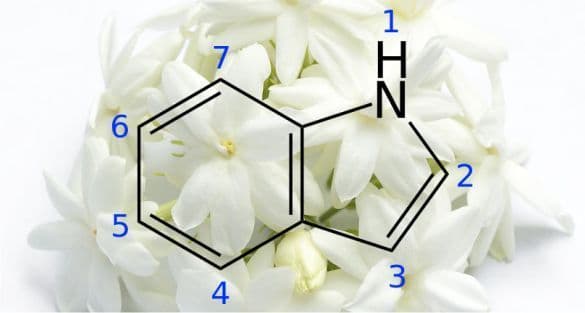
Indole
Indole is a naturally occurring aromatic molecule — a bicyclic compound consisting of a benzene ring fused to a pyrrole ring — found in a remarkable range of natural sources. It is present in jasmine, orange blossom, ylang-ylang, gardenia, and tuberose, contributing significantly to the narcotic, heady quality of these white florals. It also occurs naturally in coal tar and is a product of bacterial decomposition of tryptophan in animals, which accounts for its dual identity as both intensely floral and distinctly animalic depending on concentration. The scent of indole is a study in paradox: at low concentrations it is richly floral, narcotic, and deeply beautiful — the secret ingredient behind the intoxicating quality of jasmine absolute. As concentration increases, it reveals a darker, more animalic, almost faecal character that is simultaneously challenging and compelling. This duality is precisely what makes it one of the most fascinating and important molecules in perfumery — capable of adding extraordinary depth, sensuality, and naturalism when deployed with skill. Indole is a master tool of the skilled perfumer, used to elevate white floral accords from pleasant to unforgettable, and to add an animalic depth to oriental and musky compositions that elevates them into something genuinely complex and seductive. It is the defining molecule of the narcotic floral style. At Fragrenza, our Indole collection celebrates the artistry of this remarkable compound in exceptional fragrance dupes that explore its full spectrum — from heady white florals to profound, skin-close sensuality.
- 🌿
Indonesian black pepper
Indonesian black pepper (Lampong) is a warm, slightly sweeter, distinctively aromatic variety with floral and citrus undertones. In perfumery, it adds a layered, exotic spice character to oriental, woody, masculine, and modern compositions.
- 🌿
Indonesian Carnation
Indonesian Carnation is a floral note that gives a fragrance softness, radiance, and emotional warmth. Depending on the flower or accord, it may feel fresh, creamy, powdery, honeyed, green, indolic, or airy. In perfumery, floral notes often form the heart of a composition, adding body and a recognizable signature. It pairs well with citrus, white musk, rose, jasmine, sandalwood, amber, vanilla, iris, and delicate fruits.
- 🌿
Indonesian cinnamon
Indonesian cinnamon is a spicy note that gives fragrance heat, texture, and aromatic energy. It can feel sweet, dry, peppery, resinous, herbal, smoky, or slightly medicinal depending on the material. In perfumery, spices create contrast, deepen the heart, and bridge fresh top notes with warm woody or amber bases. It pairs especially well with citrus, rose, tobacco, vanilla, oud, sandalwood, patchouli, leather, and balsamic resins.
- 🌿
Indonesian clove
Indonesian clove is a spicy note that gives fragrance heat, texture, and aromatic energy. It can feel sweet, dry, peppery, resinous, herbal, smoky, or slightly medicinal depending on the material. In perfumery, spices create contrast, deepen the heart, and bridge fresh top notes with warm woody or amber bases. It pairs especially well with citrus, rose, tobacco, vanilla, oud, sandalwood, patchouli, leather, and balsamic resins.
- 🌿
Indonesian ginger
Indonesian ginger is a spicy note that gives fragrance heat, texture, and aromatic energy. It can feel sweet, dry, peppery, resinous, herbal, smoky, or slightly medicinal depending on the material. In perfumery, spices create contrast, deepen the heart, and bridge fresh top notes with warm woody or amber bases. It pairs especially well with citrus, rose, tobacco, vanilla, oud, sandalwood, patchouli, leather, and balsamic resins.
- 🌿
Indonesian gurjum balsam
Indonesian gurjum balsam is a warm ambered or resinous note used to give fragrance depth, softness, and long-lasting richness. It can smell balsamic, sweet, smoky, vanillic, woody, powdery, or incense-like depending on the material. In perfumery, it rounds sharp edges and creates a smooth base that holds the composition together. It pairs well with woods, musks, spices, vanilla, tobacco, leather, florals, oud, and other resins.
- 🌿
Indonesian incense
Indonesian incense is a warm ambered or resinous note used to give fragrance depth, softness, and long-lasting richness. It can smell balsamic, sweet, smoky, vanillic, woody, powdery, or incense-like depending on the material. In perfumery, it rounds sharp edges and creates a smooth base that holds the composition together. It pairs well with woods, musks, spices, vanilla, tobacco, leather, florals, oud, and other resins.
- 🌿
Indonesian jasmine
Indonesian jasmine is a floral note that gives a fragrance softness, radiance, and emotional warmth. Depending on the flower or accord, it may feel fresh, creamy, powdery, honeyed, green, indolic, or airy. In perfumery, floral notes often form the heart of a composition, adding body and a recognizable signature. It pairs well with citrus, white musk, rose, jasmine, sandalwood, amber, vanilla, iris, and delicate fruits.
- 🌿
Indonesian lemon
Indonesian lemon is a citrus note that adds sparkle, freshness, and immediate lift to a fragrance. Its profile can include juicy pulp, aromatic peel, green bitterness, soft floral nuances, or a sharp zesty brightness depending on the material. In perfumery, it is usually used in the opening, where it brings clarity and motion before blending into florals, woods, musks, or herbs. It pairs well with neroli, tea, lavender, white musk, light woods, aquatic notes, and aromatic herbs.
- 🌿
Indonesian lime
Indonesian lime is a citrus note that adds sparkle, freshness, and immediate lift to a fragrance. Its profile can include juicy pulp, aromatic peel, green bitterness, soft floral nuances, or a sharp zesty brightness depending on the material. In perfumery, it is usually used in the opening, where it brings clarity and motion before blending into florals, woods, musks, or herbs. It pairs well with neroli, tea, lavender, white musk, light woods, aquatic notes, and aromatic herbs.
- 🌿
Indonesian nutmeg
Indonesian nutmeg is a spicy note that adds heat, texture, and aromatic energy to a fragrance. It may feel sweet, dry, peppery, resinous, herbal, smoky, or slightly medicinal depending on the material. In perfumery, spices create contrast, deepen the heart, and help bridge fresh top notes with warm woody or amber bases. Indonesian nutmeg pairs especially well with citrus, rose, tobacco, vanilla, oud, sandalwood, patchouli, leather, and balsamic resins.
- 🌿
Indonesian orchid
Indonesian orchid is a floral note that gives a fragrance softness, radiance, and emotional warmth. Depending on the flower or accord, it may feel fresh, creamy, powdery, honeyed, green, indolic, or airy. In perfumery, floral notes often form the heart of a composition, adding body and a recognizable signature. It pairs well with citrus, white musk, rose, jasmine, sandalwood, amber, vanilla, iris, and delicate fruits.
- 🌿
Indonesian oud
Indonesian oud is a woody note used to create structure, depth, and lasting warmth. Its scent may be dry, creamy, smoky, resinous, earthy, pencil-like, or polished depending on the wood or accord. In perfumery, woody notes often support the whole composition and help connect fresh openings with deeper bases. Indonesian oud pairs naturally with amber, musk, incense, leather, vetiver, patchouli, spices, citrus, and soft resins, making it useful in masculine, feminine, and unisex fragrances.
- 🌿
Indonesian patchouli
Indonesian patchouli is a woody note used to give fragrance structure, depth, and lasting warmth. Its profile may be dry, creamy, smoky, resinous, earthy, or polished depending on the source or accord. In perfumery, woody notes often form the backbone of a composition, supporting lighter citrus, floral, spicy, or aromatic materials. It pairs naturally with amber, musk, incense, leather, vetiver, patchouli, spices, and soft resins.
- 🌿
Indonesian Patchouli Leaf
Indonesian Patchouli Leaf is a woody note used to create structure, depth, and lasting warmth. Its scent may be dry, creamy, smoky, resinous, earthy, pencil-like, or polished depending on the wood or accord. In perfumery, woody notes support the whole composition and connect fresh openings with deeper bases. It pairs naturally with amber, musk, incense, leather, vetiver, patchouli, spices, citrus, and soft resins.
- 🌿
Indonesian patchouli Orpur®
Indonesian patchouli Orpur® is a woody note used to create structure, depth, and lasting warmth. Its scent may be dry, creamy, smoky, resinous, earthy, pencil-like, or polished depending on the wood or accord. In perfumery, woody notes support the whole composition and connect fresh openings with deeper bases. It pairs naturally with amber, musk, incense, leather, vetiver, patchouli, spices, citrus, and soft resins.
- 🌿
Indonesian pimento
Indonesian pimento is a specialty note used to give a fragrance a distinctive texture, mood, or material impression. Depending on interpretation, it may contribute freshness, warmth, sweetness, dryness, softness, or an abstract atmospheric effect. In perfumery, specialty notes are useful because they make a composition feel more specific and less generic. It can be paired with woods, musks, florals, resins, fruits, green notes, spices, or amber materials according to the intended style.
- 🌿
Indonesian red ginger
Indonesian red ginger is a spicy note that gives fragrance heat, texture, and aromatic energy. It can feel sweet, dry, peppery, resinous, herbal, smoky, or slightly medicinal depending on the material. In perfumery, spices create contrast, deepen the heart, and bridge fresh top notes with warm woody or amber bases. It pairs especially well with citrus, rose, tobacco, vanilla, oud, sandalwood, patchouli, leather, and balsamic resins.
- 🌿
Indonesian rose
Indonesian rose is a floral note that gives a fragrance softness, radiance, and emotional warmth. Depending on the flower or accord, it may feel fresh, creamy, powdery, honeyed, green, indolic, or airy. In perfumery, floral notes often form the heart of a composition, adding body and a recognizable signature. It pairs well with citrus, white musk, rose, jasmine, sandalwood, amber, vanilla, iris, and delicate fruits.
- 🌿
Indonesian sandalwood
Indonesian sandalwood is a woody note used to create structure, depth, and lasting warmth. Its scent may be dry, creamy, smoky, resinous, earthy, pencil-like, or polished depending on the wood or accord. In perfumery, woody notes often support the whole composition and help connect fresh openings with deeper bases. Indonesian sandalwood pairs naturally with amber, musk, incense, leather, vetiver, patchouli, spices, citrus, and soft resins, making it useful in masculine, feminine, and unisex fragrances.
- 🌿
Indonesian sandalwood absolute
Indonesian sandalwood absolute is a woody note used to create structure, depth, and lasting warmth. Its scent may be dry, creamy, smoky, resinous, earthy, pencil-like, or polished depending on the wood or accord. In perfumery, woody notes support the whole composition and connect fresh openings with deeper bases. It pairs naturally with amber, musk, incense, leather, vetiver, patchouli, spices, citrus, and soft resins.
- 🌿
Indonesian tobacco
Indonesian tobacco is a dark textured note that may suggest leather, smoke, tobacco, tar, ash, or warm dry materials. It gives fragrance depth, sensuality, and a more dramatic atmosphere. In perfumery, smoky and leathery notes are often used in bases, where they add strength and character without needing sweetness. It pairs well with oud, saffron, birch tar, amber, tobacco, rose, patchouli, vetiver, incense, and dry woods.
- 🌿
Indonesian ylang-ylang
Indonesian ylang-ylang is a floral note that gives a fragrance softness, radiance, and emotional warmth. Depending on the flower or accord, it may feel fresh, creamy, powdery, honeyed, green, indolic, or airy. In perfumery, floral notes often form the heart of a composition, adding body and a recognizable signature. It pairs well with citrus, white musk, rose, jasmine, sandalwood, amber, vanilla, iris, and delicate fruits.

Industrial glue
Industrial glue is among the most audacious and deliberately provocative abstract notes in contemporary niche perfumery — a construction that seeks to capture the synthetic, solvent-rich smell of adhesive: sharp, chemical, and slightly sweet in a way that is at once unsettling and strangely addictive. This is perfumery as concept and conversation, pushing boundaries by asking what a truly original, unexpected scent can do to challenge our preconceptions about beauty, wearability, and the very definition of fragrance. The olfactory character of an industrial glue accord is intensely synthetic and solvent-forward — there is a sharp, slightly penetrating chemical sweetness reminiscent of acetone, model cement, or PVA adhesive, often with a thin rubbery quality and a clean, almost antiseptic edge. At lower concentrations in a fragrance blend, this accord adds a distinctly modern, industrial metallic-sweet edge that can be surprisingly compelling, lending a provocative contemporary edge to otherwise conventional compositions. In perfumery, industrial glue accords feature in the most experimental and boundary-pushing releases — conceptual niche houses exploring urban landscapes, industrial environments, and the olfactory poetry of the man-made world. They pair unexpectedly well with leather, cold metal notes, woody bases, and clean modern musks. At Fragrenza, our industrial glue collections showcase dupe interpretations of the most daring and original fragrance releases in the niche world — inviting you to explore the outer edges of olfactory art at an entirely accessible price.
Ink
The ink note is a remarkably evocative and conceptually daring ingredient in the world of niche and avant-garde perfumery — a synthetic construction designed to capture the distinctive, sharply aromatic smell of writing ink on paper. It is a scent deeply embedded in literary and intellectual association: the scratch of a fountain pen on cream paper, the cool metallic tang of a freshly written page, the quiet atmosphere of a library or a writer's desk. Few fragrance notes carry such a strong sense of place, personality, and emotional resonance. Olfactorily, the ink note is characteristically dry, slightly tannic, and mineral, with a sharp, almost acidic edge reminiscent of iron gall or archival ink. There is a cool, slightly metallic quality alongside a thin papery dryness and occasionally a faint vegetal bitterness — reminiscent of walnut husks or wet oak bark — that gives it an intellectual austerity. Despite its apparent simplicity, it has a strange and compelling beauty that speaks to memory, craft, and the physical pleasure of writing by hand. In perfumery, the ink note appears in literary-inspired, minimalist, and conceptual compositions seeking to evoke intelligence, creativity, and the world of books and ideas. It pairs interestingly with tea, leather, cedar, vetiver, violet leaf, and clean musks. At Fragrenza, our ink collections present dupe interpretations of original, idea-driven fragrances that bring this cerebral, literary note into wearable form — offering a unique sensory identity at a price that makes niche-level conceptual perfumery genuinely accessible.
- 🌿
Innocence
Innocence is a specialty note used to give a fragrance a distinctive texture, mood, or material impression. Depending on interpretation, it may contribute freshness, warmth, sweetness, dryness, softness, or an abstract atmospheric effect. In perfumery, specialty notes are useful because they make a composition feel more specific and less generic. It can be paired with woods, musks, florals, resins, fruits, green notes, spices, or amber materials according to the intended style.

Instant film accord
The instant film accord is one of perfumery's most intriguing and genuinely unexpected abstract constructions — a creative attempt to capture the distinctive, entirely non-botanical smell of a Polaroid photograph developing in your hands. This peculiar, beloved scent — a chemical-sweet, slightly plasticky, faintly acrid aroma familiar to anyone who grew up with instant photography — has inspired a niche category of conceptual fragrances that celebrate the power of scent to trigger memory, nostalgia, and emotional association in ways that transcend the purely beautiful. Olfactorily, the instant film accord blends a variety of synthetic materials to recreate that distinctive tang: there are typically sharp, slightly acidic chemical top notes, a thin sweetness reminiscent of photo paper, a faint rubbery or plasticky quality, and sometimes a clean, slightly aldehydic base that evokes the chemistry of developing fluid. The overall impression is simultaneously odd and deeply nostalgic — polarising for newcomers but profoundly moving for those whose memories it unlocks. It occupies a fascinating intersection between fine fragrance and sensory art. In niche and conceptual perfumery, instant film accords are celebrated for their bravery and originality, appearing in avant-garde and storytelling-driven compositions that challenge conventional ideas of what a perfume should smell like. At Fragrenza, our instant film accord collections explore dupe interpretations of fragrance releases that harness this unusual, memory-laden note — offering an invitation to wear your nostalgia and discover perfumery as a truly limitless art form at an accessible price point.
- 🌿
Iodine
Iodine is a specialty note used to give a fragrance a distinctive texture, mood, or material impression. Depending on interpretation, it may contribute freshness, warmth, sweetness, dryness, softness, or an abstract atmospheric effect. In perfumery, specialty notes are useful because they make a composition feel more specific and less generic. It can be paired with woods, musks, florals, resins, fruits, green notes, spices, or amber materials according to the intended style.
- 🌿
Ionone
Ionone is a specialty note used to give a fragrance a distinctive texture, mood, or material impression. Depending on interpretation, it may contribute freshness, warmth, sweetness, dryness, softness, or an abstract atmospheric effect. In perfumery, specialty notes are useful because they make a composition feel more specific and less generic. It can be paired with woods, musks, florals, resins, fruits, green notes, spices, or amber materials according to the intended style.
- 🌿
Iran Galbanum
Iran Galbanum is a warm ambered or resinous note used to give fragrance depth, softness, and long-lasting richness. It can smell balsamic, sweet, smoky, vanillic, woody, powdery, or incense-like depending on the material. In perfumery, it rounds sharp edges and creates a smooth base that holds the composition together. It pairs well with woods, musks, spices, vanilla, tobacco, leather, florals, oud, and other resins.
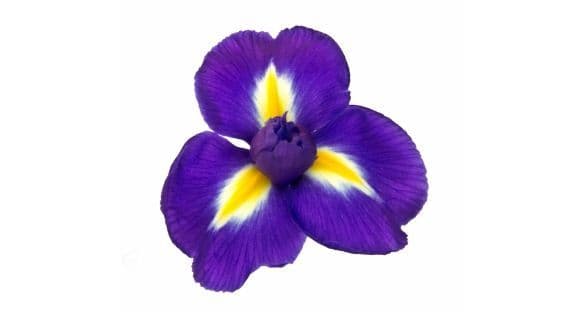
iris
Iris — extracted primarily from the dried rhizomes (roots) of Iris pallida and Iris germanica grown in Tuscany, Morocco, and China — is one of the most precious, labour-intensive, and sought-after ingredients in all of haute perfumery. The roots must be harvested and then dried and aged for a minimum of three years before yielding orris butter or orris root absolute, making iris production a process of extraordinary patience and craft. The resulting material is so expensive that it is associated almost exclusively with the highest tier of luxury fragrance. The olfactory character of iris is famously complex and multifaceted: powdery and velvety at its core, it carries a distinctive violet-like floral quality alongside a cool, root-vegetable earthiness sometimes described as carrot-like. Beneath these top impressions lies a deep, waxy, almost buttery richness and a remarkable cool elegance that no other raw material replicates. The combination of powdery softness, floral refinement, and earthy complexity is what makes iris the quintessential luxury note in perfumery — simultaneously abstract and deeply sensorial. Iris functions beautifully as a heart and base note across a wide range of fragrance families: classic Parisian chypres, powdery florals, cool woody compositions, and restrained, elegant orientals. It pairs magnificently with rose, violet, cedar, sandalwood, vetiver, and white musks. At Fragrenza, our iris collections present dupe interpretations of some of perfumery's most distinguished, powdery-elegant creations — delivering that rare, cool luxury that iris uniquely provides at a price that makes genuine refinement accessible. Shop for iris? [Fragrenza](https://fragrenza.com/collections/iris-fragrances) curates a focused selection.
- 🌿
Iris aldehyde
Iris aldehyde is a floral note that gives a fragrance softness, radiance, and emotional warmth. Depending on the flower or accord, it may feel fresh, creamy, powdery, honeyed, green, indolic, or airy. In perfumery, floral notes often form the heart of a composition, adding body and a recognizable signature. It pairs well with citrus, white musk, rose, jasmine, sandalwood, amber, vanilla, iris, and delicate fruits.
- 🌿
Iris Flower
Iris Flower is a floral note that gives a fragrance softness, radiance, and emotional warmth. Depending on the flower or accord, it may feel fresh, creamy, powdery, honeyed, green, indolic, or airy. In perfumery, floral notes often form the heart of a composition, adding body and a recognizable signature. It pairs well with citrus, white musk, rose, jasmine, sandalwood, amber, vanilla, iris, and delicate fruits.
- 🌿
Iris Orpur®
Iris Orpur® is a floral note that gives a fragrance softness, radiance, and emotional warmth. Depending on the flower or accord, it may feel fresh, creamy, powdery, honeyed, green, indolic, or airy. In perfumery, floral notes often form the heart of a composition, adding body and a recognizable signature. It pairs well with citrus, white musk, rose, jasmine, sandalwood, amber, vanilla, iris, and delicate fruits.
- 🌿
Iris pallida
Iris pallida is a floral note that adds softness, radiance, and emotional warmth to a composition. Depending on the flower or accord, it can feel fresh, creamy, powdery, honeyed, green, indolic, or airy. In perfumery, floral notes often form the heart of a fragrance, giving it body and a recognizable character. Iris pallida pairs well with citrus, white musk, rose, jasmine, sandalwood, amber, vanilla, iris, and delicate fruits, making it useful in both classic bouquets and modern transparent florals.
- 🌿
Iris pallida concrete
Iris pallida concrete is a floral note that gives a fragrance softness, radiance, and emotional warmth. Depending on the flower or accord, it may feel fresh, creamy, powdery, honeyed, green, indolic, or airy. In perfumery, floral notes often form the heart of a composition, adding body and a recognizable signature. It pairs well with citrus, white musk, rose, jasmine, sandalwood, amber, vanilla, iris, and delicate fruits.
- 🌿
Iris Petals
Iris Petals is a floral note that gives a fragrance softness, radiance, and emotional warmth. Depending on the flower or accord, it may feel fresh, creamy, powdery, honeyed, green, indolic, or airy. In perfumery, floral notes often form the heart of a composition, adding body and a recognizable signature. It pairs well with citrus, white musk, rose, jasmine, sandalwood, amber, vanilla, iris, and delicate fruits.
- 🌿
Iris sofarana
Iris sofarana is a floral note that gives a fragrance softness, radiance, and emotional warmth. Depending on the flower or accord, it may feel fresh, creamy, powdery, honeyed, green, indolic, or airy. In perfumery, floral notes often form the heart of a composition, adding body and a recognizable signature. It pairs well with citrus, white musk, rose, jasmine, sandalwood, amber, vanilla, iris, and delicate fruits.
- 🌿
Iris tingitana
Iris tingitana is a floral note that gives a fragrance softness, radiance, and emotional warmth. Depending on the flower or accord, it may feel fresh, creamy, powdery, honeyed, green, indolic, or airy. In perfumery, floral notes often form the heart of a composition, adding body and a recognizable signature. It pairs well with citrus, white musk, rose, jasmine, sandalwood, amber, vanilla, iris, and delicate fruits.
- 🌿
Iriseine
Iriseine is a floral note that gives a fragrance softness, radiance, and emotional warmth. Depending on the flower or accord, it may feel fresh, creamy, powdery, honeyed, green, indolic, or airy. In perfumery, floral notes often form the heart of a composition, adding body and a recognizable signature. It pairs well with citrus, white musk, rose, jasmine, sandalwood, amber, vanilla, iris, and delicate fruits.
- 🌿
Irish cream
Irish cream is a floral note that gives a fragrance softness, radiance, and emotional warmth. Depending on the flower or accord, it may feel fresh, creamy, powdery, honeyed, green, indolic, or airy. In perfumery, floral notes often form the heart of a composition, adding body and a recognizable signature. It pairs well with citrus, white musk, rose, jasmine, sandalwood, amber, vanilla, iris, and delicate fruits.
- 🌿
Irish moss
Irish moss is a floral note that adds softness, radiance, and emotional warmth to a composition. Depending on the flower or accord, it can feel fresh, creamy, powdery, honeyed, green, indolic, or airy. In perfumery, floral notes often form the heart of a fragrance, giving it body and a recognizable character. Irish moss pairs well with citrus, white musk, rose, jasmine, sandalwood, amber, vanilla, iris, and delicate fruits, making it useful in both classic bouquets and modern transparent florals.
- 🌿
Irone
Irone is a specialty note used to give a fragrance a distinctive texture, mood, or material impression. Depending on interpretation, it may contribute freshness, warmth, sweetness, dryness, softness, or an abstract atmospheric effect. In perfumery, specialty notes are useful because they make a composition feel more specific and less generic. It can be paired with woods, musks, florals, resins, fruits, green notes, spices, or amber materials according to the intended style.
- 🌿
Ironwood
Ironwood is a woody note used to create structure, depth, and lasting warmth. Its scent may be dry, creamy, smoky, resinous, earthy, pencil-like, or polished depending on the wood or accord. In perfumery, woody notes support the whole composition and connect fresh openings with deeper bases. It pairs naturally with amber, musk, incense, leather, vetiver, patchouli, spices, citrus, and soft resins.
- 🌿
Irotyl
Irotyl is a specialty note used to give a fragrance a distinctive texture, mood, or material impression. Depending on interpretation, it may contribute freshness, warmth, sweetness, dryness, softness, or an abstract atmospheric effect. In perfumery, specialty notes are useful because they make a composition feel more specific and less generic. It can be paired with woods, musks, florals, resins, fruits, green notes, spices, or amber materials according to the intended style.
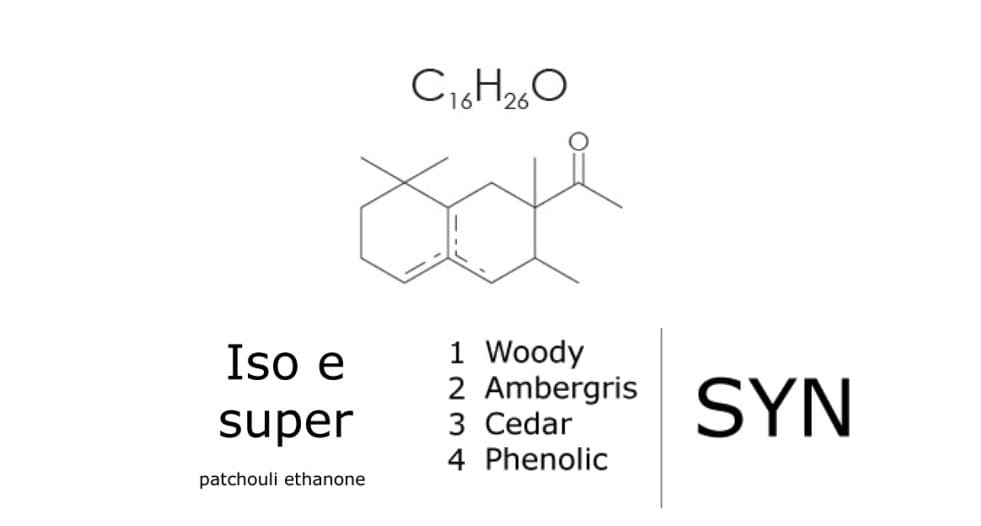
Iso E Super
Iso E Super is arguably the most influential synthetic aroma molecule of the modern perfumery era. Developed by IFF (International Flavors and Fragrances) and first introduced in the 1970s, this versatile woody-amber material redefined what a fragrance could be in terms of diffusion, skin-interaction, and emotional impact. While it carries a gentle, abstract woody-cedarwood character on its own, Iso E Super's true magic lies in its behaviour on skin — it merges with individual skin chemistry to create a uniquely personal, intimate scent experience, earning it the descriptor of a true skin scent molecule. The olfactory profile of Iso E Super is elusive and multi-layered: there is a smooth, slightly smoky cedarwood quality, a velvety warmth, and a diffusive radiance that seems to project softly in all directions while remaining close to the body. At high concentrations it can feel almost overwhelming and slightly abstract — almost like the idea of a forest rather than the forest itself. This quality made it the centrepiece of groundbreaking minimalist fragrances and has since established it as a ubiquitous presence in contemporary perfumery. Iso E Super is used across virtually every category of perfumery — boosting woody fragrances, softening florals, extending longevity, and adding that coveted depth and diffusiveness that makes a fragrance feel truly premium. At Fragrenza, our Iso E Super collections feature expertly crafted dupe interpretations of woody, skin-merging fragrances built around this iconic molecule — offering that distinctive, intimate modern woodiness at an accessible price.
- 🌿
Isocyclocitral
Isocyclocitral is a specialty note used to give a fragrance a distinctive texture, mood, or material impression. Depending on interpretation, it may contribute freshness, warmth, sweetness, dryness, softness, or an abstract atmospheric effect. In perfumery, specialty notes are useful because they make a composition feel more specific and less generic. It can be paired with woods, musks, florals, resins, fruits, green notes, spices, or amber materials according to the intended style.
- 🌿
Isoraldeine®
Isoraldeine® is a specialty note used to give a fragrance a distinctive texture, mood, or material impression. Depending on interpretation, it may contribute freshness, warmth, sweetness, dryness, softness, or an abstract atmospheric effect. In perfumery, specialty notes are useful because they make a composition feel more specific and less generic. It can be paired with woods, musks, florals, resins, fruits, green notes, spices, or amber materials according to the intended style.
- 🌿
Italian bergamot
Italian bergamot is a bright citrus note valued for its clean sparkle, juicy freshness, and elegant peel-like bitterness. In perfumery, it is often used in the opening of a composition to create lift, clarity, and immediate radiance. Depending on the material, it can feel zesty, floral, green, sweet, or slightly bitter, making it more complex than simple lemony freshness. It pairs beautifully with neroli, tea, aromatic herbs, white musk, light woods, florals, and aquatic notes.
- 🌿
Italian bergamot Orpur®
Italian bergamot Orpur® is a citrus note that adds sparkle, freshness, and immediate lift to a fragrance. Its profile can include juicy pulp, aromatic peel, green bitterness, soft floral nuances, or a sharp zesty brightness depending on the material. In perfumery, it is usually used in the opening, where it brings clarity and motion before blending into florals, woods, musks, or herbs. It pairs well with neroli, tea, lavender, white musk, light woods, aquatic notes, and aromatic herbs.
- 🌿
Italian bergamot zest
Italian bergamot zest is a citrus note that adds sparkle, freshness, and immediate lift to a fragrance. Its profile can include juicy pulp, aromatic peel, green bitterness, soft floral nuances, or a sharp zesty brightness depending on the material. In perfumery, it is usually used in the opening, where it brings clarity and motion before blending into florals, woods, musks, or herbs. It pairs well with neroli, tea, lavender, white musk, light woods, aquatic notes, and aromatic herbs.
- 🌿
Italian bitter orange
Italian bitter orange is a citrus note that adds sparkle, freshness, and immediate lift to a fragrance. Its profile can include juicy pulp, aromatic peel, green bitterness, soft floral nuances, or a sharp zesty brightness depending on the material. In perfumery, it is usually used in the opening, where it brings clarity and motion before blending into florals, woods, musks, or herbs. It pairs well with neroli, tea, lavender, white musk, light woods, aquatic notes, and aromatic herbs.
- 🌿
Italian blood orange
Italian blood orange is a bright citrus note that brings sparkle, freshness, and immediate lift to a fragrance. Its profile may include juicy pulp, aromatic peel, green bitterness, soft floral facets, or a slightly sharp zest depending on the material. In perfumery, it is most often used in the opening, where it gives clarity and movement before blending into florals, woods, musks, or herbs. Italian blood orange works especially well with neroli, tea, lavender, white musk, light woods, aquatic notes, and aromatic herbs.
- 🌿
Italian broom
Italian broom is a specialty note used to give a fragrance a distinctive texture, mood, or material impression. Depending on interpretation, it may contribute freshness, warmth, sweetness, dryness, softness, or an abstract atmospheric effect. In perfumery, specialty notes are useful because they make a composition feel more specific and less generic. It can be paired with woods, musks, florals, resins, fruits, green notes, spices, or amber materials according to the intended style.
- 🌿
Italian broom absolute
Italian broom absolute is a specialty note used to give a fragrance a distinctive texture, mood, or material impression. Depending on interpretation, it may contribute freshness, warmth, sweetness, dryness, softness, or an abstract atmospheric effect. In perfumery, specialty notes are useful because they make a composition feel more specific and less generic. It can be paired with woods, musks, florals, resins, fruits, green notes, spices, or amber materials according to the intended style.
- 🌿
Italian broom Orpur®
Italian broom Orpur® is a specialty note used to give a fragrance a distinctive texture, mood, or material impression. Depending on interpretation, it may contribute freshness, warmth, sweetness, dryness, softness, or an abstract atmospheric effect. In perfumery, specialty notes are useful because they make a composition feel more specific and less generic. It can be paired with woods, musks, florals, resins, fruits, green notes, spices, or amber materials according to the intended style.
- 🌿
Italian cannabis
Italian cannabis is a specialty note used to give a fragrance a distinctive texture, mood, or material impression. Depending on interpretation, it may contribute freshness, warmth, sweetness, dryness, softness, or an abstract atmospheric effect. In perfumery, specialty notes are useful because they make a composition feel more specific and less generic. It can be paired with woods, musks, florals, resins, fruits, green notes, spices, or amber materials according to the intended style.
- 🌿
Italian citron
Italian citron is a citrus note that adds sparkle, freshness, and immediate lift to a fragrance. Its profile can include juicy pulp, aromatic peel, green bitterness, soft floral nuances, or a sharp zesty brightness depending on the material. In perfumery, it is usually used in the opening, where it brings clarity and motion before blending into florals, woods, musks, or herbs. It pairs well with neroli, tea, lavender, white musk, light woods, aquatic notes, and aromatic herbs.
- 🌿
Italian citrus fruits
Italian citrus fruits is a bright citrus note that brings sparkle, freshness, and immediate lift to a fragrance. Its profile may include juicy pulp, aromatic peel, green bitterness, soft floral facets, or a slightly sharp zest depending on the material. In perfumery, it is most often used in the opening, where it gives clarity and movement before blending into florals, woods, musks, or herbs. Italian citrus fruits works especially well with neroli, tea, lavender, white musk, light woods, aquatic notes, and aromatic herbs.
- 🌿
Italian citrus zest
Italian citrus zest is a citrus note that adds sparkle, freshness, and immediate lift to a fragrance. Its profile can include juicy pulp, aromatic peel, green bitterness, soft floral nuances, or a sharp zesty brightness depending on the material. In perfumery, it is usually used in the opening, where it brings clarity and motion before blending into florals, woods, musks, or herbs. It pairs well with neroli, tea, lavender, white musk, light woods, aquatic notes, and aromatic herbs.
- 🌿
Italian clementine
Italian clementine is a specialty note used to give a fragrance a distinctive texture, mood, or material impression. Depending on interpretation, it may contribute freshness, warmth, sweetness, dryness, softness, or an abstract atmospheric effect. In perfumery, specialty notes are useful because they make a composition feel more specific and less generic. It can be paired with woods, musks, florals, resins, fruits, green notes, spices, or amber materials according to the intended style.
- 🌿
Italian dried lime
Italian dried lime is a citrus note that adds sparkle, freshness, and immediate lift to a fragrance. Its profile can include juicy pulp, aromatic peel, green bitterness, soft floral nuances, or a sharp zesty brightness depending on the material. In perfumery, it is usually used in the opening, where it brings clarity and motion before blending into florals, woods, musks, or herbs. It pairs well with neroli, tea, lavender, white musk, light woods, aquatic notes, and aromatic herbs.
- 🌿
Italian grapefruit
Italian grapefruit is a citrus note that adds sparkle, freshness, and immediate lift to a fragrance. Its profile can include juicy pulp, aromatic peel, green bitterness, soft floral nuances, or a sharp zesty brightness depending on the material. In perfumery, it is usually used in the opening, where it brings clarity and motion before blending into florals, woods, musks, or herbs. It pairs well with neroli, tea, lavender, white musk, light woods, aquatic notes, and aromatic herbs.
- 🌿
Italian green mandarin orange
Italian green mandarin orange is a citrus note that adds sparkle, freshness, and immediate lift to a fragrance. Its profile can include juicy pulp, aromatic peel, green bitterness, soft floral nuances, or a sharp zesty brightness depending on the material. In perfumery, it is usually used in the opening, where it brings clarity and motion before blending into florals, woods, musks, or herbs. It pairs well with neroli, tea, lavender, white musk, light woods, aquatic notes, and aromatic herbs.
- 🌿
Italian Iris
Italian Iris is a floral note that adds softness, radiance, and emotional warmth to a composition. Depending on the flower or accord, it can feel fresh, creamy, powdery, honeyed, green, indolic, or airy. In perfumery, floral notes often form the heart of a fragrance, giving it body and a recognizable character. Italian Iris pairs well with citrus, white musk, rose, jasmine, sandalwood, amber, vanilla, iris, and delicate fruits, making it useful in both classic bouquets and modern transparent florals.
- 🌿
Italian Jasmine
Italian Jasmine is a floral note that adds softness, radiance, and emotional warmth to a composition. Depending on the flower or accord, it can feel fresh, creamy, powdery, honeyed, green, indolic, or airy. In perfumery, floral notes often form the heart of a fragrance, giving it body and a recognizable character. Italian Jasmine pairs well with citrus, white musk, rose, jasmine, sandalwood, amber, vanilla, iris, and delicate fruits, making it useful in both classic bouquets and modern transparent florals.
- 🌿
Italian lavender
Italian lavender is a floral note that gives a fragrance softness, radiance, and emotional warmth. Depending on the flower or accord, it may feel fresh, creamy, powdery, honeyed, green, indolic, or airy. In perfumery, floral notes often form the heart of a composition, adding body and a recognizable signature. It pairs well with citrus, white musk, rose, jasmine, sandalwood, amber, vanilla, iris, and delicate fruits.
- 🌿
Italian leather
Italian leather is a dark textured note that may suggest leather, smoke, tobacco, tar, ash, or warm dry materials. It gives fragrance depth, sensuality, and a more dramatic atmosphere. In perfumery, smoky and leathery notes are often used in bases, where they add strength and character without needing sweetness. It pairs well with oud, saffron, birch tar, amber, tobacco, rose, patchouli, vetiver, incense, and dry woods.
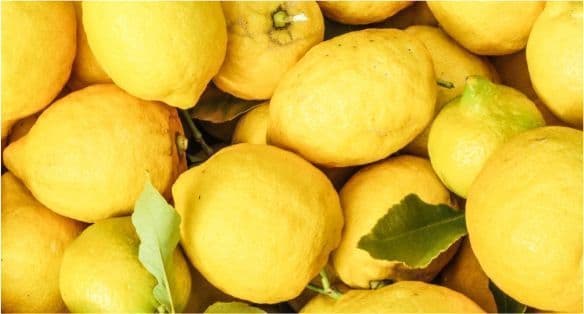
Italian Lemon
Italian Lemon is a bright citrus note with zesty peel, juicy freshness, and a clean sparkling lift. In perfumery, it brings energy and radiance to openings, pairing well with neroli, tea, herbs, musks, woods, aquatic notes, and light florals.
- 🌿
Italian lemon Orpur®
Italian lemon Orpur® is a citrus note that adds sparkle, freshness, and immediate lift to a fragrance. Its profile can include juicy pulp, aromatic peel, green bitterness, soft floral nuances, or a sharp zesty brightness depending on the material. In perfumery, it is usually used in the opening, where it brings clarity and motion before blending into florals, woods, musks, or herbs. It pairs well with neroli, tea, lavender, white musk, light woods, aquatic notes, and aromatic herbs.
- 🌿
Italian lemon petitgrain
Italian lemon petitgrain is a citrus note that adds sparkle, freshness, and immediate lift to a fragrance. Its profile can include juicy pulp, aromatic peel, green bitterness, soft floral nuances, or a sharp zesty brightness depending on the material. In perfumery, it is usually used in the opening, where it brings clarity and motion before blending into florals, woods, musks, or herbs. It pairs well with neroli, tea, lavender, white musk, light woods, aquatic notes, and aromatic herbs.
- 🌿
Italian lemon tree
Italian lemon tree is a citrus note that adds sparkle, freshness, and immediate lift to a fragrance. Its profile can include juicy pulp, aromatic peel, green bitterness, soft floral nuances, or a sharp zesty brightness depending on the material. In perfumery, it is usually used in the opening, where it brings clarity and motion before blending into florals, woods, musks, or herbs. It pairs well with neroli, tea, lavender, white musk, light woods, aquatic notes, and aromatic herbs.
- 🌿
Italian lime
Italian lime is a citrus note that adds sparkle, freshness, and immediate lift to a fragrance. Its profile can include juicy pulp, aromatic peel, green bitterness, soft floral nuances, or a sharp zesty brightness depending on the material. In perfumery, it is usually used in the opening, where it brings clarity and motion before blending into florals, woods, musks, or herbs. It pairs well with neroli, tea, lavender, white musk, light woods, aquatic notes, and aromatic herbs.
Italian Mandarin
Italian Mandarin is a bright citrus note with zesty peel, juicy freshness, and a clean sparkling lift. In perfumery, it brings energy and radiance to openings, pairing well with neroli, tea, herbs, musks, woods, aquatic notes, and light florals.
- 🌿
Italian mandarin orange
Italian mandarin orange is a bright citrus note valued for its clean sparkle, juicy freshness, and elegant peel-like bitterness. In perfumery, it is often used in the opening of a composition to create lift, clarity, and immediate radiance. Depending on the material, it can feel zesty, floral, green, sweet, or slightly bitter, making it more complex than simple lemony freshness. It pairs beautifully with neroli, tea, aromatic herbs, white musk, light woods, florals, and aquatic notes.
- 🌿
Italian mandarin orange leaf
Italian mandarin orange leaf is a citrus note that adds sparkle, freshness, and immediate lift to a fragrance. Its profile can include juicy pulp, aromatic peel, green bitterness, soft floral nuances, or a sharp zesty brightness depending on the material. In perfumery, it is usually used in the opening, where it brings clarity and motion before blending into florals, woods, musks, or herbs. It pairs well with neroli, tea, lavender, white musk, light woods, aquatic notes, and aromatic herbs.
- 🌿
Italian mandarine Orpur®
Italian mandarine Orpur® is a citrus note that adds sparkle, freshness, and immediate lift to a fragrance. Its profile can include juicy pulp, aromatic peel, green bitterness, soft floral nuances, or a sharp zesty brightness depending on the material. In perfumery, it is usually used in the opening, where it brings clarity and motion before blending into florals, woods, musks, or herbs. It pairs well with neroli, tea, lavender, white musk, light woods, aquatic notes, and aromatic herbs.
- 🌿
Italian muguet
Italian muguet is a floral note that gives a fragrance softness, radiance, and emotional warmth. Depending on the flower or accord, it may feel fresh, creamy, powdery, honeyed, green, indolic, or airy. In perfumery, floral notes often form the heart of a composition, adding body and a recognizable signature. It pairs well with citrus, white musk, rose, jasmine, sandalwood, amber, vanilla, iris, and delicate fruits.
- 🌿
Italian myrtle
Italian myrtle is a specialty note used to give a fragrance a distinctive texture, mood, or material impression. Depending on interpretation, it may contribute freshness, warmth, sweetness, dryness, softness, or an abstract atmospheric effect. In perfumery, specialty notes are useful because they make a composition feel more specific and less generic. It can be paired with woods, musks, florals, resins, fruits, green notes, spices, or amber materials according to the intended style.
- 🌿
Italian neroli
Italian neroli is a bright citrus note that brings sparkle, freshness, and immediate lift to a fragrance. Its profile may include juicy pulp, aromatic peel, green bitterness, soft floral facets, or a slightly sharp zest depending on the material. In perfumery, it is most often used in the opening, where it gives clarity and movement before blending into florals, woods, musks, or herbs. Italian neroli works especially well with neroli, tea, lavender, white musk, light woods, aquatic notes, and aromatic herbs.
- 🌿
Italian orange
Italian orange is a bright citrus note that brings sparkle, freshness, and immediate lift to a fragrance. Its profile may include juicy pulp, aromatic peel, green bitterness, soft floral facets, or a slightly sharp zest depending on the material. In perfumery, it is most often used in the opening, where it gives clarity and movement before blending into florals, woods, musks, or herbs. Italian orange works especially well with neroli, tea, lavender, white musk, light woods, aquatic notes, and aromatic herbs.
- 🌿
Italian orange blossom water
Italian orange blossom water is a citrus note that adds sparkle, freshness, and immediate lift to a fragrance. Its profile can include juicy pulp, aromatic peel, green bitterness, soft floral nuances, or a sharp zesty brightness depending on the material. In perfumery, it is usually used in the opening, where it brings clarity and motion before blending into florals, woods, musks, or herbs. It pairs well with neroli, tea, lavender, white musk, light woods, aquatic notes, and aromatic herbs.
- 🌿
Italian orange zest
Italian orange zest is a citrus note that adds sparkle, freshness, and immediate lift to a fragrance. Its profile can include juicy pulp, aromatic peel, green bitterness, soft floral nuances, or a sharp zesty brightness depending on the material. In perfumery, it is usually used in the opening, where it brings clarity and motion before blending into florals, woods, musks, or herbs. It pairs well with neroli, tea, lavender, white musk, light woods, aquatic notes, and aromatic herbs.
- 🌿
Italian orchid
Italian orchid is a floral note that gives a fragrance softness, radiance, and emotional warmth. Depending on the flower or accord, it may feel fresh, creamy, powdery, honeyed, green, indolic, or airy. In perfumery, floral notes often form the heart of a composition, adding body and a recognizable signature. It pairs well with citrus, white musk, rose, jasmine, sandalwood, amber, vanilla, iris, and delicate fruits.
- 🌿
Italian osmanthus
Italian osmanthus is a floral note that gives a fragrance softness, radiance, and emotional warmth. Depending on the flower or accord, it may feel fresh, creamy, powdery, honeyed, green, indolic, or airy. In perfumery, floral notes often form the heart of a composition, adding body and a recognizable signature. It pairs well with citrus, white musk, rose, jasmine, sandalwood, amber, vanilla, iris, and delicate fruits.
- 🌿
Italian pear
Italian pear is a fruity note that adds juiciness, color, and natural sweetness. It may feel crisp and tart, ripe and velvety, tropical and creamy, or dark and jammy depending on the fruit profile. In perfumery, fruity notes brighten florals, soften musks, and add pleasure to gourmand or woody structures. It pairs well with rose, peony, jasmine, white musk, vanilla, woods, citrus, amber, and soft spices.
- 🌿
Italian petitgrain
Italian petitgrain is a citrus note that adds sparkle, freshness, and immediate lift to a fragrance. Its profile can include juicy pulp, aromatic peel, green bitterness, soft floral nuances, or a sharp zesty brightness depending on the material. In perfumery, it is usually used in the opening, where it brings clarity and motion before blending into florals, woods, musks, or herbs. It pairs well with neroli, tea, lavender, white musk, light woods, aquatic notes, and aromatic herbs.
- 🌿
Italian pomelo
Italian pomelo is a citrus note that adds sparkle, freshness, and immediate lift to a fragrance. Its profile can include juicy pulp, aromatic peel, green bitterness, soft floral nuances, or a sharp zesty brightness depending on the material. In perfumery, it is usually used in the opening, where it brings clarity and motion before blending into florals, woods, musks, or herbs. It pairs well with neroli, tea, lavender, white musk, light woods, aquatic notes, and aromatic herbs.
- 🌿
Italian raspberry
Italian raspberry is a fruity note that adds juiciness, color, and natural sweetness. It may feel crisp and tart, ripe and velvety, tropical and creamy, or dark and jammy depending on the fruit profile. In perfumery, fruity notes brighten florals, soften musks, and add pleasure to gourmand or woody structures. It pairs well with rose, peony, jasmine, white musk, vanilla, woods, citrus, amber, and soft spices.
- 🌿
Italian red plum
Italian red plum is a fruity note that adds juiciness, color, and natural sweetness. It may feel crisp and tart, ripe and velvety, tropical and creamy, or dark and jammy depending on the fruit profile. In perfumery, fruity notes brighten florals, soften musks, and add pleasure to gourmand or woody structures. It pairs well with rose, peony, jasmine, white musk, vanilla, woods, citrus, amber, and soft spices.
- 🌿
Italian rose
Italian rose is a floral note that gives a fragrance softness, radiance, and emotional warmth. Depending on the flower or accord, it may feel fresh, creamy, powdery, honeyed, green, indolic, or airy. In perfumery, floral notes often form the heart of a composition, adding body and a recognizable signature. It pairs well with citrus, white musk, rose, jasmine, sandalwood, amber, vanilla, iris, and delicate fruits.
- 🌿
Italian rosemary
Italian rosemary is a floral note that gives a fragrance softness, radiance, and emotional warmth. Depending on the flower or accord, it may feel fresh, creamy, powdery, honeyed, green, indolic, or airy. In perfumery, floral notes often form the heart of a composition, adding body and a recognizable signature. It pairs well with citrus, white musk, rose, jasmine, sandalwood, amber, vanilla, iris, and delicate fruits.
- 🌿
Italian saffron
Italian saffron is a spicy note that gives fragrance heat, texture, and aromatic energy. It can feel sweet, dry, peppery, resinous, herbal, smoky, or slightly medicinal depending on the material. In perfumery, spices create contrast, deepen the heart, and bridge fresh top notes with warm woody or amber bases. It pairs especially well with citrus, rose, tobacco, vanilla, oud, sandalwood, patchouli, leather, and balsamic resins.
- 🌿
Italian Tangerine
Italian Tangerine is a citrus note that adds sparkle, freshness, and immediate lift to a fragrance. Its profile can include juicy pulp, aromatic peel, green bitterness, soft floral nuances, or a sharp zesty brightness depending on the material. In perfumery, it is usually used in the opening, where it brings clarity and motion before blending into florals, woods, musks, or herbs. It pairs well with neroli, tea, lavender, white musk, light woods, aquatic notes, and aromatic herbs.
- 🌿
Ivory Coast bergamot
Ivory Coast bergamot is a citrus note that adds sparkle, freshness, and immediate lift to a fragrance. Its profile can include juicy pulp, aromatic peel, green bitterness, soft floral nuances, or a sharp zesty brightness depending on the material. In perfumery, it is usually used in the opening, where it brings clarity and motion before blending into florals, woods, musks, or herbs. It pairs well with neroli, tea, lavender, white musk, light woods, aquatic notes, and aromatic herbs.
- 🌿
Ivory Coast cocoa absolute
Ivory Coast cocoa absolute is a gourmand note that adds edible warmth, sweetness, and comfort. It may suggest cream, sugar, nuts, chocolate, coffee, honey, pastry, or toasted grains depending on the accord. In perfumery, gourmand notes make compositions feel cozy and sensual, but they work best when balanced with woods, musks, spices, citrus, or resins. It pairs well with vanilla, tonka bean, sandalwood, amber, caramel, cacao, coffee, and soft florals.
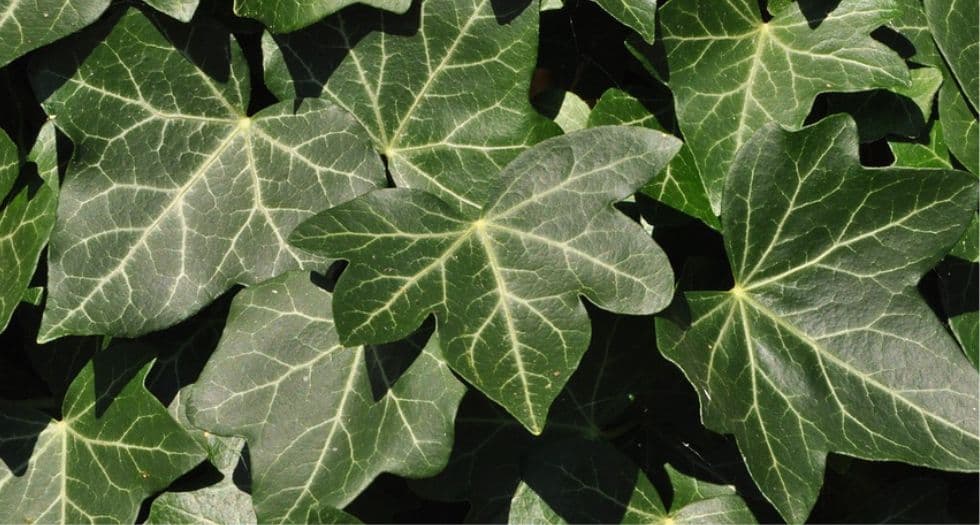
Ivy
Ivy — the genus Hedera, most famously common ivy (Hedera helix) — is one of the most widely recognised and evocative plants of the temperate world. Climbing ancient stone walls, carpeting forest floors, and draping itself across the facades of old buildings across Europe and beyond, ivy carries a powerful atmosphere of age, shadow, and lush, persistent greenery. Its leaves, when crushed, release a sharp, intensely green, faintly bitter aroma that has long captured the imagination of perfumers seeking to bottle the scent of wild, untamed nature. As a fragrance note, ivy is characteristically sharp and raw — a cutting, slightly bitter green with an earthy, herbal undertone and a hint of cool dampness, as if the leaves have just been bruised after rain. There is a vegetal, almost sap-like quality to it, alongside a faintly woody, woody-green dryness that evokes the old stems climbing through stone and bark. It is not a sweet or comforting green; it is wild, slightly austere, and deeply connected to the forest floor and ancient places. In perfumery, ivy is used to add a distinctive cool-green sharpness and an earthy naturalness to chypres, fougères, forest compositions, and aromatic green fragrances. It pairs excellently with oakmoss, vetiver, violet leaf, galbanum, and woody bases. At Fragrenza, our ivy collections interpret fragrances that harness this ancient, wild-green energy — offering that crisp, earthy forest character in expertly crafted dupe form at a price that makes exploring nature-inspired perfumery effortlessly accessible.
J
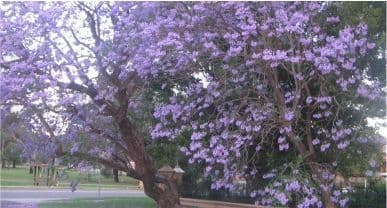
Jacaranda
The jacaranda note in perfumery is inspired by one of the natural world's most visually breathtaking trees: Jacaranda mimosifolia, whose canopies of trumpet-shaped purple-blue blossoms transform entire city streets into violet haze each spring. Native to South America but celebrated worldwide — from Buenos Aires to Pretoria to Sydney — the jacaranda in bloom is a truly iconic seasonal spectacle. Though the flowers are subtle in scent compared to more assertive florals, their delicate, honey-touched fragrance has inspired perfumers to capture that soft, fleeting springtime poetry. As a fragrance note, jacaranda is gentle and romantic — a soft purple floral with a light honeyed sweetness and a faintly powdery, almost violet-adjacent character. There is nothing sharp or penetrating about it; instead, it evokes the hazy warmth of a spring afternoon beneath a flowering canopy, with a lightly woody undertone from the tree itself grounding the airy floral quality above. Some interpretations add a thin green-sappy note to suggest freshly fallen blossoms, lending a bittersweet, ephemeral quality. In perfumery, jacaranda appears as a poetic, evocative floral in spring-themed compositions, purple-floral accords, and lightly powdery florientals. It pairs beautifully with violet, iris, honey, white woods, and soft musks. At Fragrenza, our jacaranda collections celebrate dupe interpretations of fragrances that capture the tender, fleeting beauty of this beloved flowering tree — a gentle, luminous springtime luxury made accessible for every season.
- 🌿
Jacaranda wood
Jacaranda wood is a woody note used to create structure, depth, and lasting warmth. Its scent may be dry, creamy, smoky, resinous, earthy, pencil-like, or polished depending on the wood or accord. In perfumery, woody notes support the whole composition and connect fresh openings with deeper bases. It pairs naturally with amber, musk, incense, leather, vetiver, patchouli, spices, citrus, and soft resins.
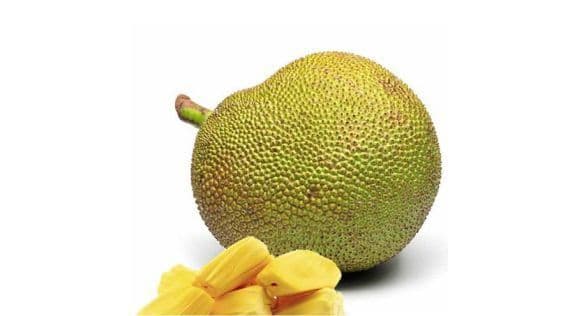
Jackfruit
Jackfruit is the world's largest tree-borne fruit, produced by Artocarpus heterophyllus, a tropical tree native to southwestern India and widely cultivated across South and Southeast Asia, Brazil, and East Africa. Revered as a staple food and celebrated for its extraordinary versatility, jackfruit is a cultural icon in countries such as India, Bangladesh, Sri Lanka, and the Philippines. Its remarkably intense, sweet, and musky-tropical fragrance has made it an intriguing note in contemporary tropical and gourmand perfumery. The olfactory character of jackfruit is warm, sweet, and richly tropical — a complex fusion of banana, mango, pineapple, and honey-like sweetness underlaid by a distinctive warm muskiness that is uniquely its own. The ripe fruit has a remarkable aromatic intensity that fills a room, combining fruity sweetness with an almost creamy, exotic depth. In fragrance form, this translates to a lush, enveloping warmth that feels simultaneously playful and sophisticated. In perfumery, jackfruit notes are used to bring a distinctive tropical depth to fruity-oriental and exotic compositions, offering a fuller, warmer sweetness than lighter tropical notes such as lychee or passionfruit. It blends beautifully with coconut, vanilla, ylang-ylang, and sandalwood. At Fragrenza, our Jackfruit collection captures the lush abundance of this tropical giant in carefully composed fragrance dupes that transport you to sun-drenched tropics with every spray.
- 🌿
Jacques Cartier rose
Jacques Cartier rose is a floral note that gives a fragrance softness, radiance, and emotional warmth. Depending on the flower or accord, it may feel fresh, creamy, powdery, honeyed, green, indolic, or airy. In perfumery, floral notes often form the heart of a composition, adding body and a recognizable signature. It pairs well with citrus, white musk, rose, jasmine, sandalwood, amber, vanilla, iris, and delicate fruits.
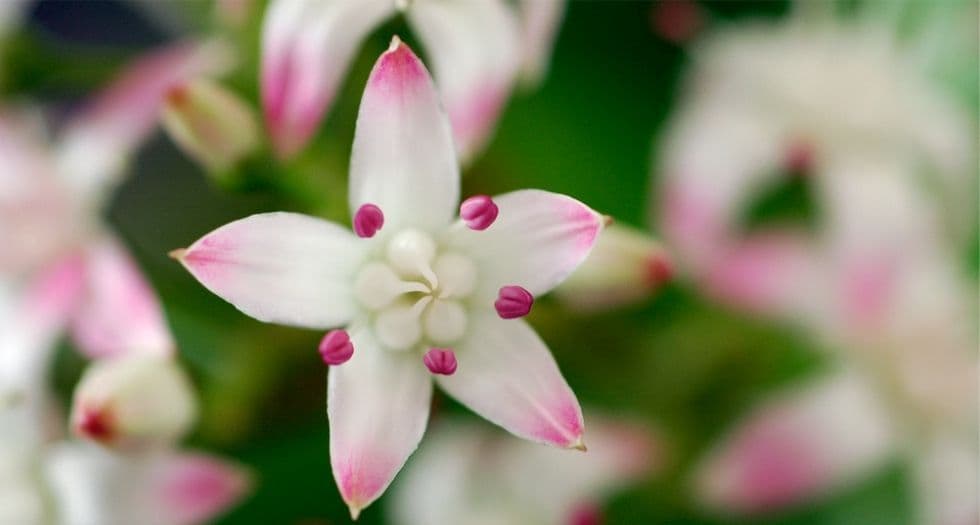
Jade flower
The jade flower note in perfumery draws inspiration from the jade vine (Strongylodon macrobotrys), one of the world's most visually spectacular and botanically rare flowering plants. Native to the rainforests of the Philippines, the jade vine produces extraordinary cascades of claw-shaped blossoms in a striking blue-green colour unlike almost any other flower in nature. Endangered in its natural habitat, it grows under strict conservation, making its true aromatic profile a subject of fascination and creative interpretation for perfumers. As a fragrance construction, jade flower tends to be cool, softly green, and lightly floral — evoking the idea of an exotic tropical bloom filtered through dewy jungle air. Olfactorily, it typically presents a delicate sweetness layered with a fresh green-aquatic quality, sometimes with a light, slightly waxy or transparent floral character reminiscent of white flowers with a tropical edge. The impression is of something rare and pristine — clean but with a hint of lush, humid exoticism that suggests ancient rainforest rather than a cultivated garden. In perfumery, the jade flower accord is used to add a unique, slightly otherworldly green-floral freshness to tropical, aquatic, and luxury niche compositions. It pairs well with bamboo, water notes, white tea, soft musks, and light woods. At Fragrenza, our jade flower collections offer dupe interpretations of fragrances that capture this rare, ethereal floral quality — bringing the beauty of one of nature's most extraordinary blooms into an accessible, everyday scent experience.
- 🌿
Jalapeño
Jalapeño is a specialty note used to give a fragrance a distinctive texture, mood, or material impression. Depending on interpretation, it may contribute freshness, warmth, sweetness, dryness, softness, or an abstract atmospheric effect. In perfumery, specialty notes are useful because they make a composition feel more specific and less generic. It can be paired with woods, musks, florals, resins, fruits, green notes, spices, or amber materials according to the intended style.
- 🌿
Jamaican amyris
Jamaican amyris is a specialty note used to give a fragrance a distinctive texture, mood, or material impression. Depending on interpretation, it may contribute freshness, warmth, sweetness, dryness, softness, or an abstract atmospheric effect. In perfumery, specialty notes are useful because they make a composition feel more specific and less generic. It can be paired with woods, musks, florals, resins, fruits, green notes, spices, or amber materials according to the intended style.
- 🌿
Jamaican ginger
Jamaican ginger is a spicy note that gives fragrance heat, texture, and aromatic energy. It can feel sweet, dry, peppery, resinous, herbal, smoky, or slightly medicinal depending on the material. In perfumery, spices create contrast, deepen the heart, and bridge fresh top notes with warm woody or amber bases. It pairs especially well with citrus, rose, tobacco, vanilla, oud, sandalwood, patchouli, leather, and balsamic resins.
- 🌿
Jamaican lime
Jamaican lime is a citrus note that adds sparkle, freshness, and immediate lift to a fragrance. Its profile can include juicy pulp, aromatic peel, green bitterness, soft floral nuances, or a sharp zesty brightness depending on the material. In perfumery, it is usually used in the opening, where it brings clarity and motion before blending into florals, woods, musks, or herbs. It pairs well with neroli, tea, lavender, white musk, light woods, aquatic notes, and aromatic herbs.
- 🌿
Jamaican pepper
Jamaican pepper is a spicy note that gives fragrance heat, texture, and aromatic energy. It can feel sweet, dry, peppery, resinous, herbal, smoky, or slightly medicinal depending on the material. In perfumery, spices create contrast, deepen the heart, and bridge fresh top notes with warm woody or amber bases. It pairs especially well with citrus, rose, tobacco, vanilla, oud, sandalwood, patchouli, leather, and balsamic resins.
- 🌿
Jamaican rum CO2
Jamaican rum CO2 is a specialty note used to give a fragrance a distinctive texture, mood, or material impression. Depending on interpretation, it may contribute freshness, warmth, sweetness, dryness, softness, or an abstract atmospheric effect. In perfumery, specialty notes are useful because they make a composition feel more specific and less generic. It can be paired with woods, musks, florals, resins, fruits, green notes, spices, or amber materials according to the intended style.
- 🌿
Japanese Cherry Blossom
Japanese Cherry Blossom is a floral note that adds softness, radiance, and emotional warmth to a composition. Depending on the flower or accord, it can feel fresh, creamy, powdery, honeyed, green, indolic, or airy. In perfumery, floral notes often form the heart of a fragrance, giving it body and a recognizable character. Japanese Cherry Blossom pairs well with citrus, white musk, rose, jasmine, sandalwood, amber, vanilla, iris, and delicate fruits, making it useful in both classic bouquets and modern transparent florals.
- 🌿
Japanese hawthorn
Japanese hawthorn is a specialty note used to give a fragrance a distinctive texture, mood, or material impression. Depending on interpretation, it may contribute freshness, warmth, sweetness, dryness, softness, or an abstract atmospheric effect. In perfumery, specialty notes are useful because they make a composition feel more specific and less generic. It can be paired with woods, musks, florals, resins, fruits, green notes, spices, or amber materials according to the intended style.
- 🌿
Japanese iris
Japanese iris is a floral note that gives a fragrance softness, radiance, and emotional warmth. Depending on the flower or accord, it may feel fresh, creamy, powdery, honeyed, green, indolic, or airy. In perfumery, floral notes often form the heart of a composition, adding body and a recognizable signature. It pairs well with citrus, white musk, rose, jasmine, sandalwood, amber, vanilla, iris, and delicate fruits.
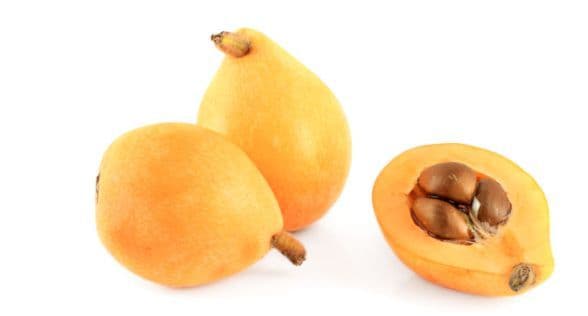
Japanese loquat
The Japanese loquat — known in Japan as biwa (Eriobotrya japonica) — is a small, golden-orange fruit of remarkable aromatic charm that has been cultivated across East and Southeast Asia for over a thousand years. Originally from central China and long cherished in Japanese culinary and medicinal tradition, the loquat bears a soft, juicy flesh with a flavour that sits somewhere between apricot, peach, and mild tropical fruit, with a delicate floral sweetness and a gentle tartness that keeps it from becoming cloying. As a fragrance note, Japanese loquat presents a warm, luminous fruitiness that is distinctly different from the louder tropical fruits in perfumery. Its olfactory character is soft and rounded — apricot-like in its honeyed warmth, with a subtle peach-skin fuzziness, a gentle citrus brightness, and a mild, tropical milkiness that makes it feel both sun-warmed and comforting. It does not shout; instead it glows, adding a refined, quietly exotic fruitiness that elevates a composition without dominating it. Perfumers use the biwa note to bring a warm, East Asian-inflected fruitiness to florals, orientals, and gourmand-adjacent compositions. It layers beautifully with jasmine, osmanthus, soft woods, creamy musks, and light amber. At Fragrenza, our Japanese loquat collections celebrate dupe interpretations of fragrances that feature this subtly exotic, warmly fruity note — offering a sophisticated alternative to the bold tropical fruit accords that crowd so many mainstream releases.
- 🌿
Japanese magnolia
Japanese magnolia is a floral note that gives a fragrance softness, radiance, and emotional warmth. Depending on the flower or accord, it may feel fresh, creamy, powdery, honeyed, green, indolic, or airy. In perfumery, floral notes often form the heart of a composition, adding body and a recognizable signature. It pairs well with citrus, white musk, rose, jasmine, sandalwood, amber, vanilla, iris, and delicate fruits.
- 🌿
Japanese mahonia
Japanese mahonia is a specialty note used to give a fragrance a distinctive texture, mood, or material impression. Depending on interpretation, it may contribute freshness, warmth, sweetness, dryness, softness, or an abstract atmospheric effect. In perfumery, specialty notes are useful because they make a composition feel more specific and less generic. It can be paired with woods, musks, florals, resins, fruits, green notes, spices, or amber materials according to the intended style.
- 🌿
Japanese maple
Japanese maple is a specialty note used to give a fragrance a distinctive texture, mood, or material impression. Depending on interpretation, it may contribute freshness, warmth, sweetness, dryness, softness, or an abstract atmospheric effect. In perfumery, specialty notes are useful because they make a composition feel more specific and less generic. It can be paired with woods, musks, florals, resins, fruits, green notes, spices, or amber materials according to the intended style.
- 🌿
Japanese peony
Japanese peony is a floral note that gives a fragrance softness, radiance, and emotional warmth. Depending on the flower or accord, it may feel fresh, creamy, powdery, honeyed, green, indolic, or airy. In perfumery, floral notes often form the heart of a composition, adding body and a recognizable signature. It pairs well with citrus, white musk, rose, jasmine, sandalwood, amber, vanilla, iris, and delicate fruits.
- 🌿
Japanese rose
Japanese rose is a floral note that gives a fragrance softness, radiance, and emotional warmth. Depending on the flower or accord, it may feel fresh, creamy, powdery, honeyed, green, indolic, or airy. In perfumery, floral notes often form the heart of a composition, adding body and a recognizable signature. It pairs well with citrus, white musk, rose, jasmine, sandalwood, amber, vanilla, iris, and delicate fruits.
- 🌿
Japanese shiso
Japanese shiso is a specialty note used to give a fragrance a distinctive texture, mood, or material impression. Depending on interpretation, it may contribute freshness, warmth, sweetness, dryness, softness, or an abstract atmospheric effect. In perfumery, specialty notes are useful because they make a composition feel more specific and less generic. It can be paired with woods, musks, florals, resins, fruits, green notes, spices, or amber materials according to the intended style.
- 🌿
Japanese water lily
Japanese water lily is a floral note that gives a fragrance softness, radiance, and emotional warmth. Depending on the flower or accord, it may feel fresh, creamy, powdery, honeyed, green, indolic, or airy. In perfumery, floral notes often form the heart of a composition, adding body and a recognizable signature. It pairs well with citrus, white musk, rose, jasmine, sandalwood, amber, vanilla, iris, and delicate fruits.
- 🌿
Japanese yuzu
Japanese yuzu is a bright citrus note that brings sparkle, freshness, and immediate lift to a fragrance. Its profile may include juicy pulp, aromatic peel, green bitterness, soft floral facets, or a slightly sharp zest depending on the material. In perfumery, it is most often used in the opening, where it gives clarity and movement before blending into florals, woods, musks, or herbs. Japanese yuzu works especially well with neroli, tea, lavender, white musk, light woods, aquatic notes, and aromatic herbs.
- 🌿
Jasmin bud
Jasmin bud is a specialty note used to give a fragrance a distinctive texture, mood, or material impression. Depending on interpretation, it may contribute freshness, warmth, sweetness, dryness, softness, or an abstract atmospheric effect. In perfumery, specialty notes are useful because they make a composition feel more specific and less generic. It can be paired with woods, musks, florals, resins, fruits, green notes, spices, or amber materials according to the intended style.
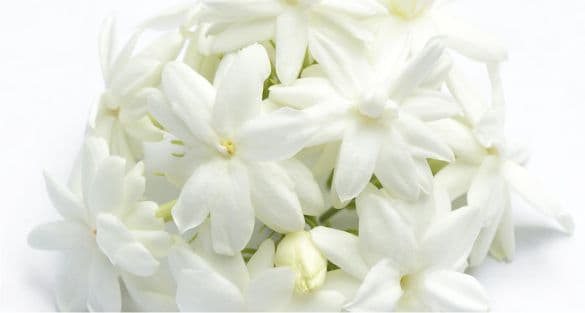
Jasmine
Among all the ingredients in the perfumer's palette, jasmine stands apart as the undisputed queen of florals. Cultivated across India, Egypt, Morocco, and the Grasse region of southern France, jasmine flowers have shaped the history of fine fragrance for centuries. The two most prized species — Jasminum grandiflorum and Jasminum sambac — each bring a distinct character: grandiflorum is luminous, honeyed, and refined, while sambac is richer and more indolic, with a heady tropical intensity that borders on the intoxicating. What makes jasmine so remarkable is its complexity. The flower contains hundreds of aromatic compounds, including the warm, solar molecule hedione, the delicate methyl jasmonate, and indole — a compound responsible for jasmine's animalic, almost narcotic depth. This interplay of sweetness, creaminess, and sensuality makes jasmine extraordinarily versatile. It anchors the hearts of classic chypres, soliflores, and orientals alike, lending depth and radiance to any composition it enters. In modern perfumery, jasmine remains indispensable. It appears in an estimated 80% of fine fragrances in some form — from sheer, transparent interpretations using synthetic jasmine molecules, to opulent absolutes sourced from hand-picked flowers harvested only at night when their scent is most potent. The result is a note that can feel simultaneously delicate and bold, innocent and seductive. At Fragrenza, our jasmine-led inspired-by fragrances harness this remarkable duality, offering compositions that capture the richness and depth of luxury jasmine perfumes at an accessible everyday price. Looking for it in a bottle? Browse [affordable jasmine scents](https://fragrenza.com/collections/jasmine-fragrances) on Fragrenza.
- 🌿
Jasmine absolute
Jasmine absolute is a floral note that brings softness, radiance, and natural elegance to a fragrance. Its character can range from fresh and airy to creamy, sensual, honeyed, or slightly green, depending on how the accord is built. In perfumery, it is often used in the heart of a composition to add body and emotional warmth. It pairs well with white musks, citrus, rose, jasmine, sandalwood, amber, vanilla, and delicate fruits.
- 🌿
Jasmine lactone
Jasmine lactone is a floral note that gives a fragrance softness, radiance, and emotional warmth. Depending on the flower or accord, it may feel fresh, creamy, powdery, honeyed, green, indolic, or airy. In perfumery, floral notes often form the heart of a composition, adding body and a recognizable signature. It pairs well with citrus, white musk, rose, jasmine, sandalwood, amber, vanilla, iris, and delicate fruits.
- 🌿
Jasmine leaf
Jasmine leaf is a floral note that gives a fragrance softness, radiance, and emotional warmth. Depending on the flower or accord, it may feel fresh, creamy, powdery, honeyed, green, indolic, or airy. In perfumery, floral notes often form the heart of a composition, adding body and a recognizable signature. It pairs well with citrus, white musk, rose, jasmine, sandalwood, amber, vanilla, iris, and delicate fruits.
- 🌿
Jasmine milk
Jasmine milk is a floral note that gives a fragrance softness, radiance, and emotional warmth. Depending on the flower or accord, it may feel fresh, creamy, powdery, honeyed, green, indolic, or airy. In perfumery, floral notes often form the heart of a composition, adding body and a recognizable signature. It pairs well with citrus, white musk, rose, jasmine, sandalwood, amber, vanilla, iris, and delicate fruits.
- 🌿
Jasmine rice
Jasmine rice is a floral note that gives a fragrance softness, radiance, and emotional warmth. Depending on the flower or accord, it may feel fresh, creamy, powdery, honeyed, green, indolic, or airy. In perfumery, floral notes often form the heart of a composition, adding body and a recognizable signature. It pairs well with citrus, white musk, rose, jasmine, sandalwood, amber, vanilla, iris, and delicate fruits.
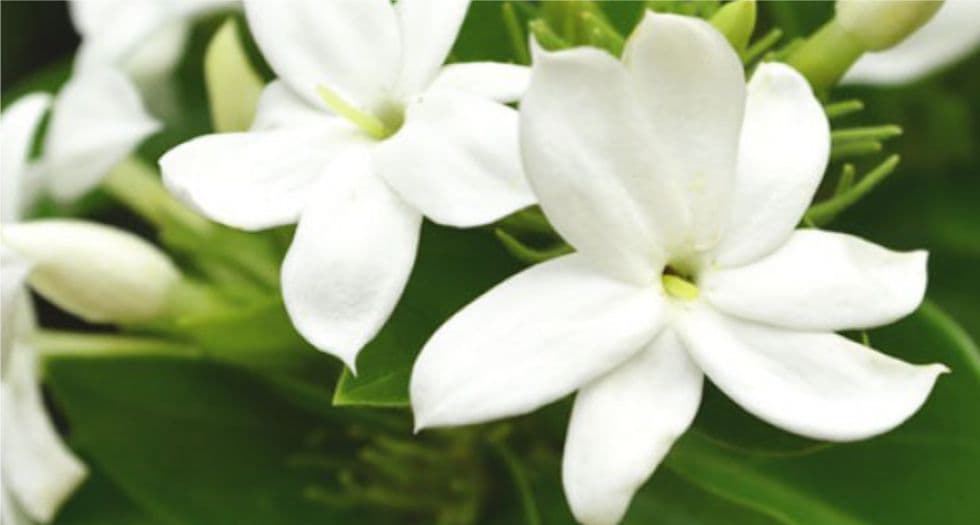
Jasmine sambac
Jasmine sambac — known as Arabian jasmine or mogra — is among the most intensely and intoxicatingly fragrant flowers on earth. Native to South and Southeast Asia and now the national flower of both Indonesia and the Philippines, it has been woven into culture, ceremony, and beauty rituals across the tropics for thousands of years. Its small, waxy white blossoms produce a scent of extraordinary richness: deeply sweet, almost buttery, with a tropical lushness and a pronounced indolic warmth that gives it a sensual, narcotic quality entirely unlike the cooler elegance of Jasminum grandiflorum. In perfumery, jasmine sambac is treasured for its combination of tropical sweetness, creamy depth, and that distinctive indolic character — the slight animalic warmth that gives jasmine its reputation for sensuality. It is richer and more opulent than most other jasmine varieties, with a tea-like facet and a fruity undertone of ripe melon or peach that adds complexity. Natural sambac absolute is among the most prized and expensive raw materials in fine perfumery, and compositions that feature it prominently tend toward the genuinely luxurious. Fragrances built around jasmine sambac are bold, tropical, and deeply feminine in the classical sense — statement florals that announce themselves with confidence and linger with warmth. They are suited to those who love florals without apology: rich, heady, and unforgettable. At Fragrenza, our jasmine sambac collection celebrates this extraordinary flower through expert dupes of the finest sambac-forward fragrances, making true floral luxury available at everyday prices.
- 🌿
Jasmine sambac absolute
Jasmine sambac absolute is a floral note that brings softness, radiance, and natural elegance to a fragrance. Its character can range from fresh and airy to creamy, sensual, honeyed, or slightly green, depending on how the accord is built. In perfumery, it is often used in the heart of a composition to add body and emotional warmth. It pairs well with white musks, citrus, rose, jasmine, sandalwood, amber, vanilla, and delicate fruits.
- 🌿
Jasmine sambac Orpur®
Jasmine sambac Orpur® is a floral note that gives a fragrance softness, radiance, and emotional warmth. Depending on the flower or accord, it may feel fresh, creamy, powdery, honeyed, green, indolic, or airy. In perfumery, floral notes often form the heart of a composition, adding body and a recognizable signature. It pairs well with citrus, white musk, rose, jasmine, sandalwood, amber, vanilla, iris, and delicate fruits.
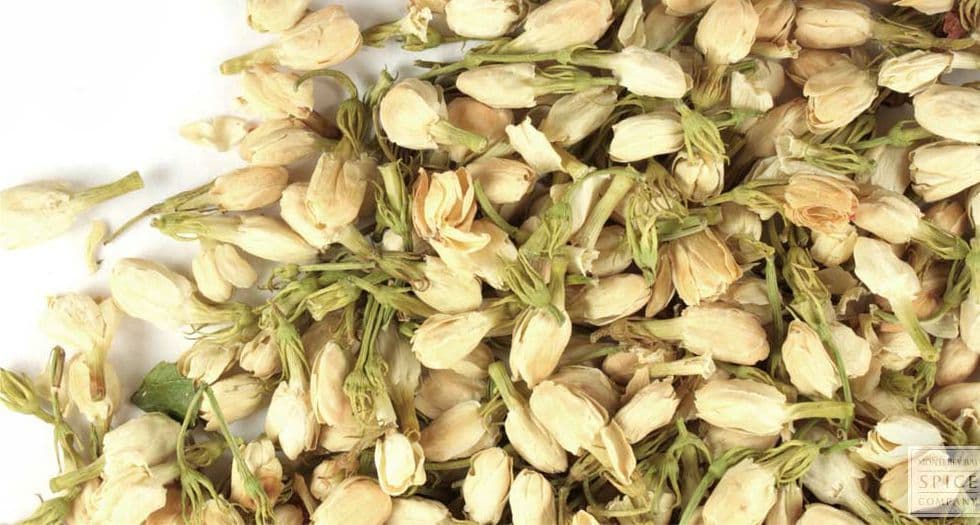
Jasmine Tea
Jasmine tea is one of the world's most beloved and refined beverages, produced by scenting green tea leaves — most commonly from China's Fujian province — with fresh jasmine blossoms through a delicate layering process repeated over several nights. The result is a drink of extraordinary gentleness: floral, lightly sweet, and subtly vegetal, with the jasmine's indolic richness tempered beautifully by the tea's clean, slightly grassy astringency. This harmonious fusion has inspired an entire family of jasmine tea fragrances in modern perfumery. As a fragrance note, jasmine tea presents a softer, more nuanced facet of jasmine than the pure flower alone. The olfactory profile is delicate and sheer — there is a sweet floral brightness from the jasmine, a faint green-leafy quality from the tea, and a subtle dry warmth on the base that evokes the warm tea liquor itself. The combination creates an impression of clean, refined femininity: approachable and light, yet layered enough to be genuinely interesting. It rarely overwhelms, making it supremely wearable throughout the day. Perfumers use the jasmine tea note to bring freshness and a cultured, East-Asian-inspired elegance to floral compositions, spring collections, and clean-green accords. It pairs beautifully with white musks, light woods, soft peach, and cucumber. At Fragrenza, our jasmine tea collections feature refined dupe interpretations of fragrances that celebrate this beautifully balanced note, capturing the serene, blossoming delicacy of a fresh cup at a price that invites everyday indulgence.
- 🌿
Jasmine water
Jasmine water is a floral note that gives a fragrance softness, radiance, and emotional warmth. Depending on the flower or accord, it may feel fresh, creamy, powdery, honeyed, green, indolic, or airy. In perfumery, floral notes often form the heart of a composition, adding body and a recognizable signature. It pairs well with citrus, white musk, rose, jasmine, sandalwood, amber, vanilla, iris, and delicate fruits.
- 🌿
Jasminum auriculatum
Jasminum auriculatum is a specialty note used to give a fragrance a distinctive texture, mood, or material impression. Depending on interpretation, it may contribute freshness, warmth, sweetness, dryness, softness, or an abstract atmospheric effect. In perfumery, specialty notes are valuable because they make a composition feel more specific and less generic. Jasminum auriculatum can be paired with woods, musks, florals, resins, fruits, green notes, spices, or amber materials according to the intended style.
- 🌿
Jasminum auriculatum absolute
Jasminum auriculatum absolute is a specialty note used to give a fragrance a distinctive texture, mood, or material impression. Depending on interpretation, it may contribute freshness, warmth, sweetness, dryness, softness, or an abstract atmospheric effect. In perfumery, specialty notes are valuable because they make a composition feel more specific and less generic. Jasminum auriculatum absolute can be paired with woods, musks, florals, resins, fruits, green notes, spices, or amber materials according to the intended style.
- 🌿
Jasminum fruticans
Jasminum fruticans is a specialty note used to give a fragrance a distinctive texture, mood, or material impression. Depending on interpretation, it may contribute freshness, warmth, sweetness, dryness, softness, or an abstract atmospheric effect. In perfumery, specialty notes are valuable because they make a composition feel more specific and less generic. Jasminum fruticans can be paired with woods, musks, florals, resins, fruits, green notes, spices, or amber materials according to the intended style.
- 🌿
Jasminum grandiflorum
Jasminum grandiflorum is a specialty perfume note used to add a distinctive texture, mood, or material impression to a composition. Depending on how it is interpreted, it may contribute freshness, warmth, sweetness, dryness, earthiness, or an abstract atmospheric effect. In perfumery, such notes are valuable because they create character and help a fragrance feel less generic. They can be paired with woods, musks, florals, resins, fruits, green notes, or spices according to the intended style.
- 🌿
Jasminum grandiflorum absolute
Jasminum grandiflorum absolute is a specialty note used to give a fragrance a distinctive texture, mood, or material impression. Depending on interpretation, it may contribute freshness, warmth, sweetness, dryness, softness, or an abstract atmospheric effect. In perfumery, specialty notes are valuable because they make a composition feel more specific and less generic. Jasminum grandiflorum absolute can be paired with woods, musks, florals, resins, fruits, green notes, spices, or amber materials according to the intended style.
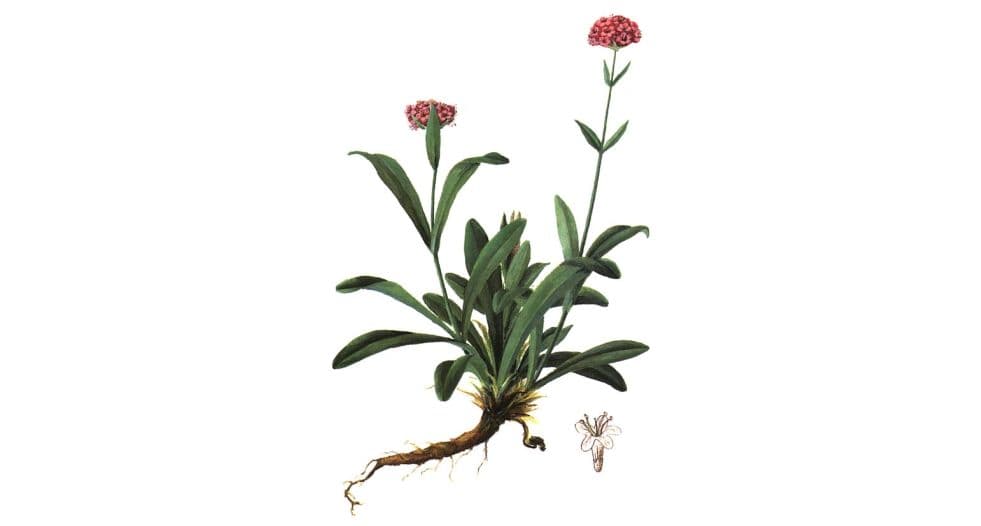
Jatamansi or Spikenard
Jatamansi, also known as spikenard (Nardostachys jatamansi), is one of the most ancient and spiritually revered aromatic roots in human history. Native to the high-altitude meadows of the Himalayas — across Nepal, India, and Bhutan — its roots and rhizomes have been harvested for millennia to produce a dense, intensely aromatic oil used in Ayurvedic medicine, sacred rituals, and early perfumery. It is the nard mentioned in ancient Sanskrit texts, the Bible, and classical literature, making it one of the world's oldest documented fragrances. The scent of jatamansi oil is powerfully earthy, musky, and deeply woody, with animalic undertones that feel ancient and primal. There are hints of wet soil, dried roots, and forest floor, alongside a musty sweetness reminiscent of aged patchouli and valerian root. The overall impression is dark, grounding, and meditative — a fragrance that feels connected to the earth itself. Its raw, untamed quality is what makes it so compelling and distinctive in modern niche perfumery. In contemporary perfumery, jatamansi is used sparingly as a base and anchor note, adding profound depth and an earthy spirituality to woody oriental, incense, and meditation-inspired compositions. It blends beautifully with oud, vetiver, frankincense, and dark musks. At Fragrenza, our jatamansi-inspired collections interpret fragrances that channel this ancient ingredient's sacred, grounding energy, offering deeply resonant scent experiences that honour a truly timeless aromatic heritage.
- 🌿
Java cedar
Java cedar is a woody note used to create structure, depth, and lasting warmth. Its scent may be dry, creamy, smoky, resinous, earthy, pencil-like, or polished depending on the wood or accord. In perfumery, woody notes support the whole composition and connect fresh openings with deeper bases. It pairs naturally with amber, musk, incense, leather, vetiver, patchouli, spices, citrus, and soft resins.
- 🌿
Java frankincense
Java frankincense is a warm ambered or resinous note used to give fragrance depth, softness, and long-lasting richness. It can smell balsamic, sweet, smoky, vanillic, woody, powdery, or incense-like depending on the material. In perfumery, it rounds sharp edges and creates a smooth base that holds the composition together. It pairs well with woods, musks, spices, vanilla, tobacco, leather, florals, oud, and other resins.
- 🌿
Java patchouli
Java patchouli is a woody note used to create structure, depth, and lasting warmth. Its scent may be dry, creamy, smoky, resinous, earthy, pencil-like, or polished depending on the wood or accord. In perfumery, woody notes often support the whole composition and help connect fresh openings with deeper bases. Java patchouli pairs naturally with amber, musk, incense, leather, vetiver, patchouli, spices, citrus, and soft resins, making it useful in masculine, feminine, and unisex fragrances.
- 🌿
Java vetiver
Java vetiver is a woody note used to create structure, depth, and lasting warmth. Its scent may be dry, creamy, smoky, resinous, earthy, pencil-like, or polished depending on the wood or accord. In perfumery, woody notes often support the whole composition and help connect fresh openings with deeper bases. Java vetiver pairs naturally with amber, musk, incense, leather, vetiver, patchouli, spices, citrus, and soft resins, making it useful in masculine, feminine, and unisex fragrances.
- 🌿
Java vetiver absolute
Java vetiver absolute is a woody note used to create structure, depth, and lasting warmth. Its scent may be dry, creamy, smoky, resinous, earthy, pencil-like, or polished depending on the wood or accord. In perfumery, woody notes support the whole composition and connect fresh openings with deeper bases. It pairs naturally with amber, musk, incense, leather, vetiver, patchouli, spices, citrus, and soft resins.
- 🌿
Java vetiver oil
Java vetiver oil is a woody note used to create structure, depth, and lasting warmth. Its scent may be dry, creamy, smoky, resinous, earthy, pencil-like, or polished depending on the wood or accord. In perfumery, woody notes support the whole composition and connect fresh openings with deeper bases. It pairs naturally with amber, musk, incense, leather, vetiver, patchouli, spices, citrus, and soft resins.
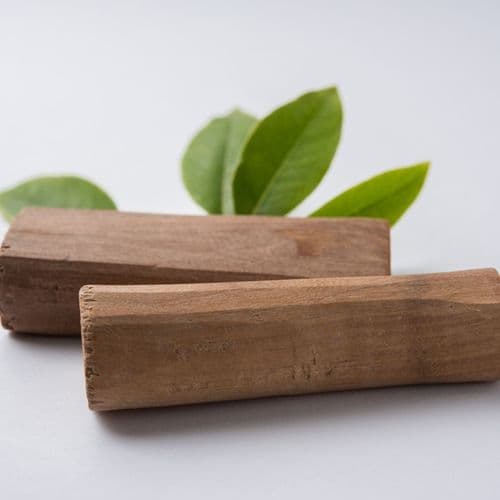
javanol
Javanol is a captivating synthetic sandalwood molecule developed by Givaudan, one of the world's leading fragrance houses. Introduced as a sophisticated alternative to natural sandalwood — a precious and increasingly rare ingredient sourced primarily from Mysore, India, and Australia — Javanol reproduces and in many ways surpasses the richness of the natural material. It is widely regarded as one of the finest synthetic woods in modern perfumery, prized for its complexity and exceptional tenacity on skin. The olfactory character of Javanol is deeply creamy, velvety, and skin-warm. Unlike some synthetic sandalwood molecules that can skew overly sharp or medicinal, Javanol possesses a smooth, milky softness with a whisper of sweet, almost coconut-like creaminess beneath a clean woody core. It melds seamlessly with skin chemistry, creating a second-skin effect that feels intimately personal rather than overtly perfumed. Its diffusion is gentle and intimate, making it ideal for skin-scent and comfort-fragrance applications. Perfumers reach for Javanol to anchor oriental, woody, and skin-musk compositions, to soften sharp florals, and to add depth and longevity to seemingly simple blends. It is a signature component in many luxury niche and designer fragrances, often listed transparently on the ingredient note. At Fragrenza, our Javanol-forward collections celebrate this molecule's exceptional sensory quality through carefully crafted dupe interpretations of high-end fragrances, bringing velvety sandalwood luxury to your collection without the luxury price tag.
jelly
Jelly — in the fragrance world — evokes the colourful, wobbly world of gelatin-based sweets and desserts that have delighted children and adults alike for generations. From shimmering fruit jellies in vivid jewel colours to candy-store gummy bears and the quintessentially British jelly dessert, jelly confections occupy a special place in olfactory memory. Their appeal lies in a particular kind of sweetness: bright, slightly artificial, and unapologetically cheerful — the scent of celebration, childhood, and unguarded pleasure. As a fragrance note, jelly is a playful, fruity-sweet gourmand accord with a characteristic luminous, slightly translucent quality. Unlike rich caramel or chocolate notes, jelly is lighter and more effervescent — a sheer sweetness built on synthetic fruity facets (strawberry, raspberry, citrus, watermelon) underpinned by a subtle glycerine-like warmth that gives it that distinctive, slightly artificial confectionery edge. The effect is vibrant and mood-lifting, with a retro-candy quality that feels simultaneously nostalgic and fresh. It blends wonderfully with cotton candy, violet, rose, passionfruit, and clean musks in youthful, playful compositions. Jelly is a signature note in the gourmand and candy fragrance family — a category that has grown enormously in popularity as perfumers embrace the full spectrum of human pleasure, from the sophisticated to the sweetly indulgent. It suits playful, youthful, and feminine compositions that celebrate joy without apology. At Fragrenza, our jelly collection brings the fun and sweetness of confectionery fragrance to life through expertly crafted dupe formulas inspired by beloved gourmand originals — because great-smelling fragrance should always be this enjoyable.
- 🌿
Jonquil
Jonquil is a specialty note used to give a fragrance a distinctive texture, mood, or material impression. Depending on interpretation, it may contribute freshness, warmth, sweetness, dryness, softness, or an abstract atmospheric effect. In perfumery, specialty notes are valuable because they make a composition feel more specific and less generic. Jonquil can be paired with woods, musks, florals, resins, fruits, green notes, spices, or amber materials according to the intended style.
- 🌿
Jonquil absolute
Jonquil absolute is a specialty note used to give a fragrance a distinctive texture, mood, or material impression. Depending on interpretation, it may contribute freshness, warmth, sweetness, dryness, softness, or an abstract atmospheric effect. In perfumery, specialty notes are useful because they make a composition feel more specific and less generic. It can be paired with woods, musks, florals, resins, fruits, green notes, spices, or amber materials according to the intended style.
- 🌿
Jordan patchouli
Jordan patchouli is a woody note used to create structure, depth, and lasting warmth. Its scent may be dry, creamy, smoky, resinous, earthy, pencil-like, or polished depending on the wood or accord. In perfumery, woody notes support the whole composition and connect fresh openings with deeper bases. It pairs naturally with amber, musk, incense, leather, vetiver, patchouli, spices, citrus, and soft resins.
- 🌿
Joshua tree
Joshua tree is a specialty note used to give a fragrance a distinctive texture, mood, or material impression. Depending on interpretation, it may contribute freshness, warmth, sweetness, dryness, softness, or an abstract atmospheric effect. In perfumery, specialty notes are useful because they make a composition feel more specific and less generic. It can be paired with woods, musks, florals, resins, fruits, green notes, spices, or amber materials according to the intended style.
- 🌿
Jubilee Celebration rose
Jubilee Celebration rose is a floral note that gives a fragrance softness, radiance, and emotional warmth. Depending on the flower or accord, it may feel fresh, creamy, powdery, honeyed, green, indolic, or airy. In perfumery, floral notes often form the heart of a composition, adding body and a recognizable signature. It pairs well with citrus, white musk, rose, jasmine, sandalwood, amber, vanilla, iris, and delicate fruits.
Jujube Blossom
Jujube blossom is the delicate spring flower of the jujube tree (Ziziphus jujuba) — a small, hardy tree native to China that has been cultivated for over four thousand years for its fruit, the Chinese date. One of China's most ancient cultivated plants, the jujube tree holds deep cultural significance across East Asia, appearing in traditional medicine, cuisine, poetry, and wedding ceremonies (where the red fruit symbolises fertility and good fortune). The blossoms appear in late spring — tiny, pale yellow-green flowers in clusters, modest in appearance but genuinely fragrant. The fragrance of jujube blossom is delicate, honey-light, and effortlessly spring-like. It is a quiet floral — not heady or narcotic like jasmine or tuberose, but tender and understated, with a soft honeyed sweetness and a clean, slightly herbal freshness that recalls linden blossom and acacia. There is a quality of pale morning sunlight to jujube blossom: translucent, gentle, and reassuringly natural. Its lightness makes it an ideal pairing with white tea, osmanthus, magnolia, and sheer musks in compositions designed to feel clean, serene, and effortlessly wearable. Jujube blossom is an understated and quietly beautiful note in perfumery, perfect for compositions that seek a gentle, unassuming elegance rather than dramatic impact. It suits spring florals, light oriental, and East Asian botanical fragrance styles beautifully. At Fragrenza, our jujube blossom collection celebrates this ancient Chinese floral through gracefully crafted dupe fragrances — delicate luxury at prices that make everyday wearing a simple pleasure.
- 🌿
Jujube honey
Jujube honey is a gourmand note that adds edible warmth, sweetness, and comfort. It may suggest cream, sugar, nuts, chocolate, coffee, honey, pastry, or toasted grains depending on the accord. In perfumery, gourmand notes make compositions feel cozy and sensual, but they work best when balanced with woods, musks, spices, citrus, or resins. It pairs well with vanilla, tonka bean, sandalwood, amber, caramel, cacao, coffee, and soft florals.
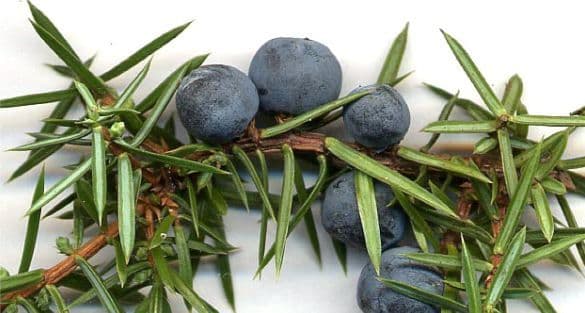
Juniper
Juniper encompasses both the berries and wood of Juniperus communis and related species, evergreen conifers distributed across the northern hemisphere from the Arctic to subtropical mountains. The juniper tree has been valued across cultures for thousands of years — burned as purifying incense, used medicinally, and most famously serving as the defining botanical in gin production. Juniper essential oil, steam-distilled primarily from the berries, has a long history in perfumery as a clean, resinous, and bracing aromatic ingredient. The scent of juniper — spanning both the berry and wood — is clean, resinous, and subtly citrusy, with a characteristic freshness that recalls the crisp air of coniferous forests and the botanicals of a well-made gin. There are faint balsamic and camphor undertones, along with a dry, slightly spicy woody quality from the heartwood. The combined effect is invigorating and pristine, with an outdoorsy, Alpine quality that feels both ancient and refreshing. In perfumery, juniper is a versatile ingredient used across aromatic, woody, and fresh-spicy compositions. Its clean coniferous quality makes it an excellent partner for lavender, geranium, vetiver, and citrus notes. At Fragrenza, our Juniper collection captures the bracing, forest-fresh character of this remarkable plant in meticulously crafted fragrance dupes that bring the spirit of wild nature to your daily fragrance ritual.
- 🌿
Juniper absolute
Juniper absolute is a specialty note used to give a fragrance a distinctive texture, mood, or material impression. Depending on interpretation, it may contribute freshness, warmth, sweetness, dryness, softness, or an abstract atmospheric effect. In perfumery, specialty notes are useful because they make a composition feel more specific and less generic. It can be paired with woods, musks, florals, resins, fruits, green notes, spices, or amber materials according to the intended style.
- 🌿
Juniper berry
Juniper berries are the female seed cones of Juniperus communis, a hardy evergreen shrub found across the Northern Hemisphere from North America and Europe to the Himalayas. These small, dark blue-black berries take two to three years to ripen and have been used as a spice, medicinal ingredient, and aromatic since antiquity. They are most celebrated today as the defining botanical ingredient in gin, where their sharp, resinous aromatics set the character of the spirit — and it is this gin-forward, botanical quality that defines their presence in contemporary perfumery. The scent of juniper berries is sharp, resinous, and clean, with a bracing freshness that carries prominent pine and citrus facets alongside a hint of camphor and a dry, slightly woody base note. The aroma is immediately recognisable — it smells of gin, of cold mountain air, and of the forest — with a brightness and clarity that cuts through heavier ingredients and lifts compositions with precision. There is a slight peppery bite that adds vivacity. Juniper berry is widely used in aromatic fougères, fresh-spicy colognes, and woody-aquatic fragrances, appreciated for its ability to add a gin-like, naturalistic sharpness to blends. It partners beautifully with coriander, bergamot, angelica, and cedar. At Fragrenza, our Juniper Berries collection distils this clean, invigorating character into premium fragrance dupes that deliver the bracing clarity of the botanical world at an accessible price.
- 🌿
Juniper berry CO2
Juniper berry CO2 is a fruity note that adds juiciness, color, and natural sweetness. It may feel crisp and tart, ripe and velvety, tropical and creamy, or dark and jammy depending on the fruit profile. In perfumery, fruity notes brighten florals, soften musks, and add pleasure to gourmand or woody structures. It pairs well with rose, peony, jasmine, white musk, vanilla, woods, citrus, amber, and soft spices.
- 🌿
Juniper berry seeds
Juniper berry seeds is a fruity note that adds juiciness, color, and natural sweetness. It may feel crisp and tart, ripe and velvety, tropical and creamy, or dark and jammy depending on the fruit profile. In perfumery, fruity notes brighten florals, soften musks, and add pleasure to gourmand or woody structures. It pairs well with rose, peony, jasmine, white musk, vanilla, woods, citrus, amber, and soft spices.
- 🌿
Juniper leaf
Juniper leaf is a green or aromatic note that evokes leaves, herbs, stems, fresh air, or crushed vegetation. Its profile can be crisp, bitter, watery, camphoraceous, grassy, or slightly earthy depending on the material. In perfumery, green notes add realism and lift, keeping sweet, floral, or woody compositions from feeling too heavy. It pairs well with citrus, tea, fig, violet leaf, galbanum, tomato leaf, white musk, vetiver, lavender, and light woods.
- 🌿
Juniper needle
Juniper needle is a specialty note used to give a fragrance a distinctive texture, mood, or material impression. Depending on interpretation, it may contribute freshness, warmth, sweetness, dryness, softness, or an abstract atmospheric effect. In perfumery, specialty notes are useful because they make a composition feel more specific and less generic. It can be paired with woods, musks, florals, resins, fruits, green notes, spices, or amber materials according to the intended style.
- 🌿
Juniper Orpur®
Juniper Orpur® is a specialty note used to give a fragrance a distinctive texture, mood, or material impression. Depending on interpretation, it may contribute freshness, warmth, sweetness, dryness, softness, or an abstract atmospheric effect. In perfumery, specialty notes are useful because they make a composition feel more specific and less generic. It can be paired with woods, musks, florals, resins, fruits, green notes, spices, or amber materials according to the intended style.
- 🌿
Juniper tar
Juniper tar is a dark textured note that may suggest leather, smoke, tobacco, tar, ash, or warm dry materials. It gives fragrance depth, sensuality, and a more dramatic atmosphere. In perfumery, smoky and leathery notes are often used in bases, where they add strength and character without needing sweetness. It pairs well with oud, saffron, birch tar, amber, tobacco, rose, patchouli, vetiver, incense, and dry woods.
- 🌿
Juniper wood
Juniper wood is a woody note used to create structure, depth, and lasting warmth. Its scent may be dry, creamy, smoky, resinous, earthy, pencil-like, or polished depending on the wood or accord. In perfumery, woody notes support the whole composition and connect fresh openings with deeper bases. It pairs naturally with amber, musk, incense, leather, vetiver, patchouli, spices, citrus, and soft resins.
- 🌿
Just Joey rose
Just Joey rose is a floral note that gives a fragrance softness, radiance, and emotional warmth. Depending on the flower or accord, it may feel fresh, creamy, powdery, honeyed, green, indolic, or airy. In perfumery, floral notes often form the heart of a composition, adding body and a recognizable signature. It pairs well with citrus, white musk, rose, jasmine, sandalwood, amber, vanilla, iris, and delicate fruits.
K
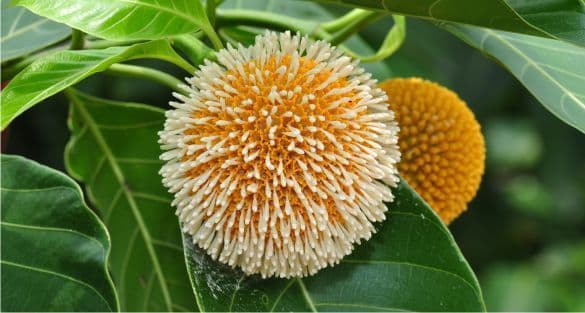
Kadam
Kadam — also known as kadamba (Neolamarckia cadamba) — is a large, fast-growing tropical tree native to South and Southeast Asia, celebrated across India for its spiritual significance and its extraordinarily sweet-scented blossoms. In Hindu mythology, kadamba is intimately associated with the god Krishna, who is said to have played his flute beneath its branches on the banks of the Yamuna River. The tree blooms during the monsoon season, its spherical golden-orange flower heads releasing a honey-sweet fragrance that perfumes entire groves and is inseparable from the romance of the Indian rainy season. The scent of kadam flowers is intensely sweet and deeply honeyed, with a warm, tropical floral richness that places it in the same rarefied category as champaca and tuberose. The honey-floral character is the defining quality — a thick, golden sweetness that is simultaneously narcotic and comforting, underscored by subtle green and woody notes from the tropical environment. It lacks the indolic sharpness of jasmine, offering instead a smoother, more golden sweetness. It pairs magnificently with sandalwood, rose, vanilla, oud, and Indian attars in oriental and tropical floral compositions. Kadam is a cornerstone of traditional Indian ittar (attar) perfumery and a beloved note in South Asian fragrance culture. It appears in wedding garlands, temple offerings, and celebratory rituals — a flower whose scent is synonymous with joy, devotion, and the lush abundance of the monsoon. At Fragrenza, our kadam collection brings this sacred Indian floral into exquisitely crafted dupe fragrances — an invitation to experience the golden sweetness of the subcontinent's most beloved bloom.
- 🌿
Kadota fig
Kadota fig is a fruity note that adds juiciness, color, and natural sweetness. It may feel crisp and tart, ripe and velvety, tropical and creamy, or dark and jammy depending on the fruit profile. In perfumery, fruity notes brighten florals, soften musks, and add pleasure to gourmand or woody structures. It pairs well with rose, peony, jasmine, white musk, vanilla, woods, citrus, amber, and soft spices.
- 🌿
Kaffir lime
Kaffir lime — more accurately called makrut lime (Citrus hystrix) — is an indispensable aromatic ingredient throughout Southeast Asian cuisine and traditional medicine. Native to tropical Asia, the makrut lime tree is prized above all for its uniquely double-lobed leaves, which carry one of the most intensely aromatic scents in the citrus family — a piercing, citrusy-floral fragrance quite different from the fruit's juice. The leaves are a cornerstone of Thai, Indonesian, and Cambodian cooking, perfuming everything from curries to soups with their unmistakable bright, complex citrus character. In perfumery, makrut lime leaf is a powerhouse aromatic note — intensely citrusy yet simultaneously floral, with a distinctive complexity that standard lime juice simply cannot match. The leaf's scent opens with a sharp, almost electric citrus brightness — zestier and more aromatic than regular lime — before revealing a green, slightly herbal floral heart with a faint spicy edge reminiscent of lemongrass and kaffir blossom. It is vivid, tenacious, and unmistakable, with far greater longevity than the juice of the fruit. It blends superbly with ginger, galangal, lemongrass, bergamot, and fresh aquatic notes. Makrut lime leaf has become an increasingly popular note in contemporary niche and mainstream perfumery, prized for its ability to add genuine aromatic complexity and Southeast Asian character to fresh, citrus, and green-aromatic compositions. Its unusual floral-citrus duality sets it apart from every other citrus ingredient. At Fragrenza, our kaffir lime collection captures this distinctive Southeast Asian aromatic in expertly crafted dupe fragrances — vibrant, complex, and refreshingly affordable.
- 🌿
Kaffir lime leaf
Kaffir lime leaf is a citrus note that adds sparkle, freshness, and immediate lift to a fragrance. Its profile can include juicy pulp, aromatic peel, green bitterness, soft floral nuances, or a sharp zesty brightness depending on the material. In perfumery, it is usually used in the opening, where it brings clarity and motion before blending into florals, woods, musks, or herbs. It pairs well with neroli, tea, lavender, white musk, light woods, aquatic notes, and aromatic herbs.
- 🌿
Kahili ginger
Kahili ginger is a spicy note that adds heat, texture, and aromatic energy to a fragrance. It may feel sweet, dry, peppery, resinous, herbal, smoky, or slightly medicinal depending on the material. In perfumery, spices create contrast, deepen the heart, and help bridge fresh top notes with warm woody or amber bases. Kahili ginger pairs especially well with citrus, rose, tobacco, vanilla, oud, sandalwood, patchouli, leather, and balsamic resins.
- 🌿
Karmaflor®
Karmaflor® is a specialty note used to give a fragrance a distinctive texture, mood, or material impression. Depending on interpretation, it may contribute freshness, warmth, sweetness, dryness, softness, or an abstract atmospheric effect. In perfumery, specialty notes are useful because they make a composition feel more specific and less generic. It can be paired with woods, musks, florals, resins, fruits, green notes, spices, or amber materials according to the intended style.
- 🌿
Karmawood®
Karmawood® is a woody note used to create structure, depth, and lasting warmth. Its scent may be dry, creamy, smoky, resinous, earthy, pencil-like, or polished depending on the wood or accord. In perfumery, woody notes support the whole composition and connect fresh openings with deeper bases. It pairs naturally with amber, musk, incense, leather, vetiver, patchouli, spices, citrus, and soft resins.
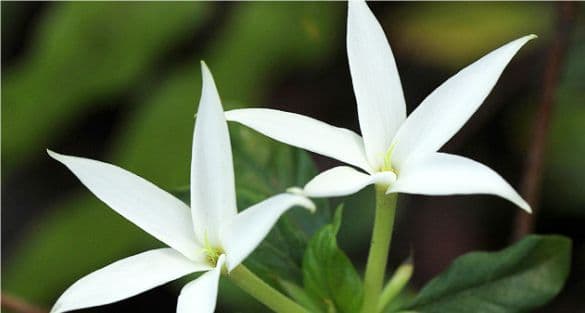
Karo-Karounde
Karo-karounde (Dichrostachys glomerata or Faurea saligna, depending on regional usage) refers to a group of flowering plants from West and Central Africa — sometimes described as a gardenia relative — that produce flowers of exceptional sweetness and floral intensity. These blooms are used in traditional West African culture as adornment and in ceremonial contexts, where their extraordinary fragrance is considered a mark of beauty and abundance. The flowers are rarely found in Western botanical markets, making them an exotic and alluring note in the global fragrance vocabulary. The scent of karo-karounde is intensely floral — a rich, sweet, white-floral character that shares the heady opulence of gardenia and tuberose while possessing its own distinctive tropical warmth. It is a full-bodied, unapologetically sensual floral: the kind of bloom that doesn't merely scent the air but saturates it. Beneath the white floral sweetness lies a subtle creamy-coconut undertone and a faint spicy warmth that keeps the note from becoming purely linear. It layers magnificently with jasmine, ylang-ylang, tiare, and rich sandalwood bases in compositions designed to maximise opulent floral impact. Karo-karounde is a prized note in luxurious white floral and tropical floral compositions — a testament to the extraordinary botanical diversity of West Africa's flora and an invitation to explore fragrance traditions beyond the European canon. Its rarity gives perfumes built around it a genuine exclusivity. At Fragrenza, our karo-karounde collection brings this extraordinary West African bloom into beautifully crafted dupe fragrances — delivering exotic floral opulence at everyday prices.
- 🌿
Karokarounde
Karokarounde is a specialty note used to give a fragrance a distinctive texture, mood, or material impression. Depending on interpretation, it may contribute freshness, warmth, sweetness, dryness, softness, or an abstract atmospheric effect. In perfumery, specialty notes are valuable because they make a composition feel more specific and less generic. Karokarounde can be paired with woods, musks, florals, resins, fruits, green notes, spices, or amber materials according to the intended style.
- 🌿
Kashmiri musk
Kashmiri musk is a soft textural note that creates warmth, smoothness, and a skin-like finish. It can feel clean, powdery, woody, velvety, slightly fruity, or fabric-like depending on the accord. In perfumery, these notes help bind the formula, soften stronger materials, and extend wear without dominating the fragrance. Kashmiri musk pairs well with florals, woods, citrus, amber, iris, fruits, suede, vanilla, and transparent modern musks.
- 🌿
Katrafay
Katrafay (Cedrelopsis grevei) is a tree indigenous to the dry forests of western Madagascar, where it has been used for centuries in traditional Malagasy medicine and ritual. The bark and wood are steam-distilled to produce a distinctive essential oil prized locally for its anti-inflammatory, toning, and restorative properties. Katrafay remains one of Madagascar's most culturally significant aromatic plants, and its essential oil has begun attracting global attention from natural perfumers and aromatherapists drawn to its unique botanical character. The scent of katrafay oil is earthy, woody, and faintly spicy — a dry, grounding fragrance that carries the dusty warmth of the Malagasy dry forest. Its woody character is subtle and unpretentious, neither the sharp brightness of pine nor the smooth sweetness of sandalwood, but something more raw and honest: dried bark, sun-baked earth, and a faint peppery-herbal warmth. There is a quiet medicinal quality to it that gives it credibility as a natural botanical, rather than a polished fragrance ingredient. It blends harmoniously with vetiver, frankincense, black pepper, patchouli, and warm amber bases. Katrafay is an uncommon and intriguing note that appears primarily in natural and botanical niche perfumery, where its raw, earthy authenticity is a virtue rather than a limitation. It suits dry woody, smoky-resinous, and artisanal earthy compositions. At Fragrenza, our katrafay collection explores this rare Malagasy treasure through thoughtfully crafted dupe fragrances that bring the natural richness of Madagascar's botanical world to your collection — at truly accessible prices.
- 🌿
Kava kava
Kava kava is a specialty note used to give a fragrance a distinctive texture, mood, or material impression. Depending on interpretation, it may contribute freshness, warmth, sweetness, dryness, softness, or an abstract atmospheric effect. In perfumery, specialty notes are useful because they make a composition feel more specific and less generic. It can be paired with woods, musks, florals, resins, fruits, green notes, spices, or amber materials according to the intended style.
- 🌿
Kelp
Kelp is one of perfumery's most distinctive and unusual marine notes — an ingredient that captures the raw, briny atmosphere of the ocean's edge with remarkable authenticity. Derived from the vast underwater forests of brown seaweed (Macrocystis and Laminaria species) that fringe the world's temperate coastlines, kelp in fragrance delivers a uniquely complex aquatic character: simultaneously salty and green, mineral and iodine-rich, with a cool, clean oceanic freshness that evokes tidal pools, salt spray, and damp coastal rocks. Unlike the clean, abstract aquatic notes created by synthetic molecules such as Calone, kelp has genuine texture and specificity. Its olfactory profile includes pronounced briny saltiness, a green-watery quality reminiscent of fresh sea vegetables, and a faintly medicinal iodine note that anchors the composition in natural, marine reality. This specificity makes kelp a favourite among perfumers seeking to create genuinely oceanic compositions rather than simply clean, soapy aquatics. It pairs brilliantly with other coastal materials — driftwood, sea salt, ambergris, and cool musks — to build fully realised seascape compositions. Kelp fragrances appeal to those drawn to the purity and freedom of the ocean — people who want their fragrance to transport them to wild, windswept coastlines. The note works across seasons but feels particularly resonant in summer and early autumn. It appears in both feminine and masculine compositions and sits comfortably alongside citrus, woody, and aromatic notes. At Fragrenza, our kelp-inspired fragrances celebrate this extraordinary marine ingredient with quality compositions that capture the call of the ocean — without the luxury price tag.
- 🌿
Kencur
Kencur is a specialty note used to give a fragrance a distinctive texture, mood, or material impression. Depending on interpretation, it may contribute freshness, warmth, sweetness, dryness, softness, or an abstract atmospheric effect. In perfumery, specialty notes are useful because they make a composition feel more specific and less generic. It can be paired with woods, musks, florals, resins, fruits, green notes, spices, or amber materials according to the intended style.
- 🌿
Kenyan black tea
Kenyan black tea is a bright, brisk, full-bodied tea variety from the East African highlands, with a malty richness and slight citrus lift. In perfumery, it adds an aromatic tea-leaf character with sunny warmth to chypre, oriental, and modern unisex compositions.
- 🌿
Kenyan pink pepper
Kenyan pink pepper is a spicy note that gives fragrance heat, texture, and aromatic energy. It can feel sweet, dry, peppery, resinous, herbal, smoky, or slightly medicinal depending on the material. In perfumery, spices create contrast, deepen the heart, and bridge fresh top notes with warm woody or amber bases. It pairs especially well with citrus, rose, tobacco, vanilla, oud, sandalwood, patchouli, leather, and balsamic resins.
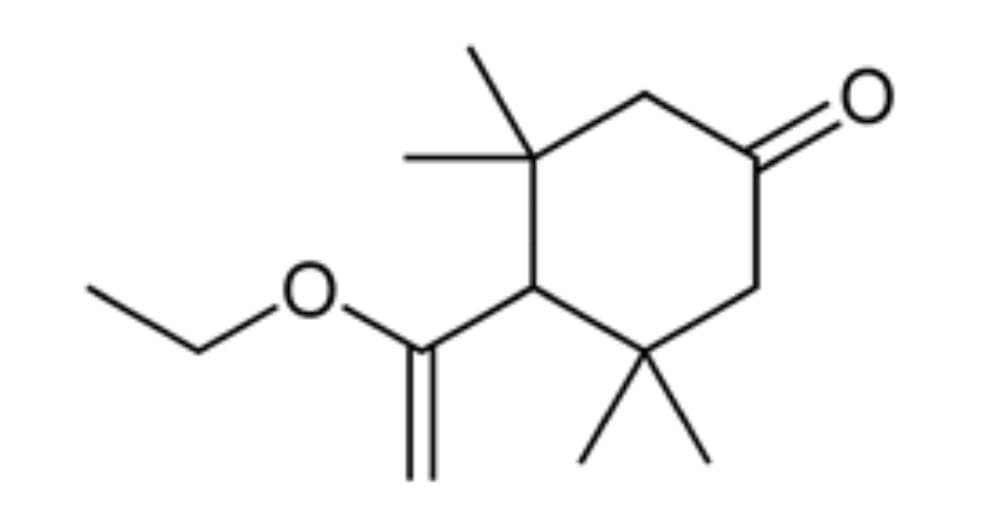
Kephalis
Kephalis is a captivating synthetic fragrance molecule developed by the Swiss fragrance ingredient company Givaudan. Unlike natural ingredients tied to a specific plant or region, Kephalis was designed in the laboratory to provide a distinctive and versatile olfactory character that perfumers could use to build modern compositions with depth and longevity. Synthetic molecules like Kephalis are among the most important tools in contemporary perfumery, enabling effects and nuances that nature alone cannot reliably provide. The olfactory profile of Kephalis is a sophisticated blend of musky, woody, and subtly floral facets. At its heart, it is a warm, skin-close musk — smooth, sensual, and intimate — but distinguished from simpler musk molecules by a woody, slightly cedar-like dimension that gives it structure and presence. A delicate floral undertone adds a touch of softness without tipping it toward a conventional floral character. The overall effect is modern, clean, and highly wearable — the kind of base note that makes a fragrance feel effortlessly polished and skin-close. It blends seamlessly with virtually any material, elevating compositions from woody-oriental to clean-fresh. Kephalis appears widely across contemporary prestige and designer fragrance, typically in the base or heart of compositions where its musk-woody profile provides a seamless, long-lasting foundation. It is particularly valued in modern clean musks, feminine florals, and sophisticated masculine woods. At Fragrenza, our Kephalis collection showcases this versatile synthetic molecule through premium dupe fragrances — capturing the polished, modern sophistication of the world's best perfumes at prices that make fine fragrance genuinely accessible.
- 🌿
Key lime
Key lime is a bright citrus note that brings sparkle, freshness, and immediate lift to a fragrance. Its profile may include juicy pulp, aromatic peel, green bitterness, soft floral facets, or a slightly sharp zest depending on the material. In perfumery, it is most often used in the opening, where it gives clarity and movement before blending into florals, woods, musks, or herbs. Key lime works especially well with neroli, tea, lavender, white musk, light woods, aquatic notes, and aromatic herbs.
- 🌿
Key lime zest
Key lime zest is a citrus note that adds sparkle, freshness, and immediate lift to a fragrance. Its profile can include juicy pulp, aromatic peel, green bitterness, soft floral nuances, or a sharp zesty brightness depending on the material. In perfumery, it is usually used in the opening, where it brings clarity and motion before blending into florals, woods, musks, or herbs. It pairs well with neroli, tea, lavender, white musk, light woods, aquatic notes, and aromatic herbs.
- 🌿
Kharismal® Super
Kharismal® Super is a specialty note used to give a fragrance a distinctive texture, mood, or material impression. Depending on interpretation, it may contribute freshness, warmth, sweetness, dryness, softness, or an abstract atmospheric effect. In perfumery, specialty notes are useful because they make a composition feel more specific and less generic. It can be paired with woods, musks, florals, resins, fruits, green notes, spices, or amber materials according to the intended style.
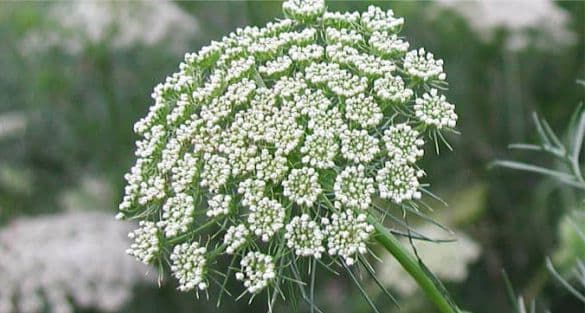
Khella
Khella (Ammi visnaga) is a plant with deep roots in North African and Middle Eastern herbal tradition. Native to the Mediterranean basin and widely used in Egyptian and Moroccan folk medicine for millennia, its seeds have been employed as a natural remedy for respiratory and urinary conditions, and the dried stems were traditionally used as toothpicks — giving rise to the common name toothpick plant. Khella's delicate white flower clusters resemble those of Queen Anne's lace, and the whole plant carries a distinctive aromatic character. In fragrance, khella is a complex herbal-aromatic note with a medicinal edge that is simultaneously challenging and fascinating. Its dominant character is herbal and slightly bitter — faintly reminiscent of carrot seed and cumin but with its own unique quality: a dry, slightly dusty, sun-baked herbaceousness that evokes the aromatic scrublands of the North African coast. There is a subtle sweetness underneath, like dried herbs warmed by afternoon sun, which keeps it from being purely medicinal. It blends interestingly with rose, oud, amber, and earthy vetiver in oriental and aromatic compositions seeking authenticity and cultural depth. Khella is a niche, thought-provoking note that appears primarily in artisanal and Middle Eastern-inspired fragrances where its unusual herbal character becomes a genuine point of distinction. It rewards those who look beyond the familiar in their scent choices. At Fragrenza, our khella collection offers a gateway into the rich aromatic heritage of North Africa through beautifully crafted dupe fragrances — bringing rare olfactory experience to curious fragrance lovers at accessible prices.
- 🌿
Kingwood
Kingwood is a woody note used to create structure, depth, and lasting warmth. Its scent may be dry, creamy, smoky, resinous, earthy, pencil-like, or polished depending on the wood or accord. In perfumery, woody notes support the whole composition and connect fresh openings with deeper bases. It pairs naturally with amber, musk, incense, leather, vetiver, patchouli, spices, citrus, and soft resins.
- 🌿
Kir cocktail
Kir cocktail is a specialty note used to give a fragrance a distinctive texture, mood, or material impression. Depending on interpretation, it may contribute freshness, warmth, sweetness, dryness, softness, or an abstract atmospheric effect. In perfumery, specialty notes are useful because they make a composition feel more specific and less generic. It can be paired with woods, musks, florals, resins, fruits, green notes, spices, or amber materials according to the intended style.
- 🌿
Kir Royal
Kir Royal is one of France's most elegant and celebratory cocktails — a marriage of chilled champagne and a dash of blackcurrant liqueur (crème de cassis) that transforms a glass of sparkling wine into something altogether more festive. Named after Canon Félix Kir, the post-war mayor of Dijon who popularised the drink, Kir Royal is synonymous with Parisian aperitif culture, special occasions, and the particular kind of effortless French sophistication that perfumers have long sought to bottle. Its deep ruby colour and effervescent charm make it one of the most photogenic drinks in the world. As a fragrance concept, Kir Royal is a sparkling fruity-wine accord that fizzes with cheerful sophistication. The champagne element contributes an airy aldehydic sparkle and a yeasty, toasty dryness — the olfactory equivalent of fine bubbles rising in a crystal flute. The blackcurrant brings a dark, slightly tart berry richness, smoky and a little wild, with the characteristic pungent-fruity edge of cassis. Together they create a note that is festive, luminous, and distinctly French: fruity yet refined, sweet yet dry. It pairs beautifully with violet, rose, peach, and cool musks. Kir Royal inspires vibrant, celebratory fragrance compositions that capture the mood of a sparkling toast among friends. It sits at the intersection of fruity-chypre and feminine floral families, lending a playful, effervescent sophistication. At Fragrenza, our Kir Royal collection brings that Parisian joie de vivre to your fragrance wardrobe — expertly crafted dupe formulas that let you celebrate every day, not just special occasions.
- 🌿
Kiwano
Kiwano is a specialty note used to give a fragrance a distinctive texture, mood, or material impression. Depending on interpretation, it may contribute freshness, warmth, sweetness, dryness, softness, or an abstract atmospheric effect. In perfumery, specialty notes are useful because they make a composition feel more specific and less generic. It can be paired with woods, musks, florals, resins, fruits, green notes, spices, or amber materials according to the intended style.
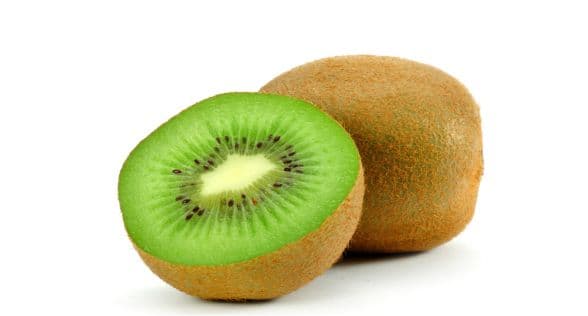
kiwi
The kiwi fruit (Actinidia deliciosa) originated in the Yangtze River valley of China, where it was known for centuries as yang tao. It was introduced to New Zealand in the early twentieth century and transformed by local growers into the round, fuzzy, brown-skinned fruit now enjoyed worldwide. Today New Zealand remains synonymous with kiwi, and the fruit's name was changed in honour of the country's national bird. Few fruits carry such a distinctive combination of vivid colour, tart brightness, and tropical sweetness. As a fragrance note, kiwi is an exhilarating fresh-fruit accord that is simultaneously tart, sweet, and sparkling. The characteristic sharpness of kiwi comes from its high natural acidity, which translates in perfumery into a zingy, almost effervescent brightness reminiscent of green apple and passion fruit with a unique twist. The sweetness of the flesh follows close behind — juicy and tropical, with subtle melon and strawberry undertones that keep the note playful and youthful. A whisper of the furry, green-vegetal skin adds an authentic touch of realism. It pairs wonderfully with coconut, pineapple, white tea, and clean florals. Kiwi is a lively, upbeat note ideally suited to fruity-floral, tropical, and fresh compositions — particularly those targeting a youthful, energetic, or summer-holiday mood. Its fizzy brightness makes it a natural opening or top note to lift and animate any fragrance. At Fragrenza, our kiwi collection bottles that vibrant tart-sweet energy in premium dupe fragrances inspired by beloved luxury originals, at prices everyone can enjoy.
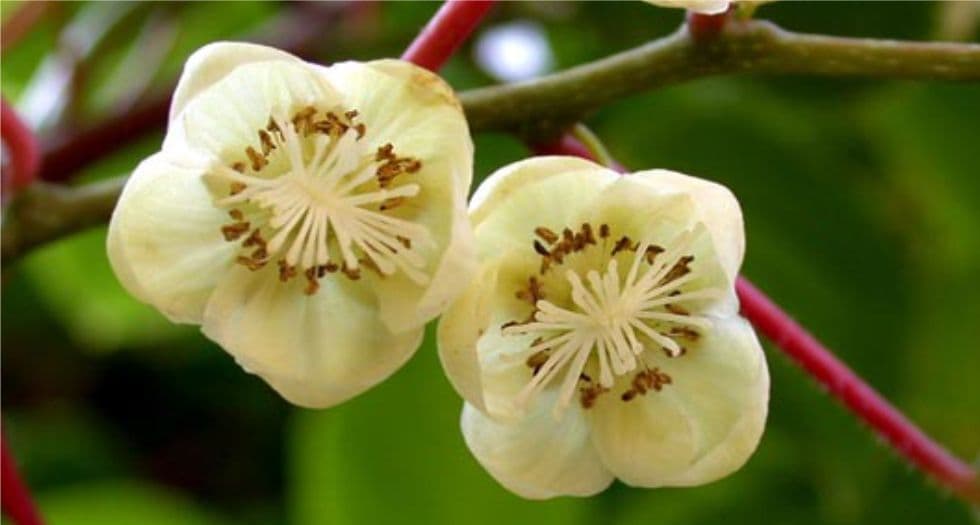
Kiwi blossom
Kiwi blossom is the delicate flower of the Actinidia deliciosa vine — a bloom that many admirers of the kiwi fruit have never encountered, as it appears only briefly in late spring before giving way to the developing fruit. The flowers are creamy-white with a central cluster of golden stamens, and they carry a fragrance quite distinct from the fruit itself — subtle, softly honeyed, and gently tropical, with a quiet floral warmth that speaks of the vine in its most ephemeral moment of beauty. In fragrance, kiwi blossom is a light, translucent floral note with a honeyed sweetness and a faint tropical underpinning that connects it to its fruit without mimicking it. Where kiwi fruit is sharp and acidic, kiwi blossom is tender and rounded — a sheer white floral with a creamy, slightly nectar-like quality that recalls orange blossom and linden without being identical to either. The effect is clean, fresh, and gently sweet, with just enough tropical character to keep it interesting. It harmonises naturally with mandarin, jasmine, ylang-ylang, and soft sandalwood. Kiwi blossom is a refined and somewhat uncommon note in perfumery, valued for its light, airy sweetness and its ability to bridge fresh-floral and fruity-tropical fragrance families. It suits spring and summer compositions beautifully, lending an effortless, sunlit quality that feels both modern and approachable. At Fragrenza, our kiwi blossom collection captures this fleeting floral moment in expertly crafted dupe fragrances — quality perfumery at a price that invites you to wear it every day.
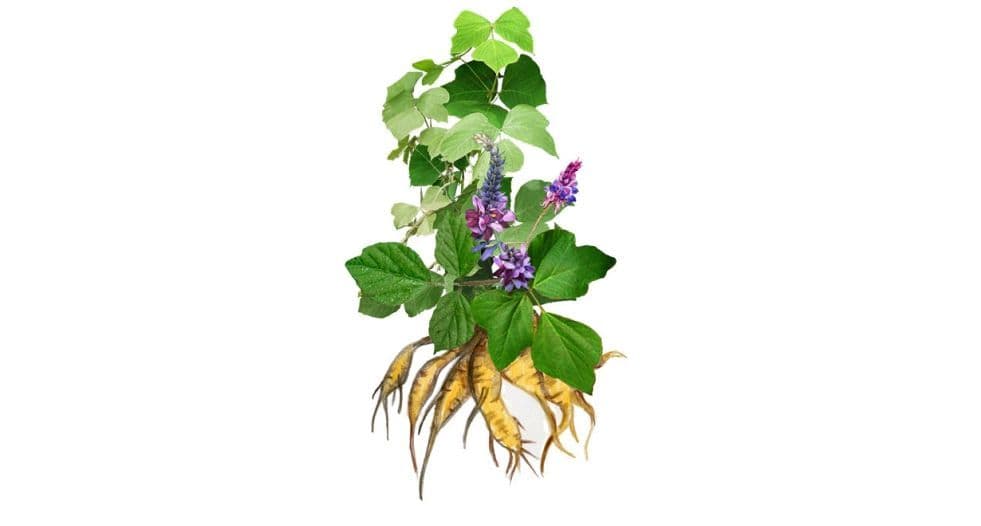
Kudzu
Kudzu (Pueraria montana) is a fast-growing climbing vine native to East Asia, where it has been cultivated in China and Japan for millennia as a food source, medicinal plant, and fibre crop. In Japan, kuzu starch is used in traditional cuisine and herbal medicine, and the plant's cascading purple flower clusters are considered a symbol of late summer and the arriving autumn. Though notorious in the American South as an invasive species, kudzu is appreciated in its native range as a vital and versatile botanical. The fragrance of kudzu is fresh, green, and quietly floral — a clean, botanical scent that captures the crisp vitality of a fast-growing vine in full leaf. The note centres on a cool, slightly sweet greenness akin to fresh-cut stems and young leaves, with a subtle floral underpinning from the grape-scented purple blossoms. There is an almost aquatic clarity to kudzu's freshness — it feels open, airy, and untainted, evoking sunlit meadows and the clean sweep of a summer breeze through dense foliage. It pairs naturally with violet leaf, green fig, water lily, and light woody musks. Kudzu is a delicate, understated note that suits fresh-green, botanical, and nature-inspired fragrance compositions. It excels in fragrances designed to evoke the great outdoors — clean, energetic, and reassuringly natural. At Fragrenza, our kudzu collection channels this honest, sun-drenched greenness into carefully crafted dupe fragrances inspired by the finest fresh and green-floral perfumes, offered at prices that make quality fragrance genuinely accessible.
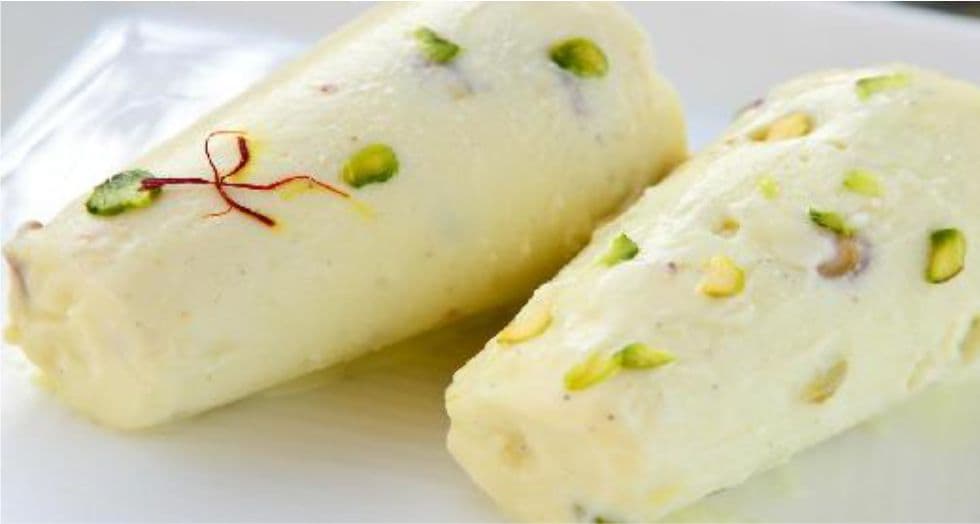
Kulfi
Kulfi is India's beloved frozen dessert — a centuries-old confection with roots in the Mughal imperial kitchens of the sixteenth century. Unlike Western ice cream, kulfi is made from slow-simmered, condensed whole milk that is infused with cardamom, saffron, rose water, and crushed pistachios, then frozen in sealed conical moulds. The result is a dense, intensely flavoured sweet with a richness that Western frozen desserts rarely achieve. Kulfi is not merely a food — it is a cultural institution, inseparable from Indian festivals, street life, and childhood memory. As a fragrance note, kulfi is a sumptuous gourmand accord layering warm green cardamom, toasted pistachio, creamy condensed milk, and a soft saffron-tinged sweetness. The cardamom brings a spiced, slightly mentholated warmth; the pistachio adds a subtle nuttiness and green depth; the condensed milk provides a smooth, caramelised creaminess. Together, the effect is exotic, comforting, and deeply indulgent — a fragrance that feels like a warm, sweetly spiced embrace. It harmonises beautifully with rose, sandalwood, vanilla, and soft amber. Kulfi is a standout note in the growing world of gourmand and dessert-inspired perfumery, offering an alternative to Western confectionery accords with genuine cultural depth and spiced complexity. It suits warm oriental and creamy-sweet compositions perfectly. At Fragrenza, our kulfi collection celebrates this Mughal culinary heritage through luxurious dupe fragrances — delivering the indulgence of a premium gourmand scent without the premium price tag.
- 🌿
Kumaru
Kumaru is a specialty note used to give a fragrance a distinctive texture, mood, or material impression. Depending on interpretation, it may contribute freshness, warmth, sweetness, dryness, softness, or an abstract atmospheric effect. In perfumery, specialty notes are useful because they make a composition feel more specific and less generic. It can be paired with woods, musks, florals, resins, fruits, green notes, spices, or amber materials according to the intended style.
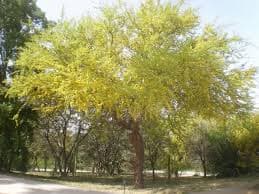
kumbaru
Kumbaru refers to trees from the Burseraceae family found in South America — a botanical family that also gives the world frankincense, myrrh, and copal. These resinous trees grow in the tropical forests of Brazil and neighbouring countries, where they have long been used by indigenous communities for their aromatic wood and healing resins. Like their Old World cousins, kumbaru trees produce fragrant gum-resins when their bark is wounded, yielding materials of considerable olfactory richness. The scent of kumbaru is deeply rooted in the forest — resinous and incense-like with an earthy, slightly smoky character that evokes the damp undergrowth of the Amazon basin. There is a warm, balsamic quality to it reminiscent of copal or green frankincense, with subtle woody and herbal undertones that ground it firmly in the natural world. It lacks the sharp brightness of citrus resins, offering instead a quieter, more meditative depth — the kind of scent that speaks of ancient trees, sacred smoke, and undisturbed wilderness. It pairs well with patchouli, vetiver, oud, cedarwood, and dark amber. Kumbaru is a niche note that appears most often in artisanal and natural perfumery, where its raw, untamed character is celebrated rather than smoothed away. It suits smoky-resinous, incense-forward, and forest compositions beautifully. At Fragrenza, our kumbaru collection explores this little-known South American treasure through expertly formulated dupe fragrances that bring the depth of the rainforest to your fragrance wardrobe — at a price that makes exploration irresistible.
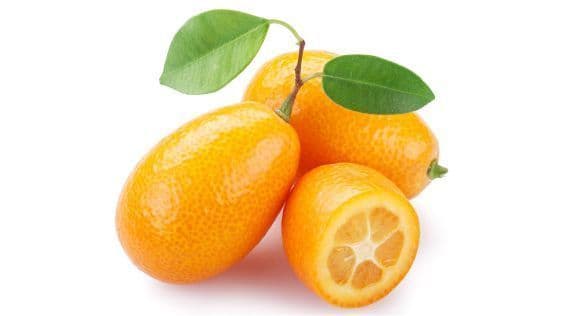
Kumquat
The kumquat is nature's most delightful contradiction — a tiny, olive-sized citrus fruit that is eaten whole, peel and all, offering a brilliant burst where bitter-tart skin and sweet-tangy pulp collide in a single bite. Native to southern China and widely cultivated across East Asia and the Mediterranean, kumquat trees are prized as much for their ornamental beauty as their fruit. Their name derives from the Cantonese gam gwat, meaning golden tangerine, and their vivid orange colour is as cheerful as their scent. In fragrance, kumquat is a sparkling, zesty citrus note with personality to spare. The peel contributes a bright, slightly bitter citrus-aldehydic sharpness that distinguishes it from smoother orange or mandarin, while the pulp adds a juicy, sweet-tart fruitiness with faint tropical undertones. Together, the effect is energetic and radiantly fresh — a citrus note that feels more lively and complex than standard orange, with a playful edge that lifts any composition it enters. It blends brilliantly with ginger, yuzu, green tea, jasmine, and light musks. Kumquat is a favourite in contemporary fresh and citrus-aromatic fragrances, valued by perfumers for its vibrant character and ability to add an upbeat, sunlit quality to both masculine and feminine compositions. Its bright tartness makes it an inspired opening note in eau de cologne and fresh-floral styles. At Fragrenza, our kumquat collection captures that radiant citrus sparkle in beautifully crafted dupe fragrances that deliver luxury freshness at everyday prices.
- 🌿
Kyara oud
Kyara oud is a woody note used to create structure, depth, and lasting warmth. Its scent may be dry, creamy, smoky, resinous, earthy, pencil-like, or polished depending on the wood or accord. In perfumery, woody notes support the whole composition and connect fresh openings with deeper bases. It pairs naturally with amber, musk, incense, leather, vetiver, patchouli, spices, citrus, and soft resins.
- 🌿
Kyphi
Kyphi is a specialty note used to give a fragrance a distinctive texture, mood, or material impression. Depending on interpretation, it may contribute freshness, warmth, sweetness, dryness, softness, or an abstract atmospheric effect. In perfumery, specialty notes are useful because they make a composition feel more specific and less generic. It can be paired with woods, musks, florals, resins, fruits, green notes, spices, or amber materials according to the intended style.
L
- 🌿
La Réunion pink pepper
La Réunion pink pepper is a spicy note that gives fragrance heat, texture, and aromatic energy. It can feel sweet, dry, peppery, resinous, herbal, smoky, or slightly medicinal depending on the material. In perfumery, spices create contrast, deepen the heart, and bridge fresh top notes with warm woody or amber bases. It pairs especially well with citrus, rose, tobacco, vanilla, oud, sandalwood, patchouli, leather, and balsamic resins.
- 🌿
La Réunion vanilla
La Réunion vanilla is a warm ambered or resinous note used to give fragrance depth, softness, and long-lasting richness. It can smell balsamic, sweet, smoky, vanillic, woody, powdery, or incense-like depending on the material. In perfumery, it rounds sharp edges and creates a smooth base that holds the composition together. It pairs well with woods, musks, spices, vanilla, tobacco, leather, florals, oud, and other resins.
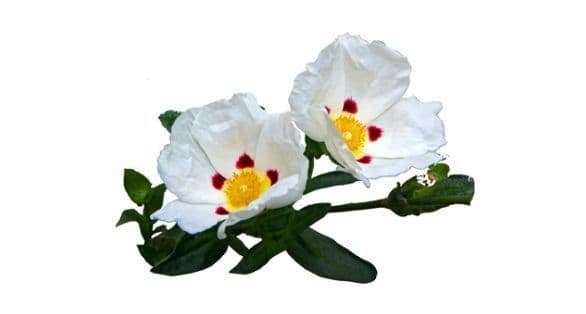
Labdanum
Labdanum is one of perfumery's oldest and most beloved raw materials, derived from the sticky resin of the Cistus ladanifer shrub native to the Mediterranean basin — particularly the sun-scorched hillsides of Spain, Portugal, and Greece. For thousands of years, this golden-brown resin was harvested by shepherds whose goats' fleeces collected it as they grazed among the cistus bushes. Ancient Egyptians prized it as incense and medicine, and it has remained a cornerstone of perfumery ever since. The olfactory character of labdanum is extraordinarily rich and complex. It is fundamentally warm and amber-like, with a deep resinous sweetness underscored by animalic, leathery nuances that give it a primal, skin-close sensuality. At its core lies a sweet balsamic warmth — like sun-warmed earth, dried amber, and a trace of tobacco — wrapped in subtle herbal and woody facets from the cistus plant itself. It is one of the few natural materials that genuinely smells of skin and warmth rather than flowers or fruit, making it irreplaceable in oriental, chypre, and amber fragrance families. Labdanum is a foundational base note in countless iconic perfumes, prized for its exceptional fixative properties and its ability to meld seamlessly with virtually any other ingredient. It anchors oakmoss-based chypres, deepens oriental compositions, and adds soulful warmth to modern amber accords. At Fragrenza, our labdanum collection showcases this ancient resin's timeless allure through premium dupe fragrances inspired by the world's most celebrated amber and oriental perfumes. Want to wear it? Explore [labdanum fragrances](https://fragrenza.com/collections/labdanum-fragrances).
- 🌿
Labdanum absolute
Labdanum absolute is a warm ambered or resinous note used to give fragrance depth, softness, and long-lasting richness. It can smell balsamic, sweet, smoky, vanillic, woody, powdery, or incense-like depending on the material. In perfumery, it rounds sharp edges and creates a smooth base that holds the composition together. Labdanum absolute pairs well with woods, musks, spices, vanilla, tobacco, leather, florals, oud, and other resins.
- 🌿
Labrador tea
Labrador tea is a green or aromatic note that evokes leaves, herbs, stems, fresh air, or crushed vegetation. Its profile can be crisp, bitter, watery, camphoraceous, grassy, or slightly earthy depending on the material. In perfumery, green notes add realism and lift, keeping sweet, floral, or woody compositions from feeling too heavy. It pairs well with citrus, tea, fig, violet leaf, galbanum, tomato leaf, white musk, vetiver, lavender, and light woods.
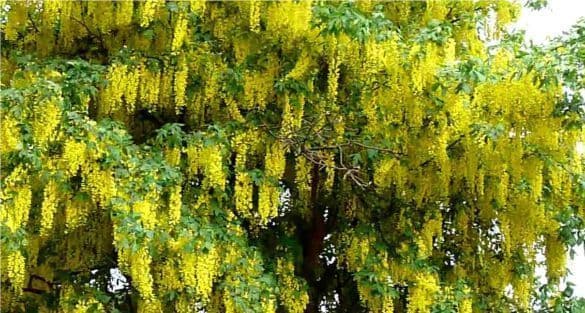
Laburnum
Laburnum, commonly known as golden chain or golden rain, is a genus of small flowering trees — primarily Laburnum anagyroides and L. alpinum — native to the mountains of southern and central Europe. In late spring, laburnum produces spectacular cascades of golden-yellow flowers that hang in long, pendulous clusters, creating one of the most visually dramatic displays of the European flowering season. Every part of the tree is toxic, lending its beauty a compelling, dangerous edge that has long captured the imagination of poets and perfumers alike. The scent of laburnum blossoms is sweetly floral and distinctly honeyed, with a warm, slightly heady quality that blends floral sweetness with a faint green, woody undertone from the branches and leaves. The honey quality is pronounced but not cloying, and there is a subtle complexity — almost a suggestion of vanilla or warm wax — that gives laburnum fragrance a particular luminous richness. The knowledge of its toxicity adds a paradoxical depth to its sensory beauty. In perfumery, laburnum is used to contribute a distinctive golden-floral sweetness to compositions, particularly in springtime florals, honey-forward accords, and naturalistic botanical blends. It pairs beautifully with mimosa, wisteria, and warm musks. At Fragrenza, our Laburnum collection translates the breathtaking beauty of this flowering tree into exquisite fragrance dupes — capturing its golden allure in every bottle.
- 🌿
Lactone
Lactone is a specialty note used to give a fragrance a distinctive texture, mood, or material impression. Depending on interpretation, it may contribute freshness, warmth, sweetness, dryness, softness, or an abstract atmospheric effect. In perfumery, specialty notes are useful because they make a composition feel more specific and less generic. It can be paired with woods, musks, florals, resins, fruits, green notes, spices, or amber materials according to the intended style.
- 🌿
Lady orchid
Lady orchid is a floral note that gives a fragrance softness, radiance, and emotional warmth. Depending on the flower or accord, it may feel fresh, creamy, powdery, honeyed, green, indolic, or airy. In perfumery, floral notes often form the heart of a composition, adding body and a recognizable signature. It pairs well with citrus, white musk, rose, jasmine, sandalwood, amber, vanilla, iris, and delicate fruits.
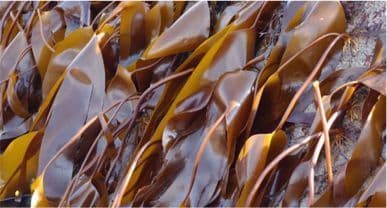
Laminaria
Laminaria, commonly known as kelp or brown seaweed, thrives in the cold, nutrient-rich waters of the world's oceans — from the Pacific coastlines of Japan and Korea to the rugged shores of Iceland and Brittany. This remarkable marine algae forms vast underwater forests that have long inspired artists, chefs, and perfumers alike. Its presence in a fragrance immediately conjures the untamed depth of the open sea. In perfumery, laminaria delivers a distinctly aquatic character that is simultaneously briny, mineral, and deeply oceanic. Unlike synthetic marine accords, a true laminaria note carries genuine complexity — damp sea-salt air, the cool touch of wet stone, and a subtle iodine-like earthiness that evokes tide pools at low water. It sits beautifully alongside ambergris, driftwood, musk, and white florals, anchoring aquatic compositions with an authentic sense of place. Perfumers prize it for its ability to add a living, breathing marine quality that feels neither sharp nor harsh, but genuinely deep and immersive. Laminaria is a hallmark note in oceanic and fresh-marine fragrances, often appearing in compositions that seek to capture coastal landscapes, sea voyages, or the serene solitude of underwater environments. Its mineral coolness makes it an ideal counterpoint to warm woods and skin musks. At Fragrenza, our laminaria-forward fragrance collection brings the bracing clarity of the deep ocean to your skin — at a price that keeps luxury within reach.
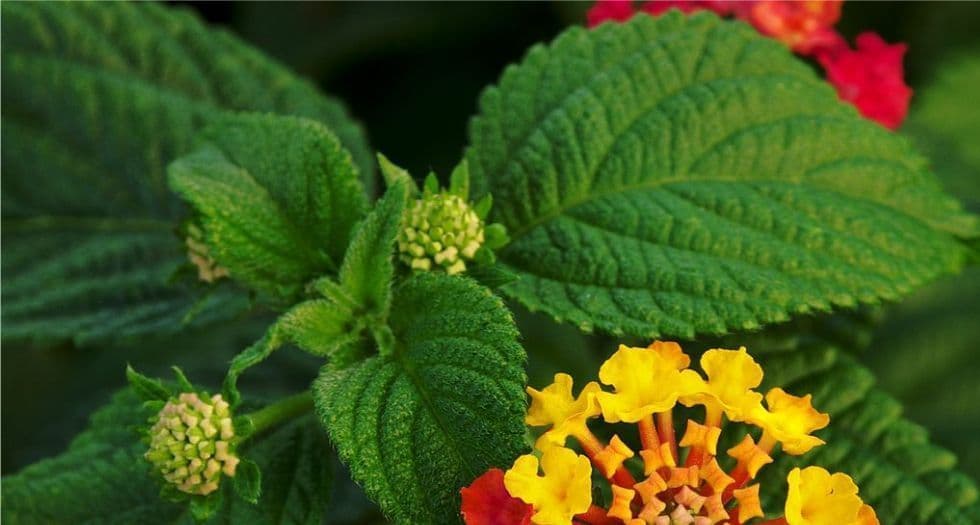
Lantana leaf
Lantana is a genus of flowering shrubs in the verbena family, native to tropical regions of the Americas and Africa but now naturalised across subtropical regions worldwide. Lantana camara and related species are recognised by their clusters of small, multi-coloured flowers and their distinctly aromatic leaves, which emit a pungent, herbaceous fragrance when brushed or crushed. In perfumery, it is primarily the foliage note that is employed — a wild, green, slightly exotic character derived from the leaf. The scent of lantana leaf is herbal and slightly pungent, with an interesting interplay of citrus-green, tropical, and slightly camphor-like facets. There is a raw, almost weedy naturalism to it that is both challenging and compelling — it smells of the outdoors, of tropical hedgerows and sun-warmed greenery, with a freshness that carries a hint of something wild and slightly resinous underneath. In perfumery, lantana leaf is used to add a distinctive tropical-herbal freshness to compositions, contributing a naturalistic green note that feels less familiar than violet leaf or galbanum. It pairs well with citrus, woody materials, tropical florals, and earthy bases. At Fragrenza, our Lantana Leaf collection channels this bold, sun-drenched botanical character into expertly crafted fragrance dupes that bring a touch of wild tropical greenness to your fragrance wardrobe.
- 🌿
Laotian cinnamon
Laotian cinnamon is a spicy note that gives fragrance heat, texture, and aromatic energy. It can feel sweet, dry, peppery, resinous, herbal, smoky, or slightly medicinal depending on the material. In perfumery, spices create contrast, deepen the heart, and bridge fresh top notes with warm woody or amber bases. It pairs especially well with citrus, rose, tobacco, vanilla, oud, sandalwood, patchouli, leather, and balsamic resins.
- 🌿
Laotian cinnamon Orpur®
Laotian cinnamon Orpur® is a spicy note that gives fragrance heat, texture, and aromatic energy. It can feel sweet, dry, peppery, resinous, herbal, smoky, or slightly medicinal depending on the material. In perfumery, spices create contrast, deepen the heart, and bridge fresh top notes with warm woody or amber bases. It pairs especially well with citrus, rose, tobacco, vanilla, oud, sandalwood, patchouli, leather, and balsamic resins.
- 🌿
Laotian honey
Laotian honey is a gourmand note that adds edible warmth, sweetness, and comfort. It may suggest cream, sugar, nuts, chocolate, coffee, honey, pastry, or toasted grains depending on the accord. In perfumery, gourmand notes make compositions feel cozy and sensual, but they work best when balanced with woods, musks, spices, citrus, or resins. It pairs well with vanilla, tonka bean, sandalwood, amber, caramel, cacao, coffee, and soft florals.
- 🌿
Laotian Oud
Laotian oud is derived from the agarwood produced by Aquilaria trees growing in the forests of Laos, a landlocked country in Southeast Asia whose remote, highland ecosystems have given rise to a distinctive and highly prized variety of this legendary resinous ingredient. Agarwood forms when Aquilaria trees respond to infection or injury by producing a dark, resinous heartwood that, once harvested and distilled, yields oud oil — one of the most complex, costly, and culturally significant fragrance materials in the world. Laotian oud occupies a specific and celebrated position within the oud family's broad spectrum. In its olfactory character, Laotian oud is widely regarded as more delicate and approachable than its Indian or Cambodian counterparts. While it retains oud's characteristic woody depth and complexity, Laotian agarwood tends to express a lighter, sweeter, slightly floral quality — cleaner and more transparent, with a refined woody-balsamic warmth that is less intensely animalic than some other regional varieties. This comparative elegance and accessibility has made Laotian oud a favoured choice for perfumers creating oud-based compositions intended to appeal to a broader audience, and it forms the foundation of some of the finest contemporary oud fragrances in both Middle Eastern and Western fine perfumery. Fragrenza's Laotian oud collection brings together premium-quality fragrance dupes that honour the delicate sweetness and refined depth of this exceptional agarwood — offering luxury oud experiences at an accessible price point.
- 🌿
Laotian red ginger
Laotian red ginger is a spicy note that gives fragrance heat, texture, and aromatic energy. It can feel sweet, dry, peppery, resinous, herbal, smoky, or slightly medicinal depending on the material. In perfumery, spices create contrast, deepen the heart, and bridge fresh top notes with warm woody or amber bases. It pairs especially well with citrus, rose, tobacco, vanilla, oud, sandalwood, patchouli, leather, and balsamic resins.
- 🌿
Laotian vetiver
Laotian vetiver is a woody note used to create structure, depth, and lasting warmth. Its scent may be dry, creamy, smoky, resinous, earthy, pencil-like, or polished depending on the wood or accord. In perfumery, woody notes support the whole composition and connect fresh openings with deeper bases. It pairs naturally with amber, musk, incense, leather, vetiver, patchouli, spices, citrus, and soft resins.
- 🌿
Lapsang Souchong tea
Lapsang Souchong is a legendary Chinese black tea from the Wuyi Mountains of Fujian Province, produced by a unique method in which the leaves are smoke-dried over pinewood fires after oxidation. The result is the most dramatically flavoured of all teas: intensely smoky, resinous, and deeply warming, with notes of pine tar, campfire embers, and dried fruit woven through the characteristic depth of black tea. In fine fragrance, the Lapsang Souchong accord has inspired some of the most evocative and sophisticated smoky-tea compositions of the contemporary niche perfume world. Aromatically, Lapsang Souchong in a fragrance context is a complex, multi-layered experience. The defining quality is a rich, enveloping smokiness — not the acrid sharpness of a bonfire but the refined, resinous warmth of pine-smoked wood and glowing embers in a stone hearth. Beneath the smoke lies the characteristic dry astringency of black tea, lending intellectual complexity and a faintly tannic dryness that prevents the composition from becoming purely gourmand. This smoky-woody-tea accord pairs magnificently with leather, oud, birch tar, amber, and dark resins, producing some of the most compelling and memorably atmospheric fragrances in modern perfumery's repertoire. At Fragrenza, our Lapsang Souchong collection showcases premium fragrance dupes inspired by the boldest and most evocative smoky-tea compositions — deeply characterful and accessible for every fragrance enthusiast.
- 🌿
Lapsang Souchong tea absolute
Lapsang Souchong tea absolute is a green or aromatic note that evokes leaves, herbs, stems, fresh air, or crushed vegetation. Its profile can be crisp, bitter, watery, camphoraceous, grassy, or slightly earthy depending on the material. In perfumery, green notes add realism and lift, keeping sweet, floral, or woody compositions from feeling too heavy. It pairs well with citrus, tea, fig, violet leaf, galbanum, tomato leaf, white musk, vetiver, lavender, and light woods.
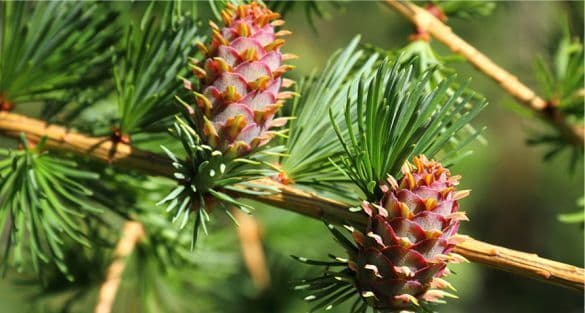
Larch
Larch (Larix decidua and related species) is one of the few deciduous conifers in the world — a remarkable tree that sheds its soft, feathery needles each autumn after blazing briefly golden, then regenerates a fresh, vivid green canopy each spring. Native to the mountainous regions of Central Europe, Siberia, and parts of North America, the larch grows at high altitudes in pure stands that define some of the most dramatic Alpine and boreal landscapes on earth. In perfumery, larch contributes a crisp, resinous, green conifer note that speaks directly to the clarity of mountain air and ancient forest wilderness. Aromatically, larch is fresher and more transparent than many conifers. It opens with a bright, slightly citrusy-green resinousness — less dark and dense than pine or fir, but sharing their characteristic woody cleanness — before settling into a softer, pleasantly resinous body with a faint balsamic warmth and the suggestion of cool Alpine air and sunlit forest clearings. Larch resin (Venice turpentine), traditionally harvested from the tree, adds a deeper, richer facet that lends longevity to compositions that feature it. In fine fragrance, larch notes appear in fresh woody and aromatic compositions, outdoor-inspired masculines, and sophisticated forest-themed creations. Fragrenza's larch collection features premium fragrance dupes inspired by the finest resinous, forest-fresh compositions in modern perfumery — bringing the pure clarity of the mountains to your collection at an accessible price.
- 🌿
Latex
Latex as a fragrance note represents one of perfumery's more adventurous and intellectually curious abstractions — the olfactory interpretation of natural rubber, the milky sap harvested from the Hevea brasiliensis tree and processed into the smooth, clean-smelling material familiar from everyday life. The latex note belongs to a broader tradition in contemporary niche perfumery of exploring industrial, man-made, and unconventional olfactory references as creative territory, pushing the boundaries of what fragrance can represent and evoke. It is a note for the bold, the curious, and the open-minded fragrance enthusiast. Aromatically, the latex accord is clean and slightly creamy at its core, with an unmistakable smooth, rubbery quality that is simultaneously industrial and strangely intimate. Depending on the perfumer's interpretation, it can lean toward the cool and antiseptic — evoking medical gloves or new tyres — or be warmed into something almost skin-like and sensual, suggesting the warmth of worn leather or the soft smoothness of treated materials. In fine fragrance, latex notes frequently appear in bold, conceptual compositions where they are used to create contrast, tension, or unexpected skin-adjacent intimacy, often alongside musks, woods, and smoky or mineral elements. Fragrenza's latex collection presents fragrance dupes inspired by the most compelling compositions that feature this boundary-pushing note — clean, abstract, and unforgettably original at an accessible price.
- 🌿
Latte macchiato
Latte macchiato is a specialty note used to give a fragrance a distinctive texture, mood, or material impression. Depending on interpretation, it may contribute freshness, warmth, sweetness, dryness, softness, or an abstract atmospheric effect. In perfumery, specialty notes are useful because they make a composition feel more specific and less generic. It can be paired with woods, musks, florals, resins, fruits, green notes, spices, or amber materials according to the intended style.
- 🌿
Laurel
Laurel is a green note that evokes leaves, stems, herbs, garden air, or crushed vegetation. Its character can be crisp, bitter, watery, aromatic, or slightly earthy depending on the source. In perfumery, green notes add realism and freshness, preventing sweet or floral compositions from becoming too heavy. They pair well with citrus, tea, fig, violet leaf, galbanum, tomato leaf, white musk, vetiver, and light woods.
- 🌿
Laurel wood
Laurel wood is a woody note used to create structure, depth, and lasting warmth. Its scent may be dry, creamy, smoky, resinous, earthy, pencil-like, or polished depending on the wood or accord. In perfumery, woody notes support the whole composition and connect fresh openings with deeper bases. It pairs naturally with amber, musk, incense, leather, vetiver, patchouli, spices, citrus, and soft resins.
- 🌿
Laurels
Laurels is a green or aromatic note that evokes leaves, herbs, stems, fresh air, or crushed vegetation. Its profile can be crisp, bitter, watery, camphoraceous, grassy, or slightly earthy depending on the material. In perfumery, green notes add realism and lift, keeping sweet, floral, or woody compositions from feeling too heavy. Laurels pairs well with citrus, tea, fig, violet leaf, galbanum, tomato leaf, white musk, vetiver, lavender, and light woods.
- 🌿
Lava
Lava as a fragrance note belongs to the avant-garde of modern perfumery — a purely abstract accord invented to evoke the primordial power and raw mineral drama of volcanic activity. Inspired by the sight and sensation of molten rock meeting cool air, lava accords draw on the creative traditions of elemental and geological perfumery, a movement that has produced some of the most thought-provoking and daring compositions of the contemporary fragrance world. This note is not found in nature as a harvestable ingredient but is crafted entirely through the artistry of the perfumer's skill with synthetic materials. Aromatically, a lava accord is characterised by its hot, dry minerality — an impression of stone and ash warmed to extreme temperatures, combined with a faintly smoky, sulphurous quality that suggests volcanic gases and charred earth. Some interpretations add a metallic note, a dark incense-like depth, or a contrasting coolness at the surface to emphasise the dramatic temperature contrast of erupting lava meeting the surrounding environment. In fine fragrance, lava accords appear most often in bold, conceptual, niche compositions where they add a commanding elemental darkness and an undeniable sense of geological timescale to woody, smoky, or mineral structures. Fragrenza's lava collection presents fragrance dupes inspired by the most compelling volcanic and elemental scents in niche perfumery — raw, dramatic, and unapologetically bold at an accessible price.
- 🌿
Lavandin
Lavandin is a hybrid lavender — a natural cross between true English lavender (Lavandula angustifolia) and spike lavender (Lavandula latifolia) known botanically as Lavandula x intermedia. Unlike its more delicate parent, lavandin produces significantly more essential oil — up to ten times the yield of English lavender — making it the dominant lavender variety in commercial perfumery worldwide. It grows abundantly across the sun-baked plateaus of Provence, where its purple fields are among the most photographed landscapes in France. In fragrance, lavandin is fresher, sharper, and more robust than classic lavender. Its defining characteristic is a pronounced camphor undertone that gives it a medicinal, almost eucalyptus-like edge alongside the familiar floral-herbal lavender core. This slightly bolder, more angular character makes lavandin particularly well-suited to masculine fougere fragrances and fresh aromatic compositions, where it adds structure and herbal vibrancy without tipping into sweetness. Fragrances built around lavandin often feel crisp, clean, and invigorating — evoking the open air of the Provencal countryside. Browse Fragrenza's lavandin fragrance collection to explore inspired-by interpretations of some of the world's finest lavender-forward scents, crafted to deliver that same clean, herbal freshness at an accessible price.
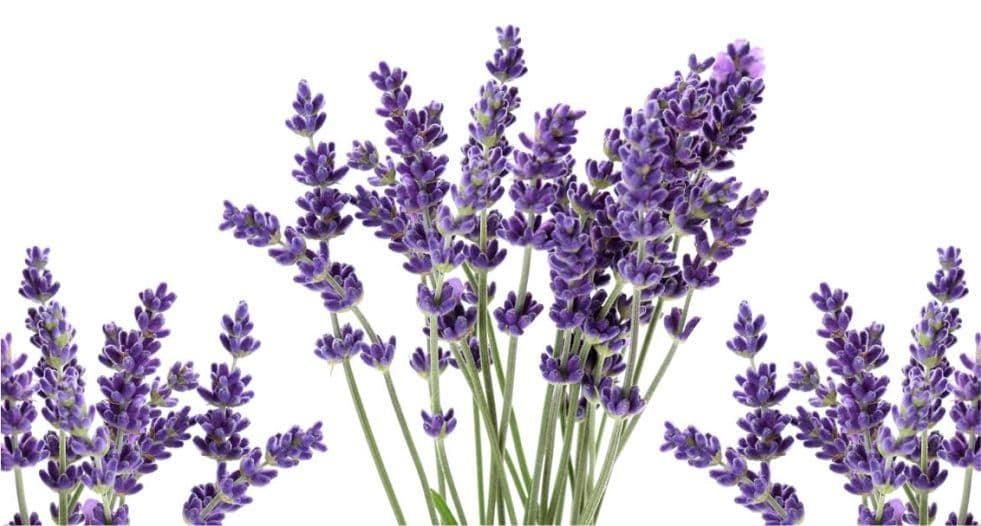
lavender
Lavender (Lavandula angustifolia) is perhaps the single most iconic ingredient in the entire history of perfumery. Native to the sun-drenched hillsides of the Mediterranean basin and cultivated on an enormous scale in Provence, Bulgaria, England, and beyond, lavender has been used in fragrance, medicine, and ritual for over two and a half thousand years. Its essential oil, steam-distilled from the flowering tops of the plant, is the backbone of the classic fougère accord and a defining element of countless fine fragrances spanning every gender, era, and style. The olfactory profile of true lavender is a masterclass in balance: it opens with a bright, slightly camphorous, herbaceous freshness, then reveals a warm floral heart that is simultaneously clean and complex, before settling into a softly woody, slightly sweet dry-down with faint traces of hay and tonka-like warmth. This extraordinary versatility — herbal yet floral, fresh yet warm, simple yet endlessly nuanced — is why lavender appears with such frequency across all categories of fine fragrance. From classic barbershop fougères and powdery masculines to modern unisex fresh-aromatics and sophisticated floral compositions, lavender remains eternally relevant. At Fragrenza, our lavender collection brings together premium-quality fragrance dupes inspired by the world's most celebrated lavender-driven scents — honouring this timeless icon at a price that makes luxury fragrance accessible to every enthusiast. Looking for it in a bottle? Browse [affordable lavender scents](https://fragrenza.com/collections/lavender-fragrances) on Fragrenza.
- 🌿
Lavender absolute
Lavender absolute is a floral note that adds softness, radiance, and emotional warmth to a composition. Depending on the flower or accord, it can feel fresh, creamy, powdery, honeyed, green, indolic, or airy. In perfumery, floral notes often form the heart of a fragrance, giving it body and a recognizable character. Lavender absolute pairs well with citrus, white musk, rose, jasmine, sandalwood, amber, vanilla, iris, and delicate fruits, making it useful in both classic bouquets and modern transparent florals.
- 🌿
Lavender aldehyde
Lavender aldehyde is a floral note that gives a fragrance softness, radiance, and emotional warmth. Depending on the flower or accord, it may feel fresh, creamy, powdery, honeyed, green, indolic, or airy. In perfumery, floral notes often form the heart of a composition, adding body and a recognizable signature. It pairs well with citrus, white musk, rose, jasmine, sandalwood, amber, vanilla, iris, and delicate fruits.
- 🌿
Lavender Extract
Lavender Extract is a floral note that adds softness, radiance, and emotional warmth to a composition. Depending on the flower or accord, it can feel fresh, creamy, powdery, honeyed, green, indolic, or airy. In perfumery, floral notes often form the heart of a fragrance, giving it body and a recognizable character. Lavender Extract pairs well with citrus, white musk, rose, jasmine, sandalwood, amber, vanilla, iris, and delicate fruits, making it useful in both classic bouquets and modern transparent florals.
- 🌿
Lavender honey
Lavender honey is a floral note that gives a fragrance softness, radiance, and emotional warmth. Depending on the flower or accord, it may feel fresh, creamy, powdery, honeyed, green, indolic, or airy. In perfumery, floral notes often form the heart of a composition, adding body and a recognizable signature. It pairs well with citrus, white musk, rose, jasmine, sandalwood, amber, vanilla, iris, and delicate fruits.
- 🌿
Lavender leaf
Lavender leaf is a floral note that gives a fragrance softness, radiance, and emotional warmth. Depending on the flower or accord, it may feel fresh, creamy, powdery, honeyed, green, indolic, or airy. In perfumery, floral notes often form the heart of a composition, adding body and a recognizable signature. It pairs well with citrus, white musk, rose, jasmine, sandalwood, amber, vanilla, iris, and delicate fruits.
- 🌿
Lavender Pink berries Lemon
Lavender Pink berries Lemon is a citrus note that adds sparkle, freshness, and immediate lift to a fragrance. Its profile can include juicy pulp, aromatic peel, green bitterness, soft floral nuances, or a sharp zesty brightness depending on the material. In perfumery, it is usually used in the opening, where it brings clarity and motion before blending into florals, woods, musks, or herbs. It pairs well with neroli, tea, lavender, white musk, light woods, aquatic notes, and aromatic herbs.
- 🌿
Lavender root
Lavender root is a floral note that gives a fragrance softness, radiance, and emotional warmth. Depending on the flower or accord, it may feel fresh, creamy, powdery, honeyed, green, indolic, or airy. In perfumery, floral notes often form the heart of a composition, adding body and a recognizable signature. It pairs well with citrus, white musk, rose, jasmine, sandalwood, amber, vanilla, iris, and delicate fruits.
- 🌿
Lavender water
Lavender water is a floral note that gives a fragrance softness, radiance, and emotional warmth. Depending on the flower or accord, it may feel fresh, creamy, powdery, honeyed, green, indolic, or airy. In perfumery, floral notes often form the heart of a composition, adding body and a recognizable signature. It pairs well with citrus, white musk, rose, jasmine, sandalwood, amber, vanilla, iris, and delicate fruits.
- 🌿
Leaf green
Leaf green is a green note that evokes leaves, stems, herbs, garden air, or crushed vegetation. Its character can be crisp, bitter, watery, aromatic, or slightly earthy depending on the source. In perfumery, green notes add realism and freshness, preventing sweet or floral compositions from becoming too heavy. They pair well with citrus, tea, fig, violet leaf, galbanum, tomato leaf, white musk, vetiver, and light woods.

leather
The leather note in perfumery is a crafted accord that evokes the scent of fine cured hide — an aroma with deep cultural associations with luxury, craftsmanship, and sophisticated masculinity. Historically, the connection between leather and perfumery is intimate: perfumers in Grasse originally scented gloves with aromatic materials to mask the smell of animal hides. Traditional leather accords were built from birch tar, castoreum, and labdanum; modern iterations use synthetic materials such as isobutyl quinoline and Suederal to achieve the note without relying on animal-derived ingredients. The scent of leather in fragrance is dry, slightly smoky, and animalic, with a characteristic dusty-dark quality that carries connotations of tanneries, saddles, and worn book bindings. A well-crafted leather note has a warm, rich depth that can range from clean and suede-soft to rugged and tobacco-inflected, depending on the composition. It possesses remarkable tenacity and a distinctly sophisticated, grown-up character. Leather is the cornerstone of an entire fragrance family — the cuirs — and appears as a key element in orientals, chypres, and aromatic compositions. It blends superbly with tobacco, iris, vetiver, and smoky woods. At Fragrenza, our Leather collection captures this timeless, commanding note in high-quality fragrance dupes that deliver enduring sophistication without compromise — at prices that make wearing a true leather fragrance every day entirely justifiable. Looking for it in a bottle? Browse [affordable leather scents](https://fragrenza.com/collections/leather-fragrances) on Fragrenza.
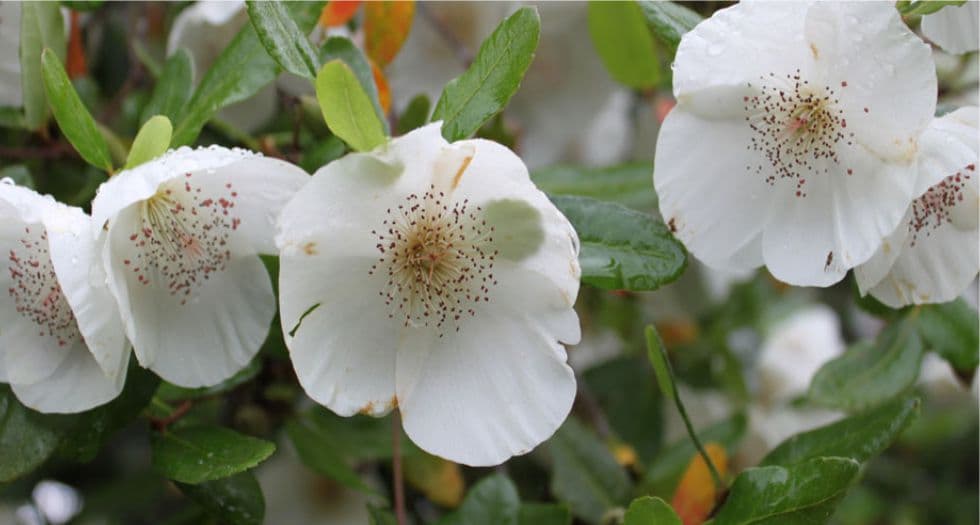
Leatherwood
Leatherwood (Eucryphia lucida) is a remarkable flowering tree endemic to the ancient temperate rainforests of Tasmania, Australia's island state. It blooms in midsummer, producing abundant white flowers that Tasmanian beekeepers rely upon to produce leatherwood honey — widely regarded as one of the world's most distinctive and extraordinary honeys. In fine fragrance, the leatherwood note draws inspiration from both the flower and its honey, creating an accord of remarkable complexity that stands apart from virtually any other single ingredient in perfumery's broad vocabulary. Aromatically, leatherwood is a genuinely unusual and complex ingredient. Its character is dominated by a rich, spiced honey quality — deeper and more resinous than clover honey, with a peppery, slightly animalic edge that gives it considerable presence and tenacity. Beneath this lies a faintly floral, waxy sweetness and traces of woodiness from the tree itself. This combination of spice, honey, and floral complexity makes leatherwood an incredibly effective anchor note in oriental, gourmand, and unusual floral compositions. It is a note that rewards curiosity and pairs exceptionally well with beeswax, labdanum, woody musks, and dark florals. Fragrenza's leatherwood collection features fragrance dupes that celebrate this extraordinary Australian botanical — offering the warmth, spice, and honeyed complexity of leatherwood at a price that makes premium fragrance accessible to all.
- 🌿
Leathery notes
Leathery notes is a dark textured note that can suggest leather, smoke, tobacco, tar, or warm dry materials. It gives fragrance depth, sensuality, and a more dramatic atmosphere. In perfumery, smoky and leathery notes are often used in bases, where they add strength and character without needing sweetness. Leathery notes pairs well with oud, saffron, birch tar, amber, tobacco, rose, patchouli, vetiver, incense, and dry woods.
- 🌿
Leaves
Leaves is a green or aromatic note that evokes leaves, herbs, stems, fresh air, or crushed vegetation. Its profile can be crisp, bitter, watery, camphoraceous, grassy, or slightly earthy depending on the material. In perfumery, green notes add realism and lift, keeping sweet, floral, or woody compositions from feeling too heavy. Leaves pairs well with citrus, tea, fig, violet leaf, galbanum, tomato leaf, white musk, vetiver, lavender, and light woods.
- 🌿
Lebanese mandarin orange
Lebanese mandarin orange is a citrus note that adds sparkle, freshness, and immediate lift to a fragrance. Its profile can include juicy pulp, aromatic peel, green bitterness, soft floral nuances, or a sharp zesty brightness depending on the material. In perfumery, it is usually used in the opening, where it brings clarity and motion before blending into florals, woods, musks, or herbs. It pairs well with neroli, tea, lavender, white musk, light woods, aquatic notes, and aromatic herbs.
- 🌿
Lebanese neroli
Lebanese neroli is a citrus note that adds sparkle, freshness, and immediate lift to a fragrance. Its profile can include juicy pulp, aromatic peel, green bitterness, soft floral nuances, or a sharp zesty brightness depending on the material. In perfumery, it is usually used in the opening, where it brings clarity and motion before blending into florals, woods, musks, or herbs. It pairs well with neroli, tea, lavender, white musk, light woods, aquatic notes, and aromatic herbs.
- 🌿
Lebanon cedar
Lebanon cedar is a woody note used to create structure, depth, and lasting warmth. Its scent may be dry, creamy, smoky, resinous, earthy, pencil-like, or polished depending on the wood or accord. In perfumery, woody notes often support the whole composition and help connect fresh openings with deeper bases. Lebanon cedar pairs naturally with amber, musk, incense, leather, vetiver, patchouli, spices, citrus, and soft resins, making it useful in masculine, feminine, and unisex fragrances.
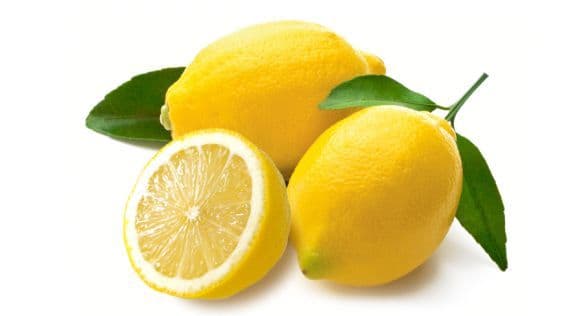
Lemon
Lemon (Citrus limon) is one of the most universally recognised and widely used ingredients in the entire history of perfumery. Originally cultivated in South and Southeast Asia and introduced to the Mediterranean by Arab traders in the Middle Ages, the lemon tree now grows across warm climates worldwide. Its essential oil is cold-pressed from the ripe peel and is a cornerstone of fragrance creation — clean, sharp, immediately refreshing, and possessed of an optimistic brightness that has made it indispensable across virtually every category of fine scent. In perfumery, lemon functions primarily as a top note, providing the initial burst of clean, invigorating freshness that greets the wearer and those around them. Its profile is classic and unambiguous — brightly citric, slightly sweet, with a crisp tartness and just a whisper of green pith in the background. While its top-note volatility means it fades relatively quickly on skin, skilled perfumers anchor lemon's brightness through careful construction of supporting mid and base notes, allowing its cheerful, sun-soaked character to linger in the composition's impression long after the initial citrus burst has subsided. Lemon is the foundational note of colognes, fougères, and countless fresh aromatic creations. Fragrenza's lemon fragrance collection gathers the finest dupes of the world's most beloved lemon-forward perfumes — timeless, clean, and endlessly wearable at an accessible price. Shop for lemon? [Fragrenza](https://fragrenza.com/collections/lemon-fragrances) curates a focused selection.
- 🌿
Lemon balm
Lemon balm, known botanically as Melissa officinalis, is a bushy perennial herb in the mint family that has been cultivated in Mediterranean Europe and Western Asia for over two thousand years. Its softly toothed leaves release a gently lemony, herbaceous fragrance when touched, and its essential oil — steam-distilled from the fresh flowering tops — is one of the most prized and delicate citrus-herbal materials in aromatherapy and fine perfumery alike. Melissa oil is notoriously difficult to distil in quantity, giving it a rarity and value that elevates the finest compositions that feature it. Aromatically, lemon balm occupies a uniquely calming and nuanced space in the citrus-herbal spectrum. It shares lemon's bright citral character but wraps it in a softer, greener herbal body, with faint traces of mint, light floral sweetness, and a gently earthy undertone on the dry-down. The overall impression is simultaneously refreshing and soothing — neither as sharp as true lemon nor as pungent as most herbal notes. In fragrance compositions, melissa functions beautifully as a freshening bridge between citrus top notes and herbal or floral hearts, lending a clean, slightly melancholic greenness that reads as refined and natural. Fragrenza's lemon balm collection offers quality fragrance dupes that honour the calm, refined herbal-citrus character of melissa — providing access to premium-inspired scents at an everyday price point.
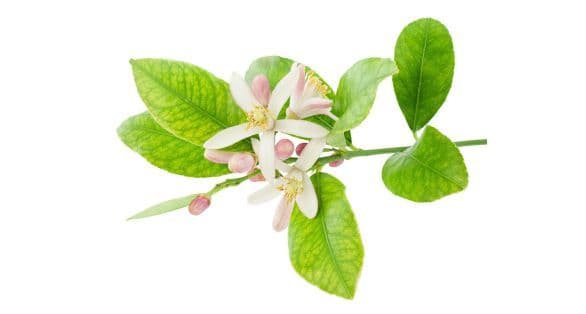
Lemon Blossom
Lemon blossom — the delicate white flower of the lemon tree (Citrus limon) — is one of perfumery's quieter treasures. While the lemon fruit dominates citrus fragrance as a bold, bright top note, the blossom offers something altogether more nuanced and enchanting: a soft, luminous floral quality infused with the recognisable character of lemon, but gentler, more honeyed, and more complex. The blossoms appear in spring, filling citrus groves with an almost hypnotic sweetness that has been captured in perfumery through careful extraction of the flower's delicate aromatic compounds. Aromatically, lemon blossom sits at a graceful intersection of citrus and white floral. It retains lemon's characteristic brightness but softens it considerably, adding a milky sweetness, a faint powderiness, and a slight honeyed warmth that lifts it beyond simple freshness into genuinely floral territory. This makes it a versatile ingredient in fine fragrance: it can open a composition with an airy, sunlit delicacy, contribute a graceful floral-citrus heart, or serve as a luminous bridge between crisp citrus top notes and creamy or woody bases. It pairs beautifully with orange blossom, neroli, jasmine, and clean musks. At Fragrenza, our lemon blossom collection presents premium-quality fragrance dupes celebrating this delicate and sophisticated floral-citrus note — bringing refined elegance to your collection at an accessible price.
- 🌿
Lemon cream
Lemon cream is a citrus note that adds sparkle, freshness, and immediate lift to a fragrance. Its profile can include juicy pulp, aromatic peel, green bitterness, soft floral nuances, or a sharp zesty brightness depending on the material. In perfumery, it is usually used in the opening, where it brings clarity and motion before blending into florals, woods, musks, or herbs. It pairs well with neroli, tea, lavender, white musk, light woods, aquatic notes, and aromatic herbs.
- 🌿
Lemon eucalyptus
Lemon eucalyptus is a citrus note that adds sparkle, freshness, and immediate lift to a fragrance. Its profile can include juicy pulp, aromatic peel, green bitterness, soft floral nuances, or a sharp zesty brightness depending on the material. In perfumery, it is usually used in the opening, where it brings clarity and motion before blending into florals, woods, musks, or herbs. It pairs well with neroli, tea, lavender, white musk, light woods, aquatic notes, and aromatic herbs.
- 🌿
Lemon grass
Lemon grass is a bright citrus note valued for its clean sparkle, juicy freshness, and elegant peel-like bitterness. In perfumery, it is often used in the opening of a composition to create lift, clarity, and immediate radiance. Depending on the material, it can feel zesty, floral, green, sweet, or slightly bitter, making it more complex than simple lemony freshness. It pairs beautifully with neroli, tea, aromatic herbs, white musk, light woods, florals, and aquatic notes.
- 🌿
Lemon juice
Lemon juice is a citrus note that adds sparkle, freshness, and immediate lift to a fragrance. Its profile can include juicy pulp, aromatic peel, green bitterness, soft floral nuances, or a sharp zesty brightness depending on the material. In perfumery, it is usually used in the opening, where it brings clarity and motion before blending into florals, woods, musks, or herbs. It pairs well with neroli, tea, lavender, white musk, light woods, aquatic notes, and aromatic herbs.
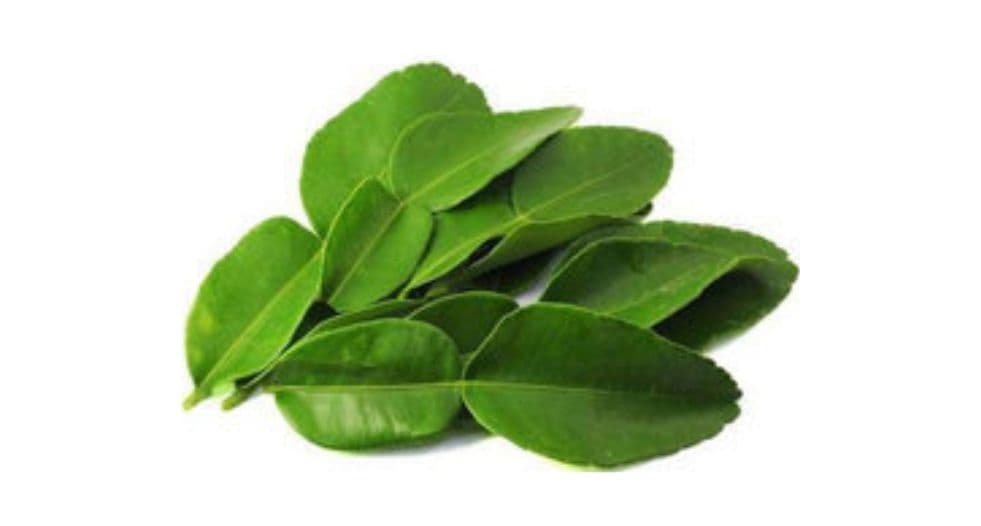
lemon Leaf
Lemon Leaf is a bright citrus note with zesty peel, juicy freshness, and a clean sparkling lift. In perfumery, it brings energy and radiance to openings, pairing well with neroli, tea, herbs, musks, woods, aquatic notes, and light florals.
- 🌿
Lemon myrtle
Lemon myrtle is a citrus note that adds sparkle, freshness, and immediate lift to a fragrance. Its profile can include juicy pulp, aromatic peel, green bitterness, soft floral nuances, or a sharp zesty brightness depending on the material. In perfumery, it is usually used in the opening, where it brings clarity and motion before blending into florals, woods, musks, or herbs. It pairs well with neroli, tea, lavender, white musk, light woods, aquatic notes, and aromatic herbs.
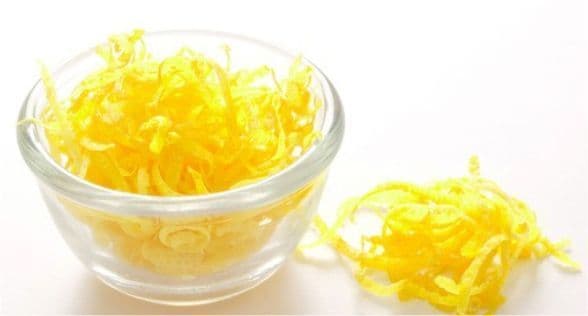
Lemon Peel
Lemon Peel is a bright citrus note with zesty peel, juicy freshness, and a clean sparkling lift. In perfumery, it brings energy and radiance to openings, pairing well with neroli, tea, herbs, musks, woods, aquatic notes, and light florals.
- 🌿
Lemon pepper
Lemon pepper is a citrus note that adds sparkle, freshness, and immediate lift to a fragrance. Its profile can include juicy pulp, aromatic peel, green bitterness, soft floral nuances, or a sharp zesty brightness depending on the material. In perfumery, it is usually used in the opening, where it brings clarity and motion before blending into florals, woods, musks, or herbs. It pairs well with neroli, tea, lavender, white musk, light woods, aquatic notes, and aromatic herbs.
- 🌿
Lemon petitgrain
Lemon petitgrain is a bright citrus note that brings sparkle, freshness, and immediate lift to a fragrance. Its profile may include juicy pulp, aromatic peel, green bitterness, soft floral facets, or a slightly sharp zest depending on the material. In perfumery, it is most often used in the opening, where it gives clarity and movement before blending into florals, woods, musks, or herbs. Lemon petitgrain works especially well with neroli, tea, lavender, white musk, light woods, aquatic notes, and aromatic herbs.
- 🌿
Lemon sorbet
Lemon sorbet is a citrus note that adds sparkle, freshness, and immediate lift to a fragrance. Its profile can include juicy pulp, aromatic peel, green bitterness, soft floral nuances, or a sharp zesty brightness depending on the material. In perfumery, it is usually used in the opening, where it brings clarity and motion before blending into florals, woods, musks, or herbs. It pairs well with neroli, tea, lavender, white musk, light woods, aquatic notes, and aromatic herbs.
- 🌿
Lemon sugar
Lemon sugar is a citrus note that adds sparkle, freshness, and immediate lift to a fragrance. Its profile can include juicy pulp, aromatic peel, green bitterness, soft floral nuances, or a sharp zesty brightness depending on the material. In perfumery, it is usually used in the opening, where it brings clarity and motion before blending into florals, woods, musks, or herbs. It pairs well with neroli, tea, lavender, white musk, light woods, aquatic notes, and aromatic herbs.
- 🌿
Lemon tea
Lemon tea is a citrus note that adds sparkle, freshness, and immediate lift to a fragrance. Its profile can include juicy pulp, aromatic peel, green bitterness, soft floral nuances, or a sharp zesty brightness depending on the material. In perfumery, it is usually used in the opening, where it brings clarity and motion before blending into florals, woods, musks, or herbs. It pairs well with neroli, tea, lavender, white musk, light woods, aquatic notes, and aromatic herbs.
- 🌿
Lemon thyme
Lemon thyme is a citrus note that adds sparkle, freshness, and immediate lift to a fragrance. Its profile can include juicy pulp, aromatic peel, green bitterness, soft floral nuances, or a sharp zesty brightness depending on the material. In perfumery, it is usually used in the opening, where it brings clarity and motion before blending into florals, woods, musks, or herbs. It pairs well with neroli, tea, lavender, white musk, light woods, aquatic notes, and aromatic herbs.
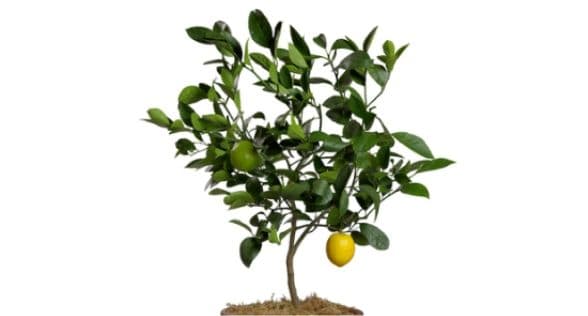
Lemon Tree
Lemon tree fragrance is derived not from the familiar yellow fruit but from the wood, leaves, and foliage of Citrus limon — a different olfactory dimension of the same beloved tree. While lemon essential oil from the peel is bright and fleeting, the green, woody elements of the lemon tree offer a more sustained, complex aromatic experience. Lemon trees are cultivated across the Mediterranean, particularly in Sicily, the Amalfi coast, and southern Spain, where they are as much a part of the landscape as the food culture. The scent of lemon tree foliage and wood is green-citrus and slightly bitter, with a dry woody quality that grounds the familiar brightness of lemon in something earthy and lasting. There is a fresh, herbal character — reminiscent of verbena and citrus zest with a woody backbone — that feels sun-warmed, Mediterranean, and genuinely naturalistic. It is more complex and longer-lasting than simple lemon top notes, adding genuine structure to a composition. In perfumery, lemon tree notes bridge the gap between citrus freshness and green-aromatic woodiness, making them valuable in fresh chypres, aromatic fougères, and Mediterranean-inspired compositions. They pair beautifully with rosemary, cedar, bergamot, and vetiver. Fragrenza's Lemon Tree collection harnesses this evocative, sun-drenched character in carefully composed fragrance dupes that keep citrus vibrancy alive long past the top notes.
- 🌿
Lemon tree bark
Lemon tree bark is a citrus note that adds sparkle, freshness, and immediate lift to a fragrance. Its profile can include juicy pulp, aromatic peel, green bitterness, soft floral nuances, or a sharp zesty brightness depending on the material. In perfumery, it is usually used in the opening, where it brings clarity and motion before blending into florals, woods, musks, or herbs. It pairs well with neroli, tea, lavender, white musk, light woods, aquatic notes, and aromatic herbs.
- 🌿
Lemon tree wood
Lemon tree wood is a citrus note that adds sparkle, freshness, and immediate lift to a fragrance. Its profile can include juicy pulp, aromatic peel, green bitterness, soft floral nuances, or a sharp zesty brightness depending on the material. In perfumery, it is usually used in the opening, where it brings clarity and motion before blending into florals, woods, musks, or herbs. It pairs well with neroli, tea, lavender, white musk, light woods, aquatic notes, and aromatic herbs.
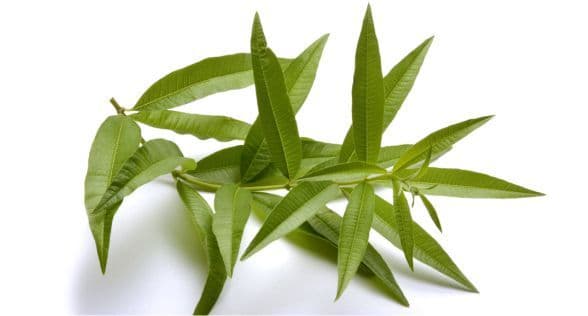
Lemon verbena
Lemon verbena is an aromatic herb known for its bright lemony scent and soft green herbal undertone. In perfumery, it smells fresh, citrusy, leafy, clean, and slightly floral. It is excellent in colognes, summer fragrances, herbal blends, green florals, and tea-inspired compositions.
- 🌿
Lemon vervain
Lemon vervain is a bright citrus note that brings sparkle, freshness, and immediate lift to a fragrance. Its profile may include juicy pulp, aromatic peel, green bitterness, soft floral facets, or a slightly sharp zest depending on the material. In perfumery, it is most often used in the opening, where it gives clarity and movement before blending into florals, woods, musks, or herbs. Lemon vervain works especially well with neroli, tea, lavender, white musk, light woods, aquatic notes, and aromatic herbs.
- 🌿
Lemon Zest
Lemon zest is one of the most immediate and recognisable olfactory experiences in the natural world — the sharp, explosive burst of aromatic oil released when lemon peel is cut, grated, or pressed. Cold-pressed from the outer rind of Citrus limon, lemon zest essential oil is a concentrated aromatic powerhouse that captures the fruit at its most intense and most vivid. This distinction from lemon juice or flesh is important: the zest is where the fragrant, volatile oils reside, and it is these oils that have made lemon one of perfumery's most enduring and widely used ingredients. Aromatically, lemon zest is sharper, more aromatic, and more full-bodied than the simple watery freshness of lemon juice. It carries a bright, almost sparkling citrus quality alongside a deeper, more resinous undertone from the peel's natural waxes and terpenes, giving it both immediacy and a slightly more lasting character than lighter citrus distillates. In fine fragrance, lemon zest is a classic top note and an essential component of colognes, fougères, chypres, and fresh aromatic structures. Its versatility is unmatched — equally at home in masculine, feminine, and unisex compositions. Fragrenza's lemon zest collection features carefully crafted fragrance dupes that honour the sparkling intensity of this beloved citrus note, delivering premium-quality scent experiences at accessible prices.

lemonade
Lemonade as a fragrance accord is a relatively modern invention, born from perfumery's increasing appetite for edible, gourmand, and lifestyle-inspired compositions. Evoking the cold, sweetly tart refreshment of a glass of freshly made lemonade on a hot summer day, this accord captures a specific sensory experience — one defined as much by its temperature and context as by its ingredients. It draws on the tradition of citrus soliflores and fruity-fresh fragrances while adding a uniquely cheerful and casual character that has found enthusiastic audiences around the world. The olfactory profile of a lemonade accord is built from the interplay of bright, tart lemon with a clean sweetness and a watery, almost effervescent transparency. There is often a subtle green note from fresh-squeezed lemon rind alongside the suggestion of cool water and a touch of sugar, making the overall effect simultaneously refreshing and softly indulgent. In perfumery, lemonade accords work beautifully in casual, uplifting daywear compositions and blend well with solar musks, white florals, light woods, and aquatic notes. The result is invariably mood-lifting and effortlessly approachable. At Fragrenza, our lemonade fragrance collection features premium-quality dupes of the most celebrated lemonade-inspired scents — bright, cheerful, and refreshing at a price that keeps luxury accessible.
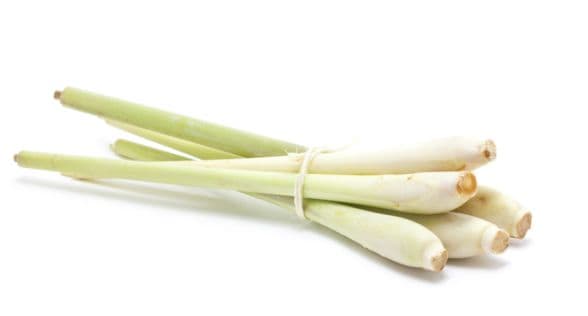
Lemongrass
Lemongrass (Cymbopogon citratus) is a tall, aromatic grass native to tropical regions of South and Southeast Asia, where it has been cultivated for centuries as both a culinary staple and a source of essential oil. Steam-distilled from the fresh or partially dried leaves, lemongrass oil is a bright, intensely aromatic material with a character that sits fascinatingly between citrus fruit, green grass, and warming ginger spice — a combination that has made it an exciting tool in both functional fragrance and fine perfumery. In its olfactory profile, lemongrass is unmistakably fresh and energetic. Its dominant citral content gives it a vivid, almost piercing lemony quality, but unlike true lemon, it carries a distinctly green, grassy body alongside a subtle earthy warmth and a faint ginger-like spiciness on the dry-down. This multi-dimensional freshness makes lemongrass ideal in compositions seeking a tropical or exotic edge — it pairs exceptionally well with coconut, bamboo, vetiver, cardamom, and marine accords, and lends vibrant lift to aromatic and woody fragrance structures. It is a note that reads as simultaneously familiar and adventurous. Fragrenza's lemongrass collection celebrates this energetic tropical note through a range of quality fragrance dupes inspired by the world's most acclaimed lemongrass-infused compositions — fresh, vivid, and crafted for everyday luxury.
- 🌿
Lentiscus
Lentiscus is a specialty note used to give a fragrance a distinctive texture, mood, or material impression. Depending on interpretation, it may contribute freshness, warmth, sweetness, dryness, softness, or an abstract atmospheric effect. In perfumery, specialty notes are valuable because they make a composition feel more specific and less generic. Lentiscus can be paired with woods, musks, florals, resins, fruits, green notes, spices, or amber materials according to the intended style.
- 🌿
Lesser calamint
Lesser calamint is a green or aromatic note that evokes leaves, herbs, stems, fresh air, or crushed vegetation. Its profile can be crisp, bitter, watery, camphoraceous, grassy, or slightly earthy depending on the material. In perfumery, green notes add realism and lift, keeping sweet, floral, or woody compositions from feeling too heavy. It pairs well with citrus, tea, fig, violet leaf, galbanum, tomato leaf, white musk, vetiver, lavender, and light woods.
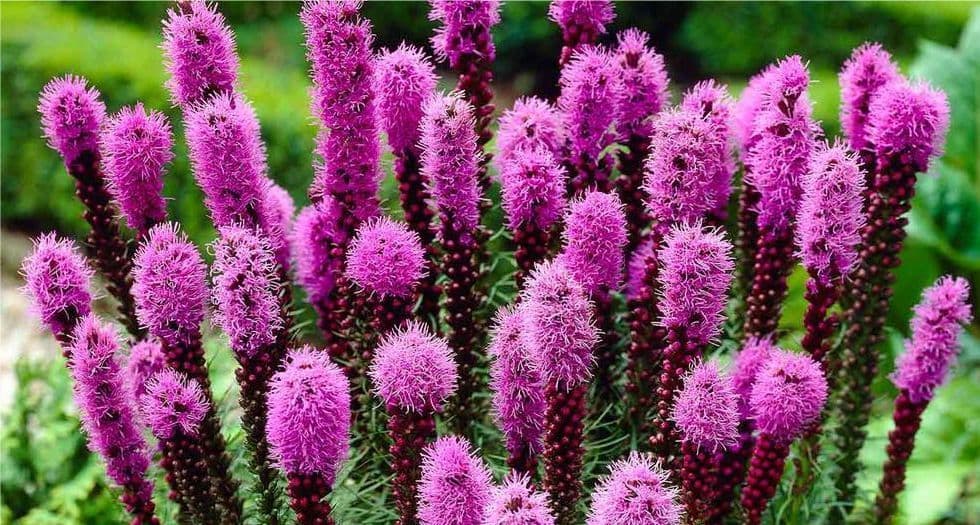
Liatris
Liatris, commonly known as blazing star or gayfeather, is a striking wildflower native to the meadows and prairies of North America. Its tall spires of purple-violet blooms have made it a beloved presence in naturalistic gardens and wildflower landscapes, and in perfumery, liatris flower absolute offers a note of surprising and delightful originality. Though not widely known outside specialist perfumery circles, it has inspired some quietly beautiful fragrance creations that celebrate the lesser-explored botanical palette of the American continent. Aromatically, liatris presents a warm, coumarin-rich sweetness reminiscent of vanilla and tonka bean, layered with a softly herbal, slightly hay-like quality and the faintest trace of spice. Its violet-purple florality is subtle rather than dominant, leaning more toward warm, powdery sweetness than a clearly defined floral character. This makes it an excellent bridge note in compositions that seek to connect fresh or green herbal elements with warm, balsamic finishes. Liatris works beautifully alongside lavender, woods, musks, and amber accords, lending quiet complexity and an air of sun-dried botanical fields. At Fragrenza, our liatris-inspired fragrance dupes explore the warm, meadow-sweet character of this unique botanical — offering thoughtfully crafted alternatives to premium originals at prices that bring luxury within reach.
- 🌿
Liatris spicata
Liatris spicata is a specialty note used to give a fragrance a distinctive texture, mood, or material impression. Depending on interpretation, it may contribute freshness, warmth, sweetness, dryness, softness, or an abstract atmospheric effect. In perfumery, specialty notes are valuable because they make a composition feel more specific and less generic. Liatris spicata can be paired with woods, musks, florals, resins, fruits, green notes, spices, or amber materials according to the intended style.
- 🌿
Liatris spicata absolute
Liatris spicata absolute is a specialty note used to give a fragrance a distinctive texture, mood, or material impression. Depending on interpretation, it may contribute freshness, warmth, sweetness, dryness, softness, or an abstract atmospheric effect. In perfumery, specialty notes are useful because they make a composition feel more specific and less generic. It can be paired with woods, musks, florals, resins, fruits, green notes, spices, or amber materials according to the intended style.
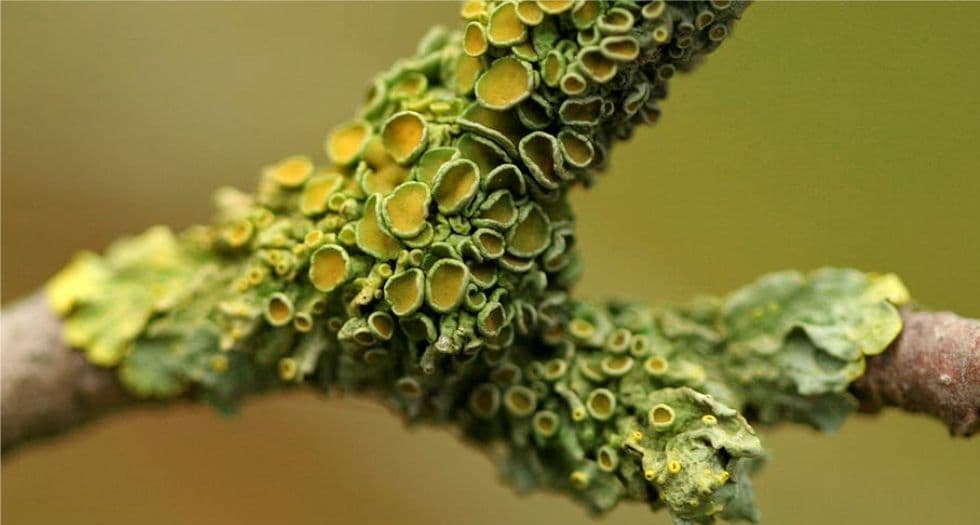
lichen
Lichen — most notably oakmoss (Evernia prunastri) and treemoss (Pseudevernia furfuracea) — grows on tree bark and forest floors across temperate regions of Europe and North America. For much of the 20th century, oakmoss absolute was considered an indispensable pillar of fine fragrance, providing the deep, earthy backbone of the classic chypre accord. Its harvesting is labour-intensive and its use now restricted by IFRA regulations, which has made lichen-derived materials both precious and sought-after in contemporary niche perfumery. The olfactory character of lichen is among the most distinctive in the perfumer's library: intensely earthy and mossy, with a cold dampness evocative of forest floors after rain, aged bark, and deep woodland shade. There is a bitter-green quality that borders on the medicinal, combined with a mineral darkness and a faintly animalic warmth that gives it extraordinary depth and diffusion. In classic compositions, lichen and oakmoss anchored chypre and fougère structures alongside bergamot and labdanum, creating the foundations of some of perfumery's most revered masterpieces. Modern perfumers continue to find ways to honour this note through innovative synthetic alternatives. Fragrenza's lichen collection brings together the finest fragrance dupes inspired by mossy, chypre-based icons — earthy, complex, and timeless, available at an accessible price point.
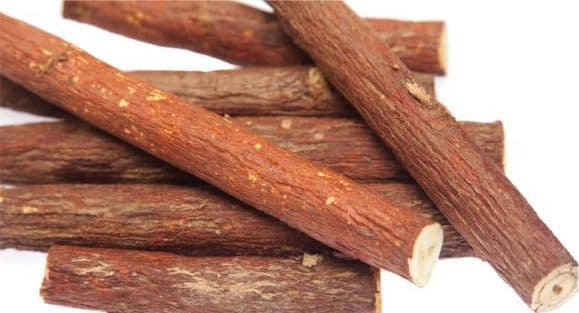
Licorice
Licorice flavour and fragrance derive from the root of Glycyrrhiza glabra, a perennial herb native to the Mediterranean and southwestern Asia, whose name literally means "sweet root" in Greek. Licorice root has been used medicinally and as a flavouring agent for thousands of years, appearing in ancient Egyptian, Chinese, and Roman texts. Its distinctive sweetness — fifty times sweeter than sugar — comes from glycyrrhizin, while its characteristic anise-like aroma arises from anethole compounds that it shares with star anise and fennel. The scent of licorice is warmly sweet, darkly herbal, and distinctly anisic — evoking black candy, warm spice, and the cosy darkness of a sweet shop. There is a slightly medicinal, rooty quality underneath the sweetness that gives it genuine character and depth, along with a smooth warmth that keeps the note from feeling sharp. It unfolds slowly, revealing increasingly rich herbal and balsamic qualities as it settles on the skin. In perfumery, licorice is a compelling ingredient in gourmand, oriental, and aromatic-spicy compositions, adding a uniquely dark-sweet character that distinguishes it from vanilla or caramel. It pairs wonderfully with tonka bean, tobacco, patchouli, and musks. At Fragrenza, our Licorice collection explores this enigmatic note in beautifully crafted fragrance dupes that transform sweet darkness into something truly wearable and sophisticated.
- 🌿
Lilac
Lilac is a soft spring floral note with fresh, powdery, green, and slightly honeyed facets. It evokes blooming lilac shrubs, clean air, and delicate garden sweetness. In perfumery, it adds romantic freshness to floral, powdery, musky, and vintage-style compositions.
- 🌿
Lilac absolute
Lilac absolute is a specialty note used to give a fragrance a distinctive texture, mood, or material impression. Depending on interpretation, it may contribute freshness, warmth, sweetness, dryness, softness, or an abstract atmospheric effect. In perfumery, specialty notes are useful because they make a composition feel more specific and less generic. It can be paired with woods, musks, florals, resins, fruits, green notes, spices, or amber materials according to the intended style.
- 🌿
Lilac CO2
Lilac CO2 is a specialty note used to give a fragrance a distinctive texture, mood, or material impression. Depending on interpretation, it may contribute freshness, warmth, sweetness, dryness, softness, or an abstract atmospheric effect. In perfumery, specialty notes are useful because they make a composition feel more specific and less generic. It can be paired with woods, musks, florals, resins, fruits, green notes, spices, or amber materials according to the intended style.
- 🌿
Lilies
Lilies is a specialty note used to give a fragrance a distinctive texture, mood, or material impression. Depending on interpretation, it may contribute freshness, warmth, sweetness, dryness, softness, or an abstract atmospheric effect. In perfumery, specialty notes are valuable because they make a composition feel more specific and less generic. Lilies can be paired with woods, musks, florals, resins, fruits, green notes, spices, or amber materials according to the intended style.
- 🌿
Lilium auratum
Lilium auratum is a specialty note used to give a fragrance a distinctive texture, mood, or material impression. Depending on interpretation, it may contribute freshness, warmth, sweetness, dryness, softness, or an abstract atmospheric effect. In perfumery, specialty notes are useful because they make a composition feel more specific and less generic. It can be paired with woods, musks, florals, resins, fruits, green notes, spices, or amber materials according to the intended style.
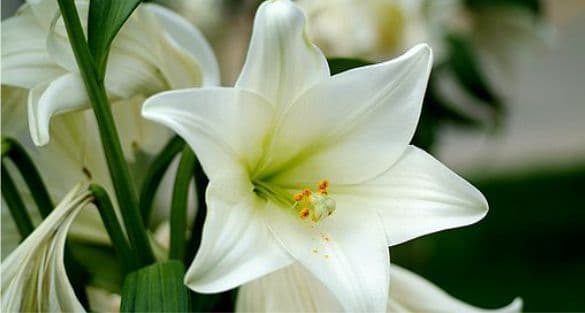
Lily
The lily flower — encompassing species such as Lilium orientale, stargazer lily, and Casablanca lily — is one of the most opulent and recognisable florals in the natural world. Cultivated across Asia, Europe, and the Americas, lilies have held symbolic significance in cultures throughout history, representing purity, passion, and majesty. In perfumery, lily is a rich, full-bodied floral note that occupies a distinct and luxurious space between the freshness of white flowers and the warmer depth of indolic blossoms. Aromatically, lily presents a complex profile: sweet and slightly waxy at the core, with a creamy richness that gives it considerable tenacity and presence. Depending on the specific species referenced, a lily note can carry soft rubbery undertones (characteristic of the indolic quality present in many white florals), a hint of spice, or a buttery pollen-laden warmth. It is a note that commands attention in the heart of a composition, lending grandeur and sensuality to floral bouquets, oriental accords, and even fresh or aquatic structures. Lily pairs particularly well with rose, jasmine, sandalwood, and musk. Fragrenza's lily fragrance collection showcases a curated range of premium dupe scents inspired by the world's most celebrated lily-forward perfumes — delivering richness and elegance at an everyday price.
- 🌿
Lily absolute
Lily absolute is a floral note that gives a fragrance softness, radiance, and emotional warmth. Depending on the flower or accord, it may feel fresh, creamy, powdery, honeyed, green, indolic, or airy. In perfumery, floral notes often form the heart of a composition, adding body and a recognizable signature. It pairs well with citrus, white musk, rose, jasmine, sandalwood, amber, vanilla, iris, and delicate fruits.
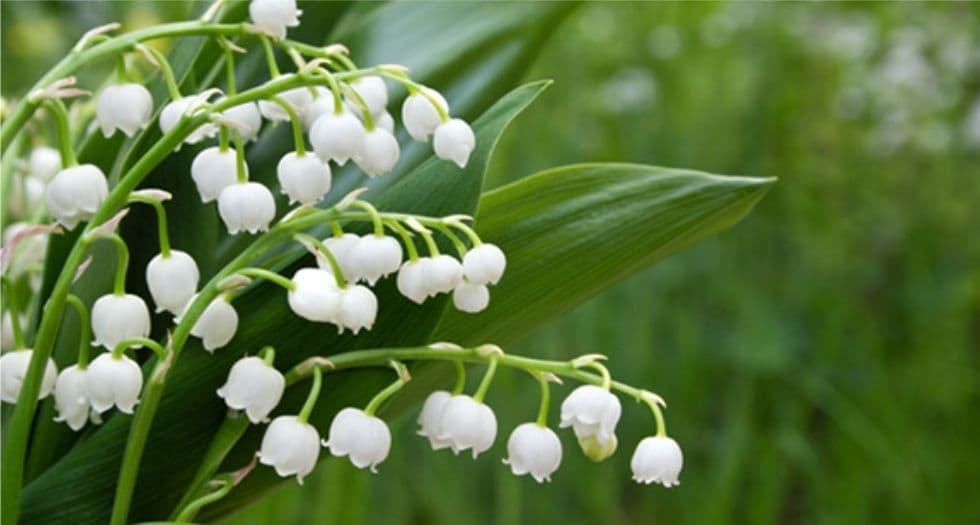
Lily of the valley
Lily of the valley — known in French perfumery as muguet — is one of the most storied and beloved floral notes in the history of fine fragrance. The diminutive white bell-shaped flowers of Convallaria majalis bloom in spring across European woodlands and shaded gardens, and their scent is considered the very essence of freshness: clean, dewy, and quietly radiant. Interestingly, lily of the valley cannot be extracted directly from the flower in meaningful quantities, so perfumers rely on synthetic accords to recreate its unmistakable character — a fact that has spurred extraordinary innovation in modern perfumery. The olfactory profile of muguet is defined by its crisp, watery-green freshness, evocative of morning dew on cool petals. It has a luminous clarity — bright without being sharp, floral without being heavy — and carries subtle nuances of cucumber-like coolness and clean white blossoms. In fragrance compositions, lily of the valley functions beautifully as both a heart note and an accord that adds an airy, spring-like freshness to a wide range of styles, from soliflores to chypres and fougères. It was the defining note of the 20th century's most iconic floral creations. At Fragrenza, our lily of the valley collection gathers the finest fragrance dupes inspired by this timeless floral classic — offering the pure, dewy elegance of muguet at an accessible price point. Find it featured prominently in [Fragrenza's lily of the valley edit](https://fragrenza.com/collections/lily-of-the-valley-fragrances).
- 🌿
Lily-of-the-valley leaf
Lily-of-the-valley leaf is a floral note that gives a fragrance softness, radiance, and emotional warmth. Depending on the flower or accord, it may feel fresh, creamy, powdery, honeyed, green, indolic, or airy. In perfumery, floral notes often form the heart of a composition, adding body and a recognizable signature. It pairs well with citrus, white musk, rose, jasmine, sandalwood, amber, vanilla, iris, and delicate fruits.
- 🌿
Lilybelle®
Lilybelle® is a floral note that gives a fragrance softness, radiance, and emotional warmth. Depending on the flower or accord, it may feel fresh, creamy, powdery, honeyed, green, indolic, or airy. In perfumery, floral notes often form the heart of a composition, adding body and a recognizable signature. It pairs well with citrus, white musk, rose, jasmine, sandalwood, amber, vanilla, iris, and delicate fruits.
- 🌿
Lilyflore®
Lilyflore® is a floral note that gives a fragrance softness, radiance, and emotional warmth. Depending on the flower or accord, it may feel fresh, creamy, powdery, honeyed, green, indolic, or airy. In perfumery, floral notes often form the heart of a composition, adding body and a recognizable signature. It pairs well with citrus, white musk, rose, jasmine, sandalwood, amber, vanilla, iris, and delicate fruits.
- 🌿
Limbanol®
Limbanol® is a specialty note used to give a fragrance a distinctive texture, mood, or material impression. Depending on interpretation, it may contribute freshness, warmth, sweetness, dryness, softness, or an abstract atmospheric effect. In perfumery, specialty notes are useful because they make a composition feel more specific and less generic. It can be paired with woods, musks, florals, resins, fruits, green notes, spices, or amber materials according to the intended style.
Lime
Lime is one of the most vivacious citrus ingredients in the perfumer's palette. Grown across tropical and subtropical regions — from Mexico and the Caribbean to Southeast Asia — lime's essential oil is cold-pressed from the outer peel, capturing the fruit's signature sharp, zesty brightness in its purest form. The result is an olfactory burst of clean, sparkling energy that has made lime a beloved opening note in countless fine fragrances. In its aromatic profile, lime delivers a piercing, luminous freshness that is simultaneously tart and sweet. Unlike the rounder warmth of lemon, lime carries a harder, almost electric edge — a vivid green-citrus transparency that instantly enlivens any composition it enters. It is frequently used as a sparkling top note to create immediate impact on first application, setting the tone before heart and base notes reveal themselves. Lime pairs beautifully with marine accords, aromatic herbs, tropical florals, and woody bases, making it a versatile tool in both fresh and complex fine fragrances. At Fragrenza, our lime-forward collections capture the full brightness of this iconic citrus note, offering premium-quality fragrance dupes that honour the vibrancy of the original inspirations — at a price that makes luxury scent accessible to everyone.
Lime (Linden) Blossom
Lime blossom — also known as linden blossom or tilia flower — is harvested from the flowering branches of the linden tree (Tilia species), which grows abundantly across Europe and parts of Asia. The blossoms are delicate and short-lived, appearing in midsummer and filling the surrounding air with an intoxicating, honeyed sweetness. In perfumery, linden blossom absolute is prized as one of the most elegant floral-green ingredients available, evoking warm evenings in tree-lined parks and the quiet luxury of traditional European gardens. Aromatically, lime blossom is a study in gentle complexity. Its core character is honeyed and lightly sweet, softened by a powdery, almost milky quality and underscored by a faintly green, herbaceous undertone. This combination gives it a somewhat androgynous elegance — simultaneously fresh and warm, airy and rich. In fine fragrance compositions, linden blossom frequently appears in the heart, where it contributes a soft, luminous sweetness that bridges bright citrus top notes with deep, creamy base accords. It is a hallmark ingredient in classic French perfumery. Fragrenza's linden blossom collection brings together beautifully crafted fragrance dupes that celebrate this understated but deeply sophisticated note, letting you experience the world's most admired linden-inspired compositions without compromise.
- 🌿
Lime blossom
Lime blossom is a citrus note that adds sparkle, freshness, and immediate lift to a fragrance. Its profile can include juicy pulp, aromatic peel, green bitterness, soft floral nuances, or a sharp zesty brightness depending on the material. In perfumery, it is usually used in the opening, where it brings clarity and motion before blending into florals, woods, musks, or herbs. It pairs well with neroli, tea, lavender, white musk, light woods, aquatic notes, and aromatic herbs.
- 🌿
Lime juice
Lime juice is a citrus note that adds sparkle, freshness, and immediate lift to a fragrance. Its profile can include juicy pulp, aromatic peel, green bitterness, soft floral nuances, or a sharp zesty brightness depending on the material. In perfumery, it is usually used in the opening, where it brings clarity and motion before blending into florals, woods, musks, or herbs. It pairs well with neroli, tea, lavender, white musk, light woods, aquatic notes, and aromatic herbs.
- 🌿
Lime leaf
Lime leaf is a bright citrus note that brings sparkle, freshness, and immediate lift to a fragrance. Its profile may include juicy pulp, aromatic peel, green bitterness, soft floral facets, or a slightly sharp zest depending on the material. In perfumery, it is most often used in the opening, where it gives clarity and movement before blending into florals, woods, musks, or herbs. Lime leaf works especially well with neroli, tea, lavender, white musk, light woods, aquatic notes, and aromatic herbs.
- 🌿
Lime mojito
Lime mojito is a citrus note that adds sparkle, freshness, and immediate lift to a fragrance. Its profile can include juicy pulp, aromatic peel, green bitterness, soft floral nuances, or a sharp zesty brightness depending on the material. In perfumery, it is usually used in the opening, where it brings clarity and motion before blending into florals, woods, musks, or herbs. It pairs well with neroli, tea, lavender, white musk, light woods, aquatic notes, and aromatic herbs.
- 🌿
Lime tree
Lime tree is a citrus note that adds sparkle, freshness, and immediate lift to a fragrance. Its profile can include juicy pulp, aromatic peel, green bitterness, soft floral nuances, or a sharp zesty brightness depending on the material. In perfumery, it is usually used in the opening, where it brings clarity and motion before blending into florals, woods, musks, or herbs. It pairs well with neroli, tea, lavender, white musk, light woods, aquatic notes, and aromatic herbs.
- 🌿
Lime zest
Lime zest is a bright citrus note that brings sparkle, freshness, and immediate lift to a fragrance. Its profile may include juicy pulp, aromatic peel, green bitterness, soft floral facets, or a slightly sharp zest depending on the material. In perfumery, it is most often used in the opening, where it gives clarity and movement before blending into florals, woods, musks, or herbs. Lime zest works especially well with neroli, tea, lavender, white musk, light woods, aquatic notes, and aromatic herbs.
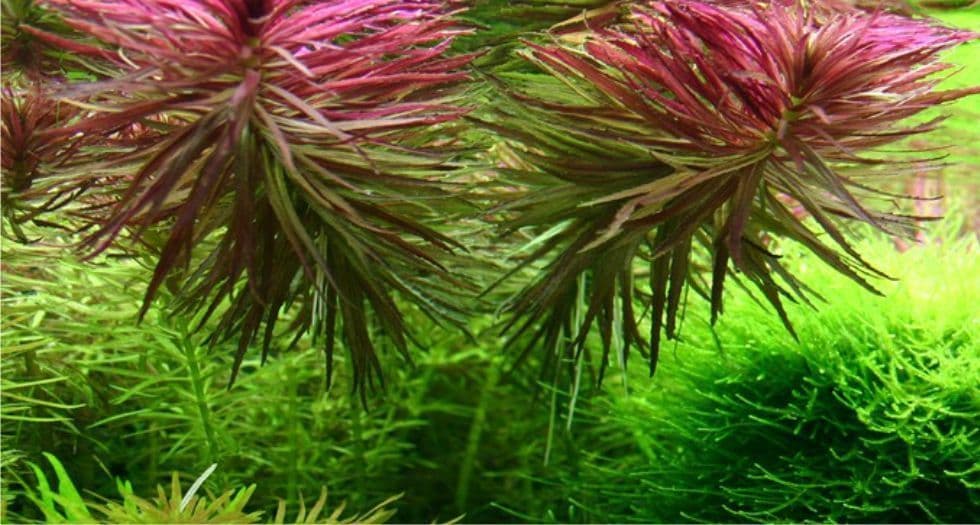
Limnophila aromatica
Limnophila aromatica — known as rice paddy herb in English and ngo om in Vietnamese — is a delicate aquatic herb native to tropical Asia, widely used in Southeast Asian cooking, particularly in Vietnamese cuisine. Its aroma is fascinatingly complex for such a humble plant: a vivid citrus-herbal freshness reminiscent of lime and lemon, mingled with a distinctive anise-like warmth and a lush, tropical greenness that evokes flooded rice paddies, jungle rivers, and humid kitchen gardens. In perfumery, Limnophila aromatica is a rare and exotic note that straddles the intersection of citrus, herbal, and aquatic fragrance families. Its unusual anise-citrus-green profile introduces a distinctly Southeast Asian character to compositions — evoking tropical freshness with an edge of spice and vegetal vitality. Perfumers use it in avant-garde aquatics, tropical florals, and innovative herbal-citrus compositions where a genuinely unusual, geographically specific quality is desired. It pairs intriguingly with ginger, lemongrass, jasmine, vetiver, and watery notes. Fragrenza's Limnophila Aromatica collection celebrates this extraordinary, exotic herb in a distinctive range of dupes inspired by fragrances that draw on the lush, aromatic biodiversity of tropical Asia. Rare, intriguing, and beautifully crafted at an accessible price.

Limoncello
Limoncello is Italy's most beloved lemon liqueur — a radiant, sunshine-yellow spirit produced primarily along the Amalfi Coast, Capri, and Sicily from the zest of sun-ripened sfusato or Femminello lemons. Its aroma is an explosion of sweet Italian lemon: intensely citrusy, brighter and more fragrant than fresh-squeezed juice, with an underlying warmth from the alcohol and the faintest creamy sweetness from the sugar syrup. Limoncello smells like a Mediterranean summer distilled into a glass. In perfumery, the limoncello note combines the sparkling freshness of lemon zest with a warm, slightly alcoholic-sweet character that standard citrus accords cannot achieve. Perfumers recreate it using natural lemon and bergamot alongside ethyl maltol, vanilla, and warm musk bases to capture that gorgeous tension between tart brightness and syrupy warmth. It appears in citrus gourmands, Mediterranean-inspired fragrances, and sunny aquatics — wherever a sense of warmth, sweetness, and Italian dolce vita is desired. It pairs beautifully with neroli, basil, white musks, and sandalwood. Fragrenza's Limoncello collection brings the warmth and joy of this iconic Italian liqueur to a vibrant range of dupes inspired by the world's finest limoncello-note fragrances. Sweet, bright, and gloriously sun-drenched — Italian luxury made accessible.
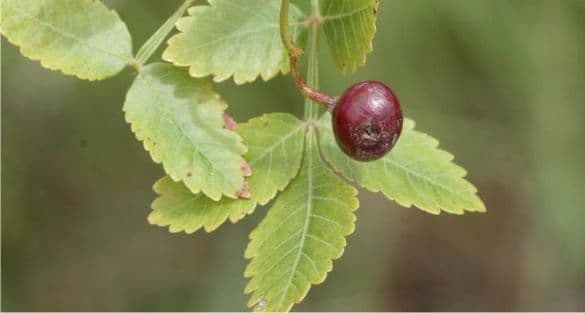
Linaloe berry
Linaloe berry, extracted from the seeds of Bursera glabrifolia — a tree native to the arid mountains of Mexico and Central America — yields an essential oil of remarkable elegance. Often called Mexican rosewood, linaloe berry oil is primarily composed of linalool, the same aromatic compound found in lavender and rosewood, giving it a beautifully complex character: softly floral, gently woody, with a rose-like sweetness underscored by a subtle citrus freshness. It has been used by indigenous peoples for centuries and was historically a major export from Mexico to European perfumers. In perfumery, linaloe berry is treasured as a naturally sourced, multi-faceted ingredient that bridges floral and woody families with grace. Its rose-woody-citrus profile makes it a versatile heart and base note, contributing both floral sophistication and grounded warmth to compositions. Perfumers use it in rose-centric fragrances, fine floral bouquets, and woody orientals — wherever a natural, nuanced, slightly rosy-woody depth is desired. It blends harmoniously with jasmine, geranium, cedar, petitgrain, and neroli. Fragrenza's Linaloe Berry collection brings the natural elegance of this Mexican treasure to a refined range of dupes inspired by fragrances where this beautiful ingredient shines. Floral, woody, and timelessly beautiful — at a price that makes luxury everyday.
- 🌿
Linalool
Linalool is a specialty note used to give a fragrance a distinctive texture, mood, or material impression. Depending on interpretation, it may contribute freshness, warmth, sweetness, dryness, softness, or an abstract atmospheric effect. In perfumery, specialty notes are useful because they make a composition feel more specific and less generic. It can be paired with woods, musks, florals, resins, fruits, green notes, spices, or amber materials according to the intended style.
- 🌿
Linden blossom
Linden blossom is a floral note that adds softness, radiance, and emotional warmth to a composition. Depending on the flower or accord, it can feel fresh, creamy, powdery, honeyed, green, indolic, or airy. In perfumery, floral notes often form the heart of a fragrance, giving it body and a recognizable character. Linden blossom pairs well with citrus, white musk, rose, jasmine, sandalwood, amber, vanilla, iris, and delicate fruits, making it useful in both classic bouquets and modern transparent florals.
- 🌿
Linden blossom absolute
Linden blossom absolute is a floral note that gives a fragrance softness, radiance, and emotional warmth. Depending on the flower or accord, it may feel fresh, creamy, powdery, honeyed, green, indolic, or airy. In perfumery, floral notes often form the heart of a composition, adding body and a recognizable signature. It pairs well with citrus, white musk, rose, jasmine, sandalwood, amber, vanilla, iris, and delicate fruits.
- 🌿
Linden blossom honey
Linden blossom honey is a floral note that gives a fragrance softness, radiance, and emotional warmth. Depending on the flower or accord, it may feel fresh, creamy, powdery, honeyed, green, indolic, or airy. In perfumery, floral notes often form the heart of a composition, adding body and a recognizable signature. It pairs well with citrus, white musk, rose, jasmine, sandalwood, amber, vanilla, iris, and delicate fruits.
- 🌿
Linden CO2
Linden CO2 is a specialty note used to give a fragrance a distinctive texture, mood, or material impression. Depending on interpretation, it may contribute freshness, warmth, sweetness, dryness, softness, or an abstract atmospheric effect. In perfumery, specialty notes are useful because they make a composition feel more specific and less generic. It can be paired with woods, musks, florals, resins, fruits, green notes, spices, or amber materials according to the intended style.
- 🌿
Linden tree
Linden tree is a specialty note used to give a fragrance a distinctive texture, mood, or material impression. Depending on interpretation, it may contribute freshness, warmth, sweetness, dryness, softness, or an abstract atmospheric effect. In perfumery, specialty notes are valuable because they make a composition feel more specific and less generic. Linden tree can be paired with woods, musks, florals, resins, fruits, green notes, spices, or amber materials according to the intended style.
- 🌿
Linen
The linen note is one of perfumery's most beloved clean accords — an olfactory recreation of freshly laundered, sun-dried fabric. It evokes the simple, uncomplicated pleasure of crisp white sheets lifted from a washing line, still warm from the sun and carrying the faintly starchy, airy scent of clean cotton. The linen note is simultaneously comforting and invigorating: it speaks of cleanliness, order, and the quiet luxury of well-cared-for textiles. In perfumery, the linen accord is built using a blend of transparent musks, soft aldehydes, clean florals, and occasionally light citrus or ozonic elements to simulate the dry, slightly starchy quality of fabric fresh from laundering. It became a defining note of the clean fragrance movement that emerged in the 1990s and has remained a perennial favorite in fabric-softener inspired colognes, fresh florals, and minimalist unisex compositions. Linen pairs naturally with white flowers, cedar, skin musks, iris, and watery elements to create fragrances that feel immaculately clean and effortlessly wearable. Fragrenza's Linen collection distills this quintessential clean note into a beautifully crafted range of dupes inspired by the most celebrated linen-and-cotton fragrances on the market. Crisp, airy, and pure — the ultimate in clean luxury, accessibly priced.
Lip gloss
The lip gloss note is a modern, playful evolution of the classic lipstick accord — capturing the sweet, fruity, slightly synthetic scent of contemporary sheer lip gloss rather than the powdery, waxy richness of traditional lipstick. Where lipstick is vintage and sophisticated, lip gloss is young and effervescent: it smells of strawberry candy, sheer tropical fruits, a hint of vanilla sweetness, and the faintly synthetic warmth of the cosmetic product itself. It is a scent that feels fun, carefree, and undeniably sensory. In perfumery, the lip gloss accord emerged as a distinct note in the early 2000s alongside the boom in fruity-floral and gourmand fragrances. It is constructed from a blend of sweet red fruits, transparent florals, light musks, and ethyl maltol or similar sweeteners, often with a slightly synthetic sheen that references the cosmetic origin. Perfumers use it in youthful, playful compositions — particularly fruity florals and light gourmands — where it adds a fun, wearable sensuality that is approachable rather than heavy. Fragrenza's Lip Gloss collection captures this sweet, fruity, cosmetic-inspired note in a vibrant range of dupes inspired by fragrances that celebrate fun, femininity, and the joy of self-expression. Playful, delicious, and irresistibly accessible.
- 🌿
Lipgloss
Lipgloss is a specialty note used to give a fragrance a distinctive texture, mood, or material impression. Depending on interpretation, it may contribute freshness, warmth, sweetness, dryness, softness, or an abstract atmospheric effect. In perfumery, specialty notes are useful because they make a composition feel more specific and less generic. It can be paired with woods, musks, florals, resins, fruits, green notes, spices, or amber materials according to the intended style.
- 🌿
Lipstick
The lipstick note is one of perfumery's most evocative and culturally loaded accords — an olfactory recreation of the distinctive scent of classic cosmetic lipstick. It is a complex composite: part powdery rose, part violet, part waxy iris, underscored by a faintly cosmetic, almost crayon-like quality that instantly transports the wearer to a vanity table lined with vintage beauty products. The lipstick accord carries an air of femininity, glamour, and nostalgia that is entirely its own. In perfumery, the lipstick note is constructed using a combination of iris, violet, rose, powdery musks, soft waxes, and occasionally a touch of aldehyde to achieve that distinctive cosmetic sheen. It is a signature note in many iconic feminine fragrances and retro-inspired compositions. Perfumers deploy it to evoke old Hollywood glamour, 1950s femininity, and the intimate ritual of getting ready. It pairs beautifully with peach, aldehydes, ylang-ylang, powdery musks, and warm white florals — creating fragrances that feel luxuriously nostalgic. Fragrenza's Lipstick collection embraces this timeless, glamorous accord in a range of beautifully crafted dupes inspired by the most celebrated lipstick-note fragrances in the world. Powdery, rosy, and utterly sophisticated — vintage elegance at an accessible price.
- 🌿
Liqueur
Liqueur is a specialty note used to give a fragrance a distinctive texture, mood, or material impression. Depending on interpretation, it may contribute freshness, warmth, sweetness, dryness, softness, or an abstract atmospheric effect. In perfumery, specialty notes are useful because they make a composition feel more specific and less generic. It can be paired with woods, musks, florals, resins, fruits, green notes, spices, or amber materials according to the intended style.
- 🌿
Liquid air accord
Liquid air accord is a specialty note used to give a fragrance a distinctive texture, mood, or material impression. Depending on interpretation, it may contribute freshness, warmth, sweetness, dryness, softness, or an abstract atmospheric effect. In perfumery, specialty notes are useful because they make a composition feel more specific and less generic. It can be paired with woods, musks, florals, resins, fruits, green notes, spices, or amber materials according to the intended style.
- 🌿
Liquidambar
Liquidambar, commonly known as sweetgum, is a genus of flowering trees native to warm temperate regions of North America and Asia. The trees produce a fragrant balsamic resin — liquidambar styraciflua being the most commercially significant — that has been used since antiquity as incense, medicine, and a perfumery material. This resin, also called storax or American styrax, carries a rich, warm balsamic aroma with a pleasant spicy-amber depth and a faintly sweet, slightly smoky quality that evokes the forest floor on a warm autumn day. In perfumery, liquidambar resin is valued as a natural balsamic fixative and an aromatic contributor in its own right. Its profile — warm, slightly spicy, richly amber with a hint of cinnamon-like spice and a dry woody undertone — makes it an excellent foundation for oriental, amber, and woody compositions. Perfumers often use liquidambar alongside labdanum, benzoin, frankincense, and vanilla to build deep, resinous bases that lend longevity and luxurious warmth to a fragrance. It is a cornerstone material in classic oriental perfumery. Fragrenza's Liquidambar collection celebrates this warm, balsamic resin in a carefully curated range of dupes inspired by the most admired amber and resinous fragrances in fine perfumery. Deep, warming, and beautifully crafted — accessible luxury for fragrance lovers.

Liquor
The liquor accord in perfumery draws inspiration from the world of distilled spirits — whisky, rum, cognac, bourbon, and gin among them — to capture the warm, slightly alcoholic, richly complex character that defines aged and crafted spirits. The raw aroma of fine liquor is multilayered: there is the sharp, warming top note of alcohol itself, softened by the sweetness of caramel and grain, underpinned by the woody depth of barrel-aged oak, and rounded by dried fruit and vanilla. Together, these elements create an accord that is undeniably sophisticated and warming. In perfumery, liquor accords are prized for the sense of warmth, maturity, and conviviality they bring to compositions. Perfumers recreate spirits notes using a combination of ethyl maltol, bourbon vanilla, woody ambers, dry aldehydes, and selected aromatic compounds to simulate the specific character of whisky, rum, or cognac. These accords appear frequently in gourmand orientals, woody ambers, and masculine compositions — wherever a sense of depth, comfort, and cultivated pleasure is desired. They pair naturally with tobacco, leather, sandalwood, and dark spices. Fragrenza's Liquor collection bottled that sophisticated, warming spirit accord in a compelling range of dupes inspired by the finest liquor-forward fragrances. Rich, complex, and accessibly priced for everyday indulgence.
- 🌿
Liquorice
Liquorice is a spicy note that adds warmth, texture, and aromatic movement to a fragrance. Depending on the material, it can feel sweet, dry, peppery, balsamic, herbal, or slightly medicinal. In perfumery, spicy notes create contrast and help connect bright openings with deeper woody, amber, or leathery bases. They pair especially well with citrus, rose, tobacco, vanilla, oud, sandalwood, patchouli, and resins.
- 🌿
Litchi
Litchi, also spelled lychee, is a tropical fruit note with a juicy, watery, rosy, and lightly tart sweetness. It brings a bright exotic freshness without becoming too heavy. It pairs well with rose, peony, raspberry, musk, pear, and fresh florals.
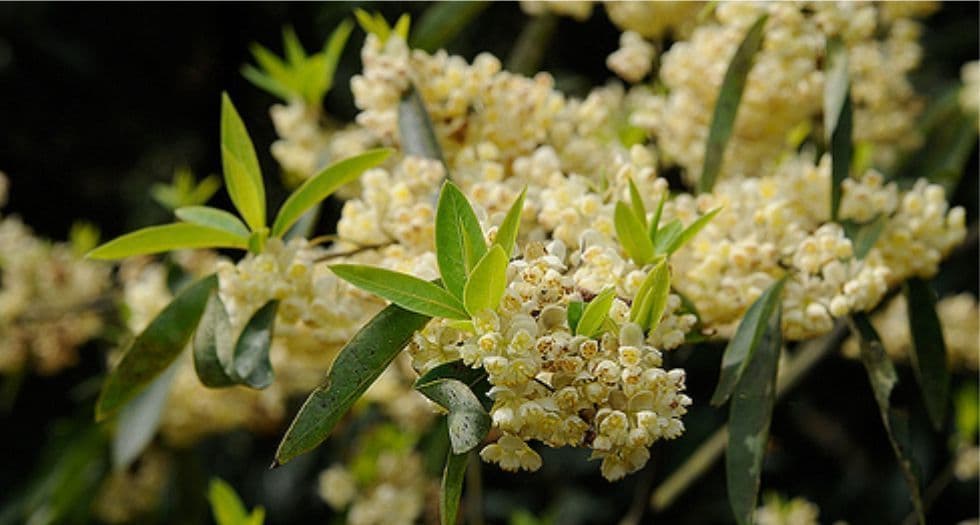
litsea cubeba
Litsea cubeba, commonly known as May Chang, is a small fruit-bearing tree native to China and other parts of tropical and subtropical Asia. Its tiny, pepper-like fruits yield an essential oil of exceptional vibrancy: intensely lemony, fresh, and slightly floral, with a brightness that surpasses many true citrus oils in intensity and longevity. The oil has been used for centuries in traditional Asian medicine and is now a cornerstone of modern natural perfumery for its remarkable citrus radiance. In perfumery, Litsea cubeba is celebrated as a natural alternative to synthetic lemon and citrus notes, offering superior tenacity and a more complex, rounded citrus profile. Its lemony freshness carries a subtle floral quality — almost verbena-like — that gives compositions an uplifted, Mediterranean brightness. Perfumers use Litsea cubeba in colognes, aromatic fougeres, fresh aquatics, and citrus-dominant compositions, often anchoring it with woody bases or musks to extend its natural vibrancy. It pairs magnificently with bergamot, neroli, petitgrain, lavender, and white flowers. Fragrenza's Litsea Cubeba collection brings this sparkling, lemon-bright note to a fresh and invigorating range of dupes inspired by the most celebrated citrus-forward fragrances. Bright, natural, and beautifully accessible.
- 🌿
Loam
Loam is a specialty note used to give a fragrance a distinctive texture, mood, or material impression. Depending on interpretation, it may contribute freshness, warmth, sweetness, dryness, softness, or an abstract atmospheric effect. In perfumery, specialty notes are useful because they make a composition feel more specific and less generic. It can be paired with woods, musks, florals, resins, fruits, green notes, spices, or amber materials according to the intended style.
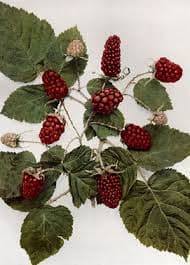
Loganberry
The loganberry is a remarkable hybrid fruit — a cross between a blackberry and a raspberry — developed in California in the late nineteenth century by horticulturist James Harvey Logan. Its flavor and aroma occupy a fascinating middle ground: the deep, jammy richness of blackberry meets the bright, tart vivacity of raspberry, producing a juicy, intensely fruity profile that is both familiar and distinctly unique. Loganberries are prized in culinary traditions for this complex tart-sweet balance. In perfumery, the loganberry note brings a vibrant, juicy berry quality with more depth and complexity than either of its parent fruits alone. It carries natural tartness alongside jammy sweetness, making it a versatile building block in fruity florals, chypres, and gourmand compositions. Perfumers use loganberry to add a lively, fresh-picked berry energy to blends, often pairing it with violet leaf, rose, patchouli, blackcurrant bud, and light woods to create fragrances that feel both contemporary and richly fruity. Fragrenza's Loganberry collection celebrates this vibrant, tart-sweet berry note in a dynamic range of dupes inspired by the best berry-forward fragrances in the world. Juicy, bright, and beautifully crafted — luxury fruit perfumery made accessible.
- 🌿
Lokma
Lokma is a specialty note used to give a fragrance a distinctive texture, mood, or material impression. Depending on interpretation, it may contribute freshness, warmth, sweetness, dryness, softness, or an abstract atmospheric effect. In perfumery, specialty notes are useful because they make a composition feel more specific and less generic. It can be paired with woods, musks, florals, resins, fruits, green notes, spices, or amber materials according to the intended style.
- 🌿
Lokum
Lokum is a specialty note used to give a fragrance a distinctive texture, mood, or material impression. Depending on interpretation, it may contribute freshness, warmth, sweetness, dryness, softness, or an abstract atmospheric effect. In perfumery, specialty notes are useful because they make a composition feel more specific and less generic. It can be paired with woods, musks, florals, resins, fruits, green notes, spices, or amber materials according to the intended style.
- 🌿
Lollipop
Lollipop is a specialty note used to give a fragrance a distinctive texture, mood, or material impression. Depending on interpretation, it may contribute freshness, warmth, sweetness, dryness, softness, or an abstract atmospheric effect. In perfumery, specialty notes are useful because they make a composition feel more specific and less generic. It can be paired with woods, musks, florals, resins, fruits, green notes, spices, or amber materials according to the intended style.
- 🌿
Long pepper
Long pepper is a spicy note that gives fragrance heat, texture, and aromatic energy. It can feel sweet, dry, peppery, resinous, herbal, smoky, or slightly medicinal depending on the material. In perfumery, spices create contrast, deepen the heart, and bridge fresh top notes with warm woody or amber bases. It pairs especially well with citrus, rose, tobacco, vanilla, oud, sandalwood, patchouli, leather, and balsamic resins.
- 🌿
Loquat
Loquat is a specialty note used to give a fragrance a distinctive texture, mood, or material impression. Depending on interpretation, it may contribute freshness, warmth, sweetness, dryness, softness, or an abstract atmospheric effect. In perfumery, specialty notes are useful because they make a composition feel more specific and less generic. It can be paired with woods, musks, florals, resins, fruits, green notes, spices, or amber materials according to the intended style.
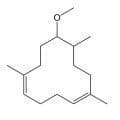
Lorenox
Lorenox is a synthetic aroma molecule designed by perfumers to deliver a clean, woody character with subtle fougere and herbal-green facets. Like many modern captive materials, Lorenox was engineered to provide consistency and longevity that natural materials alone cannot guarantee. Its profile is crisp and composed — carrying the dry, structured character of cedarwood, the slight herbal depth of a fougere accord, and a freshness that reads as naturally green without veering into overt grassiness. In perfumery, Lorenox is valued as a versatile woody-clean modifier. It can sharpen the outline of a composition, lending definition to a blend that might otherwise lack structure, or it can serve as a primary accord in minimalist woody fragrances that prize cleanliness and sophistication. It pairs well with lavender, vetiver, geranium, oakmoss, and cool musks — making it a natural fit for classic and contemporary fougere constructions as well as clean masculine and unisex fragrance families. Fragrenza's Lorenox collection harnesses this clean, woody-herbal molecule in a refined range of dupes inspired by fragrances where Lorenox provides defining character. Structured, fresh, and effortlessly wearable — crafted for those who appreciate the art of clean, modern perfumery at an accessible price.
- 🌿
Lotu
Lotu is a specialty note used to give a fragrance a distinctive texture, mood, or material impression. Depending on interpretation, it may contribute freshness, warmth, sweetness, dryness, softness, or an abstract atmospheric effect. In perfumery, specialty notes are useful because they make a composition feel more specific and less generic. It can be paired with woods, musks, florals, resins, fruits, green notes, spices, or amber materials according to the intended style.
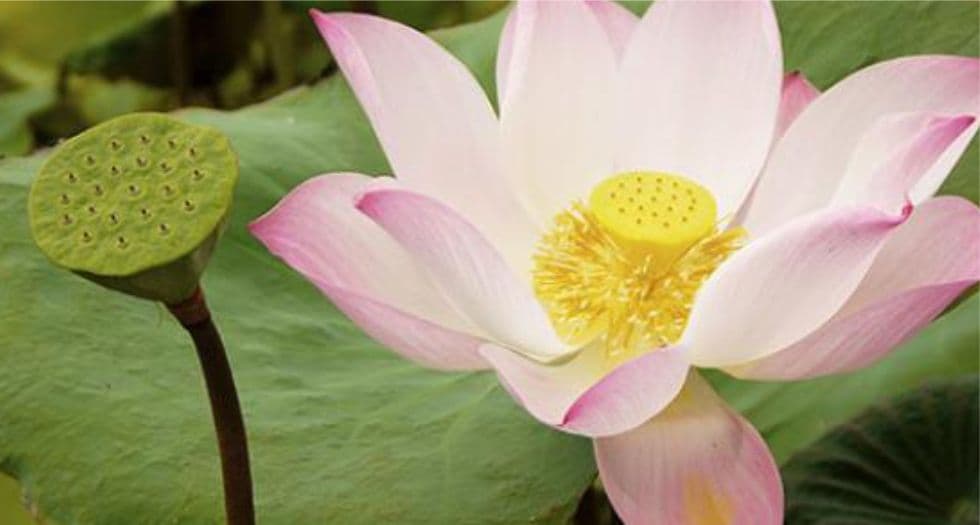
Lotus
The lotus flower — sacred across Hindu, Buddhist, and ancient Egyptian traditions — grows in muddy ponds and slow-moving waters throughout Asia and parts of Africa, yet produces blooms of extraordinary purity and beauty. The fragrance of lotus petals is uniquely aquatic and clean, with a delicate sweetness and an almost ethereal quality. Unlike many florals, lotus carries a serene, uncluttered character: it is soft without being cloying, fresh without being sharp, spiritual without being remote. In perfumery, the lotus note is a cornerstone of aquatic and fresh floral compositions. Perfumers capture its essence through a blend of clean musks, light florals, watery aldehydes, and subtle sweetness to evoke the flower's otherworldly purity. Lotus accords are used widely in spa-inspired fragrances, minimalist florals, and meditation-adjacent compositions — wherever a sense of calm, cleanliness, and gentle beauty is desired. It pairs naturally with white tea, water lily, jasmine, sandalwood, and light woods. Fragrenza's Lotus collection brings the serene, aquatic purity of this sacred flower to a carefully crafted selection of dupes inspired by the most revered lotus-forward fragrances. Tranquil, clean, and timelessly beautiful — at a price that invites daily wear.
- 🌿
Lotus absolute
Lotus absolute is a floral note that gives a fragrance softness, radiance, and emotional warmth. Depending on the flower or accord, it may feel fresh, creamy, powdery, honeyed, green, indolic, or airy. In perfumery, floral notes often form the heart of a composition, adding body and a recognizable signature. It pairs well with citrus, white musk, rose, jasmine, sandalwood, amber, vanilla, iris, and delicate fruits.
- 🌿
Lotus Leaf
Lotus Leaf is a floral note that gives a fragrance softness, radiance, and emotional warmth. Depending on the flower or accord, it may feel fresh, creamy, powdery, honeyed, green, indolic, or airy. In perfumery, floral notes often form the heart of a composition, adding body and a recognizable signature. It pairs well with citrus, white musk, rose, jasmine, sandalwood, amber, vanilla, iris, and delicate fruits.
- 🌿
Lotus wood
Lotus wood is a floral note that gives a fragrance softness, radiance, and emotional warmth. Depending on the flower or accord, it may feel fresh, creamy, powdery, honeyed, green, indolic, or airy. In perfumery, floral notes often form the heart of a composition, adding body and a recognizable signature. It pairs well with citrus, white musk, rose, jasmine, sandalwood, amber, vanilla, iris, and delicate fruits.
- 🌿
Loukhoum
Loukhoum — derived from the Turkish lokum, more widely known as Turkish delight — is one of the world's most beloved confections, made from starch, sugar, rosewater, and often laced with pistachios or almonds. Its aroma is an intoxicating blend of powdery rose, soft almond, and delicate sugar — sweet and nostalgic yet somehow sophisticated. The scent of loukhoum carries centuries of Ottoman tradition, evoking bazaars filled with glistening jewel-colored sweets dusted in powdered sugar. In perfumery, the loukhoum accord has become a modern classic — a bridge between confectionery and fine fragrance. Perfumers recreate it using a blend of rose absolute or rose oxide, benzyl benzoate, musks, powdery heliotrope, and almond-like tonka bean to achieve that unmistakable rose-sugar-powder combination. The loukhoum note is deeply versatile: it can anchor a feminine floral as a powdery base, add a whimsical gourmand twist to an oriental, or take center stage as a unique, culturally rich fragrance identity. It layers beautifully with vanilla, iris, woods, and white florals. Fragrenza's Loukhoum collection celebrates this enchanting, powdery-sweet confection in an exquisite range of dupes inspired by the most celebrated loukhoum-forward fragrances in the world. Indulgent, romantic, and irresistibly accessible.
- 🌿
Lousiana peach
Lousiana peach is a fruity note that adds juiciness, color, and natural sweetness. It may feel crisp and tart, ripe and velvety, tropical and creamy, or dark and jammy depending on the fruit profile. In perfumery, fruity notes brighten florals, soften musks, and add pleasure to gourmand or woody structures. It pairs well with rose, peony, jasmine, white musk, vanilla, woods, citrus, amber, and soft spices.
- 🌿
Lovage
Lovage is a specialty note used to give a fragrance a distinctive texture, mood, or material impression. Depending on interpretation, it may contribute freshness, warmth, sweetness, dryness, softness, or an abstract atmospheric effect. In perfumery, specialty notes are useful because they make a composition feel more specific and less generic. It can be paired with woods, musks, florals, resins, fruits, green notes, spices, or amber materials according to the intended style.
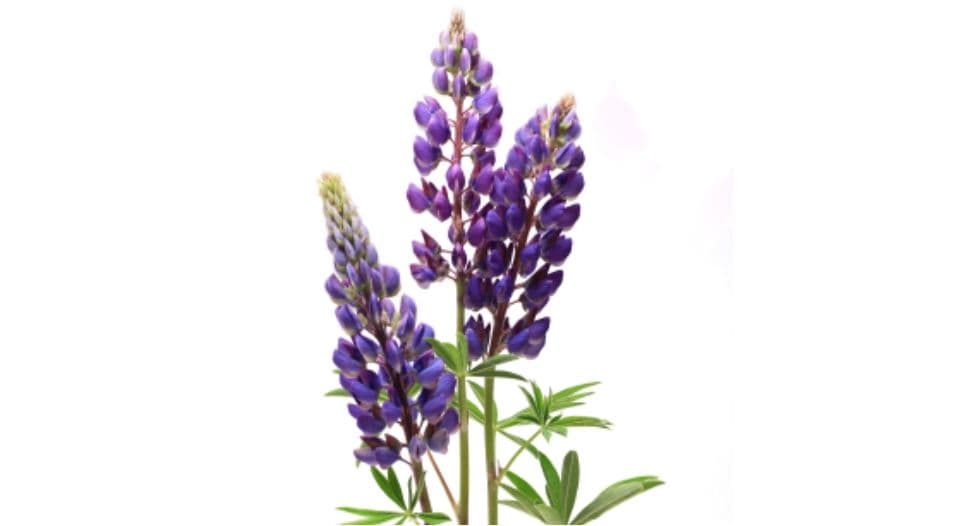
Lupin
Lupin, the genus of flowering plants spanning the Mediterranean, the Americas, and beyond, produces tall, colorful spires of blossoms beloved by gardeners and naturalists alike. The scent of lupin flowers is delicately sweet — carrying unmistakable honey-like warmth softened by a faintly green, almost beany undertone. It is a fragrance that feels pastoral and gentle, evoking wild meadows, cottage gardens, and the unhurried beauty of early summer mornings. In perfumery, lupin contributes a soft, sweet-floral character that occupies a unique space between honey and flower. It is neither as powdery as violet nor as heady as jasmine — instead it offers a light, approachable sweetness with just enough green nuance to keep it grounded. Lupin accords blend harmoniously with other light florals, beeswax, musks, and soft woods, making them a favored choice in feminine and clean floral compositions. They also lend a natural, almost botanical freshness to modern perfumes seeking a garden-inspired quality. Fragrenza's Lupin collection distills the sweet, honey-kissed charm of this beloved flower into an accessible range of dupes inspired by the finest lupin-forward fragrances on the market. Gentle, inviting, and beautifully crafted — luxury without compromise.
- 🌿
Lychee blossom
Lychee blossom is a floral note that adds softness, radiance, and emotional warmth to a composition. Depending on the flower or accord, it can feel fresh, creamy, powdery, honeyed, green, indolic, or airy. In perfumery, floral notes often form the heart of a fragrance, giving it body and a recognizable character. Lychee blossom pairs well with citrus, white musk, rose, jasmine, sandalwood, amber, vanilla, iris, and delicate fruits, making it useful in both classic bouquets and modern transparent florals.
- 🌿
Lychee cocktail
Lychee cocktail is a fruity note that adds juiciness, color, and natural sweetness. It may feel crisp and tart, ripe and velvety, tropical and creamy, or dark and jammy depending on the fruit profile. In perfumery, fruity notes brighten florals, soften musks, and add pleasure to gourmand or woody structures. It pairs well with rose, peony, jasmine, white musk, vanilla, woods, citrus, amber, and soft spices.
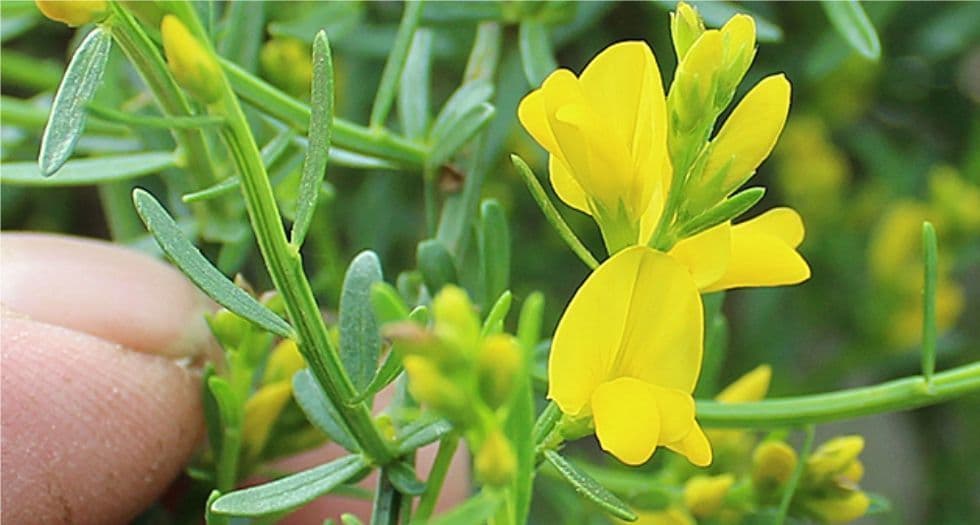
Lydia Broom
Lydia broom, known botanically as Genista lydia, is a low-growing shrub native to the rocky hillsides of the Eastern Mediterranean and the Balkans. Come spring, it erupts in vivid cascades of bright yellow flowers that fill the surrounding air with a light, honey-kissed floral scent. The fragrance of Lydia broom is warm and solar, with an almost sweetly vegetal greenness beneath the cheerful blooms — evoking sun-drenched Mediterranean landscapes in full bloom. In perfumery, broom-type notes (genet and related shrubs) have a long and storied history, appearing in classic French and Italian compositions as a bridge between golden florals and green herbaceous accords. Lydia broom specifically lends a bright, slightly honeyed yellow-floral quality that pairs beautifully with mimosa, violet, iris, and light grasses. Perfumers use it to add a sense of warmth and outdoor radiance, creating a feeling of being surrounded by wild, sun-warmed flowers. It is equally at home in feminine florals and elegant unisex compositions. Fragrenza's Lydia Broom collection brings this sunlit, Mediterranean-inspired floral note to a range of carefully crafted dupes. Each fragrance captures the cheerful, honey-green warmth of Lydia broom at a price point everyone can enjoy.
M
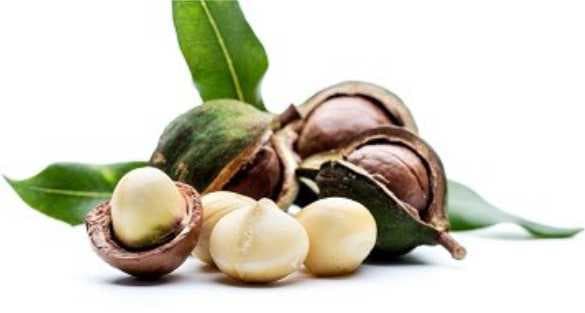
Macadamia
The macadamia nut, native to the subtropical rainforests of eastern Australia and now cultivated widely in Hawaii and beyond, is celebrated for its exceptionally rich, buttery flavor. Its aroma is smooth and creamy with a subtly sweet, toasted-nut quality that is unlike any other edible ingredient — at once indulgent and refined. The macadamia's inherent richness translates remarkably well into fragrance, lending a luxurious, skin-like softness to compositions. In perfumery, the macadamia note functions as a creamy-gourmand anchor, adding warmth and a sensuous, almost milky depth to blends. It pairs naturally with vanilla, tonka bean, coconut, white flowers, and soft musks, creating compositions that feel simultaneously edible and wearable. Perfumers use macadamia accords to soften sharper elements, round out woody bases, and add a comforting, body-warm quality that makes fragrances feel intimate and inviting. It is a staple in modern gourmand and skin-scent perfumery. Fragrenza's Macadamia collection celebrates this creamy, indulgent note in a range of dupes inspired by the most sought-after macadamia-forward fragrances. Experience the same buttery-smooth luxury of high-end originals — beautifully replicated and accessibly priced.
- 🌿
Macaron
Macaron is a specialty note used to give a fragrance a distinctive texture, mood, or material impression. Depending on interpretation, it may contribute freshness, warmth, sweetness, dryness, softness, or an abstract atmospheric effect. In perfumery, specialty notes are useful because they make a composition feel more specific and less generic. It can be paired with woods, musks, florals, resins, fruits, green notes, spices, or amber materials according to the intended style.
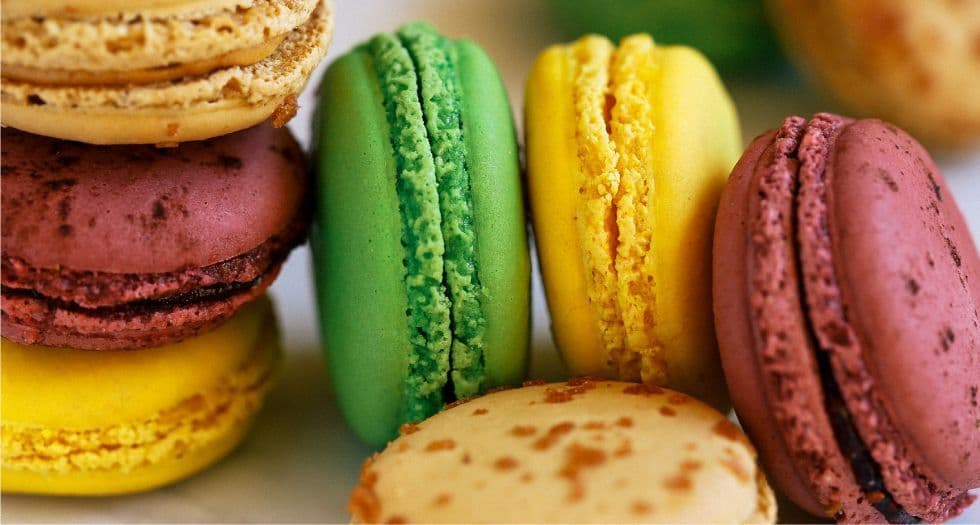
Macarons
The macaron is an iconic French confection — two delicate almond meringue shells sandwiching a flavoured ganache or buttercream filling — perfected by Parisian patisseries and elevated to an art form. Made with ground almonds, icing sugar, and egg whites, the macaron's characteristic chewy sweetness and subtle nuttiness have made it a global symbol of refined indulgence. In perfumery, the macaron note is an olfactory homage to this beloved treat, crafted to capture its layered sweetness and delicate almond character. The scent of macarons in fragrance is sweetly almond-forward, with a soft powdery meringue quality and subtle green pistachio undertones that add complexity. There is a gentle vanilla warmth beneath the almond core, alongside a light airy sweetness that evokes the featherlight texture of the confection itself. The overall impression is of a Parisian patisserie in spring — sweet, refined, and irresistibly inviting. In modern gourmand perfumery, the macaron note is used to create light, playful sweet accords that feel sophisticated rather than sugary. It blends beautifully with rose, violet, tonka bean, and soft musks. At Fragrenza, our Macarons collection bottles this Parisian sweetness in exquisite fragrance dupes that make every day feel like a moment of delicious celebration — at a price that invites daily indulgence.
- 🌿
macaroon
macaroon is a specialty note used to give a fragrance a distinctive texture, mood, or material impression. Depending on interpretation, it may contribute freshness, warmth, sweetness, dryness, softness, or an abstract atmospheric effect. In perfumery, specialty notes are useful because they make a composition feel more specific and less generic. It can be paired with woods, musks, florals, resins, fruits, green notes, spices, or amber materials according to the intended style.
- 🌿
Macassar wood
Macassar wood is a woody note used to create structure, depth, and lasting warmth. Its scent may be dry, creamy, smoky, resinous, earthy, pencil-like, or polished depending on the wood or accord. In perfumery, woody notes support the whole composition and connect fresh openings with deeper bases. It pairs naturally with amber, musk, incense, leather, vetiver, patchouli, spices, citrus, and soft resins.
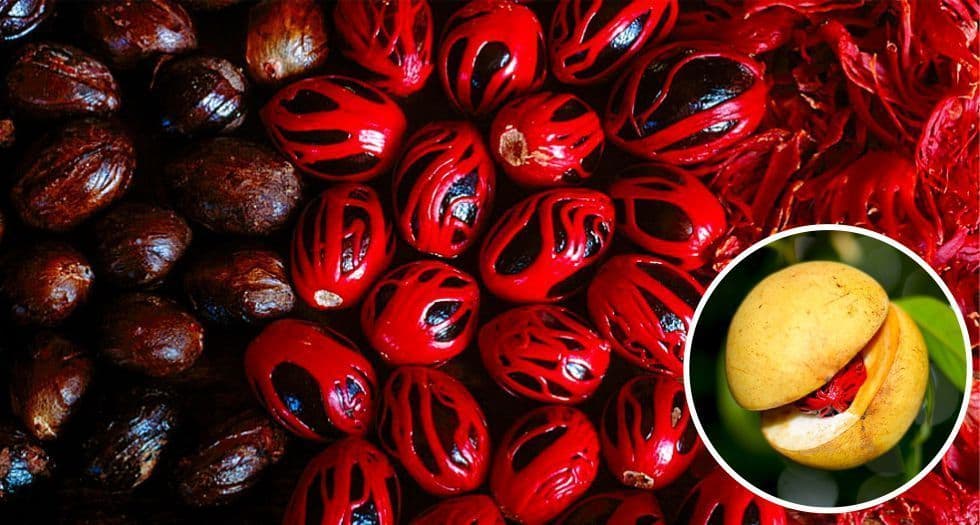
mace
Mace is the lacy red aril that wraps around the nutmeg seed inside the fruit of Myristica fragrans, a tropical tree native to the Banda Islands of Indonesia. While closely related to nutmeg, mace carries a distinctly warmer, slightly sweeter, and more delicate spice profile. Its aroma is rich and aromatic — redolent of warm baked goods, exotic spice markets, and the comfort of well-stocked kitchen shelves — yet with a brightness that nutmeg alone cannot achieve. In perfumery, mace is a prized spice note used to add gentle warmth and complexity to oriental, woody, and gourmand compositions. Unlike the heavier earthiness of nutmeg, mace brings a lighter, more refined spiciness that layers beautifully with rose, oud, amber, and sandalwood. It appears in many classic masculine and unisex fragrances, contributing an inviting, approachable warmth that feels both exotic and familiar. Perfumers rely on mace to bridge the gap between sweetness and spice with finesse. Fragrenza's Mace collection brings this warm, aromatic spice note to life in a curated selection of dupes inspired by iconic mace-forward fragrances. Each scent faithfully captures that signature sweet-spice warmth — expertly crafted and offered at accessible prices.
- 🌿
Macedonian juniper berry
Macedonian juniper berry is a fruity note that adds juiciness, color, and natural sweetness. It may feel crisp and tart, ripe and velvety, tropical and creamy, or dark and jammy depending on the fruit profile. In perfumery, fruity notes brighten florals, soften musks, and add pleasure to gourmand or woody structures. It pairs well with rose, peony, jasmine, white musk, vanilla, woods, citrus, amber, and soft spices.
- 🌿
Madagascan blue ginger
Madagascan blue ginger is a spicy note that gives fragrance heat, texture, and aromatic energy. It can feel sweet, dry, peppery, resinous, herbal, smoky, or slightly medicinal depending on the material. In perfumery, spices create contrast, deepen the heart, and bridge fresh top notes with warm woody or amber bases. It pairs especially well with citrus, rose, tobacco, vanilla, oud, sandalwood, patchouli, leather, and balsamic resins.
- 🌿
Madagascan cinnamon
Madagascan cinnamon is a spicy note that adds heat, texture, and aromatic energy to a fragrance. It may feel sweet, dry, peppery, resinous, herbal, smoky, or slightly medicinal depending on the material. In perfumery, spices create contrast, deepen the heart, and help bridge fresh top notes with warm woody or amber bases. Madagascan cinnamon pairs especially well with citrus, rose, tobacco, vanilla, oud, sandalwood, patchouli, leather, and balsamic resins.
- 🌿
Madagascan cinnamon absolue
Madagascan cinnamon absolue is a spicy note that gives fragrance heat, texture, and aromatic energy. It can feel sweet, dry, peppery, resinous, herbal, smoky, or slightly medicinal depending on the material. In perfumery, spices create contrast, deepen the heart, and bridge fresh top notes with warm woody or amber bases. It pairs especially well with citrus, rose, tobacco, vanilla, oud, sandalwood, patchouli, leather, and balsamic resins.
- 🌿
Madagascan clove
Madagascan clove is a spicy note that adds heat, texture, and aromatic energy to a fragrance. It may feel sweet, dry, peppery, resinous, herbal, smoky, or slightly medicinal depending on the material. In perfumery, spices create contrast, deepen the heart, and help bridge fresh top notes with warm woody or amber bases. Madagascan clove pairs especially well with citrus, rose, tobacco, vanilla, oud, sandalwood, patchouli, leather, and balsamic resins.
- 🌿
Madagascan clove leaf
Madagascan clove leaf is a spicy note that gives fragrance heat, texture, and aromatic energy. It can feel sweet, dry, peppery, resinous, herbal, smoky, or slightly medicinal depending on the material. In perfumery, spices create contrast, deepen the heart, and bridge fresh top notes with warm woody or amber bases. It pairs especially well with citrus, rose, tobacco, vanilla, oud, sandalwood, patchouli, leather, and balsamic resins.
- 🌿
Madagascan cypress
Madagascan cypress is a woody note used to create structure, depth, and lasting warmth. Its scent may be dry, creamy, smoky, resinous, earthy, pencil-like, or polished depending on the wood or accord. In perfumery, woody notes support the whole composition and connect fresh openings with deeper bases. It pairs naturally with amber, musk, incense, leather, vetiver, patchouli, spices, citrus, and soft resins.
- 🌿
Madagascan geranium
Madagascan geranium is a floral note that gives a fragrance softness, radiance, and emotional warmth. Depending on the flower or accord, it may feel fresh, creamy, powdery, honeyed, green, indolic, or airy. In perfumery, floral notes often form the heart of a composition, adding body and a recognizable signature. It pairs well with citrus, white musk, rose, jasmine, sandalwood, amber, vanilla, iris, and delicate fruits.
- 🌿
Madagascan ginger
Madagascan ginger is a spicy note that adds heat, texture, and aromatic energy to a fragrance. It may feel sweet, dry, peppery, resinous, herbal, smoky, or slightly medicinal depending on the material. In perfumery, spices create contrast, deepen the heart, and help bridge fresh top notes with warm woody or amber bases. Madagascan ginger pairs especially well with citrus, rose, tobacco, vanilla, oud, sandalwood, patchouli, leather, and balsamic resins.
- 🌿
Madagascan mandarin orange
Madagascan mandarin orange is a citrus note that adds sparkle, freshness, and immediate lift to a fragrance. Its profile can include juicy pulp, aromatic peel, green bitterness, soft floral nuances, or a sharp zesty brightness depending on the material. In perfumery, it is usually used in the opening, where it brings clarity and motion before blending into florals, woods, musks, or herbs. It pairs well with neroli, tea, lavender, white musk, light woods, aquatic notes, and aromatic herbs.
- 🌿
Madagascan marigold
Madagascan marigold is a specialty note used to give a fragrance a distinctive texture, mood, or material impression. Depending on interpretation, it may contribute freshness, warmth, sweetness, dryness, softness, or an abstract atmospheric effect. In perfumery, specialty notes are useful because they make a composition feel more specific and less generic. It can be paired with woods, musks, florals, resins, fruits, green notes, spices, or amber materials according to the intended style.
- 🌿
Madagascan pepper
Madagascan pepper is a spicy note that adds heat, texture, and aromatic energy to a fragrance. It may feel sweet, dry, peppery, resinous, herbal, smoky, or slightly medicinal depending on the material. In perfumery, spices create contrast, deepen the heart, and help bridge fresh top notes with warm woody or amber bases. Madagascan pepper pairs especially well with citrus, rose, tobacco, vanilla, oud, sandalwood, patchouli, leather, and balsamic resins.
- 🌿
Madagascan pink pepper
Madagascan pink pepper is a spicy note that adds heat, texture, and aromatic energy to a fragrance. It may feel sweet, dry, peppery, resinous, herbal, smoky, or slightly medicinal depending on the material. In perfumery, spices create contrast, deepen the heart, and help bridge fresh top notes with warm woody or amber bases. Madagascan pink pepper pairs especially well with citrus, rose, tobacco, vanilla, oud, sandalwood, patchouli, leather, and balsamic resins.
- 🌿
Madagascan vanilla blossom
Madagascan vanilla blossom is a floral note that gives a fragrance softness, radiance, and emotional warmth. Depending on the flower or accord, it may feel fresh, creamy, powdery, honeyed, green, indolic, or airy. In perfumery, floral notes often form the heart of a composition, adding body and a recognizable signature. It pairs well with citrus, white musk, rose, jasmine, sandalwood, amber, vanilla, iris, and delicate fruits.
- 🌿
Madagascan vetiver
Madagascan vetiver is a woody note used to create structure, depth, and lasting warmth. Its scent may be dry, creamy, smoky, resinous, earthy, pencil-like, or polished depending on the wood or accord. In perfumery, woody notes often support the whole composition and help connect fresh openings with deeper bases. Madagascan vetiver pairs naturally with amber, musk, incense, leather, vetiver, patchouli, spices, citrus, and soft resins, making it useful in masculine, feminine, and unisex fragrances.
- 🌿
Madagascan ylang-ylang
Madagascan ylang-ylang is a floral note that adds softness, radiance, and emotional warmth to a composition. Depending on the flower or accord, it can feel fresh, creamy, powdery, honeyed, green, indolic, or airy. In perfumery, floral notes often form the heart of a fragrance, giving it body and a recognizable character. Madagascan ylang-ylang pairs well with citrus, white musk, rose, jasmine, sandalwood, amber, vanilla, iris, and delicate fruits, making it useful in both classic bouquets and modern transparent florals.
- 🌿
Madagascar pepper
Madagascar pepper is a spicy note that adds heat, texture, and aromatic energy to a fragrance. It may feel sweet, dry, peppery, resinous, herbal, smoky, or slightly medicinal depending on the material. In perfumery, spices create contrast, deepen the heart, and help bridge fresh top notes with warm woody or amber bases. Madagascar pepper pairs especially well with citrus, rose, tobacco, vanilla, oud, sandalwood, patchouli, leather, and balsamic resins.
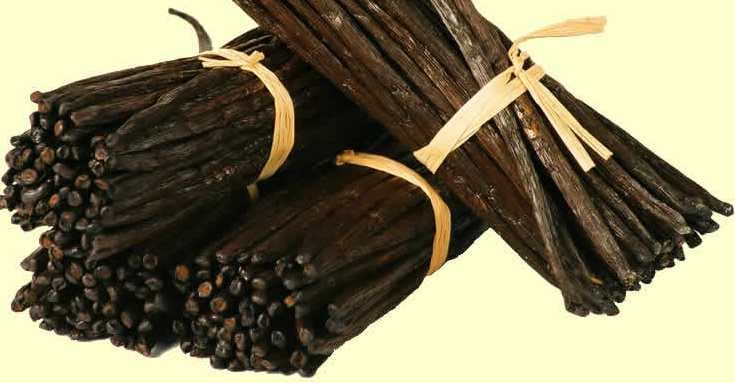
Madagascar Vanilla
Madagascar Vanilla is a sweet gourmand note with edible warmth, softness, and a comforting dessert-like character. In perfumery, it adds texture and indulgence, pairing well with vanilla, tonka bean, musk, amber, woods, fruit notes, and soft florals.
- 🌿
Madagascar vanilla orchid
Madagascar vanilla orchid is a floral note that gives a fragrance softness, radiance, and emotional warmth. Depending on the flower or accord, it may feel fresh, creamy, powdery, honeyed, green, indolic, or airy. In perfumery, floral notes often form the heart of a composition, adding body and a recognizable signature. It pairs well with citrus, white musk, rose, jasmine, sandalwood, amber, vanilla, iris, and delicate fruits.
- 🌿
Madagascar Ylang-Ylang
Madagascar Ylang-Ylang is a floral note that gives a fragrance softness, radiance, and emotional warmth. Depending on the flower or accord, it may feel fresh, creamy, powdery, honeyed, green, indolic, or airy. In perfumery, floral notes often form the heart of a composition, adding body and a recognizable signature. It pairs well with citrus, white musk, rose, jasmine, sandalwood, amber, vanilla, iris, and delicate fruits.
- 🌿
Madonna lily
Madonna lily is a floral note that gives a fragrance softness, radiance, and emotional warmth. Depending on the flower or accord, it may feel fresh, creamy, powdery, honeyed, green, indolic, or airy. In perfumery, floral notes often form the heart of a composition, adding body and a recognizable signature. It pairs well with citrus, white musk, rose, jasmine, sandalwood, amber, vanilla, iris, and delicate fruits.
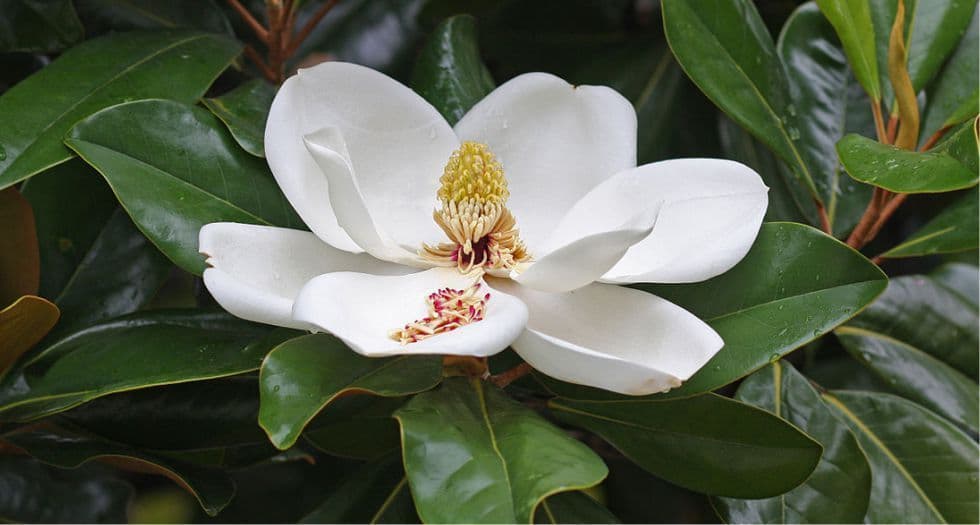
Magnolia
Magnolia (Magnolia grandiflora and related species) is one of the oldest flowering plants on Earth — a genus that predates bees and has been blooming for over 95 million years. Its large, luminous flowers produce one of perfumery's most beloved aromas: a soft, velvety floral with a rosy-lemon quality, creamy depth, and a gentle spiciness that sets it apart from simpler white florals. The scent is simultaneously clean and voluptuous — fresh and approachable yet rich enough to feel genuinely opulent. In perfumery, magnolia is a cornerstone ingredient used across almost every fragrance family. Its rosy-lemon-creamy character means it can stand in for or complement rose in floral bouquets, add a spring-blossoming brightness to citrus compositions, or contribute a velvety warmth to woody and amber bases. It pairs magnificently with neroli, jasmine, peony, lychee, white musk, sandalwood, and light woods. Modern perfumery uses magnolia extensively in fresh florals, clean feminines, and contemporary unisex compositions, where its natural, well-rounded beauty is almost universally appealing. Magnolia fragrances are for those who love timeless, effortlessly beautiful florals — the kind of scent that feels right in any season and for any occasion. At Fragrenza, our magnolia collection brings together high-quality dupes of some of perfumery's most celebrated floral fragrances, making that classic velvety-rosy-lemon beauty available at prices everyone can afford to enjoy every day. Want to wear it? Explore [magnolia fragrances](https://fragrenza.com/collections/magnolia-fragrances).
- 🌿
Magnolia absolute
Magnolia absolute is a floral note that gives a fragrance softness, radiance, and emotional warmth. Depending on the flower or accord, it may feel fresh, creamy, powdery, honeyed, green, indolic, or airy. In perfumery, floral notes often form the heart of a composition, adding body and a recognizable signature. It pairs well with citrus, white musk, rose, jasmine, sandalwood, amber, vanilla, iris, and delicate fruits.
- 🌿
Magnolia bud
Magnolia bud is a floral note that gives a fragrance softness, radiance, and emotional warmth. Depending on the flower or accord, it may feel fresh, creamy, powdery, honeyed, green, indolic, or airy. In perfumery, floral notes often form the heart of a composition, adding body and a recognizable signature. It pairs well with citrus, white musk, rose, jasmine, sandalwood, amber, vanilla, iris, and delicate fruits.
- 🌿
Magnolia leaf
The magnolia leaf — the large, glossy foliage of Magnolia grandiflora and its relatives — offers a fragrance profile that is strikingly different from the tree's famous flowers. Where the blossom is velvety and heady, the leaf is crisp, green, and slightly lemony, with a fresh botanical sharpness that evokes cutting through the thick, waxy surface to release the oils underneath. It carries a cool, clean quality — part green, part citrus, part faintly woody — that feels unashamedly alive and immediate. In perfumery, magnolia leaf is valued as a sophisticated green note with more character than simple grass or violet leaf. Its combination of lemony brightness and waxy green depth makes it a versatile bridging ingredient — it can sharpen a floral composition's opening, add botanical realism to a green chypre, or introduce a crisp, nature-forward edge to woody and aromatic fragrances. It pairs well with bergamot, galbanum, vetiver, cedarwood, and white flowers for compositions that feel polished yet rooted in the natural world. Magnolia leaf fragrances are for those who love green, botanical freshness — scents that feel like hands in a garden rather than a vase of cut flowers. At Fragrenza, our magnolia leaf collection curates quality dupes of fresh, green-botanical fragrances, capturing that cool, crisp vitality at accessible prices that welcome daily discovery.
- 🌿
Magnolia Petals
Magnolia Petals is a floral note that gives a fragrance softness, radiance, and emotional warmth. Depending on the flower or accord, it may feel fresh, creamy, powdery, honeyed, green, indolic, or airy. In perfumery, floral notes often form the heart of a composition, adding body and a recognizable signature. It pairs well with citrus, white musk, rose, jasmine, sandalwood, amber, vanilla, iris, and delicate fruits.
- 🌿
Magnolia wood
Magnolia wood is a floral note that gives a fragrance softness, radiance, and emotional warmth. Depending on the flower or accord, it may feel fresh, creamy, powdery, honeyed, green, indolic, or airy. In perfumery, floral notes often form the heart of a composition, adding body and a recognizable signature. It pairs well with citrus, white musk, rose, jasmine, sandalwood, amber, vanilla, iris, and delicate fruits.
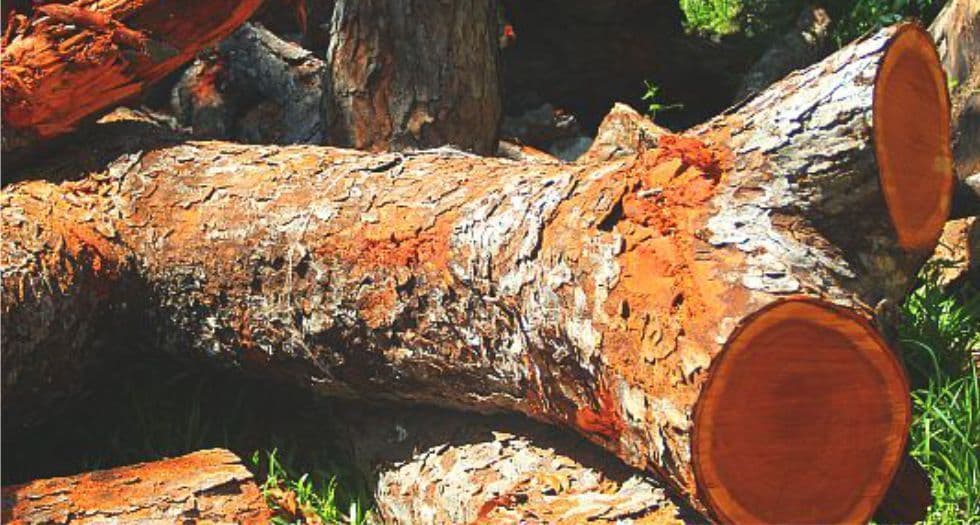
Mahogany
Mahogany (Swietenia mahagoni and related species) is one of the world's most prized hardwoods — a tropical timber native to Central America and the Caribbean, celebrated for centuries for its rich, reddish-brown grain, exceptional durability, and the prestige it lends to fine furniture and musical instruments. The scent of freshly worked mahogany is deeply evocative: warm, dark, and richly woody, with a smooth, almost sweet depth that carries hints of leather, subtle spice, and the quiet grandeur of a well-appointed room. In perfumery, mahogany is used to evoke exactly those qualities: warmth, richness, and understated luxury. It occupies the drier, more polished end of the woody family — less sharp than cedar, less earthy than vetiver, less creamy than sandalwood, but carrying a dark, refined character all its own. It blends beautifully with leather accords, tobacco, amber, warm spices like clove and nutmeg, and resins like labdanum. Mahogany notes appear frequently in classic masculine-leaning fragrances and rich oriental compositions designed to feel expensive and enduring. Mahogany fragrances are for those who appreciate deep, polished woods — scents that feel like handcrafted furniture and tailored elegance. At Fragrenza, our mahogany collection offers premium-quality dupes of distinguished woody and oriental fragrances, delivering that dark, warm richness at prices that make luxury attainable for every fragrance enthusiast.
- 🌿
Mahogany wood
Mahogany wood is a woody note used to create structure, depth, and lasting warmth. Its scent may be dry, creamy, smoky, resinous, earthy, pencil-like, or polished depending on the wood or accord. In perfumery, woody notes often support the whole composition and help connect fresh openings with deeper bases. Mahogany wood pairs naturally with amber, musk, incense, leather, vetiver, patchouli, spices, citrus, and soft resins, making it useful in masculine, feminine, and unisex fragrances.
- 🌿
Mahonia
Mahonia (Mahonia aquifolium), commonly known as Oregon grape, is a hardy evergreen shrub native to the Pacific Northwest of North America. Its clusters of bright yellow flowers appear in late winter to early spring — one of the first blooms of the year — and emit a delicate, slightly honeyed-tart fragrance that is at once cheerful and unusual. The scent of mahonia is unlike most garden flowers: warm and slightly waxy, with a faint fruitiness from its small, tart blue-black berries nearby. In perfumery, mahonia is a niche but evocative note — rarely headlining a fragrance but contributing a distinctive botanical warmth when present. Its yellow-floral character sits between broom (genêt), mimosa, and hawthorn in the spectrum of spring-blooming florals with a slightly animalic-honeyed undertone. It pairs well with green notes, fresh woods, beeswax accords, and light citrus to create compositions that evoke early spring — that particular bright-cold quality of the season just turning. Niche perfumers prize it for its specific sense of place and season. Mahonia fragrances are for those who love botanically specific, season-evoking scents — the kind of fragrance that transports you to a particular garden at a particular moment. At Fragrenza, our mahonia collection features quality dupes of distinctive botanical fragrances, making that crisp, honeyed-yellow floral character available to all fragrance lovers at accessible prices.
- 🌿
Mahonial®
Mahonial® is a specialty note used to give a fragrance a distinctive texture, mood, or material impression. Depending on interpretation, it may contribute freshness, warmth, sweetness, dryness, softness, or an abstract atmospheric effect. In perfumery, specialty notes are useful because they make a composition feel more specific and less generic. It can be paired with woods, musks, florals, resins, fruits, green notes, spices, or amber materials according to the intended style.
- 🌿
Maillette lavender
Maillette lavender is a floral note that gives a fragrance softness, radiance, and emotional warmth. Depending on the flower or accord, it may feel fresh, creamy, powdery, honeyed, green, indolic, or airy. In perfumery, floral notes often form the heart of a composition, adding body and a recognizable signature. It pairs well with citrus, white musk, rose, jasmine, sandalwood, amber, vanilla, iris, and delicate fruits.
- 🌿
Malayan oud
Malayan oud is a woody note used to create structure, depth, and lasting warmth. Its scent may be dry, creamy, smoky, resinous, earthy, pencil-like, or polished depending on the wood or accord. In perfumery, woody notes often support the whole composition and help connect fresh openings with deeper bases. Malayan oud pairs naturally with amber, musk, incense, leather, vetiver, patchouli, spices, citrus, and soft resins, making it useful in masculine, feminine, and unisex fragrances.
- 🌿
Malayan patchouli
Malayan patchouli is a woody note used to create structure, depth, and lasting warmth. Its scent may be dry, creamy, smoky, resinous, earthy, pencil-like, or polished depending on the wood or accord. In perfumery, woody notes often support the whole composition and help connect fresh openings with deeper bases. Malayan patchouli pairs naturally with amber, musk, incense, leather, vetiver, patchouli, spices, citrus, and soft resins, making it useful in masculine, feminine, and unisex fragrances.
- 🌿
Malaysian gurjum balsam
Malaysian gurjum balsam is a warm ambered or resinous note used to give fragrance depth, softness, and long-lasting richness. It can smell balsamic, sweet, smoky, vanillic, woody, powdery, or incense-like depending on the material. In perfumery, it rounds sharp edges and creates a smooth base that holds the composition together. It pairs well with woods, musks, spices, vanilla, tobacco, leather, florals, oud, and other resins.
- 🌿
Mallow
Mallow is a specialty note used to give a fragrance a distinctive texture, mood, or material impression. Depending on interpretation, it may contribute freshness, warmth, sweetness, dryness, softness, or an abstract atmospheric effect. In perfumery, specialty notes are useful because they make a composition feel more specific and less generic. It can be paired with woods, musks, florals, resins, fruits, green notes, spices, or amber materials according to the intended style.
- 🌿
Malt
Malt — the germinated, kilned grain that is the essential foundation of beer, whisky, and a host of traditional foods — carries one of the most comforting and evocative aromas in the human sensory experience. The malting process transforms raw barley into something deeply aromatic: warm, bready, and slightly sweet, with a distinctive nuttiness, a toasty cereal richness, and a subtle caramel depth that varies depending on the degree of kilning. It is the smell of craft, warmth, and tradition. In perfumery, malt is a distinctive gourmand-oriental ingredient used to add a warm, bready sweetness that is different in character from vanilla or caramel — more savoury in its depth, more cereal in its body. It appears frequently in amber and oriental compositions where it adds a beer-like warmth, and in leather fragrances where it contributes to rich, complex dry-down notes. It pairs well with tobacco, whisky, honey, dark woods, cocoa, and animalic musks, producing fragrances that feel richly textured and deeply comforting — the olfactory equivalent of a fireside dram. Malt fragrances are for those who love warm, sophisticated gourmands with a savoury, artisanal edge — scents that feel like craftsmanship and comfort in a bottle. At Fragrenza, our malt collection features premium-quality dupes of acclaimed oriental and amber fragrances, delivering that distinctive toasty-sweet warmth at genuinely accessible prices.
- 🌿
Malt beer
Malt beer is a gourmand note that adds edible warmth, sweetness, and comfort. It may suggest cream, sugar, nuts, chocolate, coffee, honey, pastry, or toasted grains depending on the accord. In perfumery, gourmand notes make compositions feel cozy and sensual, but they work best when balanced with woods, musks, spices, citrus, or resins. It pairs well with vanilla, tonka bean, sandalwood, amber, caramel, cacao, coffee, and soft florals.
- 🌿
Malt sugar
Malt sugar is a gourmand note that adds edible warmth, sweetness, and comfort. It may suggest cream, sugar, nuts, chocolate, coffee, honey, pastry, or toasted grains depending on the accord. In perfumery, gourmand notes make compositions feel cozy and sensual, but they work best when balanced with woods, musks, spices, citrus, or resins. It pairs well with vanilla, tonka bean, sandalwood, amber, caramel, cacao, coffee, and soft florals.
- 🌿
Maltol
Maltol is a specialty note used to give a fragrance a distinctive texture, mood, or material impression. Depending on interpretation, it may contribute freshness, warmth, sweetness, dryness, softness, or an abstract atmospheric effect. In perfumery, specialty notes are valuable because they make a composition feel more specific and less generic. Maltol can be paired with woods, musks, florals, resins, fruits, green notes, spices, or amber materials according to the intended style.
- 🌿
Mandarin
The mandarin orange (Citrus reticulata) is the sweetest, most approachable member of the citrus family — a fruit with origins in ancient China, where it was historically reserved for the Imperial court, hence the name. Its essential oil, cold-pressed from the peel, is a rich, warm, luminous golden liquid whose scent is rounder and gentler than lemon or bitter orange: sweet without being cloying, softly fruity, with a faint floral warmth and a slight honey-like depth that sets it apart from its citrus relatives. In perfumery, mandarin is one of the most beloved and widely used citrus ingredients precisely because of its versatility and wearability. It bridges the gap between lively citrus top notes and warmer, richer heart and base accords, offering a sweetness that anchors rather than fades. It pairs magnificently with neroli, jasmine, rose, and white musks in floral compositions; with vetiver, cedarwood, and sandalwood in woody fragrances; and with vanilla, benzoin, and amber in warm, oriental blends. Both the red and green variants offer distinct facets — red being sweeter, green being crisper. Mandarin fragrances are universally appealing — warm, bright, and effortlessly wearable for any occasion or season. At Fragrenza, our mandarin orange collection presents high-quality dupes of fragrances that celebrate this golden citrus note, making sunny, sophisticated perfumery available at prices that invite daily use. Want to wear it? Explore [mandarin fragrances](https://fragrenza.com/collections/mandarin-fragrances).
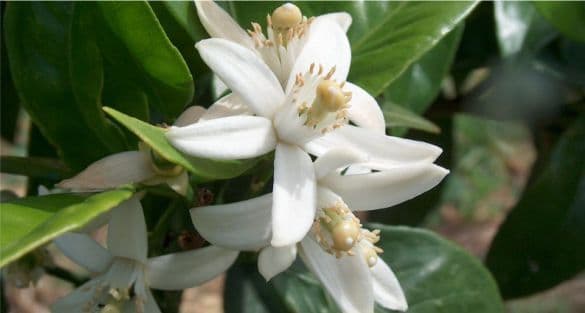
Mandarin blossom
Mandarin Blossom is a bright citrus note with zesty peel, juicy freshness, and a clean sparkling lift. In perfumery, it brings energy and radiance to openings, pairing well with neroli, tea, herbs, musks, woods, aquatic notes, and light florals.
Mandarin Leaf
Mandarin leaf — the foliage of the Citrus reticulata tree — offers a completely different olfactory experience from the sweet, warm fruit. The crushed leaf releases a sharp, intensely green-citrus aroma: bright and slightly bitter, with a petitgrain-like character that evokes damp morning gardens and sun-warmed Mediterranean groves. It carries the DNA of the mandarin — the citrus brightness, the faint orange-peel facet — but filtered through a raw, botanical green lens that is far more austere and aromatic. In perfumery, mandarin leaf is used for the same reasons petitgrain de mandarinier is sought after: it adds a sophisticated, slightly bitter green-citrus freshness that top notes from the fruit alone cannot provide. It is sharper than the fruit, more complex than simple citrus oils, and it blends beautifully with other green botanicals like basil, violet leaf, and galbanum, as well as with fougère ingredients like lavender and coumarin. It is a favourite in refined, chypre-inspired compositions and fresh aromatic fragrances that prize naturalness and depth over sweetness. Mandarin leaf fragrances are for those who love the green, botanical side of citrus — fresh and crisp rather than sweet and sunny. At Fragrenza, our mandarin leaf collection offers quality dupes of sophisticated aromatic fragrances that feature this distinctive green-citrus note, making nuanced, nature-inspired perfumery accessible to all.
- 🌿
Mandarin orange blossom
Mandarin orange blossom is a bright citrus note that brings sparkle, freshness, and immediate lift to a fragrance. Its profile may include juicy pulp, aromatic peel, green bitterness, soft floral facets, or a slightly sharp zest depending on the material. In perfumery, it is most often used in the opening, where it gives clarity and movement before blending into florals, woods, musks, or herbs. Mandarin orange blossom works especially well with neroli, tea, lavender, white musk, light woods, aquatic notes, and aromatic herbs.
- 🌿
Mandarin orange juice
Mandarin orange juice is a citrus note that adds sparkle, freshness, and immediate lift to a fragrance. Its profile can include juicy pulp, aromatic peel, green bitterness, soft floral nuances, or a sharp zesty brightness depending on the material. In perfumery, it is usually used in the opening, where it brings clarity and motion before blending into florals, woods, musks, or herbs. It pairs well with neroli, tea, lavender, white musk, light woods, aquatic notes, and aromatic herbs.
- 🌿
Mandarin orange leaf
Mandarin orange leaf is a bright citrus note that brings sparkle, freshness, and immediate lift to a fragrance. Its profile may include juicy pulp, aromatic peel, green bitterness, soft floral facets, or a slightly sharp zest depending on the material. In perfumery, it is most often used in the opening, where it gives clarity and movement before blending into florals, woods, musks, or herbs. Mandarin orange leaf works especially well with neroli, tea, lavender, white musk, light woods, aquatic notes, and aromatic herbs.
- 🌿
Mandarin orange zest
Mandarin orange zest is a bright citrus note that brings sparkle, freshness, and immediate lift to a fragrance. Its profile may include juicy pulp, aromatic peel, green bitterness, soft floral facets, or a slightly sharp zest depending on the material. In perfumery, it is most often used in the opening, where it gives clarity and movement before blending into florals, woods, musks, or herbs. Mandarin orange zest works especially well with neroli, tea, lavender, white musk, light woods, aquatic notes, and aromatic herbs.
- 🌿
Mandarine petitgrain
Mandarine petitgrain is a citrus note that adds sparkle, freshness, and immediate lift to a fragrance. Its profile can include juicy pulp, aromatic peel, green bitterness, soft floral nuances, or a sharp zesty brightness depending on the material. In perfumery, it is usually used in the opening, where it brings clarity and motion before blending into florals, woods, musks, or herbs. It pairs well with neroli, tea, lavender, white musk, light woods, aquatic notes, and aromatic herbs.
- 🌿
Mandora
Mandora is a lesser-known citrus hybrid — a cross between a mandarin and other citrus species — that occupies a fascinating aromatic niche between the rounded sweetness of mandarin and the sharper brightness of lemon or orange. Its scent profile is vivid and clean: bright citrus freshness with a slight floral edge inherited from the mandarin parent, and a lively, zesty quality that feels both familiar and slightly unexpected. It is citrus with a twist — approachable yet distinctive. In perfumery, mandora contributes a bright, uplifting citrus accord that sits between the warmer sweetness of mandarin and the crisper tartness of lemon or bergamot. Its subtle floral undertone gives it more character than a simple citrus top note, helping it to linger slightly longer in a composition while still delivering that essential freshness. It works beautifully in citrus-forward cologne-style fragrances, in fresh florals, and as a bright opening note in more complex oriental or woody compositions seeking a sun-drenched uplift. Mandora fragrances are for citrus lovers who crave something a little different — a brighter, more nuanced take on the classic orange family. At Fragrenza, our mandora collection features quality dupes of fresh, citrus-forward fragrances that showcase this distinctive hybrid note, delivering bright and beautiful perfumery at truly accessible prices.
- 🌿
Mandragora
Mandragora is a specialty note used to give a fragrance a distinctive texture, mood, or material impression. Depending on interpretation, it may contribute freshness, warmth, sweetness, dryness, softness, or an abstract atmospheric effect. In perfumery, specialty notes are useful because they make a composition feel more specific and less generic. It can be paired with woods, musks, florals, resins, fruits, green notes, spices, or amber materials according to the intended style.
Mango
Mango is a lush tropical fruit note known for its juicy sweetness, creamy texture, and bright exotic warmth. In perfumery, it adds a sunny fruity character with facets of peach, pineapple, citrus, and soft nectar. Mango works beautifully in tropical florals, fruity gourmands, summer fragrances, and playful modern compositions where it brings warmth, color, and mouthwatering sweetness.
- 🌿
Mango absolute
Mango absolute is a fruity note that adds juiciness, color, and natural sweetness. It may feel crisp and tart, ripe and velvety, tropical and creamy, or dark and jammy depending on the fruit profile. In perfumery, fruity notes brighten florals, soften musks, and add pleasure to gourmand or woody structures. It pairs well with rose, peony, jasmine, white musk, vanilla, woods, citrus, amber, and soft spices.
Mango blossom
The mango blossom — the delicate flowering stage of the Mangifera indica tree — is a world away from the bold richness of the ripe fruit. Mango trees produce dense clusters of tiny cream to pale-yellow flowers, and their fragrance is subtle, nuanced, and deeply poetic: lightly sweet, faintly green, with a honeyed tropical warmth that whispers of the lush fruit to come without ever announcing it loudly. It is the promise of mango rather than the mango itself. In perfumery, mango blossom occupies a distinct space from the fruit note. It reads as a tropical white floral rather than a fruity accord — closer in spirit to frangipani or ylang-ylang than to the full-ripe sweetness of mango flesh. Its green-sweet character makes it a graceful bridge between tropical florals and fresh green compositions, and it pairs beautifully with jasmine, neroli, white tea, bamboo, and clean musks. Perfumers use it to add an exotic but understated floral warmth that is more sheer and wearable than bold tropical fruit accords. Mango blossom fragrances are for those who love tropical florals with a light, airy touch — scents that feel like the first warm breeze of a tropical spring. At Fragrenza, our mango blossom collection brings together quality dupes of elegant tropical-floral fragrances, capturing that delicate blossoming warmth at prices that make beautiful perfumery a daily pleasure.
- 🌿
Mango leaf
Mango leaf is a fruity note that adds juiciness, color, and natural sweetness. It may feel crisp and tart, ripe and velvety, tropical and creamy, or dark and jammy depending on the fruit profile. In perfumery, fruity notes brighten florals, soften musks, and add pleasure to gourmand or woody structures. It pairs well with rose, peony, jasmine, white musk, vanilla, woods, citrus, amber, and soft spices.
- 🌿
Mango nectar
Mango nectar is a fruity note that adds juiciness, color, and natural sweetness. It may feel crisp and tart, ripe and velvety, tropical and creamy, or dark and jammy depending on the fruit profile. In perfumery, fruity notes brighten florals, soften musks, and add pleasure to gourmand or woody structures. It pairs well with rose, peony, jasmine, white musk, vanilla, woods, citrus, amber, and soft spices.
- 🌿
Mango wood
Mango wood is a woody note used to create structure, depth, and lasting warmth. Its scent may be dry, creamy, smoky, resinous, earthy, pencil-like, or polished depending on the wood or accord. In perfumery, woody notes support the whole composition and connect fresh openings with deeper bases. It pairs naturally with amber, musk, incense, leather, vetiver, patchouli, spices, citrus, and soft resins.
Mangosteen
The mangosteen (Garcinia mangostana) — often called the Queen of Fruits — is a tropical gem native to Southeast Asia, prized for centuries for its uniquely beautiful flavour: simultaneously sweet and tart, with a juicy floral quality that seems to blend fruit and flower in a single bite. The thick purple rind and fragrant white segments produce an aroma that is truly exotic — fruity, slightly musky, delicately floral, and almost otherworldly in its complexity. In perfumery, mangosteen is one of the more elusive and coveted tropical fruit notes. Its flavour profile — the interplay of sweet-tart juice and subtle floral depth — translates into fragrance compositions that feel simultaneously refreshing and mysterious. It pairs beautifully with lychee, peach, violet, white tea, and green notes for light summer compositions, or with musks, woods, and amber for something richer and more enveloping. Niche perfumers in particular have embraced mangosteen for the exotic, feminine-yet-unplaceable character it lends to a fragrance. Mangosteen fragrances are for those who seek the extraordinary — the fruit you cannot quite name but cannot stop thinking about. At Fragrenza, our mangosteen collection presents premium-quality dupes of niche and designer fragrances that harness this rare tropical note, putting exotic, sophisticated fruit-forward perfumery within everyone's reach.
- 🌿
Mangosteen blossom
Mangosteen blossom is a floral note that gives a fragrance softness, radiance, and emotional warmth. Depending on the flower or accord, it may feel fresh, creamy, powdery, honeyed, green, indolic, or airy. In perfumery, floral notes often form the heart of a composition, adding body and a recognizable signature. It pairs well with citrus, white musk, rose, jasmine, sandalwood, amber, vanilla, iris, and delicate fruits.
- 🌿
Maninka
Maninka — also known as tallow plum or sweet detar — is the fruit of Detarium microcarpum, a wild tree native to the West African savannah, growing across Senegal, Mali, Burkina Faso, and neighbouring countries. The fruit is a traditional food in the Sahel region, consumed fresh or dried, and prized for its sweet, jammy pulp. Its introduction into global perfumery has brought an exotic, specifically African dimension to contemporary gourmand and fruity-oriental compositions. The olfactory profile of maninka is warm, richly sweet, and caramel-like, with a depth reminiscent of dried fruit, brown sugar, and a hint of smoke or dried wood. There is an almost date-like quality to it — amber-sweet and slightly resinous — that makes it feel simultaneously tropical and ancient. Its sweetness is not candy-sharp but rounded and textured, unfolding slowly on the skin with quiet elegance. In modern niche perfumery, maninka has emerged as a prized element in African-inspired and gourmand-oriental compositions, appreciated for the authentic warmth and cultural identity it brings to a blend. It pairs beautifully with musks, amber, vetiver, and dark woods. At Fragrenza, our Maninka collection celebrates the richness of West African botanical heritage through carefully composed fragrance dupes that bring this rare and evocative note to a wider audience.
- 🌿
Maninka fruit
Maninka fruit is a fruity note that gives fragrance juiciness, color, and natural sweetness. It can be crisp and tart, ripe and velvety, tropical and creamy, or dark and jammy depending on the fruit profile. In perfumery, fruity notes brighten florals, soften musks, and add pleasure to gourmand or woody structures. Maninka fruit pairs well with rose, peony, jasmine, white musk, vanilla, woods, citrus, amber, and soft spices.
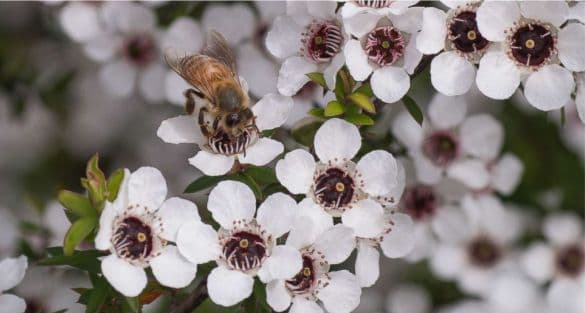
Manuka
Manuka (Leptospermum scoparium) is a flowering shrub native to New Zealand and southeastern Australia, deeply woven into Maori culture and renowned worldwide for its potent, medicinal honey. The plant's essential oil, distilled from its leaves and twigs, carries a complex and striking aroma: sharp and herbaceous with a resinous, slightly medicinal depth, earthy undertones, and a dry, woody character that is unmistakably from the Southern Hemisphere's ancient, wild landscapes. In perfumery, manuka is a distinctive and somewhat unconventional note that brings rugged naturalism to fragrance compositions. Its medicinal-herbal quality — reminiscent of tea tree but warmer and more resinous — gives it a unique edge that works well in woody, chypre, and botanical fragrances. It pairs interestingly with New Zealand ingredients like kauri wood and kawakawa, as well as with more familiar partners like cedarwood, vetiver, labdanum, and smoky incense. The honey association also links it to animalic-warm beeswax and amber accords. Manuka fragrances appeal to those who are drawn to the wild, the unusual, and the botanically authentic — scents that feel genuinely rooted in the natural world. At Fragrenza, our manuka collection curates quality dupes of fragrances that capture this raw, resinous southern beauty, making adventurous, nature-forward perfumery accessible to all.
- 🌿
Manuka myrtle blossom
Manuka myrtle blossom is a floral note that gives a fragrance softness, radiance, and emotional warmth. Depending on the flower or accord, it may feel fresh, creamy, powdery, honeyed, green, indolic, or airy. In perfumery, floral notes often form the heart of a composition, adding body and a recognizable signature. It pairs well with citrus, white musk, rose, jasmine, sandalwood, amber, vanilla, iris, and delicate fruits.
Maple
The maple tree (Acer saccharum and related species) is one of North America's most iconic flora, celebrated for its spectacular autumn foliage and the sap that yields the beloved maple syrup. But beyond the syrup, the tree itself — its bark, leaves, and the green wood of early spring — carries its own distinct fragrance character: fresh, slightly sweet, faintly green, and grounded with a clean woody earthiness that evokes forests in transition between seasons. In perfumery, the maple tree note is distinct from the heavier, syrupy maple gourmand accord. It tends toward freshness and naturalism — a green woody quality reminiscent of clean bark, budding leaves, and cool forest air. It blends naturally with other woods like birch and cedar, with earthy mosses, with crisp apple or pear notes, and with autumnal spices like cinnamon and nutmeg used at a low, whispered level. The result is a fragrance character that feels seasonal, outdoorsy, and quietly uplifting. Maple tree fragrances are perfect for those who love nature-inspired scents — compositions that evoke a walk through a forest at the turning of the year. At Fragrenza, our maple collection features high-quality dupes of fragrances that celebrate this beautiful, distinctive tree, offering that crisp, woody-sweet character at accessible prices for everyday wear.
- 🌿
Maple leaf
Maple leaf is a green or aromatic note that evokes leaves, herbs, stems, fresh air, or crushed vegetation. Its profile can be crisp, bitter, watery, camphoraceous, grassy, or slightly earthy depending on the material. In perfumery, green notes add realism and lift, keeping sweet, floral, or woody compositions from feeling too heavy. It pairs well with citrus, tea, fig, violet leaf, galbanum, tomato leaf, white musk, vetiver, lavender, and light woods.
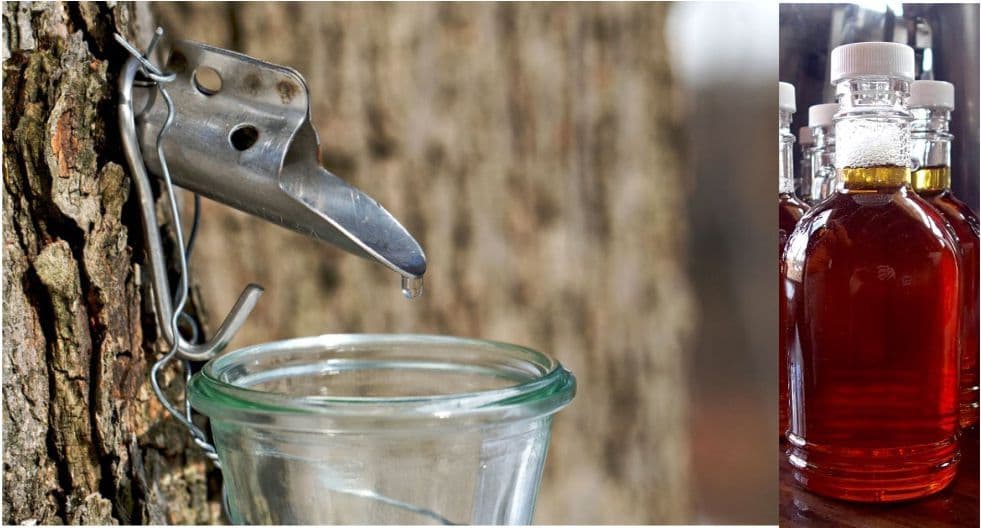
Maple sap
Maple sap is the clear tree sap used to make maple syrup. As a fragrance note, it suggests a soft woody sweetness, gentle sugar, tree resin, and warm ambered syrup facets. It is less heavy than maple syrup and works well in woody gourmand and autumnal compositions.
- 🌿
Maple syrup
Maple syrup — drawn from the sap of sugar maple trees in the forests of northeastern North America and Canada — is one of the world's most beloved natural sweeteners. Its aroma is deeply evocative: warm, caramel-rich, and slightly woody, with vanilla undertones and a subtle smokiness that recalls the long boiling process used to reduce the sap into syrup. The scent varies by grade, from delicate golden to robust dark amber, each carrying its own nuanced sweetness. In perfumery, maple syrup is a cornerstone gourmand ingredient, prized for the warm, inviting richness it brings to fragrance compositions. Unlike simple vanilla or caramel, it carries a distinctive woody-sweet character — a nod to the forest origin of its source — that anchors it in a more natural-feeling sweetness. It blends beautifully with tonka bean, sandalwood, benzoin, amber, and smoked woods, appearing in cosy autumnal fragrances, warm gourmands, and rich oriental compositions designed to feel like wearable comfort. Maple syrup fragrances are for those who love warm, enveloping sweetness with natural depth — scents that feel like autumn mornings and fireside evenings. At Fragrenza, our maple syrup collection brings together top-quality dupes of acclaimed gourmand fragrances, offering that golden, caramel-wood warmth at prices that welcome everyone into the world of fine perfumery.
- 🌿
Maple water
Maple water is an aquatic note that evokes water, sea air, rain, mineral freshness, or clean transparent space. It can be salty, ozonic, marine, watery, airy, or slightly green depending on the accord. In perfumery, aquatic notes bring freshness, diffusion, and a modern easy-to-wear character. It pairs well with citrus, white musk, driftwood, lavender, sage, cucumber, marine notes, ambergris-style molecules, and pale woods.
- 🌿
Maple wood
Maple wood is a woody note used to create structure, depth, and lasting warmth. Its scent may be dry, creamy, smoky, resinous, earthy, pencil-like, or polished depending on the wood or accord. In perfumery, woody notes support the whole composition and connect fresh openings with deeper bases. It pairs naturally with amber, musk, incense, leather, vetiver, patchouli, spices, citrus, and soft resins.
- 🌿
Mara des Bois strawberry
Mara des Bois strawberry is a fruity note that adds juiciness, color, and natural sweetness. It may feel crisp and tart, ripe and velvety, tropical and creamy, or dark and jammy depending on the fruit profile. In perfumery, fruity notes brighten florals, soften musks, and add pleasure to gourmand or woody structures. It pairs well with rose, peony, jasmine, white musk, vanilla, woods, citrus, amber, and soft spices.
- 🌿
Maraschino cherry
Maraschino cherry — the vibrantly red, liqueur-preserved cherry that has graced cocktails and desserts since the 19th century — carries an aroma that is unmistakably joyful. Originally made with Marasca cherries and their pits steeped in maraschino liqueur, the modern maraschino note blends bright, almost candy-like cherry sweetness with a distinct almond undertone derived from the cherry stone, giving it a slightly sophisticated, almost amaretto-like depth beneath its playful exterior. In perfumery, the maraschino cherry note occupies the sweeter end of the fruity-gourmand spectrum. It is warmer and more confected than fresh cherry, and that almond-liqueur character adds a pleasant complexity — a nod to the marzipan and benzaldehyde notes that perfumers use to build cherry-almond accords. It pairs wonderfully with vanilla, cocoa, rose, iris, and dark woods, appearing in everything from playful fruity-florals to rich, after-dark oriental compositions. The effect is festive, sweet, and undeniably charming. Maraschino cherry fragrances are for those who embrace sweetness without apology — scents that feel celebratory and bright. At Fragrenza, our maraschino cherry collection features premium dupes of beloved fruity-gourmand fragrances, delivering that cheerful cherry-almond warmth at prices that make every day feel like a special occasion.
- 🌿
Marble
Marble is a specialty note used to give a fragrance a distinctive texture, mood, or material impression. Depending on interpretation, it may contribute freshness, warmth, sweetness, dryness, softness, or an abstract atmospheric effect. In perfumery, specialty notes are useful because they make a composition feel more specific and less generic. It can be paired with woods, musks, florals, resins, fruits, green notes, spices, or amber materials according to the intended style.
- 🌿
Marigold
Marigold, especially tagetes, is a strong green floral note with herbal, fruity, bitter, and slightly medicinal facets. It is more pungent and characterful than many garden florals. In perfumery, it adds brightness, edge, and naturalistic green complexity.
- 🌿
Marijuana
Marijuana is a specialty note used to give a fragrance a distinctive texture, mood, or material impression. Depending on interpretation, it may contribute freshness, warmth, sweetness, dryness, softness, or an abstract atmospheric effect. In perfumery, specialty notes are useful because they make a composition feel more specific and less generic. It can be paired with woods, musks, florals, resins, fruits, green notes, spices, or amber materials according to the intended style.
- 🌿
Marine lichen
Marine lichen is an aquatic note that evokes water, sea air, rain, mineral freshness, or clean transparent space. It can be salty, ozonic, marine, watery, airy, or slightly green depending on the accord. In perfumery, aquatic notes bring freshness, diffusion, and a modern easy-to-wear character. It pairs well with citrus, white musk, driftwood, lavender, sage, cucumber, marine notes, ambergris-style molecules, and pale woods.
- 🌿
Marine note
Marine Notes is an aquatic note that evokes water, sea air, mineral freshness, or clean transparent space. It can be salty, ozonic, airy, watery, or slightly green depending on the accord. In perfumery, aquatic notes bring lightness and diffusion, helping a fragrance feel fresh, modern, and easy to wear. They pair well with citrus, marine notes, driftwood, white musk, cucumber, lavender, ambergris-style molecules, and pale woods.
- 🌿
Marine notes
Marine notes evoke sea air, salt spray, ocean water, and the mineral freshness of the coast. They can be clean and ozonic, salty and bracing, or slightly seaweed-like depending on the accord. In perfumery, marine notes bring space, transparency, and modern freshness, often making a fragrance feel airy and outdoorsy. They pair well with citrus, driftwood, ambergris-style materials, sage, musk, lavender, vetiver, and aquatic florals.
- 🌿
Maritima®
Maritima® is a specialty note used to give a fragrance a distinctive texture, mood, or material impression. Depending on interpretation, it may contribute freshness, warmth, sweetness, dryness, softness, or an abstract atmospheric effect. In perfumery, specialty notes are useful because they make a composition feel more specific and less generic. It can be paired with woods, musks, florals, resins, fruits, green notes, spices, or amber materials according to the intended style.
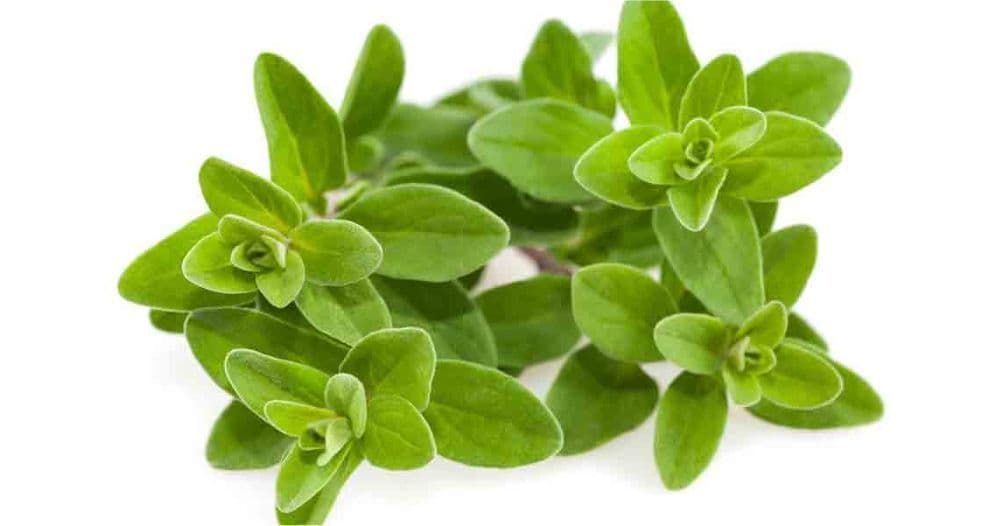
Marjoram
Sweet marjoram (Origanum majorana) is a Mediterranean herb with ancient roots in Greek and Roman culture, where it was associated with happiness and used in both cooking and medicine. Related to oregano but distinctly gentler, marjoram offers a warm, slightly camphorous herbal aroma with earthy, woody undertones and a faintly sweet, floral character. Its essential oil, steam-distilled from the flowering tops and leaves, is a staple of both aromatherapy and fine fragrance. In perfumery, marjoram functions as a bridging note — herbal enough to add aromatic freshness, woody enough to anchor a composition, and slightly sweet enough to soften drier accords. It appears frequently in fougères and aromatic masculines, where it pairs naturally with lavender, thyme, rosemary, and geranium. Its subtle warmth also makes it a useful complement to spicy or woody base notes, adding an old-world herbaceous character that feels timeless and slightly medicinal in the best sense. Marjoram fragrances appeal to those who appreciate herb-garden complexity — scents that are fresh without being sharp, warm without being heavy. At Fragrenza, our marjoram collection curates high-quality dupes of beloved aromatic fragrances featuring this classic Mediterranean herb, bringing sophisticated botanical depth to your collection at accessible prices.
Marmalade
Marmalade — the bittersweet preserve made from citrus peel, most famously Seville oranges — carries a distinctly British heritage dating back to the 18th century. As a fragrance note, marmalade brings a layered, complex citrus character that goes far beyond a simple orange accord. It captures the sharp bitterness of zested peel, the jammy sweetness of cooked fruit, and a slightly caramelised edge from the sugar, all in one vivid olfactory snapshot. In perfumery, marmalade is prized for its ability to add brightness with body. Unlike a flat citrus top note that evaporates quickly, a marmalade accord carries the depth and warmth of the rind's essential oils alongside the preserved sweetness of the fruit. It blends naturally with warm spices like cardamom and ginger, with florals like neroli and rose, and with woody or amber bases that help it linger. The sweet-tart tension it creates gives compositions a lively, almost edible character. Marmalade fragrances are for those who love citrus but want something with more personality — a note that is simultaneously familiar and surprising. At Fragrenza, our marmalade collection features carefully crafted dupes of designer and niche citrus-gourmand fragrances, making those bright, bittersweet accords available without the luxury price tag.
Marron glace
Marron glacé — the French art of candying whole chestnuts in sugar syrup — is one of confectionery's most celebrated traditions, originating in Lyon and Piedmont as far back as the 16th century. As a fragrance note, marron glacé translates into a deeply warm, richly sweet gourmand accord that layers roasted chestnut earthiness beneath glossy caramel and a whisper of vanilla. It is comfort made olfactory — the scent of Parisian patisseries in autumn. In perfumery, the marron glacé note occupies the gourmand family with particular distinction. Unlike simple caramel or vanilla, it carries a subtle nuttiness and a slightly smoky roasted quality that keeps it grounded and complex. Perfumers use it to add depth and warmth to oriental and amber bases, pairing it beautifully with tonka bean, rum, sandalwood, or praline accords. The overall effect is indulgent yet refined — sweet without being cloying. Fragrances featuring marron glacé speak to those who love edible, enveloping scents that feel like a luxurious treat. At Fragrenza, our marron glacé collection brings together high-quality dupes of acclaimed gourmand fragrances, delivering that warm candied-chestnut richness at a price that invites everyday indulgence.
- 🌿
Marsh Labrador tea
Marsh Labrador tea is a green or aromatic note that evokes leaves, herbs, stems, fresh air, or crushed vegetation. Its profile can be crisp, bitter, watery, camphoraceous, grassy, or slightly earthy depending on the material. In perfumery, green notes add realism and lift, keeping sweet, floral, or woody compositions from feeling too heavy. It pairs well with citrus, tea, fig, violet leaf, galbanum, tomato leaf, white musk, vetiver, lavender, and light woods.
- 🌿
Marshamallow
Marshamallow is a specialty note used to give a fragrance a distinctive texture, mood, or material impression. Depending on interpretation, it may contribute freshness, warmth, sweetness, dryness, softness, or an abstract atmospheric effect. In perfumery, specialty notes are useful because they make a composition feel more specific and less generic. It can be paired with woods, musks, florals, resins, fruits, green notes, spices, or amber materials according to the intended style.
Marshmallow
Marshmallow, both as confection and fragrance note, evokes a particular kind of softness that has made it a staple of modern gourmand perfumery. Originally derived from the root of the marshmallow plant, Althaea officinalis — whose mucilaginous extract was used in ancient medicinal and culinary preparations — the familiar sweet treat evolved into the airy, sugar-puffed confection loved worldwide. In fragrance, the marshmallow note is a carefully constructed accord inspired by this pillowy softness and sweet warmth. The scent of marshmallow in perfumery is vanillic, gently powdery, and enveloping — a cloud of soft sweetness with a lightly creamy, almost skin-like quality. It lacks the sharp edge of pure vanilla or the richness of caramel, sitting instead in a dreamy, ethereal register that feels like warmth itself. A faint musky undertone gives it a natural, wearable quality that makes it feel close to skin and deeply comforting. Marshmallow is a cornerstone of contemporary gourmand and soft oriental fragrances, used to impart a gentle sweetness that feels intimate and inviting. It pairs beautifully with tonka bean, heliotrope, coconut, and soft musks. At Fragrenza, our Marshmallow collection translates this cosy, feel-good note into beautiful fragrance dupes that wrap you in warmth without ever feeling heavy or overpowering.
Martini
The martini is one of the most iconic cocktails in history — a precise, elegant union of dry gin and vermouth, typically garnished with an olive or lemon twist. As a fragrance note, the martini concept captures something almost impossible: the dry, botanical chill of a perfectly mixed drink, served ice-cold in a crystal glass. It evokes gin's juniper-forward sharpness, the herbal bitterness of dry vermouth, and a faint metallic coldness that makes it uniquely bracing. In perfumery, martini accords are used to conjure sophistication and restraint. The note often blends juniper berry, angelica, dry citrus peel, and aromatic herbs like wormwood or orris to recreate that cocktail-bar atmosphere. The result is a fragrance character that is simultaneously dry and refreshing — never sweet, always precise. It occupies an interesting space between aromatic fougères and aquatic compositions, lending a cocktail-hour coolness that feels sharp and adult. Martini-inspired fragrances appeal to those who favour intellectual elegance over sweetness — scents that feel tailored rather than indulgent. At Fragrenza, our martini note collection includes premium-quality dupes of designer and niche fragrances that capture this dry, sophisticated character, offered at prices that make luxury accessible every day.
- 🌿
Martinique ambrette seed absolute
Martinique ambrette seed absolute is a soft textural note that creates warmth, smoothness, and a skin-like finish. It may feel clean, powdery, woody, velvety, slightly fruity, or fabric-like depending on the accord. In perfumery, these notes bind the formula, soften stronger materials, and extend wear without dominating the fragrance. It pairs well with florals, woods, citrus, amber, iris, fruits, suede, vanilla, and transparent musks.
- 🌿
Mary Anthony rose
Mary Anthony rose is a floral note that gives a fragrance softness, radiance, and emotional warmth. Depending on the flower or accord, it may feel fresh, creamy, powdery, honeyed, green, indolic, or airy. In perfumery, floral notes often form the heart of a composition, adding body and a recognizable signature. It pairs well with citrus, white musk, rose, jasmine, sandalwood, amber, vanilla, iris, and delicate fruits.
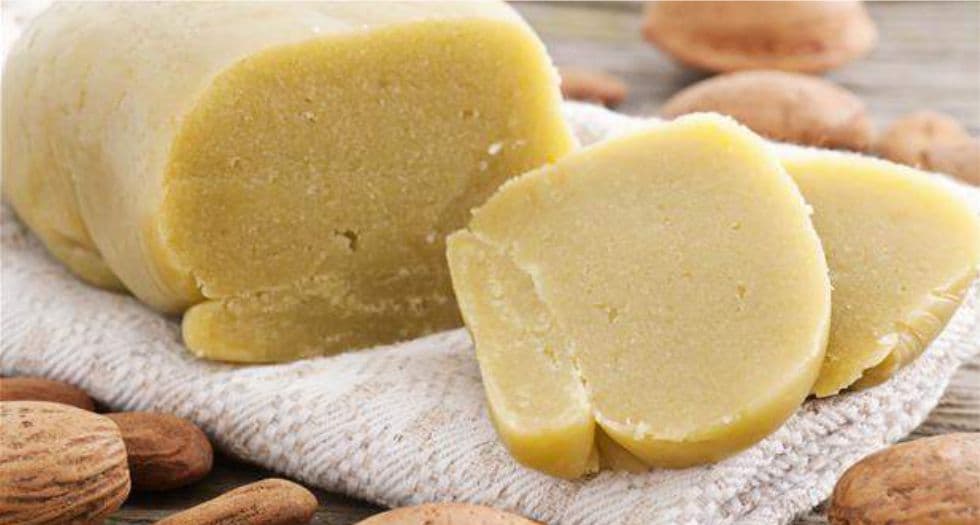
Marzipan
Marzipan is a beloved confection with roots tracing back to medieval Europe and the Middle East, traditionally made by grinding almonds with sugar and binding them with rose water or egg. Revered in German, Italian, and Scandinavian baking cultures, it has long been associated with celebration, craftsmanship, and sweet indulgence. In perfumery, the marzipan note is a crafted accord designed to evoke the rich, toasty warmth of freshly worked almond paste. The olfactory profile of marzipan is unmistakably sweet and nutty, with the characteristic bittersweet edge of almonds — a quality derived from benzaldehyde — rounded by warm vanilla and a faint floral-rosy undertone from the traditional addition of rose water. There is a soft, slightly toasted quality to the note that makes it feel comforting and delicious without being cloying, and its sweetness has genuine depth and complexity. In modern perfumery, marzipan is a key ingredient in gourmand and oriental compositions, often used to add a confectionary sweetness that feels sophisticated rather than sugary. It blends beautifully with cherry, heliotrope, vanilla, and warm woods. At Fragrenza, our Marzipan collection explores this indulgent note through expertly crafted fragrance dupes that deliver a truly wearable sweetness — a luxury treat at an everyday price.
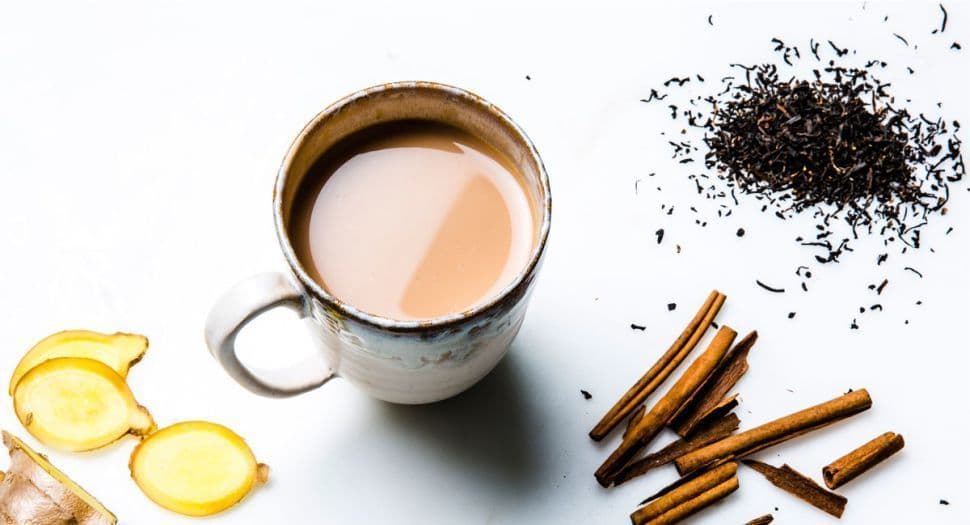
Masala Chai
Masala chai is far more than a beverage — it is a sensory institution deeply embedded in the daily life of the Indian subcontinent. Made by simmering black tea with milk and a blend of warming spices — typically cinnamon, cardamom, ginger, black pepper, and cloves — chai fills kitchens, street-side stalls, and train carriages across South Asia with a scent of extraordinary richness: the heat of spice, the sweetness of milk and sugar, the depth of tea, and the specific warmth of a tradition practiced millions of times daily across a billion lives. As a fragrance accord, masala chai is one of the most beloved and successful in modern gourmand and oriental perfumery. Its profile is complex and layered: the sharp brightness of ginger and cardamom up top, the warming richness of cinnamon in the heart, the milky sweetness rounding everything out, and a tea-like earthiness grounding the base. It occupies a compelling middle ground between spice and comfort — warmer and more enveloping than simple tea notes, but more structured and less sweet than purely dessert-style gourmands. Fragrances built on masala chai are warming, confident, and deeply comforting — ideal for autumn and winter wear and perfectly suited to those who love spiced, milky-sweet compositions with genuine cultural depth. They make unforgettable signatures. At Fragrenza, our masala chai collection captures the soul of this beloved drink through expertly crafted dupes of the finest spiced-tea fragrances on the market, at prices that make warmth and richness an everyday indulgence.
- 🌿
Masari
Masari is a specialty note used to give a fragrance a distinctive texture, mood, or material impression. Depending on interpretation, it may contribute freshness, warmth, sweetness, dryness, softness, or an abstract atmospheric effect. In perfumery, specialty notes are useful because they make a composition feel more specific and less generic. It can be paired with woods, musks, florals, resins, fruits, green notes, spices, or amber materials according to the intended style.
- 🌿
Mascarpone
Mascarpone is a specialty note used to give a fragrance a distinctive texture, mood, or material impression. Depending on interpretation, it may contribute freshness, warmth, sweetness, dryness, softness, or an abstract atmospheric effect. In perfumery, specialty notes are useful because they make a composition feel more specific and less generic. It can be paired with woods, musks, florals, resins, fruits, green notes, spices, or amber materials according to the intended style.
- 🌿
Massoia bark
Massoia bark is a woody note used to create structure, depth, and lasting warmth. Its scent may be dry, creamy, smoky, resinous, earthy, pencil-like, or polished depending on the wood or accord. In perfumery, woody notes support the whole composition and connect fresh openings with deeper bases. It pairs naturally with amber, musk, incense, leather, vetiver, patchouli, spices, citrus, and soft resins.
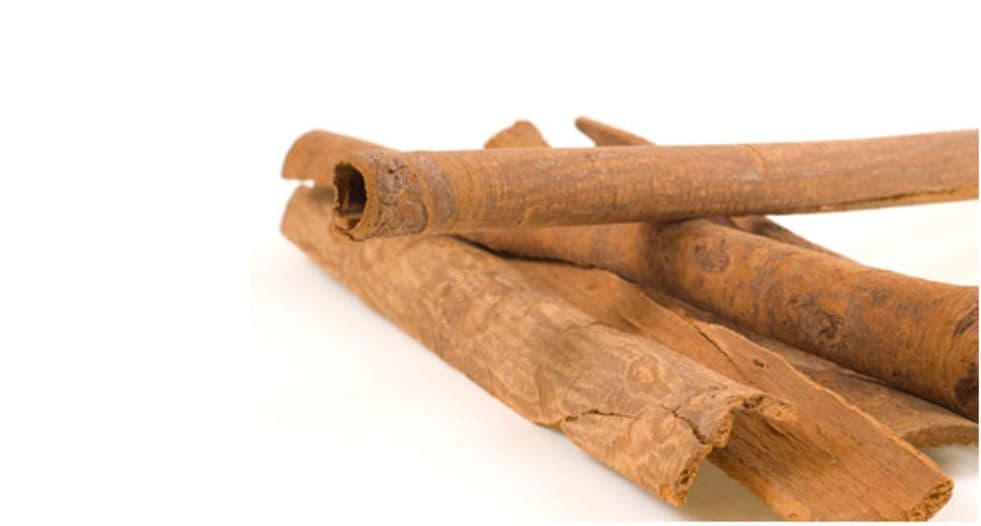
Massoia wood
Massoia Wood is a textured base note with woody, dry, smooth, and sometimes leathery or resinous facets. In perfumery, it adds structure, depth, warmth, and longevity, pairing well with amber, musk, incense, rose, spices, citrus, and tobacco.
- 🌿
Mastic absolute
Mastic absolute is a specialty note used to give a fragrance a distinctive texture, mood, or material impression. Depending on interpretation, it may contribute freshness, warmth, sweetness, dryness, softness, or an abstract atmospheric effect. In perfumery, specialty notes are valuable because they make a composition feel more specific and less generic. Mastic absolute can be paired with woods, musks, florals, resins, fruits, green notes, spices, or amber materials according to the intended style.
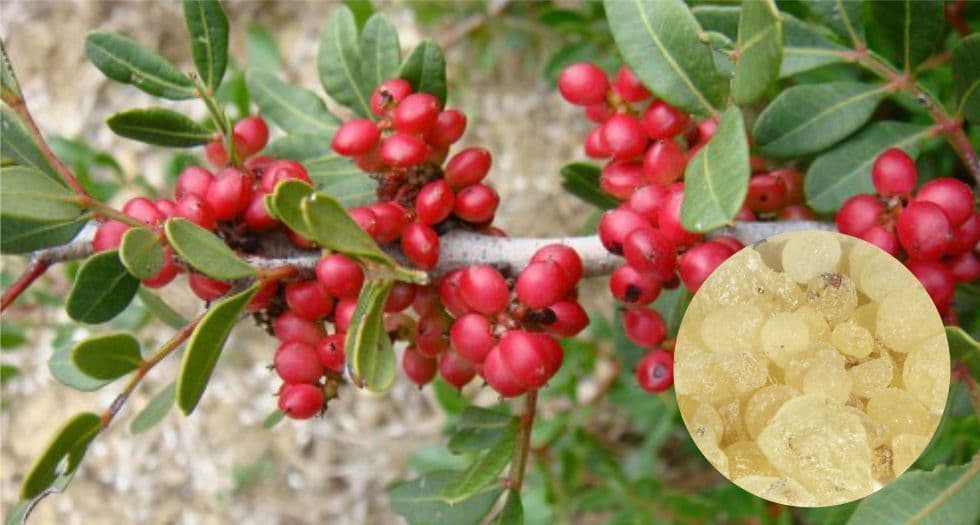
Mastic or Lentisque
Mastic, also known as lentisque, is a natural resin obtained from the Mediterranean mastic tree. Its scent is fresh, green, resinous, slightly pine-like, and balsamic, with a dry aromatic brightness that feels very Mediterranean. In perfumery, mastic adds clarity, resinous texture, and elegant herbal warmth to woody, aromatic, chypre, incense, and green compositions.
- 🌿
Matcha
Matcha is a specialty note used to give a fragrance a distinctive texture, mood, or material impression. Depending on interpretation, it may contribute freshness, warmth, sweetness, dryness, softness, or an abstract atmospheric effect. In perfumery, specialty notes are valuable because they make a composition feel more specific and less generic. Matcha can be paired with woods, musks, florals, resins, fruits, green notes, spices, or amber materials according to the intended style.
Matcha Tea
Matcha — the finely stone-ground powder of specially shade-grown green tea leaves — has been central to Japanese tea ceremony culture for over a millennium. Its scent is as distinctive as its flavor: intensely green and slightly vegetal, with a sweet grassiness, a creamy undertone from the amino acids concentrated by shading, and a quietly bitter edge that gives it depth and prevents sweetness from becoming cloying. It is simultaneously calming and alive — the fragrance of stillness, precision, and the natural world distilled into a bright green powder. As a perfumery note, matcha brings a unique combination of qualities: the herbal freshness of green tea, the slightly earthy sweetness of high-grade grassy notes, and a creamy, milky warmth that sets it apart from other tea accords. It is cooler and more vegetal than black tea, greener and more complex than white tea, and infinitely more nuanced than generic herbal notes. Perfumers use it to add a Zen-like serenity to compositions — a sense of meditative calm and botanical precision that appeals to those who find conventional florals or heavy orientals too assertive. Fragrances built on matcha tend toward the contemplative, clean, and gently sophisticated — ideal for those who love green, tea-based compositions with a Japanese aesthetic sensibility. They wear beautifully year-round. At Fragrenza, our matcha collection brings the quiet elegance of this extraordinary ingredient to you through expertly crafted dupes of the finest tea-note fragrances, at prices that make daily ritual feel genuinely luxurious.
- 🌿
Mate
Mate, or yerba mate, is an herbal tea note from South America with green, smoky, hay-like, bitter, and tea-like facets. In perfumery, it gives a dry aromatic freshness and earthy herbal depth. It pairs well with citrus, vetiver, tobacco, woods, leather, and green notes.
- 🌿
Maté absolute
Maté absolute is a green or aromatic note that evokes leaves, herbs, stems, fresh air, or crushed vegetation. Its profile can be crisp, bitter, watery, camphoraceous, grassy, or slightly earthy depending on the material. In perfumery, green notes add realism and lift, keeping sweet, floral, or woody compositions from feeling too heavy. It pairs well with citrus, tea, fig, violet leaf, galbanum, tomato leaf, white musk, vetiver, lavender, and light woods.
- 🌿
Maté tea
Maté tea is a green or aromatic note that evokes leaves, herbs, stems, fresh air, or crushed vegetation. Its profile can be crisp, bitter, watery, camphoraceous, grassy, or slightly earthy depending on the material. In perfumery, green notes add realism and lift, keeping sweet, floral, or woody compositions from feeling too heavy. Maté tea pairs well with citrus, tea, fig, violet leaf, galbanum, tomato leaf, white musk, vetiver, lavender, and light woods.
- 🌿
Matthiola bicornis
Matthiola bicornis is a specialty note used to give a fragrance a distinctive texture, mood, or material impression. Depending on interpretation, it may contribute freshness, warmth, sweetness, dryness, softness, or an abstract atmospheric effect. In perfumery, specialty notes are useful because they make a composition feel more specific and less generic. It can be paired with woods, musks, florals, resins, fruits, green notes, spices, or amber materials according to the intended style.
May Rose
May rose, known botanically as Rosa centifolia or the "hundred-petalled rose," is one of perfumery's most precious and storied raw materials. Cultivated primarily in Grasse in Provence and in the Dades Valley of Morocco, it blooms only in May — a brief, glorious window during which the entire harvest must be gathered by hand at dawn, before the heat of the day diminishes the fragile petals' aromatic potential. The Rose de Mai absolute extracted from these petals is one of the most expensive natural ingredients in the world. In fragrance, May rose is richer, deeper, and more honeyed than the more commonly used Bulgarian damask rose. Its scent profile carries a distinctive sweet, almost jammy quality alongside the classic rose character — notes of honey, beeswax, and warm dried fruit give it a complexity and depth that no synthetic rose accord has ever fully replicated. The absolute is extraordinarily tenacious, and a single drop can perfume a composition for hours. It is the rose of choice for the world's greatest perfumers when they wish to create something of uncompromising quality. Fragrances built around May rose and Rose de Mai absolute tend to be some of the most luxurious and sought-after in perfumery. The deep, honeyed sweetness of Rosa centifolia lends itself to both opulent orientals and refined chypres, as well as standalone soliflore rose compositions of extraordinary beauty. Explore Fragrenza's May rose collection to discover inspired-by fragrances that capture the deep, sweet magnificence of this legendary bloom at a price that makes everyday luxury a reality.
- 🌿
May rose absolute
May rose absolute is a floral note that adds softness, radiance, and emotional warmth to a composition. Depending on the flower or accord, it can feel fresh, creamy, powdery, honeyed, green, indolic, or airy. In perfumery, floral notes often form the heart of a fragrance, giving it body and a recognizable character. May rose absolute pairs well with citrus, white musk, rose, jasmine, sandalwood, amber, vanilla, iris, and delicate fruits, making it useful in both classic bouquets and modern transparent florals.
- 🌿
Mayflower
Mayflower — most commonly associated in perfumery with hawthorn (Crataegus monogyna), whose white blossoms open in May across the British and European countryside — carries one of spring's most emotionally evocative scents. Hawthorn's flowers are delicately sweet with a characteristic bitter-almond undertone, a faint anisic edge, and just a hint of the animalic — a combination that gives the blossom an intensely seasonal quality, inseparable from the feeling of May itself: cool mornings warming into bright afternoons, hedgerows in full flower, the year's energetic optimism at its peak. In olfactory terms, the mayflower or hawthorn note is typically built around anisic aldehydes and subtle bitter-almond molecules, balanced with soft white floral materials and a touch of green freshness. It is a note that reads as both sweet and slightly wild — more complex and less obvious than many spring florals, with a botanical specificity that makes it particularly appealing to those who love genuinely nature-inspired compositions. It blends beautifully with lily of the valley, rose, green leaf notes, and light musks. Fragrances built around mayflower and hawthorn are quintessentially of the season — fresh, hopeful, and gently romantic, with just enough bittersweet complexity to hold a sophisticated wearer's interest. They make beautiful spring signatures. At Fragrenza, our mayflower collection brings these delicate, emotionally resonant compositions to you through premium-quality dupes at everyday prices, so spring's finest offering is always within reach.
- 🌿
McIntosh apple
McIntosh apple is a fruity note that adds juiciness, color, and natural sweetness. It may feel crisp and tart, ripe and velvety, tropical and creamy, or dark and jammy depending on the fruit profile. In perfumery, fruity notes brighten florals, soften musks, and add pleasure to gourmand or woody structures. It pairs well with rose, peony, jasmine, white musk, vanilla, woods, citrus, amber, and soft spices.
- 🌿
Mead
Mead is a specialty note used to give a fragrance a distinctive texture, mood, or material impression. Depending on interpretation, it may contribute freshness, warmth, sweetness, dryness, softness, or an abstract atmospheric effect. In perfumery, specialty notes are useful because they make a composition feel more specific and less generic. It can be paired with woods, musks, florals, resins, fruits, green notes, spices, or amber materials according to the intended style.
- 🌿
Meadow flowers
Meadow flowers is a floral note that gives a fragrance softness, radiance, and emotional warmth. Depending on the flower or accord, it may feel fresh, creamy, powdery, honeyed, green, indolic, or airy. In perfumery, floral notes often form the heart of a composition, adding body and a recognizable signature. It pairs well with citrus, white musk, rose, jasmine, sandalwood, amber, vanilla, iris, and delicate fruits.
Meadowsweet
Meadowsweet (Filipendula ulmaria) grows wild across the damp meadows and riverbanks of Europe and western Asia, producing clusters of small cream-white flowers with a scent of extraordinary complexity. Long used in herbalism, mead-making, and bridal garlands, meadowsweet was one of the three most sacred plants of the ancient Druids. Its fragrance is multi-layered: sweet almond and warm honey at first, then a subtle vanilla-like warmth, then a slightly bitter, medicinal undertone — the same salicylate compounds from which aspirin was originally derived — and finally a gentle, grassy herbal freshness that anchors everything. In perfumery, meadowsweet is prized for this complexity — its ability to be simultaneously sweet, bitter, and herbaceous in a way that feels entirely natural and botanically specific. It bridges the gap between honey-florals and herbal accords, occupying a warm, slightly nostalgic register that evokes wildflower fields in high summer. It blends beautifully with heliotrope, orris, lavender, and soft musks, contributing to compositions that feel lyrical, gentle, and rooted in the natural world. Fragrances built on meadowsweet tend to have a romantic, slightly melancholic character — the scent of a place at its most fleeting and beautiful. They suit those who love softly complex, nature-rooted fragrances that reward close attention. At Fragrenza, our meadowsweet collection brings the delicate complexity of this beloved wildflower to life through premium-quality dupes at accessible prices, honoring both the plant and the art of perfumery.

meat
Meat as a fragrance note sits at the most daring frontier of niche and avant-garde perfumery — a category that embraces the animalic, the savory, and the uncompromisingly human. The meat accord in fragrance typically evokes something between raw protein and the deep umami of slow-cooked flesh: warm, fatty, slightly bloody, and profoundly animal. It draws on a lineage of animalic perfumery that includes civet and castoreum, but where those materials were used sparingly to add depth, the meat note places the animalic quality front and center, unashamed and confrontational. Olfactorily, meat accords are constructed from a combination of animalic musks, fatty aldehydes, and sulfurous or metallic aroma molecules that together suggest warm, raw, or seared protein. They are not universally comfortable, which is precisely the point — they challenge the wearer and the observer alike, collapsing the boundary between perfume and body. In skilled hands, a meat note can be deeply sensual and even beautiful, functioning less as a literal food smell and more as an extreme expression of skin-like intimacy and primitive warmth. Fragrances featuring meat accords are for the adventurous and the conceptually bold — those who see perfumery as art rather than simply personal care, and who want their scent to provoke thought and conversation. At Fragrenza, we celebrate this extraordinary corner of the olfactory world through premium-quality dupes of the most daring meat-note compositions, available at prices that invite exploration without financial commitment.
- 🌿
Mediterranean bergamot
Mediterranean bergamot is a citrus note that adds sparkle, freshness, and immediate lift to a fragrance. Its profile can include juicy pulp, aromatic peel, green bitterness, soft floral nuances, or a sharp zesty brightness depending on the material. In perfumery, it is usually used in the opening, where it brings clarity and motion before blending into florals, woods, musks, or herbs. It pairs well with neroli, tea, lavender, white musk, light woods, aquatic notes, and aromatic herbs.
- 🌿
Mediterranean fig
Mediterranean fig is a fruity note that adds juiciness, color, and natural sweetness. It may feel crisp and tart, ripe and velvety, tropical and creamy, or dark and jammy depending on the fruit profile. In perfumery, fruity notes brighten florals, soften musks, and add pleasure to gourmand or woody structures. It pairs well with rose, peony, jasmine, white musk, vanilla, woods, citrus, amber, and soft spices.
- 🌿
Mediterranean fruits
Mediterranean fruits is a fruity note that adds juiciness, color, and natural sweetness. It may feel crisp and tart, ripe and velvety, tropical and creamy, or dark and jammy depending on the fruit profile. In perfumery, fruity notes brighten florals, soften musks, and add pleasure to gourmand or woody structures. It pairs well with rose, peony, jasmine, white musk, vanilla, woods, citrus, amber, and soft spices.
- 🌿
Mediterranean herbs
Mediterranean herbs is a green or aromatic note that evokes leaves, herbs, stems, fresh air, or crushed vegetation. Its profile can be crisp, bitter, watery, camphoraceous, grassy, or slightly earthy depending on the material. In perfumery, green notes add realism and lift, keeping sweet, floral, or woody compositions from feeling too heavy. It pairs well with citrus, tea, fig, violet leaf, galbanum, tomato leaf, white musk, vetiver, lavender, and light woods.
Melati
Melati is the Indonesian name for jasmine sambac, a deeply fragrant white flower important in Indonesian culture and wedding traditions. In perfumery, it offers rich jasmine sweetness, creamy white floral warmth, soft indolic depth, and sensual tropical elegance.
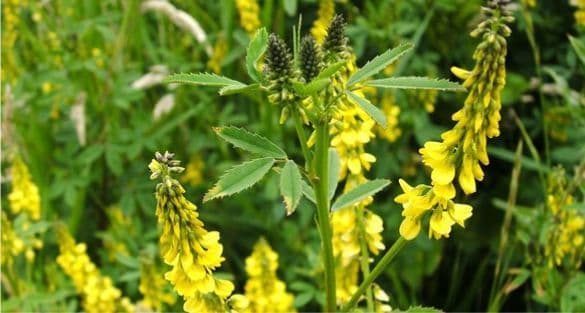
Melilot (Sweet Clover
Melilot, or sweet clover, is a herbaceous plant known for its coumarin-rich hay-like sweetness. As a fragrance note, it smells warm, sweet, grassy, almond-like, and softly tobacco-like. It works beautifully in hay, tobacco, fougère, powdery, and naturalistic compositions.
- 🌿
Melissa
Melissa is a specialty note used to give a fragrance a distinctive texture, mood, or material impression. Depending on interpretation, it may contribute freshness, warmth, sweetness, dryness, softness, or an abstract atmospheric effect. In perfumery, specialty notes are valuable because they make a composition feel more specific and less generic. Melissa can be paired with woods, musks, florals, resins, fruits, green notes, spices, or amber materials according to the intended style.
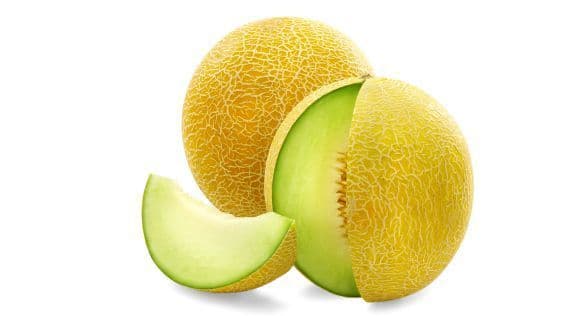
Melon
Melon as a fragrance note captures one of summer's most immediately recognizable pleasures — the sweet, watery freshness of ripe melon flesh, with its soft juiciness, faintly green skin-like undertones, and the delicate coolness of a fruit eaten straight from the refrigerator. In perfumery, the melon note spans a wide spectrum, from the pale, subtle freshness of honeydew to the bold, sugary warmth of cantaloupe, giving perfumers a flexible palette of fruity-aquatic character to work with. Olfactorily, melon notes are constructed from a range of synthetic materials — including melonal, aldehydes, and various fruity ester molecules — carefully blended to achieve the desired character. At their best, they feel genuinely fresh and natural: juicy without being candy-sweet, watery without being flat. They blend naturally with citrus top notes to amplify brightness, with light florals to add a feminine freshness, and with clean musks to create transparent, skin-close compositions. They are a fixture of warm-weather and lifestyle fragrances across both designer and niche perfumery. Fragrances featuring melon notes tend toward the light, cheerful, and universally appealing — perfect for those who love summer-ready scents that feel effortless and joyful without demanding attention. They are among the most wearable and broadly loved notes in the fragrance world. At Fragrenza, our melon collection brings these vivid, sun-drenched compositions to you through premium-quality dupes at accessible prices, so every day can smell like the best kind of summer afternoon.
- 🌿
Melon juice
Melon juice is a fruity note that adds juiciness, color, and natural sweetness. It may feel crisp and tart, ripe and velvety, tropical and creamy, or dark and jammy depending on the fruit profile. In perfumery, fruity notes brighten florals, soften musks, and add pleasure to gourmand or woody structures. It pairs well with rose, peony, jasmine, white musk, vanilla, woods, citrus, amber, and soft spices.
- 🌿
Melon rind
Melon rind is a fruity note that adds juiciness, color, and natural sweetness. It may feel crisp and tart, ripe and velvety, tropical and creamy, or dark and jammy depending on the fruit profile. In perfumery, fruity notes brighten florals, soften musks, and add pleasure to gourmand or woody structures. It pairs well with rose, peony, jasmine, white musk, vanilla, woods, citrus, amber, and soft spices.
- 🌿
Melon sorbet
Melon sorbet is a fruity note that adds juiciness, color, and natural sweetness. It may feel crisp and tart, ripe and velvety, tropical and creamy, or dark and jammy depending on the fruit profile. In perfumery, fruity notes brighten florals, soften musks, and add pleasure to gourmand or woody structures. It pairs well with rose, peony, jasmine, white musk, vanilla, woods, citrus, amber, and soft spices.
- 🌿
Melonal
Melonal is a synthetic aroma chemical prized in modern perfumery for its vivid, fresh evocation of watermelon and cucumber — a clean, watery-green fruitiness that has become a defining building block of contemporary fresh and aquatic compositions. Unlike natural melon, which can carry a heavy sweetness or fermented edge, melonal projects a crisp, airy quality: the impression of a freshly sliced watermelon on a warm afternoon, all juicy lightness and cool skin, without stickiness or weight. In technical terms, melonal belongs to the aldehyde family and was developed specifically to address the perfumer's challenge of creating transparent, watermelon-like freshness. Its blending versatility is exceptional — it pairs beautifully with ozonic and marine accords to build aquatic freshness, with white musks to add a clean skin-like dimension, and with light florals to create summery, garden-fresh compositions. It has been a staple of sport and lifestyle fragrances since the 1990s, where its bright, energetic character suits the demand for clean, radiant, highly wearable scents. Fragrances built on melonal are typically light, uplifting, and universally accessible — ideal for those who love fresh, clean, and slightly fruity compositions that feel effortless in warm weather. They are among the most approachable in all of perfumery. At Fragrenza, our melonal collection brings these luminous, summer-ready compositions to you through expertly crafted dupes of popular designer and sport fragrances, at prices that make quality a daily pleasure.
- 🌿
Melozone
Melozone is an aquatic note that evokes water, sea air, rain, mineral freshness, or clean transparent space. It can be salty, ozonic, marine, watery, airy, or slightly green depending on the accord. In perfumery, aquatic notes bring freshness, diffusion, and a modern easy-to-wear character. It pairs well with citrus, white musk, driftwood, lavender, sage, cucumber, marine notes, ambergris-style molecules, and pale woods.
- 🌿
Menthol
Menthol is a specialty note used to give a fragrance a distinctive texture, mood, or material impression. Depending on interpretation, it may contribute freshness, warmth, sweetness, dryness, softness, or an abstract atmospheric effect. In perfumery, specialty notes are useful because they make a composition feel more specific and less generic. It can be paired with woods, musks, florals, resins, fruits, green notes, spices, or amber materials according to the intended style.
- 🌿
Meringue
Meringue is a gourmand note inspired by whipped egg whites and sugar baked into a light confection. It smells airy, sweet, vanillic, slightly powdery, and delicately creamy. It works well with vanilla, almond, citrus, berries, musk, and pastry accords.
- 🌿
Mesquite tree
Mesquite tree is a specialty note used to give a fragrance a distinctive texture, mood, or material impression. Depending on interpretation, it may contribute freshness, warmth, sweetness, dryness, softness, or an abstract atmospheric effect. In perfumery, specialty notes are useful because they make a composition feel more specific and less generic. It can be paired with woods, musks, florals, resins, fruits, green notes, spices, or amber materials according to the intended style.
- 🌿
Metal
Metal is an earthy or mineral note that adds realism, dryness, and atmospheric depth to a fragrance. It may suggest soil, roots, stone, dust, damp ground, mushrooms, or cool mineral surfaces depending on the accord. In perfumery, these notes are used to make compositions feel grounded, natural, or avant-garde. Metal pairs well with vetiver, moss, patchouli, dry woods, leather, incense, rain notes, musk, and dark florals.
- 🌿
Metal Pepper DL®
Metal Pepper DL® is a spicy note that gives fragrance heat, texture, and aromatic energy. It can feel sweet, dry, peppery, resinous, herbal, smoky, or slightly medicinal depending on the material. In perfumery, spices create contrast, deepen the heart, and bridge fresh top notes with warm woody or amber bases. It pairs especially well with citrus, rose, tobacco, vanilla, oud, sandalwood, patchouli, leather, and balsamic resins.

Metallic notes
Metallic notes belong to perfumery's most abstract and conceptually daring category — accords that attempt to capture the cold, sharp, almost aggressive quality of metal itself: the smell of a copper coin held in a warm hand, the crisp edge of polished steel, or the faint ozonic charge of aluminum in a clean industrial space. These notes have no organic botanical origin; they are entirely the invention of modern synthetic chemistry, constructed from aroma molecules that trigger a cold, inorganic sensory response in a way that is immediately legible yet difficult to define. Olfactorily, metallic notes tend to cluster around sharp, slightly ozonic, and mineralic qualities — drier and more aggressive than traditional mineral accords, with a harder-edged clarity that feels thoroughly contemporary. They often carry a faint electric or ionic character, as though a charge is running through the composition. In skilled hands, they can make a fragrance feel architecturally bold, precision-cut, and resolutely modern. They blend effectively with clean musks, cold woods, and futuristic aquatic accords, amplifying a sense of technological refinement. Fragrances featuring metallic notes are typically avant-garde in sensibility — designed for those who find conventional florals and woods too familiar, and who want their scent to make a quiet statement about sophistication and originality. They are especially popular in unisex and niche perfumery. At Fragrenza, our metallic note collection brings the cool edge of these modern compositions to you through premium-quality dupes at accessible prices.
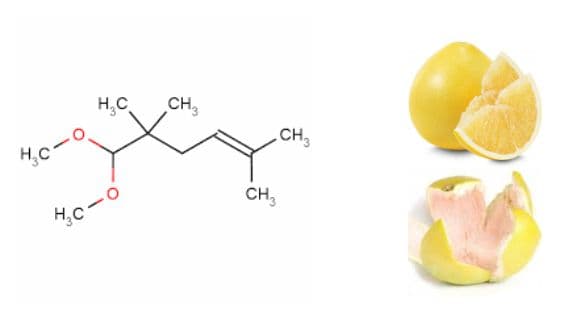
Methyl Pamplemousse
Methyl pamplemousse is a synthetic aroma molecule specifically engineered to capture the bright, zesty, slightly ozonic character of fresh grapefruit peel — but with a cleaner, more radiant, and more tenacious quality than natural grapefruit essential oil can achieve. While natural citrus extracts are famously volatile and short-lived on skin, methyl pamplemousse holds its sparkling, citrusy character far longer, giving perfumers a reliable tool for building fresh, energetic fragrances that maintain their lift over time. Olfactorily, methyl pamplemousse reads as crisp, slightly sweet, and unmistakably citrus — with a clean, modern edge that sets it apart from the rounder, more complex character of natural grapefruit. It lacks the slight bitterness and earthiness of the whole fruit, instead projecting pure luminosity: the zing of a grapefruit the moment its peel is broken, captured and extended through chemical precision. It blends superbly with aquatic notes, white musks, light florals, and clean woods, making it a cornerstone of modern fresh and sport-inspired fragrance architecture. Fragrances featuring methyl pamplemousse are typically dynamic, clean, and uplifting — ideal for daytime wear, active lifestyles, and warm-weather seasons. They project an airy, optimistic energy without heaviness or complexity, making them universally approachable. At Fragrenza, our collection built on this brilliant synthetic note brings sparkling, high-performance citrus freshness to you through premium-quality dupes at accessible prices.
- 🌿
Mexican chocolate
Mexican chocolate is a gourmand note that adds edible warmth, sweetness, and comfort. It may suggest cream, sugar, nuts, chocolate, coffee, honey, pastry, or toasted grains depending on the accord. In perfumery, gourmand notes make compositions feel cozy and sensual, but they work best when balanced with woods, musks, spices, citrus, or resins. It pairs well with vanilla, tonka bean, sandalwood, amber, caramel, cacao, coffee, and soft florals.
- 🌿
Mexican coriander
Mexican coriander is a spicy note that gives fragrance heat, texture, and aromatic energy. It can feel sweet, dry, peppery, resinous, herbal, smoky, or slightly medicinal depending on the material. In perfumery, spices create contrast, deepen the heart, and bridge fresh top notes with warm woody or amber bases. It pairs especially well with citrus, rose, tobacco, vanilla, oud, sandalwood, patchouli, leather, and balsamic resins.
- 🌿
Mexican cyrpess
Mexican cyrpess is a specialty note used to give a fragrance a distinctive texture, mood, or material impression. Depending on interpretation, it may contribute freshness, warmth, sweetness, dryness, softness, or an abstract atmospheric effect. In perfumery, specialty notes are useful because they make a composition feel more specific and less generic. It can be paired with woods, musks, florals, resins, fruits, green notes, spices, or amber materials according to the intended style.
- 🌿
Mexican magnolia
Mexican magnolia is a floral note that gives a fragrance softness, radiance, and emotional warmth. Depending on the flower or accord, it may feel fresh, creamy, powdery, honeyed, green, indolic, or airy. In perfumery, floral notes often form the heart of a composition, adding body and a recognizable signature. It pairs well with citrus, white musk, rose, jasmine, sandalwood, amber, vanilla, iris, and delicate fruits.
- 🌿
Mexican peppermint
Mexican peppermint is a spicy note that gives fragrance heat, texture, and aromatic energy. It can feel sweet, dry, peppery, resinous, herbal, smoky, or slightly medicinal depending on the material. In perfumery, spices create contrast, deepen the heart, and bridge fresh top notes with warm woody or amber bases. It pairs especially well with citrus, rose, tobacco, vanilla, oud, sandalwood, patchouli, leather, and balsamic resins.
- 🌿
Mexican pink grapefruit
Mexican pink grapefruit is a citrus note that adds sparkle, freshness, and immediate lift to a fragrance. Its profile can include juicy pulp, aromatic peel, green bitterness, soft floral nuances, or a sharp zesty brightness depending on the material. In perfumery, it is usually used in the opening, where it brings clarity and motion before blending into florals, woods, musks, or herbs. It pairs well with neroli, tea, lavender, white musk, light woods, aquatic notes, and aromatic herbs.
- 🌿
Mexican tuberose absolute
Mexican tuberose absolute is a floral note that gives a fragrance softness, radiance, and emotional warmth. Depending on the flower or accord, it may feel fresh, creamy, powdery, honeyed, green, indolic, or airy. In perfumery, floral notes often form the heart of a composition, adding body and a recognizable signature. It pairs well with citrus, white musk, rose, jasmine, sandalwood, amber, vanilla, iris, and delicate fruits.
- 🌿
Mexican vanilla
Mexican vanilla is a warm ambered or resinous note used to give fragrance depth, softness, and long-lasting richness. It can smell balsamic, sweet, smoky, vanillic, woody, powdery, or incense-like depending on the material. In perfumery, it rounds sharp edges and creates a smooth base that holds the composition together. It pairs well with woods, musks, spices, vanilla, tobacco, leather, florals, oud, and other resins.
- 🌿
Mexican vanilla absolute
Mexican vanilla absolute is a warm ambered or resinous note used to give fragrance depth, softness, and long-lasting richness. It can smell balsamic, sweet, smoky, vanillic, woody, powdery, or incense-like depending on the material. In perfumery, it rounds sharp edges and creates a smooth base that holds the composition together. It pairs well with woods, musks, spices, vanilla, tobacco, leather, florals, oud, and other resins.
- 🌿
Mexican yellow tangerine
Mexican yellow tangerine is a citrus note that adds sparkle, freshness, and immediate lift to a fragrance. Its profile can include juicy pulp, aromatic peel, green bitterness, soft floral nuances, or a sharp zesty brightness depending on the material. In perfumery, it is usually used in the opening, where it brings clarity and motion before blending into florals, woods, musks, or herbs. It pairs well with neroli, tea, lavender, white musk, light woods, aquatic notes, and aromatic herbs.
- 🌿
Meyer lemon
Meyer lemon is a bright citrus note that brings sparkle, freshness, and immediate lift to a fragrance. Its profile may include juicy pulp, aromatic peel, green bitterness, soft floral facets, or a slightly sharp zest depending on the material. In perfumery, it is most often used in the opening, where it gives clarity and movement before blending into florals, woods, musks, or herbs. Meyer lemon works especially well with neroli, tea, lavender, white musk, light woods, aquatic notes, and aromatic herbs.
- 🌿
Midnight orchid
Midnight orchid is a floral note that gives a fragrance softness, radiance, and emotional warmth. Depending on the flower or accord, it may feel fresh, creamy, powdery, honeyed, green, indolic, or airy. In perfumery, floral notes often form the heart of a composition, adding body and a recognizable signature. It pairs well with citrus, white musk, rose, jasmine, sandalwood, amber, vanilla, iris, and delicate fruits.
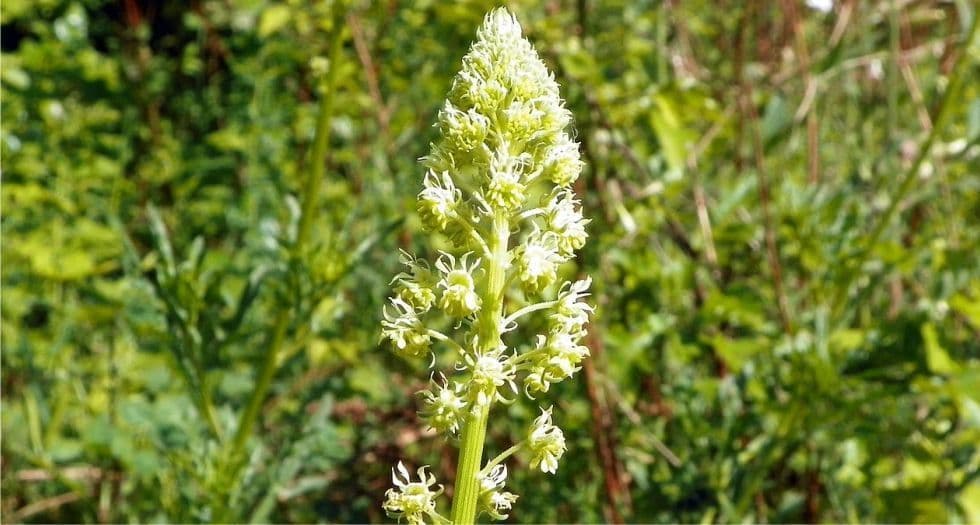
Mignonette
Mignonette — botanical name Reseda odorata — is one of perfumery's most quietly distinguished and historically beloved flowers. Native to North Africa and widely cultivated across Europe from the 18th century onward, it was a favorite of Napoleon Bonaparte, who reportedly had it grown at Malmaison for Josephine. Its tiny, unprepossessing blossoms produce a scent of remarkable character: simultaneously sweet and green, with dry hay-like undertones, a faint fruitiness, and a dusty, almost violet-like quality that feels both vintage and deeply refined. In olfactory terms, mignonette occupies a unique and somewhat elusive position. It is not boldly floral like rose or jasmine, nor sharply green like galbanum — instead it sits in a nuanced middle space, suggesting freshly cut hay, warm beeswax, and a delicate, powdery sweetness that dries down with beautiful vintage character. Because natural mignonette absolute is rarely produced commercially, the note is typically reconstructed by perfumers, making each interpretation slightly distinct and endlessly interesting to collectors of vintage-inspired or unconventional fragrances. Compositions featuring mignonette tend to attract those with a love of historical perfumery, green-floral elegance, and dry, intellectual beauty over obvious sweetness. They evoke 19th-century French gardens, pressed botanical specimens, and the refined understatement of old European perfumery traditions. At Fragrenza, we bring these rare and historically resonant fragrance profiles to life through premium-quality dupes at accessible prices.

milk
The milk note in perfumery is one of the most intimate and universally comforting in the entire olfactory lexicon. Drawing on the naturally occurring lactone compounds found in dairy, it evokes the clean, soft warmth of fresh milk — neither sweet nor savory, but softly round and skin-close, like warmth held in fabric or the memory of something nourishing and safe. As an accord, milk has been used for centuries in both Eastern attars and Western fine fragrances, often serving as the invisible architecture beneath a composition's more prominent notes. Olfactorily, milk notes are defined by their lactonic character — smooth, slightly fatty, and gently warm without tipping into gourmand sweetness. They blend naturally with skin musks, sandalwood, vanilla, and soft florals, acting as a unifying base that pulls a fragrance's disparate elements into a coherent, plush whole. Perfumers prize milk for its ability to make a fragrance feel lived-in and personal, like a scent that has settled into skin rather than simply sitting on top of it. Fragrances built around the milk note are ideal for those who love soft, intimate, skin-like compositions — scents that feel like a second skin rather than a statement. They wear beautifully close to the body and are equally at home in any season. At Fragrenza, we celebrate this quietly essential note through expertly formulated dupes of the finest milky fragrances on the market, bringing comforting, refined quality to every price point.

Milk Chocolate
Milk Chocolate is a sweet gourmand note with edible warmth, softness, and a comforting dessert-like character. In perfumery, it adds texture and indulgence, pairing well with vanilla, tonka bean, musk, amber, woods, fruit notes, and soft florals.
- 🌿
Milk coffee
Milk coffee is a gourmand note that adds edible warmth, sweetness, and comfort. It may suggest cream, sugar, nuts, chocolate, coffee, honey, pastry, or toasted grains depending on the accord. In perfumery, gourmand notes make compositions feel cozy and sensual, but they work best when balanced with woods, musks, spices, citrus, or resins. It pairs well with vanilla, tonka bean, sandalwood, amber, caramel, cacao, coffee, and soft florals.
Milk Mousse
Milk mousse as a fragrance note is a triumph of modern perfumery's ability to capture texture as much as scent. Where raw milk notes evoke creamy warmth and skin-like softness, milk mousse translates that same lactonic quality into something lighter, airier, and almost ethereal — like whipped cream lifted to a cloud-like consistency. It suggests the softness of a dairy-cream dessert before sweetness arrives, hovering between a pillowy warmth and a clean, airy lightness that feels as much like a sensation as a smell. Constructed primarily from lactone aroma chemicals — the same molecular family responsible for the creamy facets of peach skin and coconut — milk mousse accords are carefully balanced to project softness without heaviness. They layer beautifully with musks, skin-like ambers, and delicate white florals, giving compositions a plush, comforting quality that reads as both intimate and refined. Perfumers use them to add a tactile dimension: a sense that the fragrance can almost be felt as well as smelled. Milk mousse fragrances are especially well-suited to those who love the idea of a cozy, enveloping scent that never feels heavy or cloying. They are the olfactory equivalent of cashmere — soft, warming, quietly luxurious. At Fragrenza, our milk mousse collection brings this delicate, modern note to you through beautifully crafted dupes of designer and niche favorites, at a price that makes indulgence feel entirely reasonable.
- 🌿
Milkweed
Milkweed is a gourmand note that adds edible warmth, sweetness, and comfort. It may suggest cream, sugar, nuts, chocolate, coffee, honey, pastry, or toasted grains depending on the accord. In perfumery, gourmand notes make compositions feel cozy and sensual, but they work best when balanced with woods, musks, spices, citrus, or resins. It pairs well with vanilla, tonka bean, sandalwood, amber, caramel, cacao, coffee, and soft florals.
- 🌿
Milky musk
Milky musk is a soft textural note that creates warmth, smoothness, and a skin-like finish. It may feel clean, powdery, woody, velvety, slightly fruity, or fabric-like depending on the accord. In perfumery, these notes bind the formula, soften stronger materials, and extend wear without dominating the fragrance. It pairs well with florals, woods, citrus, amber, iris, fruits, suede, vanilla, and transparent musks.
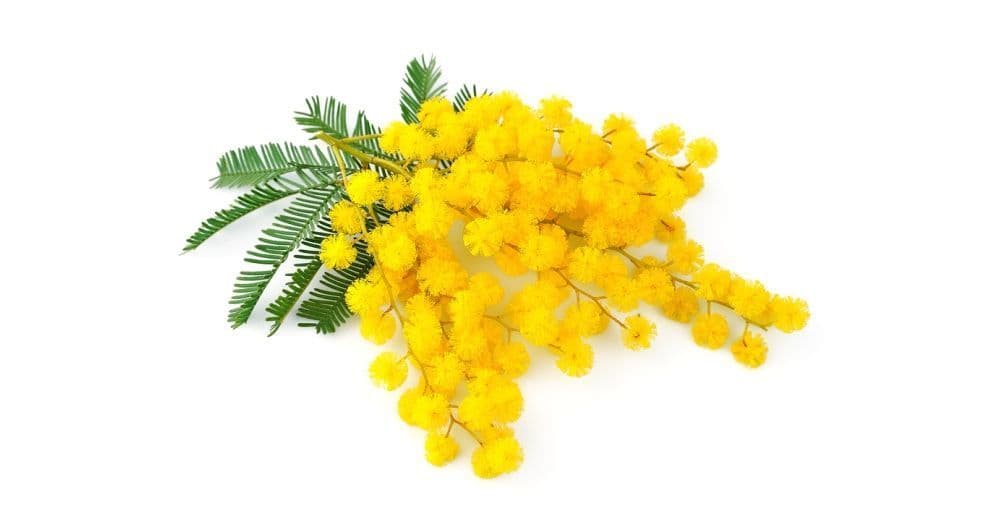
Mimosa
Mimosa in perfumery refers primarily to Acacia dealbata, a silver wattle tree native to southeastern Australia that has become naturalised across the Mediterranean coast of France and Italy — particularly in the Alpes-Maritimes, where the Côte d'Azur town of Mandelieu-la-Napoule holds an annual mimosa festival. The fluffy golden flowers are harvested from January to March and processed by solvent extraction to yield a soft, warm absolute with a distinctly powdery floral character. The scent of mimosa is honeyed, gently powdery, and warmly floral — neither sharp nor intoxicating, but quietly radiant and deeply comforting. There is a clean, almost soapy quality underlying the honey and flowers, along with a subtle green note that keeps it from becoming cloying. On skin, mimosa feels soft and enveloping, like sunlight through a spring breeze. Mimosa is a beloved ingredient in feminine florals, powdery compositions, and solar accords. Its natural warmth makes it an ideal bridge between floral heart notes and soft musks or woods in the base. It pairs exquisitely with violet, iris, heliotrope, and sandalwood. At Fragrenza, our Mimosa collection celebrates this tender, golden flower in beautifully composed fragrance dupes that bring its gentle radiance to your everyday routine.
- 🌿
Mimosa absolute
Mimosa absolute is a specialty note used to give a fragrance a distinctive texture, mood, or material impression. Depending on interpretation, it may contribute freshness, warmth, sweetness, dryness, softness, or an abstract atmospheric effect. In perfumery, specialty notes are valuable because they make a composition feel more specific and less generic. Mimosa absolute can be paired with woods, musks, florals, resins, fruits, green notes, spices, or amber materials according to the intended style.
- 🌿
Mineral amber
Mineral amber is a warm ambered or resinous note used to give fragrance depth, softness, and long-lasting richness. It can smell balsamic, sweet, smoky, vanillic, woody, powdery, or incense-like depending on the material. In perfumery, it rounds sharp edges and creates a smooth base that holds the composition together. Mineral amber pairs well with woods, musks, spices, vanilla, tobacco, leather, florals, oud, and other resins.
- 🌿
Mineral moss
Mineral moss is a woody note used to create structure, depth, and lasting warmth. Its scent may be dry, creamy, smoky, resinous, earthy, pencil-like, or polished depending on the wood or accord. In perfumery, woody notes support the whole composition and connect fresh openings with deeper bases. It pairs naturally with amber, musk, incense, leather, vetiver, patchouli, spices, citrus, and soft resins.
mineral notes
Mineral notes in perfumery capture the cool, abstract essence of stone, slate, wet rock, and salt — materials that evoke the earth itself rather than any living bloom or harvested spice. These accords are almost entirely the creation of modern perfumers, constructed from aroma chemicals to suggest the raw inorganic world: a sea-sprayed cliff face, a rain-soaked pavement, or the dry stillness of a desert canyon at dusk. Their appeal lies precisely in their intangibility — a scent without a source that most people can nonetheless recognize immediately. In olfactory terms, mineral notes tend toward the cool, dry, and slightly ozonic. They register as clean without being soapy, sophisticated without being overtly floral or fruity. They blend seamlessly with musks, woods, and aquatic accords, lending modern fragrances a sense of depth and architectural restraint. Perfumers prize them for grounding more volatile top notes and adding a quietly dramatic quality to the dry-down — the impression that a fragrance has settled somewhere elemental and enduring. Mineral accords have become a hallmark of contemporary niche and designer perfumery alike, finding their way into everything from unisex skin scents to bold, conceptual compositions. They suit those who find traditional florals or gourmands too heavy, offering instead a sense of open space and geological time. At Fragrenza, our mineral-note collections bring these striking modern accords to you in premium-quality dupes at accessible prices — so you can wear the scent of the earth without compromise.
- 🌿
Mineral salt
Mineral salt is an aquatic note that evokes water, sea air, rain, mineral freshness, or clean transparent space. It can be salty, ozonic, marine, watery, airy, or slightly green depending on the accord. In perfumery, aquatic notes bring freshness, diffusion, and a modern easy-to-wear character. It pairs well with citrus, white musk, driftwood, lavender, sage, cucumber, marine notes, ambergris-style molecules, and pale woods.
- 🌿
Minerals
Minerals is an earthy or mineral note that adds realism, dryness, and atmospheric depth to a fragrance. It may suggest soil, roots, stone, dust, damp ground, mushrooms, or cool mineral surfaces depending on the accord. In perfumery, these notes are used to make compositions feel grounded, natural, or avant-garde. Minerals pairs well with vetiver, moss, patchouli, dry woods, leather, incense, rain notes, musk, and dark florals.
- 🌿
Minneola tangelo
Minneola tangelo is a specialty note used to give a fragrance a distinctive texture, mood, or material impression. Depending on interpretation, it may contribute freshness, warmth, sweetness, dryness, softness, or an abstract atmospheric effect. In perfumery, specialty notes are useful because they make a composition feel more specific and less generic. It can be paired with woods, musks, florals, resins, fruits, green notes, spices, or amber materials according to the intended style.
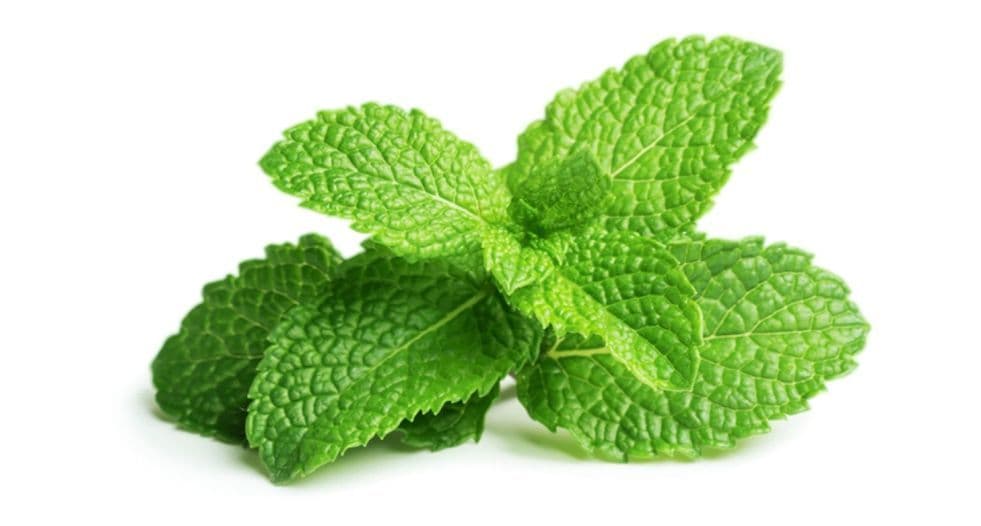
Mint
Mint is one of the most universally recognised and beloved aromatic plants on earth. The Mentha genus encompasses dozens of species — from cool, intense peppermint and the softer sweetness of spearmint to the fruity warmth of apple mint and the delicate peppery character of pennyroyal. Native to Europe and Asia, mint has been used medicinally, culinarily, and aromatically for thousands of years. Its essential oil, rich in menthol and related compounds, delivers that characteristic icy, refreshing sensation that has made it a cornerstone of flavour, medicine, and fragrance alike. In perfumery, mint is a versatile and powerful note that functions across multiple compositional roles. As a top note, it delivers an immediate burst of cool, refreshing freshness — energising, clean, and instantly recognisable. In herbal and aromatic compositions, it contributes a lively, crisp character. In oriental and gourmand fragrances, its coolness provides a thrilling contrast to warm, sweet bases. Spearmint brings a rounder, slightly sweeter quality; peppermint is sharper and more medicinal. Both pair beautifully with citrus notes, lavender, eucalyptus, aquatics, chocolate, and vanilla for an enormous range of effects. Mint fragrances span the full spectrum from sporty and fresh to unexpectedly sensual, making mint one of the most compositionally flexible notes in the perfumer's toolkit. Whether you seek a crisp cologne for daily wear or a gourmand with a cool twist, there is a mint fragrance for every taste. Fragrenza's mint collection celebrates this iconic note in a wide-ranging selection of expertly crafted inspirations, delivered at prices that make premium fragrance exploration accessible to everyone. Find it featured prominently in [Fragrenza's mint edit](https://fragrenza.com/collections/mint-fragrances).
- 🌿
Mint absolute
Mint absolute is a green or aromatic note that evokes leaves, herbs, stems, fresh air, or crushed vegetation. Its profile can be crisp, bitter, watery, camphoraceous, grassy, or slightly earthy depending on the material. In perfumery, green notes add realism and lift, keeping sweet, floral, or woody compositions from feeling too heavy. It pairs well with citrus, tea, fig, violet leaf, galbanum, tomato leaf, white musk, vetiver, lavender, and light woods.
- 🌿
Mint sorbet
Mint sorbet is a green or aromatic note that evokes leaves, herbs, stems, fresh air, or crushed vegetation. Its profile can be crisp, bitter, watery, camphoraceous, grassy, or slightly earthy depending on the material. In perfumery, green notes add realism and lift, keeping sweet, floral, or woody compositions from feeling too heavy. It pairs well with citrus, tea, fig, violet leaf, galbanum, tomato leaf, white musk, vetiver, lavender, and light woods.
- 🌿
Mint tea
Mint tea is a green or aromatic note that evokes leaves, herbs, stems, fresh air, or crushed vegetation. Its profile can be crisp, bitter, watery, camphoraceous, grassy, or slightly earthy depending on the material. In perfumery, green notes add realism and lift, keeping sweet, floral, or woody compositions from feeling too heavy. It pairs well with citrus, tea, fig, violet leaf, galbanum, tomato leaf, white musk, vetiver, lavender, and light woods.
- 🌿
Mirabella Plum
Mirabella Plum is a fruity note that adds juiciness, color, and natural sweetness. It may feel crisp and tart, ripe and velvety, tropical and creamy, or dark and jammy depending on the fruit profile. In perfumery, fruity notes brighten florals, soften musks, and add pleasure to gourmand or woody structures. It pairs well with rose, peony, jasmine, white musk, vanilla, woods, citrus, amber, and soft spices.
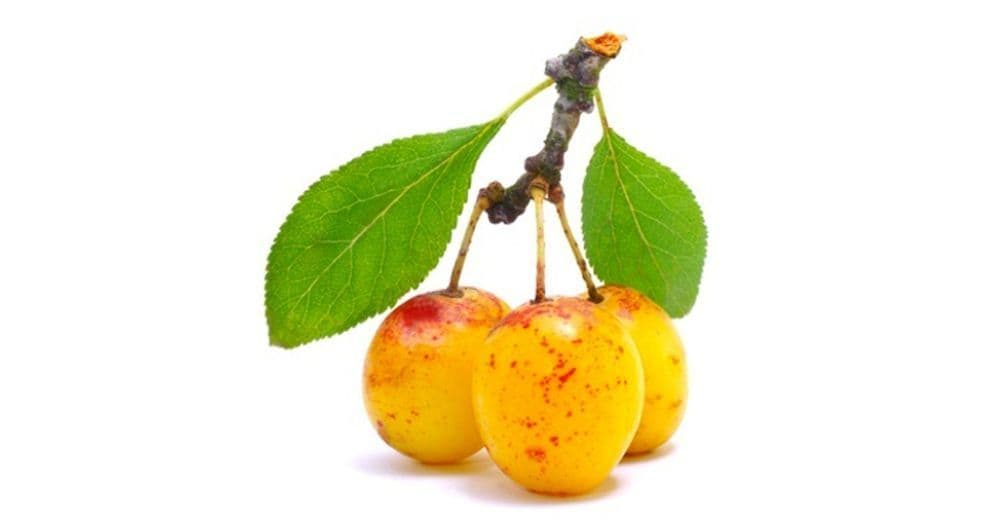
Mirabelle
The mirabelle is a small, golden-yellow stone fruit belonging to the plum family (Prunus domestica subsp. syriaca), cultivated primarily in the Lorraine region of northeastern France. Prized for its extraordinary sweetness and delicate flavour — honeyed and slightly floral, with the characteristic roundness of a ripe plum and none of the tartness — mirabelle is considered one of the finest stone fruits in European culinary tradition. The Lorraine harvest is celebrated annually, and the fruit lends its name to a regional eau-de-vie of considerable repute. As a fragrance note, mirabelle is among the most refined and elegant of stone fruits. Unlike the rich, jammy darkness of prune or the sharpness of cherry, mirabelle is golden and delicate — a honeyed, lightly floral fruitiness with a soft, velvety texture on the skin. It adds a luminous sweetness to compositions without weight or heaviness, functioning beautifully as a top-to-heart note that bridges the citrus and floral families with warmth and grace. Perfumers pair it with white rose, peach, apricot, ylang ylang, and soft musks to create compositions that feel refined and genuinely feminine. Mirabelle fragrances are elegantly sweet and deeply appealing — suited to those who appreciate the sophistication of fruit-forward perfumery done with restraint and taste. They feel like the scent of summer at its most golden. Fragrenza's mirabelle collection captures this delicate beauty across a handpicked range of fragrance inspirations, bringing the luxury of fine French fruity-floral perfumery to an accessible price point.
- 🌿
Mirabelle plum
Mirabelle plum is a fruity note that gives fragrance juiciness, color, and natural sweetness. It can be crisp and tart, ripe and velvety, tropical and creamy, or dark and jammy depending on the fruit profile. In perfumery, fruity notes brighten florals, soften musks, and add pleasure to gourmand or woody structures. Mirabelle plum pairs well with rose, peony, jasmine, white musk, vanilla, woods, citrus, amber, and soft spices.
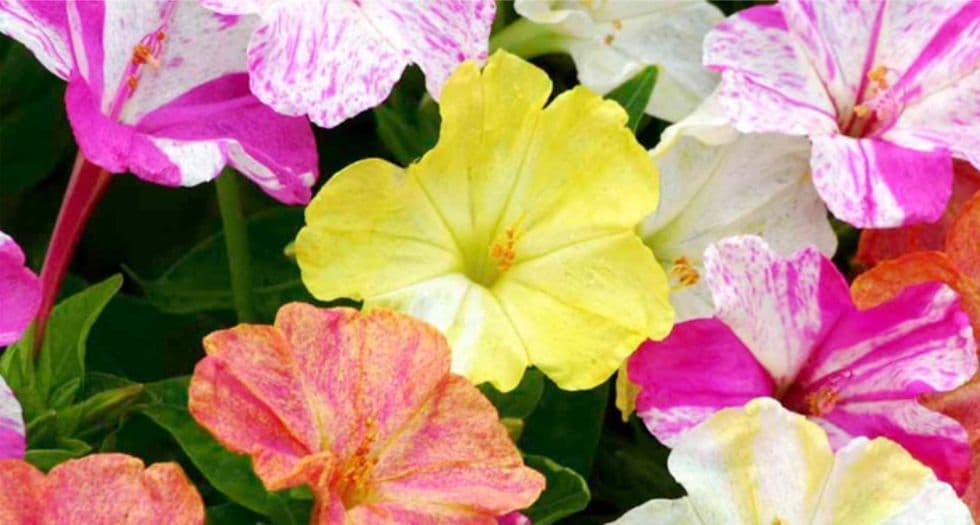
Mirabilis
Mirabilis jalapa, commonly known as the four o'clock flower, is a flowering plant native to tropical America that has been cultivated as a garden ornamental for centuries. Its name refers to its distinctive daily rhythm — the blooms open in the late afternoon and remain open through the night, closing again by morning. The flowers come in a stunning range of colours, including white, yellow, pink, red, and bicolour varieties, and they emit a delicate, sweet fragrance strongest in the evening hours, designed to attract night-flying moths and other pollinators. As a fragrance note, mirabilis is soft and pleasantly sweet — a gentle tropical floral with a slightly citrusy, jasmine-adjacent quality and a faint powdery undertone. It lacks the aggressive intensity of tuberose or the sharp greenness of some white florals, instead offering something more subtle and approachable: an evening garden floralcy that is easy to wear and gently evocative. Perfumers use it to add a naturalistic floral sweetness to tropical and warm-weather compositions, often pairing it with ylang, frangipani, soft musks, and warm ambers to create dreamy, balmy evening accords. Mirabilis fragrances feel soft and warm — like a tropical garden at dusk, with the air just cooling and the first stars appearing. They suit those who love florals that feel lived-in and natural rather than formal or theatrical. Fragrenza's mirabilis collection brings this charming note to life in a series of beautiful fragrance inspirations, crafted with care and offered at prices that make quality perfumery an everyday pleasure.
- 🌿
Mitti attar
Mitti attar is one of India's most extraordinary and ancient aromatic traditions. The name translates literally as 'earth perfume' — and that is precisely what it is: the distilled essence of baked earth, captured through hydro-distillation of sun-dried clay from the Uttar Pradesh town of Kannauj, carried into sandalwood oil as the receiving base. The result is a material that smells, with astonishing precision, like the petrichor — the scent of dry earth meeting rain — that rises from parched soil at the onset of the monsoon. It is considered one of India's most prized and culturally significant attars. In perfumery, mitti attar occupies a space that is impossible to replicate through synthetics alone. It smells of wet clay, monsoon rain on dry ground, and the mineral-woody warmth of sandalwood — all at once. It is meditative and deeply naturalistic, grounding a composition in a visceral connection to the earth. Modern perfumers prize it as a rare and authentic natural ingredient, using it to add the ineffable quality of petrichor and Indian earth to orientals, woody florals, and nature-inspired compositions. It pairs beautifully with vetiver, oud, rose, and earthy spices. Mitti attar fragrances are for those who seek something genuinely rare and deeply moving in their perfume — a scent with roots in ancient tradition and the power to transport. Fragrenza's mitti attar collection honours this remarkable Indian heritage, presenting carefully crafted fragrance inspirations that bring this extraordinary note to life at prices accessible to all who wish to experience it.
- 🌿
Mocaccino
Mocaccino is a specialty note used to give a fragrance a distinctive texture, mood, or material impression. Depending on interpretation, it may contribute freshness, warmth, sweetness, dryness, softness, or an abstract atmospheric effect. In perfumery, specialty notes are useful because they make a composition feel more specific and less generic. It can be paired with woods, musks, florals, resins, fruits, green notes, spices, or amber materials according to the intended style.
- 🌿
Mocha
Mocha is a specialty note used to give a fragrance a distinctive texture, mood, or material impression. Depending on interpretation, it may contribute freshness, warmth, sweetness, dryness, softness, or an abstract atmospheric effect. In perfumery, specialty notes are valuable because they make a composition feel more specific and less generic. Mocha can be paired with woods, musks, florals, resins, fruits, green notes, spices, or amber materials according to the intended style.
- 🌿
Mochi
Mochi is a specialty note used to give a fragrance a distinctive texture, mood, or material impression. Depending on interpretation, it may contribute freshness, warmth, sweetness, dryness, softness, or an abstract atmospheric effect. In perfumery, specialty notes are useful because they make a composition feel more specific and less generic. It can be paired with woods, musks, florals, resins, fruits, green notes, spices, or amber materials according to the intended style.
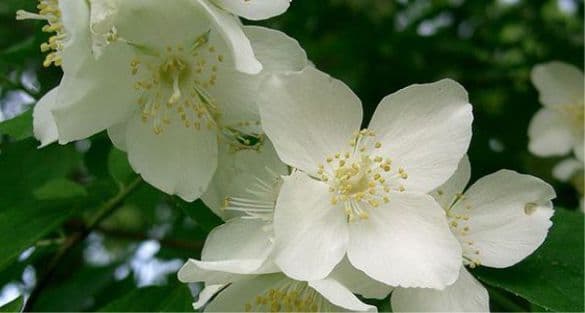
Mock Orange
Mock orange (Philadelphus coronarius) is a deciduous shrub native to southern Europe and western Asia, grown widely across temperate gardens for its spectacular late-spring flowering. Despite its common name, mock orange is entirely unrelated to the orange tree — the name refers purely to the scent of its flowers, which mimics the sweet, heady fragrance of orange blossom with remarkable fidelity. The white, four-petalled flowers are produced in dense clusters and can fill an entire garden with their intoxicating perfume on a warm afternoon. In perfumery, mock orange sits naturally within the white floral family, offering a richly sweet, slightly indolic, orange-blossom-adjacent quality with a faint green and honeyed undertone. It is arguably more intensely sweet than true orange blossom, with a slightly powdery, almost lactonic quality that makes it feel lush and enveloping. Perfumers use it to add voluptuous white floral richness to compositions, particularly in soliflores, floral hearts, and classic feminine structures. It pairs naturally with jasmine, tuberose, neroli, honey, and soft musks, amplifying the floral impact of a blend. Mock orange fragrances are indulgent and deeply floral — ideal for those who love white flower perfumes with genuine sillage and presence. They feel celebratory and romantic, suited to occasions where you want your fragrance to say something beautiful. Fragrenza's mock orange collection captures this opulent floral note in a curated selection of premium fragrance inspirations, bringing white floral luxury within effortless reach.

Mojito
The mojito is one of the world's most beloved cocktails — a Cuban classic built on the interplay of fresh lime, bruised mint, rum, sugar, and sparkling water. As a fragrance accord, mojito translates this iconic combination into a wearable, multi-sensory experience that is simultaneously fresh, sweet, citrusy, and coolly aromatic. The note emerged in the early 2000s as part of a broader trend toward cocktail-inspired and edible-fresh fragrances, and it has remained a perennial favourite for its universally uplifting and summery character. In perfumery, the mojito accord is built from a bright citrus core — fresh-squeezed lime, often paired with grapefruit or green lemon — layered over the crisp, cool menthol of spearmint and a light, slightly sweet rum-like warmth. The overall effect is refreshing and icy, with a tropical sweetness that keeps it from feeling purely aromatic. It functions beautifully as a top note combination in fresh aquatic and citrus colognes, and brings a lively, vacation-like energy to any composition it inhabits. Natural companions include sea salt, coconut, sugar cane, and light musks. Mojito fragrances are joyful, carefree, and instantly transportive — the olfactory equivalent of a long summer afternoon with good company. They are crowd-pleasers in the best possible sense, energising and easy to love. Fragrenza's mojito collection distills this festive spirit into a selection of bright, expertly crafted fragrance inspirations, bringing that holiday feeling to everyday wear at prices that make indulgence entirely guilt-free.
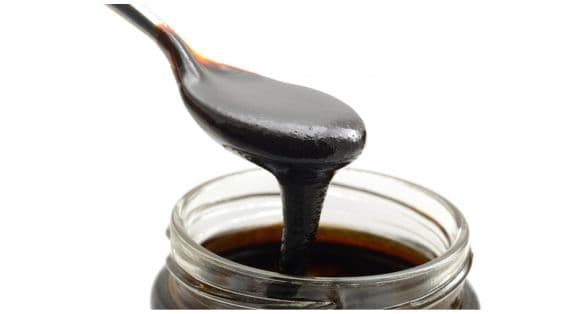
molasses
Molasses is the dark, viscous byproduct of refining sugarcane or sugar beet into granulated sugar — and it carries with it all the intensity and complexity that the refining process leaves behind. Rich in minerals, organic acids, and residual sugars, molasses has a bittersweet, deep, and almost smoky sweetness that is entirely distinct from the clean sweetness of white sugar. It has been a flavour cornerstone in rum production, baking, and traditional cuisines around the world for centuries. In perfumery, molasses is a gourmand note of unusual depth and character. Unlike the bright cheerfulness of caramel or the airy sweetness of vanilla, molasses is darker and more complex — bittersweet with a slightly fermented, rum-like warmth and a mineral, earthy undertone. It adds soulful richness and density to sweet compositions without tipping into cloying excess. Perfumers use it to give oriental and gourmand fragrances a boozy, dark sweetness that feels sophisticated and adult. It pairs naturally with rum accord, dark amber, tobacco, black pepper, patchouli, and smoked woods. Molasses fragrances are indulgent and enveloping — suited to cool evenings, intimate settings, and those with a taste for the luxuriously dark side of sweetness. They feel like the olfactory equivalent of aged rum by the fire — complex, warming, and deeply satisfying. Fragrenza's molasses collection explores this rich aromatic territory through a curated selection of fragrance inspirations crafted with genuine quality and offered at beautifully accessible prices.
- 🌿
Monarda
Monarda, also known as bee balm or bergamot mint, is a genus of aromatic flowering plants native to North America. Long used by Indigenous peoples for its medicinal and culinary properties, monarda has a remarkable aromatic profile that bridges several olfactory territories at once: it is simultaneously herbal, oregano-like, citrusy, and faintly floral. The leaves and flowers contain volatile oils — including thymol and carvacrol — that give the plant its distinctive, vibrant character and have made it increasingly sought after in contemporary perfumery. As a fragrance note, monarda is vivid and refreshing — with the brightness of bergamot, the herbal authority of oregano, and a rosy-spicy nuance that makes it difficult to place precisely but immediately appealing. It occupies a unique space between the citrus, herbal, and floral families, offering perfumers a flexible and energetic building block. It works particularly well in fresh aromatic compositions, green colognes, and herbaceous chypres, where it contributes lift, complexity, and a sense of botanical authenticity. Natural pairings include lavender, thyme, rosemary, lemon verbena, and light cedar. Monarda fragrances feel alive and aromatic — energising without being sharp, herbal without being medicinal. They suit those who love the outdoors and the clean, direct pleasure of aromatic plants at their best. Fragrenza's monarda collection celebrates this vibrant botanical, offering beautifully crafted fragrance inspirations that showcase its unique aromatic personality at a price point that invites generous everyday use.
- 🌿
Mondia root
Mondia root is an earthy or mineral note that adds realism, dryness, and atmospheric depth. It may suggest soil, roots, stone, dust, damp ground, mushrooms, clay, or cool mineral surfaces depending on the accord. In perfumery, these notes make compositions feel grounded, natural, or avant-garde. It pairs well with vetiver, moss, patchouli, dry woods, leather, incense, rain notes, musk, and dark florals.
- 🌿
Monoï
Monoï is a specialty note used to give a fragrance a distinctive texture, mood, or material impression. Depending on interpretation, it may contribute freshness, warmth, sweetness, dryness, softness, or an abstract atmospheric effect. In perfumery, specialty notes are useful because they make a composition feel more specific and less generic. It can be paired with woods, musks, florals, resins, fruits, green notes, spices, or amber materials according to the intended style.
Monoi Oil
Monoi oil is a traditional Tahitian beauty preparation made by macerating the blossoms of the tiare flower (Gardenia taitensis) in refined coconut oil. Used by Polynesians for centuries to care for skin and hair, monoi oil carries deep cultural significance in French Polynesia, where it is produced under a regulated appellation of origin. The resulting oil is warm, lush, and unmistakably tropical — coconutty and rich, with the sweet, gardenia-like floralcy of the tiare blossom woven through it. In perfumery, monoi oil creates an instantly transporting accord: the creamy sweetness of sun-warmed coconut intertwined with the delicate, slightly green-edged sweetness of white tropical flowers. It sits at the intersection of solar floral and gourmand, evoking warm skin glistening in Pacific sunlight, soft breezes, and the languid pleasures of island life. Perfumers often use monoi to add a tropically sensuous quality to floral, aquatic, and skin-scent compositions, pairing it with ylang ylang, jasmine, vanilla, driftwood, and sea salt accords. Monoi oil fragrances carry the warmth and ease of a sun-soaked tropical paradise — they are feel-good, deeply sensual, and beautifully skin-compatible. Few notes communicate pure escapism as effectively. Fragrenza's monoi oil collection bottles this transportive quality into a range of expertly crafted fragrance inspirations, delivering the luxury of Polynesian sunshine at prices that make tropical dreams entirely within reach.
- 🌿
Moon Flower
Moon flower (Ipomoea alba) is a tropical climbing vine closely related to morning glory, but with one essential difference: it blooms at night. The large, luminous white flowers open after dusk, filling warm evenings with an intensely sweet, heady fragrance that attracts night-flying pollinators. Native to tropical and subtropical America, the moon flower vine thrives in warm climates and has long been associated with nocturnal beauty, mystery, and the romance of tropical nights. As a fragrance note, moon flower is rich, white, and deeply floral — more opulent and voluptuous than its daytime relative. It shares qualities with tuberose and jasmine, possessing a similarly heady, almost narcotic sweetness, but with a slightly tropical, rubbery-green edge that is distinctly its own. In perfumery it functions as a powerful white floral element, adding drama and sensuality to evening-oriented compositions. It pairs beautifully with tuberose, ylang ylang, coconut milk, warm vanilla, and creamy sandalwood to create lush, tropical floral blends. Moon flower fragrances are for those who embrace intensity and romance — scents meant for warm nights, candlelit spaces, and moments that feel larger than the ordinary. They are statement perfumes, worn by those who want to leave an impression. Fragrenza's moon flower collection captures this nocturnal opulence in a carefully curated range of fragrance inspirations, offering the richness of top-tier perfumery at prices that make these extraordinary scents part of everyday life.
- 🌿
Moonshine whiskey
Moonshine whiskey is a specialty note used to give a fragrance a distinctive texture, mood, or material impression. Depending on interpretation, it may contribute freshness, warmth, sweetness, dryness, softness, or an abstract atmospheric effect. In perfumery, specialty notes are useful because they make a composition feel more specific and less generic. It can be paired with woods, musks, florals, resins, fruits, green notes, spices, or amber materials according to the intended style.
- 🌿
Moroccan bitter orange blossom
Moroccan bitter orange blossom is a citrus note that adds sparkle, freshness, and immediate lift to a fragrance. Its profile can include juicy pulp, aromatic peel, green bitterness, soft floral nuances, or a sharp zesty brightness depending on the material. In perfumery, it is usually used in the opening, where it brings clarity and motion before blending into florals, woods, musks, or herbs. It pairs well with neroli, tea, lavender, white musk, light woods, aquatic notes, and aromatic herbs.
- 🌿
Moroccan cade
Moroccan cade is a specialty note used to give a fragrance a distinctive texture, mood, or material impression. Depending on interpretation, it may contribute freshness, warmth, sweetness, dryness, softness, or an abstract atmospheric effect. In perfumery, specialty notes are useful because they make a composition feel more specific and less generic. It can be paired with woods, musks, florals, resins, fruits, green notes, spices, or amber materials according to the intended style.
Moroccan Cedar
Moroccan Cedar is a textured base note with woody, dry, smooth, and sometimes leathery or resinous facets. In perfumery, it adds structure, depth, warmth, and longevity, pairing well with amber, musk, incense, rose, spices, citrus, and tobacco.
- 🌿
Moroccan chamomile
Moroccan chamomile is a specialty note used to give a fragrance a distinctive texture, mood, or material impression. Depending on interpretation, it may contribute freshness, warmth, sweetness, dryness, softness, or an abstract atmospheric effect. In perfumery, specialty notes are useful because they make a composition feel more specific and less generic. It can be paired with woods, musks, florals, resins, fruits, green notes, spices, or amber materials according to the intended style.
- 🌿
Moroccan cistus absolute
Moroccan cistus absolute is a specialty note used to give a fragrance a distinctive texture, mood, or material impression. Depending on interpretation, it may contribute freshness, warmth, sweetness, dryness, softness, or an abstract atmospheric effect. In perfumery, specialty notes are useful because they make a composition feel more specific and less generic. It can be paired with woods, musks, florals, resins, fruits, green notes, spices, or amber materials according to the intended style.
- 🌿
Moroccan cypress
Moroccan cypress is a woody note used to create structure, depth, and lasting warmth. Its scent may be dry, creamy, smoky, resinous, earthy, pencil-like, or polished depending on the wood or accord. In perfumery, woody notes support the whole composition and connect fresh openings with deeper bases. It pairs naturally with amber, musk, incense, leather, vetiver, patchouli, spices, citrus, and soft resins.
- 🌿
Moroccan geranium
Moroccan geranium is a floral note that gives a fragrance softness, radiance, and emotional warmth. Depending on the flower or accord, it may feel fresh, creamy, powdery, honeyed, green, indolic, or airy. In perfumery, floral notes often form the heart of a composition, adding body and a recognizable signature. It pairs well with citrus, white musk, rose, jasmine, sandalwood, amber, vanilla, iris, and delicate fruits.
- 🌿
Moroccan grapefruit blossom
Moroccan grapefruit blossom is a citrus note that adds sparkle, freshness, and immediate lift to a fragrance. Its profile can include juicy pulp, aromatic peel, green bitterness, soft floral nuances, or a sharp zesty brightness depending on the material. In perfumery, it is usually used in the opening, where it brings clarity and motion before blending into florals, woods, musks, or herbs. It pairs well with neroli, tea, lavender, white musk, light woods, aquatic notes, and aromatic herbs.
- 🌿
Moroccan Jasmine
Moroccan Jasmine is a floral note that adds softness, radiance, and emotional warmth to a composition. Depending on the flower or accord, it can feel fresh, creamy, powdery, honeyed, green, indolic, or airy. In perfumery, floral notes often form the heart of a fragrance, giving it body and a recognizable character. Moroccan Jasmine pairs well with citrus, white musk, rose, jasmine, sandalwood, amber, vanilla, iris, and delicate fruits, making it useful in both classic bouquets and modern transparent florals.
- 🌿
Moroccan jasmine absolute
Moroccan jasmine absolute is a floral note that gives a fragrance softness, radiance, and emotional warmth. Depending on the flower or accord, it may feel fresh, creamy, powdery, honeyed, green, indolic, or airy. In perfumery, floral notes often form the heart of a composition, adding body and a recognizable signature. It pairs well with citrus, white musk, rose, jasmine, sandalwood, amber, vanilla, iris, and delicate fruits.
- 🌿
Moroccan labdanum
Moroccan labdanum is a warm ambered or resinous note used to give fragrance depth, softness, and long-lasting richness. It can smell balsamic, sweet, smoky, vanillic, woody, powdery, or incense-like depending on the material. In perfumery, it rounds sharp edges and creates a smooth base that holds the composition together. It pairs well with woods, musks, spices, vanilla, tobacco, leather, florals, oud, and other resins.
- 🌿
Moroccan lemon
Moroccan lemon is a citrus note that adds sparkle, freshness, and immediate lift to a fragrance. Its profile can include juicy pulp, aromatic peel, green bitterness, soft floral nuances, or a sharp zesty brightness depending on the material. In perfumery, it is usually used in the opening, where it brings clarity and motion before blending into florals, woods, musks, or herbs. It pairs well with neroli, tea, lavender, white musk, light woods, aquatic notes, and aromatic herbs.
- 🌿
Moroccan mastic
Moroccan mastic is a specialty note used to give a fragrance a distinctive texture, mood, or material impression. Depending on interpretation, it may contribute freshness, warmth, sweetness, dryness, softness, or an abstract atmospheric effect. In perfumery, specialty notes are useful because they make a composition feel more specific and less generic. It can be paired with woods, musks, florals, resins, fruits, green notes, spices, or amber materials according to the intended style.
- 🌿
Moroccan mimosa
Moroccan mimosa is a floral note that gives a fragrance softness, radiance, and emotional warmth. Depending on the flower or accord, it may feel fresh, creamy, powdery, honeyed, green, indolic, or airy. In perfumery, floral notes often form the heart of a composition, adding body and a recognizable signature. It pairs well with citrus, white musk, rose, jasmine, sandalwood, amber, vanilla, iris, and delicate fruits.
- 🌿
Moroccan mimosa Orpur®
Moroccan mimosa Orpur® is a floral note that gives a fragrance softness, radiance, and emotional warmth. Depending on the flower or accord, it may feel fresh, creamy, powdery, honeyed, green, indolic, or airy. In perfumery, floral notes often form the heart of a composition, adding body and a recognizable signature. It pairs well with citrus, white musk, rose, jasmine, sandalwood, amber, vanilla, iris, and delicate fruits.
- 🌿
Moroccan mint
Moroccan mint is a green or aromatic note that evokes leaves, herbs, stems, fresh air, or crushed vegetation. Its profile can be crisp, bitter, watery, camphoraceous, grassy, or slightly earthy depending on the material. In perfumery, green notes add realism and lift, keeping sweet, floral, or woody compositions from feeling too heavy. It pairs well with citrus, tea, fig, violet leaf, galbanum, tomato leaf, white musk, vetiver, lavender, and light woods.
- 🌿
Moroccan mugwort
Moroccan mugwort is a specialty note used to give a fragrance a distinctive texture, mood, or material impression. Depending on interpretation, it may contribute freshness, warmth, sweetness, dryness, softness, or an abstract atmospheric effect. In perfumery, specialty notes are useful because they make a composition feel more specific and less generic. It can be paired with woods, musks, florals, resins, fruits, green notes, spices, or amber materials according to the intended style.
- 🌿
Moroccan neroli
Moroccan neroli is a bright citrus note that brings sparkle, freshness, and immediate lift to a fragrance. Its profile may include juicy pulp, aromatic peel, green bitterness, soft floral facets, or a slightly sharp zest depending on the material. In perfumery, it is most often used in the opening, where it gives clarity and movement before blending into florals, woods, musks, or herbs. Moroccan neroli works especially well with neroli, tea, lavender, white musk, light woods, aquatic notes, and aromatic herbs.
- 🌿
Moroccan orange
Moroccan orange is a citrus note that adds sparkle, freshness, and immediate lift to a fragrance. Its profile can include juicy pulp, aromatic peel, green bitterness, soft floral nuances, or a sharp zesty brightness depending on the material. In perfumery, it is usually used in the opening, where it brings clarity and motion before blending into florals, woods, musks, or herbs. It pairs well with neroli, tea, lavender, white musk, light woods, aquatic notes, and aromatic herbs.
- 🌿
Moroccan orange blossom absolute
Moroccan orange blossom absolute is a bright citrus note that brings sparkle, freshness, and immediate lift to a fragrance. Its profile may include juicy pulp, aromatic peel, green bitterness, soft floral facets, or a slightly sharp zest depending on the material. In perfumery, it is most often used in the opening, where it gives clarity and movement before blending into florals, woods, musks, or herbs. Moroccan orange blossom absolute works especially well with neroli, tea, lavender, white musk, light woods, aquatic notes, and aromatic herbs.
- 🌿
Moroccan orange blossom Orpur®
Moroccan orange blossom Orpur® is a citrus note that adds sparkle, freshness, and immediate lift to a fragrance. Its profile can include juicy pulp, aromatic peel, green bitterness, soft floral nuances, or a sharp zesty brightness depending on the material. In perfumery, it is usually used in the opening, where it brings clarity and motion before blending into florals, woods, musks, or herbs. It pairs well with neroli, tea, lavender, white musk, light woods, aquatic notes, and aromatic herbs.
- 🌿
Moroccan orange blossom water absolute
Moroccan orange blossom water absolute is a citrus note that adds sparkle, freshness, and immediate lift to a fragrance. Its profile can include juicy pulp, aromatic peel, green bitterness, soft floral nuances, or a sharp zesty brightness depending on the material. In perfumery, it is usually used in the opening, where it brings clarity and motion before blending into florals, woods, musks, or herbs. It pairs well with neroli, tea, lavender, white musk, light woods, aquatic notes, and aromatic herbs.
- 🌿
Moroccan orris butter
Moroccan orris butter is a gourmand note that adds edible warmth, sweetness, and comfort. It may suggest cream, sugar, nuts, chocolate, coffee, honey, pastry, or toasted grains depending on the accord. In perfumery, gourmand notes make compositions feel cozy and sensual, but they work best when balanced with woods, musks, spices, citrus, or resins. It pairs well with vanilla, tonka bean, sandalwood, amber, caramel, cacao, coffee, and soft florals.
- 🌿
Moroccan Rosa centifolia absolute
Moroccan Rosa centifolia absolute is a specialty note used to give a fragrance a distinctive texture, mood, or material impression. Depending on interpretation, it may contribute freshness, warmth, sweetness, dryness, softness, or an abstract atmospheric effect. In perfumery, specialty notes are useful because they make a composition feel more specific and less generic. It can be paired with woods, musks, florals, resins, fruits, green notes, spices, or amber materials according to the intended style.
Moroccan Rose
Moroccan Rose is a floral note with fresh petals, soft sweetness, and a refined natural brightness. In perfumery, it can add elegance, color, and lift to floral bouquets, musks, fruity florals, powdery accords, and modern feminine compositions.
- 🌿
Moroccan rose absolute
Moroccan rose absolute is a floral note that adds softness, radiance, and emotional warmth to a composition. Depending on the flower or accord, it can feel fresh, creamy, powdery, honeyed, green, indolic, or airy. In perfumery, floral notes often form the heart of a fragrance, giving it body and a recognizable character. Moroccan rose absolute pairs well with citrus, white musk, rose, jasmine, sandalwood, amber, vanilla, iris, and delicate fruits, making it useful in both classic bouquets and modern transparent florals.
- 🌿
Moroccan rosemary
Moroccan rosemary is a floral note that gives a fragrance softness, radiance, and emotional warmth. Depending on the flower or accord, it may feel fresh, creamy, powdery, honeyed, green, indolic, or airy. In perfumery, floral notes often form the heart of a composition, adding body and a recognizable signature. It pairs well with citrus, white musk, rose, jasmine, sandalwood, amber, vanilla, iris, and delicate fruits.
- 🌿
Moroccan wormwood
Moroccan wormwood is a woody note used to create structure, depth, and lasting warmth. Its scent may be dry, creamy, smoky, resinous, earthy, pencil-like, or polished depending on the wood or accord. In perfumery, woody notes support the whole composition and connect fresh openings with deeper bases. It pairs naturally with amber, musk, incense, leather, vetiver, patchouli, spices, citrus, and soft resins.
- 🌿
Morocco leather
Morocco leather is a dark textured note that may suggest leather, smoke, tobacco, tar, ash, or warm dry materials. It gives fragrance depth, sensuality, and a more dramatic atmosphere. In perfumery, smoky and leathery notes are often used in bases, where they add strength and character without needing sweetness. It pairs well with oud, saffron, birch tar, amber, tobacco, rose, patchouli, vetiver, incense, and dry woods.
- 🌿
Morrocan orange blossom
Morrocan orange blossom is a bright citrus note that brings sparkle, freshness, and immediate lift to a fragrance. Its profile may include juicy pulp, aromatic peel, green bitterness, soft floral facets, or a slightly sharp zest depending on the material. In perfumery, it is most often used in the opening, where it gives clarity and movement before blending into florals, woods, musks, or herbs. Morrocan orange blossom works especially well with neroli, tea, lavender, white musk, light woods, aquatic notes, and aromatic herbs.
Moss
Moss is a green botanical note with leafy, fresh, vegetal, and natural facets. In perfumery, it adds garden realism and crisp freshness, pairing well with citrus, tea, florals, watery notes, fig, tomato leaf, vetiver, and clean musks.
- 🌿
Moss absolute
Moss absolute is a woody note used to create structure, depth, and lasting warmth. Its scent may be dry, creamy, smoky, resinous, earthy, pencil-like, or polished depending on the wood or accord. In perfumery, woody notes support the whole composition and connect fresh openings with deeper bases. It pairs naturally with amber, musk, incense, leather, vetiver, patchouli, spices, citrus, and soft resins.
- 🌿
Moss campion
Moss campion is a woody note used to create structure, depth, and lasting warmth. Its scent may be dry, creamy, smoky, resinous, earthy, pencil-like, or polished depending on the wood or accord. In perfumery, woody notes support the whole composition and connect fresh openings with deeper bases. It pairs naturally with amber, musk, incense, leather, vetiver, patchouli, spices, citrus, and soft resins.
- 🌿
Mossy notes
Mossy notes is a woody note used to create structure, depth, and lasting warmth. Its scent may be dry, creamy, smoky, resinous, earthy, pencil-like, or polished depending on the wood or accord. In perfumery, woody notes often support the whole composition and help connect fresh openings with deeper bases. Mossy notes pairs naturally with amber, musk, incense, leather, vetiver, patchouli, spices, citrus, and soft resins, making it useful in masculine, feminine, and unisex fragrances.
- 🌿
Moth orchid
Moth orchid is a floral note that gives a fragrance softness, radiance, and emotional warmth. Depending on the flower or accord, it may feel fresh, creamy, powdery, honeyed, green, indolic, or airy. In perfumery, floral notes often form the heart of a composition, adding body and a recognizable signature. It pairs well with citrus, white musk, rose, jasmine, sandalwood, amber, vanilla, iris, and delicate fruits.

Mountain Air
Mountain air is not a single ingredient but a carefully composed accord — a perfumer's evocation of the sensory experience of high-altitude freshness. Inspired by the crystalline clarity of air above the tree line, where temperatures drop and the atmosphere thins, mountain air accords capture the bracing, ozonic quality of great heights: clean, slightly cold, faintly mineral, and almost luminously transparent. These accords often combine molecules such as calone, iso E super, and various aldehydic or green notes to recreate a sense of vast open space and elemental purity. In perfumery, mountain air sits within the broader family of ozonic and aquatic notes that came to prominence in the 1990s. Where aquatics suggest water and sea spray, mountain air tends toward the crisper and more austere — less briny, more icy, with a mineral edge that references rock faces, glacial melt, and the scent of high pine forests at dawn. It functions beautifully as a top note or accord within fresh masculine fragrances and unisex compositions, lending lift, transparency, and an exhilarating sense of freedom. It pairs naturally with conifer notes, green tea, aromatic herbs, and cool musks. Mountain air fragrances appeal to those who crave a sense of escape and open space in their scent — a breath of something far removed from the urban everyday. They feel energizing, clarifying, and deeply refreshing. Fragrenza's mountain air collection distills this feeling into a curated range of fragrance inspirations, bringing you the freshness of altitude in beautifully crafted, high-quality perfumes at accessible prices.
- 🌿
Mountain magnolia
Mountain magnolia is a floral note that gives a fragrance softness, radiance, and emotional warmth. Depending on the flower or accord, it may feel fresh, creamy, powdery, honeyed, green, indolic, or airy. In perfumery, floral notes often form the heart of a composition, adding body and a recognizable signature. It pairs well with citrus, white musk, rose, jasmine, sandalwood, amber, vanilla, iris, and delicate fruits.
- 🌿
Mountain pepper
Mountain pepper is a spicy note that gives fragrance heat, texture, and aromatic energy. It can feel sweet, dry, peppery, resinous, herbal, smoky, or slightly medicinal depending on the material. In perfumery, spices create contrast, deepen the heart, and bridge fresh top notes with warm woody or amber bases. It pairs especially well with citrus, rose, tobacco, vanilla, oud, sandalwood, patchouli, leather, and balsamic resins.
- 🌿
Mountain pine
Mountain pine is a woody note used to create structure, depth, and lasting warmth. Its scent may be dry, creamy, smoky, resinous, earthy, pencil-like, or polished depending on the wood or accord. In perfumery, woody notes support the whole composition and connect fresh openings with deeper bases. It pairs naturally with amber, musk, incense, leather, vetiver, patchouli, spices, citrus, and soft resins.
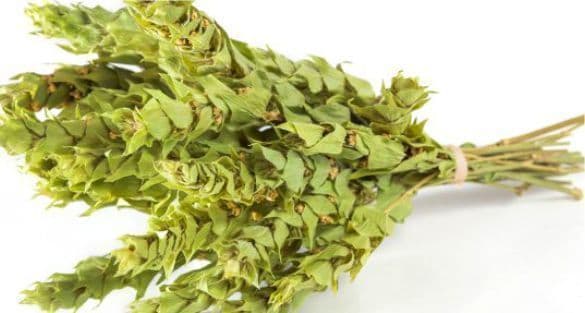
Mountain tea (Sideritis)
Mountain tea (Sideritis) is an aromatic note with herbal or spicy facets that can feel fresh, warm, dry, or slightly sharp depending on dosage. In perfumery, it adds character and movement to woods, ambers, citrus, tea accords, fougères, leathers, and oriental compositions.
- 🌿
Mousse de Saxe
Mousse de Saxe is a specialty note used to give a fragrance a distinctive texture, mood, or material impression. Depending on interpretation, it may contribute freshness, warmth, sweetness, dryness, softness, or an abstract atmospheric effect. In perfumery, specialty notes are useful because they make a composition feel more specific and less generic. It can be paired with woods, musks, florals, resins, fruits, green notes, spices, or amber materials according to the intended style.
- 🌿
Muffin
Muffin is a specialty note used to give a fragrance a distinctive texture, mood, or material impression. Depending on interpretation, it may contribute freshness, warmth, sweetness, dryness, softness, or an abstract atmospheric effect. In perfumery, specialty notes are useful because they make a composition feel more specific and less generic. It can be paired with woods, musks, florals, resins, fruits, green notes, spices, or amber materials according to the intended style.
- 🌿
Mugane™
Mugane is an African botanical with deep roots in traditional and artisanal fragrance practices on the continent. Like many African aromatic ingredients, it has only recently begun to receive broader recognition in the international perfumery world, as niche houses increasingly look beyond Eurocentric raw material traditions to explore the extraordinary aromatic diversity of African flora. The ingredient brings an earthy, woody, and naturally aromatic character that reflects the rich, sun-drenched landscapes of its origin. In perfumery, mugane contributes a grounded, organic earthiness with woody facets that feel both raw and refined. It possesses a quietly complex aromatic signature — neither aggressively sharp nor overly sweet — that allows it to function as a base modifier, adding character and naturalness to a wide range of compositions. Perfumers working with African botanicals prize mugane for the sense of place and authenticity it brings, evoking dry savannahs, ancient soils, and the resilient beauty of wild African landscapes. It blends naturally with other earthy and woody notes such as vetiver, nagarmotha, cedarwood, and patchouli. Mugane fragrances are for those drawn to the understated and the genuinely rare — scents that carry a story and a connection to the land. They offer an alternative to more familiar woody bases and reward those with curious, open noses. Fragrenza's mugane collection celebrates this uncommon aromatic voice, presenting carefully crafted fragrance inspirations that honor the botanical's unique character while remaining beautifully wearable and accessible.
- 🌿
MUGU
MUGU is a specialty note used to give a fragrance a distinctive texture, mood, or material impression. Depending on interpretation, it may contribute freshness, warmth, sweetness, dryness, softness, or an abstract atmospheric effect. In perfumery, specialty notes are useful because they make a composition feel more specific and less generic. It can be paired with woods, musks, florals, resins, fruits, green notes, spices, or amber materials according to the intended style.
- 🌿
Mugwort
Mugwort (Artemisia vulgaris) is one of perfumery's most intriguing and underappreciated herbal ingredients — a wild plant of ancient lineage with an olfactory profile that is simultaneously familiar and deeply distinctive. Used for centuries in traditional medicine, culinary practice, and ritual across Europe and Asia, mugwort carries a complex aromatic character: sharply herbal and slightly bitter on first encounter, with pronounced green, sage-like qualities and a cool, almost minty freshness that comes from its natural camphor content. Beneath this crisp green surface lies a warmer, earthier base with faint woody undertones that prevent it from feeling harsh. In perfumery, mugwort occupies a fascinating space between the herbal and green fragrance families. Its bitter, aromatic sharpness adds a wild, untamed quality to compositions — a note of countryside and hedgerow rather than cultivated garden. This rawness makes it a valuable tool for perfumers seeking natural, botanical character, and it pairs particularly well with other herbs such as lavender and thyme, with woody materials like oakmoss and cedar, and with cool, mineral notes that extend its outdoor quality. Mugwort's cool, camphoraceous freshness also makes it an effective top note in aromatic fougères, where it adds green complexity alongside lavender and oakmoss. In more oriental compositions, its earthy warmth provides a herbal counterpoint to richer resins and spices. It is a note beloved by fragrance connoisseurs for its distinctiveness and its ability to conjure wild, natural landscapes with great precision. At Fragrenza, our mugwort-inspired fragrances celebrate this remarkable herb in refined, accessible compositions that capture its wild, complex character beautifully.
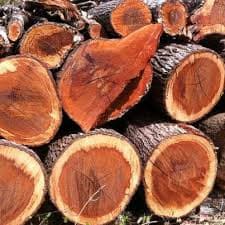
Muhuhu
Muhuhu is a rare East African hardwood derived from Brachylaena huillensis, a tree native to the coastal forests of Kenya and Tanzania. Long used by local craftspeople for carving and joinery due to its density and fine grain, muhuhu has a natural aromatic quality that has attracted the attention of niche perfumers seeking to expand the palette of woody materials beyond the familiar sandalwood-cedar axis. The wood yields an oil through steam distillation that carries a distinctive character unlike any other tropical timber. In perfumery, muhuhu presents as a dry, smoky-woody note with a subtle cedary structure and a faintly camphoraceous undertone. It lacks the creaminess of sandalwood or the sharpness of pencil cedar — instead, it occupies a more rugged, resinous register that suggests open fires, sun-baked earth, and ancient forests. This austere quality makes it a compelling choice for masculine and unisex compositions, especially those seeking the raw beauty of African landscapes. It combines beautifully with vetiver, frankincense, leather, and dry spices. Fragrances built around muhuhu are rare and speak to adventurous wearers who seek something genuinely distinct from mainstream woody notes. The note's scarcity and geographical specificity give it a sense of place and authenticity that is hard to replicate. Fragrenza's muhuhu collection brings this extraordinary material to the forefront, offering meticulously crafted inspirations of some of niche perfumery's most striking woody expressions — without the collector's price tag.
- 🌿
mulberry
Mulberry has been cultivated for thousands of years across Asia, the Middle East, and the Mediterranean — prized first for its role in silk production and later as a beloved fruit tree. The berries themselves range from deep crimson to near-black when ripe, offering a complex flavor profile that balances sweetness with a bright tartness and a slightly jammy, wine-like depth. In fragrance, mulberry is evoked through accord-building rather than direct extraction, as the fruit's volatile compounds are difficult to capture cleanly. As a fragrance note, mulberry occupies a rich and appealing space in the dark fruit spectrum. It is sweeter and denser than blackcurrant, rounder than blackberry, with a slightly inky, jammy quality that lends sophistication to fruity compositions. Perfumers use it to add lush, opulent fruitiness to florals and gourmands, or to give berry-forward oriental and chypre compositions a modern, approachable sweetness. It pairs naturally with rose, patchouli, musk, and light woody bases, adding a sense of abundance and warmth without tipping into candy-like excess. Mulberry fragrances feel ripe and sensual — evocative of late summer, warm evenings, and the pleasure of something deeply satisfying. They suit those drawn to fruity-floral blends with real depth and character. Fragrenza's mulberry collection captures this indulgent quality across a range of fragrance styles, offering inspired interpretations of some of the finest mulberry-note perfumes in the world, at prices that make luxury available to everyone.
- 🌿
Mulberry blossom
Mulberry blossom is a floral note that gives a fragrance softness, radiance, and emotional warmth. Depending on the flower or accord, it may feel fresh, creamy, powdery, honeyed, green, indolic, or airy. In perfumery, floral notes often form the heart of a composition, adding body and a recognizable signature. It pairs well with citrus, white musk, rose, jasmine, sandalwood, amber, vanilla, iris, and delicate fruits.
- 🌿
Mulberry leaf
Mulberry leaf is a fruity note that adds juiciness, color, and natural sweetness. It may feel crisp and tart, ripe and velvety, tropical and creamy, or dark and jammy depending on the fruit profile. In perfumery, fruity notes brighten florals, soften musks, and add pleasure to gourmand or woody structures. It pairs well with rose, peony, jasmine, white musk, vanilla, woods, citrus, amber, and soft spices.
- 🌿
Murumuru palm
Murumuru palm is a specialty note used to give a fragrance a distinctive texture, mood, or material impression. Depending on interpretation, it may contribute freshness, warmth, sweetness, dryness, softness, or an abstract atmospheric effect. In perfumery, specialty notes are useful because they make a composition feel more specific and less generic. It can be paired with woods, musks, florals, resins, fruits, green notes, spices, or amber materials according to the intended style.
- 🌿
Muscarome
Muscarome is a specialty note used to give a fragrance a distinctive texture, mood, or material impression. Depending on interpretation, it may contribute freshness, warmth, sweetness, dryness, softness, or an abstract atmospheric effect. In perfumery, specialty notes are useful because they make a composition feel more specific and less generic. It can be paired with woods, musks, florals, resins, fruits, green notes, spices, or amber materials according to the intended style.
- 🌿
Muscat grape
Muscat grape is a fruity note that gives fragrance juiciness, color, and natural sweetness. It can be crisp and tart, ripe and velvety, tropical and creamy, or dark and jammy depending on the fruit profile. In perfumery, fruity notes brighten florals, soften musks, and add pleasure to gourmand or woody structures. Muscat grape pairs well with rose, peony, jasmine, white musk, vanilla, woods, citrus, amber, and soft spices.
- 🌿
Muscenone®
Muscenone® is a soft textural note that creates warmth, smoothness, and a skin-like finish. It may feel clean, powdery, woody, velvety, slightly fruity, or fabric-like depending on the accord. In perfumery, these notes bind the formula, soften stronger materials, and extend wear without dominating the fragrance. It pairs well with florals, woods, citrus, amber, iris, fruits, suede, vanilla, and transparent musks.
- 🌿
Muscone
Muscone is a specialty note used to give a fragrance a distinctive texture, mood, or material impression. Depending on interpretation, it may contribute freshness, warmth, sweetness, dryness, softness, or an abstract atmospheric effect. In perfumery, specialty notes are useful because they make a composition feel more specific and less generic. It can be paired with woods, musks, florals, resins, fruits, green notes, spices, or amber materials according to the intended style.
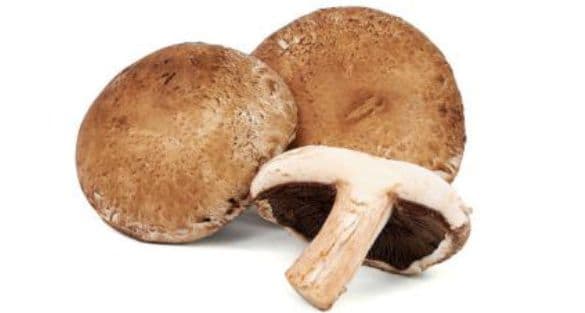
Mushroom
The mushroom note in perfumery draws inspiration from the rich, humid world of fungi — from delicate white button mushrooms to earthy wild porcini, rain-soaked forest floors, and the loamy undergrowth of ancient woodlands. Mushrooms have been an evocative ingredient in niche perfumery since the late twentieth century, championed by perfumers who sought to bring the textures and smells of the natural world into wearable form. The note is created synthetically using materials that mimic the characteristic earthy, umami-laden character of real fungi. In fragrance terms, mushroom adds a distinctly earthy, slightly damp, and savory quality that sits between the vegetal and the mineral. It carries suggestions of decomposing leaves, rich soil, and the cool air of a forest just after rain. At its most restrained, mushroom lends a grounding earthiness and textural depth to a blend; at its most prominent, it creates an almost edible, umami quality that is deeply unusual and arresting. It pairs naturally with vetiver, oakmoss, cedarwood, truffle, and dark patchouli — notes that share its connection to the soil and the shade. Mushroom fragrances appeal to those who want their scent to tell a story — of wild places, quiet walks through old-growth forest, or the primal pleasure of earth under hand. They are meditative, grounding, and beautifully anti-conventional. Fragrenza's mushroom collection brings this rare olfactory territory to life, offering expertly crafted inspirations of celebrated niche and designer fragrances at an accessible price point.
- 🌿
Mushroom absolute
Mushroom absolute is an earthy or mineral note that adds realism, dryness, and atmospheric depth. It may suggest soil, roots, stone, dust, damp ground, mushrooms, clay, or cool mineral surfaces depending on the accord. In perfumery, these notes make compositions feel grounded, natural, or avant-garde. It pairs well with vetiver, moss, patchouli, dry woods, leather, incense, rain notes, musk, and dark florals.
- 🌿
Mushrooms
Mushrooms is an earthy or mineral note that adds realism, dryness, and atmospheric depth to a fragrance. It may suggest soil, roots, stone, dust, damp ground, mushrooms, or cool mineral surfaces depending on the accord. In perfumery, these notes are used to make compositions feel grounded, natural, or avant-garde. Mushrooms pairs well with vetiver, moss, patchouli, dry woods, leather, incense, rain notes, musk, and dark florals.
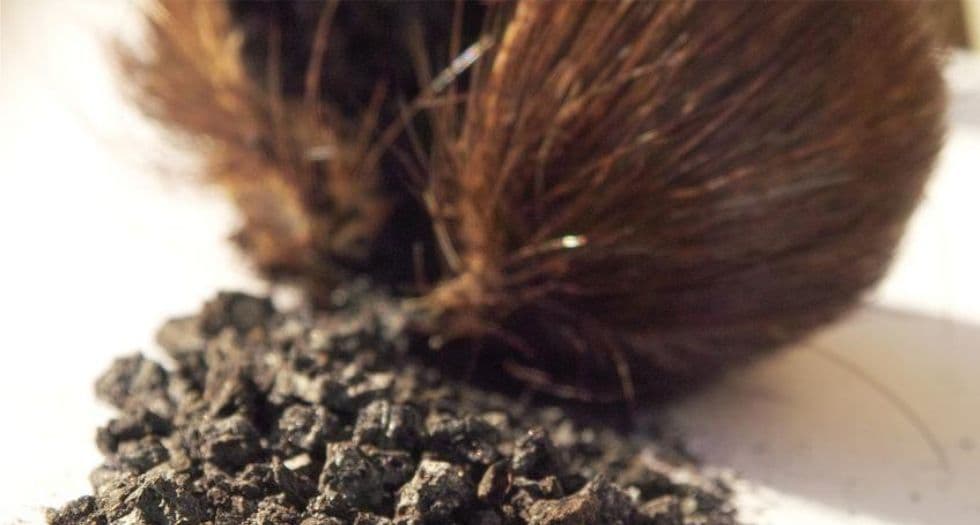
Musk
Musk is one of the oldest and most foundational materials in the history of perfumery. Originally derived from the glandular secretions of the male musk deer of the Himalayas, natural musk has been prized for millennia across Persian, Chinese, and European perfumery traditions for its extraordinary tenacity and its ability to enhance every note it encounters. Today, due to ethical and conservation concerns, virtually all musks used in fine fragrance are synthetic — a family of molecules that collectively spans a vast olfactory range, from raw and animalic to powdery and clean. Musk functions primarily as a base note, providing warmth, depth, and staying power to a fragrance. At its most animalic, it carries a rich, skin-like sensuousness — earthy, slightly sweaty, deeply intimate. At its cleanest, it evokes freshly laundered linen, warm skin after a shower, or the soft warmth of a sun-warmed nape. Between these poles lies an entire spectrum: powdery musks, woody musks, floral musks, and crystalline white musks. This versatility has made it indispensable — nearly every great fragrance relies on musk in some form to give it life and longevity. Musk-forward fragrances possess an almost magnetic skin chemistry, shifting subtly on each wearer to become something uniquely personal. Whether you are drawn to clean and airy expressions or the deep pull of something more primal, there is a musk for you. Fragrenza's musk collection presents a curated range of inspirations rooted in the world's finest musky perfumes — crafted to the highest standards and offered at prices that invite exploration. Want to wear it? Explore [musk fragrances](https://fragrenza.com/collections/musk-fragrances).
- 🌿
Musk absolue
Musk absolue is a soft textural note that creates warmth, smoothness, and a skin-like finish. It may feel clean, powdery, woody, velvety, slightly fruity, or fabric-like depending on the accord. In perfumery, these notes bind the formula, soften stronger materials, and extend wear without dominating the fragrance. It pairs well with florals, woods, citrus, amber, iris, fruits, suede, vanilla, and transparent musks.
- 🌿
Musk gazelle
Musk gazelle is a soft textural note that creates warmth, smoothness, and a skin-like finish. It may feel clean, powdery, woody, velvety, slightly fruity, or fabric-like depending on the accord. In perfumery, these notes bind the formula, soften stronger materials, and extend wear without dominating the fragrance. It pairs well with florals, woods, citrus, amber, iris, fruits, suede, vanilla, and transparent musks.
- 🌿
Musk ketone
Musk ketone is a soft textural note that creates warmth, smoothness, and a skin-like finish. It may feel clean, powdery, woody, velvety, slightly fruity, or fabric-like depending on the accord. In perfumery, these notes bind the formula, soften stronger materials, and extend wear without dominating the fragrance. It pairs well with florals, woods, citrus, amber, iris, fruits, suede, vanilla, and transparent musks.
- 🌿
Musk rose
Musk rose is a floral note that adds softness, radiance, and emotional warmth to a composition. Depending on the flower or accord, it can feel fresh, creamy, powdery, honeyed, green, indolic, or airy. In perfumery, floral notes often form the heart of a fragrance, giving it body and a recognizable character. Musk rose pairs well with citrus, white musk, rose, jasmine, sandalwood, amber, vanilla, iris, and delicate fruits, making it useful in both classic bouquets and modern transparent florals.
- 🌿
Musk T®
Musk T® is a soft textural note that creates warmth, smoothness, and a skin-like finish. It may feel clean, powdery, woody, velvety, slightly fruity, or fabric-like depending on the accord. In perfumery, these notes bind the formula, soften stronger materials, and extend wear without dominating the fragrance. It pairs well with florals, woods, citrus, amber, iris, fruits, suede, vanilla, and transparent musks.
- 🌿
Muskatone
Muskatone is a soft textural note that creates warmth, smoothness, and a skin-like finish. It may feel clean, powdery, woody, velvety, slightly fruity, or fabric-like depending on the accord. In perfumery, these notes bind the formula, soften stronger materials, and extend wear without dominating the fragrance. It pairs well with florals, woods, citrus, amber, iris, fruits, suede, vanilla, and transparent musks.
- 🌿
Muskmelon
Muskmelon is a fruity note that adds juiciness, color, and natural sweetness. It may feel crisp and tart, ripe and velvety, tropical and creamy, or dark and jammy depending on the fruit profile. In perfumery, fruity notes brighten florals, soften musks, and add pleasure to gourmand or woody structures. It pairs well with rose, peony, jasmine, white musk, vanilla, woods, citrus, amber, and soft spices.
- 🌿
Musky notes
Musky notes is a soft musky note used to create warmth, smoothness, and a skin-like dry-down. It can feel clean, powdery, woody, slightly fruity, or velvety depending on the accord. In perfumery, musky materials help bind a composition together, soften stronger notes, and extend wear without overwhelming the fragrance. They pair well with florals, woods, amber, citrus, fruits, iris, suede, and transparent modern molecules.
- 🌿
Myrhh
Myrhh is a specialty note used to give a fragrance a distinctive texture, mood, or material impression. Depending on interpretation, it may contribute freshness, warmth, sweetness, dryness, softness, or an abstract atmospheric effect. In perfumery, specialty notes are valuable because they make a composition feel more specific and less generic. Myrhh can be paired with woods, musks, florals, resins, fruits, green notes, spices, or amber materials according to the intended style.
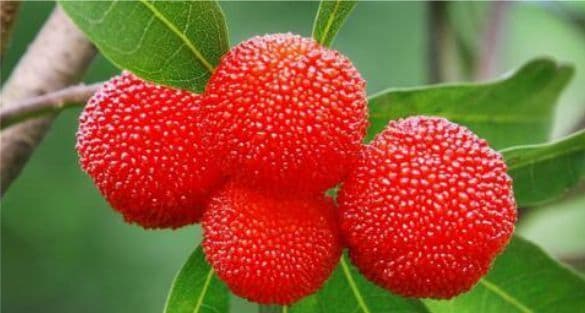
Myrica
Myrica, commonly known as bayberry, is a genus of shrubs and small trees native to North America, Europe, and parts of Asia. The plant has been used for centuries — its waxy berries were historically boiled to produce fragrant bayberry candles, a tradition especially associated with colonial New England. The aromatic qualities of myrica come primarily from its leaves, bark, and berry coating, which contain a unique blend of resinous compounds. In perfumery, myrica contributes a distinctive waxy, balsamic character with a gently smoky-sweet undercurrent and a faint berry facet. It occupies an intriguing middle ground between green and resinous, adding depth and a slightly antique warmth to compositions. Perfumers often reach for myrica to evoke autumnal landscapes, woodland walks, and the comforting glow of candlelight. It pairs beautifully with cedarwood, vetiver, labdanum, and dark fruits, grounding brighter notes while lending its own quiet complexity to the heart and base of a fragrance. Fragrances featuring myrica tend to feel grounded and contemplative — intimate rather than showy. Whether anchoring a woodsy chypre or adding a waxy sheen to a dark floral, this understated note rewards those who seek texture and quiet intrigue. At Fragrenza, our myrica-forward collections capture this character faithfully, bringing you premium-quality fragrance experiences inspired by the world's most celebrated scents — at prices that make luxury accessible.
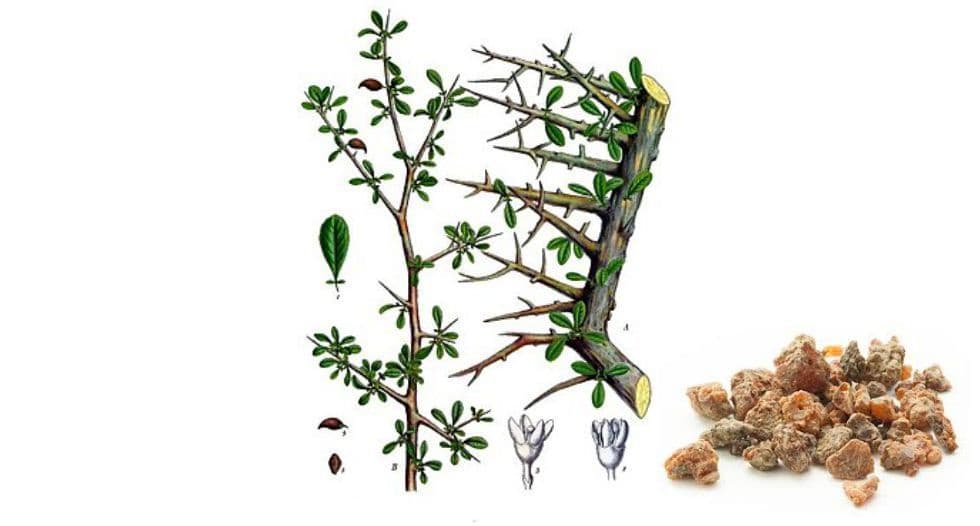
myrrh
Myrrh is a natural resin exuded from trees of the genus Commiphora, primarily C. myrrha and related species, which grow in the arid regions of Somalia, Ethiopia, Yemen, and Oman. One of humanity's oldest aromatic substances, myrrh was traded across ancient civilisations as a currency of worship, medicine, and burial. Referenced in ancient Egyptian, Hebrew, Greek, and Roman texts, it has been burned as incense, used in embalming, and treasured as a gift of sacred significance for over five thousand years. The olfactory character of myrrh is warm, balsamic, and subtly bitter — a resinous darkness softened by sweet and slightly spicy facets. There is an earthy, almost medicinal quality to raw myrrh that speaks of deep antiquity, complemented by a dry, smoky undertone and a lingering warmth on the skin. It is at once ancient and luxurious, austere and deeply comforting. In perfumery, myrrh is a prized base note and fixative, bringing depth, tenacity, and a sense of spiritual weight to oriental, woody, and resinous compositions. It blends beautifully with frankincense, labdanum, rose, and oud, anchoring complex accords with its characteristic resinous warmth. Fragrenza's Myrrh collection draws on this storied heritage to deliver fragrance dupes of remarkable depth and longevity at prices that make daily indulgence entirely achievable.
- 🌿
Myrrh absolute
Myrrh absolute is a warm ambered or resinous note used to give fragrance depth, softness, and long-lasting richness. It can smell balsamic, sweet, smoky, vanillic, woody, powdery, or incense-like depending on the material. In perfumery, it rounds sharp edges and creates a smooth base that holds the composition together. Myrrh absolute pairs well with woods, musks, spices, vanilla, tobacco, leather, florals, oud, and other resins.
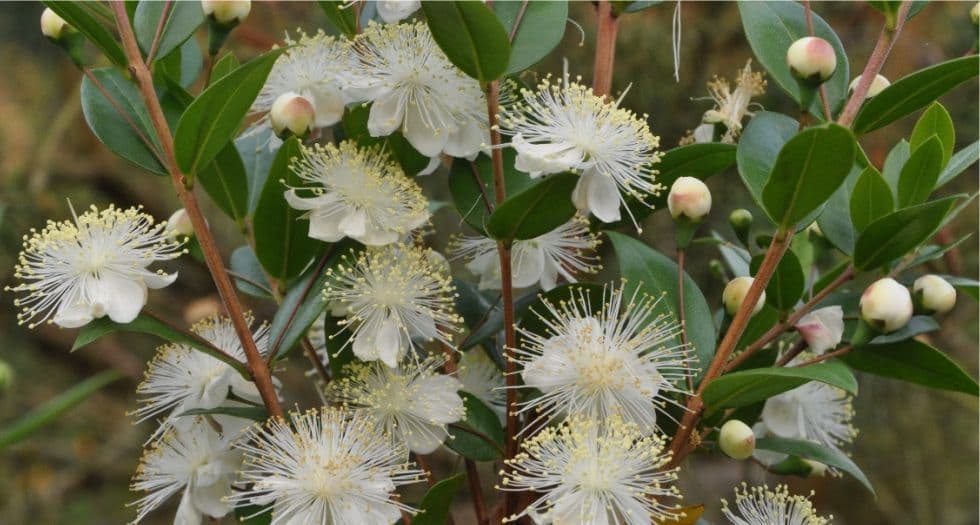
Myrtle
Myrtle — Myrtus communis — is one of the Mediterranean's most storied aromatic plants, cultivated for millennia across Greece, Italy, North Africa, and the Middle East. Sacred to Aphrodite in ancient Greek tradition and woven into wedding garlands across Mediterranean cultures, myrtle carries a weight of symbolic meaning alongside its considerable aromatic appeal. Its small, glossy leaves, white flowers, and dark berries all yield fragrant essential oils, making it one of the most generous aromatic plants in the region's flora. The scent of myrtle is fresh, herbal, and slightly camphorous — a clean, green-aromatic character that shares some qualities with eucalyptus and rosemary but with greater elegance and less clinical sharpness. The leaf oil has a bright, slightly piney freshness undercut by soft herbal warmth; the flower is more delicate, with a gentle sweetness. Together, myrtle reads as a refined, Mediterranean herbal note — invigorating, clean, and deeply evocative of sun-warmed hillsides and ancient coastal landscapes. In perfumery, myrtle has found a natural home in fresh, aromatic, and aquatic fragrance families, where its clean herbal brightness refreshes and invigorates a composition. It pairs beautifully with other Mediterranean botanicals — lavender, rosemary, cypress, and citrus — as well as with clean musks and light woods in contemporary fresh-herbal structures. At Fragrenza, our myrtle collection brings this ancient, sun-drenched herb to life in modern fragrance form — inspired by the finest aromatic and Mediterranean-themed fragrances from around the designer and niche world, at accessible prices that invite daily wear.
- 🌿
Mysore sandalwood
Mysore sandalwood is a woody note used to give fragrance structure, depth, and lasting warmth. Its profile may be dry, creamy, smoky, resinous, earthy, or polished depending on the source or accord. In perfumery, woody notes often form the backbone of a composition, supporting lighter citrus, floral, spicy, or aromatic materials. It pairs naturally with amber, musk, incense, leather, vetiver, patchouli, spices, and soft resins.
- 🌿
Mysore sandalwood absolute
Mysore sandalwood absolute is a woody note used to create structure, depth, and lasting warmth. Its scent may be dry, creamy, smoky, resinous, earthy, pencil-like, or polished depending on the wood or accord. In perfumery, woody notes support the whole composition and connect fresh openings with deeper bases. It pairs naturally with amber, musk, incense, leather, vetiver, patchouli, spices, citrus, and soft resins.
- 🌿
Mystikal®
Mystikal® is a specialty note used to give a fragrance a distinctive texture, mood, or material impression. Depending on interpretation, it may contribute freshness, warmth, sweetness, dryness, softness, or an abstract atmospheric effect. In perfumery, specialty notes are useful because they make a composition feel more specific and less generic. It can be paired with woods, musks, florals, resins, fruits, green notes, spices, or amber materials according to the intended style.
N
- 🌿
Nag Champa
Nag Champa is one of the world's most recognisable incense blends, synonymous with meditation rooms, yoga studios, and spiritual practice across South Asia and the Western world. Originating in India and Nepal, traditional nag champa is a combination of sandalwood, Himalayan champa flower (Magnolia champaca), halmaddi (a resinous plant extract), and a complex mixture of herbs and resins. Its scent is iconic: a warm, smoky-sweet blend of sandalwood, floral richness, and sacred incense that has become one of the defining aromatic signatures of contemplative spaces worldwide. The fragrance of nag champa is deeply layered and unmistakably spiritual in character. Sandalwood forms its creamy, woody backbone; champaca blossom contributes an exotic, tea-like floral sweetness; the incense elements add smoke, resin, and depth; and a soft, slightly earthy sweetness from halmaddi ties it all together. The result is a scent that is simultaneously calming and transporting — warm enough to feel grounding, complex enough to sustain prolonged attention, and spiritually resonant enough to alter the mood of an entire room. In perfumery, nag champa-inspired compositions are a staple of the oriental and incense fragrance families, typically built around sandalwood, champaca, benzoin, and smoke accords. They pair naturally with musk, oud, patchouli, and vanilla. At Fragrenza, our nag champa collection honours this sacred fragrance tradition — offering expertly crafted dupes of celebrated incense and oriental fragrances, at prices that make the transcendent an everyday pleasure.
- 🌿
Nagarmotha
Nagarmotha — known botanically as Cyperus scariosus or cypriol — is a sedge grass native to India, where it has been used in Ayurvedic medicine, incense, and traditional perfumery for thousands of years. The plant's roots and rhizomes are steam-distilled to produce an essential oil of extraordinary complexity: deeply earthy, smoky, and woody with a dry, slightly camphoraceous character that is unlike almost anything else in the perfumer's palette. Long valued in ancient Indian and Arabic fragrance traditions, nagarmotha has experienced a remarkable renaissance in contemporary niche and luxury perfumery. The olfactory profile of nagarmotha is earthy and smoky with a pronounced dry woodiness that carries faint echoes of vetiver, tobacco, and incense. There is a resinous, slightly medicinal depth beneath the smoke, and a persistent, tenacious quality that makes nagarmotha a powerful base note capable of grounding and enriching almost any composition. Its complexity is such that it reads differently in different contexts — incense-like in one blend, leather-woody in another, almost campfire-smoky in a third. This versatility has made it one of the most sought-after naturals in modern perfumery. Nagarmotha's smoky, earthy depth has become a signature of modern niche and oud-adjacent perfumery across the globe. At Fragrenza, our nagarmotha collection presents high-quality fragrance dupes inspired by the world's most admired luxury scents, bringing this ancient Indian treasure to you at an accessible price.
- 🌿
Namibian myrrh
Namibian myrrh is a warm ambered or resinous note used to give fragrance depth, softness, and long-lasting richness. It can smell balsamic, sweet, smoky, vanillic, woody, powdery, or incense-like depending on the material. In perfumery, it rounds sharp edges and creates a smooth base that holds the composition together. It pairs well with woods, musks, spices, vanilla, tobacco, leather, florals, oud, and other resins.
- 🌿
Nana mint
Nana mint is a green or aromatic note that evokes leaves, herbs, stems, fresh air, or crushed vegetation. Its profile can be crisp, bitter, watery, camphoraceous, grassy, or slightly earthy depending on the material. In perfumery, green notes add realism and lift, keeping sweet, floral, or woody compositions from feeling too heavy. Nana mint pairs well with citrus, tea, fig, violet leaf, galbanum, tomato leaf, white musk, vetiver, lavender, and light woods.
- 🌿
Nappa leather
Nappa leather is a dark textured note that may suggest leather, smoke, tobacco, tar, ash, or warm dry materials. It gives fragrance depth, sensuality, and a more dramatic atmosphere. In perfumery, smoky and leathery notes are often used in bases, where they add strength and character without needing sweetness. It pairs well with oud, saffron, birch tar, amber, tobacco, rose, patchouli, vetiver, incense, and dry woods.
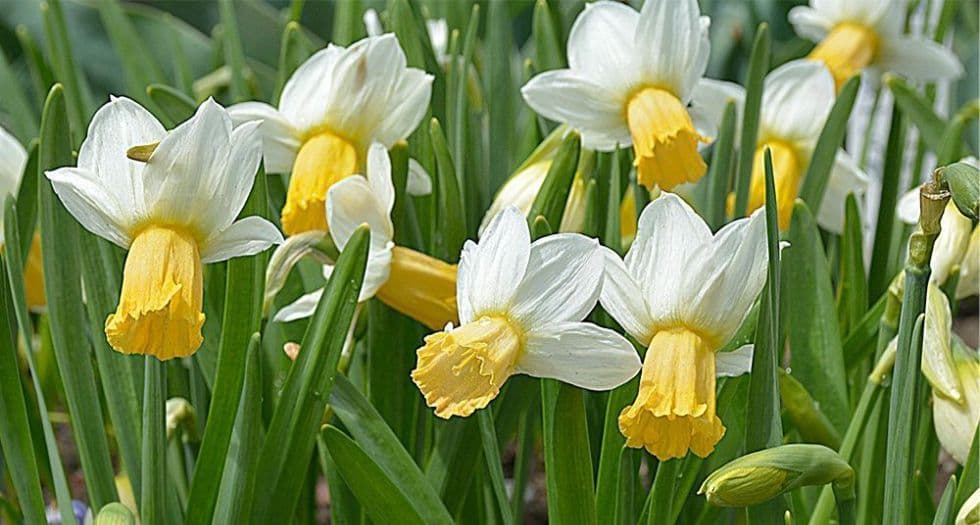
Narcissus
Narcissus fragrance is derived from species such as Narcissus poeticus and jonquil (Narcissus jonquilla), bulbous flowering plants native to the meadows and rocky hillsides of southern Europe and North Africa. The extraction of narcissus absolute is a painstaking process requiring solvent extraction of the delicate flowers, yielding a rich, semi-solid material in very small quantities. This rarity, combined with its extraordinary aromatic character, makes narcissus one of the most coveted ingredients in haute perfumery. The scent of narcissus is intensely heady and green-floral, with a compelling complexity that mingles fresh greenness, honey, a subtle rubbery-medicinal quality, and a deep sweetness that borders on narcotic. There is something simultaneously natural and unsettling about narcissus — its beauty is laced with a wild, almost hypnotic edge that has captivated perfumers for generations. On skin, it evolves beautifully, revealing new facets of warmth and florality as it dries. Narcissus is a signature ingredient in chypre and green floral compositions, lending them an unmistakable depth and naturalistic complexity. It blends magnificently with iris, oakmoss, violet, and woody notes. At Fragrenza, our Narcissus collection celebrates this rare and captivating floral through expertly crafted fragrance dupes that honour its intoxicating spirit while keeping luxury accessible.
- 🌿
Narcissus absolute
Narcissus absolute is a floral note that adds softness, radiance, and emotional warmth to a composition. Depending on the flower or accord, it can feel fresh, creamy, powdery, honeyed, green, indolic, or airy. In perfumery, floral notes often form the heart of a fragrance, giving it body and a recognizable character. Narcissus absolute pairs well with citrus, white musk, rose, jasmine, sandalwood, amber, vanilla, iris, and delicate fruits, making it useful in both classic bouquets and modern transparent florals.
- 🌿
Narrow-leaved peppermint
Narrow-leaved peppermint is a spicy note that gives fragrance heat, texture, and aromatic energy. It can feel sweet, dry, peppery, resinous, herbal, smoky, or slightly medicinal depending on the material. In perfumery, spices create contrast, deepen the heart, and bridge fresh top notes with warm woody or amber bases. It pairs especially well with citrus, rose, tobacco, vanilla, oud, sandalwood, patchouli, leather, and balsamic resins.
- 🌿
Nashi pear
Nashi pear — Pyrus pyrifolia, also known as Asian pear, Japanese pear, or apple pear — is a beloved fruit across East Asia, prized for its crisp texture and delicate, refreshingly light sweetness. Unlike the richly jammy character of European pears, nashi has an almost watery clarity to its flavour and scent — clean, lightly sweet, and subtly floral, with a fresh fruitiness that feels genuinely gentle and unheavy. In fragrance, this translates into one of the most refined and ethereal of the fruit notes. The nashi pear accord in perfumery captures the fruit's defining quality: a delicate, watery sweetness that reads as fresh and transparent rather than ripe and rich. There is a faint floral edge to it — a light, almost blossom-like quality — that bridges the gap between fruit and flower with elegance. It is a note that evokes clean, cool freshness: morning dew on pale fruit, the inside of a refrigerator stocked with pristine produce. Precise and refined rather than lush and indulgent. Nashi pear is a natural choice for light floral and aquatic fragrance families, where its gentle sweetness adds fruit without weight. It pairs beautifully with white tea, lily, magnolia, clean musks, and soft woods in compositions that feel serene and modern. At Fragrenza, our nashi pear collection brings this delicate, translucent fruit note to life — inspired by beautiful, light-handed fragrances from around the designer and niche world, offered at accessible prices for daily enjoyment.
- 🌿
Nashi pear blossom
Nashi pear blossom is a floral note that gives a fragrance softness, radiance, and emotional warmth. Depending on the flower or accord, it may feel fresh, creamy, powdery, honeyed, green, indolic, or airy. In perfumery, floral notes often form the heart of a composition, adding body and a recognizable signature. It pairs well with citrus, white musk, rose, jasmine, sandalwood, amber, vanilla, iris, and delicate fruits.
- 🌿
Nashi pear sorbet
Nashi pear sorbet is a fruity note that adds juiciness, color, and natural sweetness. It may feel crisp and tart, ripe and velvety, tropical and creamy, or dark and jammy depending on the fruit profile. In perfumery, fruity notes brighten florals, soften musks, and add pleasure to gourmand or woody structures. It pairs well with rose, peony, jasmine, white musk, vanilla, woods, citrus, amber, and soft spices.
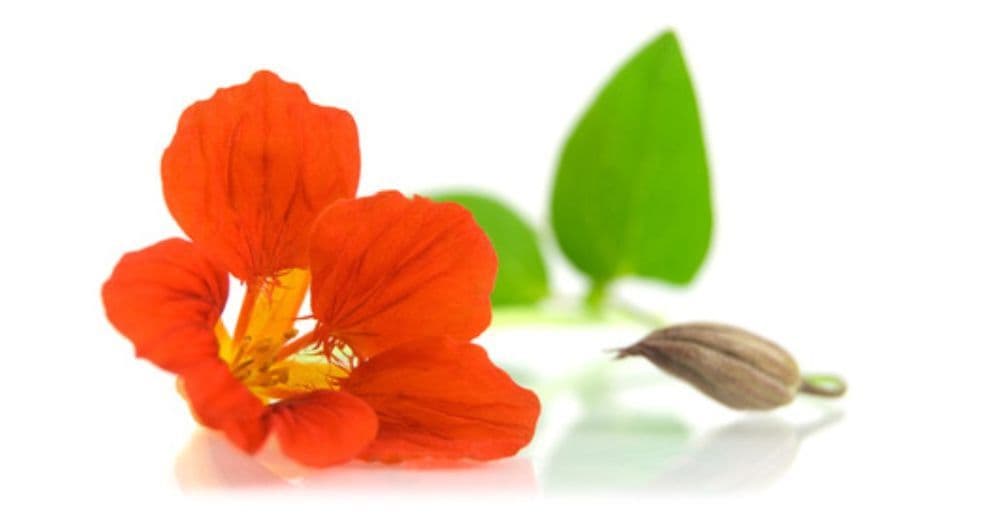
Nasturcia
Nasturtium is a specialty fragrance note with a distinctive character that can add texture, contrast, and originality to a composition. In perfumery, it is best used to create a specific mood or material impression, often alongside woods, musks, florals, resins, fruits, or green notes.
- 🌿
Nasturtium
Nasturtium — Tropaeolum majus — is one of the garden's most generously scented flowers, and also one of the most surprising. Unlike many ornamental blooms chosen primarily for visual effect, nasturtium has a fragrance that commands attention: peppery, slightly spicy, and green, with a radish-like freshness that feels more botanical and wild than conventionally floral. Both the flowers and the leaves carry this distinctive peppery quality, which comes from the same glucosinolate compounds that give wasabi and mustard their familiar heat. The olfactory character of nasturtium is vivid and immediate — a clean, green pepperiness that is bright without being harsh, and slightly spicy without the warmth of black pepper or the heat of chilli. There is a fresh, almost watery quality beneath the pepper, reminiscent of cucumber or watermelon rind, that keeps it feeling light and energetic. It is a note that adds genuine vitality to a composition — a kind of botanical fizz that wakes up the senses. Nasturtium has found an appreciative audience in contemporary niche perfumery's exploration of edible and garden-herb ingredients. It pairs brilliantly with tomato leaf, violet, green tea, and citrus to create fragrances that feel bright, lively, and genuinely naturalistic. At Fragrenza, our nasturtium collection celebrates this spirited and peppery green — inspired by inventive, garden-fresh fragrances from across the designer and niche spectrum, delivered at prices that encourage exploration.
- 🌿
Neapolitan maple
Neapolitan maple is a specialty note used to give a fragrance a distinctive texture, mood, or material impression. Depending on interpretation, it may contribute freshness, warmth, sweetness, dryness, softness, or an abstract atmospheric effect. In perfumery, specialty notes are useful because they make a composition feel more specific and less generic. It can be paired with woods, musks, florals, resins, fruits, green notes, spices, or amber materials according to the intended style.
- 🌿
Nectar
Nectar is a dark textured note that may suggest leather, smoke, tobacco, tar, ash, or warm dry materials. It gives fragrance depth, sensuality, and a more dramatic atmosphere. In perfumery, smoky and leathery notes are often used in bases, where they add strength and character without needing sweetness. It pairs well with oud, saffron, birch tar, amber, tobacco, rose, patchouli, vetiver, incense, and dry woods.
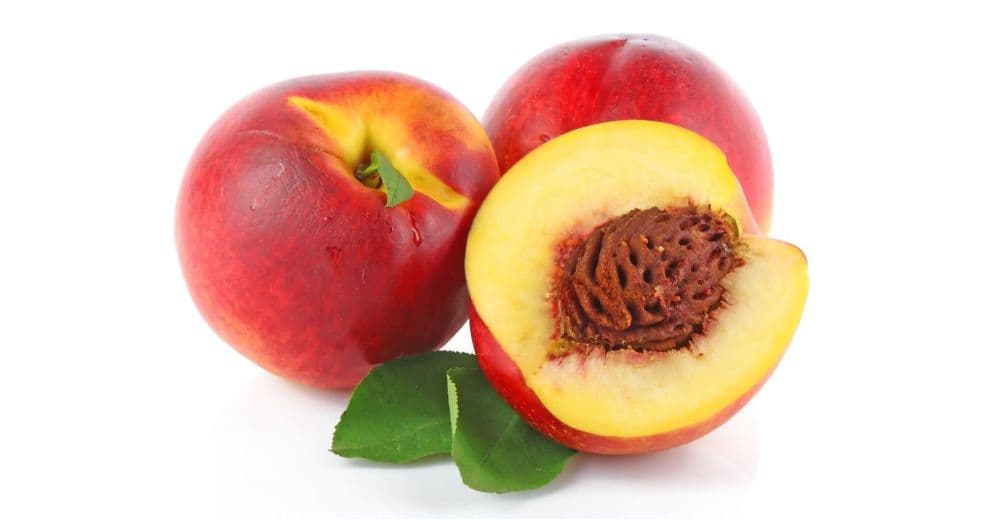
nectarine
The nectarine — a smooth-skinned variety of Prunus persica — is one of the most sensually satisfying of the stone fruits, combining the lush sweetness of peach with a slightly sharper, more vibrant edge that keeps it feeling bright and alive. In fragrance, nectarine has become a beloved addition to fruity, floral, and chypre compositions since the fruit-forward revolution of the 1990s, offering a vivid, sun-warmed sweetness that feels immediately appealing and effortlessly wearable. The scent profile of nectarine sits between peach and plum in the stone fruit family: it has the characteristic fuzzy sweetness of peach — warm, jammy, slightly lactonic — but with a slightly more defined, tart edge that gives it greater brightness and definition. At its best, a nectarine note evokes ripe fruit freshly cut in summer sunlight: juicy, sweet-tart, and richly aromatic. It is a note that feels both elegant and naturally generous. Nectarine became a defining note of the fruity-floral genre, pairing effortlessly with rose, peony, violet, jasmine, and soft white musks. It also adds vivid, appetising warmth to chypre and woody oriental compositions when used with skill. At Fragrenza, our nectarine collection captures the vibrant, sun-ripened character of this beloved stone fruit — drawing inspiration from the world's most celebrated fruity floral and chypre fragrances, offered at prices that put designer-quality scent within everyone's reach.
- 🌿
Nectarine blossom
Nectarine blossom is the delicate, fleeting flower of the nectarine tree — a note that captures the promise of fruit before the fruit itself arrives. Appearing in early spring, nectarine blossoms are soft and pale-hued, with a fragrance that mirrors the fruit they will become: gently sweet, slightly tart, and unmistakably of the Prunus family. In perfumery, nectarine blossom offers something more ethereal and precise than the fruit note — lighter, more transparent, with a beautiful spring freshness that the ripe fruit cannot replicate. The olfactory character of nectarine blossom sits in a refined middle ground between green and floral, sweet and tart. It is softer than the ripened fruit — less jammy, more delicate — with a faint, clean aldehydic quality that speaks of opening petals and cool spring air. There is a slight honey-dew aspect to it, a gentle dewiness that makes it feel genuinely botanical and seasonal. It is a note that rewards a light touch and benefits from transparent treatment in a composition. Nectarine blossom pairs beautifully with other spring florals — cherry blossom, peach blossom, magnolia, and light rose — as well as fresh citrus and clean musks, creating compositions that feel delicate, seasonal, and quietly joyful. At Fragrenza, our nectarine blossom collection celebrates this tender spring note — inspired by some of the most beautiful and refined floral fragrances in contemporary designer and niche perfumery, delivered at genuinely accessible prices.
- 🌿
Nenuphar
Nenuphar is a specialty note used to give a fragrance a distinctive texture, mood, or material impression. Depending on interpretation, it may contribute freshness, warmth, sweetness, dryness, softness, or an abstract atmospheric effect. In perfumery, specialty notes are useful because they make a composition feel more specific and less generic. It can be paired with woods, musks, florals, resins, fruits, green notes, spices, or amber materials according to the intended style.
- 🌿
Nepalese oud
Nepalese oud is a woody note used to create structure, depth, and lasting warmth. Its scent may be dry, creamy, smoky, resinous, earthy, pencil-like, or polished depending on the wood or accord. In perfumery, woody notes often support the whole composition and help connect fresh openings with deeper bases. Nepalese oud pairs naturally with amber, musk, incense, leather, vetiver, patchouli, spices, citrus, and soft resins, making it useful in masculine, feminine, and unisex fragrances.
- 🌿
Nepalese pepper
Nepalese pepper is a spicy note that gives fragrance heat, texture, and aromatic energy. It can feel sweet, dry, peppery, resinous, herbal, smoky, or slightly medicinal depending on the material. In perfumery, spices create contrast, deepen the heart, and bridge fresh top notes with warm woody or amber bases. It pairs especially well with citrus, rose, tobacco, vanilla, oud, sandalwood, patchouli, leather, and balsamic resins.
- 🌿
Nepalese Sichuan pepper
Nepalese Sichuan pepper is a spicy note that adds heat, texture, and aromatic energy to a fragrance. It may feel sweet, dry, peppery, resinous, herbal, smoky, or slightly medicinal depending on the material. In perfumery, spices create contrast, deepen the heart, and help bridge fresh top notes with warm woody or amber bases. Nepalese Sichuan pepper pairs especially well with citrus, rose, tobacco, vanilla, oud, sandalwood, patchouli, leather, and balsamic resins.
- 🌿
Nerello grape
Nerello grape is a fruity note that adds juiciness, color, and natural sweetness. It may feel crisp and tart, ripe and velvety, tropical and creamy, or dark and jammy depending on the fruit profile. In perfumery, fruity notes brighten florals, soften musks, and add pleasure to gourmand or woody structures. It pairs well with rose, peony, jasmine, white musk, vanilla, woods, citrus, amber, and soft spices.
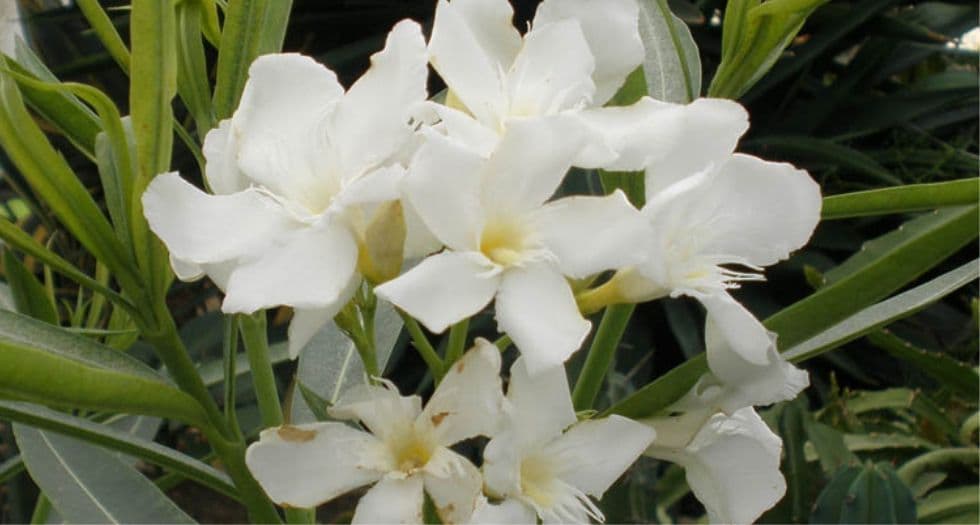
Nerium Oleander
Nerium oleander is one of the most beautiful — and botanically potent — flowering shrubs in the world. Native to the Mediterranean basin and extending eastward through Iran and India, its clusters of flowers range from white to deep pink and crimson, blooming abundantly in warm seasons and perfuming gardens, roadsides, and coastal landscapes. Despite its toxicity, oleander has long been prized as an ornamental plant, and its flowers carry a scent of quiet, honeyed loveliness. The fragrance of oleander blossom is sweet and softly floral — a gentle, honey-tinged sweetness with a clean floral heart that hints at rose and jasmine without imitating either. There is a subtle, slightly bitter undertone that balances the sweetness beautifully, keeping it from becoming saccharine and lending it a depth that more transparent florals can lack. It is a note that reads as warm and Mediterranean — sun-drenched and leisurely, with an easy, natural elegance. In perfumery, oleander works beautifully in floral bouquets and Mediterranean-inspired compositions, pairing naturally with peach, rose, jasmine, and warm musks. Its slight bitterness makes it an interesting counterpoint to very sweet or gourmand elements, adding sophistication and nuance to compositions that might otherwise feel one-dimensional. At Fragrenza, our oleander collection brings the warmth and sweetness of Mediterranean gardens into wearable form — inspired by beautiful floral fragrances from the designer and niche world, at approachable everyday prices.
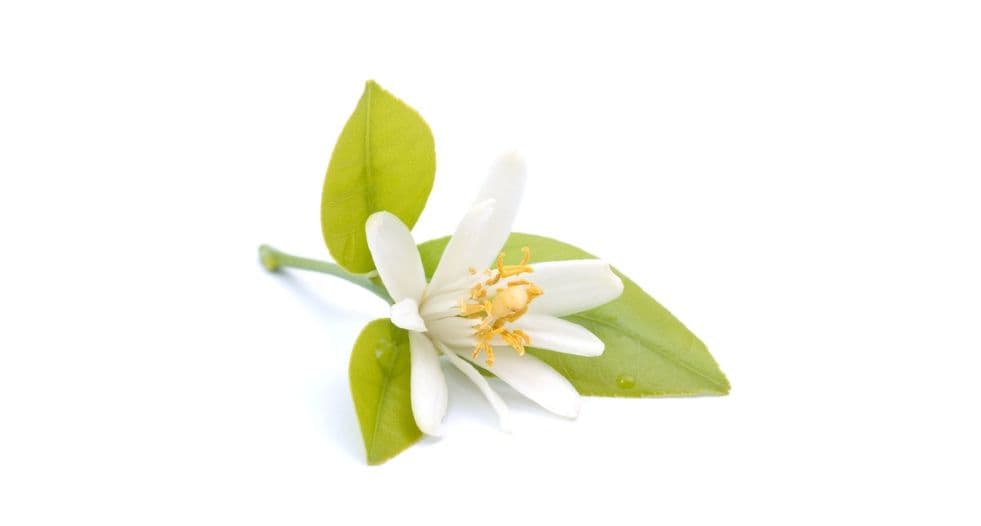
Neroli
Neroli is an essential oil obtained by steam distilling the blossoms of the bitter orange tree, Citrus aurantium. Its name is believed to derive from Anne Marie Orsini, Princess of Nerola in 17th-century Italy, who reportedly used the oil to scent her gloves and bathwater. Produced primarily in Morocco, Tunisia, Italy, and Egypt, neroli requires enormous quantities of hand-picked blossoms — making it one of the more precious citrus-derived materials in fine perfumery. Neroli's scent is a dazzling interplay of fresh citrus brightness, delicate green-floral softness, and honeyed sweetness. It opens with a sparkling, slightly tart citrus quality before blooming into a luminous white floral heart with a faint, warm indolic undercurrent. The overall effect is simultaneously energising and soothing — a fragrance that feels both sunlit and intimate. In perfumery, neroli is one of the most versatile and beloved ingredients, functioning equally well as a top note, heart note, or key accord. It is indispensable to the classic Eau de Cologne formula and appears across fresh, floral, oriental, and chypre compositions. Its ability to lift and illuminate a blend while adding genuine complexity is unmatched. Fragrenza's Neroli collection brings this radiant floral-citrus treasure to life in exceptional fragrance dupes crafted to the highest standard. Shop for neroli? [Fragrenza](https://fragrenza.com/collections/neroli-fragrances) curates a focused selection.
- 🌿
Neroli absolute
Neroli absolute is a citrus note that adds sparkle, freshness, and immediate lift to a fragrance. Its profile can include juicy pulp, aromatic peel, green bitterness, soft floral nuances, or a sharp zesty brightness depending on the material. In perfumery, it is usually used in the opening, where it brings clarity and motion before blending into florals, woods, musks, or herbs. It pairs well with neroli, tea, lavender, white musk, light woods, aquatic notes, and aromatic herbs.
- 🌿
Neroli tea
Neroli tea is a citrus note that adds sparkle, freshness, and immediate lift to a fragrance. Its profile can include juicy pulp, aromatic peel, green bitterness, soft floral nuances, or a sharp zesty brightness depending on the material. In perfumery, it is usually used in the opening, where it brings clarity and motion before blending into florals, woods, musks, or herbs. It pairs well with neroli, tea, lavender, white musk, light woods, aquatic notes, and aromatic herbs.
- 🌿
Neroliwood
Neroliwood is a citrus note that adds sparkle, freshness, and immediate lift to a fragrance. Its profile can include juicy pulp, aromatic peel, green bitterness, soft floral nuances, or a sharp zesty brightness depending on the material. In perfumery, it is usually used in the opening, where it brings clarity and motion before blending into florals, woods, musks, or herbs. It pairs well with neroli, tea, lavender, white musk, light woods, aquatic notes, and aromatic herbs.
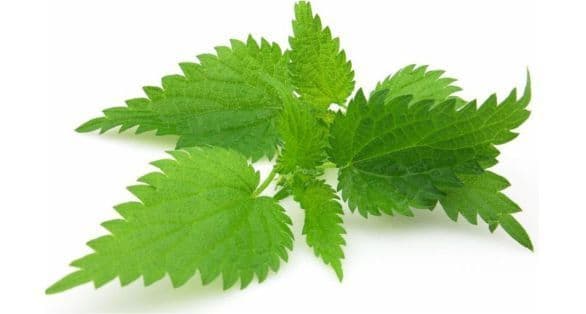
Nettle
Stinging nettle — Urtica dioica — is one of nature's most overlooked aromatic plants. Common across Europe, Asia, and North America, its sting is notorious, but its scent is something quite different: green, slightly bitter, and deeply herbal, with an earthy freshness that connects it to wild hedgerows and damp woodland margins. In perfumery, nettle offers something genuinely distinctive — a raw, honest greenness that feels unprocessed and true to nature in a way that many more polished green notes do not. The olfactory character of nettle is cool and herbal, with an underlying bitterness that prevents it from reading as simply 'fresh'. There is a faint mineral quality to it, as though it carries the memory of the damp earth it grows in, alongside a chlorophyll-rich greenness that feels vibrant and alive. It lacks the sweetness of cut grass or the sharpness of galbanum, sitting instead in a more restrained, nuanced register — complex enough to reward attention, understated enough not to dominate. Nettle has found a natural home in contemporary aromatic, green, and aquatic fragrance families, where its honest earthiness grounds otherwise ethereal compositions. It partners well with violet leaf, tomato leaf, basil, and cool musks to build fragrance landscapes that feel genuinely naturalistic. At Fragrenza, our nettle collection explores this raw, elemental green — inspired by innovative designer and niche fragrances that celebrate nature's less obvious gifts, at prices accessible to every fragrance lover.
- 🌿
New Caledonian sandalwood
New Caledonian sandalwood is a woody note used to create structure, depth, and lasting warmth. Its scent may be dry, creamy, smoky, resinous, earthy, pencil-like, or polished depending on the wood or accord. In perfumery, woody notes often support the whole composition and help connect fresh openings with deeper bases. New Caledonian sandalwood pairs naturally with amber, musk, incense, leather, vetiver, patchouli, spices, citrus, and soft resins, making it useful in masculine, feminine, and unisex fragrances.
- 🌿
New Caledonian sandalwood absolute
New Caledonian sandalwood absolute is a woody note used to create structure, depth, and lasting warmth. Its scent may be dry, creamy, smoky, resinous, earthy, pencil-like, or polished depending on the wood or accord. In perfumery, woody notes support the whole composition and connect fresh openings with deeper bases. It pairs naturally with amber, musk, incense, leather, vetiver, patchouli, spices, citrus, and soft resins.
- 🌿
New Guinea oud
New Guinea oud is a woody note used to create structure, depth, and lasting warmth. Its scent may be dry, creamy, smoky, resinous, earthy, pencil-like, or polished depending on the wood or accord. In perfumery, woody notes support the whole composition and connect fresh openings with deeper bases. It pairs naturally with amber, musk, incense, leather, vetiver, patchouli, spices, citrus, and soft resins.
- 🌿
Nicotiana alata blossom
Nicotiana alata blossom is a floral note that gives a fragrance softness, radiance, and emotional warmth. Depending on the flower or accord, it may feel fresh, creamy, powdery, honeyed, green, indolic, or airy. In perfumery, floral notes often form the heart of a composition, adding body and a recognizable signature. It pairs well with citrus, white musk, rose, jasmine, sandalwood, amber, vanilla, iris, and delicate fruits.
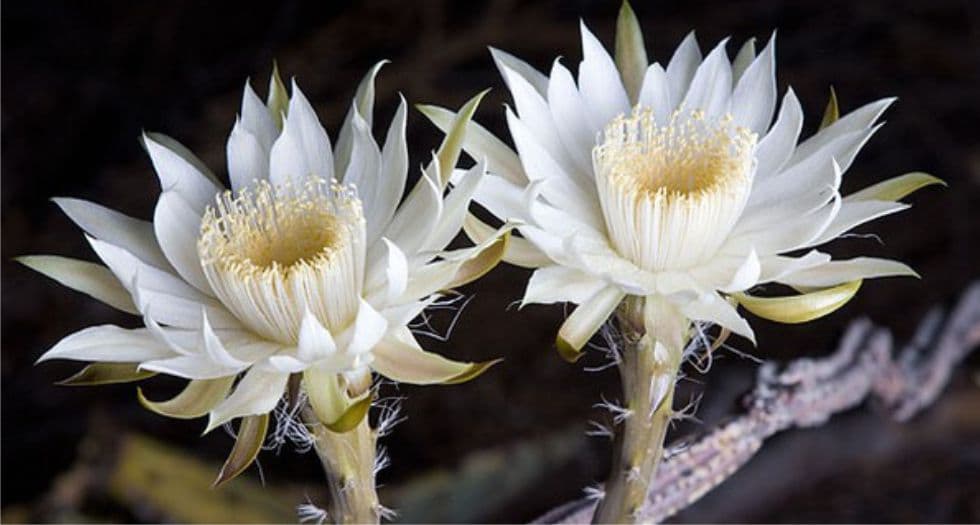
Night Blooming Cereus
Night blooming cereus — Selenicereus grandiflorus, poetically nicknamed 'queen of the night' — is one of the rarest and most spectacular floral experiences in the natural world. This climbing cactus, native to the Caribbean islands and parts of Mexico, produces enormous, luminous white flowers that bloom only once a year, opening for a single night and wilting before dawn. Witnessing — or inhaling — this event is genuinely extraordinary: the fragrance is intensely sweet, exotic, and unmistakably floral, carrying a richness that seems almost impossible for such a fleeting bloom. The scent of night blooming cereus is heady and opulent: a lush, white floral sweetness with tropical undertones — creamy, slightly waxy, and softly indolic, with depth that surpasses many more common white florals. It shares some of the richness of tuberose and the sweetness of gardenia, but with a distinctive, exotic character that feels genuinely rare. There is something about its ephemerality — the single-night bloom — that makes its fragrance feel all the more precious. In perfumery, the cereus accord is used to evoke mystery, rarity, and nocturnal romance. It is a natural companion for sandalwood, vanilla, ylang-ylang, and luminous white musks, appearing in compositions designed to feel otherworldly and special. At Fragrenza, our night blooming cereus collection brings this elusive, exotic note to your everyday life — inspired by the most beautifully crafted white floral and exotic fragrances, offered at genuinely accessible prices.
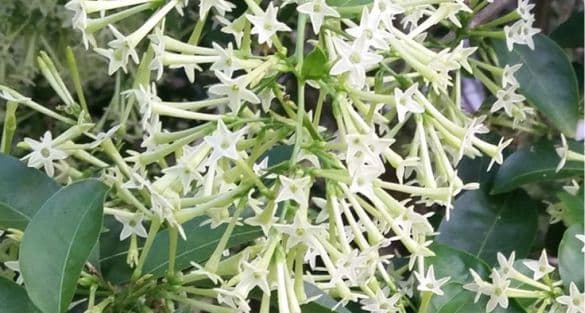
Night Blooming Jasmine
Night blooming jasmine — Cestrum nocturnum, commonly known as queen of the night or night jessamine — is one of the plant kingdom's most intensely fragrant species. Native to the Caribbean and Central America, it belongs not to the true jasmine family but to the Solanaceae. What it lacks in botanical kinship it more than compensates for in olfactory power: when darkness falls, its small, tubular flowers release a scent of breathtaking intensity — a rich, jasmine-like sweetness so powerful it can perfume an entire garden from a single plant. The scent of Cestrum nocturnum is heady and narcotic: deeply sweet, with the classic indolic richness of white flowers taken to an extreme. It has more depth and complexity than common jasmine — a slightly green, almost tropical facet running beneath the sweetness, and a soft creaminess in the drydown that makes it feel both lush and intimate. It is a quintessentially nocturnal note — bold, romantic, and slightly overwhelming in the most pleasurable way. In perfumery, night blooming jasmine inspires rich, sensual white floral compositions and is often evoked through blends of jasmine absolute, tuberose, and exotic floralcy. It pairs naturally with ylang-ylang, gardenia, warm musks, and sandalwood to create fragrances that feel made for evenings and warm nights. At Fragrenza, our night blooming jasmine collections capture this intoxicating nocturnal drama — offering inspired dupes of the world's most celebrated white floral fragrances, at prices that make the extraordinary accessible.
- 🌿
Night-blooming flowers
Night-blooming flowers is a floral note that gives a fragrance softness, radiance, and emotional warmth. Depending on the flower or accord, it may feel fresh, creamy, powdery, honeyed, green, indolic, or airy. In perfumery, floral notes often form the heart of a composition, adding body and a recognizable signature. It pairs well with citrus, white musk, rose, jasmine, sandalwood, amber, vanilla, iris, and delicate fruits.
- 🌿
Night-blooming jasmine absolute
Night-blooming jasmine absolute is a floral note that gives a fragrance softness, radiance, and emotional warmth. Depending on the flower or accord, it may feel fresh, creamy, powdery, honeyed, green, indolic, or airy. In perfumery, floral notes often form the heart of a composition, adding body and a recognizable signature. It pairs well with citrus, white musk, rose, jasmine, sandalwood, amber, vanilla, iris, and delicate fruits.
- 🌿
Nirvanolide®
Nirvanolide® is a specialty note used to give a fragrance a distinctive texture, mood, or material impression. Depending on interpretation, it may contribute freshness, warmth, sweetness, dryness, softness, or an abstract atmospheric effect. In perfumery, specialty notes are useful because they make a composition feel more specific and less generic. It can be paired with woods, musks, florals, resins, fruits, green notes, spices, or amber materials according to the intended style.
- 🌿
Nootka cypress
Nootka cypress is a specialty note used to give a fragrance a distinctive texture, mood, or material impression. Depending on interpretation, it may contribute freshness, warmth, sweetness, dryness, softness, or an abstract atmospheric effect. In perfumery, specialty notes are valuable because they make a composition feel more specific and less generic. Nootka cypress can be paired with woods, musks, florals, resins, fruits, green notes, spices, or amber materials according to the intended style.
- 🌿
Nori
Nori is a specialty note used to give a fragrance a distinctive texture, mood, or material impression. Depending on interpretation, it may contribute freshness, warmth, sweetness, dryness, softness, or an abstract atmospheric effect. In perfumery, specialty notes are useful because they make a composition feel more specific and less generic. It can be paired with woods, musks, florals, resins, fruits, green notes, spices, or amber materials according to the intended style.
- 🌿
Norlimbanol™
Norlimbanol is a captive woody fragrance molecule developed by Firmenich, one of the world's leading fragrance and flavour companies. First introduced in the 1990s, it quickly became one of the most influential materials in modern perfumery — a synthetic marvel that delivers an extraordinarily powerful, dry, sandalwood-like woody warmth with a distinctive skin-close character. Its development helped define the 'woody skin' aesthetic that has shaped countless bestselling fragrances over the past three decades. The olfactory profile of Norlimbanol is dry, creamy, and profoundly woody — evoking the smooth, milky richness of sandalwood without directly replicating it. It has a skin-warm quality that makes it feel personal and intimate, as though it emanates from the body rather than a bottle. There is a subtle dryness to it — less sweet than Iso E Super, less sharp than cedar — that gives compositions a quiet, confident depth. Even in tiny concentrations it makes its presence felt with remarkable tenacity. Norlimbanol has become a backbone ingredient in contemporary woody, skin-scent, and amber fragrances, lending backbone and longevity to compositions across virtually every genre. It is a natural partner for musk, ambrette, vetiver, and sandalwood, and plays a crucial role in many of today's most admired designer and niche perfumes. At Fragrenza, our Norlimbanol collections showcase this exceptional molecule — offering expertly crafted dupes of fragrances that feature its distinctive dry, woody-skin signature, at prices everyone can access.
- 🌿
North African neroli Orpur®
North African neroli Orpur® is a citrus note that adds sparkle, freshness, and immediate lift to a fragrance. Its profile can include juicy pulp, aromatic peel, green bitterness, soft floral nuances, or a sharp zesty brightness depending on the material. In perfumery, it is usually used in the opening, where it brings clarity and motion before blending into florals, woods, musks, or herbs. It pairs well with neroli, tea, lavender, white musk, light woods, aquatic notes, and aromatic herbs.
- 🌿
North African rosemary
North African rosemary is a floral note that gives a fragrance softness, radiance, and emotional warmth. Depending on the flower or accord, it may feel fresh, creamy, powdery, honeyed, green, indolic, or airy. In perfumery, floral notes often form the heart of a composition, adding body and a recognizable signature. It pairs well with citrus, white musk, rose, jasmine, sandalwood, amber, vanilla, iris, and delicate fruits.
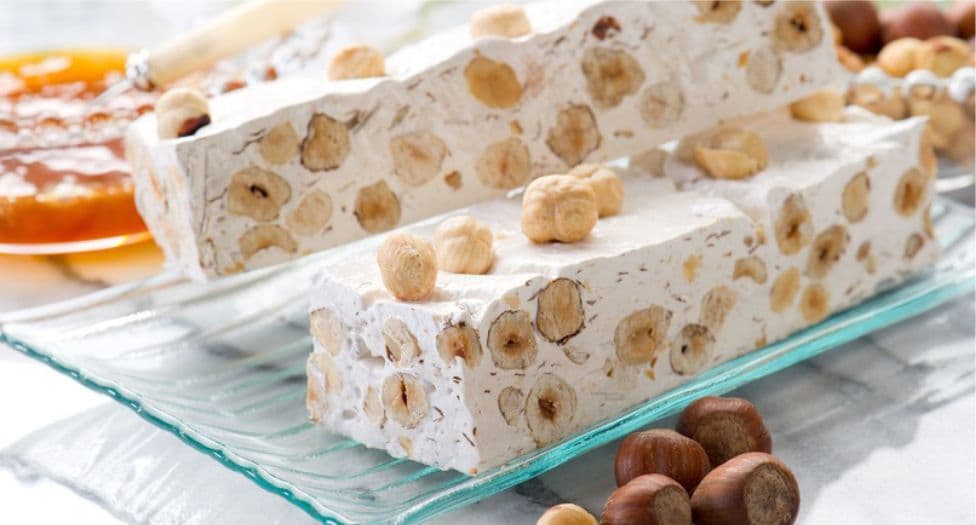
Nougat
Nougat is a fragrance note that belongs to the heart of the gourmand tradition — sweet, creamy, and deeply comforting, evoking the confection made from honey, egg whites, and toasted almonds that has delighted sweet-lovers across the Mediterranean and Middle East for centuries. In perfumery, a nougat accord distills this sugary pleasure into something wearable: the honeyed softness of nougat's base, the gentle nuttiness of almond, and a creamy, almost milky sweetness that lingers warmly on skin. What distinguishes a well-crafted nougat note from simple sweetness is its texture — the sense of something soft and yielding, with layers that reveal themselves gradually. The honey facets come first, warm and slightly waxy; then the almond character emerges, mellow and round; finally a clean, creamy softness settles in that feels genuinely comforting rather than cloying. It is a note that rewards patience and works best when balanced with restraint. Nougat has become a beloved building block in modern gourmand and oriental fragrance design, pairing naturally with vanilla, caramel, praline, tonka bean, and soft musks. It also adds unexpected warmth to white floral and woody compositions, introducing a sweetness that feels earned rather than applied. At Fragrenza, our nougat collections invite you into this world of soft, honeyed indulgence — inspired by some of the most celebrated sweet fragrances in designer and niche perfumery, at prices that put luxury within reach.
- 🌿
Nut grass
Nut grass — known botanically as Cyperus rotundus — is one of perfumery's most distinctive earthy materials, with deep roots in Indian and Middle Eastern fragrance traditions. Despite its unassuming appearance as a common grass weed, its underground rhizomes yield an essential oil of remarkable complexity: earthy, woody, and faintly smoky, with a dry, almost mineral quality that is unlike anything else in the perfumer's palette. It is sometimes called nagarmotha in Hindi, and its use in Indian attars and Ayurvedic preparations stretches back thousands of years. The olfactory character of nut grass is best described as the scent of dry, sun-warmed earth — but refined. There is an earthiness that recalls patchouli or vetiver, but lighter and drier; a woodiness that sits somewhere between cedar and costus; and a subtle smokiness that gives it real character and depth. Perfumers prize nut grass for its ability to ground a composition, adding a naturalness and connection to raw earth that synthetic materials can rarely replicate. In modern perfumery, nut grass appears frequently in smoky, earthy, and woody oriental compositions, often alongside oud, sandalwood, vetiver, and incense. It is a note that rewards attention — subtle at first, but unmistakably complex on close inspection. At Fragrenza, our nut grass collections highlight this rare and fascinating material, offering inspired dupes of premium fragrances that feature its distinctive earthy signature — at accessible prices for every fragrance enthusiast.
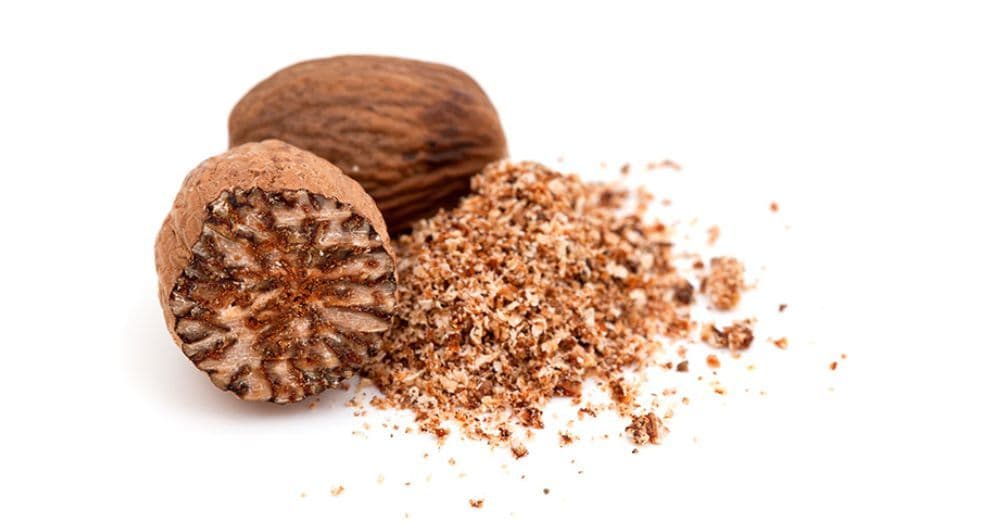
Nutmeg
Nutmeg has perfumed the world's kitchens and apothecaries for millennia, and its transition into fine fragrance feels entirely natural. Derived from the seed of Myristica fragrans, a tropical evergreen tree native to the Banda Islands of Indonesia, nutmeg carries the memory of the spice trade: precious, aromatic, and profoundly warm. Its essential oil and oleoresin have been used in perfumery since the earliest oriental compositions, lending a woody-spicy depth that feels both exotic and familiar. The scent of nutmeg is characteristically warm and woody, with a spicy sharpness that softens quickly into something sweeter and more rounded. Unlike clove, which is sharp and medicinal, or cinnamon, which reads as distinctly sweet, nutmeg occupies a subtler register — slightly sweet, slightly woody, with a faint camphoraceous edge that prevents it from becoming cloying. It is a spice that perfumers use with precision, for its ability to add dimension without dominating a composition. Nutmeg is a natural fit for oriental, spicy, and woody fragrance families, where it deepens amber bases and adds warmth to resinous hearts. It partners beautifully with clove, cinnamon, sandalwood, and patchouli in classic oriental structures, and finds a more modern home alongside leather, oud, and tobacco in contemporary niche compositions. At Fragrenza, our nutmeg collections bring this storied spice to life — inspired by the world's finest designer and niche fragrances, delivered at prices that make them genuinely accessible. Find it featured prominently in [Fragrenza's nutmeg edit](https://fragrenza.com/collections/nutmeg-fragrances).
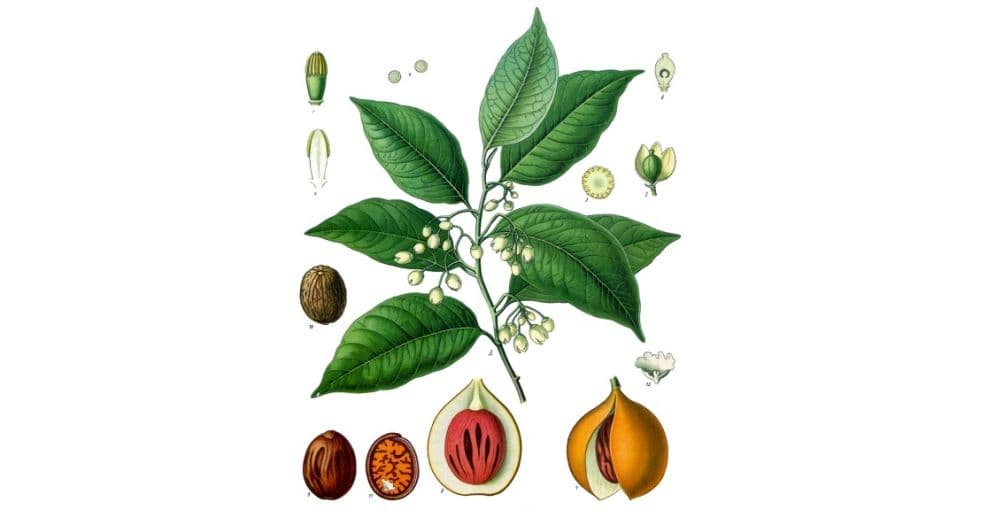
Nutmeg flower
Nutmeg Flower is a floral note with fresh petals, soft sweetness, and a refined natural brightness. In perfumery, it can add elegance, color, and lift to floral bouquets, musks, fruity florals, powdery accords, and modern feminine compositions.
- 🌿
Nuts
Nuts is a gourmand note that adds edible warmth, sweetness, and comfort to a fragrance. It may suggest cream, sugar, nuts, chocolate, coffee, honey, pastry, or toasted grains depending on the accord. In perfumery, gourmand notes make compositions feel cozy and sensual, but they work best when balanced with woods, musks, spices, citrus, or resins. Nuts pairs well with vanilla, tonka bean, sandalwood, amber, caramel, cacao, coffee, and soft florals.
- 🌿
Nyctanthes arbor-tristis
Nyctanthes arbor-tristis is a specialty note used to give a fragrance a distinctive texture, mood, or material impression. Depending on interpretation, it may contribute freshness, warmth, sweetness, dryness, softness, or an abstract atmospheric effect. In perfumery, specialty notes are useful because they make a composition feel more specific and less generic. It can be paired with woods, musks, florals, resins, fruits, green notes, spices, or amber materials according to the intended style.
- 🌿
Nympheal®
Nympheal® is a specialty note used to give a fragrance a distinctive texture, mood, or material impression. Depending on interpretation, it may contribute freshness, warmth, sweetness, dryness, softness, or an abstract atmospheric effect. In perfumery, specialty notes are useful because they make a composition feel more specific and less generic. It can be paired with woods, musks, florals, resins, fruits, green notes, spices, or amber materials according to the intended style.
O
Oak
Oak wood is one of perfumery's most enduring materials — a dry, tannic, and deeply structural note that has underpinned Western fragrance traditions for centuries. The oak tree, Quercus robur and its relatives, yields a wood with a distinctive character: smooth yet complex, with a dryness that reads as both masculine and timeless. Whether encountered in aged wine barrels, forest clearings, or the base of a classic chypre, oak wood carries an unmistakable authority. In olfactory terms, oak wood sits firmly in the dry-woody register. It is less sweet than sandalwood, less sharp than cedar, and less smoky than birch — instead offering a clean, tannic depth that feels grounded and assured. There is often a faint earthiness to oak, a whisper of moss and forest floor that connects it to its natural habitat. This quality made it an anchor ingredient in the chypre tradition, where it worked in concert with oakmoss, labdanum, and bergamot to create some of the twentieth century's most celebrated fragrances. Oak works beautifully across a wide range of fragrance contexts — pairing with leather, tobacco, and vetiver in bold masculine compositions, or with iris, rose, and aldehydes in more refined, classic structures. It adds backbone without aggression. At Fragrenza, our oak wood collections pay tribute to this timeless material, offering expertly crafted fragrance dupes inspired by the world's finest designer and niche perfumes — at prices that open luxury up to everyone.
- 🌿
Oak absolute
Oak absolute is a woody note used to create structure, depth, and lasting warmth. Its scent may be dry, creamy, smoky, resinous, earthy, pencil-like, or polished depending on the wood or accord. In perfumery, woody notes often support the whole composition and help connect fresh openings with deeper bases. Oak absolute pairs naturally with amber, musk, incense, leather, vetiver, patchouli, spices, citrus, and soft resins, making it useful in masculine, feminine, and unisex fragrances.
- 🌿
Oak CO2
Oak CO2 is a woody note used to create structure, depth, and lasting warmth. Its scent may be dry, creamy, smoky, resinous, earthy, pencil-like, or polished depending on the wood or accord. In perfumery, woody notes support the whole composition and connect fresh openings with deeper bases. It pairs naturally with amber, musk, incense, leather, vetiver, patchouli, spices, citrus, and soft resins.
- 🌿
Oak leaf
Oak leaf is a woody note used to create structure, depth, and lasting warmth. Its scent may be dry, creamy, smoky, resinous, earthy, pencil-like, or polished depending on the wood or accord. In perfumery, woody notes support the whole composition and connect fresh openings with deeper bases. It pairs naturally with amber, musk, incense, leather, vetiver, patchouli, spices, citrus, and soft resins.
- 🌿
Oak moss
Oak moss is a woody note used to give fragrance structure, depth, and lasting warmth. Its profile may be dry, creamy, smoky, resinous, earthy, or polished depending on the source or accord. In perfumery, woody notes often form the backbone of a composition, supporting lighter citrus, floral, spicy, or aromatic materials. It pairs naturally with amber, musk, incense, leather, vetiver, patchouli, spices, and soft resins.
- 🌿
Oak wood
Oak wood is a woody note used to create structure, depth, and lasting warmth. Its scent may be dry, creamy, smoky, resinous, earthy, pencil-like, or polished depending on the wood or accord. In perfumery, woody notes often support the whole composition and help connect fresh openings with deeper bases. Oak wood pairs naturally with amber, musk, incense, leather, vetiver, patchouli, spices, citrus, and soft resins, making it useful in masculine, feminine, and unisex fragrances.
- 🌿
Oak wood absolute
Oak wood absolute is a woody note used to create structure, depth, and lasting warmth. Its scent may be dry, creamy, smoky, resinous, earthy, pencil-like, or polished depending on the wood or accord. In perfumery, woody notes support the whole composition and connect fresh openings with deeper bases. It pairs naturally with amber, musk, incense, leather, vetiver, patchouli, spices, citrus, and soft resins.
- 🌿
Oak wood CO2
Oak wood CO2 is a woody note used to create structure, depth, and lasting warmth. Its scent may be dry, creamy, smoky, resinous, earthy, pencil-like, or polished depending on the wood or accord. In perfumery, woody notes support the whole composition and connect fresh openings with deeper bases. It pairs naturally with amber, musk, incense, leather, vetiver, patchouli, spices, citrus, and soft resins.
- 🌿
Oaken barrel
Oaken barrel is a woody note used to create structure, depth, and lasting warmth. Its scent may be dry, creamy, smoky, resinous, earthy, pencil-like, or polished depending on the wood or accord. In perfumery, woody notes support the whole composition and connect fresh openings with deeper bases. It pairs naturally with amber, musk, incense, leather, vetiver, patchouli, spices, citrus, and soft resins.
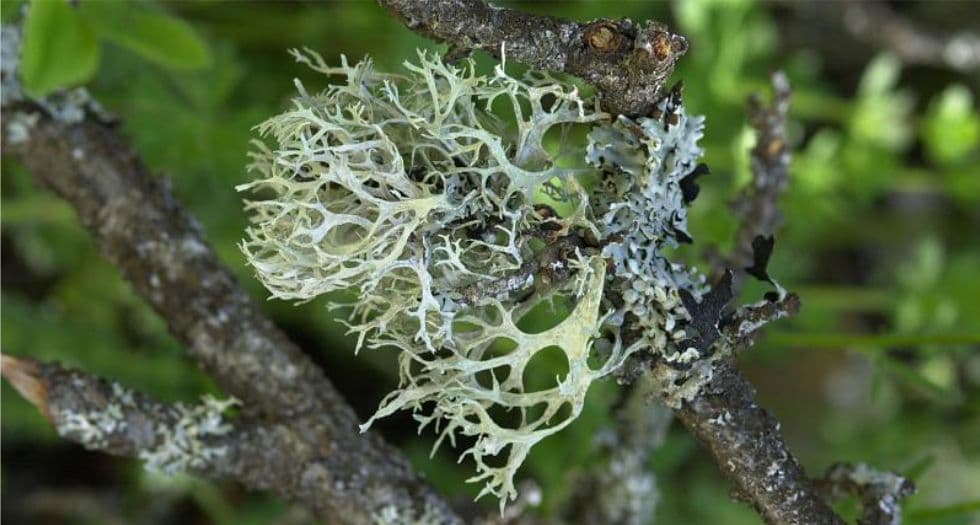
Oakmoss
Oakmoss is a lichen, Evernia prunastri, that grows on the bark of oak trees across temperate forests of Europe and North America. It has been harvested for perfumery since the Middle Ages and was for centuries an irreplaceable pillar of classical fragrance. Extracted as an absolute, oakmoss delivers one of the most characterful raw materials in the perfumer's vocabulary — dense, tenacious, and deeply evocative of damp woodland environments. The scent of oakmoss is earthy, mossy, and profoundly green, with a dark, slightly marine, almost seaweed-like quality. It carries undertones of bark, soil, and the cool forest floor, with a bitter-sweet depth that is unmistakably naturalistic. Its tenacity is legendary — once applied to the skin or fabric, its presence lingers for hours, anchoring and enriching every note it accompanies. Oakmoss is the structural backbone of the chypre family of fragrances, providing the earthy-mossy counterpoint to citrus top notes and labdanum base notes that defines the chypre accord. It is equally essential to the fougère family. Due to modern allergen restrictions, natural oakmoss is now used sparingly, making compositions that feature it — and the quality dupes in Fragrenza's Oakmoss collection — all the more precious and sought after. Looking for it in a bottle? Browse [affordable oakmoss scents](https://fragrenza.com/collections/oakmoss-fragrances) on Fragrenza.
- 🌿
Oakmoss absolute
Oakmoss absolute is a woody note used to create structure, depth, and lasting warmth. Its scent may be dry, creamy, smoky, resinous, earthy, pencil-like, or polished depending on the wood or accord. In perfumery, woody notes often support the whole composition and help connect fresh openings with deeper bases. Oakmoss absolute pairs naturally with amber, musk, incense, leather, vetiver, patchouli, spices, citrus, and soft resins, making it useful in masculine, feminine, and unisex fragrances.
- 🌿
Oakwood CO2
Oakwood CO2 is a woody note used to create structure, depth, and lasting warmth. Its scent may be dry, creamy, smoky, resinous, earthy, pencil-like, or polished depending on the wood or accord. In perfumery, woody notes often support the whole composition and help connect fresh openings with deeper bases. Oakwood CO2 pairs naturally with amber, musk, incense, leather, vetiver, patchouli, spices, citrus, and soft resins, making it useful in masculine, feminine, and unisex fragrances.
Oat
The scent of oat is one of the most quietly comforting in the fragrance world — a milky, cereal warmth that evokes slow mornings, wholesome simplicity, and soft domesticity. Derived from Avena sativa, the common oat plant, oat accords in perfumery capture the ingredient's most characteristic qualities: a gentle sweetness, a creamy grain character, and a soft, almost powdery drydown that feels clean and nourishing on skin. Olfactorily, oat sits at the intersection of the gourmand and the clean — it is sweeter than bread but less sugary than vanilla, more textural than a simple musk but far softer than wood. The best oat accords have an almost milky quality, reminiscent of warm porridge or fresh oat milk, with a subtle earthiness that keeps them from tipping into dessert territory. This balance makes oat notes exceptionally wearable and broadly appealing. In perfumery, oat notes have found a home in comfort-oriented compositions, often paired with sandalwood, vanilla, and soft skin musks to create fragrances that feel like a warm embrace. They also work beautifully alongside white florals and delicate honey accords, adding body and a subtle grain sweetness. At Fragrenza, our oat-note fragrances celebrate this comforting softness — drawing inspiration from beloved designer and niche perfumes to deliver warm, milky, and soothing scent experiences at genuinely accessible prices.
- 🌿
Ocotea quixos
Ocotea quixos is a green or aromatic note that evokes leaves, herbs, stems, fresh air, or crushed vegetation. Its profile can be crisp, bitter, watery, camphoraceous, grassy, or slightly earthy depending on the material. In perfumery, green notes add realism and lift, keeping sweet, floral, or woody compositions from feeling too heavy. It pairs well with citrus, tea, fig, violet leaf, galbanum, tomato leaf, white musk, vetiver, lavender, and light woods.
- 🌿
Oil accord
Oil accord is a specialty note used to give a fragrance a distinctive texture, mood, or material impression. Depending on interpretation, it may contribute freshness, warmth, sweetness, dryness, softness, or an abstract atmospheric effect. In perfumery, specialty notes are useful because they make a composition feel more specific and less generic. It can be paired with woods, musks, florals, resins, fruits, green notes, spices, or amber materials according to the intended style.
Oily Notes
Oily notes in perfumery describe a family of accords that evoke the sensation of warm, smooth skin — an effect that sits somewhere between the sensual and the abstract. These accords draw on ingredients like ambrette seed, musks, and certain aldehyde compounds to create a soft, fatty warmth that feels intimate and deeply human. Far from being heavy or cloying, the finest oily accords feel like a second skin: close, natural, and quietly alluring. The olfactory signature of oily notes is subtle by design. There is a smoothness to them — a gentle creaminess with faintly animalic undertones — that blurs the boundary between fragrance and skin. They add what perfumers call a 'skin effect,' making a composition feel as though it belongs entirely to the wearer rather than a bottle. This quality has made oily and fatty accords a cornerstone of modern skin-scent and intimate fragrance design. Oily notes are at their most compelling when layered with musks, soft woods, and warm resins — creating fragrances that feel sensual and lived-in rather than overtly perfumed. They also play beautifully against bright citrus or delicate florals, providing a creamy, grounding base that gives lighter ingredients staying power. At Fragrenza, our oily-note collections explore this intimate dimension of scent, offering inspired dupes of iconic fragrances that celebrate warmth, skin, and understated sensuality — all at accessible prices.
- 🌿
Oleander
Oleander is a specialty note used to give a fragrance a distinctive texture, mood, or material impression. Depending on interpretation, it may contribute freshness, warmth, sweetness, dryness, softness, or an abstract atmospheric effect. In perfumery, specialty notes are useful because they make a composition feel more specific and less generic. It can be paired with woods, musks, florals, resins, fruits, green notes, spices, or amber materials according to the intended style.
- 🌿
Olibanum
Olibanum — more commonly known as frankincense — is one of humanity's oldest and most revered aromatic substances. Harvested from the Boswellia tree, which grows in the arid highlands of Oman, Somalia, and Ethiopia, olibanum has been burned as incense and used in sacred rituals for over five thousand years. Ancient Egyptians used it in temple ceremonies and cosmetic preparations; it was among the gifts of the Magi; and it remains central to religious practice in Christianity, Islam, and numerous Eastern traditions. This long spiritual history imbues olibanum with a gravitas and depth that few other fragrance ingredients can match. In perfumery, olibanum is prized for its extraordinary complexity. The top notes are surprisingly bright and citrusy — a fresh, slightly peppery lemon-like sharpness that quickly gives way to the characteristic smoky, resinous heart. This middle phase is olibanum at its most recognisable: a warm, balsamic, slightly medicinal quality with faint woody undertones and a clean smokiness that feels ancient and meditative. As the fragrance dries down, the base notes reveal a deeper, almost sweet balsamic warmth that lingers on skin for hours. Olibanum sits at the heart of the oriental and incense fragrance families, pairing magnificently with labdanum, myrrh, oud, rose, and spices such as cinnamon and cardamom. It adds a sacred, contemplative dimension to any composition — a whisper of ceremony and history. In lighter formulas, it provides resinous depth without heaviness. At Fragrenza, our olibanum-inspired fragrances invite you to explore this ancient ingredient in modern, beautifully crafted compositions that honour its heritage while delivering genuine luxury at accessible prices.
- 🌿
Olibanum wood
Olibanum wood is a woody note used to create structure, depth, and lasting warmth. Its scent may be dry, creamy, smoky, resinous, earthy, pencil-like, or polished depending on the wood or accord. In perfumery, woody notes support the whole composition and connect fresh openings with deeper bases. It pairs naturally with amber, musk, incense, leather, vetiver, patchouli, spices, citrus, and soft resins.
Olive
The olive fruit is one of nature's most distinctive and complex aromatics — simultaneously oily and green, slightly bitter and fleshy, with a mineral, almost saline quality that anchors it firmly in the Mediterranean landscape. Fresh olives, whether green or black, have an intensely vegetal character: a bitter, slightly astringent greenness at the top, a rich, oily body note, and a warm, slightly earthy finish. The difference between green and black olive is essentially one of ripeness — green olive is sharper, more vegetal and bitter; black olive is mellower, earthier, and slightly prune-like in its deeper facets. In perfumery, olive fruit is used to create compositions with a distinctly Mediterranean and culinary character — green, slightly bitter, and oily in a way that feels simultaneously natural and striking. It is constructed using violet leaf absolute, black olive CO2 extract, fatty-green aldehydes, woody molecules, and sometimes a hint of saline mineral accords. Olive fruit notes pair remarkably with herbs such as rosemary, thyme, and lavender for full Mediterranean landscape compositions; with earthy notes like patchouli and vetiver for grounded, natural blends; and with light citrus for a brighter, more aperitif-like freshness. Olive fragrances occupy a unique culinary-botanical niche — green, sophisticated, and genuinely different from the mainstream. They are chosen by those who love the Mediterranean not as a postcard image but as a lived, sensory reality. Fragrenza's olive collection presents expertly crafted dupe interpretations of green, herbal, and Mediterranean-inspired fragrances at outstanding value.
- 🌿
Olive absolute
Olive absolute is a specialty note used to give a fragrance a distinctive texture, mood, or material impression. Depending on interpretation, it may contribute freshness, warmth, sweetness, dryness, softness, or an abstract atmospheric effect. In perfumery, specialty notes are useful because they make a composition feel more specific and less generic. It can be paired with woods, musks, florals, resins, fruits, green notes, spices, or amber materials according to the intended style.
- 🌿
Olive Blossom
Olive Blossom is a floral note that gives a fragrance softness, radiance, and emotional warmth. Depending on the flower or accord, it may feel fresh, creamy, powdery, honeyed, green, indolic, or airy. In perfumery, floral notes often form the heart of a composition, adding body and a recognizable signature. It pairs well with citrus, white musk, rose, jasmine, sandalwood, amber, vanilla, iris, and delicate fruits.
Olive blossom (flower)
Olive Blossom is a floral note with fresh petals, soft sweetness, and a refined natural brightness. In perfumery, it can add elegance, color, and lift to floral bouquets, musks, fruity florals, powdery accords, and modern feminine compositions.
Olive Leaf
Olive leaf is sourced from Olea europaea, the ancient olive tree whose roots run deep through Mediterranean civilization. Cultivated across Greece, Italy, Spain, and North Africa for millennia, the olive tree is a symbol of peace, wisdom, and endurance. While the fruit and oil are celebrated in cuisine, the leaves carry their own distinctive aromatic character that has increasingly found a home in contemporary perfumery as a fresh, natural green note. The scent of olive leaf is crisp and herbal, with a pleasantly bitter-green quality reminiscent of freshly cut foliage, light tea, and the clean mineral air of a Mediterranean hillside. There is a dry, slightly astringent quality to it that sets it apart from sweeter green notes like violet leaf or galbanum — olive leaf feels grounded, Mediterranean, and effortlessly sophisticated. In modern perfumery, olive leaf is often used to add a fresh, naturalistic herbal quality to aromatic and fougère compositions. It blends particularly well with citrus, lavender, vetiver, and sea-salt accords, lending a sun-drenched Mediterranean authenticity to fragrance narratives. At Fragrenza, our Olive Leaf collection showcases this quietly compelling ingredient in high-quality fragrance dupes that evoke the beauty of the Mediterranean with every wear.
Olive Tree
The olive tree (Olea europaea) is one of the oldest cultivated plants on earth, its origins entwined with the civilisations of the ancient Mediterranean. Olive trees are extraordinary survivors — gnarled, silver-leafed, and patient, some living for thousands of years in the same stony hillside soil. Their olfactory presence is distinctive and complex: the silvery-green, slightly dusty freshness of the leaves; the dry, woody character of ancient bark; the warm, mineral quality of sun-baked clay earth; and the faintly herbaceous, slightly bitter quality that speaks of arid, heat-bleached landscapes. In contemporary niche perfumery, the olive tree note has emerged as a sophisticated and evocative choice for perfumers seeking a scent rooted in Mediterranean landscape rather than conventional florals or woods. The accord is typically built from a combination of violet leaf absolute (for its green, slightly powdery quality), woody molecules such as iso E super or cedramber, dry earthy elements, light herbal notes, and a subtle fruity-oily undertone that references the olive fruit itself. The result is a scent that feels ancient, calm, and deeply connected to a specific landscape — the rocky Aegean coast, a Provencal hillside, a Cretan valley in August heat. Olive tree fragrances appeal to those who want a scent rooted in place and memory — unshowy, deeply characterful, and quietly beautiful. Fragrenza's olive tree collection features compelling dupe interpretations of green, woody, and Mediterranean-landscape fragrances for those who carry the spirit of the ancient groves with them.
Olive wood
Olive Wood is a textured base note with woody, dry, smooth, and sometimes leathery or resinous facets. In perfumery, it adds structure, depth, warmth, and longevity, pairing well with amber, musk, incense, rose, spices, citrus, and tobacco.
- 🌿
Omani frankincense
Omani frankincense is a warm ambered or resinous note used to give fragrance depth, softness, and long-lasting richness. It can smell balsamic, sweet, smoky, vanillic, woody, powdery, or incense-like depending on the material. In perfumery, it rounds sharp edges and creates a smooth base that holds the composition together. Omani frankincense pairs well with woods, musks, spices, vanilla, tobacco, leather, florals, oud, and other resins.
- 🌿
Omani green frankincense
Omani green frankincense is a warm ambered or resinous note used to give fragrance depth, softness, and long-lasting richness. It can smell balsamic, sweet, smoky, vanillic, woody, powdery, or incense-like depending on the material. In perfumery, it rounds sharp edges and creates a smooth base that holds the composition together. It pairs well with woods, musks, spices, vanilla, tobacco, leather, florals, oud, and other resins.
- 🌿
Omani rose
Omani rose is a floral note that gives a fragrance softness, radiance, and emotional warmth. Depending on the flower or accord, it may feel fresh, creamy, powdery, honeyed, green, indolic, or airy. In perfumery, floral notes often form the heart of a composition, adding body and a recognizable signature. It pairs well with citrus, white musk, rose, jasmine, sandalwood, amber, vanilla, iris, and delicate fruits.
- 🌿
Omani white frankincense
Omani white frankincense is a warm ambered or resinous note used to give fragrance depth, softness, and long-lasting richness. It can smell balsamic, sweet, smoky, vanillic, woody, powdery, or incense-like depending on the material. In perfumery, it rounds sharp edges and creates a smooth base that holds the composition together. It pairs well with woods, musks, spices, vanilla, tobacco, leather, florals, oud, and other resins.
Oolong tea
Oolong tea occupies a fascinating position in the world of tea — partially oxidised, it falls between the freshness of green tea and the depth of black tea, producing a flavour and aroma of extraordinary complexity. Depending on the level of oxidation and the terroir of its origin (most oolong comes from the mountainous regions of Fujian province in China and the high-altitude tea gardens of Taiwan), oolong can express orchid-like floral sweetness, ripe stone fruit, honey, toasted grain, light smoke, and a clean, lingering mineral finish. In fragrance, oolong is among the most sophisticated of all tea notes. In perfumery, oolong tea is recreated using a combination of natural tea extracts, floral aldehydes, honeyed musks, light smoke molecules, and soft woody backgrounds. The effect is a note that is simultaneously familiar and deeply interesting — it signals cleanliness and refinement while carrying a warm, slightly sweet complexity that prevents it from ever feeling sterile. Oolong pairs beautifully with jasmine, osmanthus, iris, and other delicate florals to create compositions with a distinctly East Asian elegance. It also works remarkably well with smoky or incense accords, sandalwood, and ambers when a warmer, more meditative character is desired. Oolong fragrances are chosen by those who appreciate quiet sophistication — scents that reveal their complexity slowly and reward the wearer who pays attention. Fragrenza's oolong tea collection presents thoughtfully crafted dupe interpretations of the finest tea-centred and East Asian-inspired perfumes at exceptional value.
- 🌿
Operanide®
Operanide® is a specialty note used to give a fragrance a distinctive texture, mood, or material impression. Depending on interpretation, it may contribute freshness, warmth, sweetness, dryness, softness, or an abstract atmospheric effect. In perfumery, specialty notes are useful because they make a composition feel more specific and less generic. It can be paired with woods, musks, florals, resins, fruits, green notes, spices, or amber materials according to the intended style.
- 🌿
Ophelia rose
Ophelia rose is a floral note that gives a fragrance softness, radiance, and emotional warmth. Depending on the flower or accord, it may feel fresh, creamy, powdery, honeyed, green, indolic, or airy. In perfumery, floral notes often form the heart of a composition, adding body and a recognizable signature. It pairs well with citrus, white musk, rose, jasmine, sandalwood, amber, vanilla, iris, and delicate fruits.
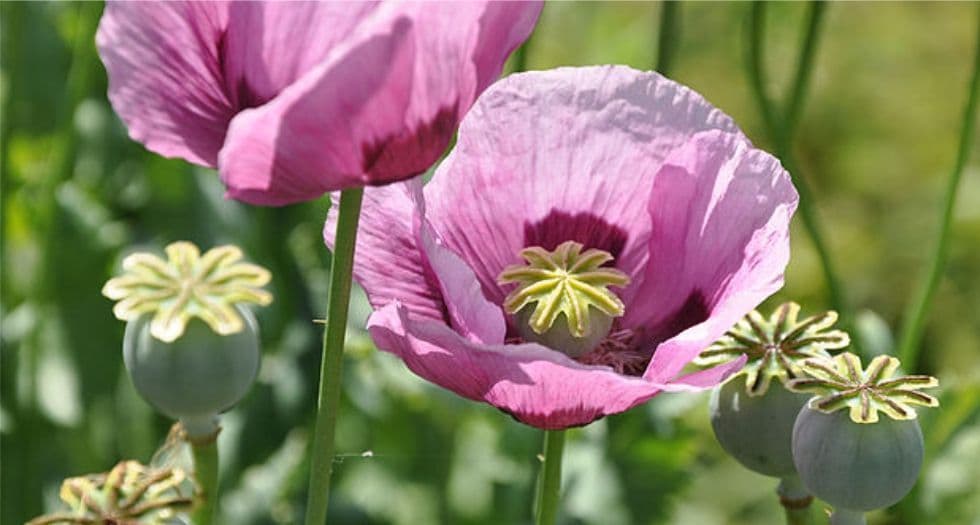
Opium
The opium accord in perfumery does not reference the drug directly but rather the olfactory world associated with its mythology — deep, narcotic richness, Eastern mystique, resinous warmth, and a hypnotic sensuality that feels both ancient and transgressive. As a fragrance category, it draws from the dense, complex palate of Oriental perfumery: heavy resins, warm spices, dark florals, and narcotic-sweet base notes that create a powerfully immersive and long-lasting sillage. These are fragrances designed to command attention and leave a lasting impression. The opium accord is typically built on a rich foundation of labdanum, benzyl benzoate, eugenol (clove), cinnamon, and deep florals such as rose, jasmine, and ylang-ylang, layered over a warm amber-vanilla base. Some interpretations add smoky incense or oud for additional darkness; others introduce fruity-floral top notes for contrast and lift. What defines the accord is not a single ingredient but a quality — a heady, enveloping warmth that feels deliberately excessive and unapologetically luxurious. These are fragrances for those who believe that subtlety is overrated. Opium-style fragrances have inspired some of the most iconic — and controversial — perfume launches in history. They remain deeply beloved by those who want their scent to be a statement of sensuality, strength, and Eastern-inspired mystery. Fragrenza's opium collection presents audacious dupe interpretations of the finest deep Oriental and narcotic-floral fragrances, delivering their dramatic impact at an accessible price.
- 🌿
Opium poppy
Opium poppy is a specialty note used to give a fragrance a distinctive texture, mood, or material impression. Depending on interpretation, it may contribute freshness, warmth, sweetness, dryness, softness, or an abstract atmospheric effect. In perfumery, specialty notes are useful because they make a composition feel more specific and less generic. It can be paired with woods, musks, florals, resins, fruits, green notes, spices, or amber materials according to the intended style.
- 🌿
Opopanax
Opopanax is a specialty note used to give a fragrance a distinctive texture, mood, or material impression. Depending on interpretation, it may contribute freshness, warmth, sweetness, dryness, softness, or an abstract atmospheric effect. In perfumery, specialty notes are valuable because they make a composition feel more specific and less generic. Opopanax can be paired with woods, musks, florals, resins, fruits, green notes, spices, or amber materials according to the intended style.
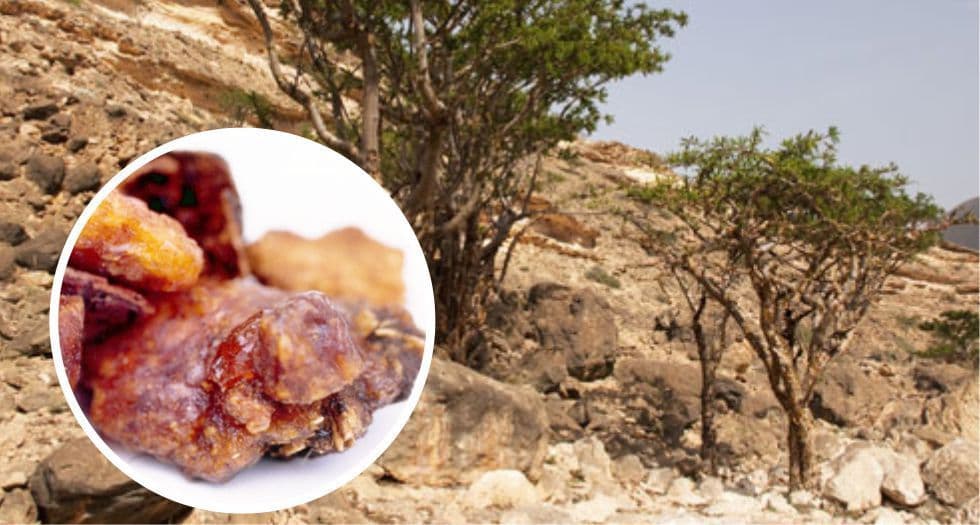
Opoponax
Opoponax — sometimes called sweet myrrh — is an ancient aromatic resin obtained from Commiphora guidottii, a tree native to the Horn of Africa and the Arabian Peninsula. One of the oldest traded perfumery materials in human history, opoponax has been used since antiquity in incense, religious ceremonies, and medicine across Egypt, Arabia, Greece, and Rome. Its scent is a sweeter, warmer cousin of myrrh: deeply balsamic, richly resinous, with notes of honey, vanilla, amber, and a subtle animalic warmth that gives it a living, breathing quality entirely unique in the resin family. In modern perfumery, opoponax is a foundational Oriental and amber ingredient. It provides warmth, sweetness, and depth to base accords — functioning as a natural fixative that extends a fragrance's longevity while contributing a complex, slightly medicinal sweetness that prevents compositions from becoming one-dimensional. Opoponax blends beautifully with labdanum, benzoin, styrax, frankincense, and vanilla in rich oriental compositions; it also adds depth and intrigue to leather accords, woody bases, and even smoky or incense-heavy fragrances. Its naturalness and complexity make it a valued bridge between synthetic and natural perfumery. Opoponax fragrances carry the weight of ancient history and sacred ritual — they feel timeless, profound, and deeply warm. Wearing them is an experience that transcends fashion and trend. Fragrenza's opoponax collection presents expertly crafted dupe interpretations of the finest resinous, balsamic, and Oriental amber fragrances, making this ancient and magnificent material accessible to the modern fragrance lover.
- 🌿
Opoponax absolute
Opoponax absolute is a warm ambered or resinous note used to give fragrance depth, softness, and long-lasting richness. It can smell balsamic, sweet, smoky, vanillic, woody, powdery, or incense-like depending on the material. In perfumery, it rounds sharp edges and creates a smooth base that holds the composition together. It pairs well with woods, musks, spices, vanilla, tobacco, leather, florals, oud, and other resins.
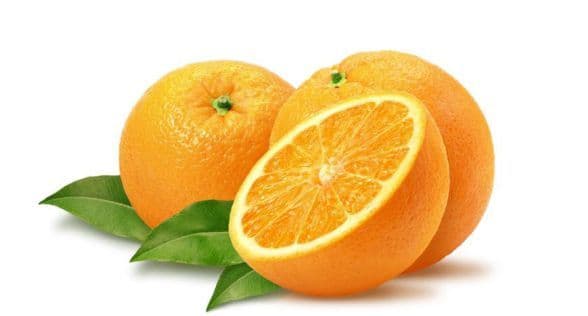
Orange
Sweet orange (Citrus sinensis) is one of the most universally beloved and widely used fragrance ingredients in the world. Its scent is the definition of cheerful brightness: sunny, juicy, and vibrantly sweet, with a sparkling freshness that instantly lifts the spirit. The essential oil, cold-pressed from the outer peel of the ripe fruit, contains d-limonene as its primary aromatic compound, responsible for that unmistakable clean citrus vivacity. Unlike bitter orange, which carries a more complex, slightly floral and green character, sweet orange is simply joyful — direct, accessible, and universally appealing. Orange has been a cornerstone of perfumery for centuries, appearing in everything from the earliest 4711-style colognes to the most complex modern oriental compositions. At the top of a fragrance, it provides an immediate burst of brightness and approachability; at the heart, it adds fruity warmth and roundness; in the base, particularly in combination with woods and vanilla, it contributes a warm, candied depth reminiscent of orange liqueur or marmalade. Orange pairs magnificently with almost any note — citrus, spice, wood, floral, or gourmand — making it one of the most versatile ingredients available to a perfumer. Fragrances built around sweet orange range from zesty, effortless colognes to rich, complex compositions where the citrus note evolves dramatically over time. They suit every skin type, every season, and every occasion. Fragrenza's orange collection brings together outstanding dupe interpretations of citrus-forward and orange-accented fragrances, from the lightest eaux de cologne to complex modern interpretations. Find it featured prominently in [Fragrenza's orange edit](https://fragrenza.com/collections/orange-fragrances).
- 🌿
Orange absolute
Orange absolute is a citrus note that adds sparkle, freshness, and immediate lift to a fragrance. Its profile can include juicy pulp, aromatic peel, green bitterness, soft floral nuances, or a sharp zesty brightness depending on the material. In perfumery, it is usually used in the opening, where it brings clarity and motion before blending into florals, woods, musks, or herbs. It pairs well with neroli, tea, lavender, white musk, light woods, aquatic notes, and aromatic herbs.
- 🌿
Orange bitters
Orange bitters is a citrus note that adds sparkle, freshness, and immediate lift to a fragrance. Its profile can include juicy pulp, aromatic peel, green bitterness, soft floral nuances, or a sharp zesty brightness depending on the material. In perfumery, it is usually used in the opening, where it brings clarity and motion before blending into florals, woods, musks, or herbs. It pairs well with neroli, tea, lavender, white musk, light woods, aquatic notes, and aromatic herbs.
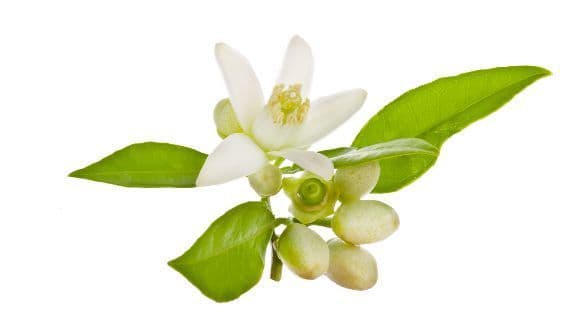
Orange blossom
Orange blossom is the flower of the bitter orange tree, Citrus aurantium, cultivated extensively across the Mediterranean basin — particularly in Morocco, Tunisia, Egypt, and southern Spain. The flowers are harvested by hand in spring and processed through two distinct methods: steam distillation yields neroli essential oil, while solvent extraction produces the absolute known simply as orange blossom. Both have been treasured ingredients in perfumery since the Renaissance, with a long history in bridal traditions and Eau de Cologne formulations. The scent of orange blossom is honeyed, intensely floral, and richly complex. Its sweetness carries a faintly indolic, almost narcotic edge that gives it tremendous depth — simultaneously fresh and heady, innocent and sensual. Green and watery facets emerge in the early notes before the fragrance settles into its warm, honeyed heart, with a faint waxiness that is utterly distinctive. Orange blossom is one of the great pillars of classical and contemporary perfumery alike. It anchors soliflore compositions and enriches oriental, floral, and citrus blends with unmatched complexity. Its indolic warmth makes it an ideal bridge between fresh top notes and deep base notes. Fragrenza's Orange Blossom collection captures this timeless Mediterranean beauty in artfully composed fragrance dupes, delivering depth and luxury at a price that makes everyday wearing a pleasure. Want to wear it? Explore [orange blossom fragrances](https://fragrenza.com/collections/orange-blossom-fragrances).
- 🌿
Orange blossom absolute
Orange blossom absolute is a bright citrus note valued for its clean sparkle, juicy freshness, and elegant peel-like bitterness. In perfumery, it is often used in the opening of a composition to create lift, clarity, and immediate radiance. Depending on the material, it can feel zesty, floral, green, sweet, or slightly bitter, making it more complex than simple lemony freshness. It pairs beautifully with neroli, tea, aromatic herbs, white musk, light woods, florals, and aquatic notes.
- 🌿
Orange blossom concrete
Orange blossom concrete is a citrus note that adds sparkle, freshness, and immediate lift to a fragrance. Its profile can include juicy pulp, aromatic peel, green bitterness, soft floral nuances, or a sharp zesty brightness depending on the material. In perfumery, it is usually used in the opening, where it brings clarity and motion before blending into florals, woods, musks, or herbs. It pairs well with neroli, tea, lavender, white musk, light woods, aquatic notes, and aromatic herbs.
- 🌿
Orange blossom nectar
Orange blossom nectar is a citrus note that adds sparkle, freshness, and immediate lift to a fragrance. Its profile can include juicy pulp, aromatic peel, green bitterness, soft floral nuances, or a sharp zesty brightness depending on the material. In perfumery, it is usually used in the opening, where it brings clarity and motion before blending into florals, woods, musks, or herbs. It pairs well with neroli, tea, lavender, white musk, light woods, aquatic notes, and aromatic herbs.
- 🌿
Orange blossom water
Orange blossom water is a bright citrus note that brings sparkle, freshness, and immediate lift to a fragrance. Its profile may include juicy pulp, aromatic peel, green bitterness, soft floral facets, or a slightly sharp zest depending on the material. In perfumery, it is most often used in the opening, where it gives clarity and movement before blending into florals, woods, musks, or herbs. Orange blossom water works especially well with neroli, tea, lavender, white musk, light woods, aquatic notes, and aromatic herbs.
- 🌿
Orange blossom water absolute
Orange blossom water absolute is a citrus note that adds sparkle, freshness, and immediate lift to a fragrance. Its profile can include juicy pulp, aromatic peel, green bitterness, soft floral nuances, or a sharp zesty brightness depending on the material. In perfumery, it is usually used in the opening, where it brings clarity and motion before blending into florals, woods, musks, or herbs. It pairs well with neroli, tea, lavender, white musk, light woods, aquatic notes, and aromatic herbs.
- 🌿
Orange fizz
Orange fizz is a citrus note that adds sparkle, freshness, and immediate lift to a fragrance. Its profile can include juicy pulp, aromatic peel, green bitterness, soft floral nuances, or a sharp zesty brightness depending on the material. In perfumery, it is usually used in the opening, where it brings clarity and motion before blending into florals, woods, musks, or herbs. It pairs well with neroli, tea, lavender, white musk, light woods, aquatic notes, and aromatic herbs.
- 🌿
Orange juice
Orange juice is a citrus note that adds sparkle, freshness, and immediate lift to a fragrance. Its profile can include juicy pulp, aromatic peel, green bitterness, soft floral nuances, or a sharp zesty brightness depending on the material. In perfumery, it is usually used in the opening, where it brings clarity and motion before blending into florals, woods, musks, or herbs. It pairs well with neroli, tea, lavender, white musk, light woods, aquatic notes, and aromatic herbs.
- 🌿
Orange Leaf
Orange Leaf is a citrus note that adds sparkle, freshness, and immediate lift to a fragrance. Its profile can include juicy pulp, aromatic peel, green bitterness, soft floral nuances, or a sharp zesty brightness depending on the material. In perfumery, it is usually used in the opening, where it brings clarity and motion before blending into florals, woods, musks, or herbs. It pairs well with neroli, tea, lavender, white musk, light woods, aquatic notes, and aromatic herbs.
- 🌿
Orange liqueur
Orange liqueur is a citrus note that adds sparkle, freshness, and immediate lift to a fragrance. Its profile can include juicy pulp, aromatic peel, green bitterness, soft floral nuances, or a sharp zesty brightness depending on the material. In perfumery, it is usually used in the opening, where it brings clarity and motion before blending into florals, woods, musks, or herbs. It pairs well with neroli, tea, lavender, white musk, light woods, aquatic notes, and aromatic herbs.

Orange peel
Orange Peel is a bright citrus note with zesty peel, juicy freshness, and a clean sparkling lift. In perfumery, it brings energy and radiance to openings, pairing well with neroli, tea, herbs, musks, woods, aquatic notes, and light florals.
Orange pepper
Orange pepper is a bright citrus note with zesty peel, juicy freshness, and a clean sparkling lift. In perfumery, it brings energy and radiance to openings, pairing well with neroli, tea, herbs, musks, woods, aquatic notes, and light florals.
- 🌿
Orange tree
Orange tree is a citrus note that adds sparkle, freshness, and immediate lift to a fragrance. Its profile can include juicy pulp, aromatic peel, green bitterness, soft floral nuances, or a sharp zesty brightness depending on the material. In perfumery, it is usually used in the opening, where it brings clarity and motion before blending into florals, woods, musks, or herbs. It pairs well with neroli, tea, lavender, white musk, light woods, aquatic notes, and aromatic herbs.
- 🌿
Orange tree absolute
Orange tree absolute is a citrus note that adds sparkle, freshness, and immediate lift to a fragrance. Its profile can include juicy pulp, aromatic peel, green bitterness, soft floral nuances, or a sharp zesty brightness depending on the material. In perfumery, it is usually used in the opening, where it brings clarity and motion before blending into florals, woods, musks, or herbs. It pairs well with neroli, tea, lavender, white musk, light woods, aquatic notes, and aromatic herbs.
- 🌿
Orange tree wood
Orange tree wood is a citrus note that adds sparkle, freshness, and immediate lift to a fragrance. Its profile can include juicy pulp, aromatic peel, green bitterness, soft floral nuances, or a sharp zesty brightness depending on the material. In perfumery, it is usually used in the opening, where it brings clarity and motion before blending into florals, woods, musks, or herbs. It pairs well with neroli, tea, lavender, white musk, light woods, aquatic notes, and aromatic herbs.
- 🌿
Orange zest
Orange zest is a bright citrus note that brings sparkle, freshness, and immediate lift to a fragrance. Its profile may include juicy pulp, aromatic peel, green bitterness, soft floral facets, or a slightly sharp zest depending on the material. In perfumery, it is most often used in the opening, where it gives clarity and movement before blending into florals, woods, musks, or herbs. Orange zest works especially well with neroli, tea, lavender, white musk, light woods, aquatic notes, and aromatic herbs.
- 🌿
Orcanox
Orcanox is a specialty note used to give a fragrance a distinctive texture, mood, or material impression. Depending on interpretation, it may contribute freshness, warmth, sweetness, dryness, softness, or an abstract atmospheric effect. In perfumery, specialty notes are valuable because they make a composition feel more specific and less generic. Orcanox can be paired with woods, musks, florals, resins, fruits, green notes, spices, or amber materials according to the intended style.
Orchid
The orchid is one of the most diverse and captivating families of flowering plants on earth, with over 25,000 known species found across every continent except Antarctica. Despite this extraordinary diversity, many orchid varieties share a defining olfactory character: delicate, velvety, and softly sweet, with a tropical warmth that feels exotic but approachable. In the wild, orchid fragrances range from the vanilla-like scent of Vanilla planifolia (itself an orchid) to powdery floral, fruity, spicy, or even musk-like expressions depending on species and pollinator strategy. In perfumery, orchid is most commonly used as a synthetic accord rather than a natural absolute, since most of the world's orchid species produce little extractable oil. The classic orchid note in fragrance is a smooth, sweet, velvety floral — often constructed from ionones, heliotropin, benzyl salicylate, and soft musks — that sits beautifully in heart accords. It lends a lush, feminine warmth to compositions, pairing particularly well with vanilla, sandalwood, jasmine, rose, and tropical fruits. Its versatility makes it one of the most used floral notes in mainstream and niche perfumery alike. Orchid fragrances appeal to those who love florals that feel warm and enveloping rather than sharp or green — scents that wrap around the wearer like a second skin. They are romantic, sensuous, and universally appealing. Fragrenza's orchid collection presents a curated range of dupe interpretations of the finest orchid-forward perfumes, offering lush, velvety floral beauty at accessible prices.
- 🌿
Orchid absolute
Orchid absolute is a floral note that gives a fragrance softness, radiance, and emotional warmth. Depending on the flower or accord, it may feel fresh, creamy, powdery, honeyed, green, indolic, or airy. In perfumery, floral notes often form the heart of a composition, adding body and a recognizable signature. It pairs well with citrus, white musk, rose, jasmine, sandalwood, amber, vanilla, iris, and delicate fruits.
Orchid Cactus
The orchid cactus — known botanically as Epiphyllum or night-blooming cereus — is one of the natural world's most dramatic flowering events. These tropical cacti, native to Central and South America, produce enormous, extraordinarily fragrant blooms that open only after dark and close by dawn, making their scent a rare, fleeting experience. The fragrance is richly exotic: intensely sweet, with a creamy tropical depth, soft floral warmth, and a subtle honeyed quality that feels nocturnal and almost magical in its intensity. In perfumery, the orchid cactus accord captures the essence of this rare night-blooming flower through a blend of tropical floral molecules, heliotropin, creamy coconut-like lactones, jasmine facets, and warm musks. The result is a scent that feels simultaneously familiar and otherworldly — floral and sweet like a classic feminine fragrance, but with a tropical lushness and nocturnal depth that makes it feel special and charged. It pairs beautifully with vanilla, ylang-ylang, frangipani, sandalwood, and warm amber for rich tropical compositions, or with ozonic and citrus notes for a more modern, daytime-appropriate freshness. Orchid cactus fragrances are crafted for moments of beauty and escape — for evenings when you want your scent to be as extraordinary as the event. They are bold, lush, and unashamedly romantic. Fragrenza's orchid cactus collection presents dupe interpretations of the finest exotic tropical floral fragrances, bringing the magic of these rare night-blooming flowers to your everyday collection.
Orchid Vanilla
Orchid Vanilla is a sweet gourmand note with edible warmth, softness, and a comforting dessert-like character. In perfumery, it adds texture and indulgence, pairing well with vanilla, tonka bean, musk, amber, woods, fruit notes, and soft florals.
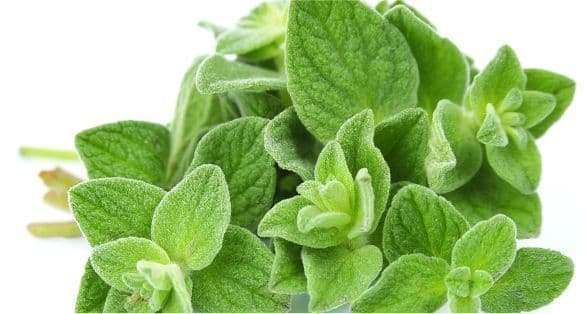
Oregano
Oregano (Origanum vulgare) is a flowering herb native to the Mediterranean basin and Western Asia, where it has been used for millennia in cooking, medicine, and ritual. Its scent is distinctly aromatic and herbaceous — warm, slightly peppery, and carrying a pleasant medicinal quality from its high carvacrol and thymol content, giving it a camphorous sharpness that distinguishes it from milder herbs like basil or parsley. Sun-dried oregano, in particular, develops a deep, slightly woody, earthy character that smells of heat-baked hillsides and wild Mediterranean landscapes. In perfumery, oregano is used as an aromatic herbal note within the fougère and chypre families, lending a natural, dry, slightly bitter edge that keeps sweeter compositions honest and grounded. It pairs powerfully with lavender, thyme, rosemary, and other Mediterranean herbs to create robust aromatic accords; with citrus and fresh greens for lively, natural freshness; and with woods and leather for earthy, textured depth. The note is particularly effective in masculine and unisex compositions where a raw, outdoor character is desired — it evokes sun-warmed stone, wild hillsides, and the scent of hands after tending a herb garden. Oregano fragrances occupy a niche but deeply satisfying space for those who love aromatic herbs and the landscapes that produce them. They feel genuinely natural, grounded, and alive with a quiet vitality. Fragrenza's oregano collection presents herbaceous, aromatic, and Mediterranean-inspired dupe fragrance compositions for those who want their scent to carry the soul of the wild outdoors.
- 🌿
Oregano blossom
Oregano blossom is a floral note that gives a fragrance softness, radiance, and emotional warmth. Depending on the flower or accord, it may feel fresh, creamy, powdery, honeyed, green, indolic, or airy. In perfumery, floral notes often form the heart of a composition, adding body and a recognizable signature. It pairs well with citrus, white musk, rose, jasmine, sandalwood, amber, vanilla, iris, and delicate fruits.
- 🌿
Orgeat syrup
Orgeat syrup is a gourmand note that adds edible warmth, sweetness, and comfort. It may suggest cream, sugar, nuts, chocolate, coffee, honey, pastry, or toasted grains depending on the accord. In perfumery, gourmand notes make compositions feel cozy and sensual, but they work best when balanced with woods, musks, spices, citrus, or resins. It pairs well with vanilla, tonka bean, sandalwood, amber, caramel, cacao, coffee, and soft florals.
- 🌿
Oriental
Oriental fragrances — also known as oriental fragrances — are among the most opulent and richly complex in perfumery. Built around a warm, golden accord of amber, labdanum, benzoin, and exotic resins, these are fragrances of depth, sensuality, and longevity. They wrap the wearer in a warm, enveloping embrace and unfold slowly over the course of hours, revealing layer after layer of complexity. The amber accord that defines this family is not a single note but a rich, multi-material construction. Labdanum — a dark, complex resin with honeyed, leathery facets — forms the heart of most amber bases. Benzoin adds a sweet, vanillic warmth; musks provide a soft, skin-close diffusion; exotic spices like cloves, cinnamon, and cardamom add heat and intrigue. The overall effect is warm, sweet, resinous, and profoundly enveloping — a fragrance that feels like luxury itself. Oriental fragrances are classics of the evening, the colder months, and special occasions. They have a ceremonial richness and a seductive weight that makes them ideal for when you want to leave an impression. They are deeply associated with glamour, mystery, and sophisticated sensuality. While they have historically been positioned as feminine, the finest oriental fragrances are genuinely unisex — their warmth and depth appeal to anyone who loves complexity and opulence. At Fragrenza, our oriental collection draws direct inspiration from some of the world's most celebrated and treasured oriental fragrances — legendary creations that carry significant price tags from the houses that make them. Our inspired versions deliver that same golden warmth, resinous depth, and lasting presence using premium fragrance materials, at prices that make true luxury accessible every day. Discover the warmth of amber.
- 🌿
Oriental lily
Oriental lily is a floral note that gives a fragrance softness, radiance, and emotional warmth. Depending on the flower or accord, it may feel fresh, creamy, powdery, honeyed, green, indolic, or airy. In perfumery, floral notes often form the heart of a composition, adding body and a recognizable signature. It pairs well with citrus, white musk, rose, jasmine, sandalwood, amber, vanilla, iris, and delicate fruits.
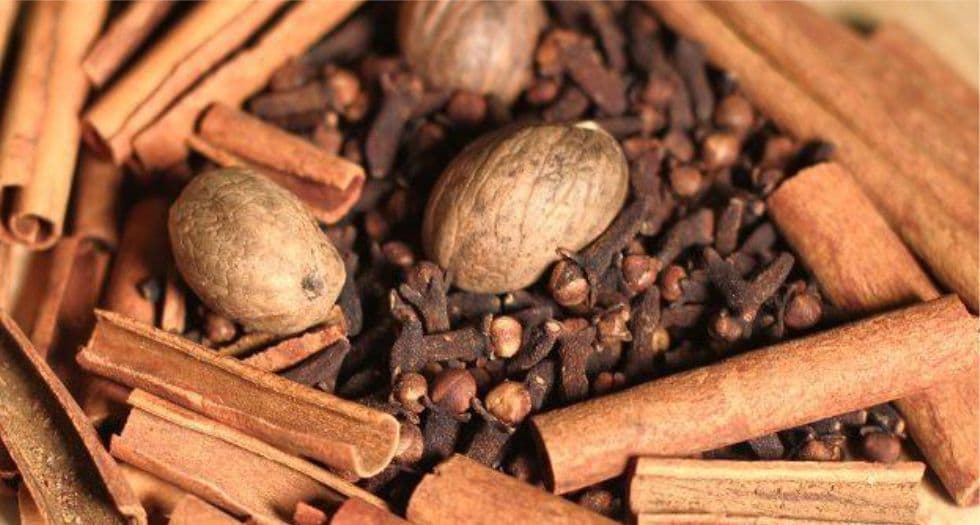
Oriental Notes
Oriental fragrances represent one of perfumery's oldest and most beloved families — a rich, warm, sensuous category rooted in the ancient trade routes that carried precious resins, spices, and woods from the East to the West. The Oriental accord is not a single ingredient but a complex symphony: amber at its warm, resinous core, supported by vanilla's sweet depth, labdanum's animalic warmth, benzoin's balsamic creaminess, and a layering of exotic spices — cinnamon, clove, cardamom, saffron — that together create a fragrance language of opulence, mystery, and seduction. The Oriental family encompasses an enormous range of expressions. Floriental compositions add white florals — jasmine, ylang-ylang, orange blossom — for a more romantic dimension. Woody Orientals ground the accord in sandalwood, oud, or patchouli for earthy depth. Spicy Orientals foreground pepper, incense, and resin for maximum intensity. What unifies them all is a quality of warmth and projection that feels enveloping — Oriental fragrances linger on skin and clothing, leaving a trail that is unmistakably rich, complex, and memorable. They are, above all, fragrances designed to be felt as much as smelled. Oriental fragrances are made for those who want a scent that commands presence — sensual, complex, deeply personal. They have inspired some of the most iconic and celebrated perfumes in history. Fragrenza's Oriental collection presents expertly crafted dupe interpretations of the finest amber, resin, and exotic spice compositions, delivering genuine luxury at accessible prices.
- 🌿
Oriental resins
Oriental resins is a warm ambered or resinous note used to give fragrance depth, softness, and long-lasting richness. It can smell balsamic, sweet, smoky, vanillic, woody, powdery, or incense-like depending on the material. In perfumery, it rounds sharp edges and creates a smooth base that holds the composition together. It pairs well with woods, musks, spices, vanilla, tobacco, leather, florals, oud, and other resins.
- 🌿
Oriental rose
Oriental rose is a floral note that gives a fragrance softness, radiance, and emotional warmth. Depending on the flower or accord, it may feel fresh, creamy, powdery, honeyed, green, indolic, or airy. In perfumery, floral notes often form the heart of a composition, adding body and a recognizable signature. It pairs well with citrus, white musk, rose, jasmine, sandalwood, amber, vanilla, iris, and delicate fruits.
- 🌿
Oriental woods
Oriental woods is a woody note used to create structure, depth, and lasting warmth. Its scent may be dry, creamy, smoky, resinous, earthy, pencil-like, or polished depending on the wood or accord. In perfumery, woody notes support the whole composition and connect fresh openings with deeper bases. It pairs naturally with amber, musk, incense, leather, vetiver, patchouli, spices, citrus, and soft resins.
- 🌿
Oriental Woody
Oriental woody fragrances bring together two of perfumery's most enduring and satisfying elements: the golden, resinous warmth of an amber-oriental base and the deep, grounded richness of premium woods. Sandalwood, cedar, vetiver, guaiac, and patchouli intertwine with labdanum, benzoin, and musks to create fragrances of exceptional warmth, depth, and staying power — scents that feel simultaneously comforting and complex. What distinguishes an oriental woody from a straight woody fragrance is the resinous quality that amber brings to the composition. The woods are warmer, richer, and more luminous — lit from within by the golden glow of amber. Sandalwood becomes creamier and more honeyed; cedar gains a warmth that softens its sharpness; vetiver's earthiness is sweetened and smoothed. The result is a fragrance that has tremendous depth without ever feeling heavy or suffocating. These fragrances are among the most long-lasting in any collection. Amber and wood together create a base of exceptional tenacity, evolving slowly and continuously over the course of a day's wear. They are cooler-weather fragrances at their finest, though their versatility means they can be worn year-round by those who appreciate warm, complex scents regardless of season. They suit both formal and casual occasions, and their sustained richness makes them excellent choices as signature scents. Fragrenza's oriental woody collection draws inspiration from some of the finest and most coveted amber-wood compositions available from leading niche and designer fragrance houses — many of which carry significant price tags. Our inspired versions are crafted with quality materials that honour the warmth, depth, and longevity of the originals. Experience the golden depth of amber and wood without the boutique price tag.
- 🌿
Ornithogalum
Ornithogalum, commonly known as Star of Bethlehem or chincherinchee, is a flowering bulb plant belonging to the asparagus family, found across Europe, Africa, and the Middle East. Its delicate star-shaped white flowers bloom in graceful clusters and carry a scent that is subtle, clean, and quietly beautiful — a softly green-sweet white floral with a hint of watery freshness, a touch of honey, and a cool, almost aqueous quality that distinguishes it from more exuberant white flowers like gardenia or tuberose. In contemporary niche perfumery, ornithogalum has gained recognition as a refined ingredient for those seeking a white floral note with restraint and sophistication. Its scent is transparent rather than opaque — it adds a sense of bloom and delicacy to a composition without overwhelming it. Perfumers use ornithogalum to create an impression of a flower garden at dawn, fresh and dewy, where the blossoms are just opening. It pairs naturally with muguet, green stem accords, aldehydes, soft musks, and light woods to create fragrances that feel airy, clean, and gently floral. Ornithogalum fragrances occupy a special place for lovers of subtle, refined white florals — those who find mainstream florals too loud and prefer a scent that whispers rather than announces itself. The note rewards close wear and quiet attention. Fragrenza's ornithogalum collection features beautiful dupe interpretations of delicate floral and botanical fragrances, bringing understated elegance to those who seek it.
- 🌿
Orris
Orris is an orris-style root note associated with powder, violet, iris, and cool earthy elegance. It is one of perfumery’s most refined textures, bringing a dry, velvety, almost cosmetic softness to a fragrance. In composition, it adds sophistication, smoothness, and depth without relying on sweetness. It pairs beautifully with violet, rose, carrot seed, suede, musk, sandalwood, woods, aldehydes, and soft amber.
- 🌿
Orris absolute
Orris absolute is an orris-style root note associated with powder, violet, iris, and cool earthy elegance. It is one of perfumery’s most refined textures, bringing a dry, velvety, almost cosmetic softness to a fragrance. In composition, it adds sophistication, smoothness, and depth without relying on sweetness. It pairs beautifully with violet, rose, carrot seed, suede, musk, sandalwood, woods, aldehydes, and soft amber.
- 🌿
Orris butter
Orris butter is an orris-style root note associated with powder, violet, iris, and cool earthy elegance. It is one of perfumery’s most refined textures, bringing a dry, velvety, almost cosmetic softness to a fragrance. In composition, it adds sophistication, smoothness, and depth without relying on sweetness. It pairs beautifully with violet, rose, carrot seed, suede, musk, sandalwood, woods, aldehydes, and soft amber.
- 🌿
Orris concrete
Orris concrete is an orris-style root note associated with powder, violet, iris, and cool earthy elegance. It is one of perfumery’s most refined textures, bringing a dry, velvety, almost cosmetic softness to a fragrance. In composition, it adds sophistication, smoothness, and depth without relying on sweetness. It pairs beautifully with violet, rose, carrot seed, suede, musk, sandalwood, woods, aldehydes, and soft amber.
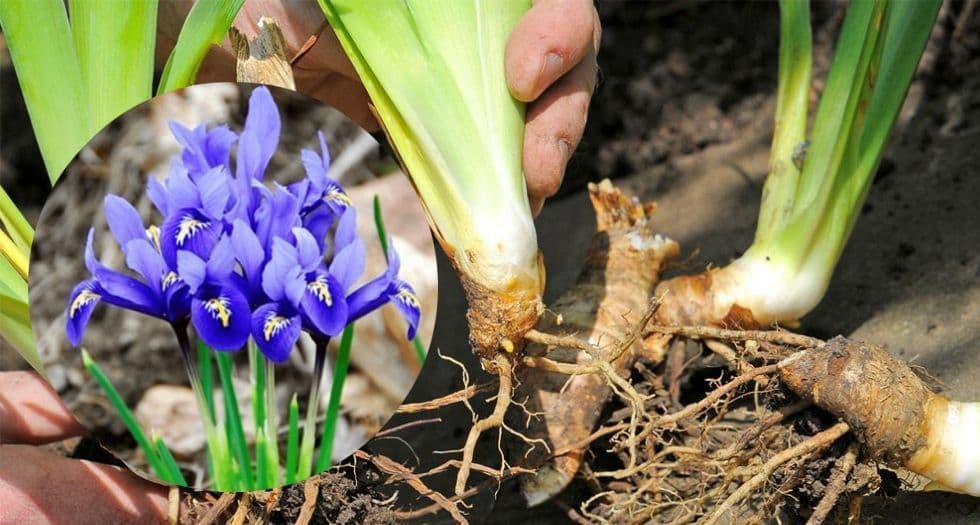
Orris Root
Orris root — the dried, aged rhizome of the iris plant (primarily Iris pallida, cultivated in Tuscany) — is one of the most precious and complex raw materials in all of perfumery. After harvest, the rhizomes must be dried for a minimum of three years before their aromatic potential is unlocked, a process during which irone compounds develop that give orris its signature scent: intensely powdery, violet-floral, softly woody, with a cool, carrot-like earthiness and an almost metallic clarity that is entirely unique in the fragrance world. Orris root absolute and orris butter (the latter extracted through steam distillation and costing more per kilogram than gold) are foundational materials in classical and contemporary haute perfumery. They appear in some of the most iconic and celebrated fragrances ever created. In a composition, orris functions as both a top-to-base note chameleon — providing radiant violet-powdery freshness at the top while anchoring the base with a cool, woody depth. It harmonises beautifully with rose, sandalwood, iris, violet, amber, and leather, lending an air of timeless refinement to any formula. Fragrances built around orris root carry a particular signature: cool, elegant, slightly aloof — the olfactory equivalent of fine linen or polished marble. They are beloved by those who value understated luxury and complexity. Fragrenza's orris root collection presents expertly crafted dupe interpretations of the world's finest powdery-floral and iris-based perfumes, making this truly rarefied material accessible to every fragrance lover.
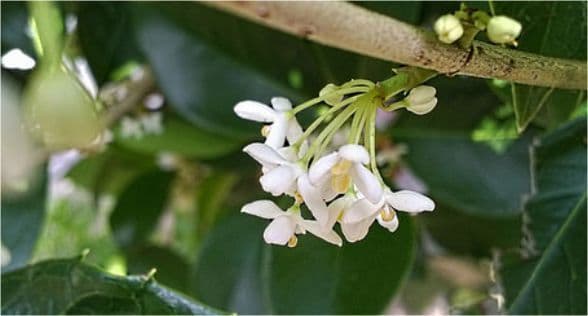
Osmanthus
Osmanthus (Osmanthus fragrans) is a flowering shrub native to Asia — particularly China, Japan, and the Himalayas — whose tiny, inconspicuous blossoms produce one of the most intoxicating and complex scents in the natural world. The osmanthus flower has been celebrated in Chinese culture for over two millennia, celebrated in poetry, tea, and traditional medicine. Its fragrance is famously difficult to categorise: simultaneously fruity and floral, it delivers prominent notes of ripe apricot, peach, and plum, layered over a velvety, almost buttery floral heart with a soft, powdery finish. In perfumery, osmanthus absolute is one of the most prized and expensive natural materials available. Its unique scent profile — part floral, part fruity, part leathery in its deeper facets — allows it to function across a remarkable range of compositions. It enriches white florals with a fruity lushness, adds a warm, feminine softness to leather and tobacco accords, and brings an exotic, Eastern character to rose and iris compositions. Key aroma compounds include ionones (violet-like), beta-damascone (rose-apricot), and linalool (smooth-floral), creating a multi-layered material that unfolds differently on every skin. Osmanthus fragrances are favoured by those who appreciate nuanced, luxurious scents that reward close attention. They feel at once romantic and sophisticated, transporting and intimate. Fragrenza's osmanthus collection brings together beautiful dupe interpretations of the finest osmanthus-forward perfumes, offering this rare and exquisite note at an accessible price.
- 🌿
Osmanthus absolute
Osmanthus absolute is a floral note that adds softness, radiance, and emotional warmth to a composition. Depending on the flower or accord, it can feel fresh, creamy, powdery, honeyed, green, indolic, or airy. In perfumery, floral notes often form the heart of a fragrance, giving it body and a recognizable character. Osmanthus absolute pairs well with citrus, white musk, rose, jasmine, sandalwood, amber, vanilla, iris, and delicate fruits, making it useful in both classic bouquets and modern transparent florals.
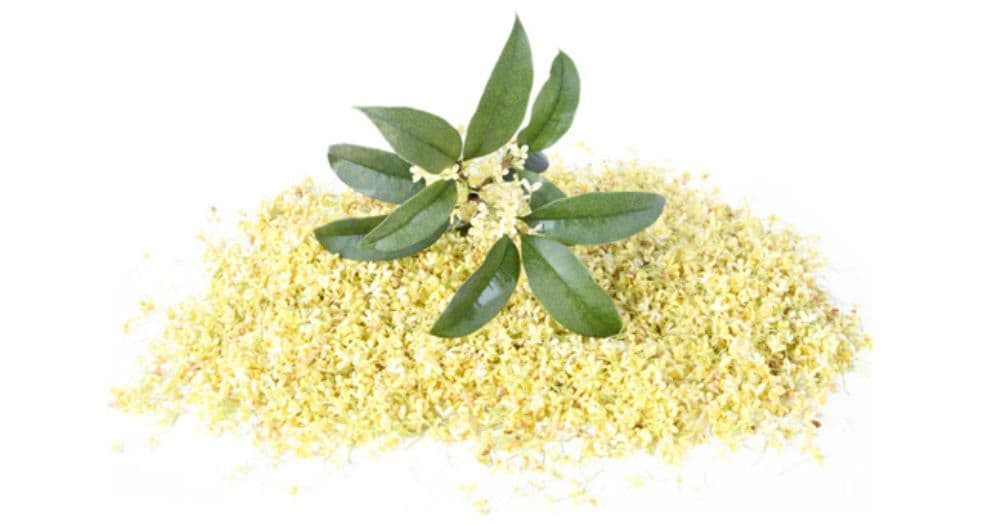
Osmanthus blossom
Osmanthus Blossom is a floral note with fresh petals, soft sweetness, and a refined natural brightness. In perfumery, it can add elegance, color, and lift to floral bouquets, musks, fruity florals, powdery accords, and modern feminine compositions.
- 🌿
Osmanthus tea
Osmanthus tea is a floral note that gives a fragrance softness, radiance, and emotional warmth. Depending on the flower or accord, it may feel fresh, creamy, powdery, honeyed, green, indolic, or airy. In perfumery, floral notes often form the heart of a composition, adding body and a recognizable signature. It pairs well with citrus, white musk, rose, jasmine, sandalwood, amber, vanilla, iris, and delicate fruits.
- 🌿
Oud
Agarwood, also known as oud, is one of the most treasured materials in perfumery. Formed when certain Aquilaria trees produce a dark aromatic resin, oud has a deep woody, smoky, leathery, balsamic, and slightly animalic profile. It is especially important in Middle Eastern and Asian perfumery, where it gives fragrances richness, power, longevity, and a luxurious spiritual depth. Find it featured prominently in [Fragrenza's oud edit](https://fragrenza.com/collections/oud-fragrances).
- 🌿
Oud Assafi™
Oud Assafi™ is a woody note used to create structure, depth, and lasting warmth. Its scent may be dry, creamy, smoky, resinous, earthy, pencil-like, or polished depending on the wood or accord. In perfumery, woody notes often support the whole composition and help connect fresh openings with deeper bases. Oud Assafi™ pairs naturally with amber, musk, incense, leather, vetiver, patchouli, spices, citrus, and soft resins, making it useful in masculine, feminine, and unisex fragrances.
- 🌿
Oud Firbest
Oud Firbest is a woody note used to create structure, depth, and lasting warmth. Its scent may be dry, creamy, smoky, resinous, earthy, pencil-like, or polished depending on the wood or accord. In perfumery, woody notes support the whole composition and connect fresh openings with deeper bases. It pairs naturally with amber, musk, incense, leather, vetiver, patchouli, spices, citrus, and soft resins.
- 🌿
Oud Maleki
Oud Maleki is a woody note used to create structure, depth, and lasting warmth. Its scent may be dry, creamy, smoky, resinous, earthy, pencil-like, or polished depending on the wood or accord. In perfumery, woody notes support the whole composition and connect fresh openings with deeper bases. It pairs naturally with amber, musk, incense, leather, vetiver, patchouli, spices, citrus, and soft resins.
- 🌿
Ox-eye daisy
Ox-eye daisy is a specialty note used to give a fragrance a distinctive texture, mood, or material impression. Depending on interpretation, it may contribute freshness, warmth, sweetness, dryness, softness, or an abstract atmospheric effect. In perfumery, specialty notes are useful because they make a composition feel more specific and less generic. It can be paired with woods, musks, florals, resins, fruits, green notes, spices, or amber materials according to the intended style.
- 🌿
Oxygen
Oxygen is a specialty note used to give a fragrance a distinctive texture, mood, or material impression. Depending on interpretation, it may contribute freshness, warmth, sweetness, dryness, softness, or an abstract atmospheric effect. In perfumery, specialty notes are useful because they make a composition feel more specific and less generic. It can be paired with woods, musks, florals, resins, fruits, green notes, spices, or amber materials according to the intended style.
Oysters
The oyster note in perfumery belongs to a rare and adventurous category — aquatic-mineral accords that attempt to capture the raw, briny freshness of the sea in its most elemental form. An oyster's scent is complex and paradoxical: simultaneously mineral and organic, oceanic and umami, clean and deeply alive. It evokes tidal flats, rock pools, salt spray, and the sharp, iodine-tinged air of a working harbour — not the sanitised sea of mainstream aquatic fragrances, but something far more visceral and real. In contemporary niche perfumery, the oyster note is constructed using a combination of ozonic molecules, marine aldehydes, saline accords, and mineral musks, often complemented by a subtle lactonic or slightly fatty quality that mimics the organic richness of shellfish. The result is a note that challenges as much as it entices — used sparingly, it adds extraordinary depth and authenticity to marine compositions; used boldly, it creates fragrances that are genuinely provocative and unforgettable. It pairs powerfully with seaweed, driftwood, aquatic florals, cucumber, and crisp citrus. Oyster fragrances appeal to the adventurous wearer who finds conventional freshness too tame and wants something that genuinely smells of nature in its rawest, most complex form. These are scents that tell a story of coastlines, tides, and the ancient relationship between humans and the sea. Fragrenza's oyster collection presents bold, expertly crafted dupe interpretations of the most compelling marine and mineral fragrances in niche perfumery.
- 🌿
Ozone
Ozone is an aquatic note that evokes water, sea air, mineral freshness, or clean transparent space. It can be salty, ozonic, airy, watery, or slightly green depending on the accord. In perfumery, aquatic notes bring lightness and diffusion, helping a fragrance feel fresh, modern, and easy to wear. They pair well with citrus, marine notes, driftwood, white musk, cucumber, lavender, ambergris-style molecules, and pale woods.

Ozonic notes
Ozonic notes are among the most distinctive — and most debated — inventions of modern perfumery. They are synthetic accords designed to capture the smell of open air: the clean, electric freshness of ocean spray, the sharp clarity of air after a thunderstorm, or the vast, abstract emptiness of a high-altitude breeze. The key molecule behind ozonic notes, Calone (first developed in the 1960s and popularised in the 1990s), introduced a radically new olfactory language to fragrance — one that had no precedent in the classical perfumer's palette. The olfactory profile of an ozonic note is difficult to describe precisely because it references experiences rather than materials. It smells of nothing in particular and everything outdoors simultaneously — watermelony, metallic, clean, airy, slightly marine, and deeply refreshing. In compositions, ozonic notes typically appear at the top, providing an immediate burst of freshness that opens a fragrance with a sense of space and liberation. They pair naturally with marine accords, citrus notes, light musks, aqueous florals, and cool greens to create fragrances that feel expansive and modern. From the genre-defining aquatic releases of the 1990s to today's sophisticated atmospheric compositions, ozonic notes have shaped one of the most commercially successful fragrance movements of the past thirty years. Fragrenza's ozonic collection gathers the finest dupe interpretations of clean, fresh, and oceanic fragrances — perfect for those who want a scent that feels like breathing deeply in wide-open spaces.
P
- 🌿
Pacific red cedar
Pacific red cedar is a woody note used to create structure, depth, and lasting warmth. Its scent may be dry, creamy, smoky, resinous, earthy, pencil-like, or polished depending on the wood or accord. In perfumery, woody notes support the whole composition and connect fresh openings with deeper bases. It pairs naturally with amber, musk, incense, leather, vetiver, patchouli, spices, citrus, and soft resins.
- 🌿
Pacific sandalwood
Pacific sandalwood is a woody note used to create structure, depth, and lasting warmth. Its scent may be dry, creamy, smoky, resinous, earthy, pencil-like, or polished depending on the wood or accord. In perfumery, woody notes support the whole composition and connect fresh openings with deeper bases. It pairs naturally with amber, musk, incense, leather, vetiver, patchouli, spices, citrus, and soft resins.
- 🌿
Paint
Paint is a specialty note used to give a fragrance a distinctive texture, mood, or material impression. Depending on interpretation, it may contribute freshness, warmth, sweetness, dryness, softness, or an abstract atmospheric effect. In perfumery, specialty notes are useful because they make a composition feel more specific and less generic. It can be paired with woods, musks, florals, resins, fruits, green notes, spices, or amber materials according to the intended style.
- 🌿
Palestinian sweet lime
Palestinian sweet lime is a citrus note that adds sparkle, freshness, and immediate lift to a fragrance. Its profile can include juicy pulp, aromatic peel, green bitterness, soft floral nuances, or a sharp zesty brightness depending on the material. In perfumery, it is usually used in the opening, where it brings clarity and motion before blending into florals, woods, musks, or herbs. It pairs well with neroli, tea, lavender, white musk, light woods, aquatic notes, and aromatic herbs.
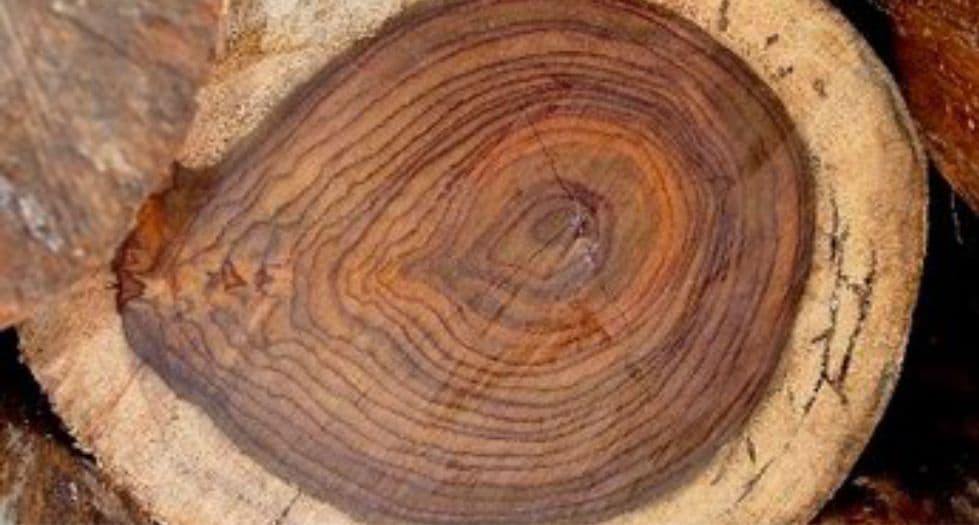
Palisander Rosewood
Palisander Rosewood is a floral note with fresh petals, soft sweetness, and a refined natural brightness. In perfumery, it can add elegance, color, and lift to floral bouquets, musks, fruity florals, powdery accords, and modern feminine compositions.
- 🌿
Palm blossom
Palm blossom is a floral note that gives a fragrance softness, radiance, and emotional warmth. Depending on the flower or accord, it may feel fresh, creamy, powdery, honeyed, green, indolic, or airy. In perfumery, floral notes often form the heart of a composition, adding body and a recognizable signature. It pairs well with citrus, white musk, rose, jasmine, sandalwood, amber, vanilla, iris, and delicate fruits.
- 🌿
Palm blossoms
Palm blossoms is a floral note that gives a fragrance softness, radiance, and emotional warmth. Depending on the flower or accord, it may feel fresh, creamy, powdery, honeyed, green, indolic, or airy. In perfumery, floral notes often form the heart of a composition, adding body and a recognizable signature. It pairs well with citrus, white musk, rose, jasmine, sandalwood, amber, vanilla, iris, and delicate fruits.

Palm leaf
Palm Leaf is a green botanical note with leafy, fresh, vegetal, and natural facets. In perfumery, it adds garden realism and crisp freshness, pairing well with citrus, tea, florals, watery notes, fig, tomato leaf, vetiver, and clean musks.

Palm Tree
Palm Tree is a green botanical note with leafy, fresh, vegetal, and natural facets. In perfumery, it adds garden realism and crisp freshness, pairing well with citrus, tea, florals, watery notes, fig, tomato leaf, vetiver, and clean musks.
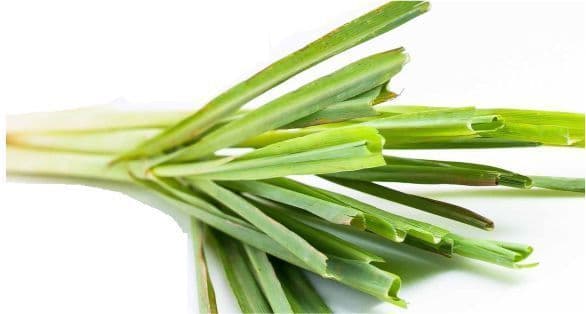
Palmarosa
Palmarosa is a tall, fragrant grass (Cymbopogon martinii) native to India, related to lemongrass and citronella. Its essential oil, steam-distilled from the fresh or dried grass, is one of the most versatile and cherished materials in classical perfumery. The scent of palmarosa is immediately appealing: primarily rosy and floral, it carries a fresh, slightly grassy quality that makes it feel lighter and greener than true rose oil. Hints of geranium, a soft fruitiness, and clean earthiness complete its profile. Palmarosa has been used in Indian perfumery for centuries, frequently as an adulterant for or complement to rose attar. In modern fine fragrance, it is valued both as a standalone rosy-herbal note and as a blending tool that adds lift and naturalness to floral compositions. Its high content of geraniol — the primary rose-scent compound — means it harmonises effortlessly with rose, geranium, iris, and violet. It also lends freshness to oriental and woody bases, softening heavier resins and adding a radiant top-note quality that makes compositions feel alive and vibrant. Palmarosa is a perfumer's workhorse — rarely the star of a fragrance's marketing story, yet almost always integral to its magic. Fragrances built to foreground palmarosa offer something genuinely refreshing: a rosy, herbal vitality that feels natural and unforced. Fragrenza's palmarosa collection brings together exceptional dupe interpretations of rosy, fresh, and botanical fragrances, making fine-fragrance quality available to everyone.
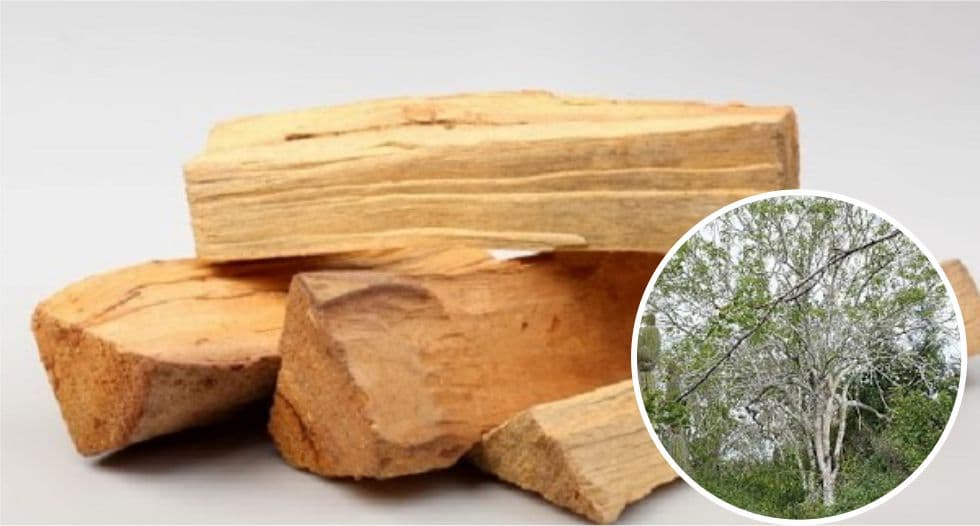
Palo Santo
Palo santo — Spanish for "holy wood" — is a sacred tree (Bursera graveolens) native to the dry forests of South America, particularly Peru and Ecuador. For centuries, indigenous shamans and healers have burned its resinous wood in spiritual ceremonies, believing its smoke to cleanse negative energy, attract positive spirits, and deepen meditation. The scent that rises from burning palo santo is extraordinary: a complex balsamic warmth threaded with sweet citrus, pine resin, and a delicate smokiness that feels ancient and contemplative. In perfumery, palo santo is prized for its ability to straddle several fragrance families simultaneously. It carries the resinous depth of incense and frankincense, the sweetness of benzoin and labdanum, a fresh citrus brightness reminiscent of lime or orange peel, and a woody dryness that anchors compositions beautifully. It is a natural bridge between the sacred and the sensual — lending spiritual gravitas to a fragrance while maintaining an approachable warmth. Perfumers often pair it with sandalwood, vetiver, myrrh, and smoky notes to amplify its ceremonial quality, or contrast it with bright citrus and green herbs for a more contemporary feel. The global wellness movement has brought palo santo into mainstream consciousness, and its fragrance has become a sought-after note in niche and artisan perfumery. Fragrenza's palo santo collection offers premium dupe interpretations of the finest balsamic, spiritual, and wood-resin fragrances — at prices that honour both the scent and the wearer.
- 🌿
Pamplewood®
Pamplewood® is a woody note used to create structure, depth, and lasting warmth. Its scent may be dry, creamy, smoky, resinous, earthy, pencil-like, or polished depending on the wood or accord. In perfumery, woody notes support the whole composition and connect fresh openings with deeper bases. It pairs naturally with amber, musk, incense, leather, vetiver, patchouli, spices, citrus, and soft resins.
- 🌿
Pamplezest
Pamplezest is a specialty note used to give a fragrance a distinctive texture, mood, or material impression. Depending on interpretation, it may contribute freshness, warmth, sweetness, dryness, softness, or an abstract atmospheric effect. In perfumery, specialty notes are useful because they make a composition feel more specific and less generic. It can be paired with woods, musks, florals, resins, fruits, green notes, spices, or amber materials according to the intended style.
Panacotta
Panna cotta is an Italian cream dessert with a soft milky, vanilla, sugar, and custard-like aroma. As a fragrance note, it brings smooth lactonic creaminess and gentle gourmand warmth. It suits vanilla, berry, caramel, almond, and soft musky compositions.
Pandanus
Pandanus — commonly known as pandan — is a tropical plant native to Southeast Asia whose long, blade-like leaves are among the most aromatic in the culinary and fragrance world. The scent of fresh pandan is uniquely captivating: green and grassy at first, it quickly reveals a warm, coconut-like sweetness underpinned by a subtle nuttiness and a clean, almost floral finish. In the cuisines of Thailand, Malaysia, Indonesia, and the Philippines, pandan is the vanilla of the tropics — used to flavour rice, cakes, and drinks with its distinctive verdant sweetness. In contemporary perfumery, pandan has found a natural home in gourmand, tropical, and green-fresh compositions. Its key aromatic compound, 2-acetyl-1-pyrroline, is also found in jasmine rice and basmati, lending pandan-accented fragrances an exotic, slightly edible quality that feels both familiar and transporting. Perfumers layer pandan with coconut milk accords, ylang-ylang, vetiver, and soft musks to create compositions that evoke lush rainforests, warm breezes, and vibrant street markets. The note bridges the gap between green freshness and sweet warmth with rare elegance. Pandan fragrances appeal to those who want something genuinely different — a scent that tells a story of Southeast Asian culture and nature rather than reaching for the familiar. Fragrenza's pandanus collection presents carefully crafted dupe interpretations of some of the finest pandan-forward fragrances available, making these unique olfactory experiences accessible to all.
- 🌿
Pandanus leaf
Pandanus leaf is a green or aromatic note that evokes leaves, herbs, stems, fresh air, or crushed vegetation. Its profile can be crisp, bitter, watery, camphoraceous, grassy, or slightly earthy depending on the material. In perfumery, green notes add realism and lift, keeping sweet, floral, or woody compositions from feeling too heavy. It pairs well with citrus, tea, fig, violet leaf, galbanum, tomato leaf, white musk, vetiver, lavender, and light woods.
- 🌿
Panettone
Panettone is Italy's most iconic festive bread — a tall, dome-shaped loaf from Milan, leavened with natural yeast and studded with candied orange peel, raisins, and dried fruit. Its aroma is extraordinarily complex: warm butter, yeasty dough, toasted sugar, citrus zest, and dried fruit mingle in an olfactory experience that feels unmistakably celebratory. In perfumery, panettone has emerged as a cherished gourmand note that captures the essence of holiday warmth, nostalgia, and artisan baking. The note is built from a rich palette of fragrance ingredients: buttery lactones, warm heliotropin, candied citrus absolutes, raisin and currant accords, and a whisper of natural yeast or bread-crust effects achieved through maillard-reaction molecules such as furaneol and ethyl maltol. The result is a scent that feels both sweet and savoury, comforting and sophisticated. Panettone notes often anchor the base of festive or winter compositions, lending depth and delicious warmth that makes them perfect for cold-weather wear. Because panettone as a fragrance note is rooted so firmly in tradition and memory, scents featuring it evoke powerful sensory nostalgia — the smell of a Milano bakery in December, a candlelit family table, gifts unwrapped by a fireplace. Fragrenza celebrates this sense of occasion with a curated collection of panettone-forward fragrances, delivering luxurious dupe compositions that capture these beloved aromas at remarkable value.
pansy
The pansy, Viola x wittrockiana, is a hybrid garden flower developed from several Viola species native to Europe and western Asia. With its distinctive velvety petals arranged in faces of deep purple, golden yellow, white, and every combination between, the pansy has been a beloved cottage garden staple for centuries. Its name derives from the French pensée, meaning thought or remembrance, and it carries rich literary and symbolic associations — appearing in Shakespeare's A Midsummer Night's Dream as the source of love's enchantment. The pansy's close kinship with the violet family gives it a fragrance of genuine charm, though far gentler and more intimate than its cousins. As a fragrance note, pansy is delicate and subtly complex. It shares DNA with violet — there is a similar velvety, slightly powdery quality — but where violet can be assertive and rooty, pansy reads as softer and more retiring, with a sweetness that stays on the right side of transparent. There is a cool, slightly green undertone that keeps the note fresh and prevents it from becoming overly nostalgic or heavy. The overall impression is of a garden in early spring: intimate, slightly dewy, quietly beautiful, and modest in the most appealing sense. Pansy note is used in perfumery to add a tender, vintage-inspired floral quality with genuine character. It pairs beautifully with iris, violet, rose, and light woods, appearing in compositions that favor restrained elegance over bold statement. At Fragrenza, our pansy collection brings this gentle, cherished floral to life through expertly crafted fragrance dupes that capture the spirit of the world's most refined violet-family fragrances at a price that makes quality accessible to all.
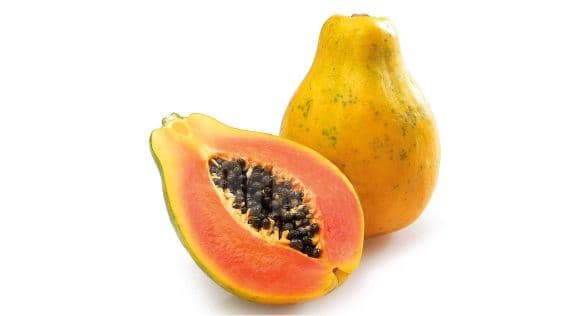
Papaya
The papaya, Carica papaya, is a fast-growing tropical fruit tree believed to have originated in the lowlands of Central America, now cultivated throughout tropical regions worldwide. Christopher Columbus reportedly called it the fruit of the angels, and its flesh — vivid orange, yielding, and sweet with a distinctive musk-like undertone — has made it one of the defining flavors of the tropics. Unlike the sharp brightness of citrus or the juicy sweetness of mango, papaya carries a unique quality: a slightly fermented, almost musky sweetness that gives it genuine complexity alongside its tropical warmth. As a fragrance note, papaya is rich and sensuous — tropical without being strident. Its characteristic muskiness distinguishes it from other tropical fruit notes; it sits closer to the base of a composition than the top, contributing creamy warmth and a slightly exotic, animalic sweetness rather than sharp, bright fruitiness. The overall impression is of ripe, lush tropical fruit in a warm climate — generous, aromatic, and slightly wild. This musky-sweet quality makes papaya particularly interesting to perfumers working in tropical, creamy, or sensual compositions. Papaya pairs naturally with other tropical notes — ylang-ylang, frangipani, coconut, and tiare — as well as with creamy sandalwood, vanilla, and soft musks. It is a building block for compositions evoking island escapes, warm beaches, and exotic locales. Fragrenza's papaya collection captures all this lush tropical richness through expertly crafted fragrance dupes that bring the finest tropical-inspired scents to everyone at an accessible price.
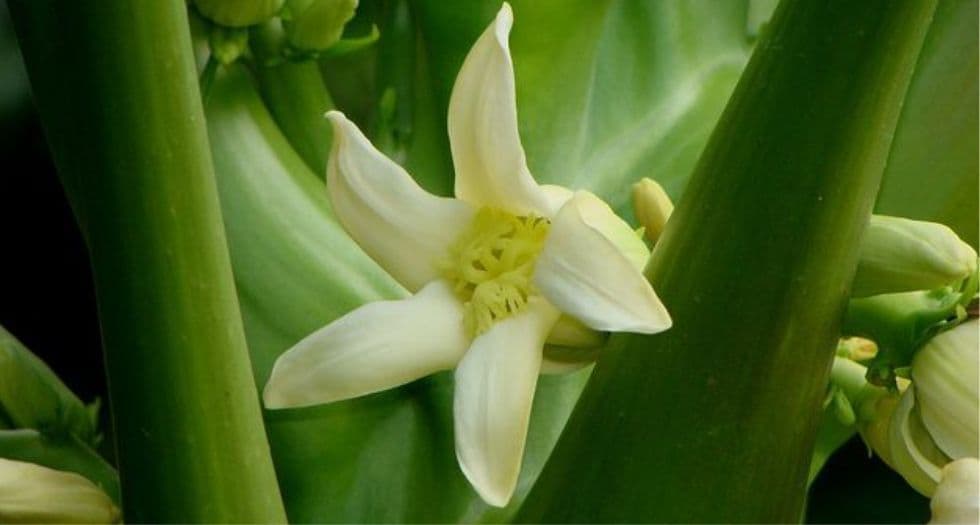
Papaya blossom
Papaya blossom is the delicate floral expression of Carica papaya — the modest, cream-white flowers that appear on the papaya tree before it bears its celebrated fruit. Unlike the boldness of the ripe papaya itself, the blossoms are subtle and refined: a gentle, mildly sweet tropical floral with a waxy, almost magnolia-like quality and a faint green freshness from the surrounding foliage. The tree is dioecious, meaning male and female flowers appear on separate trees, and the female blossoms that develop into fruit have a particularly soft, honeyed character appreciated by those who have spent time in papaya-growing regions. As a fragrance note, papaya blossom occupies a quieter, more intimate space than the fruit. The tropical quality is present but restrained — a gentle warmth rather than a full declaration of the tropics. The floral character reads as creamy and slightly waxy, with a hint of the characteristic papaya musk present only as an undertone beneath the fresh, delicate petals. There is a springlike lightness to papaya blossom that makes it more versatile than the fruit itself, blending naturally into both floral and light tropical compositions without overwhelming other notes. Papaya blossom pairs well with other delicate white florals — gardenia, tiare, white frangipani — as well as with coconut facets, soft musks, and warm sandalwood. It adds a quietly exotic dimension to compositions that want a tropical reference without full tropical intensity. Fragrenza's papaya blossom collection celebrates this gentle, enchanting note through inspired fragrance dupes of genuine quality, making the most beautiful tropical-floral interpretations accessible at an everyday price.

Paper
Paper as a fragrance note belongs to the intriguing category of abstract, conceptual scents — materials and accords designed to capture not a flower or a wood, but a texture, a material, a memory. The smell of paper — whether fresh from a printer, aged in a library, or crisp in a new notebook — is deeply embedded in human experience. It is the scent of communication, knowledge, creative potential, and nostalgia, and it was perhaps inevitable that perfumers would seek to bottle it. The note draws on materials like woody musks, dry cedarwood facets, and slightly dusty, mineral elements to create this abstract impression. Olfactorily, paper note reads as clean and dry, with a subtle woodiness and a slightly dusty, mineral quality that stops well short of being musty. There is a faint crispness to the note — the suggestion of freshly cut pages — alongside a quiet, neutral warmth from the cellulose and binding materials that real paper contains. It is a note that feels intellectual and introspective, evoking quiet spaces: a well-stocked library, a favourite bookshop, a writing desk in the early morning hours. In perfumery, paper accord is valued for its versatility and its ability to lend an unexpected, modern abstraction to compositions. It pairs beautifully with iris, vetiver, clean woods, and light incense, often appearing in minimalist, contemplative fragrances that prize concept as much as beauty. Fragrenza's paper collection explores this captivating abstract note through thoughtfully crafted fragrance dupes that offer quiet elegance and intellectual depth at a genuinely accessible price.
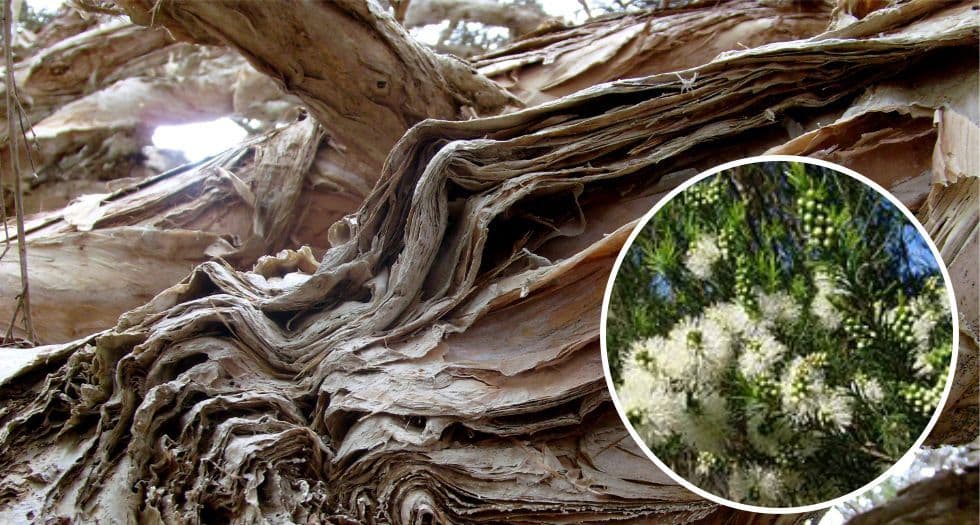
paperbark
Paperbark refers to the distinctive aromatic character of Melaleuca species — a diverse genus of trees and shrubs native to Australia and Southeast Asia, part of the myrtle family. The most recognized is Melaleuca quinquenervia, the broad-leaved paperbark, whose name derives from the characteristic peeling, papery white bark that layers upon itself in soft, tissue-like sheets. These trees are central to Australian coastal and wetland landscapes, growing in dense stands that create an otherworldly, pale-limbed environment with a persistent, medicinal-fresh fragrance that permeates the air around them. As a fragrance note, paperbark draws heavily on the aromatic compounds present in Melaleuca oils — primarily cineole, which gives the distinctive fresh, slightly medicinal, eucalyptus-adjacent quality that immediately evokes the Australian bush. But paperbark goes beyond simple eucalyptus: there is a woody dryness from the bark itself, a slight smokiness, and a clean, tea-tree freshness that is distinctly Australian in character. The overall impression is of wild, sun-lit bush — airy, antiseptic-clean, and deeply connected to place. In contemporary niche perfumery, paperbark has become a marker of Australian botanical identity, valued for bringing an authentic sense of this unique landscape to a composition. It pairs naturally with other native Australian ingredients such as sandalwood, wattle, and eucalyptus, as well as with clean musks and dry woods. Fragrenza's paperbark collection celebrates this distinctly Southern Hemisphere note through inspired fragrance dupes that capture the spirit of the Australian wilderness.
- 🌿
Paphiopedilum rothschildianum
Paphiopedilum rothschildianum is a specialty note used to give a fragrance a distinctive texture, mood, or material impression. Depending on interpretation, it may contribute freshness, warmth, sweetness, dryness, softness, or an abstract atmospheric effect. In perfumery, specialty notes are useful because they make a composition feel more specific and less generic. It can be paired with woods, musks, florals, resins, fruits, green notes, spices, or amber materials according to the intended style.
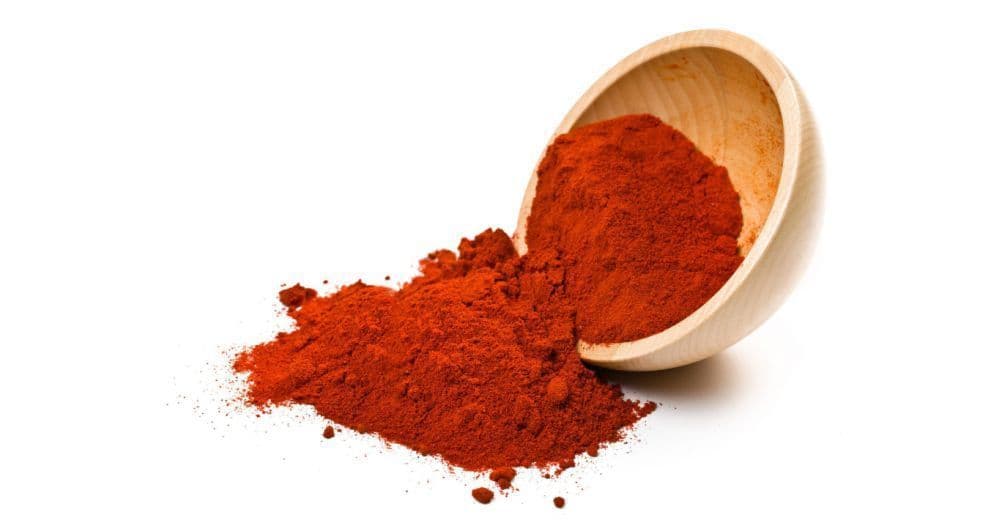
Paprika
Paprika is a warm spice made from dried peppers. In perfumery, it can add a dry red spice effect with mild heat, earthy sweetness, and subtle smoky warmth. It pairs well with woods, leather, amber, tobacco, saffron, and oriental accords.
- 🌿
Papua New Guinea vanilla absolute
Papua New Guinea vanilla absolute is a warm ambered or resinous note used to give fragrance depth, softness, and long-lasting richness. It can smell balsamic, sweet, smoky, vanillic, woody, powdery, or incense-like depending on the material. In perfumery, it rounds sharp edges and creates a smooth base that holds the composition together. It pairs well with woods, musks, spices, vanilla, tobacco, leather, florals, oud, and other resins.
- 🌿
Papua oud
Papua oud is a woody note used to create structure, depth, and lasting warmth. Its scent may be dry, creamy, smoky, resinous, earthy, pencil-like, or polished depending on the wood or accord. In perfumery, woody notes often support the whole composition and help connect fresh openings with deeper bases. Papua oud pairs naturally with amber, musk, incense, leather, vetiver, patchouli, spices, citrus, and soft resins, making it useful in masculine, feminine, and unisex fragrances.
- 🌿
Papua sandalwood
Papua sandalwood is a woody note used to create structure, depth, and lasting warmth. Its scent may be dry, creamy, smoky, resinous, earthy, pencil-like, or polished depending on the wood or accord. In perfumery, woody notes support the whole composition and connect fresh openings with deeper bases. It pairs naturally with amber, musk, incense, leather, vetiver, patchouli, spices, citrus, and soft resins.

papyrus
Papyrus, the reed plant Cyperus papyrus, is one of the most historically resonant botanical materials in human civilization. Native to the wetlands of the Nile Delta and sub-Saharan Africa, it served as the primary writing medium of ancient Egypt, Greece, and Rome — the original paper — and remains deeply associated with antiquity, scholarship, and the weight of recorded human history. The plant itself grows to impressive heights along waterways, its triangular stems crowned with feathery, umbrella-like clusters. Its aromatic profile, while subtle in the living plant, becomes more pronounced when dried and processed. As a fragrance note, papyrus presents as dry and woody with a distinctive dusty, slightly smoky quality that evokes ancient materials — the smell of old manuscripts, sun-baked reeds, and the dry air of museum archives. It is a note with genuine textural character: arid and slightly rasping, with an underlying woody warmth that keeps it grounded without feeling heavy. There is a faint aquatic echo from its origins as a wetland plant, but the predominant character is dry, historical, and abstract — a sense of time and timelessness captured in a scent. In modern perfumery, papyrus note is prized for adding texture, dryness, and a sense of intellectual depth to compositions. It pairs particularly well with incense, cedar, dry musks, and other woody-mineral materials. Fragrenza's papyrus collection draws on this ancient, evocative note through carefully crafted fragrance dupes that transport the wearer to the margins of history with every application.
- 🌿
Papyrus absolute
Papyrus absolute is a specialty note used to give a fragrance a distinctive texture, mood, or material impression. Depending on interpretation, it may contribute freshness, warmth, sweetness, dryness, softness, or an abstract atmospheric effect. In perfumery, specialty notes are useful because they make a composition feel more specific and less generic. It can be paired with woods, musks, florals, resins, fruits, green notes, spices, or amber materials according to the intended style.
- 🌿
Paradisamide®
Paradisamide® is a specialty note used to give a fragrance a distinctive texture, mood, or material impression. Depending on interpretation, it may contribute freshness, warmth, sweetness, dryness, softness, or an abstract atmospheric effect. In perfumery, specialty notes are useful because they make a composition feel more specific and less generic. It can be paired with woods, musks, florals, resins, fruits, green notes, spices, or amber materials according to the intended style.
- 🌿
Paradise nut
Paradise nut is a gourmand note that adds edible warmth, sweetness, and comfort. It may suggest cream, sugar, nuts, chocolate, coffee, honey, pastry, or toasted grains depending on the accord. In perfumery, gourmand notes make compositions feel cozy and sensual, but they work best when balanced with woods, musks, spices, citrus, or resins. It pairs well with vanilla, tonka bean, sandalwood, amber, caramel, cacao, coffee, and soft florals.
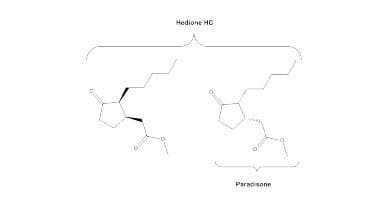
paradisone
Paradisone is a captivating synthetic aroma molecule developed by Givaudan, one of the world's leading fragrance and flavor companies. Created as part of the ongoing exploration of clean, modern floral materials, Paradisone was designed to bridge the elegant simplicity of muguet — lily of the valley — with the softly romantic character of rose, producing a new floral archetype that feels simultaneously fresh and warm, classic and contemporary. As a manufactured molecule rather than a natural extract, it represents the ingenuity of modern perfumery chemistry, which has dramatically expanded the palette available to creative perfumers. The olfactory character of Paradisone is clean, luminous, and unmistakably floral. It opens with a fresh, slightly dewy muguet quality, then reveals a softly rosy warmth in its heart — a combination that is both familiar and distinctly modern. The overall effect is of a transparent, well-lit floral space: bright but not sharp, sweet but not cloying, feminine without being dated. It possesses a radiance and diffusiveness that make it extraordinarily effective in small concentrations, projecting beautifully from the skin. Paradisone has become a valued building block in contemporary fine fragrance, appearing in compositions that seek a polished, professional floral elegance with a modern sensibility. It pairs seamlessly with other clean musks, white florals, and light woods, amplifying their best qualities. Fragrenza's Paradisone collection captures this spirit of refined modern florals through expertly crafted fragrance dupes, offering the luminous beauty of this molecule in accessible, high-quality compositions.
- 🌿
Paraguayan bitter orange
Paraguayan bitter orange is a citrus note that adds sparkle, freshness, and immediate lift to a fragrance. Its profile can include juicy pulp, aromatic peel, green bitterness, soft floral nuances, or a sharp zesty brightness depending on the material. In perfumery, it is usually used in the opening, where it brings clarity and motion before blending into florals, woods, musks, or herbs. It pairs well with neroli, tea, lavender, white musk, light woods, aquatic notes, and aromatic herbs.
- 🌿
Paraguayan gaiac wood
Paraguayan gaiac wood is a woody note used to create structure, depth, and lasting warmth. Its scent may be dry, creamy, smoky, resinous, earthy, pencil-like, or polished depending on the wood or accord. In perfumery, woody notes often support the whole composition and help connect fresh openings with deeper bases. Paraguayan gaiac wood pairs naturally with amber, musk, incense, leather, vetiver, patchouli, spices, citrus, and soft resins, making it useful in masculine, feminine, and unisex fragrances.
- 🌿
Paraguayan maté absolute
Paraguayan maté absolute is a green or aromatic note that evokes leaves, herbs, stems, fresh air, or crushed vegetation. Its profile can be crisp, bitter, watery, camphoraceous, grassy, or slightly earthy depending on the material. In perfumery, green notes add realism and lift, keeping sweet, floral, or woody compositions from feeling too heavy. It pairs well with citrus, tea, fig, violet leaf, galbanum, tomato leaf, white musk, vetiver, lavender, and light woods.
- 🌿
Paraguayan mate tea absolute
Paraguayan mate tea absolute is a green or aromatic note that evokes leaves, herbs, stems, fresh air, or crushed vegetation. Its profile can be crisp, bitter, watery, camphoraceous, grassy, or slightly earthy depending on the material. In perfumery, green notes add realism and lift, keeping sweet, floral, or woody compositions from feeling too heavy. It pairs well with citrus, tea, fig, violet leaf, galbanum, tomato leaf, white musk, vetiver, lavender, and light woods.
- 🌿
Paraguayan petigrain
Paraguayan petigrain is an aquatic note that evokes water, sea air, rain, mineral freshness, or clean transparent space. It may be salty, ozonic, marine, watery, airy, or slightly green depending on the accord. In perfumery, aquatic notes bring freshness, diffusion, and a modern easy-to-wear character. Paraguayan petigrain pairs well with citrus, white musk, driftwood, lavender, sage, cucumber, marine notes, ambergris-style molecules, and pale woods.

Paramela
Paramela, known botanically as Adesmia boronioides, is an aromatic shrub native to the Patagonian steppes and Andean foothills of Argentina and Chile. Belonging to the legume family, it grows in exposed, windswept terrain at altitude, where it has evolved a rich aromatic defense chemistry. Traditional communities in southern South America have long used paramela for its medicinal and aromatic properties, and it carries deep cultural roots in the region. The plant produces small clusters of yellow flowers and highly aromatic leaves whose scent shifts interestingly between herbal freshness, resinous depth, and a subtle sweetness. As a fragrance note, paramela presents a profile that is herbal and resinous with an underlying aromatic warmth. It is drier and more complex than typical European herbs — carrying a hint of balsamic sweetness from its natural resins alongside the clean, slightly camphoraceous herbal freshness of its leaves. The overall impression is of wild, rugged southern landscapes: sun-heated earth, dry air, and aromatic vegetation whose scent carries for miles on a Patagonian wind. It is a note that rewards contemplation, revealing new facets as it develops on the skin. In modern perfumery, paramela is a compelling choice for compositions that seek to evoke the natural beauty of South American wilderness. It pairs naturally with other South American botanicals, cedarwood, dry musks, and smoky incense materials. Fragrenza's paramela collection brings this singular raw material to life through thoughtfully crafted fragrance dupes that honor the spirit and soul of the wild Patagonian landscape.
- 🌿
Parcel tape
Parcel tape is a specialty note used to give a fragrance a distinctive texture, mood, or material impression. Depending on interpretation, it may contribute freshness, warmth, sweetness, dryness, softness, or an abstract atmospheric effect. In perfumery, specialty notes are useful because they make a composition feel more specific and less generic. It can be paired with woods, musks, florals, resins, fruits, green notes, spices, or amber materials according to the intended style.
- 🌿
Parma violet
Parma violet is a floral note that gives a fragrance softness, radiance, and emotional warmth. Depending on the flower or accord, it may feel fresh, creamy, powdery, honeyed, green, indolic, or airy. In perfumery, floral notes often form the heart of a composition, adding body and a recognizable signature. It pairs well with citrus, white musk, rose, jasmine, sandalwood, amber, vanilla, iris, and delicate fruits.
Parsley
Parsley, Petroselinum crispum, is one of the most widely used culinary herbs in the world — a biennial plant of the Apiaceae family cultivated across the Mediterranean, Europe, and beyond for its bright, clean flavor and distinctive aromatic quality. In its fresh state, parsley carries a sharp, intensely green, slightly peppery fragrance that is immediately recognizable and deeply associated with kitchen freshness. The essential oil distilled from parsley seed and leaf has been used in perfumery for centuries, prized for its ability to add a clean, naturalistic green dimension quite different from more commonly used herbal notes. As a fragrance note, parsley is crisp, green, and herbal with a faint peppery edge and an almost minerally freshness. It lacks the sweetness of basil or the warmth of tarragon — it is cooler and more austere, carrying a sense of clean, bright vegetation. When used in perfumery, it reads as genuinely natural and unadorned, lending compositions a garden-fresh authenticity that feels contemporary and grounded. It also possesses a subtle spicy quality, particularly in parsley seed oil, that adds unexpected complexity. Parsley note appears in fougères, aromatic fresh compositions, and herbal aquatics, where its clean green character serves as a fresh counterbalance to heavier or warmer elements. It pairs well with bergamot, juniper, cedarwood, and clean musks. At Fragrenza, our parsley collections explore this vibrant herbal note through inspired fragrance dupes that capture the freshness and naturalness of the world's finest aromatic creations.
- 🌿
Parsley blossom
Parsley blossom is a floral note that gives a fragrance softness, radiance, and emotional warmth. Depending on the flower or accord, it may feel fresh, creamy, powdery, honeyed, green, indolic, or airy. In perfumery, floral notes often form the heart of a composition, adding body and a recognizable signature. It pairs well with citrus, white musk, rose, jasmine, sandalwood, amber, vanilla, iris, and delicate fruits.
- 🌿
Parsnip
Parsnip is a specialty note used to give a fragrance a distinctive texture, mood, or material impression. Depending on interpretation, it may contribute freshness, warmth, sweetness, dryness, softness, or an abstract atmospheric effect. In perfumery, specialty notes are useful because they make a composition feel more specific and less generic. It can be paired with woods, musks, florals, resins, fruits, green notes, spices, or amber materials according to the intended style.
Passion Flower
The passionflower vine, Passiflora, is a genus of around 550 species native primarily to the tropical and subtropical Americas, named by Spanish missionaries who saw in its striking, complex blooms a symbol of the Passion of Christ. The flowers are among the most architecturally dramatic in the botanical world, featuring elaborate crowns of filaments in combinations of purple, blue, white, and pink that have fascinated botanists and artists for centuries. In their native habitats, they bloom in warm, humid conditions, often climbing through forest canopies and releasing their fragrance in waves during the heat of the day. As a fragrance note, passionflower is exotic and slightly elusive — more complex than many tropical florals. It carries a green, slightly tangy quality alongside its floral heart, evoking the living vine as much as the isolated blossom. The fragrance is tropical without being cloying, with a faintly lactonic creaminess underscoring its floral character and a green freshness that keeps it light and airy. It possesses an intriguing quality that is simultaneously familiar and foreign — a floral that suggests distant, sun-drenched places. In perfumery, passionflower is used to add exotic depth and a naturalistic tropical dimension to compositions, often in combination with ylang-ylang, frangipani, and tropical fruit notes, as well as creamy sandalwood or soft musks. Fragrenza's passion flower collection celebrates this extraordinary bloom through beautifully crafted fragrance dupes that bring the spirit of the tropics to your collection at an accessible price.
- 🌿
Passion fruit
Passion fruit is a fruity note that adds juiciness, color, and natural sweetness to a fragrance. It can feel bright and tart, ripe and velvety, tropical and creamy, or dark and jammy depending on the fruit profile. In perfumery, it is used to make florals more playful, musks more approachable, and gourmands more vivid. It pairs well with rose, peony, white musk, vanilla, woods, citrus, and soft amber.
Passionfruit
Passionfruit — harvested from the vigorous climbing vine Passiflora edulis — is one of the most vividly aromatic of all tropical fruits, and its translation into perfumery is a study in balancing the richly complex against the radiantly fresh. The characteristic passionfruit scent comes from a dense mix of esters and terpenes: ethyl butanoate, ethyl hexanoate, and a host of other volatile compounds that together produce an aroma simultaneously tropical and tangy, sweet and slightly sulphurous, with a unmistakable exotic lushness that no other fruit quite replicates. In a fragrance, passionfruit reads as brightly fruity and intensely tropical — there is a juicy sweetness up front, followed quickly by a tart, almost passionfruit-peel bitterness that keeps it from becoming cloying. Some facets suggest ripe mango or guava, others a more distinctly green, almost floral quality tied to the vine's blossom. Perfumers use passionfruit to inject immediate, vivid energy into a composition — as a top note it is spectacular, delivering that instant rush of tropical sunshine; as a heart, blended with florals and musks, it creates a lingering, sensual exoticism. Passionfruit has become a defining note in the tropical fruity floral category, a genre that has grown enormously in popularity as consumers seek out fragrance experiences that feel escapist, joyful, and alive. At Fragrenza, our inspired-by collection captures the finest passionfruit-forward luxury fragrances in the market, delivering that tropical exuberance and sophisticated fruit-floral elegance at prices that make paradise genuinely attainable.
- 🌿
Pastry
Pastry is a gourmand note that adds edible warmth, sweetness, and comfort to a fragrance. It may suggest cream, sugar, nuts, chocolate, coffee, honey, pastry, or toasted grains depending on the accord. In perfumery, gourmand notes make compositions feel cozy and sensual, but they work best when balanced with woods, musks, spices, citrus, or resins. Pastry pairs well with vanilla, tonka bean, sandalwood, amber, caramel, cacao, coffee, and soft florals.
Pataqueira
Pataqueira refers to aromatic plant material sourced from the Andean regions of South America — a botanical with deep roots in the traditional herbal knowledge of indigenous communities in countries such as Peru, Bolivia, and Argentina. Like many South American aromatic herbs, pataqueira grows in the harsh, high-altitude environments of the Andes, where intense UV radiation, temperature swings, and thin soils encourage the production of potent aromatic compounds as a natural defense mechanism. The plant has been used medicinally and ritually for generations before attracting the attention of natural perfumers seeking new, untapped raw materials. As a fragrance note, pataqueira presents a profile that is herbal and slightly earthy, with a dry, natural quality that sets it apart from the more familiar herbaceous notes of European origin. There is a certain ruggedness to its character — a sense of wild, sun-dried vegetation rather than a cultivated garden herb. It lacks the sharpness of sage or the sweetness of lavender, occupying instead a quieter, more austere herbal space with underlying resinous warmth from the plant's natural compounds. In perfumery, pataqueira is valued for bringing genuine botanical authenticity and a sense of place to a composition — the evocative quality of remote Andean landscapes carried in a single ingredient. It pairs well with other earthy naturals, wood notes, and animalic materials. Fragrenza's pataqueira collection explores this rare and distinctive note through carefully considered fragrance dupes that honor the wild origins of this extraordinary ingredient.
Patchouli
Patchouli, Pogostemon cablin, is one of the most iconic and consequential ingredients in the history of perfumery. Native to tropical Asia — primarily the Philippines, Indonesia, and India — this aromatic herb of the mint family has been traded and treasured for centuries. Its dried leaves develop a rich, complex fragrance through fermentation and distillation that bears little resemblance to the fresh plant, transforming into the deep, earthy, slightly sweet material that would go on to define entire fragrance movements. Patchouli-scented fabrics from India were so associated with authentic Eastern textiles in the 19th century that Western manufacturers began adding it to their own goods to signal quality. The fragrance profile of patchouli is deep and multifaceted: earthy and dark at its core, with a dry, slightly camphoraceous opening that softens over time into sweet, woody, and faintly chocolatey warmth. Aged patchouli becomes rounder and smoother, losing its sharper edges while gaining extraordinary richness. It is simultaneously grounding and sensual, with a persistent sillage that made it a signature scent of the 1960s counterculture and a beloved base note in countless classical and contemporary perfumes. Patchouli is a cornerstone of the chypre and oriental fragrance families, anchoring compositions with its deep resonance and remarkable tenacity. It pairs beautifully with rose, bergamot, sandalwood, and labdanum. At Fragrenza, our patchouli collections celebrate this legendary ingredient through expertly crafted fragrance dupes that bring the depth and grandeur of patchouli to everyone, regardless of budget. Looking for it in a bottle? Browse [affordable patchouli scents](https://fragrenza.com/collections/patchouli-fragrances) on Fragrenza.
- 🌿
Patchouli absolute
Patchouli absolute is a woody note used to create structure, depth, and lasting warmth. Its scent may be dry, creamy, smoky, resinous, earthy, pencil-like, or polished depending on the wood or accord. In perfumery, woody notes support the whole composition and connect fresh openings with deeper bases. It pairs naturally with amber, musk, incense, leather, vetiver, patchouli, spices, citrus, and soft resins.
- 🌿
Patchouli CO2
Patchouli CO2 is a woody note used to create structure, depth, and lasting warmth. Its scent may be dry, creamy, smoky, resinous, earthy, pencil-like, or polished depending on the wood or accord. In perfumery, woody notes support the whole composition and connect fresh openings with deeper bases. It pairs naturally with amber, musk, incense, leather, vetiver, patchouli, spices, citrus, and soft resins.
- 🌿
Patchouli Leaf
Patchouli Leaf is a woody note used to create structure, depth, and lasting warmth. Its scent may be dry, creamy, smoky, resinous, earthy, pencil-like, or polished depending on the wood or accord. In perfumery, woody notes support the whole composition and connect fresh openings with deeper bases. It pairs naturally with amber, musk, incense, leather, vetiver, patchouli, spices, citrus, and soft resins.
- 🌿
Patchouli Orpur®
Patchouli Orpur® is a woody note used to create structure, depth, and lasting warmth. Its scent may be dry, creamy, smoky, resinous, earthy, pencil-like, or polished depending on the wood or accord. In perfumery, woody notes support the whole composition and connect fresh openings with deeper bases. It pairs naturally with amber, musk, incense, leather, vetiver, patchouli, spices, citrus, and soft resins.
- 🌿
Patchouli root
Patchouli root is a woody note used to create structure, depth, and lasting warmth. Its scent may be dry, creamy, smoky, resinous, earthy, pencil-like, or polished depending on the wood or accord. In perfumery, woody notes support the whole composition and connect fresh openings with deeper bases. It pairs naturally with amber, musk, incense, leather, vetiver, patchouli, spices, citrus, and soft resins.
- 🌿
Paul Smith rose
Paul Smith rose is a floral note that gives a fragrance softness, radiance, and emotional warmth. Depending on the flower or accord, it may feel fresh, creamy, powdery, honeyed, green, indolic, or airy. In perfumery, floral notes often form the heart of a composition, adding body and a recognizable signature. It pairs well with citrus, white musk, rose, jasmine, sandalwood, amber, vanilla, iris, and delicate fruits.
pea
The green pea, Pisum sativum, is a cool-season legume cultivated widely across temperate regions since antiquity, valued for both its nutritional content and its distinctive aromatic character. The scent of fresh peas — whether still in the pod or freshly shelled — is a very specific kind of green: sweet, clean, and slightly vegetal, with a raw vitality that speaks of gardens and early summer. This particular freshness has attracted a small but dedicated group of perfumers working in naturalistic and avante-garde green compositions. As a fragrance note, green pea sits in a unique corner of the vegetal green family. It is sweeter and more rounded than grassy or leafy green notes, lacking the sharpness of tomato leaf or the bitterness of violet leaf. Instead, it reads as fresh and wholesome — an honest, garden-fresh quality that feels unpretentious and grounded. There is a slight sweetness reminiscent of new-season vegetables just picked from the vine, giving it a pleasant, approachable character even within the often challenging vegetal category. In niche perfumery, green pea has been used to create compositions that evoke kitchen gardens, spring abundance, and earthy naturalness. It pairs well with green herbs, dewy florals, and light aquatic musks, and can serve as a grounding element in complex green chypres. Fragrenza's pea collection brings this distinctive fresh-vegetal note to fragrance lovers through carefully crafted dupes that capture the spirit of the world's most creative green fragrances at a genuinely accessible price.
Peach
The peach, Prunus persica, originated in China and has been cultivated for over four thousand years, spreading along trade routes to Persia — giving it the Latin name that references its journey westward — and eventually to Europe and the Americas. It is one of the most cherished stone fruits in both culinary tradition and perfumery, prized for a fragrance profile that is simultaneously rich, sweet, velvety, and warm. The characteristic scent of ripe peach is generated largely by gamma-decalactone and related lactone compounds, which produce that distinctive peachy creaminess beloved by perfumers worldwide. As a fragrance ingredient, peach is lush and multifaceted. The top note is bright and juicy, with a slightly aqueous quality; the heart deepens into the velvety, suede-soft warmth of ripe flesh, while the base carries a faintly animalic, lactonic richness that gives it genuine sensuality. This complexity has made peach one of the most enduring fruit notes in perfumery — present in iconic fragrances for over a century and still beloved today. It reads as feminine and approachable while carrying enough depth to hold its own in sophisticated compositions. Peach pairs magnificently with rose, jasmine, iris, and sandalwood, and forms the backbone of many classic fruity-floral and oriental fragrances. Its warmth and natural sweetness make it universally appealing without being bland. At Fragrenza, our peach collections showcase this perennial classic through beautifully executed fragrance dupes that bring top-tier quality to every budget. Looking for it in a bottle? Browse [affordable peach scents](https://fragrenza.com/collections/peach-fragrances) on Fragrenza.
- 🌿
Peach aldehyde
Peach aldehyde is a fruity note that adds juiciness, color, and natural sweetness. It may feel crisp and tart, ripe and velvety, tropical and creamy, or dark and jammy depending on the fruit profile. In perfumery, fruity notes brighten florals, soften musks, and add pleasure to gourmand or woody structures. It pairs well with rose, peony, jasmine, white musk, vanilla, woods, citrus, amber, and soft spices.
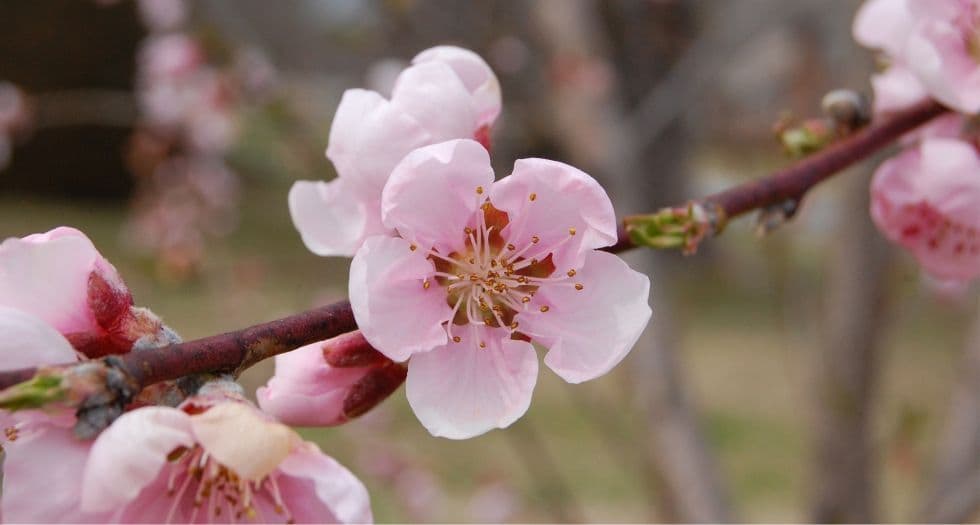
Peach blossom
Peach blossom is the floral expression of Prunus persica — the delicate five-petaled pink-white flowers that appear on the branches before the leaves each spring, transforming orchards into pale, fragrant clouds. Revered for centuries in Chinese culture as a symbol of longevity, luck, and feminine beauty, peach blossoms hold deep aesthetic and cultural significance that extends well beyond their fragrance. In Japan, the Hinamatsuri festival on March 3rd is also called the Peach Blossom Festival, reflecting how deeply this flower is woven into tradition across Asia. As a fragrance note, peach blossom is softer and more powdery than the ripe fruit, with a delicate floral sweetness that carries only the faintest suggestion of the stone fruit to come. It is a gentle, springlike accord — light and luminous, with a slightly rosy undertone and a clean, airy freshness that keeps it from feeling heavy. The powdery quality is refined rather than dusty, reminiscent of soft florals like magnolia or sweet pea. It is a note that whispers rather than announces itself. In perfumery, peach blossom adds a tender, romantic quality to compositions, lending a feminine grace that differs meaningfully from the more assertive warmth of the fruit. It is at home in soft florals, light orientals, and spring-inspired accords. Fragrenza's peach blossom collection captures this quiet elegance through inspired fragrance dupes of exceptional quality, making the finest interpretations of this note available at an accessible price.
- 🌿
Peach blossom absolute
Peach blossom absolute is a floral note that gives a fragrance softness, radiance, and emotional warmth. Depending on the flower or accord, it may feel fresh, creamy, powdery, honeyed, green, indolic, or airy. In perfumery, floral notes often form the heart of a composition, adding body and a recognizable signature. It pairs well with citrus, white musk, rose, jasmine, sandalwood, amber, vanilla, iris, and delicate fruits.
- 🌿
Peach cobbler
Peach cobbler is a fruity note that adds juiciness, color, and natural sweetness. It may feel crisp and tart, ripe and velvety, tropical and creamy, or dark and jammy depending on the fruit profile. In perfumery, fruity notes brighten florals, soften musks, and add pleasure to gourmand or woody structures. It pairs well with rose, peony, jasmine, white musk, vanilla, woods, citrus, amber, and soft spices.
- 🌿
Peach fizz
Peach fizz is a fruity note that adds juiciness, color, and natural sweetness. It may feel crisp and tart, ripe and velvety, tropical and creamy, or dark and jammy depending on the fruit profile. In perfumery, fruity notes brighten florals, soften musks, and add pleasure to gourmand or woody structures. It pairs well with rose, peony, jasmine, white musk, vanilla, woods, citrus, amber, and soft spices.
- 🌿
Peach juice
Peach juice is a fruity note that adds juiciness, color, and natural sweetness. It may feel crisp and tart, ripe and velvety, tropical and creamy, or dark and jammy depending on the fruit profile. In perfumery, fruity notes brighten florals, soften musks, and add pleasure to gourmand or woody structures. It pairs well with rose, peony, jasmine, white musk, vanilla, woods, citrus, amber, and soft spices.
- 🌿
Peach leaf
Peach leaf is one of perfumery's more distinctive green notes — botanical, slightly bitter, and unmistakably fresh in a way that the fruit itself is not. The leaves of Prunus persica carry an aromatic profile rich in cyanogenic compounds that give them a faintly almond-like, bitter-green character alongside the expected leafy freshness. When crushed, they release a sharp, verdant scent with an underlying astringency that perfumers have long found valuable as a textural counterpoint to the sweetness of stone fruit. As a fragrance note, peach leaf occupies territory between the clean sharpness of violet leaf and the more restrained herbaceous quality of tomato leaf. It is green and fresh, but carries a botanical depth — a sense of the living plant rather than an abstract freshness. The slight bitterness acts as a natural foil to overly sweet compositions, lending balance and a naturalistic edge that feels modern and sophisticated. There is also a faint, almost medicinal quality that reads as clean rather than clinical in the right context. In perfumery, peach leaf is used to add complexity and a grounded, botanical dimension to fruity compositions, preventing them from reading as purely confected or one-dimensional. It pairs well with watery florals, green chypres, and crisp aromatic accords. Fragrenza's peach leaf collection celebrates this underappreciated note through artfully blended fragrance dupes that honor the full botanical complexity of this unique ingredient.
- 🌿
Peach nectar
Peach nectar is a fruity note that gives fragrance juiciness, color, and natural sweetness. It can be crisp and tart, ripe and velvety, tropical and creamy, or dark and jammy depending on the fruit profile. In perfumery, fruity notes brighten florals, soften musks, and add pleasure to gourmand or woody structures. Peach nectar pairs well with rose, peony, jasmine, white musk, vanilla, woods, citrus, amber, and soft spices.
- 🌿
Peach skin
Peach skin is a fruity note that gives fragrance juiciness, color, and natural sweetness. It can be crisp and tart, ripe and velvety, tropical and creamy, or dark and jammy depending on the fruit profile. In perfumery, fruity notes brighten florals, soften musks, and add pleasure to gourmand or woody structures. Peach skin pairs well with rose, peony, jasmine, white musk, vanilla, woods, citrus, amber, and soft spices.
- 🌿
Peach sorbet
Peach sorbet is a fruity note that adds juiciness, color, and natural sweetness. It may feel crisp and tart, ripe and velvety, tropical and creamy, or dark and jammy depending on the fruit profile. In perfumery, fruity notes brighten florals, soften musks, and add pleasure to gourmand or woody structures. It pairs well with rose, peony, jasmine, white musk, vanilla, woods, citrus, amber, and soft spices.
- 🌿
Peach tea
Peach tea is a fruity note that adds juiciness, color, and natural sweetness. It may feel crisp and tart, ripe and velvety, tropical and creamy, or dark and jammy depending on the fruit profile. In perfumery, fruity notes brighten florals, soften musks, and add pleasure to gourmand or woody structures. It pairs well with rose, peony, jasmine, white musk, vanilla, woods, citrus, amber, and soft spices.
- 🌿
Peach water
Peach water is a fruity note that adds juiciness, color, and natural sweetness. It may feel crisp and tart, ripe and velvety, tropical and creamy, or dark and jammy depending on the fruit profile. In perfumery, fruity notes brighten florals, soften musks, and add pleasure to gourmand or woody structures. It pairs well with rose, peony, jasmine, white musk, vanilla, woods, citrus, amber, and soft spices.
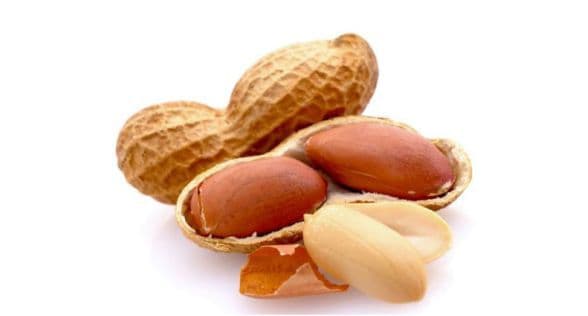
Peanut
The peanut, Arachis hypogaea, is a legume native to South America that has become one of the world's most widely consumed crops. Its fragrance profile is driven primarily by the roasting process — raw peanuts carry a faint, earthy-vegetal scent, but heat transforms them into something deeply aromatic: warm, toasty, slightly sweet, and undeniably comforting. The smell of roasted peanuts is embedded in cultural memory across the globe, from street food stalls to fairground snacks, carrying associations of warmth, generosity, and uncomplicated pleasure. As a fragrance note, peanut occupies a distinctive niche within the gourmand family. It is richer and more savory than many dessert notes, with a roasted earthiness that keeps it grounded and prevents it from reading as overtly sweet. There is a nutty, slightly oily depth — reminiscent of fresh peanut butter — and a gentle warmth that makes it a natural companion to tonka bean, praline, caramel, and dark chocolate in complex gourmand compositions. Peanut can also bridge the gap between gourmand and woody accords, adding an unexpected, naturalistic texture. In contemporary niche perfumery, peanut has found a devoted following among those who appreciate bold, unconventional gourmand notes. Its savory-sweet balance makes it intriguing and wearable without feeling one-dimensional. Fragrenza celebrates this distinctive note through a collection of inspired fragrance dupes that capture its warmth and depth at a genuinely accessible price point.
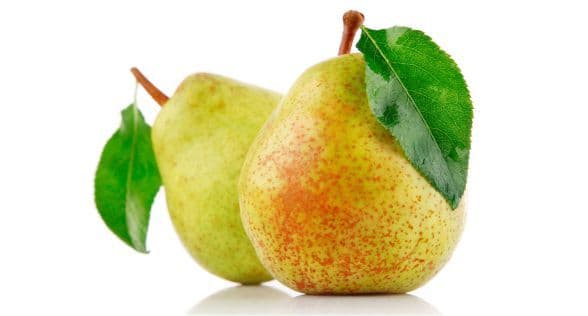
Pear
The pear is one of the most graceful fruits in perfumery — softer and more understated than the peachy stone fruits that often dominate fruity compositions, yet possessing a distinctive character that is instantly recognizable. Cultivated for millennia across Europe and Asia, varieties such as Williams, Comice, and Asian Nashi each carry subtly different aromatic profiles, but all share the same defining qualities: a crisp, watery freshness underscored by delicate sweetness and a light, almost aqueous texture unlike any other fruit. As a fragrance ingredient, pear is typically rendered through chemical compounds such as ethyl (E,Z)-2,4-decadienoate, which captures the fruit's characteristic juicy-crisp quality with remarkable fidelity. The note opens with a bright, slightly green freshness, then settles into a soft, sweet-watery heart. It carries none of the heaviness of tropical fruits and avoids the tartness of citrus, sitting instead in a gentle, approachable register that layers harmoniously with florals, musks, and light woods without overwhelming them. Pear is a beloved building block in perfumery for its versatility and universal appeal. It appears in feminine florals, fresh aquatics, and light fruity-woody compositions alike, lending a natural, uncomplicated sweetness that feels both elegant and effortless. Fragrenza's pear collections translate this classic note into beautifully crafted fragrance dupes, delivering the quality of top-tier perfumes at prices that make luxury accessible. Find it featured prominently in [Fragrenza's pear edit](https://fragrenza.com/collections/pear-fragrances).
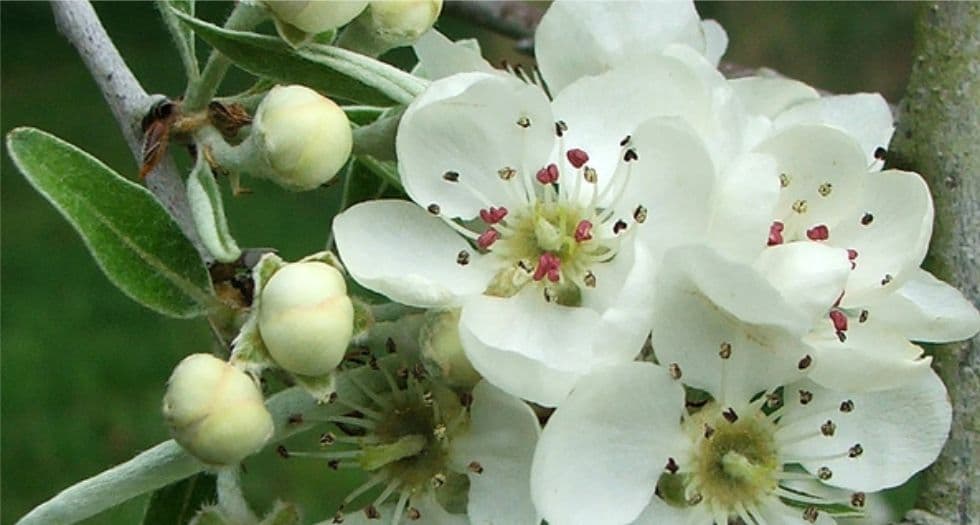
Pear blossom
Pear blossom is among the more quietly enchanting florals that perfumers have drawn upon for spring-inspired compositions. The flowers of the Pyrus tree are small, white, and five-petaled, blooming in dense clusters before the foliage emerges. Their scent is soft and intimate rather than expansive — a tender, slightly honeyed fragrance carried on cool air, with an almost powdery delicacy that distinguishes it from the more assertive blossoms of cherry or orange tree. In fragrance terms, pear blossom reads as a white floral with a particularly light touch. There is a gossamer sweetness, like a trace of floral honey without the weight, and a fresh, dewy quality that grounds it firmly in springtime. Unlike some white florals that lean narcotic or heady, pear blossom remains transparent and airy — it brightens a composition rather than anchoring it, contributing a sense of gentle radiance and seasonal optimism. A very faint fruitiness underlies the floral, referencing the promise of the fruit to come. Pear blossom pairs naturally with other spring florals such as lily of the valley, freesia, and white peony, as well as with light musks and sheer woods. It is a note well-suited to wedding fragrances, soft romantic compositions, and any scent seeking to evoke the feeling of walking through an orchard in early spring. Fragrenza's pear blossom collections bring this gentle magic to life through exceptional fragrance dupes crafted for the discerning nose.
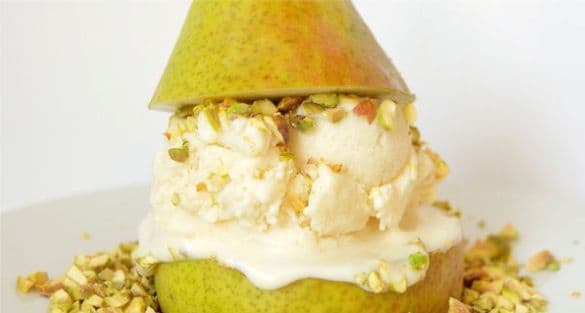
pear ice cream
Pear ice cream as a fragrance note belongs to the gourmand family — a creative, imaginative category that translates beloved culinary pleasures into wearable scent. The concept merges two distinct sensory experiences: the crisp, watery-sweet quality of ripe pear and the rich, cold creaminess of frozen dessert. The result is a note that feels both refreshing and indulgent, evoking summer afternoons and artisanal gelato counters in equal measure. Olfactorily, pear ice cream reads as a layered accord — the top radiates with bright, juicy pear facets, slightly chilled and luminous, while the heart and base open into creamy lactonic warmth, vanilla softness, and a gentle sweetness that never tips into cloying territory. The cold, almost mentholated suggestion of ice cream keeps the composition feeling light despite its richness, giving it a uniquely refreshing gourmand character that distinguishes it from warmer, heavier dessert notes. In contemporary perfumery, gourmand notes have evolved far beyond simple sweetness. Pear ice cream accords appear in modern fruity-creamy fragrances that balance nostalgia with sophistication, appealing to wearers who love playful, joyful scents with genuine depth. They pair well with soft musks, sandalwood, and praline. At Fragrenza, our pear ice cream collections deliver this delightful, dessert-inspired experience through expertly crafted fragrances at prices that don't require a luxury budget.
- 🌿
Pear juice
Pear juice is a fruity note that adds juiciness, color, and natural sweetness. It may feel crisp and tart, ripe and velvety, tropical and creamy, or dark and jammy depending on the fruit profile. In perfumery, fruity notes brighten florals, soften musks, and add pleasure to gourmand or woody structures. It pairs well with rose, peony, jasmine, white musk, vanilla, woods, citrus, amber, and soft spices.
- 🌿
Pear leaf
Pear leaf is a distinctly green, botanical facet of the Pyrus tree — one that sits apart from the sweetness of the fruit or the delicacy of the blossom. When a fresh pear leaf is bruised or crushed, it releases a sharp, verdant aroma that is simultaneously crisp, slightly fruity-vegetal, and unmistakably alive. This raw green quality has attracted perfumers seeking natural, garden-fresh textures that feel immediate and unconstructed. As a fragrance note, pear leaf occupies a niche between the leafy greenness of violet leaf and the lighter, fruitier character of pear itself. It carries a slightly tart, almost vegetal edge — evoking the smell of a kitchen garden after rainfall, or the moment a stem is snapped from a plant. There is minimal sweetness; instead, the note leans into crispness and botanical clarity. This makes it an excellent counterbalance to richer, sweeter, or heavier materials in a fragrance composition. Perfumers use pear leaf to add a naturalistic, unpolished green dimension that feels contemporary and grounded. It appears in chypres, green florals, and fresh aromatic blends where an earthy, living texture is desired. The note rewards those who appreciate complexity over immediate sweetness. Fragrenza's pear leaf collections explore this distinctive green character through inspiring, high-quality dupe fragrances crafted to rival the originals in depth and authenticity.
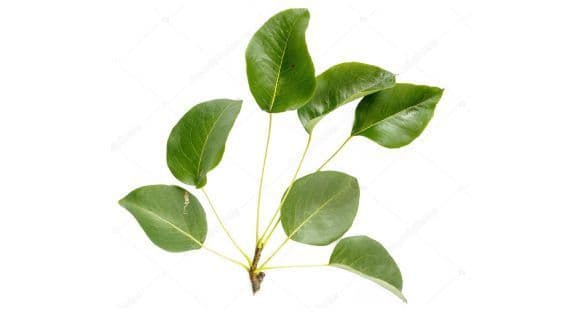
Pear leaves
Pear Leaves is a green botanical note with leafy, fresh, vegetal, and natural facets. In perfumery, it adds garden realism and crisp freshness, pairing well with citrus, tea, florals, watery notes, fig, tomato leaf, vetiver, and clean musks.
- 🌿
Pear nectar
Pear nectar is a fruity note that adds juiciness, color, and natural sweetness. It may feel crisp and tart, ripe and velvety, tropical and creamy, or dark and jammy depending on the fruit profile. In perfumery, fruity notes brighten florals, soften musks, and add pleasure to gourmand or woody structures. It pairs well with rose, peony, jasmine, white musk, vanilla, woods, citrus, amber, and soft spices.
- 🌿
Pear sorbet
Pear sorbet is a fruity note that gives fragrance juiciness, color, and natural sweetness. It can be crisp and tart, ripe and velvety, tropical and creamy, or dark and jammy depending on the fruit profile. In perfumery, fruity notes brighten florals, soften musks, and add pleasure to gourmand or woody structures. Pear sorbet pairs well with rose, peony, jasmine, white musk, vanilla, woods, citrus, amber, and soft spices.
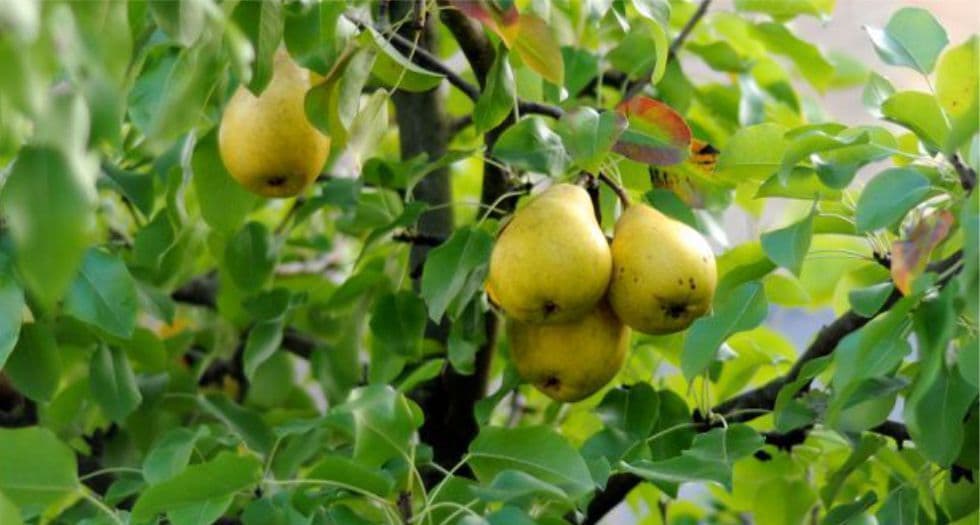
Pear tree
The pear tree in bloom is one of spring's most ephemeral gifts — a brief, cloud-like burst of white blossoms that perfumes the air with a scent both delicate and uplifting. Pear trees belong to the genus Pyrus and are cultivated across temperate regions of Europe, Asia, and the Americas. Their blossoms emerge before the leaves, making them one of the first harbingers of the season, celebrated in East Asian art and poetry for centuries as a symbol of renewal and transient beauty. As a fragrance note, pear tree in bloom sits at a luminous intersection of fresh, light florals and the faint, sweet-green promise of young fruit. The scent is softer and more diffuse than the ripe pear note itself — less about juicy sweetness and more about airy, dewy freshness. There is a subtle green quality from the stems and petals, a touch of light honey from the nectar, and an overall impression of cool spring air. It reads as clean and optimistic without being sharp or harsh. In perfumery, pear tree blossom is used to lend brightness and an open, outdoor quality to a composition. It pairs beautifully with muguet, white tea, and light woods, grounding more abstract fresh notes in something recognizably natural. At Fragrenza, our pear tree collections bring this transient spring beauty to life in finely crafted fragrances inspired by the world's most beloved luxury scents.
- 🌿
Pear tree wood
Pear tree wood is a woody note used to create structure, depth, and lasting warmth. Its scent may be dry, creamy, smoky, resinous, earthy, pencil-like, or polished depending on the wood or accord. In perfumery, woody notes support the whole composition and connect fresh openings with deeper bases. It pairs naturally with amber, musk, incense, leather, vetiver, patchouli, spices, citrus, and soft resins.
- 🌿
Pearl
Pearl is a fruity note that adds juiciness, color, and natural sweetness. It may feel crisp and tart, ripe and velvety, tropical and creamy, or dark and jammy depending on the fruit profile. In perfumery, fruity notes brighten florals, soften musks, and add pleasure to gourmand or woody structures. It pairs well with rose, peony, jasmine, white musk, vanilla, woods, citrus, amber, and soft spices.
Peat
Peat is formed over thousands of years in waterlogged bogs and mires, where partially decomposed plant matter — sphagnum moss, sedge, heather, and reeds — accumulates layer upon layer in oxygen-poor conditions. Found across the Scottish Highlands, Ireland, Scandinavia, and vast northern territories, peat bogs are ancient, haunting landscapes that hold within them the preserved remains of plants, animals, and sometimes people, in near-perfect suspension. The scent of peat is the concentrated essence of this deep, geological patience: earthy, damp, smoky, and richly mossy, with a dark organic sweetness that speaks of decomposition and renewal in equal measure. In perfumery, peat is a deeply evocative note associated primarily with Scotch whisky — the peat-fired kilns used to dry malted barley impart a distinctive smokiness to Islay malts that has become iconic. In fragrance, the peat accord combines smoky phenolic elements (reminiscent of smoked leather and birch tar), damp earth and wet stone minerals, mossy-green vegetal depth, and a slow-burning warmth that lingers on the skin for hours. It belongs to the broader family of earthy-dark notes alongside vetiver, costus, and oakmoss, and is used to anchor brooding, atmospheric compositions. Peat fragrances are elemental and profoundly atmospheric — evoking wild moorlands, ancient bogs, and the slow power of the natural world. At Fragrenza, our peat collection brings this compelling, deeply individual note to life through a carefully chosen selection of dupe fragrances, making the dark, smoky beauty of peat-inspired perfumery accessible at an everyday price.
- 🌿
Peaty whisky
Peaty whisky is a specialty note used to give a fragrance a distinctive texture, mood, or material impression. Depending on interpretation, it may contribute freshness, warmth, sweetness, dryness, softness, or an abstract atmospheric effect. In perfumery, specialty notes are useful because they make a composition feel more specific and less generic. It can be paired with woods, musks, florals, resins, fruits, green notes, spices, or amber materials according to the intended style.
Pebbles
The pebble — or stone accord — is one of perfumery's more abstract and intellectually fascinating constructs. Pebbles themselves are, strictly speaking, odourless to most human perceptions in their dry state, yet contact with water or the warmth of a hand reveals a subtle, elusive mineral signature. What perfumers chase in a 'pebble' accord is the sensory memory of smooth river stones in cool running water, the dry chalk of a sunbaked rocky beach, or the clean mineral freshness of a quarry wall after rain. It is an olfactory concept rather than a natural extract — a synthesis of mineral, aquatic, and slightly dusty-dry sensations. Constructing a stone or mineral accord requires skill and imagination. Perfumers typically combine muted ambergris-like materials, clean musks, chalk-like aldehydes, and cool aquatic molecules — sometimes adding a thread of vetiver or grey cedar for textural depth. The result is a scent that feels smooth-textured, cool, and undemonstrative — evoking geological time and the unhurried patience of the natural world. Mineral and pebble notes have become increasingly valued in niche perfumery as a counterpoint to the sweet, warm, and heavily spiced fragrances that have dominated the mainstream. Pebble-inspired fragrances are meditative and quietly extraordinary — scents for those who appreciate the profound beauty of restraint. At Fragrenza, our pebbles collection explores this fascinating abstract note through carefully selected dupe fragrances, bringing the cool, mineral poetry of stone accords to your fragrance wardrobe at an accessible price.
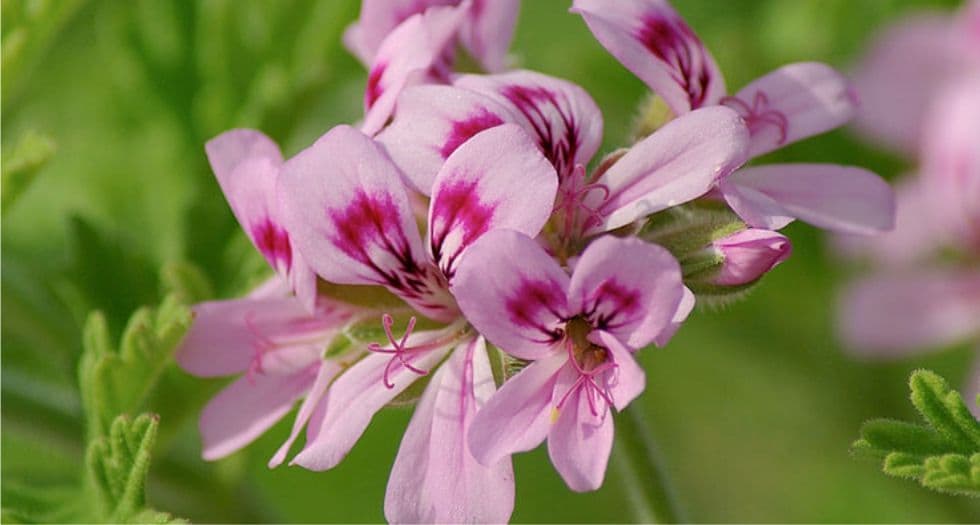
Pelargonium
Pelargonium — commonly known as scented geranium — encompasses hundreds of species native to southern Africa, where they grow in fynbos scrubland and rocky slopes. Unlike ornamental geraniums grown for their flowers, scented pelargoniums are cultivated primarily for their aromatic leaves, which release fragrance when touched or disturbed. Pelargonium graveolens and its relatives are the source of geranium essential oil — one of perfumery's most valued and widely used botanical materials, steam-distilled primarily in Egypt, China, and the island of Réunion (where it is known as Bourbon geranium). Geranium essential oil presents a layered olfactory profile dominated by citronellol and geraniol, giving it a rosy-green character that bridges the gap between rose and mint. It is simultaneously floral and herbal, sweet and fresh, with a slightly earthy, almost medicinal undertone that adds character and prevents it from being merely pretty. Perfumers prize pelargonium for this versatility — it adds rosy depth to floral compositions, freshness and naturalness to chypres, and a grounding green quality to masculine aromatic fragrances. It is an indispensable component in classic and contemporary perfumery alike. Pelargonium fragrances are characterful and timelessly elegant — green, rosy, fresh, and genuinely natural in spirit. At Fragrenza, our pelargonium collection celebrates this essential ingredient through a curated selection of dupe fragrances, honouring one of perfumery's great botanical workhorses at an accessible everyday price.
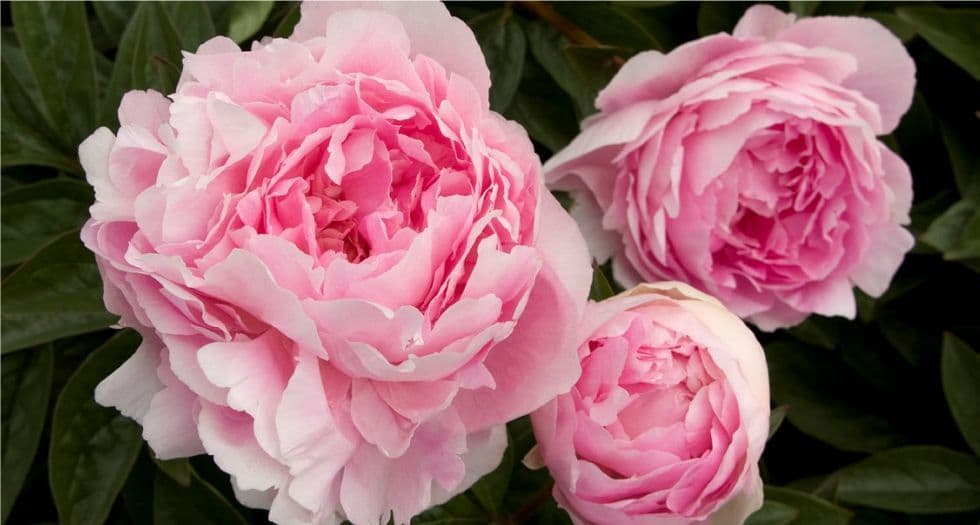
Peony
The peony is a flowering plant celebrated across Asia and Europe for thousands of years, prized in Chinese culture as the "king of flowers" and a symbol of prosperity and feminine grace. Peony fragrance notes are typically inspired by garden varieties such as Paeonia lactiflora, whose soft, lush blooms open in late spring. Because peony yields very little extractable essential oil, its scent in perfumery is almost always recreated through skilled blending. The olfactory character of peony is fresh, lush, and joyfully floral — a bright rosy core with hints of soft spice, green stems, and a subtle watery quality that evokes dew-covered petals on a spring morning. It sits between rose and lily in character, softer and airier than the former, yet richer and more rounded than the latter. The overall effect is clean, feminine, and vibrant. In modern perfumery, peony is one of the most beloved floral heart notes, appearing in countless romantic, fresh, and feminine compositions. It blends beautifully with rose, musk, patchouli, and fruity notes, lending a bouquet-fresh quality to any accord. At Fragrenza, our Peony collection brings this beloved springtime bloom to life in meticulously crafted fragrance dupes that offer designer-quality elegance without the designer price tag. Looking for it in a bottle? Browse [affordable peony scents](https://fragrenza.com/collections/peony-fragrances) on Fragrenza.
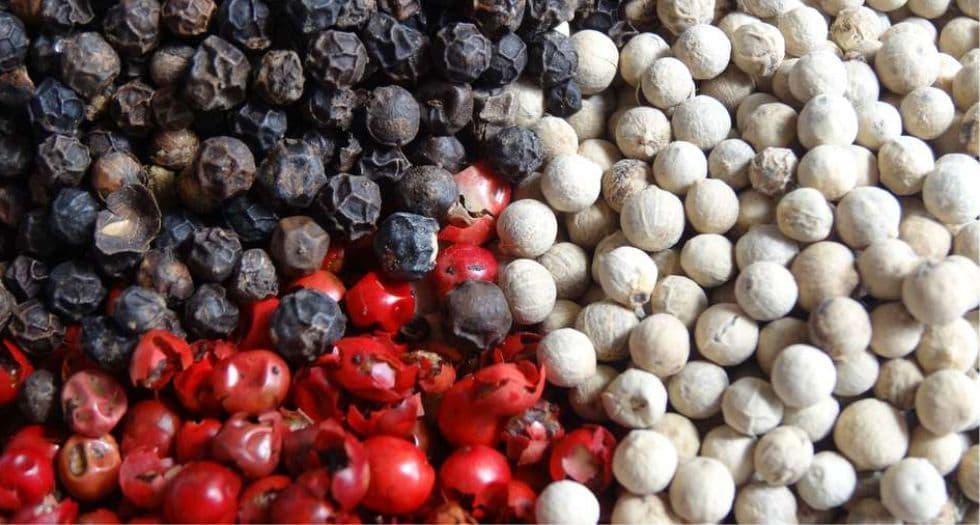
pepper
Black pepper (Piper nigrum) is one of humanity's oldest and most traded spices, native to the Malabar Coast of India and cultivated across tropical Asia for over four thousand years. The dried peppercorn — picked and processed at varying stages of ripeness to produce black, white, green, and red varieties — carries an aromatic sharpness that is both universally familiar and fascinatingly complex. Black pepper's heat comes from piperine, but its scent derives from a rich array of terpenes, including caryophyllene, which gives it its characteristic warm, slightly woody, and resinous spiciness. In perfumery, pepper is one of the most versatile and widely used spice notes. It adds an immediate, sharp-edged vivacity to top notes, brings warmth and authority to heart accords, and contributes a pungent, almost masculine energy to base compositions. Black pepper is particularly prized for its ability to give a composition a sense of forward momentum — it is activating, energising, and bold without sweetness. Perfumers pair it with bergamot, cardamom, rose, leather, oud, vetiver, and sandalwood in a vast range of fragrance families spanning fresh-spicy, oriental, woody, and leather structures. Pepper fragrances are assured and bold — the choice of those who want their perfume to project confidence and presence. At Fragrenza, our pepper collection gathers an exciting range of dupe fragrances that place this commanding note centre stage, offering the full intensity of pepper-forward perfumery at a price that invites daily wearing. Find it featured prominently in [Fragrenza's pepper edit](https://fragrenza.com/collections/pepper-fragrances).
- 🌿
Peppermint
Peppermint is a spicy note that adds warmth, texture, and aromatic movement to a fragrance. Depending on the material, it can feel sweet, dry, peppery, balsamic, herbal, or slightly medicinal. In perfumery, spicy notes create contrast and help connect bright openings with deeper woody, amber, or leathery bases. They pair especially well with citrus, rose, tobacco, vanilla, oud, sandalwood, patchouli, and resins.
- 🌿
Peppermint sorbet
Peppermint sorbet is a spicy note that gives fragrance heat, texture, and aromatic energy. It can feel sweet, dry, peppery, resinous, herbal, smoky, or slightly medicinal depending on the material. In perfumery, spices create contrast, deepen the heart, and bridge fresh top notes with warm woody or amber bases. It pairs especially well with citrus, rose, tobacco, vanilla, oud, sandalwood, patchouli, leather, and balsamic resins.
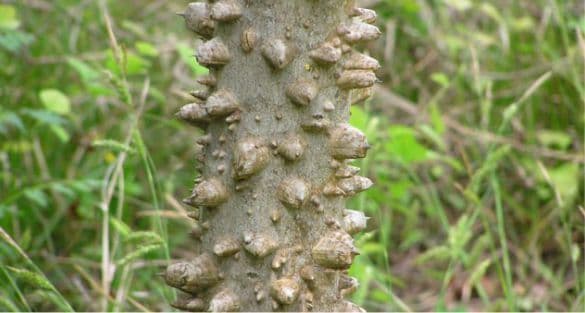
Pepperwood or Hercules Club
شجرة عطرية ، شوكية ، متوجة ، ذات فروع منتشرة ونقاط صغيرة من الغدة على أوراق الشجر والزهور والفاكهة. تشير أسماء الأنواع الشائعة واللاتينية إلى الفروع الشوكية. كما تشير الأسماء البديلة ، النباح العطرية المر هو علاج منزلي لألم الأسنان. لحاء أو أوراق الشجر يخفف الألم.
- 🌿
Pepperwood™
Pepperwood™ is a woody note used to create structure, depth, and lasting warmth. Its scent may be dry, creamy, smoky, resinous, earthy, pencil-like, or polished depending on the wood or accord. In perfumery, woody notes often support the whole composition and help connect fresh openings with deeper bases. Pepperwood™ pairs naturally with amber, musk, incense, leather, vetiver, patchouli, spices, citrus, and soft resins, making it useful in masculine, feminine, and unisex fragrances.
- 🌿
Peppery notes
Peppery notes is a spicy note that adds heat, texture, and aromatic energy to a fragrance. It may feel sweet, dry, peppery, resinous, herbal, smoky, or slightly medicinal depending on the material. In perfumery, spices create contrast, deepen the heart, and help bridge fresh top notes with warm woody or amber bases. Peppery notes pairs especially well with citrus, rose, tobacco, vanilla, oud, sandalwood, patchouli, leather, and balsamic resins.
- 🌿
Periploca sepium
Periploca sepium is a specialty note used to give a fragrance a distinctive texture, mood, or material impression. Depending on interpretation, it may contribute freshness, warmth, sweetness, dryness, softness, or an abstract atmospheric effect. In perfumery, specialty notes are useful because they make a composition feel more specific and less generic. It can be paired with woods, musks, florals, resins, fruits, green notes, spices, or amber materials according to the intended style.
- 🌿
Periwinkle
Periwinkle (Vinca minor and related species) is a low-growing evergreen native to central and southern Europe, where it carpets forest floors and garden borders with its five-petalled flowers in shades of violet-blue, lilac, and white. The plant has a long history in European herbalism and folklore — it has been associated with remembrance, fidelity, and protection across many traditions. Its delicate flowers produce a scent that is as understated as the plant itself: sweetly floral, lightly fresh, with a cool, almost aquatic-green quality that feels like damp morning air in a woodland garden. In fragrance, periwinkle is rendered as a soft, slightly cool, sweet-green floral note. It occupies a similar olfactory territory to violet and lily of the valley but is more subdued and watery — less powdery than violet, less pristine than lily of the valley, with a naturalness that makes it feel genuinely botanical. Perfumers use it to add a delicate, garden-fresh layer to floral compositions, often pairing it with violet leaf, green tea, soft musks, and dewy aquatic accords. It is well-suited to light, feminine, spring-oriented fragrances and transparent florentine-style compositions. Periwinkle fragrances are gentle and quietly beautiful — perfect for those who love their florals cool, clean, and close to nature. At Fragrenza, our periwinkle collection features a select range of dupe fragrances that honour this modest but lovely note, delivering natural floral elegance at an accessible price for every day of the year.
- 🌿
Persian basil
Persian basil is a green or aromatic note that evokes leaves, herbs, stems, fresh air, or crushed vegetation. Its profile can be crisp, bitter, watery, camphoraceous, grassy, or slightly earthy depending on the material. In perfumery, green notes add realism and lift, keeping sweet, floral, or woody compositions from feeling too heavy. It pairs well with citrus, tea, fig, violet leaf, galbanum, tomato leaf, white musk, vetiver, lavender, and light woods.
- 🌿
Persian black tea
Persian black tea is a robust, slightly malty, lightly smoky black tea variant traditionally brewed strong in Iran. It feels warm, tannic, dry, and refined. In perfumery, it adds aromatic tea character with cultural depth to chypre, oriental, and gourmand compositions.
- 🌿
Persian frankincense
Persian frankincense is a warm ambered or resinous note used to give fragrance depth, softness, and long-lasting richness. It can smell balsamic, sweet, smoky, vanillic, woody, powdery, or incense-like depending on the material. In perfumery, it rounds sharp edges and creates a smooth base that holds the composition together. It pairs well with woods, musks, spices, vanilla, tobacco, leather, florals, oud, and other resins.
- 🌿
Persian galbanum
Persian galbanum is a specialty note used to give a fragrance a distinctive texture, mood, or material impression. Depending on interpretation, it may contribute freshness, warmth, sweetness, dryness, softness, or an abstract atmospheric effect. In perfumery, specialty notes are valuable because they make a composition feel more specific and less generic. Persian galbanum can be paired with woods, musks, florals, resins, fruits, green notes, spices, or amber materials according to the intended style.
- 🌿
Persian oud
Persian oud is a woody note used to create structure, depth, and lasting warmth. Its scent may be dry, creamy, smoky, resinous, earthy, pencil-like, or polished depending on the wood or accord. In perfumery, woody notes support the whole composition and connect fresh openings with deeper bases. It pairs naturally with amber, musk, incense, leather, vetiver, patchouli, spices, citrus, and soft resins.
- 🌿
Persian peach
Persian peach is a fruity note that adds juiciness, color, and natural sweetness. It may feel crisp and tart, ripe and velvety, tropical and creamy, or dark and jammy depending on the fruit profile. In perfumery, fruity notes brighten florals, soften musks, and add pleasure to gourmand or woody structures. It pairs well with rose, peony, jasmine, white musk, vanilla, woods, citrus, amber, and soft spices.
- 🌿
Persian rose
Persian rose is a floral note that adds softness, radiance, and emotional warmth to a composition. Depending on the flower or accord, it can feel fresh, creamy, powdery, honeyed, green, indolic, or airy. In perfumery, floral notes often form the heart of a fragrance, giving it body and a recognizable character. Persian rose pairs well with citrus, white musk, rose, jasmine, sandalwood, amber, vanilla, iris, and delicate fruits, making it useful in both classic bouquets and modern transparent florals.
- 🌿
Persian rose absolute
Persian rose absolute is a floral note that gives a fragrance softness, radiance, and emotional warmth. Depending on the flower or accord, it may feel fresh, creamy, powdery, honeyed, green, indolic, or airy. In perfumery, floral notes often form the heart of a composition, adding body and a recognizable signature. It pairs well with citrus, white musk, rose, jasmine, sandalwood, amber, vanilla, iris, and delicate fruits.
- 🌿
Persian rose otto
Persian rose otto is a floral note that gives a fragrance softness, radiance, and emotional warmth. Depending on the flower or accord, it may feel fresh, creamy, powdery, honeyed, green, indolic, or airy. In perfumery, floral notes often form the heart of a composition, adding body and a recognizable signature. It pairs well with citrus, white musk, rose, jasmine, sandalwood, amber, vanilla, iris, and delicate fruits.
- 🌿
Persian saffron
Persian saffron is a spicy note that gives fragrance heat, texture, and aromatic energy. It can feel sweet, dry, peppery, resinous, herbal, smoky, or slightly medicinal depending on the material. In perfumery, spices create contrast, deepen the heart, and bridge fresh top notes with warm woody or amber bases. It pairs especially well with citrus, rose, tobacco, vanilla, oud, sandalwood, patchouli, leather, and balsamic resins.
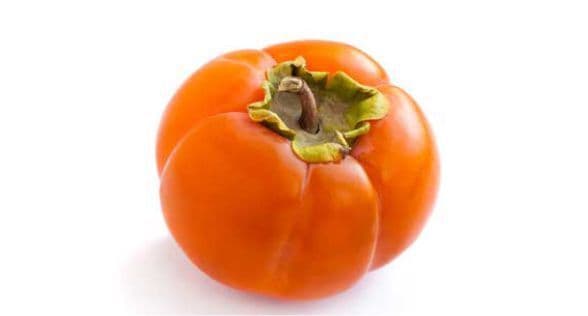
Persimmon
Persimmon is a soft autumnal fruit note with honeyed sweetness, gentle spice, and a smooth pulpy texture. Unlike brighter fruits, it feels warm, mellow, and almost golden, with facets that can recall apricot, dried fruit, and subtle tea-like tannins. In perfumery, persimmon adds a refined fruity warmth to florals, ambers, musks, and woody gourmands. It is especially useful when a composition needs fruitiness that feels elegant and seasonal rather than sharp or tropical.
- 🌿
Peru Balm
Peru Balm is a specialty note used to give a fragrance a distinctive texture, mood, or material impression. Depending on interpretation, it may contribute freshness, warmth, sweetness, dryness, softness, or an abstract atmospheric effect. In perfumery, specialty notes are valuable because they make a composition feel more specific and less generic. Peru Balm can be paired with woods, musks, florals, resins, fruits, green notes, spices, or amber materials according to the intended style.
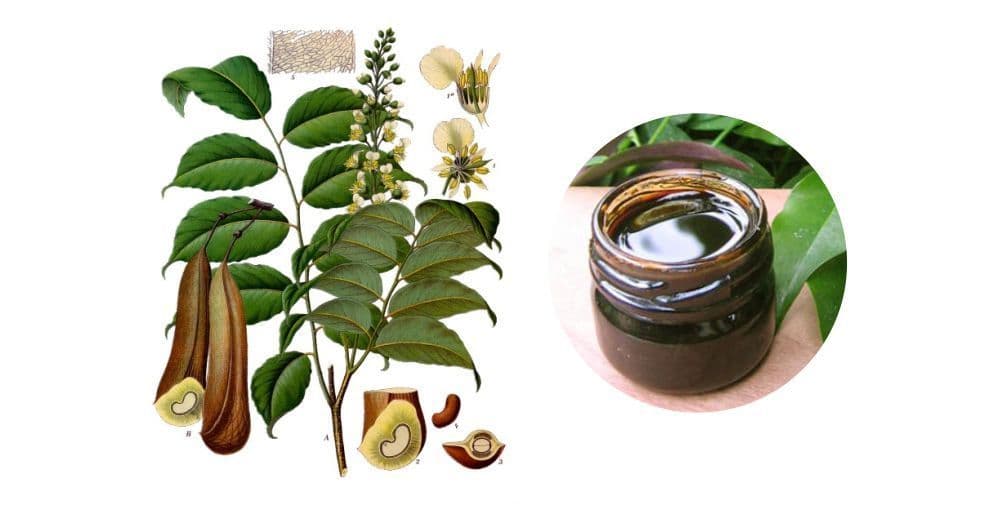
Peru Balsam
Peru Balsam is a rich, dark resin harvested from Myroxylon balsamum var. pereirae, a tropical tree native to El Salvador and parts of Central America — despite its name, it is not sourced from Peru. The resin is extracted by scoring and stripping the bark, which has been practiced since pre-Columbian times. Its deep amber-brown colour and thick consistency make it one of the most distinctive raw materials in the perfumer's palette. The olfactory profile of Peru Balsam is lush and complex: a warm, sweet balsamic core anchored by notes of vanilla, soft cinnamon, and benzoin-like resinousness. There is a subtle warmth reminiscent of clove and light wood smoke beneath the sweetness, giving it both depth and comfort. It dries down beautifully on skin, becoming increasingly smooth and powdery over time. In perfumery, Peru Balsam is an outstanding base note and fixative, renowned for its ability to anchor and round out other ingredients. It is a cornerstone of oriental, gourmand, and resinous compositions, and is also used extensively in chypres and fougères to add warmth and body. At Fragrenza, our Peru Balsam collection celebrates this timeless ingredient through luxurious fragrance dupes that capture its enveloping sweetness at an accessible price point.
- 🌿
Peru balsam absolute
Peru balsam absolute is a warm ambered or resinous note used to give fragrance depth, softness, and long-lasting richness. It can smell balsamic, sweet, smoky, vanillic, woody, powdery, or incense-like depending on the material. In perfumery, it rounds sharp edges and creates a smooth base that holds the composition together. It pairs well with woods, musks, spices, vanilla, tobacco, leather, florals, oud, and other resins.
- 🌿
Peruvian gaiac wood
Peruvian gaiac wood is a woody note used to create structure, depth, and lasting warmth. Its scent may be dry, creamy, smoky, resinous, earthy, pencil-like, or polished depending on the wood or accord. In perfumery, woody notes support the whole composition and connect fresh openings with deeper bases. It pairs naturally with amber, musk, incense, leather, vetiver, patchouli, spices, citrus, and soft resins.
- 🌿
Peruvian heliotrope
Peruvian heliotrope is a floral note that gives a fragrance softness, radiance, and emotional warmth. Depending on the flower or accord, it may feel fresh, creamy, powdery, honeyed, green, indolic, or airy. In perfumery, floral notes often form the heart of a composition, adding body and a recognizable signature. It pairs well with citrus, white musk, rose, jasmine, sandalwood, amber, vanilla, iris, and delicate fruits.
- 🌿
Peruvian pepper tree
Peruvian pepper tree is a spicy note that gives fragrance heat, texture, and aromatic energy. It can feel sweet, dry, peppery, resinous, herbal, smoky, or slightly medicinal depending on the material. In perfumery, spices create contrast, deepen the heart, and bridge fresh top notes with warm woody or amber bases. It pairs especially well with citrus, rose, tobacco, vanilla, oud, sandalwood, patchouli, leather, and balsamic resins.
- 🌿
Peruvian pepper tree blossom
Peruvian pepper tree blossom is a floral note that gives a fragrance softness, radiance, and emotional warmth. Depending on the flower or accord, it may feel fresh, creamy, powdery, honeyed, green, indolic, or airy. In perfumery, floral notes often form the heart of a composition, adding body and a recognizable signature. It pairs well with citrus, white musk, rose, jasmine, sandalwood, amber, vanilla, iris, and delicate fruits.
- 🌿
Peruvian pink pepper
Peruvian pink pepper is a spicy note that gives fragrance heat, texture, and aromatic energy. It can feel sweet, dry, peppery, resinous, herbal, smoky, or slightly medicinal depending on the material. In perfumery, spices create contrast, deepen the heart, and bridge fresh top notes with warm woody or amber bases. It pairs especially well with citrus, rose, tobacco, vanilla, oud, sandalwood, patchouli, leather, and balsamic resins.
- 🌿
Peruvian rosewood
Peruvian rosewood is a floral note that gives a fragrance softness, radiance, and emotional warmth. Depending on the flower or accord, it may feel fresh, creamy, powdery, honeyed, green, indolic, or airy. In perfumery, floral notes often form the heart of a composition, adding body and a recognizable signature. It pairs well with citrus, white musk, rose, jasmine, sandalwood, amber, vanilla, iris, and delicate fruits.
- 🌿
Peruvian tolu balm
Peruvian tolu balm is a warm ambered or resinous note used to give fragrance depth, softness, and long-lasting richness. It can smell balsamic, sweet, smoky, vanillic, woody, powdery, or incense-like depending on the material. In perfumery, it rounds sharp edges and creates a smooth base that holds the composition together. It pairs well with woods, musks, spices, vanilla, tobacco, leather, florals, oud, and other resins.
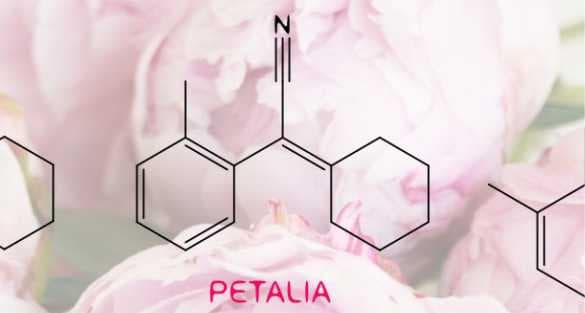
Petalia
Petalia is a synthetic aromatic molecule developed within the modern perfumer's palette, belonging to the family of clean, transparent floral materials that have come to define a significant strand of contemporary fragrance. Unlike natural floral extracts with their inherent complexity and occasional earthiness, Petalia is engineered for purity — its character is a precisely balanced synthesis of rose-like softness and peony-like transparency, with a clean, slightly powdery edge that suggests fresh petals without any botanical 'noise'. It emerged from a broader industry movement toward refined, skin-close synthetic florals. In olfactory terms, Petalia reads as an idealised, almost platonic concept of a flower — luminously clean, softly sweet, gently rosy with a peony-like clarity. Perfumers prize it for its excellent diffusion, its skin-enhancing quality, and its ability to lift and brighten compositions without dominating them. It functions beautifully as a heart note modifier in feminine florals, white musk-forward fragrances, and clean cosmetic-style scents. Its transparency makes it an ideal partner for musks, transparent woods (like iso E super or Ambroxan), rose, lily, and light aldehydes. Petalia-driven fragrances are the definition of modern clean beauty — luminous, effortless, and quietly refined. At Fragrenza, our Petalia collection brings together the best dupe fragrances centred on this innovative floral molecule, giving you access to cutting-edge clean floral perfumery at a price that feels as welcoming as the scents themselves.
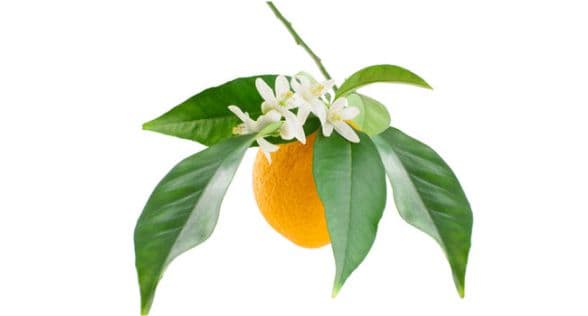
petitgrain
Petitgrain is an essential oil steam-distilled from the leaves and small twigs of the bitter orange tree (Citrus aurantium), primarily in Paraguay, though also produced in France, Italy, and North Africa. The name derives from the French for 'little grain' — a reference to the small, unripe fruits from which the oil was originally extracted. Today, petitgrain is one of the foundational ingredients of classical perfumery, prized for its clean, sophisticated aromatic character: bright and citrus-adjacent, with a woody-green freshness and a subtle floral undercurrent reminiscent of its botanical kin, neroli. Petitgrain's olfactory profile is best described as fresh and luminous with depth. It is simultaneously crisp (from linalool and linalyl acetate), slightly woody (from sesquiterpenes), and lightly floral — a combination that makes it extraordinarily versatile. It has been a cornerstone of classic masculine colognes, fougères, and aromatic-fresh fragrances for well over a century, and continues to anchor contemporary compositions that seek natural elegance and longevity without heaviness. It blends beautifully with lavender, bergamot, neroli, geranium, sandalwood, and vetiver. Petitgrain fragrances are the epitome of clean, classic sophistication — bright, composed, and endlessly wearable. At Fragrenza, our petitgrain collection celebrates this timeless ingredient through a carefully curated range of dupe fragrances, offering the freshness and elegance of great green-citrus perfumery at an everyday price.
- 🌿
Petitgrain absolute
Petitgrain absolute is a citrus note that adds sparkle, freshness, and immediate lift to a fragrance. Its profile can include juicy pulp, aromatic peel, green bitterness, soft floral nuances, or a sharp zesty brightness depending on the material. In perfumery, it is usually used in the opening, where it brings clarity and motion before blending into florals, woods, musks, or herbs. It pairs well with neroli, tea, lavender, white musk, light woods, aquatic notes, and aromatic herbs.
- 🌿
Petitgrain water absolute
Petitgrain water absolute is a citrus note that adds sparkle, freshness, and immediate lift to a fragrance. Its profile can include juicy pulp, aromatic peel, green bitterness, soft floral nuances, or a sharp zesty brightness depending on the material. In perfumery, it is usually used in the opening, where it brings clarity and motion before blending into florals, woods, musks, or herbs. It pairs well with neroli, tea, lavender, white musk, light woods, aquatic notes, and aromatic herbs.
- 🌿
Petrichor
Petrichor is a specialty note used to give a fragrance a distinctive texture, mood, or material impression. Depending on interpretation, it may contribute freshness, warmth, sweetness, dryness, softness, or an abstract atmospheric effect. In perfumery, specialty notes are valuable because they make a composition feel more specific and less generic. Petrichor can be paired with woods, musks, florals, resins, fruits, green notes, spices, or amber materials according to the intended style.
- 🌿
Petunia
Petunia is a specialty note used to give a fragrance a distinctive texture, mood, or material impression. Depending on interpretation, it may contribute freshness, warmth, sweetness, dryness, softness, or an abstract atmospheric effect. In perfumery, specialty notes are useful because they make a composition feel more specific and less generic. It can be paired with woods, musks, florals, resins, fruits, green notes, spices, or amber materials according to the intended style.
- 🌿
Phacelia
Phacelia is a specialty note used to give a fragrance a distinctive texture, mood, or material impression. Depending on interpretation, it may contribute freshness, warmth, sweetness, dryness, softness, or an abstract atmospheric effect. In perfumery, specialty notes are useful because they make a composition feel more specific and less generic. It can be paired with woods, musks, florals, resins, fruits, green notes, spices, or amber materials according to the intended style.
- 🌿
Pheromones
Pheromones is a specialty note used to give a fragrance a distinctive texture, mood, or material impression. Depending on interpretation, it may contribute freshness, warmth, sweetness, dryness, softness, or an abstract atmospheric effect. In perfumery, specialty notes are valuable because they make a composition feel more specific and less generic. Pheromones can be paired with woods, musks, florals, resins, fruits, green notes, spices, or amber materials according to the intended style.
- 🌿
Philippine elemi
Philippine elemi is a woody note used to create structure, depth, and lasting warmth. Its scent may be dry, creamy, smoky, resinous, earthy, pencil-like, or polished depending on the wood or accord. In perfumery, woody notes often support the whole composition and help connect fresh openings with deeper bases. Philippine elemi pairs naturally with amber, musk, incense, leather, vetiver, patchouli, spices, citrus, and soft resins, making it useful in masculine, feminine, and unisex fragrances.
Phlox
Phlox is a genus of flowering plants native to North America, with dozens of species spanning from creeping ground covers to tall, upright garden perennials. The most fragrant varieties — particularly Phlox paniculata (garden phlox) and Phlox drummondii — bloom in the warmth of summer and early autumn, producing dense clusters of five-petalled flowers in shades of pink, purple, white, and coral. Their scent is a quintessential summer garden perfume: sweetly floral, softly honeyed, with a faintly spicy, clove-tinged edge that gives the fragrance an unexpected and charming dimension. In perfumery, phlox is not a widely extracted natural material; its scent is most often recreated through careful composition of floral aldehydes, eugenol (for the clove-spice note), and light, clean musks. The resulting accord is gentle and unpretentious — less heady than gardenia or tuberose, more approachable than lily of the valley, with a sweet floral clarity that evokes childhood gardens, grandmother's flower beds, and uncomplicated outdoor beauty. Perfumers use it to soften more complex floral hearts or to anchor a cheerful, wholesome floral composition aimed at daytime wear. Phlox fragrances are quietly beautiful — the olfactory equivalent of a sunlit afternoon in a cottage garden. At Fragrenza, our phlox collection offers a charming selection of dupe fragrances that honour this sweet, lightly spiced floral, delivering genuine fragrance quality at prices that celebrate everyday beauty.
- 🌿
Phytolacca dioica
Phytolacca dioica is a specialty note used to give a fragrance a distinctive texture, mood, or material impression. Depending on interpretation, it may contribute freshness, warmth, sweetness, dryness, softness, or an abstract atmospheric effect. In perfumery, specialty notes are useful because they make a composition feel more specific and less generic. It can be paired with woods, musks, florals, resins, fruits, green notes, spices, or amber materials according to the intended style.
- 🌿
Phytolacca dioica leaf
Phytolacca dioica leaf is a green or aromatic note that evokes leaves, herbs, stems, fresh air, or crushed vegetation. Its profile can be crisp, bitter, watery, camphoraceous, grassy, or slightly earthy depending on the material. In perfumery, green notes add realism and lift, keeping sweet, floral, or woody compositions from feeling too heavy. It pairs well with citrus, tea, fig, violet leaf, galbanum, tomato leaf, white musk, vetiver, lavender, and light woods.
- 🌿
Pierre de Ronsard rose
Pierre de Ronsard rose is a floral note that gives a fragrance softness, radiance, and emotional warmth. Depending on the flower or accord, it may feel fresh, creamy, powdery, honeyed, green, indolic, or airy. In perfumery, floral notes often form the heart of a composition, adding body and a recognizable signature. It pairs well with citrus, white musk, rose, jasmine, sandalwood, amber, vanilla, iris, and delicate fruits.
- 🌿
Pimento
Pimento, or red pepper, gives a sweet peppery spice note with fruity, warm, and slightly piquant facets. In perfumery, it can add color, warmth, and aromatic energy without the sharpness of black pepper. It works well in spicy, woody, amber, and gourmand compositions.
- 🌿
Pimento leaf
Pimento seeds — more commonly known as allspice — come from the dried berries of Pimenta dioica, a tree indigenous to the Caribbean and Central America. Named by early European explorers who perceived in it a combination of clove, cinnamon, nutmeg, and pepper all at once, allspice is a culinary cornerstone of Jamaican cuisine and a critical ingredient in many spiced liqueurs and bitters. The dried seeds release a warm, aromatic complexity that is at once familiar and hard to pin down — simultaneously sweet-spicy, resinous, and slightly peppery. In perfumery, pimento seeds function as a rich and multidimensional spice note. Their eugenol content brings the clove-like warmth; their terpene profile adds pepper and resin; traces of cinnamon aldehyde contribute gentle sweetness. The combined effect is a spice that feels warmer and rounder than any single component alone. Perfumers use allspice to add depth to oriental and amber compositions, to warm citrus-spice colognes, and to ground woody or leather fragrances with authentic aromatic complexity. It pairs beautifully with rum accords, dark musks, tonka bean, tobacco, and aged woods. Pimento seed fragrances are rich, enveloping, and spiced with history — a wearable tribute to one of the world's most captivating aromatics. At Fragrenza, our collection highlights this note through premium dupe fragrances that deliver the full warmth of allspice-inspired perfumes at an accessible everyday price.
Pimento) Red pepper)
الفليفلة جنس نباتي من الفصيلة الباذنجانية. موطنه الأصلي الأمريكيتان ويزرع حالياً في جميع أنحاء العالم. وبعض أنواع الفليفلة تستخدم في البهارات، الخضروات وكمادة طبية. لثمرة الفليفلة العديد من الأسماء تعتمد على النوع والمكان. ومنها الفلفل الإسباني أو الفلفل الكرزي Pimento، هو نوع من فليفلة حولية على شكل قلب تكون كبيرة الحجم وحمراء اللون يتراوح قياسها بين 7-10 سم طولاً و5-7 سم عرضاً الفلفل الإسباني حلو المذاق وأكثر عطرية من الفلفل الحلو.

Pina Colada
The pina colada is one of the world's most beloved tropical cocktails, officially recognised as the national drink of Puerto Rico, where it was reportedly created in the 1950s at a San Juan hotel bar. Its name means 'strained pineapple' in Spanish, and the drink combines fresh pineapple juice or crushed pineapple, coconut cream or coconut milk, and white rum — blended or shaken over ice into a creamy, deeply tropical concoction. The combination of pineapple and coconut has resonated globally as the definitive symbol of beach leisure and tropical indulgence, making pina colada one of the most immediately evocative cocktail accords in modern perfumery. Olfactorily, the pina colada accord in fragrance is lush, creamy, and unapologetically tropical. Coconut provides the rich, milky sweetness of the base, while pineapple adds brightness, tartness, and a juicy, fruity vibrancy that keeps the overall effect from becoming heavy. Together they create a warm, sun-drenched sweetness with a faint boozy or alcoholic undertone depending on the formula. The accord feels simultaneously edible and wearable — a compelling combination that has made it a perennial summer fragrance ingredient. It pairs naturally with vanilla, ylang-ylang, mango, citrus, solar musks, and tropical florals. In perfumery, the pina colada accord anchors some of the most joyfully transportive beach and summer fragrances ever created, evoking the specific pleasure of a cold drink on a hot coastline. It suits fruity-tropical, gourmand, and playful unisex compositions with equal ease. At Fragrenza, our pina colada note delivers its full cocktail-bar vibrancy to select fragrances in our dupe collection, making the most indulgent tropical escapes available in a bottle — at prices that never demand a compromise on quality.
pine
Pine is a classic conifer note with fresh, resinous, woody, green, and slightly camphoraceous facets. It evokes evergreen forests, cold air, and aromatic sap. In perfumery, it adds natural freshness and crisp woodland depth.
- 🌿
Pine absolute
Pine absolute is a woody note used to create structure, depth, and lasting warmth. Its scent may be dry, creamy, smoky, resinous, earthy, pencil-like, or polished depending on the wood or accord. In perfumery, woody notes support the whole composition and connect fresh openings with deeper bases. It pairs naturally with amber, musk, incense, leather, vetiver, patchouli, spices, citrus, and soft resins.
- 🌿
Pine balsam absolute
Pine balsam absolute is a woody note used to create structure, depth, and lasting warmth. Its scent may be dry, creamy, smoky, resinous, earthy, pencil-like, or polished depending on the wood or accord. In perfumery, woody notes support the whole composition and connect fresh openings with deeper bases. It pairs naturally with amber, musk, incense, leather, vetiver, patchouli, spices, citrus, and soft resins.
- 🌿
Pine leaf
Pine leaf is a woody note used to create structure, depth, and lasting warmth. Its scent may be dry, creamy, smoky, resinous, earthy, pencil-like, or polished depending on the wood or accord. In perfumery, woody notes support the whole composition and connect fresh openings with deeper bases. It pairs naturally with amber, musk, incense, leather, vetiver, patchouli, spices, citrus, and soft resins.
- 🌿
Pine moss
Pine moss is a woody note used to create structure, depth, and lasting warmth. Its scent may be dry, creamy, smoky, resinous, earthy, pencil-like, or polished depending on the wood or accord. In perfumery, woody notes support the whole composition and connect fresh openings with deeper bases. It pairs naturally with amber, musk, incense, leather, vetiver, patchouli, spices, citrus, and soft resins.
- 🌿
Pine moss absolute
Pine moss absolute is a woody note used to create structure, depth, and lasting warmth. Its scent may be dry, creamy, smoky, resinous, earthy, pencil-like, or polished depending on the wood or accord. In perfumery, woody notes support the whole composition and connect fresh openings with deeper bases. It pairs naturally with amber, musk, incense, leather, vetiver, patchouli, spices, citrus, and soft resins.
- 🌿
Pine needle
Pine needle is a woody note used to create structure, depth, and lasting warmth. Its scent may be dry, creamy, smoky, resinous, earthy, pencil-like, or polished depending on the wood or accord. In perfumery, woody notes often support the whole composition and help connect fresh openings with deeper bases. Pine needle pairs naturally with amber, musk, incense, leather, vetiver, patchouli, spices, citrus, and soft resins, making it useful in masculine, feminine, and unisex fragrances.
- 🌿
Pine needle absolute
Pine needle absolute is a woody note used to create structure, depth, and lasting warmth. Its scent may be dry, creamy, smoky, resinous, earthy, pencil-like, or polished depending on the wood or accord. In perfumery, woody notes often support the whole composition and help connect fresh openings with deeper bases. Pine needle absolute pairs naturally with amber, musk, incense, leather, vetiver, patchouli, spices, citrus, and soft resins, making it useful in masculine, feminine, and unisex fragrances.
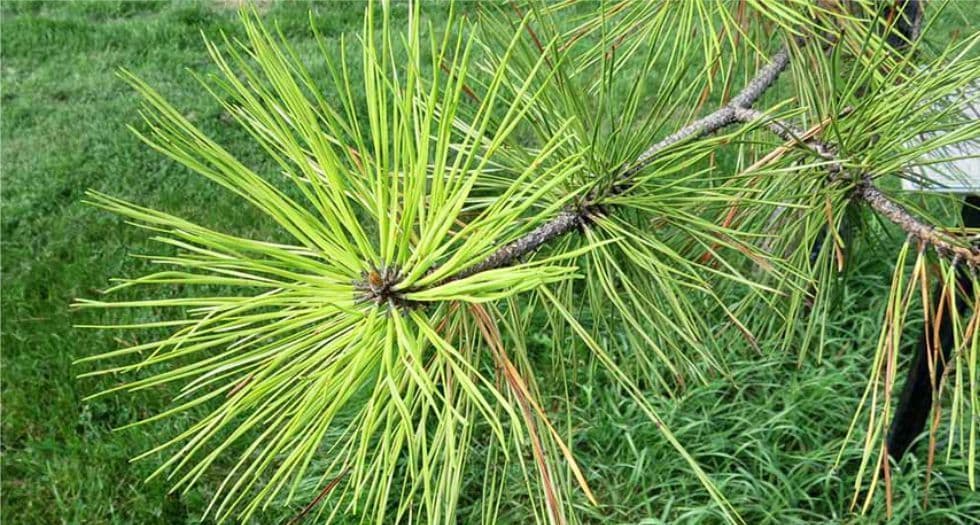
Pine needles
Pine needles emphasize the sharper, greener, more aromatic side of pine. They smell resinous, crisp, forest-like, and slightly medicinal. In perfumery, they are used to create realistic forest, winter, fougère, aromatic, and green woody effects.
- 🌿
Pine resin
Pine resin is a woody note used to create structure, depth, and lasting warmth. Its scent may be dry, creamy, smoky, resinous, earthy, pencil-like, or polished depending on the wood or accord. In perfumery, woody notes often support the whole composition and help connect fresh openings with deeper bases. Pine resin pairs naturally with amber, musk, incense, leather, vetiver, patchouli, spices, citrus, and soft resins, making it useful in masculine, feminine, and unisex fragrances.
- 🌿
Pine tar
The pine tree encompasses hundreds of species across the genus Pinus, growing across the Northern Hemisphere from the Arctic Circle to the tropics. Few natural scents are as universally recognised or emotionally evocative as the crisp, resinous aroma of a pine forest. The scent derives primarily from volatile terpene compounds — alpha- and beta-pinene, limonene, and bornyl acetate — released by needles, bark, and resin. The cumulative effect is simultaneously sharp and clean, green and woody, with a bracing freshness that feels deeply primordial and restorative. In perfumery, pine is a versatile and storied ingredient. From the distillation of pine needle essential oil to synthetic terpene reproductions, the note appears across a broad spectrum of fragrance families. It anchors the classic fougère and aromatic-woody categories, adds rugged authenticity to chypre and forest compositions, and provides a clean, cutting edge to masculine and unisex fragrances. Perfumers pair pine with juniper, cedarwood, eucalyptus, citrus, and resins (labdanum, frankincense) to craft everything from bracing fresh colognes to deep, brooding forest accords. Pine tree fragrances are elemental and grounding — they carry the memory of wild open spaces and ancient woods. At Fragrenza, our pine collection offers a rich range of dupe fragrances that bring the majesty of the forest to your daily life, with premium quality at prices that keep exploration effortless.

Pine tree
The pineapple (Ananas comosus) originated in the tropical regions of South America, where indigenous peoples cultivated it for centuries before European explorers carried it across the world. Today it is synonymous with tropical abundance and celebration — its flavour and aroma are among the most instantly recognisable on earth. The scent of fresh pineapple is an exuberant composition in itself: radiantly sweet, with a sparkling tartness, a juicy flesh-like warmth, and a subtle green note from the spiky crown leaves. It is both refreshing and indulgent, bold without being heavy. In perfumery, pineapple is a beloved fruity note that has driven some of the most commercially successful fragrances of the past three decades. Perfumers use specific aroma molecules — particularly ethyl butyrate and allyl hexanoate — to replicate the fruit's vivid, multi-dimensional character. Pineapple notes energise floral compositions, add playful sweetness to aquatic scents, and provide a sun-soaked tropical backdrop in woody or musky bases. It pairs naturally with coconut, vanilla, jasmine, white musk, and cedar, and has become a defining note in many gourmand-tropical and fruity-floral fragrances. Pineapple fragrances are radiantly happy and universally appealing — a burst of sunshine in a bottle. At Fragrenza, our pineapple collection brings together a vibrant selection of dupe fragrances that showcase this beloved tropical note, delivering brilliant quality at genuinely accessible prices.
- 🌿
Pine tree cone
Pine tree cone is a woody note used to create structure, depth, and lasting warmth. Its scent may be dry, creamy, smoky, resinous, earthy, pencil-like, or polished depending on the wood or accord. In perfumery, woody notes support the whole composition and connect fresh openings with deeper bases. It pairs naturally with amber, musk, incense, leather, vetiver, patchouli, spices, citrus, and soft resins.
- 🌿
Pine Tree Needles
Pine Tree Needles is a woody note used to create structure, depth, and lasting warmth. Its scent may be dry, creamy, smoky, resinous, earthy, pencil-like, or polished depending on the wood or accord. In perfumery, woody notes support the whole composition and connect fresh openings with deeper bases. It pairs naturally with amber, musk, incense, leather, vetiver, patchouli, spices, citrus, and soft resins.
- 🌿
Pine wood
Pine wood is a woody note used to create structure, depth, and lasting warmth. Its scent may be dry, creamy, smoky, resinous, earthy, pencil-like, or polished depending on the wood or accord. In perfumery, woody notes support the whole composition and connect fresh openings with deeper bases. It pairs naturally with amber, musk, incense, leather, vetiver, patchouli, spices, citrus, and soft resins.
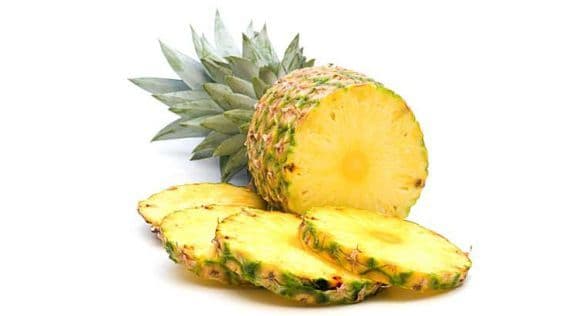
Pineapple
Pineapple belongs to the bromeliad family and is a herbaceous plant that can reach 1 m to 1.50 m. It has long lanceolate leaves from 50 cm to 1.80 m, sometimes toothed or sometimes smooth. The flowering of the pineapple is characterized by the appearance of a crown of short leaves surmounting a set of blue flowers at the end of its stems. The whole then gives way to many conical fruits that we know well. Today, there are many varieties of pineapple, the flesh of which is more or less juicy, sometimes rather white or yellow. Pineapple is a tropical plant that cannot withstand a temperature below 10° C. Moreover, its fruit should not be stored in the refrigerator. On the other hand, the pineapple quite tolerates low soil fertility. It requires about 14-20 months of planting before it can be harvested. This was discovered when Christopher Columbus arrived in Guadeloupe in 1493. He was offered it as a welcome gift. Pineapple then arrived in Martinique in 1548 before reaching Europe in 1672. In France, attempts were made to cultivate it in 1702, at the instigation of Louis XIV. If pineapple is particularly appreciated for its fruity, exotic, and juicy flavor, know that it is also perfect for your health. Indeed, as it is a source of manganese, it is particularly beneficial for the bones. Likewise, it fights against cancer cells and acts as an anti-inflammatory. Rich in bromelain, it also thins the blood. It limits the clotting of platelets, thus reducing the risk of phlebitis or stroke. Authentic detox ingredients promote digestion while acting on cellulite. Finally, it prevents colds and infections. In addition to its many virtues, pineapple is also an ingredient increasingly used in perfumery. Indeed, it brings a very fruity and sunny touch to the fragrances. This one is reserved almost exclusively for female creations but sometimes appears in male or mixed juices. Many varieties of pineapple are then used. Nevertheless, one of the favorites of perfumers remains the Victoria pineapple, which comes from the Indian Ocean and is known for its more subtle aromas contained in its smaller size. However, as with many fruits, it is not possible to extract an essential oil directly from its fruit. Thus, its scent is reproduced in the laboratory. To do this, perfumers mainly use allyl caproate, a molecule with a typical odor of pineapple. If the pineapple is sufficient on its own, know that it also allows you to recreate the flavor of a pina colada for a little that it is coupled with coconut, an absolute delight! This is displayed in many famous perfumes. It is notably one of the flagship products of the Amor Amor collection by Cacharel and enriches the recipes of Baby Doll by Yves Saint-Laurent or Born in Paradise by Escada.
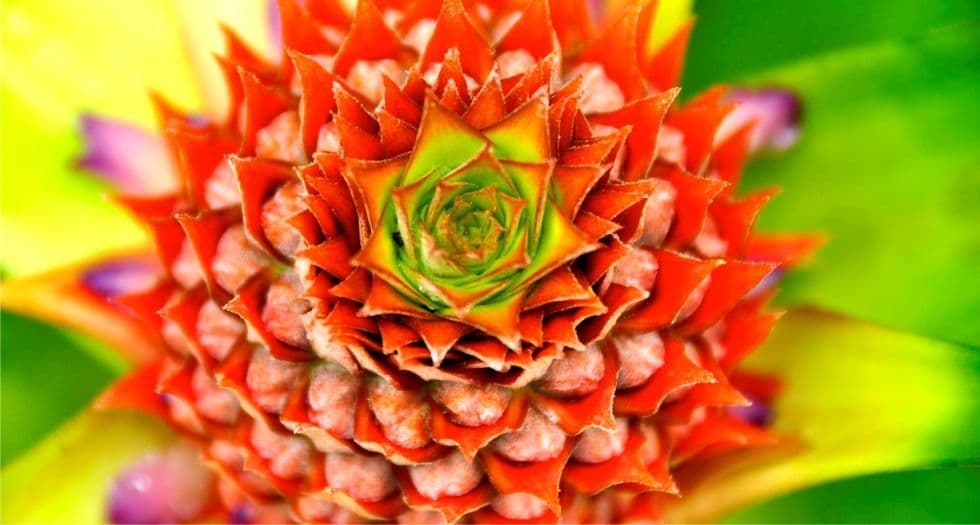
Pineapple blossom
Pineapple Blossom is a floral note with fresh petals, soft sweetness, and a refined natural brightness. In perfumery, it can add elegance, color, and lift to floral bouquets, musks, fruity florals, powdery accords, and modern feminine compositions.
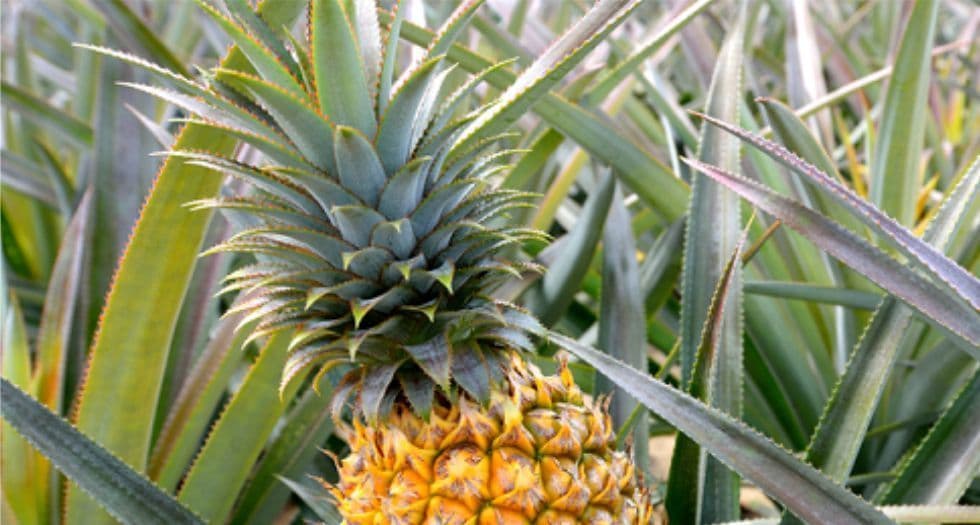
Pineapple leaf
Pineapple Leaf is a green botanical note with leafy, fresh, vegetal, and natural facets. In perfumery, it adds garden realism and crisp freshness, pairing well with citrus, tea, florals, watery notes, fig, tomato leaf, vetiver, and clean musks.
- 🌿
Pineapple sorbet
Pineapple sorbet is a woody note used to create structure, depth, and lasting warmth. Its scent may be dry, creamy, smoky, resinous, earthy, pencil-like, or polished depending on the wood or accord. In perfumery, woody notes support the whole composition and connect fresh openings with deeper bases. It pairs naturally with amber, musk, incense, leather, vetiver, patchouli, spices, citrus, and soft resins.
- 🌿
Pink
Pink is a fantasy color accord in perfumery, usually used to suggest softness, brightness, femininity, and playful freshness. It may be built from rose, peony, red berries, pink pepper, soft fruits, clean musks, and airy florals. Rather than one fixed smell, it creates a mood: luminous, tender, modern, and approachable. In composition, a pink accord can make a fragrance feel more romantic, cheerful, and polished without becoming heavy.
- 🌿
Pink amaryllis
Pink amaryllis is a specialty note used to give a fragrance a distinctive texture, mood, or material impression. Depending on interpretation, it may contribute freshness, warmth, sweetness, dryness, softness, or an abstract atmospheric effect. In perfumery, specialty notes are useful because they make a composition feel more specific and less generic. It can be paired with woods, musks, florals, resins, fruits, green notes, spices, or amber materials according to the intended style.
- 🌿
Pink apple
Pink apple is a fruity note that adds juiciness, color, and natural sweetness. It may feel crisp and tart, ripe and velvety, tropical and creamy, or dark and jammy depending on the fruit profile. In perfumery, fruity notes brighten florals, soften musks, and add pleasure to gourmand or woody structures. It pairs well with rose, peony, jasmine, white musk, vanilla, woods, citrus, amber, and soft spices.
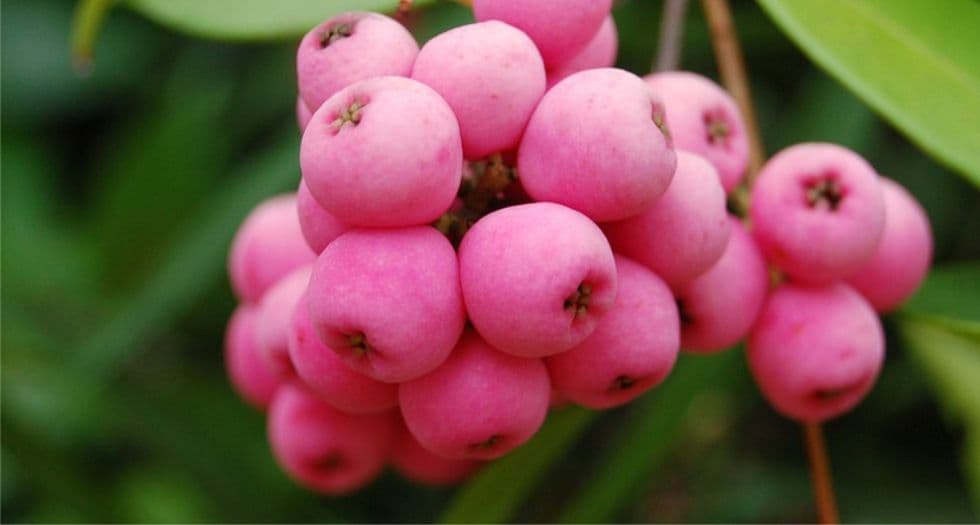
Pink berries
Pink Berries is a specialty fragrance note with a distinctive character that can add texture, contrast, and originality to a composition. In perfumery, it is best used to create a specific mood or material impression, often alongside woods, musks, florals, resins, fruits, or green notes.
- 🌿
Pink blossoms
Pink blossoms is a floral note that gives a fragrance softness, radiance, and emotional warmth. Depending on the flower or accord, it may feel fresh, creamy, powdery, honeyed, green, indolic, or airy. In perfumery, floral notes often form the heart of a composition, adding body and a recognizable signature. It pairs well with citrus, white musk, rose, jasmine, sandalwood, amber, vanilla, iris, and delicate fruits.

Pink Champagne
Pink Champagne is a specialty fragrance note with a distinctive character that can add texture, contrast, and originality to a composition. In perfumery, it is best used to create a specific mood or material impression, often alongside woods, musks, florals, resins, fruits, or green notes.
- 🌿
Pink currant
Pink currant is a fruity note that adds juiciness, color, and natural sweetness. It may feel crisp and tart, ripe and velvety, tropical and creamy, or dark and jammy depending on the fruit profile. In perfumery, fruity notes brighten florals, soften musks, and add pleasure to gourmand or woody structures. It pairs well with rose, peony, jasmine, white musk, vanilla, woods, citrus, amber, and soft spices.
- 🌿
Pink cyclamen
Pink cyclamen is a floral note that gives a fragrance softness, radiance, and emotional warmth. Depending on the flower or accord, it may feel fresh, creamy, powdery, honeyed, green, indolic, or airy. In perfumery, floral notes often form the heart of a composition, adding body and a recognizable signature. It pairs well with citrus, white musk, rose, jasmine, sandalwood, amber, vanilla, iris, and delicate fruits.
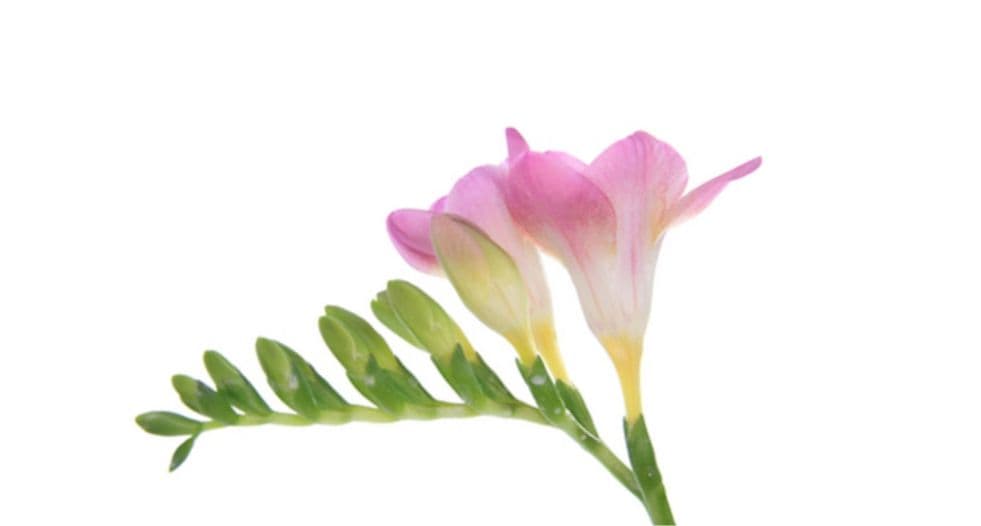
Pink Freesia
Pink Freesia is a floral note with fresh petals, soft sweetness, and a refined natural brightness. In perfumery, it can add elegance, color, and lift to floral bouquets, musks, fruity florals, powdery accords, and modern feminine compositions.
- 🌿
Pink geranium
Pink geranium is a floral note that gives a fragrance softness, radiance, and emotional warmth. Depending on the flower or accord, it may feel fresh, creamy, powdery, honeyed, green, indolic, or airy. In perfumery, floral notes often form the heart of a composition, adding body and a recognizable signature. It pairs well with citrus, white musk, rose, jasmine, sandalwood, amber, vanilla, iris, and delicate fruits.
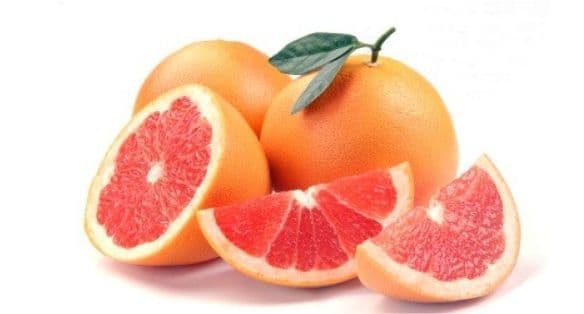
Pink grapefruit
Pink Grapefruit is a bright citrus note with zesty peel, juicy freshness, and a clean sparkling lift. In perfumery, it brings energy and radiance to openings, pairing well with neroli, tea, herbs, musks, woods, aquatic notes, and light florals.
- 🌿
Pink grapefruit zest
Pink grapefruit zest is a citrus note that adds sparkle, freshness, and immediate lift to a fragrance. Its profile can include juicy pulp, aromatic peel, green bitterness, soft floral nuances, or a sharp zesty brightness depending on the material. In perfumery, it is usually used in the opening, where it brings clarity and motion before blending into florals, woods, musks, or herbs. It pairs well with neroli, tea, lavender, white musk, light woods, aquatic notes, and aromatic herbs.
- 🌿
Pink guava
Pink guava is a fruity note that gives fragrance juiciness, color, and natural sweetness. It can be crisp and tart, ripe and velvety, tropical and creamy, or dark and jammy depending on the fruit profile. In perfumery, fruity notes brighten florals, soften musks, and add pleasure to gourmand or woody structures. Pink guava pairs well with rose, peony, jasmine, white musk, vanilla, woods, citrus, amber, and soft spices.
- 🌿
Pink hibiscus
Pink hibiscus is a specialty note used to give a fragrance a distinctive texture, mood, or material impression. Depending on interpretation, it may contribute freshness, warmth, sweetness, dryness, softness, or an abstract atmospheric effect. In perfumery, specialty notes are useful because they make a composition feel more specific and less generic. It can be paired with woods, musks, florals, resins, fruits, green notes, spices, or amber materials according to the intended style.
- 🌿
Pink hyacinth
Pink hyacinth is a floral note that gives a fragrance softness, radiance, and emotional warmth. Depending on the flower or accord, it may feel fresh, creamy, powdery, honeyed, green, indolic, or airy. In perfumery, floral notes often form the heart of a composition, adding body and a recognizable signature. It pairs well with citrus, white musk, rose, jasmine, sandalwood, amber, vanilla, iris, and delicate fruits.
- 🌿
Pink iris
Pink iris is a floral note that gives a fragrance softness, radiance, and emotional warmth. Depending on the flower or accord, it may feel fresh, creamy, powdery, honeyed, green, indolic, or airy. In perfumery, floral notes often form the heart of a composition, adding body and a recognizable signature. It pairs well with citrus, white musk, rose, jasmine, sandalwood, amber, vanilla, iris, and delicate fruits.
- 🌿
Pink Jasmine
Pink Jasmine is a floral note that adds softness, radiance, and emotional warmth to a composition. Depending on the flower or accord, it can feel fresh, creamy, powdery, honeyed, green, indolic, or airy. In perfumery, floral notes often form the heart of a fragrance, giving it body and a recognizable character. Pink Jasmine pairs well with citrus, white musk, rose, jasmine, sandalwood, amber, vanilla, iris, and delicate fruits, making it useful in both classic bouquets and modern transparent florals.
- 🌿
Pink kiwi
Pink kiwi is a fruity note that adds juiciness, color, and natural sweetness. It may feel crisp and tart, ripe and velvety, tropical and creamy, or dark and jammy depending on the fruit profile. In perfumery, fruity notes brighten florals, soften musks, and add pleasure to gourmand or woody structures. It pairs well with rose, peony, jasmine, white musk, vanilla, woods, citrus, amber, and soft spices.
Pink Lady Apple
Pink Lady Apple is a fruity note with juicy sweetness, tart brightness, and a colorful natural character. In perfumery, it adds vibrancy and approachability to fruity florals, musks, gourmands, chypres, summer scents, and playful modern compositions.
- 🌿
Pink lily
Pink lily is a floral note that gives a fragrance softness, radiance, and emotional warmth. Depending on the flower or accord, it may feel fresh, creamy, powdery, honeyed, green, indolic, or airy. In perfumery, floral notes often form the heart of a composition, adding body and a recognizable signature. It pairs well with citrus, white musk, rose, jasmine, sandalwood, amber, vanilla, iris, and delicate fruits.
- 🌿
Pink lily-of-the-valley
Pink lily-of-the-valley is a floral note that gives a fragrance softness, radiance, and emotional warmth. Depending on the flower or accord, it may feel fresh, creamy, powdery, honeyed, green, indolic, or airy. In perfumery, floral notes often form the heart of a composition, adding body and a recognizable signature. It pairs well with citrus, white musk, rose, jasmine, sandalwood, amber, vanilla, iris, and delicate fruits.
- 🌿
Pink lotus
Pink lotus is a specialty note used to give a fragrance a distinctive texture, mood, or material impression. Depending on interpretation, it may contribute freshness, warmth, sweetness, dryness, softness, or an abstract atmospheric effect. In perfumery, specialty notes are valuable because they make a composition feel more specific and less generic. Pink lotus can be paired with woods, musks, florals, resins, fruits, green notes, spices, or amber materials according to the intended style.
- 🌿
Pink magnolia
Pink magnolia is a floral note that gives a fragrance softness, radiance, and emotional warmth. Depending on the flower or accord, it may feel fresh, creamy, powdery, honeyed, green, indolic, or airy. In perfumery, floral notes often form the heart of a composition, adding body and a recognizable signature. It pairs well with citrus, white musk, rose, jasmine, sandalwood, amber, vanilla, iris, and delicate fruits.
- 🌿
Pink musk
Pink musk is a soft textural note that creates warmth, smoothness, and a skin-like finish. It may feel clean, powdery, woody, velvety, slightly fruity, or fabric-like depending on the accord. In perfumery, these notes bind the formula, soften stronger materials, and extend wear without dominating the fragrance. It pairs well with florals, woods, citrus, amber, iris, fruits, suede, vanilla, and transparent musks.
- 🌿
Pink orchid
Pink orchid is a floral note that gives a fragrance softness, radiance, and emotional warmth. Depending on the flower or accord, it may feel fresh, creamy, powdery, honeyed, green, indolic, or airy. In perfumery, floral notes often form the heart of a composition, adding body and a recognizable signature. It pairs well with citrus, white musk, rose, jasmine, sandalwood, amber, vanilla, iris, and delicate fruits.
- 🌿
Pink passion fruit
Pink passion fruit is a fruity note that adds juiciness, color, and natural sweetness. It may feel crisp and tart, ripe and velvety, tropical and creamy, or dark and jammy depending on the fruit profile. In perfumery, fruity notes brighten florals, soften musks, and add pleasure to gourmand or woody structures. It pairs well with rose, peony, jasmine, white musk, vanilla, woods, citrus, amber, and soft spices.
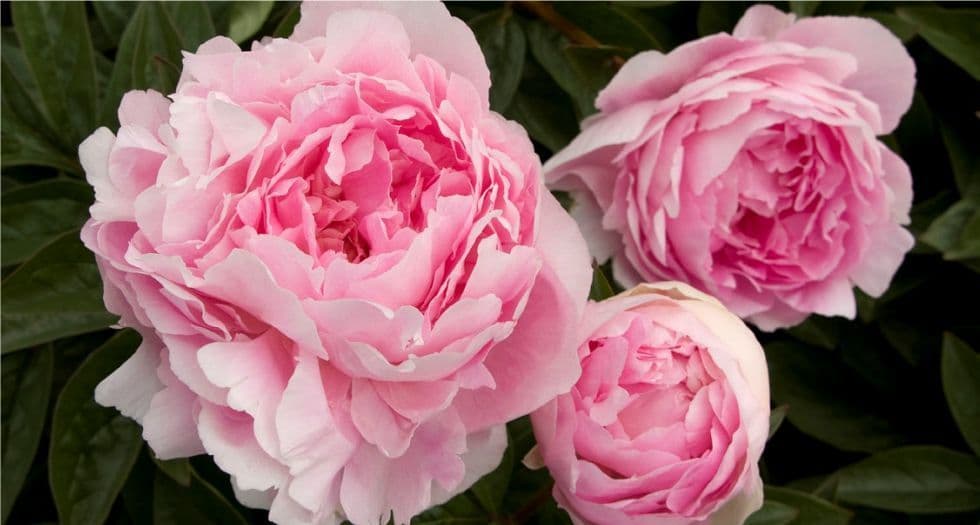
Pink peony
Pink peony is a soft floral note with rosy, fresh, watery, and slightly fruity facets. It feels delicate, feminine, airy, and romantic. In perfumery, it is often used in fresh florals, fruity florals, musky bouquets, and spring fragrances.
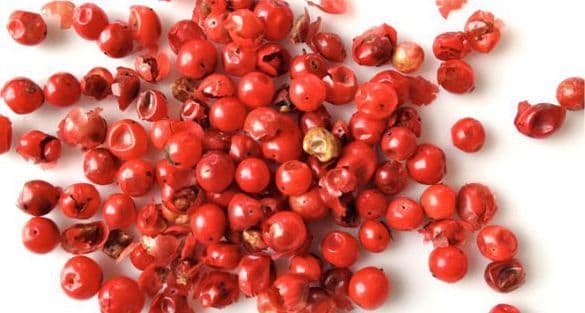
Pink pepper
Pink pepper is derived from the dried berries of Schinus molle and Schinus terebinthifolia, trees native to South America — particularly Brazil, Peru, and Argentina. Despite being called pepper, these plants are entirely unrelated to true black pepper (Piper nigrum) and belong instead to the cashew family (Anacardiaceae). The berries have been used by indigenous South American peoples for food, medicine, and ceremony for thousands of years. Introduced to European culinary and fragrance use relatively recently, pink pepper has become one of the most fashionable and widely used spice notes in contemporary perfumery since the early 2000s. Olfactorily, pink pepper is simultaneously fresh, slightly fruity, and gently warm-spicy — a combination that makes it uniquely versatile. Unlike the sharp, hot punch of black pepper, pink pepper opens with a bright, almost berry-like quality before revealing a soft peppery warmth that is more fizzy than fiery. There is also a slightly resinous, wood-like facet in the drydown. The overall effect is invigorating and modern — spicy enough to add energy without overwhelming the other elements of a composition. Pink pepper harmonises beautifully with citrus, woods, florals, musks, and leather. In perfumery, pink pepper has become almost ubiquitous across masculine, feminine, and unisex fragrance genres, prized for its ability to add sparkle, movement, and a contemporary spicy-fresh energy to virtually any composition. It is a cornerstone of modern designer and niche fragrances alike. At Fragrenza, our pink pepper note delivers its signature bright spiciness across numerous fragrances in our dupe collection, elevating compositions with lively precision at accessible, everyday prices. Shop for pink pepper? [Fragrenza](https://fragrenza.com/collections/pink-pepper-fragrances) curates a focused selection.
- 🌿
Pink pepper absolute
Pink pepper absolute is a spicy note that gives fragrance heat, texture, and aromatic energy. It can feel sweet, dry, peppery, resinous, herbal, smoky, or slightly medicinal depending on the material. In perfumery, spices create contrast, deepen the heart, and bridge fresh top notes with warm woody or amber bases. It pairs especially well with citrus, rose, tobacco, vanilla, oud, sandalwood, patchouli, leather, and balsamic resins.
- 🌿
Pink pepper CO2
Pink pepper CO2 is a spicy note that adds heat, texture, and aromatic energy to a fragrance. It may feel sweet, dry, peppery, resinous, herbal, smoky, or slightly medicinal depending on the material. In perfumery, spices create contrast, deepen the heart, and help bridge fresh top notes with warm woody or amber bases. Pink pepper CO2 pairs especially well with citrus, rose, tobacco, vanilla, oud, sandalwood, patchouli, leather, and balsamic resins.
- 🌿
Pink pepper Orpur®
Pink pepper Orpur® is a spicy note that gives fragrance heat, texture, and aromatic energy. It can feel sweet, dry, peppery, resinous, herbal, smoky, or slightly medicinal depending on the material. In perfumery, spices create contrast, deepen the heart, and bridge fresh top notes with warm woody or amber bases. It pairs especially well with citrus, rose, tobacco, vanilla, oud, sandalwood, patchouli, leather, and balsamic resins.
- 🌿
Pink pomelo
Pink pomelo is a citrus note that adds sparkle, freshness, and immediate lift to a fragrance. Its profile can include juicy pulp, aromatic peel, green bitterness, soft floral nuances, or a sharp zesty brightness depending on the material. In perfumery, it is usually used in the opening, where it brings clarity and motion before blending into florals, woods, musks, or herbs. It pairs well with neroli, tea, lavender, white musk, light woods, aquatic notes, and aromatic herbs.
- 🌿
Pink raspberry
Pink raspberry is a fruity note that adds juiciness, color, and natural sweetness. It may feel crisp and tart, ripe and velvety, tropical and creamy, or dark and jammy depending on the fruit profile. In perfumery, fruity notes brighten florals, soften musks, and add pleasure to gourmand or woody structures. It pairs well with rose, peony, jasmine, white musk, vanilla, woods, citrus, amber, and soft spices.
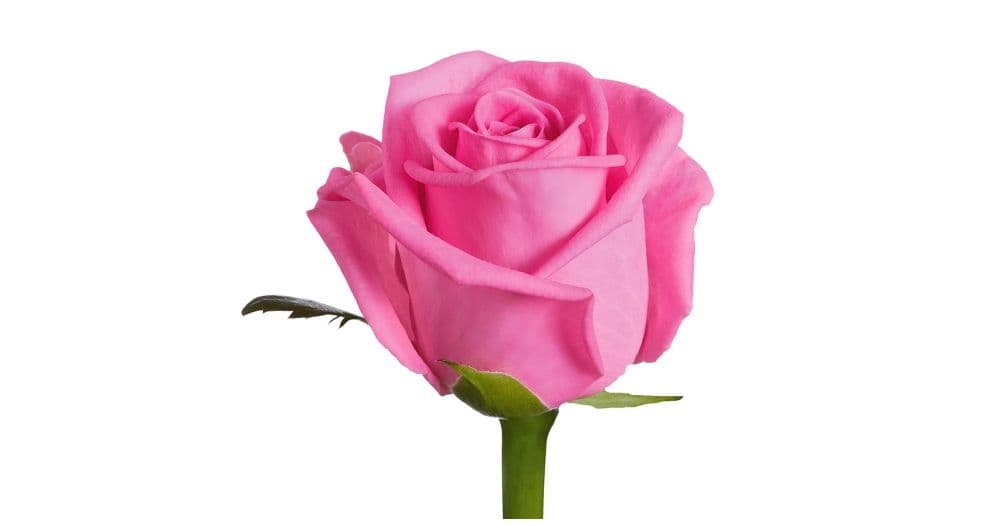
Pink Rose
Pink Rose is a floral note with fresh petals, soft sweetness, and a refined natural brightness. In perfumery, it can add elegance, color, and lift to floral bouquets, musks, fruity florals, powdery accords, and modern feminine compositions.
- 🌿
Pink tuberose
Pink tuberose is a floral note that gives a fragrance softness, radiance, and emotional warmth. Depending on the flower or accord, it may feel fresh, creamy, powdery, honeyed, green, indolic, or airy. In perfumery, floral notes often form the heart of a composition, adding body and a recognizable signature. It pairs well with citrus, white musk, rose, jasmine, sandalwood, amber, vanilla, iris, and delicate fruits.
- 🌿
pink tulip
pink tulip is a specialty note used to give a fragrance a distinctive texture, mood, or material impression. Depending on interpretation, it may contribute freshness, warmth, sweetness, dryness, softness, or an abstract atmospheric effect. In perfumery, specialty notes are useful because they make a composition feel more specific and less generic. It can be paired with woods, musks, florals, resins, fruits, green notes, spices, or amber materials according to the intended style.
- 🌿
Pink violet
Pink violet is a floral note that gives a fragrance softness, radiance, and emotional warmth. Depending on the flower or accord, it may feel fresh, creamy, powdery, honeyed, green, indolic, or airy. In perfumery, floral notes often form the heart of a composition, adding body and a recognizable signature. It pairs well with citrus, white musk, rose, jasmine, sandalwood, amber, vanilla, iris, and delicate fruits.
- 🌿
Pink water lily
Pink water lily is a floral note that gives a fragrance softness, radiance, and emotional warmth. Depending on the flower or accord, it may feel fresh, creamy, powdery, honeyed, green, indolic, or airy. In perfumery, floral notes often form the heart of a composition, adding body and a recognizable signature. It pairs well with citrus, white musk, rose, jasmine, sandalwood, amber, vanilla, iris, and delicate fruits.
- 🌿
Pinot Noir wine
Pinot Noir wine is a specialty note used to give a fragrance a distinctive texture, mood, or material impression. Depending on interpretation, it may contribute freshness, warmth, sweetness, dryness, softness, or an abstract atmospheric effect. In perfumery, specialty notes are useful because they make a composition feel more specific and less generic. It can be paired with woods, musks, florals, resins, fruits, green notes, spices, or amber materials according to the intended style.
- 🌿
Pinyon pine
Pinyon pine is a woody note used to create structure, depth, and lasting warmth. Its scent may be dry, creamy, smoky, resinous, earthy, pencil-like, or polished depending on the wood or accord. In perfumery, woody notes support the whole composition and connect fresh openings with deeper bases. It pairs naturally with amber, musk, incense, leather, vetiver, patchouli, spices, citrus, and soft resins.
- 🌿
Pipe tobacco
Pipe tobacco is a dark textured note that may suggest leather, smoke, tobacco, tar, ash, or warm dry materials. It gives fragrance depth, sensuality, and a more dramatic atmosphere. In perfumery, smoky and leathery notes are often used in bases, where they add strength and character without needing sweetness. It pairs well with oud, saffron, birch tar, amber, tobacco, rose, patchouli, vetiver, incense, and dry woods.
- 🌿
Pisco sour
Pisco sour is a specialty note used to give a fragrance a distinctive texture, mood, or material impression. Depending on interpretation, it may contribute freshness, warmth, sweetness, dryness, softness, or an abstract atmospheric effect. In perfumery, specialty notes are useful because they make a composition feel more specific and less generic. It can be paired with woods, musks, florals, resins, fruits, green notes, spices, or amber materials according to the intended style.
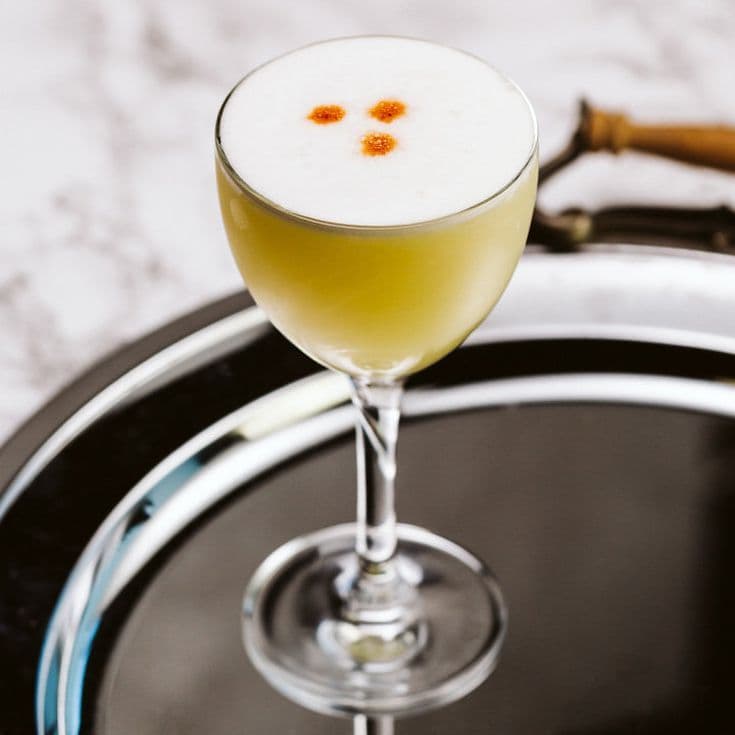
Pisco Sour cocktail
The Pisco Sour is the national cocktail of both Peru and Chile, a spirited debate in itself — each country claims the original recipe. Made with pisco (a grape-based brandy distilled from aromatic Muscat grapes), fresh lime juice, simple syrup, egg white, and a dash of bitters, the drink is a study in contrasts: tart and sweet, smooth and sharp, frothy and spirit-forward. Its aromatic identity is vivid and layered, with citrus zest, floral grape spirit, creamy foam, and a faint bitter herbal finish coexisting in every sip. As a fragrance concept, the Pisco Sour accord is a masterclass in structured playfulness. Perfumers interpret it through a marriage of bright lime and lemon top notes, a semi-transparent grape-pisco middle that is floral without being fruity, and a creamy, slightly musky base that evokes the egg-white foam. The bitters facet translates into a subtle aromatic-woody drydown. It sits firmly in the cocktail fragrance subgenre — vibrant, convivial, and distinctly modern — lending itself to fresh, unisex, and lifestyle-oriented compositions. Pisco Sour fragrances are effervescent and sophisticated, evoking the buzz of a golden hour gathering. At Fragrenza, our cocktail-inspired collection captures this spirited accord across carefully selected dupe fragrances, delivering the full experience of high-end cocktail scents at an everyday price.
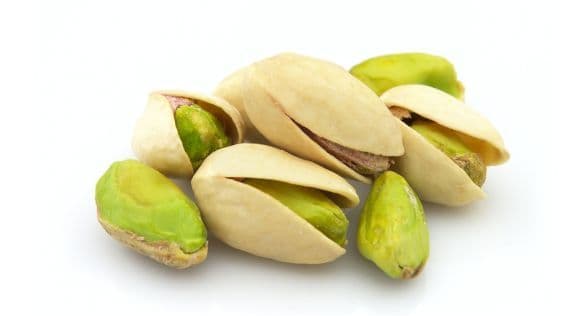
pistachio
The pistachio tree (Pistacia vera) originates in the arid highlands of Central Asia and the Middle East, where it has been cultivated for at least three thousand years. Renowned as a culinary treasure — its pale green nuts are among the most beloved in the world — pistachio also possesses a distinctive aromatic character that has found increasing expression in contemporary perfumery. The nut's scent is gently warm and slightly sweet, carrying a subtle green nuttiness that differentiates it from richer gourmand notes like almond or hazelnut. In fragrance, pistachio occupies a soft, comforting space between the gourmand and the green-woody. Its olfactory profile suggests toasted warmth without heaviness, a mellow sweetness without cloying richness, and a faint vegetal freshness that keeps it grounded. Perfumers use pistachio to add a sophisticated, understated dessert-like quality to compositions, often pairing it with creamy musks, sandalwood, vanilla, or rose for an effect that is luxurious yet approachable. It has become a signature note in a wave of modern unisex and niche fragrances. Pistachio-inspired scents are wonderfully wearable — equal parts indulgent and refined, comforting and modern. At Fragrenza, our pistachio collection brings together the finest dupe fragrances that celebrate this elegant note, crafted to deliver a genuinely premium olfactory experience without the premium price tag.
- 🌿
Pistachio leaf
Pistachio leaf is a green or aromatic note that evokes leaves, herbs, stems, fresh air, or crushed vegetation. Its profile can be crisp, bitter, watery, camphoraceous, grassy, or slightly earthy depending on the material. In perfumery, green notes add realism and lift, keeping sweet, floral, or woody compositions from feeling too heavy. It pairs well with citrus, tea, fig, violet leaf, galbanum, tomato leaf, white musk, vetiver, lavender, and light woods.
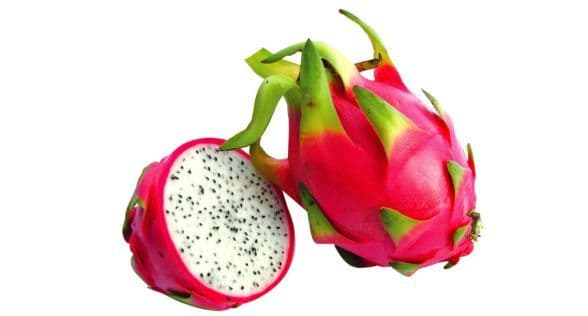
Pitahaya
Pitahaya, more widely known as dragon fruit, is the striking fruit of several cactus species in the genus Hylocereus, native to the tropical Americas — particularly Mexico, Central America, and northern South America. Its vivid magenta or yellow exterior and speckled white or red flesh have made it one of the most visually spectacular fruits in the world. Cultivation has spread extensively across Southeast Asia, particularly Vietnam, Thailand, and the Philippines, which are now among the world's largest producers. Despite its dramatic appearance, pitahaya has a notably mild, delicate flavour and aroma — a quality that makes it simultaneously approachable and interesting for perfumers. Olfactorily, pitahaya as a fragrance note is gentle, slightly sweet, and watery-fresh — more subtly tropical than mango or passion fruit, and lacking their sharp, pungent facets. Its character is closer to a melon or a very mild kiwi: clean, faintly fruity, and transparently aqueous, with a whisper of floral sweetness. It functions in a composition as a light, diffusive tropical note that opens things up without dominating. Pitahaya pairs naturally with other tropical fruits, aquatic notes, light white florals, coconut, and clean musks. In perfumery, pitahaya is most at home in fresh, tropical, and fruity-aquatic fragrances, where its mildness allows it to add an exotic fruitiness without the heaviness of denser tropical notes. It is particularly effective in summer-inspired and unisex compositions. At Fragrenza, our pitahaya note contributes its delicate tropical freshness to select fragrances in our dupe collection, offering an exotic lightness within high-quality formulations crafted at prices accessible to all fragrance lovers.
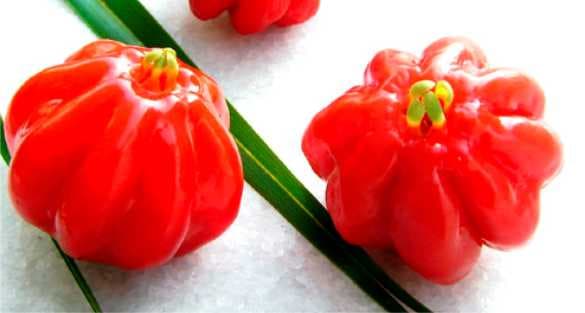
Pitanga
Pitanga, known as the Brazilian cherry or Surinam cherry (Eugenia uniflora), is a vivid crimson fruit native to tropical South America, where it grows in abundance along forest edges and garden hedges. The fruit is visually striking — small, ribbed, and jewel-bright — but its scent is what makes it remarkable. Raw pitanga carries a tart, intensely fruity aroma layered with unusual resinous and slightly turpentine-like undertones, a complexity that sets it apart from more familiar red fruits. It has been used in traditional medicine and cuisine across Brazil for generations. As a fragrance note, pitanga reads as a vivid tropical berry burst with an edge of sourness that keeps sweetness in check. It evokes freshly crushed fruit skin — juicy, a little wild, and shot through with a resinous warmth that adds intrigue. Perfumers employ it to bring a Latin American vibrancy to fruity-floral or tropical compositions, often pairing it with mango, passion fruit, white musks, or green tea to amplify its exoticism. The slightly medicinal, balsamic facet can lend unexpected depth when used sparingly in more complex accords. Pitanga-forward fragrances are joyful, sun-drenched, and undeniably original — a sensory passport to the tropics. At Fragrenza, we celebrate this rare and captivating note through our collection of premium dupe fragrances, offering the vibrancy of pitanga-inspired scents at an accessible price point for every fragrance lover.
- 🌿
Pitaya
Pitaya is a specialty note used to give a fragrance a distinctive texture, mood, or material impression. Depending on interpretation, it may contribute freshness, warmth, sweetness, dryness, softness, or an abstract atmospheric effect. In perfumery, specialty notes are useful because they make a composition feel more specific and less generic. It can be paired with woods, musks, florals, resins, fruits, green notes, spices, or amber materials according to the intended style.
- 🌿
Pittosporum
Pittosporum is a genus of flowering shrubs and small trees native to subtropical regions of Asia, Australasia, and Africa. The blossoms of Pittosporum tobira — the most celebrated species in perfumery — are prized for their extraordinary intensity. Small and creamy-white, the flowers release an intoxicating scent that bridges the gap between orange blossom and gardenia, with a honeyed, slightly waxy richness that carries for remarkable distances. In its native Japan and China, the plant has been cultivated for centuries in gardens and temple grounds, where its perfume is considered a harbinger of spring. In olfactory terms, pittosporum is unmistakably sweet and narcotic, with facets of white petals, warm nectar, and a faint animalic undertow typical of many exotic white flowers. It shares lineage with neroli and tuberose in its ability to command attention without aggression — opulent rather than shrill. Perfumers prize it for the smooth, enveloping quality it lends to floral hearts, where it amplifies the creamy depth of compositions while maintaining a sense of naturalness and sunshine. It pairs beautifully with ylang-ylang, jasmine, musks, and soft woods. Fragrances built around pittosporum evoke warm coastal gardens, Mediterranean terraces, and languid summer evenings. At Fragrenza, we capture this captivating note across a curated selection of high-quality dupe fragrances, letting you experience the magic of pittosporum-forward perfumes at prices that make luxury accessible every day.
- 🌿
Pittosporum blossom
Pittosporum blossom is a floral note that gives a fragrance softness, radiance, and emotional warmth. Depending on the flower or accord, it may feel fresh, creamy, powdery, honeyed, green, indolic, or airy. In perfumery, floral notes often form the heart of a composition, adding body and a recognizable signature. It pairs well with citrus, white musk, rose, jasmine, sandalwood, amber, vanilla, iris, and delicate fruits.
- 🌿
Pittosporum leaf
Pittosporum leaf is a green or aromatic note that evokes leaves, herbs, stems, fresh air, or crushed vegetation. Its profile can be crisp, bitter, watery, camphoraceous, grassy, or slightly earthy depending on the material. In perfumery, green notes add realism and lift, keeping sweet, floral, or woody compositions from feeling too heavy. It pairs well with citrus, tea, fig, violet leaf, galbanum, tomato leaf, white musk, vetiver, lavender, and light woods.
- 🌿
Plant juice
Plant juice is a specialty note used to give a fragrance a distinctive texture, mood, or material impression. Depending on interpretation, it may contribute freshness, warmth, sweetness, dryness, softness, or an abstract atmospheric effect. In perfumery, specialty notes are valuable because they make a composition feel more specific and less generic. Plant juice can be paired with woods, musks, florals, resins, fruits, green notes, spices, or amber materials according to the intended style.
- 🌿
Plants
Plants is a specialty note used to give a fragrance a distinctive texture, mood, or material impression. Depending on interpretation, it may contribute freshness, warmth, sweetness, dryness, softness, or an abstract atmospheric effect. In perfumery, specialty notes are valuable because they make a composition feel more specific and less generic. Plants can be paired with woods, musks, florals, resins, fruits, green notes, spices, or amber materials according to the intended style.
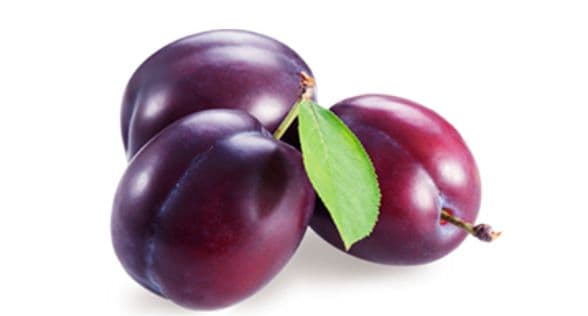
plum
Plum is one of the most beloved stone fruits in the fragrance world — a note of deep, dark, sweet-tart juiciness that brings an immediate sense of richness and sensuality to any composition. The ripe plum's aroma encompasses sun-warmed skin, dark berry sweetness, a slightly wine-like tartness, and a juicy, almost syrupy quality that makes it one of the most voluptuous fruit notes in the perfumer's palette. In perfumery, the plum note has a long and distinguished history, particularly in oriental and chypre compositions. It lends a dark, fruity sweetness that complements rose, patchouli, oud, amber, and vanilla with extraordinary elegance. Whether used as a vivid top note that bursts with freshness or as a darker, more jammy heart element that deepens a composition's richness, plum is endlessly versatile and deeply appealing. Plum fragrances run the gamut from bright and juicy to deep and opulent, making them suitable for a wide range of moods and occasions. At Fragrenza, we offer premium-quality dupes of the world's finest plum-forward fragrances — from fresh and modern interpretations to dark, seductive classics — all at prices that make these sumptuous scents truly accessible. Want to wear it? Explore [plum fragrances](https://fragrenza.com/collections/plum-fragrances).
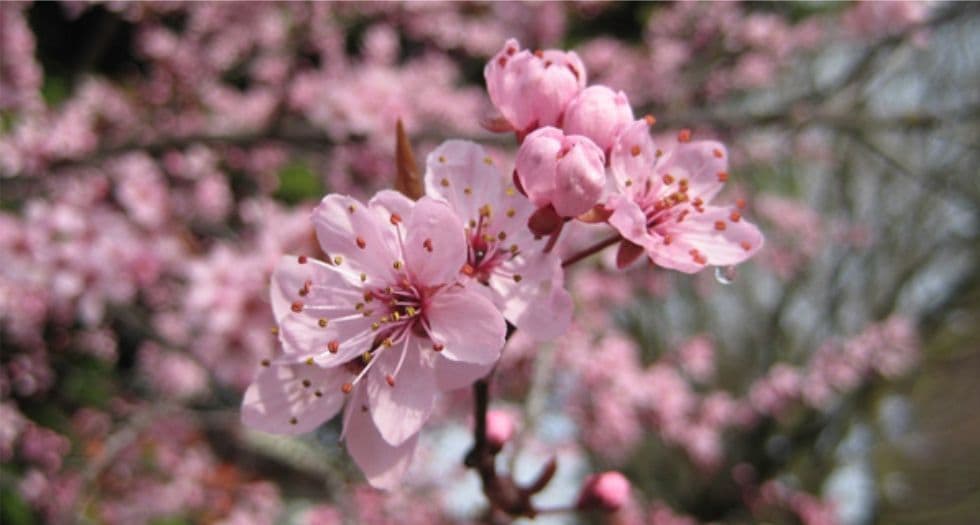
Plum blossom
Plum blossom — the flower of Prunus mume, the Japanese or Chinese plum — is one of the most culturally revered floral notes in East Asian tradition. Blooming in the cold of late winter, sometimes even through snow, it is a symbol of resilience, elegance, and the quiet beauty that persists in the harshest conditions. The blossoms are small and delicate, ranging from pure white to deep rose, and their fragrance is subtle, cool, and faintly sweet — more restrained than cherry blossom, with a clean, almost mineral quality. In perfumery, plum blossom is prized for exactly this subtlety. It is a note of refined understatement — cool, softly floral, and lightly sweet, with a fresh, slightly powdery quality that feels meditative and serene. It pairs beautifully with sandalwood, white musks, soft iris, and light citrus in compositions designed to evoke tranquillity and natural elegance. Japanese perfume culture in particular has drawn deeply on this flower's aesthetic. Plum blossom fragrances are for those who seek quiet beauty and meditative calm in their scent — understated rather than loud, elegant rather than bold. At Fragrenza, we offer high-quality dupes of the finest plum blossom-inspired fragrances, capturing every cool, delicate petal at an accessible price.
- 🌿
Plum leaf
Plum leaf is a fruity note that adds juiciness, color, and natural sweetness. It may feel crisp and tart, ripe and velvety, tropical and creamy, or dark and jammy depending on the fruit profile. In perfumery, fruity notes brighten florals, soften musks, and add pleasure to gourmand or woody structures. It pairs well with rose, peony, jasmine, white musk, vanilla, woods, citrus, amber, and soft spices.
- 🌿
Plum liqueur
Plum liqueur is a fruity note that adds juiciness, color, and natural sweetness. It may feel crisp and tart, ripe and velvety, tropical and creamy, or dark and jammy depending on the fruit profile. In perfumery, fruity notes brighten florals, soften musks, and add pleasure to gourmand or woody structures. It pairs well with rose, peony, jasmine, white musk, vanilla, woods, citrus, amber, and soft spices.
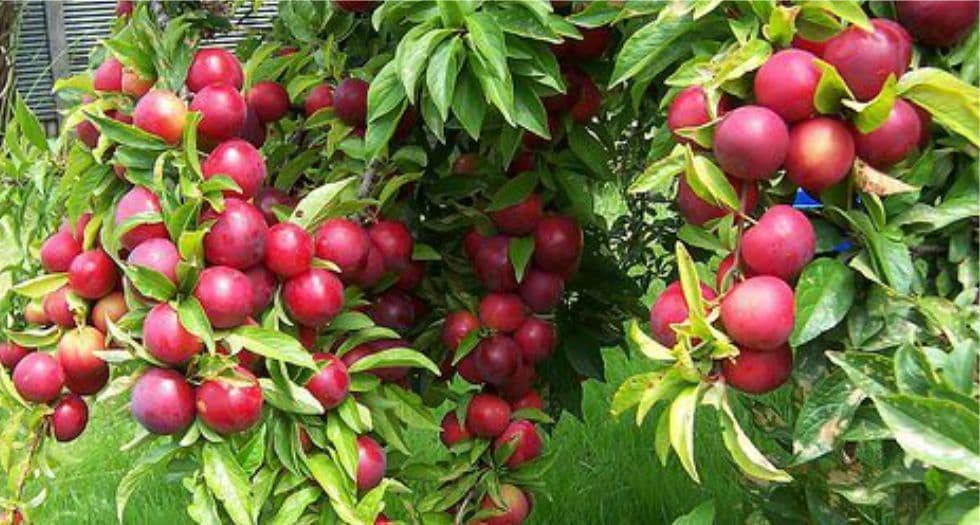
Plum Wood
Plum Wood is a textured base note with woody, dry, smooth, and sometimes leathery or resinous facets. In perfumery, it adds structure, depth, warmth, and longevity, pairing well with amber, musk, incense, rose, spices, citrus, and tobacco.
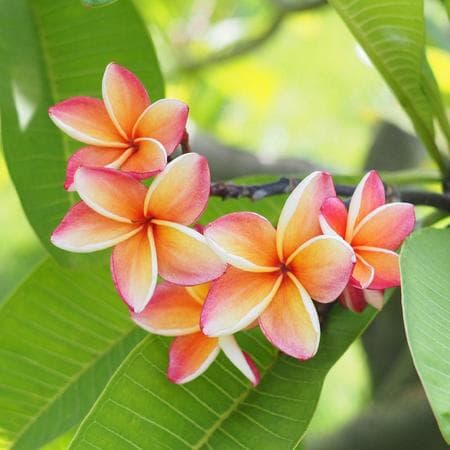
Plumeria
The poinsettia (Euphorbia pulcherrima) is perhaps the world's most recognisable festive plant — its vivid red bracts brightening homes and celebrations across the globe each winter. Native to Mexico, where it was used by the Aztecs for medicinal and ceremonial purposes, the poinsettia carries a subtle, green, slightly resinous aroma that is more complex than its ornamental reputation suggests. Its sap and leaves contribute a faintly latex-like, botanical freshness. In perfumery, the poinsettia note is used to evoke a seasonal, botanical mood — a cool, green resinousness tinged with the warmth of winter gatherings and festive rituals. It lacks the sweetness of traditional holiday notes like cinnamon or vanilla, instead offering a more natural, plant-like quality that grounds winter compositions in something authentic. It pairs well with pine, cypress, warm resins, and light spices in fragrances designed to evoke the festive season through a more botanical lens. Poinsettia fragrances are for those who seek a sophisticated, unusual take on the winter holiday palette — less sweet nostalgia, more living botanical freshness. At Fragrenza, we offer high-quality dupes of the finest seasonal and botanically inspired fragrances, bringing the spirit of the season to you at an accessible price.
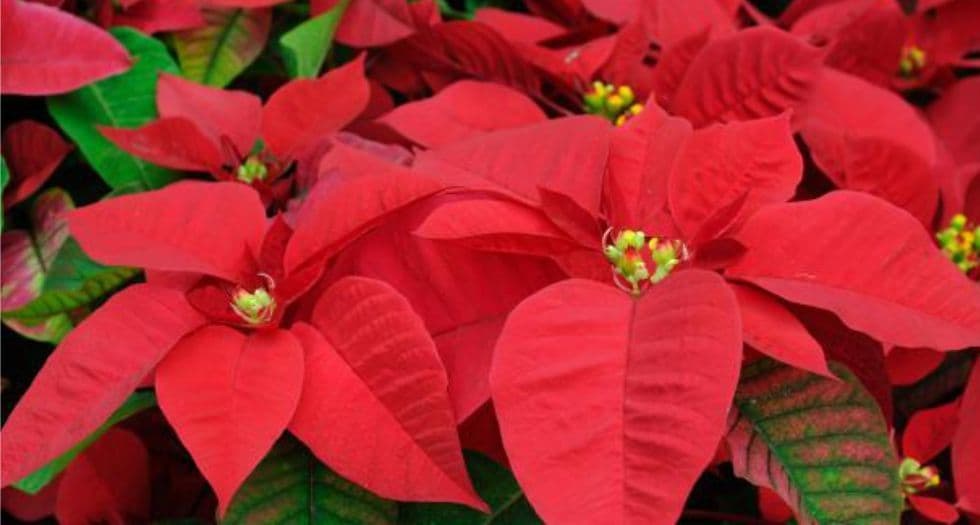
Poinsettia
بِنْتُ القُنْصُلِ (اسم العلمي: Euphorbia pulcherrima) نوع نبات ينتمي لجنس الفربيون من الفصيلة اليتوعية. وهي شجيرة مستديمة الخضرة يتراوح ارتفاعها بين 1-3 م أفرعها كثيرة وساقها قصيرة، والأوراق مسننة عروقها ظاهرة، والأزهار تظهر في الشتاء وتظهر معها القنابات الورقية الحمراء، والثمار لا تظهر، والجذور منتشرة وعميقة، ومعدل النمو للشجيرة سريع ثم بطيء. جد مستعملة في الأعياد المسيحية كعيد الميلاد.
- 🌿
Pollen
Pollen is one of nature's most primal and life-affirming substances — the golden dust of flowers, carried by wind and bee from bloom to bloom in the great cycle of renewal. Its scent is warm, slightly waxy, and honeyed, with an almost powdery sweetness and a faint dry, dusty quality that evokes sunlit flowers heavy with the season's abundance. It is at once ancient and intimate, connected to the very biology of the flowering world. As a fragrance note, pollen creates compositions that feel deeply connected to nature's rhythms. It functions as a warm, slightly animalic-sweet bridge between floral and gourmand accords, adding a honeyed, dusty warmth and a tangible sense of being surrounded by blossoms in full bloom. Perfumers pair it with solar florals such as mimosa and heliotrope, with warm musks, and with light ambers to amplify its golden, sun-drenched character. Pollen fragrances are sensual, warm, and deeply evocative of spring and summer at their most alive. They suit those who want to wear something that feels connected to the living, growing world. At Fragrenza, we offer premium-quality dupes of the finest pollen-forward fragrances, capturing the warmth of a flower-filled afternoon at an accessible price.
- 🌿
Polo Sport Woman
Polo Sport Woman is a specialty note used to give a fragrance a distinctive texture, mood, or material impression. Depending on interpretation, it may contribute freshness, warmth, sweetness, dryness, softness, or an abstract atmospheric effect. In perfumery, specialty notes are useful because they make a composition feel more specific and less generic. It can be paired with woods, musks, florals, resins, fruits, green notes, spices, or amber materials according to the intended style.
- 🌿
Polygonum
Polygonum is a genus of flowering plants found across temperate regions of Europe, Asia, and North America, encompassing species from common knotweed to the ornamental bistort. Botanically diverse and ecologically resilient, polygonum plants carry a subtle, green-herbal aroma — slightly earthy and botanical, with a faint freshness that speaks of untamed, meadow-edge vegetation rather than cultivated gardens. In niche perfumery, the polygonum note is used for its quiet naturalism — a green, slightly astringent herbal quality that grounds compositions and adds a sense of botanical authenticity. Unlike the sharpness of basil or the sweetness of lavender, polygonum's character is soft and understated, functioning as a bridge between the green and earthy families. It harmonises well with grassy accords, light woods, and clean musks in compositions seeking a close-to-nature aesthetic. Fragrances featuring polygonum are for those who appreciate perfumery's quieter, more botanically minded expressions — scents that feel like a walk through a wild hedgerow at dawn. At Fragrenza, we offer high-quality dupes of the finest green and botanical fragrances, bringing nature's subtlest aromas to your collection at an accessible price.
- 🌿
Polynesian hibiscus
Polynesian hibiscus is a specialty note used to give a fragrance a distinctive texture, mood, or material impression. Depending on interpretation, it may contribute freshness, warmth, sweetness, dryness, softness, or an abstract atmospheric effect. In perfumery, specialty notes are useful because they make a composition feel more specific and less generic. It can be paired with woods, musks, florals, resins, fruits, green notes, spices, or amber materials according to the intended style.
- 🌿
Polynesian ylang-ylang
Polynesian ylang-ylang is a floral note that gives a fragrance softness, radiance, and emotional warmth. Depending on the flower or accord, it may feel fresh, creamy, powdery, honeyed, green, indolic, or airy. In perfumery, floral notes often form the heart of a composition, adding body and a recognizable signature. It pairs well with citrus, white musk, rose, jasmine, sandalwood, amber, vanilla, iris, and delicate fruits.
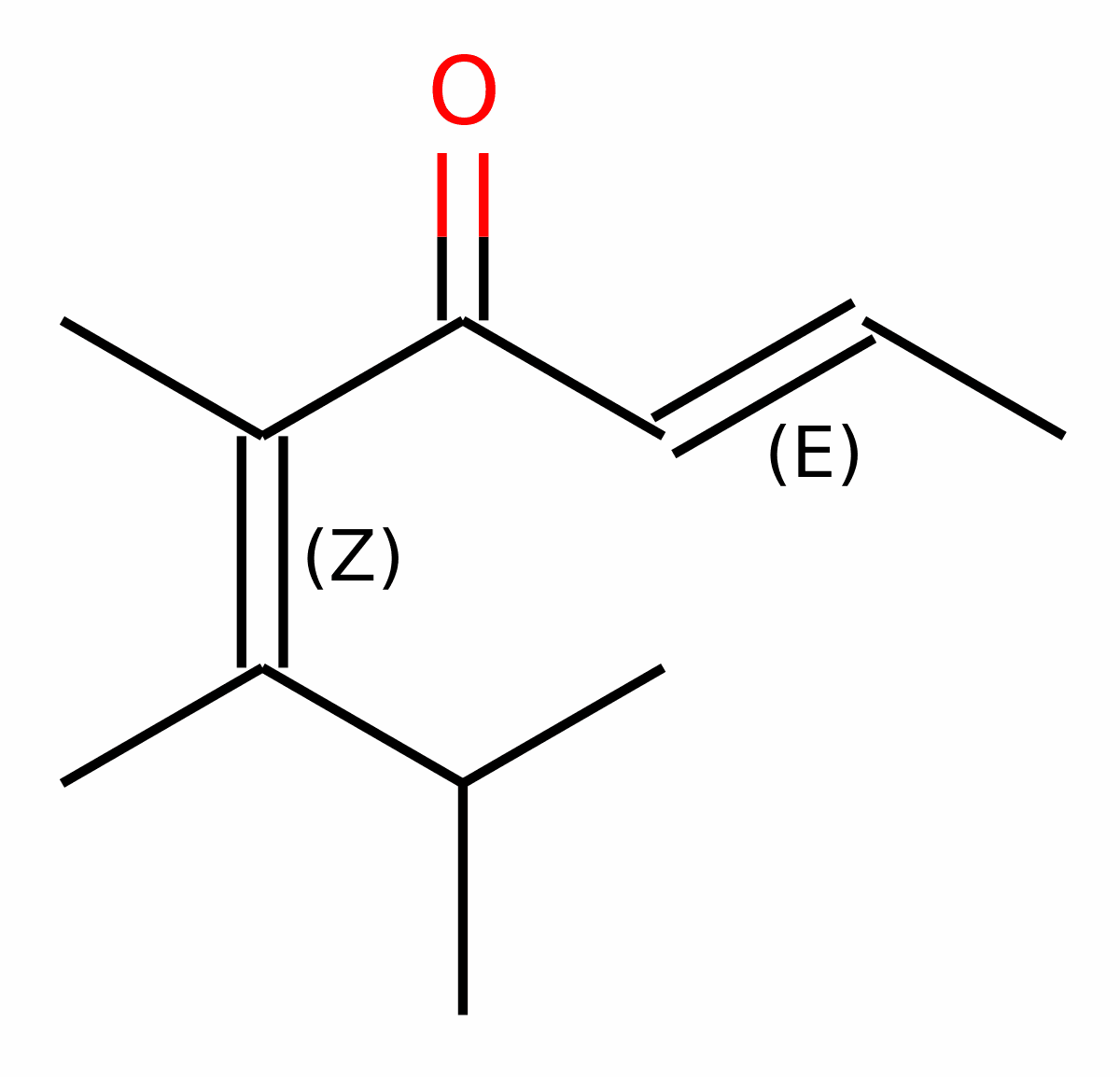
Pomarose
Pomarose, derived from Syzygium jambos — the rose apple or Malabar plum — is a tropical tree native to Southeast Asia now cultivated throughout the tropics. Its fruits have an extraordinary aroma: delicately floral, faintly rosy, and lightly sweet with a watery freshness reminiscent of lychee and white rose petals. The name itself captures the note's character — a marriage of fruity softness and floral elegance. In perfumery, pomarose is an evocative and relatively uncommon note that sits gracefully at the intersection of the floral and fruity families. It lends compositions a dreamy, tropical lightness — think rose petals drifting over still, warm water. It pairs beautifully with lychee, white musks, jasmine, and soft woods, creating fragrances that feel both exotic and effortlessly wearable. Its quiet character makes it a natural choice for transparent, skin-close compositions. Fragrances featuring pomarose appeal to those who love delicate, tropical florals with an unusual twist — scents that transport without overwhelming. At Fragrenza, we bring the rare and beautiful to your everyday with premium-quality dupes of the finest pomarose-inspired fragrances at a price that keeps the dream alive.
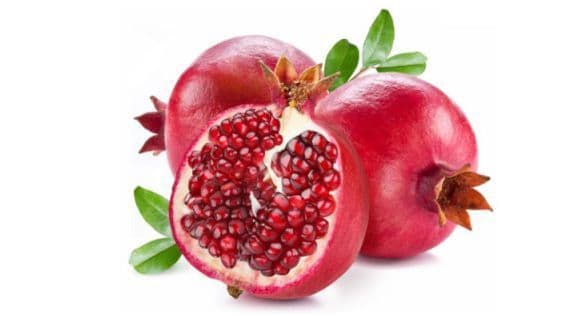
pomegranate
Pomegranate (Punica granatum) is one of the oldest cultivated fruits in human history, with origins in the region stretching from modern Iran to northern India and evidence of cultivation dating back at least four thousand years. It features prominently in ancient Mediterranean cultures — in Greek mythology as the fruit that bound Persephone to the underworld, in Hebrew tradition as a symbol of righteousness, and in Persian and Islamic art as an emblem of fertility and abundance. Today it is cultivated widely across the Mediterranean, Middle East, Central Asia, and the Americas, valued both as a food and for its antioxidant-rich juice. Olfactorily, pomegranate in fragrance is tart, juicy, and distinctively ruby-fruity — with a vivid red-fruit character that sits between cranberry and raspberry but with an additional tannic, slightly astringent edge that is entirely its own. There is a bright, watery quality at the opening that gives it freshness, followed by a deeper, slightly syrupy sweetness as it settles. Pomegranate is neither tropical nor stone-fruity but occupies its own precise niche in the fruity palette. It pairs naturally with rose, oud, black currant, fresh woods, pink pepper, and citrus notes. In perfumery, pomegranate has become an increasingly popular fruity heart and top note, particularly in Middle Eastern-influenced and fruity-floral fragrance profiles where its tart depth adds authenticity and complexity. It works equally well in feminine, masculine, and unisex compositions. At Fragrenza, our pomegranate note delivers its vivid, ruby tartness to multiple fragrances in our dupe collection, providing vibrant character and colour in compositions designed to exceed expectations at genuinely accessible prices.
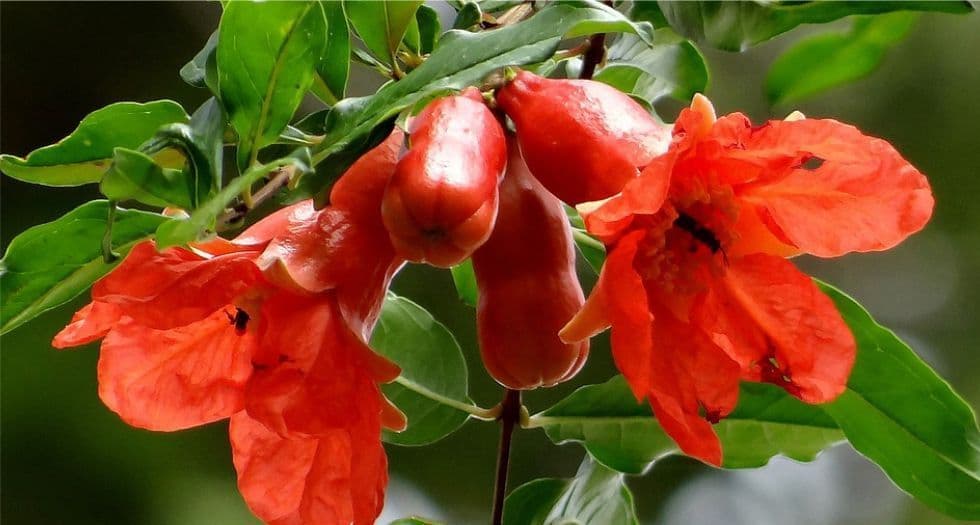
Pomegranate blossom
Freshly popped corn is one of the most universally recognisable and nostalgically beloved aromas in the world. Warm, buttery, and toasty with a hint of caramelised sweetness, the scent of popcorn is inextricably linked with joy, leisure, and the simple pleasures of life. In the world of fragrance, this humble snack has found an unexpected and thoroughly charming home in the gourmand genre. The popcorn note in perfumery is built from a combination of buttery, lactonic accords and warm, toasted cereal facets, often enhanced by a touch of caramel or vanilla for sweetness and depth. It sits squarely in the playful end of the gourmand family, creating fragrances that are fun, approachable, and deeply comforting without feeling heavy. It pairs well with sweet musks, salted caramel, coconut, and warm woods that round out its character. Popcorn fragrances are unapologetically fun and evocative — perfect for those who love their scents warm, edible, and full of personality. At Fragrenza, we celebrate the full range of gourmand creativity by offering high-quality dupes of the finest popcorn-inspired fragrances, so you can wear your favourite treat at a price that truly pops.
- 🌿
Pomegranate nectar
Pomegranate nectar is a fruity note that adds juiciness, color, and natural sweetness. It may feel crisp and tart, ripe and velvety, tropical and creamy, or dark and jammy depending on the fruit profile. In perfumery, fruity notes brighten florals, soften musks, and add pleasure to gourmand or woody structures. It pairs well with rose, peony, jasmine, white musk, vanilla, woods, citrus, amber, and soft spices.
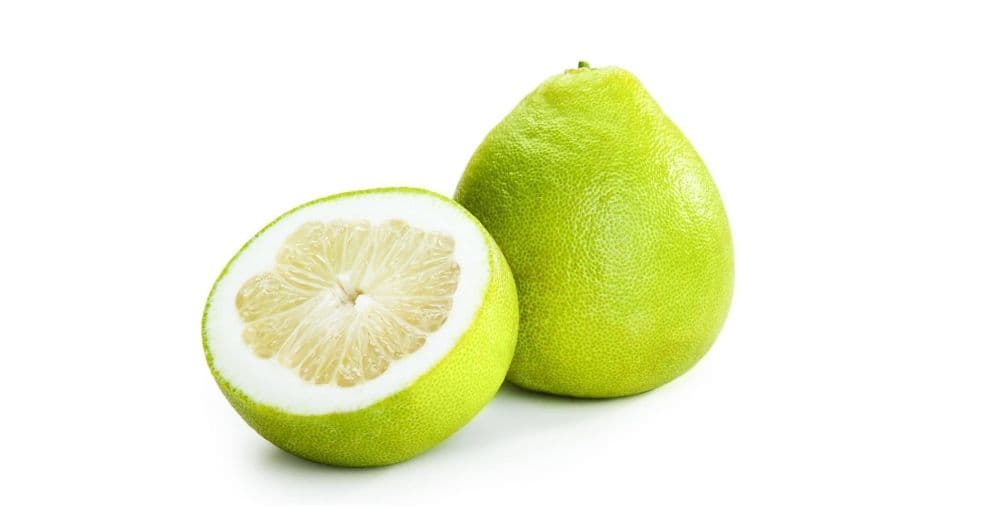
Pomelo
Pomelo (Citrus maxima) is the largest citrus fruit in existence and one of the original species from which modern cultivated citrus was derived, along with the mandarin. Native to Southeast Asia — particularly Malaysia, Indonesia, and the Philippines — pomelo has been cultivated for over four thousand years and holds cultural significance in Chinese New Year celebrations, where it is offered as a symbol of prosperity and good fortune. Its thick, pithy rind encloses pale flesh that can range from white to pink or red, with a flavour and aroma distinctly lighter and more refined than grapefruit, which is one of its hybrids. Olfactorily, pomelo is bright, clean, and gently citrusy — lighter and less bitter than grapefruit, with a fresh, slightly green edge and a delicate sweetness that makes it feel airy rather than sharp. The rind note is perhaps even more distinctive: crisp, slightly watery, and wonderfully transparent, evoking the sensation of zesting a fresh peel over a kitchen counter. It lacks the tangy aggression of lemon or lime and instead offers a refined, almost minimalist citrus quality. Pomelo blends beautifully with other citruses, white florals, tea notes, woody musks, and aquatic accords. In perfumery, pomelo is particularly valued in fresh, clean, and unisex compositions where a gentle, transparent citrus lift is needed without heaviness or sweetness. It suits minimalist, green-fresh, and Japanese-influenced fragrance styles especially well. At Fragrenza, our pomelo note brings its distinctive clean brightness to select compositions in our dupe fragrance collection, adding a sophisticated lightness that elevates formulas crafted to rival designer originals at accessible prices.
- 🌿
Ponderosa pine
Ponderosa pine is a woody note used to create structure, depth, and lasting warmth. Its scent may be dry, creamy, smoky, resinous, earthy, pencil-like, or polished depending on the wood or accord. In perfumery, woody notes support the whole composition and connect fresh openings with deeper bases. It pairs naturally with amber, musk, incense, leather, vetiver, patchouli, spices, citrus, and soft resins.
- 🌿
Ponderosa pine bark
Ponderosa pine bark is a woody note used to create structure, depth, and lasting warmth. Its scent may be dry, creamy, smoky, resinous, earthy, pencil-like, or polished depending on the wood or accord. In perfumery, woody notes support the whole composition and connect fresh openings with deeper bases. It pairs naturally with amber, musk, incense, leather, vetiver, patchouli, spices, citrus, and soft resins.
- 🌿
Ponderosa pine resin
Ponderosa pine resin is a woody note used to create structure, depth, and lasting warmth. Its scent may be dry, creamy, smoky, resinous, earthy, pencil-like, or polished depending on the wood or accord. In perfumery, woody notes support the whole composition and connect fresh openings with deeper bases. It pairs naturally with amber, musk, incense, leather, vetiver, patchouli, spices, citrus, and soft resins.
- 🌿
Pop corn
Pop corn is a specialty note used to give a fragrance a distinctive texture, mood, or material impression. Depending on interpretation, it may contribute freshness, warmth, sweetness, dryness, softness, or an abstract atmospheric effect. In perfumery, specialty notes are useful because they make a composition feel more specific and less generic. It can be paired with woods, musks, florals, resins, fruits, green notes, spices, or amber materials according to the intended style.

popcorn
Popcorn is a playful gourmand note built around toasted corn, warm butter, salt, and caramelized cereal facets. In perfumery, it can add a cozy movie-theater warmth or a more refined toasted-grain effect, depending on how it is blended. The note works best when balanced with vanilla, caramel, tonka bean, woods, musks, or smoky accents so it feels comforting rather than novelty-only. Popcorn gives a fragrance texture, warmth, and an immediately recognizable edible charm.
- 🌿
Poplar
Poplar buds — known in the herbal tradition as the Balm of Gilead — are harvested in early spring just as the trees begin to wake from winter dormancy. These sticky, resinous buds exude one of the most beautiful natural aromas: a sweet, balsamic warmth layered with a green, slightly medicinal freshness and a honey-like quality that signals the return of the growing season. Few natural materials so perfectly capture the feeling of a forest on the cusp of spring. In perfumery, poplar bud absolute is a prized ingredient in natural and niche fragrance compositions. Its sweet-green-balsamic character makes it exceptionally versatile: it blends harmoniously with resins such as benzoin and labdanum, with green and herbal accords, and with soft floral notes that benefit from its grounding warmth. It is often used to evoke the mood of forest walks and the clean, resinous air of early spring mornings. Fragrances built around poplar buds are for those who find beauty in the turning of the seasons and the restorative power of the natural world. At Fragrenza, we offer premium-quality dupes of the finest poplar bud-inspired fragrances, bringing the sweet green soul of early spring to you at an accessible price.
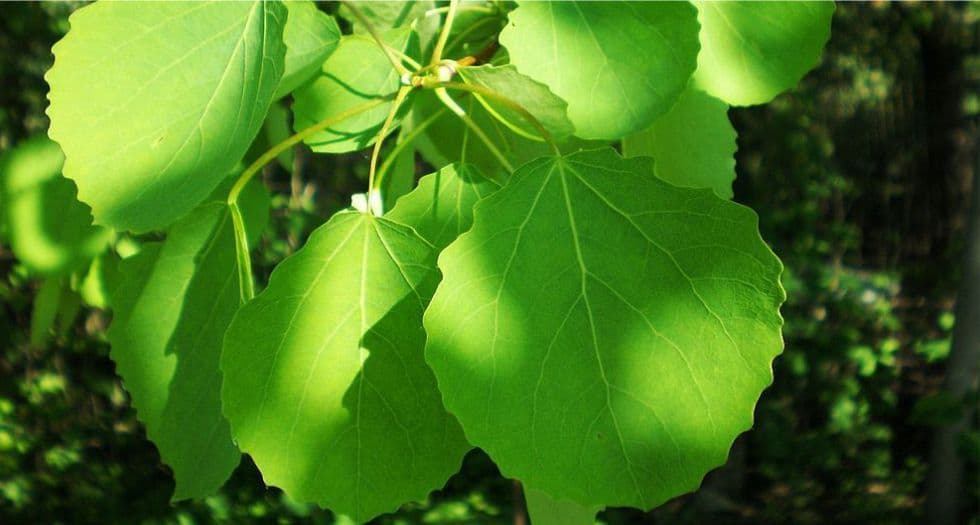
Poplar (Populus) buds
The poppy flower (Papaver) is one of the natural world's most visually striking blooms — its papery, tissue-thin petals in shades of crimson, coral, and white have made it a symbol of remembrance and fleeting beauty across cultures. As a fragrance ingredient, poppy is delicate and elusive: faintly sweet, with a dry, papery quality and a subtle green freshness that captures the essence of the flower without the bold sweetness of more prominent florals. In perfumery, the poppy note creates a mood of quiet, contemplative beauty. It lacks the aggressive sweetness of ylang-ylang or tuberose, instead offering a refined, slightly melancholy softness. Perfumers use it to add a translucent floral layer to compositions, often pairing it with green accords, rose, light musks, and delicate woods. The poppy seed note, with its faintly earthy, milky quality, also appears in some compositions for added depth. Fragrances built around poppy are for those who love florals that feel natural, unadorned, and quietly poetic — a breath of wind across a field in bloom rather than a bouquet. At Fragrenza, we offer high-quality dupes of the most beautiful poppy-inspired fragrances, capturing every delicate petal at an accessible price.
- 🌿
Poplar bud
Poplar bud is a specialty note used to give a fragrance a distinctive texture, mood, or material impression. Depending on interpretation, it may contribute freshness, warmth, sweetness, dryness, softness, or an abstract atmospheric effect. In perfumery, specialty notes are useful because they make a composition feel more specific and less generic. It can be paired with woods, musks, florals, resins, fruits, green notes, spices, or amber materials according to the intended style.
- 🌿
Poplar bud absolute
Poplar bud absolute is a specialty note used to give a fragrance a distinctive texture, mood, or material impression. Depending on interpretation, it may contribute freshness, warmth, sweetness, dryness, softness, or an abstract atmospheric effect. In perfumery, specialty notes are useful because they make a composition feel more specific and less generic. It can be paired with woods, musks, florals, resins, fruits, green notes, spices, or amber materials according to the intended style.

Poppy
Port wine is one of the world's great fortified wines, produced in the Douro Valley of northern Portugal and aged in wooden casks to extraordinary depth and complexity. Its aroma is a rich tapestry of dark dried fruits — figs, raisins, prunes, and black cherries — layered with notes of chocolate, toasted walnut, warm spice, and a deep, warming sweetness that comes from the addition of grape spirit during fermentation. As a fragrance note, port wine brings an opulent, vinous richness to perfume compositions. It is warm and deeply sensual, evoking candlelit rooms, velvet upholstery, and the comforting luxury of a glass of aged Tawny at the end of a fine evening. Perfumers use it to add a dark, fruity warmth to oriental and gourmand compositions, pairing it with oud, leather, amber, patchouli, and dried fruits for maximum depth and sillage. Fragrances featuring port wine are bold and unabashedly luxurious — perfect for cooler months and evening wear. At Fragrenza, we offer premium-quality dupes of the finest port wine-inspired fragrances, delivering every drop of that warm, vinous richness at a price that makes true luxury accessible.
- 🌿
Portuguese chestnut
Portuguese chestnut is a gourmand note that adds edible warmth, sweetness, and comfort. It may suggest cream, sugar, nuts, chocolate, coffee, honey, pastry, or toasted grains depending on the accord. In perfumery, gourmand notes make compositions feel cozy and sensual, but they work best when balanced with woods, musks, spices, citrus, or resins. It pairs well with vanilla, tonka bean, sandalwood, amber, caramel, cacao, coffee, and soft florals.
- 🌿
Portuguese cistus
Portuguese cistus is a specialty note used to give a fragrance a distinctive texture, mood, or material impression. Depending on interpretation, it may contribute freshness, warmth, sweetness, dryness, softness, or an abstract atmospheric effect. In perfumery, specialty notes are useful because they make a composition feel more specific and less generic. It can be paired with woods, musks, florals, resins, fruits, green notes, spices, or amber materials according to the intended style.
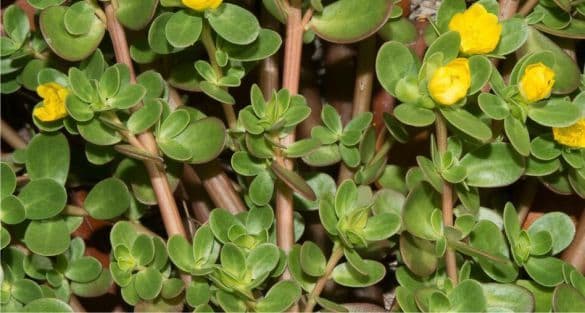
Portulaca or Pigweed
The potato note in perfumery is one of the most unexpected and conceptually bold ingredients in the modern perfumer's palette. Raw potato carries a cool, earthy, faintly starchy and green-vegetal aroma — not unlike freshly turned soil, moist cellar air, and the clean scent of a root vegetable freshly lifted from the ground. It is humble, honest, and thoroughly rooted in the natural world. In avant-garde and niche perfumery, the potato note has been used to striking effect by houses seeking to challenge conventional notions of beauty in fragrance. When handled with skill, it contributes a raw earthiness and a slightly mineral freshness that grounds a composition and sets it apart from the floral and fruity mainstream. It pairs well with earthy materials such as vetiver, oakmoss, and cool musks, as well as with green accords and dry woods. Fragrances featuring a potato note are for the adventurous — those who appreciate perfumery as an art form capable of capturing the full breadth of human experience, from the transcendent to the elemental. At Fragrenza, we offer high-quality dupes of the most innovative potato-note fragrances, celebrating the boundary-pushing creativity of the niche perfume world at an accessible price.
- 🌿
Pot marigold
Pot marigold is a specialty note used to give a fragrance a distinctive texture, mood, or material impression. Depending on interpretation, it may contribute freshness, warmth, sweetness, dryness, softness, or an abstract atmospheric effect. In perfumery, specialty notes are valuable because they make a composition feel more specific and less generic. Pot marigold can be paired with woods, musks, florals, resins, fruits, green notes, spices, or amber materials according to the intended style.
- 🌿
Powder
Powder is a specialty note used to give a fragrance a distinctive texture, mood, or material impression. Depending on interpretation, it may contribute freshness, warmth, sweetness, dryness, softness, or an abstract atmospheric effect. In perfumery, specialty notes are valuable because they make a composition feel more specific and less generic. Powder can be paired with woods, musks, florals, resins, fruits, green notes, spices, or amber materials according to the intended style.
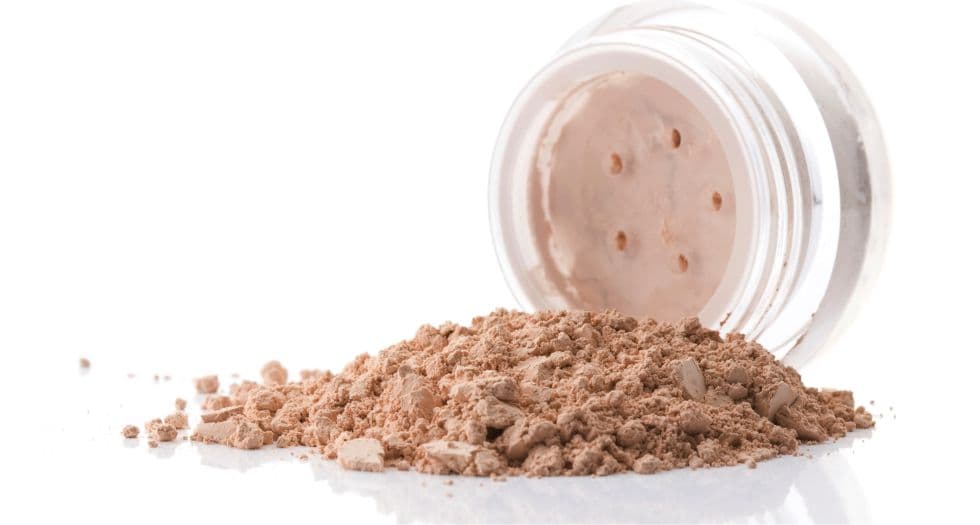
Powdery Notes
The powdery accord is one of perfumery's most beloved and enduring sensory signatures. Rooted in the classical tradition of early twentieth-century perfumery, it evokes the texture and warmth of talcum powder, iris root, soft musk, and warm skin. It is a quality rather than a single ingredient — an effect created by combining materials such as orris, heliotrope, violet, benzyl benzoate, and musks to produce a soft, enveloping, skin-like warmth. Iris root (orris) is the cornerstone of most powdery accords, contributing its distinctive dry, carrot-like, violet-adjacent sweetness and an almost tactile softness. Heliotrope adds a warm, almond-tinged sweetness, while musks provide the subtle, intimate skin quality that makes powdery fragrances feel like a second skin. Together they create compositions that are elegant, nostalgic, and deeply comforting — the olfactory equivalent of freshly laundered linens or a beloved vintage vanity table. Powdery fragrances span a wide spectrum, from airy and modern to deeply opulent and classic. They suit those who love refined, sophisticated scents that feel timeless and intimate. At Fragrenza, we offer high-quality dupes of the world's most celebrated powdery fragrances, delivering every whisper of iris and musk at a price that makes elegance accessible to all.
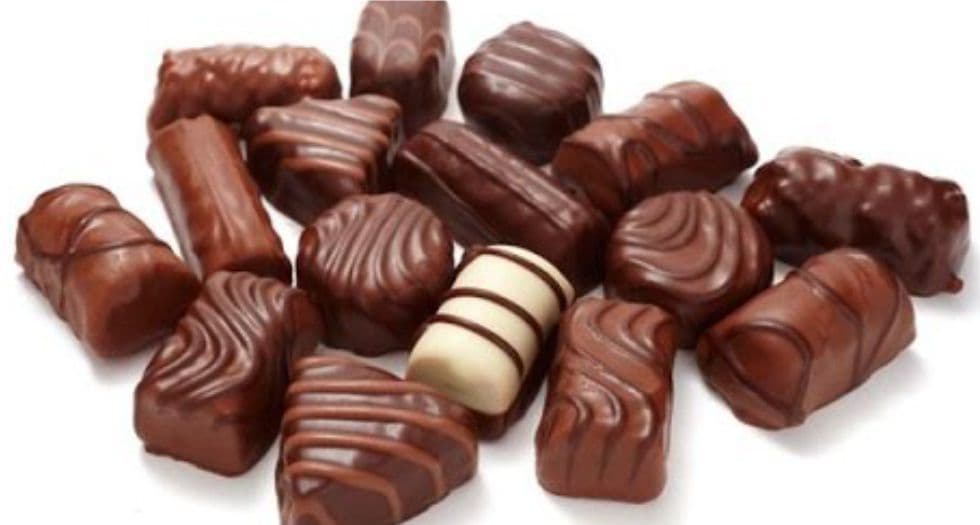
Praline
Praline is a confectionery preparation originating in seventeenth-century France, where it is said to have been created for Marshal César de Choiseul, Comte du Plessis-Praslin, by his personal chef. The original French praline consisted of whole almonds cooked in caramelised sugar, though the term has evolved in different culinary traditions — American pralines incorporate pecans and cream, while Belgian pralines are chocolate-filled bonbons. In fragrance, the praline note draws on the combination of caramelised sugar and roasted nuts to create one of the richest and most indulgent accords in the gourmand family. Olfactorily, praline is luxurious and immediately comforting — a warm, almond-sweet caramel with a toasty, slightly buttery depth and a hint of vanilla-like creaminess. It is sweeter and more complex than a simple sugar note, with the roasted dimension from the nuts adding a subtle bitter-edged warmth that prevents it from feeling cloying. Depending on the formula, praline can lean more toward toasted almond, dark caramel, or creamy milk chocolate, but always retains its distinctive confectionery richness. It blends beautifully with vanilla, tonka bean, chocolate, amber, sandalwood, and warm musks. In perfumery, praline is a cornerstone of the gourmand fragrance genre, beloved for its ability to create deeply comforting, sensual, and irresistible compositions. It is equally at home in mainstream designer flankers and bold niche gourmands, adding a decadent warmth that lasts beautifully on skin. At Fragrenza, our praline accord delivers its full confectionery richness across multiple dupe fragrances, making the most indulgent gourmand experiences accessible at prices everyone can embrace.
- 🌿
Precious Woods
Precious Woods is a woody note used to give fragrance structure, depth, and lasting warmth. Its profile may be dry, creamy, smoky, resinous, earthy, or polished depending on the source or accord. In perfumery, woody notes often form the backbone of a composition, supporting lighter citrus, floral, spicy, or aromatic materials. It pairs naturally with amber, musk, incense, leather, vetiver, patchouli, spices, and soft resins.
- 🌿
Pretty Woman rose
Pretty Woman rose is a floral note that gives a fragrance softness, radiance, and emotional warmth. Depending on the flower or accord, it may feel fresh, creamy, powdery, honeyed, green, indolic, or airy. In perfumery, floral notes often form the heart of a composition, adding body and a recognizable signature. It pairs well with citrus, white musk, rose, jasmine, sandalwood, amber, vanilla, iris, and delicate fruits.
- 🌿
Prickly pear
The prickly pear, fruit of the Opuntia cactus, grows abundantly across the arid landscapes of the Americas, the Mediterranean, and North Africa. Its vivid red and purple fruits have a uniquely refreshing flavour — watery-sweet, with notes of watermelon, melon, and a faint tropical fruitiness that belies the inhospitable terrain where it thrives. It is a surprising jewel of colour and sweetness in the desert. As a fragrance note, prickly pear is loved for its juicy, aquatic sweetness and its ability to evoke the feeling of warm sun and cool water simultaneously. It is light and transparent, making it a popular choice in fresh fruity-floral and aquatic compositions. Perfumers often pair it with citrus, light musks, cucumber, and soft florals to create fragrances that feel refreshing, modern, and effortlessly wearable. Prickly pear fragrances are vibrant and contemporary — perfect for warm-weather wear and those who love fresh, fruit-forward scents that feel clean and alive. At Fragrenza, we offer premium-quality dupes of the finest prickly pear-inspired perfumes, so you can enjoy every juicy, sun-drenched drop at a price that makes sense.
- 🌿
Primofiore lemon
Primofiore lemon is a bright citrus note that brings sparkle, freshness, and immediate lift to a fragrance. Its profile may include juicy pulp, aromatic peel, green bitterness, soft floral facets, or a slightly sharp zest depending on the material. In perfumery, it is most often used in the opening, where it gives clarity and movement before blending into florals, woods, musks, or herbs. Primofiore lemon works especially well with neroli, tea, lavender, white musk, light woods, aquatic notes, and aromatic herbs.
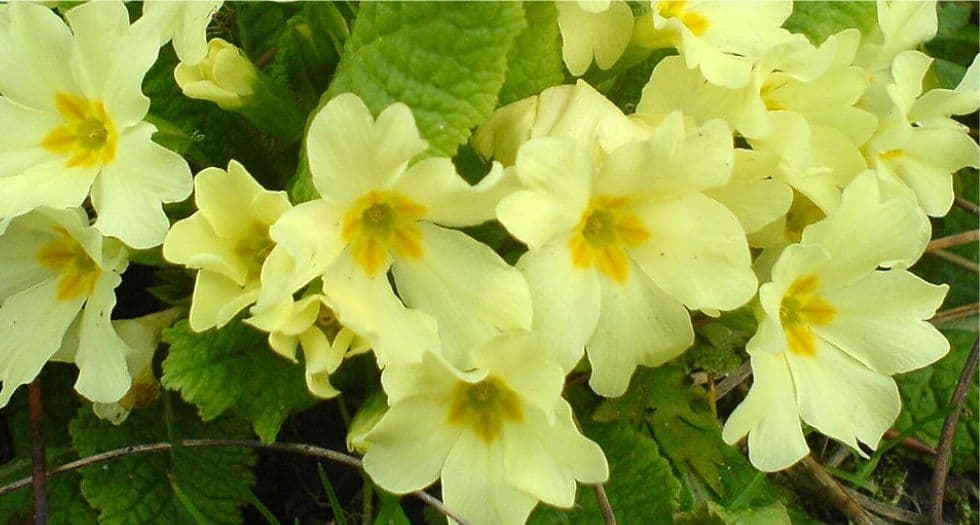
Primrose
Primrose (Primula vulgaris) is one of the first flowers to bloom as winter gives way to spring across European meadows and woodlands. Its delicate pale yellow blossoms carry a soft, faintly sweet fragrance — gentle and unassuming, with a cool green freshness and a whisper of honey that evokes the earliest days of the new season. It is a flower of quiet beauty and subtle charm. In perfumery, primrose lends a soft, luminous quality to spring floral compositions. Its scent is neither as bold as rose nor as heady as jasmine; instead, it brings a refined, understated sweetness and a natural green quality that lifts and brightens a fragrance. Perfumers often pair it with violet, lily of the valley, soft musks, and light woods to create compositions that feel fresh, feminine, and effortlessly elegant. Primrose-inspired fragrances are perfect for those who love light, natural florals that feel like a walk through a sun-dappled meadow in April. At Fragrenza, we offer high-quality dupes of the most celebrated primrose-forward perfumes, capturing every delicate petal and gentle breeze of the originals at a fraction of the price.
- 🌿
Primrose jasmine wood
Primrose jasmine wood is a floral note that gives a fragrance softness, radiance, and emotional warmth. Depending on the flower or accord, it may feel fresh, creamy, powdery, honeyed, green, indolic, or airy. In perfumery, floral notes often form the heart of a composition, adding body and a recognizable signature. It pairs well with citrus, white musk, rose, jasmine, sandalwood, amber, vanilla, iris, and delicate fruits.
- 🌿
Primula scotica
Primula scotica is a specialty note used to give a fragrance a distinctive texture, mood, or material impression. Depending on interpretation, it may contribute freshness, warmth, sweetness, dryness, softness, or an abstract atmospheric effect. In perfumery, specialty notes are useful because they make a composition feel more specific and less generic. It can be paired with woods, musks, florals, resins, fruits, green notes, spices, or amber materials according to the intended style.
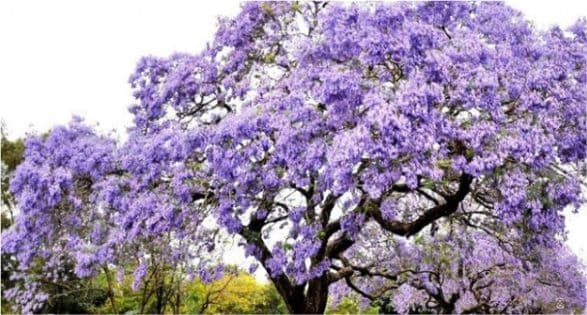
Princess Tree or Paulownia
Paulownia, also known as princess tree, is a fast-growing flowering tree native to China. As a fragrance note, it can be interpreted as a soft floral woody accord with airy, slightly honeyed, green, and delicate blossom facets. It suits clean florals and nature-inspired compositions.
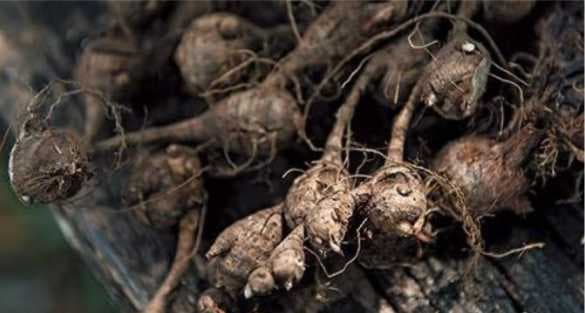
Priprioca
Priprioca is a wild root native to the Amazon basin, derived from the plant Cyperus articulatus. Long used by indigenous communities in Brazil for its aromatic properties, it has a scent profile that is at once exotic and grounding — earthy and woody, with a creamy, slightly sweet quality and a distant hint of incense. Its unique character straddles the boundary between the natural and the otherworldly, giving it a rare allure in niche perfumery. In modern perfumery, priprioca gained international recognition largely through the work of perfumer Antoine Lie and the Brazilian brand O Boticário. It functions as a distinctive base note, adding an earthy, rooty warmth and a velvety textural quality to compositions. It blends naturally with other earthy materials such as vetiver, patchouli, and oakmoss, as well as with warm spices and creamy musks that allow its exotic character to unfold fully. Fragrances featuring priprioca are deeply original — grounded in the rainforest floor yet elevated by the artistry of fine perfumery. At Fragrenza, we celebrate these rare and remarkable ingredients by offering premium-quality dupes of the world's finest priprioca-forward fragrances, bringing the exotic heart of the Amazon to you at an accessible price.
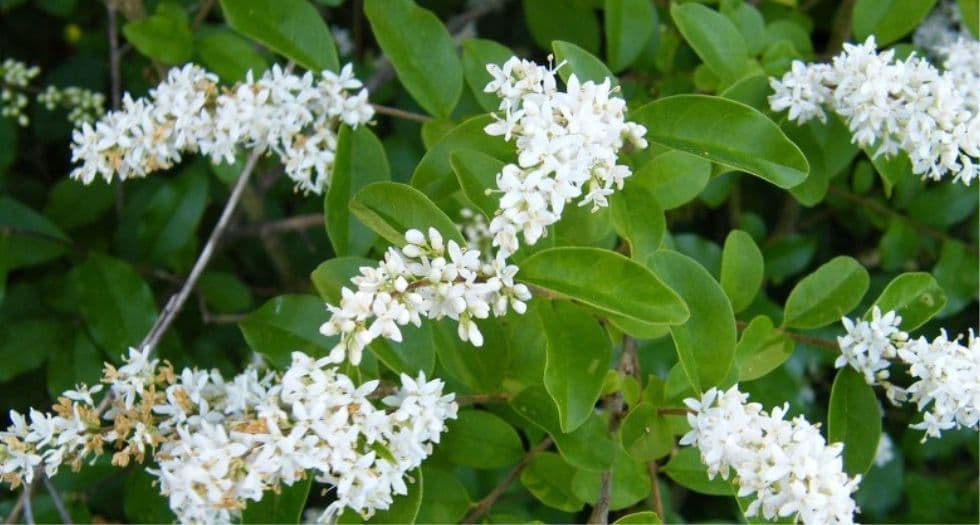
Privet
Privet (Ligustrum) is a flowering shrub native to Europe and Asia, widely planted in gardens and as hedgerows. Its small, densely clustered white blossoms carry one of the most intensely sweet and polarising scents in the natural world — a heady blend of honeyed sweetness, a faint almond-like nuttiness, and a green, slightly sharp undertone that gives the flower its distinctive wild quality. In perfumery, privet flower is a niche and fascinating ingredient. Its raw intensity makes it challenging to use directly, but skilled perfumers harness its honeyed, green-floral character to add a lush, almost overwhelming natural sweetness to compositions. It pairs well with other white florals such as jasmine and tuberose, as well as with green accords, warm musks, and soft woods that temper its boldness without erasing its character. Fragrances featuring privet evoke the height of an English summer — warm hedgerows humming with bees, a slightly wild sweetness drifting on the breeze. At Fragrenza, we offer high-quality dupes of the finest privet-inspired perfumes, bringing this distinctive and evocative floral note to you at an accessible price.
- 🌿
Propolis
Propolis is a remarkable resinous substance produced by honeybees from tree resins, beeswax, and botanical secretions. Used to seal and protect their hives, it has been prized for centuries for its antimicrobial properties and its complex, warm aroma. Its scent profile is rich and multifaceted — a blend of beeswax, honey, dried wood, and a slightly medicinal, resinous depth that gives it a uniquely primitive, natural quality. In perfumery, propolis sits at the intersection of the animalic and the botanical. It brings warmth, texture, and a golden, honeyed sweetness to a fragrance without the direct sweetness of honey itself. Its slightly waxy, resinous character adds body and longevity, making it an exceptional base or heart note. It harmonises naturally with amber, labdanum, patchouli, incense, and dark woods, lending compositions a sense of ancient, artisanal depth. Perfumes featuring propolis are often rich, meditative, and deeply comforting — perfect for those drawn to the natural world's more mysterious aromatic materials. At Fragrenza, we celebrate these bold, characterful notes by offering high-quality dupes of the finest propolis-forward fragrances, making them accessible to every fragrance lover.
- 🌿
Prosecco
Prosecco is Italy's beloved sparkling wine, originating from the Veneto and Friuli Venezia Giulia regions. Made primarily from the Glera grape, it is celebrated for its lively effervescence, crisp acidity, and delicate notes of green apple, white peach, pear, and a faint hint of citrus zest. Its signature bubbles and fresh, youthful character have made it one of the world's most popular wines. In perfumery, the prosecco note captures the exhilarating sensation of fine bubbles rising through a chilled glass. It evokes freshness and celebration — a sparkling accord built from airy citrus, light orchard fruit, and a subtle vinous sweetness that feels effervescent on the skin. It pairs beautifully with white musks, aquatic accords, and soft florals to create fragrances that feel like a toast to the good life. Fragrances built around the prosecco note are ideal for those who love light, vibrant, and uplifting compositions. At Fragrenza, we offer premium-quality dupes of the most coveted prosecco-inspired fragrances, so you can enjoy the fizz and finesse of the world's finest bottles at a price that keeps the celebration going.
- 🌿
Prosopis alba
Prosopis alba is a specialty note used to give a fragrance a distinctive texture, mood, or material impression. Depending on interpretation, it may contribute freshness, warmth, sweetness, dryness, softness, or an abstract atmospheric effect. In perfumery, specialty notes are useful because they make a composition feel more specific and less generic. It can be paired with woods, musks, florals, resins, fruits, green notes, spices, or amber materials according to the intended style.
- 🌿
Provençal blue cedar
Provençal blue cedar is a woody note used to create structure, depth, and lasting warmth. Its scent may be dry, creamy, smoky, resinous, earthy, pencil-like, or polished depending on the wood or accord. In perfumery, woody notes support the whole composition and connect fresh openings with deeper bases. It pairs naturally with amber, musk, incense, leather, vetiver, patchouli, spices, citrus, and soft resins.
- 🌿
Provençal clary sage
Provençal clary sage is a green or aromatic note that evokes leaves, herbs, stems, fresh air, or crushed vegetation. Its profile can be crisp, bitter, watery, camphoraceous, grassy, or slightly earthy depending on the material. In perfumery, green notes add realism and lift, keeping sweet, floral, or woody compositions from feeling too heavy. It pairs well with citrus, tea, fig, violet leaf, galbanum, tomato leaf, white musk, vetiver, lavender, and light woods.
- 🌿
Provençal honey
Provençal honey is a gourmand note that adds edible warmth, sweetness, and comfort. It may suggest cream, sugar, nuts, chocolate, coffee, honey, pastry, or toasted grains depending on the accord. In perfumery, gourmand notes make compositions feel cozy and sensual, but they work best when balanced with woods, musks, spices, citrus, or resins. It pairs well with vanilla, tonka bean, sandalwood, amber, caramel, cacao, coffee, and soft florals.
- 🌿
Provençal jonquil
Provençal jonquil is a specialty note used to give a fragrance a distinctive texture, mood, or material impression. Depending on interpretation, it may contribute freshness, warmth, sweetness, dryness, softness, or an abstract atmospheric effect. In perfumery, specialty notes are useful because they make a composition feel more specific and less generic. It can be paired with woods, musks, florals, resins, fruits, green notes, spices, or amber materials according to the intended style.
- 🌿
Provençal lavender
Provençal lavender is a floral note that gives a fragrance softness, radiance, and emotional warmth. Depending on the flower or accord, it may feel fresh, creamy, powdery, honeyed, green, indolic, or airy. In perfumery, floral notes often form the heart of a composition, adding body and a recognizable signature. It pairs well with citrus, white musk, rose, jasmine, sandalwood, amber, vanilla, iris, and delicate fruits.
- 🌿
Provençal lavender absolute
Provençal lavender absolute is a floral note that adds softness, radiance, and emotional warmth to a composition. Depending on the flower or accord, it can feel fresh, creamy, powdery, honeyed, green, indolic, or airy. In perfumery, floral notes often form the heart of a fragrance, giving it body and a recognizable character. Provençal lavender absolute pairs well with citrus, white musk, rose, jasmine, sandalwood, amber, vanilla, iris, and delicate fruits, making it useful in both classic bouquets and modern transparent florals.
- 🌿
Provençal mimosa
Provençal mimosa is a floral note that gives a fragrance softness, radiance, and emotional warmth. Depending on the flower or accord, it may feel fresh, creamy, powdery, honeyed, green, indolic, or airy. In perfumery, floral notes often form the heart of a composition, adding body and a recognizable signature. It pairs well with citrus, white musk, rose, jasmine, sandalwood, amber, vanilla, iris, and delicate fruits.
- 🌿
Provençal mimosa absolute
Provençal mimosa absolute is a floral note that gives a fragrance softness, radiance, and emotional warmth. Depending on the flower or accord, it may feel fresh, creamy, powdery, honeyed, green, indolic, or airy. In perfumery, floral notes often form the heart of a composition, adding body and a recognizable signature. It pairs well with citrus, white musk, rose, jasmine, sandalwood, amber, vanilla, iris, and delicate fruits.
- 🌿
Provençal white rose
Provençal white rose is a floral note that gives a fragrance softness, radiance, and emotional warmth. Depending on the flower or accord, it may feel fresh, creamy, powdery, honeyed, green, indolic, or airy. In perfumery, floral notes often form the heart of a composition, adding body and a recognizable signature. It pairs well with citrus, white musk, rose, jasmine, sandalwood, amber, vanilla, iris, and delicate fruits.
- 🌿
Prune
Prune is a specialty note used to give a fragrance a distinctive texture, mood, or material impression. Depending on interpretation, it may contribute freshness, warmth, sweetness, dryness, softness, or an abstract atmospheric effect. In perfumery, specialty notes are valuable because they make a composition feel more specific and less generic. Prune can be paired with woods, musks, florals, resins, fruits, green notes, spices, or amber materials according to the intended style.
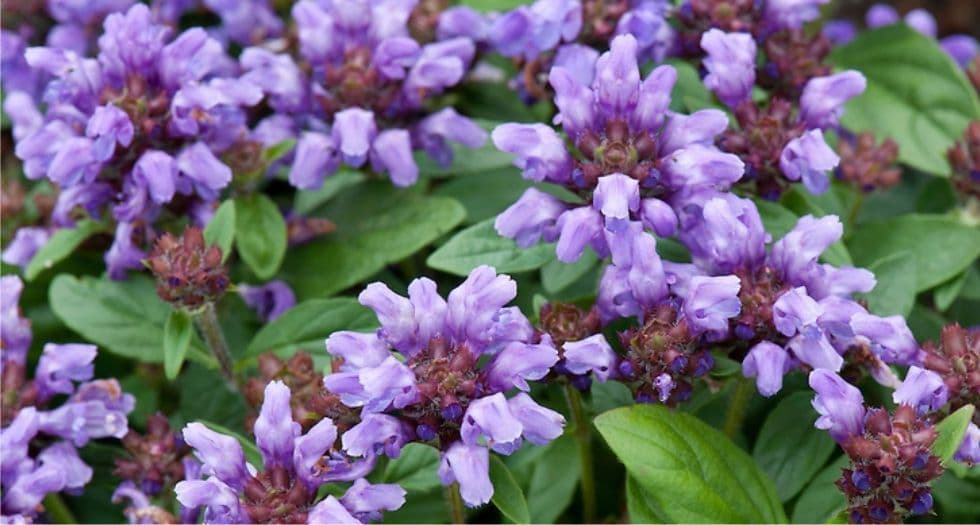
Prunella
Prunella vulgaris, commonly known as self-heal or heal-all, is a low-growing perennial herb found across Europe, Asia, and North America, typically in meadows, woodland edges, and hedgerows. Long valued in herbal medicine for its supposed healing properties, prunella is a modest plant — its small purple-blue flower clusters are unassuming, and its scent is equally gentle. As a fragrance note, prunella brings a light herbal quality: softly green and slightly sweet, with a clean, slightly earthy character that evokes a country meadow in early summer rather than the sharp intensity of rosemary or thyme. In perfumery, prunella sits within the broader family of green herbal notes, distinguished by its quietness and subtlety. It is not a note that announces itself loudly — rather, it works as a delicate supporting element that adds botanical authenticity and a sense of naturalness to a composition. It pairs well with lavender, grass notes, light florals, and fresh musks, contributing to fragrances that feel genuinely close to nature: unhurried, wholesome, and quietly beautiful. Its use tends to appear in niche and artisan perfumery where restraint and nuance are prized. Fragrenza's prunella-inspired fragrances celebrate this understated, meadow-fresh herb — offering quietly beautiful, green-led compositions inspired by the finest naturalistic perfumes, at accessible prices for those who appreciate subtlety and authenticity in scent.
- 🌿
Prunol
Prunol is a specialty note used to give a fragrance a distinctive texture, mood, or material impression. Depending on interpretation, it may contribute freshness, warmth, sweetness, dryness, softness, or an abstract atmospheric effect. In perfumery, specialty notes are useful because they make a composition feel more specific and less generic. It can be paired with woods, musks, florals, resins, fruits, green notes, spices, or amber materials according to the intended style.
- 🌿
Psychotria elata
Psychotria elata is a specialty note used to give a fragrance a distinctive texture, mood, or material impression. Depending on interpretation, it may contribute freshness, warmth, sweetness, dryness, softness, or an abstract atmospheric effect. In perfumery, specialty notes are useful because they make a composition feel more specific and less generic. It can be paired with woods, musks, florals, resins, fruits, green notes, spices, or amber materials according to the intended style.
- 🌿
Pu-erh tea
Pu-erh tea is a green or aromatic note that evokes leaves, herbs, stems, fresh air, or crushed vegetation. Its profile can be crisp, bitter, watery, camphoraceous, grassy, or slightly earthy depending on the material. In perfumery, green notes add realism and lift, keeping sweet, floral, or woody compositions from feeling too heavy. It pairs well with citrus, tea, fig, violet leaf, galbanum, tomato leaf, white musk, vetiver, lavender, and light woods.
- 🌿
Puffed rice
Puffed rice is an aquatic note that evokes water, sea air, rain, mineral freshness, or clean transparent space. It can be salty, ozonic, marine, watery, airy, or slightly green depending on the accord. In perfumery, aquatic notes bring freshness, diffusion, and a modern easy-to-wear character. It pairs well with citrus, white musk, driftwood, lavender, sage, cucumber, marine notes, ambergris-style molecules, and pale woods.
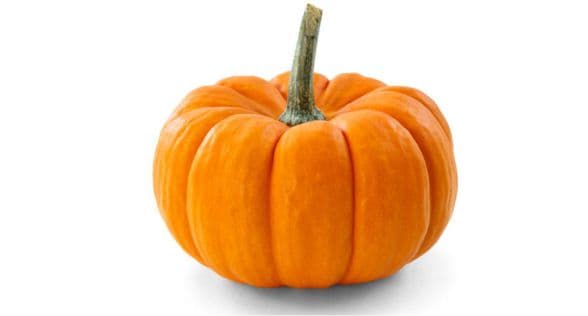
Pumpkin
Pumpkin is one of the defining scents of the autumn season — its warm, earthy-sweet gourd character inseparably linked to the cozy pleasures of harvest time, spiced candles, and the turning of the year. As a fragrance note, pumpkin sits in fascinating territory: slightly vegetal and earthy, but naturally sweet and warming, with a soft, creamy quality that makes it remarkably wearable. It has a natural affinity for the classic warm spices — cinnamon, nutmeg, clove, and ginger — and its earthy richness deepens beautifully with vanilla and amber. In perfumery, pumpkin is used most often in gourmand, oriental, and seasonal autumn compositions where it contributes a cozy, harvest-time warmth that feels both nostalgic and genuinely comforting. Its slightly sweet earthiness gives depth to spiced arrangements without the sharpness of pepper or the smokiness of incense — it is a soft, rounded warmth that envelops the wearer. Pumpkin note also pairs well with labdanum, sandalwood, and musks, lending a rich, full-bodied quality to base accords. Fragrenza's pumpkin fragrances bring the full warmth of autumn into carefully crafted compositions — inspired by the world's most beloved spiced and gourmand perfumes, at accessible prices for cozy everyday wear.
- 🌿
Pure Malt
Pure Malt is a gourmand note that adds edible warmth, sweetness, and comfort. It may suggest cream, sugar, nuts, chocolate, coffee, honey, pastry, or toasted grains depending on the accord. In perfumery, gourmand notes make compositions feel cozy and sensual, but they work best when balanced with woods, musks, spices, citrus, or resins. It pairs well with vanilla, tonka bean, sandalwood, amber, caramel, cacao, coffee, and soft florals.
- 🌿
Purple basil
Purple basil is a green or aromatic note that evokes leaves, herbs, stems, fresh air, or crushed vegetation. Its profile can be crisp, bitter, watery, camphoraceous, grassy, or slightly earthy depending on the material. In perfumery, green notes add realism and lift, keeping sweet, floral, or woody compositions from feeling too heavy. It pairs well with citrus, tea, fig, violet leaf, galbanum, tomato leaf, white musk, vetiver, lavender, and light woods.
- 🌿
Purple freesia
Purple freesia is a floral note that gives a fragrance softness, radiance, and emotional warmth. Depending on the flower or accord, it may feel fresh, creamy, powdery, honeyed, green, indolic, or airy. In perfumery, floral notes often form the heart of a composition, adding body and a recognizable signature. It pairs well with citrus, white musk, rose, jasmine, sandalwood, amber, vanilla, iris, and delicate fruits.
- 🌿
Purple iris
Purple iris is a floral note that gives a fragrance softness, radiance, and emotional warmth. Depending on the flower or accord, it may feel fresh, creamy, powdery, honeyed, green, indolic, or airy. In perfumery, floral notes often form the heart of a composition, adding body and a recognizable signature. It pairs well with citrus, white musk, rose, jasmine, sandalwood, amber, vanilla, iris, and delicate fruits.
- 🌿
Purple lilac
Purple lilac is a specialty note used to give a fragrance a distinctive texture, mood, or material impression. Depending on interpretation, it may contribute freshness, warmth, sweetness, dryness, softness, or an abstract atmospheric effect. In perfumery, specialty notes are useful because they make a composition feel more specific and less generic. It can be paired with woods, musks, florals, resins, fruits, green notes, spices, or amber materials according to the intended style.
- 🌿
Purple Lily
Purple Lily is a floral note that gives a fragrance softness, radiance, and emotional warmth. Depending on the flower or accord, it may feel fresh, creamy, powdery, honeyed, green, indolic, or airy. In perfumery, floral notes often form the heart of a composition, adding body and a recognizable signature. It pairs well with citrus, white musk, rose, jasmine, sandalwood, amber, vanilla, iris, and delicate fruits.
- 🌿
Purple lotus
Purple lotus is a floral note that gives a fragrance softness, radiance, and emotional warmth. Depending on the flower or accord, it may feel fresh, creamy, powdery, honeyed, green, indolic, or airy. In perfumery, floral notes often form the heart of a composition, adding body and a recognizable signature. It pairs well with citrus, white musk, rose, jasmine, sandalwood, amber, vanilla, iris, and delicate fruits.
- 🌿
Purple magnolia
Purple magnolia is a floral note that gives a fragrance softness, radiance, and emotional warmth. Depending on the flower or accord, it may feel fresh, creamy, powdery, honeyed, green, indolic, or airy. In perfumery, floral notes often form the heart of a composition, adding body and a recognizable signature. It pairs well with citrus, white musk, rose, jasmine, sandalwood, amber, vanilla, iris, and delicate fruits.
- 🌿
Purple peony
Purple peony is a floral note that gives a fragrance softness, radiance, and emotional warmth. Depending on the flower or accord, it may feel fresh, creamy, powdery, honeyed, green, indolic, or airy. In perfumery, floral notes often form the heart of a composition, adding body and a recognizable signature. It pairs well with citrus, white musk, rose, jasmine, sandalwood, amber, vanilla, iris, and delicate fruits.
- 🌿
Pussy willow
Pussy willow is a specialty note used to give a fragrance a distinctive texture, mood, or material impression. Depending on interpretation, it may contribute freshness, warmth, sweetness, dryness, softness, or an abstract atmospheric effect. In perfumery, specialty notes are useful because they make a composition feel more specific and less generic. It can be paired with woods, musks, florals, resins, fruits, green notes, spices, or amber materials according to the intended style.
Q
- 🌿
Queen-of-the-night
Queen-of-the-night is a specialty note used to give a fragrance a distinctive texture, mood, or material impression. Depending on interpretation, it may contribute freshness, warmth, sweetness, dryness, softness, or an abstract atmospheric effect. In perfumery, specialty notes are useful because they make a composition feel more specific and less generic. It can be paired with woods, musks, florals, resins, fruits, green notes, spices, or amber materials according to the intended style.
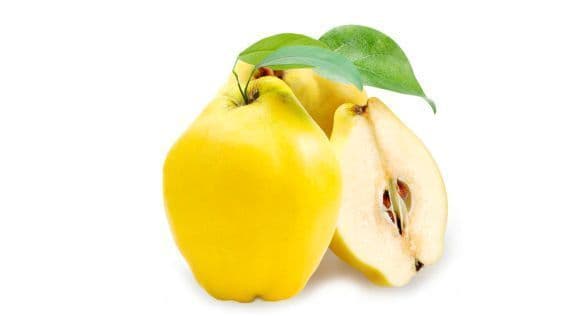
quince
Quince (Cydonia oblonga) is one of the most ancient cultivated fruits in human history — known to the Greeks and Romans long before the apple became dominant, and still celebrated across the Mediterranean, Middle East, and Central Asia for its extraordinary fragrance. Unlike its relative the apple or pear, quince cannot be eaten raw; its magic is released through cooking, which transforms its hard, tart flesh into something deeply honeyed and fragrant. As a fragrance note, raw quince carries a floral-fruity character — like apple and pear together, with a honeyed warmth and a faintly floral, almost rose-like undertone that makes it uniquely complex. In perfumery, quince note is used as a sophisticated, multi-layered fruit ingredient that adds a warm, slightly vintage fruitiness to compositions. It bridges the gap between fresh and oriental fragrance families — fresh enough to work in a top note context, yet warm and rounded enough to deepen a floral or oriental heart. It pairs particularly well with rose, osmanthus, honey, and soft woods, contributing a golden, sun-warmed quality that feels both timeless and elegant. Fragrenza's quince fragrances celebrate this ancient, under-appreciated fruit note — delivering beautifully complex, honeyed-floral compositions inspired by the finest perfumes, at accessible everyday prices.
- 🌿
Quince flower
Quince flower is a floral note that gives a fragrance softness, radiance, and emotional warmth. Depending on the flower or accord, it may feel fresh, creamy, powdery, honeyed, green, indolic, or airy. In perfumery, floral notes often form the heart of a composition, adding body and a recognizable signature. It pairs well with citrus, white musk, rose, jasmine, sandalwood, amber, vanilla, iris, and delicate fruits.
- 🌿
Quisqualier
Quisqualier is a specialty note used to give a fragrance a distinctive texture, mood, or material impression. Depending on interpretation, it may contribute freshness, warmth, sweetness, dryness, softness, or an abstract atmospheric effect. In perfumery, specialty notes are useful because they make a composition feel more specific and less generic. It can be paired with woods, musks, florals, resins, fruits, green notes, spices, or amber materials according to the intended style.
R
- 🌿
Ragged lady
Ragged lady is a specialty note used to give a fragrance a distinctive texture, mood, or material impression. Depending on interpretation, it may contribute freshness, warmth, sweetness, dryness, softness, or an abstract atmospheric effect. In perfumery, specialty notes are useful because they make a composition feel more specific and less generic. It can be paired with woods, musks, florals, resins, fruits, green notes, spices, or amber materials according to the intended style.
- 🌿
Rain accord
Rain accord is an aquatic note that evokes water, sea air, rain, mineral freshness, or clean transparent space. It may be salty, ozonic, marine, watery, airy, or slightly green depending on the accord. In perfumery, aquatic notes bring freshness, diffusion, and a modern easy-to-wear character. Rain accord pairs well with citrus, white musk, driftwood, lavender, sage, cucumber, marine notes, ambergris-style molecules, and pale woods.
- 🌿
Rain lily
Rain lily is a floral note that gives a fragrance softness, radiance, and emotional warmth. Depending on the flower or accord, it may feel fresh, creamy, powdery, honeyed, green, indolic, or airy. In perfumery, floral notes often form the heart of a composition, adding body and a recognizable signature. It pairs well with citrus, white musk, rose, jasmine, sandalwood, amber, vanilla, iris, and delicate fruits.

Rain notes
The scent of rain — known as petrichor, from the Greek for stone and the fluid of the gods — is one of the most universally loved aromas in the natural world. It is produced when rainwater meets dry earth, releasing geosmin (a compound from soil bacteria) alongside plant oils and mineral notes locked in the ground. The result is an aroma that is simultaneously fresh and earthy: cool, slightly damp, mineral-clean, and deeply grounding. It is a scent that triggers powerful memories and a sense of immediate calm and renewal. In perfumery, rain notes and petrichor accords are used to bring this extraordinary natural phenomenon into fragrance form. They sit within the broader aromatic family of green, earthy, and aquatic ingredients, lending a cool, damp-mineral freshness to compositions that feels genuinely natural rather than synthetic. Rain accords pair beautifully with vetiver, violet leaf, oakmoss, green herbs, and light woods — creating fragrances that evoke open landscapes, turning seasons, and the primal pleasure of a downpour on dry ground. Fragrenza's rain-inspired fragrances capture this elemental freshness with remarkable fidelity — offering cool, mineral, and earthy compositions inspired by the finest naturalistic perfumes, at accessible everyday prices.
- 🌿
Rain water
Rain water is an aquatic note that evokes water, sea air, rain, mineral freshness, or clean transparent space. It can be salty, ozonic, marine, watery, airy, or slightly green depending on the accord. In perfumery, aquatic notes bring freshness, diffusion, and a modern easy-to-wear character. It pairs well with citrus, white musk, driftwood, lavender, sage, cucumber, marine notes, ambergris-style molecules, and pale woods.
- 🌿
Rambler rose
Rambler rose is a floral note that gives a fragrance softness, radiance, and emotional warmth. Depending on the flower or accord, it may feel fresh, creamy, powdery, honeyed, green, indolic, or airy. In perfumery, floral notes often form the heart of a composition, adding body and a recognizable signature. It pairs well with citrus, white musk, rose, jasmine, sandalwood, amber, vanilla, iris, and delicate fruits.
Rambutan
Rambutan (Nephelium lappaceum) is a tropical fruit native to Southeast Asia, closely related to lychee and longan, and prized across Thailand, Malaysia, and Indonesia for its sweet, juicy flesh. Its flavour and scent share a family resemblance with lychee — mildly sweet, delicately floral, and refreshingly light — but with its own distinctly rounded, almost creamy character that makes it irresistibly pleasant. As a fragrance note, rambutan captures this exotic fruitiness: tropical, subtly floral, and softly sweet without overwhelming the senses. In perfumery, rambutan is a relatively new and niche note, prized in tropical and modern fruity-floral compositions for its ability to add a soft, exotic sweetness that differs from better-known tropical fruits. Unlike mango's richness or pineapple's sharpness, rambutan brings a gentle, lychee-adjacent fruitiness that complements white florals, sheer musks, and light wood bases with elegant ease. It creates fragrances that feel genuinely transporting — evoking open-air tropical markets and lush green landscapes. Fragrenza's rambutan fragrances invite you into this quietly luxurious tropical world — delivering beautifully composed, fruit-led scents inspired by the finest perfumes, at prices that make everyday escapism possible.
- 🌿
Ramie
Ramie is a specialty note used to give a fragrance a distinctive texture, mood, or material impression. Depending on interpretation, it may contribute freshness, warmth, sweetness, dryness, softness, or an abstract atmospheric effect. In perfumery, specialty notes are useful because they make a composition feel more specific and less generic. It can be paired with woods, musks, florals, resins, fruits, green notes, spices, or amber materials according to the intended style.
Rangoon creeper
Rangoon Creeper (Combretum indicum) is a climbing tropical vine native to Asia, celebrated across Southeast Asia and the Indian subcontinent for its spectacular flowers that shift in colour as they mature — from white to pink to deep red over the course of three days. Its scent is equally captivating: richly sweet and floral with a jasmine-like intensity, laced with a tropical warmth and a faintly honeyed freshness. It is a note of genuine rarity and romance, deeply embedded in the floral traditions of South and Southeast Asia. In perfumery, Rangoon Creeper is used to bring a tropical, sun-warmed floral sweetness that sits between jasmine and frangipani in character. It is opulent without being heavy — its colour-change quality seems to translate into an aromatic vibrancy that keeps the note feeling alive and evolving on skin. It pairs beautifully with ylang-ylang, tuberose, coconut, and warm musks, contributing to lush, exotic floral compositions that feel both romantic and adventurous. Fragrenza's Rangoon Creeper fragrances bring this rare tropical bloom to life — offering richly sweet, exotic floral compositions inspired by premium perfumes, at accessible everyday prices.
Raspberry
Raspberry is one of perfumery's most beloved and enduring fruit notes — bright, tart-sweet, and instantly recognizable. The scent of fresh raspberry combines a vivid berry sweetness with an underlying tartness and a juicy, almost effervescent quality that feels genuinely alive. It has been a foundational note in fruity-floral fragrance families for decades, beloved by perfumers for its ability to lift a composition, add energy, and create an immediate sense of pleasure and approachability. In fine fragrance, raspberry serves many purposes. As a top note, it creates a vibrant, attention-catching opening that transitions beautifully into floral hearts of rose, peony, or lily. In gourmand constructions, it adds natural fruitiness alongside vanilla and caramel. In chypres, it provides a modern, freshened update to classic mossy structures. The note pairs with an exceptionally wide range of ingredients — from citrus and green notes to deep woods and orientals — making it one of the most versatile fruits in the perfumer's toolkit. Fragrenza's raspberry fragrance collection showcases this iconic berry note across a range of beautiful compositions — inspired by the world's most beloved raspberry-forward perfumes, at accessible prices for daily wear. Find it featured prominently in [Fragrenza's raspberry edit](https://fragrenza.com/collections/raspberry-fragrances).
- 🌿
Raspberry absolute
Raspberry absolute is a fruity note that adds juiciness, color, and natural sweetness. It may feel crisp and tart, ripe and velvety, tropical and creamy, or dark and jammy depending on the fruit profile. In perfumery, fruity notes brighten florals, soften musks, and add pleasure to gourmand or woody structures. It pairs well with rose, peony, jasmine, white musk, vanilla, woods, citrus, amber, and soft spices.
- 🌿
raspberry bloom
raspberry bloom is a fruity note that gives fragrance juiciness, color, and natural sweetness. It can be crisp and tart, ripe and velvety, tropical and creamy, or dark and jammy depending on the fruit profile. In perfumery, fruity notes brighten florals, soften musks, and add pleasure to gourmand or woody structures. raspberry bloom pairs well with rose, peony, jasmine, white musk, vanilla, woods, citrus, amber, and soft spices.
raspberry blossom
Raspberry blossom is the flower of the Rubus idaeus plant — a delicate, five-petalled white bloom that appears in late spring before the fruit develops. Its scent is a softer, more diffuse version of the berry itself: lightly sweet and faintly fruity, with a clean, powdery floral softness that distinguishes it from the bright tartness of the ripe fruit. It is a subtle, understated note that occupies a beautiful space between a fresh floral and a gentle fruit accord — simultaneously innocent and softly complex. In perfumery, raspberry blossom is used as a delicate bridge ingredient — it brings the recognizable character of raspberry into a floral context without the sharp sweetness of the ripe fruit. This makes it particularly useful in soft floral and sheer fruity-floral compositions, where it adds a natural, garden-fresh quality. It pairs well with peony, violet, white musk, and light woods, contributing a springtime freshness and a quiet charm that rewards close attention. At Fragrenza, our raspberry blossom fragrances celebrate this gentle, lesser-known note — delivering soft, beautifully nuanced floral-fruity compositions inspired by the finest perfumes, at prices that invite daily discovery.
- 🌿
Raspberry cream
Raspberry cream is a fruity note that adds juiciness, color, and natural sweetness. It may feel crisp and tart, ripe and velvety, tropical and creamy, or dark and jammy depending on the fruit profile. In perfumery, fruity notes brighten florals, soften musks, and add pleasure to gourmand or woody structures. It pairs well with rose, peony, jasmine, white musk, vanilla, woods, citrus, amber, and soft spices.
- 🌿
Raspberry jam
Raspberry jam is a fruity note that adds juiciness, color, and natural sweetness. It may feel crisp and tart, ripe and velvety, tropical and creamy, or dark and jammy depending on the fruit profile. In perfumery, fruity notes brighten florals, soften musks, and add pleasure to gourmand or woody structures. It pairs well with rose, peony, jasmine, white musk, vanilla, woods, citrus, amber, and soft spices.
- 🌿
Raspberry ketone
Raspberry ketone is a fruity note that adds juiciness, color, and natural sweetness. It may feel crisp and tart, ripe and velvety, tropical and creamy, or dark and jammy depending on the fruit profile. In perfumery, fruity notes brighten florals, soften musks, and add pleasure to gourmand or woody structures. It pairs well with rose, peony, jasmine, white musk, vanilla, woods, citrus, amber, and soft spices.
- 🌿
Raspberry Leaf
Raspberry Leaf is a fruity note that gives fragrance juiciness, color, and natural sweetness. It can be crisp and tart, ripe and velvety, tropical and creamy, or dark and jammy depending on the fruit profile. In perfumery, fruity notes brighten florals, soften musks, and add pleasure to gourmand or woody structures. Raspberry Leaf pairs well with rose, peony, jasmine, white musk, vanilla, woods, citrus, amber, and soft spices.
- 🌿
Raspberry leaf absolute
Raspberry leaf absolute is a fruity note that adds juiciness, color, and natural sweetness. It may feel crisp and tart, ripe and velvety, tropical and creamy, or dark and jammy depending on the fruit profile. In perfumery, fruity notes brighten florals, soften musks, and add pleasure to gourmand or woody structures. It pairs well with rose, peony, jasmine, white musk, vanilla, woods, citrus, amber, and soft spices.
- 🌿
Raspberry liqueur
Raspberry liqueur is a fruity note that gives fragrance juiciness, color, and natural sweetness. It can be crisp and tart, ripe and velvety, tropical and creamy, or dark and jammy depending on the fruit profile. In perfumery, fruity notes brighten florals, soften musks, and add pleasure to gourmand or woody structures. Raspberry liqueur pairs well with rose, peony, jasmine, white musk, vanilla, woods, citrus, amber, and soft spices.
- 🌿
Raspberry macaron
Raspberry macaron is a fruity note that adds juiciness, color, and natural sweetness. It may feel crisp and tart, ripe and velvety, tropical and creamy, or dark and jammy depending on the fruit profile. In perfumery, fruity notes brighten florals, soften musks, and add pleasure to gourmand or woody structures. It pairs well with rose, peony, jasmine, white musk, vanilla, woods, citrus, amber, and soft spices.
- 🌿
Raspberry nectar
Raspberry nectar is a fruity note that adds juiciness, color, and natural sweetness. It may feel crisp and tart, ripe and velvety, tropical and creamy, or dark and jammy depending on the fruit profile. In perfumery, fruity notes brighten florals, soften musks, and add pleasure to gourmand or woody structures. It pairs well with rose, peony, jasmine, white musk, vanilla, woods, citrus, amber, and soft spices.
- 🌿
Raspberry praline
Raspberry praline is a fruity note that adds juiciness, color, and natural sweetness. It may feel crisp and tart, ripe and velvety, tropical and creamy, or dark and jammy depending on the fruit profile. In perfumery, fruity notes brighten florals, soften musks, and add pleasure to gourmand or woody structures. It pairs well with rose, peony, jasmine, white musk, vanilla, woods, citrus, amber, and soft spices.
- 🌿
Raspberry puree
Raspberry puree is a fruity note that adds juiciness, color, and natural sweetness. It may feel crisp and tart, ripe and velvety, tropical and creamy, or dark and jammy depending on the fruit profile. In perfumery, fruity notes brighten florals, soften musks, and add pleasure to gourmand or woody structures. It pairs well with rose, peony, jasmine, white musk, vanilla, woods, citrus, amber, and soft spices.
- 🌿
Raspberry sorbet
Raspberry sorbet is a fruity note that gives fragrance juiciness, color, and natural sweetness. It can be crisp and tart, ripe and velvety, tropical and creamy, or dark and jammy depending on the fruit profile. In perfumery, fruity notes brighten florals, soften musks, and add pleasure to gourmand or woody structures. Raspberry sorbet pairs well with rose, peony, jasmine, white musk, vanilla, woods, citrus, amber, and soft spices.
- 🌿
Raspberry water
Raspberry water is a fruity note that adds juiciness, color, and natural sweetness. It may feel crisp and tart, ripe and velvety, tropical and creamy, or dark and jammy depending on the fruit profile. In perfumery, fruity notes brighten florals, soften musks, and add pleasure to gourmand or woody structures. It pairs well with rose, peony, jasmine, white musk, vanilla, woods, citrus, amber, and soft spices.
- 🌿
Ravansara
Ravansara is a specialty note used to give a fragrance a distinctive texture, mood, or material impression. Depending on interpretation, it may contribute freshness, warmth, sweetness, dryness, softness, or an abstract atmospheric effect. In perfumery, specialty notes are useful because they make a composition feel more specific and less generic. It can be paired with woods, musks, florals, resins, fruits, green notes, spices, or amber materials according to the intended style.
- 🌿
Ravenala
Ravenala (Ravenala madagascariensis), commonly known as the traveller's palm or traveller's tree, is a striking and iconic plant endemic to Madagascar. Despite its common name, it is not a true palm but belongs to the Strelitziaceae family, related to the bird of paradise flower. Its distinctive fan-shaped arrangement of enormous paddle leaves — always oriented on a north-south axis, which reportedly helped travellers navigate — makes it one of the most visually iconic plants of the tropical world. Madagascar's exceptional biodiversity and unique flora have made it a rich source of inspiration for niche and luxury perfumers seeking rare, distinctive ingredients. Olfactorily, ravenala as a fragrance note evokes the verdant, humid freshness of tropical rainforest vegetation. It is green and slightly watery, with a clean tropical brightness and a faint floral sweetness that stops well short of being heavy or indolic. There is a sense of moisture, warm air, and living plant material — the olfactory equivalent of standing beneath the ravenala's enormous leaves after a tropical rain shower. It pairs naturally with tropical flowers like ylang-ylang and frangipani, coconut, aquatic notes, warm woods, and green florals. In perfumery, ravenala contributes an exotic, botanically authentic freshness to tropical and green-floral compositions, lending geographic specificity and a sense of lush adventure. It is a relatively rare note, most at home in niche fragrances with an adventurous or nature-forward character. At Fragrenza, our ravenala note brings a touch of Madagascar's extraordinary natural world to our dupe fragrance collection, offering a genuinely transportive experience at approachable everyday prices.
Ravensara
Ravensara aromatica is an aromatic tree native to Madagascar, where its bark, leaves, and berries have been used in traditional medicine and local perfumery for centuries. The essential oil distilled from its leaves has a vivid, multi-faceted character: the sharp, medicinal freshness of eucalyptus, the warm, spicy depth of clove, and a cool camphor note that gives it a distinctly invigorating quality. Ravensara sits at the crossroads of the spicy, herbal, and fresh aromatic families — and it does so with remarkable elegance. In perfumery, ravensara is used to add a natural, spiced freshness that feels wilder and more complex than simple eucalyptus or clove alone. It is found most often in aromatic fougère and fresh-spicy compositions, where its clove-camphor duality gives a fragrance an unexpected, slightly exotic edge. It pairs well with lavender, cedarwood, vetiver, and citrus notes, contributing a sense of clean energy and botanical complexity that is difficult to achieve with more common ingredients. At Fragrenza, our ravensara-inspired fragrances bring this distinctive Malagasy ingredient to life — offering spiced, aromatic compositions inspired by premium originals, at accessible everyday prices.
- 🌿
Raw sugar
Raw sugar is a gourmand note that adds edible warmth, sweetness, and comfort. It may suggest cream, sugar, nuts, chocolate, coffee, honey, pastry, or toasted grains depending on the accord. In perfumery, gourmand notes make compositions feel cozy and sensual, but they work best when balanced with woods, musks, spices, citrus, or resins. It pairs well with vanilla, tonka bean, sandalwood, amber, caramel, cacao, coffee, and soft florals.
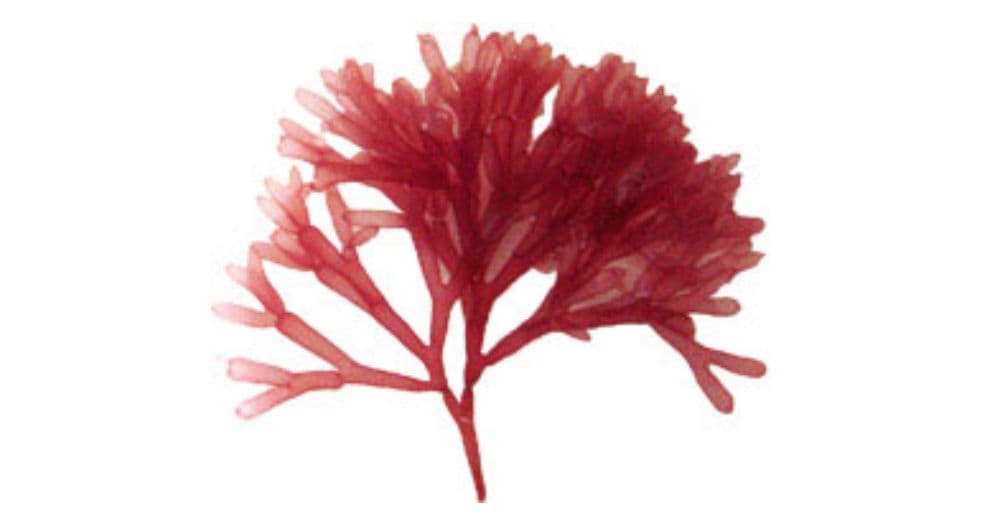
Red Algae
Red algae (Rhodophyta) are a diverse group of marine organisms found in oceans across the globe, particularly abundant in tropical and subtropical coastal waters. Unlike their green or brown counterparts, red algae carry a distinctly mineral, slightly briny aromatic character — a note that captures something elemental about the sea: salt spray, sun-warmed rock pools, and the clean, slightly metallic scent of the tide. It is a marine note with genuine depth, less synthetic than ozonic accords and more complex than simple aquatic ingredients. In niche and artisan perfumery, red algae is prized for bringing a naturalistic, mineral ocean quality to compositions that would otherwise feel artificial. It works beautifully in marine and aquatic fragrance families, adding texture and genuine salinity alongside more conventional notes like sea spray, driftwood, and cedarwood. It also integrates well with green and citrus notes, grounding lighter accords with a cool, oceanic earthiness that feels authentic to the seashore. Fragrenza's red algae-inspired fragrances capture this striking marine-mineral quality — offering evocative, ocean-led compositions inspired by the finest aquatic perfumes, priced for daily wear and discovery.
- 🌿
Red amber
Red amber is a warm ambered or resinous note used to give fragrance depth, softness, and long-lasting richness. It can smell balsamic, sweet, smoky, vanillic, woody, powdery, or incense-like depending on the material. In perfumery, it rounds sharp edges and creates a smooth base that holds the composition together. It pairs well with woods, musks, spices, vanilla, tobacco, leather, florals, oud, and other resins.
Red Apple
The red apple is one of the most universally appealing fragrance notes in perfumery — instantly recognizable, naturally sweet, and carrying a fresh, slightly watery crispness that few other ingredients can match. The scent of a ripe red apple is complex in its simplicity: a bright, clean sweetness layered over a subtle green skin note, with a juicy, almost aqueous quality that makes it feel light and refreshing even at its most sugary. It is a note associated with freshness, youth, and approachability. In fine fragrance, red apple note functions as both a lively top note and a defining fruity heart. It lifts floral compositions — particularly rose and peony — with a clean sweetness, and it pairs naturally with cinnamon, vanilla, and amber for warmer, more gourmand-leaning structures. The note is versatile across seasons: fresh and summery in airy constructions, cozy and seasonal in spiced autumn blends. It has been a defining ingredient in many iconic commercial fragrances, loved for its broad, crowd-pleasing appeal. Fragrenza's red apple fragrance collection delivers this beloved crisp sweetness in beautifully balanced compositions — inspired by the world's most popular apple-led perfumes, at accessible everyday prices.
Red berries
Red berries as a fragrance note draws from the world of wild hedgerow and garden alike — redcurrant, cranberry, lingonberry, mixed with tart notes of wild strawberry and gooseberry. The result is a note that feels simultaneously sun-warmed and brisk: sweeter than a single fruit, more complex than a simple accord, and with a vivid tartness that keeps sweetness in check. It is a note that speaks of abundance and the outdoors — summer hedgerows, farmers' markets, and ripe fruit at its peak. In perfumery, red berry blends are used to add a lively, natural fruitiness to compositions without the one-dimensional sweetness of a single-note fruit. The tartness of currant and cranberry-type elements prevents the accord from becoming cloying, while the berry brightness lifts the overall character of a fragrance and pairs naturally with rose, geranium, mint, and woods. Red berry notes appear frequently in fresh-floral and fruity-chypre constructions, where they add dynamism and vitality. Fragrenza's red berries collection brings this wild, tart-sweet brightness to beautifully crafted fragrances — inspired by the finest perfumes in the world and priced for everyday indulgence.
- 🌿
Red bitter orange
Red bitter orange is a citrus note that adds sparkle, freshness, and immediate lift to a fragrance. Its profile can include juicy pulp, aromatic peel, green bitterness, soft floral nuances, or a sharp zesty brightness depending on the material. In perfumery, it is usually used in the opening, where it brings clarity and motion before blending into florals, woods, musks, or herbs. It pairs well with neroli, tea, lavender, white musk, light woods, aquatic notes, and aromatic herbs.
- 🌿
Red blossoms
Red blossoms is a floral note that gives a fragrance softness, radiance, and emotional warmth. Depending on the flower or accord, it may feel fresh, creamy, powdery, honeyed, green, indolic, or airy. In perfumery, floral notes often form the heart of a composition, adding body and a recognizable signature. It pairs well with citrus, white musk, rose, jasmine, sandalwood, amber, vanilla, iris, and delicate fruits.
- 🌿
Red calla
Red calla is a specialty note used to give a fragrance a distinctive texture, mood, or material impression. Depending on interpretation, it may contribute freshness, warmth, sweetness, dryness, softness, or an abstract atmospheric effect. In perfumery, specialty notes are useful because they make a composition feel more specific and less generic. It can be paired with woods, musks, florals, resins, fruits, green notes, spices, or amber materials according to the intended style.
Red cedar
Red Cedar is a textured base note with woody, dry, smooth, and sometimes leathery or resinous facets. In perfumery, it adds structure, depth, warmth, and longevity, pairing well with amber, musk, incense, rose, spices, citrus, and tobacco.
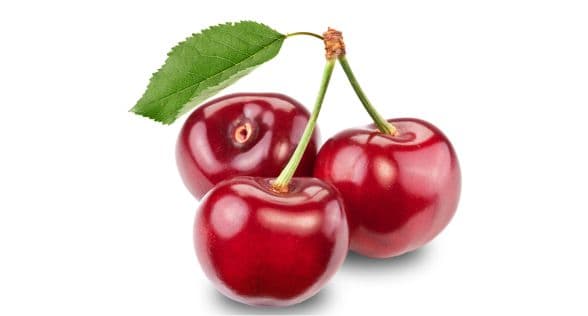
Red Cherry
Red Cherry is a fruity note with juicy sweetness, tart brightness, and a colorful natural character. In perfumery, it adds vibrancy and approachability to fruity florals, musks, gourmands, chypres, summer scents, and playful modern compositions.
- 🌿
Red chili
Red chili is a spicy note that adds heat, texture, and aromatic energy to a fragrance. It may feel sweet, dry, peppery, resinous, herbal, smoky, or slightly medicinal depending on the material. In perfumery, spices create contrast, deepen the heart, and help bridge fresh top notes with warm woody or amber bases. Red chili pairs especially well with citrus, rose, tobacco, vanilla, oud, sandalwood, patchouli, leather, and balsamic resins.
Red Chilli Pepper
Red chilli pepper is a sharp, spicy, hot, and vivid note inspired by the fruit of Capsicum plants. In perfumery, it adds fiery energy, dry heat, and a bold spicy accent. It works best in small doses with woods, amber, leather, tobacco, and exotic florals.
- 🌿
Red cinnamon
Red cinnamon is a spicy note that gives fragrance heat, texture, and aromatic energy. It can feel sweet, dry, peppery, resinous, herbal, smoky, or slightly medicinal depending on the material. In perfumery, spices create contrast, deepen the heart, and bridge fresh top notes with warm woody or amber bases. It pairs especially well with citrus, rose, tobacco, vanilla, oud, sandalwood, patchouli, leather, and balsamic resins.
- 🌿
Red clover
Red clover is a spicy note that gives fragrance heat, texture, and aromatic energy. It can feel sweet, dry, peppery, resinous, herbal, smoky, or slightly medicinal depending on the material. In perfumery, spices create contrast, deepen the heart, and bridge fresh top notes with warm woody or amber bases. It pairs especially well with citrus, rose, tobacco, vanilla, oud, sandalwood, patchouli, leather, and balsamic resins.
Red Currant
Red currant is one of fragrance's most vibrant and energising fruit notes — a small berry with an outsized olfactory personality. The red currant (Ribes rubrum) is native to Western Europe and has been cultivated for centuries for its intensely tart, jewel-bright fruits. In fragrance, red currant delivers exactly what you might expect from this little berry: a sharp, vivid tartness that cuts through sweeter notes like a burst of fresh air, accompanied by a bright, almost citrus-like freshness and a juicy, watery quality that feels immediately alive and invigorating. What distinguishes red currant from other berry notes is precisely this tartness and freshness. Where blackberry or raspberry tend toward sweetness and jam-like richness, red currant maintains a crisp acidity that keeps it feeling light, clean, and energetic. This makes it an exceptionally useful top note in perfumery — it creates immediate impact, signals freshness, and lifts surrounding ingredients without competing with them. A green, leafy quality runs beneath the fruit accord, evoking the actual currant bush and adding a botanical naturalness that synthetic berry notes often lack. Red currant pairs beautifully with a wide range of ingredients. With citrus notes — bergamot, lemon, and grapefruit — it amplifies freshness and vivacity. With white florals such as peony and rose, it adds playful, fruity contrast. With woody musks in the base, it settles gracefully into a clean, modern drydown. It is a favourite note in contemporary feminine fragrances and fresh unisex compositions that want something more interesting than a standard citrus opening. At Fragrenza, our red currant-inspired fragrances capture this sparkling, tart energy in beautifully crafted formulas at accessible prices.
Red currant leaf
Red Currant Leaf is a green botanical note with leafy, fresh, vegetal, and natural facets. In perfumery, it adds garden realism and crisp freshness, pairing well with citrus, tea, florals, watery notes, fig, tomato leaf, vetiver, and clean musks.
- 🌿
Red dahlia
Red dahlia is a specialty note used to give a fragrance a distinctive texture, mood, or material impression. Depending on interpretation, it may contribute freshness, warmth, sweetness, dryness, softness, or an abstract atmospheric effect. In perfumery, specialty notes are useful because they make a composition feel more specific and less generic. It can be paired with woods, musks, florals, resins, fruits, green notes, spices, or amber materials according to the intended style.
- 🌿
Red frangipani
Red frangipani is a specialty note used to give a fragrance a distinctive texture, mood, or material impression. Depending on interpretation, it may contribute freshness, warmth, sweetness, dryness, softness, or an abstract atmospheric effect. In perfumery, specialty notes are useful because they make a composition feel more specific and less generic. It can be paired with woods, musks, florals, resins, fruits, green notes, spices, or amber materials according to the intended style.
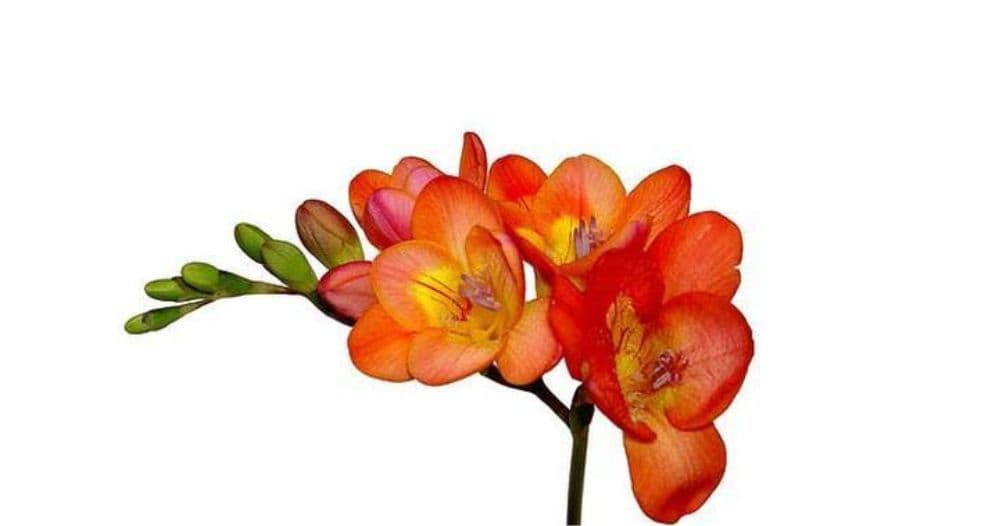
Red freesia
Red Freesia is a floral note with fresh petals, soft sweetness, and a refined natural brightness. In perfumery, it can add elegance, color, and lift to floral bouquets, musks, fruity florals, powdery accords, and modern feminine compositions.
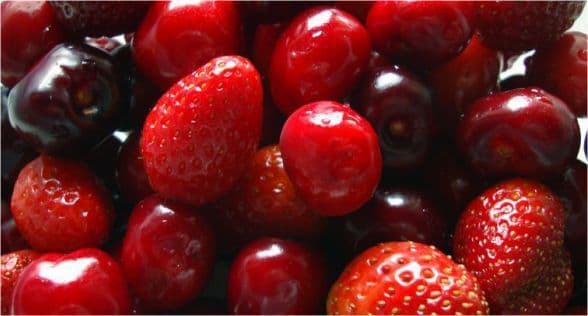
Red fruits
Red fruits have been a cornerstone of perfumery for decades, beloved for their ability to inject brightness, sweetness, and a sense of natural vibrancy into any composition. The red fruit accord typically spans a range of familiar berries and stone fruits — strawberry's jammy sweetness, raspberry's tart brightness, blackcurrant's sharp leafy edge, and cherry's deep, rounded richness. Together, these notes create a layered fruit accord that feels both familiar and genuinely appetizing. In fragrance, red fruits serve multiple roles. As top notes, they deliver an immediate burst of sweet-tart freshness that draws the wearer in. In the heart, they add warmth and depth to floral compositions, enhancing roses and peonies with a fruity-sweet dimension. In modern flankers and fruity-floral fragrances, red fruit accords are often the defining character — the reason a scent feels effortlessly wearable and crowd-pleasing. They pair exceptionally well with rose, patchouli, vanilla, and soft woody musks. Fragrenza's red fruits collection captures the full spectrum of this beloved accord — offering bright, berry-rich fragrances inspired by iconic perfumes, made available at quality prices for daily wear.
- 🌿
Red ginger
Red ginger is a spicy note that adds heat, texture, and aromatic energy to a fragrance. It may feel sweet, dry, peppery, resinous, herbal, smoky, or slightly medicinal depending on the material. In perfumery, spices create contrast, deepen the heart, and help bridge fresh top notes with warm woody or amber bases. Red ginger pairs especially well with citrus, rose, tobacco, vanilla, oud, sandalwood, patchouli, leather, and balsamic resins.
- 🌿
Red grape
Red grape is a fruity note that gives fragrance juiciness, color, and natural sweetness. It can be crisp and tart, ripe and velvety, tropical and creamy, or dark and jammy depending on the fruit profile. In perfumery, fruity notes brighten florals, soften musks, and add pleasure to gourmand or woody structures. Red grape pairs well with rose, peony, jasmine, white musk, vanilla, woods, citrus, amber, and soft spices.
- 🌿
Red grapefruit
Red grapefruit is a bright citrus note that brings sparkle, freshness, and immediate lift to a fragrance. Its profile may include juicy pulp, aromatic peel, green bitterness, soft floral facets, or a slightly sharp zest depending on the material. In perfumery, it is most often used in the opening, where it gives clarity and movement before blending into florals, woods, musks, or herbs. Red grapefruit works especially well with neroli, tea, lavender, white musk, light woods, aquatic notes, and aromatic herbs.
- 🌿
Red iris
Red iris is a floral note that gives a fragrance softness, radiance, and emotional warmth. Depending on the flower or accord, it may feel fresh, creamy, powdery, honeyed, green, indolic, or airy. In perfumery, floral notes often form the heart of a composition, adding body and a recognizable signature. It pairs well with citrus, white musk, rose, jasmine, sandalwood, amber, vanilla, iris, and delicate fruits.
- 🌿
Red Italian mandarin orange
Red Italian mandarin orange is a citrus note that adds sparkle, freshness, and immediate lift to a fragrance. Its profile can include juicy pulp, aromatic peel, green bitterness, soft floral nuances, or a sharp zesty brightness depending on the material. In perfumery, it is usually used in the opening, where it brings clarity and motion before blending into florals, woods, musks, or herbs. It pairs well with neroli, tea, lavender, white musk, light woods, aquatic notes, and aromatic herbs.
- 🌿
Red kelp
Red kelp is a specialty note used to give a fragrance a distinctive texture, mood, or material impression. Depending on interpretation, it may contribute freshness, warmth, sweetness, dryness, softness, or an abstract atmospheric effect. In perfumery, specialty notes are useful because they make a composition feel more specific and less generic. It can be paired with woods, musks, florals, resins, fruits, green notes, spices, or amber materials according to the intended style.
- 🌿
Red Lily
Red Lily is a floral note that adds softness, radiance, and emotional warmth to a composition. Depending on the flower or accord, it can feel fresh, creamy, powdery, honeyed, green, indolic, or airy. In perfumery, floral notes often form the heart of a fragrance, giving it body and a recognizable character. Red Lily pairs well with citrus, white musk, rose, jasmine, sandalwood, amber, vanilla, iris, and delicate fruits, making it useful in both classic bouquets and modern transparent florals.
- 🌿
Red lotus
Red lotus is a floral note that gives a fragrance softness, radiance, and emotional warmth. Depending on the flower or accord, it may feel fresh, creamy, powdery, honeyed, green, indolic, or airy. In perfumery, floral notes often form the heart of a composition, adding body and a recognizable signature. It pairs well with citrus, white musk, rose, jasmine, sandalwood, amber, vanilla, iris, and delicate fruits.
- 🌿
Red mandarin orange
Red mandarin orange is a bright citrus note that brings sparkle, freshness, and immediate lift to a fragrance. Its profile may include juicy pulp, aromatic peel, green bitterness, soft floral facets, or a slightly sharp zest depending on the material. In perfumery, it is most often used in the opening, where it gives clarity and movement before blending into florals, woods, musks, or herbs. Red mandarin orange works especially well with neroli, tea, lavender, white musk, light woods, aquatic notes, and aromatic herbs.
- 🌿
Red oleander
Red oleander is a specialty note used to give a fragrance a distinctive texture, mood, or material impression. Depending on interpretation, it may contribute freshness, warmth, sweetness, dryness, softness, or an abstract atmospheric effect. In perfumery, specialty notes are useful because they make a composition feel more specific and less generic. It can be paired with woods, musks, florals, resins, fruits, green notes, spices, or amber materials according to the intended style.
- 🌿
Red osmanthus
Red osmanthus is a floral note that gives a fragrance softness, radiance, and emotional warmth. Depending on the flower or accord, it may feel fresh, creamy, powdery, honeyed, green, indolic, or airy. In perfumery, floral notes often form the heart of a composition, adding body and a recognizable signature. It pairs well with citrus, white musk, rose, jasmine, sandalwood, amber, vanilla, iris, and delicate fruits.
- 🌿
Red pear
Red pear is a fruity note that adds juiciness, color, and natural sweetness. It may feel crisp and tart, ripe and velvety, tropical and creamy, or dark and jammy depending on the fruit profile. In perfumery, fruity notes brighten florals, soften musks, and add pleasure to gourmand or woody structures. It pairs well with rose, peony, jasmine, white musk, vanilla, woods, citrus, amber, and soft spices.
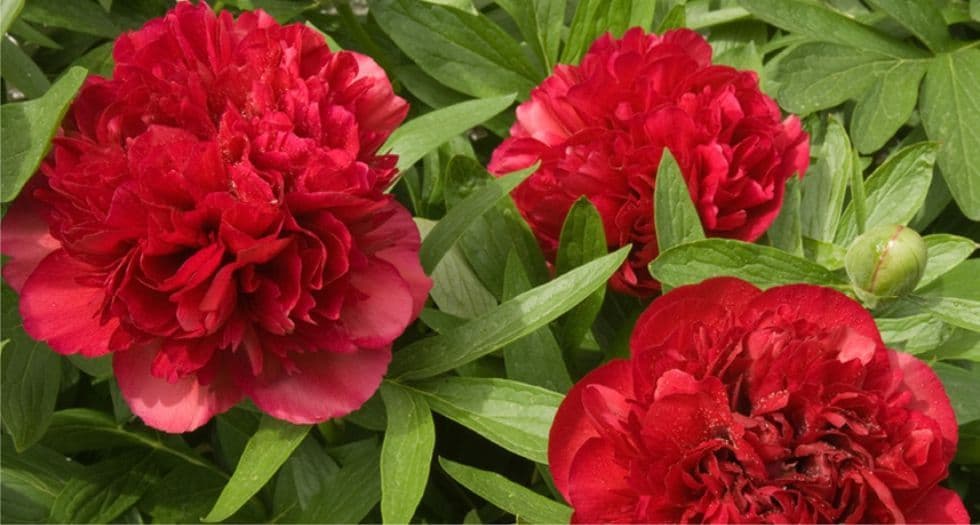
Red peony
Red peony is a richer interpretation of peony, combining soft floral freshness with rosy, fruity, and slightly spicy warmth. It feels fuller and more romantic than pale peony accords. It works well in floral, fruity, musky, and feminine compositions.
- 🌿
Red Pepper
Red Pepper is a spicy note that adds heat, texture, and aromatic energy to a fragrance. It may feel sweet, dry, peppery, resinous, herbal, smoky, or slightly medicinal depending on the material. In perfumery, spices create contrast, deepen the heart, and help bridge fresh top notes with warm woody or amber bases. Red Pepper pairs especially well with citrus, rose, tobacco, vanilla, oud, sandalwood, patchouli, leather, and balsamic resins.
- 🌿
Red plum
Red plum is a fruity note that gives fragrance juiciness, color, and natural sweetness. It can be crisp and tart, ripe and velvety, tropical and creamy, or dark and jammy depending on the fruit profile. In perfumery, fruity notes brighten florals, soften musks, and add pleasure to gourmand or woody structures. Red plum pairs well with rose, peony, jasmine, white musk, vanilla, woods, citrus, amber, and soft spices.
- 🌿
Red plum blossom
Red plum blossom is a floral note that gives a fragrance softness, radiance, and emotional warmth. Depending on the flower or accord, it may feel fresh, creamy, powdery, honeyed, green, indolic, or airy. In perfumery, floral notes often form the heart of a composition, adding body and a recognizable signature. It pairs well with citrus, white musk, rose, jasmine, sandalwood, amber, vanilla, iris, and delicate fruits.
- 🌿
Red Poppy
Red Poppy is a specialty note used to give a fragrance a distinctive texture, mood, or material impression. Depending on interpretation, it may contribute freshness, warmth, sweetness, dryness, softness, or an abstract atmospheric effect. In perfumery, specialty notes are valuable because they make a composition feel more specific and less generic. Red Poppy can be paired with woods, musks, florals, resins, fruits, green notes, spices, or amber materials according to the intended style.
- 🌿
Red Rose
Red Rose is a floral note that adds softness, radiance, and emotional warmth to a composition. Depending on the flower or accord, it can feel fresh, creamy, powdery, honeyed, green, indolic, or airy. In perfumery, floral notes often form the heart of a fragrance, giving it body and a recognizable character. Red Rose pairs well with citrus, white musk, rose, jasmine, sandalwood, amber, vanilla, iris, and delicate fruits, making it useful in both classic bouquets and modern transparent florals.
- 🌿
Red salt
Red salt is an aquatic note that evokes water, sea air, rain, mineral freshness, or clean transparent space. It can be salty, ozonic, marine, watery, airy, or slightly green depending on the accord. In perfumery, aquatic notes bring freshness, diffusion, and a modern easy-to-wear character. It pairs well with citrus, white musk, driftwood, lavender, sage, cucumber, marine notes, ambergris-style molecules, and pale woods.
- 🌿
Red Sandalwood
Red Sandalwood is a woody note used to create structure, depth, and lasting warmth. Its scent may be dry, creamy, smoky, resinous, earthy, pencil-like, or polished depending on the wood or accord. In perfumery, woody notes support the whole composition and connect fresh openings with deeper bases. It pairs naturally with amber, musk, incense, leather, vetiver, patchouli, spices, citrus, and soft resins.
- 🌿
Red spiderlily
Red spiderlily is a floral note that gives a fragrance softness, radiance, and emotional warmth. Depending on the flower or accord, it may feel fresh, creamy, powdery, honeyed, green, indolic, or airy. In perfumery, floral notes often form the heart of a composition, adding body and a recognizable signature. It pairs well with citrus, white musk, rose, jasmine, sandalwood, amber, vanilla, iris, and delicate fruits.
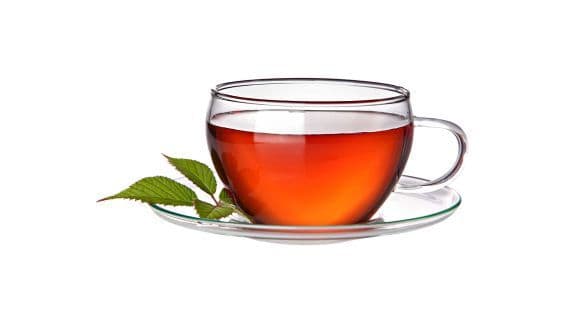
Red tea
Red Tea is an aromatic note with herbal or spicy facets that can feel fresh, warm, dry, or slightly sharp depending on dosage. In perfumery, it adds character and movement to woods, ambers, citrus, tea accords, fougères, leathers, and oriental compositions.
- 🌿
Red thyme
Red thyme is a green or aromatic note that evokes leaves, herbs, stems, fresh air, or crushed vegetation. Its profile can be crisp, bitter, watery, camphoraceous, grassy, or slightly earthy depending on the material. In perfumery, green notes add realism and lift, keeping sweet, floral, or woody compositions from feeling too heavy. Red thyme pairs well with citrus, tea, fig, violet leaf, galbanum, tomato leaf, white musk, vetiver, lavender, and light woods.
- 🌿
Red tulip
Red tulip is a specialty note used to give a fragrance a distinctive texture, mood, or material impression. Depending on interpretation, it may contribute freshness, warmth, sweetness, dryness, softness, or an abstract atmospheric effect. In perfumery, specialty notes are useful because they make a composition feel more specific and less generic. It can be paired with woods, musks, florals, resins, fruits, green notes, spices, or amber materials according to the intended style.
- 🌿
Red vanilla
Red vanilla is a warm ambered or resinous note used to give fragrance depth, softness, and long-lasting richness. It can smell balsamic, sweet, smoky, vanillic, woody, powdery, or incense-like depending on the material. In perfumery, it rounds sharp edges and creates a smooth base that holds the composition together. It pairs well with woods, musks, spices, vanilla, tobacco, leather, florals, oud, and other resins.
- 🌿
Red Windsor apple
Red Windsor apple is a fruity note that adds juiciness, color, and natural sweetness. It may feel crisp and tart, ripe and velvety, tropical and creamy, or dark and jammy depending on the fruit profile. In perfumery, fruity notes brighten florals, soften musks, and add pleasure to gourmand or woody structures. It pairs well with rose, peony, jasmine, white musk, vanilla, woods, citrus, amber, and soft spices.

Red wine
Red wine has been a symbol of pleasure, sophistication, and sensory richness for thousands of years, and its presence in perfumery is no less evocative. The scent of red wine is a layered aromatic experience: the bright fruitiness of dark berries — blackcurrant, cherry, plum — sits alongside the warm earthiness of tannins, a vinous sweetness, and an underlying fermented depth that feels both complex and deeply indulgent. It is a note that bridges the gap between gourmand and oriental fragrance families. In fine fragrance, red wine accord is used to add a sensual, slightly boozy richness to compositions. It often appears in the heart or base of a scent, pairing beautifully with dark rose, patchouli, amber, and leather to create fragrances that feel lush, mature, and intoxicating. The note can range from light and fruity to deeply resonant depending on concentration and context — making it remarkably versatile for a perfumer's purposes. Fragrenza's red wine-inspired fragrances capture this heady, dark-fruited richness — offering refined, wine-accented compositions inspired by the world's most celebrated perfumes, made accessible for everyday luxury.
- 🌿
Redwood
Redwood is a woody note used to create structure, depth, and lasting warmth. Its scent may be dry, creamy, smoky, resinous, earthy, pencil-like, or polished depending on the wood or accord. In perfumery, woody notes support the whole composition and connect fresh openings with deeper bases. It pairs naturally with amber, musk, incense, leather, vetiver, patchouli, spices, citrus, and soft resins.
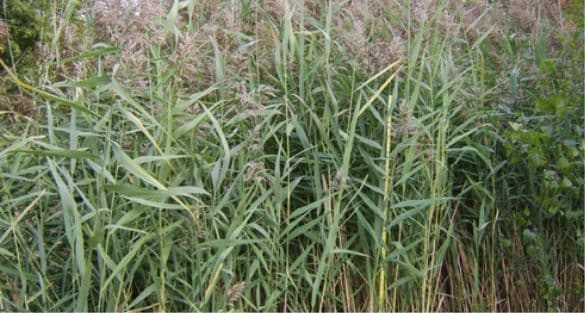
Reed
Reed and bamboo are tall, fast-growing grasses found in waterways, marshes, and forests across Asia, Africa, and the Americas. As fragrance notes, they evoke the clean, breezy quality of a riverbank in early morning — a scent that is simultaneously woody and aquatic, slightly green, and refreshingly cool. The aromatic character of reed is defined by its crispness: lighter than cedar, more natural than synthetic musks, and with a subtle mineral undertone that gives it a genuinely outdoorsy character. In perfumery, reed and bamboo notes are used to introduce an airy, clean freshness into compositions without the sharp chill of ozone or the heaviness of deep woods. They are particularly popular in aquatic, green, and light woody fragrances, where they act as a grounding element that keeps the scent feeling natural and unforced. Reed pairs well with citrus top notes, white florals, and soft musks, creating fragrances that feel effortless and wearable across seasons. Fragrenza's reed and bamboo-forward fragrances bring this serene, clean freshness to life — delivering beautifully composed aquatic and green-woody scents inspired by premium originals, at a fraction of the cost.
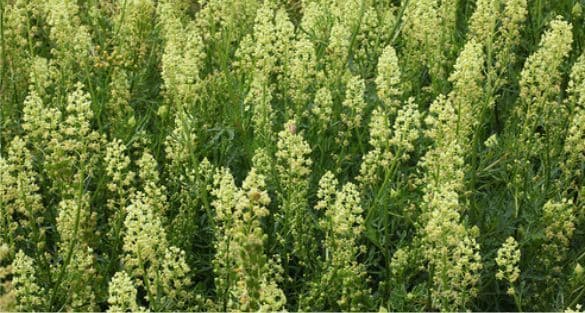
reseda
Reseda, more commonly known as mignonette (from the French for "little darling"), is a small flowering plant native to North Africa and naturalized across Europe. Despite its modest appearance, mignonette has one of the most distinctive and beloved scents in the botanical world — a uniquely sweet-green aroma with soft floral warmth, a faintly fruity undertone, and a delicate powdery drydown. It was enormously fashionable in 19th-century European perfumery and was once grown on Parisian balconies specifically for its scent. Reseda's fragrance profile defies easy categorization: it is simultaneously floral and green, sweet yet understated, and carries a wistful, old-world elegance that modern synthetic notes rarely replicate convincingly. In perfumery, it appears most often in classic chypre and fougère constructions, adding a botanical softness and a touch of historical authenticity. It pairs naturally with violet, iris, and mossy accords, contributing a sense of quiet refinement. At Fragrenza, our reseda-inspired fragrances pay homage to this quietly extraordinary ingredient — offering compositions of understated, old-world floral elegance at accessible everyday prices.
- 🌿
Resin
Resin is a warm ambered or resinous note used to give fragrance depth, softness, and long-lasting richness. It can smell balsamic, sweet, smoky, vanillic, woody, powdery, or incense-like depending on the material. In perfumery, it rounds sharp edges and creates a smooth base that holds the composition together. Resin pairs well with woods, musks, spices, vanilla, tobacco, leather, florals, oud, and other resins.
- 🌿
Resinous notes
Resinous notes is a warm ambered or resinous note used to give fragrance depth, softness, and long-lasting richness. It can smell balsamic, sweet, smoky, vanillic, woody, powdery, or incense-like depending on the material. In perfumery, it rounds sharp edges and creates a smooth base that holds the composition together. It pairs well with woods, musks, spices, vanilla, tobacco, leather, florals, oud, and other resins.
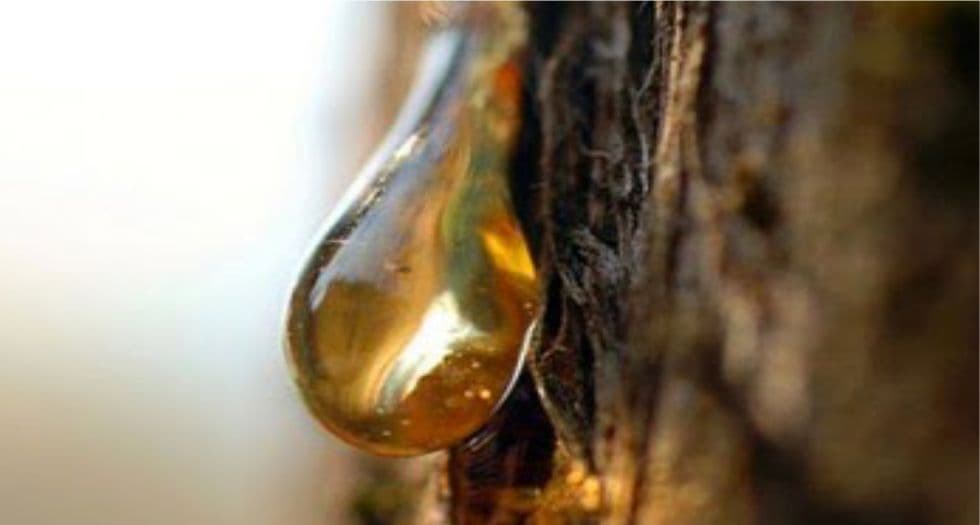
Resins
Resins are among the oldest raw materials in human history, harvested as protective secretions from trees and shrubs across Africa, the Middle East, and the Mediterranean. Frankincense (from Boswellia trees), myrrh (from Commiphora shrubs), and labdanum (from cistus plants) are the most celebrated — each with its own distinct aromatic character. Together, they form the backbone of resinous perfumery: warm, balsamic, and deeply meditative, with a smoky-sweet depth that has defined sacred and luxury scent for millennia. In modern perfumery, resins serve as both base notes and fixatives, anchoring a fragrance and extending its longevity on the skin. Frankincense brings a cool, almost citrusy incense quality; myrrh adds a darker, slightly bitter-sweet complexity; labdanum contributes an animalic warmth reminiscent of amber and leather. Collectively, resinous notes are central to oriental, amber, and chypre families, lending richness and gravitas to any composition they inhabit. Fragrenza's resin-forward fragrance collection celebrates these ancient ingredients in contemporary form — delivering the warm, balsamic opulence of the world's finest resin-rich perfumes at prices that make luxury accessible every day.
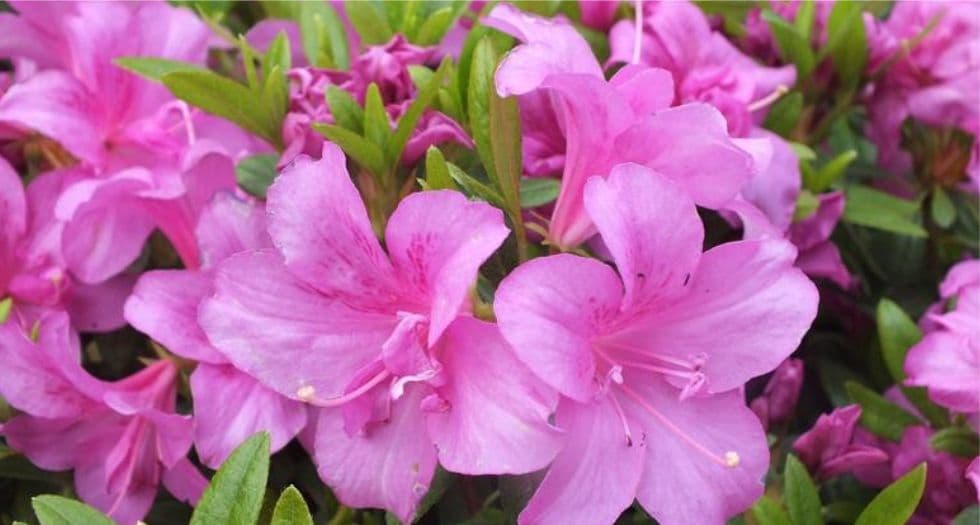
Rhododendron
Rhododendron is a flowering shrub found across the Himalayas, the Caucasus, and high alpine regions of Europe and Asia. Its blossoms range from pale blush to deep magenta, and the flower has long been prized in both folk medicine and perfumery for its rich, complex scent. The aromatic character of rhododendron is built around a delicate interplay of sweet rose-like facets, warm honey undertones, and a faintly spicy, almost green finish — making it one of the more nuanced floral notes in the perfumer's palette. In fine fragrance, rhododendron is used to add a natural softness that sits between a classic rose and a lush honeyed floral. It rarely appears as a solo star but acts as a sophisticated supporting note — lending warmth, texture, and an almost dewy quality to compositions. It pairs beautifully with woody bases, powdery musks, and other botanicals like iris or geranium, giving a fragrance depth without heaviness. Its spicy edge means it also blends naturally with oriental and amber-led accords. At Fragrenza, our rhododendron-led fragrances capture this rare ingredient's sweet, honey-kissed floral character at an accessible price point — offering quality alternatives inspired by the world's most admired fine perfumes.
- 🌿
Rhubafuran®
Rhubafuran® is a soft textural note that creates warmth, smoothness, and a skin-like finish. It may feel clean, powdery, woody, velvety, slightly fruity, or fabric-like depending on the accord. In perfumery, these notes bind the formula, soften stronger materials, and extend wear without dominating the fragrance. It pairs well with florals, woods, citrus, amber, iris, fruits, suede, vanilla, and transparent musks.
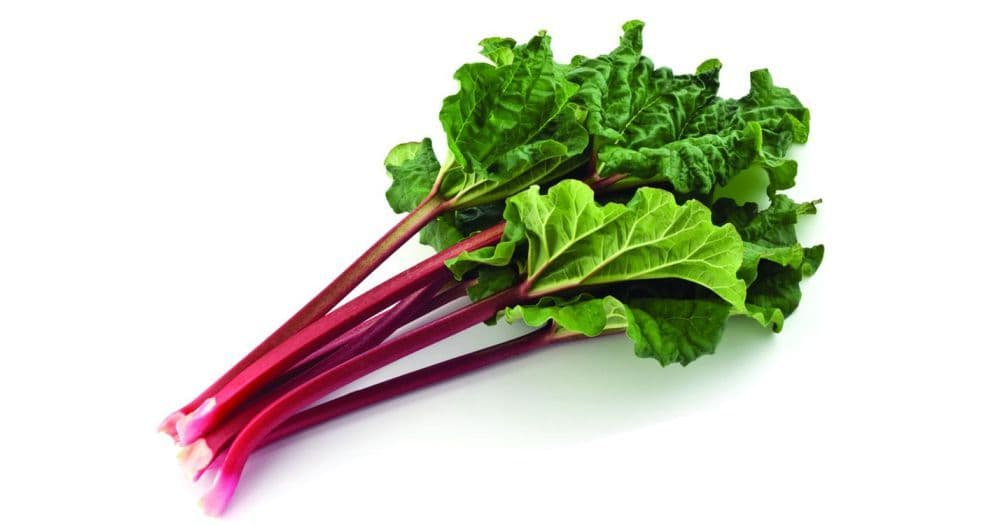
Rhubarb
Rhubarb is one of the most distinctive plants in the culinary and botanical world — a robust perennial with vast, dramatic leaves and thick, celery-like stalks that range from deep crimson to pale green. Native to Siberia and China, where the roots were used for millennia in traditional medicine, rhubarb reached European gardens in the seventeenth century and quickly found its place in the kitchen. Its stalks are famously tart — almost shockingly so when raw — with a sharp, juicy acidity tempered by sweetness when cooked, producing the beloved pies, crumbles, and jams of the British and northern European culinary tradition. In perfumery, rhubarb is valued as one of the most vivid and distinctive of all green-fruity notes. Its olfactory profile is simultaneously sour and fresh, green and bright, with a juicy, almost aqueous quality that cuts through a composition like a shaft of spring light. It is not a sweet fruit note — there is always that underlying tartness, that sharp vegetal edge, that makes rhubarb feel alive and invigorating. Perfumers use it to add brightness, freshness, and an unconventional fruity character to contemporary compositions, pairing it with rose, raspberry, peony, green tea, and clean musks for spring and summer-leaning fragrances. At Fragrenza, our rhubarb collection brings together fragrance dupes that harness this vivid, energetic note — tart, green, and brilliantly fresh. These are scents full of life, vitality, and the irresistible brightness of a new season.
- 🌿
Rhubarb leaf
Rhubarb leaf is a fruity note that adds juiciness, color, and natural sweetness. It may feel crisp and tart, ripe and velvety, tropical and creamy, or dark and jammy depending on the fruit profile. In perfumery, fruity notes brighten florals, soften musks, and add pleasure to gourmand or woody structures. It pairs well with rose, peony, jasmine, white musk, vanilla, woods, citrus, amber, and soft spices.
- 🌿
Rhubarb tea
Rhubarb tea is a fruity note that adds juiciness, color, and natural sweetness. It may feel crisp and tart, ripe and velvety, tropical and creamy, or dark and jammy depending on the fruit profile. In perfumery, fruity notes brighten florals, soften musks, and add pleasure to gourmand or woody structures. It pairs well with rose, peony, jasmine, white musk, vanilla, woods, citrus, amber, and soft spices.
- 🌿
Rhuburb
Rhuburb is a specialty note used to give a fragrance a distinctive texture, mood, or material impression. Depending on interpretation, it may contribute freshness, warmth, sweetness, dryness, softness, or an abstract atmospheric effect. In perfumery, specialty notes are valuable because they make a composition feel more specific and less generic. Rhuburb can be paired with woods, musks, florals, resins, fruits, green notes, spices, or amber materials according to the intended style.
Rhum agricole
Rhum agricole is the most terroir-driven of all rum styles, produced exclusively from freshly squeezed sugarcane juice rather than the molasses by-product used in most commercial rums. This distinction is transformative: where molasses-based rums tend toward dark, caramelised sweetness, rhum agricole retains the green, grassy vitality of fresh cane — a lighter, cleaner, more vegetal spirit with a remarkable aromatic complexity. Produced primarily in the French Antilles, particularly Martinique where it holds an Appellation d'Origine Contrôlée designation, rhum agricole is deeply tied to the land, the climate, and the craftsmanship of its producers. As a fragrance note, rhum agricole offers a distinctly different character from the heavier, sweeter rum accords of gourmand perfumery. Its olfactory profile is fresh and slightly green — cane juice rather than cane sugar, with a crisp, grassy brightness that carries just a trace of fermentation and the warm, earthy undertones of tropical soil. Perfumers use it to add a fresh, spirited warmth to compositions without the cloying sweetness of standard rum notes. It works beautifully with tropical florals, vetiver, lime, ginger, and light woods — pairing especially well in fresh, island-inspired or contemporary oriental compositions. At Fragrenza, our rhum agricole collection presents fragrance dupes that capture the fresh, grassy spirit of this exceptional Caribbean ingredient. Lighter and livelier than you might expect — a rum note reimagined.
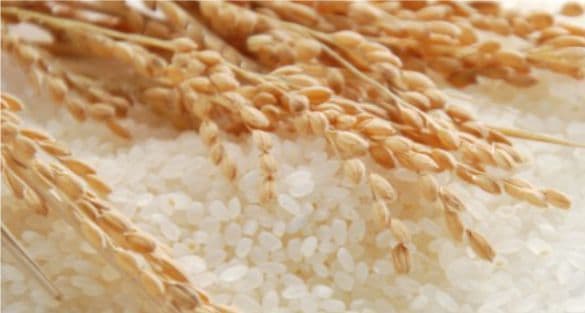
rice
Rice (Oryza sativa) is among the most significant food crops in human history, cultivated for over ten thousand years across Asia and now feeding more than half the world's population. Originating in the Yangtze River basin of China and independently domesticated in parts of West Africa, rice has shaped civilisations, economies, and cultures across Asia, the Middle East, and beyond. In perfumery, the rice note — typically rendered as a synthetic accord — draws on the clean, faintly milky, cereal-like aroma of freshly cooked or raw rice, an ingredient deeply embedded in Asian sensory culture and daily life. Olfactorily, the rice note in fragrance is remarkably subtle and understated. It reads as clean, slightly starchy, and faintly milky, with a neutral, cereal quality that is less sweet than coconut and less pungent than sesame. There is a translucent, almost powdery quality to it — soft rather than assertive, like warm rice steam dissipating in a quiet kitchen. In a composition it functions as a gentle background note, adding a soft, food-like creaminess without dominating. It pairs naturally with milky musks, sandalwood, iris, light florals, and other delicate Asian-inspired ingredients. In perfumery, the rice note has been embraced particularly by Japanese and Korean fragrance houses for its culturally resonant simplicity and quiet beauty, appearing in minimalist, skin-scent, and meditative fragrance styles. It offers a sense of warmth and daily intimacy that is entirely its own. At Fragrenza, our rice note contributes its gentle cereal softness to select fragrances in our dupe collection, adding a subtle, comforting warmth to compositions crafted with care and precision at accessible prices.
- 🌿
Rice absolute
Rice absolute is an aquatic note that evokes water, sea air, rain, mineral freshness, or clean transparent space. It can be salty, ozonic, marine, watery, airy, or slightly green depending on the accord. In perfumery, aquatic notes bring freshness, diffusion, and a modern easy-to-wear character. It pairs well with citrus, white musk, driftwood, lavender, sage, cucumber, marine notes, ambergris-style molecules, and pale woods.
- 🌿
Rice Flower
Rice Flower is a floral note that gives a fragrance softness, radiance, and emotional warmth. Depending on the flower or accord, it may feel fresh, creamy, powdery, honeyed, green, indolic, or airy. In perfumery, floral notes often form the heart of a composition, adding body and a recognizable signature. It pairs well with citrus, white musk, rose, jasmine, sandalwood, amber, vanilla, iris, and delicate fruits.
- 🌿
Rice paper
Rice paper is an aquatic note that evokes water, sea air, rain, mineral freshness, or clean transparent space. It can be salty, ozonic, marine, watery, airy, or slightly green depending on the accord. In perfumery, aquatic notes bring freshness, diffusion, and a modern easy-to-wear character. It pairs well with citrus, white musk, driftwood, lavender, sage, cucumber, marine notes, ambergris-style molecules, and pale woods.
- 🌿
Rice powder
Rice powder is a specialty note used to give a fragrance a distinctive texture, mood, or material impression. Depending on interpretation, it may contribute freshness, warmth, sweetness, dryness, softness, or an abstract atmospheric effect. In perfumery, specialty notes are valuable because they make a composition feel more specific and less generic. Rice powder can be paired with woods, musks, florals, resins, fruits, green notes, spices, or amber materials according to the intended style.
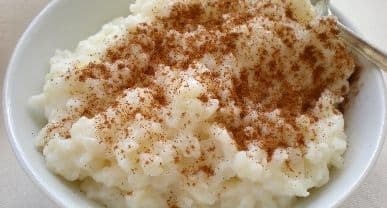
Rice Pudding
Rice pudding is one of the world's most universally beloved comfort foods — a simple, nourishing dessert of cooked rice, milk, and sugar that appears in countless variations across cultures from Southeast Asia to Scandinavia, from the Middle East to South America. Whether fragrant with cardamom and rose water, enriched with coconut milk and pandan, or simply made with vanilla and a dusting of cinnamon, rice pudding carries a deeply soothing quality — warm, creamy, milky-sweet, and gently starchy, with a softness that is both indulgent and innocent. As a fragrance note, rice pudding belongs to the warm, milky side of gourmand perfumery — a more delicate and nuanced alternative to the heavier chocolate or caramel notes. Its olfactory profile is soft and slightly powdery, with a creamy lactonic sweetness, a gentle grain warmth, and a whisper of vanilla. Perfumers use it to add a pillowy softness to compositions — it is a note that comforts rather than stimulates, that soothes rather than seduces. It pairs beautifully with vanilla, tonka bean, white musks, heliotrope, almond, and soft florals like magnolia and jasmine. Fragrenza's rice pudding collection gathers fragrance dupes that explore this gentle, milky-sweet warmth. These are the scents you reach for on slow, quiet days — soft, kind, and endlessly comforting.
- 🌿
Rice water
Rice water is an aquatic note that evokes water, sea air, rain, mineral freshness, or clean transparent space. It can be salty, ozonic, marine, watery, airy, or slightly green depending on the accord. In perfumery, aquatic notes bring freshness, diffusion, and a modern easy-to-wear character. It pairs well with citrus, white musk, driftwood, lavender, sage, cucumber, marine notes, ambergris-style molecules, and pale woods.
- 🌿
Ripe
Ripe is a specialty note used to give a fragrance a distinctive texture, mood, or material impression. Depending on interpretation, it may contribute freshness, warmth, sweetness, dryness, softness, or an abstract atmospheric effect. In perfumery, specialty notes are valuable because they make a composition feel more specific and less generic. Ripe can be paired with woods, musks, florals, resins, fruits, green notes, spices, or amber materials according to the intended style.
- 🌿
Roasted almond
Roasted almond is a gourmand note that adds edible warmth, sweetness, and comfort to a fragrance. It may suggest cream, sugar, nuts, chocolate, coffee, honey, pastry, or toasted grains depending on the accord. In perfumery, gourmand notes make compositions feel cozy and sensual, but they work best when balanced with woods, musks, spices, citrus, or resins. Roasted almond pairs well with vanilla, tonka bean, sandalwood, amber, caramel, cacao, coffee, and soft florals.
- 🌿
Roasted barley
Roasted barley is a specialty note used to give a fragrance a distinctive texture, mood, or material impression. Depending on interpretation, it may contribute freshness, warmth, sweetness, dryness, softness, or an abstract atmospheric effect. In perfumery, specialty notes are useful because they make a composition feel more specific and less generic. It can be paired with woods, musks, florals, resins, fruits, green notes, spices, or amber materials according to the intended style.
- 🌿
Roasted cocoa
Roasted cocoa is a gourmand note that adds edible warmth, sweetness, and comfort. It may suggest cream, sugar, nuts, chocolate, coffee, honey, pastry, or toasted grains depending on the accord. In perfumery, gourmand notes make compositions feel cozy and sensual, but they work best when balanced with woods, musks, spices, citrus, or resins. It pairs well with vanilla, tonka bean, sandalwood, amber, caramel, cacao, coffee, and soft florals.
- 🌿
Roasted coffee
Roasted coffee is a gourmand note that adds edible warmth, sweetness, and comfort to a fragrance. It may suggest cream, sugar, nuts, chocolate, coffee, honey, pastry, or toasted grains depending on the accord. In perfumery, gourmand notes make compositions feel cozy and sensual, but they work best when balanced with woods, musks, spices, citrus, or resins. Roasted coffee pairs well with vanilla, tonka bean, sandalwood, amber, caramel, cacao, coffee, and soft florals.
- 🌿
Roasted Coffee Beans
Roasted Coffee Beans is a gourmand note that adds edible warmth, sweetness, and comfort. It may suggest cream, sugar, nuts, chocolate, coffee, honey, pastry, or toasted grains depending on the accord. In perfumery, gourmand notes make compositions feel cozy and sensual, but they work best when balanced with woods, musks, spices, citrus, or resins. It pairs well with vanilla, tonka bean, sandalwood, amber, caramel, cacao, coffee, and soft florals.
- 🌿
Roasted hazelnut
Roasted hazelnut is a gourmand note that adds edible warmth, sweetness, and comfort. It may suggest cream, sugar, nuts, chocolate, coffee, honey, pastry, or toasted grains depending on the accord. In perfumery, gourmand notes make compositions feel cozy and sensual, but they work best when balanced with woods, musks, spices, citrus, or resins. It pairs well with vanilla, tonka bean, sandalwood, amber, caramel, cacao, coffee, and soft florals.
- 🌿
Roasted macadamia
Roasted macadamia is a specialty note used to give a fragrance a distinctive texture, mood, or material impression. Depending on interpretation, it may contribute freshness, warmth, sweetness, dryness, softness, or an abstract atmospheric effect. In perfumery, specialty notes are useful because they make a composition feel more specific and less generic. It can be paired with woods, musks, florals, resins, fruits, green notes, spices, or amber materials according to the intended style.
- 🌿
Roasted marshmallow
Roasted marshmallow is a specialty note used to give a fragrance a distinctive texture, mood, or material impression. Depending on interpretation, it may contribute freshness, warmth, sweetness, dryness, softness, or an abstract atmospheric effect. In perfumery, specialty notes are useful because they make a composition feel more specific and less generic. It can be paired with woods, musks, florals, resins, fruits, green notes, spices, or amber materials according to the intended style.
- 🌿
Roasted notes
Roasted notes is a specialty note used to give a fragrance a distinctive texture, mood, or material impression. Depending on interpretation, it may contribute freshness, warmth, sweetness, dryness, softness, or an abstract atmospheric effect. In perfumery, specialty notes are useful because they make a composition feel more specific and less generic. It can be paired with woods, musks, florals, resins, fruits, green notes, spices, or amber materials according to the intended style.
- 🌿
Roasted nuts
The aroma of roasted nuts is one of the most universally loved and deeply comforting scents in the human sensory repertoire. Whether it is the smell of chestnuts roasting on an open fire, warm almonds tumbled in caramelised sugar at a street market, or freshly roasted hazelnuts and walnuts from a bakery oven, roasted nuts carry a profound warmth and sweetness that speaks to nourishment, pleasure, and the cosiness of cooler seasons. The roasting process transforms the raw, slightly bitter oils in the nut into a rich palette of caramelised, toasty aromas through the Maillard reaction — creating depth and warmth in equal measure. In perfumery, roasted nut accords belong firmly to the gourmand family, which embraces edible and confectionery-inspired notes as legitimate and richly pleasurable fragrance ingredients. A roasted nut note adds warmth, sweetness, and a satisfying toasty richness to compositions — without the sharpness of coffee or the heaviness of chocolate. It pairs beautifully with vanilla, praline, caramel, sandalwood, light musks, and warm amber, and is often used in the base of gourmand or oriental compositions to provide a comforting, enveloping depth. At Fragrenza, our roasted nuts collection presents fragrance dupes that celebrate this deliciously warm, comforting note. From subtly toasty to richly gourmand, these are scents that wrap around you with genuine warmth and pleasure.
- 🌿
Roasted oak
Roasted oak is a woody note used to create structure, depth, and lasting warmth. Its scent may be dry, creamy, smoky, resinous, earthy, pencil-like, or polished depending on the wood or accord. In perfumery, woody notes support the whole composition and connect fresh openings with deeper bases. It pairs naturally with amber, musk, incense, leather, vetiver, patchouli, spices, citrus, and soft resins.
- 🌿
Roasted pistachio
Roasted pistachio is a specialty note used to give a fragrance a distinctive texture, mood, or material impression. Depending on interpretation, it may contribute freshness, warmth, sweetness, dryness, softness, or an abstract atmospheric effect. In perfumery, specialty notes are useful because they make a composition feel more specific and less generic. It can be paired with woods, musks, florals, resins, fruits, green notes, spices, or amber materials according to the intended style.
- 🌿
Roasted pumpkin seed
Roasted pumpkin seed is a specialty note used to give a fragrance a distinctive texture, mood, or material impression. Depending on interpretation, it may contribute freshness, warmth, sweetness, dryness, softness, or an abstract atmospheric effect. In perfumery, specialty notes are useful because they make a composition feel more specific and less generic. It can be paired with woods, musks, florals, resins, fruits, green notes, spices, or amber materials according to the intended style.
- 🌿
Roasted sesame
Roasted sesame is a specialty note used to give a fragrance a distinctive texture, mood, or material impression. Depending on interpretation, it may contribute freshness, warmth, sweetness, dryness, softness, or an abstract atmospheric effect. In perfumery, specialty notes are useful because they make a composition feel more specific and less generic. It can be paired with woods, musks, florals, resins, fruits, green notes, spices, or amber materials according to the intended style.
- 🌿
Roasted sesame absolute
Roasted sesame absolute is a specialty note used to give a fragrance a distinctive texture, mood, or material impression. Depending on interpretation, it may contribute freshness, warmth, sweetness, dryness, softness, or an abstract atmospheric effect. In perfumery, specialty notes are useful because they make a composition feel more specific and less generic. It can be paired with woods, musks, florals, resins, fruits, green notes, spices, or amber materials according to the intended style.
- 🌿
Roasted tonka bean
Roasted tonka bean is a warm ambered or resinous note used to give fragrance depth, softness, and long-lasting richness. It can smell balsamic, sweet, smoky, vanillic, woody, powdery, or incense-like depending on the material. In perfumery, it rounds sharp edges and creates a smooth base that holds the composition together. Roasted tonka bean pairs well with woods, musks, spices, vanilla, tobacco, leather, florals, oud, and other resins.
- 🌿
Roasted tonka bean absolute
Roasted tonka bean absolute is a warm ambered or resinous note used to give fragrance depth, softness, and long-lasting richness. It can smell balsamic, sweet, smoky, vanillic, woody, powdery, or incense-like depending on the material. In perfumery, it rounds sharp edges and creates a smooth base that holds the composition together. It pairs well with woods, musks, spices, vanilla, tobacco, leather, florals, oud, and other resins.
- 🌿
Rock samphire
Rock samphire (Crithmum maritimum) is a coastal succulent herb with a salty, fresh, herbal, and slightly citrus-marine profile. It evokes Mediterranean cliffs and sea air. In perfumery, it adds a green-saline freshness to marine, aromatic, and herbal compositions.
- 🌿
Rock sugar
Rock sugar (crystallised sugar) brings a clean, glassy, slightly mineral sweetness — less buttery than caramel and less syrupy than honey. In perfumery, it gives a crystalline sweetness to gourmand, fruity, and modern oriental compositions, especially in Middle-Eastern-inspired blends.
- 🌿
Roman camomile
Roman camomile is a specialty note used to give a fragrance a distinctive texture, mood, or material impression. Depending on interpretation, it may contribute freshness, warmth, sweetness, dryness, softness, or an abstract atmospheric effect. In perfumery, specialty notes are valuable because they make a composition feel more specific and less generic. Roman camomile can be paired with woods, musks, florals, resins, fruits, green notes, spices, or amber materials according to the intended style.
- 🌿
Roman chamomile
Roman chamomile is a specialty note used to give a fragrance a distinctive texture, mood, or material impression. Depending on interpretation, it may contribute freshness, warmth, sweetness, dryness, softness, or an abstract atmospheric effect. In perfumery, specialty notes are valuable because they make a composition feel more specific and less generic. Roman chamomile can be paired with woods, musks, florals, resins, fruits, green notes, spices, or amber materials according to the intended style.
- 🌿
Rooibos
Rooibos is a specialty note used to give a fragrance a distinctive texture, mood, or material impression. Depending on interpretation, it may contribute freshness, warmth, sweetness, dryness, softness, or an abstract atmospheric effect. In perfumery, specialty notes are useful because they make a composition feel more specific and less generic. It can be paired with woods, musks, florals, resins, fruits, green notes, spices, or amber materials according to the intended style.
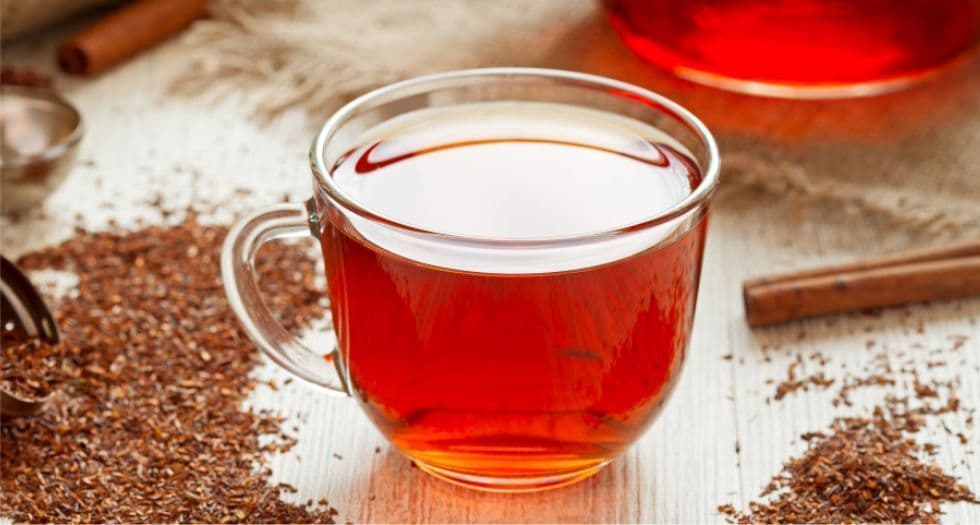
Rooibos tea
Rooibos tea is a South African herbal infusion with warm, dry, woody, honeyed, and slightly nutty facets. In perfumery, it adds a smooth tea-like warmth without the bitterness of black tea. It pairs beautifully with vanilla, honey, woods, amber, citrus, and soft spices.
- 🌿
Roots
The root note in perfumery is an evocative olfactory concept that draws from a broad family of earthy, subterranean botanical materials — from orris root and vetiver to angelica root, costus, and beyond. Roots in nature anchor and nourish, growing unseen beneath the surface, drawing life from dark, mineral-rich soil. And in fragrance, root accords do much the same: they anchor compositions with a grounding, earthy depth that is simultaneously primal and sophisticated, connecting the wearer to something ancient and elemental in the natural world. As a fragrance category, root accords share a family of olfactory characteristics: earthy warmth, a faint damp-soil quality, woody undertones, and a subtle mineral richness. They vary from the powdery, violet-tinged elegance of orris to the smoky, green-earthy intensity of vetiver, and from the warm, spicy depth of angelica root to the animalic earthiness of costus. What they share is a quality of groundedness — they bring weight, dimension, and a satisfying naturalistic complexity to any composition. Root notes pair beautifully with smoky woods, dark resins, earthy musks, and cool stone accords. Fragrenza's roots collection brings together fragrance dupes that celebrate this earthy, grounding dimension of perfumery. These are scents with real depth and staying power — for those who appreciate the quiet strength of what lies beneath the surface.
- 🌿
Rosa alba absolute
Rosa alba absolute is a specialty note used to give a fragrance a distinctive texture, mood, or material impression. Depending on interpretation, it may contribute freshness, warmth, sweetness, dryness, softness, or an abstract atmospheric effect. In perfumery, specialty notes are useful because they make a composition feel more specific and less generic. It can be paired with woods, musks, florals, resins, fruits, green notes, spices, or amber materials according to the intended style.
- 🌿
Rosa alba otto
Rosa alba otto is a specialty note used to give a fragrance a distinctive texture, mood, or material impression. Depending on interpretation, it may contribute freshness, warmth, sweetness, dryness, softness, or an abstract atmospheric effect. In perfumery, specialty notes are useful because they make a composition feel more specific and less generic. It can be paired with woods, musks, florals, resins, fruits, green notes, spices, or amber materials according to the intended style.
- 🌿
Rosa centifolia
Rosa centifolia is a specialty perfume note used to add a distinctive texture, mood, or material impression to a composition. Depending on how it is interpreted, it may contribute freshness, warmth, sweetness, dryness, earthiness, or an abstract atmospheric effect. In perfumery, such notes are valuable because they create character and help a fragrance feel less generic. They can be paired with woods, musks, florals, resins, fruits, green notes, or spices according to the intended style.
- 🌿
Rosa centifolia absolute
Rosa centifolia absolute is a specialty note used to give a fragrance a distinctive texture, mood, or material impression. Depending on interpretation, it may contribute freshness, warmth, sweetness, dryness, softness, or an abstract atmospheric effect. In perfumery, specialty notes are valuable because they make a composition feel more specific and less generic. Rosa centifolia absolute can be paired with woods, musks, florals, resins, fruits, green notes, spices, or amber materials according to the intended style.
- 🌿
Rosa multiflora
Rosa multiflora is a specialty note used to give a fragrance a distinctive texture, mood, or material impression. Depending on interpretation, it may contribute freshness, warmth, sweetness, dryness, softness, or an abstract atmospheric effect. In perfumery, specialty notes are useful because they make a composition feel more specific and less generic. It can be paired with woods, musks, florals, resins, fruits, green notes, spices, or amber materials according to the intended style.

Rose
Rose is the undisputed queen of perfumery — a note so ancient, so complex, and so universally beloved that its history mirrors the history of fragrance itself. The two most important varieties in commercial perfumery are Rosa damascena (the Damask rose, cultivated primarily in Bulgaria's Rose Valley and in Turkey and Morocco) and Rosa centifolia (the cabbage rose, grown in Grasse, France). Each yields a distinct oil: Rose Otto by steam distillation, and Rose Absolute by solvent extraction. Both are among the costliest raw materials in the perfumer's palette, which is why the quality of a rose fragrance is one of the truest tests of a perfumer's skill and a house's investment in quality. The chemical complexity of rose is staggering — over 300 identified compounds, including phenylethyl alcohol (the sweet, honeyed, almost aqueous rose character), citronellol, geraniol, nerol, and rose oxide. Together they create a note of extraordinary depth: simultaneously sweet and spicy, powdery and fresh, sensual and innocent. Rose in perfumery can be a dewy, transparent sheer or a dark, jammy depth; it can anchor orientals or lift aquatics; it can whisper or roar. Few notes are as versatile, and fewer still are as emotionally resonant. From the grandest classical feminines to the most daring contemporary niche compositions, rose has never lost its central place in the fragrance world. At Fragrenza, our inspired-by collection honours this extraordinary note in all its richness and diversity, offering you finely crafted interpretations of the world's most celebrated rose fragrances at prices that make luxury an everyday pleasure. Shop for rose? [Fragrenza](https://fragrenza.com/collections/rose-fragrances) curates a focused selection.
- 🌿
Rose absolue Orpur®
Rose absolue Orpur® is a floral note that gives a fragrance softness, radiance, and emotional warmth. Depending on the flower or accord, it may feel fresh, creamy, powdery, honeyed, green, indolic, or airy. In perfumery, floral notes often form the heart of a composition, adding body and a recognizable signature. It pairs well with citrus, white musk, rose, jasmine, sandalwood, amber, vanilla, iris, and delicate fruits.
- 🌿
Rose absolute
Rose absolute is a floral note that brings softness, radiance, and natural elegance to a fragrance. Its character can range from fresh and airy to creamy, sensual, honeyed, or slightly green, depending on how the accord is built. In perfumery, it is often used in the heart of a composition to add body and emotional warmth. It pairs well with white musks, citrus, rose, jasmine, sandalwood, amber, vanilla, and delicate fruits.
- 🌿
Rose attar
Rose attar is a floral note that adds softness, radiance, and emotional warmth to a composition. Depending on the flower or accord, it can feel fresh, creamy, powdery, honeyed, green, indolic, or airy. In perfumery, floral notes often form the heart of a fragrance, giving it body and a recognizable character. Rose attar pairs well with citrus, white musk, rose, jasmine, sandalwood, amber, vanilla, iris, and delicate fruits, making it useful in both classic bouquets and modern transparent florals.
- 🌿
Rose berries
Rose berries is a floral note that gives a fragrance softness, radiance, and emotional warmth. Depending on the flower or accord, it may feel fresh, creamy, powdery, honeyed, green, indolic, or airy. In perfumery, floral notes often form the heart of a composition, adding body and a recognizable signature. It pairs well with citrus, white musk, rose, jasmine, sandalwood, amber, vanilla, iris, and delicate fruits.
- 🌿
Rose Essential™
Rose Essential™ is a floral note that adds softness, radiance, and emotional warmth to a composition. Depending on the flower or accord, it can feel fresh, creamy, powdery, honeyed, green, indolic, or airy. In perfumery, floral notes often form the heart of a fragrance, giving it body and a recognizable character. Rose Essential™ pairs well with citrus, white musk, rose, jasmine, sandalwood, amber, vanilla, iris, and delicate fruits, making it useful in both classic bouquets and modern transparent florals.
- 🌿
Rose Geranium
Rose Geranium is a floral note that gives a fragrance softness, radiance, and emotional warmth. Depending on the flower or accord, it may feel fresh, creamy, powdery, honeyed, green, indolic, or airy. In perfumery, floral notes often form the heart of a composition, adding body and a recognizable signature. It pairs well with citrus, white musk, rose, jasmine, sandalwood, amber, vanilla, iris, and delicate fruits.
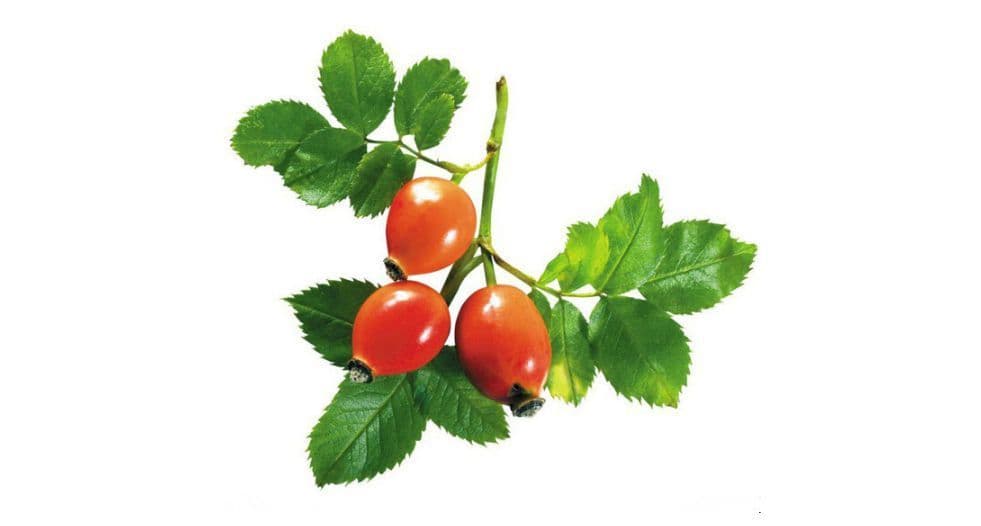
Rose Hip
Rose hips are the fruit of the rose plant — small, oval berries that appear after the flower blooms and petals fall, ripening through autumn into a range of reds, oranges, and burgundies depending on the species. Packed with vitamin C and long prized in folk remedies, teas, syrups, and jams across Europe and Asia, rose hips have a distinctive flavour and aroma that is quite unlike that of the rose flower. They are tart, slightly earthy, fruity, and faintly woody — the taste and smell of the wild hedgerow rather than the cultivated garden. In perfumery, rose hip is a somewhat unusual note that brings a tart, berry-like fruitiness with an earthy, slightly woody foundation. Its olfactory profile has a natural, unpolished character — more rustic hedgerow than formal rose garden — with a fresh acidity that contrasts beautifully with richer, warmer elements. Perfumers use rose hip to add a fruity-tart dimension to compositions that need brightness and naturalistic depth, often pairing it with blackcurrant bud, raspberry, dried fruits, earthy mosses, and woody base notes. It sits comfortably in fruity floral, gourmand, and chypre compositions alike. At Fragrenza, our rose hip collection showcases fragrance dupes that celebrate the wild, tart, and richly natural character of this underappreciated rose by-product. Discover a different kind of rose beauty — raw, honest, and compellingly real.
- 🌿
Rose honey
Rose honey is a floral note that gives a fragrance softness, radiance, and emotional warmth. Depending on the flower or accord, it may feel fresh, creamy, powdery, honeyed, green, indolic, or airy. In perfumery, floral notes often form the heart of a composition, adding body and a recognizable signature. It pairs well with citrus, white musk, rose, jasmine, sandalwood, amber, vanilla, iris, and delicate fruits.
- 🌿
Rose jam
Rose jam is a floral note that gives a fragrance softness, radiance, and emotional warmth. Depending on the flower or accord, it may feel fresh, creamy, powdery, honeyed, green, indolic, or airy. In perfumery, floral notes often form the heart of a composition, adding body and a recognizable signature. It pairs well with citrus, white musk, rose, jasmine, sandalwood, amber, vanilla, iris, and delicate fruits.
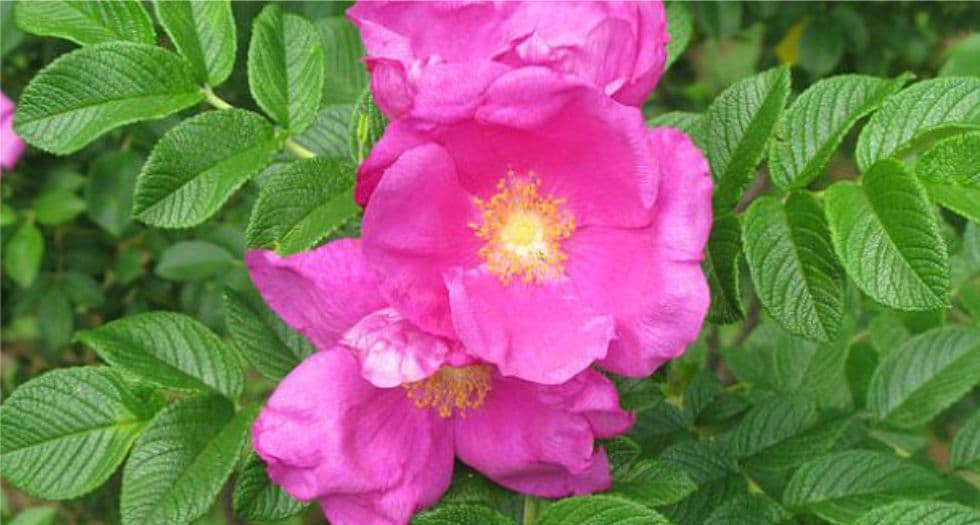
Rose Japanese (Hamanasu)
The Japanese Hamanasu rose (Rosa rugosa) is a wild species native to the coastlines and sandy shores of northeastern Asia — particularly Hokkaido in Japan, coastal China, and Korea. The name hamanasu (浜茄子) means roughly 'beach pear' in Japanese, a reference to the plant's coastal habitat and large, bright red rose hips. Unlike the cultivated roses of Grasse or Bulgaria, Rosa rugosa grows in exposed, windswept maritime conditions, which gives its flowers a particular freshness and resilience. The flower has been celebrated in Japanese poetry and art for centuries as a symbol of the wild northern coast. Olfactorily, the Hamanasu rose is distinctly different from its more famous cousins. It is bright, clean, and fruity-rosy with a natural freshness that reflects its coastal origins — less honeyed and heavy than Damascus rose, less green than Grasse, and more reminiscent of fresh rose petals on salt-tinged sea air. There is a gentle fruitiness in its profile, recalling light red berries or fresh rose hip, that keeps it feeling lively and modern. It layers beautifully with aquatic notes, light musks, yuzu, and clean woods — a natural fit for Japanese-inspired minimalist compositions. In perfumery, the Hamanasu rose is increasingly valued in niche and Japanese fragrance houses for its unaffected, natural character — a counterpoint to the opulence of classical rose absolutes. It suits fresh, airy, and coastal fragrance profiles with an elegant restraint. At Fragrenza, we embrace the unique character of this beautiful coastal rose in select fragrances in our dupe collection, bringing its fresh, seaside charm to accessible high-quality perfumes.
- 🌿
Rose leaf
When most people think of the rose in perfumery, they think of the flower — its petals, its richness, its romantic sweetness. But the rose leaf tells a very different story. The leaves and stems of the rose plant carry a completely distinct olfactory character: intensely green, slightly earthy, and vegetal, with a clean freshness that recalls damp soil, cut garden stems, and early morning in an English rose garden. It is the scent of the living plant rather than the harvested bloom — grounded, cool, and beautifully natural. In perfumery, rose leaf is a sophisticated tool for adding naturalness and depth to floral compositions. Its green, slightly bitter character balances the sweetness of rose petals, grounding rich floral accords with a sense of authentic garden freshness. It also works brilliantly in chypre and green floral compositions where a fresh, living-plant quality is desired. Rose leaf note pairs naturally with violet leaf, cut grass, green tomato stem, dewy green accords, and earthy mosses — as well as, of course, rose absolute and rose otto. At Fragrenza, our rose leaf collection explores this overlooked yet essential facet of the rose. Our fragrance dupes in this range offer a greener, more naturalistic take on rose-centric perfumery — for those who love the rose but want something fresher, more complex, and less expected.
- 🌿
Rose liqueur
Rose liqueur is a floral note that gives a fragrance softness, radiance, and emotional warmth. Depending on the flower or accord, it may feel fresh, creamy, powdery, honeyed, green, indolic, or airy. In perfumery, floral notes often form the heart of a composition, adding body and a recognizable signature. It pairs well with citrus, white musk, rose, jasmine, sandalwood, amber, vanilla, iris, and delicate fruits.
- 🌿
Rose macaron
Rose macaron is a floral note that gives a fragrance softness, radiance, and emotional warmth. Depending on the flower or accord, it may feel fresh, creamy, powdery, honeyed, green, indolic, or airy. In perfumery, floral notes often form the heart of a composition, adding body and a recognizable signature. It pairs well with citrus, white musk, rose, jasmine, sandalwood, amber, vanilla, iris, and delicate fruits.
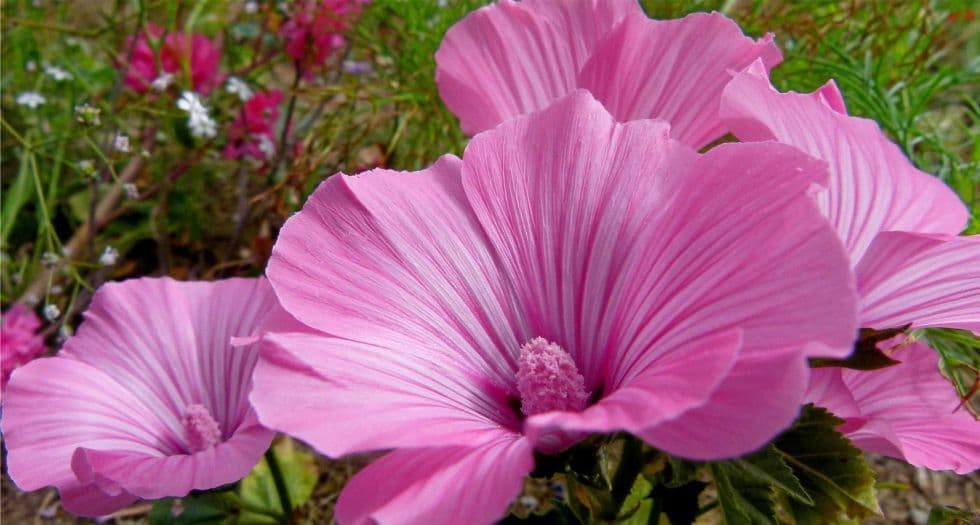
Rose Mallow
Rose mallow, best known as hibiscus (Hibiscus rosa-sinensis and related species), is one of the most recognisable and beloved flowering plants of the tropical and subtropical world. Its large, vividly coloured blooms — ranging from deep crimson to softest pink and golden yellow — are symbols of beauty, warmth, and the lush vitality of tropical climates. From the tea gardens of Egypt to the gardens of Hawaii and the markets of West Africa, hibiscus flowers are celebrated for their vivid hues, tart flavour, and the barely perceptible but enchanting floral scent they release. As a fragrance note, rose mallow brings a distinctive floral character that is quite unlike classical European florals. It is fresh and slightly tart rather than creamy or heavy — its olfactory profile carries a fruity-floral sweetness with a tangy, almost cranberry-like edge that gives it a bright, contemporary feel. Perfumers use it to add an exotic, tropical dimension to floral compositions, pairing it naturally with other tropical fruits, lychee, watermelon, passionfruit, and light musks. It also works beautifully in tea-inspired fragrances alongside hibiscus tea accords. Fragrenza's rose mallow collection brings together fragrance dupes that channel the vivid, sun-warmed beauty of hibiscus. Bright, tart, and delightfully fresh, these are scents that feel like summer wherever you are.
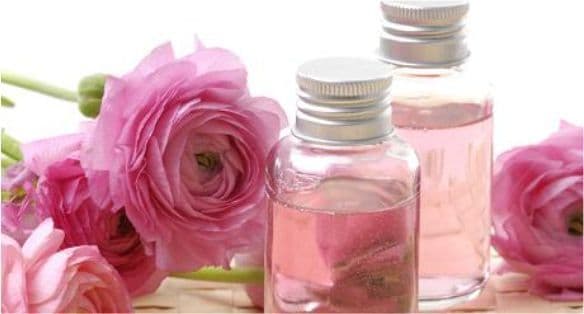
Rose oil
Rose Oil is a floral note with fresh petals, soft sweetness, and a refined natural brightness. In perfumery, it can add elegance, color, and lift to floral bouquets, musks, fruity florals, powdery accords, and modern feminine compositions.
- 🌿
Rose Orpur®
Rose Orpur® is a floral note that gives a fragrance softness, radiance, and emotional warmth. Depending on the flower or accord, it may feel fresh, creamy, powdery, honeyed, green, indolic, or airy. In perfumery, floral notes often form the heart of a composition, adding body and a recognizable signature. It pairs well with citrus, white musk, rose, jasmine, sandalwood, amber, vanilla, iris, and delicate fruits.
- 🌿
Rose otto
Rose otto is a floral note that adds softness, radiance, and emotional warmth to a composition. Depending on the flower or accord, it can feel fresh, creamy, powdery, honeyed, green, indolic, or airy. In perfumery, floral notes often form the heart of a fragrance, giving it body and a recognizable character. Rose otto pairs well with citrus, white musk, rose, jasmine, sandalwood, amber, vanilla, iris, and delicate fruits, making it useful in both classic bouquets and modern transparent florals.
- 🌿
Rose oxide
Rose oxide is a floral note that adds softness, radiance, and emotional warmth to a composition. Depending on the flower or accord, it can feel fresh, creamy, powdery, honeyed, green, indolic, or airy. In perfumery, floral notes often form the heart of a fragrance, giving it body and a recognizable character. Rose oxide pairs well with citrus, white musk, rose, jasmine, sandalwood, amber, vanilla, iris, and delicate fruits, making it useful in both classic bouquets and modern transparent florals.
- 🌿
Rose Pepper
Rose Pepper is a floral note that gives a fragrance softness, radiance, and emotional warmth. Depending on the flower or accord, it may feel fresh, creamy, powdery, honeyed, green, indolic, or airy. In perfumery, floral notes often form the heart of a composition, adding body and a recognizable signature. It pairs well with citrus, white musk, rose, jasmine, sandalwood, amber, vanilla, iris, and delicate fruits.
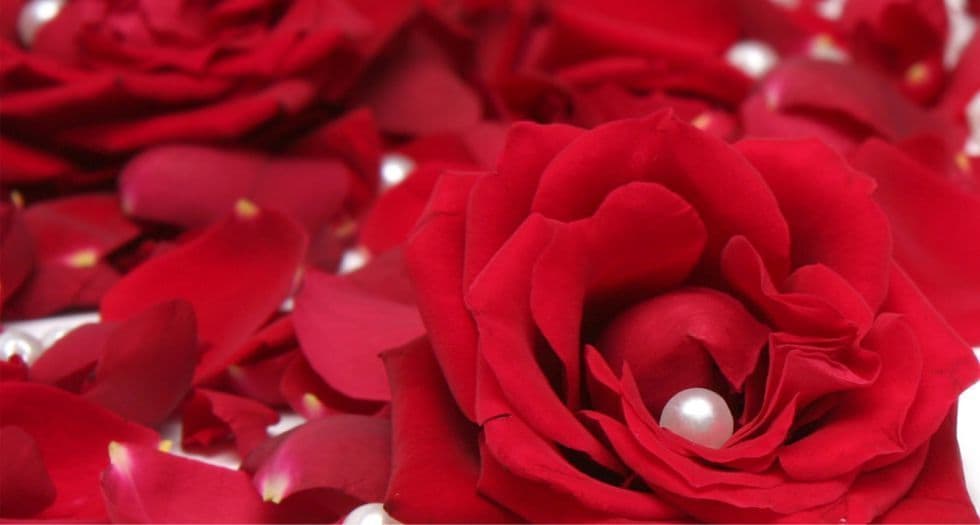
Rose Petals
Rose Petals is a floral note with fresh petals, soft sweetness, and a refined natural brightness. In perfumery, it can add elegance, color, and lift to floral bouquets, musks, fruity florals, powdery accords, and modern feminine compositions.
- 🌿
Rose syrup
Rose syrup is a floral note that gives a fragrance softness, radiance, and emotional warmth. Depending on the flower or accord, it may feel fresh, creamy, powdery, honeyed, green, indolic, or airy. In perfumery, floral notes often form the heart of a composition, adding body and a recognizable signature. It pairs well with citrus, white musk, rose, jasmine, sandalwood, amber, vanilla, iris, and delicate fruits.
- 🌿
Rose tea
Rose tea is a floral note that gives a fragrance softness, radiance, and emotional warmth. Depending on the flower or accord, it may feel fresh, creamy, powdery, honeyed, green, indolic, or airy. In perfumery, floral notes often form the heart of a composition, adding body and a recognizable signature. It pairs well with citrus, white musk, rose, jasmine, sandalwood, amber, vanilla, iris, and delicate fruits.
- 🌿
Rose thorn
Rose thorn is a floral note that gives a fragrance softness, radiance, and emotional warmth. Depending on the flower or accord, it may feel fresh, creamy, powdery, honeyed, green, indolic, or airy. In perfumery, floral notes often form the heart of a composition, adding body and a recognizable signature. It pairs well with citrus, white musk, rose, jasmine, sandalwood, amber, vanilla, iris, and delicate fruits.
- 🌿
Rose Ultimate Extract™
Rose Ultimate Extract™ is a floral note that gives a fragrance softness, radiance, and emotional warmth. Depending on the flower or accord, it may feel fresh, creamy, powdery, honeyed, green, indolic, or airy. In perfumery, floral notes often form the heart of a composition, adding body and a recognizable signature. It pairs well with citrus, white musk, rose, jasmine, sandalwood, amber, vanilla, iris, and delicate fruits.
- 🌿
Rose water
Rose water is a floral note that adds softness, radiance, and emotional warmth to a composition. Depending on the flower or accord, it can feel fresh, creamy, powdery, honeyed, green, indolic, or airy. In perfumery, floral notes often form the heart of a fragrance, giving it body and a recognizable character. Rose water pairs well with citrus, white musk, rose, jasmine, sandalwood, amber, vanilla, iris, and delicate fruits, making it useful in both classic bouquets and modern transparent florals.
- 🌿
Rosebud
Rosebud is a floral note that adds softness, radiance, and emotional warmth to a composition. Depending on the flower or accord, it can feel fresh, creamy, powdery, honeyed, green, indolic, or airy. In perfumery, floral notes often form the heart of a fragrance, giving it body and a recognizable character. Rosebud pairs well with citrus, white musk, rose, jasmine, sandalwood, amber, vanilla, iris, and delicate fruits, making it useful in both classic bouquets and modern transparent florals.
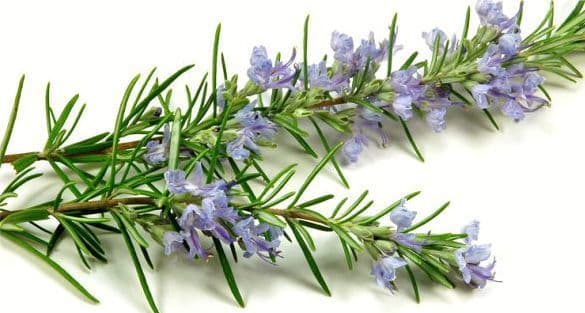
Rosemary
Rosemary (Salvia rosmarinus) is one of the most iconic and enduring plants of the Mediterranean herbal tradition. With its needle-like silver-green leaves and spikes of pale blue flowers, it grows wild on rocky hillsides from Spain to Turkey, its sharp, penetrating fragrance carried on the warm breeze. For centuries it has been used in cooking, medicine, ritual, and cosmetics — it is said to strengthen memory, and its name itself means dew of the sea in Latin, a reference to its love of coastal climates. In perfumery, rosemary is a foundational herbal note that has been used since the earliest days of modern fragrance making. Its olfactory character is fresh, camphorous, and sharply green — piercingly aromatic in a way that is both invigorating and clarifying. It is a key pillar of the classic fougère family alongside lavender and oakmoss, and it appears extensively in masculine aromatic fragrances, fresh colognes, and herb-forward chypres. Rosemary brings a clean, bright quality to compositions, cutting through heavier elements and providing a crisp, natural freshness. It pairs beautifully with lavender, citrus, cedar, moss, and clean musks. Fragrenza's rosemary collection presents some of the finest fragrance dupes built around this beloved herbal note. Fresh, bold, and deeply satisfying, these are scents that celebrate rosemary's timeless, invigorating character.
- 🌿
Rosemary absolute
Rosemary absolute is a floral note that gives a fragrance softness, radiance, and emotional warmth. Depending on the flower or accord, it may feel fresh, creamy, powdery, honeyed, green, indolic, or airy. In perfumery, floral notes often form the heart of a composition, adding body and a recognizable signature. It pairs well with citrus, white musk, rose, jasmine, sandalwood, amber, vanilla, iris, and delicate fruits.
- 🌿
Rosemary blossom
Rosemary blossom is a floral note that gives a fragrance softness, radiance, and emotional warmth. Depending on the flower or accord, it may feel fresh, creamy, powdery, honeyed, green, indolic, or airy. In perfumery, floral notes often form the heart of a composition, adding body and a recognizable signature. It pairs well with citrus, white musk, rose, jasmine, sandalwood, amber, vanilla, iris, and delicate fruits.
- 🌿
Roseolate®
Roseolate® is a floral note that gives a fragrance softness, radiance, and emotional warmth. Depending on the flower or accord, it may feel fresh, creamy, powdery, honeyed, green, indolic, or airy. In perfumery, floral notes often form the heart of a composition, adding body and a recognizable signature. It pairs well with citrus, white musk, rose, jasmine, sandalwood, amber, vanilla, iris, and delicate fruits.
- 🌿
Rosewood
Rosewood (Aniba rosaeodora) is a tropical tree native to the Amazon rainforest, whose heartwood yields one of the most exquisite essential oils in all of perfumery. The scent of rosewood oil is warm, softly woody, and delicately floral — a gentle rose-like sweetness married to a camphoraceous brightness and an underlying creaminess that feels both elegant and comforting. Once a staple of classic perfumery, rosewood became commercially restricted due to overharvesting, making sustainably sourced or synthetic interpretations increasingly important to the industry. In perfumery, rosewood occupies a unique middle ground between wood notes and floral notes. Its primary component, linalool, gives it a smooth, slightly sweet woodiness that blends beautifully with rose, jasmine, sandalwood, and vetiver. It adds depth and naturalness to white floral compositions, rounds out citrus-forward fragrances, and provides a soft, rosy backbone to oriental accords. Unlike heavier woods such as cedar or oud, rosewood is always refined and approachable — it never dominates but consistently elevates everything around it. Rosewood fragrances carry a timeless, classic sophistication that appeals across generations and genders. They evoke craftsmanship, quality, and a connection to nature that feels increasingly precious. Fragrenza's rosewood collection presents thoughtfully developed dupe interpretations of the finest woody-floral and classic perfume compositions, offering outstanding quality at a price point that invites daily wear and genuine discovery.
- 🌿
Rosyfolia®
Rosyfolia® is a modern aroma molecule or synthetic-style note used to create a precise effect in a fragrance. Depending on the material, it may add radiance, diffusion, clean freshness, woody strength, musky softness, amber warmth, or an abstract texture. In perfumery, these notes are valued for consistency, performance, and their ability to shape the architecture of a scent. It pairs well with woods, musks, citrus, amber, florals, aquatic notes, and transparent modern accords.
- 🌿
Royal jelly
Royal jelly is a specialty note used to give a fragrance a distinctive texture, mood, or material impression. Depending on interpretation, it may contribute freshness, warmth, sweetness, dryness, softness, or an abstract atmospheric effect. In perfumery, specialty notes are useful because they make a composition feel more specific and less generic. It can be paired with woods, musks, florals, resins, fruits, green notes, spices, or amber materials according to the intended style.
- 🌿
Royal Princess rose
Royal Princess rose is a floral note that gives a fragrance softness, radiance, and emotional warmth. Depending on the flower or accord, it may feel fresh, creamy, powdery, honeyed, green, indolic, or airy. In perfumery, floral notes often form the heart of a composition, adding body and a recognizable signature. It pairs well with citrus, white musk, rose, jasmine, sandalwood, amber, vanilla, iris, and delicate fruits.
- 🌿
Rubber
Rubber is not a traditional perfume ingredient in the classical sense — it belongs to a daring wave of modern, abstract perfumery that draws inspiration from the industrial, the synthetic, and the urban. Natural rubber, derived from the latex of the Hevea brasiliensis tree, has a distinctly sharp, slightly smoky, and acrid aroma that is at once off-putting and compellingly interesting. The smell of fresh latex, inner tubes, and rubber-soled shoes is intensely familiar and yet rarely explored as a fragrance note, making it a genuinely provocative ingredient in creative perfumery. As an olfactory concept, rubber sits at the intersection of leather, smoke, and industrial materials. Its character is sharp and slightly chemical, with an underlying warmth that can — when handled with skill — feel unexpectedly sensual and raw. Perfumers working in the niche and avant-garde sectors use rubber notes to create bold, unconventional compositions that challenge expectations and break from the floral-woody-musky mainstream. It pairs with smoky birch tar, dark leather, mechanical musks, mineral accords, and vetiver. At Fragrenza, our rubber collection brings together fragrance dupes that embrace this daring, unconventional note. These are scents for the curious, the fearless, and those who understand that true originality sometimes means going where others won't.
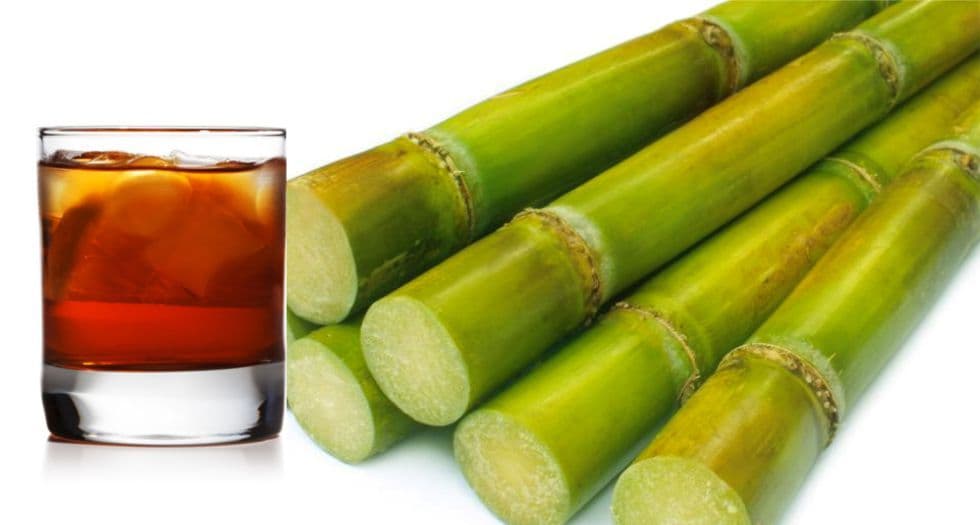
Rum
Rum has been one of the world's most beloved spirits for over three centuries, born in the sugar cane fields of the Caribbean and Latin America and carried across the globe by sailors, traders, and adventurers. Distilled from fermented sugarcane juice or molasses, rum carries a rich, complex aroma that varies from the light and grassy to the dark and deeply sweet — but always with that signature warmth, that unmistakable blend of caramel, brown sugar, vanilla, and tropical fruit that makes it one of the most sensually appealing of all spirits. In perfumery, rum is a treasured ingredient in gourmand and oriental compositions, used to add warmth, sweetness, and a slightly boozy, intoxicating depth. A rum note evokes celebration, indulgence, and the relaxed pleasure of warm evenings — it is sensual without being cloying, sweet without being juvenile. Perfumers often pair it with vanilla, tobacco, dark spices, leather, and warm amber to create compositions of opulent, enveloping richness. It also appears in fresher, lighter contexts alongside citrus and tropical fruits, adding a playful, spirited energy. Fragrenza's rum collection brings together fragrance dupes that celebrate this iconic spirit, from warm and gourmand to complex and spiced. Let the irresistible warmth of rum elevate your scent wardrobe.
- 🌿
Rum absolute
Rum absolute is a specialty note used to give a fragrance a distinctive texture, mood, or material impression. Depending on interpretation, it may contribute freshness, warmth, sweetness, dryness, softness, or an abstract atmospheric effect. In perfumery, specialty notes are valuable because they make a composition feel more specific and less generic. Rum absolute can be paired with woods, musks, florals, resins, fruits, green notes, spices, or amber materials according to the intended style.
- 🌿
Rum CO2
Rum CO2 is a specialty note used to give a fragrance a distinctive texture, mood, or material impression. Depending on interpretation, it may contribute freshness, warmth, sweetness, dryness, softness, or an abstract atmospheric effect. In perfumery, specialty notes are useful because they make a composition feel more specific and less generic. It can be paired with woods, musks, florals, resins, fruits, green notes, spices, or amber materials according to the intended style.
- 🌿
Russian birch tar
Russian birch tar is a woody note used to create structure, depth, and lasting warmth. Its scent may be dry, creamy, smoky, resinous, earthy, pencil-like, or polished depending on the wood or accord. In perfumery, woody notes support the whole composition and connect fresh openings with deeper bases. It pairs naturally with amber, musk, incense, leather, vetiver, patchouli, spices, citrus, and soft resins.
- 🌿
Russian clary sage
Russian clary sage is a green or aromatic note that evokes leaves, herbs, stems, fresh air, or crushed vegetation. Its profile can be crisp, bitter, watery, camphoraceous, grassy, or slightly earthy depending on the material. In perfumery, green notes add realism and lift, keeping sweet, floral, or woody compositions from feeling too heavy. It pairs well with citrus, tea, fig, violet leaf, galbanum, tomato leaf, white musk, vetiver, lavender, and light woods.
- 🌿
Russian coriander
Russian coriander is a spicy note that adds heat, texture, and aromatic energy to a fragrance. It may feel sweet, dry, peppery, resinous, herbal, smoky, or slightly medicinal depending on the material. In perfumery, spices create contrast, deepen the heart, and help bridge fresh top notes with warm woody or amber bases. Russian coriander pairs especially well with citrus, rose, tobacco, vanilla, oud, sandalwood, patchouli, leather, and balsamic resins.
- 🌿
Russian coriander seed
Russian coriander seed is a spicy note that gives fragrance heat, texture, and aromatic energy. It can feel sweet, dry, peppery, resinous, herbal, smoky, or slightly medicinal depending on the material. In perfumery, spices create contrast, deepen the heart, and bridge fresh top notes with warm woody or amber bases. It pairs especially well with citrus, rose, tobacco, vanilla, oud, sandalwood, patchouli, leather, and balsamic resins.
- 🌿
Russian fir balsam
Russian fir balsam is a woody note used to create structure, depth, and lasting warmth. Its scent may be dry, creamy, smoky, resinous, earthy, pencil-like, or polished depending on the wood or accord. In perfumery, woody notes support the whole composition and connect fresh openings with deeper bases. It pairs naturally with amber, musk, incense, leather, vetiver, patchouli, spices, citrus, and soft resins.
- 🌿
Russian lavender
Russian lavender is a floral note that gives a fragrance softness, radiance, and emotional warmth. Depending on the flower or accord, it may feel fresh, creamy, powdery, honeyed, green, indolic, or airy. In perfumery, floral notes often form the heart of a composition, adding body and a recognizable signature. It pairs well with citrus, white musk, rose, jasmine, sandalwood, amber, vanilla, iris, and delicate fruits.
Russian leather
Russian Leather is a textured base note with woody, dry, smooth, and sometimes leathery or resinous facets. In perfumery, it adds structure, depth, warmth, and longevity, pairing well with amber, musk, incense, rose, spices, citrus, and tobacco.
- 🌿
Russian pine
Russian pine is a woody note used to create structure, depth, and lasting warmth. Its scent may be dry, creamy, smoky, resinous, earthy, pencil-like, or polished depending on the wood or accord. In perfumery, woody notes support the whole composition and connect fresh openings with deeper bases. It pairs naturally with amber, musk, incense, leather, vetiver, patchouli, spices, citrus, and soft resins.
- 🌿
Russian sage
Russian sage is a green or aromatic note that evokes leaves, herbs, stems, fresh air, or crushed vegetation. Its profile can be crisp, bitter, watery, camphoraceous, grassy, or slightly earthy depending on the material. In perfumery, green notes add realism and lift, keeping sweet, floral, or woody compositions from feeling too heavy. It pairs well with citrus, tea, fig, violet leaf, galbanum, tomato leaf, white musk, vetiver, lavender, and light woods.
- 🌿
Rwandan patchouli
Rwandan patchouli is a woody note used to create structure, depth, and lasting warmth. Its scent may be dry, creamy, smoky, resinous, earthy, pencil-like, or polished depending on the wood or accord. In perfumery, woody notes support the whole composition and connect fresh openings with deeper bases. It pairs naturally with amber, musk, incense, leather, vetiver, patchouli, spices, citrus, and soft resins.
- 🌿
Rye
Rye (Secale cereale) is one of the hardiest of the cereal grains, cultivated across Northern and Eastern Europe for thousands of years. Unlike wheat, rye thrives in poor, cold soils and harsh climates, giving it a rugged, honest character that is reflected in the products made from it — dark, dense breads, robust whiskies, and the distinctive earthy flavour that sets rye apart from other grains. The raw grain itself has a complex, slightly spicy, faintly damp aroma that carries the richness of good soil and the warmth of a working farmhouse kitchen. In perfumery, rye is valued as an unusual, grounding ingredient that brings an earthy, cereal warmth unlike any other note. Its olfactory profile evokes dry grain, a hint of fermentation, and a subtle spiciness — grounded and warm without being sweet, natural without being rustic. Perfumers use rye to add texture and a sense of authenticity to compositions, pairing it with smoked woods, leather, whisky accords, earthy vetiver, and cold-weather spices. It is a note that rewards those with a taste for the unconventional and the beautifully understated. Fragrenza's rye collection gathers fragrance dupes that put this distinctive grain note at the forefront, offering compositions full of depth, character, and honest, earthy warmth. Explore the range and discover a grounding beauty that is entirely its own.
S
- 🌿
Safari for Men
Safari for Men is a specialty note used to give a fragrance a distinctive texture, mood, or material impression. Depending on interpretation, it may contribute freshness, warmth, sweetness, dryness, softness, or an abstract atmospheric effect. In perfumery, specialty notes are useful because they make a composition feel more specific and less generic. It can be paired with woods, musks, florals, resins, fruits, green notes, spices, or amber materials according to the intended style.
- 🌿
Saffiano™
Saffiano is a stylised leather accord inspired by the cross-hatched textured leather first popularised by Italian luxury houses. It feels refined, supple, and sophisticated rather than raw or animalic. In perfumery, it suits modern leather, chypre, and luxury compositions.
safflower
Safflower (Carthamus tinctorius) is one of humanity's oldest cultivated crops, grown for thousands of years across the Middle East, India, and China, primarily for its seeds' oil and its vivid orange-red petals used as a dye and food colouring. Often called the false saffron for its resemblance to the more famous spice, safflower has a far quieter, more understated character. Its petals release a soft, slightly honeyed, faintly floral scent that is gentle and diffuse — warm without being spicy, floral without being sweet. In perfumery, safflower serves as a subtle, supportive note that adds a delicate, slightly oily floral warmth to compositions. Its olfactory profile is mild and approachable — a soft petal quality with a faint honey nuance and a gentle, almost powdery finish. Perfumers use it to add a natural, rounded softness to floral and oriental compositions, lending an impression of warmth and depth without asserting a strong individual presence. It works beautifully alongside rose, amber, golden musks, warm spices, and soft sandalwood. At Fragrenza, our safflower collection celebrates this gentle, golden-toned note through a carefully selected range of fragrance dupes. These are scents that wrap around you quietly — warm, soft, and effortlessly beautiful.
saffron
Saffron is the world's most expensive spice by weight, harvested by hand from the stigmas of the Crocus sativus flower in the fields of Iran, Kashmir, and Spain. Each flower yields only three tiny red threads, and it takes tens of thousands of blossoms to produce a single ounce of saffron. This extraordinary labour of cultivation has made saffron synonymous with opulence, rarity, and prestige throughout human history — from the dye-steeped robes of ancient Persian royalty to the incense of medieval cathedrals and the kitchens of Mughal emperors. In perfumery, saffron is one of the most complex and evocative of all spice notes. Its scent is simultaneously warm and metallic, honeyed and leathery, with a subtle sweetness undercut by an almost animalic richness that gives it tremendous depth. Perfumers use saffron to add an unmistakable sense of luxury and exoticism to compositions, often pairing it with rose, oud, smoky incense, rich resins, and dark woods in the opulent oriental and Middle Eastern fragrance traditions. It has also found a home in modern niche perfumery, used in daring new ways alongside leather, tobacco, and even cool musks. Fragrenza's saffron collection gathers together the finest fragrance dupes inspired by this legendary ingredient. Experience the warmth, richness, and unmistakable prestige of saffron — beautifully rendered and accessibly priced. Shop for saffron? [Fragrenza](https://fragrenza.com/collections/saffron-fragrances) curates a focused selection.
- 🌿
Saffron absolute
Saffron absolute is a spicy note that gives fragrance heat, texture, and aromatic energy. It can feel sweet, dry, peppery, resinous, herbal, smoky, or slightly medicinal depending on the material. In perfumery, spices create contrast, deepen the heart, and bridge fresh top notes with warm woody or amber bases. It pairs especially well with citrus, rose, tobacco, vanilla, oud, sandalwood, patchouli, leather, and balsamic resins.
- 🌿
Saffron attar
Saffron attar is a spicy note that gives fragrance heat, texture, and aromatic energy. It can feel sweet, dry, peppery, resinous, herbal, smoky, or slightly medicinal depending on the material. In perfumery, spices create contrast, deepen the heart, and bridge fresh top notes with warm woody or amber bases. It pairs especially well with citrus, rose, tobacco, vanilla, oud, sandalwood, patchouli, leather, and balsamic resins.
- 🌿
Saffron blossom
Saffron blossom is a floral note that adds softness, radiance, and emotional warmth to a composition. Depending on the flower or accord, it can feel fresh, creamy, powdery, honeyed, green, indolic, or airy. In perfumery, floral notes often form the heart of a fragrance, giving it body and a recognizable character. Saffron blossom pairs well with citrus, white musk, rose, jasmine, sandalwood, amber, vanilla, iris, and delicate fruits, making it useful in both classic bouquets and modern transparent florals.
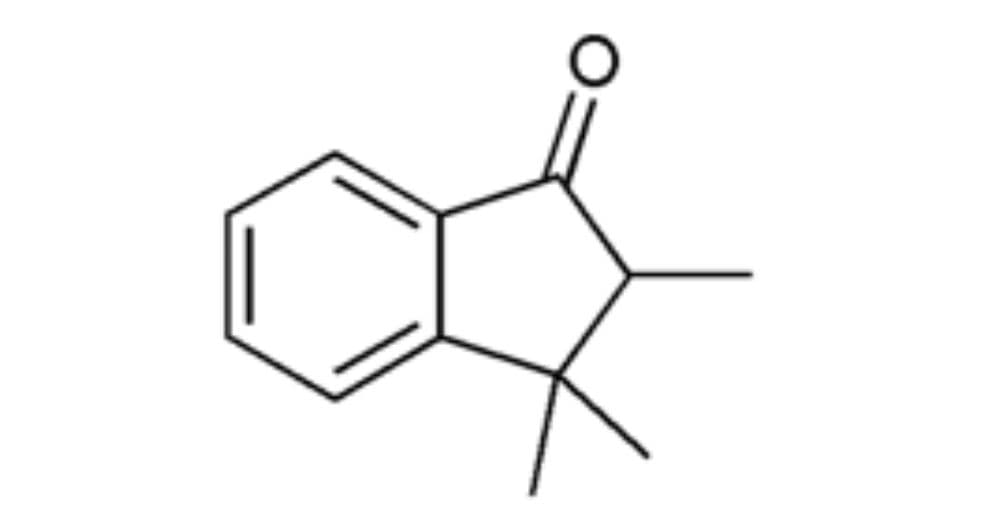
Safraleine
Safraleine is a captivating synthetic aroma molecule developed to capture the warm, leathery, and spice-laden character of natural saffron while offering perfumers greater consistency, flexibility, and intensity. Unlike natural saffron extract, which is prohibitively expensive and varies batch to batch, safraleine delivers a reliable, concentrated rendition of saffron's most distinctive qualities: the rich, slightly metallic warmth, the leathery depth, and the honeyed, almost animalic richness that has made saffron one of perfumery's most coveted ingredients. As an aroma chemical, safraleine is prized for its ability to project and diffuse through a composition, lending saffron's exotic character to fragrances in a way that feels both modern and opulent. It sits at the intersection of spice, leather, and warmth — adding a sensual, slightly edgy complexity that elevates oriental, amber, and leather-based compositions. It pairs beautifully with oud, rose, smoky woods, dark resins, and rich musks, often serving as a key ingredient in the luxurious Middle Eastern-inspired fragrances that have taken the fine fragrance world by storm in recent decades. At Fragrenza, our safraleine collection brings together some of the most compelling fragrance dupes built around this distinctive molecule. Expect warmth, depth, and an unmistakable exotic character — delivered at a price that makes luxury accessible.
- 🌿
Safranal
Safranal is a specialty note used to give a fragrance a distinctive texture, mood, or material impression. Depending on interpretation, it may contribute freshness, warmth, sweetness, dryness, softness, or an abstract atmospheric effect. In perfumery, specialty notes are useful because they make a composition feel more specific and less generic. It can be paired with woods, musks, florals, resins, fruits, green notes, spices, or amber materials according to the intended style.
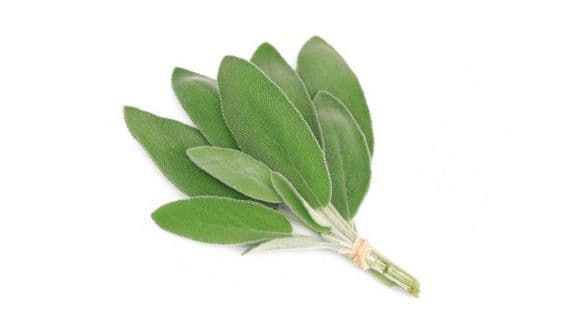
Sage
Sage (Salvia officinalis) is one of the oldest and most revered herbs of the Mediterranean world, cultivated for millennia for its culinary, medicinal, and spiritual properties. Its name derives from the Latin salvere, meaning to be well or to heal — a nod to its long history in folk medicine across Europe and the Middle East. The silvery-green leaves, dusted with tiny hairs, release a powerful, aromatic scent when crushed: camphorous, herbal, slightly spicy, and unmistakably earthy. It is the scent of sun-baked hillsides, ancient gardens, and the wild scrubland of southern France and Italy. In perfumery, sage is a cornerstone of the aromatic fougère family — a classic category that pairs herbal freshness with lavender, coumarin, and woods. It provides a sharp, green clarity that cuts through heavier base notes and lends compositions a clean, masculine energy. Sage can also be used more sparingly as a supporting note, adding textural complexity to citrus, woody, or leather compositions without overwhelming the overall character. Modern perfumers have begun exploring sage in a broader range of styles, from fresh aquatics to smoky, resinous blends. Fragrenza's sage collection showcases the full range of this timeless herbal note, from crisp, clean freshness to deeper, more complex interpretations. Our fragrance dupes bring the best of sage-forward perfumery to you at an honest price.
- 🌿
Sage absolute
Sage absolute is a green or aromatic note that evokes leaves, herbs, stems, fresh air, or crushed vegetation. Its profile can be crisp, bitter, watery, camphoraceous, grassy, or slightly earthy depending on the material. In perfumery, green notes add realism and lift, keeping sweet, floral, or woody compositions from feeling too heavy. It pairs well with citrus, tea, fig, violet leaf, galbanum, tomato leaf, white musk, vetiver, lavender, and light woods.
- 🌿
Sagebrush
Sagebrush is a green or aromatic note that evokes leaves, herbs, stems, fresh air, or crushed vegetation. Its profile can be crisp, bitter, watery, camphoraceous, grassy, or slightly earthy depending on the material. In perfumery, green notes add realism and lift, keeping sweet, floral, or woody compositions from feeling too heavy. It pairs well with citrus, tea, fig, violet leaf, galbanum, tomato leaf, white musk, vetiver, lavender, and light woods.
- 🌿
Saint John's wort
Saint John's wort is a specialty note used to give a fragrance a distinctive texture, mood, or material impression. Depending on interpretation, it may contribute freshness, warmth, sweetness, dryness, softness, or an abstract atmospheric effect. In perfumery, specialty notes are useful because they make a composition feel more specific and less generic. It can be paired with woods, musks, florals, resins, fruits, green notes, spices, or amber materials according to the intended style.
- 🌿
Sake
Sake is Japan's iconic fermented rice wine, a drink with over two thousand years of history woven into the culture, ritual, and cuisine of the country. Produced through a meticulous brewing process that converts the starches in polished rice into alcohol, sake has a subtle, sophisticated flavour and aroma that sets it apart from most Western spirits. Its character is clean and delicate — softly sweet, faintly fermented, with a gentle grain warmth and a whisper of floral or fruity nuance depending on the style. In perfumery, sake is used to conjure a sense of refined, understated elegance. Its olfactory profile is soft and transparent: the slight fermentation lends a quiet depth without heaviness, while the rice base contributes a clean, powdery-sweet warmth. It adds an almost aqueous smoothness to compositions, making it a favourite in modern Japanese-inspired fragrances and minimalist perfumery that values restraint and clarity. Sake notes pair effortlessly with cherry blossom, green tea, white musks, iris, and clean woods. The Fragrenza sake collection celebrates this philosophy of quiet beauty, offering premium fragrance dupes that channel the serene, polished spirit of Japanese aesthetics. Whether you seek something fresh and transparent or softly warm, our sake-inspired range offers something beautifully refined.
- 🌿
Salicylate
Salicylate is a specialty note used to give a fragrance a distinctive texture, mood, or material impression. Depending on interpretation, it may contribute freshness, warmth, sweetness, dryness, softness, or an abstract atmospheric effect. In perfumery, specialty notes are valuable because they make a composition feel more specific and less generic. Salicylate can be paired with woods, musks, florals, resins, fruits, green notes, spices, or amber materials according to the intended style.

salt
Salt in perfumery is a note that evokes the elemental quality of the sea — not the seaweed-and-fish-market literalism of cheap aquatics, but the clean, briny mineral purity of open ocean air, drying sea spray on warm skin, or the crystalline brightness of a salt flat under afternoon sun. Unlike most fragrance notes, salt itself is technically odourless, but the impression of saltiness is recreated through a combination of materials: ambergris-adjacent musks, certain aldehydes, mineral accords, and materials like skin-close musks that amplify the perception of natural body warmth in a way the brain registers as saline. On the skin, a well-crafted salt note is simultaneously refreshing and deeply intimate. It has an almost tactile quality — you can almost feel the cool spray and the sun's warmth at once. Perfumers use it to add a naturalistic, skin-close dimension to marine compositions, to give clean musks a more textured and interesting character, and increasingly in niche perfumery to explore concepts of body, ocean, and the liminal space between water and land. When paired with florals, it creates an aquatic elegance; with woods and ambers, it conjures sun-warmed driftwood. The salt note has become a signature element of the modern aquatic and skin-scent genres, elevating the category far beyond the simple ozonic freshness of early aquatics. At Fragrenza, our inspired-by collection explores the most compelling salt-forward luxury fragrances available, delivering that mineral, ocean-fresh sophistication without the steep designer price.
- 🌿
Salted caramel
Salted caramel is an aquatic note that evokes water, sea air, rain, mineral freshness, or clean transparent space. It may be salty, ozonic, marine, watery, airy, or slightly green depending on the accord. In perfumery, aquatic notes bring freshness, diffusion, and a modern easy-to-wear character. Salted caramel pairs well with citrus, white musk, driftwood, lavender, sage, cucumber, marine notes, ambergris-style molecules, and pale woods.
- 🌿
Salted popcorn
Salted popcorn is an aquatic note that evokes water, sea air, rain, mineral freshness, or clean transparent space. It can be salty, ozonic, marine, watery, airy, or slightly green depending on the accord. In perfumery, aquatic notes bring freshness, diffusion, and a modern easy-to-wear character. It pairs well with citrus, white musk, driftwood, lavender, sage, cucumber, marine notes, ambergris-style molecules, and pale woods.
- 🌿
Salted vanilla
Salted vanilla is a warm ambered or resinous note used to give fragrance depth, softness, and long-lasting richness. It can smell balsamic, sweet, smoky, vanillic, woody, powdery, or incense-like depending on the material. In perfumery, it rounds sharp edges and creates a smooth base that holds the composition together. It pairs well with woods, musks, spices, vanilla, tobacco, leather, florals, oud, and other resins.
- 🌿
Salty notes
Salty notes is an aquatic note that evokes water, sea air, rain, mineral freshness, or clean transparent space. It may be salty, ozonic, marine, watery, airy, or slightly green depending on the accord. In perfumery, aquatic notes bring freshness, diffusion, and a modern easy-to-wear character. Salty notes pairs well with citrus, white musk, driftwood, lavender, sage, cucumber, marine notes, ambergris-style molecules, and pale woods.
- 🌿
Salty skin
Salty skin is a soft textural note that creates warmth, smoothness, and a skin-like finish. It may feel clean, powdery, woody, velvety, slightly fruity, or fabric-like depending on the accord. In perfumery, these notes bind the formula, soften stronger materials, and extend wear without dominating the fragrance. It pairs well with florals, woods, citrus, amber, iris, fruits, suede, vanilla, and transparent musks.
- 🌿
Salvia leucophylla
Salvia leucophylla is a specialty note used to give a fragrance a distinctive texture, mood, or material impression. Depending on interpretation, it may contribute freshness, warmth, sweetness, dryness, softness, or an abstract atmospheric effect. In perfumery, specialty notes are useful because they make a composition feel more specific and less generic. It can be paired with woods, musks, florals, resins, fruits, green notes, spices, or amber materials according to the intended style.

sand
The sand accord in contemporary perfumery is an evocative synthetic construction designed to capture the distinctive dry, sun-warmed sensory experience of sand — whether on a tropical beach, a desert dune, or a rocky coastline. Sand as a fragrance note has no single natural source but is instead a careful blend of molecules chosen to replicate its warm mineral character, slight earthiness, and the particular dryness associated with silica exposed to heat and light. It became a prominent ingredient in perfumery as the aquatic and beach genre evolved in the late twentieth and early twenty-first centuries. Olfactorily, the sand note is warm, dry, and subtly mineral with a faint woody-earthy quality underneath. It is not sharp or green but smooth and slightly diffuse, like heat shimmer rising from a pale beach at midday. Depending on the formula, it can read closer to an ambergris-type warmth or to a clean, powdery mineral quality. Unlike heavier earthy notes, sand maintains a lightness and openness that allows it to feel summery and unencumbered. It harmonises beautifully with solar musks, ambergris, driftwood, citrus, coconut, and aquatic notes. In perfumery, the sand accord is most associated with solar, beach, and skin-scent compositions — fragrances designed to evoke sun-drenched leisure, warm skin, and the relaxed sensuality of the coastline. It has become a signature element in summer limited editions and vacation-themed releases from designer and niche houses alike. At Fragrenza, our sand note grounds several of our dupe fragrances in a warm, sun-kissed quality, making the pleasure of a beach getaway available in every spritz, at everyday prices.
- 🌿
Sandalowood
Sandalowood is a woody note used to create structure, depth, and lasting warmth. Its scent may be dry, creamy, smoky, resinous, earthy, pencil-like, or polished depending on the wood or accord. In perfumery, woody notes often support the whole composition and help connect fresh openings with deeper bases. Sandalowood pairs naturally with amber, musk, incense, leather, vetiver, patchouli, spices, citrus, and soft resins, making it useful in masculine, feminine, and unisex fragrances.
- 🌿
Sandalw
Sandalw is an earthy or mineral note that adds realism, dryness, and atmospheric depth. It may suggest soil, roots, stone, dust, damp ground, mushrooms, clay, or cool mineral surfaces depending on the accord. In perfumery, these notes make compositions feel grounded, natural, or avant-garde. It pairs well with vetiver, moss, patchouli, dry woods, leather, incense, rain notes, musk, and dark florals.
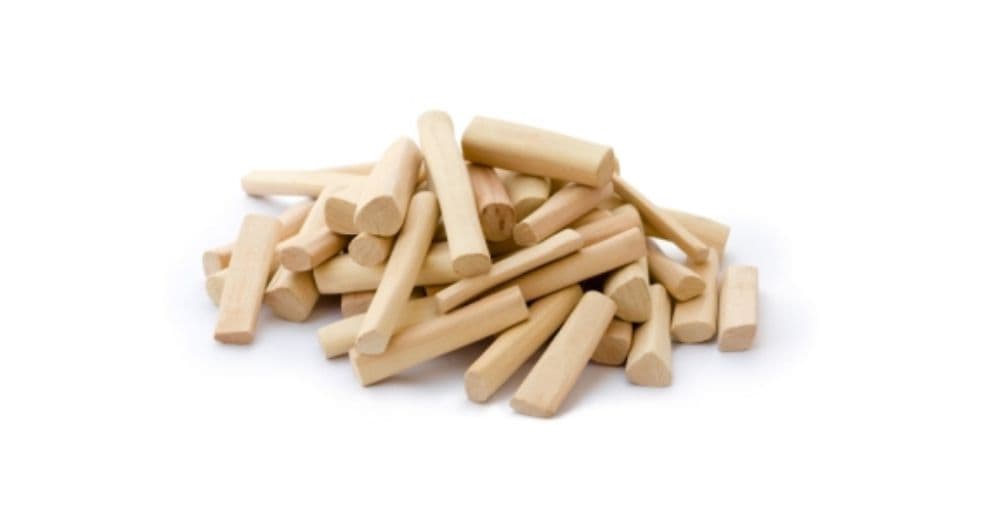
Sandalwood
Sandalwood is one of the most treasured aromatic materials in the history of human civilization. Derived primarily from the heartwood of Santalum album (Mysore sandalwood from India) and Santalum spicatum (Australian sandalwood), it has been used for millennia in religious ceremonies, traditional medicine, and luxury perfumery across Asia, the Middle East, and beyond. The oil extracted from aged sandalwood heartwood is extraordinarily rich, complex, and long-lasting, making it one of the most valuable aromatic ingredients in the world. In perfumery, sandalwood is the quintessential base note — creamy, warm, and milky, with a smooth, woody depth that is neither sharp nor aggressive. It has a unique quality of amplifying and harmonizing other ingredients, acting as a fixative that extends the life of a fragrance on the skin. Its olfactory profile is simultaneously woody and almost edible: warm, clean, and softly sweet, with a slight powdery quality that makes it universally wearable. It forms the foundation of countless classic and contemporary fine fragrances. At Fragrenza, our sandalwood collection represents the heart of what we do — bringing the finest sandalwood-forward fragrance inspirations to you as high-quality, accessible dupes. Whether you love classic Mysore-inspired creaminess or contemporary sandalwood blends, our collection has your perfect match. This is luxury you can wear every day. Want to wear it? Explore [sandalwood fragrances](https://fragrenza.com/collections/sandalwood-fragrances).
- 🌿
Sandalwood absolute
Sandalwood absolute is a woody note used to create structure, depth, and lasting warmth. Its scent may be dry, creamy, smoky, resinous, earthy, pencil-like, or polished depending on the wood or accord. In perfumery, woody notes support the whole composition and connect fresh openings with deeper bases. It pairs naturally with amber, musk, incense, leather, vetiver, patchouli, spices, citrus, and soft resins.
- 🌿
Sandalwood CO2
Sandalwood CO2 is a woody note used to create structure, depth, and lasting warmth. Its scent may be dry, creamy, smoky, resinous, earthy, pencil-like, or polished depending on the wood or accord. In perfumery, woody notes support the whole composition and connect fresh openings with deeper bases. It pairs naturally with amber, musk, incense, leather, vetiver, patchouli, spices, citrus, and soft resins.
- 🌿
Sandstone
Sandstone is an earthy or mineral note that adds realism, dryness, and atmospheric depth. It may suggest soil, roots, stone, dust, damp ground, mushrooms, clay, or cool mineral surfaces depending on the accord. In perfumery, these notes make compositions feel grounded, natural, or avant-garde. It pairs well with vetiver, moss, patchouli, dry woods, leather, incense, rain notes, musk, and dark florals.
- 🌿
Sanshō pepper
Sanshō pepper is a spicy note that gives fragrance heat, texture, and aromatic energy. It can feel sweet, dry, peppery, resinous, herbal, smoky, or slightly medicinal depending on the material. In perfumery, spices create contrast, deepen the heart, and bridge fresh top notes with warm woody or amber bases. It pairs especially well with citrus, rose, tobacco, vanilla, oud, sandalwood, patchouli, leather, and balsamic resins.
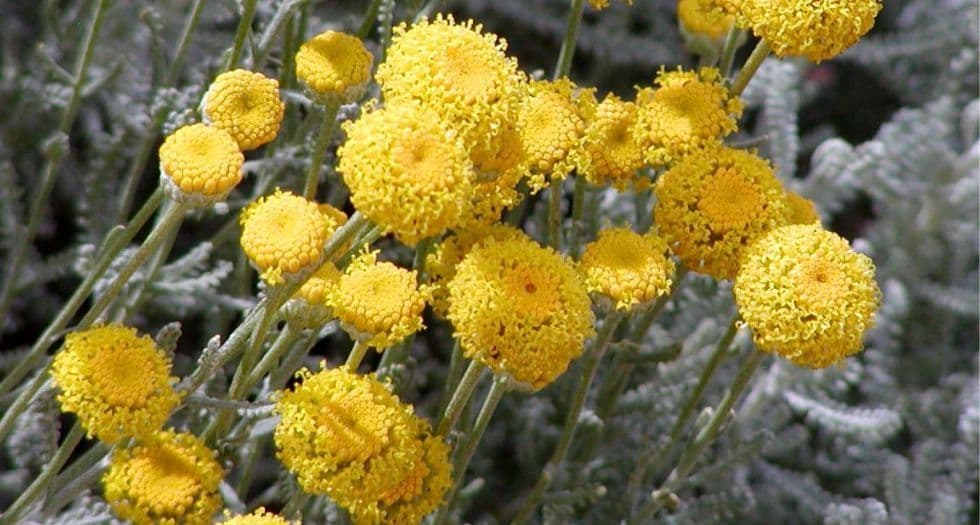
Santolina
Santolina (Santolina chamaecyparissus), commonly known as cotton lavender, is a small, silver-leaved aromatic shrub native to the Mediterranean basin. Despite its common name, it is not related to true lavender, belonging instead to the daisy family. Its tiny yellow button flowers and densely aromatic foliage have made it a staple of Mediterranean herb gardens and traditional perfumery. The scent of santolina is pungent, camphorous, and distinctly herbaceous — sharp and ancient in character. In perfumery, santolina contributes a bold, medicinal-herbal quality — strongly camphorous and slightly bitter, with a dry, dusty herbal character that evokes sun-baked Mediterranean hillsides and traditional apothecary gardens. It is more austere than lavender and more aromatic than most culinary herbs, lending a severity and authenticity to compositions that use it. It pairs beautifully with labdanum, cistus, lavender, and woody notes in Mediterranean-inspired aromatic structures. At Fragrenza, our santolina collection highlights fragrances that feature this bold, camphorous herb. These are scents with character, heritage, and a distinctly Mediterranean soul — and our high-quality dupes bring them to you at accessible prices. Explore the aromatic austerity of cotton lavender with Fragrenza.
- 🌿
Sardinian mastic
Sardinian mastic is a specialty note used to give a fragrance a distinctive texture, mood, or material impression. Depending on interpretation, it may contribute freshness, warmth, sweetness, dryness, softness, or an abstract atmospheric effect. In perfumery, specialty notes are useful because they make a composition feel more specific and less generic. It can be paired with woods, musks, florals, resins, fruits, green notes, spices, or amber materials according to the intended style.
- 🌿
Sassafras
Sassafras is a specialty note used to give a fragrance a distinctive texture, mood, or material impression. Depending on interpretation, it may contribute freshness, warmth, sweetness, dryness, softness, or an abstract atmospheric effect. In perfumery, specialty notes are useful because they make a composition feel more specific and less generic. It can be paired with woods, musks, florals, resins, fruits, green notes, spices, or amber materials according to the intended style.
satin
Satin as a fragrance note, like silk, is an accord rather than a natural extract — a carefully constructed olfactory interpretation of the tactile experience of satin fabric. Satin's characteristic sheen, smoothness, and cool-yet-warm surface quality presents a fascinating challenge to perfumers: how do you translate the visual and tactile opulence of gleaming fabric into scent? The satin accord answers with soft, lustrous, powdery-floral notes that feel draped and refined. In fragrance compositions, satin notes are smooth, slightly cool, and luminously powdery, with a delicate floral underpinning — often iris, violet, or light rose — combined with clean musks and subtle aldehydic brightness. The overall effect is one of polished elegance: a scent that feels dressed up but never heavy, radiant but never loud. It is frequently found in sophisticated feminine fragrances and luxury white musks, lending compositions a sense of sartorial refinement. At Fragrenza, our satin collection brings together fragrances that embody this smooth, lustrous accord. These are scents for moments of elegance — day or night, casual or formal. Explore our high-quality dupes and find the satin fragrance that feels perfectly tailored to you, at a price that feels as effortless as the fabric itself.
- 🌿
Satinwood
Satinwood refers to several fine tropical hardwoods prized for their lustrous, silky grain and warm golden color, most notably Ceylon satinwood (Chloroxylon swietenia) from Sri Lanka and India, and West Indian satinwood (Zanthoxylum flavum) from the Caribbean. Historically sought after for fine furniture, musical instruments, and luxury inlays, satinwood is associated with craftsmanship, refinement, and the enduring beauty of tropical timber. Its aromatic character is subtly sweet and woody. In perfumery, satinwood contributes a smooth, refined woody note — warm and slightly sweet, with a polished, almost lacquered quality that distinguishes it from rougher, earthier woods. It lacks the sharp creaminess of sandalwood or the pencil-shaving dryness of cedar, sitting instead in a refined middle ground: smooth, warm, and gently exotic. In compositions, it adds an air of crafted luxury and understated tropical warmth, pairing beautifully with florals, spices, and musks. At Fragrenza, our satinwood collection showcases fragrances that highlight this refined tropical wood. Inspired by the world's finest niche and designer perfumes, our high-quality dupes deliver the smooth, warm elegance of satinwood at an accessible price. Polish your signature scent.
- 🌿
Satsuma
Satsuma is a specialty note used to give a fragrance a distinctive texture, mood, or material impression. Depending on interpretation, it may contribute freshness, warmth, sweetness, dryness, softness, or an abstract atmospheric effect. In perfumery, specialty notes are useful because they make a composition feel more specific and less generic. It can be paired with woods, musks, florals, resins, fruits, green notes, spices, or amber materials according to the intended style.
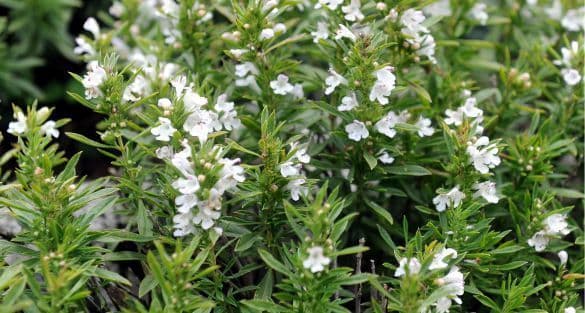
Satureja
Satureja, commonly known as savory, is a genus of aromatic herbs in the mint family, with two primary species used in cooking and perfumery: summer savory (Satureja hortensis) and winter savory (Satureja montana). Native to the Mediterranean basin, savory has been cultivated since antiquity as a culinary and medicinal herb. Its pungent, peppery aroma with thyme-like facets made it one of the most important herbs in ancient Roman and Greek kitchens. In perfumery, satureja contributes a sharp, peppery-herbal character — bold and assertive, with a spicy warmth reminiscent of thyme, oregano, and black pepper combined. It is more pungent than lavender and more intensely spiced than most culinary herbs used in fragrance, giving compositions a Mediterranean herbal backbone that is both rustic and sophisticated. It blends beautifully with lavender, rosemary, citrus, and earthy resins in classic aromatic fougères and herbal colognes. At Fragrenza, our satureja collection gathers fragrances that celebrate the bold, peppery-herbal energy of this ancient Mediterranean herb. Our high-quality dupes bring the finest savory-scented perfumes to you at an accessible price. Bold, aromatic, and thoroughly alive — discover your savory signature.
- 🌿
Sauvignon Blanc
Sauvignon Blanc is a specialty note used to give a fragrance a distinctive texture, mood, or material impression. Depending on interpretation, it may contribute freshness, warmth, sweetness, dryness, softness, or an abstract atmospheric effect. In perfumery, specialty notes are useful because they make a composition feel more specific and less generic. It can be paired with woods, musks, florals, resins, fruits, green notes, spices, or amber materials according to the intended style.
- 🌿
Savory
Savory is a specialty note used to give a fragrance a distinctive texture, mood, or material impression. Depending on interpretation, it may contribute freshness, warmth, sweetness, dryness, softness, or an abstract atmospheric effect. In perfumery, specialty notes are useful because they make a composition feel more specific and less generic. It can be paired with woods, musks, florals, resins, fruits, green notes, spices, or amber materials according to the intended style.
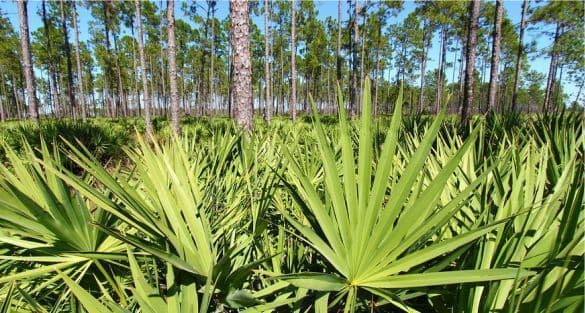
saw palmetto
Saw palmetto (Serenoa repens) is a small palm native to the southeastern United States, particularly the coastal plains and scrublands of Florida. Named for the sharp, serrated edges of its leaf stems, saw palmetto produces dark, olive-sized berries that have been used medicinally by Native Americans for centuries and remain widely used in herbal supplements today. As an aromatic ingredient, the plant contributes a distinctive woody, waxy, and subtly herbal-green character. In perfumery, saw palmetto adds a quiet, grounded quality — woody and slightly waxy, with a herbal-green undertone that feels earthy and natural without being sharp. It evokes sun-warmed scrublands, dry sandy soils, and the resilient, unpretentious character of coastal wilderness. In compositions, it functions as a naturalistic woody-herbal bridge, adding texture and a subtle Southern American botanical character. It pairs well with earthy musks, driftwood, citrus, and green herbs. At Fragrenza, our saw palmetto collection brings together fragrances that feature this understated, naturalistic note. These are scents with a quiet confidence and a grounded, outdoor character — inspired by the world's finest perfumers and available as high-quality dupes at a price that makes exploration effortless.
- 🌿
Sawara cypress
Sawara cypress is a woody note used to create structure, depth, and lasting warmth. Its scent may be dry, creamy, smoky, resinous, earthy, pencil-like, or polished depending on the wood or accord. In perfumery, woody notes support the whole composition and connect fresh openings with deeper bases. It pairs naturally with amber, musk, incense, leather, vetiver, patchouli, spices, citrus, and soft resins.
- 🌿
Sawdust
Sawdust is an earthy or mineral note that adds realism, dryness, and atmospheric depth. It may suggest soil, roots, stone, dust, damp ground, mushrooms, clay, or cool mineral surfaces depending on the accord. In perfumery, these notes make compositions feel grounded, natural, or avant-garde. It pairs well with vetiver, moss, patchouli, dry woods, leather, incense, rain notes, musk, and dark florals.
- 🌿
Scotch heather
Scotch heather is a specialty note used to give a fragrance a distinctive texture, mood, or material impression. Depending on interpretation, it may contribute freshness, warmth, sweetness, dryness, softness, or an abstract atmospheric effect. In perfumery, specialty notes are useful because they make a composition feel more specific and less generic. It can be paired with woods, musks, florals, resins, fruits, green notes, spices, or amber materials according to the intended style.
- 🌿
Scotch whisky
Scotch whisky is a specialty note used to give a fragrance a distinctive texture, mood, or material impression. Depending on interpretation, it may contribute freshness, warmth, sweetness, dryness, softness, or an abstract atmospheric effect. In perfumery, specialty notes are useful because they make a composition feel more specific and less generic. It can be paired with woods, musks, florals, resins, fruits, green notes, spices, or amber materials according to the intended style.
- 🌿
Scots Pine
Scots Pine is a woody note used to create structure, depth, and lasting warmth. Its scent may be dry, creamy, smoky, resinous, earthy, pencil-like, or polished depending on the wood or accord. In perfumery, woody notes often support the whole composition and help connect fresh openings with deeper bases. Scots Pine pairs naturally with amber, musk, incense, leather, vetiver, patchouli, spices, citrus, and soft resins, making it useful in masculine, feminine, and unisex fragrances.
- 🌿
Scottish hawthorn
Scottish hawthorn is a specialty note used to give a fragrance a distinctive texture, mood, or material impression. Depending on interpretation, it may contribute freshness, warmth, sweetness, dryness, softness, or an abstract atmospheric effect. In perfumery, specialty notes are useful because they make a composition feel more specific and less generic. It can be paired with woods, musks, florals, resins, fruits, green notes, spices, or amber materials according to the intended style.
- 🌿
Scottish lavender
Scottish lavender is a floral note that gives a fragrance softness, radiance, and emotional warmth. Depending on the flower or accord, it may feel fresh, creamy, powdery, honeyed, green, indolic, or airy. In perfumery, floral notes often form the heart of a composition, adding body and a recognizable signature. It pairs well with citrus, white musk, rose, jasmine, sandalwood, amber, vanilla, iris, and delicate fruits.
- 🌿
Scottish pine
Scottish pine is a woody note used to create structure, depth, and lasting warmth. Its scent may be dry, creamy, smoky, resinous, earthy, pencil-like, or polished depending on the wood or accord. In perfumery, woody notes support the whole composition and connect fresh openings with deeper bases. It pairs naturally with amber, musk, incense, leather, vetiver, patchouli, spices, citrus, and soft resins.

Sea (water) Notes
Sea Water Notes is an aquatic note that suggests clean water, sea air, dew, rain, or transparent freshness. In perfumery, it makes compositions feel lighter and more breathable, pairing well with citrus, white musk, lotus, cucumber, marine notes, and fresh florals.
- 🌿
Sea breeze
Sea breeze is an aquatic note that evokes water, sea air, rain, mineral freshness, or clean transparent space. It may be salty, ozonic, marine, watery, airy, or slightly green depending on the accord. In perfumery, aquatic notes bring freshness, diffusion, and a modern easy-to-wear character. Sea breeze pairs well with citrus, white musk, driftwood, lavender, sage, cucumber, marine notes, ambergris-style molecules, and pale woods.
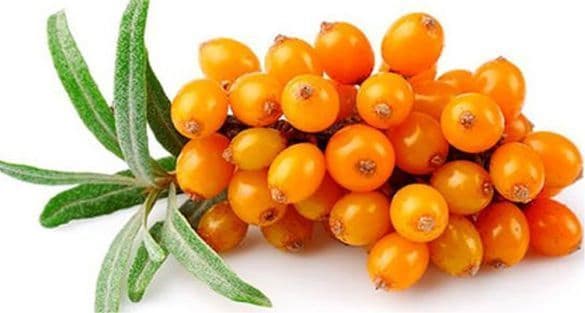
Sea Buckthorn
Sea buckthorn (Hippophae rhamnoides) is a thorny shrub native to the coastal and mountainous regions of Europe and Asia, producing vibrant clusters of small, brilliant orange berries that are packed with vitamins and nutrients. Long used in traditional medicine across Russia, China, and Scandinavia, sea buckthorn berries are celebrated for their tart, intensely fruity flavor and their rich, bright color. They have emerged in recent years as a highly prized ingredient in both cosmetics and perfumery. As a fragrance note, sea buckthorn is bright and tart — a vivid, orange-citrus-fruity burst with a slightly tropical edge and a refreshing acidity that keeps it energetic and lively. It is more complex than simple citrus, with a wild, slightly waxy fruitiness that feels both natural and exotic. In perfumery, it is used to add a sharp, radiant fruit note to compositions — particularly in fresh, vibrant, or fruity-floral structures, where its distinctive character brings immediate brightness and originality. At Fragrenza, our sea buckthorn collection showcases fragrances that feature this vivid, tart berry as a star note or dynamic accent. Our high-quality dupes are inspired by the world's finest perfumes, brought to you at an accessible price. Find your bright, vibrant sea buckthorn scent today.
- 🌿
Sea buckthorn CO2
Sea buckthorn CO2 is an aquatic note that evokes water, sea air, rain, mineral freshness, or clean transparent space. It can be salty, ozonic, marine, watery, airy, or slightly green depending on the accord. In perfumery, aquatic notes bring freshness, diffusion, and a modern easy-to-wear character. It pairs well with citrus, white musk, driftwood, lavender, sage, cucumber, marine notes, ambergris-style molecules, and pale woods.
- 🌿
Sea daffodil
Sea daffodil is an aquatic note that evokes water, sea air, rain, mineral freshness, or clean transparent space. It can be salty, ozonic, marine, watery, airy, or slightly green depending on the accord. In perfumery, aquatic notes bring freshness, diffusion, and a modern easy-to-wear character. It pairs well with citrus, white musk, driftwood, lavender, sage, cucumber, marine notes, ambergris-style molecules, and pale woods.
- 🌿
Sea lavender
Sea lavender is a floral note that gives a fragrance softness, radiance, and emotional warmth. Depending on the flower or accord, it may feel fresh, creamy, powdery, honeyed, green, indolic, or airy. In perfumery, floral notes often form the heart of a composition, adding body and a recognizable signature. It pairs well with citrus, white musk, rose, jasmine, sandalwood, amber, vanilla, iris, and delicate fruits.
- 🌿
Sea minerals
Sea minerals is an aquatic note that evokes water, sea air, rain, mineral freshness, or clean transparent space. It can be salty, ozonic, marine, watery, airy, or slightly green depending on the accord. In perfumery, aquatic notes bring freshness, diffusion, and a modern easy-to-wear character. It pairs well with citrus, white musk, driftwood, lavender, sage, cucumber, marine notes, ambergris-style molecules, and pale woods.
- 🌿
Sea mist
Sea mist is an aquatic note that evokes water, sea air, rain, mineral freshness, or clean transparent space. It can be salty, ozonic, marine, watery, airy, or slightly green depending on the accord. In perfumery, aquatic notes bring freshness, diffusion, and a modern easy-to-wear character. It pairs well with citrus, white musk, driftwood, lavender, sage, cucumber, marine notes, ambergris-style molecules, and pale woods.
- 🌿
Sea Notes
Sea Notes is an aquatic note that evokes water, sea air, mineral freshness, or clean transparent space. It can be salty, ozonic, airy, watery, or slightly green depending on the accord. In perfumery, aquatic notes bring lightness and diffusion, helping a fragrance feel fresh, modern, and easy to wear. They pair well with citrus, marine notes, driftwood, white musk, cucumber, lavender, ambergris-style molecules, and pale woods.
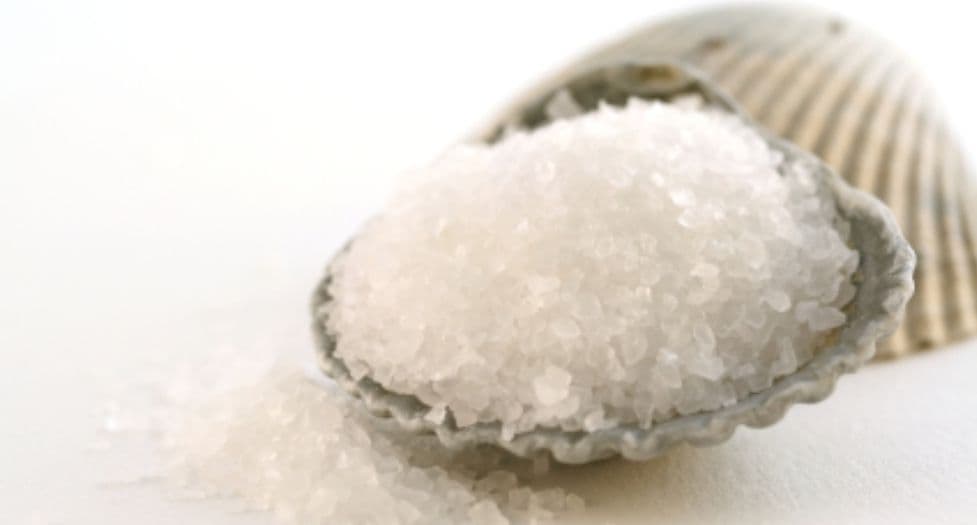
Sea Salt
Sea salt is a mineral note that evokes ocean air, sun-warmed skin, and salt crystals carried by coastal wind. In perfumery, it adds freshness, transparency, and a slightly savory marine edge. It works well with aquatic notes, driftwood, citrus, sage, musk, and ambergris-like molecules.
- 🌿
Sea shell
Sea shell is an aquatic note that evokes water, sea air, rain, mineral freshness, or clean transparent space. It can be salty, ozonic, marine, watery, airy, or slightly green depending on the accord. In perfumery, aquatic notes bring freshness, diffusion, and a modern easy-to-wear character. It pairs well with citrus, white musk, driftwood, lavender, sage, cucumber, marine notes, ambergris-style molecules, and pale woods.
Sea Shells
Sea shells are perhaps the most evocative objects of the seashore — smooth, mineral, sun-bleached relics of marine life that carry within them the whisper of the ocean. As a fragrance note, sea shells is a sophisticated mineral accord designed to capture the dry, salty, clean scent of shells gathered on a warm beach: that particular mix of calcium mineral, salt air, and sun-warmed surface that is instantly recognizable yet difficult to name. In perfumery, the sea shells note occupies a unique space at the intersection of marine and mineral accords. It is clean without being soapy, salty without being briny, and mineral without being cold. It evokes warm sand, bleached driftwood, and the quiet beauty of an empty beach at midday. Perfumers use it to add an airy, clean, beach-like quality to compositions — often in combination with musks, light woods, or solar florals to create an effortlessly summery, coastal elegance. At Fragrenza, our sea shells collection celebrates this beautiful, understated mineral note through a curated selection of high-quality fragrance dupes. Whether you want to carry the feeling of a sun-drenched beach year-round or simply love clean, mineral freshness, our accessible dupes bring the shore to you.
- 🌿
Sea water
The sea water accord is a modern synthetic construction that captures the multisensory experience of the open ocean — specifically the characteristic briny, mineral quality of seawater as it evaporates on skin or stone. Unlike pure water notes, which aim for clean transparency, the sea water accord incorporates the complexity of actual ocean water: dissolved salts, minerals, and the faint organic richness of marine life. Its development is rooted in the same synthetic breakthroughs of the late twentieth century that gave rise to the broader aquatic and marine fragrance genre. Olfactorily, sea water is briny, mineral, and freshly alive. It reads as the smell of a sea breeze carried inland — carrying salt crystals, cool mineral depth, and a faint marine aliveness without tipping into a literal seaweed or fishy direction. There is a clean, ozonic quality overlaying the brine, giving it brightness and lift. Sea water is an extremely effective compositional element for creating a sense of place — specifically the coast, the harbour, or the open water. It pairs naturally with driftwood, ambergris accords, aquatic florals, clean musks, and citrus notes. In perfumery, the sea water note is a defining element of the marine and aquatic fragrance family, beloved in coastal and summer-inspired compositions for both men and women. It evokes freedom, open air, and the specific pleasure of being near the ocean. At Fragrenza, our sea water accord brings an authentic coastal freshness to select fragrances in our dupe collection, delivering that liberating oceanic quality in high-quality formulations at genuinely accessible prices.
Seagrass
Seagrass is a marine green note that suggests coastal vegetation, wet leaves, tidal pools, and salty water. It is greener and more vegetal than sea salt, with a natural aquatic character. It fits marine, coastal, green, and mineral compositions.
- 🌿
Seawater
Seawater is an aquatic note that evokes water, sea air, rain, mineral freshness, or clean transparent space. It may be salty, ozonic, marine, watery, airy, or slightly green depending on the accord. In perfumery, aquatic notes bring freshness, diffusion, and a modern easy-to-wear character. Seawater pairs well with citrus, white musk, driftwood, lavender, sage, cucumber, marine notes, ambergris-style molecules, and pale woods.
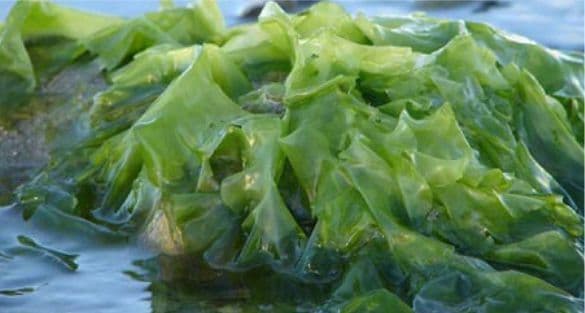
Seaweed
Seaweed encompasses a vast family of marine algae found in oceans across the globe, from the towering kelp forests of the Pacific to the delicate sea lettuce of tidal rock pools. Harvested for food, medicine, and cosmetics for thousands of years in coastal cultures from Japan to Ireland, seaweed carries an unmistakably oceanic identity. Its distinctive briny, mineral, and green aroma is the olfactory essence of the sea itself. In perfumery, seaweed is a key ingredient in marine and aquatic fragrances, delivering an authentic ocean freshness that synthetic sea accords often strive to replicate. It is simultaneously salty and green, with a cool, slightly iodine-like mineral character that evokes crashing waves, sea-spray, and kelp beds at low tide. In compositions, it adds credibility and a natural coastal depth to aquatic structures, and can be used more daringly to create avant-garde, oceanic-green contrasts with florals or woods. At Fragrenza, our seaweed collection brings together the finest marine-inspired fragrance dupes, capturing the bracing, invigorating character of the open ocean. Inspired by the world's most celebrated aquatic perfumes, these accessible luxury dupes let you carry the sea with you. Dive in.
- 🌿
Sencha
Sencha is a specialty note used to give a fragrance a distinctive texture, mood, or material impression. Depending on interpretation, it may contribute freshness, warmth, sweetness, dryness, softness, or an abstract atmospheric effect. In perfumery, specialty notes are useful because they make a composition feel more specific and less generic. It can be paired with woods, musks, florals, resins, fruits, green notes, spices, or amber materials according to the intended style.
- 🌿
Sensual skin accord
Sensual skin accord is a soft textural note that creates warmth, smoothness, and a skin-like finish. It can feel clean, powdery, woody, velvety, slightly fruity, or fabric-like depending on the accord. In perfumery, these notes help bind the formula, soften stronger materials, and extend wear without dominating the fragrance. Sensual skin accord pairs well with florals, woods, citrus, amber, iris, fruits, suede, vanilla, and transparent modern musks.

Sequoia
The sequoia, or coast redwood (Sequoia sempervirens), is among the tallest and most ancient living things on Earth. Native to the coastal forests of northern California and southern Oregon, these majestic giants can live for thousands of years, their thick, fibrous red-brown bark and towering canopies creating a cathedral-like atmosphere in the forest. The scent of sequoia — fresh, woody, slightly resinous, and alive with damp green forest air — is one of nature's most awe-inspiring olfactory experiences. In perfumery, sequoia wood contributes a clean, fresh coniferous character distinct from cedar or pine — lighter and more luminous, with a cool, slightly damp quality that evokes misty redwood forests. It adds a majestic, expansive quality to compositions, often used in woody aquatics, forest-fresh fragrances, and earthy fougères. Its freshness makes it versatile in both masculine and feminine structures, lending a sense of scale and natural grandeur. At Fragrenza, our sequoia collection brings the breathtaking atmosphere of the ancient redwood forest into wearable fragrance. These high-quality dupes capture the essence of towering trees and fresh forest air, inspired by the world's finest perfumes — at a price that lets you explore freely. Stand tall with sequoia.
- 🌿
Sequoia wood
Sequoia wood is a woody note used to create structure, depth, and lasting warmth. Its scent may be dry, creamy, smoky, resinous, earthy, pencil-like, or polished depending on the wood or accord. In perfumery, woody notes support the whole composition and connect fresh openings with deeper bases. It pairs naturally with amber, musk, incense, leather, vetiver, patchouli, spices, citrus, and soft resins.
Sesame
Sesame (Sesamum indicum) is one of humanity's oldest cultivated oilseed crops, with origins tracing to the Indian subcontinent and East Africa over 3,500 years ago. Prized across the Middle East, South Asia, North Africa, and East Asia for its rich, shelf-stable oil and distinctive flavour, sesame has long held cultural and culinary significance from Egyptian tomb offerings to Japanese goma preparations and Lebanese tahini. In perfumery, the sesame note — typically derived from the roasted or raw seed — is part of a growing appreciation for warm, edible, and culturally specific ingredients beyond the Western gourmand tradition. Olfactorily, sesame in fragrance is warm, subtly nutty, and gently earthy, with a soft, oily richness that is neither sharp nor aggressive. Roasted sesame adds a slight smokiness and depth reminiscent of toasted grains, while unroasted sesame reads more neutrally — clean, milky, and faintly sweet. Either way, the note carries an undeniable sense of the Middle Eastern and Asian kitchen: intimate, comforting, and slightly exotic to Western noses. It blends well with amber, vanilla, woods, honey, musks, and warm spices such as cardamom or cumin. In perfumery, sesame has been embraced by niche and artisan houses seeking to express non-Western culinary traditions through fragrance. It lends a quietly unusual warmth and textural richness to gourmand and oriental compositions. At Fragrenza, we welcome the distinctive character of sesame into our dupe fragrance collection, celebrating its nuanced warmth and cultural heritage in compositions that remain approachable and elegantly wearable at accessible prices.
- 🌿
Seville lavender
Seville lavender is a floral note that gives a fragrance softness, radiance, and emotional warmth. Depending on the flower or accord, it may feel fresh, creamy, powdery, honeyed, green, indolic, or airy. In perfumery, floral notes often form the heart of a composition, adding body and a recognizable signature. It pairs well with citrus, white musk, rose, jasmine, sandalwood, amber, vanilla, iris, and delicate fruits.
- 🌿
Shakira
Shakira is a specialty note used to give a fragrance a distinctive texture, mood, or material impression. Depending on interpretation, it may contribute freshness, warmth, sweetness, dryness, softness, or an abstract atmospheric effect. In perfumery, specialty notes are useful because they make a composition feel more specific and less generic. It can be paired with woods, musks, florals, resins, fruits, green notes, spices, or amber materials according to the intended style.
- 🌿
Sharry baby orchid
Sharry baby orchid is a floral note that gives a fragrance softness, radiance, and emotional warmth. Depending on the flower or accord, it may feel fresh, creamy, powdery, honeyed, green, indolic, or airy. In perfumery, floral notes often form the heart of a composition, adding body and a recognizable signature. It pairs well with citrus, white musk, rose, jasmine, sandalwood, amber, vanilla, iris, and delicate fruits.
- 🌿
Sherry
Sherry is a specialty note used to give a fragrance a distinctive texture, mood, or material impression. Depending on interpretation, it may contribute freshness, warmth, sweetness, dryness, softness, or an abstract atmospheric effect. In perfumery, specialty notes are useful because they make a composition feel more specific and less generic. It can be paired with woods, musks, florals, resins, fruits, green notes, spices, or amber materials according to the intended style.
- 🌿
Shisha vapor
Shisha vapor is a specialty note used to give a fragrance a distinctive texture, mood, or material impression. Depending on interpretation, it may contribute freshness, warmth, sweetness, dryness, softness, or an abstract atmospheric effect. In perfumery, specialty notes are useful because they make a composition feel more specific and less generic. It can be paired with woods, musks, florals, resins, fruits, green notes, spices, or amber materials according to the intended style.
Shiso
Shiso (Perilla frutescens), also known as perilla or Japanese basil, is a leafy herb beloved throughout East Asian cuisine, particularly in Japan and Korea. With large, serrated leaves that come in both green and purple varieties, shiso is a staple of Japanese cooking — used fresh in sushi, salads, and as a garnish. Its bold, complex aroma has made it an increasingly sought-after ingredient in contemporary perfumery. As a fragrance note, shiso is fascinatingly multi-dimensional: green and herbaceous at its core, with anise-like and minty facets layered over a cool, refreshing crispness. It shares some kinship with basil and mint but retains a distinctly Japanese character — a clean, precise freshness with subtle spice underneath. In perfumery, shiso is used to create vivid green accords, to brighten citrus compositions, and to add an unexpected herbal twist to florals or aquatics. At Fragrenza, our shiso collection celebrates the vibrant, green energy of this remarkable herb through carefully crafted fragrance dupes. If you're drawn to crisp, herbal, and refreshingly complex scents, this collection offers some of the most intriguing options at prices that welcome exploration. Discover the clean, bright world of shiso.
- 🌿
Shiso leaf
Shiso leaf is a green or aromatic note that evokes leaves, herbs, stems, fresh air, or crushed vegetation. Its profile can be crisp, bitter, watery, camphoraceous, grassy, or slightly earthy depending on the material. In perfumery, green notes add realism and lift, keeping sweet, floral, or woody compositions from feeling too heavy. Shiso leaf pairs well with citrus, tea, fig, violet leaf, galbanum, tomato leaf, white musk, vetiver, lavender, and light woods.
- 🌿
Shisolia®
Shisolia® is a specialty note used to give a fragrance a distinctive texture, mood, or material impression. Depending on interpretation, it may contribute freshness, warmth, sweetness, dryness, softness, or an abstract atmospheric effect. In perfumery, specialty notes are useful because they make a composition feel more specific and less generic. It can be paired with woods, musks, florals, resins, fruits, green notes, spices, or amber materials according to the intended style.
- 🌿
Shoe polish
Shoe polish is a specialty note used to give a fragrance a distinctive texture, mood, or material impression. Depending on interpretation, it may contribute freshness, warmth, sweetness, dryness, softness, or an abstract atmospheric effect. In perfumery, specialty notes are useful because they make a composition feel more specific and less generic. It can be paired with woods, musks, florals, resins, fruits, green notes, spices, or amber materials according to the intended style.
- 🌿
Shore pine
Shore pine is a woody note used to create structure, depth, and lasting warmth. Its scent may be dry, creamy, smoky, resinous, earthy, pencil-like, or polished depending on the wood or accord. In perfumery, woody notes support the whole composition and connect fresh openings with deeper bases. It pairs naturally with amber, musk, incense, leather, vetiver, patchouli, spices, citrus, and soft resins.
Siam
Siam is an evocative fragrance accord drawn from the rich aromatic heritage of Southeast Asia, most notably referencing Siam benzoin — a balsamic resin harvested from Styrax tonkinensis trees in Thailand, Laos, and Vietnam. Sometimes also evoking Siam wood, the accord carries the warm, sweet, resinous character of this ancient trading region. Benzoin resin has been used in incense, medicine, and perfumery for thousands of years. In perfumery, Siam notes are rich, sweet, and warmly balsamic, with pronounced vanilla-like facets and a smooth, almost edible resinous depth. The scent is enveloping and comforting, with a subtle smokiness and incense-like quality that adds spiritual depth to any composition. It is a beloved base note, used to anchor oriental and amber fragrances, and to add radiant warmth to florals, musks, and woods. Fragrenza's Siam collection gathers together the most beautiful fragrance dupes that celebrate this rich, resinous accord. Whether you're drawn to its vanilla-sweet warmth or its incense-tinged mystery, our high-quality inspirations deliver the full experience of Siam's balsamic splendor at an accessible price.
Siam Benzoin
Siam benzoin is a balsamic resin with warm vanilla, honey, cinnamon, and soft amber facets. It is smoother and sweeter than many other resins, making it valuable in oriental, amber, vanilla, incense, and gourmand fragrances. It adds warmth, softness, and excellent longevity.
- 🌿
Siam tolu balm
Siam tolu balm is a warm ambered or resinous note used to give fragrance depth, softness, and long-lasting richness. It can smell balsamic, sweet, smoky, vanillic, woody, powdery, or incense-like depending on the material. In perfumery, it rounds sharp edges and creates a smooth base that holds the composition together. It pairs well with woods, musks, spices, vanilla, tobacco, leather, florals, oud, and other resins.
- 🌿
Siberian deer musk
Siberian deer musk is a soft textural note that creates warmth, smoothness, and a skin-like finish. It can feel clean, powdery, woody, velvety, slightly fruity, or fabric-like depending on the accord. In perfumery, these notes help bind the formula, soften stronger materials, and extend wear without dominating the fragrance. Siberian deer musk pairs well with florals, woods, citrus, amber, iris, fruits, suede, vanilla, and transparent modern musks.
- 🌿
Siberian deer musk absolute
Siberian deer musk absolute is a soft textural note that creates warmth, smoothness, and a skin-like finish. It may feel clean, powdery, woody, velvety, slightly fruity, or fabric-like depending on the accord. In perfumery, these notes bind the formula, soften stronger materials, and extend wear without dominating the fragrance. It pairs well with florals, woods, citrus, amber, iris, fruits, suede, vanilla, and transparent musks.
- 🌿
Siberian fir
Siberian fir is a woody note used to create structure, depth, and lasting warmth. Its scent may be dry, creamy, smoky, resinous, earthy, pencil-like, or polished depending on the wood or accord. In perfumery, woody notes support the whole composition and connect fresh openings with deeper bases. It pairs naturally with amber, musk, incense, leather, vetiver, patchouli, spices, citrus, and soft resins.
- 🌿
Siberian iris
Siberian iris is a floral note that gives a fragrance softness, radiance, and emotional warmth. Depending on the flower or accord, it may feel fresh, creamy, powdery, honeyed, green, indolic, or airy. In perfumery, floral notes often form the heart of a composition, adding body and a recognizable signature. It pairs well with citrus, white musk, rose, jasmine, sandalwood, amber, vanilla, iris, and delicate fruits.
- 🌿
Siberian musk
Siberian musk is a soft textural note that creates warmth, smoothness, and a skin-like finish. It may feel clean, powdery, woody, velvety, slightly fruity, or fabric-like depending on the accord. In perfumery, these notes bind the formula, soften stronger materials, and extend wear without dominating the fragrance. It pairs well with florals, woods, citrus, amber, iris, fruits, suede, vanilla, and transparent musks.
- 🌿
Siberian pine absolute
Siberian pine absolute is a woody note used to create structure, depth, and lasting warmth. Its scent may be dry, creamy, smoky, resinous, earthy, pencil-like, or polished depending on the wood or accord. In perfumery, woody notes support the whole composition and connect fresh openings with deeper bases. It pairs naturally with amber, musk, incense, leather, vetiver, patchouli, spices, citrus, and soft resins.
- 🌿
Siberian stone pine
Siberian stone pine is a woody note used to create structure, depth, and lasting warmth. Its scent may be dry, creamy, smoky, resinous, earthy, pencil-like, or polished depending on the wood or accord. In perfumery, woody notes often support the whole composition and help connect fresh openings with deeper bases. Siberian stone pine pairs naturally with amber, musk, incense, leather, vetiver, patchouli, spices, citrus, and soft resins, making it useful in masculine, feminine, and unisex fragrances.
Sichuan Pepper
Sichuan pepper, harvested from the prickly ash shrub (Zanthoxylum simulans and related species) native to the Sichuan province of China, is unlike any other spice in the world. Its berries produce a unique tingling, numbing sensation on the tongue known as má in Chinese, paired with a bright, citrusy, and distinctly floral-spicy aroma. Long a cornerstone of Chinese cuisine, it has also found a celebrated place in modern niche perfumery. As a fragrance note, Sichuan pepper is electric and vibrant — citrusy yet spicy, with a characteristic fizzing, almost effervescent quality that makes it feel alive on the skin. It adds a kinetic energy to compositions, often used in the top or heart notes to create an arresting, dynamic opening. It pairs exceptionally well with woods, ambers, resins, and cool aquatics, bringing a sophisticated, slightly exotic spice that is more nuanced than black pepper and more piquant than pink pepper. At Fragrenza, our Sichuan pepper collection showcases the most exciting fragrances that harness this electrifying ingredient. These are bold, modern scents with serious character — and our high-quality dupes bring them to you at a fraction of the price. Discover the tingle.
- 🌿
Sicilian almond blossom
Sicilian almond blossom is a floral note that gives a fragrance softness, radiance, and emotional warmth. Depending on the flower or accord, it may feel fresh, creamy, powdery, honeyed, green, indolic, or airy. In perfumery, floral notes often form the heart of a composition, adding body and a recognizable signature. It pairs well with citrus, white musk, rose, jasmine, sandalwood, amber, vanilla, iris, and delicate fruits.
- 🌿
Sicilian Bergamot
Sicilian Bergamot is a bright citrus note valued for its clean sparkle, juicy freshness, and elegant peel-like bitterness. In perfumery, it is often used in the opening of a composition to create lift, clarity, and immediate radiance. Depending on the material, it can feel zesty, floral, green, sweet, or slightly bitter, making it more complex than simple lemony freshness. It pairs beautifully with neroli, tea, aromatic herbs, white musk, light woods, florals, and aquatic notes.
- 🌿
Sicilian blood orange
Sicilian blood orange is a bright citrus note that brings sparkle, freshness, and immediate lift to a fragrance. Its profile may include juicy pulp, aromatic peel, green bitterness, soft floral facets, or a slightly sharp zest depending on the material. In perfumery, it is most often used in the opening, where it gives clarity and movement before blending into florals, woods, musks, or herbs. Sicilian blood orange works especially well with neroli, tea, lavender, white musk, light woods, aquatic notes, and aromatic herbs.
- 🌿
Sicilian citron
Sicilian citron is a citrus note that adds sparkle, freshness, and immediate lift to a fragrance. Its profile can include juicy pulp, aromatic peel, green bitterness, soft floral nuances, or a sharp zesty brightness depending on the material. In perfumery, it is usually used in the opening, where it brings clarity and motion before blending into florals, woods, musks, or herbs. It pairs well with neroli, tea, lavender, white musk, light woods, aquatic notes, and aromatic herbs.
- 🌿
Sicilian citrus
Sicilian citrus is a citrus note that adds sparkle, freshness, and immediate lift to a fragrance. Its profile can include juicy pulp, aromatic peel, green bitterness, soft floral nuances, or a sharp zesty brightness depending on the material. In perfumery, it is usually used in the opening, where it brings clarity and motion before blending into florals, woods, musks, or herbs. It pairs well with neroli, tea, lavender, white musk, light woods, aquatic notes, and aromatic herbs.
- 🌿
Sicilian citrus fruits
Sicilian citrus fruits is a citrus note that adds sparkle, freshness, and immediate lift to a fragrance. Its profile can include juicy pulp, aromatic peel, green bitterness, soft floral nuances, or a sharp zesty brightness depending on the material. In perfumery, it is usually used in the opening, where it brings clarity and motion before blending into florals, woods, musks, or herbs. It pairs well with neroli, tea, lavender, white musk, light woods, aquatic notes, and aromatic herbs.
- 🌿
Sicilian grapefruit
Sicilian grapefruit is a citrus note that adds sparkle, freshness, and immediate lift to a fragrance. Its profile can include juicy pulp, aromatic peel, green bitterness, soft floral nuances, or a sharp zesty brightness depending on the material. In perfumery, it is usually used in the opening, where it brings clarity and motion before blending into florals, woods, musks, or herbs. It pairs well with neroli, tea, lavender, white musk, light woods, aquatic notes, and aromatic herbs.
Sicilian Lemon
Sicilian Lemon is a bright citrus note with zesty peel, juicy freshness, and a clean sparkling lift. In perfumery, it brings energy and radiance to openings, pairing well with neroli, tea, herbs, musks, woods, aquatic notes, and light florals.
- 🌿
Sicilian lemon leaf
Sicilian lemon leaf is a citrus note that adds sparkle, freshness, and immediate lift to a fragrance. Its profile can include juicy pulp, aromatic peel, green bitterness, soft floral nuances, or a sharp zesty brightness depending on the material. In perfumery, it is usually used in the opening, where it brings clarity and motion before blending into florals, woods, musks, or herbs. It pairs well with neroli, tea, lavender, white musk, light woods, aquatic notes, and aromatic herbs.
- 🌿
Sicilian lemon zest
Sicilian lemon zest is a citrus note that adds sparkle, freshness, and immediate lift to a fragrance. Its profile can include juicy pulp, aromatic peel, green bitterness, soft floral nuances, or a sharp zesty brightness depending on the material. In perfumery, it is usually used in the opening, where it brings clarity and motion before blending into florals, woods, musks, or herbs. It pairs well with neroli, tea, lavender, white musk, light woods, aquatic notes, and aromatic herbs.
- 🌿
Sicilian lime
Sicilian lime is a citrus note that adds sparkle, freshness, and immediate lift to a fragrance. Its profile can include juicy pulp, aromatic peel, green bitterness, soft floral nuances, or a sharp zesty brightness depending on the material. In perfumery, it is usually used in the opening, where it brings clarity and motion before blending into florals, woods, musks, or herbs. It pairs well with neroli, tea, lavender, white musk, light woods, aquatic notes, and aromatic herbs.
- 🌿
Sicilian Mandarin
Sicilian Mandarin is a bright citrus note that brings sparkle, freshness, and immediate lift to a fragrance. Its profile may include juicy pulp, aromatic peel, green bitterness, soft floral facets, or a slightly sharp zest depending on the material. In perfumery, it is most often used in the opening, where it gives clarity and movement before blending into florals, woods, musks, or herbs. Sicilian Mandarin works especially well with neroli, tea, lavender, white musk, light woods, aquatic notes, and aromatic herbs.
- 🌿
Sicilian mandarin orange
Sicilian mandarin orange is a bright citrus note that brings sparkle, freshness, and immediate lift to a fragrance. Its profile may include juicy pulp, aromatic peel, green bitterness, soft floral facets, or a slightly sharp zest depending on the material. In perfumery, it is most often used in the opening, where it gives clarity and movement before blending into florals, woods, musks, or herbs. Sicilian mandarin orange works especially well with neroli, tea, lavender, white musk, light woods, aquatic notes, and aromatic herbs.
- 🌿
Sicilian melon
Sicilian melon is a fruity note that adds juiciness, color, and natural sweetness. It may feel crisp and tart, ripe and velvety, tropical and creamy, or dark and jammy depending on the fruit profile. In perfumery, fruity notes brighten florals, soften musks, and add pleasure to gourmand or woody structures. It pairs well with rose, peony, jasmine, white musk, vanilla, woods, citrus, amber, and soft spices.
Sicilian Orange
Sicilian Orange is a bright citrus note with zesty peel, juicy freshness, and a clean sparkling lift. In perfumery, it brings energy and radiance to openings, pairing well with neroli, tea, herbs, musks, woods, aquatic notes, and light florals.
- 🌿
Sicilian petitgrain
Sicilian petitgrain is a citrus note that adds sparkle, freshness, and immediate lift to a fragrance. Its profile can include juicy pulp, aromatic peel, green bitterness, soft floral nuances, or a sharp zesty brightness depending on the material. In perfumery, it is usually used in the opening, where it brings clarity and motion before blending into florals, woods, musks, or herbs. It pairs well with neroli, tea, lavender, white musk, light woods, aquatic notes, and aromatic herbs.
- 🌿
Silk
Silk as a fragrance note is not derived from the silkworm's thread itself but from a sophisticated accord — a carefully constructed blend of aromatic molecules designed to evoke the tactile sensation and warmth of fine silk fabric. The concept of translating texture into scent is one of perfumery's most elegant challenges, and the silk accord does so beautifully, conjuring the smooth, weightless luxury of silk against the skin. Olfactorily, silk notes are typically soft, powdery, and skin-like, with a clean warmth that feels intimate and seamless. They often incorporate musks, light florals, and subtle aldehydic or lactonic elements to create that characteristic smoothness. In a fragrance composition, a silk accord acts as a unifying thread, softening edges, adding sensuality, and lending the overall scent a polished, second-skin quality. It is frequently found in chic, minimalist, and skin-scent perfumes. At Fragrenza, our silk collection highlights fragrances that make this refined, tactile accord their signature. These are scents that feel as luxurious as they smell — smooth, intimate, and beautifully wearable. Explore our selection of high-quality dupes and find your perfect silk fragrance at an accessible price.
Silk Tree Blossom
The silk tree, Albizia julibrissin, is a graceful flowering tree native to Asia and widely cultivated for its spectacular feathery pink blossoms. Often called the mimosa silk tree, its flowers bloom in soft, brush-like clusters that shimmer in the breeze, emitting a delicate, powdery-sweet fragrance that has captivated perfumers and botanists alike. The tree thrives in warm climates and is celebrated as much for its visual beauty as for its scent. In perfumery, silk tree blossom occupies a soft, romantic space — powdery and sweet yet unmistakably floral, with a gentle warmth that feels almost tactile. Its scent recalls baby powder, fresh mimosa, and a whisper of honey, making it a beloved choice for feminine, spring-forward fragrances. It blends harmoniously with rose, iris, violet, and musk, lending compositions an airy, luminous quality that feels effortlessly elegant. Fragrenza's silk tree blossom collection celebrates this enchanting floral note through carefully crafted fragrance dupes inspired by the world's finest perfumes. Discover the soft, powdery magic of albizia blossom at a price that makes luxury feel natural.
Silk Vine
كرمة الحرير نوتة نباتية رقيقة مستوحاة من نبات متسلق ذي حضور زخرفي وطابع أخضر ناعم. في العطور يمكن أن تُفسّر كرائحة خضراء زهرية خفيفة، تجمع بين الأوراق، السيقان، ولمسة زهرية هادئة غير صاخبة. تصلح هذه النوتة للتركيبات التي تبحث عن إحساس طبيعي، ناعم، وممتد مثل نبات يتسلق في حديقة دافئة. ليست نوتة قوية أو درامية، بل تضيف ملمسًا نباتيًا شفافًا يساعد على تلطيف الزهور أو المسك. تنسجم كرمة الحرير مع الزهور البيضاء الخفيفة، اللبلاب، الشاي، المسك النظيف، الأخشاب الفاتحة، والنوتات المائية. وهي مناسبة للعطور الخضراء الهادئة، الزهرية الناعمة، والتركيبات الطبيعية اليومية.
- 🌿
Silkwood Blossom
Silkwood Blossom is a floral note that gives a fragrance softness, radiance, and emotional warmth. Depending on the flower or accord, it may feel fresh, creamy, powdery, honeyed, green, indolic, or airy. In perfumery, floral notes often form the heart of a composition, adding body and a recognizable signature. It pairs well with citrus, white musk, rose, jasmine, sandalwood, amber, vanilla, iris, and delicate fruits.
- 🌿
Silphium accord
Silphium accord is a specialty note used to give a fragrance a distinctive texture, mood, or material impression. Depending on interpretation, it may contribute freshness, warmth, sweetness, dryness, softness, or an abstract atmospheric effect. In perfumery, specialty notes are useful because they make a composition feel more specific and less generic. It can be paired with woods, musks, florals, resins, fruits, green notes, spices, or amber materials according to the intended style.
- 🌿
Silvanone®
Silvanone® is a specialty note used to give a fragrance a distinctive texture, mood, or material impression. Depending on interpretation, it may contribute freshness, warmth, sweetness, dryness, softness, or an abstract atmospheric effect. In perfumery, specialty notes are useful because they make a composition feel more specific and less generic. It can be paired with woods, musks, florals, resins, fruits, green notes, spices, or amber materials according to the intended style.
- 🌿
Silver birch
Silver birch is a woody note used to create structure, depth, and lasting warmth. Its scent may be dry, creamy, smoky, resinous, earthy, pencil-like, or polished depending on the wood or accord. In perfumery, woody notes often support the whole composition and help connect fresh openings with deeper bases. Silver birch pairs naturally with amber, musk, incense, leather, vetiver, patchouli, spices, citrus, and soft resins, making it useful in masculine, feminine, and unisex fragrances.
- 🌿
Silver fir
Silver fir is a specialty note used to give a fragrance a distinctive texture, mood, or material impression. Depending on interpretation, it may contribute freshness, warmth, sweetness, dryness, softness, or an abstract atmospheric effect. In perfumery, specialty notes are valuable because they make a composition feel more specific and less generic. Silver fir can be paired with woods, musks, florals, resins, fruits, green notes, spices, or amber materials according to the intended style.
- 🌿
Silver fir cone
Silver fir cone is a woody note used to create structure, depth, and lasting warmth. Its scent may be dry, creamy, smoky, resinous, earthy, pencil-like, or polished depending on the wood or accord. In perfumery, woody notes support the whole composition and connect fresh openings with deeper bases. It pairs naturally with amber, musk, incense, leather, vetiver, patchouli, spices, citrus, and soft resins.
- 🌿
Silver fir needle
Silver fir needle is a woody note used to create structure, depth, and lasting warmth. Its scent may be dry, creamy, smoky, resinous, earthy, pencil-like, or polished depending on the wood or accord. In perfumery, woody notes support the whole composition and connect fresh openings with deeper bases. It pairs naturally with amber, musk, incense, leather, vetiver, patchouli, spices, citrus, and soft resins.
- 🌿
Sinfonide®
Sinfonide® is a specialty note used to give a fragrance a distinctive texture, mood, or material impression. Depending on interpretation, it may contribute freshness, warmth, sweetness, dryness, softness, or an abstract atmospheric effect. In perfumery, specialty notes are useful because they make a composition feel more specific and less generic. It can be paired with woods, musks, florals, resins, fruits, green notes, spices, or amber materials according to the intended style.
- 🌿
Singapore patchouli
Singapore patchouli is a woody note used to create structure, depth, and lasting warmth. Its scent may be dry, creamy, smoky, resinous, earthy, pencil-like, or polished depending on the wood or accord. In perfumery, woody notes support the whole composition and connect fresh openings with deeper bases. It pairs naturally with amber, musk, incense, leather, vetiver, patchouli, spices, citrus, and soft resins.
- 🌿
Single malt scotch whisky
Single malt scotch whisky is a gourmand note that adds edible warmth, sweetness, and comfort. It may suggest cream, sugar, nuts, chocolate, coffee, honey, pastry, or toasted grains depending on the accord. In perfumery, gourmand notes make compositions feel cozy and sensual, but they work best when balanced with woods, musks, spices, citrus, or resins. It pairs well with vanilla, tonka bean, sandalwood, amber, caramel, cacao, coffee, and soft florals.
- 🌿
Single malt whisky
Single malt whisky is a gourmand note that adds edible warmth, sweetness, and comfort. It may suggest cream, sugar, nuts, chocolate, coffee, honey, pastry, or toasted grains depending on the accord. In perfumery, gourmand notes make compositions feel cozy and sensual, but they work best when balanced with woods, musks, spices, citrus, or resins. It pairs well with vanilla, tonka bean, sandalwood, amber, caramel, cacao, coffee, and soft florals.

Slate
Skatole (3-methylindole) is one of perfumery's most fascinatingly paradoxical molecules. In isolation and at high concentrations, it is the primary odorant of animal faeces — and yet, at the extreme dilutions used by master perfumers, skatole becomes something transformed: animalic but intimate, warm and skin-like, with a depth and physicality that more "polished" ingredients simply cannot replicate. It is among the most instructive examples in all of fragrance of the way concentration completely transforms olfactory character. Skatole occurs naturally in a remarkable range of pleasant-smelling materials: jasmine absolute contains significant quantities of it, contributing to jasmine's deep, slightly indolic richness. Orange blossom, tuberose, and many other white florals also carry trace amounts of skatole, which is precisely what gives them their complex, almost carnal warmth beneath the floral sweetness. In perfumery, it is used at extremely low levels to add animalic depth, sensual warmth, and the kind of raw, intimate quality that makes a fragrance truly unforgettable. Understanding skatole is understanding something fundamental about the alchemy of perfumery — the transformation of the difficult into the beautiful. At Fragrenza, our skatole collection presents the finest dupes of those deep, sensual, animalic-edged fragrances where this remarkable molecule works its transformative magic.
Smoke
Smoke is one of perfumery's oldest and most powerful notes — with roots stretching back to the very origins of fragrance itself. The word "perfume" derives from the Latin "per fumum" — through smoke — and for millennia, burning aromatic woods, resins, and herbs was the primary way humanity engaged with scent. Smoke notes in modern perfumery range enormously: from the transparent, incense-like smokiness of frankincense to the dense, atmospheric darkness of a dying bonfire, from the clean sharpness of birch tar to the leathery depth of charred oak. Contemporary perfumers work with smoke using a toolkit of both natural and synthetic materials: birch tar, castoreum, guaiac wood, smoked musks, and various pyrazine-based molecules that evoke the complex chemistry of combustion. The result can be meditative and incense-like, brooding and atmospheric, or raw and elemental. Smoke pairs beautifully with dark woods, resins, leather, and even unexpected florals, creating some of perfumery's most memorable and boundary-pushing creations. A smoke-forward fragrance makes a bold, unforgettable statement — primal, atmospheric, deeply compelling. At Fragrenza, our smoke collection brings you the finest dupes of the world's most celebrated smoky fragrances, from refined incense to raw bonfire — all delivered with our signature quality and accessibility.
- 🌿
Smoke bush
Smoke bush is a dark textured note that may suggest leather, smoke, tobacco, tar, ash, or warm dry materials. It gives fragrance depth, sensuality, and a more dramatic atmosphere. In perfumery, smoky and leathery notes are often used in bases, where they add strength and character without needing sweetness. It pairs well with oud, saffron, birch tar, amber, tobacco, rose, patchouli, vetiver, incense, and dry woods.
- 🌿
Smoked pine
Smoked pine is a woody note used to create structure, depth, and lasting warmth. Its scent may be dry, creamy, smoky, resinous, earthy, pencil-like, or polished depending on the wood or accord. In perfumery, woody notes support the whole composition and connect fresh openings with deeper bases. It pairs naturally with amber, musk, incense, leather, vetiver, patchouli, spices, citrus, and soft resins.
- 🌿
Smoked tea
Smoked tea is a green or aromatic note that evokes leaves, herbs, stems, fresh air, or crushed vegetation. Its profile can be crisp, bitter, watery, camphoraceous, grassy, or slightly earthy depending on the material. In perfumery, green notes add realism and lift, keeping sweet, floral, or woody compositions from feeling too heavy. It pairs well with citrus, tea, fig, violet leaf, galbanum, tomato leaf, white musk, vetiver, lavender, and light woods.
- 🌿
Smoked wood
Smoked wood is a woody note used to create structure, depth, and lasting warmth. Its scent may be dry, creamy, smoky, resinous, earthy, pencil-like, or polished depending on the wood or accord. In perfumery, woody notes support the whole composition and connect fresh openings with deeper bases. It pairs naturally with amber, musk, incense, leather, vetiver, patchouli, spices, citrus, and soft resins.
Smoketree
The smoketree (Cotinus coggygria) is one of the most theatrically beautiful shrubs in the plant world — in summer, clouds of feathery, hair-like flower structures surround the tiny blossoms, creating the illusion of puffs of smoke hovering above the branches, particularly stunning when the foliage is deep burgundy. The fragrance of smoketree is as unusual as its appearance: airy and slightly smoky, woody-herbal, with a faintly sweet-sour quality and a resinous depth that carries a shadow of the distant smoke it so visually resembles. In perfumery, smoketree is a rare and fascinating note — sitting at an extraordinary crossroads between smoky, floral, and woody-herbal. It offers something different from both straightforward smoke accords (campfire, incense) and conventional florals, lending a botanical smokiness that feels organic and alive rather than merely atmospheric. Perfumers use it to add a dreamlike, slightly mysterious quality to compositions, often pairing it with dusty iris, cool woods, and wispy musks. The smoketree is a gift to perfumers who love the liminal — notes that sit between categories, that resist easy definition. At Fragrenza, our smoketree collection presents dupes of rare and beautiful fragrances where this extraordinary botanical lends its singular, smoky-floral character.
- 🌿
Smoky notes
Smoky notes is a dark textured note that can suggest leather, smoke, tobacco, tar, or warm dry materials. It gives fragrance depth, sensuality, and a more dramatic atmosphere. In perfumery, smoky and leathery notes are often used in bases, where they add strength and character without needing sweetness. Smoky notes pairs well with oud, saffron, birch tar, amber, tobacco, rose, patchouli, vetiver, incense, and dry woods.

Snake Plant
The snake plant (Dracaena trifasciata, formerly Sansevieria) is one of the world's most recognisable houseplants — upright, architectural, and extraordinarily resilient. Its long, stiff, variegated leaves have a distinctive scent: green and clean, with a slightly watery freshness, a faintly earthy quality from the succulent leaf tissue, and an overall crispness that is both energising and calming. It is a subtle, indoor-green scent — not the vivid chlorophyll blast of cut grass, but something quieter and more considered. As a perfumery note, snake plant captures a growing interest in the scents of the cultivated indoor world — houseplants, terracotta pots, greenhouse glass, the green domesticity of spaces we have filled with living things. It brings a clean, breathing freshness to fragrance compositions, pairing naturally with other green notes, light musks, and earthy accords that evoke contemporary living and a mindful relationship with nature. A snake plant fragrance is for the thoughtful, the green-thumbed, and those who find as much beauty in a well-tended houseplant as in a wildflower meadow. At Fragrenza, our snake plant collection offers dupes of innovative green-clean fragrances where this quiet, architectural scent plays a fresh and distinctive role.

snow
Snow is one of the most atmospheric notes in perfumery — an accord that captures not the scent of snow itself (which scientists tell us is effectively odourless) but the sensation of it: the icy air that precedes a snowfall, the mineral coldness of a winter landscape, the strange silence and brightness that snow brings to the world. It is constructed primarily from ozonic materials, cool aldehydes, light musks, and faintly mineral elements, all calibrated to evoke a particular kind of clean, wintry purity. Snow accords have become central to an entire genre of cold-weather and winter fragrances, capturing the crystalline freshness of frozen landscapes. They work in counterpoint to warm and cosy ingredients like musks, vanilla, and woods — adding a brightness and crispness that prevents winter fragrances from becoming heavy. Snow notes are also beloved in aquatic and clean fresh fragrances, where they bring a seasonal edge to universal freshness. There is something uniquely calming and beautiful about the scent of snow — a reset, a silence, a new beginning. At Fragrenza, our snow collection gathers the finest dupes of fragrances that have bottled winter's icy, luminous magic, from soft ozonic whispers to deep winter atmospheric accords.
- 🌿
Snow flower
Snow flower is a floral note that gives a fragrance softness, radiance, and emotional warmth. Depending on the flower or accord, it may feel fresh, creamy, powdery, honeyed, green, indolic, or airy. In perfumery, floral notes often form the heart of a composition, adding body and a recognizable signature. It pairs well with citrus, white musk, rose, jasmine, sandalwood, amber, vanilla, iris, and delicate fruits.
Snowberry
Snowberry is a pale berry note inspired by the ornamental shrub known for its white berries. In perfumery, it can suggest a delicate fruity-green accord with cool berry, watery, soft floral, and clean musky facets. It suits fresh, wintery, and soft fruity compositions.
- 🌿
Snowdrop
Snowdrop is a specialty note used to give a fragrance a distinctive texture, mood, or material impression. Depending on interpretation, it may contribute freshness, warmth, sweetness, dryness, softness, or an abstract atmospheric effect. In perfumery, specialty notes are valuable because they make a composition feel more specific and less generic. Snowdrop can be paired with woods, musks, florals, resins, fruits, green notes, spices, or amber materials according to the intended style.
Snowdrops
Snowdrops (Galanthus nivalis) are among the most moving flowers in nature — tiny, white, and brave, they push through frozen soil to bloom in the coldest weeks of late winter, long before any other flower dares show itself. Their delicate, nodding white heads carry a fragrance that is as subtle as it is unforgettable: cool and clean, with a faint honeyed sweetness, a green freshness from the stem, and a gentle floral warmth that feels like the first promise of spring. As a perfumery note, snowdrop sits in a rare category — genuinely cold-feeling yet floral, minimalist yet moving. It shares qualities with lily of the valley and white musks while maintaining its own distinctive icy-fresh character. Perfumers use snowdrop to bring lightness, delicacy, and a sense of seasonal awakening to compositions. It pairs beautifully with clean musks, green notes, and the softest white florals, creating fragrances that feel like winter releasing its grip on the world. A snowdrop fragrance is for those who find beauty in the quiet and the understated. At Fragrenza, our snowdrops collection brings you the most exquisite dupes of perfumes that have captured this rare, cold-beautiful floral — delicate, hopeful, and completely lovely.
soap
The soap note occupies a uniquely beloved corner of perfumery — it is at once simple and deeply sophisticated, evoking cleanliness, comfort, and a particular kind of optimistic freshness. The scent of classic bar soap is a carefully constructed blend of clean musks, gentle aldehydes, light florals (typically rose and lily of the valley), and a powdery softness that speaks of laundered linens and bathroom shelves stocked with beautiful things. It is familiarity made beautiful. Historically, the soap accord emerged from the great aldehydic florals of the early twentieth century — Chanel No. 5 gave the world aldehydes as a perfume ingredient, and the soapy-clean aesthetic became inseparable from notions of modern luxury. Today, the soap note encompasses a wide spectrum: from sharp, lemon-bright household freshness to the creamier, more nuanced soapiness of luxury skin-care products. It layers effortlessly with musks, white florals, and light woods. There is a reason soap-note fragrances remain perennially popular — they make you feel luminously, effortlessly clean. At Fragrenza, our soap collection offers the finest dupes of the world's most beloved clean and soapy fragrances, so that quietly radiant freshness is always within reach.
- 🌿
Sobacha
Sobacha is a specialty note used to give a fragrance a distinctive texture, mood, or material impression. Depending on interpretation, it may contribute freshness, warmth, sweetness, dryness, softness, or an abstract atmospheric effect. In perfumery, specialty notes are useful because they make a composition feel more specific and less generic. It can be paired with woods, musks, florals, resins, fruits, green notes, spices, or amber materials according to the intended style.
- 🌿
Soda
Soda is a specialty note used to give a fragrance a distinctive texture, mood, or material impression. Depending on interpretation, it may contribute freshness, warmth, sweetness, dryness, softness, or an abstract atmospheric effect. In perfumery, specialty notes are useful because they make a composition feel more specific and less generic. It can be paired with woods, musks, florals, resins, fruits, green notes, spices, or amber materials according to the intended style.
Soda Cream
Cream soda is a sweet sparkling drink note built around vanilla, sugar, and fizzy carbonated freshness. In perfumery, it creates a playful gourmand accord with creamy vanilla, soft bubbles, and nostalgic sweetness. It works with vanilla, caramel, musk, citrus, and fruity notes.
- 🌿
Soft woods
Soft woods is a woody note used to create structure, depth, and lasting warmth. Its scent may be dry, creamy, smoky, resinous, earthy, pencil-like, or polished depending on the wood or accord. In perfumery, woody notes often support the whole composition and help connect fresh openings with deeper bases. Soft woods pairs naturally with amber, musk, incense, leather, vetiver, patchouli, spices, citrus, and soft resins, making it useful in masculine, feminine, and unisex fragrances.
- 🌿
Soil
Soil is an earthy or mineral note that adds realism, dryness, and atmospheric depth to a fragrance. It may suggest soil, roots, stone, dust, damp ground, mushrooms, or cool mineral surfaces depending on the accord. In perfumery, these notes are used to make compositions feel grounded, natural, or avant-garde. Soil pairs well with vetiver, moss, patchouli, dry woods, leather, incense, rain notes, musk, and dark florals.
- 🌿
Soil tincture
Soil tincture is an earthy or mineral note that adds realism, dryness, and atmospheric depth. It may suggest soil, roots, stone, dust, damp ground, mushrooms, clay, or cool mineral surfaces depending on the accord. In perfumery, these notes make compositions feel grounded, natural, or avant-garde. It pairs well with vetiver, moss, patchouli, dry woods, leather, incense, rain notes, musk, and dark florals.
- 🌿
Solar note
Solar note is a specialty perfume note used to add a distinctive texture, mood, or material impression to a composition. Depending on how it is interpreted, it may contribute freshness, warmth, sweetness, dryness, earthiness, or an abstract atmospheric effect. In perfumery, such notes are valuable because they create character and help a fragrance feel less generic. They can be paired with woods, musks, florals, resins, fruits, green notes, or spices according to the intended style.

Solar Notes
Solar notes are among perfumery's most evocative inventions — the attempt to bottle sunlight itself. These accords capture the sensation of warmth on skin, the radiant brightness of a sun-drenched afternoon, the gentle luminosity of amber light filtered through air. They are typically warm rather than hot, luminous rather than heavy, combining clean musks, soft ambers, and skin-like materials into something that feels like the sun lingering on your body long after you've stepped indoors. Developed and refined over decades of fine fragrance innovation, solar accords often feature materials like Helional, Ambrox, and smooth woody musks alongside sheer aldehydes and soft resins. The effect is one of radiance and warmth — a fragrance that seems to glow from within. Solar notes are central to beachy summer fragrances, skin-scent compositions, and any perfume that seeks to evoke effortless, sunlit ease. They are universally appealing and remarkably versatile. A great solar fragrance is like wearing the best version of a perfect day. At Fragrenza, our solar notes collection brings you the most beautiful dupes of sun-kissed, luminous fragrances — warm, radiant, and made to glow on your skin.
- 🌿
Solar wood
Solar wood is a woody note used to create structure, depth, and lasting warmth. Its scent may be dry, creamy, smoky, resinous, earthy, pencil-like, or polished depending on the wood or accord. In perfumery, woody notes support the whole composition and connect fresh openings with deeper bases. It pairs naturally with amber, musk, incense, leather, vetiver, patchouli, spices, citrus, and soft resins.
- 🌿
Somalian frankincense
Somalian frankincense is a warm ambered or resinous note used to give fragrance depth, softness, and long-lasting richness. It can smell balsamic, sweet, smoky, vanillic, woody, powdery, or incense-like depending on the material. In perfumery, it rounds sharp edges and creates a smooth base that holds the composition together. Somalian frankincense pairs well with woods, musks, spices, vanilla, tobacco, leather, florals, oud, and other resins.
- 🌿
Somalian frankincense CO2
Somalian frankincense CO2 is a warm ambered or resinous note used to give fragrance depth, softness, and long-lasting richness. It can smell balsamic, sweet, smoky, vanillic, woody, powdery, or incense-like depending on the material. In perfumery, it rounds sharp edges and creates a smooth base that holds the composition together. It pairs well with woods, musks, spices, vanilla, tobacco, leather, florals, oud, and other resins.
- 🌿
Somalian frankincense Orpur®
Somalian frankincense Orpur® is a warm ambered or resinous note used to give fragrance depth, softness, and long-lasting richness. It can smell balsamic, sweet, smoky, vanillic, woody, powdery, or incense-like depending on the material. In perfumery, it rounds sharp edges and creates a smooth base that holds the composition together. It pairs well with woods, musks, spices, vanilla, tobacco, leather, florals, oud, and other resins.
- 🌿
Somalian myrrh
Somalian myrrh is a warm ambered or resinous note used to give fragrance depth, softness, and long-lasting richness. It can smell balsamic, sweet, smoky, vanillic, woody, powdery, or incense-like depending on the material. In perfumery, it rounds sharp edges and creates a smooth base that holds the composition together. Somalian myrrh pairs well with woods, musks, spices, vanilla, tobacco, leather, florals, oud, and other resins.
- 🌿
Somalian Opoponax
Somalian Opoponax is a warm ambered or resinous note used to give fragrance depth, softness, and long-lasting richness. It can smell balsamic, sweet, smoky, vanillic, woody, powdery, or incense-like depending on the material. In perfumery, it rounds sharp edges and creates a smooth base that holds the composition together. It pairs well with woods, musks, spices, vanilla, tobacco, leather, florals, oud, and other resins.
Sorbet
Sorbet as a fragrance note is the olfactory equivalent of a perfect summer afternoon: icy-cold, vibrantly fruity, sherbety, and effervescent. The note evokes that first spoonful of a well-crafted sorbet — the crystalline sweetness, the refreshing chill, the bright burst of pure fruit flavour cutting cleanly across the palate. It is hedonism made clean, indulgence made light. In perfumery, the sorbet effect is typically achieved through a clever interplay of cool, aquatic materials, sparkling citrus, and sweet-sour fruit accords — often boosted by ozonic elements that evoke genuine icy freshness. The result is a note that straddles gourmand and fresh families effortlessly, giving compositions an uplifting, addictive quality. Sorbet notes have become the darlings of summer launches and clean, contemporary fruity fragrances, loved for their universal appeal and energising brightness. Wearing a sorbet-forward fragrance is like carrying a little pocket of summer joy wherever you go. At Fragrenza, our sorbet collection brings you brilliantly crafted dupes of the freshest, most effervescent fruity fragrances — all the delight, always at the right price.
sour cherry
Sour cherry blossom is spring distilled to its most transient essence — the fleeting moment when the ornamental cherry tree erupts in delicate white and pale pink flowers before the leaves even appear. Unlike the sweet cherry's blossom, sour cherry flowers carry a subtly tart, almost green-edged quality alongside their floral softness, evoking dew on petals, cool morning air, and the bittersweet knowledge that such beauty lasts only days. As a fragrance note, sour cherry blossom occupies a unique space: more nuanced than generic cherry, more airy than full fruit. Perfumers reach for it when they want a springtime floral that has lightness without being insubstantial, freshness without being cold. It pairs exquisitely with clean musks, aquatic notes, sheer woods, and other delicate white florals, creating compositions that feel like walking through an orchard just as it bursts into bloom. It is a note of quiet joy and seasonal wonder — ephemeral, beautiful, deeply human. At Fragrenza, our sour cherry blossom collection brings you the finest dupes of fragrances that have captured this magical, fleeting springtime moment and made it wearable all year long.
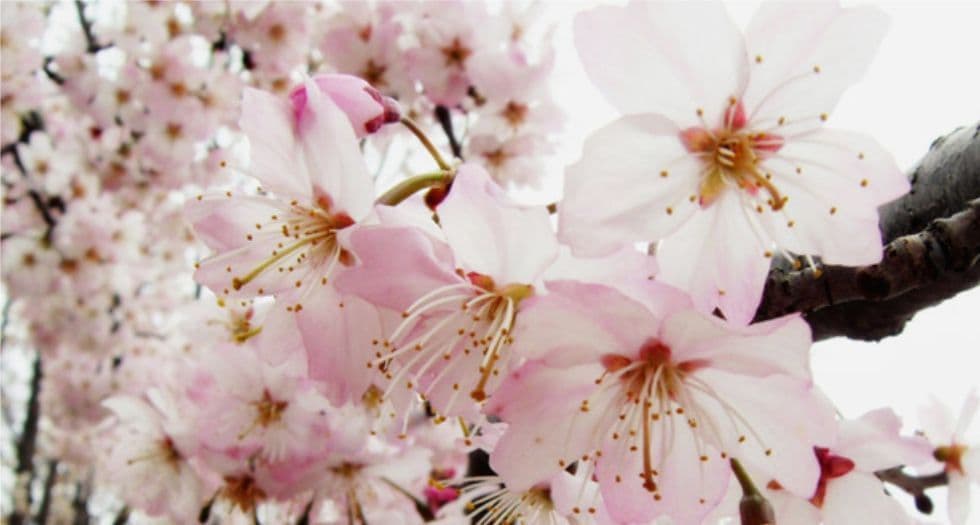
Sour Cherry Blossom
Sour cherry blossom is spring distilled to its most transient essence — the fleeting moment when the ornamental cherry tree erupts in delicate white and pale pink flowers before the leaves even appear. Unlike the sweet cherry's blossom, sour cherry flowers carry a subtly tart, almost green-edged quality alongside their floral softness, evoking dew on petals, cool morning air, and the bittersweet knowledge that such beauty lasts only days. As a fragrance note, sour cherry blossom occupies a unique space: more nuanced than generic cherry, more airy than full fruit. Perfumers reach for it when they want a springtime floral that has lightness without being insubstantial, freshness without being cold. It pairs exquisitely with clean musks, aquatic notes, sheer woods, and other delicate white florals, creating compositions that feel like walking through an orchard just as it bursts into bloom. It is a note of quiet joy and seasonal wonder — ephemeral, beautiful, deeply human. At Fragrenza, our sour cherry blossom collection brings you the finest dupes of fragrances that have captured this magical, fleeting springtime moment and made it wearable all year long.
- 🌿
Sour milk
Sour milk is a gourmand note that adds edible warmth, sweetness, and comfort. It may suggest cream, sugar, nuts, chocolate, coffee, honey, pastry, or toasted grains depending on the accord. In perfumery, gourmand notes make compositions feel cozy and sensual, but they work best when balanced with woods, musks, spices, citrus, or resins. It pairs well with vanilla, tonka bean, sandalwood, amber, caramel, cacao, coffee, and soft florals.
- 🌿
Soursop
Soursop — known as guanabana across Latin America — is one of the tropical fruit world's most extraordinary treasures. Native to the Caribbean and Central America, the fruit of Annona muricata is a study in delicious contradiction: its exterior is rough and spiky, while the interior yields a creamy, white custard-flesh with a flavour that blends pineapple, banana, strawberry, and coconut in one impossibly lush mouthful. The scent follows suit — exotic, sweet-tart, and almost creamy. As a fragrance note, soursop brings a distinctly tropical, gourmand-adjacent quality that feels fresh rather than heavy. Perfumers deploy it to evoke sun-drenched island living — where ripe fruit, ocean breeze, and warm skin converge. The tart edge of soursop keeps it from becoming cloying, giving it a lively freshness that makes it perfect for fruity florals, tropical summer scents, and adventurous gourmand compositions. Soursop is a note that transports you instantly — to Caribbean markets, white sand beaches, and that first bite of something extraordinary. At Fragrenza, our soursop collection captures this lush, exotic character in beautifully crafted dupes of the finest tropical fragrances the world has to offer.
- 🌿
South African marigold
South African marigold is a specialty note used to give a fragrance a distinctive texture, mood, or material impression. Depending on interpretation, it may contribute freshness, warmth, sweetness, dryness, softness, or an abstract atmospheric effect. In perfumery, specialty notes are useful because they make a composition feel more specific and less generic. It can be paired with woods, musks, florals, resins, fruits, green notes, spices, or amber materials according to the intended style.
- 🌿
South African tobacco absolute
South African tobacco absolute is a dark textured note that may suggest leather, smoke, tobacco, tar, ash, or warm dry materials. It gives fragrance depth, sensuality, and a more dramatic atmosphere. In perfumery, smoky and leathery notes are often used in bases, where they add strength and character without needing sweetness. It pairs well with oud, saffron, birch tar, amber, tobacco, rose, patchouli, vetiver, incense, and dry woods.
- 🌿
South American pink pepper
South American pink pepper is a spicy note that gives fragrance heat, texture, and aromatic energy. It can feel sweet, dry, peppery, resinous, herbal, smoky, or slightly medicinal depending on the material. In perfumery, spices create contrast, deepen the heart, and bridge fresh top notes with warm woody or amber bases. It pairs especially well with citrus, rose, tobacco, vanilla, oud, sandalwood, patchouli, leather, and balsamic resins.
- 🌿
Southern catalpa blossom
Southern catalpa blossom is a floral note that gives a fragrance softness, radiance, and emotional warmth. Depending on the flower or accord, it may feel fresh, creamy, powdery, honeyed, green, indolic, or airy. In perfumery, floral notes often form the heart of a composition, adding body and a recognizable signature. It pairs well with citrus, white musk, rose, jasmine, sandalwood, amber, vanilla, iris, and delicate fruits.
- 🌿
Southern magnolia
Southern magnolia is a floral note that gives a fragrance softness, radiance, and emotional warmth. Depending on the flower or accord, it may feel fresh, creamy, powdery, honeyed, green, indolic, or airy. In perfumery, floral notes often form the heart of a composition, adding body and a recognizable signature. It pairs well with citrus, white musk, rose, jasmine, sandalwood, amber, vanilla, iris, and delicate fruits.
soybean
Soybean as a fragrance note is one of the more unexpected and thought-provoking additions to the modern perfumer's palette. While soy is primarily known as a culinary and industrial staple — cultivated for millennia across East Asia and now one of the world's most important agricultural crops — its aromatic character holds genuine interest. The scent profile of soybean encompasses green and slightly beany vegetal qualities, a faint fermented depth reminiscent of miso or tofu, and a mild creaminess that gives it an unusual textural softness in fragrance applications. In perfumery, the soy note tends to be deployed as a supporting element rather than a dominant accord, used to add an unusual, slightly exotic green-creamy dimension to compositions. When blended with musks, it can suggest clean, skin-close warmth; when combined with woods and resins, it contributes a faintly earthy, fermented depth that makes a composition feel more naturalistic and less constructed. It is a note that rewards attention — subtle, nuanced, and expressive in ways that demand a thoughtful nose. The exploration of foodstuff-derived notes in perfumery reflects a broader movement toward honest, sometimes provocative olfactory storytelling. Like rice, sesame, and other grain-based notes, soybean challenges conventional ideas of what a fragrance should smell like. At Fragrenza, our inspired-by collection embraces this spirit of curiosity, bringing you unique and contemplative luxury fragrances featuring the soybean note at prices designed to make exploration effortless.
- 🌿
Spanish bitter orange
Spanish bitter orange is a citrus note that adds sparkle, freshness, and immediate lift to a fragrance. Its profile can include juicy pulp, aromatic peel, green bitterness, soft floral nuances, or a sharp zesty brightness depending on the material. In perfumery, it is usually used in the opening, where it brings clarity and motion before blending into florals, woods, musks, or herbs. It pairs well with neroli, tea, lavender, white musk, light woods, aquatic notes, and aromatic herbs.
- 🌿
Spanish bluebell
Spanish bluebell is a specialty note used to give a fragrance a distinctive texture, mood, or material impression. Depending on interpretation, it may contribute freshness, warmth, sweetness, dryness, softness, or an abstract atmospheric effect. In perfumery, specialty notes are useful because they make a composition feel more specific and less generic. It can be paired with woods, musks, florals, resins, fruits, green notes, spices, or amber materials according to the intended style.
- 🌿
Spanish broom
Spanish broom is a specialty note used to give a fragrance a distinctive texture, mood, or material impression. Depending on interpretation, it may contribute freshness, warmth, sweetness, dryness, softness, or an abstract atmospheric effect. In perfumery, specialty notes are useful because they make a composition feel more specific and less generic. It can be paired with woods, musks, florals, resins, fruits, green notes, spices, or amber materials according to the intended style.
Spanish Broom (Spartium)
Spanish broom is a Mediterranean flowering shrub with yellow blossoms and a warm, honeyed, green-floral character. In perfumery, it adds a sunlit herbal-floral sweetness, somewhere between broom, hay, honey, and dry greenery. It suits Mediterranean, floral, chypre, and naturalistic compositions.
- 🌿
Spanish cade juniper wood
Spanish cade juniper wood is a woody note used to create structure, depth, and lasting warmth. Its scent may be dry, creamy, smoky, resinous, earthy, pencil-like, or polished depending on the wood or accord. In perfumery, woody notes support the whole composition and connect fresh openings with deeper bases. It pairs naturally with amber, musk, incense, leather, vetiver, patchouli, spices, citrus, and soft resins.
- 🌿
Spanish cistus
Spanish cistus is a specialty note used to give a fragrance a distinctive texture, mood, or material impression. Depending on interpretation, it may contribute freshness, warmth, sweetness, dryness, softness, or an abstract atmospheric effect. In perfumery, specialty notes are valuable because they make a composition feel more specific and less generic. Spanish cistus can be paired with woods, musks, florals, resins, fruits, green notes, spices, or amber materials according to the intended style.
- 🌿
Spanish cistus absolute
Spanish cistus absolute is a specialty note used to give a fragrance a distinctive texture, mood, or material impression. Depending on interpretation, it may contribute freshness, warmth, sweetness, dryness, softness, or an abstract atmospheric effect. In perfumery, specialty notes are useful because they make a composition feel more specific and less generic. It can be paired with woods, musks, florals, resins, fruits, green notes, spices, or amber materials according to the intended style.
- 🌿
Spanish cistus concrete
Spanish cistus concrete is an earthy or mineral note that adds realism, dryness, and atmospheric depth. It may suggest soil, roots, stone, dust, damp ground, mushrooms, clay, or cool mineral surfaces depending on the accord. In perfumery, these notes make compositions feel grounded, natural, or avant-garde. It pairs well with vetiver, moss, patchouli, dry woods, leather, incense, rain notes, musk, and dark florals.
- 🌿
Spanish cistus Orpur®
Spanish cistus Orpur® is a specialty note used to give a fragrance a distinctive texture, mood, or material impression. Depending on interpretation, it may contribute freshness, warmth, sweetness, dryness, softness, or an abstract atmospheric effect. In perfumery, specialty notes are useful because they make a composition feel more specific and less generic. It can be paired with woods, musks, florals, resins, fruits, green notes, spices, or amber materials according to the intended style.
- 🌿
Spanish cypress
Spanish cypress is a woody note used to create structure, depth, and lasting warmth. Its scent may be dry, creamy, smoky, resinous, earthy, pencil-like, or polished depending on the wood or accord. In perfumery, woody notes support the whole composition and connect fresh openings with deeper bases. It pairs naturally with amber, musk, incense, leather, vetiver, patchouli, spices, citrus, and soft resins.
- 🌿
Spanish fennel
Spanish fennel is a spicy note that gives fragrance heat, texture, and aromatic energy. It can feel sweet, dry, peppery, resinous, herbal, smoky, or slightly medicinal depending on the material. In perfumery, spices create contrast, deepen the heart, and bridge fresh top notes with warm woody or amber bases. It pairs especially well with citrus, rose, tobacco, vanilla, oud, sandalwood, patchouli, leather, and balsamic resins.
- 🌿
Spanish fig
Spanish fig is a fruity note that adds juiciness, color, and natural sweetness. It may feel crisp and tart, ripe and velvety, tropical and creamy, or dark and jammy depending on the fruit profile. In perfumery, fruity notes brighten florals, soften musks, and add pleasure to gourmand or woody structures. It pairs well with rose, peony, jasmine, white musk, vanilla, woods, citrus, amber, and soft spices.
- 🌿
Spanish immortelle absolute
Spanish immortelle absolute is a specialty note used to give a fragrance a distinctive texture, mood, or material impression. Depending on interpretation, it may contribute freshness, warmth, sweetness, dryness, softness, or an abstract atmospheric effect. In perfumery, specialty notes are useful because they make a composition feel more specific and less generic. It can be paired with woods, musks, florals, resins, fruits, green notes, spices, or amber materials according to the intended style.
- 🌿
Spanish jasmine sambac absolute
Spanish jasmine sambac absolute is a floral note that gives a fragrance softness, radiance, and emotional warmth. Depending on the flower or accord, it may feel fresh, creamy, powdery, honeyed, green, indolic, or airy. In perfumery, floral notes often form the heart of a composition, adding body and a recognizable signature. It pairs well with citrus, white musk, rose, jasmine, sandalwood, amber, vanilla, iris, and delicate fruits.
- 🌿
Spanish labdanum
Spanish labdanum is a warm ambered or resinous note used to give fragrance depth, softness, and long-lasting richness. It can smell balsamic, sweet, smoky, vanillic, woody, powdery, or incense-like depending on the material. In perfumery, it rounds sharp edges and creates a smooth base that holds the composition together. Spanish labdanum pairs well with woods, musks, spices, vanilla, tobacco, leather, florals, oud, and other resins.
- 🌿
Spanish labdanum absolute
Spanish labdanum absolute is a warm ambered or resinous note used to give fragrance depth, softness, and long-lasting richness. It can smell balsamic, sweet, smoky, vanillic, woody, powdery, or incense-like depending on the material. In perfumery, it rounds sharp edges and creates a smooth base that holds the composition together. It pairs well with woods, musks, spices, vanilla, tobacco, leather, florals, oud, and other resins.
- 🌿
Spanish lemon
Spanish lemon is a citrus note that adds sparkle, freshness, and immediate lift to a fragrance. Its profile can include juicy pulp, aromatic peel, green bitterness, soft floral nuances, or a sharp zesty brightness depending on the material. In perfumery, it is usually used in the opening, where it brings clarity and motion before blending into florals, woods, musks, or herbs. It pairs well with neroli, tea, lavender, white musk, light woods, aquatic notes, and aromatic herbs.
- 🌿
Spanish mandarin orange
Spanish mandarin orange is a citrus note that adds sparkle, freshness, and immediate lift to a fragrance. Its profile can include juicy pulp, aromatic peel, green bitterness, soft floral nuances, or a sharp zesty brightness depending on the material. In perfumery, it is usually used in the opening, where it brings clarity and motion before blending into florals, woods, musks, or herbs. It pairs well with neroli, tea, lavender, white musk, light woods, aquatic notes, and aromatic herbs.
- 🌿
Spanish moss
Spanish moss is a woody note used to create structure, depth, and lasting warmth. Its scent may be dry, creamy, smoky, resinous, earthy, pencil-like, or polished depending on the wood or accord. In perfumery, woody notes support the whole composition and connect fresh openings with deeper bases. It pairs naturally with amber, musk, incense, leather, vetiver, patchouli, spices, citrus, and soft resins.
- 🌿
Spanish nutmeg
Spanish nutmeg is a spicy note that gives fragrance heat, texture, and aromatic energy. It can feel sweet, dry, peppery, resinous, herbal, smoky, or slightly medicinal depending on the material. In perfumery, spices create contrast, deepen the heart, and bridge fresh top notes with warm woody or amber bases. It pairs especially well with citrus, rose, tobacco, vanilla, oud, sandalwood, patchouli, leather, and balsamic resins.
- 🌿
Spanish orange
Spanish orange is a citrus note that adds sparkle, freshness, and immediate lift to a fragrance. Its profile can include juicy pulp, aromatic peel, green bitterness, soft floral nuances, or a sharp zesty brightness depending on the material. In perfumery, it is usually used in the opening, where it brings clarity and motion before blending into florals, woods, musks, or herbs. It pairs well with neroli, tea, lavender, white musk, light woods, aquatic notes, and aromatic herbs.
- 🌿
Spanish orange blossom
Spanish orange blossom is a citrus note that adds sparkle, freshness, and immediate lift to a fragrance. Its profile can include juicy pulp, aromatic peel, green bitterness, soft floral nuances, or a sharp zesty brightness depending on the material. In perfumery, it is usually used in the opening, where it brings clarity and motion before blending into florals, woods, musks, or herbs. It pairs well with neroli, tea, lavender, white musk, light woods, aquatic notes, and aromatic herbs.
- 🌿
Spanish orange blossom absolute
Spanish orange blossom absolute is a bright citrus note that brings sparkle, freshness, and immediate lift to a fragrance. Its profile may include juicy pulp, aromatic peel, green bitterness, soft floral facets, or a slightly sharp zest depending on the material. In perfumery, it is most often used in the opening, where it gives clarity and movement before blending into florals, woods, musks, or herbs. Spanish orange blossom absolute works especially well with neroli, tea, lavender, white musk, light woods, aquatic notes, and aromatic herbs.
- 🌿
Spanish rosemary
Spanish rosemary is a floral note that gives a fragrance softness, radiance, and emotional warmth. Depending on the flower or accord, it may feel fresh, creamy, powdery, honeyed, green, indolic, or airy. In perfumery, floral notes often form the heart of a composition, adding body and a recognizable signature. It pairs well with citrus, white musk, rose, jasmine, sandalwood, amber, vanilla, iris, and delicate fruits.
- 🌿
Spanish saffron
Spanish saffron is a spicy note that gives fragrance heat, texture, and aromatic energy. It can feel sweet, dry, peppery, resinous, herbal, smoky, or slightly medicinal depending on the material. In perfumery, spices create contrast, deepen the heart, and bridge fresh top notes with warm woody or amber bases. It pairs especially well with citrus, rose, tobacco, vanilla, oud, sandalwood, patchouli, leather, and balsamic resins.
- 🌿
Spanish sage
Spanish sage is a green or aromatic note that evokes leaves, herbs, stems, fresh air, or crushed vegetation. Its profile can be crisp, bitter, watery, camphoraceous, grassy, or slightly earthy depending on the material. In perfumery, green notes add realism and lift, keeping sweet, floral, or woody compositions from feeling too heavy. It pairs well with citrus, tea, fig, violet leaf, galbanum, tomato leaf, white musk, vetiver, lavender, and light woods.
- 🌿
Sparkling wine
Sparkling wine is a specialty note used to give a fragrance a distinctive texture, mood, or material impression. Depending on interpretation, it may contribute freshness, warmth, sweetness, dryness, softness, or an abstract atmospheric effect. In perfumery, specialty notes are useful because they make a composition feel more specific and less generic. It can be paired with woods, musks, florals, resins, fruits, green notes, spices, or amber materials according to the intended style.
- 🌿
Spearmint
Spearmint is a green note that evokes leaves, stems, herbs, garden air, or crushed vegetation. Its character can be crisp, bitter, watery, aromatic, or slightly earthy depending on the source. In perfumery, green notes add realism and freshness, preventing sweet or floral compositions from becoming too heavy. They pair well with citrus, tea, fig, violet leaf, galbanum, tomato leaf, white musk, vetiver, and light woods.
- 🌿
Spices
Spices are a broad family of warm aromatic notes including cinnamon, clove, cardamom, pepper, nutmeg, saffron, ginger, and anise. They add heat, texture, contrast, and depth to fragrance compositions. Some spices feel sweet and cozy, while others are dry, sharp, smoky, or medicinal. In perfumery, spices connect bright openings to deeper bases and pair beautifully with woods, amber, vanilla, tobacco, leather, rose, oud, and resins.
- 🌿
Spicy Mint
Spicy Mint is a green or aromatic note that evokes leaves, herbs, stems, fresh air, or crushed vegetation. Its profile can be crisp, bitter, watery, camphoraceous, grassy, or slightly earthy depending on the material. In perfumery, green notes add realism and lift, keeping sweet, floral, or woody compositions from feeling too heavy. Spicy Mint pairs well with citrus, tea, fig, violet leaf, galbanum, tomato leaf, white musk, vetiver, lavender, and light woods.
- 🌿
Spicy Notes
Spicy notes refer to a broad family of warm, aromatic materials such as cinnamon, clove, cardamom, pepper, nutmeg, and saffron. In perfumery, they add heat, texture, sensuality, and complexity. They are essential in oriental, woody, amber, gourmand, and masculine fragrances.
- 🌿
Spike lavender
Spike lavender is a floral note that gives a fragrance softness, radiance, and emotional warmth. Depending on the flower or accord, it may feel fresh, creamy, powdery, honeyed, green, indolic, or airy. In perfumery, floral notes often form the heart of a composition, adding body and a recognizable signature. It pairs well with citrus, white musk, rose, jasmine, sandalwood, amber, vanilla, iris, and delicate fruits.
- 🌿
Spikenard
Spikenard is a specialty note used to give a fragrance a distinctive texture, mood, or material impression. Depending on interpretation, it may contribute freshness, warmth, sweetness, dryness, softness, or an abstract atmospheric effect. In perfumery, specialty notes are valuable because they make a composition feel more specific and less generic. Spikenard can be paired with woods, musks, florals, resins, fruits, green notes, spices, or amber materials according to the intended style.
- 🌿
Spindrift
Spindrift is a specialty note used to give a fragrance a distinctive texture, mood, or material impression. Depending on interpretation, it may contribute freshness, warmth, sweetness, dryness, softness, or an abstract atmospheric effect. In perfumery, specialty notes are valuable because they make a composition feel more specific and less generic. Spindrift can be paired with woods, musks, florals, resins, fruits, green notes, spices, or amber materials according to the intended style.
- 🌿
Splash Summer Ticket
Splash Summer Ticket is a dark textured note that may suggest leather, smoke, tobacco, tar, ash, or warm dry materials. It gives fragrance depth, sensuality, and a more dramatic atmosphere. In perfumery, smoky and leathery notes are often used in bases, where they add strength and character without needing sweetness. It pairs well with oud, saffron, birch tar, amber, tobacco, rose, patchouli, vetiver, incense, and dry woods.
- 🌿
Spray paint
Spray paint is not a traditional perfumery ingredient — it is an industrial material turned into an avant-garde olfactory statement. The note captures the sharp, solvent-laden character of aerosol lacquers: volatile aromatic hydrocarbons, metallic spray propellants, and the acrid sweetness of drying pigment. It is abstract, challenging, and unmistakably modern. In niche and experimental perfumery, spray paint has emerged as a bold signature for creations exploring urban landscapes, street culture, and the raw energy of contemporary art. Perfumers recreate this accord using synthetic materials like acetone-adjacent musks, sharp aldehydes, and metallic accords that evoke the hiss of a pressurized can. The result sits somewhere between art-studio nostalgia and edgy industrial cool — a scent that provokes as much as it attracts. Fragrances featuring this note are rarely mainstream, but they are utterly distinctive — worn by those who want their perfume to say something beyond beauty. At Fragrenza, we celebrate the unexpected, and our spray paint note collection brings you the finest dupes of avant-garde fragrances that have dared to bottle the street.
- 🌿
Spring flowers
Spring flowers is a floral note that gives a fragrance softness, radiance, and emotional warmth. Depending on the flower or accord, it may feel fresh, creamy, powdery, honeyed, green, indolic, or airy. In perfumery, floral notes often form the heart of a composition, adding body and a recognizable signature. It pairs well with citrus, white musk, rose, jasmine, sandalwood, amber, vanilla, iris, and delicate fruits.
- 🌿
Spritz Veneziano
Spritz Veneziano is a specialty note used to give a fragrance a distinctive texture, mood, or material impression. Depending on interpretation, it may contribute freshness, warmth, sweetness, dryness, softness, or an abstract atmospheric effect. In perfumery, specialty notes are useful because they make a composition feel more specific and less generic. It can be paired with woods, musks, florals, resins, fruits, green notes, spices, or amber materials according to the intended style.
- 🌿
Spruce
Spruce trees — towering conifers of the genus Picea, found in the boreal forests of North America, Europe, and northern Asia — are among the most aromatic trees on the planet. Their needles, bark, and resin release a fresh, green, resinous scent that is simultaneously invigorating and deeply calming: the smell of deep forest, cold mountain air, and the ancient quiet of places where human presence is sparse and nature's voice carries clearly. As a fragrance ingredient, spruce is sharper and fresher than pine, less camphoraceous than fir, and more resinous than cedarwood. It combines fresh green facets with a woody-resinous depth, making it a versatile conifer note for perfumers. It works beautifully in compositions exploring Nordic landscapes, winter forests, and fresh outdoor atmospheres, pairing naturally with birch, pine, juniper, cold ozonic notes, and earthy vetiver. Spruce fragrances are deeply restorative — they carry within them the clean, oxygen-rich air of forests and the grounding power of ancient trees. They are scents that breathe, that open the lungs and calm the mind. At Fragrenza, we capture this northern forest vitality in compositions that deliver genuine coniferous character and depth, available at prices that bring the forest within reach of everyone.
- 🌿
Spruce needle
Spruce needle is a woody note used to create structure, depth, and lasting warmth. Its scent may be dry, creamy, smoky, resinous, earthy, pencil-like, or polished depending on the wood or accord. In perfumery, woody notes support the whole composition and connect fresh openings with deeper bases. It pairs naturally with amber, musk, incense, leather, vetiver, patchouli, spices, citrus, and soft resins.
- 🌿
Spruce resin
Spruce resin is a woody note used to create structure, depth, and lasting warmth. Its scent may be dry, creamy, smoky, resinous, earthy, pencil-like, or polished depending on the wood or accord. In perfumery, woody notes support the whole composition and connect fresh openings with deeper bases. It pairs naturally with amber, musk, incense, leather, vetiver, patchouli, spices, citrus, and soft resins.
Spun sugar
Spun sugar — evocative of candy floss, fairy floss, and the magical, cloud-like confections of fairgrounds and childhood — is one of the purest gourmand notes in perfumery. Its scent is exactly what you would expect: airy, ethereal sweetness, the smell of caramelized sugar pulled into delicate threads, light and floating rather than dense or sticky. It is sweetness distilled to its most innocent and joyful essence. In fragrance construction, spun sugar accords typically center around ethyl maltol and other caramelized sugar molecules, often with traces of cotton candy-like lactones, soft musks, and occasionally a whisper of vanilla or almond to add creaminess. The result is a sweet note that feels surprisingly wearable — lighter and more transparent than dense caramel or toffee notes, almost more textural than aromatic. It pairs beautifully with rose, violet, skin musks, and light woods. Spun sugar fragrances appeal to the unapologetically sweet-hearted — those who embrace the gourmand genre with delight rather than apology. They are playful, warm, and genuinely pleasurable to wear. At Fragrenza, we celebrate the art of the gourmand with compositions that balance sweetness and sophistication beautifully, offering confectionery-inspired luxury at prices as generous as the note itself.
- 🌿
Sri Lankan cardamom
Sri Lankan cardamom is a spicy note that gives fragrance heat, texture, and aromatic energy. It can feel sweet, dry, peppery, resinous, herbal, smoky, or slightly medicinal depending on the material. In perfumery, spices create contrast, deepen the heart, and bridge fresh top notes with warm woody or amber bases. It pairs especially well with citrus, rose, tobacco, vanilla, oud, sandalwood, patchouli, leather, and balsamic resins.
- 🌿
Sri Lankan nutmeg
Sri Lankan nutmeg is a spicy note that gives fragrance heat, texture, and aromatic energy. It can feel sweet, dry, peppery, resinous, herbal, smoky, or slightly medicinal depending on the material. In perfumery, spices create contrast, deepen the heart, and bridge fresh top notes with warm woody or amber bases. It pairs especially well with citrus, rose, tobacco, vanilla, oud, sandalwood, patchouli, leather, and balsamic resins.
- 🌿
Sri Lankan oud
Sri Lankan oud is a woody note used to create structure, depth, and lasting warmth. Its scent may be dry, creamy, smoky, resinous, earthy, pencil-like, or polished depending on the wood or accord. In perfumery, woody notes often support the whole composition and help connect fresh openings with deeper bases. Sri Lankan oud pairs naturally with amber, musk, incense, leather, vetiver, patchouli, spices, citrus, and soft resins, making it useful in masculine, feminine, and unisex fragrances.
- 🌿
Sri Lankan vetiver
Sri Lankan vetiver is a woody note used to create structure, depth, and lasting warmth. Its scent may be dry, creamy, smoky, resinous, earthy, pencil-like, or polished depending on the wood or accord. In perfumery, woody notes support the whole composition and connect fresh openings with deeper bases. It pairs naturally with amber, musk, incense, leather, vetiver, patchouli, spices, citrus, and soft resins.
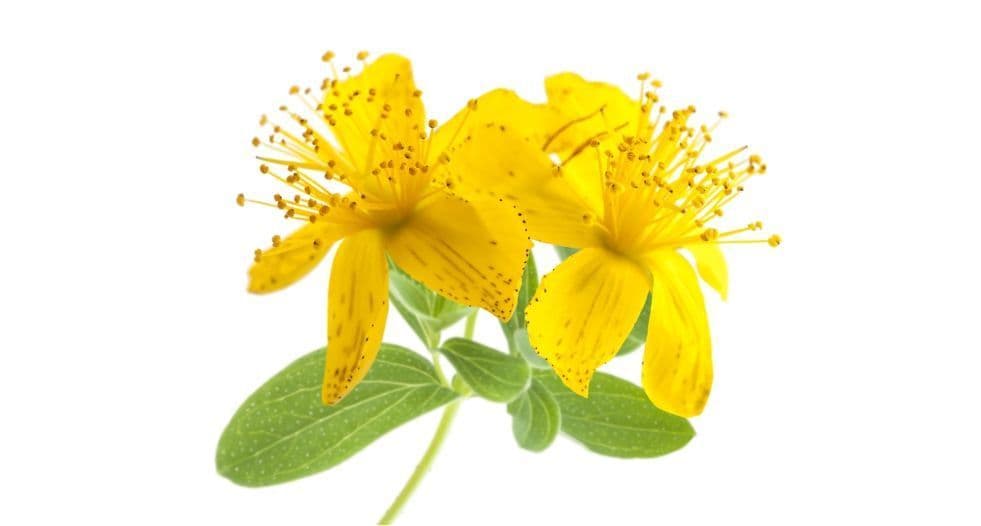
St. John's Wort
St. John's Wort (Hypericum perforatum) is a bright yellow-flowered herb found in meadows and hedgerows across Europe, Asia, and North America, long celebrated in herbal medicine for its mood-lifting properties. Its name connects it to the midsummer feast of St. John the Baptist, around which time it blooms in profusion. As a fragrance ingredient, it offers a herbal-balsamic, slightly resinous, and warmly medicinal character that bridges the worlds of green herbals and soft orientals. The scent of Hypericum is earthy and botanical — not sharply herbal like lavender or thyme, but softer and more balsamic, with a gentle sweetness beneath its green, slightly medicinal surface. In perfumery, it adds naturalistic depth and a sense of wild meadows to compositions, pairing well with chamomile, hay, soft musks, warm woods, and gentle resins. It is a grounding, contemplative note with a quiet optimism about it. St. John's Wort fragrances feel genuinely rooted in nature — herbal, honest, and quietly healing. They appeal to those who want their fragrance to feel botanical and authentic rather than abstract or synthetic. At Fragrenza, we celebrate these honest, nature-inspired materials in thoughtfully crafted compositions, available at prices that make genuine quality freely accessible.
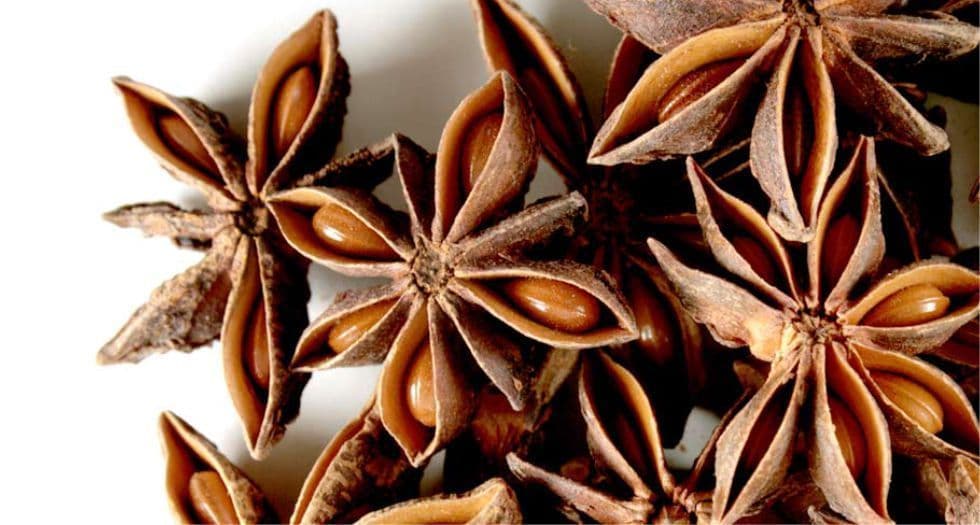
Star Anise
Star anise — the beautiful, eight-pointed seed pod of Illicium verum, native to southern China and northern Vietnam — is one of the most distinctive spices in both culinary and aromatic tradition. Its aroma is warm, sweetly spicy, and unmistakably licorice-like, yet with a complexity that goes beyond simple aniseed: there is depth, warmth, and an almost herbal richness that comes from its high content of anethole, the molecule responsible for its signature character. In perfumery, star anise is a key player in oriental and spicy compositions, adding a warm, aromatic sweetness that bridges the gap between spice and sweetness. It blends beautifully with clove, cinnamon, vanilla, labdanum, amber, and dark woods. Its licorice warmth can add an unexpected twist to florals and even aquatics, and it has become a beloved ingredient in niche perfumery for its ability to make a fragrance feel simultaneously ancient and contemporary. Star anise carries with it centuries of aromatic tradition — from Chinese five-spice to French anisette, from Ayurvedic medicine to the great oriental fragrances of the 20th century. At Fragrenza, we honor this rich heritage in compositions that explore the warm, spiced beauty of star anise, making its oriental allure accessible at genuine value prices.
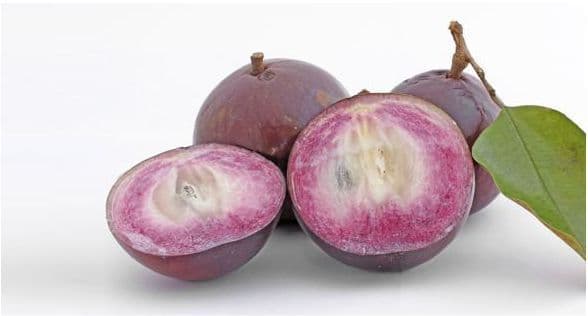
Star Apple
Star apple — known as Caimito in Latin America and grown across tropical regions from the Caribbean to Southeast Asia — is a fruit as beautiful as it is delicious. When cut crosswise, its flesh reveals a star-shaped pattern of translucent, glistening sections. Its flavor is mild, sweet, and distinctly milky — a gentle, almost neutral sweetness reminiscent of sweet cream blended with tropical warmth, quite unlike the vivid tartness of citrus or the bold sweetness of mango. As a fragrance note, star apple brings a soft, milky-tropical sweetness that is less assertive than many tropical fruits but no less compelling. It works beautifully in compositions that seek a gentle, creamy fruitiness rather than bold tropical punch — a quiet, warm sweetness layered over soft musks, coconut, white florals, or sandalwood. Its delicate character makes it a versatile building block in feminine and tropical fragrances alike. Star apple is a note for those who love tropical warmth expressed with restraint and elegance — the suggestion of an exotic fruit rather than a glass of juice. At Fragrenza, we delight in exploring these gentler, more subtle tropical characters, bringing the quiet beauty of star apple into compositions that feel both warm and refined, at prices that keep discovery affordable.
Star fruit
فاكهة النجمة، أو الكارامبولا، نوتة فاكهية استوائية ذات طابع منعش وحامض قليلًا. رائحتها ليست ثقيلة أو سكرية مثل بعض الفواكه الاستوائية، بل تميل إلى العصيرية الخفيفة، اللمسة المائية، والحموضة النظيفة التي تذكّر بفاكهة مقطوعة حديثًا. في العطور تضيف فاكهة النجمة إشراقًا غريبًا ومرحًا من غير أن تطغى على التركيبة. يمكن أن تمنح الافتتاحية طابعًا صيفيًا شفافًا، وتعمل جيدًا مع النوتات المائية والزهور الخفيفة. تنسجم مع الحمضيات، المانجو، الأناناس، المسك الأبيض، الزهور الاستوائية، الخيار، والنوتات البحرية. وهي مناسبة للعطور الصيفية، الفاكهية، الاستوائية، والتركيبات الحديثة التي تحتاج إلى فاكهية منعشة وغير تقليدية.
- 🌿
Star Jasmine
Star Jasmine is a floral note that adds softness, radiance, and emotional warmth to a composition. Depending on the flower or accord, it can feel fresh, creamy, powdery, honeyed, green, indolic, or airy. In perfumery, floral notes often form the heart of a fragrance, giving it body and a recognizable character. Star Jasmine pairs well with citrus, white musk, rose, jasmine, sandalwood, amber, vanilla, iris, and delicate fruits, making it useful in both classic bouquets and modern transparent florals.
- 🌿
Star magnolia
Star magnolia is a floral note that gives a fragrance softness, radiance, and emotional warmth. Depending on the flower or accord, it may feel fresh, creamy, powdery, honeyed, green, indolic, or airy. In perfumery, floral notes often form the heart of a composition, adding body and a recognizable signature. It pairs well with citrus, white musk, rose, jasmine, sandalwood, amber, vanilla, iris, and delicate fruits.

Starfish
The starfish note is one of perfumery's more imaginative aquatic abstractions — an attempt to capture the briny, ozonic, salt-touched atmosphere of rockpools and tidal shores where these remarkable creatures make their home. It is not a literal reproduction of the animal's scent, but rather a carefully constructed accord that evokes the sensory experience of standing at the water's edge at low tide, the air alive with sea salt, marine life, and the cool mineral freshness of the ocean. Starfish accords typically combine calone and other marine molecules with ozonic notes, sea salt, light musks, and occasionally a faint metallic or seaweed quality to recreate the briny depth of an oceanic environment. The result is a note that feels simultaneously expansive and intimate — like the ocean itself, vast and cool and teeming with invisible life. It pairs naturally with driftwood, sea spray, ambergris-like materials, and fresh citrus. Aquatic and marine fragrances have an enduring appeal for those who feel most alive near water — who find peace, clarity, and freedom in the smell of the sea. The starfish note adds a specifically tidal, biologically rich dimension to this world. At Fragrenza, we celebrate the full range of aquatic beauty in compositions crafted with genuine marine expertise, at prices that make the ocean available to all.
- 🌿
Starfleur™ 40
Starfleur 40 is a Givaudan floral aroma material delivering a luminous, transparent white-floral effect — light, modern, slightly green, and clean. In perfumery, it adds airy radiance to floral, fresh, and modern feminine compositions.
- 🌿
Starfruit
Starfruit is a fruity note that gives fragrance juiciness, color, and natural sweetness. It can be crisp and tart, ripe and velvety, tropical and creamy, or dark and jammy depending on the fruit profile. In perfumery, fruity notes brighten florals, soften musks, and add pleasure to gourmand or woody structures. Starfruit pairs well with rose, peony, jasmine, white musk, vanilla, woods, citrus, amber, and soft spices.
- 🌿
Stargazer lily
Stargazer lily is a floral note that gives a fragrance softness, radiance, and emotional warmth. Depending on the flower or accord, it may feel fresh, creamy, powdery, honeyed, green, indolic, or airy. In perfumery, floral notes often form the heart of a composition, adding body and a recognizable signature. It pairs well with citrus, white musk, rose, jasmine, sandalwood, amber, vanilla, iris, and delicate fruits.
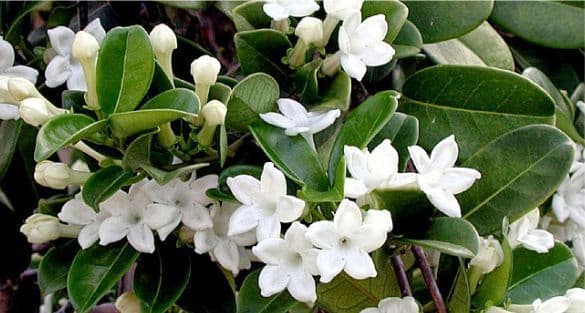
Stephanotis
Stephanotis — also known as Madagascar jasmine or wax flower — is one of the most intensely fragrant blossoms in the white floral family, long prized for its use in bridal bouquets and wedding decorations. Its scent is rich, sweet, and powerfully intoxicating: a heady blend of floral sweetness, waxy creaminess, and a subtle green freshness that makes it both deeply romantic and utterly distinctive. In perfumery, Stephanotis occupies the lushest end of the white floral spectrum — richer and more full-bodied than lily of the valley, sweeter and more waxy than tuberose, yet sharing the indolic depth that makes all great white florals feel alive and sensuous. It blends magnificently with jasmine, gardenia, orange blossom, ylang-ylang, and soft musks. Its association with celebration and commitment gives it an emotional weight that few other florals can match. Stephanotis fragrances are for those who want their perfume to be genuinely memorable — not just pleasant, but truly beautiful. They are special-occasion florals that deserve to be worn every day. At Fragrenza, we capture the opulent romance of Stephanotis in compositions of genuine quality, offered at prices that mean you need no special occasion to wear something extraordinary.
- 🌿
Sticky toffee pudding
Sticky toffee pudding is a gourmand note that adds edible warmth, sweetness, and comfort. It may suggest cream, sugar, nuts, chocolate, coffee, honey, pastry, or toasted grains depending on the accord. In perfumery, gourmand notes make compositions feel cozy and sensual, but they work best when balanced with woods, musks, spices, citrus, or resins. It pairs well with vanilla, tonka bean, sandalwood, amber, caramel, cacao, coffee, and soft florals.
- 🌿
Stone
Stone is one of perfumery's most abstract and meditative notes — an attempt to capture the cool, dry, mineral character of rock, pebble, and earth in olfactory form. The scent of stone is at once ancient and immediate: the cool dryness of a granite boulder warmed by sun, the chalky freshness of a flint struck in the dark, the earthy-mineral petrichor of rain on dry pavement. It is a note that grounds and centers. Mineral notes in perfumery are constructed from a range of materials including ambroxide, certain musks, wet-stone accord molecules, and earthy vetiver facets that together suggest the texture and atmosphere of stone environments. Stone notes work beautifully in compositions that explore landscapes — forests, deserts, coastlines, mountain ranges — adding a sense of geological depth and timelessness. They pair naturally with oakmoss, vetiver, grey woods, salt, and rain accord. Stone fragrances speak to those who are drawn to the elemental and the contemplative — who find beauty in quietness and age. They are scents of endurance, patience, and the deep time of the natural world. At Fragrenza, we honor this mineral poetry in our stone-inflected compositions, crafting fragrances that feel grounded and profound at genuinely accessible prices.
- 🌿
Stone pine
Stone pine is a woody note used to create structure, depth, and lasting warmth. Its scent may be dry, creamy, smoky, resinous, earthy, pencil-like, or polished depending on the wood or accord. In perfumery, woody notes often support the whole composition and help connect fresh openings with deeper bases. Stone pine pairs naturally with amber, musk, incense, leather, vetiver, patchouli, spices, citrus, and soft resins, making it useful in masculine, feminine, and unisex fragrances.
- 🌿
Straw
Straw is a specialty note used to give a fragrance a distinctive texture, mood, or material impression. Depending on interpretation, it may contribute freshness, warmth, sweetness, dryness, softness, or an abstract atmospheric effect. In perfumery, specialty notes are useful because they make a composition feel more specific and less generic. It can be paired with woods, musks, florals, resins, fruits, green notes, spices, or amber materials according to the intended style.
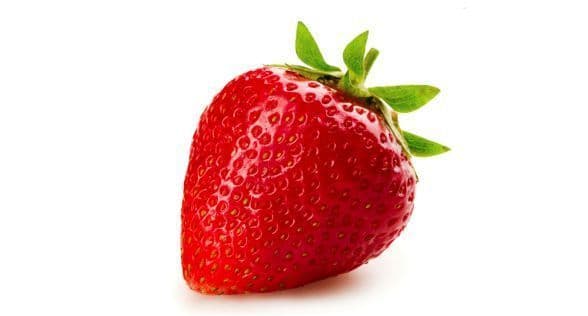
Strawberry
Strawberry is one of the most universally beloved fragrance notes — instantly recognizable, joyfully sweet, and bursting with the ripe, juicy warmth of sun-ripened berries straight from the field. As a perfumery ingredient, strawberry can be captured both through natural extraction and through synthetic aroma molecules such as furaneol and ethyl methylphenylglycidate, which recreate the fruit's characteristic sweet-fruity-caramelized character. In fragrance compositions, strawberry can play many roles. At its freshest, it adds a bright, juicy fruitiness that pairs beautifully with citrus, rose, violet, and raspberry. In richer, warmer compositions, it takes on a deeper, almost jam-like sweetness that blends wonderfully with vanilla, musk, praline, and soft woods. It is a central note in gourmand and fruity-floral fragrances and carries a timeless, crowd-pleasing quality that never seems to go out of style. Strawberry fragrances evoke warmth, happiness, and the simple pleasure of indulgence — a scent that feels like a treat. Whether worn as a youthful, playful statement or a warm, sweet comfort, it delivers immediate joy. At Fragrenza, we celebrate this beloved note in compositions that balance sweetness with sophistication, available at prices as inviting as the berry itself.
- 🌿
Strawberry chewing gum
Strawberry chewing gum is a fruity note that adds juiciness, color, and natural sweetness. It may feel crisp and tart, ripe and velvety, tropical and creamy, or dark and jammy depending on the fruit profile. In perfumery, fruity notes brighten florals, soften musks, and add pleasure to gourmand or woody structures. It pairs well with rose, peony, jasmine, white musk, vanilla, woods, citrus, amber, and soft spices.
- 🌿
Strawberry jam
Strawberry jam is a fruity note that adds juiciness, color, and natural sweetness. It may feel crisp and tart, ripe and velvety, tropical and creamy, or dark and jammy depending on the fruit profile. In perfumery, fruity notes brighten florals, soften musks, and add pleasure to gourmand or woody structures. It pairs well with rose, peony, jasmine, white musk, vanilla, woods, citrus, amber, and soft spices.
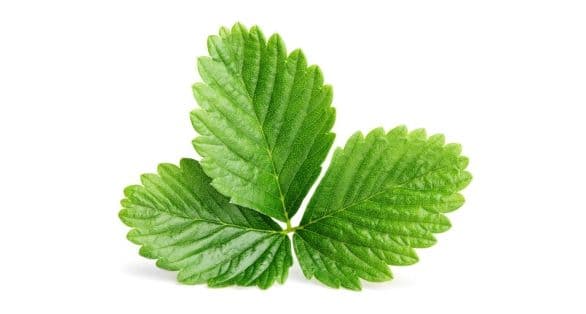
Strawberry leaf
While the strawberry fruit commands immediate recognition, the leaf of the strawberry plant offers a more nuanced and surprising olfactory experience. Strawberry leaf has a distinctly green, slightly tart, and herbaceous character — the smell of the plant itself rather than its fruit. It captures the freshness of the garden: cool, leafy, with a faint echo of the berry to come, like being present at the plant rather than at the table. In perfumery, strawberry leaf is valued for adding naturalistic green depth to fruity or floral compositions. It prevents berry notes from becoming too candied or sweet, grounding them with an authentic garden quality. It pairs beautifully with blackcurrant bud (cassis), violet leaf, rose, and light white florals, contributing a lively, fresh-from-the-earth energy that is both clean and gently provocative. Strawberry leaf is a note for those who prefer their sweetness tempered with greenness — who want the sense of a garden rather than a candy shop. It speaks of morning dew and cool earth, of things growing rather than things already made. At Fragrenza, we appreciate these subtler botanical dimensions and craft compositions that honor both the fruit and the plant that produces it.
- 🌿
Strawberry liqueur
Strawberry liqueur is a fruity note that adds juiciness, color, and natural sweetness. It may feel crisp and tart, ripe and velvety, tropical and creamy, or dark and jammy depending on the fruit profile. In perfumery, fruity notes brighten florals, soften musks, and add pleasure to gourmand or woody structures. It pairs well with rose, peony, jasmine, white musk, vanilla, woods, citrus, amber, and soft spices.
- 🌿
Strawberry macaron
Strawberry macaron is a fruity note that adds juiciness, color, and natural sweetness. It may feel crisp and tart, ripe and velvety, tropical and creamy, or dark and jammy depending on the fruit profile. In perfumery, fruity notes brighten florals, soften musks, and add pleasure to gourmand or woody structures. It pairs well with rose, peony, jasmine, white musk, vanilla, woods, citrus, amber, and soft spices.
- 🌿
Strawberry marshmallow
Strawberry marshmallow is a fruity note that adds juiciness, color, and natural sweetness. It may feel crisp and tart, ripe and velvety, tropical and creamy, or dark and jammy depending on the fruit profile. In perfumery, fruity notes brighten florals, soften musks, and add pleasure to gourmand or woody structures. It pairs well with rose, peony, jasmine, white musk, vanilla, woods, citrus, amber, and soft spices.
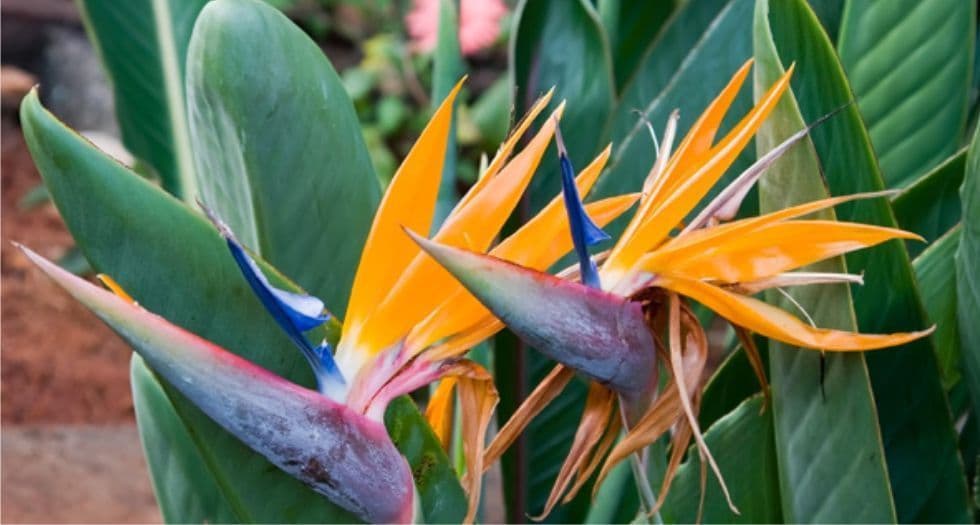
Strelitzia
Strelitzia, famously known as the Bird of Paradise flower, is one of nature's most theatrical blooms — its vibrant orange and blue petals mimicking a tropical bird in mid-flight. Native to South Africa and now cultivated across tropical and subtropical regions worldwide, it is a symbol of freedom, joy, and the dazzling abundance of nature. In perfumery, the Strelitzia note captures this exotic, sunny character in olfactory form. The actual scent of Strelitzia is subtle and fresh rather than intensely floral — lightly green, faintly sweet, with a tropical aqueous quality that suggests humidity and lush vegetation. Perfumers use it to evoke warm, exotic landscapes — the feeling of a tropical garden in full bloom, sunlight filtering through broad leaves, the air rich with moisture and life. It pairs beautifully with ylang-ylang, neroli, tropical fruits, and watery green notes. Strelitzia fragrances are an invitation to the extraordinary — a sensory journey to warmer latitudes where life feels vivid and unhurried. They bring the spirit of adventure and beauty to everyday wear. At Fragrenza, we channel this exotic botanical energy into compositions that feel genuinely transportive, making the Bird of Paradise accessible at every price point.
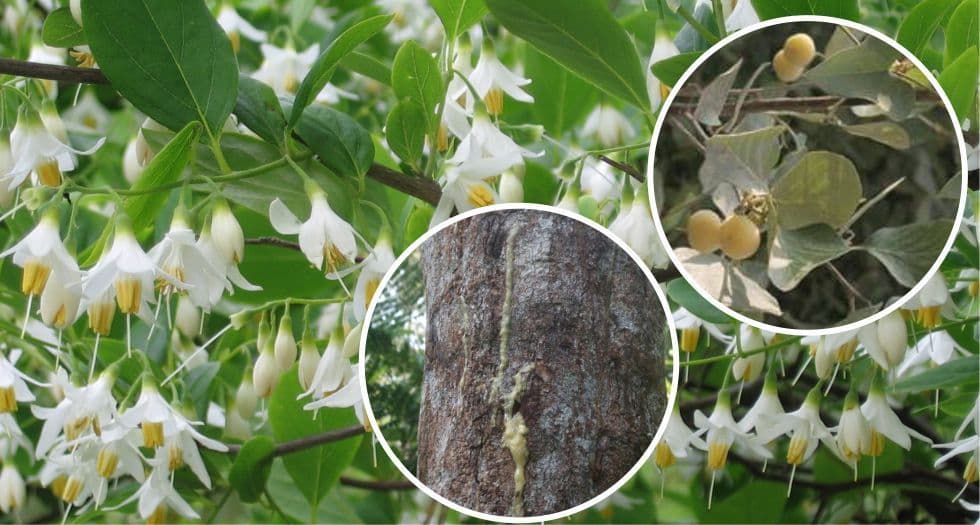
styrax
Styrax — also known as storax or benzoin resin — is one of the great treasures of the perfumer's raw material library. Harvested from the bark of Liquidambar and Styrax trees native to Turkey, Southeast Asia, and parts of the Americas, this sticky balsamic resin has been used in incense, medicine, and perfumery for thousands of years. Its aroma is rich, sweet, and deeply warming — a sophisticated blend of vanilla, balsam, smoke, and warm spice. In perfumery, styrax occupies a central role in oriental and amber compositions. It provides a sweet-balsamic foundation that elevates and enriches the materials around it, adding warmth, depth, and staying power. It blends magnificently with labdanum, benzoin, frankincense, rose, vetiver, and oud, and is a cornerstone of many classic oriental fragrances. Its slight smokiness prevents it from being purely sweet, giving it a complexity and sophistication that keeps it endlessly fascinating. Styrax is a note with history — used in ancient Egypt, the Biblical Middle East, and the great perfume houses of 20th-century Paris. It connects wearers to a long tradition of aromatic luxury. At Fragrenza, we honor this heritage in our styrax-inspired compositions, delivering deep oriental richness at genuinely accessible prices.
- 🌿
Sudachi
Sudachi is a specialty note used to give a fragrance a distinctive texture, mood, or material impression. Depending on interpretation, it may contribute freshness, warmth, sweetness, dryness, softness, or an abstract atmospheric effect. In perfumery, specialty notes are useful because they make a composition feel more specific and less generic. It can be paired with woods, musks, florals, resins, fruits, green notes, spices, or amber materials according to the intended style.
- 🌿
Suede
Suede is one of perfumery's most beloved skin-like materials — a softer, more intimate cousin of full leather. Where traditional leather notes are bold and sometimes harsh, suede is powder-soft, warmly tactile, and faintly animalic without ever becoming aggressive. The accord evokes the feel of brushed hide — smooth, dry, and skin-close — and brings a refined, understated sensuality to any fragrance it inhabits. Suede accords are typically built from a combination of iris, violet, heliotrope, soft musks, and delicate aldehydes, sometimes with a whisper of leather molecules to anchor the character. The result is a note that feels simultaneously natural and luxurious, blending beautifully with florals, woods, amber, and light spices. It has a particular affinity with iris, almond, and violet, which amplify its powdery, velvet-soft character. Suede fragrances occupy a cherished middle ground between casual and formal — understated enough for everyday wear, refined enough to feel like a luxury. They are quiet confidence in a bottle. At Fragrenza, we craft suede-accented compositions with careful attention to this delicate balance, delivering that signature softness and warmth at prices that make luxury feel within reach.
- 🌿
Suederal®
Suederal® is a soft textural note that creates warmth, smoothness, and a skin-like finish. It may feel clean, powdery, woody, velvety, slightly fruity, or fabric-like depending on the accord. In perfumery, these notes bind the formula, soften stronger materials, and extend wear without dominating the fragrance. It pairs well with florals, woods, citrus, amber, iris, fruits, suede, vanilla, and transparent musks.
sugar
The sugar note in perfumery is not drawn from a single botanical origin but is instead an artfully constructed accord designed to evoke the clean, crystalline sweetness of refined sugar — from raw cane to spun confection. Sugar cane (Saccharum officinarum) itself originates in New Guinea and was cultivated across South and Southeast Asia for millennia before Arab traders brought it westward and European colonial enterprise spread its cultivation across the tropical Americas. In modern perfumery, the sugar accord is achieved through synthetic molecules and natural extracts that collectively replicate its unmistakable character. Olfactorily, the sugar note is defined by a bright, clean sweetness that feels both simple and compelling. Unlike vanilla, which is warm and creamy, or caramel, which is rich and cooked, a pure sugar accord reads as crystalline and almost transparent — like dissolving a sugar cube in cool water. There is no heaviness, no fat, and no depth; instead, it contributes a sparkling, confectionery lightness that can lift an entire composition. Sugar pairs readily with fruits, florals, musks, ambers, and other sweet materials, as well as more unexpected pairings like woods and aquatics. In perfumery, the sugar note is a mainstay of gourmand and fruity-floral fragrance families, where it amplifies sweetness and contributes a playful, youthful energy. It is also used in smaller concentrations as a subtle enhancer in floral and oriental blends. At Fragrenza, our sugar accord brings an irresistible sweetness and accessibility to several fragrances in our dupe collection, crafted to deliver high-quality, long-lasting sweetness at prices that everyone can enjoy.
sugar cane
Sugar Cane is a sweet gourmand note with edible warmth, softness, and a comforting dessert-like character. In perfumery, it adds texture and indulgence, pairing well with vanilla, tonka bean, musk, amber, woods, fruit notes, and soft florals.
- 🌿
Sugar maple
Sugar maple is a gourmand note that adds edible warmth, sweetness, and comfort. It may suggest cream, sugar, nuts, chocolate, coffee, honey, pastry, or toasted grains depending on the accord. In perfumery, gourmand notes make compositions feel cozy and sensual, but they work best when balanced with woods, musks, spices, citrus, or resins. It pairs well with vanilla, tonka bean, sandalwood, amber, caramel, cacao, coffee, and soft florals.
- 🌿
Sugar powder
Sugar powder is a gourmand note that adds edible warmth, sweetness, and comfort to a fragrance. It may suggest cream, sugar, nuts, chocolate, coffee, honey, pastry, or toasted grains depending on the accord. In perfumery, gourmand notes make compositions feel cozy and sensual, but they work best when balanced with woods, musks, spices, citrus, or resins. Sugar powder pairs well with vanilla, tonka bean, sandalwood, amber, caramel, cacao, coffee, and soft florals.
- 🌿
Sulfur
Sulfur is a soft textural note that creates warmth, smoothness, and a skin-like finish. It may feel clean, powdery, woody, velvety, slightly fruity, or fabric-like depending on the accord. In perfumery, these notes bind the formula, soften stronger materials, and extend wear without dominating the fragrance. It pairs well with florals, woods, citrus, amber, iris, fruits, suede, vanilla, and transparent musks.
Sulphur
Sulphur is one of perfumery's most daring and controversial notes — a raw, volcanic, industrial material that evokes geothermal springs, struck matches, and the smouldering power of the earth's interior. Far from being simply unpleasant, sulphurous notes in skilled hands can be deeply evocative and transformative, adding a raw mineral intensity that no other material can replicate. In tiny, carefully calibrated doses, sulphur-like molecules — including certain thiols and sulfurous compounds — are used to add a smoky, mineral, almost apocalyptic edge to fragrances. They are also present as trace elements in many natural materials, including costus, coffee, and certain musks, where they contribute depth and animalic warmth rather than overt harshness. At higher concentrations, they create the unmistakable atmosphere of volcanic fumaroles, hot springs, or the striking of a match in an empty room. Sulphur fragrances are for explorers — those who want their scent to say something truly radical about nature's untamed power. They are challenging, thought-provoking, and unforgettable. At Fragrenza, we embrace this bold creative vision, crafting sulphur-tinged compositions with genuine artistry and making them available at accessible prices.
- 🌿
Sultan Seeds
Sultan Seeds is a specialty note used to give a fragrance a distinctive texture, mood, or material impression. Depending on interpretation, it may contribute freshness, warmth, sweetness, dryness, softness, or an abstract atmospheric effect. In perfumery, specialty notes are useful because they make a composition feel more specific and less generic. It can be paired with woods, musks, florals, resins, fruits, green notes, spices, or amber materials according to the intended style.
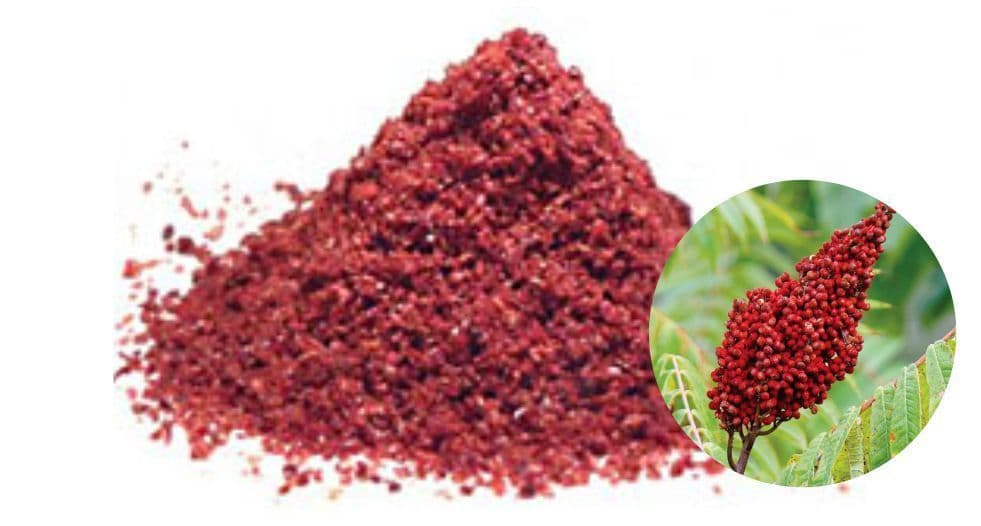
sumac
Sumac is a deep crimson spice made from the dried berries of the Rhus coriaria shrub, native to the Mediterranean and Middle East. Its culinary reputation rests on its bright, tart-tangy flavor — a citrus-like acidity without the juice — and as a fragrance ingredient, it translates into a similarly vivid, fruity-spicy profile. The note carries tartness, warmth, and a subtle earthiness that makes it a uniquely compelling addition to the perfumer's palette. In perfumery, sumac occupies an intriguing space between spice and fruit. Its tart, slightly smoky berry character bridges oriental warmth and fresh Mediterranean brightness. It pairs exceptionally well with saffron, rose, oud, warm resins, and leather — ingredients with which it shares cultural and geographic roots. It adds unexpected dimension to orientals and woody aromatic compositions, giving them a sharp, exotic edge that lingers long in the memory. Sumac is a note for those who appreciate the complexity and heritage of ancient botanical traditions. It speaks of sun-baked terraces, spice markets, and the rich culinary culture of the Levant. At Fragrenza, we celebrate these bold, culturally rich ingredients, delivering sumac-accented fragrances with depth and character at prices that welcome everyone.
- 🌿
Sumach
Sumach is a specialty note used to give a fragrance a distinctive texture, mood, or material impression. Depending on interpretation, it may contribute freshness, warmth, sweetness, dryness, softness, or an abstract atmospheric effect. In perfumery, specialty notes are useful because they make a composition feel more specific and less generic. It can be paired with woods, musks, florals, resins, fruits, green notes, spices, or amber materials according to the intended style.
- 🌿
Sumatra benzoin
Sumatra benzoin is a warm ambered or resinous note used to give fragrance depth, softness, and long-lasting richness. It can smell balsamic, sweet, smoky, vanillic, woody, powdery, or incense-like depending on the material. In perfumery, it rounds sharp edges and creates a smooth base that holds the composition together. Sumatra benzoin pairs well with woods, musks, spices, vanilla, tobacco, leather, florals, oud, and other resins.
- 🌿
Sumatra oud
Sumatra oud is a woody note used to create structure, depth, and lasting warmth. Its scent may be dry, creamy, smoky, resinous, earthy, pencil-like, or polished depending on the wood or accord. In perfumery, woody notes support the whole composition and connect fresh openings with deeper bases. It pairs naturally with amber, musk, incense, leather, vetiver, patchouli, spices, citrus, and soft resins.
- 🌿
Sumatra patchouli
Sumatra patchouli is a woody note used to create structure, depth, and lasting warmth. Its scent may be dry, creamy, smoky, resinous, earthy, pencil-like, or polished depending on the wood or accord. In perfumery, woody notes often support the whole composition and help connect fresh openings with deeper bases. Sumatra patchouli pairs naturally with amber, musk, incense, leather, vetiver, patchouli, spices, citrus, and soft resins, making it useful in masculine, feminine, and unisex fragrances.
- 🌿
Summer flowers
Summer flowers is a floral note that gives a fragrance softness, radiance, and emotional warmth. Depending on the flower or accord, it may feel fresh, creamy, powdery, honeyed, green, indolic, or airy. In perfumery, floral notes often form the heart of a composition, adding body and a recognizable signature. It pairs well with citrus, white musk, rose, jasmine, sandalwood, amber, vanilla, iris, and delicate fruits.
- 🌿
Sun Goddess rose
Sun Goddess rose is a floral note that gives a fragrance softness, radiance, and emotional warmth. Depending on the flower or accord, it may feel fresh, creamy, powdery, honeyed, green, indolic, or airy. In perfumery, floral notes often form the heart of a composition, adding body and a recognizable signature. It pairs well with citrus, white musk, rose, jasmine, sandalwood, amber, vanilla, iris, and delicate fruits.

Sunflower
Sunflower as a fragrance note captures the gentle, sun-warmed essence of one of the world's most beloved blooms. Unlike intensely fragrant flowers such as jasmine or rose, the actual scent of a sunflower is soft and understated — slightly green and nutty at the core, with a mild, honey-like sweetness and the warmth of dry summer air. Recreating this in perfumery requires a careful blend of green floral notes, light aldehydes, warm musks, and soft woods. In the fragrance world, sunflower notes are used to evoke open landscapes, warmth, and an optimistic, uncomplicated joy. They pair naturally with light citrus, fresh green notes, solar musks, and soft florals like mimosa or freesia. The accord has an inherently cheerful, uplifting quality — it's the olfactory embodiment of blue skies and long, lazy afternoons in golden fields. Sunflower fragrances appeal to those who want something naturally beautiful without complexity — a scent that feels clean, warm, and radiant. At Fragrenza, we capture this quiet floral warmth in compositions that feel both effortless and refined, making the golden heart of a sunflower field accessible at a price everyone can enjoy.
- 🌿
Suntan lotion
Few fragrance notes trigger memory as powerfully as suntan lotion — that warm, coconut-sweet, tropical scent that instantly transports you to a sun-drenched beach, the sound of waves, and the carefree ease of summer holidays. As a perfumery accord, it draws on a combination of coconut absolute or synthetic coconut molecules, warm musks, a hint of vanilla, soft florals, and occasionally a trace of banana or mango to recreate that quintessential poolside warmth. The note gained enormous popularity in the 1990s and remains a beloved ingredient in gourmand, tropical, and summer-focused fragrances. It sits beautifully alongside tiare flower, monoi, ylang-ylang, solar musks, and creamy sandalwood. The suntan lotion accord works because it taps into something deeply personal — the olfactory equivalent of a holiday photograph, vivid and emotionally charged. It's a note that makes people smile. Warm without being heavy, sweet without being cloying, it captures the essence of leisure and pleasure. At Fragrenza, our suntan lotion-inspired fragrances bring that joyful, sun-kissed character to life in refined compositions, offered at prices that keep summer accessible all year round.
- 🌿
Swedish castoreum
Swedish castoreum is a specialty note used to give a fragrance a distinctive texture, mood, or material impression. Depending on interpretation, it may contribute freshness, warmth, sweetness, dryness, softness, or an abstract atmospheric effect. In perfumery, specialty notes are useful because they make a composition feel more specific and less generic. It can be paired with woods, musks, florals, resins, fruits, green notes, spices, or amber materials according to the intended style.
- 🌿
Swedish fossilised amber
Swedish fossilised amber is a warm ambered or resinous note used to give fragrance depth, softness, and long-lasting richness. It can smell balsamic, sweet, smoky, vanillic, woody, powdery, or incense-like depending on the material. In perfumery, it rounds sharp edges and creates a smooth base that holds the composition together. It pairs well with woods, musks, spices, vanilla, tobacco, leather, florals, oud, and other resins.
- 🌿
Swedish ivy
Swedish ivy is a specialty note used to give a fragrance a distinctive texture, mood, or material impression. Depending on interpretation, it may contribute freshness, warmth, sweetness, dryness, softness, or an abstract atmospheric effect. In perfumery, specialty notes are useful because they make a composition feel more specific and less generic. It can be paired with woods, musks, florals, resins, fruits, green notes, spices, or amber materials according to the intended style.
- 🌿
Sweet acacia
Sweet acacia is a specialty note used to give a fragrance a distinctive texture, mood, or material impression. Depending on interpretation, it may contribute freshness, warmth, sweetness, dryness, softness, or an abstract atmospheric effect. In perfumery, specialty notes are valuable because they make a composition feel more specific and less generic. Sweet acacia can be paired with woods, musks, florals, resins, fruits, green notes, spices, or amber materials according to the intended style.
- 🌿
Sweet acacia absolute
Sweet acacia absolute is a specialty note used to give a fragrance a distinctive texture, mood, or material impression. Depending on interpretation, it may contribute freshness, warmth, sweetness, dryness, softness, or an abstract atmospheric effect. In perfumery, specialty notes are useful because they make a composition feel more specific and less generic. It can be paired with woods, musks, florals, resins, fruits, green notes, spices, or amber materials according to the intended style.
- 🌿
Sweet Almond
Sweet Almond is a gourmand note that adds edible warmth, sweetness, and comfort. It may suggest cream, sugar, nuts, chocolate, coffee, honey, pastry, or toasted grains depending on the accord. In perfumery, gourmand notes make compositions feel cozy and sensual, but they work best when balanced with woods, musks, spices, citrus, or resins. It pairs well with vanilla, tonka bean, sandalwood, amber, caramel, cacao, coffee, and soft florals.
- 🌿
Sweet birch
Sweet birch is a woody note used to create structure, depth, and lasting warmth. Its scent may be dry, creamy, smoky, resinous, earthy, pencil-like, or polished depending on the wood or accord. In perfumery, woody notes support the whole composition and connect fresh openings with deeper bases. It pairs naturally with amber, musk, incense, leather, vetiver, patchouli, spices, citrus, and soft resins.
- 🌿
Sweet clover
Sweet clover is a spicy note that gives fragrance heat, texture, and aromatic energy. It can feel sweet, dry, peppery, resinous, herbal, smoky, or slightly medicinal depending on the material. In perfumery, spices create contrast, deepen the heart, and bridge fresh top notes with warm woody or amber bases. It pairs especially well with citrus, rose, tobacco, vanilla, oud, sandalwood, patchouli, leather, and balsamic resins.
- 🌿
Sweet clover absolute
Sweet clover absolute is a spicy note that gives fragrance heat, texture, and aromatic energy. It can feel sweet, dry, peppery, resinous, herbal, smoky, or slightly medicinal depending on the material. In perfumery, spices create contrast, deepen the heart, and bridge fresh top notes with warm woody or amber bases. It pairs especially well with citrus, rose, tobacco, vanilla, oud, sandalwood, patchouli, leather, and balsamic resins.
- 🌿
Sweet corn
Sweet corn is a specialty note used to give a fragrance a distinctive texture, mood, or material impression. Depending on interpretation, it may contribute freshness, warmth, sweetness, dryness, softness, or an abstract atmospheric effect. In perfumery, specialty notes are useful because they make a composition feel more specific and less generic. It can be paired with woods, musks, florals, resins, fruits, green notes, spices, or amber materials according to the intended style.
- 🌿
Sweet gale
Sweet gale is a specialty note used to give a fragrance a distinctive texture, mood, or material impression. Depending on interpretation, it may contribute freshness, warmth, sweetness, dryness, softness, or an abstract atmospheric effect. In perfumery, specialty notes are useful because they make a composition feel more specific and less generic. It can be paired with woods, musks, florals, resins, fruits, green notes, spices, or amber materials according to the intended style.
- 🌿
Sweet lime
Sweet lime is a bright citrus note that brings sparkle, freshness, and immediate lift to a fragrance. Its profile may include juicy pulp, aromatic peel, green bitterness, soft floral facets, or a slightly sharp zest depending on the material. In perfumery, it is most often used in the opening, where it gives clarity and movement before blending into florals, woods, musks, or herbs. Sweet lime works especially well with neroli, tea, lavender, white musk, light woods, aquatic notes, and aromatic herbs.

Sweet notes
Sweet Notes is a specialty fragrance note with a distinctive character that can add texture, contrast, and originality to a composition. In perfumery, it is best used to create a specific mood or material impression, often alongside woods, musks, florals, resins, fruits, or green notes.
- 🌿
Sweet Orange
Sweet Orange is a citrus note that adds sparkle, freshness, and immediate lift to a fragrance. Its profile can include juicy pulp, aromatic peel, green bitterness, soft floral nuances, or a sharp zesty brightness depending on the material. In perfumery, it is usually used in the opening, where it brings clarity and motion before blending into florals, woods, musks, or herbs. It pairs well with neroli, tea, lavender, white musk, light woods, aquatic notes, and aromatic herbs.
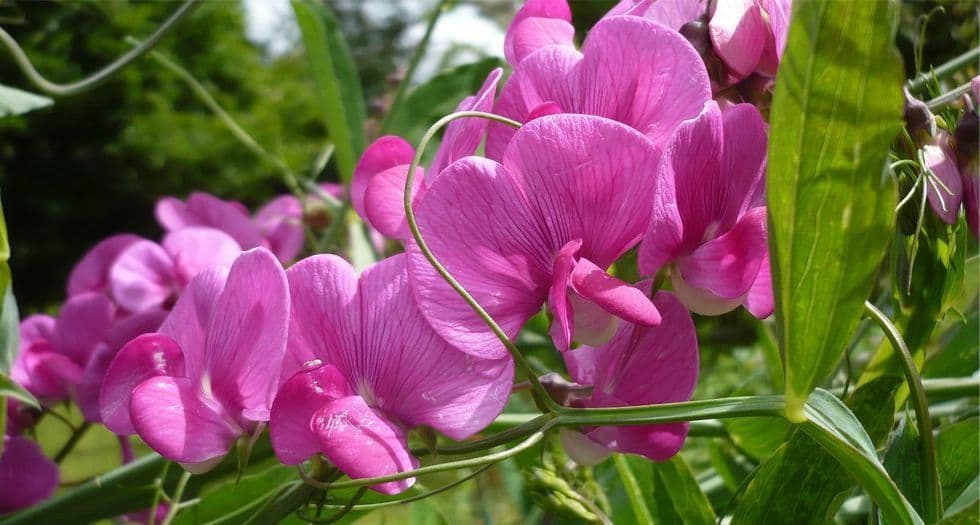
Sweet Pea
Sweet pea is an annual climbing plant with colorful and fragrant flowers, native to the Mediterranean region.
- 🌿
Sweet vernal grass
Sweet vernal grass is a green or aromatic note that evokes leaves, herbs, stems, fresh air, or crushed vegetation. Its profile can be crisp, bitter, watery, camphoraceous, grassy, or slightly earthy depending on the material. In perfumery, green notes add realism and lift, keeping sweet, floral, or woody compositions from feeling too heavy. It pairs well with citrus, tea, fig, violet leaf, galbanum, tomato leaf, white musk, vetiver, lavender, and light woods.
- 🌿
Sweet violet
Sweet violet is a floral note that adds softness, radiance, and emotional warmth to a composition. Depending on the flower or accord, it can feel fresh, creamy, powdery, honeyed, green, indolic, or airy. In perfumery, floral notes often form the heart of a fragrance, giving it body and a recognizable character. Sweet violet pairs well with citrus, white musk, rose, jasmine, sandalwood, amber, vanilla, iris, and delicate fruits, making it useful in both classic bouquets and modern transparent florals.
- 🌿
Sweet william
Sweet william is a specialty note used to give a fragrance a distinctive texture, mood, or material impression. Depending on interpretation, it may contribute freshness, warmth, sweetness, dryness, softness, or an abstract atmospheric effect. In perfumery, specialty notes are useful because they make a composition feel more specific and less generic. It can be paired with woods, musks, florals, resins, fruits, green notes, spices, or amber materials according to the intended style.
- 🌿
Sweetgrass
Sweetgrass is a green or aromatic note that evokes leaves, herbs, stems, fresh air, or crushed vegetation. Its profile can be crisp, bitter, watery, camphoraceous, grassy, or slightly earthy depending on the material. In perfumery, green notes add realism and lift, keeping sweet, floral, or woody compositions from feeling too heavy. Sweetgrass pairs well with citrus, tea, fig, violet leaf, galbanum, tomato leaf, white musk, vetiver, lavender, and light woods.
- 🌿
Sweetgrass absolute
Sweetgrass absolute is a green or aromatic note that evokes leaves, herbs, stems, fresh air, or crushed vegetation. Its profile can be crisp, bitter, watery, camphoraceous, grassy, or slightly earthy depending on the material. In perfumery, green notes add realism and lift, keeping sweet, floral, or woody compositions from feeling too heavy. It pairs well with citrus, tea, fig, violet leaf, galbanum, tomato leaf, white musk, vetiver, lavender, and light woods.
- 🌿
Sweetie
Sweetie is a specialty note used to give a fragrance a distinctive texture, mood, or material impression. Depending on interpretation, it may contribute freshness, warmth, sweetness, dryness, softness, or an abstract atmospheric effect. In perfumery, specialty notes are useful because they make a composition feel more specific and less generic. It can be paired with woods, musks, florals, resins, fruits, green notes, spices, or amber materials according to the intended style.
- 🌿
Sweets
Sweets is a specialty note used to give a fragrance a distinctive texture, mood, or material impression. Depending on interpretation, it may contribute freshness, warmth, sweetness, dryness, softness, or an abstract atmospheric effect. In perfumery, specialty notes are useful because they make a composition feel more specific and less generic. It can be paired with woods, musks, florals, resins, fruits, green notes, spices, or amber materials according to the intended style.
- 🌿
Swiss cognac
Swiss cognac is a specialty note used to give a fragrance a distinctive texture, mood, or material impression. Depending on interpretation, it may contribute freshness, warmth, sweetness, dryness, softness, or an abstract atmospheric effect. In perfumery, specialty notes are useful because they make a composition feel more specific and less generic. It can be paired with woods, musks, florals, resins, fruits, green notes, spices, or amber materials according to the intended style.
- 🌿
Swiss stone pine
Swiss stone pine is a woody note used to create structure, depth, and lasting warmth. Its scent may be dry, creamy, smoky, resinous, earthy, pencil-like, or polished depending on the wood or accord. In perfumery, woody notes support the whole composition and connect fresh openings with deeper bases. It pairs naturally with amber, musk, incense, leather, vetiver, patchouli, spices, citrus, and soft resins.
- 🌿
Sycamore maple
Sycamore maple is a specialty note used to give a fragrance a distinctive texture, mood, or material impression. Depending on interpretation, it may contribute freshness, warmth, sweetness, dryness, softness, or an abstract atmospheric effect. In perfumery, specialty notes are useful because they make a composition feel more specific and less generic. It can be paired with woods, musks, florals, resins, fruits, green notes, spices, or amber materials according to the intended style.
Sycamore tree
Sycamore is a broadleaf tree note that can be interpreted as soft woody, green, dry, and slightly earthy. In perfumery, it suggests tree bark, leafy shade, and gentle woodland warmth. It works well in green woody, aromatic, and naturalistic compositions.
- 🌿
Sylkolide
Sylkolide is a specialty note used to give a fragrance a distinctive texture, mood, or material impression. Depending on interpretation, it may contribute freshness, warmth, sweetness, dryness, softness, or an abstract atmospheric effect. In perfumery, specialty notes are useful because they make a composition feel more specific and less generic. It can be paired with woods, musks, florals, resins, fruits, green notes, spices, or amber materials according to the intended style.
- 🌿
Syrian cumin
Syrian cumin is a spicy note that gives fragrance heat, texture, and aromatic energy. It can feel sweet, dry, peppery, resinous, herbal, smoky, or slightly medicinal depending on the material. In perfumery, spices create contrast, deepen the heart, and bridge fresh top notes with warm woody or amber bases. It pairs especially well with citrus, rose, tobacco, vanilla, oud, sandalwood, patchouli, leather, and balsamic resins.
- 🌿
Syrian saffron
Syrian saffron is a spicy note that gives fragrance heat, texture, and aromatic energy. It can feel sweet, dry, peppery, resinous, herbal, smoky, or slightly medicinal depending on the material. In perfumery, spices create contrast, deepen the heart, and bridge fresh top notes with warm woody or amber bases. It pairs especially well with citrus, rose, tobacco, vanilla, oud, sandalwood, patchouli, leather, and balsamic resins.
- 🌿
Syringa
Syringa is a specialty note used to give a fragrance a distinctive texture, mood, or material impression. Depending on interpretation, it may contribute freshness, warmth, sweetness, dryness, softness, or an abstract atmospheric effect. In perfumery, specialty notes are valuable because they make a composition feel more specific and less generic. Syringa can be paired with woods, musks, florals, resins, fruits, green notes, spices, or amber materials according to the intended style.
- 🌿
Syringe
Syringe is a specialty note used to give a fragrance a distinctive texture, mood, or material impression. Depending on interpretation, it may contribute freshness, warmth, sweetness, dryness, softness, or an abstract atmospheric effect. In perfumery, specialty notes are useful because they make a composition feel more specific and less generic. It can be paired with woods, musks, florals, resins, fruits, green notes, spices, or amber materials according to the intended style.
- 🌿
Szechuan pepper blossom
Szechuan pepper blossom is a floral note that gives a fragrance softness, radiance, and emotional warmth. Depending on the flower or accord, it may feel fresh, creamy, powdery, honeyed, green, indolic, or airy. In perfumery, floral notes often form the heart of a composition, adding body and a recognizable signature. It pairs well with citrus, white musk, rose, jasmine, sandalwood, amber, vanilla, iris, and delicate fruits.
T
- 🌿
Tabac Bourbon
Tabac Bourbon is a specialty note used to give a fragrance a distinctive texture, mood, or material impression. Depending on interpretation, it may contribute freshness, warmth, sweetness, dryness, softness, or an abstract atmospheric effect. In perfumery, specialty notes are useful because they make a composition feel more specific and less generic. It can be paired with woods, musks, florals, resins, fruits, green notes, spices, or amber materials according to the intended style.
- 🌿
Tagetes
Tagetes is a floral note that brings softness, radiance, and natural elegance to a fragrance. Its character can range from fresh and airy to creamy, sensual, honeyed, or slightly green, depending on how the accord is built. In perfumery, it is often used in the heart of a composition to add body and emotional warmth. It pairs well with white musks, citrus, rose, jasmine, sandalwood, amber, vanilla, and delicate fruits.
- 🌿
Tagetes absolute
Tagetes absolute is a specialty note used to give a fragrance a distinctive texture, mood, or material impression. Depending on interpretation, it may contribute freshness, warmth, sweetness, dryness, softness, or an abstract atmospheric effect. In perfumery, specialty notes are useful because they make a composition feel more specific and less generic. It can be paired with woods, musks, florals, resins, fruits, green notes, spices, or amber materials according to the intended style.
- 🌿
Tahitian coconut
Tahitian coconut is a fruity note that adds juiciness, color, and natural sweetness. It may feel crisp and tart, ripe and velvety, tropical and creamy, or dark and jammy depending on the fruit profile. In perfumery, fruity notes brighten florals, soften musks, and add pleasure to gourmand or woody structures. It pairs well with rose, peony, jasmine, white musk, vanilla, woods, citrus, amber, and soft spices.
- 🌿
Tahitian frangipani
Tahitian frangipani is a specialty note used to give a fragrance a distinctive texture, mood, or material impression. Depending on interpretation, it may contribute freshness, warmth, sweetness, dryness, softness, or an abstract atmospheric effect. In perfumery, specialty notes are useful because they make a composition feel more specific and less generic. It can be paired with woods, musks, florals, resins, fruits, green notes, spices, or amber materials according to the intended style.
- 🌿
Tahitian pomelo
Tahitian pomelo is a citrus note that adds sparkle, freshness, and immediate lift to a fragrance. Its profile can include juicy pulp, aromatic peel, green bitterness, soft floral nuances, or a sharp zesty brightness depending on the material. In perfumery, it is usually used in the opening, where it brings clarity and motion before blending into florals, woods, musks, or herbs. It pairs well with neroli, tea, lavender, white musk, light woods, aquatic notes, and aromatic herbs.
- 🌿
Tahitian Tiare Flower
Tahitian Tiare Flower is a floral note that gives a fragrance softness, radiance, and emotional warmth. Depending on the flower or accord, it may feel fresh, creamy, powdery, honeyed, green, indolic, or airy. In perfumery, floral notes often form the heart of a composition, adding body and a recognizable signature. It pairs well with citrus, white musk, rose, jasmine, sandalwood, amber, vanilla, iris, and delicate fruits.
- 🌿
Tahitian Vanilla
Tahitian Vanilla is a warm ambered or resinous note used to give fragrance depth, softness, and long-lasting richness. It can smell balsamic, sweet, smoky, vanillic, woody, powdery, or incense-like depending on the material. In perfumery, it rounds sharp edges and creates a smooth base that holds the composition together. Tahitian Vanilla pairs well with woods, musks, spices, vanilla, tobacco, leather, florals, oud, and other resins.
- 🌿
Tahitian vanilla absolute
Tahitian vanilla absolute is a warm ambered or resinous note used to give fragrance depth, softness, and long-lasting richness. It can smell balsamic, sweet, smoky, vanillic, woody, powdery, or incense-like depending on the material. In perfumery, it rounds sharp edges and creates a smooth base that holds the composition together. It pairs well with woods, musks, spices, vanilla, tobacco, leather, florals, oud, and other resins.
- 🌿
Tahitian vanilla CO2
Tahitian vanilla CO2 is a warm ambered or resinous note used to give fragrance depth, softness, and long-lasting richness. It can smell balsamic, sweet, smoky, vanillic, woody, powdery, or incense-like depending on the material. In perfumery, it rounds sharp edges and creates a smooth base that holds the composition together. It pairs well with woods, musks, spices, vanilla, tobacco, leather, florals, oud, and other resins.
- 🌿
Tahitian Vetiver
Tahitian Vetiver is a woody note used to create structure, depth, and lasting warmth. Its scent may be dry, creamy, smoky, resinous, earthy, pencil-like, or polished depending on the wood or accord. In perfumery, woody notes support the whole composition and connect fresh openings with deeper bases. It pairs naturally with amber, musk, incense, leather, vetiver, patchouli, spices, citrus, and soft resins.
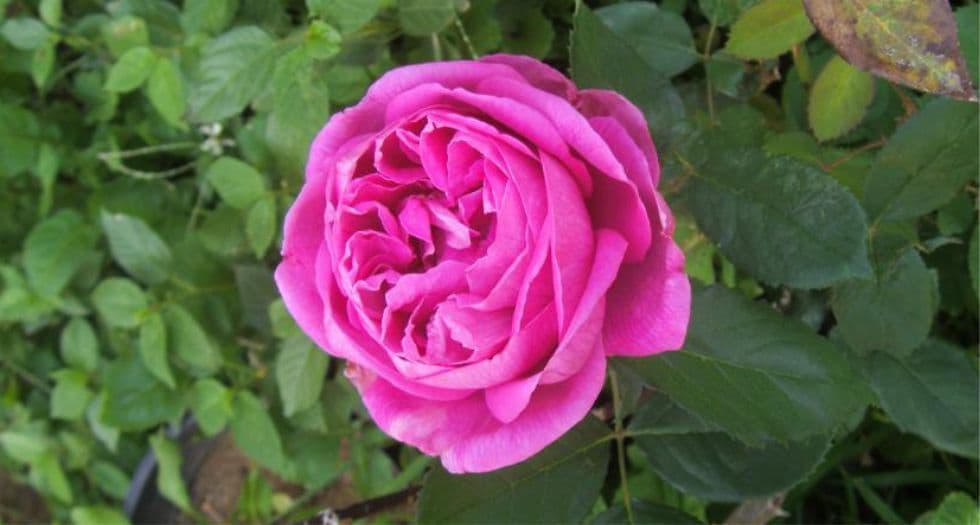
Taif rose
Taif rose is grown exclusively in the mountainous Al Hada and Al Shafa region near the city of Ta'if in western Saudi Arabia, at elevations above 1,800 metres where cool nights and thin mountain air create growing conditions found nowhere else on earth. The variety — Rosa damascena var. — blooms for just a few weeks each spring, and all harvesting is done by hand before dawn to preserve the maximum concentration of fragrant compounds. Taif rose attar and absolute are among the most expensive natural ingredients in fine perfumery, sometimes rivalling or exceeding the price of Grasse rose. The tradition of Taif rose cultivation stretches back over a thousand years and holds deep cultural and religious significance in the Arabian Peninsula. Olfactorily, Taif rose is a world apart from its Bulgarian or Turkish cousins. It is richer, more honeyed, and distinctly more complex — with strong facets of warm honey, light spice, and a subtle oud-like smokiness that reflects its desert mountain terroir. There is an almost liqueur-like sweetness layered beneath the rose's floral core, giving Taif an opulence and depth that feels truly exceptional. It blends magnetically with oud, amber, musk, saffron, and sandalwood — the classic vocabulary of Arabian luxury perfumery. In perfumery, Taif rose is the undisputed jewel of Middle Eastern fragrance tradition, appearing at the heart of the most prestigious oud and rose compositions from niche and artisan houses worldwide. Its use signals the highest level of quality and intention. At Fragrenza, we celebrate this extraordinary ingredient in select dupe fragrances, making the incomparable beauty of Taif rose accessible without the extraordinary price tag.
- 🌿
Taif rose otto
Taif rose otto is a floral note that gives a fragrance softness, radiance, and emotional warmth. Depending on the flower or accord, it may feel fresh, creamy, powdery, honeyed, green, indolic, or airy. In perfumery, floral notes often form the heart of a composition, adding body and a recognizable signature. It pairs well with citrus, white musk, rose, jasmine, sandalwood, amber, vanilla, iris, and delicate fruits.
- 🌿
Talcum
Talcum is a specialty note used to give a fragrance a distinctive texture, mood, or material impression. Depending on interpretation, it may contribute freshness, warmth, sweetness, dryness, softness, or an abstract atmospheric effect. In perfumery, specialty notes are valuable because they make a composition feel more specific and less generic. Talcum can be paired with woods, musks, florals, resins, fruits, green notes, spices, or amber materials according to the intended style.
- 🌿
Tamanu wood
Tamanu wood is a woody note used to create structure, depth, and lasting warmth. Its scent may be dry, creamy, smoky, resinous, earthy, pencil-like, or polished depending on the wood or accord. In perfumery, woody notes support the whole composition and connect fresh openings with deeper bases. It pairs naturally with amber, musk, incense, leather, vetiver, patchouli, spices, citrus, and soft resins.
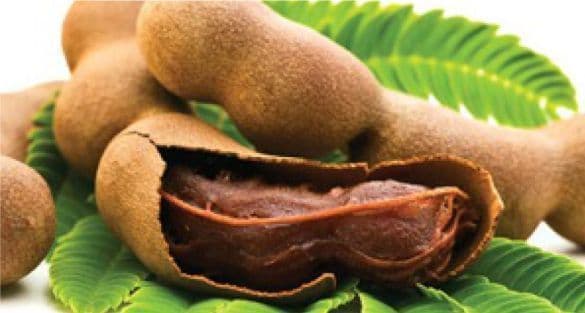
tamarind
Tamarind is a tropical fruit note with a distinctive sweet-sour character. It smells tangy, fruity, slightly sticky, dark, and exotic, with a sour pulp quality that gives it energy. In perfumery, it adds unusual tartness to fruity, gourmand, tropical, and spicy compositions.
- 🌿
Tamarind blossom
Tamarind blossom is a floral note that gives a fragrance softness, radiance, and emotional warmth. Depending on the flower or accord, it may feel fresh, creamy, powdery, honeyed, green, indolic, or airy. In perfumery, floral notes often form the heart of a composition, adding body and a recognizable signature. It pairs well with citrus, white musk, rose, jasmine, sandalwood, amber, vanilla, iris, and delicate fruits.
- 🌿
Tamarisk
Tamarisk is a specialty note used to give a fragrance a distinctive texture, mood, or material impression. Depending on interpretation, it may contribute freshness, warmth, sweetness, dryness, softness, or an abstract atmospheric effect. In perfumery, specialty notes are useful because they make a composition feel more specific and less generic. It can be paired with woods, musks, florals, resins, fruits, green notes, spices, or amber materials according to the intended style.
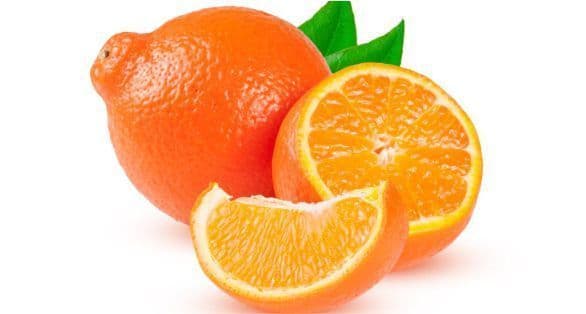
Tangelo
Tangelo is a citrus hybrid of tangerine and grapefruit, combining juicy sweetness with bright tartness and a slightly bitter peel facet. In perfumery, it adds sparkling citrus energy, freshness, and a sunny fruity opening. It pairs well with neroli, mint, ginger, musk, and aquatic notes.
Tangerine
Tangerine (Citrus reticulata var.) is a small, easy-peeling member of the mandarin family, believed to have originated in China and Southeast Asia before spreading along ancient trade routes through the Middle East and into Europe. Its name derives from the port city of Tangier in Morocco, through which the fruit was historically exported to Europe in the nineteenth century. Along with other citrus fruits, tangerine has been a staple of perfumery since the Italian eau de cologne tradition of the seventeenth and eighteenth centuries, prized for its instant brightness and natural vivaciousness. Olfactorily, tangerine is sweeter, warmer, and more rounded than a standard orange, with a sunlit, almost honeyed quality that sets it apart from the sharper bite of lemon or grapefruit. It opens with an immediate burst of ripe, juicy citrus sweetness that carries a subtle floral undertone — a reminder that citrus peels contain not only terpenes but trace aromatic compounds of considerable complexity. Tangerine's warmth makes it feel more autumnal than the cooler citrus notes, and it bridges the gap between bright top notes and deeper heart materials. It pairs well with florals, spices, woods, musks, and tropical fruits. In perfumery, tangerine is widely used as a top note in everything from fresh colognes to oriental and gourmand compositions, where its warm sweetness helps ease the transition into richer heart and base materials. It is a joyful, uplifting note with broad cross-genre appeal. At Fragrenza, our tangerine note delivers its signature sunny brightness across multiple dupe fragrances, helping us craft compositions that feel as vibrant and alive as the finest designer originals — at a fraction of the price.
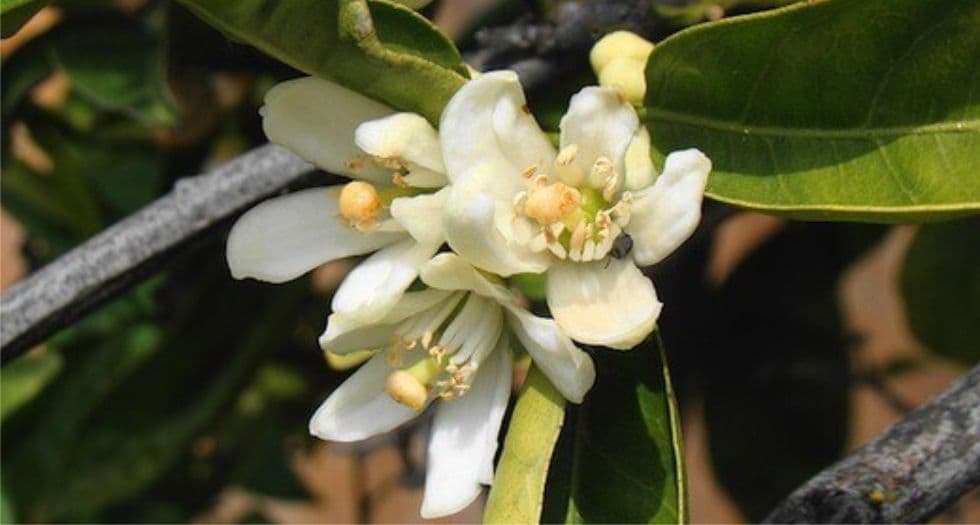
Tangerine blossom
Tangerine Blossom is a bright citrus note with zesty peel, juicy freshness, and a clean sparkling lift. In perfumery, it brings energy and radiance to openings, pairing well with neroli, tea, herbs, musks, woods, aquatic notes, and light florals.
- 🌿
Tangor
Tangor is a specialty note used to give a fragrance a distinctive texture, mood, or material impression. Depending on interpretation, it may contribute freshness, warmth, sweetness, dryness, softness, or an abstract atmospheric effect. In perfumery, specialty notes are useful because they make a composition feel more specific and less generic. It can be paired with woods, musks, florals, resins, fruits, green notes, spices, or amber materials according to the intended style.
- 🌿
Tanzanian ginger
Tanzanian ginger is a spicy note that gives fragrance heat, texture, and aromatic energy. It can feel sweet, dry, peppery, resinous, herbal, smoky, or slightly medicinal depending on the material. In perfumery, spices create contrast, deepen the heart, and bridge fresh top notes with warm woody or amber bases. It pairs especially well with citrus, rose, tobacco, vanilla, oud, sandalwood, patchouli, leather, and balsamic resins.
- 🌿
Tar
Tar is a dark textured note that can suggest leather, smoke, tobacco, tar, or warm dry materials. It gives fragrance depth, sensuality, and a more dramatic atmosphere. In perfumery, smoky and leathery notes are often used in bases, where they add strength and character without needing sweetness. Tar pairs well with oud, saffron, birch tar, amber, tobacco, rose, patchouli, vetiver, incense, and dry woods.
- 🌿
Tarocco orange
Tarocco orange is a citrus note that adds sparkle, freshness, and immediate lift to a fragrance. Its profile can include juicy pulp, aromatic peel, green bitterness, soft floral nuances, or a sharp zesty brightness depending on the material. In perfumery, it is usually used in the opening, where it brings clarity and motion before blending into florals, woods, musks, or herbs. It pairs well with neroli, tea, lavender, white musk, light woods, aquatic notes, and aromatic herbs.
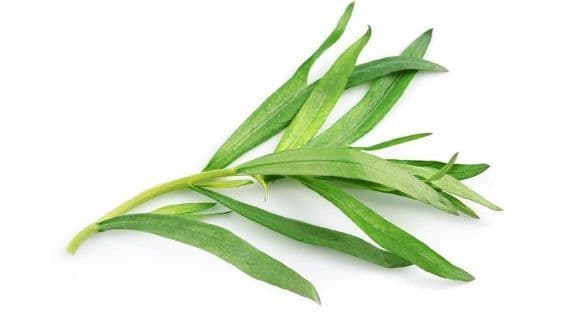
Tarragon
Tarragon is an aromatic note with herbal or spicy facets that can feel fresh, warm, dry, or slightly sharp depending on dosage. In perfumery, it adds character and movement to woods, ambers, citrus, tea accords, fougères, leathers, and oriental compositions.
- 🌿
Tayberry
Tayberry is a fruity note that adds juiciness, color, and natural sweetness. It may feel crisp and tart, ripe and velvety, tropical and creamy, or dark and jammy depending on the fruit profile. In perfumery, fruity notes brighten florals, soften musks, and add pleasure to gourmand or woody structures. It pairs well with rose, peony, jasmine, white musk, vanilla, woods, citrus, amber, and soft spices.
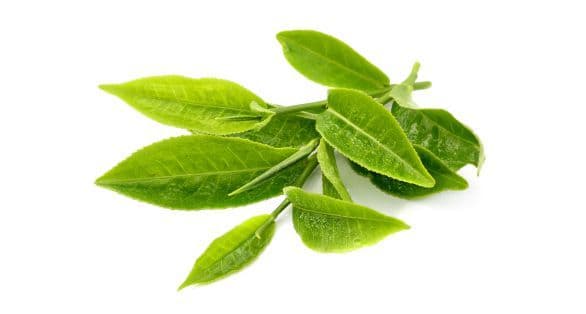
Tea
Tea in perfumery conjures one of humanity's most enduring and universally beloved sensory experiences — the steaming cup, the rising vapour, the quiet ritual of taking a moment to breathe. The aromatic profile of tea in fragrance is not a single note but a family of impressions, each derived from different varieties and preparations. Green tea, with its fresh, slightly astringent, and gently vegetal character, yields compounds like linalool and hexenyl acetate that read as cool and herbaceous. Black tea — deeper, earthier, and slightly tannic — brings a warmth that edges into leather and spice territory. In the blending room, the tea note is treasured for its versatility and its ability to bridge disparate elements. It pairs naturally with citrus, white florals, cedar, and bergamot in fresh aquatic and green compositions; it also finds a home in more complex oriental structures where its gentle astringency counterbalances rich resins and spices. The tea note carries an inherent sense of refinement and calm — it is a note associated with contemplation, quality, and the small pleasures that make daily life richer. Tea-based fragrances have a long and distinguished history, from classic Eau de Colognes built on bergamot's tea-like facets to the dedicated tea fragrances that emerged in the 1990s and have since become a beloved genre in their own right. At Fragrenza, our inspired-by collection captures the finest tea-forward luxury fragrances, offering that serene, refined aromatic experience at a price point that invites daily indulgence.
- 🌿
Tea blossom
Tea blossom is a floral note that gives a fragrance softness, radiance, and emotional warmth. Depending on the flower or accord, it may feel fresh, creamy, powdery, honeyed, green, indolic, or airy. In perfumery, floral notes often form the heart of a composition, adding body and a recognizable signature. It pairs well with citrus, white musk, rose, jasmine, sandalwood, amber, vanilla, iris, and delicate fruits.
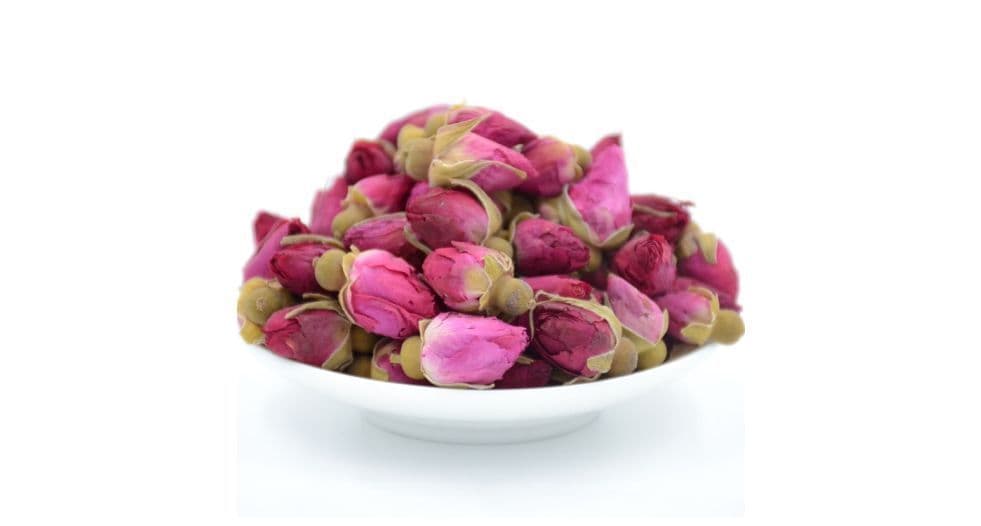
Tea rose
Tea Rose is a floral note with fresh petals, soft sweetness, and a refined natural brightness. In perfumery, it can add elegance, color, and lift to floral bouquets, musks, fruity florals, powdery accords, and modern feminine compositions.
- 🌿
Tea tree
Tea tree is a green or aromatic note that evokes leaves, herbs, stems, fresh air, or crushed vegetation. Its profile can be crisp, bitter, watery, camphoraceous, grassy, or slightly earthy depending on the material. In perfumery, green notes add realism and lift, keeping sweet, floral, or woody compositions from feeling too heavy. It pairs well with citrus, tea, fig, violet leaf, galbanum, tomato leaf, white musk, vetiver, lavender, and light woods.
- 🌿
Teak
Teak is a green or aromatic note that evokes leaves, herbs, stems, fresh air, or crushed vegetation. Its profile can be crisp, bitter, watery, camphoraceous, grassy, or slightly earthy depending on the material. In perfumery, green notes add realism and lift, keeping sweet, floral, or woody compositions from feeling too heavy. Teak pairs well with citrus, tea, fig, violet leaf, galbanum, tomato leaf, white musk, vetiver, lavender, and light woods.
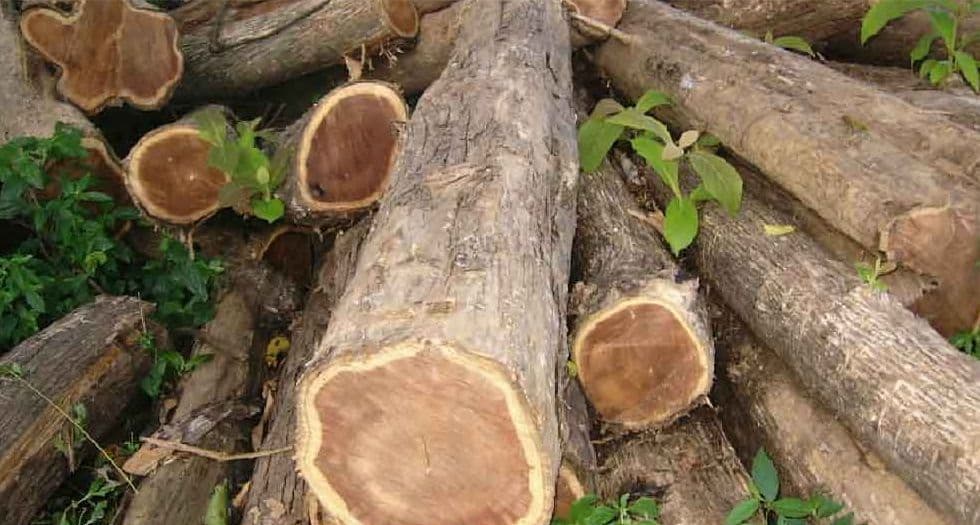
Teak Wood
Teak wood comes from Tectona grandis, a large tropical hardwood native to South and Southeast Asia — particularly India, Myanmar, Thailand, and Indonesia. One of the world's most prized timbers, teak has been harvested and traded for over two thousand years for its exceptional durability, natural oil content, and resistance to weathering. Historically used in shipbuilding, fine furniture, and temple construction, teak holds deep cultural significance across the Indian subcontinent and the Malay Archipelago. Its warm, golden-brown grain and distinctive oily character make it instantly recognisable. Olfactorily, teak wood as a fragrance note is dry, smooth, and subtly complex. It reads as warm and woody without the sharpness of cedar or the camphoraceous quality of some other tropical hardwoods. There is a faint earthiness and a very slight leathery undertone, grounded by the natural oils that give teak its characteristic richness. It does not project loudly but instead provides a steady, elegant backdrop — the olfactory equivalent of a finely crafted piece of furniture. Teak pairs naturally with other warm woods, vetiver, amber, leather, spices, and light musks. In perfumery, teak wood is favoured in masculine and unisex compositions seeking refined woodiness without harshness — a smooth, confident alternative to the more assertive cedar or sandalwood. It suits mature, sophisticated fragrance profiles as well as modern minimalist woody blends. At Fragrenza, our teak wood note anchors several of our dupe fragrances with quiet authority, delivering designer-calibre warmth and craftsmanship at prices that open fine fragrance to all.
- 🌿
Teakwood
Teakwood is a woody note used to create structure, depth, and lasting warmth. Its scent may be dry, creamy, smoky, resinous, earthy, pencil-like, or polished depending on the wood or accord. In perfumery, woody notes often support the whole composition and help connect fresh openings with deeper bases. Teakwood pairs naturally with amber, musk, incense, leather, vetiver, patchouli, spices, citrus, and soft resins, making it useful in masculine, feminine, and unisex fragrances.
- 🌿
Temple incense
Temple incense is a warm ambered or resinous note used to give fragrance depth, softness, and long-lasting richness. It can smell balsamic, sweet, smoky, vanillic, woody, powdery, or incense-like depending on the material. In perfumery, it rounds sharp edges and creates a smooth base that holds the composition together. It pairs well with woods, musks, spices, vanilla, tobacco, leather, florals, oud, and other resins.
- 🌿
Templin
Templin is a specialty note used to give a fragrance a distinctive texture, mood, or material impression. Depending on interpretation, it may contribute freshness, warmth, sweetness, dryness, softness, or an abstract atmospheric effect. In perfumery, specialty notes are useful because they make a composition feel more specific and less generic. It can be paired with woods, musks, florals, resins, fruits, green notes, spices, or amber materials according to the intended style.

Tennis ball
Tennis ball is a specialty fragrance note with a distinctive character that can add texture, contrast, and originality to a composition. In perfumery, it is best used to create a specific mood or material impression, often alongside woods, musks, florals, resins, fruits, or green notes.

tequila
Tequila is one of the most consumed spirits in the world. This alcoholic drink is named after the city of Santiago de Tequila in Mexico, the birthplace of this drink made from blue agave, a plant native to the state of Jalisco. Thanks to the rich volcanic soil that surrounds the city of Tequila, this thriving agricultural region is the best place on Earth to grow blue agave. Another name for this intriguing species is Agave tequilana. With its thorny and fleshy leaves, it is very reminiscent of a cactus but is actually related to the lily and amaryllis family.
- 🌿
Tequila Sunrise
Tequila Sunrise is a specialty note used to give a fragrance a distinctive texture, mood, or material impression. Depending on interpretation, it may contribute freshness, warmth, sweetness, dryness, softness, or an abstract atmospheric effect. In perfumery, specialty notes are useful because they make a composition feel more specific and less generic. It can be paired with woods, musks, florals, resins, fruits, green notes, spices, or amber materials according to the intended style.
- 🌿
Terebinth
Terebinth is a specialty note used to give a fragrance a distinctive texture, mood, or material impression. Depending on interpretation, it may contribute freshness, warmth, sweetness, dryness, softness, or an abstract atmospheric effect. In perfumery, specialty notes are useful because they make a composition feel more specific and less generic. It can be paired with woods, musks, florals, resins, fruits, green notes, spices, or amber materials according to the intended style.
- 🌿
Terminalia elliptica
Terminalia elliptica is a specialty note used to give a fragrance a distinctive texture, mood, or material impression. Depending on interpretation, it may contribute freshness, warmth, sweetness, dryness, softness, or an abstract atmospheric effect. In perfumery, specialty notes are useful because they make a composition feel more specific and less generic. It can be paired with woods, musks, florals, resins, fruits, green notes, spices, or amber materials according to the intended style.
- 🌿
Terracotta
Terracotta is a specialty note used to give a fragrance a distinctive texture, mood, or material impression. Depending on interpretation, it may contribute freshness, warmth, sweetness, dryness, softness, or an abstract atmospheric effect. In perfumery, specialty notes are useful because they make a composition feel more specific and less generic. It can be paired with woods, musks, florals, resins, fruits, green notes, spices, or amber materials according to the intended style.
- 🌿
Texan grapefruit
Texan grapefruit is a citrus note that adds sparkle, freshness, and immediate lift to a fragrance. Its profile can include juicy pulp, aromatic peel, green bitterness, soft floral nuances, or a sharp zesty brightness depending on the material. In perfumery, it is usually used in the opening, where it brings clarity and motion before blending into florals, woods, musks, or herbs. It pairs well with neroli, tea, lavender, white musk, light woods, aquatic notes, and aromatic herbs.
- 🌿
Texas Cedar
Texas Cedar is a woody note used to create structure, depth, and lasting warmth. Its scent may be dry, creamy, smoky, resinous, earthy, pencil-like, or polished depending on the wood or accord. In perfumery, woody notes often support the whole composition and help connect fresh openings with deeper bases. Texas Cedar pairs naturally with amber, musk, incense, leather, vetiver, patchouli, spices, citrus, and soft resins, making it useful in masculine, feminine, and unisex fragrances.
- 🌿
Thai basil
Thai basil is a green or aromatic note that evokes leaves, herbs, stems, fresh air, or crushed vegetation. Its profile can be crisp, bitter, watery, camphoraceous, grassy, or slightly earthy depending on the material. In perfumery, green notes add realism and lift, keeping sweet, floral, or woody compositions from feeling too heavy. It pairs well with citrus, tea, fig, violet leaf, galbanum, tomato leaf, white musk, vetiver, lavender, and light woods.
- 🌿
Thai benzoin
Thai benzoin is a warm ambered or resinous note used to give fragrance depth, softness, and long-lasting richness. It can smell balsamic, sweet, smoky, vanillic, woody, powdery, or incense-like depending on the material. In perfumery, it rounds sharp edges and creates a smooth base that holds the composition together. It pairs well with woods, musks, spices, vanilla, tobacco, leather, florals, oud, and other resins.
- 🌿
Thai ginger
Thai ginger is a spicy note that adds heat, texture, and aromatic energy to a fragrance. It may feel sweet, dry, peppery, resinous, herbal, smoky, or slightly medicinal depending on the material. In perfumery, spices create contrast, deepen the heart, and help bridge fresh top notes with warm woody or amber bases. Thai ginger pairs especially well with citrus, rose, tobacco, vanilla, oud, sandalwood, patchouli, leather, and balsamic resins.
- 🌿
Thai jasmine
Thai jasmine is a floral note that gives a fragrance softness, radiance, and emotional warmth. Depending on the flower or accord, it may feel fresh, creamy, powdery, honeyed, green, indolic, or airy. In perfumery, floral notes often form the heart of a composition, adding body and a recognizable signature. It pairs well with citrus, white musk, rose, jasmine, sandalwood, amber, vanilla, iris, and delicate fruits.
- 🌿
Thai lotus
Thai lotus is a floral note that gives a fragrance softness, radiance, and emotional warmth. Depending on the flower or accord, it may feel fresh, creamy, powdery, honeyed, green, indolic, or airy. In perfumery, floral notes often form the heart of a composition, adding body and a recognizable signature. It pairs well with citrus, white musk, rose, jasmine, sandalwood, amber, vanilla, iris, and delicate fruits.
- 🌿
Thai oud
Thai oud is a woody note used to create structure, depth, and lasting warmth. Its scent may be dry, creamy, smoky, resinous, earthy, pencil-like, or polished depending on the wood or accord. In perfumery, woody notes often support the whole composition and help connect fresh openings with deeper bases. Thai oud pairs naturally with amber, musk, incense, leather, vetiver, patchouli, spices, citrus, and soft resins, making it useful in masculine, feminine, and unisex fragrances.
- 🌿
Thai teak wood
Thai teak wood is a woody note used to create structure, depth, and lasting warmth. Its scent may be dry, creamy, smoky, resinous, earthy, pencil-like, or polished depending on the wood or accord. In perfumery, woody notes support the whole composition and connect fresh openings with deeper bases. It pairs naturally with amber, musk, incense, leather, vetiver, patchouli, spices, citrus, and soft resins.
- 🌿
Thailand Oud
Thailand Oud is a woody note used to create structure, depth, and lasting warmth. Its scent may be dry, creamy, smoky, resinous, earthy, pencil-like, or polished depending on the wood or accord. In perfumery, woody notes support the whole composition and connect fresh openings with deeper bases. It pairs naturally with amber, musk, incense, leather, vetiver, patchouli, spices, citrus, and soft resins.
- 🌿
Thanaka wood
Thanaka wood is a woody note used to create structure, depth, and lasting warmth. Its scent may be dry, creamy, smoky, resinous, earthy, pencil-like, or polished depending on the wood or accord. In perfumery, woody notes support the whole composition and connect fresh openings with deeper bases. It pairs naturally with amber, musk, incense, leather, vetiver, patchouli, spices, citrus, and soft resins.
- 🌿
The Body Shop
The Body Shop is a specialty note used to give a fragrance a distinctive texture, mood, or material impression. Depending on interpretation, it may contribute freshness, warmth, sweetness, dryness, softness, or an abstract atmospheric effect. In perfumery, specialty notes are useful because they make a composition feel more specific and less generic. It can be paired with woods, musks, florals, resins, fruits, green notes, spices, or amber materials according to the intended style.
- 🌿
Thistle
Thistle is a specialty note used to give a fragrance a distinctive texture, mood, or material impression. Depending on interpretation, it may contribute freshness, warmth, sweetness, dryness, softness, or an abstract atmospheric effect. In perfumery, specialty notes are useful because they make a composition feel more specific and less generic. It can be paired with woods, musks, florals, resins, fruits, green notes, spices, or amber materials according to the intended style.
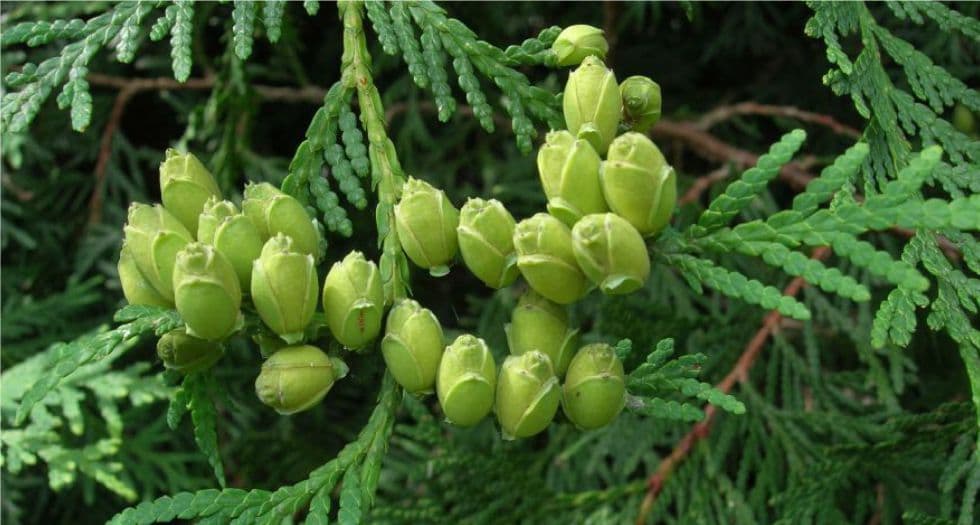
Thuja
Thuja is an evergreen conifer note with green, woody, resinous, slightly camphoraceous, and aromatic facets. It evokes cedar-like foliage, forest air, and fresh resin. In perfumery, it works in aromatic, woody, fougère, incense, and forest-inspired compositions.
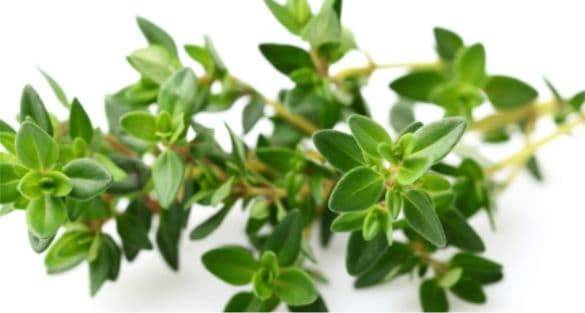
Thyme
Thyme is a strongly aromatic herb with green, dry, spicy, medicinal, and slightly leathery facets. In perfumery, it adds herbal sharpness and Mediterranean character. It pairs well with lavender, citrus, rosemary, woods, leather, and fougère accords.
- 🌿
Tiara
Tiara is a specialty note used to give a fragrance a distinctive texture, mood, or material impression. Depending on interpretation, it may contribute freshness, warmth, sweetness, dryness, softness, or an abstract atmospheric effect. In perfumery, specialty notes are valuable because they make a composition feel more specific and less generic. Tiara can be paired with woods, musks, florals, resins, fruits, green notes, spices, or amber materials according to the intended style.
- 🌿
Tiaré
Tiaré is a floral note that gives a fragrance softness, radiance, and emotional warmth. Depending on the flower or accord, it may feel fresh, creamy, powdery, honeyed, green, indolic, or airy. In perfumery, floral notes often form the heart of a composition, adding body and a recognizable signature. It pairs well with citrus, white musk, rose, jasmine, sandalwood, amber, vanilla, iris, and delicate fruits.
- 🌿
Tiaré absolute
Tiaré absolute is a specialty note used to give a fragrance a distinctive texture, mood, or material impression. Depending on interpretation, it may contribute freshness, warmth, sweetness, dryness, softness, or an abstract atmospheric effect. In perfumery, specialty notes are useful because they make a composition feel more specific and less generic. It can be paired with woods, musks, florals, resins, fruits, green notes, spices, or amber materials according to the intended style.
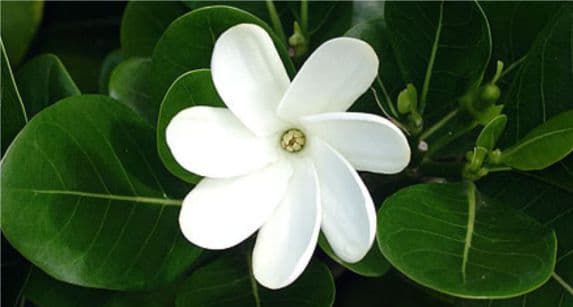
Tiare Flower
There is a special category of fragrance notes, which is often tagged in the fragrance pyramid to emphasize its exotic, or natural, character. These tickets are generally referred to as sales tickets.
- 🌿
Tibetan musk
Tibetan musk is a soft textural note that creates warmth, smoothness, and a skin-like finish. It may feel clean, powdery, woody, velvety, slightly fruity, or fabric-like depending on the accord. In perfumery, these notes bind the formula, soften stronger materials, and extend wear without dominating the fragrance. It pairs well with florals, woods, citrus, amber, iris, fruits, suede, vanilla, and transparent musks.
- 🌿
Tibetan rose
Tibetan rose is a floral note that gives a fragrance softness, radiance, and emotional warmth. Depending on the flower or accord, it may feel fresh, creamy, powdery, honeyed, green, indolic, or airy. In perfumery, floral notes often form the heart of a composition, adding body and a recognizable signature. It pairs well with citrus, white musk, rose, jasmine, sandalwood, amber, vanilla, iris, and delicate fruits.
- 🌿
Tiger Liana
Tiger Liana is a specialty note used to give a fragrance a distinctive texture, mood, or material impression. Depending on interpretation, it may contribute freshness, warmth, sweetness, dryness, softness, or an abstract atmospheric effect. In perfumery, specialty notes are useful because they make a composition feel more specific and less generic. It can be paired with woods, musks, florals, resins, fruits, green notes, spices, or amber materials according to the intended style.
- 🌿
Tiger lily
Tiger lily is a floral note that adds softness, radiance, and emotional warmth to a composition. Depending on the flower or accord, it can feel fresh, creamy, powdery, honeyed, green, indolic, or airy. In perfumery, floral notes often form the heart of a fragrance, giving it body and a recognizable character. Tiger lily pairs well with citrus, white musk, rose, jasmine, sandalwood, amber, vanilla, iris, and delicate fruits, making it useful in both classic bouquets and modern transparent florals.
- 🌿
Tiger orchid
Tiger orchid is a floral note that gives a fragrance softness, radiance, and emotional warmth. Depending on the flower or accord, it may feel fresh, creamy, powdery, honeyed, green, indolic, or airy. In perfumery, floral notes often form the heart of a composition, adding body and a recognizable signature. It pairs well with citrus, white musk, rose, jasmine, sandalwood, amber, vanilla, iris, and delicate fruits.
- 🌿
Timbersilk™
Timbersilk™ is a soft textural note that creates warmth, smoothness, and a skin-like finish. It can feel clean, powdery, woody, velvety, slightly fruity, or fabric-like depending on the accord. In perfumery, these notes help bind the formula, soften stronger materials, and extend wear without dominating the fragrance. Timbersilk™ pairs well with florals, woods, citrus, amber, iris, fruits, suede, vanilla, and transparent modern musks.
- 🌿
Timor sandalwood
Timor sandalwood is a woody note used to create structure, depth, and lasting warmth. Its scent may be dry, creamy, smoky, resinous, earthy, pencil-like, or polished depending on the wood or accord. In perfumery, woody notes support the whole composition and connect fresh openings with deeper bases. It pairs naturally with amber, musk, incense, leather, vetiver, patchouli, spices, citrus, and soft resins.
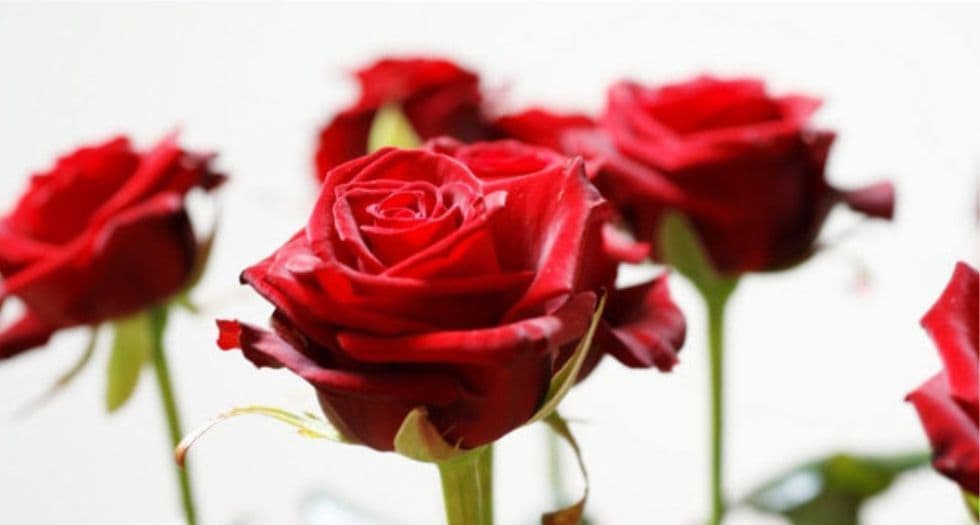
tincture of rose
Rose Tincture is a floral note with fresh petals, soft sweetness, and a refined natural brightness. In perfumery, it can add elegance, color, and lift to floral bouquets, musks, fruity florals, powdery accords, and modern feminine compositions.
Tiramisu
Tiramisu is a gourmand dessert note inspired by coffee-soaked ladyfingers, mascarpone cream, cocoa, and sweet liqueur. In perfumery, it creates a rich edible accord with coffee, cream, cocoa, vanilla, and soft boozy warmth. It suits cozy gourmand and dessert-inspired fragrances.
- 🌿
Toast
Toast is a specialty note used to give a fragrance a distinctive texture, mood, or material impression. Depending on interpretation, it may contribute freshness, warmth, sweetness, dryness, softness, or an abstract atmospheric effect. In perfumery, specialty notes are useful because they make a composition feel more specific and less generic. It can be paired with woods, musks, florals, resins, fruits, green notes, spices, or amber materials according to the intended style.
tobacco
Tobacco in perfumery is far more than a single note — it is an entire universe of aromatic complexity. The tobacco plant (Nicotiana tabacum) in its raw, uncured state is grassy and green, but it is through the processes of curing, fermentation, and ageing that tobacco acquires the rich, warm, and multidimensional character perfumers covet. Cured tobacco leaves yield an absolute rich in carotenoid breakdown products — beta-ionone and the family of ionones — which contribute the distinctive dried fruit, floral, and woody nuances that underpin the finest tobacco fragrances. There are also traces of coumarin, benzaldehyde, and various lactones that add sweetness and depth. On the skin, a tobacco note can take many forms depending on how it is developed. It may present as a warm, honeyed sweetness reminiscent of pipe tobacco and dried plums; a sharper, more leathery-smoky interpretation evoking unlit cigarettes; or a rich, slightly boozy oriental depth when paired with rum, vanilla, and dark resins. Perfumers deploy tobacco to add a deeply sensual, lived-in quality to compositions — it is a note that suggests human warmth, intimacy, and a certain studied nonchalance that is irresistibly attractive. Tobacco has powered some of the most celebrated fragrances of the past century, from grand oriental classics to the contemporary craft perfumery movement's obsession with authenticity and the beauty of imperfection. At Fragrenza, our inspired-by collection brings you the world's finest tobacco-forward luxury fragrances — rich, complex, and deeply compelling — without the boutique price tag.
- 🌿
Tobacco absolute
Tobacco absolute is a dark textured note that can suggest leather, smoke, tobacco, tar, or warm dry materials. It gives fragrance depth, sensuality, and a more dramatic atmosphere. In perfumery, smoky and leathery notes are often used in bases, where they add strength and character without needing sweetness. Tobacco absolute pairs well with oud, saffron, birch tar, amber, tobacco, rose, patchouli, vetiver, incense, and dry woods.
Tobacco blossom
Tobacco Blossom is a floral note with fresh petals, soft sweetness, and a refined natural brightness. In perfumery, it can add elegance, color, and lift to floral bouquets, musks, fruity florals, powdery accords, and modern feminine compositions.
- 🌿
Tobacco flower
Tobacco flower is a floral note that adds softness, radiance, and emotional warmth to a composition. Depending on the flower or accord, it can feel fresh, creamy, powdery, honeyed, green, indolic, or airy. In perfumery, floral notes often form the heart of a fragrance, giving it body and a recognizable character. Tobacco flower pairs well with citrus, white musk, rose, jasmine, sandalwood, amber, vanilla, iris, and delicate fruits, making it useful in both classic bouquets and modern transparent florals.
Tobacco leaf
Tobacco leaf is one of fragrance's most nuanced and multi-dimensional natural ingredients — a note that captures the full aromatic journey of the tobacco plant from field to curing barn. Unlike the darker, more processed character of dark tobacco accords, tobacco leaf note is closer to the living plant: greener, fresher, and more complex. The top notes carry a distinctive quality unique to fresh tobacco leaves — slightly vegetal and green, with a morning-dew freshness that speaks of plantation fields at dawn. This green opening is one of the most distinctive and instantly recognisable in all of perfumery. As a tobacco leaf fragrance develops, the green freshness gives way to the characteristic heart of the note: warm, slightly sweet, and honey-like, with natural coumarin compounds that create a gentle, almost vanillic quality. This is the tobacco of traditional pipe mixtures and fine-cut blends — aromatic, comforting, and deeply pleasurable without being heavy or oppressive. The base notes carry greater depth — a gentle smokiness, a leathery dryness, and a warmth that settles beautifully on skin and creates remarkable longevity. Tobacco leaf sits at the intersection of green, aromatic, and oriental fragrance families. It pairs magnificently with honey, dried fruits, and vanilla for classic pipe tobacco compositions; with leather, woods, and spices for sophisticated oriental structures; and with fresh herbs and citrus for more modern, unexpected combinations. It is beloved by fragrance connoisseurs for its natural complexity and authentic character. At Fragrenza, our tobacco leaf-inspired fragrances honour this magnificent ingredient across a range of beautiful compositions that deliver genuine quality at accessible prices.
- 🌿
Tobacco smoke
Tobacco smoke is a dark textured note that may suggest leather, smoke, tobacco, tar, ash, or warm dry materials. It gives fragrance depth, sensuality, and a more dramatic atmosphere. In perfumery, smoky and leathery notes are often used in bases, where they add strength and character without needing sweetness. It pairs well with oud, saffron, birch tar, amber, tobacco, rose, patchouli, vetiver, incense, and dry woods.
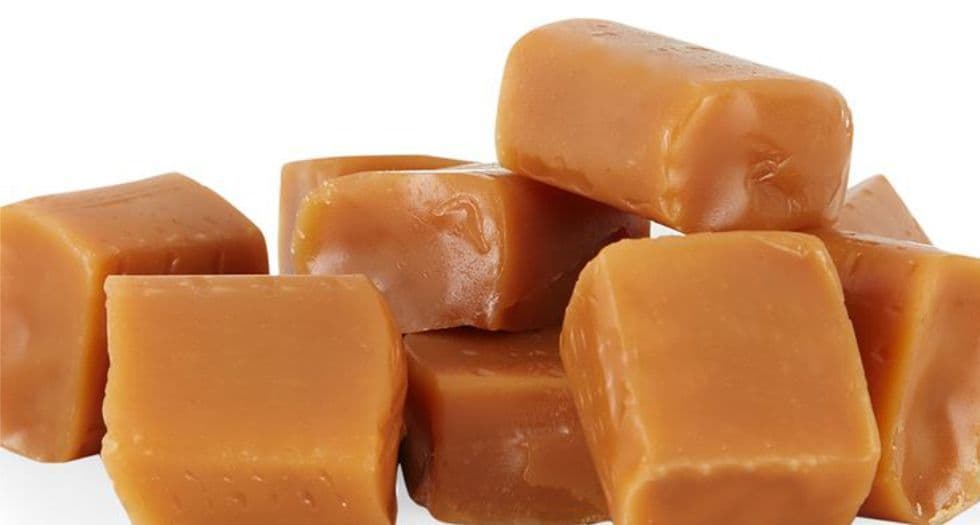
Toffee
Toffee is a warm confectionery note made from caramelized sugar and butter. In perfumery, it smells rich, sticky, sweet, creamy, and ambered, with a toasted sugar depth. It works beautifully with vanilla, tonka, coffee, chocolate, woods, and musks.
- 🌿
Tolu balm
Tolu balm is a warm note used to add sweetness, depth, and a smooth enveloping base to fragrances. It can lean balsamic, creamy, resinous, vanillic, or softly gourmand depending on the material. In perfumery, it helps round sharp edges, extend longevity, and give a composition comfort and sensuality. It pairs beautifully with woods, musks, spices, tobacco, florals, amber materials, and soft leather accords.
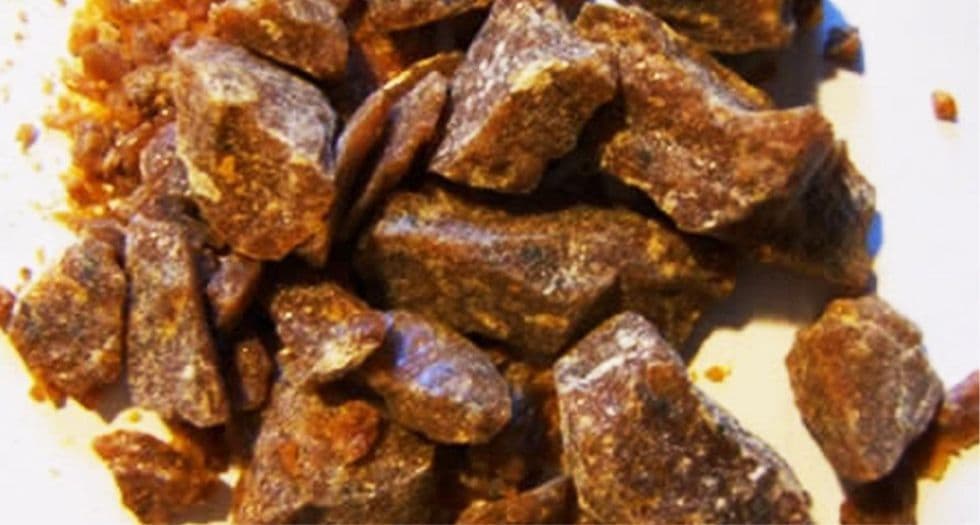
Tolu Balsam
Tolu balsam is a natural resinous exudate obtained from the Myroxylon balsamum tree, native to Colombia, Venezuela, and surrounding regions of northern South America. It takes its name from the city of Tolú on Colombia's Caribbean coast, from where it was historically exported to Europe following Spanish colonisation in the sixteenth century. Tolu was valued both medicinally — as a treatment for respiratory ailments — and as a precious aromatic material in incense and early perfumery. It is obtained by making incisions in the tree's bark, allowing the amber-coloured balsam to flow and harden upon exposure to air. Olfactorily, tolu balsam is rich, warm, and multifaceted. Its scent is simultaneously sweet and spicy-balsamic, with distinct impressions of vanilla, cinnamon, and benzoin, underscored by a subtle floral quality sometimes described as resembling hyacinth or a soft carnation. It has a warm, slightly smoky depth that makes it feel both ancient and luxurious. Tolu balsam's complexity makes it a highly effective fixative and blending material, harmonising beautifully with vanilla, coumarin, spices, musks, resins like labdanum and benzoin, and warm woods. In perfumery, tolu balsam has been used for centuries as a base note and fixative in oriental, amber, chypre, and floral-oriental compositions. It lends a characteristic warmth and staying power that few other naturals can replicate. At Fragrenza, we incorporate tolu balsam's rich balsamic signature into select fragrances in our dupe collection, bringing the depth and heritage of this treasured South American resin to accessible, high-quality perfumes.
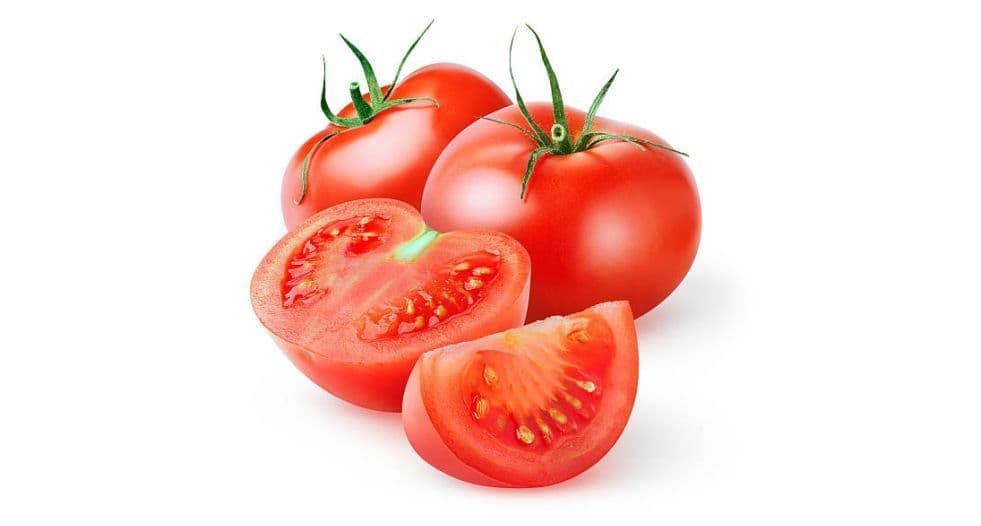
Tomato
Tomato is a green botanical note with leafy, fresh, vegetal, and natural facets. In perfumery, it adds garden realism and crisp freshness, pairing well with citrus, tea, florals, watery notes, fig, tomato leaf, vetiver, and clean musks.
- 🌿
Tomato leaf
Tomato leaf is a green note that evokes leaves, stems, herbs, garden air, or crushed vegetation. Its character can be crisp, bitter, watery, aromatic, or slightly earthy depending on the source. In perfumery, green notes add realism and freshness, preventing sweet or floral compositions from becoming too heavy. They pair well with citrus, tea, fig, violet leaf, galbanum, tomato leaf, white musk, vetiver, and light woods.
- 🌿
Tomato leaf absolute
Tomato leaf absolute is a green or aromatic note that evokes leaves, herbs, stems, fresh air, or crushed vegetation. Its profile can be crisp, bitter, watery, camphoraceous, grassy, or slightly earthy depending on the material. In perfumery, green notes add realism and lift, keeping sweet, floral, or woody compositions from feeling too heavy. It pairs well with citrus, tea, fig, violet leaf, galbanum, tomato leaf, white musk, vetiver, lavender, and light woods.
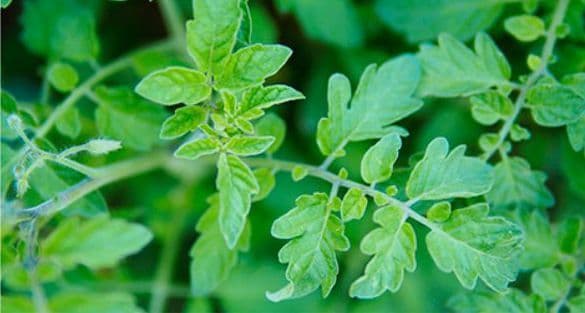
Tomato leaves
Tomato Leaves is a green botanical note with leafy, fresh, vegetal, and natural facets. In perfumery, it adds garden realism and crisp freshness, pairing well with citrus, tea, florals, watery notes, fig, tomato leaf, vetiver, and clean musks.
- 🌿
Tomato vine
Tomato vine is a green or aromatic note that evokes leaves, herbs, stems, fresh air, or crushed vegetation. Its profile can be crisp, bitter, watery, camphoraceous, grassy, or slightly earthy depending on the material. In perfumery, green notes add realism and lift, keeping sweet, floral, or woody compositions from feeling too heavy. It pairs well with citrus, tea, fig, violet leaf, galbanum, tomato leaf, white musk, vetiver, lavender, and light woods.

Tonic Water
Tonic water is a sparkling bitter-citrus note associated with quinine and carbonated freshness. In perfumery, it suggests fizzy bubbles, bitter freshness, lemon-lime brightness, and a clean cocktail-like edge. It suits gin, citrus, aquatic, aromatic, and summer compositions.
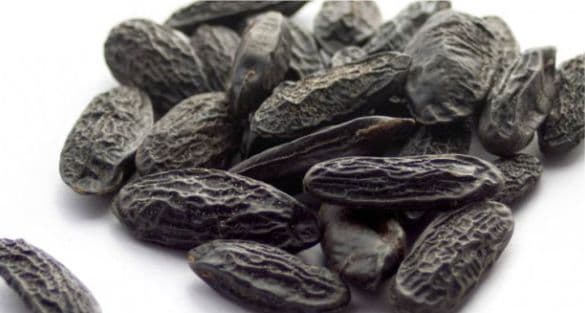
tonka bean
Tonka bean is the seed of the Dipteryx odorata tree, a leguminous giant native to Venezuela, Brazil, and the wider tropical Americas. The seeds are harvested when ripe, then dried or macerated in rum or alcohol, a process that causes the crystallisation of coumarin — the compound responsible for tonka's remarkable scent. The name is believed to derive from the Galibi language of French Guiana. Venezuela, particularly the Orinoco basin, has historically been the world's primary source of fine tonka beans, which are exported globally to the fragrance and flavouring industries. Olfactorily, tonka bean is soft, warm, and deeply inviting. Coumarin's characteristic aroma is simultaneously reminiscent of sweet almonds, freshly cut hay, warm vanilla, and a subtle tobacco-like earthiness — a profile that makes tonka one of perfumery's most versatile and beloved base notes. It has a natural sweetness that is less sugary than vanilla and more sophisticated, with a gentle spiciness underneath. Tonka bean blends harmoniously with musks, vanilla, woods, resins, lavender, and tobacco notes, as well as a wide range of florals and spices. In perfumery, tonka bean is a cornerstone of oriental, gourmand, fougère, and woody-oriental compositions, contributing a lasting, skin-like warmth that elevates virtually any formula it enters. It is particularly prized in masculine and unisex fragrances for the rounded, comforting depth it provides. At Fragrenza, tonka bean features prominently in our dupe fragrance collection, delivering its signature almond-vanilla warmth in compositions crafted to rival the finest designer and niche originals. Want to wear it? Explore [tonka bean fragrances](https://fragrenza.com/collections/tonka-bean-fragrances).
- 🌿
Tonka bean absolute
Tonka bean absolute is a warm note used to add sweetness, depth, and a smooth enveloping base to fragrances. It can lean balsamic, creamy, resinous, vanillic, or softly gourmand depending on the material. In perfumery, it helps round sharp edges, extend longevity, and give a composition comfort and sensuality. It pairs beautifully with woods, musks, spices, tobacco, florals, amber materials, and soft leather accords.
- 🌿
Tonka seed
Tonka seed is a warm ambered or resinous note used to give fragrance depth, softness, and long-lasting richness. It can smell balsamic, sweet, smoky, vanillic, woody, powdery, or incense-like depending on the material. In perfumery, it rounds sharp edges and creates a smooth base that holds the composition together. It pairs well with woods, musks, spices, vanilla, tobacco, leather, florals, oud, and other resins.
- 🌿
Tonkalactone
Tonkalactone is a warm ambered or resinous note used to give fragrance depth, softness, and long-lasting richness. It can smell balsamic, sweet, smoky, vanillic, woody, powdery, or incense-like depending on the material. In perfumery, it rounds sharp edges and creates a smooth base that holds the composition together. It pairs well with woods, musks, spices, vanilla, tobacco, leather, florals, oud, and other resins.
- 🌿
Tonkin musk
Tonkin musk is a soft textural note that creates warmth, smoothness, and a skin-like finish. It can feel clean, powdery, woody, velvety, slightly fruity, or fabric-like depending on the accord. In perfumery, these notes help bind the formula, soften stronger materials, and extend wear without dominating the fragrance. Tonkin musk pairs well with florals, woods, citrus, amber, iris, fruits, suede, vanilla, and transparent modern musks.
- 🌿
Tonquitone™
Tonquitone is a refined synthetic alternative to natural tonka bean, offering warm coumarinic sweetness with hay-like, almond, and vanillic facets. In perfumery, it provides a clean, modern base sweetness for gourmand, fougère, amber, and oriental compositions.
- 🌿
Transluzone
Transluzone is a specialty note used to give a fragrance a distinctive texture, mood, or material impression. Depending on interpretation, it may contribute freshness, warmth, sweetness, dryness, softness, or an abstract atmospheric effect. In perfumery, specialty notes are useful because they make a composition feel more specific and less generic. It can be paired with woods, musks, florals, resins, fruits, green notes, spices, or amber materials according to the intended style.
- 🌿
Tree bark
Tree bark is a woody note used to create structure, depth, and lasting warmth. Its scent may be dry, creamy, smoky, resinous, earthy, pencil-like, or polished depending on the wood or accord. In perfumery, woody notes support the whole composition and connect fresh openings with deeper bases. It pairs naturally with amber, musk, incense, leather, vetiver, patchouli, spices, citrus, and soft resins.
- 🌿
Tree moss
Tree moss is a woody note used to give fragrance structure, depth, and lasting warmth. Its profile may be dry, creamy, smoky, resinous, earthy, or polished depending on the source or accord. In perfumery, woody notes often form the backbone of a composition, supporting lighter citrus, floral, spicy, or aromatic materials. It pairs naturally with amber, musk, incense, leather, vetiver, patchouli, spices, and soft resins.
- 🌿
Tree moss absolute
Tree moss absolute is a woody note used to create structure, depth, and lasting warmth. Its scent may be dry, creamy, smoky, resinous, earthy, pencil-like, or polished depending on the wood or accord. In perfumery, woody notes support the whole composition and connect fresh openings with deeper bases. It pairs naturally with amber, musk, incense, leather, vetiver, patchouli, spices, citrus, and soft resins.
- 🌿
Tree resin
Tree resin is a warm ambered or resinous note used to give fragrance depth, softness, and long-lasting richness. It can smell balsamic, sweet, smoky, vanillic, woody, powdery, or incense-like depending on the material. In perfumery, it rounds sharp edges and creates a smooth base that holds the composition together. It pairs well with woods, musks, spices, vanilla, tobacco, leather, florals, oud, and other resins.
- 🌿
Trinidad cocoa
Trinidad cocoa is a gourmand note that adds edible warmth, sweetness, and comfort. It may suggest cream, sugar, nuts, chocolate, coffee, honey, pastry, or toasted grains depending on the accord. In perfumery, gourmand notes make compositions feel cozy and sensual, but they work best when balanced with woods, musks, spices, citrus, or resins. It pairs well with vanilla, tonka bean, sandalwood, amber, caramel, cacao, coffee, and soft florals.
- 🌿
Tropical blossoms
Tropical blossoms is a floral note that gives a fragrance softness, radiance, and emotional warmth. Depending on the flower or accord, it may feel fresh, creamy, powdery, honeyed, green, indolic, or airy. In perfumery, floral notes often form the heart of a composition, adding body and a recognizable signature. It pairs well with citrus, white musk, rose, jasmine, sandalwood, amber, vanilla, iris, and delicate fruits.
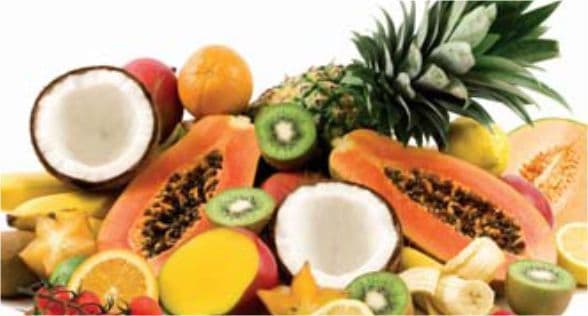
tropical fruits
Tropical Fruits is a fruity note with juicy sweetness, tart brightness, and a colorful natural character. In perfumery, it adds vibrancy and approachability to fruity florals, musks, gourmands, chypres, summer scents, and playful modern compositions.
- 🌿
Tropical notes
Tropical notes is a specialty note used to give a fragrance a distinctive texture, mood, or material impression. Depending on interpretation, it may contribute freshness, warmth, sweetness, dryness, softness, or an abstract atmospheric effect. In perfumery, specialty notes are useful because they make a composition feel more specific and less generic. It can be paired with woods, musks, florals, resins, fruits, green notes, spices, or amber materials according to the intended style.
- 🌿
Tropical woods
Tropical woods is a woody note used to create structure, depth, and lasting warmth. Its scent may be dry, creamy, smoky, resinous, earthy, pencil-like, or polished depending on the wood or accord. In perfumery, woody notes often support the whole composition and help connect fresh openings with deeper bases. Tropical woods pairs naturally with amber, musk, incense, leather, vetiver, patchouli, spices, citrus, and soft resins, making it useful in masculine, feminine, and unisex fragrances.
- 🌿
Tropicalone™
Tropicalone is a Givaudan aroma molecule that delivers a creamy, sweet, milky tropical-fruit accord — coconut-like with mango and apricot facets. In perfumery, it adds lush summer warmth to fruity, gourmand, beachy, and modern feminine compositions.
- 🌿
True lavender
True lavender is a floral note that adds softness, radiance, and emotional warmth to a composition. Depending on the flower or accord, it can feel fresh, creamy, powdery, honeyed, green, indolic, or airy. In perfumery, floral notes often form the heart of a fragrance, giving it body and a recognizable character. True lavender pairs well with citrus, white musk, rose, jasmine, sandalwood, amber, vanilla, iris, and delicate fruits, making it useful in both classic bouquets and modern transparent florals.
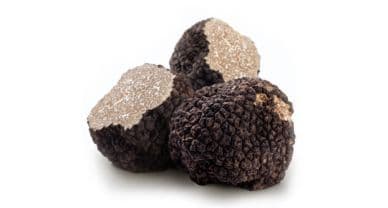
Truffle
Truffle is an earthy, savory, and luxurious note inspired by underground fungi. In perfumery, it can add damp soil, mushroom, dark woods, cocoa, leather, and umami-like depth. It is best suited to niche, earthy, gourmand, woody, and sensual compositions.
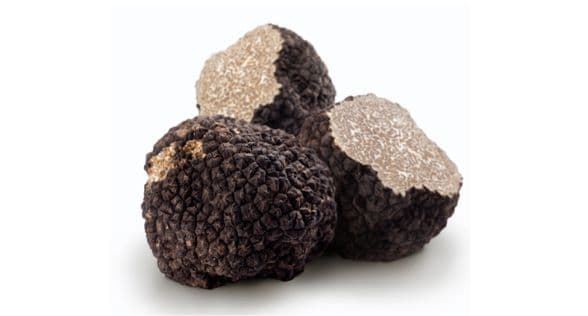
Tuber
Tuber is a root-like botanical concept associated with underground storage organs such as tubers and rhizomes. As a fragrance note, it can suggest earthy, starchy, rooty, damp, and vegetal facets. It belongs to experimental naturalistic, root, soil, and botanical compositions.
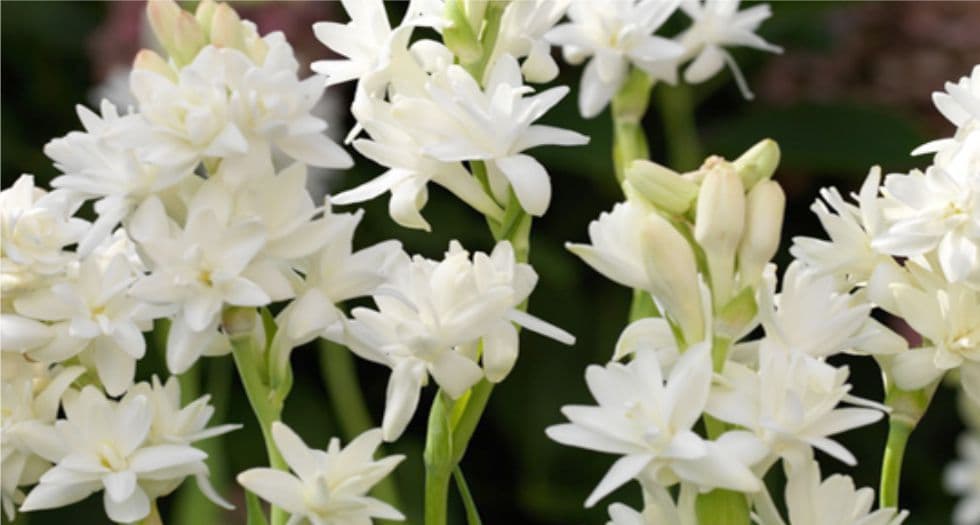
Tuberose
Tuberose (Polianthes tuberosa) is native to Mexico but has been cultivated across tropical and subtropical regions for centuries, arriving in Europe in the sixteenth century where it quickly became one of the most prized florals of the age. The name comes from the Latin tuberosa, meaning tuberous-rooted. It is one of the most demanding crops in perfumery — harvested by hand at night when its scent is most intense, and processed through enfleurage or solvent extraction to capture its extraordinarily complex aroma. Grasse in southern France and Mysore in India are among its most celebrated growing regions. Olfactorily, tuberose is lush, intensely sweet, and narcotic in character. Its white floral richness is often described as both creamy and rubbery, with unmistakable indolic undertones that lend it an animalic, almost carnal depth. There is also a cool, green facet at the top that keeps it from being cloying. Tuberose sits alongside jasmine as one of the most complex white florals in existence — simultaneously pure and voluptuous. It blends beautifully with other white florals, musks, sandalwood, and spicy notes like cardamom or black pepper. In perfumery, tuberose has anchored some of the most iconic fragrances ever created, celebrated for its ability to command attention without apology. It is equally at home in opulent oriental compositions and modern, deconstructed white-floral niche releases. At Fragrenza, our tuberose note is rendered with the full richness this extraordinary flower deserves, giving fragrance enthusiasts access to its intoxicating beauty through our high-quality dupe collection at accessible prices. Looking for it in a bottle? Browse [affordable tuberose scents](https://fragrenza.com/collections/tuberose-fragrances) on Fragrenza.
- 🌿
Tuberose absolute
Tuberose absolute is a floral note that brings softness, radiance, and natural elegance to a fragrance. Its character can range from fresh and airy to creamy, sensual, honeyed, or slightly green, depending on how the accord is built. In perfumery, it is often used in the heart of a composition to add body and emotional warmth. It pairs well with white musks, citrus, rose, jasmine, sandalwood, amber, vanilla, and delicate fruits.
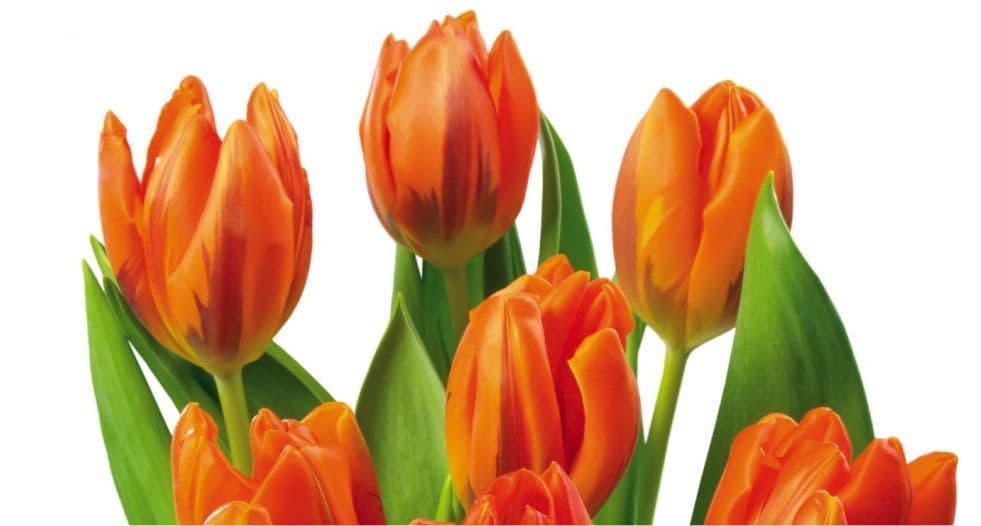
Tulip
Tulips are one of the indisputable signs and symbols of the coming spring. Botanically speaking, tulips (lat. Tulipa) are perennial bulbous plants and belong to the lily family (lat. Liliaceae), which includes about 80 species.
- 🌿
Tulip leaf
Tulip leaf is a green or aromatic note that evokes leaves, herbs, stems, fresh air, or crushed vegetation. Its profile can be crisp, bitter, watery, camphoraceous, grassy, or slightly earthy depending on the material. In perfumery, green notes add realism and lift, keeping sweet, floral, or woody compositions from feeling too heavy. It pairs well with citrus, tea, fig, violet leaf, galbanum, tomato leaf, white musk, vetiver, lavender, and light woods.
Tulle accord
Tulle accord is an abstract textile note inspired by the scent and texture of white tulle fabric. It can be interpreted as airy, clean, powdery, slightly synthetic, and musky, with a delicate fabric-like softness. It suits bridal, musky, powdery, and clean floral fragrances.
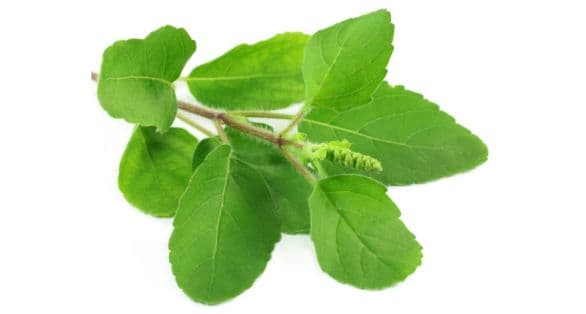
Tulsi
Tulsi or holy basil is a plant with strongly aromatic leaves.
- 🌿
Tunisian iris absolute
Tunisian iris absolute is a floral note that gives a fragrance softness, radiance, and emotional warmth. Depending on the flower or accord, it may feel fresh, creamy, powdery, honeyed, green, indolic, or airy. In perfumery, floral notes often form the heart of a composition, adding body and a recognizable signature. It pairs well with citrus, white musk, rose, jasmine, sandalwood, amber, vanilla, iris, and delicate fruits.
- 🌿
Tunisian myrtle
Tunisian myrtle is a specialty note used to give a fragrance a distinctive texture, mood, or material impression. Depending on interpretation, it may contribute freshness, warmth, sweetness, dryness, softness, or an abstract atmospheric effect. In perfumery, specialty notes are useful because they make a composition feel more specific and less generic. It can be paired with woods, musks, florals, resins, fruits, green notes, spices, or amber materials according to the intended style.
- 🌿
Tunisian Neroli
Tunisian Neroli is a bright citrus note that brings sparkle, freshness, and immediate lift to a fragrance. Its profile may include juicy pulp, aromatic peel, green bitterness, soft floral facets, or a slightly sharp zest depending on the material. In perfumery, it is most often used in the opening, where it gives clarity and movement before blending into florals, woods, musks, or herbs. Tunisian Neroli works especially well with neroli, tea, lavender, white musk, light woods, aquatic notes, and aromatic herbs.
- 🌿
Tunisian Orange
Tunisian Orange is a citrus note that adds sparkle, freshness, and immediate lift to a fragrance. Its profile can include juicy pulp, aromatic peel, green bitterness, soft floral nuances, or a sharp zesty brightness depending on the material. In perfumery, it is usually used in the opening, where it brings clarity and motion before blending into florals, woods, musks, or herbs. It pairs well with neroli, tea, lavender, white musk, light woods, aquatic notes, and aromatic herbs.
- 🌿
Tunisian Orange Blossom
Tunisian Orange Blossom is a bright citrus note that brings sparkle, freshness, and immediate lift to a fragrance. Its profile may include juicy pulp, aromatic peel, green bitterness, soft floral facets, or a slightly sharp zest depending on the material. In perfumery, it is most often used in the opening, where it gives clarity and movement before blending into florals, woods, musks, or herbs. Tunisian Orange Blossom works especially well with neroli, tea, lavender, white musk, light woods, aquatic notes, and aromatic herbs.
- 🌿
Tunisian orange blossom absolute
Tunisian orange blossom absolute is a citrus note that adds sparkle, freshness, and immediate lift to a fragrance. Its profile can include juicy pulp, aromatic peel, green bitterness, soft floral nuances, or a sharp zesty brightness depending on the material. In perfumery, it is usually used in the opening, where it brings clarity and motion before blending into florals, woods, musks, or herbs. It pairs well with neroli, tea, lavender, white musk, light woods, aquatic notes, and aromatic herbs.
- 🌿
Tunisian orange tree
Tunisian orange tree is a citrus note that adds sparkle, freshness, and immediate lift to a fragrance. Its profile can include juicy pulp, aromatic peel, green bitterness, soft floral nuances, or a sharp zesty brightness depending on the material. In perfumery, it is usually used in the opening, where it brings clarity and motion before blending into florals, woods, musks, or herbs. It pairs well with neroli, tea, lavender, white musk, light woods, aquatic notes, and aromatic herbs.
- 🌿
Tunisian rose
Tunisian rose is a floral note that gives a fragrance softness, radiance, and emotional warmth. Depending on the flower or accord, it may feel fresh, creamy, powdery, honeyed, green, indolic, or airy. In perfumery, floral notes often form the heart of a composition, adding body and a recognizable signature. It pairs well with citrus, white musk, rose, jasmine, sandalwood, amber, vanilla, iris, and delicate fruits.
- 🌿
Tunisian rosemary
Tunisian rosemary is a floral note that adds softness, radiance, and emotional warmth to a composition. Depending on the flower or accord, it can feel fresh, creamy, powdery, honeyed, green, indolic, or airy. In perfumery, floral notes often form the heart of a fragrance, giving it body and a recognizable character. Tunisian rosemary pairs well with citrus, white musk, rose, jasmine, sandalwood, amber, vanilla, iris, and delicate fruits, making it useful in both classic bouquets and modern transparent florals.
- 🌿
Turkish cardamom
Turkish cardamom is a spicy note that gives fragrance heat, texture, and aromatic energy. It can feel sweet, dry, peppery, resinous, herbal, smoky, or slightly medicinal depending on the material. In perfumery, spices create contrast, deepen the heart, and bridge fresh top notes with warm woody or amber bases. It pairs especially well with citrus, rose, tobacco, vanilla, oud, sandalwood, patchouli, leather, and balsamic resins.
- 🌿
Turkish cherry
Turkish cherry is a fruity note that adds juiciness, color, and natural sweetness. It may feel crisp and tart, ripe and velvety, tropical and creamy, or dark and jammy depending on the fruit profile. In perfumery, fruity notes brighten florals, soften musks, and add pleasure to gourmand or woody structures. It pairs well with rose, peony, jasmine, white musk, vanilla, woods, citrus, amber, and soft spices.
- 🌿
Turkish damask rose
Turkish damask rose is a floral note that adds softness, radiance, and emotional warmth to a composition. Depending on the flower or accord, it can feel fresh, creamy, powdery, honeyed, green, indolic, or airy. In perfumery, floral notes often form the heart of a fragrance, giving it body and a recognizable character. Turkish damask rose pairs well with citrus, white musk, rose, jasmine, sandalwood, amber, vanilla, iris, and delicate fruits, making it useful in both classic bouquets and modern transparent florals.
- 🌿
Turkish damask rose absolute
Turkish damask rose absolute is a floral note that adds softness, radiance, and emotional warmth to a composition. Depending on the flower or accord, it can feel fresh, creamy, powdery, honeyed, green, indolic, or airy. In perfumery, floral notes often form the heart of a fragrance, giving it body and a recognizable character. Turkish damask rose absolute pairs well with citrus, white musk, rose, jasmine, sandalwood, amber, vanilla, iris, and delicate fruits, making it useful in both classic bouquets and modern transparent florals.
- 🌿
Turkish fig
Turkish fig is a fruity note that adds juiciness, color, and natural sweetness. It may feel crisp and tart, ripe and velvety, tropical and creamy, or dark and jammy depending on the fruit profile. In perfumery, fruity notes brighten florals, soften musks, and add pleasure to gourmand or woody structures. It pairs well with rose, peony, jasmine, white musk, vanilla, woods, citrus, amber, and soft spices.
- 🌿
Turkish galbanum
Turkish galbanum is a specialty note used to give a fragrance a distinctive texture, mood, or material impression. Depending on interpretation, it may contribute freshness, warmth, sweetness, dryness, softness, or an abstract atmospheric effect. In perfumery, specialty notes are useful because they make a composition feel more specific and less generic. It can be paired with woods, musks, florals, resins, fruits, green notes, spices, or amber materials according to the intended style.
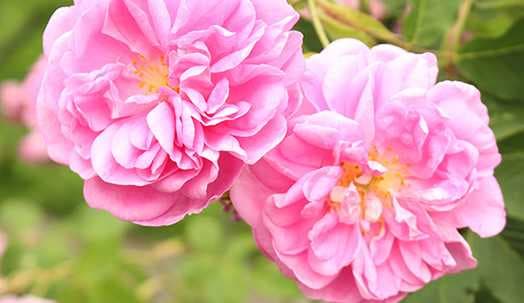
Turkish rose
Turkish rose, derived from Rosa damascena grown in Turkey's famous Isparta valley, is widely regarded as one of the finest and most precious rose materials in the world. The region's unique combination of soil, altitude, and climate produces flowers of extraordinary aromatic complexity, rich in the rose oxide, geraniol, and citronellol compounds that give Turkish rose absolute and otto their characteristic profile: intensely rosy, warm, and honeyed, with subtle spicy and green facets and a depth that synthetic rose materials rarely achieve. Rose otto from Isparta is among the most expensive natural ingredients in perfumery. In perfumery, Turkish rose occupies the summit of the floral category. Its full-bodied, honeyed warmth makes it a majestic heart note in feminine, oriental, and classical floral compositions, where it can stand alone as the centrepiece or weave seamlessly into complex accords. It pairs magnificently with oud, patchouli, and sandalwood in rosy-oriental structures; with jasmine and ylang-ylang in opulent floral bouquets; and with warm spices like saffron and cardamom in the beloved rose-oud compositions that define modern Middle Eastern perfumery. At Fragrenza, Turkish rose is one of our most celebrated and frequently featured ingredients, central to many of our best-loved fragrance dupes inspired by iconic rose-forward designer and niche creations. Explore our Turkish Rose collection to discover compositions of exceptional richness and warmth, crafted at prices that make true rose luxury genuinely accessible.
- 🌿
Turkish rose absolute
Turkish rose absolute is a floral note that adds softness, radiance, and emotional warmth to a composition. Depending on the flower or accord, it can feel fresh, creamy, powdery, honeyed, green, indolic, or airy. In perfumery, floral notes often form the heart of a fragrance, giving it body and a recognizable character. Turkish rose absolute pairs well with citrus, white musk, rose, jasmine, sandalwood, amber, vanilla, iris, and delicate fruits, making it useful in both classic bouquets and modern transparent florals.
- 🌿
Turkish rose Orpur®
Turkish rose Orpur® is a floral note that gives a fragrance softness, radiance, and emotional warmth. Depending on the flower or accord, it may feel fresh, creamy, powdery, honeyed, green, indolic, or airy. In perfumery, floral notes often form the heart of a composition, adding body and a recognizable signature. It pairs well with citrus, white musk, rose, jasmine, sandalwood, amber, vanilla, iris, and delicate fruits.
- 🌿
Turkish rose otto
Turkish rose otto is a floral note that adds softness, radiance, and emotional warmth to a composition. Depending on the flower or accord, it can feel fresh, creamy, powdery, honeyed, green, indolic, or airy. In perfumery, floral notes often form the heart of a fragrance, giving it body and a recognizable character. Turkish rose otto pairs well with citrus, white musk, rose, jasmine, sandalwood, amber, vanilla, iris, and delicate fruits, making it useful in both classic bouquets and modern transparent florals.
- 🌿
Turkish rose water
Turkish rose water is a floral note that gives a fragrance softness, radiance, and emotional warmth. Depending on the flower or accord, it may feel fresh, creamy, powdery, honeyed, green, indolic, or airy. In perfumery, floral notes often form the heart of a composition, adding body and a recognizable signature. It pairs well with citrus, white musk, rose, jasmine, sandalwood, amber, vanilla, iris, and delicate fruits.
- 🌿
Turkish tobacco
Turkish tobacco is a dark textured note that may suggest leather, smoke, tobacco, tar, ash, or warm dry materials. It gives fragrance depth, sensuality, and a more dramatic atmosphere. In perfumery, smoky and leathery notes are often used in bases, where they add strength and character without needing sweetness. It pairs well with oud, saffron, birch tar, amber, tobacco, rose, patchouli, vetiver, incense, and dry woods.
- 🌿
Turkish tobacco absolute
Turkish tobacco absolute is a dark textured note that may suggest leather, smoke, tobacco, tar, ash, or warm dry materials. It gives fragrance depth, sensuality, and a more dramatic atmosphere. In perfumery, smoky and leathery notes are often used in bases, where they add strength and character without needing sweetness. It pairs well with oud, saffron, birch tar, amber, tobacco, rose, patchouli, vetiver, incense, and dry woods.
- 🌿
Turmeric
Turmeric is a warm yellow spice from the Curcuma longa rhizome. In perfumery, it smells earthy, spicy, dry, slightly bitter, and faintly citrusy. It adds natural warmth and exotic depth to woody, spicy, amber, and artisanal compositions.
- 🌿
Turmeric absolute
Turmeric absolute is a spicy note that gives fragrance heat, texture, and aromatic energy. It can feel sweet, dry, peppery, resinous, herbal, smoky, or slightly medicinal depending on the material. In perfumery, spices create contrast, deepen the heart, and bridge fresh top notes with warm woody or amber bases. It pairs especially well with citrus, rose, tobacco, vanilla, oud, sandalwood, patchouli, leather, and balsamic resins.
- 🌿
Turmeric latte
Turmeric latte is a spicy note that gives fragrance heat, texture, and aromatic energy. It can feel sweet, dry, peppery, resinous, herbal, smoky, or slightly medicinal depending on the material. In perfumery, spices create contrast, deepen the heart, and bridge fresh top notes with warm woody or amber bases. It pairs especially well with citrus, rose, tobacco, vanilla, oud, sandalwood, patchouli, leather, and balsamic resins.
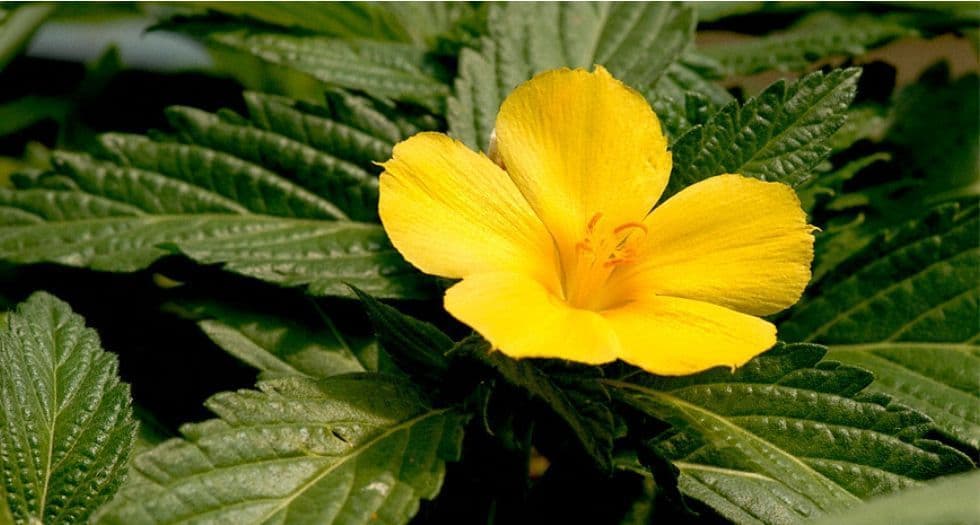
Turnera diffusa (Damiana)
Damiana is an aromatic herb native to the Americas, known for its warm herbal and slightly sweet scent. In perfumery, it can suggest dry leaves, tea, honeyed herbs, soft spice, and a faintly sensual warmth. It works well in herbal, tobacco, tea, amber, and natural compositions.
- 🌿
Turpentine
Turpentine is a specialty note used to give a fragrance a distinctive texture, mood, or material impression. Depending on interpretation, it may contribute freshness, warmth, sweetness, dryness, softness, or an abstract atmospheric effect. In perfumery, specialty notes are useful because they make a composition feel more specific and less generic. It can be paired with woods, musks, florals, resins, fruits, green notes, spices, or amber materials according to the intended style.
- 🌿
Tuscan birch
Tuscan birch is a woody note used to create structure, depth, and lasting warmth. Its scent may be dry, creamy, smoky, resinous, earthy, pencil-like, or polished depending on the wood or accord. In perfumery, woody notes support the whole composition and connect fresh openings with deeper bases. It pairs naturally with amber, musk, incense, leather, vetiver, patchouli, spices, citrus, and soft resins.
- 🌿
Tuscan cypress
Tuscan cypress is a woody note used to create structure, depth, and lasting warmth. Its scent may be dry, creamy, smoky, resinous, earthy, pencil-like, or polished depending on the wood or accord. In perfumery, woody notes support the whole composition and connect fresh openings with deeper bases. It pairs naturally with amber, musk, incense, leather, vetiver, patchouli, spices, citrus, and soft resins.
- 🌿
Tuscan Iris
Tuscan Iris is a floral note that adds softness, radiance, and emotional warmth to a composition. Depending on the flower or accord, it can feel fresh, creamy, powdery, honeyed, green, indolic, or airy. In perfumery, floral notes often form the heart of a fragrance, giving it body and a recognizable character. Tuscan Iris pairs well with citrus, white musk, rose, jasmine, sandalwood, amber, vanilla, iris, and delicate fruits, making it useful in both classic bouquets and modern transparent florals.
- 🌿
Tuscan leather
Tuscan leather is a dark textured note that can suggest leather, smoke, tobacco, tar, or warm dry materials. It gives fragrance depth, sensuality, and a more dramatic atmosphere. In perfumery, smoky and leathery notes are often used in bases, where they add strength and character without needing sweetness. Tuscan leather pairs well with oud, saffron, birch tar, amber, tobacco, rose, patchouli, vetiver, incense, and dry woods.
- 🌿
Tuscan mandarin orange
Tuscan mandarin orange is a citrus note that adds sparkle, freshness, and immediate lift to a fragrance. Its profile can include juicy pulp, aromatic peel, green bitterness, soft floral nuances, or a sharp zesty brightness depending on the material. In perfumery, it is usually used in the opening, where it brings clarity and motion before blending into florals, woods, musks, or herbs. It pairs well with neroli, tea, lavender, white musk, light woods, aquatic notes, and aromatic herbs.
- 🌿
Tuscan oak
Tuscan oak is a woody note used to create structure, depth, and lasting warmth. Its scent may be dry, creamy, smoky, resinous, earthy, pencil-like, or polished depending on the wood or accord. In perfumery, woody notes support the whole composition and connect fresh openings with deeper bases. It pairs naturally with amber, musk, incense, leather, vetiver, patchouli, spices, citrus, and soft resins.
- 🌿
Tyger Lily
Tyger Lily is a floral note that adds softness, radiance, and emotional warmth to a composition. Depending on the flower or accord, it can feel fresh, creamy, powdery, honeyed, green, indolic, or airy. In perfumery, floral notes often form the heart of a fragrance, giving it body and a recognizable character. Tyger Lily pairs well with citrus, white musk, rose, jasmine, sandalwood, amber, vanilla, iris, and delicate fruits, making it useful in both classic bouquets and modern transparent florals.
U
- 🌿
Ukon cherry blossom
Ukon cherry blossom is a floral note that gives a fragrance softness, radiance, and emotional warmth. Depending on the flower or accord, it may feel fresh, creamy, powdery, honeyed, green, indolic, or airy. In perfumery, floral notes often form the heart of a composition, adding body and a recognizable signature. It pairs well with citrus, white musk, rose, jasmine, sandalwood, amber, vanilla, iris, and delicate fruits.
- 🌿
Ultimate
Ultimate is a green or aromatic note that evokes leaves, herbs, stems, fresh air, or crushed vegetation. Its profile can be crisp, bitter, watery, camphoraceous, grassy, or slightly earthy depending on the material. In perfumery, green notes add realism and lift, keeping sweet, floral, or woody compositions from feeling too heavy. It pairs well with citrus, tea, fig, violet leaf, galbanum, tomato leaf, white musk, vetiver, lavender, and light woods.
- 🌿
Ultrazur
Ultrazur is a specialty note used to give a fragrance a distinctive texture, mood, or material impression. Depending on interpretation, it may contribute freshness, warmth, sweetness, dryness, softness, or an abstract atmospheric effect. In perfumery, specialty notes are useful because they make a composition feel more specific and less generic. It can be paired with woods, musks, florals, resins, fruits, green notes, spices, or amber materials according to the intended style.
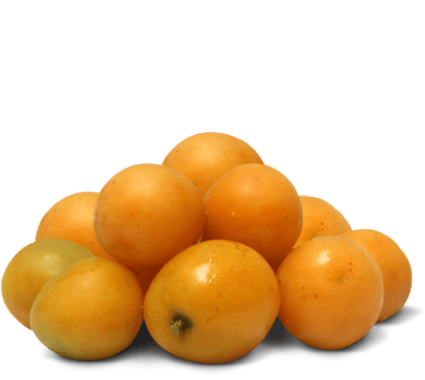
Umbu-Cajá
Umbu-cajá, also known as taperebá or cajá in Brazil, is a tropical fruit from the Spondias family, especially associated with northern and northeastern Brazil. As a fragrance note, it suggests a vivid sweet-tart tropical fruit profile with juicy yellow fruit, green acidity, citrus-like brightness, and a slightly mango-like exotic warmth. In perfumery, it can add energy, freshness, and tropical realism to fruity, summer, gourmand, and Brazilian-inspired compositions.
- 🌿
Ume
Ume is a specialty note used to give a fragrance a distinctive texture, mood, or material impression. Depending on interpretation, it may contribute freshness, warmth, sweetness, dryness, softness, or an abstract atmospheric effect. In perfumery, specialty notes are useful because they make a composition feel more specific and less generic. It can be paired with woods, musks, florals, resins, fruits, green notes, spices, or amber materials according to the intended style.
- 🌿
Ume blossom
Ume blossom is a floral note that gives a fragrance softness, radiance, and emotional warmth. Depending on the flower or accord, it may feel fresh, creamy, powdery, honeyed, green, indolic, or airy. In perfumery, floral notes often form the heart of a composition, adding body and a recognizable signature. It pairs well with citrus, white musk, rose, jasmine, sandalwood, amber, vanilla, iris, and delicate fruits.
- 🌿
Umeboshi
Umeboshi is a specialty note used to give a fragrance a distinctive texture, mood, or material impression. Depending on interpretation, it may contribute freshness, warmth, sweetness, dryness, softness, or an abstract atmospheric effect. In perfumery, specialty notes are useful because they make a composition feel more specific and less generic. It can be paired with woods, musks, florals, resins, fruits, green notes, spices, or amber materials according to the intended style.
- 🌿
Undecavertol
Undecavertol is a specialty note used to give a fragrance a distinctive texture, mood, or material impression. Depending on interpretation, it may contribute freshness, warmth, sweetness, dryness, softness, or an abstract atmospheric effect. In perfumery, specialty notes are useful because they make a composition feel more specific and less generic. It can be paired with woods, musks, florals, resins, fruits, green notes, spices, or amber materials according to the intended style.
V
- 🌿
Valencia orange
Valencia orange is a citrus note that adds sparkle, freshness, and immediate lift to a fragrance. Its profile can include juicy pulp, aromatic peel, green bitterness, soft floral nuances, or a sharp zesty brightness depending on the material. In perfumery, it is usually used in the opening, where it brings clarity and motion before blending into florals, woods, musks, or herbs. It pairs well with neroli, tea, lavender, white musk, light woods, aquatic notes, and aromatic herbs.
- 🌿
Valentine pomelo
Valentine pomelo is a citrus note that adds sparkle, freshness, and immediate lift to a fragrance. Its profile can include juicy pulp, aromatic peel, green bitterness, soft floral nuances, or a sharp zesty brightness depending on the material. In perfumery, it is usually used in the opening, where it brings clarity and motion before blending into florals, woods, musks, or herbs. It pairs well with neroli, tea, lavender, white musk, light woods, aquatic notes, and aromatic herbs.
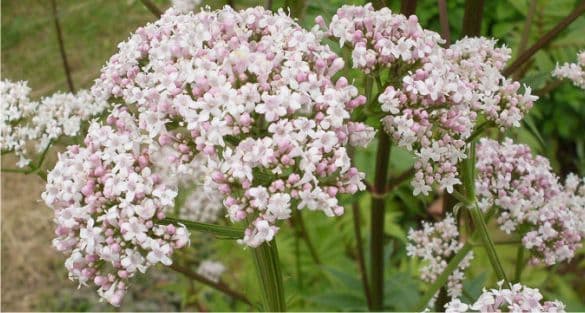
Valerian
Valerian is an aromatic root note with earthy, musky, herbal, and slightly animalic facets. It can smell medicinal and rooty in isolation, but in perfumery it adds natural depth, warmth, and a calm herbal darkness. It pairs well with woods, musk, patchouli, lavender, and incense.
- 🌿
Valerian root
Valerian root is an earthy or mineral note that adds realism, dryness, and atmospheric depth. It may suggest soil, roots, stone, dust, damp ground, mushrooms, clay, or cool mineral surfaces depending on the accord. In perfumery, these notes make compositions feel grounded, natural, or avant-garde. It pairs well with vetiver, moss, patchouli, dry woods, leather, incense, rain notes, musk, and dark florals.
- 🌿
Valley oak
Valley oak is a woody note used to create structure, depth, and lasting warmth. Its scent may be dry, creamy, smoky, resinous, earthy, pencil-like, or polished depending on the wood or accord. In perfumery, woody notes support the whole composition and connect fresh openings with deeper bases. It pairs naturally with amber, musk, incense, leather, vetiver, patchouli, spices, citrus, and soft resins.
- 🌿
Vanila
Vanila is a specialty note used to give a fragrance a distinctive texture, mood, or material impression. Depending on interpretation, it may contribute freshness, warmth, sweetness, dryness, softness, or an abstract atmospheric effect. In perfumery, specialty notes are valuable because they make a composition feel more specific and less generic. Vanila can be paired with woods, musks, florals, resins, fruits, green notes, spices, or amber materials according to the intended style.
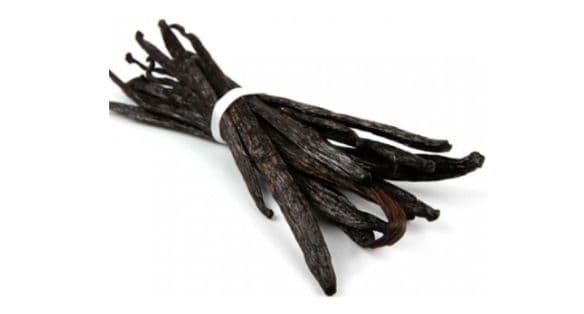
Vanilla
Vanilla (Vanilla planifolia) is native to Mexico, where the Totonac people first cultivated it long before Spanish explorers brought it to Europe in the sixteenth century. The vanilla orchid's seed pods — commonly called beans — must be cured through a labour-intensive process of blanching, sweating, and slow drying over several months to develop their complex aromatic profile. Madagascar, Tahiti, and Indonesia are today the world's principal producing regions, each yielding vanilla with subtly distinct aromatic signatures shaped by climate, soil, and curing method. Olfactorily, vanilla is the definition of warm, sweet, and comforting. Its primary aromatic compound, vanillin, delivers a rich, creamy sweetness with undertones of balsam, wood smoke, and caramel. Natural vanilla extract also contains hundreds of additional trace compounds that lend depth — hints of dried fruit, spice, and even a faintly boozy quality. In perfumery it is overwhelmingly a base note, anchoring compositions with lasting warmth and sensuality. Vanilla harmonises with nearly every other note category: florals, musks, woods, spices, and fruits all benefit from its softening, sweetening effect. In perfumery, vanilla is among the most universally loved ingredients in existence, appearing in everything from gourmand and oriental fragrances to soft florals and casual everyday scents. Its ability to create comfort, warmth, and intimacy is unmatched. At Fragrenza, vanilla is a treasured component across many of our dupe fragrances, helping us deliver rich, long-lasting warmth and sweetness at a price point that makes fine fragrance genuinely attainable. Shop for vanilla? [Fragrenza](https://fragrenza.com/collections/vanilla-fragrances) curates a focused selection.
- 🌿
Vanilla Absolute
Vanilla Absolute is a warm note used to add sweetness, depth, and a smooth enveloping base to fragrances. It can lean balsamic, creamy, resinous, vanillic, or softly gourmand depending on the material. In perfumery, it helps round sharp edges, extend longevity, and give a composition comfort and sensuality. It pairs beautifully with woods, musks, spices, tobacco, florals, amber materials, and soft leather accords.
- 🌿
vanilla bean
vanilla bean is a warm ambered or resinous note used to give fragrance depth, softness, and long-lasting richness. It can smell balsamic, sweet, smoky, vanillic, woody, powdery, or incense-like depending on the material. In perfumery, it rounds sharp edges and creates a smooth base that holds the composition together. It pairs well with woods, musks, spices, vanilla, tobacco, leather, florals, oud, and other resins.
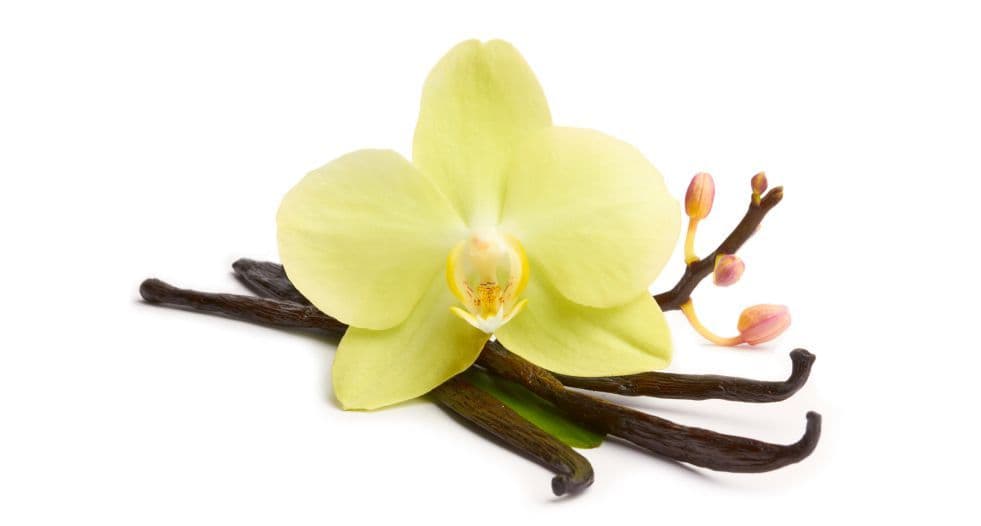
Vanilla blossom
Vanilla Blossom is a sweet gourmand note with edible warmth, softness, and a comforting dessert-like character. In perfumery, it adds texture and indulgence, pairing well with vanilla, tonka bean, musk, amber, woods, fruit notes, and soft florals.
- 🌿
Vanilla caramel
Vanilla caramel is a warm ambered or resinous note used to give fragrance depth, softness, and long-lasting richness. It can smell balsamic, sweet, smoky, vanillic, woody, powdery, or incense-like depending on the material. In perfumery, it rounds sharp edges and creates a smooth base that holds the composition together. It pairs well with woods, musks, spices, vanilla, tobacco, leather, florals, oud, and other resins.
- 🌿
Vanilla CO2
Vanilla CO2 is a warm ambered or resinous note used to give fragrance depth, softness, and long-lasting richness. It can smell balsamic, sweet, smoky, vanillic, woody, powdery, or incense-like depending on the material. In perfumery, it rounds sharp edges and creates a smooth base that holds the composition together. Vanilla CO2 pairs well with woods, musks, spices, vanilla, tobacco, leather, florals, oud, and other resins.
- 🌿
Vanilla cream
Vanilla cream is a warm ambered or resinous note used to give fragrance depth, softness, and long-lasting richness. It can smell balsamic, sweet, smoky, vanillic, woody, powdery, or incense-like depending on the material. In perfumery, it rounds sharp edges and creates a smooth base that holds the composition together. Vanilla cream pairs well with woods, musks, spices, vanilla, tobacco, leather, florals, oud, and other resins.
- 🌿
Vanilla Flower
Vanilla Flower is a floral note that gives a fragrance softness, radiance, and emotional warmth. Depending on the flower or accord, it may feel fresh, creamy, powdery, honeyed, green, indolic, or airy. In perfumery, floral notes often form the heart of a composition, adding body and a recognizable signature. It pairs well with citrus, white musk, rose, jasmine, sandalwood, amber, vanilla, iris, and delicate fruits.
- 🌿
Vanilla ice cream
Vanilla ice cream is a warm ambered or resinous note used to give fragrance depth, softness, and long-lasting richness. It can smell balsamic, sweet, smoky, vanillic, woody, powdery, or incense-like depending on the material. In perfumery, it rounds sharp edges and creates a smooth base that holds the composition together. It pairs well with woods, musks, spices, vanilla, tobacco, leather, florals, oud, and other resins.
- 🌿
Vanilla marshmallow
Vanilla marshmallow is a warm ambered or resinous note used to give fragrance depth, softness, and long-lasting richness. It can smell balsamic, sweet, smoky, vanillic, woody, powdery, or incense-like depending on the material. In perfumery, it rounds sharp edges and creates a smooth base that holds the composition together. It pairs well with woods, musks, spices, vanilla, tobacco, leather, florals, oud, and other resins.
- 🌿
Vanilla milk
Vanilla milk is a warm ambered or resinous note used to give fragrance depth, softness, and long-lasting richness. It can smell balsamic, sweet, smoky, vanillic, woody, powdery, or incense-like depending on the material. In perfumery, it rounds sharp edges and creates a smooth base that holds the composition together. It pairs well with woods, musks, spices, vanilla, tobacco, leather, florals, oud, and other resins.
- 🌿
Vanilla orchid
Vanilla orchid is a floral note that brings softness, radiance, and natural elegance to a fragrance. Its character can range from fresh and airy to creamy, sensual, honeyed, or slightly green, depending on how the accord is built. In perfumery, it is often used in the heart of a composition to add body and emotional warmth. It pairs well with white musks, citrus, rose, jasmine, sandalwood, amber, vanilla, and delicate fruits.
- 🌿
Vanilla Orpur®
Vanilla Orpur® is a warm ambered or resinous note used to give fragrance depth, softness, and long-lasting richness. It can smell balsamic, sweet, smoky, vanillic, woody, powdery, or incense-like depending on the material. In perfumery, it rounds sharp edges and creates a smooth base that holds the composition together. It pairs well with woods, musks, spices, vanilla, tobacco, leather, florals, oud, and other resins.
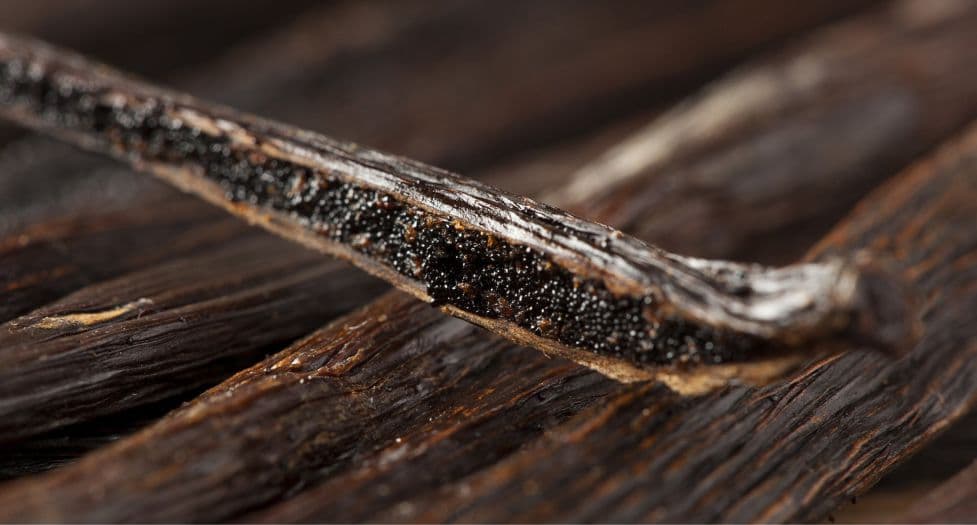
Vanilla Pod
Vanilla pod is the natural source of one of perfumery's most beloved warm sweet notes. It smells creamy, balsamic, soft, sweet, slightly woody, and gently spicy. In perfumery, it adds comfort, sensuality, smoothness, and lasting warmth to gourmand, amber, floral, and woody compositions.
- 🌿
Vanilla pompona
Vanilla pompona is a warm ambered or resinous note used to give fragrance depth, softness, and long-lasting richness. It can smell balsamic, sweet, smoky, vanillic, woody, powdery, or incense-like depending on the material. In perfumery, it rounds sharp edges and creates a smooth base that holds the composition together. It pairs well with woods, musks, spices, vanilla, tobacco, leather, florals, oud, and other resins.
- 🌿
Vanilla praliné
Vanilla praliné is a warm ambered or resinous note used to give fragrance depth, softness, and long-lasting richness. It can smell balsamic, sweet, smoky, vanillic, woody, powdery, or incense-like depending on the material. In perfumery, it rounds sharp edges and creates a smooth base that holds the composition together. It pairs well with woods, musks, spices, vanilla, tobacco, leather, florals, oud, and other resins.
- 🌿
Vanilla resinoid
Vanilla resinoid is a warm ambered or resinous note used to give fragrance depth, softness, and long-lasting richness. It can smell balsamic, sweet, smoky, vanillic, woody, powdery, or incense-like depending on the material. In perfumery, it rounds sharp edges and creates a smooth base that holds the composition together. It pairs well with woods, musks, spices, vanilla, tobacco, leather, florals, oud, and other resins.
- 🌿
Vanilla sugar
Vanilla sugar is a warm ambered or resinous note used to give fragrance depth, softness, and long-lasting richness. It can smell balsamic, sweet, smoky, vanillic, woody, powdery, or incense-like depending on the material. In perfumery, it rounds sharp edges and creates a smooth base that holds the composition together. It pairs well with woods, musks, spices, vanilla, tobacco, leather, florals, oud, and other resins.
- 🌿
Vanille
Vanilla is a specialty perfume note used to add a distinctive texture, mood, or material impression to a composition. Depending on how it is interpreted, it may contribute freshness, warmth, sweetness, dryness, earthiness, or an abstract atmospheric effect. In perfumery, such notes are valuable because they create character and help a fragrance feel less generic. They can be paired with woods, musks, florals, resins, fruits, green notes, or spices according to the intended style.
- 🌿
Vanillin
Vanillin is a specialty note used to give a fragrance a distinctive texture, mood, or material impression. Depending on interpretation, it may contribute freshness, warmth, sweetness, dryness, softness, or an abstract atmospheric effect. In perfumery, specialty notes are valuable because they make a composition feel more specific and less generic. Vanillin can be paired with woods, musks, florals, resins, fruits, green notes, spices, or amber materials according to the intended style.
- 🌿
Vanuatu pepper
Vanuatu pepper is a spicy note that gives fragrance heat, texture, and aromatic energy. It can feel sweet, dry, peppery, resinous, herbal, smoky, or slightly medicinal depending on the material. In perfumery, spices create contrast, deepen the heart, and bridge fresh top notes with warm woody or amber bases. It pairs especially well with citrus, rose, tobacco, vanilla, oud, sandalwood, patchouli, leather, and balsamic resins.
- 🌿
varnish
varnish is a specialty note used to give a fragrance a distinctive texture, mood, or material impression. Depending on interpretation, it may contribute freshness, warmth, sweetness, dryness, softness, or an abstract atmospheric effect. In perfumery, specialty notes are useful because they make a composition feel more specific and less generic. It can be paired with woods, musks, florals, resins, fruits, green notes, spices, or amber materials according to the intended style.
- 🌿
Varthemia
Varthemia is a specialty note used to give a fragrance a distinctive texture, mood, or material impression. Depending on interpretation, it may contribute freshness, warmth, sweetness, dryness, softness, or an abstract atmospheric effect. In perfumery, specialty notes are useful because they make a composition feel more specific and less generic. It can be paired with woods, musks, florals, resins, fruits, green notes, spices, or amber materials according to the intended style.
- 🌿
Vegetal amber
Vegetal amber is a warm ambered or resinous note used to give fragrance depth, softness, and long-lasting richness. It can smell balsamic, sweet, smoky, vanillic, woody, powdery, or incense-like depending on the material. In perfumery, it rounds sharp edges and creates a smooth base that holds the composition together. It pairs well with woods, musks, spices, vanilla, tobacco, leather, florals, oud, and other resins.
- 🌿
Velasquez rose
Velasquez rose is a floral note that gives a fragrance softness, radiance, and emotional warmth. Depending on the flower or accord, it may feel fresh, creamy, powdery, honeyed, green, indolic, or airy. In perfumery, floral notes often form the heart of a composition, adding body and a recognizable signature. It pairs well with citrus, white musk, rose, jasmine, sandalwood, amber, vanilla, iris, and delicate fruits.
- 🌿
Veloutone®
Veloutone® is a specialty note used to give a fragrance a distinctive texture, mood, or material impression. Depending on interpretation, it may contribute freshness, warmth, sweetness, dryness, softness, or an abstract atmospheric effect. In perfumery, specialty notes are useful because they make a composition feel more specific and less generic. It can be paired with woods, musks, florals, resins, fruits, green notes, spices, or amber materials according to the intended style.
Velvet
Velvet is not a raw material but an evocative accord — a perfumer's construction designed to translate a tactile sensation into scent. Soft, plush, and warmly enveloping, a velvet accord typically blends elements of skin-like musks, delicate powdery florals, warm sandalwood or orris, and subtle heliotrope to create a fragrance that feels like wrapping yourself in the finest fabric. It's a deeply comforting, luxurious olfactory experience. In perfumery, velvet accords are used to add a sense of richness and intimacy to a composition. They sit close to the skin, creating a quiet sensuality rather than a bold projection. The accord often bridges the gap between a floral heart and a warm, musky base, providing seamless transitions and a palpable softness that makes fragrances feel almost tactile on the skin. It pairs exquisitely with rose, violet, iris, and creamy sandalwood. Velvet-themed fragrances are perennial favorites for those who seek understated elegance — scents that whisper rather than shout. At Fragrenza, our velvet-inspired creations channel this same hushed luxury, delivering the feel of designer-quality softness and warmth at a fraction of the price.
- 🌿
Velvet Flowers
Velvet Flowers is a floral note that gives a fragrance softness, radiance, and emotional warmth. Depending on the flower or accord, it may feel fresh, creamy, powdery, honeyed, green, indolic, or airy. In perfumery, floral notes often form the heart of a composition, adding body and a recognizable signature. It pairs well with citrus, white musk, rose, jasmine, sandalwood, amber, vanilla, iris, and delicate fruits.
- 🌿
Velvet Orchid
Velvet Orchid is a floral note that gives a fragrance softness, radiance, and emotional warmth. Depending on the flower or accord, it may feel fresh, creamy, powdery, honeyed, green, indolic, or airy. In perfumery, floral notes often form the heart of a composition, adding body and a recognizable signature. It pairs well with citrus, white musk, rose, jasmine, sandalwood, amber, vanilla, iris, and delicate fruits.
- 🌿
Velvione®
Velvione® is a specialty note used to give a fragrance a distinctive texture, mood, or material impression. Depending on interpretation, it may contribute freshness, warmth, sweetness, dryness, softness, or an abstract atmospheric effect. In perfumery, specialty notes are useful because they make a composition feel more specific and less generic. It can be paired with woods, musks, florals, resins, fruits, green notes, spices, or amber materials according to the intended style.
- 🌿
Venezuelan cocoa
Venezuelan cocoa is a gourmand note that adds edible warmth, sweetness, and comfort. It may suggest cream, sugar, nuts, chocolate, coffee, honey, pastry, or toasted grains depending on the accord. In perfumery, gourmand notes make compositions feel cozy and sensual, but they work best when balanced with woods, musks, spices, citrus, or resins. It pairs well with vanilla, tonka bean, sandalwood, amber, caramel, cacao, coffee, and soft florals.
- 🌿
Venezuelan tonka bean
Venezuelan tonka bean is a warm ambered or resinous note used to give fragrance depth, softness, and long-lasting richness. It can smell balsamic, sweet, smoky, vanillic, woody, powdery, or incense-like depending on the material. In perfumery, it rounds sharp edges and creates a smooth base that holds the composition together. Venezuelan tonka bean pairs well with woods, musks, spices, vanilla, tobacco, leather, florals, oud, and other resins.
- 🌿
Venezuelan tonka bean absolute
Venezuelan tonka bean absolute is a warm ambered or resinous note used to give fragrance depth, softness, and long-lasting richness. It can smell balsamic, sweet, smoky, vanillic, woody, powdery, or incense-like depending on the material. In perfumery, it rounds sharp edges and creates a smooth base that holds the composition together. Venezuelan tonka bean absolute pairs well with woods, musks, spices, vanilla, tobacco, leather, florals, oud, and other resins.
- 🌿
Verbena
Lemon verbena (Aloysia citrodora) is a flowering shrub native to South America, brought to Europe by Spanish colonisers in the 17th century and since cultivated widely across the Mediterranean region. Its narrow, lance-shaped leaves release an intensely aromatic, lemony-herbal fragrance when bruised, and its essential oil — extracted by steam distillation — is considered one of nature's most refined citrus-herbal materials. In perfumery, verbena offers a freshness that transcends the simple brightness of lemon, adding a green, herbal complexity that elevates any composition it graces. The olfactory profile of verbena is defined by a vivid, transparent lemon quality underscored by a clean herbal greenness and a faintly floral sweetness on the dry-down. Unlike lemon itself, verbena carries an almost grassy, slightly medicinal nuance that gives it a sense of naturalness and outdoor vitality. It is a note that reads as effortlessly clean and sophisticated, evoking sun-warmed herb gardens, crisp linen, and the breezy freshness of the Mediterranean coast. In fine fragrance, verbena appears in colognes, fresh aromatic structures, and sporty compositions, frequently alongside other citrus notes, basil, mint, and light woods. At Fragrenza, our verbena collection offers premium fragrance dupes inspired by the finest verbena-driven compositions in fine perfumery — clean, bright, and herbally sophisticated at an everyday price point.
- 🌿
Verbena absolute
Verbena absolute is a specialty note used to give a fragrance a distinctive texture, mood, or material impression. Depending on interpretation, it may contribute freshness, warmth, sweetness, dryness, softness, or an abstract atmospheric effect. In perfumery, specialty notes are useful because they make a composition feel more specific and less generic. It can be paired with woods, musks, florals, resins, fruits, green notes, spices, or amber materials according to the intended style.
vermouth
Vermouth — that sophisticated fortified wine infused with a complex botanical medley of wormwood, herbs, spices, and citrus peel — brings a uniquely layered aromatic character to perfumery. The note captures the drink's essential character: a herbal bitterness that is dry and appetite-whetting, a subtle winey softness, and the complex botanical richness of its many aromatic ingredients. It is a note that is simultaneously refreshing and deeply contemplative. In fragrance, vermouth accords are prized for their ability to add intellectual complexity and a kind of elegant sophistication that is hard to achieve with simpler aromatic ingredients. The interplay of herbal bitterness, botanical richness, and soft winy warmth creates a unique olfactory texture — equally at home in fresh, green compositions or warmer, resinous orientals. It pairs beautifully with juniper, citrus, artemisia, soft woods, and leather — lending a cocktail-hour elegance to everything it touches. Fragrenza's vermouth collection brings together some of the most intellectually compelling fragrance dupes in contemporary perfumery — premium-quality scents that capture the herbal sophistication of the finest vermouth-inspired creations at genuinely accessible prices.
- 🌿
Vervain
Vervain is a green note that evokes leaves, stems, herbs, garden air, or crushed vegetation. Its character can be crisp, bitter, watery, aromatic, or slightly earthy depending on the source. In perfumery, green notes add realism and freshness, preventing sweet or floral compositions from becoming too heavy. They pair well with citrus, tea, fig, violet leaf, galbanum, tomato leaf, white musk, vetiver, and light woods.
- 🌿
Vervain CO2
Vervain CO2 is a green or aromatic note that evokes leaves, herbs, stems, fresh air, or crushed vegetation. Its profile can be crisp, bitter, watery, camphoraceous, grassy, or slightly earthy depending on the material. In perfumery, green notes add realism and lift, keeping sweet, floral, or woody compositions from feeling too heavy. It pairs well with citrus, tea, fig, violet leaf, galbanum, tomato leaf, white musk, vetiver, lavender, and light woods.
Vetiver
Vetiver is one of perfumery's great foundational ingredients — a note with deep roots, both literally and figuratively. Distilled from the sprawling root system of the Vetiveria zizanioides grass, primarily grown in Haiti, India, and Indonesia, vetiver oil is complex, earthy, and endlessly faceted. Its character shifts with the soil: Haitian vetiver tends toward smoky and woody; Indian vetiver (known as khus) brings a cooler, more rooty earthiness; Java vetiver offers softer, greener facets. In fragrance, vetiver is beloved for its extraordinary tenacity and its ability to act as both a standalone note and a master blender. It can anchor the driest, most sophisticated masculine structures, add green-rooty depth to fresh compositions, or lend an earthy, smoky counterpoint to rich floral and oriental bases. Its natural complexity — earthy, smoky, slightly lemony, faintly woody — makes it one of the most intellectually satisfying ingredients in the entire perfumer's palette. Fragrenza's vetiver collection celebrates this incomparable ingredient with some of the finest fragrance dupes available — premium-quality interpretations of the world's most celebrated vetiver-forward scents, crafted beautifully and priced accessibly. Shop for vetiver? [Fragrenza](https://fragrenza.com/collections/vetiver-fragrances) curates a focused selection.
- 🌿
Vetiver absolute
Vetiver absolute is a woody note used to create structure, depth, and lasting warmth. Its scent may be dry, creamy, smoky, resinous, earthy, pencil-like, or polished depending on the wood or accord. In perfumery, woody notes support the whole composition and connect fresh openings with deeper bases. It pairs naturally with amber, musk, incense, leather, vetiver, patchouli, spices, citrus, and soft resins.
- 🌿
Vetiver CO2
Vetiver CO2 is a woody note used to create structure, depth, and lasting warmth. Its scent may be dry, creamy, smoky, resinous, earthy, pencil-like, or polished depending on the wood or accord. In perfumery, woody notes support the whole composition and connect fresh openings with deeper bases. It pairs naturally with amber, musk, incense, leather, vetiver, patchouli, spices, citrus, and soft resins.
- 🌿
Vetiver leaf
Vetiver leaf is a woody note used to create structure, depth, and lasting warmth. Its scent may be dry, creamy, smoky, resinous, earthy, pencil-like, or polished depending on the wood or accord. In perfumery, woody notes support the whole composition and connect fresh openings with deeper bases. It pairs naturally with amber, musk, incense, leather, vetiver, patchouli, spices, citrus, and soft resins.
- 🌿
Vetiver Orpur®
Vetiver Orpur® is a woody note used to create structure, depth, and lasting warmth. Its scent may be dry, creamy, smoky, resinous, earthy, pencil-like, or polished depending on the wood or accord. In perfumery, woody notes support the whole composition and connect fresh openings with deeper bases. It pairs naturally with amber, musk, incense, leather, vetiver, patchouli, spices, citrus, and soft resins.
- 🌿
Vetiveryl acetate
Vetiveryl acetate is a woody note used to create structure, depth, and lasting warmth. Its scent may be dry, creamy, smoky, resinous, earthy, pencil-like, or polished depending on the wood or accord. In perfumery, woody notes support the whole composition and connect fresh openings with deeper bases. It pairs naturally with amber, musk, incense, leather, vetiver, patchouli, spices, citrus, and soft resins.
- 🌿
vetyver
vetyver is a specialty note used to give a fragrance a distinctive texture, mood, or material impression. Depending on interpretation, it may contribute freshness, warmth, sweetness, dryness, softness, or an abstract atmospheric effect. In perfumery, specialty notes are valuable because they make a composition feel more specific and less generic. vetyver can be paired with woods, musks, florals, resins, fruits, green notes, spices, or amber materials according to the intended style.
- 🌿
Victoria amazonica
Victoria amazonica is a specialty note used to give a fragrance a distinctive texture, mood, or material impression. Depending on interpretation, it may contribute freshness, warmth, sweetness, dryness, softness, or an abstract atmospheric effect. In perfumery, specialty notes are useful because they make a composition feel more specific and less generic. It can be paired with woods, musks, florals, resins, fruits, green notes, spices, or amber materials according to the intended style.
- 🌿
Vietnamese black pepper
Vietnamese black pepper is among the most prized varieties of Piper nigrum — bigger berried, more intensely aromatic, hotter and more complex than ordinary black pepper, with fruity and woody undertones. In perfumery, it brings sophisticated spice to masculine, oriental, and modern compositions.
- 🌿
Vietnamese cinnamon
Vietnamese cinnamon is a spicy note that gives fragrance heat, texture, and aromatic energy. It can feel sweet, dry, peppery, resinous, herbal, smoky, or slightly medicinal depending on the material. In perfumery, spices create contrast, deepen the heart, and bridge fresh top notes with warm woody or amber bases. It pairs especially well with citrus, rose, tobacco, vanilla, oud, sandalwood, patchouli, leather, and balsamic resins.
- 🌿
Vietnamese oud
Vietnamese oud is a woody note used to create structure, depth, and lasting warmth. Its scent may be dry, creamy, smoky, resinous, earthy, pencil-like, or polished depending on the wood or accord. In perfumery, woody notes often support the whole composition and help connect fresh openings with deeper bases. Vietnamese oud pairs naturally with amber, musk, incense, leather, vetiver, patchouli, spices, citrus, and soft resins, making it useful in masculine, feminine, and unisex fragrances.
- 🌿
Viginia cedar Orpur®
Viginia cedar Orpur® is a woody note used to create structure, depth, and lasting warmth. Its scent may be dry, creamy, smoky, resinous, earthy, pencil-like, or polished depending on the wood or accord. In perfumery, woody notes support the whole composition and connect fresh openings with deeper bases. It pairs naturally with amber, musk, incense, leather, vetiver, patchouli, spices, citrus, and soft resins.
Vine
The vine note in perfumery evokes the grapevine in its most elemental, green form — not the ripened fruit, not the fermented wine, but the living plant itself: its young leaves, curling tendrils, woody stems, and the fresh, slightly winey sap that runs through it all. It's a note of outdoors and sunshine, of Mediterranean terraces and late-summer afternoons, vibrantly green and subtly vinous at once. In fragrance composition, vine brings a fresh, natural woodiness that feels genuinely alive. Its green, slightly fruity character pairs beautifully with fig, tomato leaf, soft cedar, citrus, and clean musks — creating scents that feel light, contemporary, and deeply connected to the natural world. Vine-forward fragrances often carry a distinctive Mediterranean sensibility: sun-warmed, effortlessly stylish, and joyfully fresh. Fragrenza's vine collection brings together some of the finest fragrance dupes that celebrate this beautiful green-woody note — premium-quality scents inspired by the most beloved vine and vineyard-inspired fragrances in designer and niche perfumery.
- 🌿
Vinegar
Vinegar is a specialty note used to give a fragrance a distinctive texture, mood, or material impression. Depending on interpretation, it may contribute freshness, warmth, sweetness, dryness, softness, or an abstract atmospheric effect. In perfumery, specialty notes are useful because they make a composition feel more specific and less generic. It can be paired with woods, musks, florals, resins, fruits, green notes, spices, or amber materials according to the intended style.

Vinyl
Vinyl in perfumery is a bold conceptual statement — a note that deliberately steps away from the natural world to capture something distinctly modern, industrial, and urban. The accord evokes the characteristic scent of vinyl records, plastic surfaces, or synthetic rubber: a cool, slightly rubbery, faintly chemical quality that, in the right hands, becomes strangely compelling and arrestingly original. Within the tradition of abstract and avant-garde niche perfumery, vinyl represents the perfumer's freedom to find beauty in unexpected places. It challenges conventional notions of what fragrance should smell like — and therein lies its appeal. Paired with metallic notes, clean musks, ozonic accords, or leather, vinyl-inflected fragrances create a distinctly contemporary aesthetic: sharp, precise, and unapologetically modern. They are conversation pieces as much as personal scents. Fragrenza's vinyl collection is for the bold and the curious — featuring premium-quality dupes of some of the most conceptually daring fragrances in niche perfumery, made available at prices that encourage exploration.
Violet
The violet flower (Viola odorata) has been one of perfumery's most cherished ingredients since ancient Greece and Rome, where garlands of violets were worn at feasts and the blossoms were used medicinally and cosmetically. Native to Europe and Asia, this small, nodding flower carries one of nature's most distinctive scents — fleeting, powdery-sweet, and endearingly gentle. Its natural extraction is notoriously difficult; the flower contains ionones that temporarily desensitise the nose, making the scent seem to disappear and reappear, a quality poets and perfumers have celebrated for millennia. Olfactorily, violet is powdery, sweet, and faintly cool — with a characteristic violet-ionone character that is both floral and slightly candy-like without being cloying. It has a soft, romantic femininity and a nostalgic quality that links it to Edwardian confectionery and vintage powder rooms. Depending on the formula, violet can lean either more floral and dewy or more powdery and cosmetic. It layers beautifully with iris, rose, musk, sandalwood, and soft woods, as well as fruity notes like raspberry and black currant. In perfumery, violet has experienced a significant revival in contemporary niche and designer fragrances, prized for its ability to add both sweetness and sophistication without heaviness. It is a cornerstone of powdery florals, romantic feminines, and retro-chic compositions. At Fragrenza, we celebrate the timeless beauty of violet across several of our dupe fragrances, offering this classic ingredient at prices that make luxury accessible to everyone. Looking for it in a bottle? Browse [affordable violet scents](https://fragrenza.com/collections/violet-fragrances) on Fragrenza.
- 🌿
Violet absolute
Violet absolute is a floral note that adds softness, radiance, and emotional warmth to a composition. Depending on the flower or accord, it can feel fresh, creamy, powdery, honeyed, green, indolic, or airy. In perfumery, floral notes often form the heart of a fragrance, giving it body and a recognizable character. Violet absolute pairs well with citrus, white musk, rose, jasmine, sandalwood, amber, vanilla, iris, and delicate fruits, making it useful in both classic bouquets and modern transparent florals.
- 🌿
Violet jam
Violet jam is a floral note that gives a fragrance softness, radiance, and emotional warmth. Depending on the flower or accord, it may feel fresh, creamy, powdery, honeyed, green, indolic, or airy. In perfumery, floral notes often form the heart of a composition, adding body and a recognizable signature. It pairs well with citrus, white musk, rose, jasmine, sandalwood, amber, vanilla, iris, and delicate fruits.
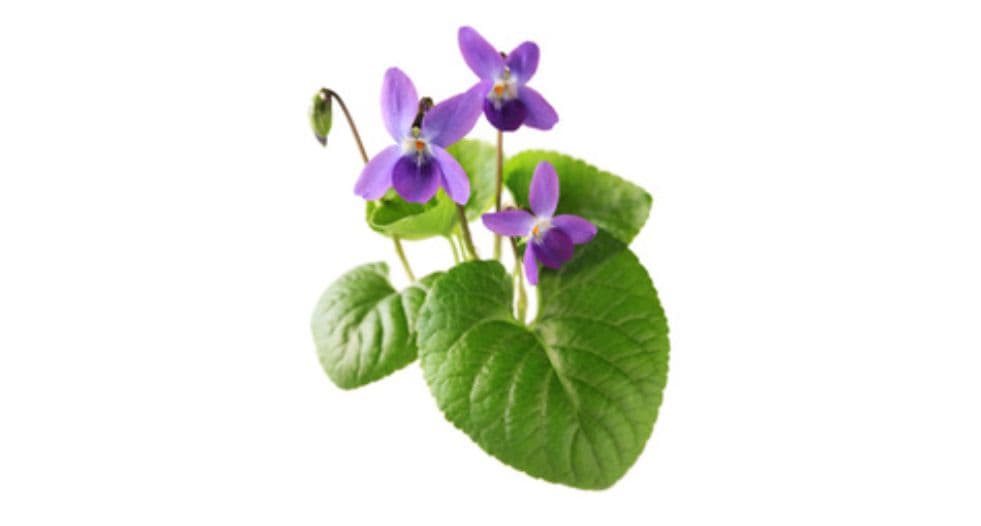
Violet leaf
Violet leaf is harvested from Viola odorata, the same plant that yields the beloved violet flower, yet the leaf accord offers a strikingly different sensory experience. Native to Europe and Asia and cultivated widely across the Mediterranean, the violet plant has been used in perfumery since antiquity. While the flower note speaks of sweetness and romance, the leaf is all crisp nature — green, slightly watery, and unmistakably fresh. The leaf absolute is extracted through solvent or CO₂ methods and remains a prized material in the perfumer's palette. Olfactorily, violet leaf is one of the most distinctly green notes in all of perfumery. It opens with a sharp, cool freshness reminiscent of freshly cut cucumber or wet foliage, with a faintly watery, iris-like quality underneath. There is a subtle earthiness that grounds it without weighing it down. It reads simultaneously as botanical and clean — as though you have just brushed past dew-covered leaves in an early morning garden. Violet leaf pairs exceptionally well with iris, green tea, rose, aquatic accords, and light musks. In perfumery, violet leaf is widely used as a top or heart note in fresh florals, green chypres, and contemporary aquatic compositions. It has enjoyed particular popularity in high-end niche perfumery for its ability to add naturalistic depth and a convincing green vibrancy. At Fragrenza, our violet leaf note is rendered with precision and botanical authenticity, allowing fragrance lovers to explore this sophisticated ingredient through our accessible collection of premium dupe fragrances. Want to wear it? Explore [violet leaf fragrances](https://fragrenza.com/collections/violet-leaf-fragrances).
- 🌿
Violet leaf absolute
Violet leaf absolute is a floral note that adds softness, radiance, and emotional warmth to a composition. Depending on the flower or accord, it can feel fresh, creamy, powdery, honeyed, green, indolic, or airy. In perfumery, floral notes often form the heart of a fragrance, giving it body and a recognizable character. Violet leaf absolute pairs well with citrus, white musk, rose, jasmine, sandalwood, amber, vanilla, iris, and delicate fruits, making it useful in both classic bouquets and modern transparent florals.
- 🌿
Violet leaf absolute Orpur®
Violet leaf absolute Orpur® is a floral note that gives a fragrance softness, radiance, and emotional warmth. Depending on the flower or accord, it may feel fresh, creamy, powdery, honeyed, green, indolic, or airy. In perfumery, floral notes often form the heart of a composition, adding body and a recognizable signature. It pairs well with citrus, white musk, rose, jasmine, sandalwood, amber, vanilla, iris, and delicate fruits.
- 🌿
violet leaves
violet leaves is a floral note that adds softness, radiance, and emotional warmth to a composition. Depending on the flower or accord, it can feel fresh, creamy, powdery, honeyed, green, indolic, or airy. In perfumery, floral notes often form the heart of a fragrance, giving it body and a recognizable character. violet leaves pairs well with citrus, white musk, rose, jasmine, sandalwood, amber, vanilla, iris, and delicate fruits, making it useful in both classic bouquets and modern transparent florals.
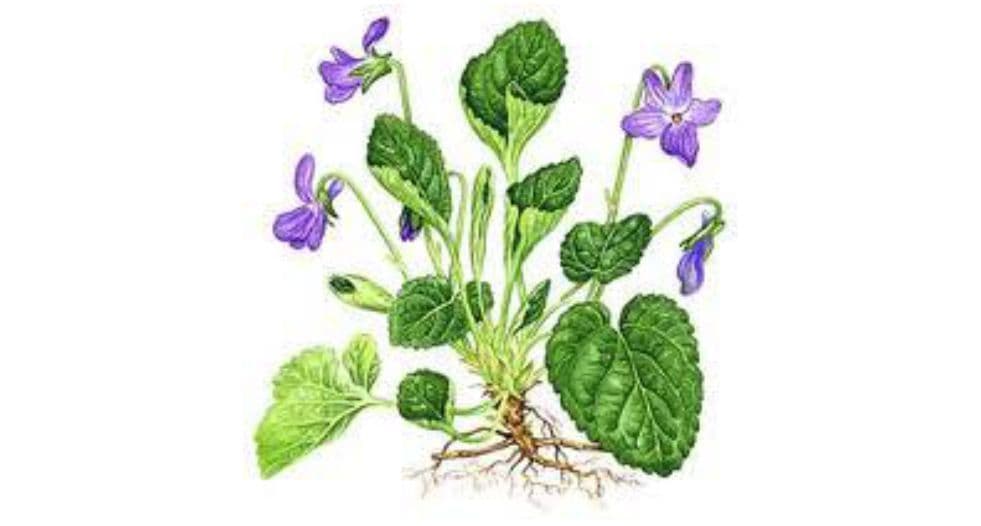
Violet root
Violet Root is a floral note with fresh petals, soft sweetness, and a refined natural brightness. In perfumery, it can add elegance, color, and lift to floral bouquets, musks, fruity florals, powdery accords, and modern feminine compositions.
- 🌿
Violet wood
Violet wood is a floral note that adds softness, radiance, and emotional warmth to a composition. Depending on the flower or accord, it can feel fresh, creamy, powdery, honeyed, green, indolic, or airy. In perfumery, floral notes often form the heart of a fragrance, giving it body and a recognizable character. Violet wood pairs well with citrus, white musk, rose, jasmine, sandalwood, amber, vanilla, iris, and delicate fruits, making it useful in both classic bouquets and modern transparent florals.
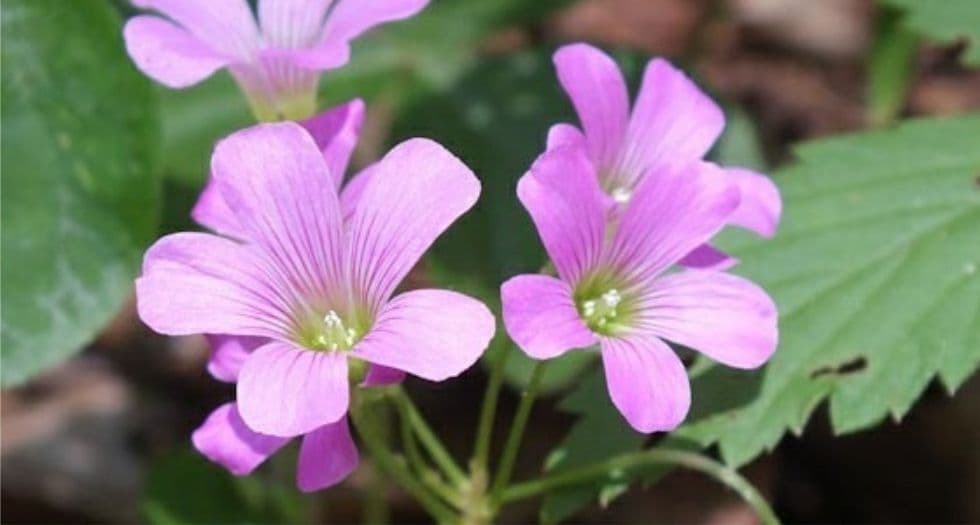
Violet Woodsorrel
Violet woodsorrel (Oxalis violacea) is a charming wildflower that bridges two beloved fragrance families in the most elegant way. Its petals carry the soft, powdery-floral character of violet, while its clover-like leaves contribute a fresh, green, slightly lemony crispness. The combination is subtle and genuinely lovely — a delicate, countryside freshness with a gentle floral heart. In perfumery, violet woodsorrel is a note for those who appreciate nuance. It brings a natural, unpretentious quality to compositions — softer and more grounded than pure violet, fresher and more alive than conventional powdery florals. Its green-lemony freshness makes it an excellent bridge between floral and green fragrance families, pairing beautifully with violet leaf, iris, soft musks, and light citrus to create fragrances of quiet, natural elegance. Fragrenza's violet woodsorrel collection celebrates this quietly beautiful note with a range of premium fragrance dupes — expertly crafted interpretations of some of the most delicate and refined scents in contemporary perfumery, made accessible for all.
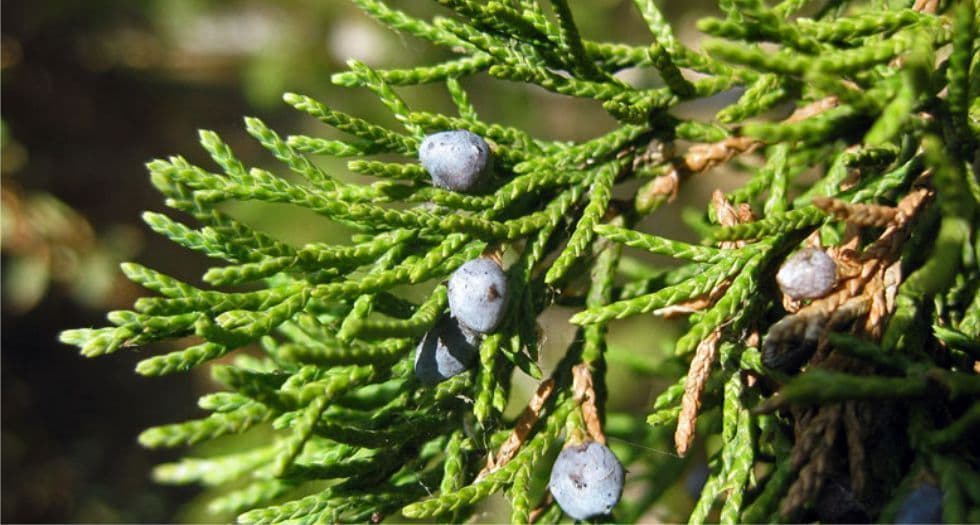
Virginia cedar
Virginia Cedar is a textured base note with woody, dry, smooth, and sometimes leathery or resinous facets. In perfumery, it adds structure, depth, warmth, and longevity, pairing well with amber, musk, incense, rose, spices, citrus, and tobacco.
- 🌿
Virginia rose
Virginia rose is a floral note that gives a fragrance softness, radiance, and emotional warmth. Depending on the flower or accord, it may feel fresh, creamy, powdery, honeyed, green, indolic, or airy. In perfumery, floral notes often form the heart of a composition, adding body and a recognizable signature. It pairs well with citrus, white musk, rose, jasmine, sandalwood, amber, vanilla, iris, and delicate fruits.
- 🌿
Virginia tobacco
Virginia tobacco is a dark textured note that may suggest leather, smoke, tobacco, tar, ash, or warm dry materials. It gives fragrance depth, sensuality, and a more dramatic atmosphere. In perfumery, smoky and leathery notes are often used in bases, where they add strength and character without needing sweetness. It pairs well with oud, saffron, birch tar, amber, tobacco, rose, patchouli, vetiver, incense, and dry woods.
- 🌿
Virginia tobacco absolute
Virginia tobacco absolute is a dark textured note that may suggest leather, smoke, tobacco, tar, ash, or warm dry materials. It gives fragrance depth, sensuality, and a more dramatic atmosphere. In perfumery, smoky and leathery notes are often used in bases, where they add strength and character without needing sweetness. It pairs well with oud, saffron, birch tar, amber, tobacco, rose, patchouli, vetiver, incense, and dry woods.
- 🌿
Virginian Cedar
Virginian Cedar is a woody note used to create structure, depth, and lasting warmth. Its scent may be dry, creamy, smoky, resinous, earthy, pencil-like, or polished depending on the wood or accord. In perfumery, woody notes often support the whole composition and help connect fresh openings with deeper bases. Virginian Cedar pairs naturally with amber, musk, incense, leather, vetiver, patchouli, spices, citrus, and soft resins, making it useful in masculine, feminine, and unisex fragrances.

vodka
The vodka note in perfumery is inspired by neutral grain spirit — distilled, filtered, and stripped of everything but the purest alcoholic impression. While vodka as a beverage originates in Eastern Europe and Russia, where it has been produced since at least the ninth century, its fragrance interpretation is an entirely modern creation. It is not derived from the grain itself but rather from the sensation of the spirit: cold, clean, and almost antiseptically pure, with a faint warmth that lingers just below the surface. Olfactorily, a vodka note is paradoxically defined by what it lacks. It reads as clean and slightly cold, with a barely perceptible alcoholic edge that is more sensation than scent. There is no fruitiness, no sweetness, and no discernible origin ingredient — only a crisp, metallic clarity that evokes a glass held at fridge temperature. It functions almost like a transparent amplifier in a blend, opening up other notes and lending a sleek, contemporary coolness to a composition. It works well alongside aquatic, ozonic, and light woody notes. In perfumery, the vodka note is most at home in modern masculine and unisex fragrances, particularly those aiming for a clean, urban, or minimalist character. It has appeared in niche and designer releases alike as a statement of sophisticated restraint. At Fragrenza, we embrace this distinctively cool note in select compositions within our dupe fragrance collection, delivering designer-level craftsmanship at genuinely accessible prices.
- 🌿
Vodka martini
Vodka martini is a specialty note used to give a fragrance a distinctive texture, mood, or material impression. Depending on interpretation, it may contribute freshness, warmth, sweetness, dryness, softness, or an abstract atmospheric effect. In perfumery, specialty notes are useful because they make a composition feel more specific and less generic. It can be paired with woods, musks, florals, resins, fruits, green notes, spices, or amber materials according to the intended style.
- 🌿
Vulcanolide
Vulcanolide is a specialty note used to give a fragrance a distinctive texture, mood, or material impression. Depending on interpretation, it may contribute freshness, warmth, sweetness, dryness, softness, or an abstract atmospheric effect. In perfumery, specialty notes are useful because they make a composition feel more specific and less generic. It can be paired with woods, musks, florals, resins, fruits, green notes, spices, or amber materials according to the intended style.
W
- 🌿
Waffle
The waffle note in perfumery belongs to the much-loved gourmand family — and it is one of its most comforting expressions. It captures the warm, slightly sweet scent of freshly made waffles: crisp caramelised edges, soft golden batter, a whisper of butter, and the welcoming warmth of a baked good fresh from the iron. It's a note that is simple in concept and utterly irresistible in effect. In fragrance composition, waffle accords bring a familiar, comforting sweetness that feels grounded and genuine rather than cloying. The caramelised grain quality — slightly toasty, lightly sweet — distinguishes it from pure vanilla or caramel notes, giving it a more textured, bakery-fresh character. It pairs beautifully with vanilla, maple, tonka bean, warm musks, and light praline notes, creating fragrances that are feel-good, enveloping, and deeply wearable. Fragrenza's waffle collection brings together some of the most deliciously comforting fragrance dupes in the gourmand category — premium-quality scents inspired by celebrated warm-baked creations, available at prices as welcoming as the note itself.
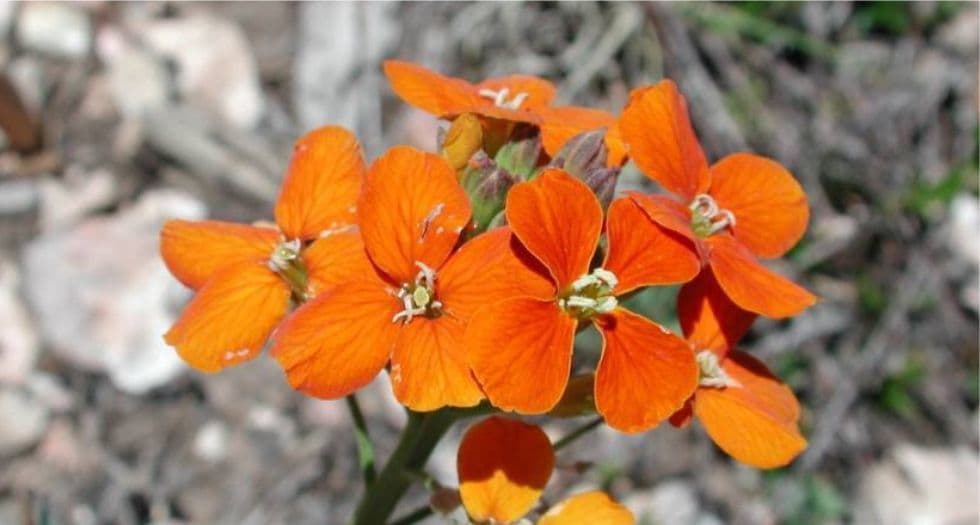
Wall Flower
Wallflower is a floral note with fresh petals, soft sweetness, and a refined natural brightness. In perfumery, it can add elegance, color, and lift to floral bouquets, musks, fruity florals, powdery accords, and modern feminine compositions.
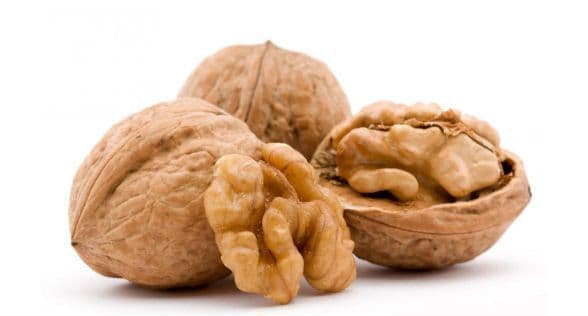
walnut
Walnut as a fragrance note captures the dry, slightly bitter, woody-nutty character of the whole walnut — not the sweetened confection, but the raw kernel: its papery skin, its faintly tannic edge, and the rich, earthy warmth of the wood itself. It's a note that feels grounded and autumnal, evoking forest floors, old library shelves, and the honest pleasure of natural, tactile things. In perfumery, walnut is used to bring a distinctive dry depth to compositions. It differs from sweeter nut accords like almond or hazelnut — earthier, less sweet, more closely tied to wood and soil. It pairs beautifully with vetiver, cedar, leather, tobacco, and smoky notes — grounding more complex compositions with a quiet, woody-nutty backbone. It is a note beloved by perfumers who value texture and authenticity over easy sweetness. Fragrenza's walnut collection gathers some of the finest fragrance dupes that showcase this underappreciated note — premium-quality scents with that distinctive dry, woody-nutty depth, crafted to impress at an accessible price.
- 🌿
Walnut wood
Walnut wood is a woody note used to create structure, depth, and lasting warmth. Its scent may be dry, creamy, smoky, resinous, earthy, pencil-like, or polished depending on the wood or accord. In perfumery, woody notes support the whole composition and connect fresh openings with deeper bases. It pairs naturally with amber, musk, incense, leather, vetiver, patchouli, spices, citrus, and soft resins.
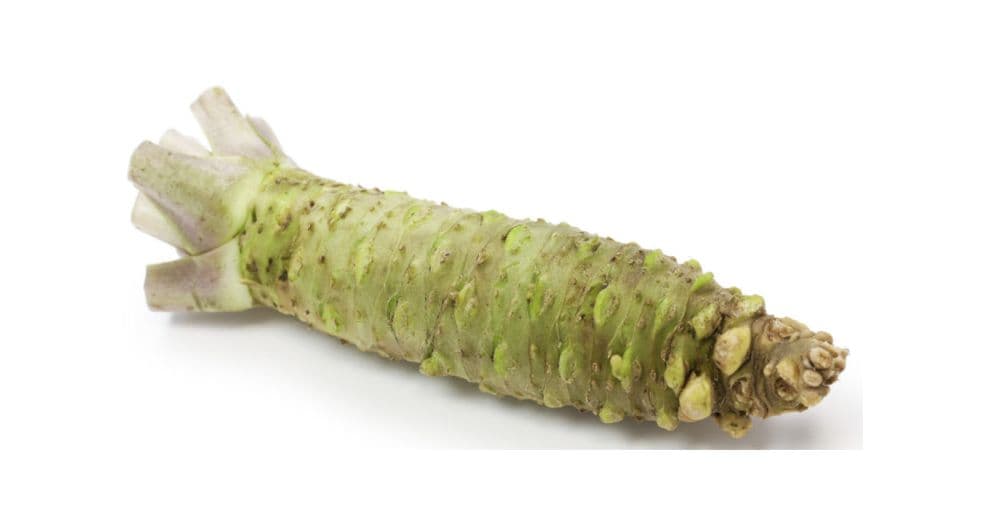
Wasabi
Wasabi in perfumery is a note of genuine audacity — sharp, green, pungent, and unmistakably itself. The volatile compounds responsible for wasabi's sinus-clearing heat translate in fragrance into a vivid, green-spicy jolt: briefly fierce, then resolving into a clean, herbal coolness that is surprisingly elegant. It's a note that grabs attention in the most interesting possible way. Among perfumers working at the adventurous edge of the craft, wasabi is prized precisely because it doesn't behave like anything else. It cuts through a blend with green intensity, adding an unexpected sharpness and a modern, edgy character that feels genuinely original. When skillfully handled — paired with aquatic notes, cool woods, clean musks, or crisp citrus — wasabi-laced fragrances become bold, thought-provoking statements that linger in the memory long after the sharpness has faded. Fragrenza's wasabi collection is for those who love fragrance that surprises — premium-quality dupes of some of the most daring and creative scents in niche and designer perfumery, delivered at accessible prices.

Water Fruit
Water fruit is a contemporary fragrance accord that distils the essence of fruit at its freshest and most hydrating — light, watery, and just sweet enough to feel vibrant without tipping into richness. Think of the cool, slightly translucent quality of watermelon flesh, cucumber, honeydew, or lychee: fruit at its most refreshing, where water and sweetness meet in perfect balance. In perfumery, water fruit accords are prized for their ability to bring effervescence and an almost thirst-quenching brightness to a composition. They feel modern and clean, pairing naturally with aquatic notes, light musks, dewy florals, and fresh green ingredients. Water fruit-centric fragrances tend to be light, optimistic, and enormously wearable — perfect for warm weather, active wear, or any time a burst of fresh, cool brightness is called for. Fragrenza's water fruit collection brings together some of the most beautifully refreshing fragrance dupes in this family — capturing the bright, watery essence of the finest fresh-fruity scents at genuinely accessible prices.
- 🌿
Water fruits
Water fruits is a fruity note that adds juiciness, color, and natural sweetness. It may feel crisp and tart, ripe and velvety, tropical and creamy, or dark and jammy depending on the fruit profile. In perfumery, fruity notes brighten florals, soften musks, and add pleasure to gourmand or woody structures. It pairs well with rose, peony, jasmine, white musk, vanilla, woods, citrus, amber, and soft spices.
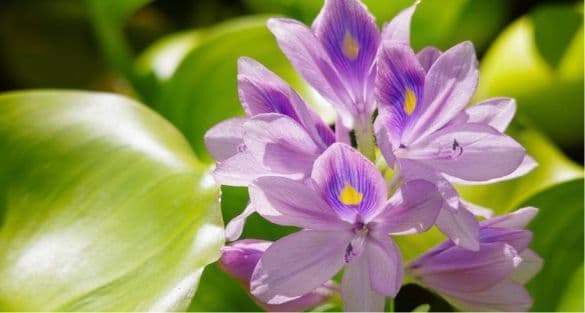
Water Hyacinth
Water hyacinth brings one of nature's most distinctive aquatic-floral signatures to perfumery. The scent of this striking, spired bloom is fresh and light, with a clean floral core, a gentle greenness, and just a whisper of sweet, almost soapy softness. It captures the feeling of a spring morning beside water — cool air, blooming freshness, and a delicate natural beauty that feels effortlessly uplifting. In fragrance, water hyacinth is used to add lightness and an airy, fresh dimension to compositions. It sits somewhere between a true floral and a true aquatic — soft enough to blend with delicate white florals, and fresh enough to anchor cleaner, more transparent structures. It pairs beautifully with green notes, lily of the valley, aquatic accords, and light musks, bringing a sense of natural, unforced freshness. Fragrenza's water hyacinth collection showcases some of the most beautifully fresh and floral fragrance dupes in this category — premium-quality scents inspired by the finest hyacinth-forward creations in contemporary perfumery.
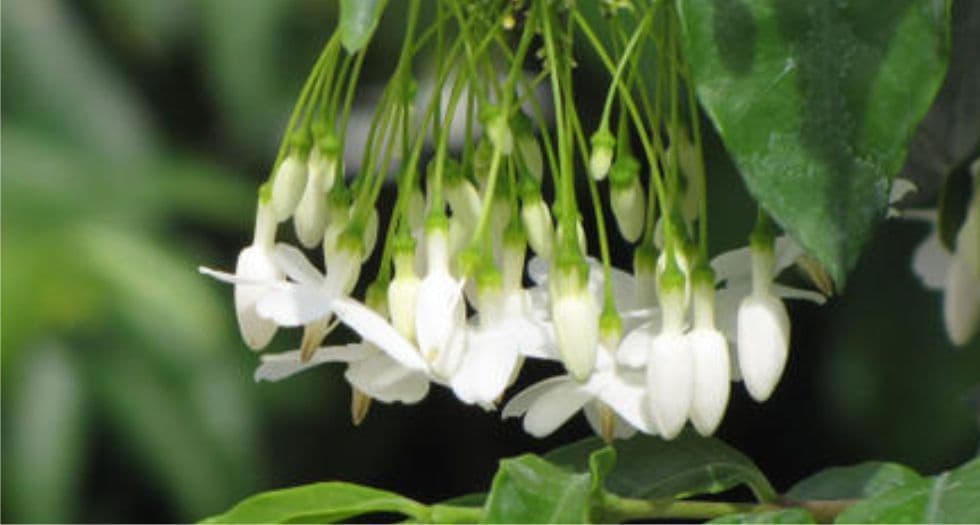
Water jasmine
Water jasmine is a delicate floral note associated with Wrightia religiosa, known for its soft jasmine-like sweetness. In perfumery, it suggests a clean white floral profile with watery, fresh, slightly creamy, and gentle green facets. It suits soft florals, aquatic florals, and clean musky compositions.
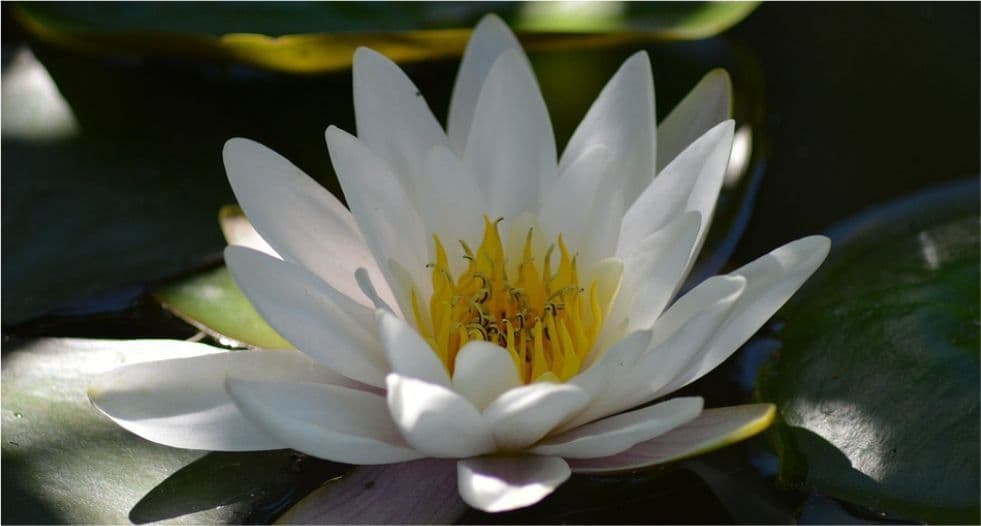
Water Lily
Water lily (Nymphaea) is a flowering aquatic plant found across temperate and tropical regions worldwide, prized for centuries in both Eastern and Western cultures for its serene beauty. Growing on still ponds and lakes, the blossom sits just above the water's surface, drawing on the cool, mineral richness of its aquatic habitat. In ancient Egypt it was a sacred symbol of rebirth; in South and Southeast Asia it features prominently in spiritual iconography and traditional medicine alike. As a fragrance note, water lily is unmistakably aquatic — clean, softly floral, and faintly powdery. It occupies a gentle middle ground between a true floral and a watery accord, lending compositions a sense of calm luminosity. Its petals contribute a delicate sweetness without heaviness, while an underlying green, slightly dewy quality keeps it feeling fresh and transparent. It pairs beautifully with musky base notes, other white florals such as peony or magnolia, and light woods like sandalwood or cedar. In perfumery, water lily is a favourite for aquatic, floral-fresh, and feminine fragrance families, where its serene character adds quiet elegance without overpowering. It is particularly effective in sheer summer fragrances and spa-inspired compositions. At Fragrenza, our water lily note is captured at its most translucent and true, allowing you to explore this beloved ingredient in our collection of high-quality dupe fragrances at accessible prices.
- 🌿
Water lily leaf
The water lily leaf note in perfumery captures something quite distinct from the flower itself — green, cool, and unmistakably aquatic. Where water lily blooms tend toward soft floral sweetness, the leaf is crisper and more vegetal: a clean, watery greenness that evokes still ponds, lakeside mornings, and the cool shadow beneath broad, floating leaves. It's a note of quiet, natural freshness. In fragrance composition, water lily leaf is a subtle but effective tool for adding a translucent green-aquatic dimension. It works beautifully alongside other water-themed notes, light florals, citrus, and clean musks — creating a sense of cool, effortless freshness that feels genuinely natural rather than synthetic. It's particularly beloved in contemporary clean fragrances and aquatic-floral compositions. Fragrenza's water lily leaf collection gathers some of the finest fragrance dupes that feature this quietly beautiful aquatic-green note — expertly crafted interpretations of celebrated scents, made accessible without sacrificing quality.
- 🌿
Water Mint
Water Mint is an aquatic note that evokes water, sea air, rain, mineral freshness, or clean transparent space. It can be salty, ozonic, marine, watery, airy, or slightly green depending on the accord. In perfumery, aquatic notes bring freshness, diffusion, and a modern easy-to-wear character. It pairs well with citrus, white musk, driftwood, lavender, sage, cucumber, marine notes, ambergris-style molecules, and pale woods.
- 🌿
Water Notes
Water Notes is an aquatic note that evokes water, sea air, mineral freshness, or clean transparent space. It can be salty, ozonic, airy, watery, or slightly green depending on the accord. In perfumery, aquatic notes bring lightness and diffusion, helping a fragrance feel fresh, modern, and easy to wear. They pair well with citrus, marine notes, driftwood, white musk, cucumber, lavender, ambergris-style molecules, and pale woods.
- 🌿
Water of life
Water of life is an aquatic note that evokes water, sea air, rain, mineral freshness, or clean transparent space. It can be salty, ozonic, marine, watery, airy, or slightly green depending on the accord. In perfumery, aquatic notes bring freshness, diffusion, and a modern easy-to-wear character. It pairs well with citrus, white musk, driftwood, lavender, sage, cucumber, marine notes, ambergris-style molecules, and pale woods.
- 🌿
Water pepper
Water pepper (Polygonum hydropiper) is one of perfumery's more unexpected green ingredients — a semi-aquatic plant whose leaves and stems carry a sharp, peppery bite layered over a cool, watery-green freshness. The result in fragrance is a unique combination: the crispness of an aquatic note meets the vivid, slightly pungent energy of fresh pepper, creating something genuinely alive and invigorating. In perfumery, water pepper is used to add natural green complexity and a lively, slightly wild edge to compositions. It sits beautifully within fresh, aromatic, and aquatic fragrance families — adding character and texture where simpler aquatic notes might feel flat or generic. It pairs well with other green ingredients, citrus, light woods, and clean musks, lending an almost outdoor, riverbank quality to any blend it enters. Fragrenza's water pepper collection brings together some of the most vibrant and freshly composed fragrance dupes in this space — premium-quality scents that capture the invigorating spirit of this unusual green note.
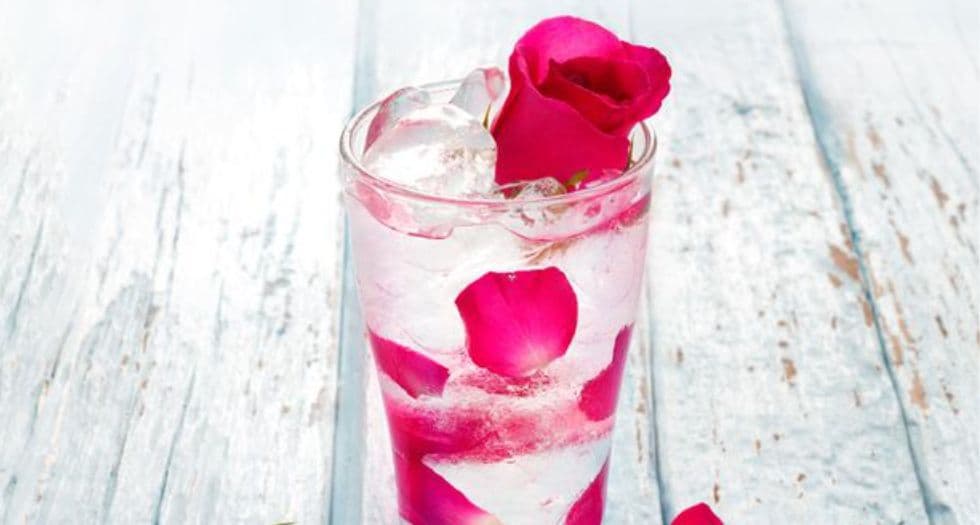
Water Rose
Water rose refers to the soft watery floral scent associated with rose water. It is fresher, lighter, and more transparent than deep rose absolute. In perfumery, it adds a clean, dewy, romantic rose effect that works beautifully in fresh florals, musks, and skincare-like compositions.
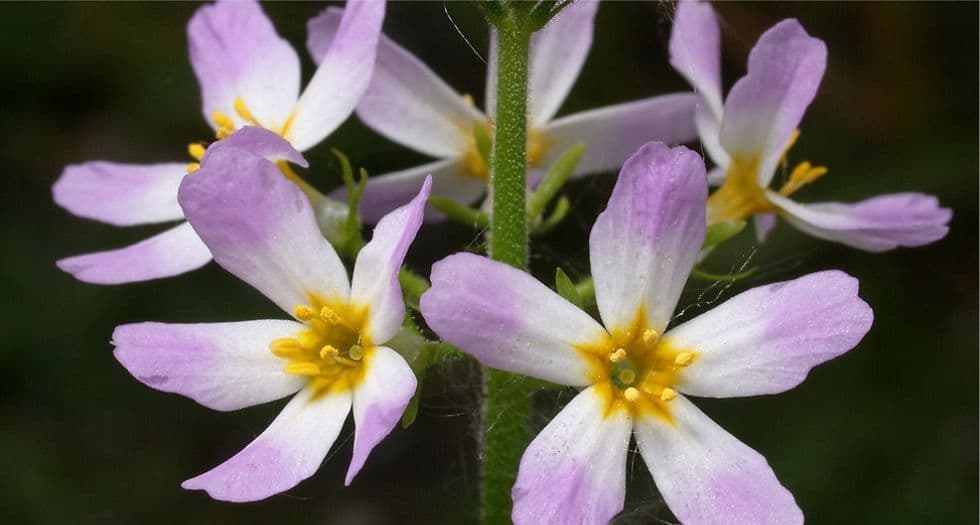
Water Violet
Water Violet is a floral note with fresh petals, soft sweetness, and a refined natural brightness. In perfumery, it can add elegance, color, and lift to floral bouquets, musks, fruity florals, powdery accords, and modern feminine compositions.
watercress
Watercress is a fresh green aquatic herb with peppery, leafy, watery, and slightly bitter facets. In perfumery, it adds botanical sharpness and crisp natural freshness. It pairs well with citrus, cucumber, green tea, mint, watery florals, and clean musks.
- 🌿
Waterlily
Waterlily is a floral note that adds softness, radiance, and emotional warmth to a composition. Depending on the flower or accord, it can feel fresh, creamy, powdery, honeyed, green, indolic, or airy. In perfumery, floral notes often form the heart of a fragrance, giving it body and a recognizable character. Waterlily pairs well with citrus, white musk, rose, jasmine, sandalwood, amber, vanilla, iris, and delicate fruits, making it useful in both classic bouquets and modern transparent florals.
watermelon
Watermelon — Citrullus lanatus — is the quintessential fruit of summer, originating in the semi-arid regions of Africa and cultivated for thousands of years across warm climates worldwide. Its scent is immediately and universally evocative: sweet and watery, with a gentle green freshness from the rind, a cool aqueous quality from its flesh, and a light, candied fruitiness that makes it one of the most cheerful and summery aromas in the natural world. It is pure, unambiguous sunshine. In perfumery, watermelon is primarily captured through synthetic reconstruction — molecules such as calone and watermelon ketone that reproduce its distinctive watery-fruity-green character. It is used to add freshness, lightness, and a distinctly summery quality to compositions, functioning particularly well in aquatic and fruity-fresh fragrances where its cool, watery sweetness adds playfulness and lift. Perfumers pair it with cucumber, melon, light musks, and citrus to create compositions that feel like a perfect summer afternoon — carefree, luminous, and effortlessly appealing. Fragrenza's watermelon fragrances are a celebration of summer in its purest form — bright, sweet, and instantly mood-lifting. These compositions are designed for warm days, lazy afternoons, and anyone who wants their fragrance to feel like sunshine. Drawing from the freshest, most playful fragrances in the industry, Fragrenza delivers this summery joy through beautifully crafted dupes at the accessible prices that make great fragrance available to everyone, every day.
- 🌿
Watermelon candy
Watermelon candy is a fruity note that adds juiciness, color, and natural sweetness. It may feel crisp and tart, ripe and velvety, tropical and creamy, or dark and jammy depending on the fruit profile. In perfumery, fruity notes brighten florals, soften musks, and add pleasure to gourmand or woody structures. It pairs well with rose, peony, jasmine, white musk, vanilla, woods, citrus, amber, and soft spices.
- 🌿
Watery fruits
Watery fruits is a fruity note that gives fragrance juiciness, color, and natural sweetness. It can be crisp and tart, ripe and velvety, tropical and creamy, or dark and jammy depending on the fruit profile. In perfumery, fruity notes brighten florals, soften musks, and add pleasure to gourmand or woody structures. Watery fruits pairs well with rose, peony, jasmine, white musk, vanilla, woods, citrus, amber, and soft spices.
- 🌿
Watery note
Watery note is an aquatic note that evokes water, sea air, rain, mineral freshness, or clean transparent space. It can be salty, ozonic, marine, watery, airy, or slightly green depending on the accord. In perfumery, aquatic notes bring freshness, diffusion, and a modern easy-to-wear character. It pairs well with citrus, white musk, driftwood, lavender, sage, cucumber, marine notes, ambergris-style molecules, and pale woods.

watery notes
Watery Notes is an aquatic note that suggests clean water, sea air, dew, rain, or transparent freshness. In perfumery, it makes compositions feel lighter and more breathable, pairing well with citrus, white musk, lotus, cucumber, marine notes, and fresh florals.
- 🌿
Wax
Wax is a specialty note used to give a fragrance a distinctive texture, mood, or material impression. Depending on interpretation, it may contribute freshness, warmth, sweetness, dryness, softness, or an abstract atmospheric effect. In perfumery, specialty notes are useful because they make a composition feel more specific and less generic. It can be paired with woods, musks, florals, resins, fruits, green notes, spices, or amber materials according to the intended style.
West Indian Bay
West Indian Bay — derived from the leaves of Pimenta racemosa, a tree native to the Caribbean — is one of the great aromatic workhorses of classic perfumery. Its scent is bold and characterful: warm and spicy, with a clove-like pungency, a hint of eucalyptus and allspice, and a faintly medicinal edge that gives it distinctive authority. It is the defining ingredient of the traditional Bay Rum fragrance family. Historically associated with traditional men's grooming preparations, West Indian Bay leaf has a long and distinguished perfumery heritage that stretches back centuries. In modern fragrance, it is prized for its ability to add warm, spicy depth and a confident, barbershop-inflected character. It pairs beautifully with citrus, tobacco, cedar, clove, and classic musks — creating scents that feel both timelessly classic and freshly relevant. Fragrenza's West Indian Bay collection honours this remarkable ingredient with a carefully curated range of fragrance dupes inspired by the finest Bay-forward creations in designer and niche perfumery.
- 🌿
West Indian lantana
West Indian lantana is a specialty note used to give a fragrance a distinctive texture, mood, or material impression. Depending on interpretation, it may contribute freshness, warmth, sweetness, dryness, softness, or an abstract atmospheric effect. In perfumery, specialty notes are useful because they make a composition feel more specific and less generic. It can be paired with woods, musks, florals, resins, fruits, green notes, spices, or amber materials according to the intended style.

Wet plaster
Wet plaster is one of perfumery's most intriguing abstract accords — a deliberate step away from the natural world and into the realm of conceptual, architectural scent. It captures the cool, mineral dampness of freshly mixed plaster or damp concrete: chalky, powdery, faintly dusty, with an almost tactile quality that feels simultaneously urban and primal. It's a note that challenges and rewards in equal measure. Used by some of the most adventurous niche perfumers, wet plaster sits within the broader family of mineral and ozonic accords. It evokes rain-soaked city streets, freshly renovated interiors, and the strange beauty of the industrial world translated into scent. It pairs unexpectedly well with soft iris, clean musks, woods, and vetiver — creating fragrances that are quietly arresting and deeply original. Fragrenza's wet plaster collection is for the curious and the adventurous — featuring premium-quality dupes of some of the most conceptually bold fragrances in niche perfumery, brought to you at an accessible price.
Wheat
Wheat as a fragrance note is a study in understated beauty. It captures the clean, cereal-like warmth of sun-dried grain fields — soft, slightly nutty, gently powdery, with a wholesome naturalness that feels grounded and serene. It's a note that conjures open countryside, golden afternoons, and the quiet pleasure of simple, honest things. In perfumery, wheat is used to add texture and a clean softness to compositions. It bridges the gap between skin notes, musks, and woody bases — bringing a subtle warmth that reads as natural and human rather than constructed or synthetic. It pairs beautifully with amber, vetiver, sandalwood, and soft florals, lending a gentle cereal sweetness that adds depth without weight. Increasingly, it appears in clean, minimalist and skin-centric contemporary fragrances. Fragrenza's wheat collection showcases some of the most thoughtfully composed fragrance dupes that feature this quietly beautiful note — premium-quality interpretations of celebrated scents at genuinely accessible prices.
- 🌿
Wheat absolute
Wheat absolute is a specialty note used to give a fragrance a distinctive texture, mood, or material impression. Depending on interpretation, it may contribute freshness, warmth, sweetness, dryness, softness, or an abstract atmospheric effect. In perfumery, specialty notes are useful because they make a composition feel more specific and less generic. It can be paired with woods, musks, florals, resins, fruits, green notes, spices, or amber materials according to the intended style.
- 🌿
Whipped cream
Whipped cream is a gourmand note that adds edible warmth, sweetness, and comfort to a fragrance. It may suggest cream, sugar, nuts, chocolate, coffee, honey, pastry, or toasted grains depending on the accord. In perfumery, gourmand notes make compositions feel cozy and sensual, but they work best when balanced with woods, musks, spices, citrus, or resins. Whipped cream pairs well with vanilla, tonka bean, sandalwood, amber, caramel, cacao, coffee, and soft florals.

whiskey
Whiskey — whether Scotch, bourbon, or rye — is one of the most evocative aromatic ingredients a perfumer can reach for. The note captures the full sensory experience of the distilled spirit: the warm, oaky barrel richness, the honeyed sweetness of malted grain, a whisper of smoke, and that unmistakable dry-yet-smooth alcoholic warmth that seems to breathe with the skin over time. In perfumery, whiskey notes are prized for their ability to add texture, sophistication, and a slightly intoxicating quality to a blend. They work in beautiful harmony with tobacco, leather, amber, vanilla, and spices — building the kind of deeply layered, contemplative scents often associated with cosy evenings and quiet confidence. Whiskey-infused fragrances walk the line between warm comfort and refined masculinity with effortless grace. Fragrenza's whiskey collection brings together the finest dupes of designer and niche whiskey-inspired fragrances — capturing all of that warm, oaky sophistication in beautifully crafted, accessible bottles.
- 🌿
Whisky
Whisky is a specialty note used to give a fragrance a distinctive texture, mood, or material impression. Depending on interpretation, it may contribute freshness, warmth, sweetness, dryness, softness, or an abstract atmospheric effect. In perfumery, specialty notes are valuable because they make a composition feel more specific and less generic. Whisky can be paired with woods, musks, florals, resins, fruits, green notes, spices, or amber materials according to the intended style.
- 🌿
Whisky barrel
Whisky barrel is a specialty note used to give a fragrance a distinctive texture, mood, or material impression. Depending on interpretation, it may contribute freshness, warmth, sweetness, dryness, softness, or an abstract atmospheric effect. In perfumery, specialty notes are useful because they make a composition feel more specific and less generic. It can be paired with woods, musks, florals, resins, fruits, green notes, spices, or amber materials according to the intended style.
- 🌿
Whisky CO2
Whisky CO2 is a specialty note used to give a fragrance a distinctive texture, mood, or material impression. Depending on interpretation, it may contribute freshness, warmth, sweetness, dryness, softness, or an abstract atmospheric effect. In perfumery, specialty notes are useful because they make a composition feel more specific and less generic. It can be paired with woods, musks, florals, resins, fruits, green notes, spices, or amber materials according to the intended style.
- 🌿
White Alba truffle
White Alba truffle is an earthy or mineral note that adds realism, dryness, and atmospheric depth. It may suggest soil, roots, stone, dust, damp ground, mushrooms, clay, or cool mineral surfaces depending on the accord. In perfumery, these notes make compositions feel grounded, natural, or avant-garde. It pairs well with vetiver, moss, patchouli, dry woods, leather, incense, rain notes, musk, and dark florals.
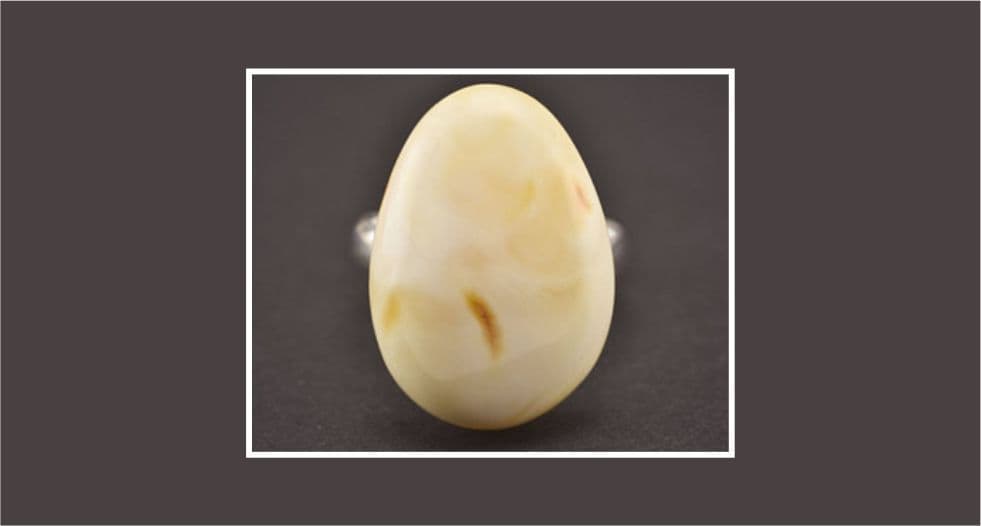
White Amber
White amber is a soft modern amber accord built around clean musks, pale woods, subtle resins, and ambergris-like molecules. It is smoother, lighter, and more transparent than dark amber. In perfumery, it creates a clean, warm, skin-like base with elegant lasting power.
- 🌿
White ambergris
White ambergris is a warm ambered or resinous note used to give fragrance depth, softness, and long-lasting richness. It can smell balsamic, sweet, smoky, vanillic, woody, powdery, or incense-like depending on the material. In perfumery, it rounds sharp edges and creates a smooth base that holds the composition together. White ambergris pairs well with woods, musks, spices, vanilla, tobacco, leather, florals, oud, and other resins.
- 🌿
White Bergamot
White Bergamot is a citrus note that adds sparkle, freshness, and immediate lift to a fragrance. Its profile can include juicy pulp, aromatic peel, green bitterness, soft floral nuances, or a sharp zesty brightness depending on the material. In perfumery, it is usually used in the opening, where it brings clarity and motion before blending into florals, woods, musks, or herbs. It pairs well with neroli, tea, lavender, white musk, light woods, aquatic notes, and aromatic herbs.
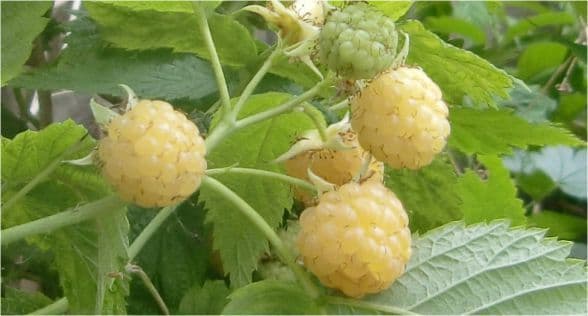
White berries
White Berries is a specialty fragrance note with a distinctive character that can add texture, contrast, and originality to a composition. In perfumery, it is best used to create a specific mood or material impression, often alongside woods, musks, florals, resins, fruits, or green notes.
- 🌿
White blossoms
White blossoms is a floral note that brings softness, radiance, and natural elegance to a fragrance. Its character can range from fresh and airy to creamy, sensual, honeyed, or slightly green, depending on how the accord is built. In perfumery, it is often used in the heart of a composition to add body and emotional warmth. It pairs well with white musks, citrus, rose, jasmine, sandalwood, amber, vanilla, and delicate fruits.
- 🌿
White Bourbon rose
White Bourbon rose is a floral note that gives a fragrance softness, radiance, and emotional warmth. Depending on the flower or accord, it may feel fresh, creamy, powdery, honeyed, green, indolic, or airy. In perfumery, floral notes often form the heart of a composition, adding body and a recognizable signature. It pairs well with citrus, white musk, rose, jasmine, sandalwood, amber, vanilla, iris, and delicate fruits.
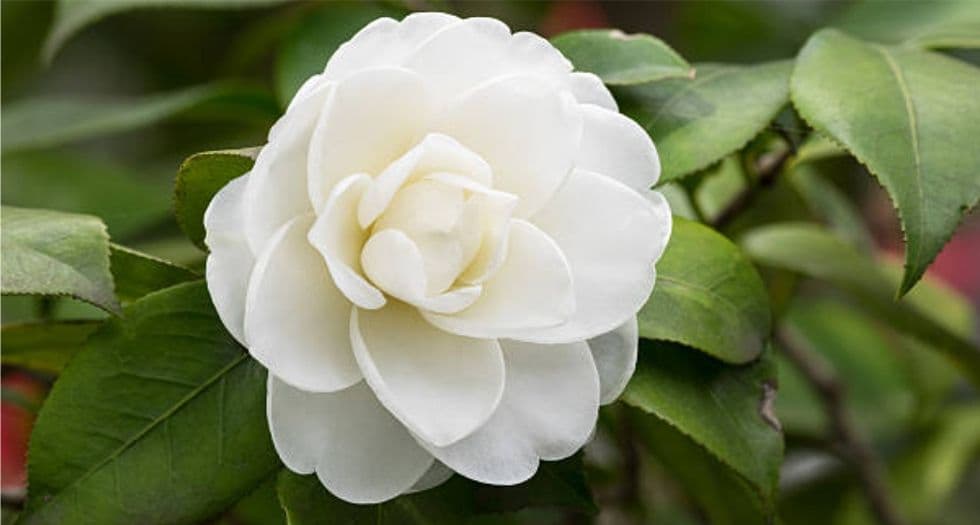
White Camellia
White Camellia is a floral note with fresh petals, soft sweetness, and a refined natural brightness. In perfumery, it can add elegance, color, and lift to floral bouquets, musks, fruity florals, powdery accords, and modern feminine compositions.
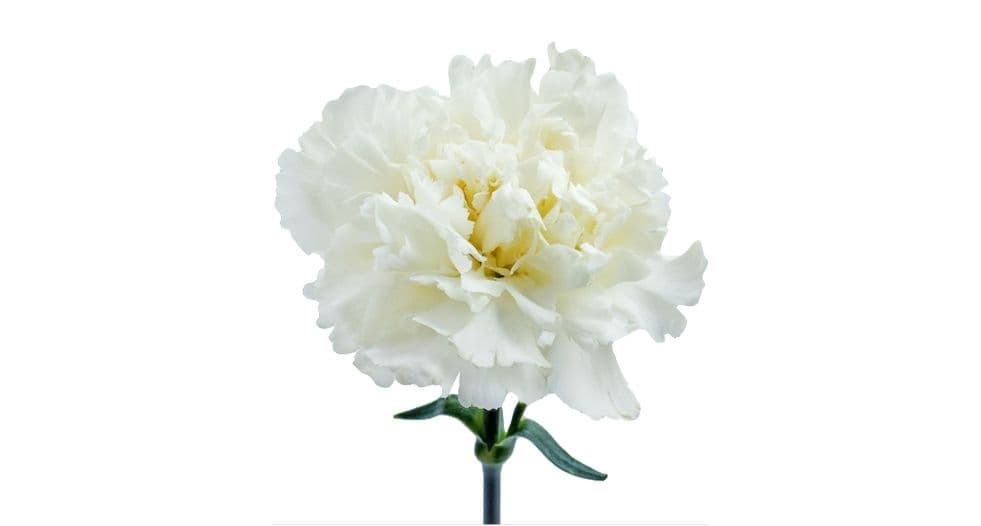
White Carnation
White Carnation is a floral note with fresh petals, soft sweetness, and a refined natural brightness. In perfumery, it can add elegance, color, and lift to floral bouquets, musks, fruity florals, powdery accords, and modern feminine compositions.
- 🌿
White cedar
White cedar is a woody note used to give fragrance structure, depth, and lasting warmth. Its profile may be dry, creamy, smoky, resinous, earthy, or polished depending on the source or accord. In perfumery, woody notes often form the backbone of a composition, supporting lighter citrus, floral, spicy, or aromatic materials. It pairs naturally with amber, musk, incense, leather, vetiver, patchouli, spices, and soft resins.
- 🌿
White Cedar Extract
White Cedar Extract is a woody note used to give fragrance structure, depth, and lasting warmth. Its profile may be dry, creamy, smoky, resinous, earthy, or polished depending on the source or accord. In perfumery, woody notes often form the backbone of a composition, supporting lighter citrus, floral, spicy, or aromatic materials. It pairs naturally with amber, musk, incense, leather, vetiver, patchouli, spices, and soft resins.
- 🌿
White cedarwood
White cedarwood is a woody note used to create structure, depth, and lasting warmth. Its scent may be dry, creamy, smoky, resinous, earthy, pencil-like, or polished depending on the wood or accord. In perfumery, woody notes often support the whole composition and help connect fresh openings with deeper bases. White cedarwood pairs naturally with amber, musk, incense, leather, vetiver, patchouli, spices, citrus, and soft resins, making it useful in masculine, feminine, and unisex fragrances.
- 🌿
White champaca
White champaca is a specialty note used to give a fragrance a distinctive texture, mood, or material impression. Depending on interpretation, it may contribute freshness, warmth, sweetness, dryness, softness, or an abstract atmospheric effect. In perfumery, specialty notes are useful because they make a composition feel more specific and less generic. It can be paired with woods, musks, florals, resins, fruits, green notes, spices, or amber materials according to the intended style.
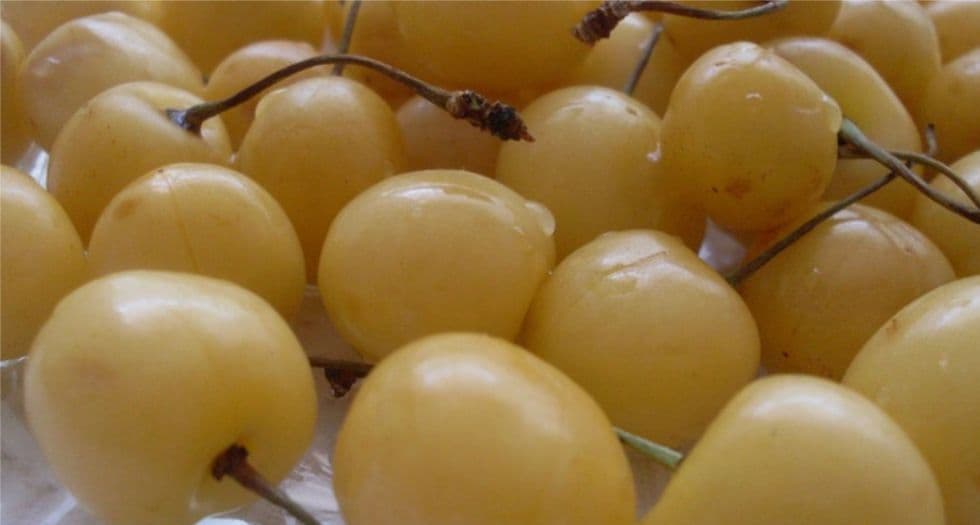
White Cherry
White Cherry is a fruity note with juicy sweetness, tart brightness, and a colorful natural character. In perfumery, it adds vibrancy and approachability to fruity florals, musks, gourmands, chypres, summer scents, and playful modern compositions.
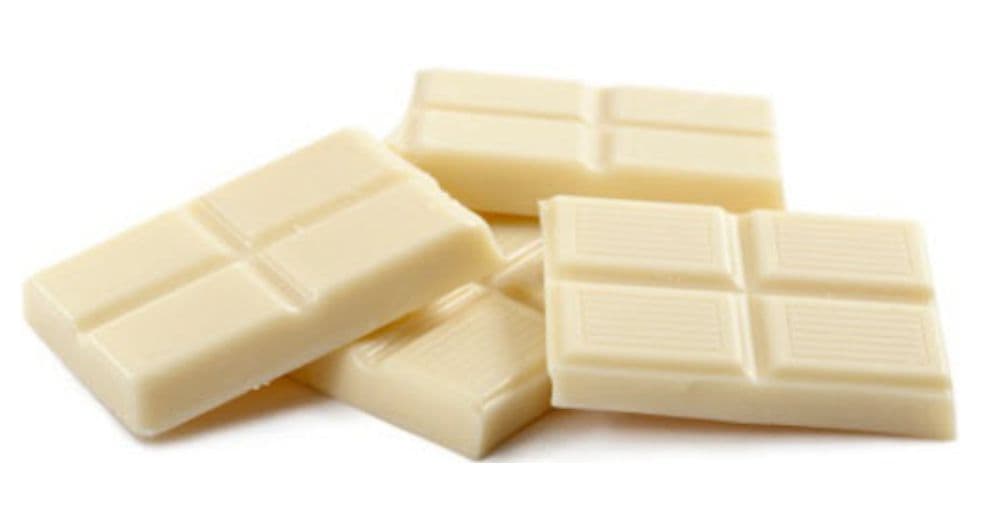
White chocolate
White chocolate in perfumery is the ultimate expression of creamy, indulgent sweetness. Unlike the bitter, roasted complexity of dark chocolate, white chocolate brings a soft, milky richness — all vanilla warmth, cocoa butter smoothness, and a gentle sugared sweetness that feels like comfort made wearable. It's a note that wraps you in softness from the very first breath. As a gourmand ingredient, white chocolate excels at lending a luscious, skin-like creaminess to fragrance compositions. It blends beautifully with vanilla, musks, caramel, coconut, and soft woods — creating the kind of warm, enveloping scents that feel irresistibly cosy and deeply sensual. It's a cornerstone of modern gourmand perfumery, beloved for its universal appeal and lasting skin-warmth. Fragrenza's white chocolate collection brings together some of the most delicious fragrance dupes in the gourmand category — premium-quality scents inspired by the world's most celebrated creamy-sweet fragrances, crafted to impress at an accessible price.
- 🌿
White clover
White clover is a spicy note that gives fragrance heat, texture, and aromatic energy. It can feel sweet, dry, peppery, resinous, herbal, smoky, or slightly medicinal depending on the material. In perfumery, spices create contrast, deepen the heart, and bridge fresh top notes with warm woody or amber bases. It pairs especially well with citrus, rose, tobacco, vanilla, oud, sandalwood, patchouli, leather, and balsamic resins.
- 🌿
White cocoa
White cocoa is a gourmand note that adds edible warmth, sweetness, and comfort. It may suggest cream, sugar, nuts, chocolate, coffee, honey, pastry, or toasted grains depending on the accord. In perfumery, gourmand notes make compositions feel cozy and sensual, but they work best when balanced with woods, musks, spices, citrus, or resins. It pairs well with vanilla, tonka bean, sandalwood, amber, caramel, cacao, coffee, and soft florals.
- 🌿
White cognac
White cognac is a specialty note used to give a fragrance a distinctive texture, mood, or material impression. Depending on interpretation, it may contribute freshness, warmth, sweetness, dryness, softness, or an abstract atmospheric effect. In perfumery, specialty notes are useful because they make a composition feel more specific and less generic. It can be paired with woods, musks, florals, resins, fruits, green notes, spices, or amber materials according to the intended style.
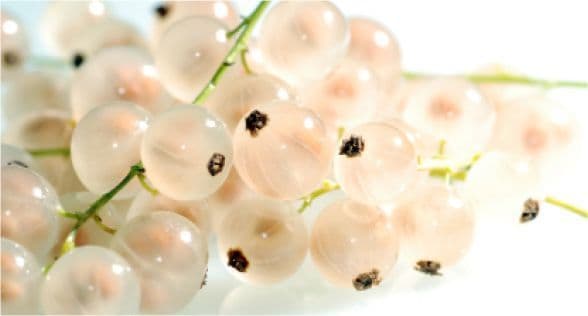
White currant
White currant is the quieter, more refined sibling of the bold blackcurrant — delicate where blackcurrant is bold, crisp where blackcurrant is jammy. The note captures a fresh, slightly tart berry quality with a clean, almost floral softness beneath. Think of it as sunlight filtered through frosted glass: luminous, cool, and subtly sweet. In perfumery, white currant is often used to bring brightness and effervescence to a composition. It lifts the heart of a fragrance without demanding attention, adding a fresh, fruit-forward quality that reads as modern and clean. It pairs beautifully with green notes, light musks, soft woods, and delicate white florals — making it a favourite in contemporary feminine and unisex fragrances. Fragrenza's white currant collection gathers some of the most exquisite expressions of this note in modern perfumery — offering premium fragrance dupes that let you explore the finest scents in this family without the designer price tag.
- 🌿
White dahlia
White dahlia is a specialty note used to give a fragrance a distinctive texture, mood, or material impression. Depending on interpretation, it may contribute freshness, warmth, sweetness, dryness, softness, or an abstract atmospheric effect. In perfumery, specialty notes are useful because they make a composition feel more specific and less generic. It can be paired with woods, musks, florals, resins, fruits, green notes, spices, or amber materials according to the intended style.
- 🌿
White fern
White fern is a specialty note used to give a fragrance a distinctive texture, mood, or material impression. Depending on interpretation, it may contribute freshness, warmth, sweetness, dryness, softness, or an abstract atmospheric effect. In perfumery, specialty notes are useful because they make a composition feel more specific and less generic. It can be paired with woods, musks, florals, resins, fruits, green notes, spices, or amber materials according to the intended style.
- 🌿
White fig
White fig is a fruity note that adds juiciness, color, and natural sweetness. It may feel crisp and tart, ripe and velvety, tropical and creamy, or dark and jammy depending on the fruit profile. In perfumery, fruity notes brighten florals, soften musks, and add pleasure to gourmand or woody structures. It pairs well with rose, peony, jasmine, white musk, vanilla, woods, citrus, amber, and soft spices.
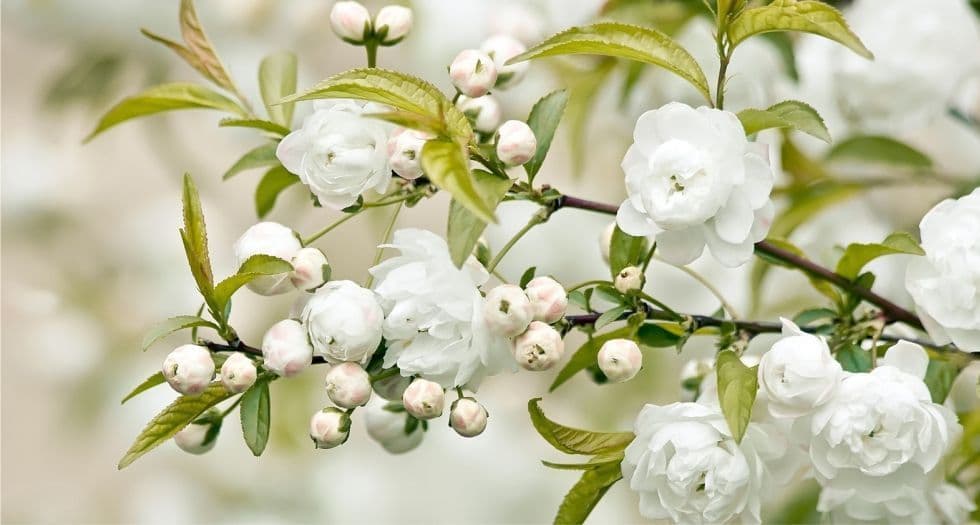
White flowers
White flowers have anchored some of the world's most iconic perfumes for centuries, and with good reason. Gardenia, tuberose, jasmine, magnolia, stephanotis — each contributes its own voice to the white floral family, yet all share a luminous, heady richness that is simultaneously delicate and deeply intoxicating. At their best, white florals evoke warm summer evenings, bridal bouquets, and the kind of beauty that stops you mid-step. In perfumery, white floral accords are prized for their versatility and emotional resonance. They can anchor a composition as a lush, narcotic heart note, or drift through as a translucent veil of softness. Jasmine brings indolic richness; tuberose adds creamy drama; gardenia offers a green-petaled sweetness; magnolia contributes a fresh, slightly fruity elegance. Together or alone, they are unforgettable. Fragrenza's white flowers collection celebrates these legendary blooms through beautifully crafted fragrance dupes — bringing the essence of the world's finest white floral perfumes to your collection at a fraction of the price.
- 🌿
White frangipani
White frangipani is a specialty note used to give a fragrance a distinctive texture, mood, or material impression. Depending on interpretation, it may contribute freshness, warmth, sweetness, dryness, softness, or an abstract atmospheric effect. In perfumery, specialty notes are useful because they make a composition feel more specific and less generic. It can be paired with woods, musks, florals, resins, fruits, green notes, spices, or amber materials according to the intended style.
White Freesia
White Freesia is a floral note with fresh petals, soft sweetness, and a refined natural brightness. In perfumery, it can add elegance, color, and lift to floral bouquets, musks, fruity florals, powdery accords, and modern feminine compositions.
- 🌿
White galbanum
White galbanum is a warm ambered or resinous note used to give fragrance depth, softness, and long-lasting richness. It can smell balsamic, sweet, smoky, vanillic, woody, powdery, or incense-like depending on the material. In perfumery, it rounds sharp edges and creates a smooth base that holds the composition together. It pairs well with woods, musks, spices, vanilla, tobacco, leather, florals, oud, and other resins.
- 🌿
White gardenia
White gardenia is a floral note that gives a fragrance softness, radiance, and emotional warmth. Depending on the flower or accord, it may feel fresh, creamy, powdery, honeyed, green, indolic, or airy. In perfumery, floral notes often form the heart of a composition, adding body and a recognizable signature. It pairs well with citrus, white musk, rose, jasmine, sandalwood, amber, vanilla, iris, and delicate fruits.
- 🌿
White geranium
White geranium is a floral note that gives a fragrance softness, radiance, and emotional warmth. Depending on the flower or accord, it may feel fresh, creamy, powdery, honeyed, green, indolic, or airy. In perfumery, floral notes often form the heart of a composition, adding body and a recognizable signature. It pairs well with citrus, white musk, rose, jasmine, sandalwood, amber, vanilla, iris, and delicate fruits.
White Ginger Lily
White Ginger Lily is a floral note with fresh petals, soft sweetness, and a refined natural brightness. In perfumery, it can add elegance, color, and lift to floral bouquets, musks, fruity florals, powdery accords, and modern feminine compositions.
- 🌿
White ginger root
White ginger root is a spicy note that gives fragrance heat, texture, and aromatic energy. It can feel sweet, dry, peppery, resinous, herbal, smoky, or slightly medicinal depending on the material. In perfumery, spices create contrast, deepen the heart, and bridge fresh top notes with warm woody or amber bases. It pairs especially well with citrus, rose, tobacco, vanilla, oud, sandalwood, patchouli, leather, and balsamic resins.
- 🌿
White gingerlily
White gingerlily is a floral note that adds softness, radiance, and emotional warmth to a composition. Depending on the flower or accord, it can feel fresh, creamy, powdery, honeyed, green, indolic, or airy. In perfumery, floral notes often form the heart of a fragrance, giving it body and a recognizable character. White gingerlily pairs well with citrus, white musk, rose, jasmine, sandalwood, amber, vanilla, iris, and delicate fruits, making it useful in both classic bouquets and modern transparent florals.
- 🌿
White grape
White grape is a fruity note that adds juiciness, color, and natural sweetness. It may feel crisp and tart, ripe and velvety, tropical and creamy, or dark and jammy depending on the fruit profile. In perfumery, fruity notes brighten florals, soften musks, and add pleasure to gourmand or woody structures. It pairs well with rose, peony, jasmine, white musk, vanilla, woods, citrus, amber, and soft spices.
- 🌿
White Grapefruit
White Grapefruit is a citrus note that adds sparkle, freshness, and immediate lift to a fragrance. Its profile can include juicy pulp, aromatic peel, green bitterness, soft floral nuances, or a sharp zesty brightness depending on the material. In perfumery, it is usually used in the opening, where it brings clarity and motion before blending into florals, woods, musks, or herbs. It pairs well with neroli, tea, lavender, white musk, light woods, aquatic notes, and aromatic herbs.
- 🌿
White Heliotrope
White Heliotrope is a specialty note used to give a fragrance a distinctive texture, mood, or material impression. Depending on interpretation, it may contribute freshness, warmth, sweetness, dryness, softness, or an abstract atmospheric effect. In perfumery, specialty notes are valuable because they make a composition feel more specific and less generic. White Heliotrope can be paired with woods, musks, florals, resins, fruits, green notes, spices, or amber materials according to the intended style.
White honey
White honey is a soft honey note with creamy, floral, and gently sweet facets. It is lighter and smoother than darker honey accords, giving a fragrance warmth without excessive heaviness. It pairs well with white florals, musk, almond, vanilla, amber, and soft woods.
- 🌿
White honeydew melon
White honeydew melon is a fruity note that adds juiciness, color, and natural sweetness. It may feel crisp and tart, ripe and velvety, tropical and creamy, or dark and jammy depending on the fruit profile. In perfumery, fruity notes brighten florals, soften musks, and add pleasure to gourmand or woody structures. It pairs well with rose, peony, jasmine, white musk, vanilla, woods, citrus, amber, and soft spices.
- 🌿
White hyacinth
White hyacinth is a floral note that gives a fragrance softness, radiance, and emotional warmth. Depending on the flower or accord, it may feel fresh, creamy, powdery, honeyed, green, indolic, or airy. In perfumery, floral notes often form the heart of a composition, adding body and a recognizable signature. It pairs well with citrus, white musk, rose, jasmine, sandalwood, amber, vanilla, iris, and delicate fruits.
- 🌿
White Iris
White Iris is a floral note that adds softness, radiance, and emotional warmth to a composition. Depending on the flower or accord, it can feel fresh, creamy, powdery, honeyed, green, indolic, or airy. In perfumery, floral notes often form the heart of a fragrance, giving it body and a recognizable character. White Iris pairs well with citrus, white musk, rose, jasmine, sandalwood, amber, vanilla, iris, and delicate fruits, making it useful in both classic bouquets and modern transparent florals.
- 🌿
White lavender
White lavender is a floral note that gives a fragrance softness, radiance, and emotional warmth. Depending on the flower or accord, it may feel fresh, creamy, powdery, honeyed, green, indolic, or airy. In perfumery, floral notes often form the heart of a composition, adding body and a recognizable signature. It pairs well with citrus, white musk, rose, jasmine, sandalwood, amber, vanilla, iris, and delicate fruits.
- 🌿
White leather
White leather is a dark textured note that can suggest leather, smoke, tobacco, tar, or warm dry materials. It gives fragrance depth, sensuality, and a more dramatic atmosphere. In perfumery, smoky and leathery notes are often used in bases, where they add strength and character without needing sweetness. White leather pairs well with oud, saffron, birch tar, amber, tobacco, rose, patchouli, vetiver, incense, and dry woods.
White Lilac
White Lilac is a specialty fragrance note with a distinctive character that can add texture, contrast, and originality to a composition. In perfumery, it is best used to create a specific mood or material impression, often alongside woods, musks, florals, resins, fruits, or green notes.
White lily
White lily — in perfumery most often referring to the Casa Blanca lily (Lilium 'Casa Blanca') — is among the most intensely fragrant of all white flowers. Its blooms are large, pure white, and almost aggressively beautiful, and their scent matches their appearance: rich, deeply sweet, creamy, and narcotic, with an indolic depth that gives the fragrance a warm, almost skin-like quality. It is the scent of ceremony, of grand occasions, and of summer evenings when the garden is at its most intoxicating. In perfumery, white lily is a major ingredient in classical and contemporary white floral compositions. Its richness and depth allow it to anchor a fragrance while its pure floral sweetness keeps it radiant. Perfumers use it alongside jasmine, tuberose, gardenia, and ylang-ylang to construct opulent white floral bouquets, or balance it with cleaner, crisper elements to create modern interpretations of this timeless note. A touch of white lily adds an immediate sense of luxury and occasion to any blend. At Fragrenza, our white lily fragrances are crafted to capture the full, opulent beauty of this magnificent flower. These are compositions for lovers of rich, radiant white florals — the kind of scents that leave a lasting impression. Drawing from some of perfumery's most celebrated white floral masterpieces, Fragrenza delivers this grandeur through precision-crafted dupes at prices that make wearing something truly beautiful a part of everyday life.
- 🌿
White lotus
White lotus is a floral note that gives a fragrance softness, radiance, and emotional warmth. Depending on the flower or accord, it may feel fresh, creamy, powdery, honeyed, green, indolic, or airy. In perfumery, floral notes often form the heart of a composition, adding body and a recognizable signature. It pairs well with citrus, white musk, rose, jasmine, sandalwood, amber, vanilla, iris, and delicate fruits.
- 🌿
White Magnolia
White Magnolia is a floral note that adds softness, radiance, and emotional warmth to a composition. Depending on the flower or accord, it can feel fresh, creamy, powdery, honeyed, green, indolic, or airy. In perfumery, floral notes often form the heart of a fragrance, giving it body and a recognizable character. White Magnolia pairs well with citrus, white musk, rose, jasmine, sandalwood, amber, vanilla, iris, and delicate fruits, making it useful in both classic bouquets and modern transparent florals.
- 🌿
White moss
White moss is a woody note used to create structure, depth, and lasting warmth. Its scent may be dry, creamy, smoky, resinous, earthy, pencil-like, or polished depending on the wood or accord. In perfumery, woody notes often support the whole composition and help connect fresh openings with deeper bases. White moss pairs naturally with amber, musk, incense, leather, vetiver, patchouli, spices, citrus, and soft resins, making it useful in masculine, feminine, and unisex fragrances.

White musk
White musk is one of perfumery's most essential and versatile ingredients — a family of synthetic aromatic compounds developed in the 20th century as an ethical and sustainable alternative to animal-derived musks. Clean, soft, and subtly skin-like, white musk is valued for its ability to create a sense of warmth and intimacy on the skin, as though the fragrance is emanating from the wearer themselves rather than from a bottle. It is one of the most widely used base notes in the entire industry. The character of white musk is soft and enveloping: clean laundry freshness, powdery warmth, and a gentle, luminous quality that amplifies the notes layered above it. Different white musk molecules carry slightly different facets — some are crystalline and almost metallic, others are warm and creamy, others lean toward the soapy freshness of freshly washed linen. Perfumers blend these molecules with great skill to create the specific musk signature each fragrance requires, from the transparent freshness of a light floral to the warm sensuality of an oriental base. Because white musk blends seamlessly with almost any other ingredient, it appears across virtually every fragrance family: florals, orientals, aquatics, chypres, and fougeres all rely on musk to add cohesion, longevity, and that coveted skin-close warmth. Fragrances described as "clean," "fresh," or "skin-like" typically feature white musk prominently in their base. Browse Fragrenza's white musk collection to explore inspired-by fragrances where this essential note plays a starring role — delivering that irresistible clean, soft warmth at an accessible price. Want to wear it? Explore [white musk fragrances](https://fragrenza.com/collections/white-musk-fragrances).
- 🌿
White musks
White musks are clean, soft musk notes that create the impression of fresh skin, clean fabric, and airy warmth. They are less animalic than traditional musk and are often powdery, cottony, slightly floral, or transparent. In perfumery, white musks add diffusion, comfort, and a smooth long-lasting dry-down. They pair with almost everything, especially florals, citrus, woods, fruits, amber, iris, and modern skin-scent compositions.
- 🌿
White narcissus
White narcissus is a floral note that gives a fragrance softness, radiance, and emotional warmth. Depending on the flower or accord, it may feel fresh, creamy, powdery, honeyed, green, indolic, or airy. In perfumery, floral notes often form the heart of a composition, adding body and a recognizable signature. It pairs well with citrus, white musk, rose, jasmine, sandalwood, amber, vanilla, iris, and delicate fruits.
- 🌿
White nectarine
White nectarine is a dark textured note that may suggest leather, smoke, tobacco, tar, ash, or warm dry materials. It gives fragrance depth, sensuality, and a more dramatic atmosphere. In perfumery, smoky and leathery notes are often used in bases, where they add strength and character without needing sweetness. It pairs well with oud, saffron, birch tar, amber, tobacco, rose, patchouli, vetiver, incense, and dry woods.
- 🌿
White Nerium Oleander
White Nerium Oleander is a specialty note used to give a fragrance a distinctive texture, mood, or material impression. Depending on interpretation, it may contribute freshness, warmth, sweetness, dryness, softness, or an abstract atmospheric effect. In perfumery, specialty notes are useful because they make a composition feel more specific and less generic. It can be paired with woods, musks, florals, resins, fruits, green notes, spices, or amber materials according to the intended style.
- 🌿
White nettle blossom
White nettle blossom is a floral note that gives a fragrance softness, radiance, and emotional warmth. Depending on the flower or accord, it may feel fresh, creamy, powdery, honeyed, green, indolic, or airy. In perfumery, floral notes often form the heart of a composition, adding body and a recognizable signature. It pairs well with citrus, white musk, rose, jasmine, sandalwood, amber, vanilla, iris, and delicate fruits.
- 🌿
White oak
White oak is a woody note used to create structure, depth, and lasting warmth. Its scent may be dry, creamy, smoky, resinous, earthy, pencil-like, or polished depending on the wood or accord. In perfumery, woody notes support the whole composition and connect fresh openings with deeper bases. It pairs naturally with amber, musk, incense, leather, vetiver, patchouli, spices, citrus, and soft resins.
- 🌿
White oakmoss
White oakmoss is a woody note used to create structure, depth, and lasting warmth. Its scent may be dry, creamy, smoky, resinous, earthy, pencil-like, or polished depending on the wood or accord. In perfumery, woody notes support the whole composition and connect fresh openings with deeper bases. It pairs naturally with amber, musk, incense, leather, vetiver, patchouli, spices, citrus, and soft resins.
White Orchid
White Orchid is a floral note with fresh petals, soft sweetness, and a refined natural brightness. In perfumery, it can add elegance, color, and lift to floral bouquets, musks, fruity florals, powdery accords, and modern feminine compositions.
- 🌿
White Oud
White oud is the lighter, more luminous face of one of perfumery's most treasured ingredients. Where classic oud (agarwood) can be dark, resinous, and intensely smoky, white oud takes a softer path — cleaner, more powdery, and decidedly more wearable for those newer to the oud family. It retains the characteristic woody warmth of true oud while shedding much of its animalic edge. Often created through careful blending of lighter agarwood fractions or through artful synthetic interpretation, white oud reads as creamy and smooth on the skin, with a delicate woodiness threaded through with subtle floral and balsamic whispers. It's a bridge note — connecting the ancient world of Middle Eastern perfumery with the clean, modern aesthetic of contemporary Western fragrance. At Fragrenza, our white oud collection showcases some of the most beautifully crafted scents in this space — expertly constructed dupes of sought-after niche and designer fragrances, made accessible without compromise on quality.
- 🌿
White Peach
White Peach is a floral note that brings softness, radiance, and natural elegance to a fragrance. Its character can range from fresh and airy to creamy, sensual, honeyed, or slightly green, depending on how the accord is built. In perfumery, it is often used in the heart of a composition to add body and emotional warmth. It pairs well with white musks, citrus, rose, jasmine, sandalwood, amber, vanilla, and delicate fruits.
- 🌿
White pear
White pear is a fruity note that adds juiciness, color, and natural sweetness. It may feel crisp and tart, ripe and velvety, tropical and creamy, or dark and jammy depending on the fruit profile. In perfumery, fruity notes brighten florals, soften musks, and add pleasure to gourmand or woody structures. It pairs well with rose, peony, jasmine, white musk, vanilla, woods, citrus, amber, and soft spices.
- 🌿
White peony
White peony is a floral note that adds softness, radiance, and emotional warmth to a composition. Depending on the flower or accord, it can feel fresh, creamy, powdery, honeyed, green, indolic, or airy. In perfumery, floral notes often form the heart of a fragrance, giving it body and a recognizable character. White peony pairs well with citrus, white musk, rose, jasmine, sandalwood, amber, vanilla, iris, and delicate fruits, making it useful in both classic bouquets and modern transparent florals.
White pepper
White pepper is a dry, spicy note with a cleaner and less dark profile than black pepper. It adds sparkle, warmth, and subtle heat without overwhelming a composition. It works beautifully in woody, citrus, aromatic, floral, and modern unisex fragrances.
- 🌿
White pepper absolute
White pepper absolute is a spicy note that gives fragrance heat, texture, and aromatic energy. It can feel sweet, dry, peppery, resinous, herbal, smoky, or slightly medicinal depending on the material. In perfumery, spices create contrast, deepen the heart, and bridge fresh top notes with warm woody or amber bases. It pairs especially well with citrus, rose, tobacco, vanilla, oud, sandalwood, patchouli, leather, and balsamic resins.
- 🌿
White plum
White plum is a fruity note that adds juiciness, color, and natural sweetness. It may feel crisp and tart, ripe and velvety, tropical and creamy, or dark and jammy depending on the fruit profile. In perfumery, fruity notes brighten florals, soften musks, and add pleasure to gourmand or woody structures. It pairs well with rose, peony, jasmine, white musk, vanilla, woods, citrus, amber, and soft spices.
- 🌿
White plum blossom
White plum blossom is a floral note that gives a fragrance softness, radiance, and emotional warmth. Depending on the flower or accord, it may feel fresh, creamy, powdery, honeyed, green, indolic, or airy. In perfumery, floral notes often form the heart of a composition, adding body and a recognizable signature. It pairs well with citrus, white musk, rose, jasmine, sandalwood, amber, vanilla, iris, and delicate fruits.
- 🌿
White Rose
White Rose is a floral note that brings softness, radiance, and natural elegance to a fragrance. Its character can range from fresh and airy to creamy, sensual, honeyed, or slightly green, depending on how the accord is built. In perfumery, it is often used in the heart of a composition to add body and emotional warmth. It pairs well with white musks, citrus, rose, jasmine, sandalwood, amber, vanilla, and delicate fruits.
- 🌿
White rose absolute
White rose absolute is a floral note that gives a fragrance softness, radiance, and emotional warmth. Depending on the flower or accord, it may feel fresh, creamy, powdery, honeyed, green, indolic, or airy. In perfumery, floral notes often form the heart of a composition, adding body and a recognizable signature. It pairs well with citrus, white musk, rose, jasmine, sandalwood, amber, vanilla, iris, and delicate fruits.
- 🌿
White rose otto
White rose otto is a floral note that gives a fragrance softness, radiance, and emotional warmth. Depending on the flower or accord, it may feel fresh, creamy, powdery, honeyed, green, indolic, or airy. In perfumery, floral notes often form the heart of a composition, adding body and a recognizable signature. It pairs well with citrus, white musk, rose, jasmine, sandalwood, amber, vanilla, iris, and delicate fruits.
White roses
White Rose is a floral note with fresh petals, soft sweetness, and a refined natural brightness. In perfumery, it can add elegance, color, and lift to floral bouquets, musks, fruity florals, powdery accords, and modern feminine compositions.
- 🌿
White Rum
White Rum is a specialty note used to give a fragrance a distinctive texture, mood, or material impression. Depending on interpretation, it may contribute freshness, warmth, sweetness, dryness, softness, or an abstract atmospheric effect. In perfumery, specialty notes are useful because they make a composition feel more specific and less generic. It can be paired with woods, musks, florals, resins, fruits, green notes, spices, or amber materials according to the intended style.
- 🌿
White sage
White sage is a green or aromatic note that evokes leaves, herbs, stems, fresh air, or crushed vegetation. Its profile can be crisp, bitter, watery, camphoraceous, grassy, or slightly earthy depending on the material. In perfumery, green notes add realism and lift, keeping sweet, floral, or woody compositions from feeling too heavy. White sage pairs well with citrus, tea, fig, violet leaf, galbanum, tomato leaf, white musk, vetiver, lavender, and light woods.
White sandalwood
White sandalwood is a creamy, smooth, milky wood note with soft sweetness and a meditative warmth. It is elegant, comforting, and long-lasting, often used as a refined base material. It pairs beautifully with rose, jasmine, iris, musk, amber, incense, and spices.
- 🌿
White sesame paste
White sesame paste is a specialty note used to give a fragrance a distinctive texture, mood, or material impression. Depending on interpretation, it may contribute freshness, warmth, sweetness, dryness, softness, or an abstract atmospheric effect. In perfumery, specialty notes are useful because they make a composition feel more specific and less generic. It can be paired with woods, musks, florals, resins, fruits, green notes, spices, or amber materials according to the intended style.
- 🌿
White strawberry
White strawberry is a fruity note that adds juiciness, color, and natural sweetness. It may feel crisp and tart, ripe and velvety, tropical and creamy, or dark and jammy depending on the fruit profile. In perfumery, fruity notes brighten florals, soften musks, and add pleasure to gourmand or woody structures. It pairs well with rose, peony, jasmine, white musk, vanilla, woods, citrus, amber, and soft spices.
- 🌿
white tea
white tea is a specialty perfume note used to add a distinctive texture, mood, or material impression to a composition. Depending on how it is interpreted, it may contribute freshness, warmth, sweetness, dryness, earthiness, or an abstract atmospheric effect. In perfumery, such notes are valuable because they create character and help a fragrance feel less generic. They can be paired with woods, musks, florals, resins, fruits, green notes, or spices according to the intended style.
- 🌿
White thyme
White thyme is a green or aromatic note that evokes leaves, herbs, stems, fresh air, or crushed vegetation. Its profile can be crisp, bitter, watery, camphoraceous, grassy, or slightly earthy depending on the material. In perfumery, green notes add realism and lift, keeping sweet, floral, or woody compositions from feeling too heavy. It pairs well with citrus, tea, fig, violet leaf, galbanum, tomato leaf, white musk, vetiver, lavender, and light woods.
- 🌿
White tobacco
White tobacco is a refined interpretation of the tobacco leaf — cured, softened, and stripped of its harsher edges to reveal a smooth, gently sweet warmth beneath. Unlike dark or raw tobacco accords, white tobacco carries an almost velvety quality: whisper-soft, faintly honeyed, with a subtle earthiness that never overwhelms. In perfumery, white tobacco has become a beloved note for its ability to anchor compositions with quiet sophistication. It brings a dry, warm smoothness that pairs beautifully with vanilla, musks, woods, and spices — lending depth without darkness, and sensuality without heaviness. You'll find it at the heart of some of the most refined modern masculines and unisex creations. Fragrenza's white tobacco collection brings together some of the finest fragrance interpretations of this ingredient — offering premium-quality dupes of celebrated designer and niche scents at prices that don't require a second thought.
- 🌿
White vetiver
White vetiver is a woody note used to create structure, depth, and lasting warmth. Its scent may be dry, creamy, smoky, resinous, earthy, pencil-like, or polished depending on the wood or accord. In perfumery, woody notes support the whole composition and connect fresh openings with deeper bases. It pairs naturally with amber, musk, incense, leather, vetiver, patchouli, spices, citrus, and soft resins.
- 🌿
White violet
White violet is a floral note that adds softness, radiance, and emotional warmth to a composition. Depending on the flower or accord, it can feel fresh, creamy, powdery, honeyed, green, indolic, or airy. In perfumery, floral notes often form the heart of a fragrance, giving it body and a recognizable character. White violet pairs well with citrus, white musk, rose, jasmine, sandalwood, amber, vanilla, iris, and delicate fruits, making it useful in both classic bouquets and modern transparent florals.
White Willow
White willow (Salix alba) is one of the most iconic trees of the European and Asian landscape — a graceful, sweeping presence along riverbanks, lakeshores, and floodplains, its long silver-green leaves shimmering in the wind and its pale, furrowed bark carrying centuries of history. Medicinally celebrated since antiquity as the source of salicin (the natural precursor to aspirin), white willow has an aroma that reflects its character: woody and slightly bitter, cool and clean, with a faint green freshness that evokes moving water and open sky. In perfumery, white willow bark contributes a distinctive woody dryness that differs from cedar's pencil-sharpener crispness or sandalwood's creamy warmth. Its character is cooler and slightly astringent, with a subtle bitterness that adds sophistication and prevents compositions from becoming too sweet or soft. Perfumers use white willow in aquatic and aromatic compositions where its cool, riverbank quality reinforces a sense of clean outdoors freshness. It also works beautifully in green chypres and contemporary woody fragrances, pairing naturally with violet leaf, oakmoss, iris, fresh citrus, and crisp marine accords. Fragrances featuring white willow tend to feel clean, elegant, and naturally sophisticated — ideal for those who love cool, woody freshness with a genuinely botanical character. At Fragrenza, we carry a beautifully curated range of such cool, nature-inspired fragrances as high-quality, accessible alternatives to the most admired names in luxury and niche perfumery.

White wine
White wine has inspired perfumers for decades — and for good reason. The aroma of a well-made white wine is a marvel of natural complexity: fresh and fruity, slightly alcoholic and fermented, with nuances that range from green apple and pear to honeysuckle, citrus zest, toasted brioche, and mineral chalk depending on the grape variety and vinification method. In perfumery, the white wine note captures this sophisticated interplay, bringing a crisp, cultured freshness with a distinctly vinous character that sets it apart from simple fruit or floral ingredients. As a fragrance note, white wine occupies a uniquely elegant space between the fresh, fruity, and slightly fermented families. Its crispness and slight alcoholic tang make it an excellent top note that evaporates brightly, while the underlying fruit and mineral elements leave a lingering impression of refinement. Perfumers use white wine accords to create sophisticated, food-inspired fragrances evoking warm afternoons on a sun-drenched terrace, or to add a vinous dimension to floral and green compositions. It pairs beautifully with peach, pear, grapefruit, iris, white musk, and mineral-cool accords. Fragrances featuring white wine tend to feel crisp, sophisticated, and pleasantly convivial — a natural choice for those who love refined, fresh fragrances with a touch of vinous intrigue. At Fragrenza, we offer a curated selection of such elegant, inspired fragrances as accessible alternatives to the finest prestige perfume houses.
- 🌿
White Wood
White Wood is a woody note used to give fragrance structure, depth, and lasting warmth. Its profile may be dry, creamy, smoky, resinous, earthy, or polished depending on the source or accord. In perfumery, woody notes often form the backbone of a composition, supporting lighter citrus, floral, spicy, or aromatic materials. It pairs naturally with amber, musk, incense, leather, vetiver, patchouli, spices, and soft resins.

White woods
White Woods is a textured base note with woody, dry, smooth, and sometimes leathery or resinous facets. In perfumery, it adds structure, depth, warmth, and longevity, pairing well with amber, musk, incense, rose, spices, citrus, and tobacco.
White) Suede
White Suede is a textured base note with woody, dry, smooth, and sometimes leathery or resinous facets. In perfumery, it adds structure, depth, warmth, and longevity, pairing well with amber, musk, incense, rose, spices, citrus, and tobacco.
- 🌿
Wholemeal biscuit
Wholemeal biscuit is a gourmand note that adds edible warmth, sweetness, and comfort. It may suggest cream, sugar, nuts, chocolate, coffee, honey, pastry, or toasted grains depending on the accord. In perfumery, gourmand notes make compositions feel cozy and sensual, but they work best when balanced with woods, musks, spices, citrus, or resins. It pairs well with vanilla, tonka bean, sandalwood, amber, caramel, cacao, coffee, and soft florals.
- 🌿
Wild basil
Wild basil is a green or aromatic note that evokes leaves, herbs, stems, fresh air, or crushed vegetation. Its profile can be crisp, bitter, watery, camphoraceous, grassy, or slightly earthy depending on the material. In perfumery, green notes add realism and lift, keeping sweet, floral, or woody compositions from feeling too heavy. It pairs well with citrus, tea, fig, violet leaf, galbanum, tomato leaf, white musk, vetiver, lavender, and light woods.
- 🌿
Wild berries
Wild berries are among nature's most evocative olfactory ingredients — a tangle of sweet, tart, and juicy notes plucked straight from the hedgerow. In perfumery, wild berry accords draw on the rich palette of forest fruits: sun-ripened raspberries with their bright, almost floral tartness; plump blackberries carrying a deep, ink-stained sweetness; blueberries offering a softer, rounder juiciness; and the occasional sharp note of redcurrant or bilberry that adds vivacity and dimension. Together, these facets create accords that feel simultaneously wild and indulgent. The magic of wild berry notes in fragrance lies in their versatility. At their freshest, they lend a sparkling, effervescent quality to the top notes of a scent — a burst of morning-picked fruit that awakens the senses. As a fragrance develops, berry accords deepen and take on more complex, almost jammy qualities, weaving through floral hearts and settling into warm base notes of musk or vanilla. This progression makes wild berry fragrances equally suited to carefree summer days and cosy autumn evenings. Perfumers prize wild berry notes for their ability to bridge the gap between gourmand and fresh fragrance families. They add colour and playfulness to floral compositions, depth to aquatic blends, and a vibrant top note to woody or oriental bases. Whether featured as a starring role or a supporting accent, wild berries bring an irresistible, life-affirming quality to any composition. At Fragrenza, our wild berry-inspired fragrances capture this joyful, fruity character in sophisticated, long-lasting formulas that won't break the bank.
- 🌿
Wild cherry
Wild cherry is a fruity note that adds juiciness, color, and natural sweetness. It may feel crisp and tart, ripe and velvety, tropical and creamy, or dark and jammy depending on the fruit profile. In perfumery, fruity notes brighten florals, soften musks, and add pleasure to gourmand or woody structures. It pairs well with rose, peony, jasmine, white musk, vanilla, woods, citrus, amber, and soft spices.
- 🌿
Wild fig
Wild fig is a fruity note that adds juiciness, color, and natural sweetness. It may feel crisp and tart, ripe and velvety, tropical and creamy, or dark and jammy depending on the fruit profile. In perfumery, fruity notes brighten florals, soften musks, and add pleasure to gourmand or woody structures. It pairs well with rose, peony, jasmine, white musk, vanilla, woods, citrus, amber, and soft spices.
Wild flowers
Wild Flowers is a floral note with fresh petals, soft sweetness, and a refined natural brightness. In perfumery, it can add elegance, color, and lift to floral bouquets, musks, fruity florals, powdery accords, and modern feminine compositions.
- 🌿
Wild herbs
Wild herbs is a green or aromatic note that evokes leaves, herbs, stems, fresh air, or crushed vegetation. Its profile can be crisp, bitter, watery, camphoraceous, grassy, or slightly earthy depending on the material. In perfumery, green notes add realism and lift, keeping sweet, floral, or woody compositions from feeling too heavy. It pairs well with citrus, tea, fig, violet leaf, galbanum, tomato leaf, white musk, vetiver, lavender, and light woods.
- 🌿
Wild honey
Wild honey is a gourmand note that adds edible warmth, sweetness, and comfort. It may suggest cream, sugar, nuts, chocolate, coffee, honey, pastry, or toasted grains depending on the accord. In perfumery, gourmand notes make compositions feel cozy and sensual, but they work best when balanced with woods, musks, spices, citrus, or resins. It pairs well with vanilla, tonka bean, sandalwood, amber, caramel, cacao, coffee, and soft florals.
- 🌿
Wild iris
Wild iris is a floral note that gives a fragrance softness, radiance, and emotional warmth. Depending on the flower or accord, it may feel fresh, creamy, powdery, honeyed, green, indolic, or airy. In perfumery, floral notes often form the heart of a composition, adding body and a recognizable signature. It pairs well with citrus, white musk, rose, jasmine, sandalwood, amber, vanilla, iris, and delicate fruits.
- 🌿
Wild Jasmine
Wild Jasmine is a floral note that gives a fragrance softness, radiance, and emotional warmth. Depending on the flower or accord, it may feel fresh, creamy, powdery, honeyed, green, indolic, or airy. In perfumery, floral notes often form the heart of a composition, adding body and a recognizable signature. It pairs well with citrus, white musk, rose, jasmine, sandalwood, amber, vanilla, iris, and delicate fruits.
- 🌿
Wild Orchid
Wild Orchid is a floral note that adds softness, radiance, and emotional warmth to a composition. Depending on the flower or accord, it can feel fresh, creamy, powdery, honeyed, green, indolic, or airy. In perfumery, floral notes often form the heart of a fragrance, giving it body and a recognizable character. Wild Orchid pairs well with citrus, white musk, rose, jasmine, sandalwood, amber, vanilla, iris, and delicate fruits, making it useful in both classic bouquets and modern transparent florals.
- 🌿
Wild peach
Wild peach refers to the aromatic character of uncultivated or heritage peach varieties — a rawer, more complex interpretation of the fruit that goes beyond the polished, sweet lusciousness of commercial peach. Wild peaches, found across Central Asia and parts of China where Prunus persica originated, tend to be smaller, more tart, and more intensely aromatic than their cultivated cousins. Their fragrance carries a richer, slightly fermented quality alongside the familiar stone-fruit warmth, evoking sun-baked hillsides and untamed orchards rather than supermarket shelves. In perfumery, wild peach sits in contrast to the soft, velvety peach note that dominated 1990s feminine fragrances. It is more assertive and multidimensional — the sweetness is present but tempered by a tart, almost lactone-forward complexity that borders on animalic at its deeper facets. There is an impression of skin and warmth, of overripe fruit in the sun, that gives compositions built around wild peach an undeniable sensuality and naturalistic intensity. It is a note that rewards exploration rather than demanding immediate approval. Wild peach pairs exceptionally well with rose, jasmine, and amber in oriental compositions, and with vetiver or oakmoss in more daring chypre-style blends. Its complexity makes it a favorite among independent perfumers crafting bold, character-driven fragrances. Fragrenza's wild peach collection offers this intensity through thoughtfully composed fragrance dupes that capture every facet of this captivating note.
- 🌿
Wild Peony
Wild Peony is a floral note that gives a fragrance softness, radiance, and emotional warmth. Depending on the flower or accord, it may feel fresh, creamy, powdery, honeyed, green, indolic, or airy. In perfumery, floral notes often form the heart of a composition, adding body and a recognizable signature. It pairs well with citrus, white musk, rose, jasmine, sandalwood, amber, vanilla, iris, and delicate fruits.
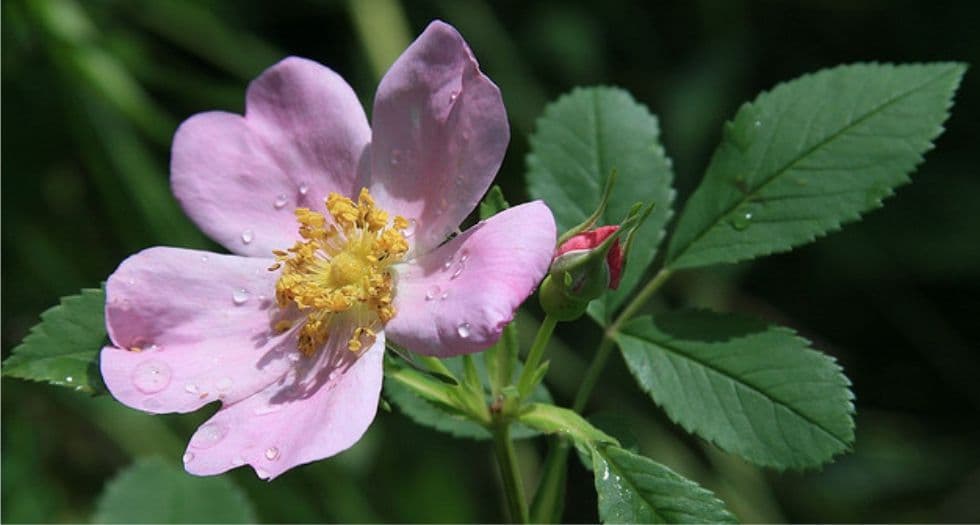
Wild Rose
Wild Rose is a floral note with fresh petals, soft sweetness, and a refined natural brightness. In perfumery, it can add elegance, color, and lift to floral bouquets, musks, fruity florals, powdery accords, and modern feminine compositions.
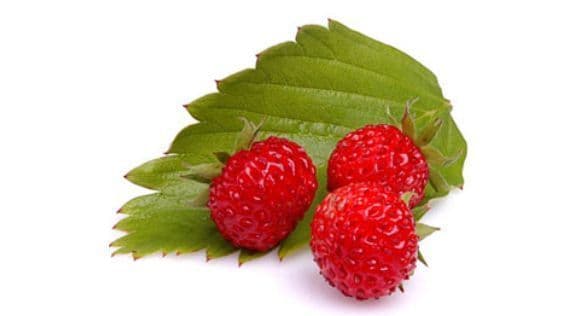
Wild Strawberry
Wild strawberry (Fragaria vesca) is a world apart from the large, cultivated strawberries found in supermarkets. Small, intensely red, and packed with concentrated flavor, wild strawberries have a depth and authenticity that their cultivated cousins simply cannot match. Their scent is more complex — sweeter and more floral close up, but with a distinct tartness and a slightly green, leafy quality from the plant's small, serrated leaves. In perfumery, the wild strawberry note is prized precisely for this authenticity and intensity, offering a real fruit experience rather than a confected candy version. As a fragrance ingredient, wild strawberry delivers a vivid, natural fruitiness that sits closer to the green-fruity register than to pure sweetness. The tartness gives it energy and prevents it from becoming saccharine, while the underlying floral-green character gives it a complexity that works in a wide range of compositions. Perfumers use wild strawberry in fruity-floral compositions alongside violet, rhubarb, rose, and berry notes to create fresh, natural-feeling fruit accords — but it also appears in more unexpected contexts, such as green chypres or garden-inspired fragrances where its fruit character adds a playful, spontaneous quality. Fragrances featuring wild strawberry tend to feel fresh, genuine, and effortlessly joyful — ideal for those who love authentic fruit notes that taste of real summer afternoons. At Fragrenza, we celebrate notes like wild strawberry and offer fragrances built around them as accessible, high-quality alternatives to beloved luxury perfumes.
- 🌿
Williams pear
Williams pear is a fruity note that gives fragrance juiciness, color, and natural sweetness. It can be crisp and tart, ripe and velvety, tropical and creamy, or dark and jammy depending on the fruit profile. In perfumery, fruity notes brighten florals, soften musks, and add pleasure to gourmand or woody structures. Williams pear pairs well with rose, peony, jasmine, white musk, vanilla, woods, citrus, amber, and soft spices.
- 🌿
Willow
Willow is a specialty note used to give a fragrance a distinctive texture, mood, or material impression. Depending on interpretation, it may contribute freshness, warmth, sweetness, dryness, softness, or an abstract atmospheric effect. In perfumery, specialty notes are useful because they make a composition feel more specific and less generic. It can be paired with woods, musks, florals, resins, fruits, green notes, spices, or amber materials according to the intended style.
- 🌿
Wine
Wine is a specialty note used to give a fragrance a distinctive texture, mood, or material impression. Depending on interpretation, it may contribute freshness, warmth, sweetness, dryness, softness, or an abstract atmospheric effect. In perfumery, specialty notes are useful because they make a composition feel more specific and less generic. It can be paired with woods, musks, florals, resins, fruits, green notes, spices, or amber materials according to the intended style.
- 🌿
Wine Grape
Wine Grape is a fruity note that adds juiciness, color, and natural sweetness. It may feel crisp and tart, ripe and velvety, tropical and creamy, or dark and jammy depending on the fruit profile. In perfumery, fruity notes brighten florals, soften musks, and add pleasure to gourmand or woody structures. It pairs well with rose, peony, jasmine, white musk, vanilla, woods, citrus, amber, and soft spices.
- 🌿
Wine lees
Wine lees — the sediment of dead yeast cells, grape pulp, seeds, and tartrates that settle at the bottom of wine barrels and tanks after fermentation — are one of the most evocative and unusual raw materials in contemporary artisan perfumery. Their aroma is complex and multi-layered: winey and fruity, deeply yeasty, earthy, and slightly sour, with a fermented richness that conjures the interior of a great wine cellar — stone floors, old oak barrels, dust, and the intoxicating smell of wine in transformation. It's a note that rewards sophisticated noses and adventurous spirits. In fragrance, wine lees notes are used to add genuine vinous complexity and a sense of fermented, organic depth that no single ingredient can easily replicate. Perfumers reach for them in compositions meant to evoke wine, the pleasures of the table, or the romance of European wine country. The note pairs beautifully with red fruit accords (black currant, cherry, plum), oakwood and barrel-aging molecules, vetiver, leather, violet leaf, and musks. It also appears alongside more abstract earthy and mineral notes in fragrances that seek to capture the atmosphere of a cellar or cave. Fragrances featuring wine lees tend to be sophisticated, literary, and genuinely original — perfect for those who appreciate complexity and unexpected ingredients in their perfume. At Fragrenza, we offer creative, niche-inspired fragrances like these as high-quality, accessible alternatives, making extraordinary scent experiences available to everyone.
- 🌿
Winesap apple
Winesap apple is a fruity note that adds juiciness, color, and natural sweetness. It may feel crisp and tart, ripe and velvety, tropical and creamy, or dark and jammy depending on the fruit profile. In perfumery, fruity notes brighten florals, soften musks, and add pleasure to gourmand or woody structures. It pairs well with rose, peony, jasmine, white musk, vanilla, woods, citrus, amber, and soft spices.
- 🌿
Winged broom
Winged broom is a specialty note used to give a fragrance a distinctive texture, mood, or material impression. Depending on interpretation, it may contribute freshness, warmth, sweetness, dryness, softness, or an abstract atmospheric effect. In perfumery, specialty notes are useful because they make a composition feel more specific and less generic. It can be paired with woods, musks, florals, resins, fruits, green notes, spices, or amber materials according to the intended style.
- 🌿
Winter green
Winter green is a green or aromatic note that evokes leaves, herbs, stems, fresh air, or crushed vegetation. Its profile can be crisp, bitter, watery, camphoraceous, grassy, or slightly earthy depending on the material. In perfumery, green notes add realism and lift, keeping sweet, floral, or woody compositions from feeling too heavy. Winter green pairs well with citrus, tea, fig, violet leaf, galbanum, tomato leaf, white musk, vetiver, lavender, and light woods.
- 🌿
Winter jasmine
Winter jasmine is a floral note that gives a fragrance softness, radiance, and emotional warmth. Depending on the flower or accord, it may feel fresh, creamy, powdery, honeyed, green, indolic, or airy. In perfumery, floral notes often form the heart of a composition, adding body and a recognizable signature. It pairs well with citrus, white musk, rose, jasmine, sandalwood, amber, vanilla, iris, and delicate fruits.
Wintergreen
Wintergreen (Gaultheria procumbens) is a low-growing North American woodland plant whose small, waxy leaves produce one of the most immediately recognizable aromas in the natural world. Rich in methyl salicylate — the same compound responsible for the scent of many cooling balms, sports liniments, and classic candies — wintergreen has a distinctively cool, minty, and slightly sweet freshness with a faint medicinal edge. It's simultaneously nostalgic and bracing, evoking both the forest floor and the candy dish in equal measure. As a fragrance note, wintergreen occupies a unique position in the aromatic and fresh families. Unlike peppermint (which is sharper and more herbal) or spearmint (which is sweeter and softer), wintergreen carries a characteristic sweet-minty-medicinal quality that gives it a retro, slightly unusual character in contemporary perfumery. Perfumers use it to add a cooling freshness to aromatic and fougere compositions, or as a distinctive accent in conceptual fragrances exploring medical, candy, or forest themes. It pairs well with eucalyptus, birch tar, pine, clean musks, and aquatic accords, as well as with sweet elements like vanilla and tonka that contrast its coolness beautifully. Fragrances featuring wintergreen tend to feel refreshing, distinctive, and pleasantly unexpected — a great choice for those who love cool, crisp, and slightly unconventional freshness. At Fragrenza, we celebrate bold and interesting ingredient choices and offer fragrances featuring wintergreen and similar cooling notes as accessible alternatives to niche and designer perfumes.
- 🌿
Wintersweet
Wintersweet is a specialty note used to give a fragrance a distinctive texture, mood, or material impression. Depending on interpretation, it may contribute freshness, warmth, sweetness, dryness, softness, or an abstract atmospheric effect. In perfumery, specialty notes are useful because they make a composition feel more specific and less generic. It can be paired with woods, musks, florals, resins, fruits, green notes, spices, or amber materials according to the intended style.
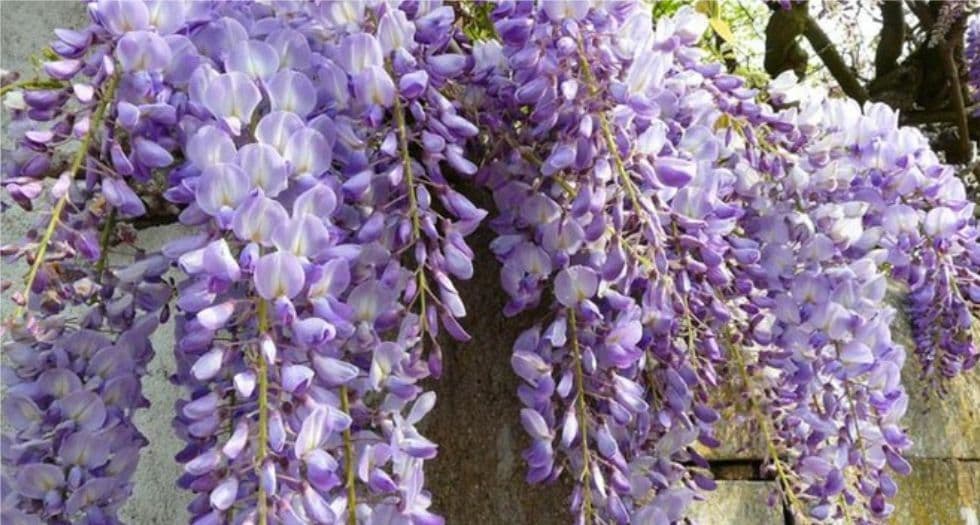
Wisteria
Wisteria is one of the most visually and olfactorily spectacular flowering vines in the world, draping pergolas and old stone walls across Asia and Europe in cascades of violet and white blossoms every spring. Native to China, Japan, and Korea, wisteria has been celebrated in East Asian art and poetry for centuries as a symbol of romance, longing, and the fleeting beauty of spring. Its fragrance is equally remarkable — a soft, luminous floral sweetness with a distinctly grape-like, almost fruity quality, a gentle powderiness, and an airy transparency that sets it apart from heavier white florals. In perfumery, wisteria is prized for this combination of qualities: floral without being heady, sweet without being cloying, and fruity without straying into pure fruit territory. The grape nuance — which comes from aromatic compounds shared with Concord grape and violet — gives wisteria a character that is uniquely its own. Perfumers use it in romantic, feminine compositions alongside violet, iris, soft musks, and light woods, or pair it with lily of the valley and peony for dreamy springtime florals. It also appears beautifully in transparent orientals where its powdery sweetness can unfurl over warm amber bases. Fragrances centered on wisteria feel romantic, delicate, and deeply feminine — ideal for lovers of soft floral poetry that carries warmth without weight. At Fragrenza, we offer a beautiful collection of wisteria-featuring fragrances as high-quality, accessible alternatives to the most beloved luxury perfume creations.
- 🌿
Wolfgang Joop Freigeist
Wolfgang Joop Freigeist is a specialty note used to give a fragrance a distinctive texture, mood, or material impression. Depending on interpretation, it may contribute freshness, warmth, sweetness, dryness, softness, or an abstract atmospheric effect. In perfumery, specialty notes are useful because they make a composition feel more specific and less generic. It can be paired with woods, musks, florals, resins, fruits, green notes, spices, or amber materials according to the intended style.
- 🌿
Wolfwood
Wolfwood is a woody note used to create structure, depth, and lasting warmth. Its scent may be dry, creamy, smoky, resinous, earthy, pencil-like, or polished depending on the wood or accord. In perfumery, woody notes support the whole composition and connect fresh openings with deeper bases. It pairs naturally with amber, musk, incense, leather, vetiver, patchouli, spices, citrus, and soft resins.
- 🌿
Wood
Wood is a woody note used to create structure, depth, and lasting warmth. Its scent may be dry, creamy, smoky, resinous, earthy, pencil-like, or polished depending on the wood or accord. In perfumery, woody notes often support the whole composition and help connect fresh openings with deeper bases. Wood pairs naturally with amber, musk, incense, leather, vetiver, patchouli, spices, citrus, and soft resins, making it useful in masculine, feminine, and unisex fragrances.
- 🌿
Wood smoke
Wood smoke is a woody note used to create structure, depth, and lasting warmth. Its scent may be dry, creamy, smoky, resinous, earthy, pencil-like, or polished depending on the wood or accord. In perfumery, woody notes often support the whole composition and help connect fresh openings with deeper bases. Wood smoke pairs naturally with amber, musk, incense, leather, vetiver, patchouli, spices, citrus, and soft resins, making it useful in masculine, feminine, and unisex fragrances.
- 🌿
Woodland strawberry
Woodland strawberry is a woody note used to create structure, depth, and lasting warmth. Its scent may be dry, creamy, smoky, resinous, earthy, pencil-like, or polished depending on the wood or accord. In perfumery, woody notes often support the whole composition and help connect fresh openings with deeper bases. Woodland strawberry pairs naturally with amber, musk, incense, leather, vetiver, patchouli, spices, citrus, and soft resins, making it useful in masculine, feminine, and unisex fragrances.
- 🌿
Woodleather®
Woodleather® is a woody note used to create structure, depth, and lasting warmth. Its scent may be dry, creamy, smoky, resinous, earthy, pencil-like, or polished depending on the wood or accord. In perfumery, woody notes support the whole composition and connect fresh openings with deeper bases. It pairs naturally with amber, musk, incense, leather, vetiver, patchouli, spices, citrus, and soft resins.
- 🌿
Woodruff
Woodruff is a woody note used to create structure, depth, and lasting warmth. Its scent may be dry, creamy, smoky, resinous, earthy, pencil-like, or polished depending on the wood or accord. In perfumery, woody notes support the whole composition and connect fresh openings with deeper bases. It pairs naturally with amber, musk, incense, leather, vetiver, patchouli, spices, citrus, and soft resins.
- 🌿
Woods
The woody fragrance family is one of perfumery's most expansive and enduring categories, encompassing a rich spectrum of materials drawn from the world's most aromatic trees. At its heart, woody fragrances are defined by depth, warmth, and a grounded naturalness — qualities that have made them staples across centuries of perfumery tradition. From the dry, pencil-shaving clarity of cedarwood to the creamy, milky warmth of sandalwood; from the sharp, resinous bite of pine to the smoky, tarry darkness of birch tar, the woody family is as diverse as the forests of the world themselves. Cedar is perhaps the most versatile of all woody notes — clean, dry, and slightly balsamic, it forms the backbone of countless fragrances across every category. Sandalwood, with its creamy, almost edible sweetness, is one of perfumery's most prized ingredients, lending smoothness and sensuality to oriental and floral compositions alike. Vetiver adds an earthy, smoky depth rooted in the soil, while patchouli brings dark, resinous richness beloved in bohemian and oriental fragrances. Pine and birch tar contribute sharper, more industrial facets that add edge and modernity to compositions. Woody fragrances pair beautifully with almost every other fragrance family. They provide structure and longevity to light florals, add earthiness to fresh citrus compositions, and create the warm base that anchors oriental and gourmand scents. Whether you prefer the clean freshness of a cedar-dominant scent or the dark, smoky depths of patchouli and birch, the woody category offers something for every taste. At Fragrenza, our woods-inspired collection celebrates this magnificent family in all its diversity — luxury-quality formulas at accessible everyday prices.
- 🌿
Woodsy Notes
Woodsy Notes is a woody note used to give fragrance structure, depth, and lasting warmth. Its profile may be dry, creamy, smoky, resinous, earthy, or polished depending on the source or accord. In perfumery, woody notes often form the backbone of a composition, supporting lighter citrus, floral, spicy, or aromatic materials. It pairs naturally with amber, musk, incense, leather, vetiver, patchouli, spices, and soft resins.
- 🌿
Woody
Woody fragrances are built on some of the most beautiful and enduring materials in all of perfumery. Sandalwood, cedarwood, vetiver, guaiac wood, and patchouli form the foundations of this beloved family — each contributing its own character to create scents that are warm, grounded, and richly textured. Woody fragrances feel like a quiet confidence: unhurried, substantial, and deeply appealing. The range within the woody family is remarkable. Sandalwood brings a creamy, milky warmth and smoothness that is almost skin-like in its intimacy. Cedar is sharper, cleaner, and slightly pencil-like — adding structure and lift. Vetiver is complex and smoky, with earthy, rooty facets that give it genuine depth and staying power. Patchouli, when used well, adds a rich, slightly sweet earthiness that evolves beautifully on skin over the course of a day. Woody fragrances are among the most versatile in perfumery. They perform across seasons and occasions — equally at home in a professional setting or an intimate evening context. They tend to be long-lasting on the skin and evolve beautifully over time, revealing different facets as they warm and settle. Both men and women wear woodies enthusiastically, and they make excellent signature scents for those who want something substantial yet refined. Our woody collection at Fragrenza draws inspiration from the world's finest sandalwood, cedarwood, and vetiver-based fragrances — including many from prestigious niche houses where bottles carry price tags that put them out of reach for everyday wear. We've crafted high-quality inspired versions that deliver genuine warmth, depth, and complexity at accessible prices. Discover the richness of wood.
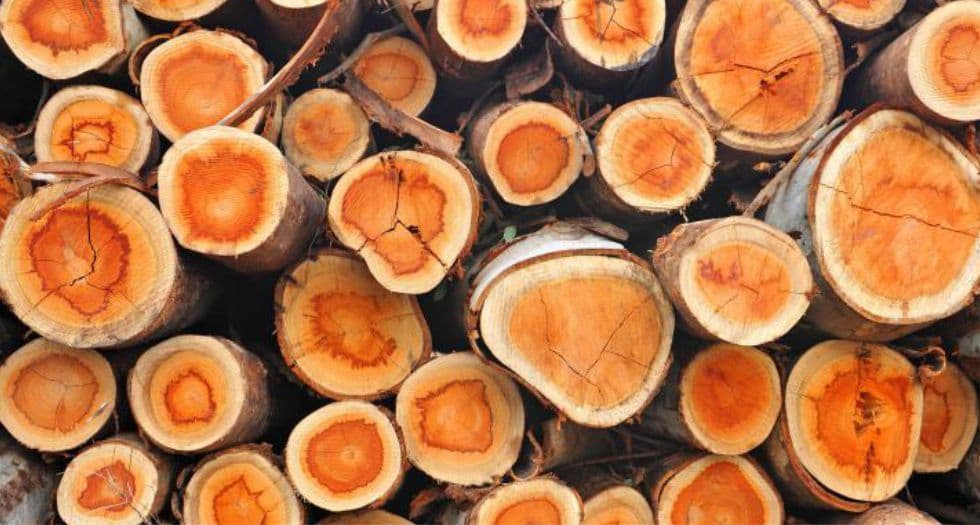
Woody Notes
Woody notes form the backbone of an enormous proportion of the world's greatest fragrances, spanning everything from classic masculines to modern unisex masterpieces and timeless feminine orientals. The woody fragrance family encompasses a wide range of materials — cedar, sandalwood, vetiver, patchouli, oud, guaiac wood, and more — each contributing its own distinct character while sharing a common quality: depth, warmth, and a grounding presence that anchors a fragrance and gives it lasting power. Together they form accords of extraordinary richness and complexity. In perfumery, woody notes serve several critical functions. As base notes, they provide longevity and a foundation upon which top and heart notes can unfold. As accords in their own right, they convey strength, masculinity, refinement, or earthy naturalness depending on which woods are featured. Cedar brings dryness and clean sharpness; sandalwood contributes creamy, milky warmth; vetiver adds smoky, earthy depth; patchouli brings a dark, slightly sweet complexity. Modern woody accords blend these and synthetic wood molecules into endlessly varied compositions that span fresh, dry, creamy, smoky, and resinous registers. Fragrances built on woody notes are among the most universally admired and long-lasting in perfumery — sophisticated enough for any occasion and deeply satisfying to wear. At Fragrenza, we offer an extensive collection of wood-forward fragrances as high-quality, affordable alternatives to the world's most prestigious perfume houses. Want to wear it? Explore [woody notes fragrances](https://fragrenza.com/collections/woody-notes-fragrances).
- 🌿
Woody Spicy
Woody spicy fragrances are among the most richly evocative in perfumery — fragrances that conjure ancient spice routes, candlelit rooms, and the intoxicating warmth of rare woods. Built on a foundation of deep, resonant woods like sandalwood, oud, cedarwood, and vetiver, these compositions are ignited by warm, exotic spices: black pepper, cardamom, cinnamon, cloves, and nutmeg add heat, edge, and intrigue that transforms the woods beneath them. The spice in these fragrances is never harsh or jarring — at their best, woody spicy fragrances have a beautifully integrated warmth, where spice and wood seem almost inseparable. Black pepper adds a sharp, peppery brightness that lifts the woody base; cardamom brings an aromatic, slightly herbal sweetness; cinnamon lends warmth and familiarity; cloves add a rich, slightly medicinal edge. Together with the woods, they create a fragrance of genuine complexity and presence. Woody spicy fragrances are among the most seductive and long-lasting in the fragrance wardrobe. They are evening fragrances, cooler-weather companions, and statement pieces for those who want to make an impression. They tend to carry well on skin throughout the night, evolving slowly and revealing new facets as they warm. They suit both men and women who want depth, warmth, and a touch of the exotic in their scent. Fragrenza's woody spicy collection takes inspiration from some of the world's most prestigious and sought-after fragrances in this genre — many of which command premium prices from top niche and designer houses. Our inspired versions are crafted with quality materials that honour the richness and complexity of the originals, making these deeply luxurious scents available for everyday indulgence. Explore the fire in the wood.
wool
The wool note in perfumery is one of the most fascinating examples of how modern fragrance technology can capture the intangible — translating the tactile warmth and natural character of animal fiber into olfactory form. Wool as a fragrance note doesn't smell like wet sheep; rather, it evokes the gentle warmth of a clean wool sweater, the cozy intimacy of warm fabric against skin, and the subtly animalic, slightly lanolin-rich quality that makes natural fibers feel so deeply comforting. It sits at the intersection of skin scents, soft textiles, and natural musk. As a perfumery ingredient, wool accords are built using soft musks, warm ambers, and subtle animalic molecules that together create a sense of natural, body-close warmth without being overtly animalistic or heavy. Perfumers use the wool note to create a sense of intimacy and tactile comfort in a fragrance — it's often found in cozy, skin-inspired compositions alongside cashmere, suede, and soft wood notes. It also pairs beautifully with warm spices like cardamom and tonka bean, or with light florals to create the feeling of perfume on warm skin wrapped in soft fabric. Fragrances featuring wool tend to feel enveloping, intimate, and profoundly comforting — perfect for those who love close-wearing, tactile scents that feel like the olfactory equivalent of a warm hug. At Fragrenza, we carry a wonderful selection of such intimate, skin-close fragrances as accessible alternatives to the most celebrated luxury perfumes.
- 🌿
Wormwood
Wormwood (Artemisia absinthium) is one of the most storied and complex herbs in both history and perfumery. The key ingredient in absinthe, vermouth, and traditional bitters, it has been used medicinally and ritually for thousands of years across Europe, the Middle East, and Central Asia. Its aroma is immediately striking: intensely green, deeply bitter, and herbal with a camphorous, slightly medicinal sharpness — evoking absinthe bars, moonlit forests, and something ancient and slightly transgressive. In perfumery, wormwood (also called artemisia) is a powerful, distinctive character note. As a fragrance ingredient, wormwood brings a vivid green bitterness that can simultaneously energize and darken a composition. Used in small doses it adds a striking herbal freshness; in larger amounts it can take a fragrance into truly challenging, absinthe-drenched territory. Perfumers have long used artemisia in classic fougeres and chypres to add complexity and structure, and contemporary niche houses often feature it as a star note in edgy, conceptual compositions. It pairs powerfully with juniper, lavender, oakmoss, vetiver, smoky notes, and cool, medicinal elements like eucalyptus or galbanum. Fragrances centered on wormwood tend to be daring, intellectual, and unforgettable — a natural choice for connoisseurs who want something genuinely distinctive on their skin. At Fragrenza, we love celebrating bold, complex notes like wormwood and offer fragrances featuring this remarkable ingredient as accessible, high-quality alternatives to niche perfume houses.
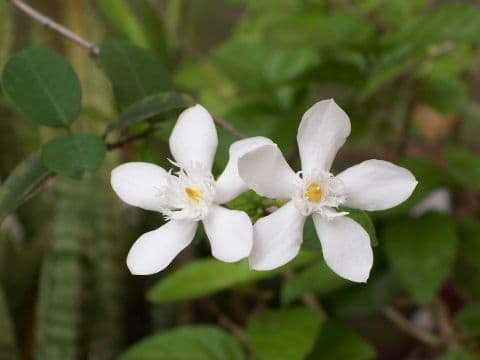
Wrightia
Wrightia is a genus of flowering plants in the Apocynaceae family, native to tropical and subtropical regions of Asia and Australia. Several species — most notably Wrightia religiosa and Wrightia antidysenterica — are celebrated for their exquisite small white flowers with a delicate, sweet fragrance. In Southeast Asian cultures, wrightia blossoms carry spiritual significance and are commonly used in religious offerings and ceremonies, their pure white petals symbolizing peace and purity. In perfumery, wrightia occupies a similar space: clean, innocent, and quietly beautiful. As a fragrance note, wrightia belongs to the family of delicate white florals — kin to jasmine and stephanotis, but lighter and more transparent. Its sweetness is gentle rather than heady, with an almost powdery softness that makes it exceptionally wearable and refined. Unlike the more assertive tropical florals, wrightia has a meditative quality that perfumers use to create a sense of quiet elegance. It pairs beautifully with other white florals, light musks, sandalwood, orris, and soft aquatic notes that allow its transparency to shine. Fragrances featuring wrightia tend to be graceful, serene, and quietly luxurious — ideal for those who appreciate subtlety and refinement in their scent. At Fragrenza, we celebrate the full spectrum of beautiful florals, offering wrightia-featuring fragrances as thoughtfully crafted, accessible alternatives to high-end perfume collections.
Y
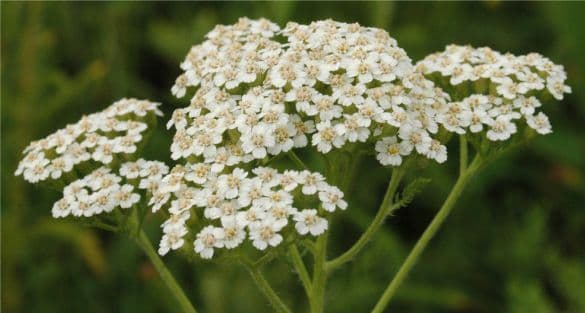
Yarrow
Yarrow (Achillea millefolium) is a hardy, flowering herb found across the temperate regions of the Northern Hemisphere, recognized by its flat-topped clusters of tiny white or pale pink flowers and its finely divided, feathery leaves. One of humanity's oldest medicinal plants — used since at least the time of the ancient Greeks — yarrow has a complex, distinctly herbaceous scent that combines green, camphorous, and slightly bitter medicinal qualities with a faint, sweet undertone. Its essential oil, often deep blue due to chamazulene content, is prized in aromatherapy and artisan perfumery alike. As a fragrance note, yarrow adds a crisp, authentic herbal character that feels genuinely botanical and rooted in the natural world. It occupies a space between herbal and green accords, carrying a slightly astringent edge that keeps it sharp and interesting without becoming purely medicinal. Perfumers use yarrow to add depth and complexity to fougere and aromatic fragrance families, where its slightly bitter-sweet profile complements lavender, oakmoss, geranium, and woody bases. It's also used in chypre-adjacent compositions and earthy, outdoorsy fragrances that evoke wild meadows and countryside walks. Fragrances featuring yarrow tend to appeal to those who love nature-inspired, genuinely herbal scents that feel alive and unpolished. At Fragrenza, we offer a range of aromatic and green fragrances highlighting notes like yarrow as high-quality, accessible alternatives to artisan and niche perfume houses.
- 🌿
Yellow apple
Yellow apple is a fruity note that adds juiciness, color, and natural sweetness. It may feel crisp and tart, ripe and velvety, tropical and creamy, or dark and jammy depending on the fruit profile. In perfumery, fruity notes brighten florals, soften musks, and add pleasure to gourmand or woody structures. It pairs well with rose, peony, jasmine, white musk, vanilla, woods, citrus, amber, and soft spices.
- 🌿
Yellow blossoms
Yellow blossoms is a floral note that gives a fragrance softness, radiance, and emotional warmth. Depending on the flower or accord, it may feel fresh, creamy, powdery, honeyed, green, indolic, or airy. In perfumery, floral notes often form the heart of a composition, adding body and a recognizable signature. It pairs well with citrus, white musk, rose, jasmine, sandalwood, amber, vanilla, iris, and delicate fruits.
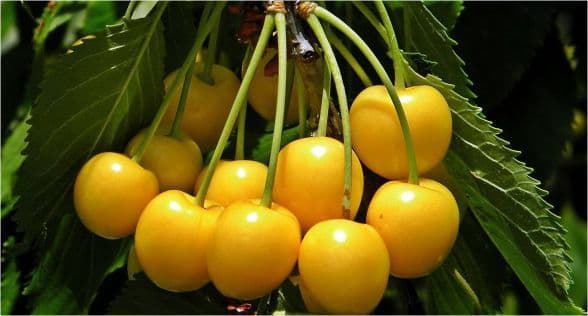
Yellow Cherry
Yellow cherry — varieties like Rainier, Royal Ann, and Golden Sweet — is a distinct sensory experience from its dark red counterparts. Where black or Bing cherries lean into deep, jammy sweetness with dark fruit complexity, yellow cherry is lighter, brighter, and more floral in character. The flesh is honeyed and sweet with a gentle tartness that keeps things lively, and there's a delicate floral undertone that brings it closer to nectarine or white peach than to traditional cherry. In perfumery, the yellow cherry note captures this sunlit, optimistic quality beautifully. As a fragrance ingredient, yellow cherry functions as a radiant, luminous fruit note that sits comfortably between the sweet-fruity and floral families. It adds a juicy brightness without the heavy, syrupy quality that can weigh down darker fruit notes. Perfumers use it to lift compositions and introduce a summery, cheerful energy — it pairs especially well with white florals like lily of the valley and magnolia, fresh citrus, light woods, and clean musks. In gourmand contexts, it also blends beautifully with almond, vanilla, and light cream notes. Fragrances featuring yellow cherry tend to feel joyful, approachable, and full of warm-weather optimism — perfect for those who love fruity-floral scents that radiate positivity. At Fragrenza, we offer a wonderful selection of fragrances built around bright fruit notes like yellow cherry, available as high-quality, budget-friendly alternatives to prestige perfumes.
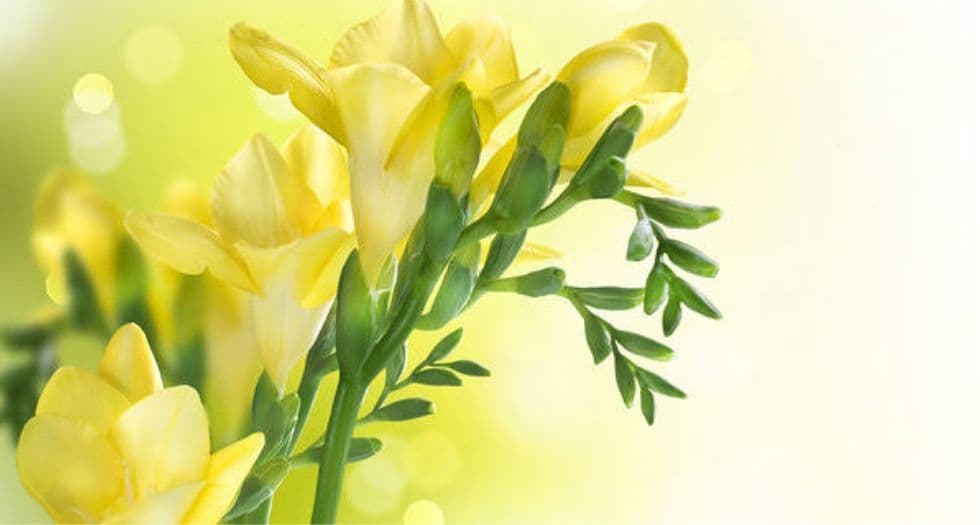
Yellow Freesia
Yellow Freesia is a floral note with fresh petals, soft sweetness, and a refined natural brightness. In perfumery, it can add elegance, color, and lift to floral bouquets, musks, fruity florals, powdery accords, and modern feminine compositions.
- 🌿
Yellow fruits
Yellow fruits is a fruity note that adds juiciness, color, and natural sweetness. It may feel crisp and tart, ripe and velvety, tropical and creamy, or dark and jammy depending on the fruit profile. In perfumery, fruity notes brighten florals, soften musks, and add pleasure to gourmand or woody structures. It pairs well with rose, peony, jasmine, white musk, vanilla, woods, citrus, amber, and soft spices.
- 🌿
Yellow gardenia
Yellow gardenia is a floral note that gives a fragrance softness, radiance, and emotional warmth. Depending on the flower or accord, it may feel fresh, creamy, powdery, honeyed, green, indolic, or airy. In perfumery, floral notes often form the heart of a composition, adding body and a recognizable signature. It pairs well with citrus, white musk, rose, jasmine, sandalwood, amber, vanilla, iris, and delicate fruits.
- 🌿
Yellow geranium
Yellow geranium is a floral note that gives a fragrance softness, radiance, and emotional warmth. Depending on the flower or accord, it may feel fresh, creamy, powdery, honeyed, green, indolic, or airy. In perfumery, floral notes often form the heart of a composition, adding body and a recognizable signature. It pairs well with citrus, white musk, rose, jasmine, sandalwood, amber, vanilla, iris, and delicate fruits.
- 🌿
Yellow iris
Yellow iris is a floral note that gives a fragrance softness, radiance, and emotional warmth. Depending on the flower or accord, it may feel fresh, creamy, powdery, honeyed, green, indolic, or airy. In perfumery, floral notes often form the heart of a composition, adding body and a recognizable signature. It pairs well with citrus, white musk, rose, jasmine, sandalwood, amber, vanilla, iris, and delicate fruits.
- 🌿
Yellow lady's slipper orchid
Yellow lady's slipper orchid is a floral note that gives a fragrance softness, radiance, and emotional warmth. Depending on the flower or accord, it may feel fresh, creamy, powdery, honeyed, green, indolic, or airy. In perfumery, floral notes often form the heart of a composition, adding body and a recognizable signature. It pairs well with citrus, white musk, rose, jasmine, sandalwood, amber, vanilla, iris, and delicate fruits.
- 🌿
Yellow magnolia
Yellow magnolia is a floral note that gives a fragrance softness, radiance, and emotional warmth. Depending on the flower or accord, it may feel fresh, creamy, powdery, honeyed, green, indolic, or airy. In perfumery, floral notes often form the heart of a composition, adding body and a recognizable signature. It pairs well with citrus, white musk, rose, jasmine, sandalwood, amber, vanilla, iris, and delicate fruits.
- 🌿
Yellow Mandarin
Hassaku (Citrus hassaku) is a Japanese citrus fruit whose name translates roughly as the first of August — traditionally the time of its harvest — though it is enjoyed throughout the winter months in Japan, where it is cultivated primarily in the Hiroshima and Wakayama regions. A natural hybrid believed to have originated in Buddhist temple gardens, hassaku has a striking appearance and an equally distinctive flavour profile: bittersweet and refreshing, with a clean peel brightness, a gentle floral quality, and a pleasant bitter finish that distinguishes it sharply from sweeter citruses. In perfumery, hassaku offers a sophisticated citrus note prized for its complexity and restraint. Where yuzu is bright and tart, and bergamot is floral and smooth, hassaku occupies a nuanced middle ground: its bittersweet character lends depth and longevity unusual for citrus materials, while a subtle floral-peel facet adds elegance. This makes it a particularly interesting material for perfumers seeking citrus modernity — something that reads as refined and unexpected rather than simply fresh. It works beautifully in clean citrus-floral, Japanese-inspired, and sophisticated fougère compositions. Hassaku is gaining recognition in niche and artisan perfumery as interest in Japanese botanical ingredients grows globally. At Fragrenza, our Hassaku collection explores this nuanced and beautiful citrus — offering clean, bittersweet, and distinctly contemporary fragrances of the highest quality at prices designed to make rare ingredients a daily pleasure.
- 🌿
Yellow muscatel grape
Yellow muscatel grape is a fruity note that adds juiciness, color, and natural sweetness. It may feel crisp and tart, ripe and velvety, tropical and creamy, or dark and jammy depending on the fruit profile. In perfumery, fruity notes brighten florals, soften musks, and add pleasure to gourmand or woody structures. It pairs well with rose, peony, jasmine, white musk, vanilla, woods, citrus, amber, and soft spices.
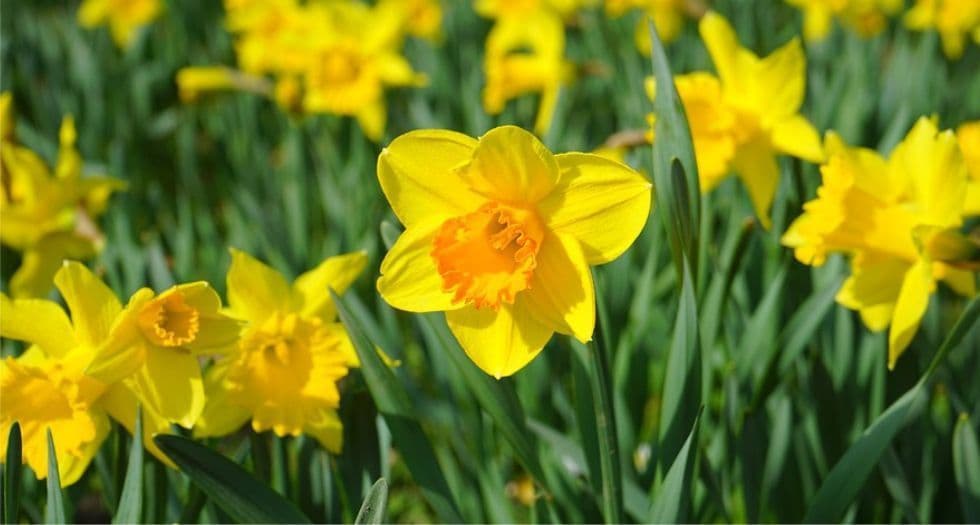
Yellow Narcissus
Yellow Narcissus is a floral note with fresh petals, soft sweetness, and a refined natural brightness. In perfumery, it can add elegance, color, and lift to floral bouquets, musks, fruity florals, powdery accords, and modern feminine compositions.
- 🌿
Yellow peach
Yellow peach is a fruity note that adds juiciness, color, and natural sweetness. It may feel crisp and tart, ripe and velvety, tropical and creamy, or dark and jammy depending on the fruit profile. In perfumery, fruity notes brighten florals, soften musks, and add pleasure to gourmand or woody structures. It pairs well with rose, peony, jasmine, white musk, vanilla, woods, citrus, amber, and soft spices.
- 🌿
Yellow peony
Yellow peony is a floral note that gives a fragrance softness, radiance, and emotional warmth. Depending on the flower or accord, it may feel fresh, creamy, powdery, honeyed, green, indolic, or airy. In perfumery, floral notes often form the heart of a composition, adding body and a recognizable signature. It pairs well with citrus, white musk, rose, jasmine, sandalwood, amber, vanilla, iris, and delicate fruits.
- 🌿
Yellow plum
Yellow plum is a fruity note that adds juiciness, color, and natural sweetness. It may feel crisp and tart, ripe and velvety, tropical and creamy, or dark and jammy depending on the fruit profile. In perfumery, fruity notes brighten florals, soften musks, and add pleasure to gourmand or woody structures. It pairs well with rose, peony, jasmine, white musk, vanilla, woods, citrus, amber, and soft spices.
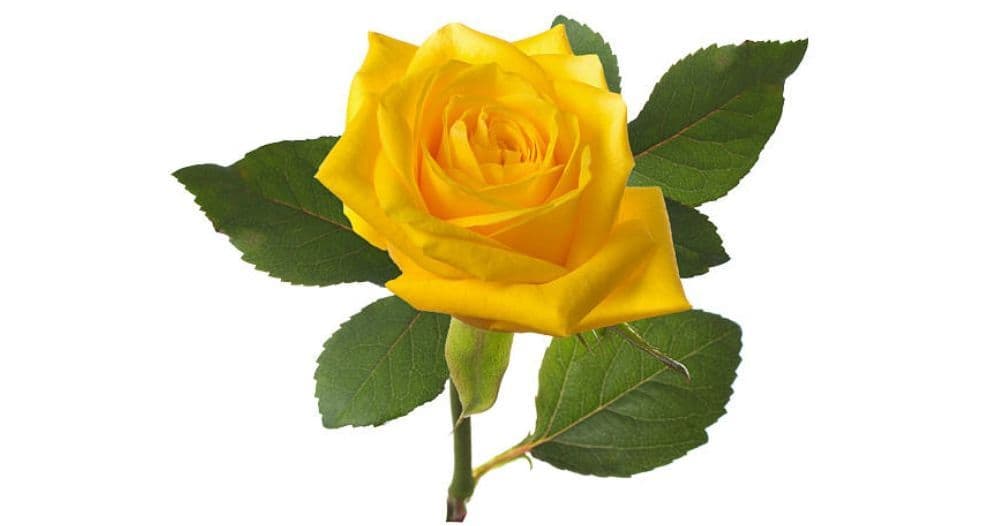
Yellow Rose
Yellow Rose is a floral note with fresh petals, soft sweetness, and a refined natural brightness. In perfumery, it can add elegance, color, and lift to floral bouquets, musks, fruity florals, powdery accords, and modern feminine compositions.
- 🌿
Yemenite frankincense
Yemenite frankincense is a warm ambered or resinous note used to give fragrance depth, softness, and long-lasting richness. It can smell balsamic, sweet, smoky, vanillic, woody, powdery, or incense-like depending on the material. In perfumery, it rounds sharp edges and creates a smooth base that holds the composition together. It pairs well with woods, musks, spices, vanilla, tobacco, leather, florals, oud, and other resins.
- 🌿
Yemenite musk
Yemenite musk is a soft textural note that creates warmth, smoothness, and a skin-like finish. It may feel clean, powdery, woody, velvety, slightly fruity, or fabric-like depending on the accord. In perfumery, these notes bind the formula, soften stronger materials, and extend wear without dominating the fragrance. It pairs well with florals, woods, citrus, amber, iris, fruits, suede, vanilla, and transparent musks.
- 🌿
Yemenite opoponax
Yemenite opoponax is a warm ambered or resinous note used to give fragrance depth, softness, and long-lasting richness. It can smell balsamic, sweet, smoky, vanillic, woody, powdery, or incense-like depending on the material. In perfumery, it rounds sharp edges and creates a smooth base that holds the composition together. It pairs well with woods, musks, spices, vanilla, tobacco, leather, florals, oud, and other resins.
- 🌿
Yew
Yew is a specialty note used to give a fragrance a distinctive texture, mood, or material impression. Depending on interpretation, it may contribute freshness, warmth, sweetness, dryness, softness, or an abstract atmospheric effect. In perfumery, specialty notes are useful because they make a composition feel more specific and less generic. It can be paired with woods, musks, florals, resins, fruits, green notes, spices, or amber materials according to the intended style.
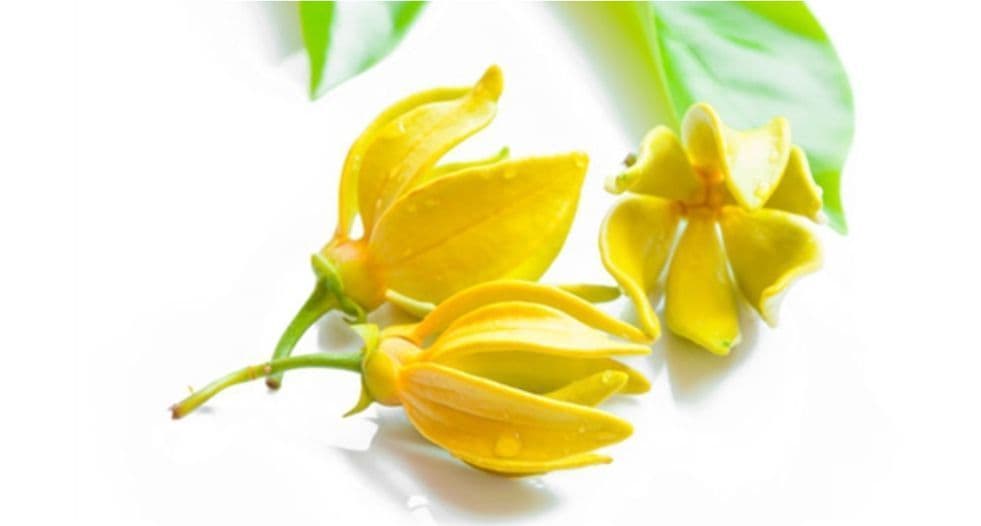
Ylang-ylang
Ylang-ylang is among the most intoxicating florals in the perfumer's palette — a tropical bloom of extraordinary richness and complexity that has been central to fine fragrance for well over a century. The ylang-ylang tree (Cananga odorata) is native to the tropical forests of Southeast Asia, and thrives particularly in the Comoro Islands, Madagascar, Indonesia, and the Philippines, where the finest quality essential oil is produced. The large, star-shaped yellow flowers are harvested by hand and processed through steam distillation, producing an oil of remarkable depth. The scent of ylang-ylang is lush, heady, and multifaceted. At its heart it is deeply floral — sweet and rich with a creamy, almost narcotic quality — but it also carries surprising secondary facets: a rubbery, banana-like sweetness, a woody undertone, and a slight spicy edge that prevents it from ever becoming simply "pretty." The distillation process produces several grades of ylang-ylang oil (extra, I, II, III, and complete), each with a slightly different character — from the most refined and floral extra grade to the deeper, woodier complete oil. In perfumery, ylang-ylang is prized for its ability to add tropical warmth, voluptuous sweetness, and a distinctive exotic character that few other florals can replicate. It has been a key ingredient in classics such as Chanel No. 5, where its richness adds body and sensuality to the legendary aldehydic floral accord. It blends beautifully with jasmine, tuberose, rose, and sandalwood. At Fragrenza, our ylang-ylang inspired-by fragrances celebrate this magnificent tropical bloom, capturing its lush complexity in compositions that echo the world's most beloved luxury florals. Shop for ylang ylang? [Fragrenza](https://fragrenza.com/collections/ylang-ylang-fragrances) curates a focused selection.
- 🌿
Ylang-ylang absolute
Ylang-ylang absolute is a floral note that adds softness, radiance, and emotional warmth to a composition. Depending on the flower or accord, it can feel fresh, creamy, powdery, honeyed, green, indolic, or airy. In perfumery, floral notes often form the heart of a fragrance, giving it body and a recognizable character. Ylang-ylang absolute pairs well with citrus, white musk, rose, jasmine, sandalwood, amber, vanilla, iris, and delicate fruits, making it useful in both classic bouquets and modern transparent florals.
- 🌿
Ylangylang
Ylang-ylang is a lush tropical floral note known for its creamy sweetness, banana-like nuance, and sensual solar warmth. Distilled from the flowers of Cananga odorata, it can smell rich, exotic, slightly spicy, and narcotic while still retaining a soft floral glow. In perfumery, ylang-ylang is used to add voluptuousness and warmth to white florals, ambers, orientals, and tropical compositions. It pairs beautifully with jasmine, tuberose, coconut, vanilla, sandalwood, patchouli, citrus, and musks.
- 🌿
Yogurt
The yogurt note in perfumery is part of the broader lactonic family — ingredients that evoke dairy-derived creaminess, from fresh milk to cultured cream and beyond. Unlike straight milk notes, yogurt brings an additional dimension: a gentle tartness, a subtle fermented quality, and a thick, velvety richness that recalls the real thing. It's a note that reads simultaneously as deeply comforting and pleasantly complex, sitting at the crossroads of gourmand indulgence and soft, skin-like sensuality. In fragrance compositions, yogurt notes are used to add creamy depth and a milky smoothness that softens sharper or more angular elements. The slight tanginess prevents it from becoming saccharine, giving it a more grown-up, nuanced character than simple vanilla or caramel sweetness. Perfumers pair yogurt with fruity notes (peach, lychee, coconut) to create luscious, dessert-inspired accords, or with florals like rose and iris to add a powdery, skin-close creaminess. It's also found layered alongside musks and sandalwood in compositions meant to evoke warm, clean skin. Fragrances centered on the yogurt note tend to feel indulgent, cozy, and softly sensual — ideal for fans of creamy, close-wearing scents that feel like a second skin. At Fragrenza, we offer a curated range of such gourmand and lactonic fragrances as accessible, high-quality alternatives to some of perfumery's most celebrated creations.
yohimbe
Yohimbe is a tall evergreen tree native to the rainforests of West and Central Africa, including Cameroon, Nigeria, and Gabon. Traditionally harvested for its bark, yohimbe has a long history of use in West African cultures and has attracted global attention for its distinctive aromatic character. In perfumery, the yohimbe bark note contributes an earthy, woody, and subtly bitter quality — raw and natural-feeling, evoking deep forest undergrowth and ancient, weathered timber. As a fragrance ingredient, yohimbe brings a grounded, slightly medicinal earthiness that adds complexity and authenticity to woody and aromatic compositions. Its mild bitterness creates textural contrast when paired with sweeter or creamier elements, and its deep forest character anchors compositions with a sense of place and origin. It works particularly well alongside other bark and resinous notes — patchouli, vetiver, oakmoss, and labdanum — as well as with smoky accords and animalic musks that share its untamed, organic feel. Fragrances featuring yohimbe tend to appeal to those who gravitate toward deep, characterful, and slightly challenging scents with real personality — woody compositions that feel genuinely rooted in nature. At Fragrenza, we curate a selection of such bold, nature-inspired fragrances and offer them as high-quality alternatives to luxury perfumes at prices that invite everyday exploration.
- 🌿
Yucatan jasmine
Yucatan jasmine is a floral note that gives a fragrance softness, radiance, and emotional warmth. Depending on the flower or accord, it may feel fresh, creamy, powdery, honeyed, green, indolic, or airy. In perfumery, floral notes often form the heart of a composition, adding body and a recognizable signature. It pairs well with citrus, white musk, rose, jasmine, sandalwood, amber, vanilla, iris, and delicate fruits.
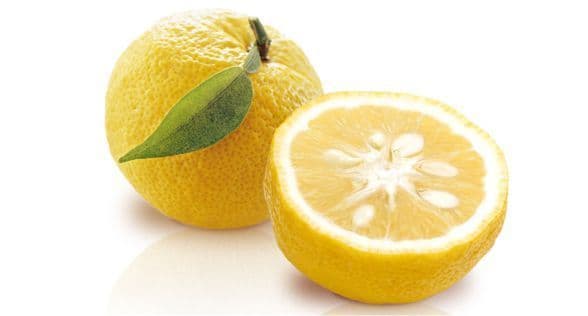
Yuzu
Yuzu is a small, intensely aromatic citrus fruit native to East Asia, cultivated extensively in Japan, Korea, and China. Prized in Japanese cuisine for its uniquely complex juice and zest, yuzu has become one of the most sought-after citrus ingredients in modern perfumery. What makes it truly special is its layered aromatic profile: simultaneously tart and bright like lemon, floral like mandarin blossom, and carrying a distinctive terpenic, almost piney quality that sets it apart from any other citrus fruit. In perfume, yuzu functions as a luminous, sparkling top note that instantly energizes a composition. Its complexity means it adds dimension where a simple lemon or bergamot might fall flat — the floral nuance keeps it from reading as purely sharp or acidic, while the terpenic edge gives it a bracing, invigorating depth. It pairs magnificently with green tea, white florals, sheer musks, hinoki wood, and aquatic accords, making it central to Japanese-inspired and fresh-oriental fragrances. Yuzu also appears in Western niche and designer fragrances as a sophisticated alternative to conventional citrus ingredients. Fragrances featuring yuzu tend to feel crisp, refined, and effortlessly elegant — perfect for lovers of bright, sophisticated citrus scents. At Fragrenza, we offer a wide range of yuzu-forward fragrances as high-quality, accessible alternatives to luxury perfume houses, so you can enjoy this exceptional ingredient every day.
- 🌿
Yuzu blossom
Yuzu blossom is a citrus note that adds sparkle, freshness, and immediate lift to a fragrance. Its profile can include juicy pulp, aromatic peel, green bitterness, soft floral nuances, or a sharp zesty brightness depending on the material. In perfumery, it is usually used in the opening, where it brings clarity and motion before blending into florals, woods, musks, or herbs. It pairs well with neroli, tea, lavender, white musk, light woods, aquatic notes, and aromatic herbs.
- 🌿
Yuzu bud
Yuzu bud is a citrus note that adds sparkle, freshness, and immediate lift to a fragrance. Its profile can include juicy pulp, aromatic peel, green bitterness, soft floral nuances, or a sharp zesty brightness depending on the material. In perfumery, it is usually used in the opening, where it brings clarity and motion before blending into florals, woods, musks, or herbs. It pairs well with neroli, tea, lavender, white musk, light woods, aquatic notes, and aromatic herbs.
- 🌿
Yuzu wood
Yuzu wood is a citrus note that adds sparkle, freshness, and immediate lift to a fragrance. Its profile can include juicy pulp, aromatic peel, green bitterness, soft floral nuances, or a sharp zesty brightness depending on the material. In perfumery, it is usually used in the opening, where it brings clarity and motion before blending into florals, woods, musks, or herbs. It pairs well with neroli, tea, lavender, white musk, light woods, aquatic notes, and aromatic herbs.
- 🌿
Yuzu zest
Yuzu zest is a citrus note that adds sparkle, freshness, and immediate lift to a fragrance. Its profile can include juicy pulp, aromatic peel, green bitterness, soft floral nuances, or a sharp zesty brightness depending on the material. In perfumery, it is usually used in the opening, where it brings clarity and motion before blending into florals, woods, musks, or herbs. It pairs well with neroli, tea, lavender, white musk, light woods, aquatic notes, and aromatic herbs.
Z
- 🌿
Zantedeschia
Zantedeschia is a specialty note used to give a fragrance a distinctive texture, mood, or material impression. Depending on interpretation, it may contribute freshness, warmth, sweetness, dryness, softness, or an abstract atmospheric effect. In perfumery, specialty notes are useful because they make a composition feel more specific and less generic. It can be paired with woods, musks, florals, resins, fruits, green notes, spices, or amber materials according to the intended style.
- 🌿
Zanzibar black pepper
Zanzibar black pepper is a uniquely fragrant variety from the East African spice islands — warmer, sweeter, and more aromatic than mainland pepper, with subtle clove-like and floral nuances. In perfumery, it adds exotic warmth to oriental, woody, and rose-based compositions.
- 🌿
Zanzibar clove
Zanzibar clove is a spicy note that gives fragrance heat, texture, and aromatic energy. It can feel sweet, dry, peppery, resinous, herbal, smoky, or slightly medicinal depending on the material. In perfumery, spices create contrast, deepen the heart, and bridge fresh top notes with warm woody or amber bases. It pairs especially well with citrus, rose, tobacco, vanilla, oud, sandalwood, patchouli, leather, and balsamic resins.
Zefir
Zefir — not to be confused with the Western zephyr wind — is a beloved Russian confection with roots stretching back centuries. Made from whipped fruit puree, sugar, and egg whites, it is lighter and more delicate than a marshmallow, with a soft, melt-in-the-mouth texture and a gently fruity, vanilla-kissed sweetness. In perfumery, the zefir note translates this beloved treat into olfactory form, evoking clouds of creamy, airy sweetness with a soft fruit undertone and a warm, vanilla-inflected finish. As a gourmand note, zefir occupies a uniquely sophisticated space. Unlike overtly sugary candy notes, it possesses an almost ethereal quality — the creaminess is lush but never cloying, and the fruit element (often apple or berry-adjacent) keeps it feeling bright and fresh. Perfumers use zefir accords to add warmth and comfort to a composition without veering into heavy dessert territory. It pairs beautifully with soft musks, white florals, and light woods, making it versatile across a range of gourmand and floriental fragrances. Fragrances built around zefir tend to feel cozy, nostalgic, and deeply comforting — ideal for those who adore sweet, skin-close scents that feel like a warm embrace. At Fragrenza, we carry a beautiful selection of zefir-inspired fragrances, offering high-quality alternatives to prestige perfumes at prices that make indulgence accessible every day.
- 🌿
Zinfandel grape liqueur
Zinfandel grape liqueur is a fruity note that adds juiciness, color, and natural sweetness. It may feel crisp and tart, ripe and velvety, tropical and creamy, or dark and jammy depending on the fruit profile. In perfumery, fruity notes brighten florals, soften musks, and add pleasure to gourmand or woody structures. It pairs well with rose, peony, jasmine, white musk, vanilla, woods, citrus, amber, and soft spices.
- 🌿
Zinnia
Zinnia is a vibrant, sun-loving flower native to Mexico and Central America, beloved in gardens worldwide for its bold colors and long-lasting blooms. In perfumery, the zinnia note captures the plant's fresh, green, and mildly sweet character — evoking the crisp scent of stems just cut from the garden bed rather than a heavy, narcotic floral. It sits beautifully at the intersection of green and floral families, offering a natural, unforced quality that feels simultaneously alive and soothing. As an olfactory ingredient, zinnia contributes a clean, slightly watery freshness layered with soft petal sweetness and a faint, leafy green bitterness. Perfumers reach for it to add brightness and naturalism to floral accords, grounding headier flowers like rose or jasmine with something more grounded and botanical. It pairs especially well with citrus top notes, soft musks, and other green elements like violet leaf or cut grass, making it a welcome addition to springtime and garden-inspired compositions. Fragrances featuring zinnia tend to be airy and effortlessly wearable — perfect for those who love the scent of a fresh bouquet or an afternoon in a blooming garden. At Fragrenza, we offer a curated selection of fragrances that highlight zinnia's green-floral charm, bringing you high-quality dupe alternatives to luxury perfumes at accessible everyday prices.
- 🌿
Zucchini
Zucchini is a fresh green vegetable note with a watery, crisp, and softly vegetal character. In perfumery, it can be used to create a clean garden-like freshness, somewhere between cucumber, green leaves, and light aquatic notes. It works well in fresh, green, summer, spa-like, and naturalistic compositions where a cool vegetal softness is needed.