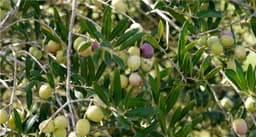
The olive tree (Olea europaea) is one of the oldest cultivated plants on earth, its origins entwined with the civilisations of the ancient Mediterranean. Olive trees are extraordinary survivors — gnarled, silver-leafed, and patient, some living for thousands of years in the same stony hillside soil. Their olfactory presence is distinctive and complex: the silvery-green, slightly dusty freshness of the leaves; the dry, woody character of ancient bark; the warm, mineral quality of sun-baked clay earth; and the faintly herbaceous, slightly bitter quality that speaks of arid, heat-bleached landscapes.
In contemporary niche perfumery, the olive tree note has emerged as a sophisticated and evocative choice for perfumers seeking a scent rooted in Mediterranean landscape rather than conventional florals or woods. The accord is typically built from a combination of violet leaf absolute (for its green, slightly powdery quality), woody molecules such as iso E super or cedramber, dry earthy elements, light herbal notes, and a subtle fruity-oily undertone that references the olive fruit itself. The result is a scent that feels ancient, calm, and deeply connected to a specific landscape — the rocky Aegean coast, a Provencal hillside, a Cretan valley in August heat.
Olive tree fragrances appeal to those who want a scent rooted in place and memory — unshowy, deeply characterful, and quietly beautiful. Fragrenza's olive tree collection features compelling dupe interpretations of green, woody, and Mediterranean-landscape fragrances for those who carry the spirit of the ancient groves with them.